Skin hydration — how it is measured and what actually helps
A corneometer measures the water in the outermost micrometres of the epidermis. What the percentages mean, and which mechanisms actually raise them.
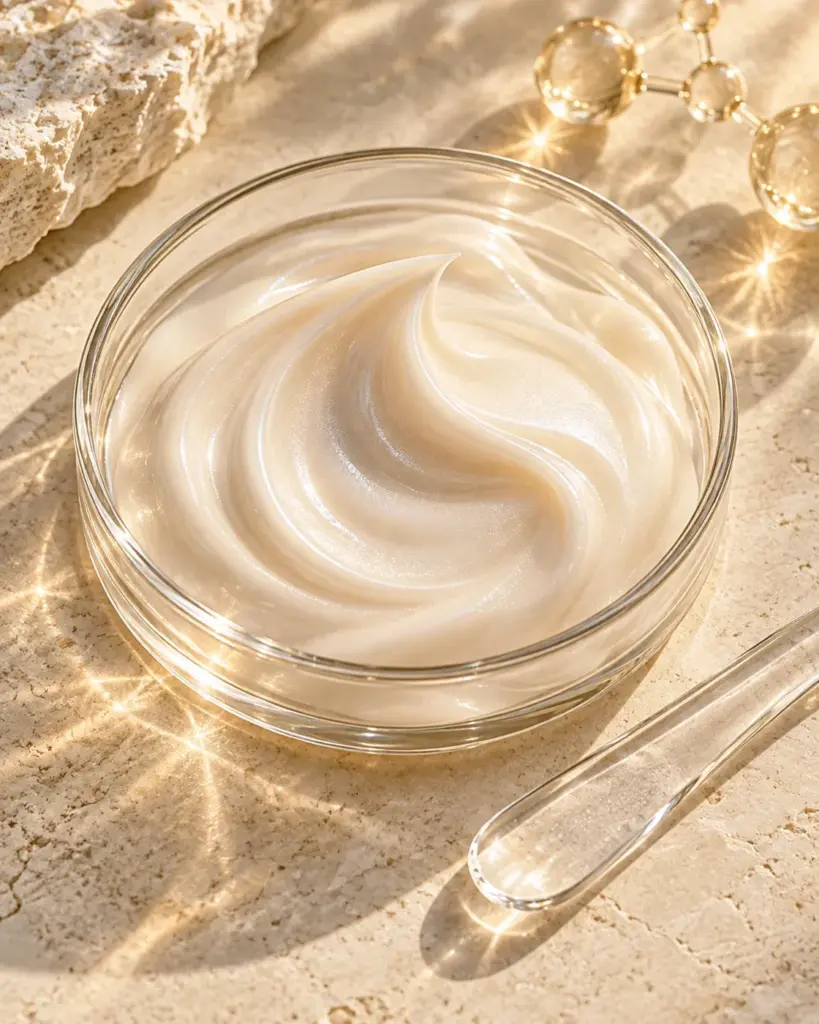
Skin hydration sounds like marketing language, yet it is one of the very few things in skincare that can be measured with an instrument and written down as a number. Cosmetic laboratories have done it for decades with one device — the corneometer — and its readings sit behind the percentages printed in study reports and on product pages.
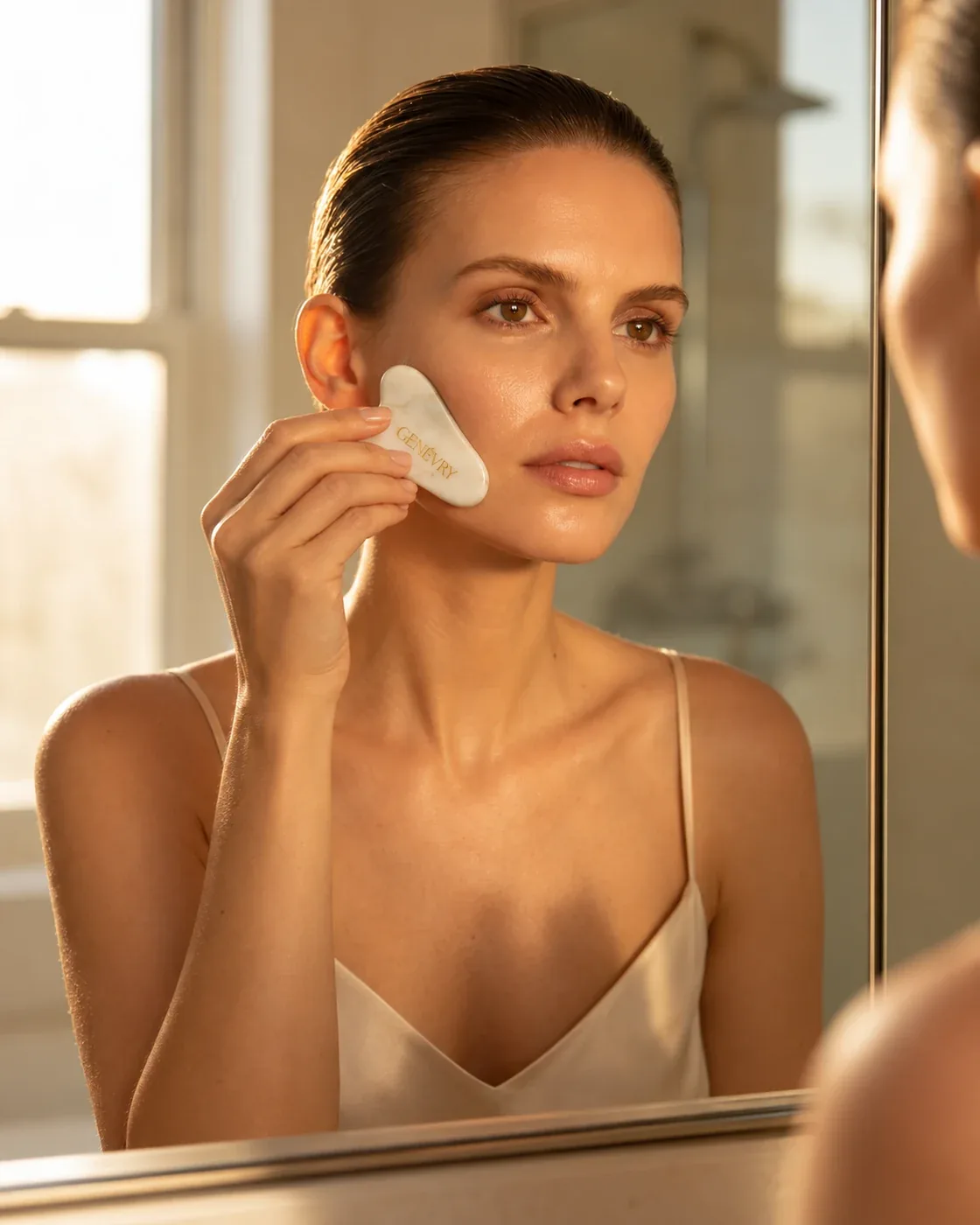
What follows: where the water in skin sits, how the measurement works and the conditions it needs, the difference between dry and dehydrated skin, which ingredient groups hold water, and what the GENÉVRY formulas recorded under instrumental testing.
The water lives in the stratum corneum
Hydration is not about the skin as a whole; deeper layers are always supplied with water by the bloodstream. The interesting part is the top ten to twenty micrometres — the stratum corneum, flattened, already dead corneocytes held together by lipids. It is the only layer whose water content swings hour to hour and season to season, and the only one skincare can influence.
Three things keep that water in place. The natural moisturising factor — amino acids, urea, lactate and PCA salts produced when filaggrin breaks down — behaves like a hygroscopic sponge inside the cells. The intercellular lipid matrix of ceramides, cholesterol and free fatty acids, arranged in ordered lamellae, slows water’s escape. And water crosses the barrier anyway, at a rate known as transepidermal water loss.
This is where the most common confusion sits. Dry skin is a type: little sebum, short on lipids. Dehydrated skin is a state: short on water, and oily skin gets there surprisingly often, usually after over-enthusiastic cleansing. The first needs lipids, the second water plus something to hold it. A corneometer separates the two far more reliably than a mirror.
How skin hydration is measured: the corneometer
The corneometer, usually the CM 825 model, exploits one physical property. Water has an unusually high dielectric constant, around 80, while most other substances in the epidermis sit below 7. The probe placed on the skin creates an electrical field and measures the capacitance of the surface: more water, higher capacitance. It reads roughly 10 to 20 micrometres deep — precisely the layer in question — and returns a result in arbitrary units from 0 to about 120.
The number alone means nothing without the conditions it was taken in. In credible testing they look like this:
| Condition | Standard | Why it matters |
|---|---|---|
| Room temperature | 20–22 °C | Warmth raises perspiration, inflating the reading |
| Relative humidity | 40–60% | The stratum corneum exchanges water with the air |
| Acclimatisation | 20–30 minutes, bare skin | The surface must reach equilibrium with the room |
| Number of readings | Several on one site, averaged | A single reading is easily an outlier |
| Reference point | Baseline taken before the trial | Results are reported as change from it |
This is why published work almost never quotes an absolute value, only a percentage increase from baseline. The thresholds that circulate in the literature — below roughly 30 units very dry, 30 to 40 dry, above 40 adequately hydrated — depend on body site and instrument, so they are a guide, not a diagnosis.
One neighbouring instrument gets confused with this one. A tewameter measures not how much water is present but how fast it leaves, in grams per square metre per hour — a barrier-integrity figure. Skin can show a decent reading and a high water-loss rate at once — then the problem is a leaky barrier, not hydration.
What genuinely moves the number
Moisturising ingredients fall into three groups, each with a different job. Mixing them up is the usual reason a sensible routine produces nothing.
| Group | What it does | Examples | In practice |
|---|---|---|---|
| Humectants | Bind water and draw it into the stratum corneum | Glycerin, hyaluronic acid, urea, panthenol | Apply to damp skin, always cover with a lipid layer |
| Emollients | Fill the gaps between corneocytes, smooth the surface | Squalane, ceramides, fatty acids, butters | Responsible for comfort and for how skin feels |
| Occlusives | Form a film that slows evaporation | Waxes, silicones, mineral oils | Most useful at night and in cold weather |
The classic mistake is a humectant alone in dry air. Hyaluronic acid binds many times its weight in water, but with none at the surface it pulls some from deeper in the epidermis and hands it to the room. A serum is always closed with a cream.
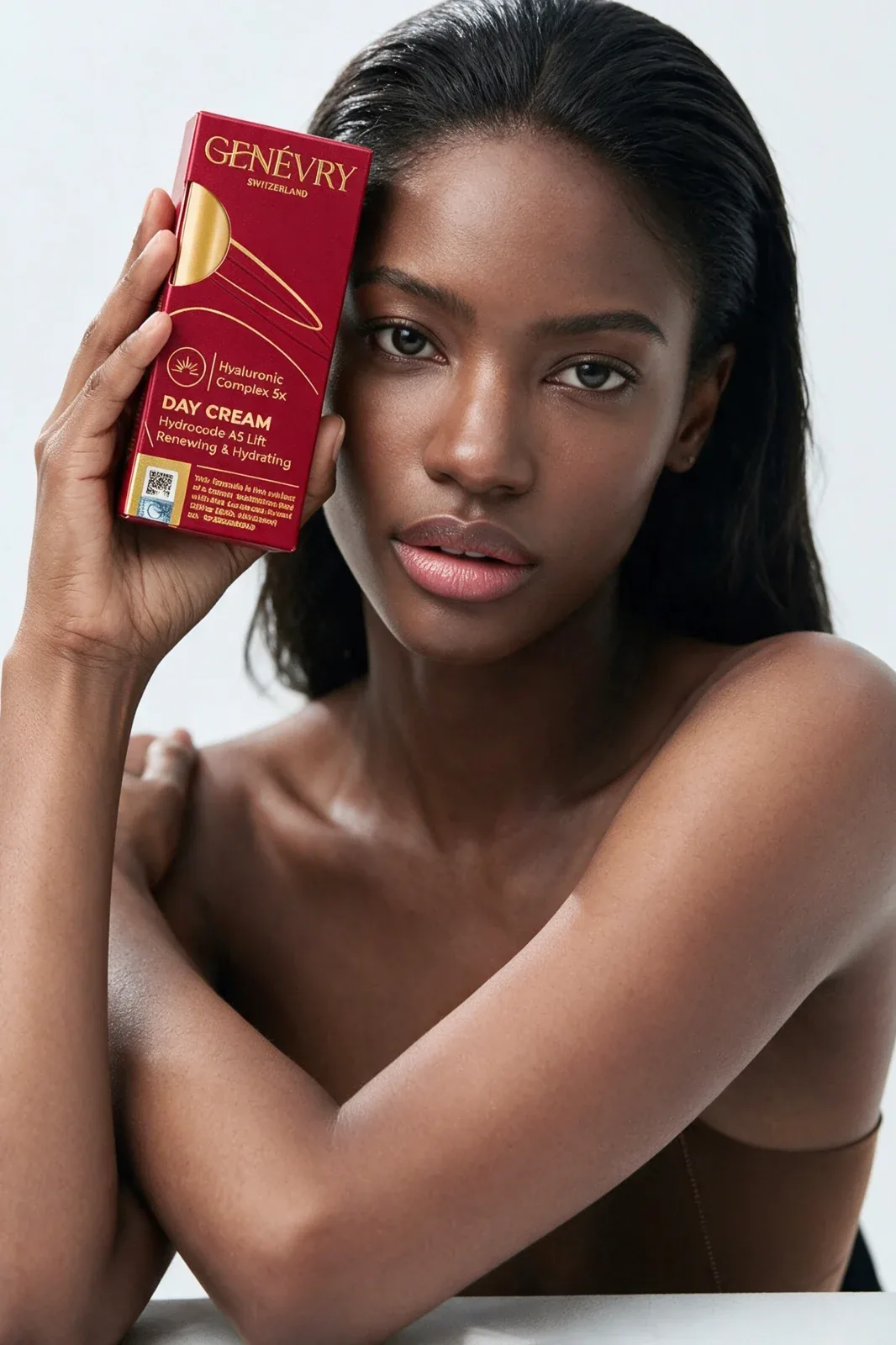
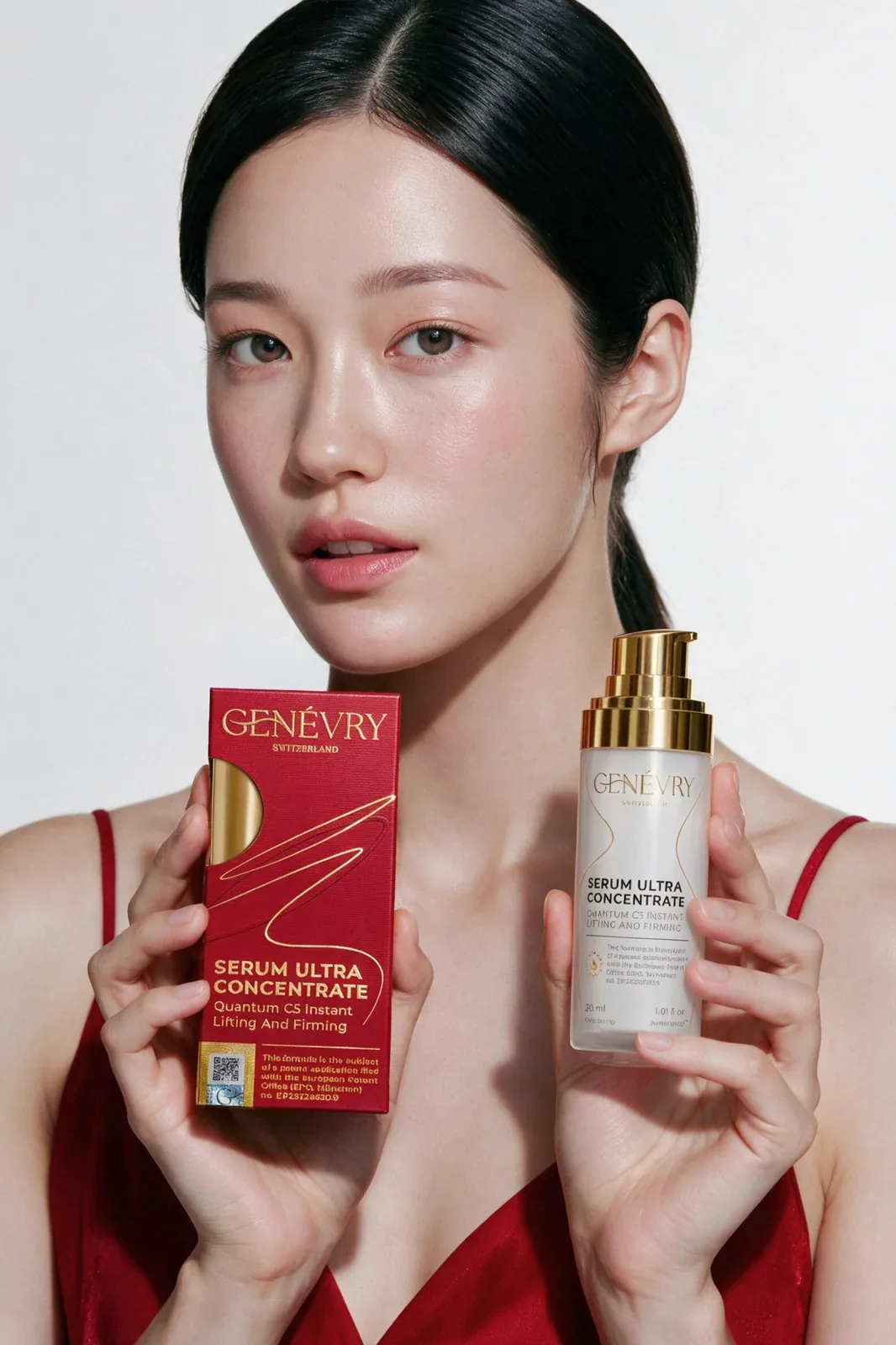
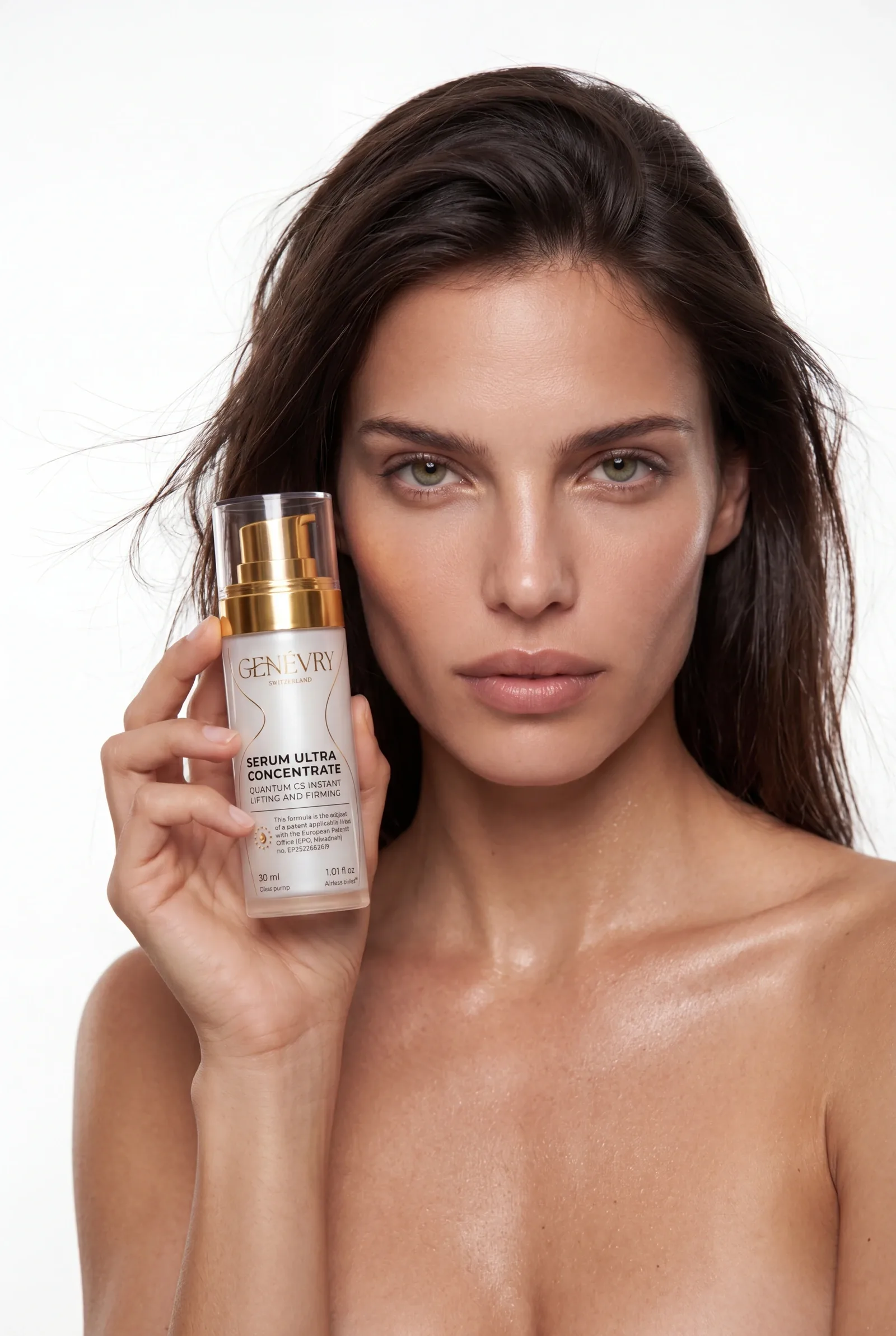
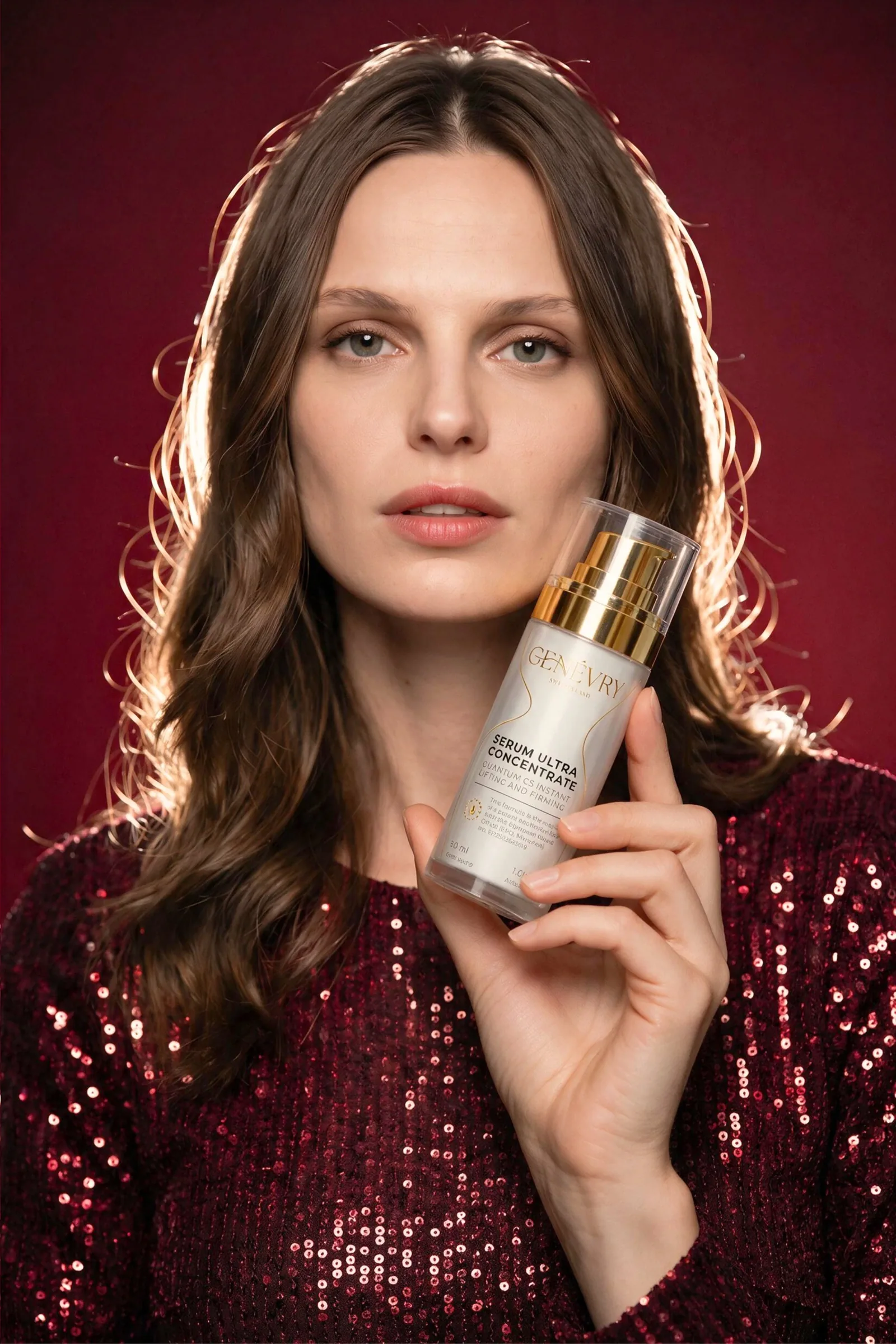
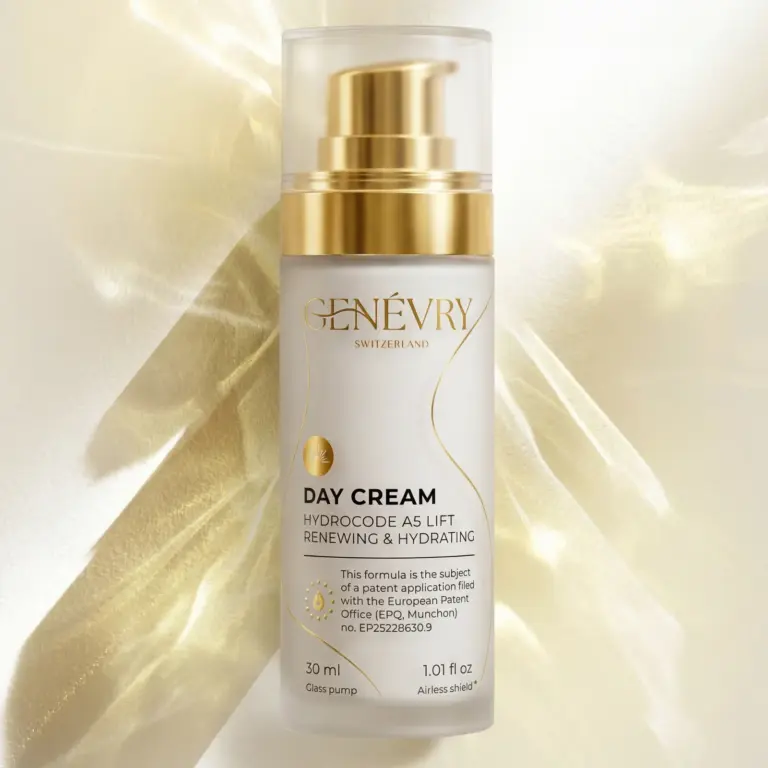
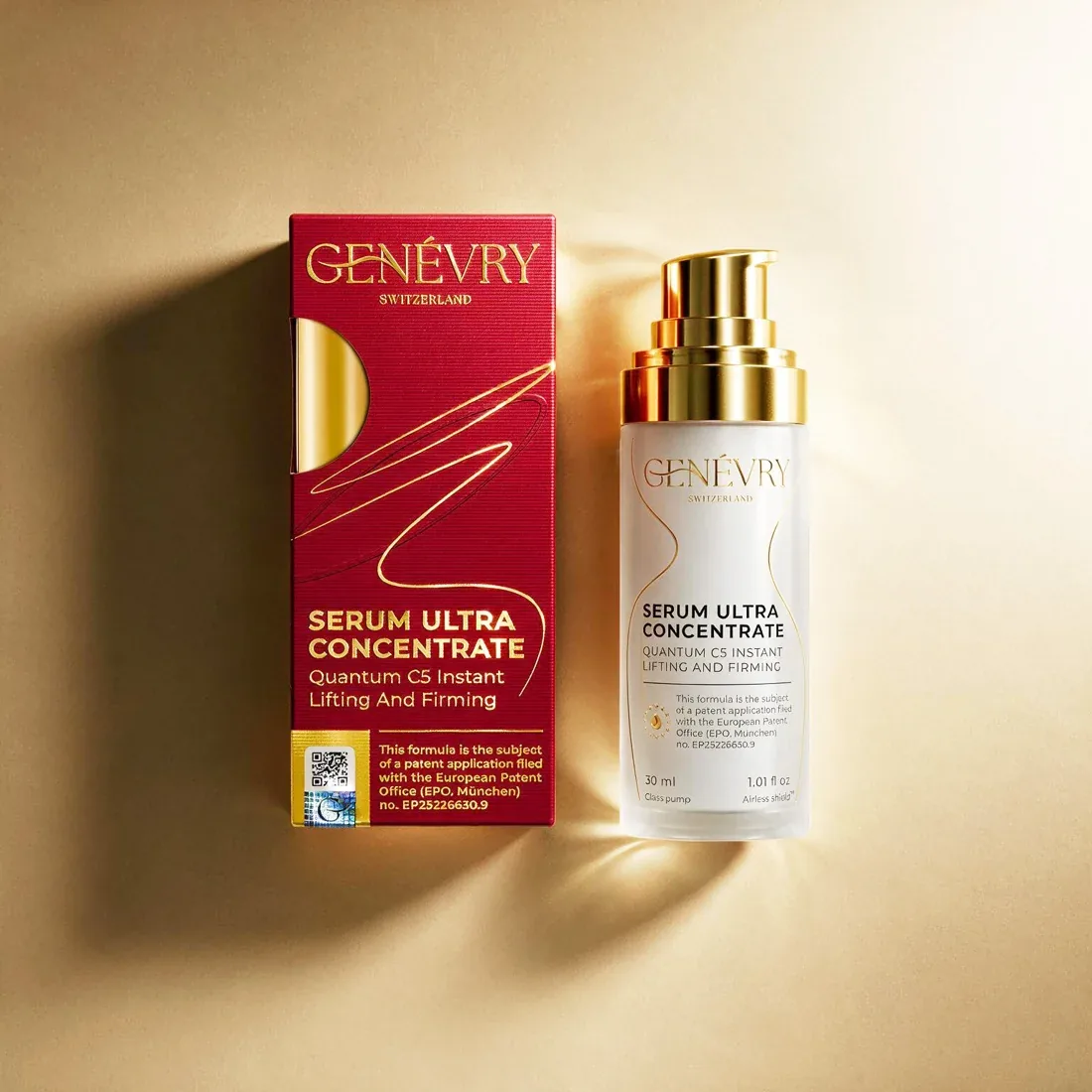
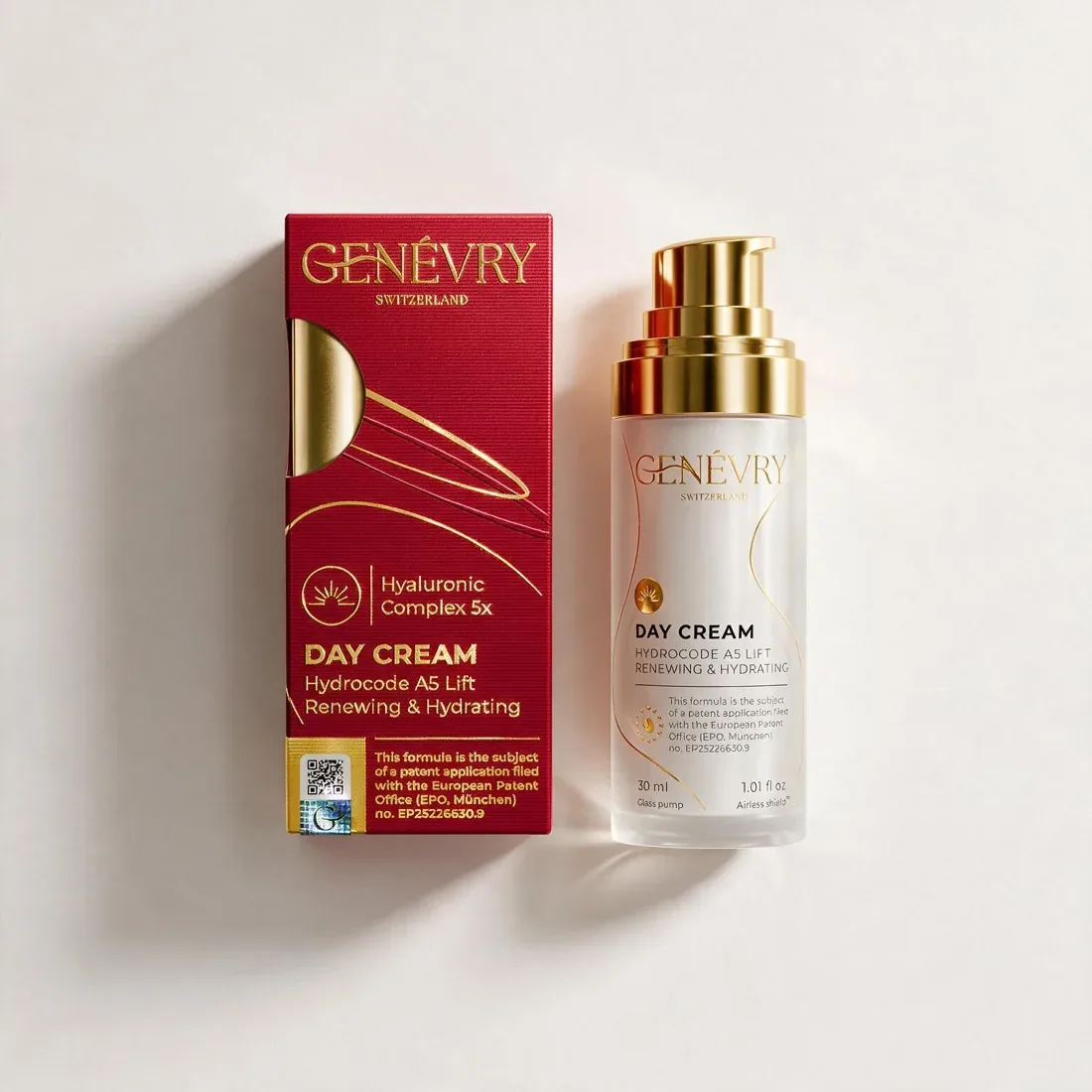
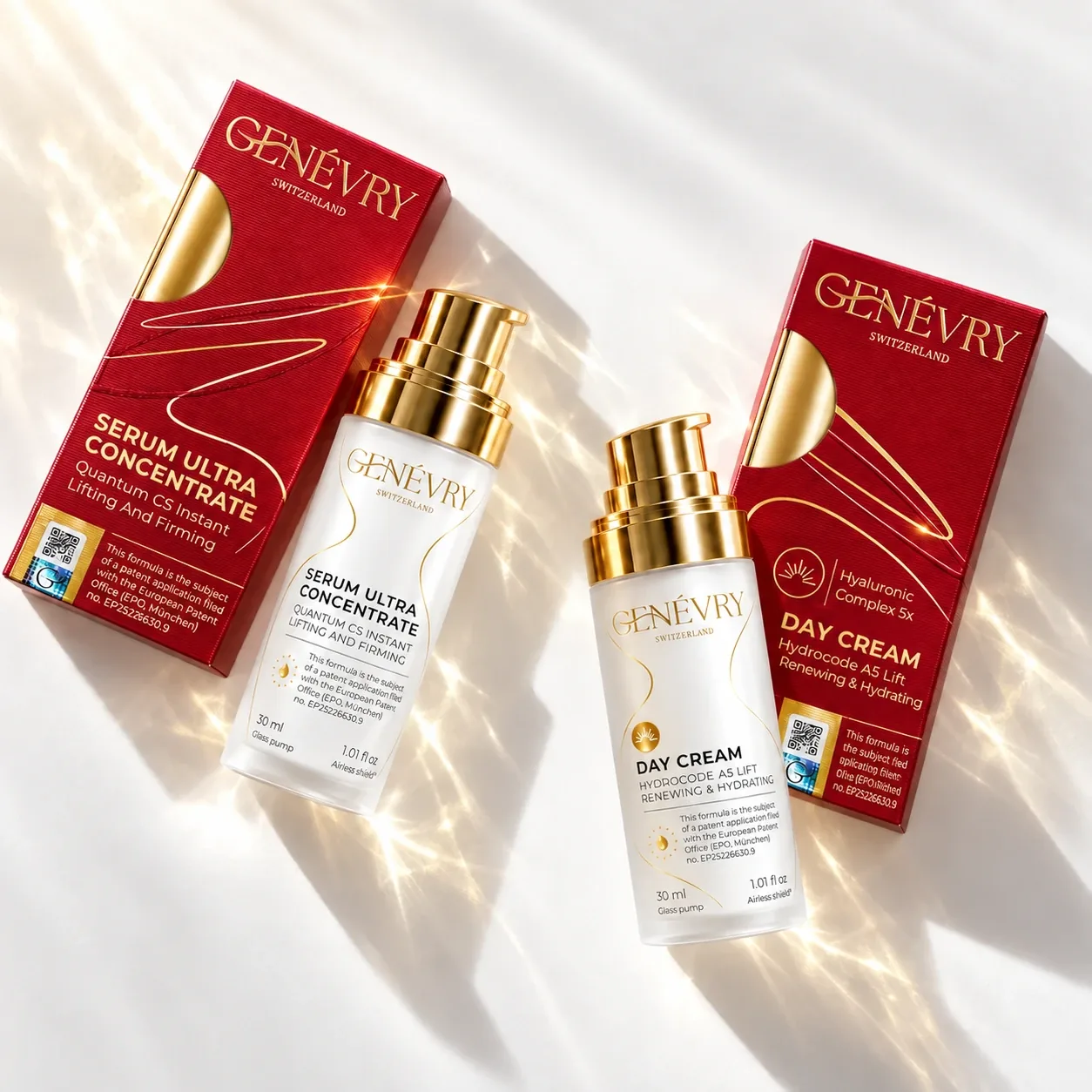
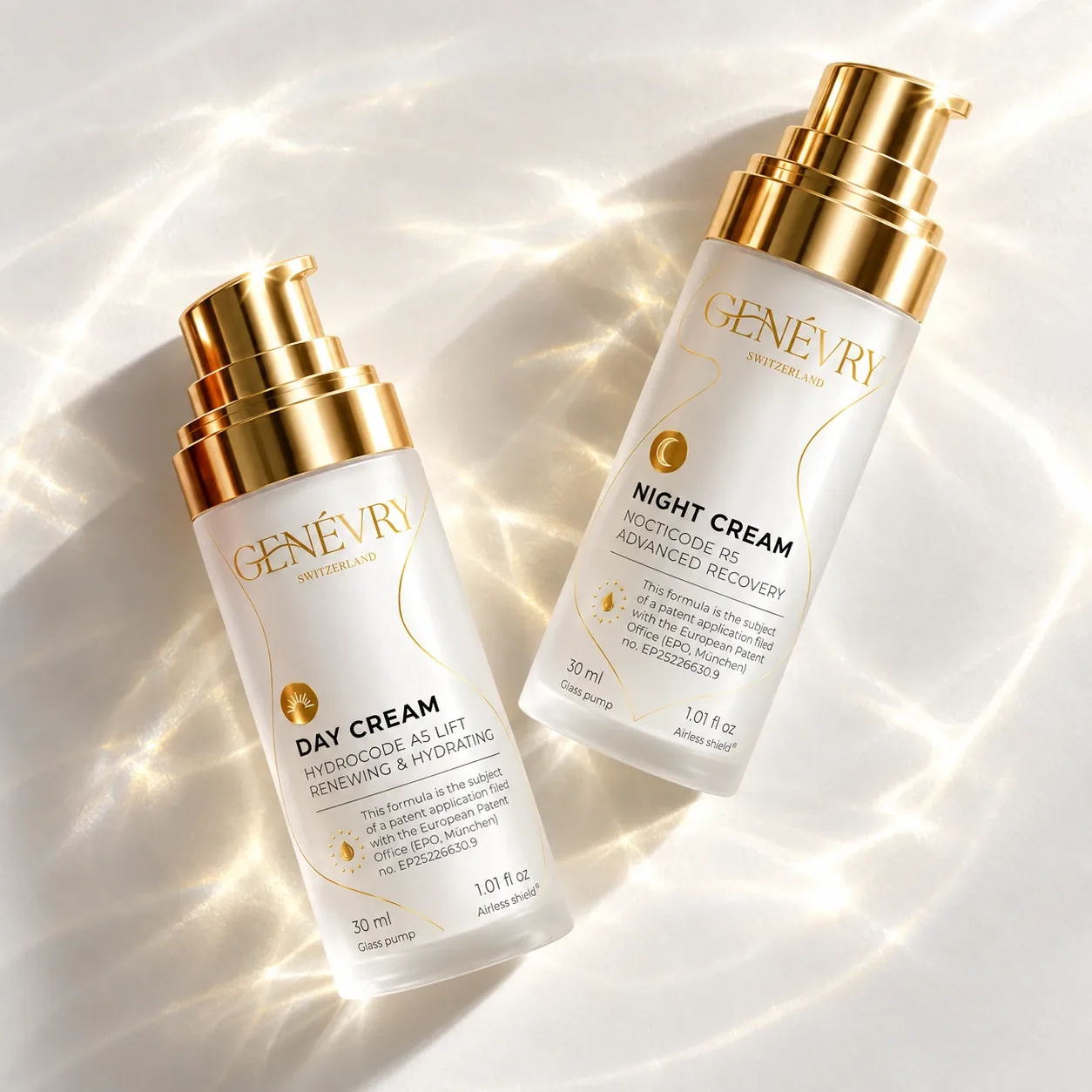
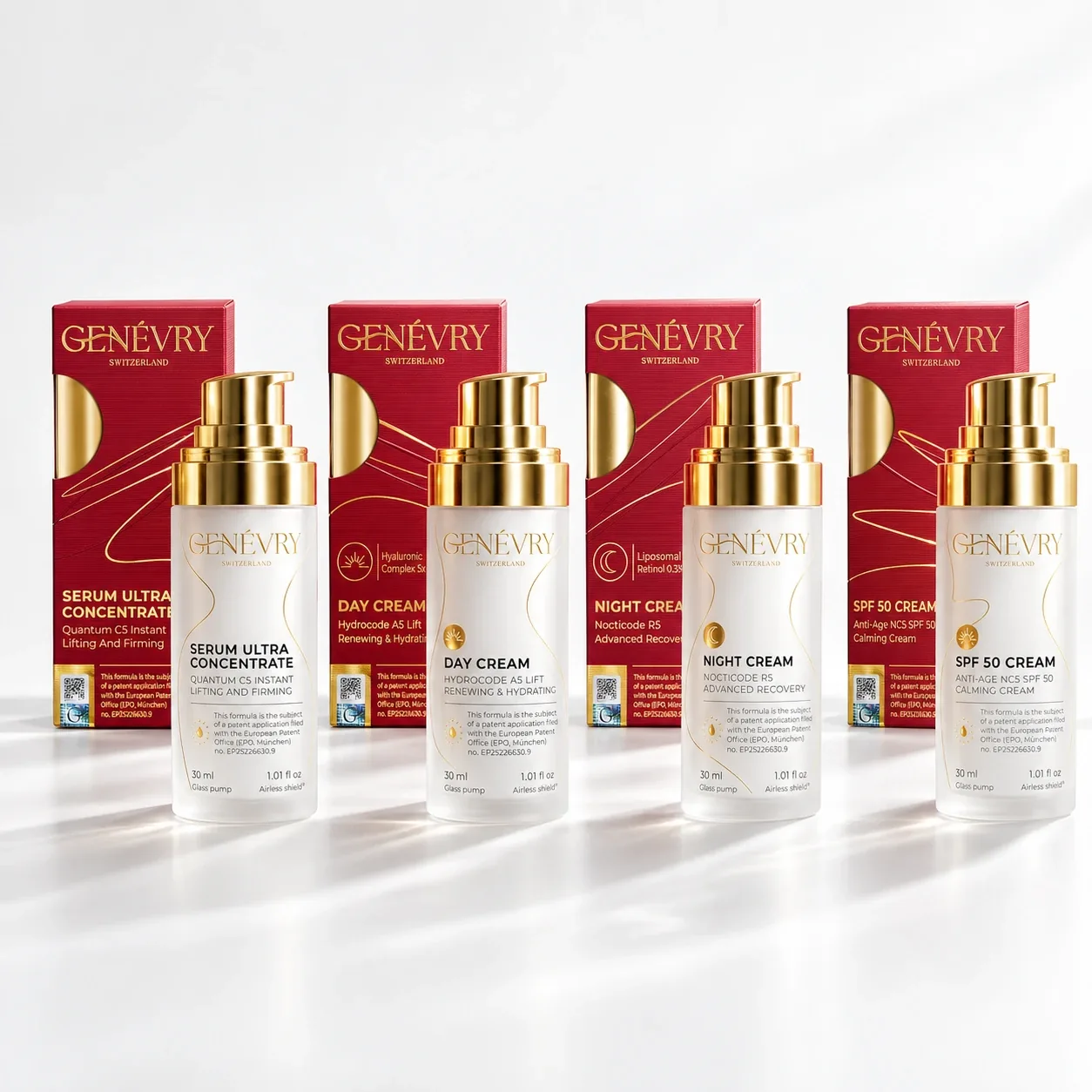
In the GENÉVRY ritual the first step is Quantum C5, an ultra-concentrate built on GHK-Cu copper peptide and liposomal vitamin C, applied to skin still damp after cleansing. Hydrocode A5 Lift follows as the day cream, and its job is to keep what the serum delivered. Both steps come together as The Morning Duo. The order is not aesthetic preference: lighter textures go under heavier ones, because the reverse will not get through.
What the GENÉVRY studies measured
The figures below come from instrumental and self-assessment studies on groups of ten participants. Small groups — the results indicate the direction of change in a measured parameter, not a guarantee of the same outcome for everyone.
| Product | Parameter | Result | Context |
|---|---|---|---|
| Hydrocode A5 Lift | Mean skin hydration | +41% | 4 weeks · instrumental · n=10 · Corneometer CM 825; increase in all 10 |
| Quantum C5 | Mean skin hydration | +33% | 4 weeks · instrumental · n=10 · Corneometer CM 825; increase in all 10 |
| Quantum C5 | Confirm deep hydration | 100% | All 10 rated it “very good”; 4 weeks · self-assessment · n=10 |
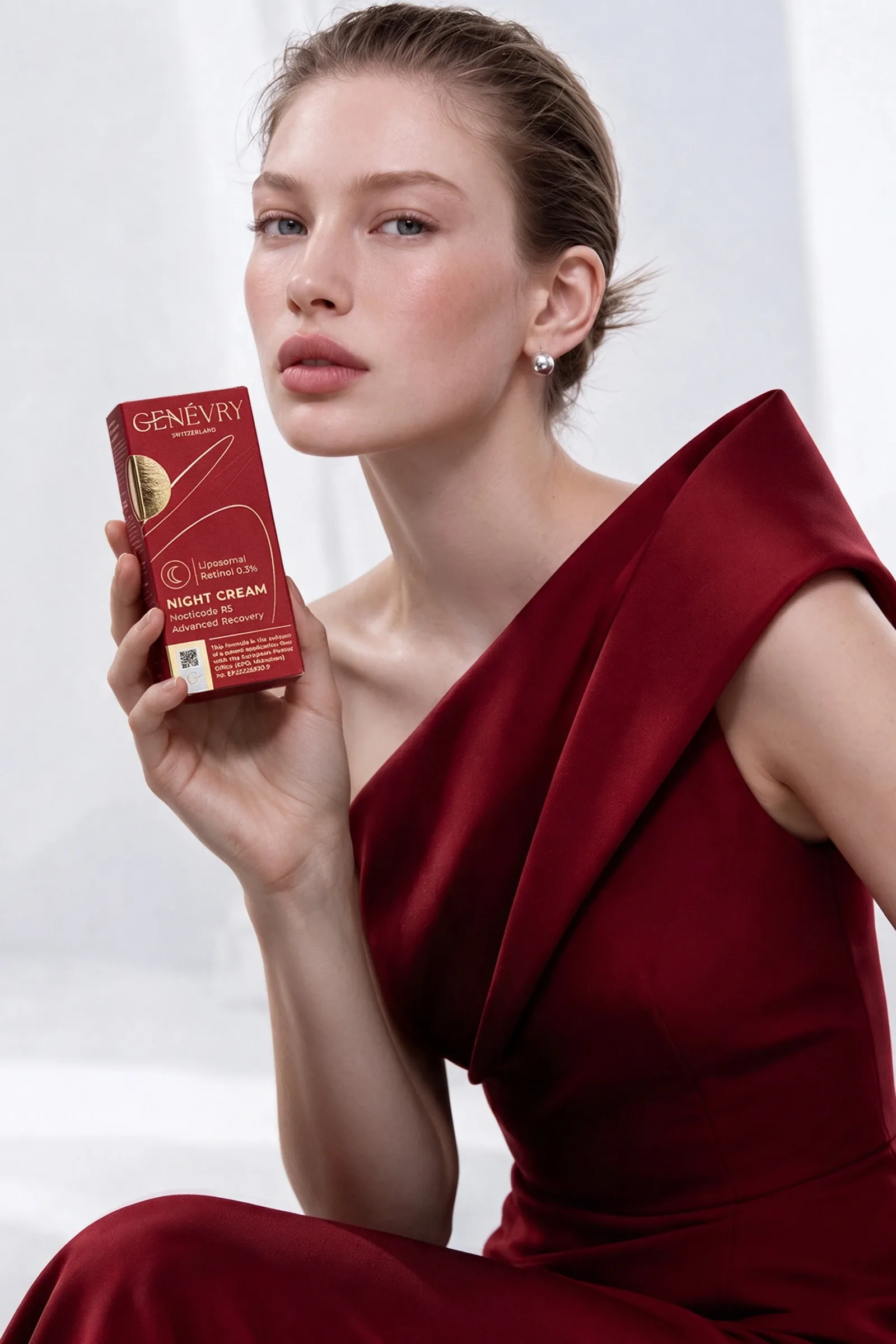
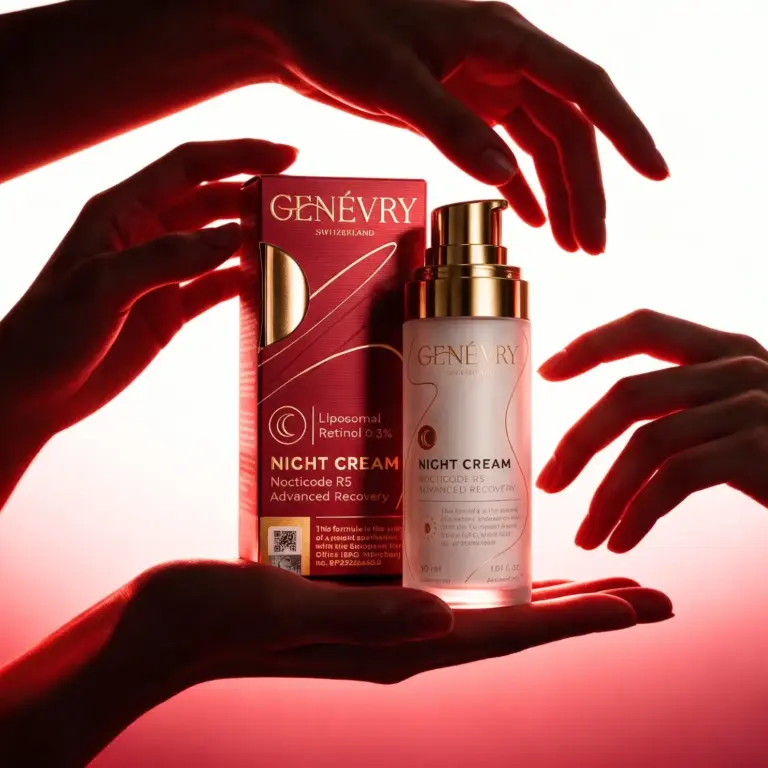
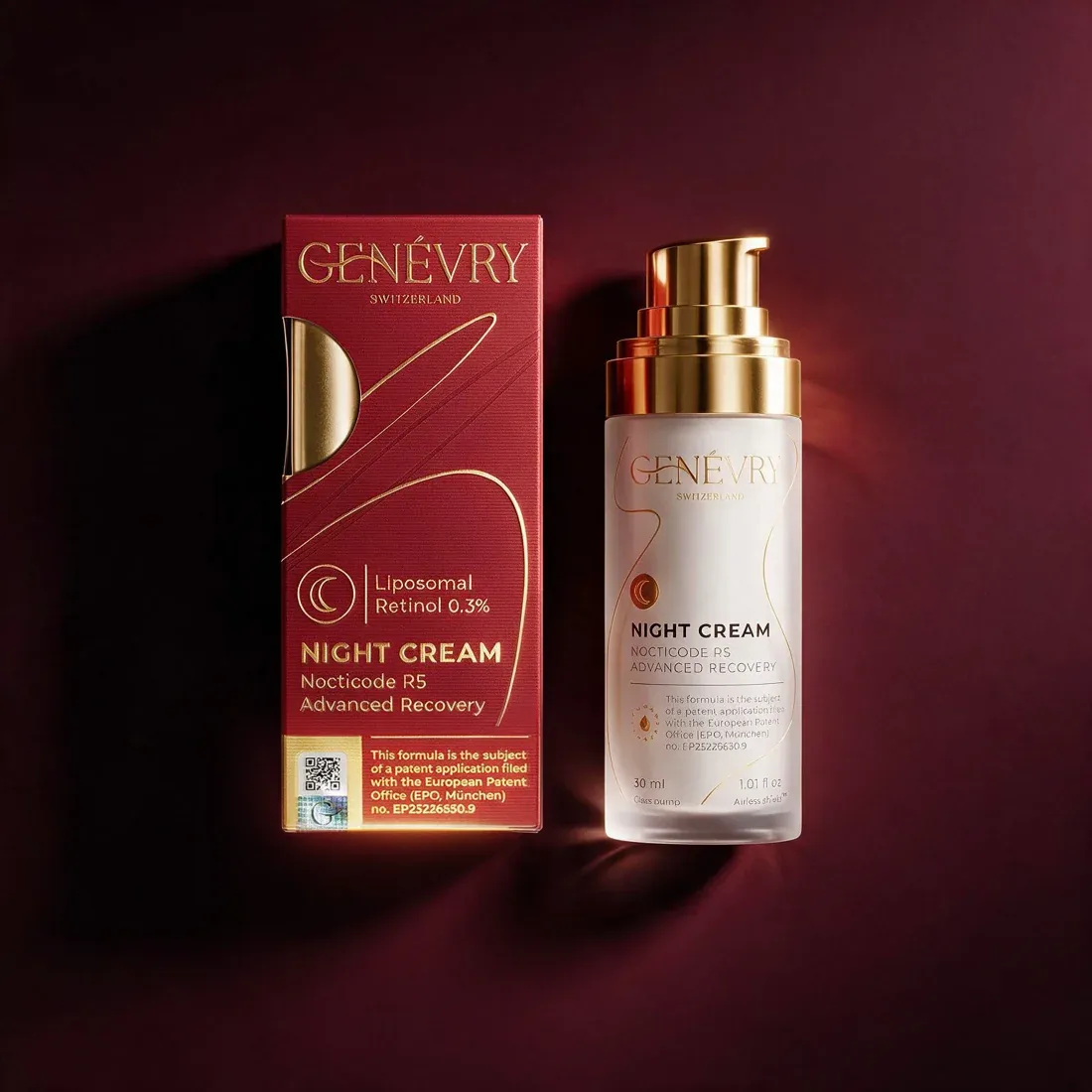
| Nocticode R5 | Mean skin hydration | +38% | 4 weeks · instrumental · n=10 · Corneometer CM 825; increase in all 10 |
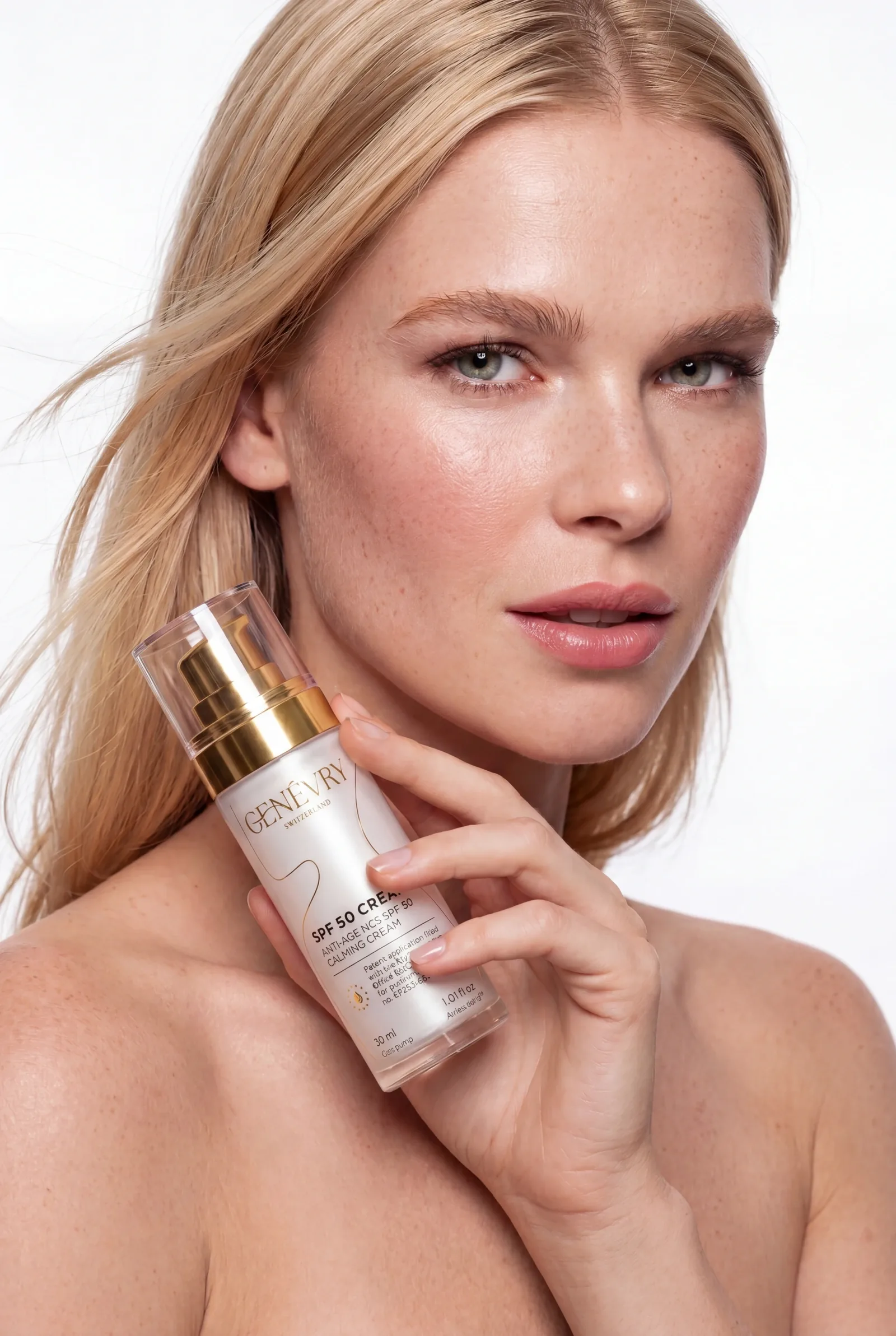
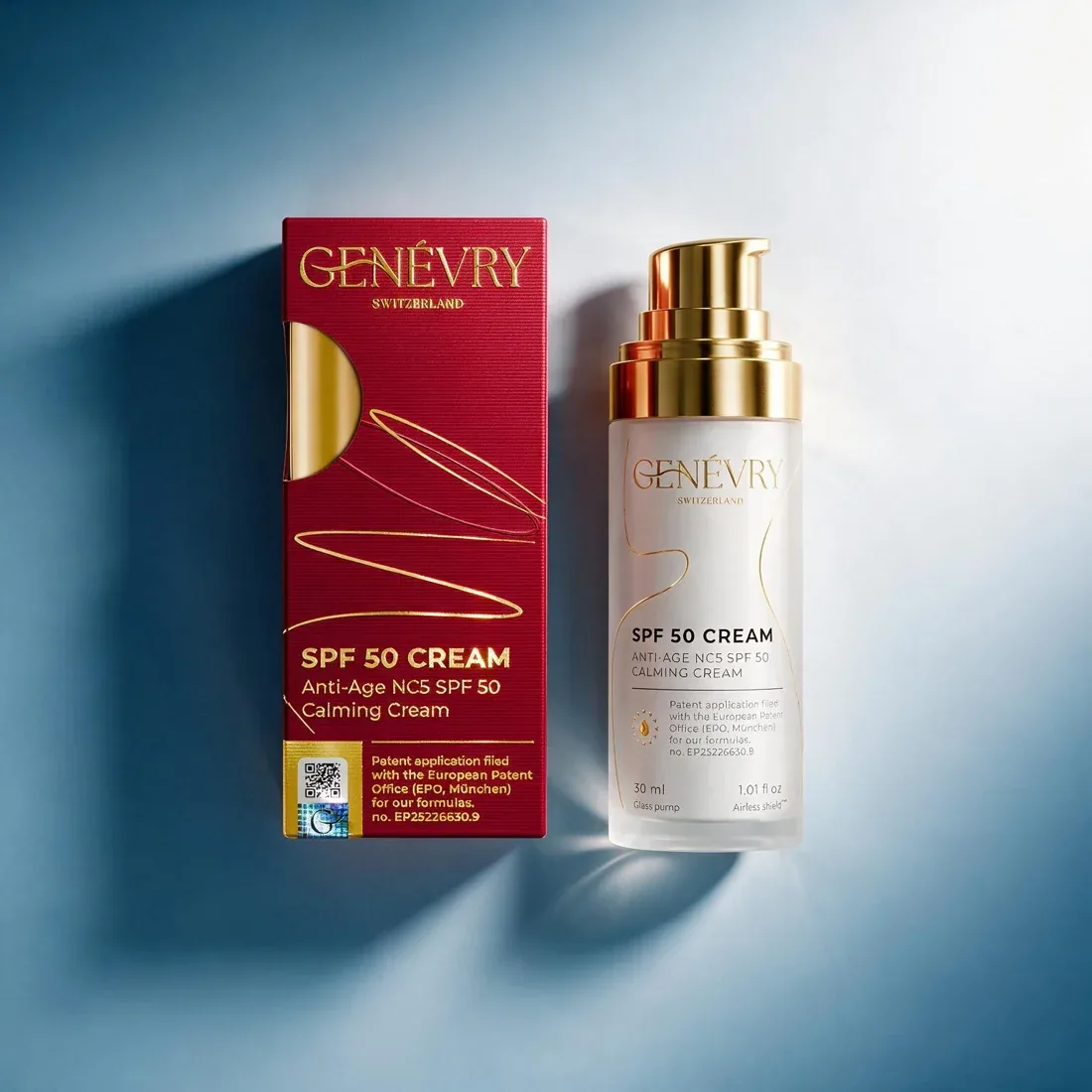
| Anti-Age NC5 SPF 50 | Mean facial skin hydration | +23% | 3 weeks · instrumental · n=10 · Corneometer CM 825 |
A separate protocol for the SPF cream shows how hydration behaves in the hours after one application to the forearm: mean +88% at one hour, +135% at three and +108% at six — instrumental, n=10. Not facial figures, and nothing about long-term use. They do illustrate something easy to forget: hydration is a transient state and has to be renewed daily.
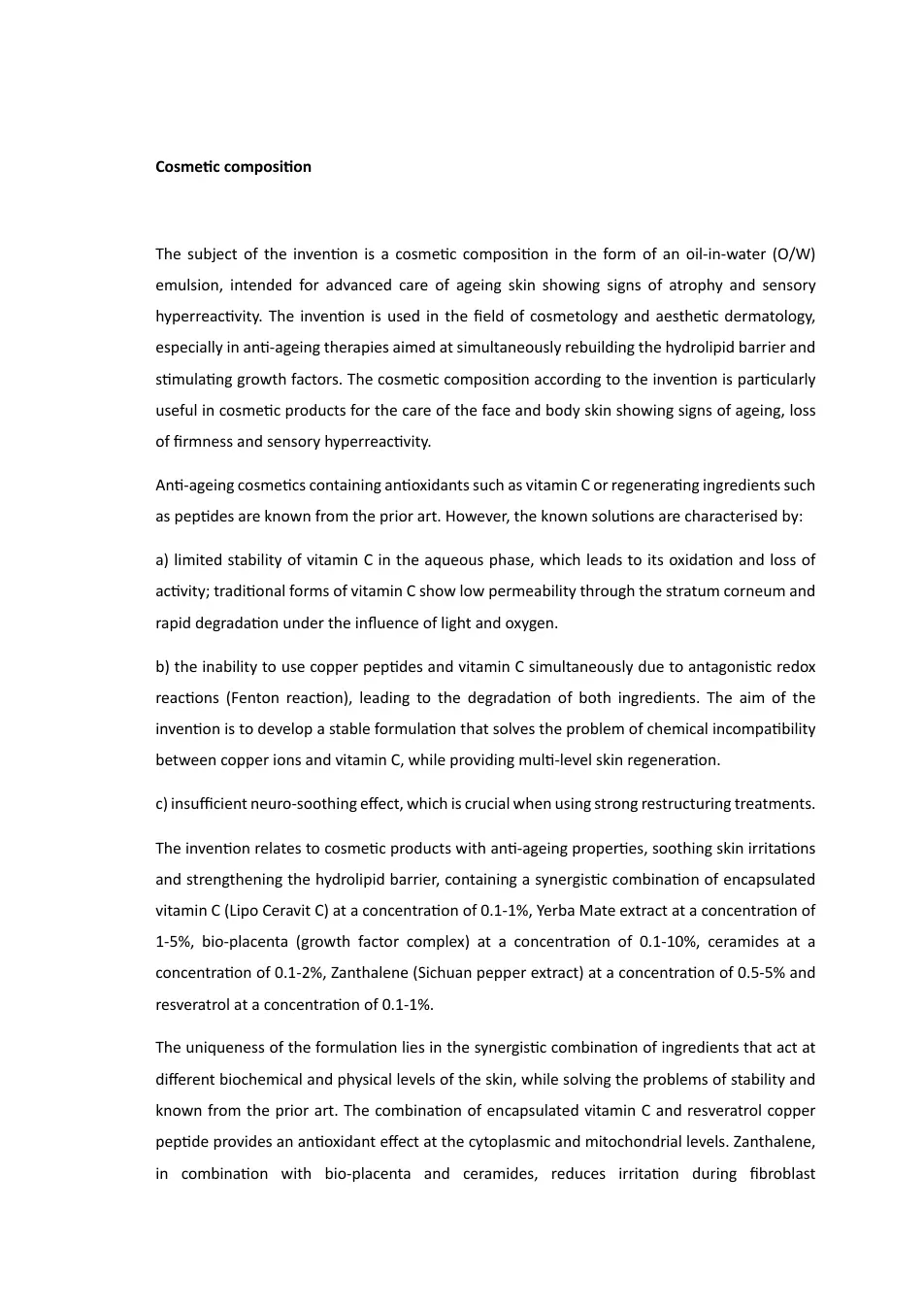
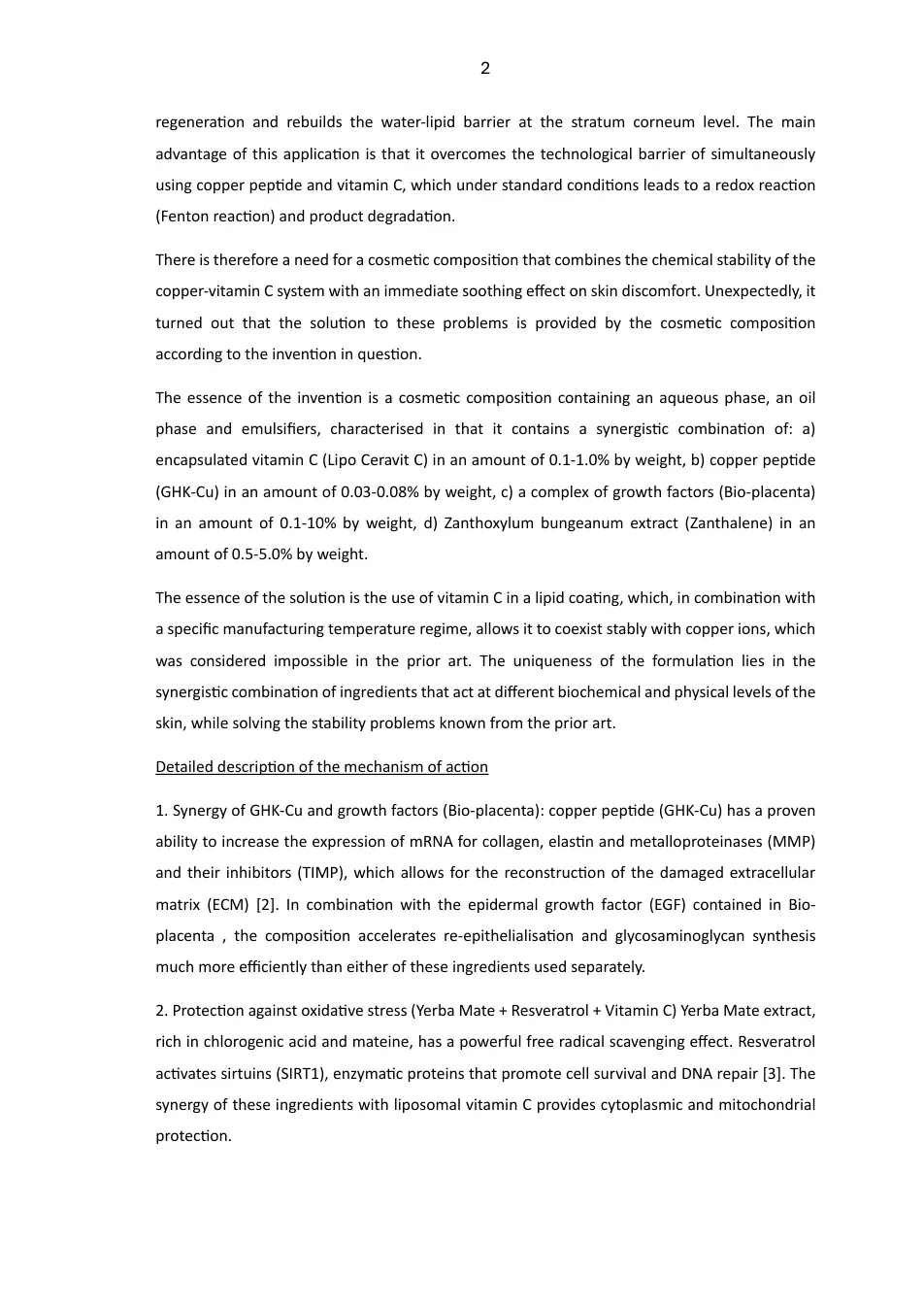
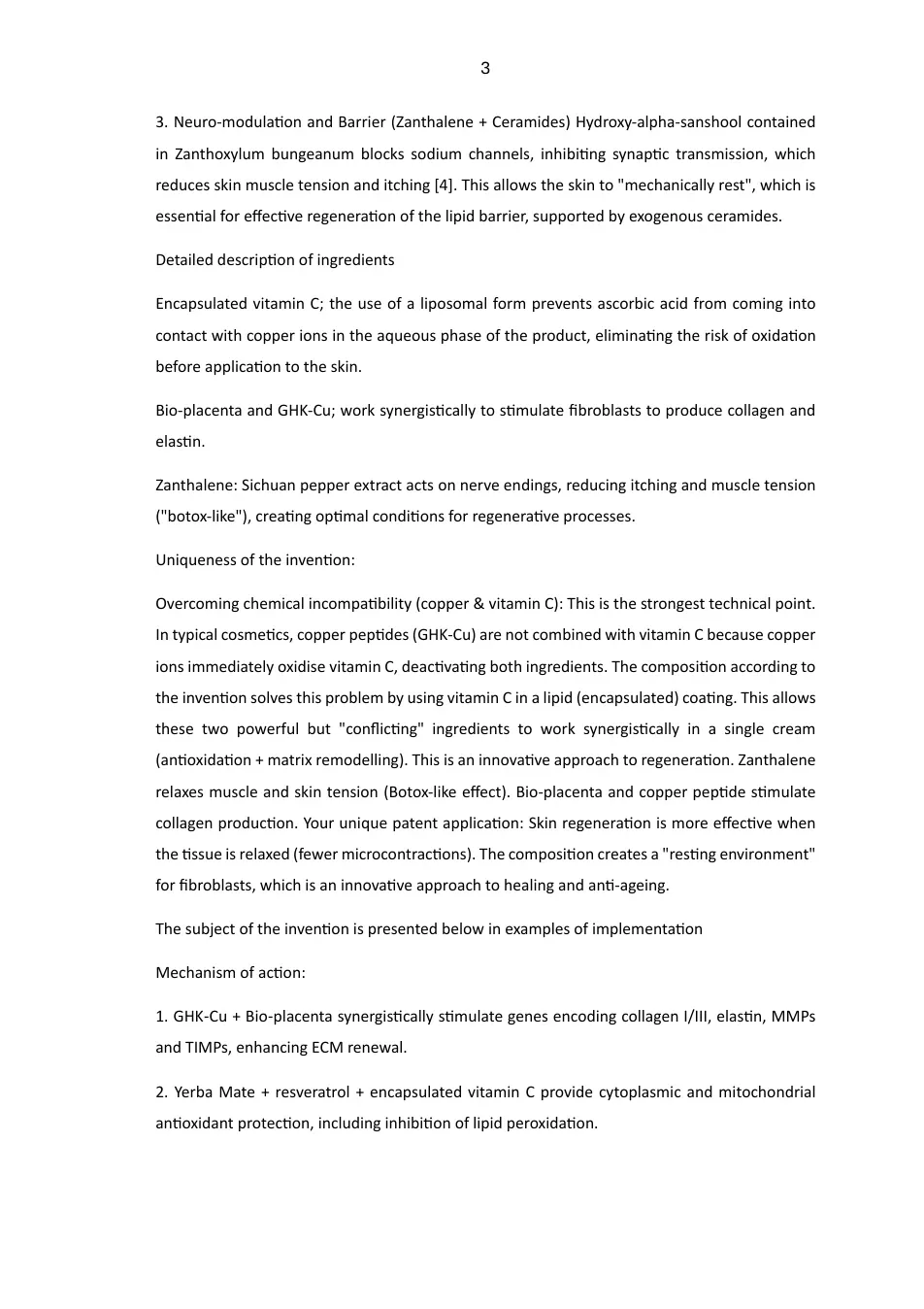
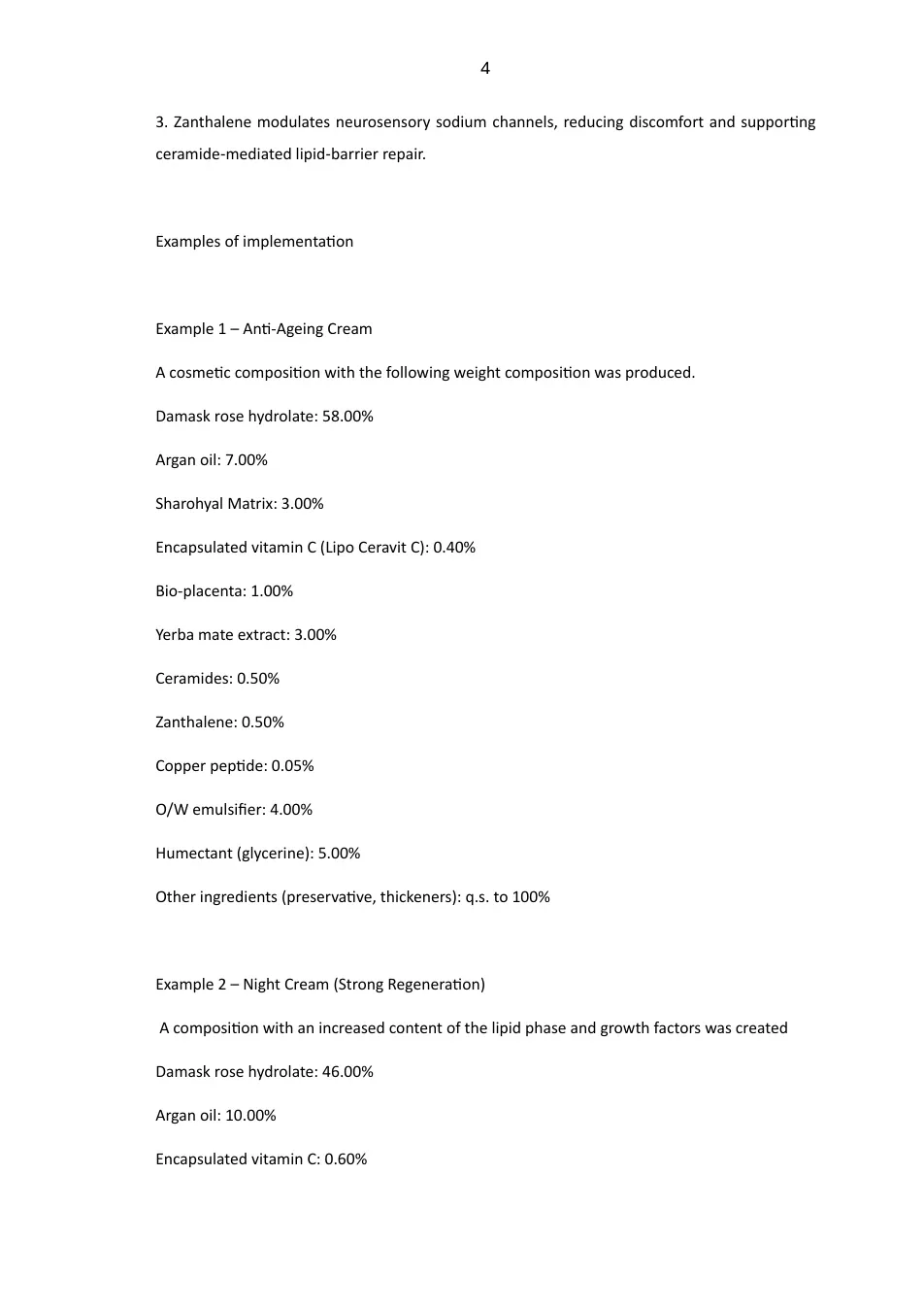
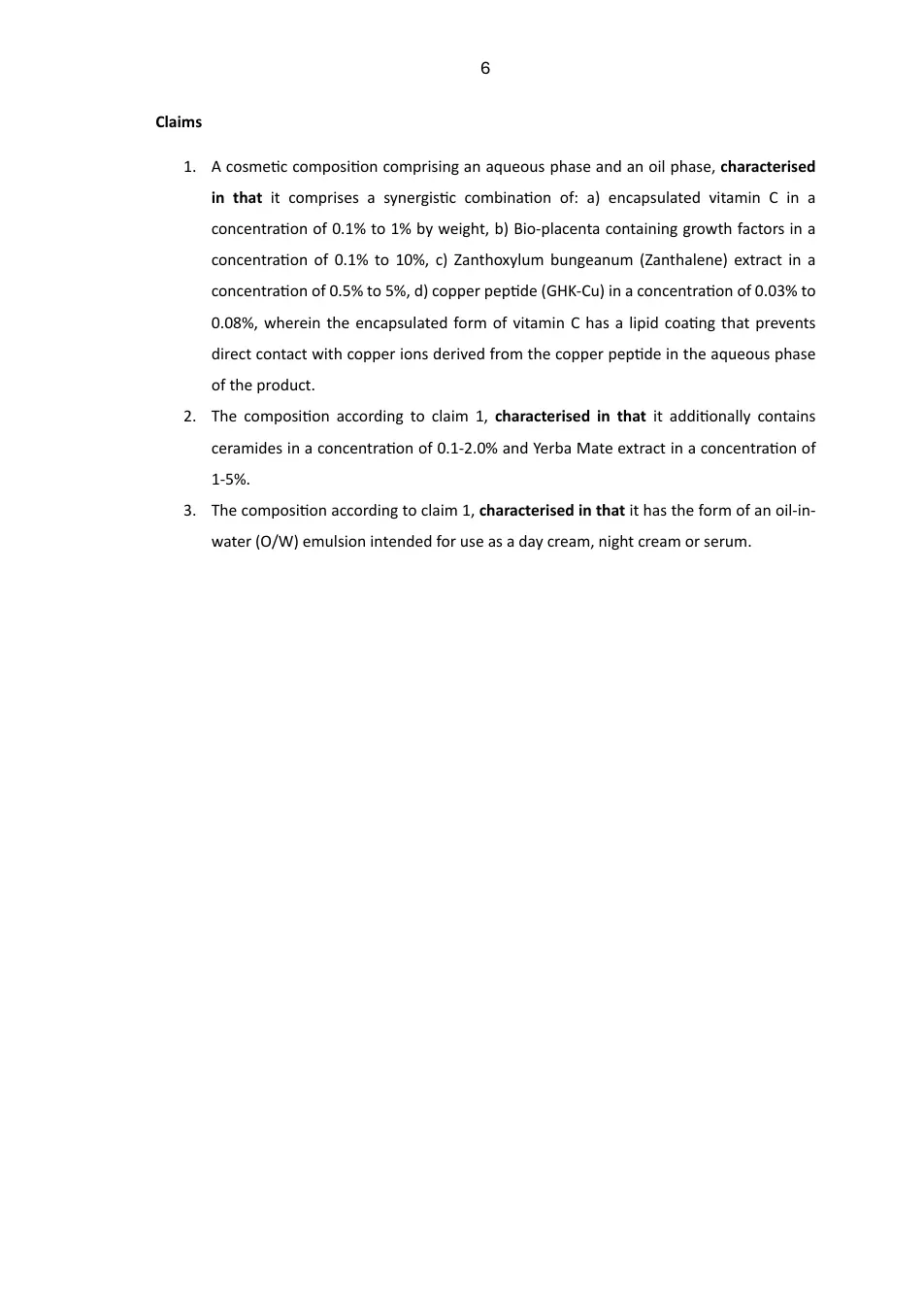
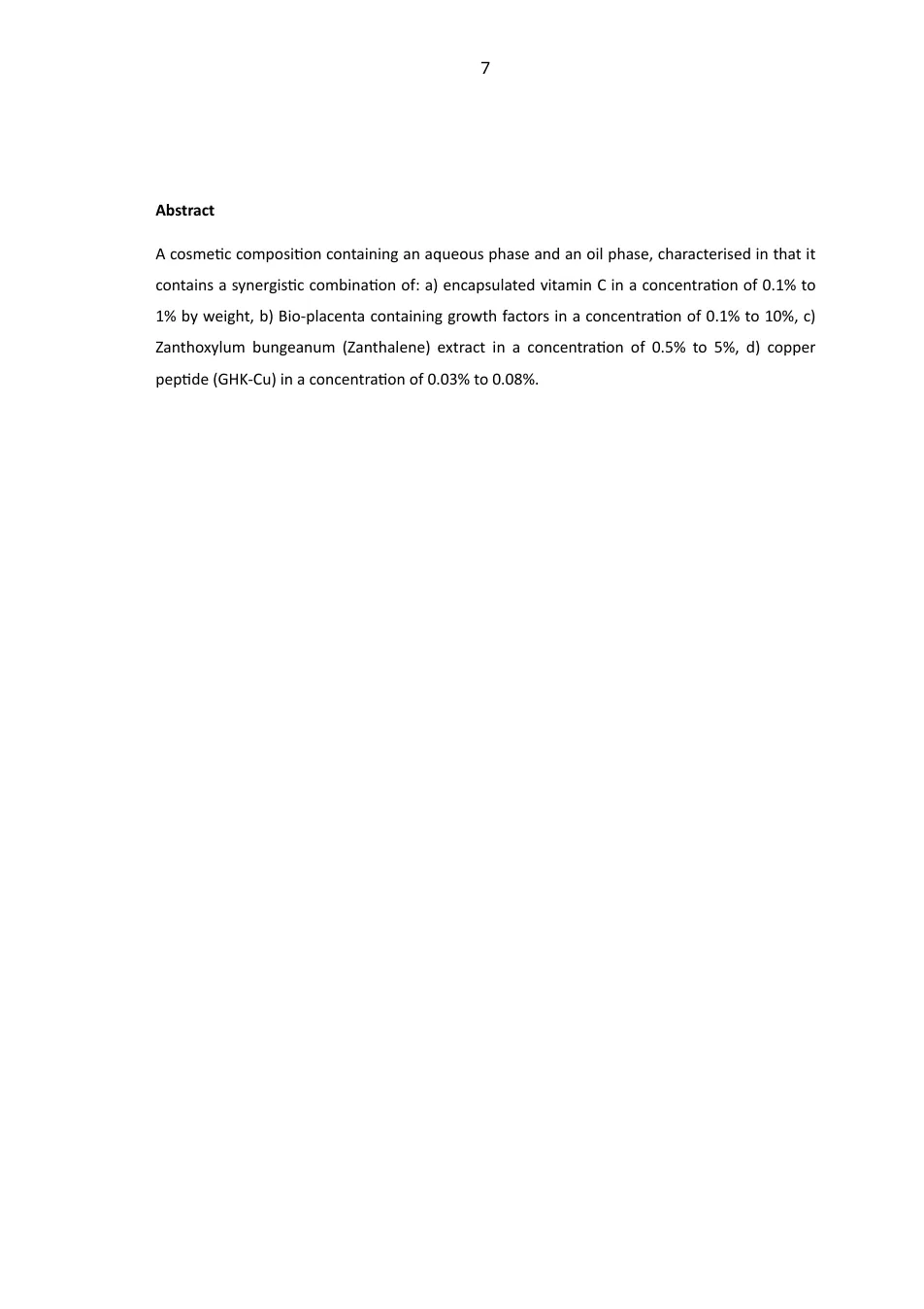
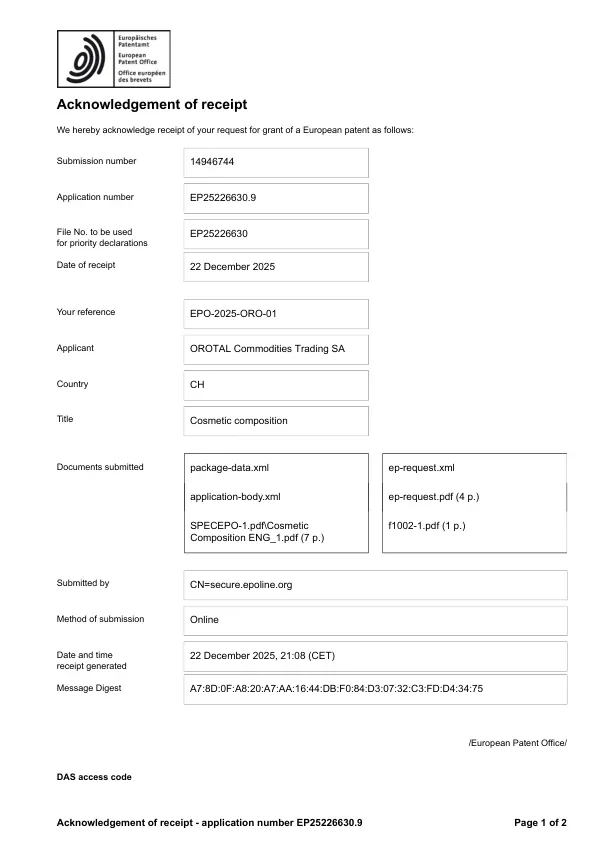
GENÉVRY formulas are the subject of patent application EP25226630.9 at the European Patent Office (patent pending) — a filing, not a granted patent.
What lowers the reading faster than you would expect
- Hot water and long showers. Heat dissolves stratum corneum lipids, and for hours afterwards skin loses water faster than usual.
- Harsh cleansers. Detergents strip more than sebum; the natural moisturising factor is water-soluble and does not rebuild in a minute.
- Dry air. Heating and air conditioning push indoor humidity below 30%. A bedroom humidifier helps more than another cream.
- Exfoliating too often. It smooths the surface right up to the point where it starts damaging the barrier. After that it works in reverse.
- High-alcohol toners. An immediate fresh sensation, and raised evaporation for the minutes that follow.
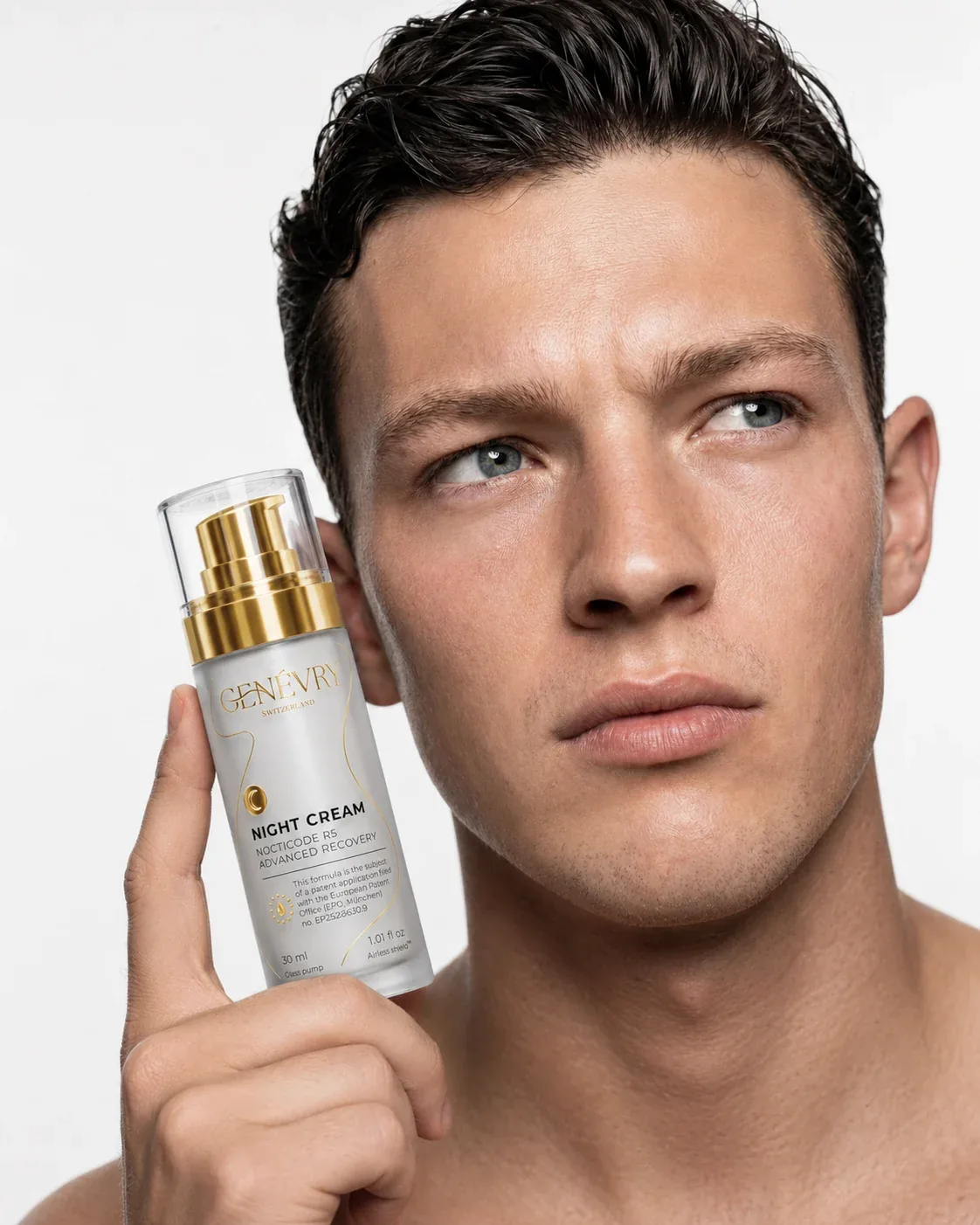
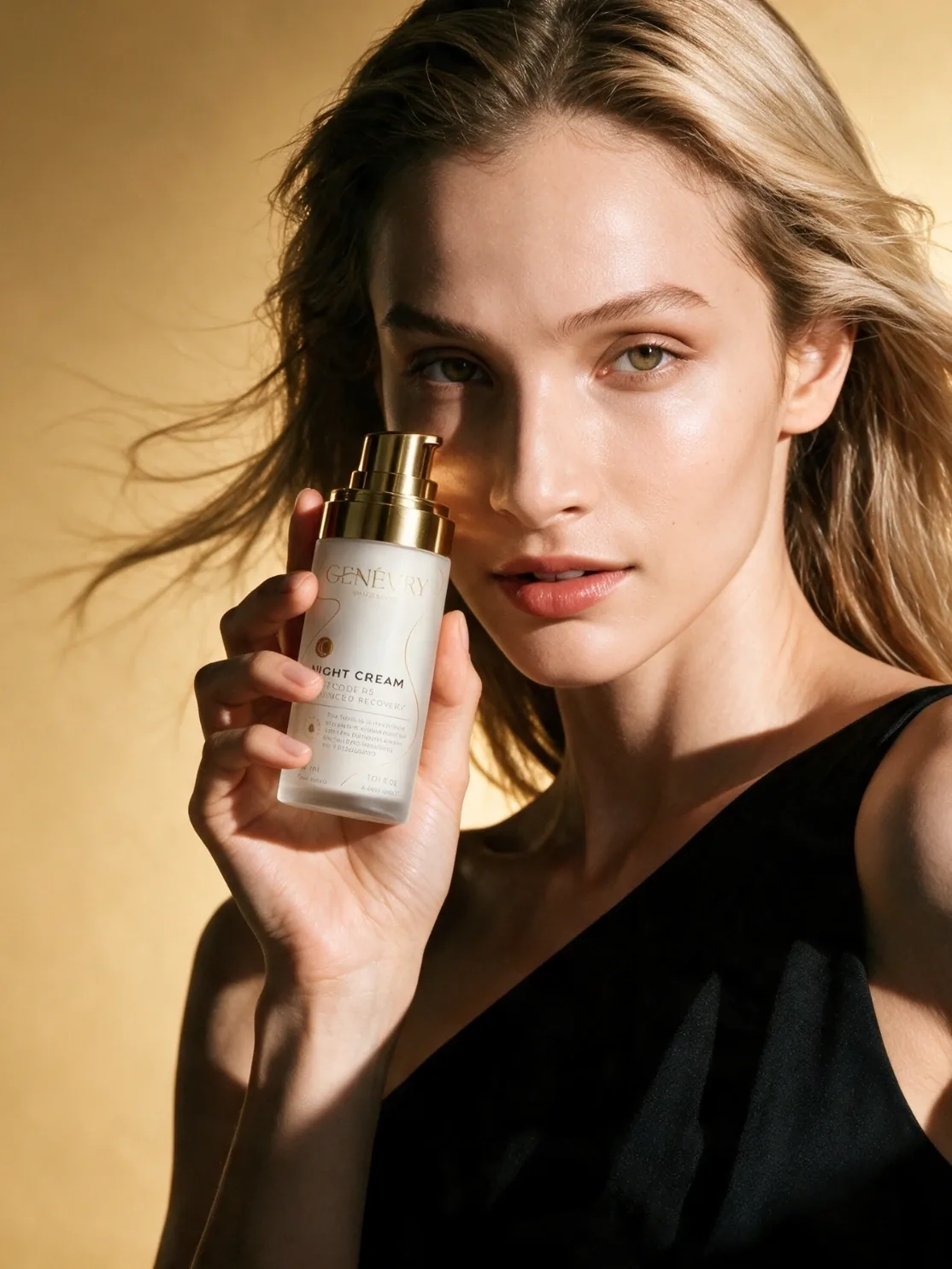
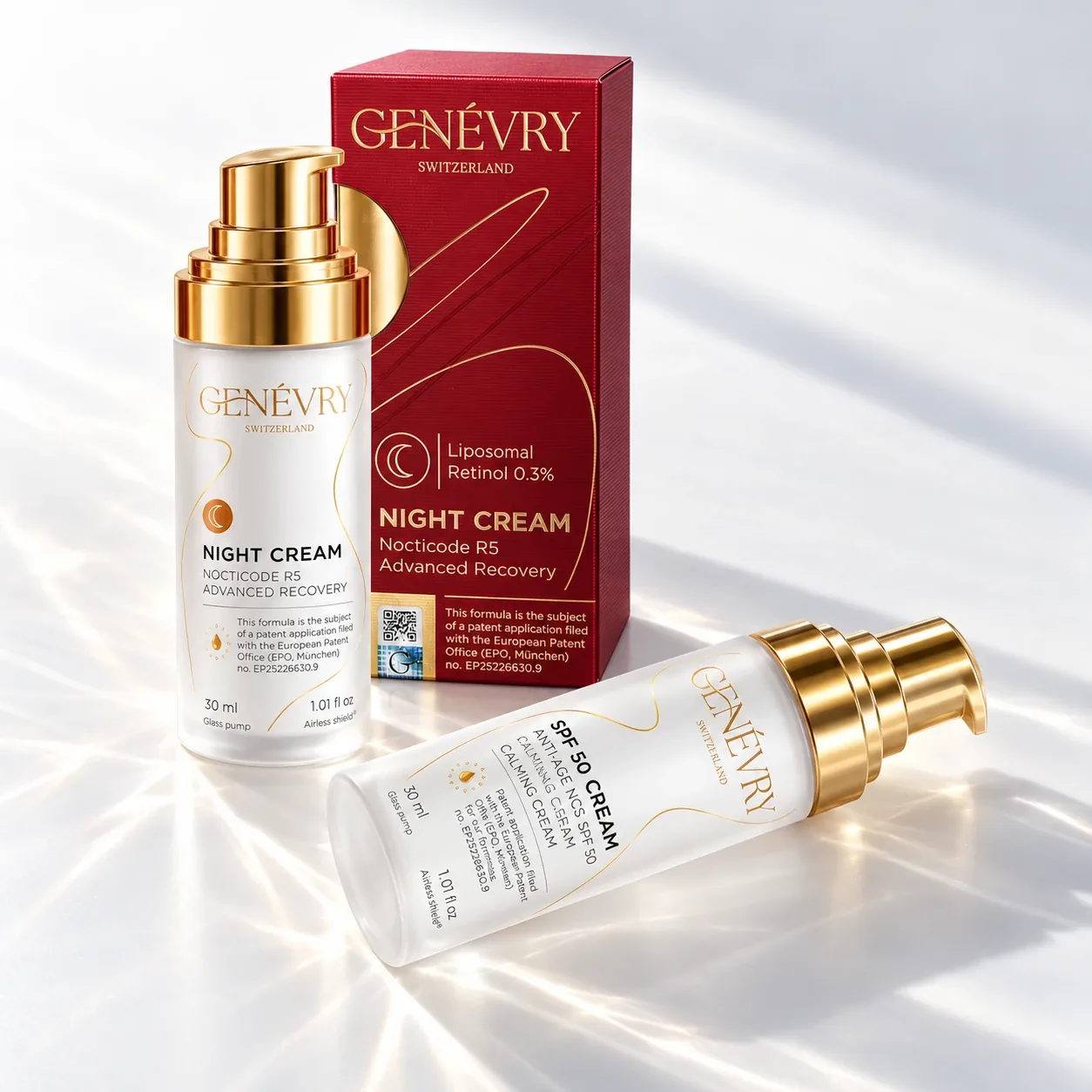
During pregnancy and breastfeeding, with skin conditions such as eczema or rosacea, while taking medication and after dermatological procedures, agree your routine with a doctor or dermatologist. Retinol, present in the Nocticode R5 night cream in a liposomal 0.3% form, is not intended for use in pregnancy, is introduced gradually, and makes morning SPF non-negotiable.
Frequently asked questions
Are home skin-moisture meters worth using?
They use the same capacitance principle but are neither calibrated nor used under standardised conditions: a reading after a hot shower looks nothing like one taken after an hour in a cool room. They can show a trend if you measure at the same hour, on the same spot, before applying anything — but they cannot be compared with study figures.
How long before hydration visibly improves?
Comfort and the absence of tightness usually arrive within days, because the stratum corneum responds quickly. The instrumental parameters cited here were assessed after three and four weeks of regular use — a sensible horizon for home observation too.
Does drinking more water raise skin hydration?
Systemic dehydration does show on the skin, so staying properly hydrated matters. It is not watering a plant, though: in someone already well hydrated, extra litres do not raise the stratum corneum reading, because that layer exchanges water mainly with the air and through the lipid barrier.
Can oily skin be dehydrated?
Yes, and often is. Sebum is not water — skin can shine and still return a low corneometer reading. The usual sequence starts with aggressive mattifying, after which the surface turns rough and makeup clings in patches.
Does a bigger percentage mean a better product?
Not necessarily. The percentage depends on the starting point: the more dehydrated the skin at baseline, the larger the relative increase. Figures are comparable only within one protocol, and always read with their context — duration, participants, measurement site.
Skin hydration is not a personality trait or a matter of luck. It is the water level in the outermost micrometres of the epidermis: measurable, raised by a handful of simple mechanisms and drained by equally simple habits. The craft lies in doing it daily — and that part no measurement replaces.
The formulas in this article
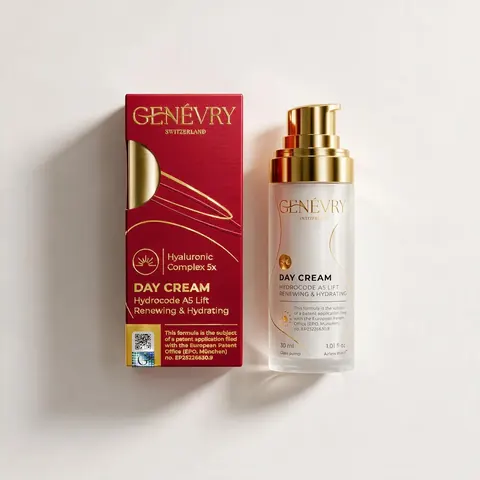 Hydrocode A5 LiftCreme de dia renovador€34.90Discover the formula →
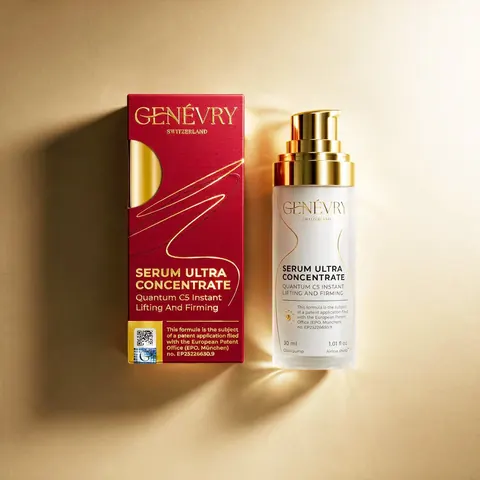 Quantum C5Sérum ultraconcentrado€31.90Discover the formula →
Cosmetic product. Individual results may vary.
 English / EUR
 English (US) / USD
 English (UK) / GBP
 Deutsch / EUR
 Deutsch (Schweiz) / CHF
 Français / EUR
 Italiano / EUR
 Español / EUR
 Nederlands / EUR
 Polski / PLN
 日本語 / JPY
 한국어 / KRW
 中文 / CNY
 العربية / AED
 English (Australia) / AUD
 English (Canada) / CAD
 Svenska / SEK
 Dansk / DKK
 Norsk / NOK
 Suomi / EUR
 Português / EUR
 Türkçe / TRY
 Čeština / CZK
 Magyar / HUF
 Română / RON
 Ελληνικά / EUR
 Slovenčina / EUR
 Hrvatski / EUR
 Slovenščina / EUR
 Lietuvių / EUR
 Latviešu / EUR
 Eesti / EUR
 Български / EUR
 Українська / EUR