Glycolic acid: how it works, which strength to use and what to pair it with
The smallest molecule in the AHA family. What that means for your skin, which strength makes sense, and why sunscreen stops being optional.
Glycolic acid is the smallest molecule in the AHA family: 76.05 g/mol, lighter than lactic, mandelic or citric acid. That single number explains most of its reputation. A small molecule moves through the outer layer of the skin faster, smooths the surface faster, and irritates faster when the strength or the pH is chosen carelessly. Everything else is a question of dose, frequency and what you do the next morning.
What follows is what the sources actually support: review papers indexed in PubMed, the position of the European scientific committee on cosmetics, and the FDA’s labelling guidance. No promises about anything disappearing in a fortnight.
What glycolic acid is and where it comes from
On an ingredient list it appears under one INCI name: Glycolic Acid. Chemically it is the simplest alpha hydroxy acid, a carboxylic acid with a hydroxyl group on the neighbouring carbon. CAS 79-14-1, formula C₂H₄O₃. It occurs naturally in sugar cane, sugar beet and unripe grapes, though the material used in cosmetics is almost always synthetic, because that is the only way to get consistent purity. The Wikipedia entry on glycolic acid covers the chemistry in more detail.
In skincare the acid is usually compared with the rest of its family. The difference that matters most in practice is molecular size.
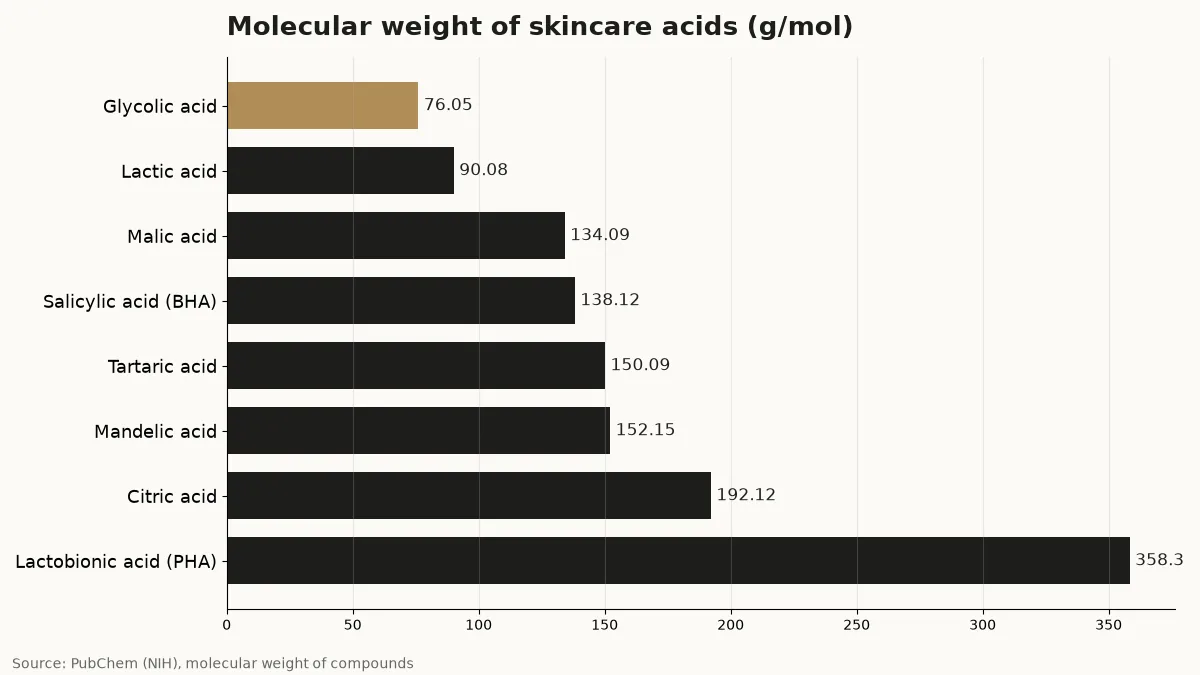
Lactobionic acid, a PHA, weighs 358.3 g/mol, nearly five times as much. That is why PHA products are described as gentler: the larger molecule stays higher up, works more slowly and stings less often. Mandelic acid (152.15 g/mol) sits in the middle. The next time someone tells you an acid is an acid, show them the chart.
AHA, BHA, PHA in one line each
- AHAs (glycolic, lactic, mandelic) are water soluble and work on the surface of the stratum corneum.
- BHA (salicylic) is oil soluble, so it also reaches into the pore lining.
- PHAs (lactobionic, gluconolactone) are large, slow molecules often chosen for reactive skin.
How glycolic acid works on the skin, according to the research
The stratum corneum is a stack of ten to twenty layers of dead corneocytes held together by protein structures called desmosomes. A review published in Molecules in 2018 (Tang and Yang, PubMed) describes the mechanism plainly: AHAs diminish corneocyte cohesion immediately above the granular layer, which detaches and desquamates the outer part of the epidermis. They do not dissolve dead skin in any literal sense. They speed up a process that happens every day anyway.
The same review cites work by Antoniou and colleagues showing how much the reach depends on concentration: a 1% AHA formula alters pH in the outer three layers of the stratum corneum, while 10% affects all ten to twenty. Strength is not a matter of slightly more or slightly less. It decides at what depth anything happens at all.
What about the dermis? The authors state that dermal absorption of AHAs remains obscure. They note observations suggesting acids can increase glycosaminoglycan synthesis, and they report that the data on glycolic acid itself, in relation to collagen and hyaluronic acid in the dermis, point in contradictory directions. That is a more honest picture than “boosts collagen” on a carton.
In day-to-day terms, a few weeks of regular use mostly changes the way skin reflects light. It looks smoother, foundation sits more evenly, the rough patches across the forehead and cheeks are less noticeable under your fingertips. That is the realistic outcome.
Strength and pH: why two products labelled “5% acid” behave differently
Glycolic acid sits in a formula in two states: free acid and neutralised salt (sodium glycolate). Only the first one does the work. The higher the pH, the larger the share that has been neutralised and the less is left to act. A brand that quotes a percentage without a pH is telling you half the story.
The reference points come from both sides of the Atlantic and both are worth knowing.
| Strength and pH | Where you meet it | What the sources say |
|---|---|---|
| up to 4%, pH ≥ 3.8 | everyday consumer cosmetics in the EU | Proposed by the SCCNFP on a precautionary basis (SCCNFP/0370/00, 28 June 2000) and maintained in the updated position paper SCCNFP/0799/04, adopted 25 May 2004. |
| up to 10%, pH ≥ 3.5 | the US market | FDA’s 2005 guidance for industry recommends a sunburn alert statement on products in this range. |
| 20–50% | salon treatments | The Molecules review describes these strengths applied every other day by a trained professional. |
| 35–70%, 2–4 minutes | clinical peels | Cited protocols: 35% for four minutes, 52.5% for three minutes, 70% for two minutes, at intervals of up to six months. |
At EU level glycolic acid has no dedicated entry with a concentration limit in Annex III of Regulation 1223/2009. Safety rests on the assessment of each finished product, and the 4% at pH 3.8 or above remains a scientific recommendation that most high-street brands follow. The committee’s full text sits in the European Commission archive.
The practical conclusion: a 5% product at pH 4.2 can be milder than a 4% product at pH 3.2. If the pH is nowhere on the label or the brand’s website, treat the product as stronger than the number suggests and start at twice a week.
What to pair glycolic acid with, and what to keep apart
Most trouble comes not from the acid itself but from its neighbours on the shelf. The table sorts out the common pairings.
| Ingredient | Combine or separate | Time of day |
|---|---|---|
| Niacinamide | Workable, but calmer when separated. Niacinamide raises the pH of a formula, which cuts the free acid fraction. | Niacinamide in the morning, acid at night |
| Retinol | Not in the same application. Irritation adds up and both speed cell turnover. | Alternate nights |
| Vitamin C (ascorbic acid) | Technically compatible, since both like a low pH, but together they often sting. Separate them if your skin is sensitive. | Vitamin C in the morning, acid at night |
| Salicylic acid (BHA) | Only on specific areas, and never the same evening. Two exfoliants at once is the fastest route to a damaged barrier. | Different days |
| Peptides, ceramides, panthenol | Yes. The natural counterweight: the acid exfoliates, these restore comfort. | After the acid, same evening |
| SPF 50 | Non-negotiable. | Every morning, winter included |
| Waxing, microdermabrasion, laser | Pause the acid for several days before and after. | Break |
If you are building a routine from several actives at once, read our entry on niacinamide and the piece on using vitamin C and retinol together. It saves a few weeks of irritation.
Glycolic acid and sun exposure
This is the section that matters most. In its 2004 position paper the SCCNFP concluded that AHA application does increase UV damage to the skin. In the study it cites, a glycolic formulation at pH 3.5, in the 2.5% to 4% range, lowered the minimal erythema dose and increased the number of sunburn cells in the epidermis. The committee noted that no no-effect level could be defined from the available data.
The Molecules review points to a separate study in which 10% glycolic acid applied for twelve weeks increased the skin’s sensitivity to UV light and enhanced sunburn cell formation.
The FDA’s 2005 guidance recommends that AHA products carry a sunburn alert and a note that the increased sun sensitivity can last for up to a week after you stop using the product. The document is on the FDA website. A week is a long time. In practice it means an exfoliating acid only makes sense in a routine where sunscreen is already a habit rather than a holiday accessory.
There is a reassuring half to the same paper: in animal work, glycolic acid applied together with a sunscreen did not enhance photocarcinogenesis. Sunscreen is not a ritual added for peace of mind. It is part of the protocol.
Which skin types it suits
Rough, dull skin with uneven texture. This is where AHAs do their best work, and it shows within two or three weeks, mostly in the way the surface catches the light.
Oily and combination skin. Glycolic acid keeps the surface smooth, but if your main concern is blackheads across the T-zone, salicylic acid reaches places glycolic cannot.
Mature skin. Usually fine with low strengths twice a week, provided hydration and sunscreen are in place. On thin, dry skin, lactic acid or a PHA is the kinder starting point.
Sensitive, easily flushed skin. Go slowly: the lowest strength, once a week, and if every application leaves redness that lingers for hours, this is not your ingredient. Nobody is obliged to use an exfoliating acid.
With rosacea, eczema, fresh scars, acne under prescription treatment, or during pregnancy, leave the decision to a doctor or dermatologist. That is not a situation for shelf experiments.
Fitting glycolic acid into a GENÉVRY routine
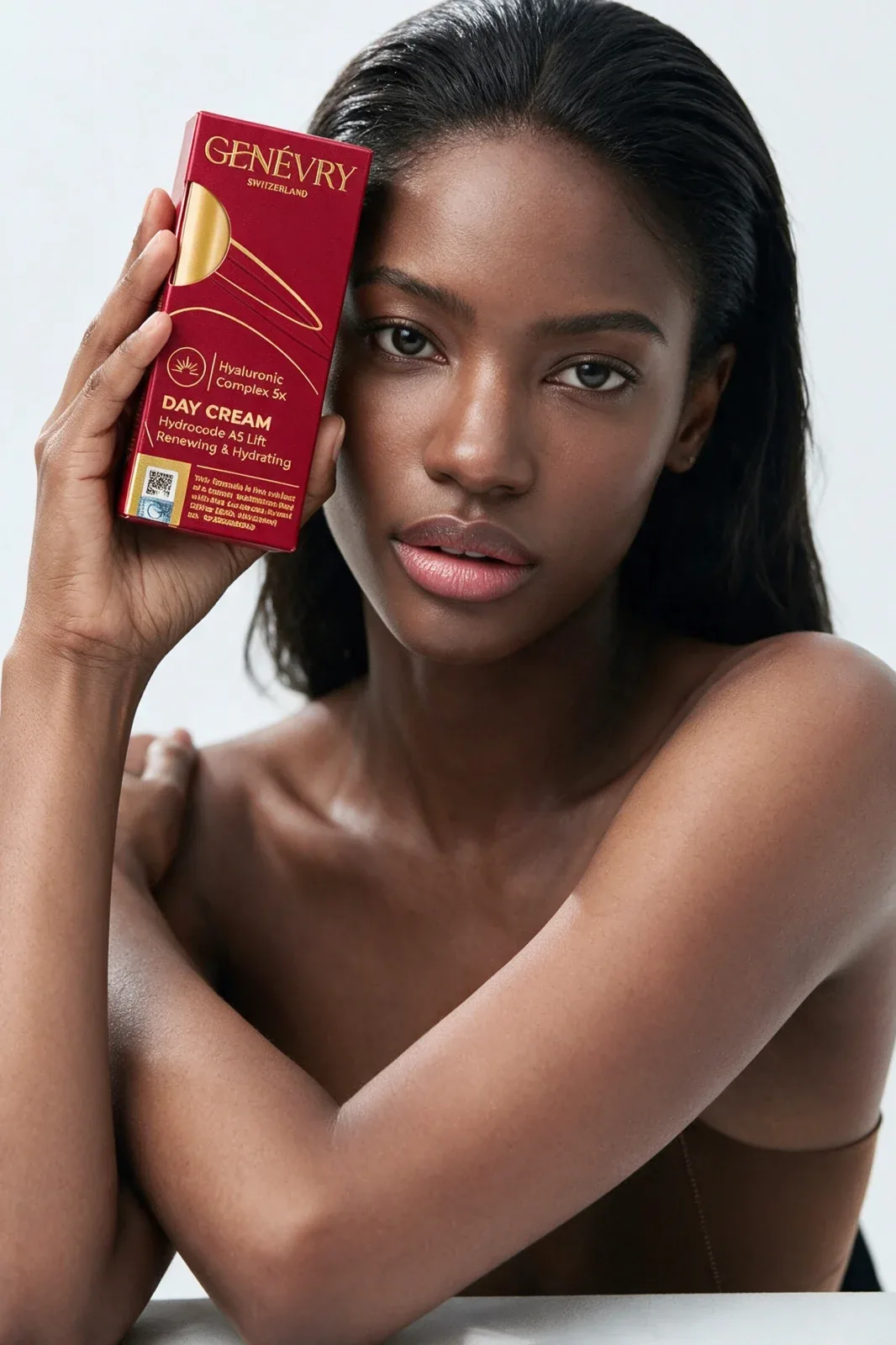
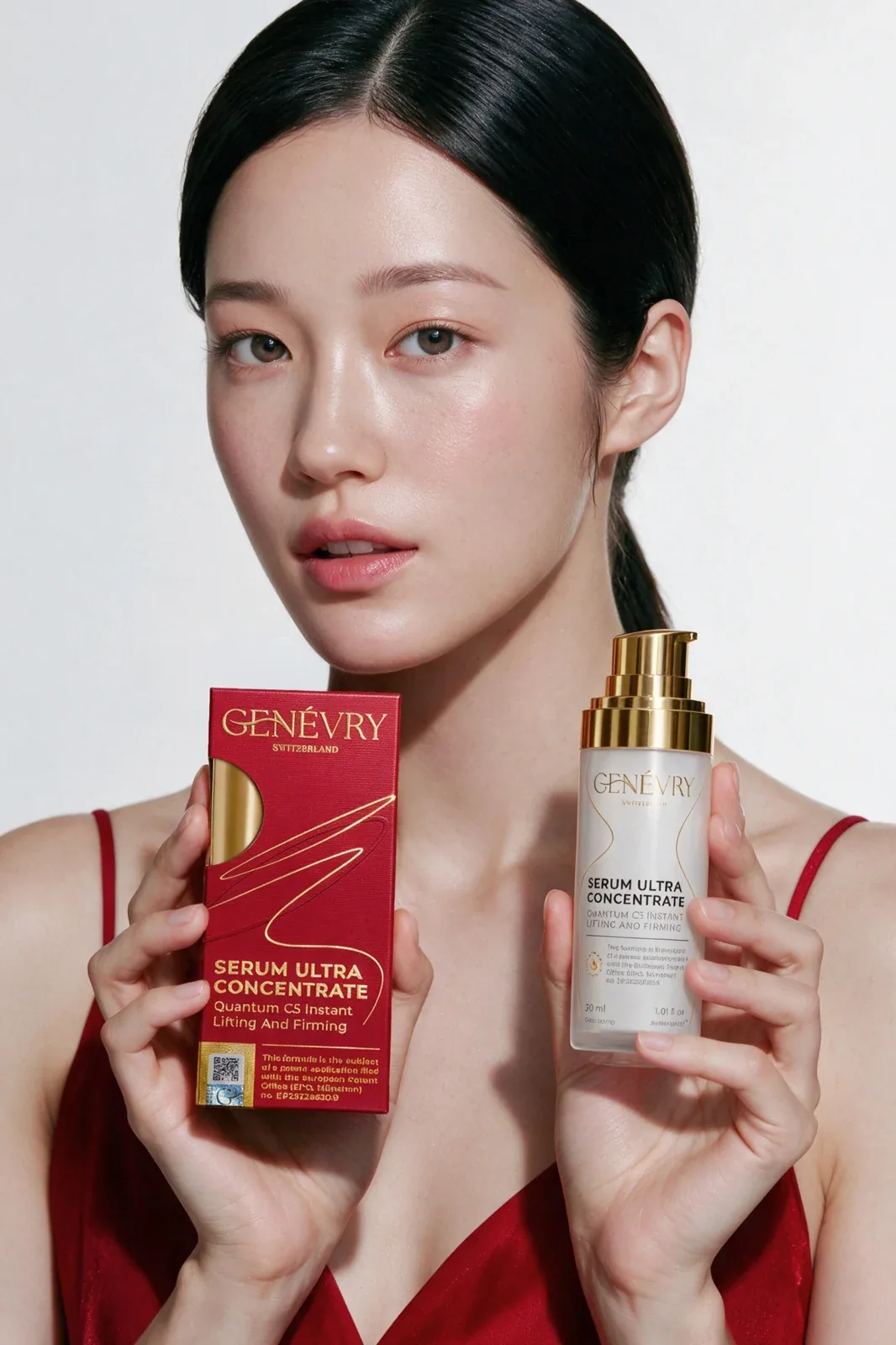
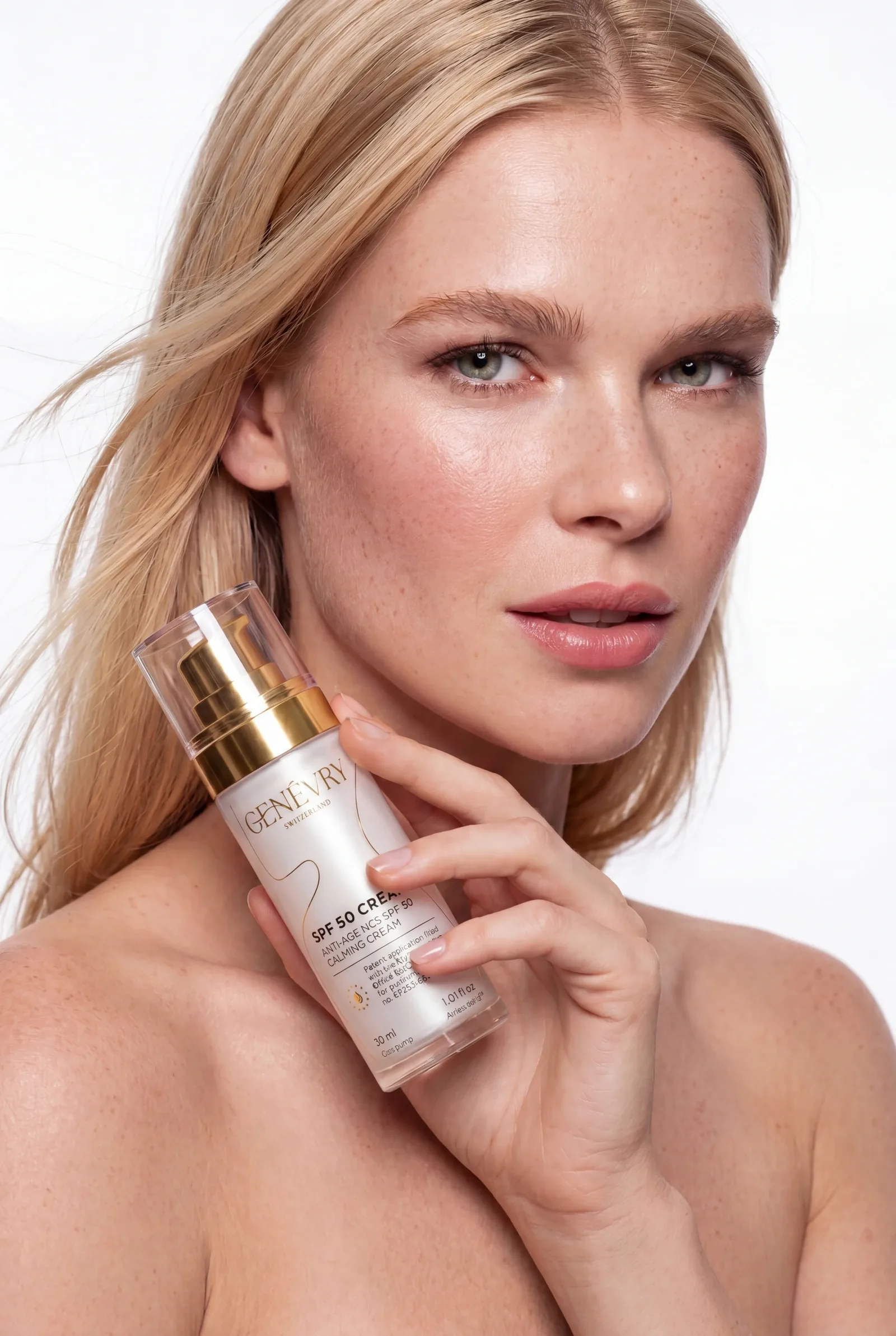
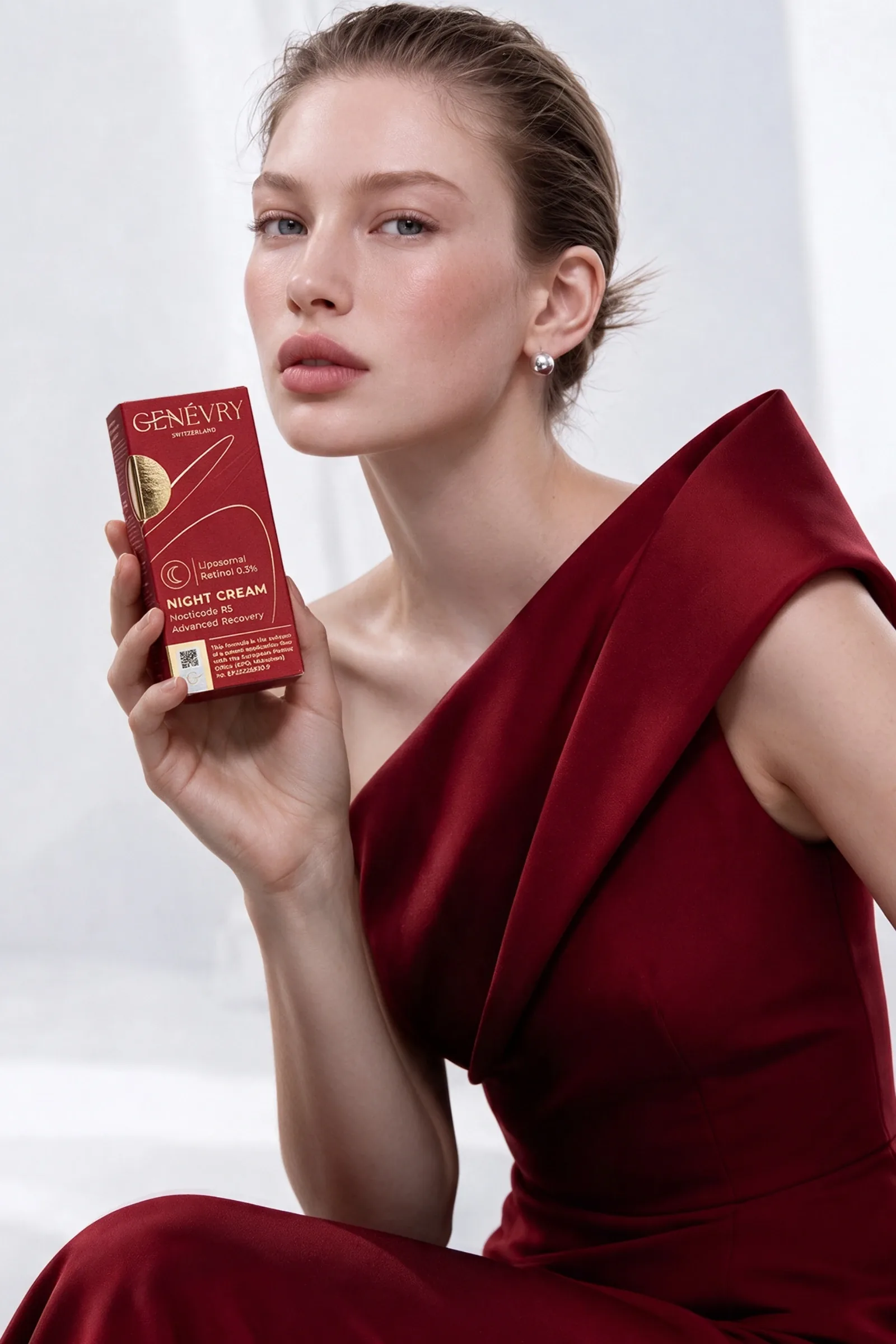
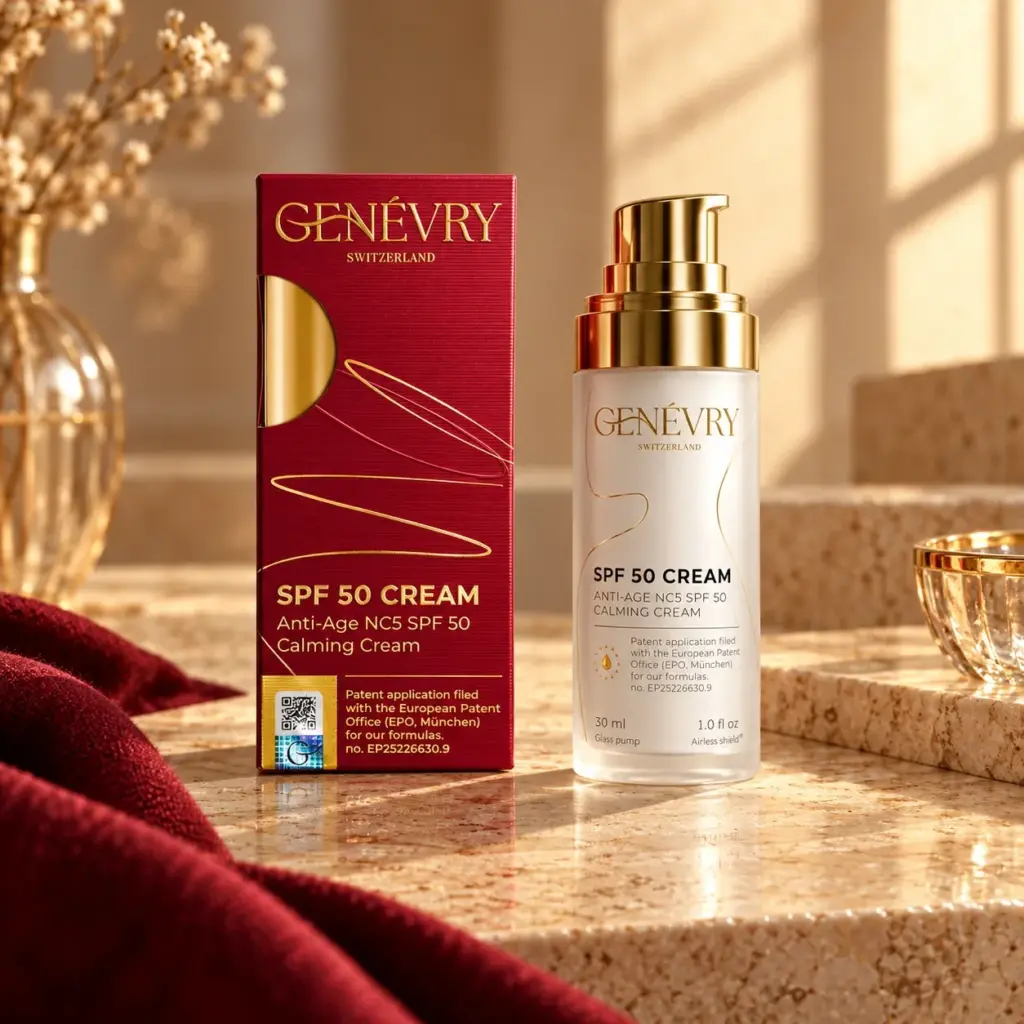
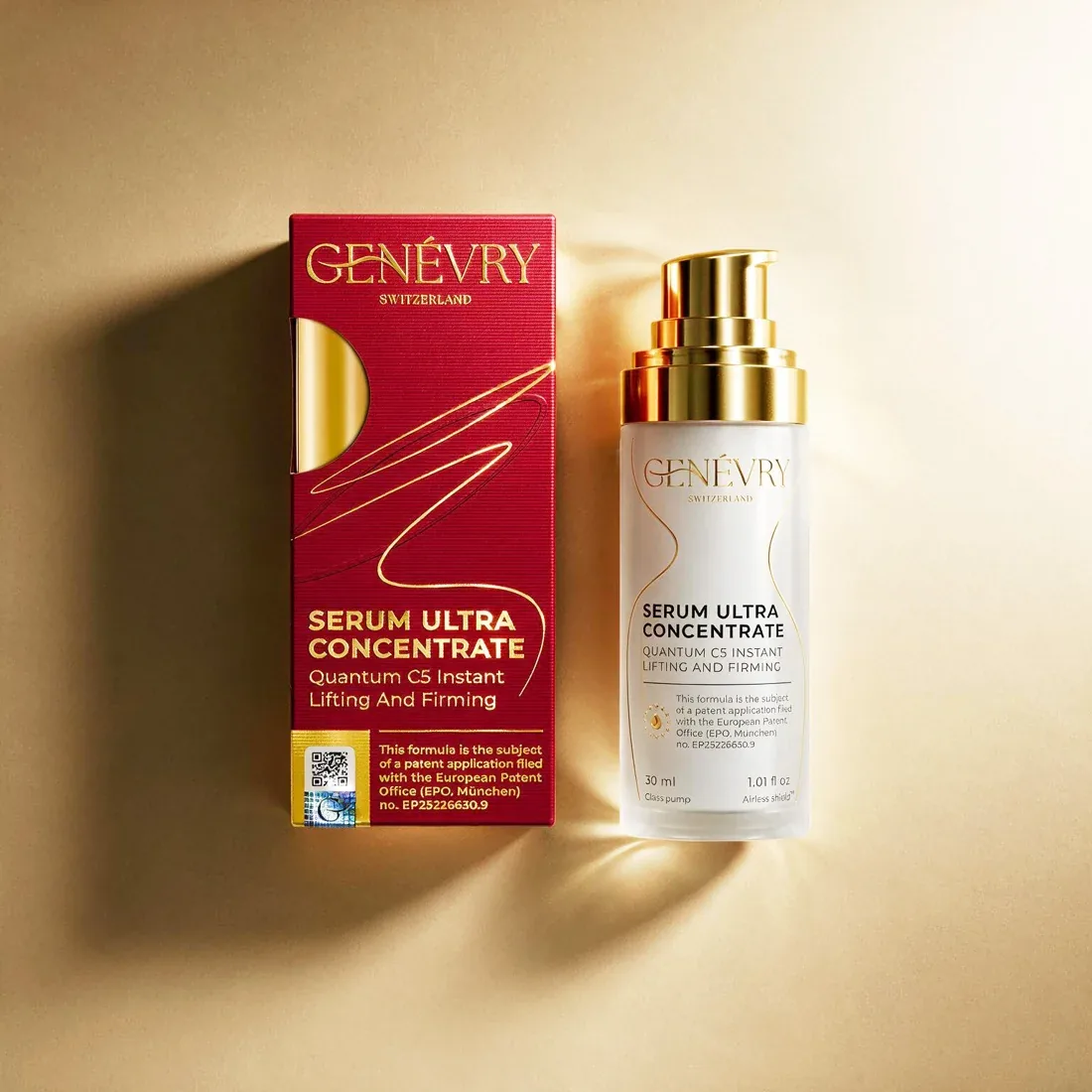
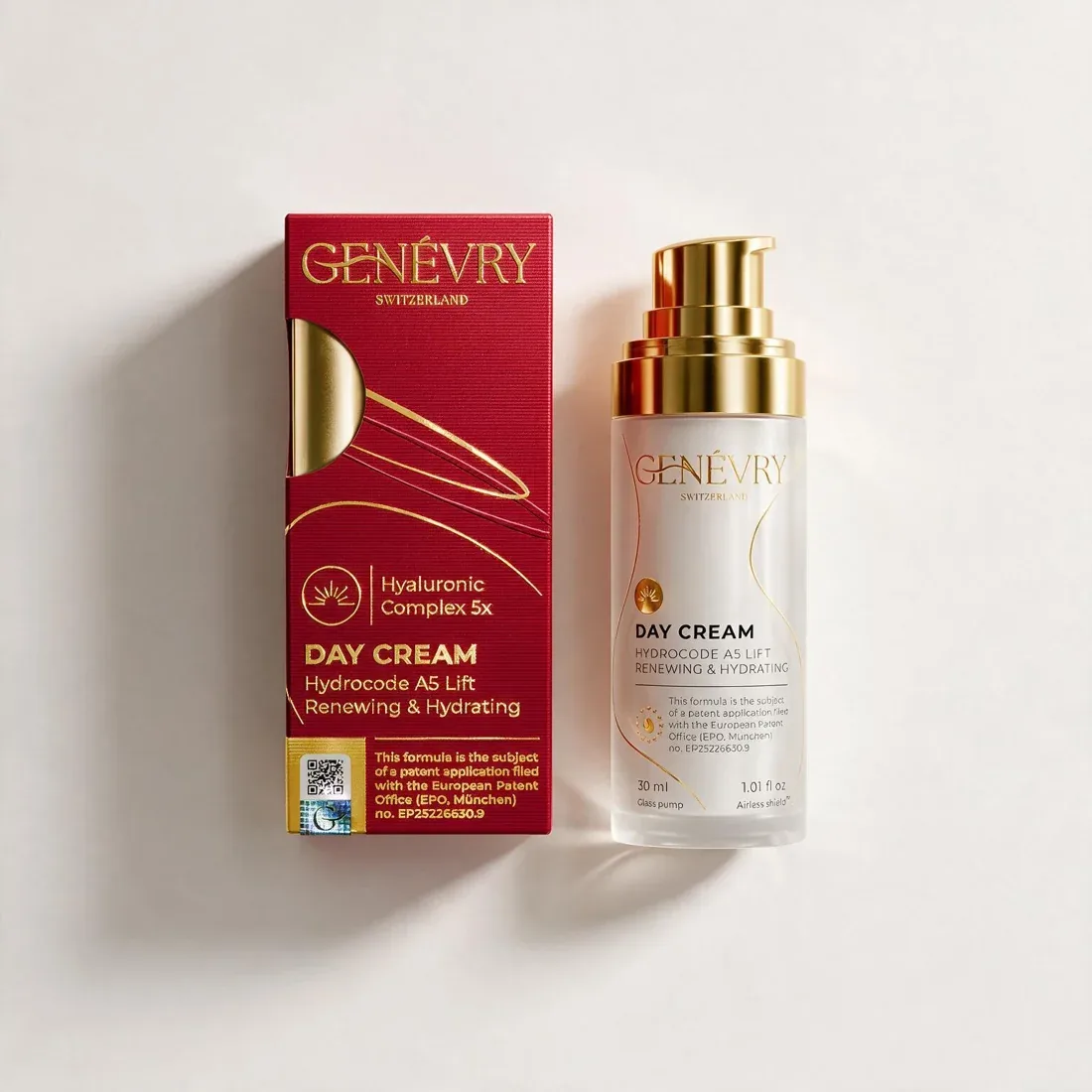
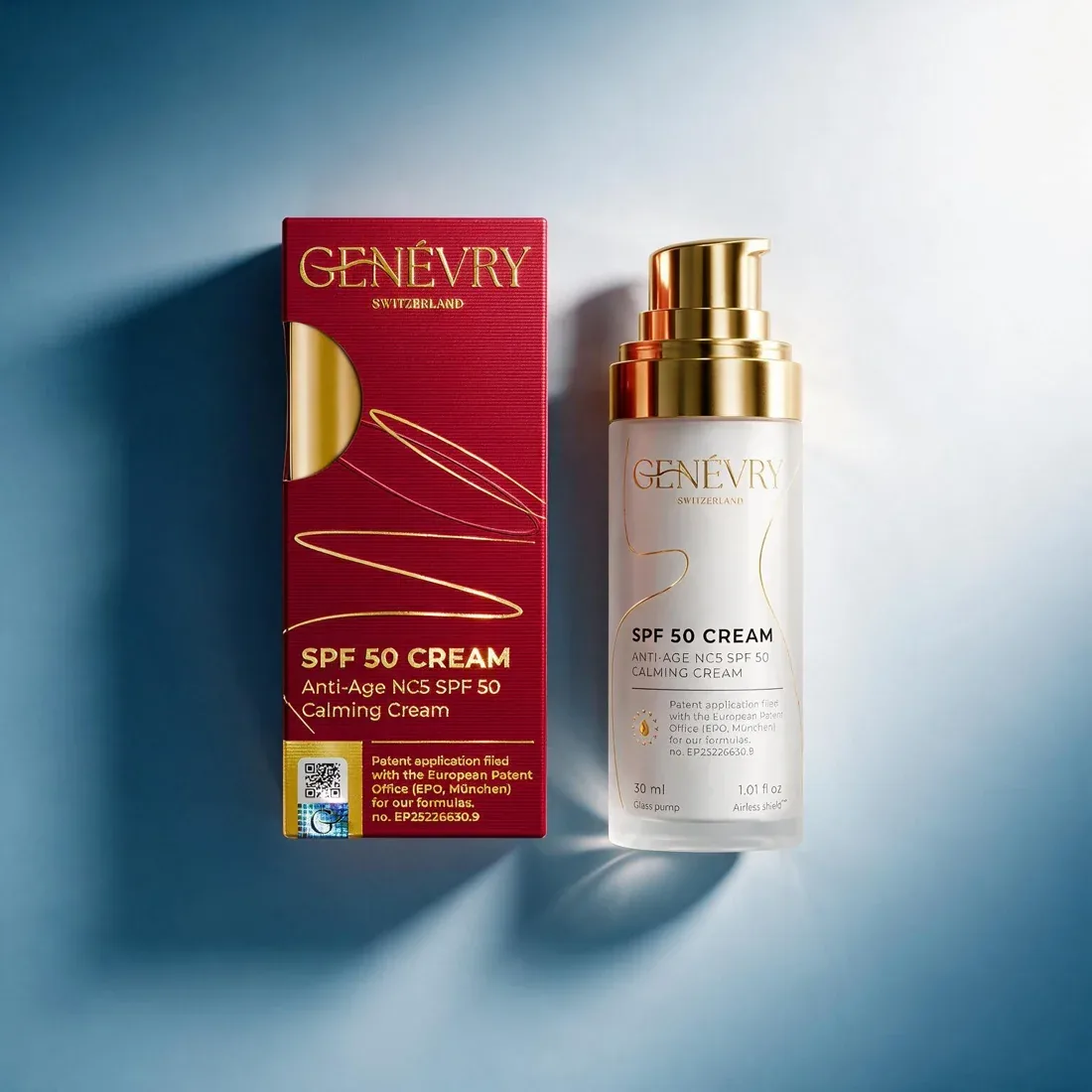
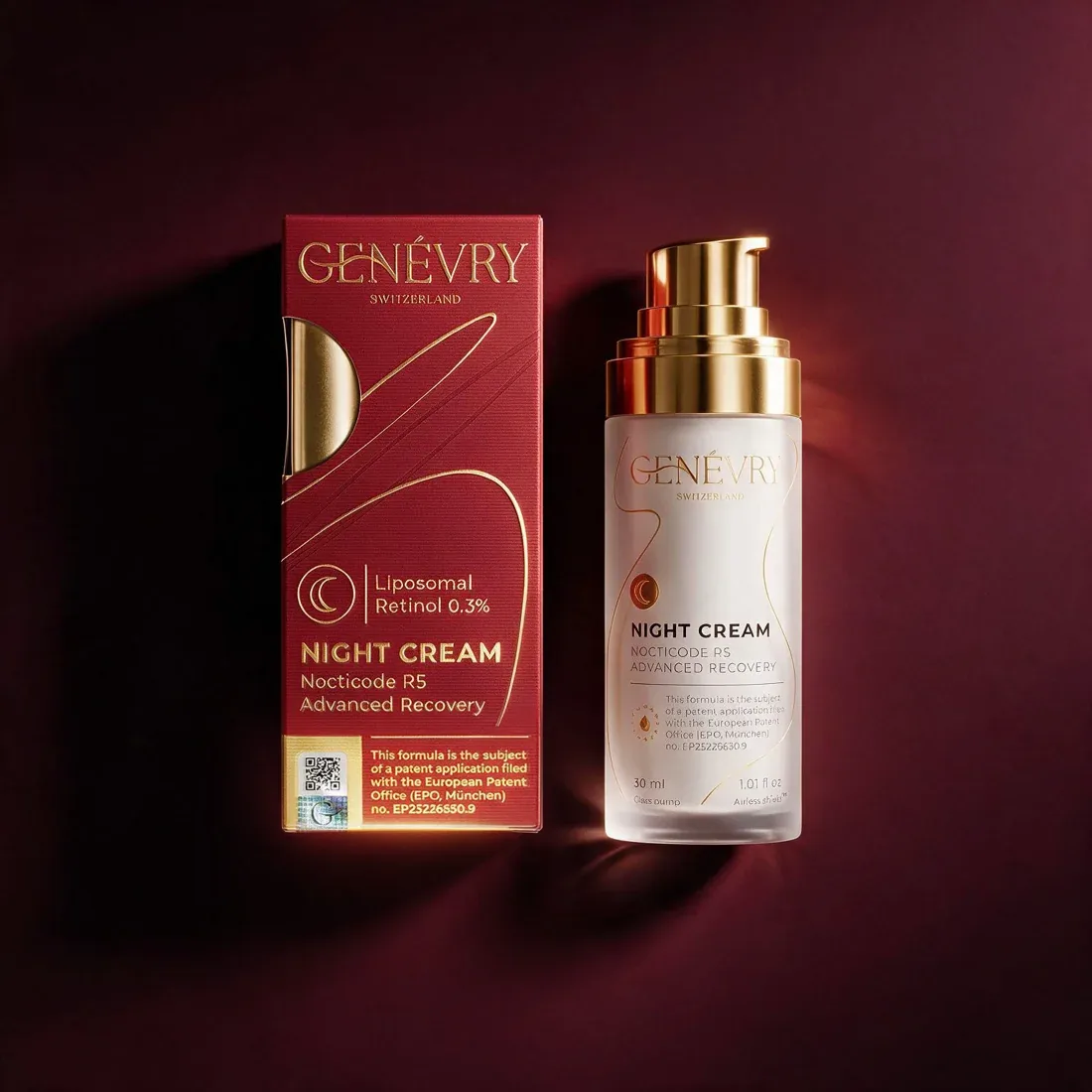
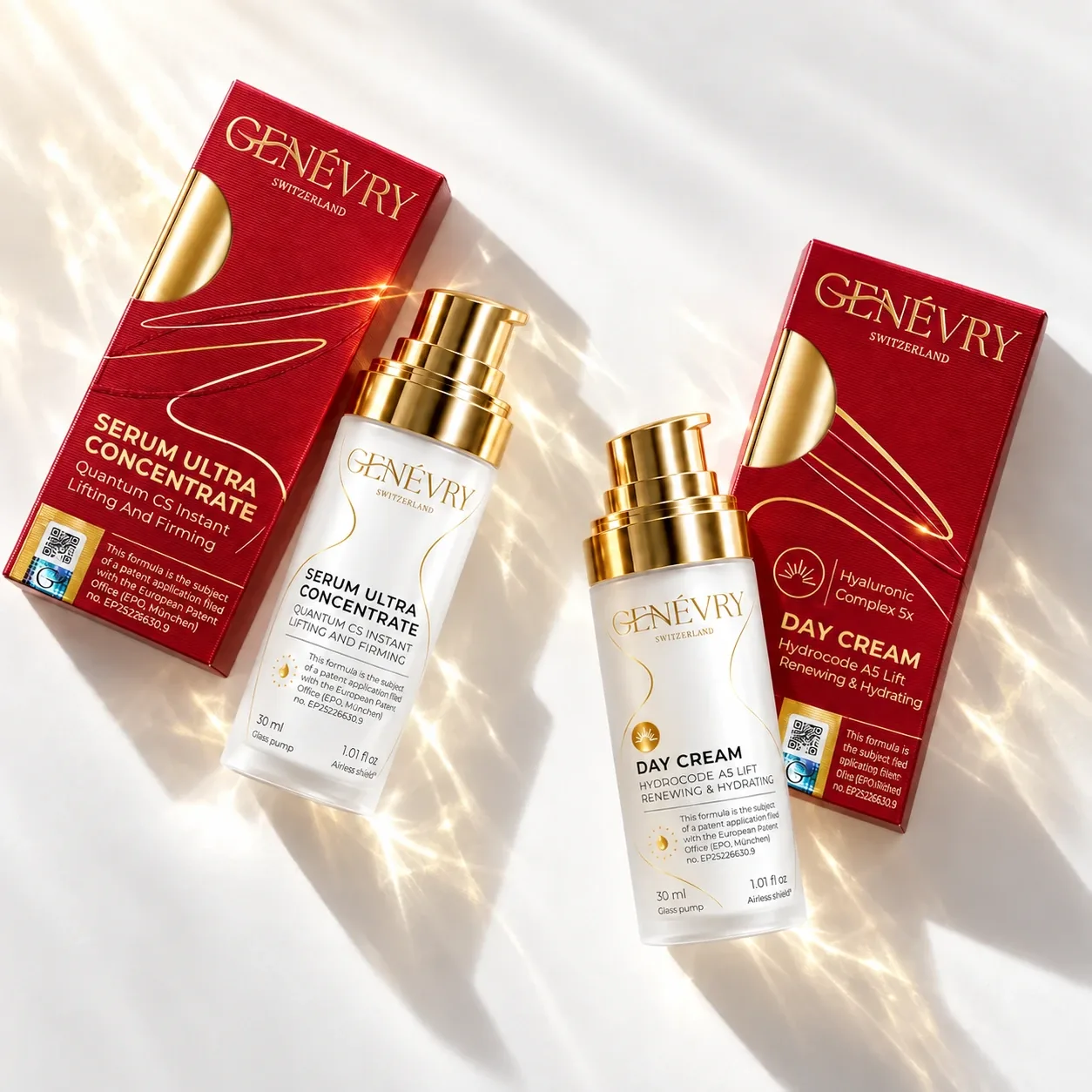
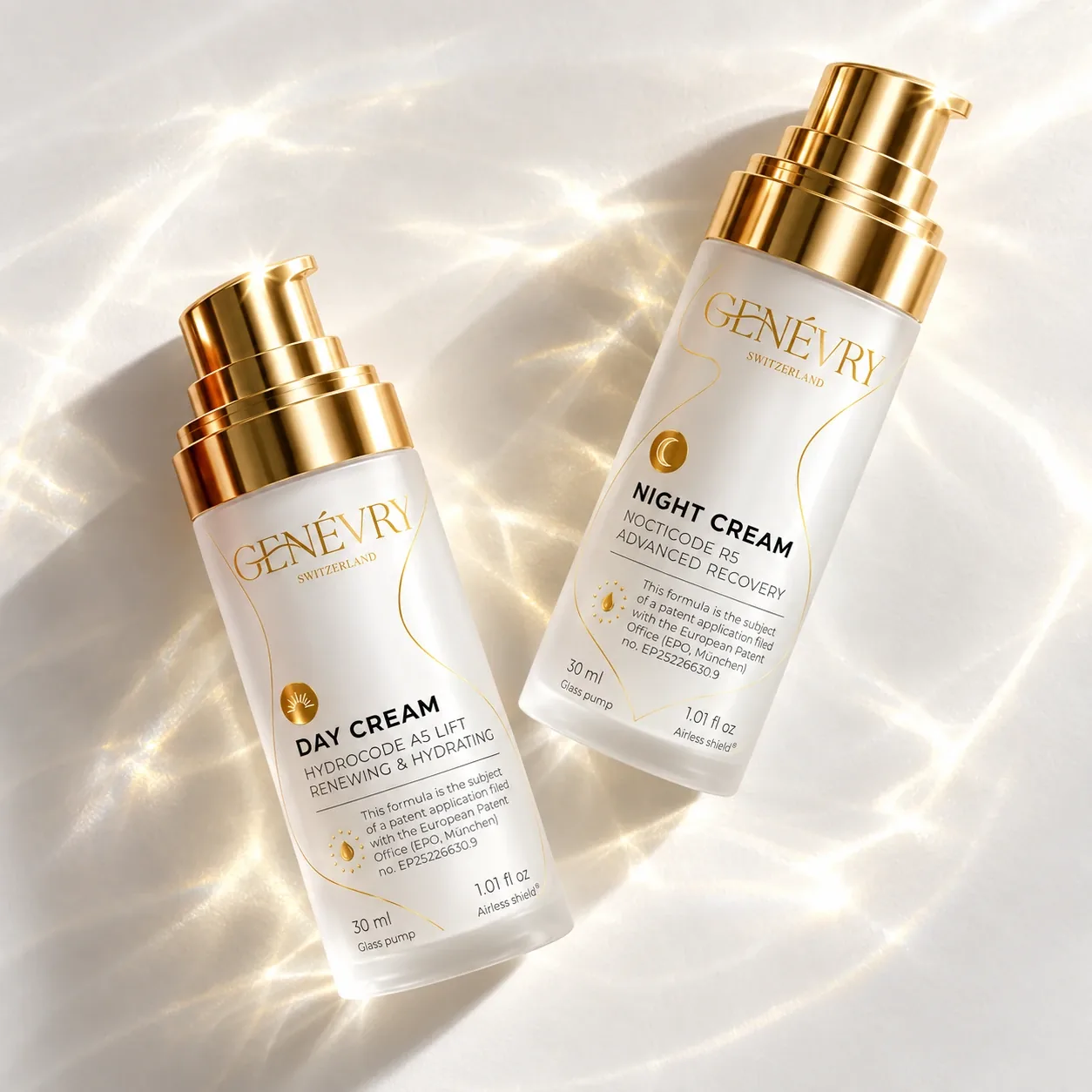
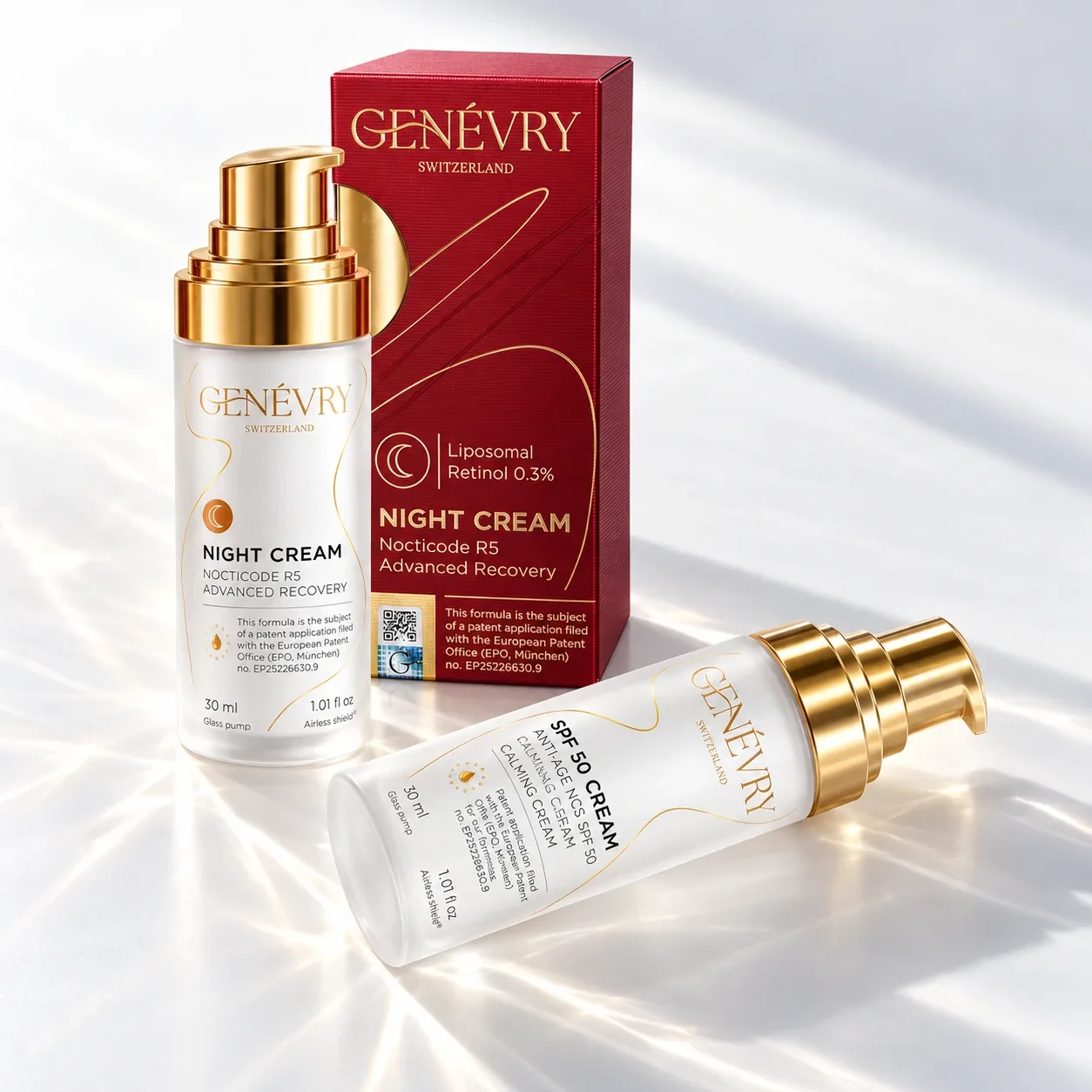
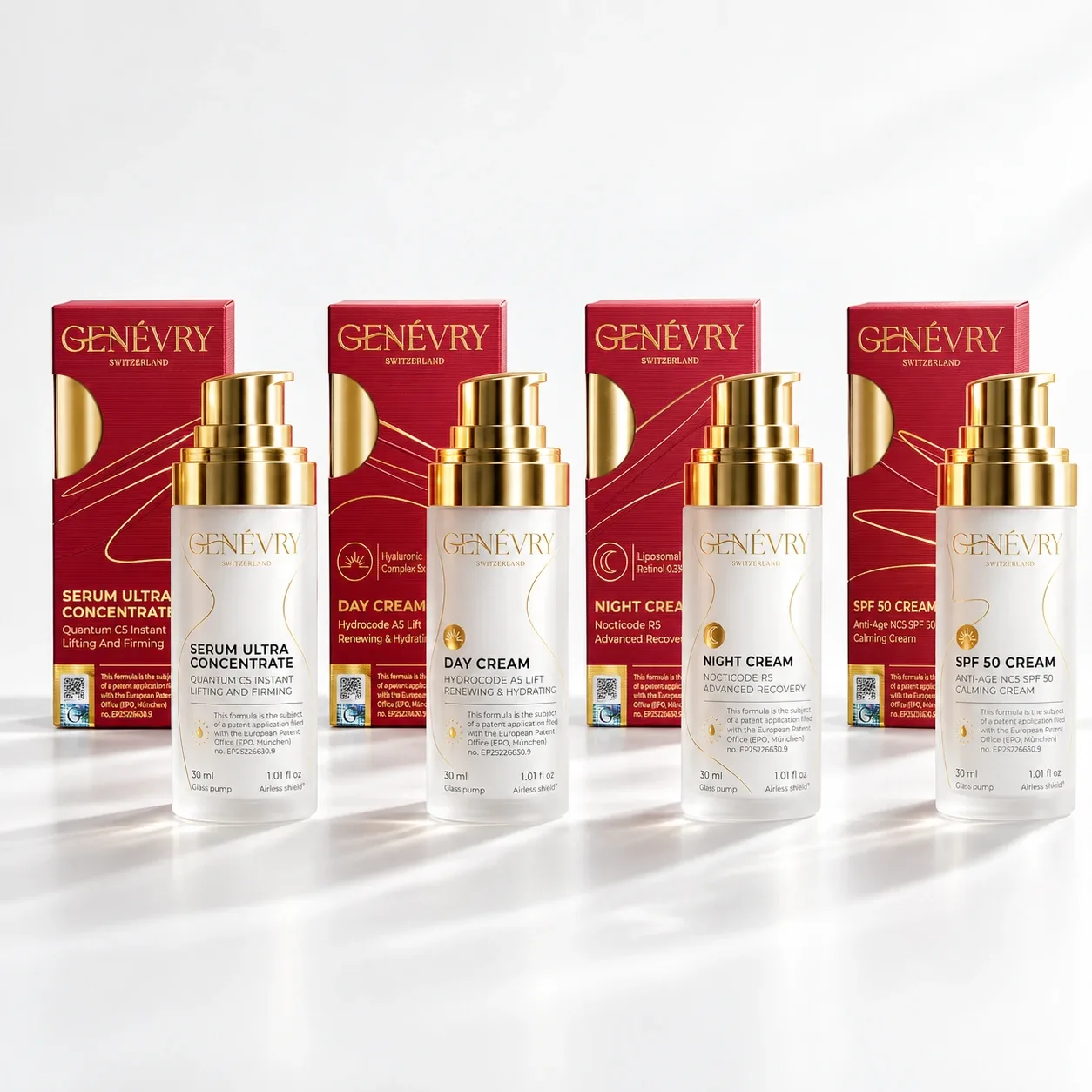
None of the GENÉVRY formulas contain glycolic acid. Our evening step is built around 0.3% liposomal retinol in Nocticode R5, and the morning around liposomal vitamin C with the copper peptide Copper Tripeptide-1 in the serum, finished with Anti-Age NC5 SPF 50. If you already own an acid you like, it fits in without a turf war. The answer is a calendar, not a cocktail in the palm of your hand.
A simple week to start from:
- Monday evening: cleanse, apply the acid, follow with a moisturiser twenty minutes later.
- Tuesday and Thursday evenings: retinol, meaning Nocticode R5 on dry skin.
- Thursday or Friday evening: a second acid night, once the first week has passed uneventfully.
- Remaining evenings: moisturiser only, no actives.
- Every morning: serum, cream, SPF 50. No exceptions, November included.
For convenience those two steps come together in The Night & Light Duo: the retinol night cream and the morning sunscreen in one set. If you are starting from nothing and want the full day covered, there is also The Skin Code Protocol.
On waiting times: let the skin dry before you layer anything over the acid. The famous “thirty minutes” is a simplification, but the principle holds, because a wet surface dilutes and shifts the pH of whatever goes on next.
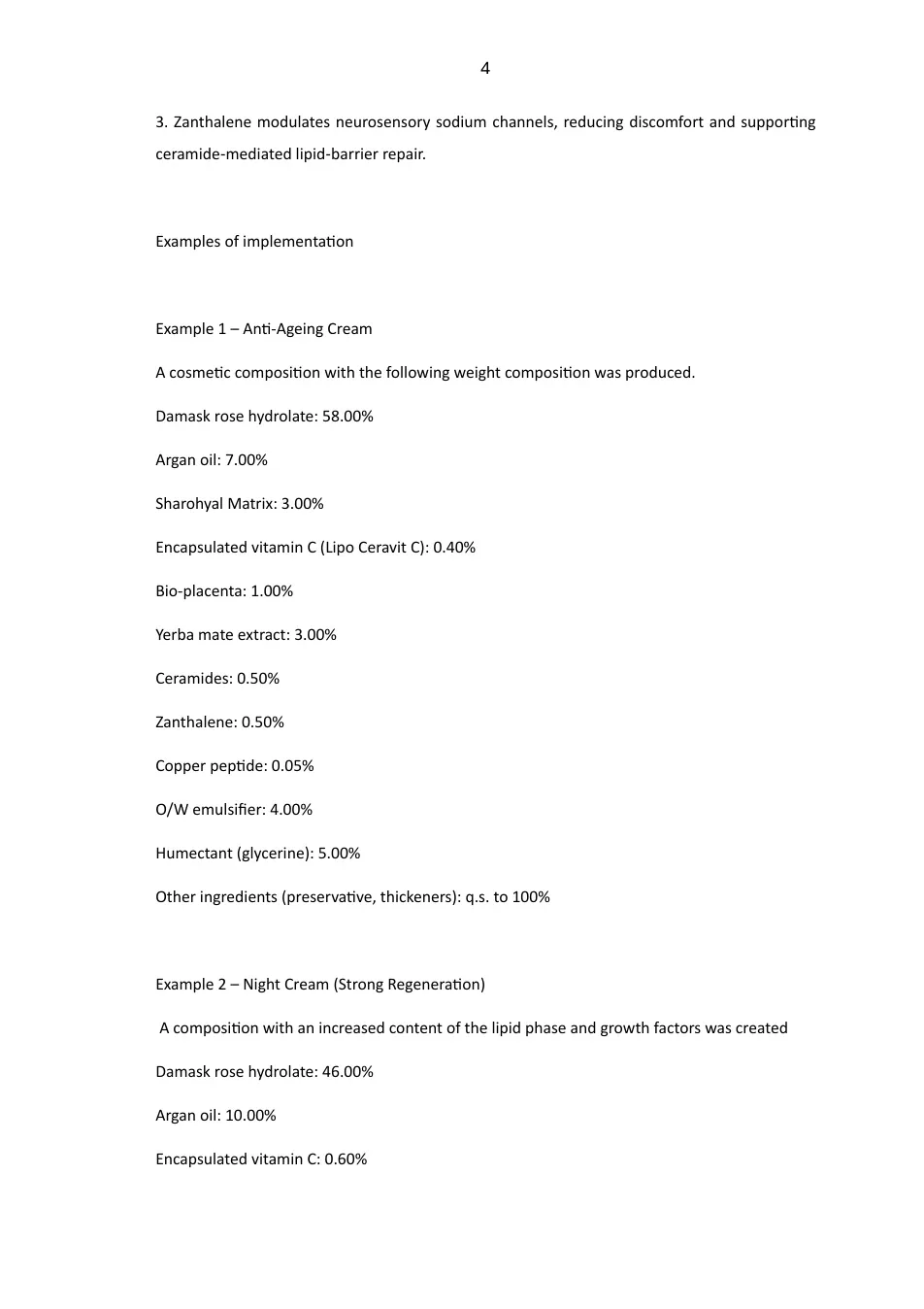
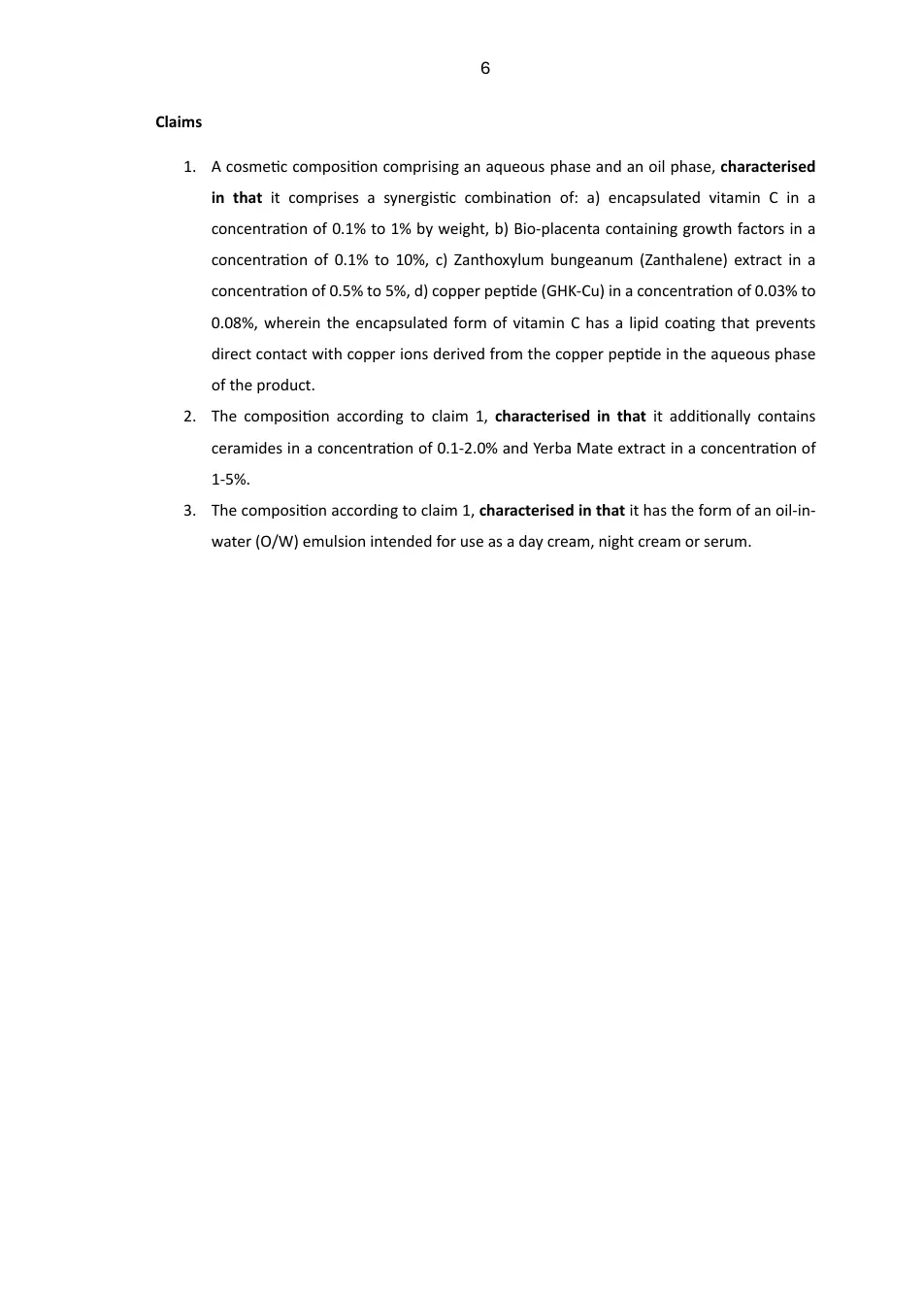
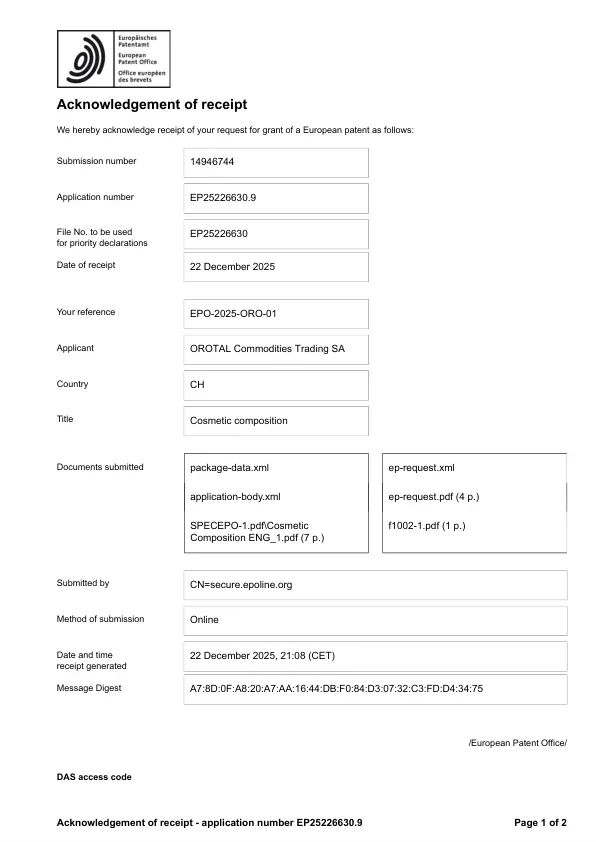
GENÉVRY formulas are covered by patent application EP25226630.9 (patent pending), notified in the CPNP, and made in a facility with an implemented HACCP system. The brand does not test on animals.
Seven mistakes we see most often
- Daily use from day one. Twice a week for the first month is enough to judge tolerance.
- Applying to a damp face. Water changes the pH and the way the product spreads. Pat dry, wait a minute.
- A scrub in the same week. A brush, a scrub and an acid are three solutions to one job.
- Skipping sunscreen. After the section above, nothing more needs saying.
- Starting too strong. Jumping from nothing to 10% usually ends in a week off and the conclusion that “acids don’t suit me”.
- Strong acid on the neck and eyelids. The skin is thinner there. Neck once a week, eye area not at all.
- Judging it after three days. A full epidermal turnover in an adult is measured in weeks.
What to expect, week by week
Most disappointment comes from a mismatch of timescales. Surface smoothing shows up quickly, an evener-looking tone takes patience, and some carton promises have no timescale at all because they have no basis.
| Period | What usually shows | What to do |
|---|---|---|
| First 2–3 applications | Smoother skin to the touch the next morning, sometimes a brief sting on application. | Hold at two evenings a week, add nothing new. |
| 2–4 weeks | A more even light reflection, make-up spreads better, fewer rough patches on the forehead. | Consider a third evening if there is no redness. |
| 6–12 weeks | Stable smoothness. Tone looks more uniform, largely thanks to consistent sunscreen. | Reassess whether you still need that frequency. |
| Time to stop | Redness that lingers, stinging when you apply moisturiser, tightness after cleansing. | A week with no actives, a plain repair cream, then a lower strength. |
If twelve weeks bring no difference at all, the problem is rarely a product that is “too weak”. More often it is a missed sunscreen, too few applications, or an expectation a cosmetic cannot meet.
Frequently asked questions
Can you use glycolic acid every day?
At low strengths and a higher pH some people tolerate daily use, but it is not a starting point. Begin with two evenings a week and increase only once a month has passed without stinging or a tight, rough feeling the next day.
Does glycolic acid fade dark spots?
Fruit acids support a more even-looking tone through faster surface renewal, but they are not a treatment for pigmentation and they do not replace sunscreen. At home, this is one element of a plan rather than the plan itself. We wrote separately about how SPF and vitamin C relate to uneven skin tone.
Glycolic acid or retinol?
It is a question of sequence, not an either-or. If you can only commit to one active for the next six months, retinol has the stronger research record on the signs of ageing. The acid improves smoothness faster and can fill the other evenings. On retinol and daylight we wrote a separate piece on retinol and sun exposure.
Do acids thin the skin?
The sources do not support that at cosmetic strengths. The SCCNFP recorded that the data showed no increase in transepidermal water loss and no increased penetration of reference compounds after long-term use of products up to 10% at pH 3.5. Overuse is a different matter: a daily acid plus a scrub will unsettle the barrier, and you can see it in the mirror.
My skin burns after applying an acid. What now?
A short tingle for a minute or two can be normal. Burning that does not pass should be rinsed off with lukewarm water, followed by a plain cream with panthenol or ceramides and a week’s break. Next time, choose a lower strength or a shorter contact time.
Is glycolic acid safe in pregnancy?
Leave that decision to the doctor looking after you. Retinoids are set aside during pregnancy, and with acids it is simply worth asking rather than taking an internet forum’s word for it.
Summer or winter?
Winter is easier, because the UV dose is lower and sunscreen discipline is simpler to keep. In summer an exfoliating acid requires SPF 50 reapplied during the day, and after a beach or mountain holiday a two-week pause is the sensible move.
Where to start this week
Look at the product already in your bathroom: the percentage, the pH, and where the acid sits on the ingredient list. If it is in the top five and no pH is given, start with one evening a week. Put two fixed acid evenings and two retinol evenings in the calendar and leave the rest for plain moisturiser. And start with the morning: Anti-Age NC5 SPF 50 at the front of the shelf, where you can see it.
The formulas in this article
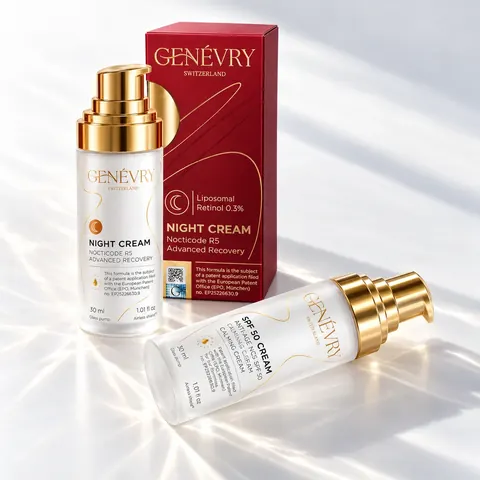 The Night & Light DuoCreme de noite + SPF 50 · 2 × 30 ml€64.90Discover the formula →
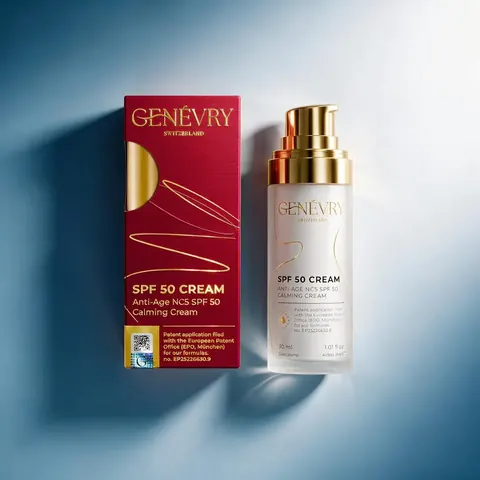 Anti-Age NC5Creme calmante SPF 50€31.90Discover the formula →
Cosmetic product. Individual results may vary.

 English / EUR
 English (US) / USD
 English (UK) / GBP
 Deutsch / EUR
 Deutsch (Schweiz) / CHF
 Français / EUR
 Italiano / EUR
 Español / EUR
 Nederlands / EUR
 Polski / PLN
 日本語 / JPY
 한국어 / KRW
 中文 / CNY
 العربية / AED
 English (Australia) / AUD
 English (Canada) / CAD
 Svenska / SEK
 Dansk / DKK
 Norsk / NOK
 Suomi / EUR
 Português / EUR
 Türkçe / TRY
 Čeština / CZK
 Magyar / HUF
 Română / RON
 Ελληνικά / EUR
 Slovenčina / EUR
 Hrvatski / EUR
 Slovenščina / EUR
 Lietuvių / EUR
 Latviešu / EUR
 Eesti / EUR
 Български / EUR
 Українська / EUR