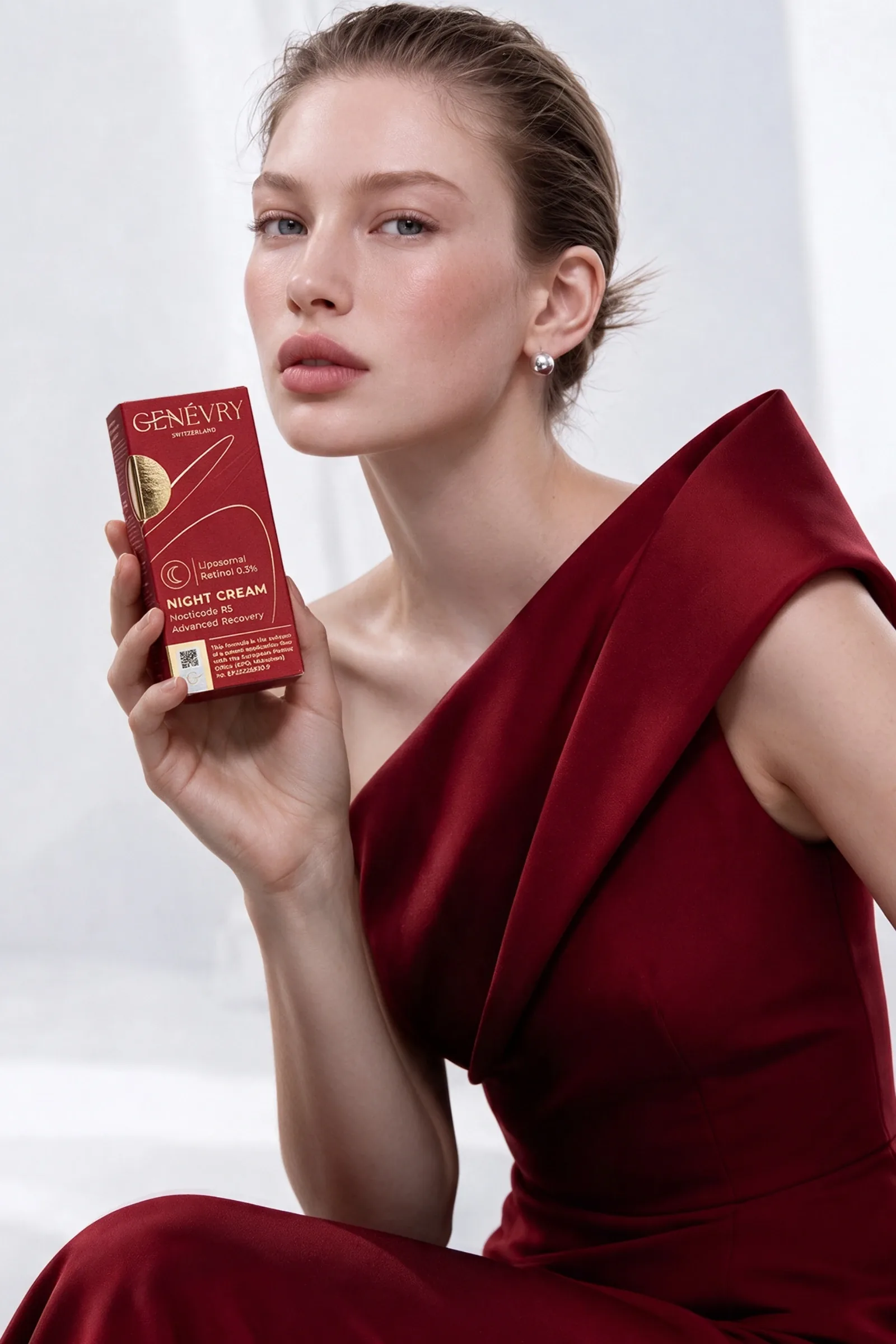
The EU retinol limit — what the new rules mean for your night cream
The European Union has capped vitamin A in cosmetics, and the final transition date falls on 1 May 2027. Here is what it changes for the cream already on your shelf.
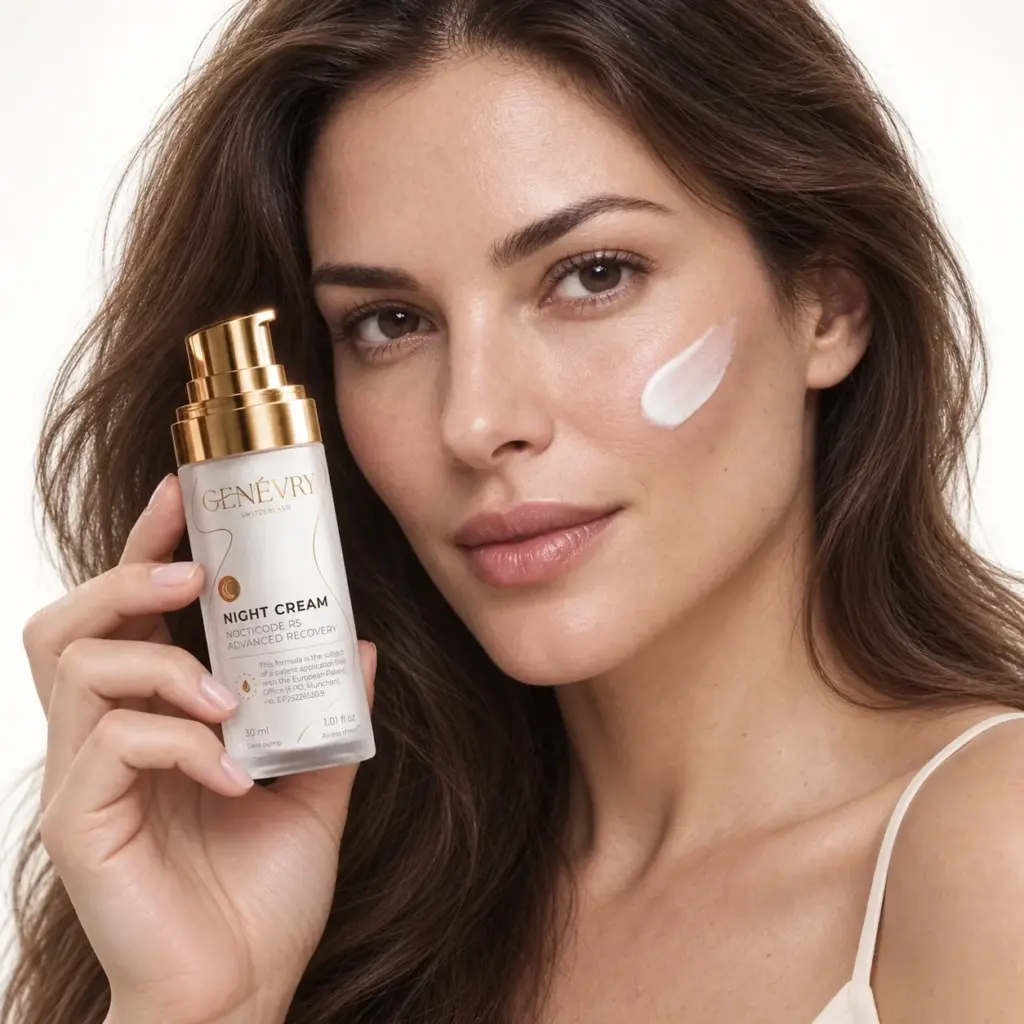
The EU retinol limit has moved out of regulatory departments and onto labels. Since 1 November 2025, maximum concentrations of vitamin A apply to cosmetic products across the European Union, and by 1 May 2027 anything placed on the market under the old rules has to be gone. For anyone standing in front of a shelf, two things change: a number in the formula, and a new sentence on the box.
The basis is Commission Regulation (EU) 2024/996 of 3 April 2024, which added vitamin A to Annex III of the Cosmetic Products Regulation 1223/2009 — the list of substances that are permitted, but only under set conditions. Before that, retinol in a cosmetic had no legal ceiling in the EU at all.
What the regulation actually changed
The entry covers three INCI names: Retinol, Retinyl Acetate and Retinyl Palmitate, grouped under vitamin A. Concentrations are counted in retinol equivalent (RE), meaning esters are converted to the amount of retinol they correspond to — so 0.3% retinyl palmitate is considerably less than 0.3% RE. The cap depends on the product category, because the category determines how much skin the product covers.
| Product category | Maximum concentration | Examples |
|---|---|---|
| Body lotion | 0.05% RE | Lotions and milks applied over a large skin surface |
| Other leave-on and rinse-off products | 0.3% RE | Face creams and serums, hand creams, cleansers |
| Any product containing vitamin A | mandatory statement | A warning on the pack, whatever the concentration |
The wording set out in the regulation is: “Contains Vitamin A. Consider your daily intake before use.” In other words, a note that the product contains vitamin A and a reminder to account for how much of it you already take in. On most packs it sits with the other warnings, just below the ingredient list.
Two dates worth separating
The regulation distinguishes two moments, and confusing them is behind most of the talk about retinol being “withdrawn”.
| Date | What changes | Who it applies to |
|---|---|---|
| 1 November 2025 | Non-compliant products shall not be placed on the Union market | Manufacturers and importers — new batches |
| 1 May 2027 | Non-compliant products shall not be made available on the Union market | Retail and distribution — stock on shelves and in warehouses |
Between those dates sits a sell-through window: a cream bought today, made before November 2025, can legally stay in a shop for a while yet. Only after 1 May 2027 will every vitamin A cosmetic available in the Union have to sit inside the limits. That deadline is now under six months away, which is why shelves are turning over faster than they did over the past two years.
Where the numbers come from
The reason is not that retinol in a cream turned out to be dangerous. It is a question of totals. We take in vitamin A from food — liver, eggs, dairy, carotenes from vegetables — and from supplements, and skin absorbs a share of what we apply. The scientific committee advising the Commission concluded that for consumers at the higher end of intake, the combined dose could approach levels best not exceeded. The cosmetic cap is therefore a piece of exposure arithmetic rather than a response to reports of irritation.
That also explains the split. Body lotion covers many times the surface area of a face cream, so at the same concentration it would deliver far more of the substance. Hence 0.3% for the face and 0.05% for the body.
What the EU retinol limit means at the shelf
First: 0.3% is still a lot. It sits at the top of what home care treats as a strong concentration, and most retinol creams on the market never came close to it. If you buy a face product declaring 0.3% retinol, you are buying the maximum the Union allows, not a version watered down by regulation.
Second: the entry names three specific substances. Retinal (retinaldehyde), retinyl retinoate and plant-derived relatives of retinol are not covered by it, and several brands have reformulated towards them. The INCI name on the back of the pack tells you which one you are holding.
Third: prescription retinoids — tretinoin, adapalene, isotretinoin — are medicines, not cosmetics, and sit under an entirely different body of law. The Cosmetic Products Regulation does not touch them. Outside the Union the picture varies: since Brexit the United Kingdom sets its own cosmetic rules and has not adopted this cap, so products bought from UK sites may carry different strengths.
Using retinol under the new rules
How you work with retinol has not changed. You start sparingly — twice a week, in the evening, on dry skin — and build frequency only once the skin stops answering back with tightness or flaking. Sunscreen in the morning is not negotiable, because skin adjusting to a retinoid tends to be more light-sensitive. Retinol is not for use in pregnancy or while breastfeeding; if you take medication or have a skin condition, let a dermatologist make the call.
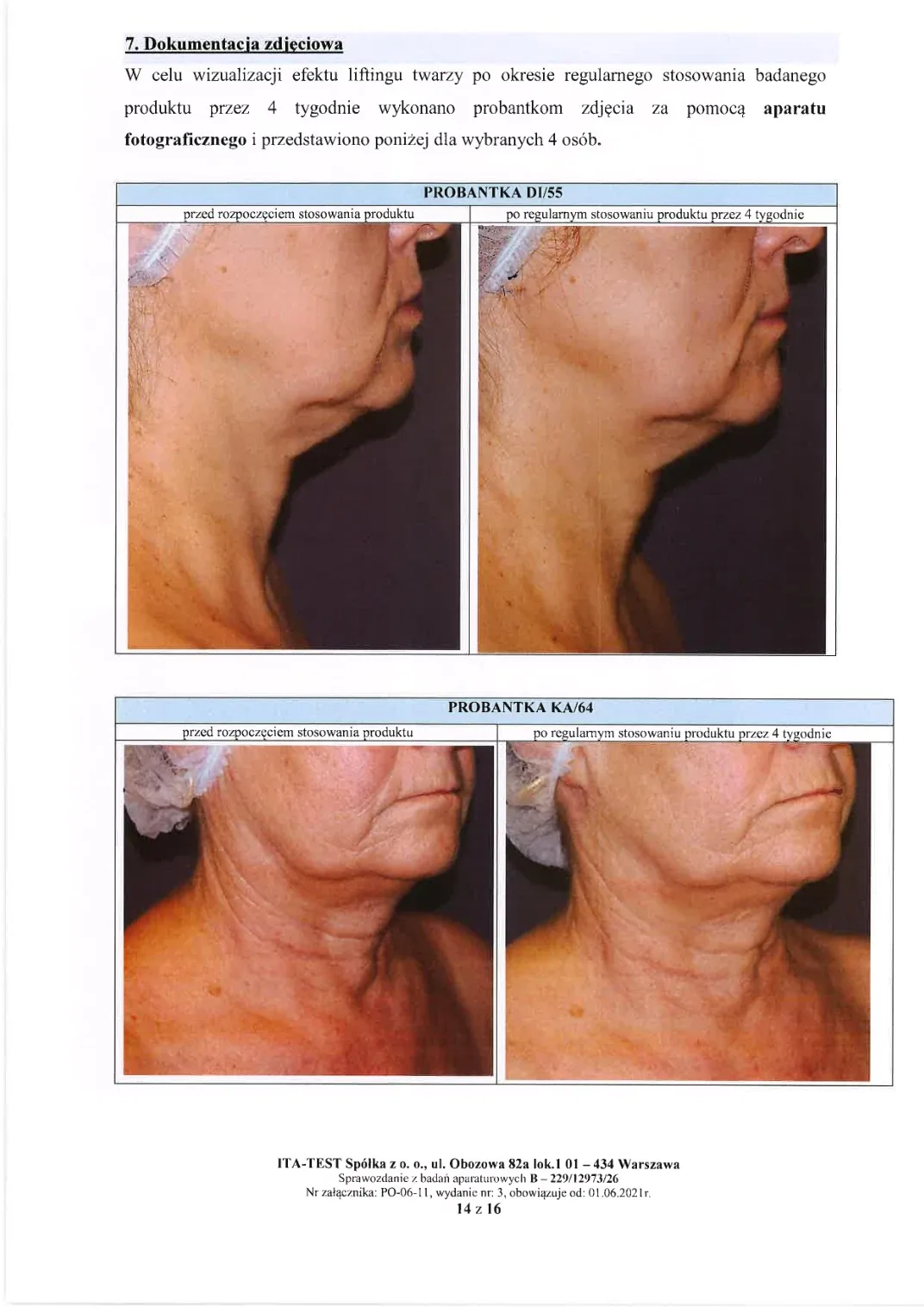
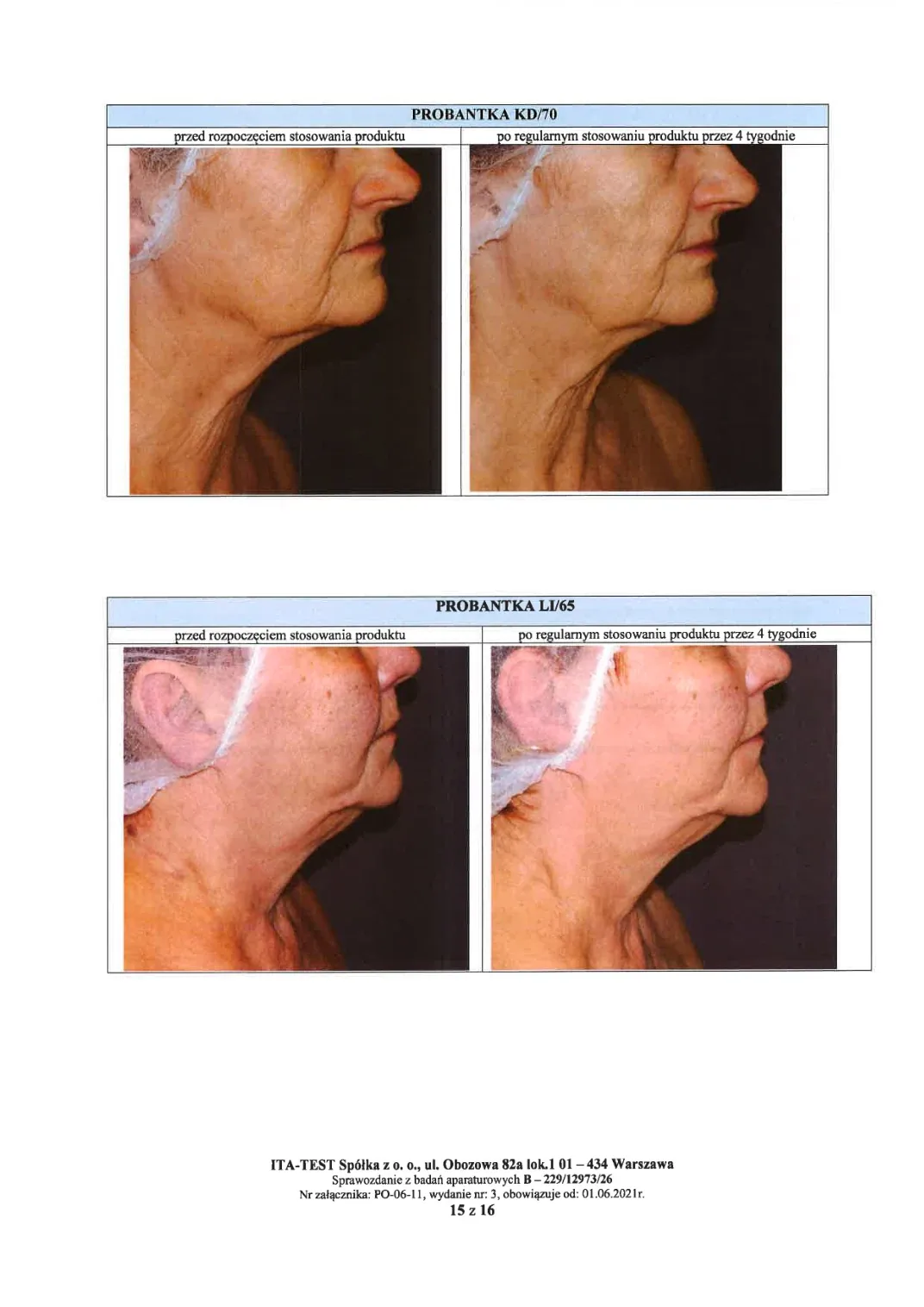
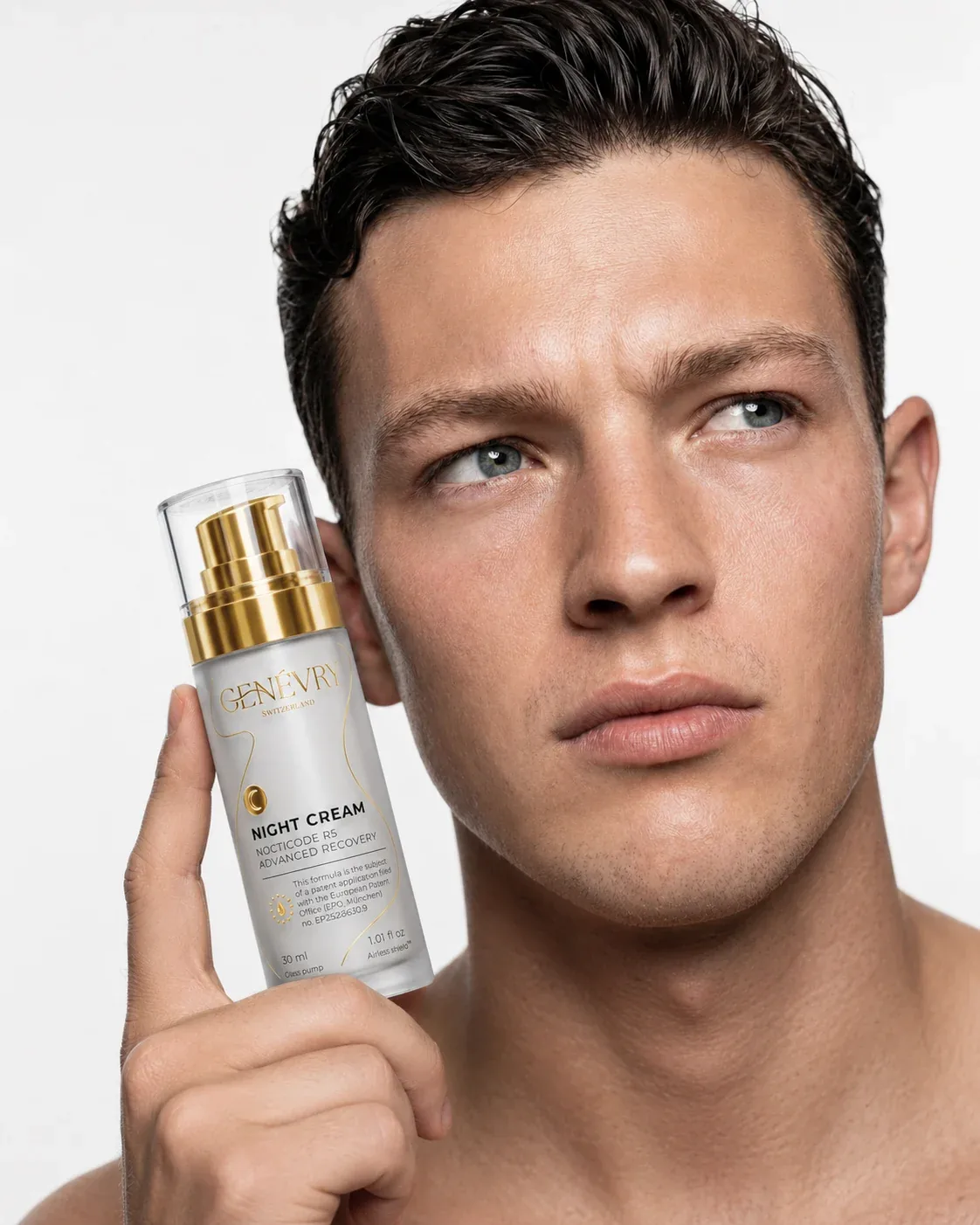
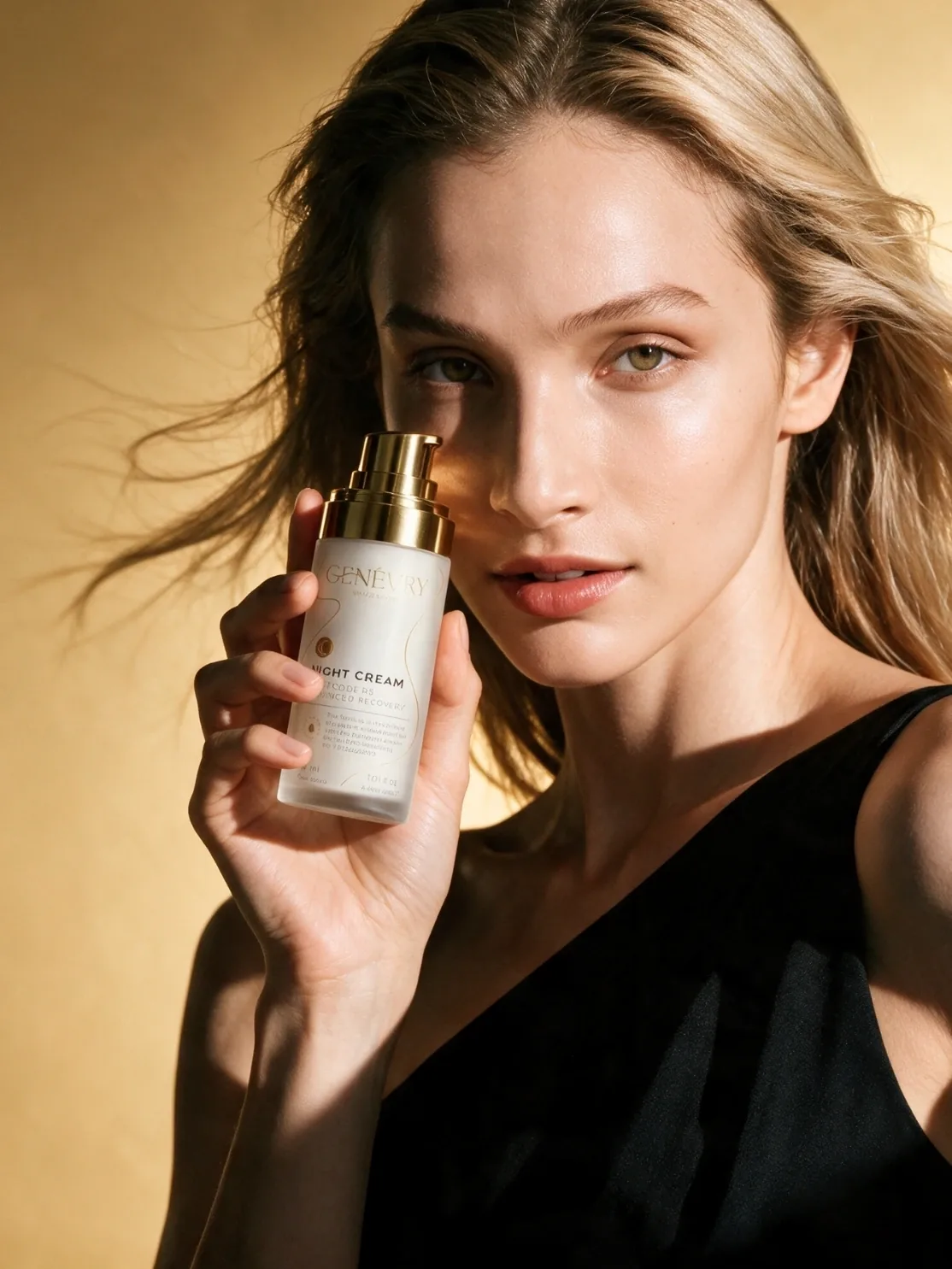
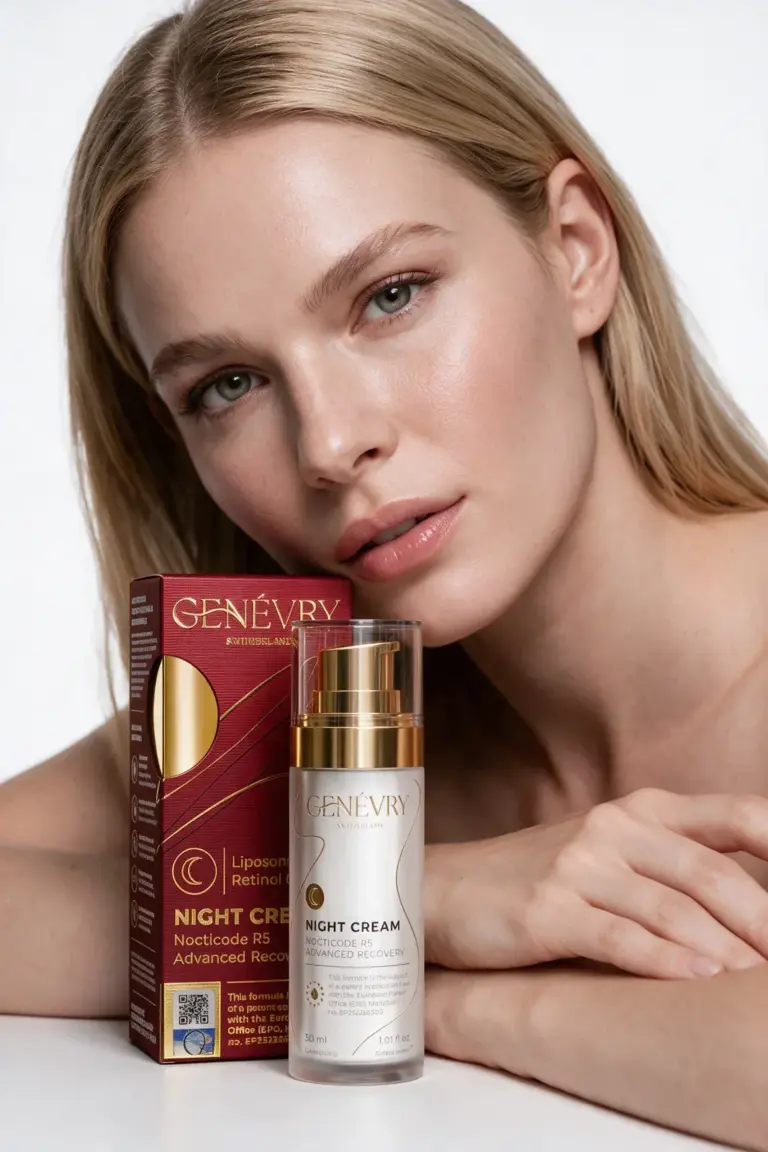
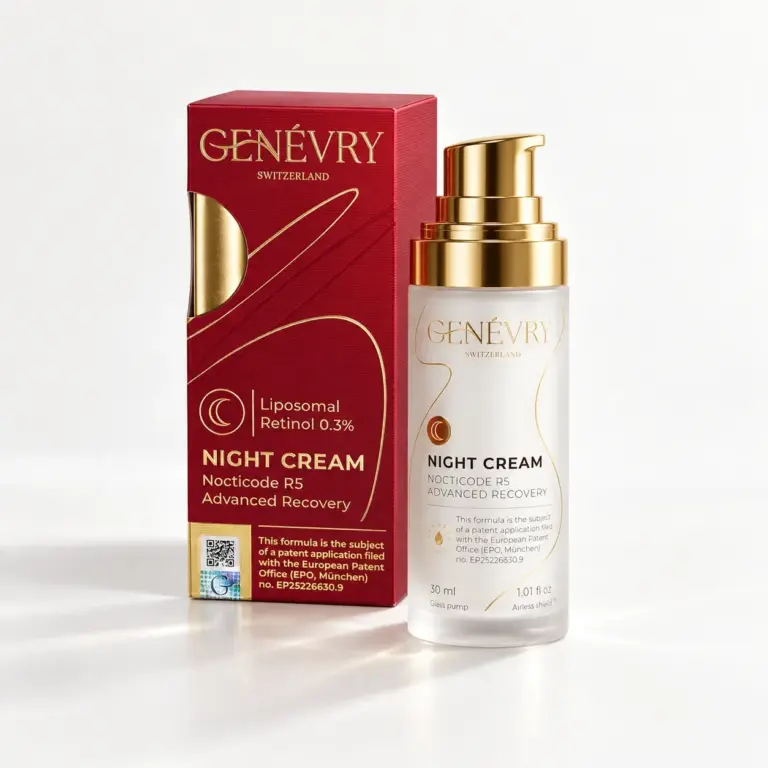
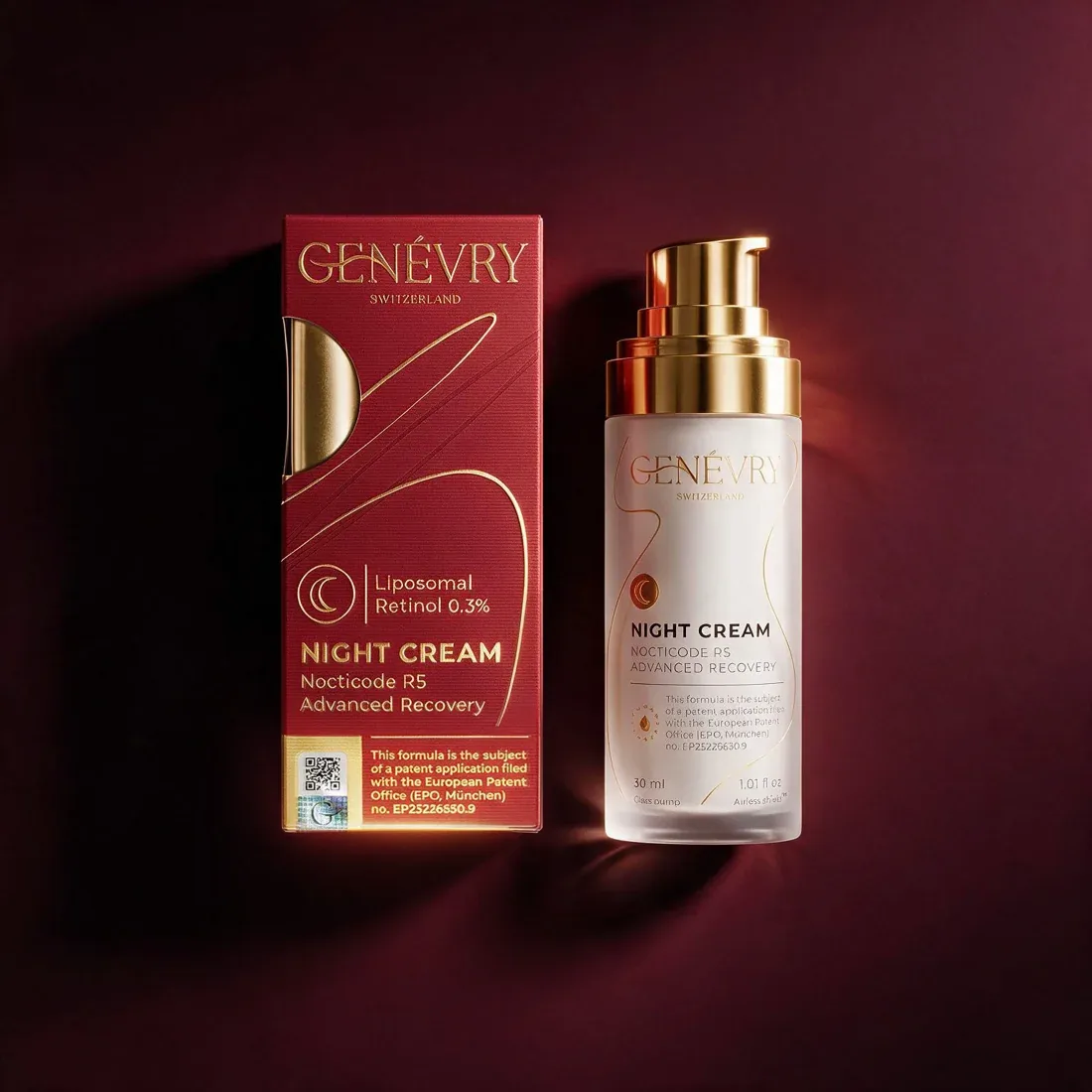
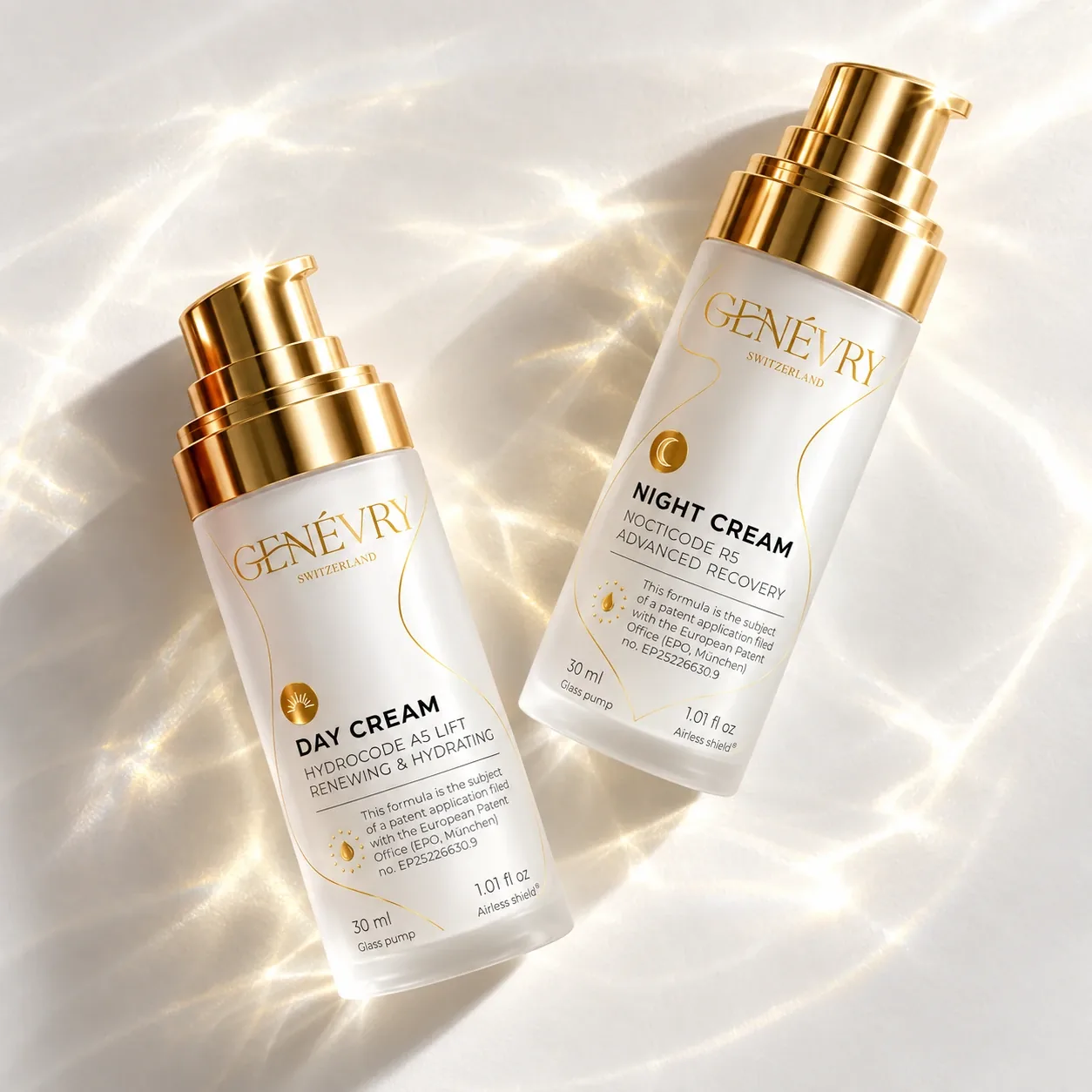
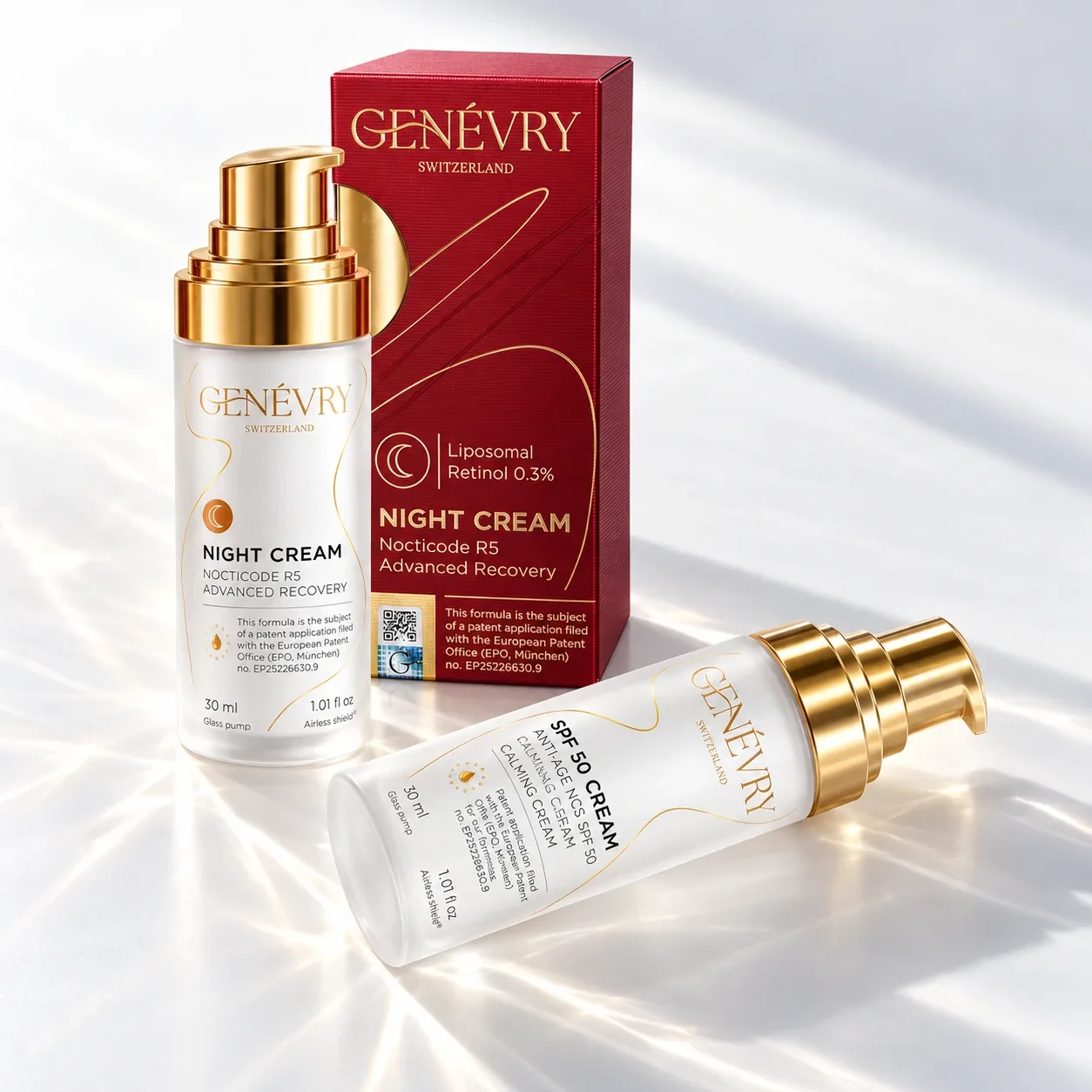
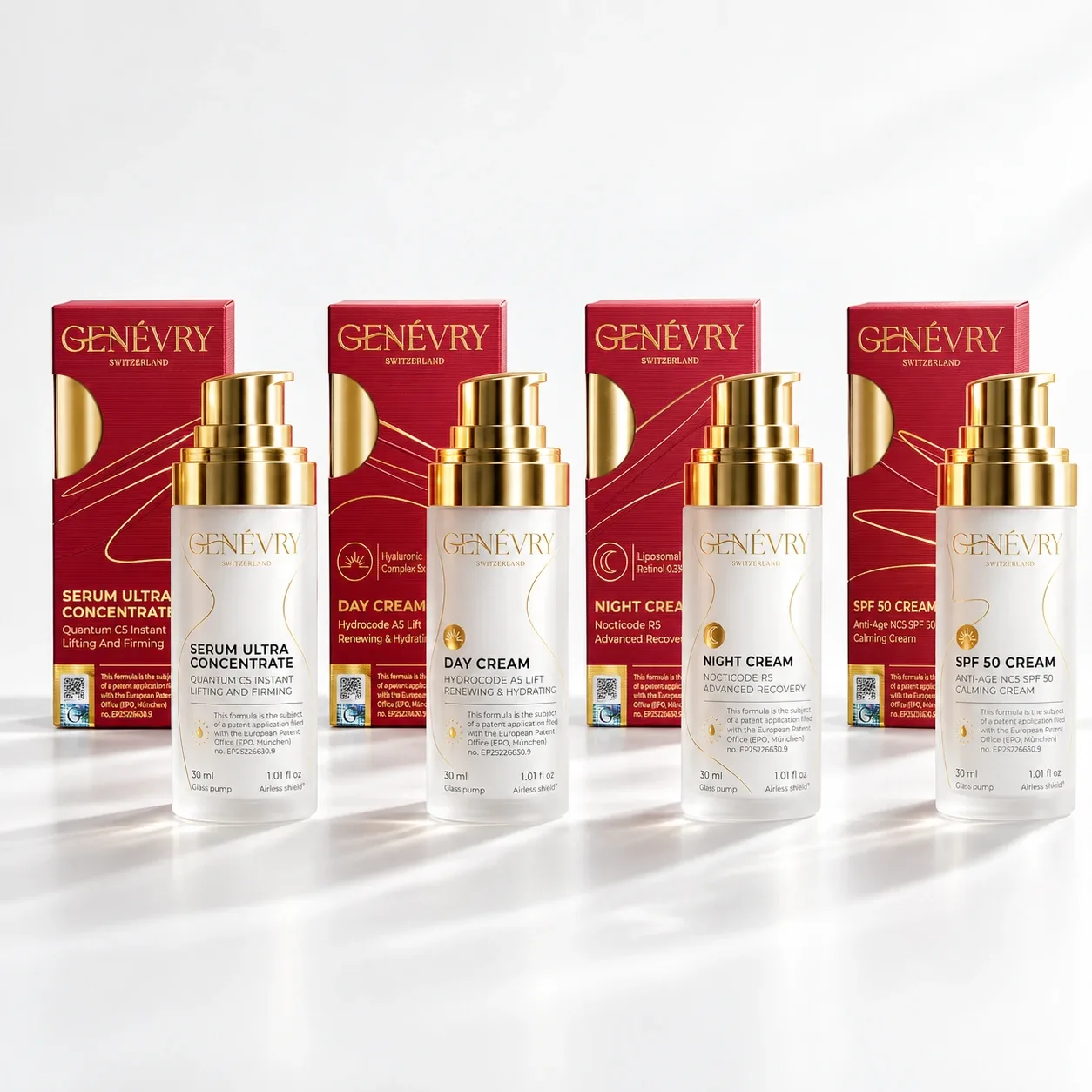
Nocticode R5 is the evening step in the GENÉVRY ritual — a night cream with liposomal retinol 0.3%, exactly the level the regulation allows for facial products. Liposomal means the active sits inside a lipid shell and is released gradually. In an instrumental study after four weeks of regular use (n=10), mean skin hydration rose by 38% and mean wrinkle length decreased by 10% — from 2.08 to 1.88 mm, with a reduction recorded in 9 of 10 participants (VISIOLINE VL650).
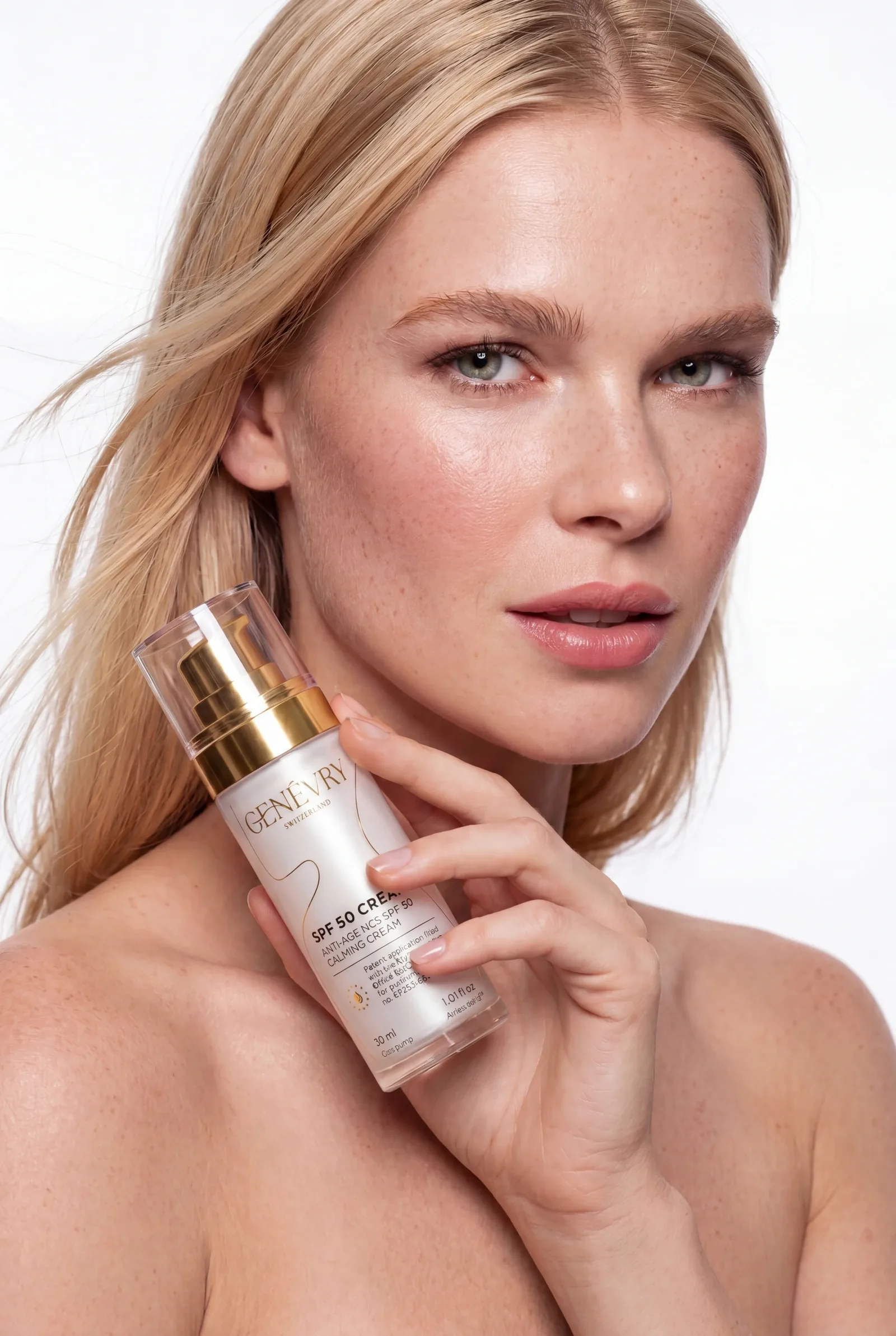
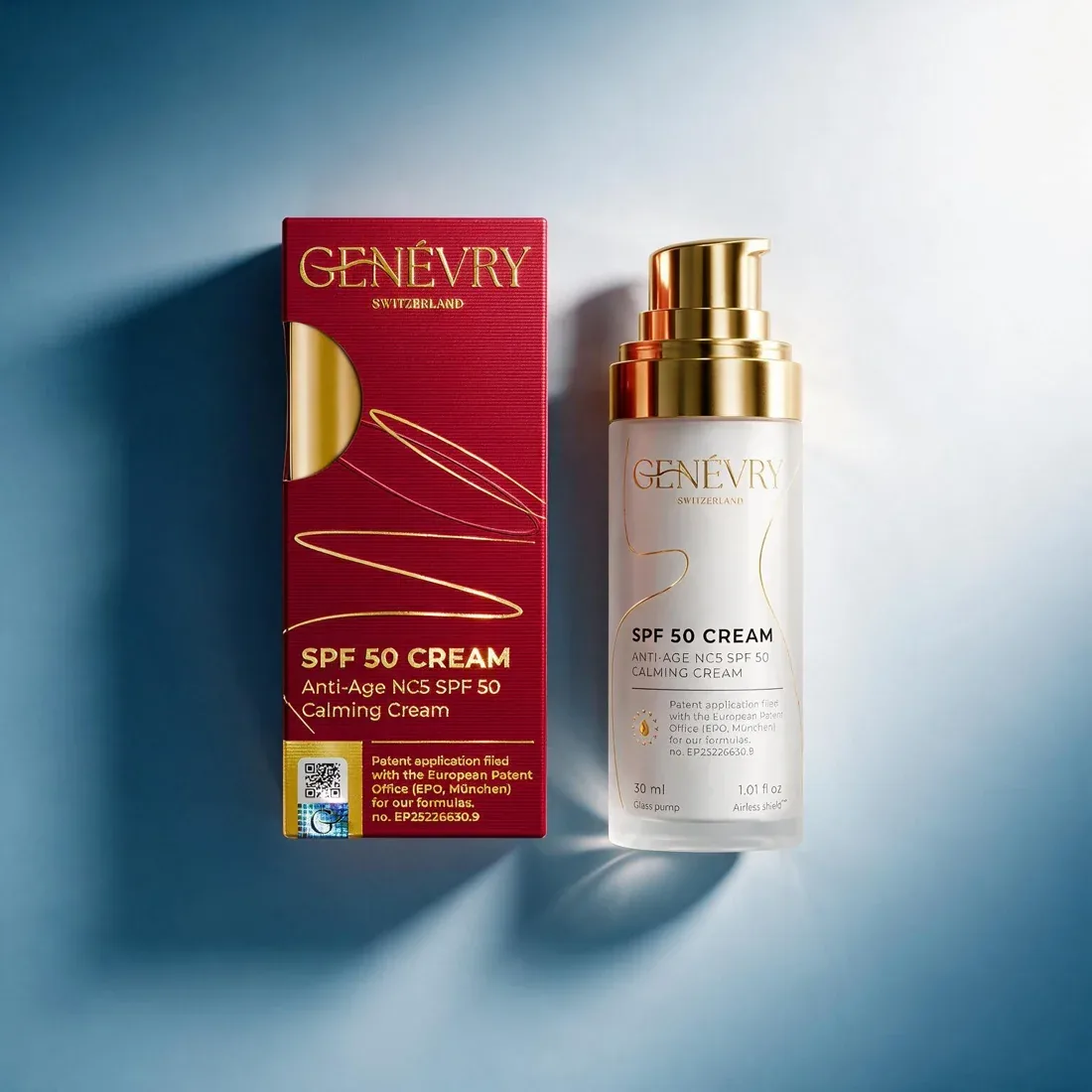
If you would rather have evening and morning matched from the start, The Night & Light Duo pairs the night cream with Anti-Age NC5 SPF 50 — because with retinol, morning protection is not an add-on but the other half of the same routine.
Frequently asked questions
Has the EU banned retinol in cosmetics?
No. Retinol remains permitted, with a ceiling: 0.3% RE in facial and other products, 0.05% RE in body lotion. It is a restriction, not a ban.
I have a 0.5% retinol cream bought two years ago. Can I still use it?
The rules govern placing products on the market and making them available, not what you do with what is already in your bathroom. If it is within date and your skin tolerates it well, there is no need to rush — with higher strengths, simply watch your frequency and keep up the morning SPF.
How do I know how much retinol a cream contains?
From the brand’s own declaration. An INCI list gives order, not percentages, so brands using high concentrations usually state them on the pack or in the product description.
Does the vitamin A warning mean the product is risky?
No. It is a note about vitamin A from all sources combined, close in spirit to the labelling on supplements. It applies to every cosmetic containing retinol, including low-strength ones.
Does the limit apply to cosmetics bought outside the EU?
A product placed on the Union market has to meet Union conditions, wherever it was made. Buying from sites outside the Union — the UK included — means the rules of that market apply instead.
A change that reads as a technical footnote does something useful in practice: it puts a ceiling where there was none and forces one line of information onto the pack. For most people it means nothing more than a calmer decision at the shelf — and a reminder that with retinol, consistency and a morning sunscreen matter more than the highest possible percentage.
The formulas in this article
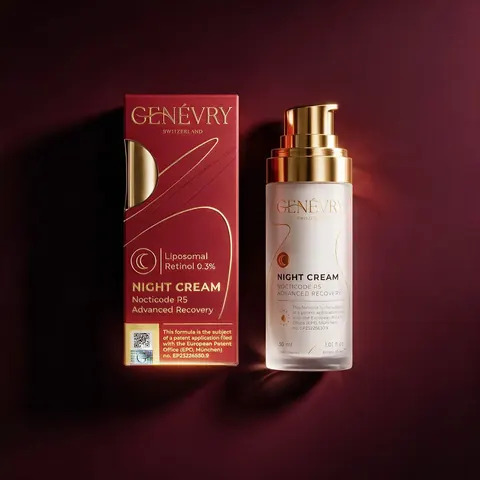 Nocticode R5Napredna noćna krema€34.90Discover the formula →
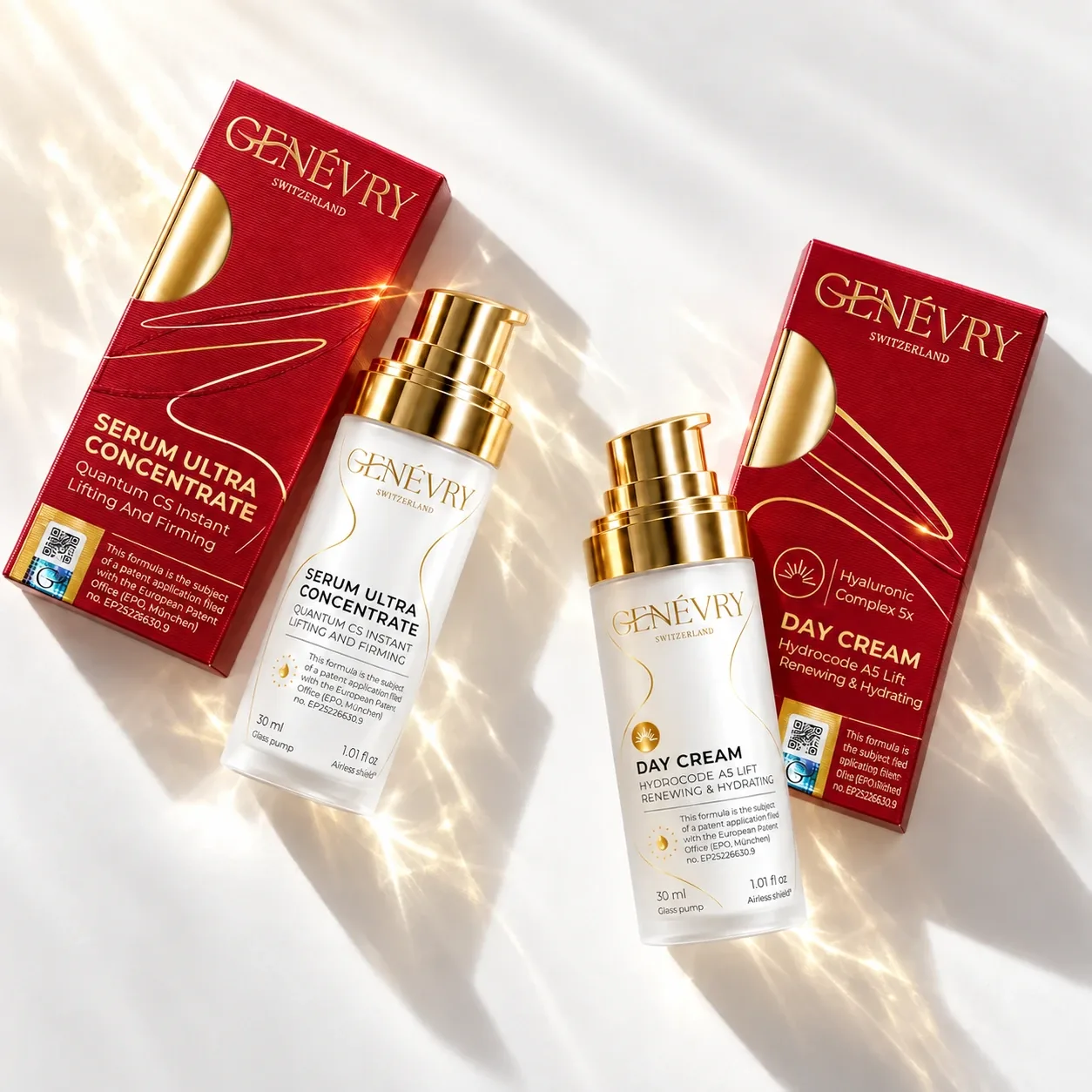
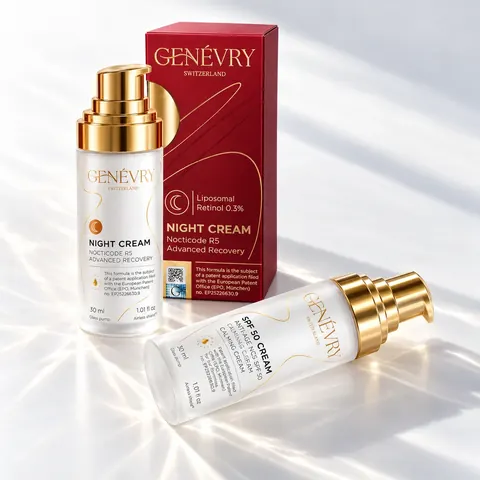 The Night & Light DuoNoćna krema + SPF 50 · 2 × 30 ml€64.90Discover the formula →
Cosmetic product. Individual results may vary.

 English / EUR
 English (US) / USD
 English (UK) / GBP
 Deutsch / EUR
 Deutsch (Schweiz) / CHF
 Français / EUR
 Italiano / EUR
 Español / EUR
 Nederlands / EUR
 Polski / PLN
 日本語 / JPY
 한국어 / KRW
 中文 / CNY
 العربية / AED
 English (Australia) / AUD
 English (Canada) / CAD
 Svenska / SEK
 Dansk / DKK
 Norsk / NOK
 Suomi / EUR
 Português / EUR
 Türkçe / TRY
 Čeština / CZK
 Magyar / HUF
 Română / RON
 Ελληνικά / EUR
 Slovenčina / EUR
 Hrvatski / EUR
 Slovenščina / EUR
 Lietuvių / EUR
 Latviešu / EUR
 Eesti / EUR
 Български / EUR
 Українська / EUR