Peptides in skincare: signal, carrier and copper peptides
Peptides in skincare are short amino acid chains that look alike on a label and behave very differently on skin. How to tell them apart, and what to expect.
Peptides in skincare are short chains of amino acids, usually between two and a dozen, joined by peptide bonds. A protein has hundreds of those amino acids; a peptide has a handful. That size difference decides everything that follows, starting with whether the molecule has any chance of crossing the outermost layer of skin.
On a label they all look alike. Palmitoyl Pentapeptide-4, Acetyl Hexapeptide-8 and Copper Tripeptide-1 sit in the same part of an ingredient list, yet they work by three different mechanisms, come with three very different levels of evidence, and belong at three different points in a routine. Here is how to tell them apart from the INCI name alone, what the studies actually showed, and where the marketing starts.
- A peptide is 2–50 amino acids linked by peptide bonds. Cosmetics mostly use di-, tri-, penta- and hexapeptides.
- Four families, following the review by Gorouhi and Maibach (International Journal of Cosmetic Science, 2009): signal, enzyme-inhibitor, neurotransmitter-inhibitor and carrier peptides.
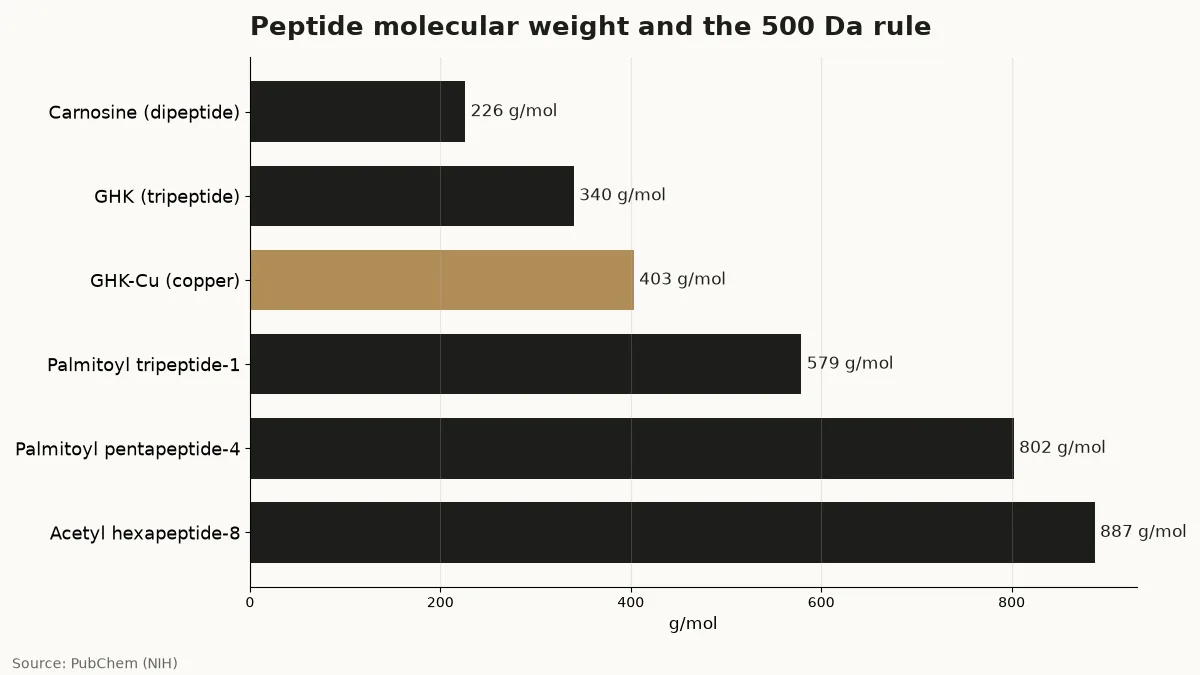
- The 500 dalton rule: molecules above roughly 500 Da penetrate the stratum corneum poorly (Bos and Meinardi, Experimental Dermatology, 2000). Most cosmetic peptides sit near that line or above it.
- The “palmitoyl” prefix is an attached palmitic acid residue. It adds weight but makes the molecule far more at home in the lipids of the epidermis.
- GHK was described in 1973 as an activity in human plasma albumin; bound to a copper ion it becomes Copper Tripeptide-1, listed as Copper Tripeptide-1.
- Timescale: clinical studies of cosmetic peptides typically run for 12 weeks, not two.
- A peptide cream is not an injectable. In a cosmetic, a peptide supports how skin looks; it is not a medical procedure.
What a peptide actually is
A peptide is a short stretch of an amino acid chain: two amino acids make a dipeptide, three a tripeptide, five a pentapeptide. The boundary between a peptide and a protein is a convention, drawn at roughly 50 amino acids. Collagen, keratin and elastin are proteins, not peptides, and that distinction matters more than it sounds.
Your skin already uses peptides as messages. When collagen breaks down, the fragments left behind act as a signal to fibroblasts that repair is needed. Cosmetic chemistry borrowed the idea: instead of applying a large protein that goes nowhere, apply the small fragment and hope the cell reads it the same way. The hard part is getting that fragment to the right depth. The chemistry itself is summarised in the Wikipedia entry on peptides.
On an INCI list, peptides follow a few naming patterns. Numbered names describe chain length and sequence (Tripeptide-1, Hexapeptide-11). Names with a fatty group attached read as Palmitoyl Tripeptide-1 or Myristoyl Pentapeptide-17. A few keep their common name, such as Carnosine, the dipeptide beta-alanyl-L-histidine. The number after the name is a catalogue reference, not a strength or a concentration.
The four families of cosmetic peptides
Cosmetic peptides fall into four groups: signal peptides, enzyme-inhibitor peptides, neurotransmitter-inhibitor peptides and carrier peptides. The classification comes from Gorouhi and Maibach in the International Journal of Cosmetic Science (2009, PMID 19570099) and still explains almost everything you will meet on a label.
| Family | INCI example | What the literature describes | Where you find it |
|---|---|---|---|
| Signal | Palmitoyl Pentapeptide-4, Palmitoyl Tripeptide-1 | Collagen fragments designed to prompt fibroblasts to build matrix | Anti-ageing serums and creams, firming formulas |
| Enzyme-inhibitor | soy and rice peptides, Carnosine | Dampening enzymes that break down matrix, or binding glycation products | Antioxidant formulas, day creams |
| Neurotransmitter-inhibitor | Acetyl Hexapeptide-8, Pentapeptide-18 | Interference with the SNARE complex that releases the signal to muscle | “Botox-effect” products, eye creams |
| Carrier | Copper Tripeptide-1 | Delivery of a metal ion, copper, which takes part in repair processes | Serums, ampoules, post-procedure formulas |
Formulators routinely combine families, pairing a signal peptide with a carrier peptide in one product because they are meant to act in different places. That is reasonable, as long as the amounts are real rather than decorative.
Does a peptide get into the skin at all?
The stratum corneum lets small, fairly lipid-friendly molecules through and blocks the rest. Bos and Meinardi put a number on it: above about 500 daltons, compounds do not meaningfully cross the skin barrier (Experimental Dermatology, 2000, PMID 10839713). It is a rule of thumb rather than a law of physics, but it explains why peptides are engineered the way they are.
Line the molecular weights up and the problem is obvious. Carnosine comes in at 226 g/mol, the GHK tripeptide at 340, the copper complex at 403. Palmitoyl tripeptide-1 is already 579, palmitoyl pentapeptide-4 is 802, and acetyl hexapeptide-8 reaches 887 g/mol. The last three sit above the line Bos and Meinardi drew.
This is where the palmitoyl prefix comes from. A residue of palmitic acid, an ordinary fatty acid, is attached to the peptide so the whole molecule mixes better with the lipids between corneocytes. It gets heavier and less water-loving, and the barrier lets it through more readily. The myristoyl and acetyl prefixes do a similar job.
The other route is a carrier: liposomes and related lipid structures that enclose the ingredient and travel with it. We covered how that works in a separate piece on liposomes in skincare.
Signal peptides: the best-studied group
The strongest clinical data among cosmetic peptides belongs to palmitoyl pentapeptide-4, also known as pal-KTTKS. Robinson and colleagues ran a 12-week, double-blind, placebo-controlled, split-face study in 93 women aged 35 to 55, comparing a moisturiser containing 3 ppm pal-KTTKS against the same moisturiser without it (International Journal of Cosmetic Science, 2005, PMID 18492182).
The peptide was well tolerated and gave a significant improvement over the placebo control in wrinkles and fine lines, measured both by quantitative image analysis and by expert graders. Two details deserve attention. The concentration was tiny: 3 ppm means three parts per million. And the study ran for three months, which is the honest timescale for judging a peptide.
KTTKS is a fragment of the type I collagen propeptide. The reasoning is that skin reads it as evidence of its own collagen breaking down and responds by building more matrix. In cosmetic language that stays on the right side of the line: skin looks smoother and fine lines look less visible.
Carrier peptides: GHK and copper
GHK is the tripeptide glycyl-L-histidyl-L-lysine, first described in 1973 as an activity in human plasma albumin that made older liver tissue synthesise proteins the way younger tissue does. It has a high affinity for copper ions and readily forms a complex with them, which is Copper Tripeptide-1, or Copper Tripeptide-1 on a label (Pickart et al., Oxidative Medicine and Cellular Longevity, 2012, PMID 22666519).
Copper is not decoration here. It takes part in the work of enzymes that cross-link collagen and elastin, and the peptide acts as the vehicle that carries it. A later review by Pickart and Margolina collects the gene-expression data on the peptide (International Journal of Molecular Sciences, 2018, PMID 29986520) — a review, not a facial trial, and worth reading as such.
Copper Tripeptide-1 has a distinctive blue colour that is visible in a finished formula. If a serum promises a copper peptide and looks perfectly clear, there is either very little of it or the colour has been masked. We gave the molecule its own article: copper peptide Copper Tripeptide-1 and what to expect from it.
“Botox-effect” peptides and their limits
Acetyl hexapeptide-8 (Ac-EEMQRR-NH₂) was designed to mimic the action of botulinum toxin without the toxicity. In the work of Blanes-Mira and colleagues, an oil-in-water emulsion containing 10% of the hexapeptide, used for 30 days by healthy volunteers, reduced wrinkle depth by up to 30% on skin topography analysis; the mechanism was described as interference with the SNARE complex that drives neurotransmitter release (International Journal of Cosmetic Science, 2002, PMID 18498523).
Read it with three caveats. The group was small. Ten per cent is far above what most retail creams contain. Most importantly, an injectable is placed inside the muscle while a cream sits on the surface of the skin, so the two are not on the same scale. A hexapeptide cream is not an alternative to a clinic appointment and should not be sold as one.
What to pair peptides with, and what to keep apart
Peptides get along with most skincare ingredients and rarely cause irritation. Trouble comes not from the peptide itself but from the layer directly underneath or on top of it, particularly anything at low pH or anything that has just exfoliated the surface.
| Combination | Verdict | Time of day |
|---|---|---|
| Peptides + niacinamide | No problem, a common pairing within one formula | Morning and evening |
| Peptides + hyaluronic acid, glycerin | No problem, humectants work elsewhere | Morning and evening |
| Peptides + ceramides, squalane | A sensible way to seal the routine, occlusive layer on top | Mainly evening |
| Peptides + retinol | Workable as separate steps, introduced gradually | Evening |
| Peptides + AHA/BHA exfoliants | Better kept apart: low pH and freshly exfoliated skin are a poor moment | Different day or different time |
| Copper peptide + pure ascorbic acid as a separate step | Separate them as a precaution; inside one formula, compatibility is the formulator’s job | One in the morning, one at night |
That last row has taken on a life of its own online, so it needs a sentence of context. The caution is about layering two finished products, not about a single formula: when both sit in the same bottle, stability has been settled in the lab, not in your bathroom. If a serum lists a copper peptide alongside vitamin C, it was designed that way.
Order of application is straightforward. Watery peptide textures go on early, right after cleansing, with creams and oils above them. We set the whole sequence out in our guide to skincare layering order, morning and evening.
Which skin types benefit most from peptides in skincare
Peptides suit anyone looking for an anti-ageing ingredient that sensitive skin tolerates well, and anyone who cannot get along with retinoids. They need no adjustment period, they do not increase sun sensitivity and they do not cause peeling, so they can be used all year.
Sensitive and reactive skin gains the most, because it gets anti-ageing care without the sting. Oily skin will find peptides in light serums and fluid emulsions, where the texture is watery rather than rich. Dry skin benefits when the peptide step is sealed with a ceramide cream or an emollient. Past your forties, peptides work best as a steady part of a routine that also includes a retinoid and daily sun protection, rather than as a replacement for either.
If you have room for exactly one active and a tight budget, the clinical record is deeper for retinoids and vitamin C than for peptides. A broader review of topical rejuvenation strategies was published in the British Journal of Dermatology (2023, PMID 37903073). Peptides are a good addition to a routine and rarely its backbone.
Peptides in a GENÉVRY routine
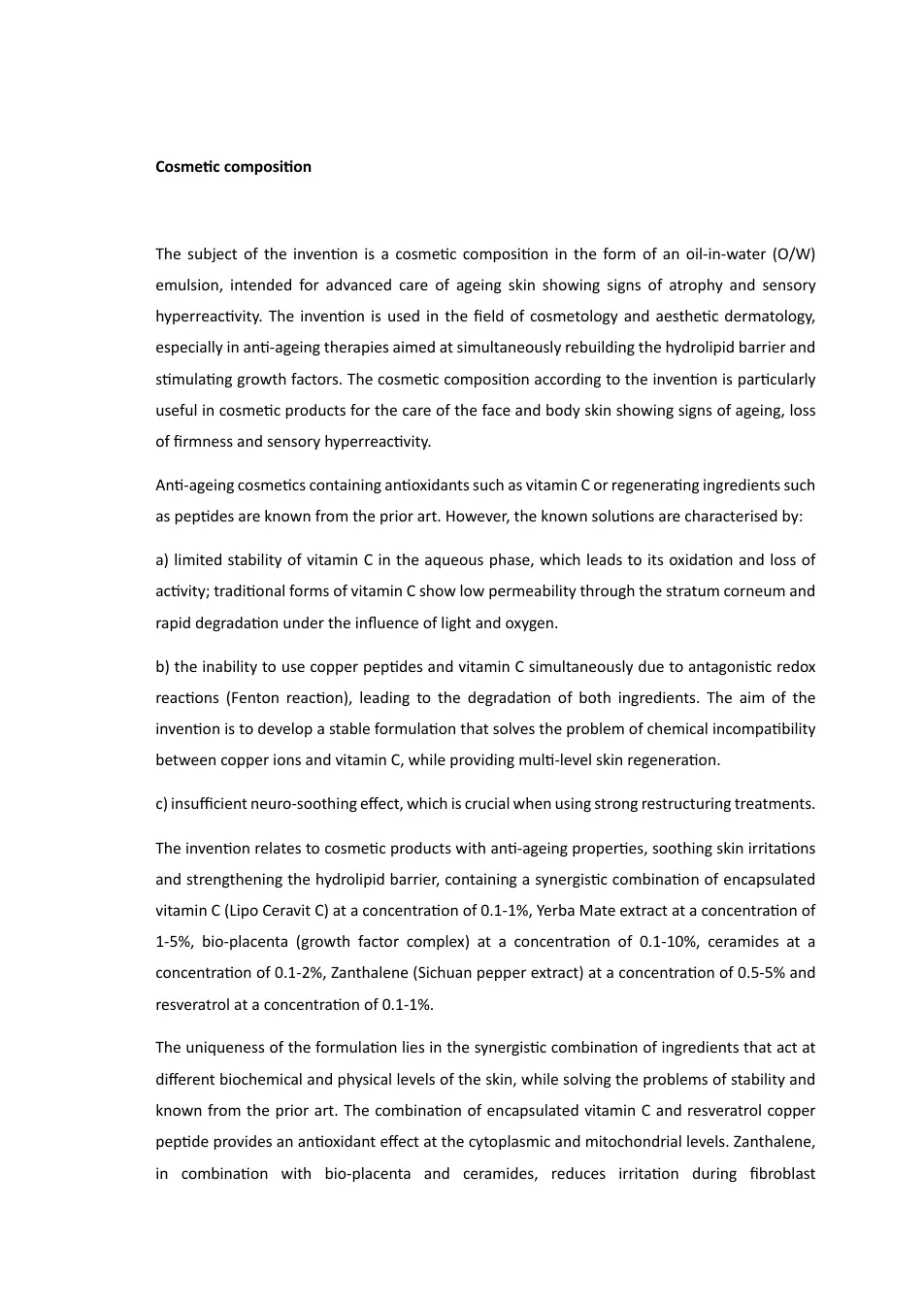
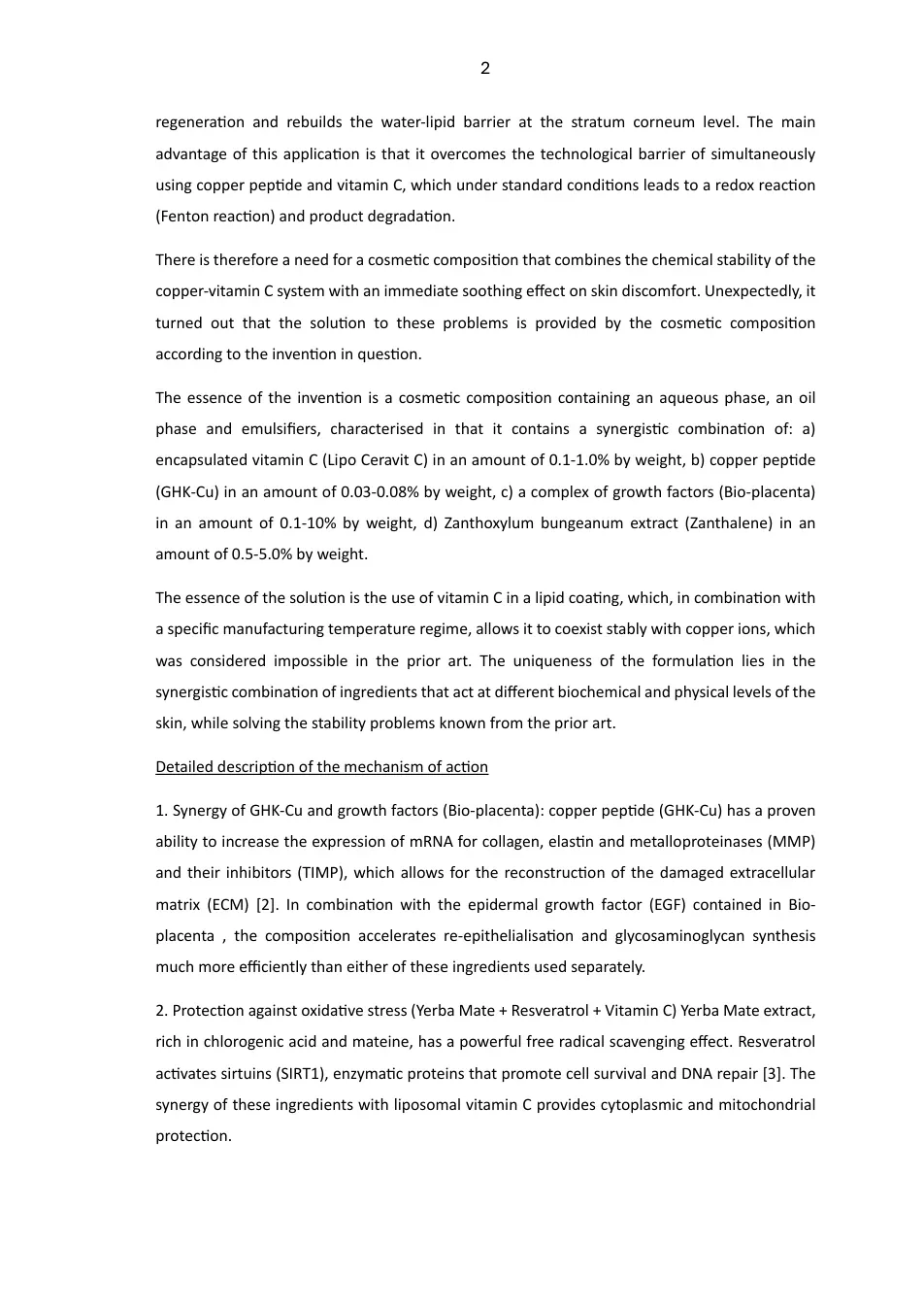
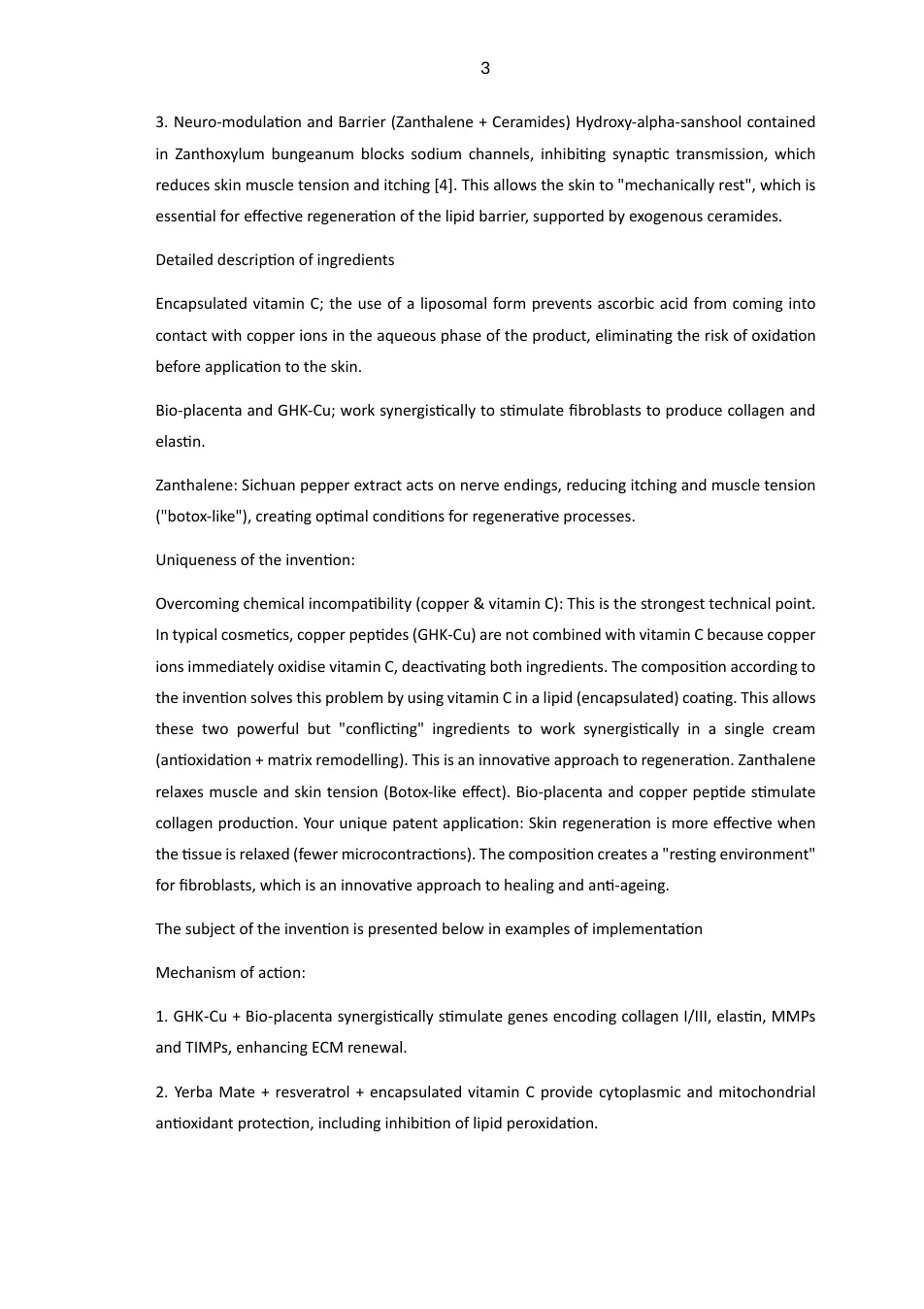
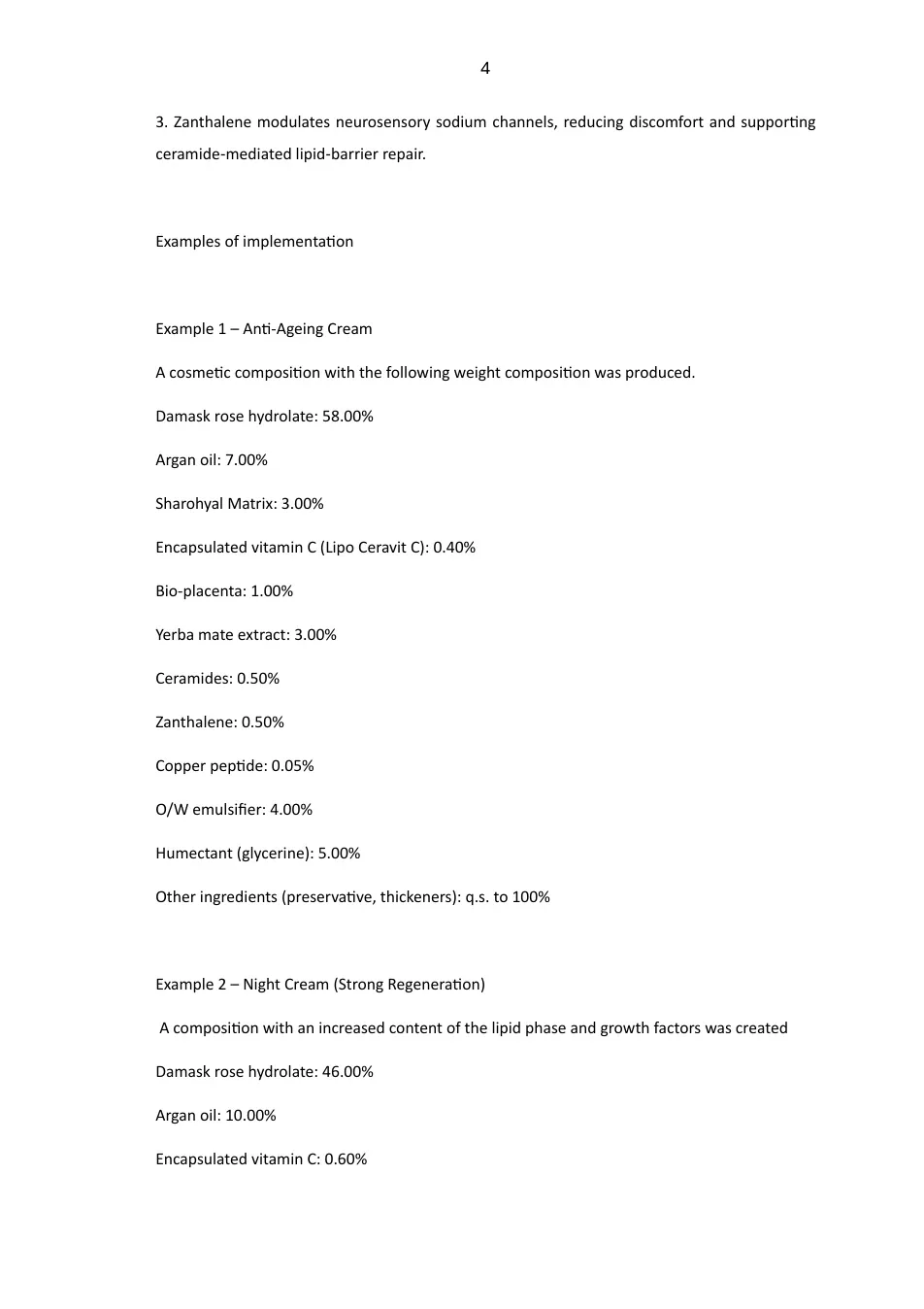
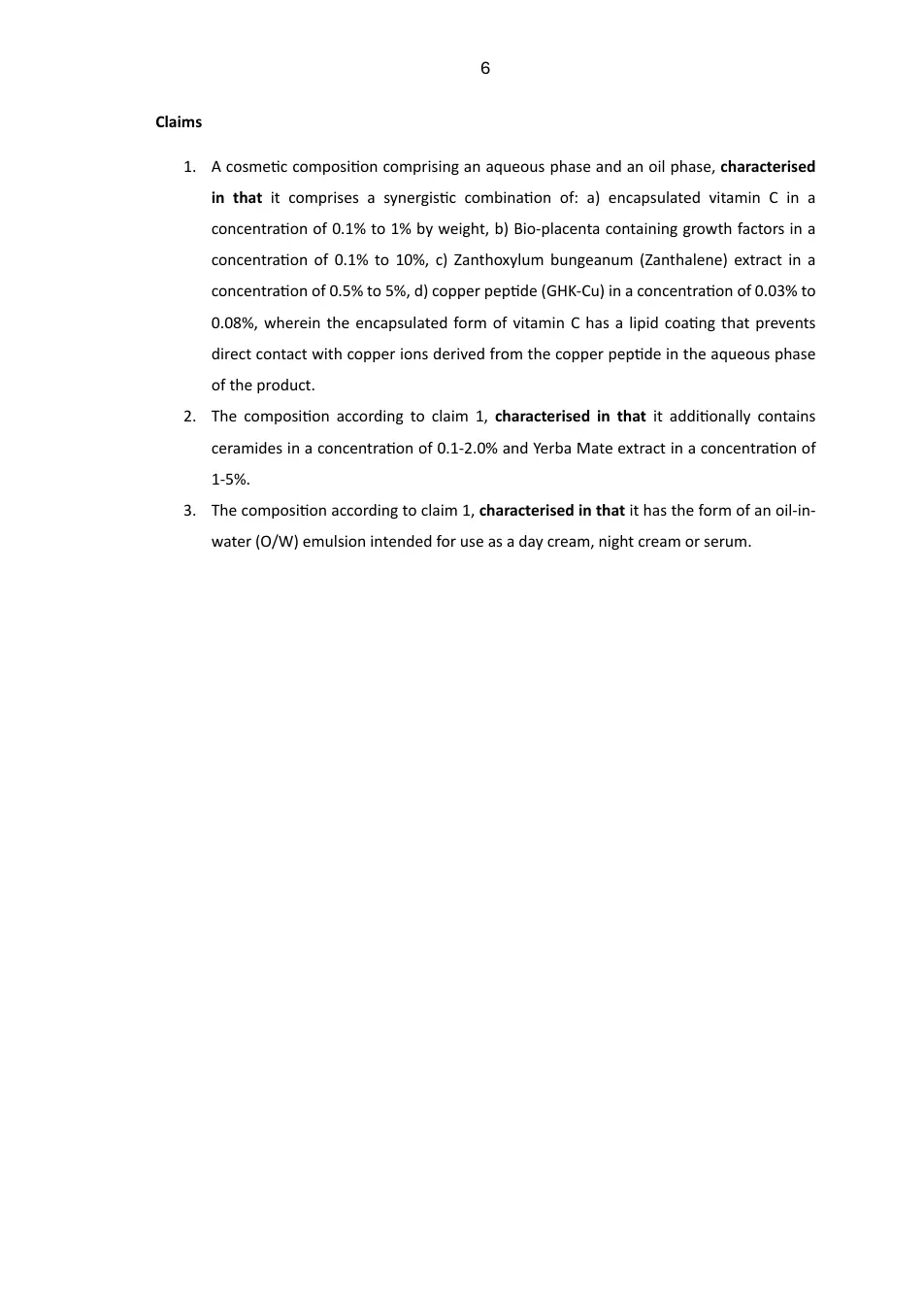
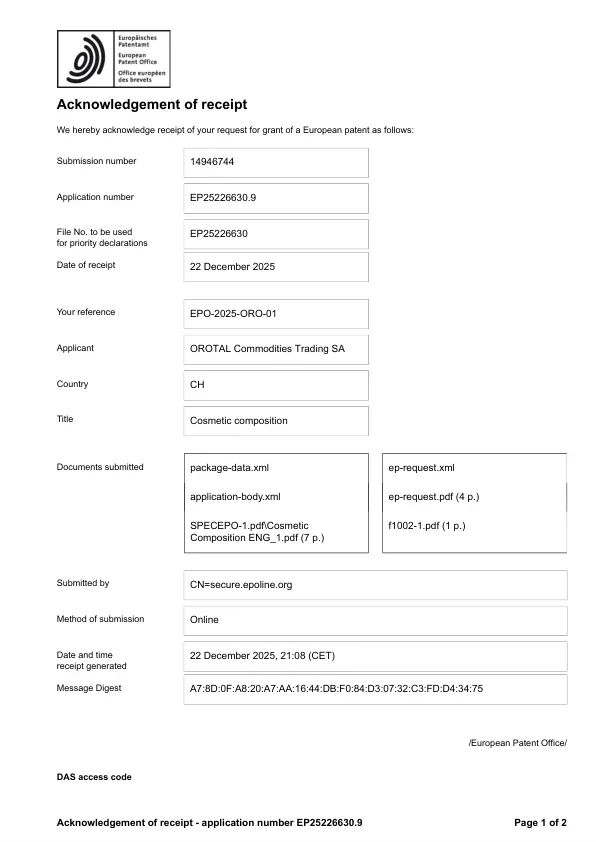
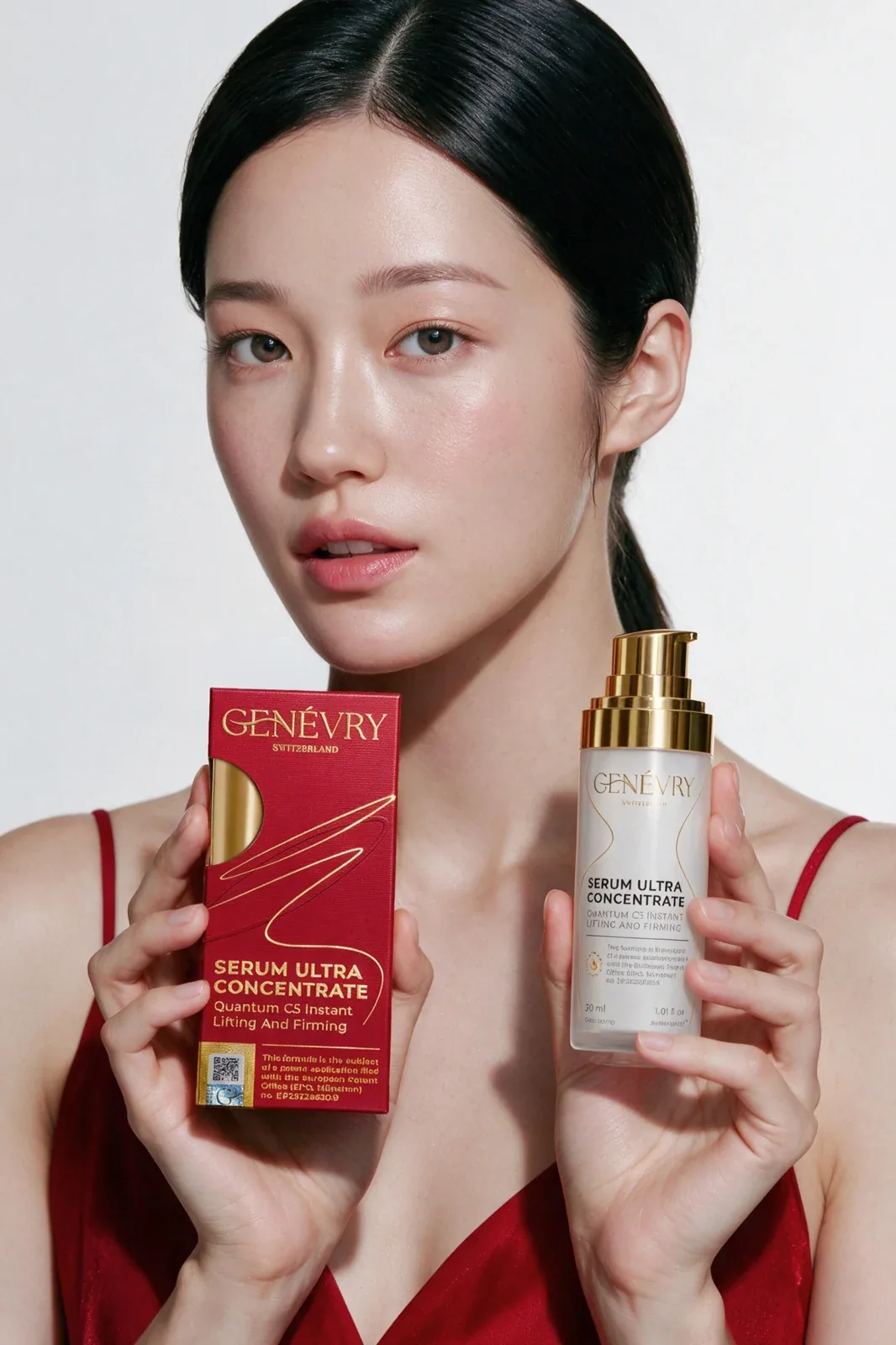
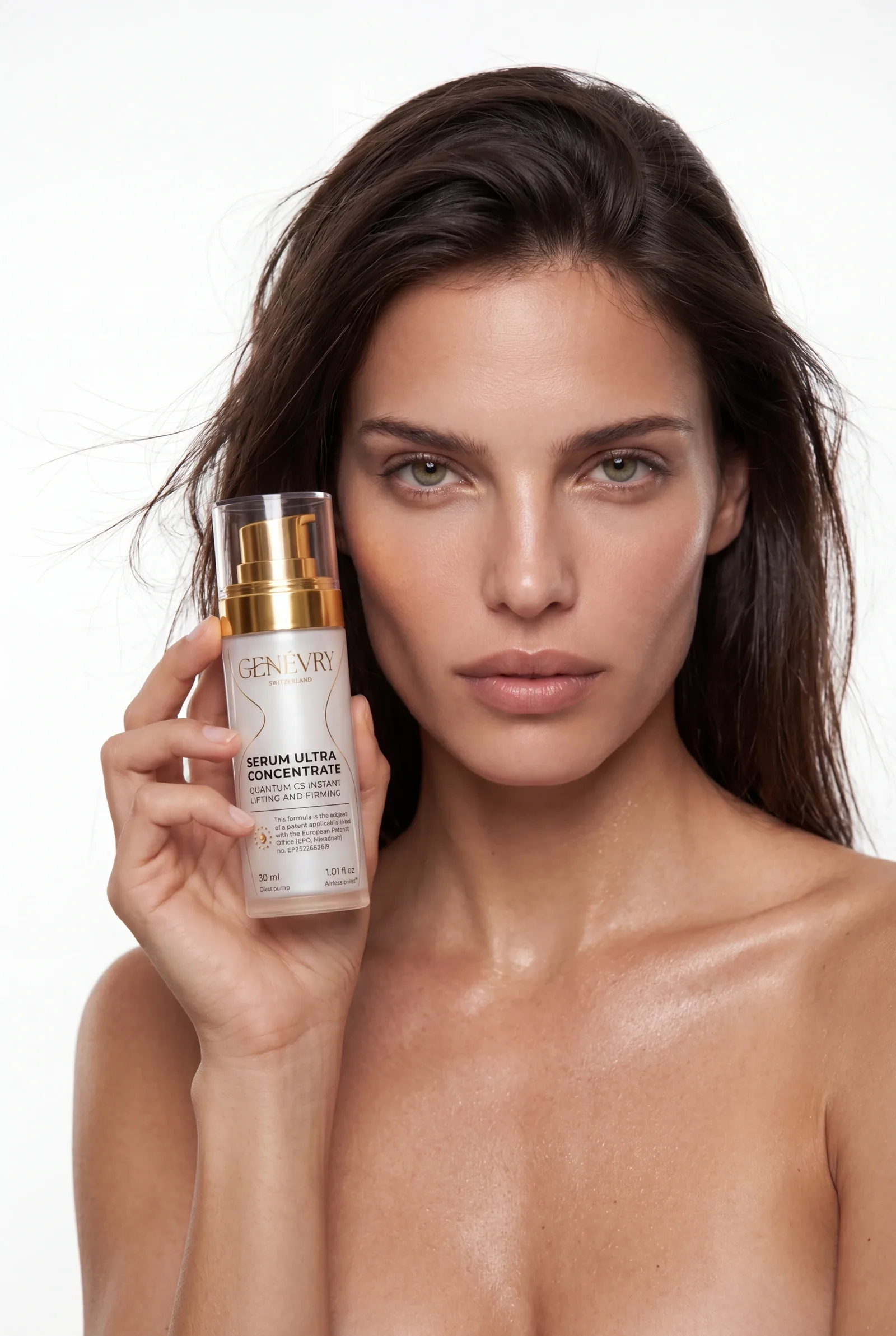
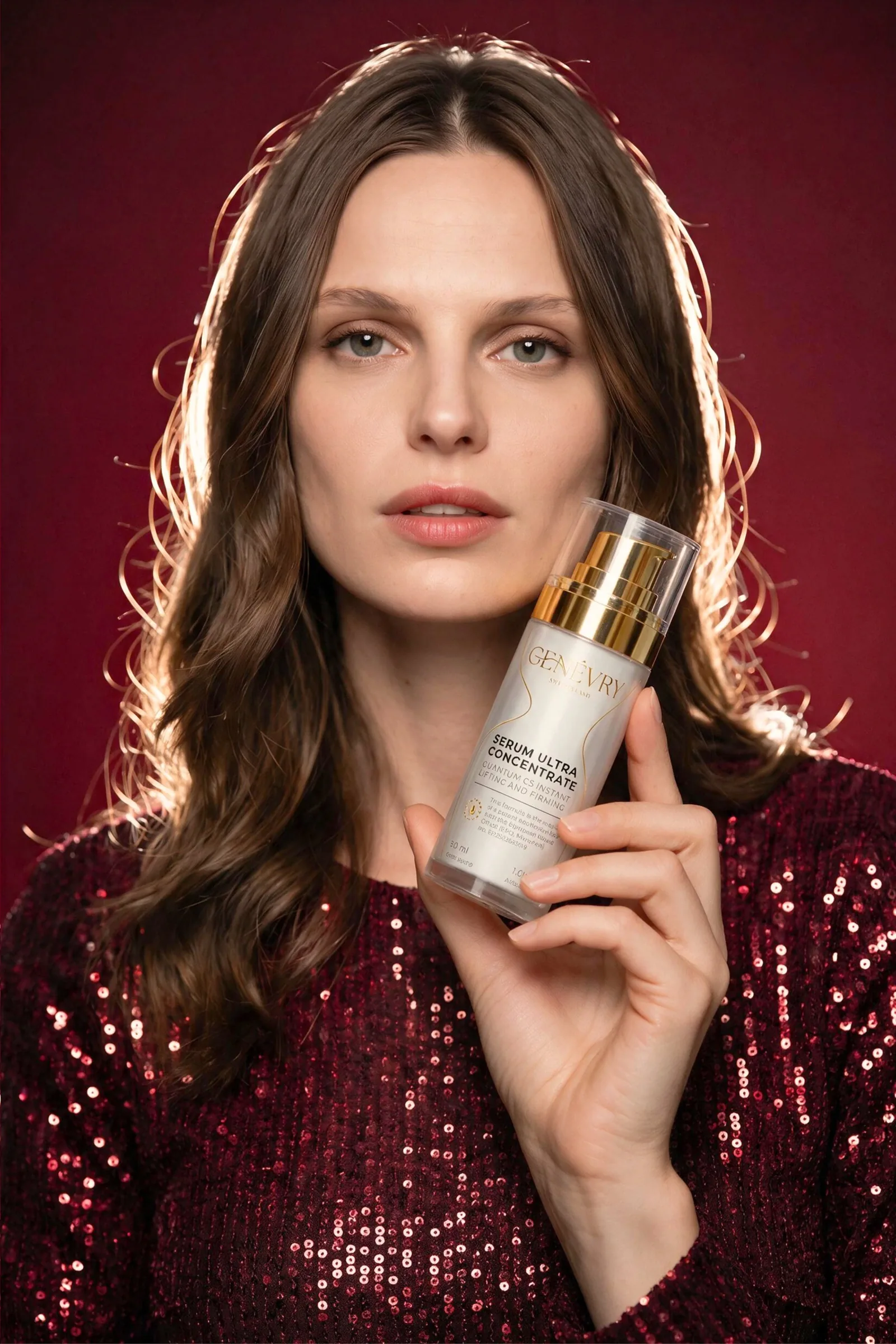
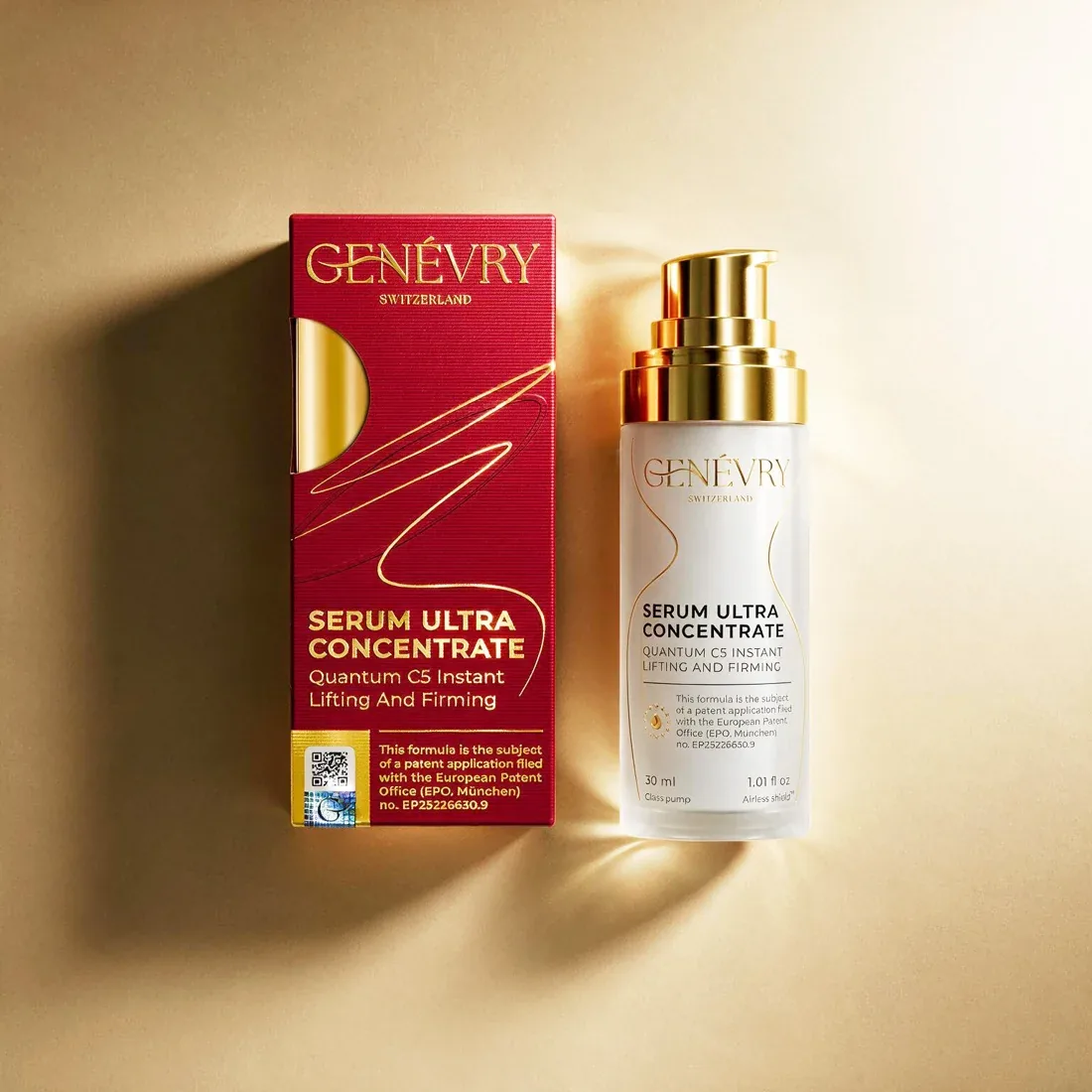
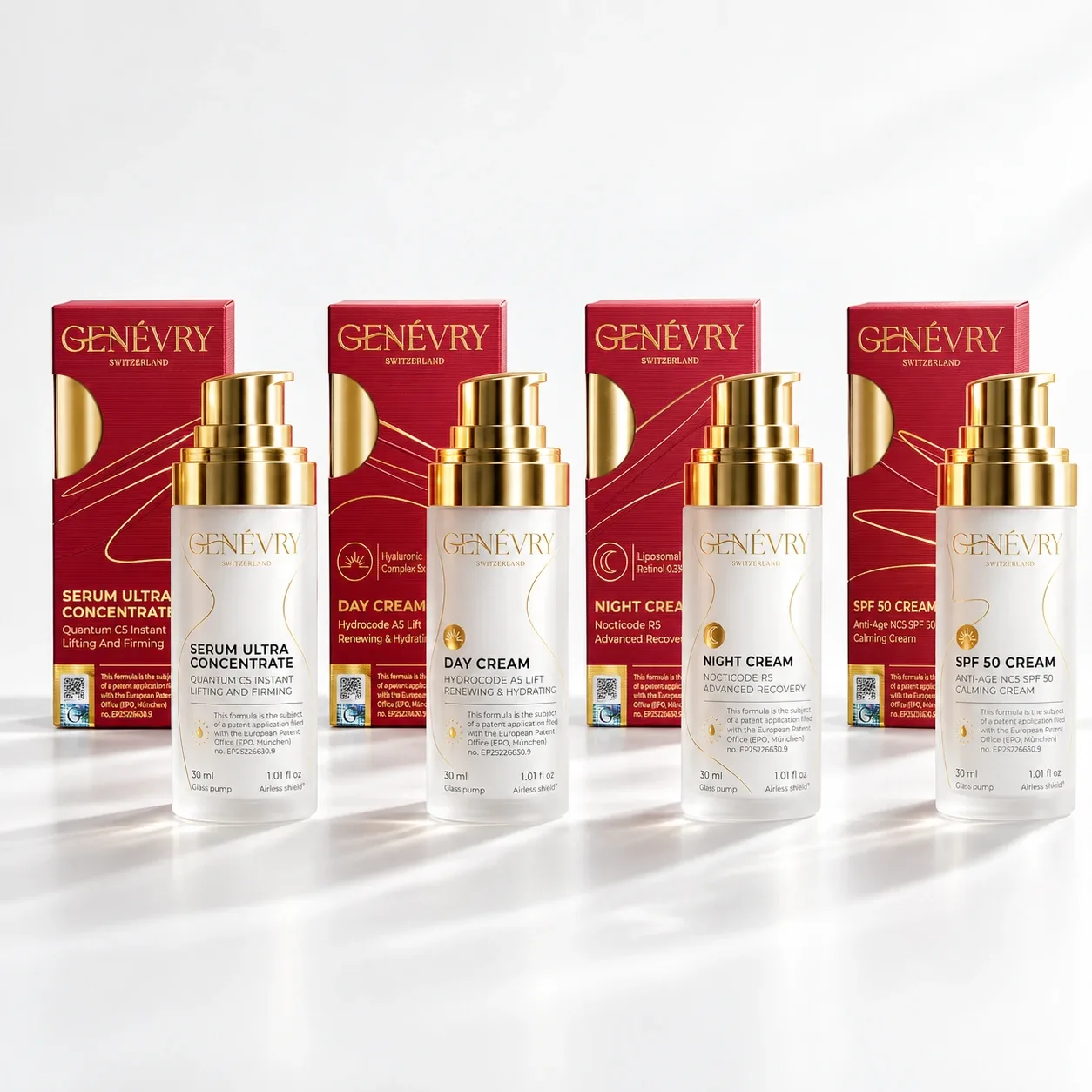
GENÉVRY Quantum C5 is an ultra-concentrate serum in a 30 ml bottle, where the copper peptide Copper Tripeptide-1 sits alongside liposomal vitamin C. It is step one of the ritual: applied to cleansed skin before any cream. The formulation is covered by patent application EP25226630.9 (patent pending).
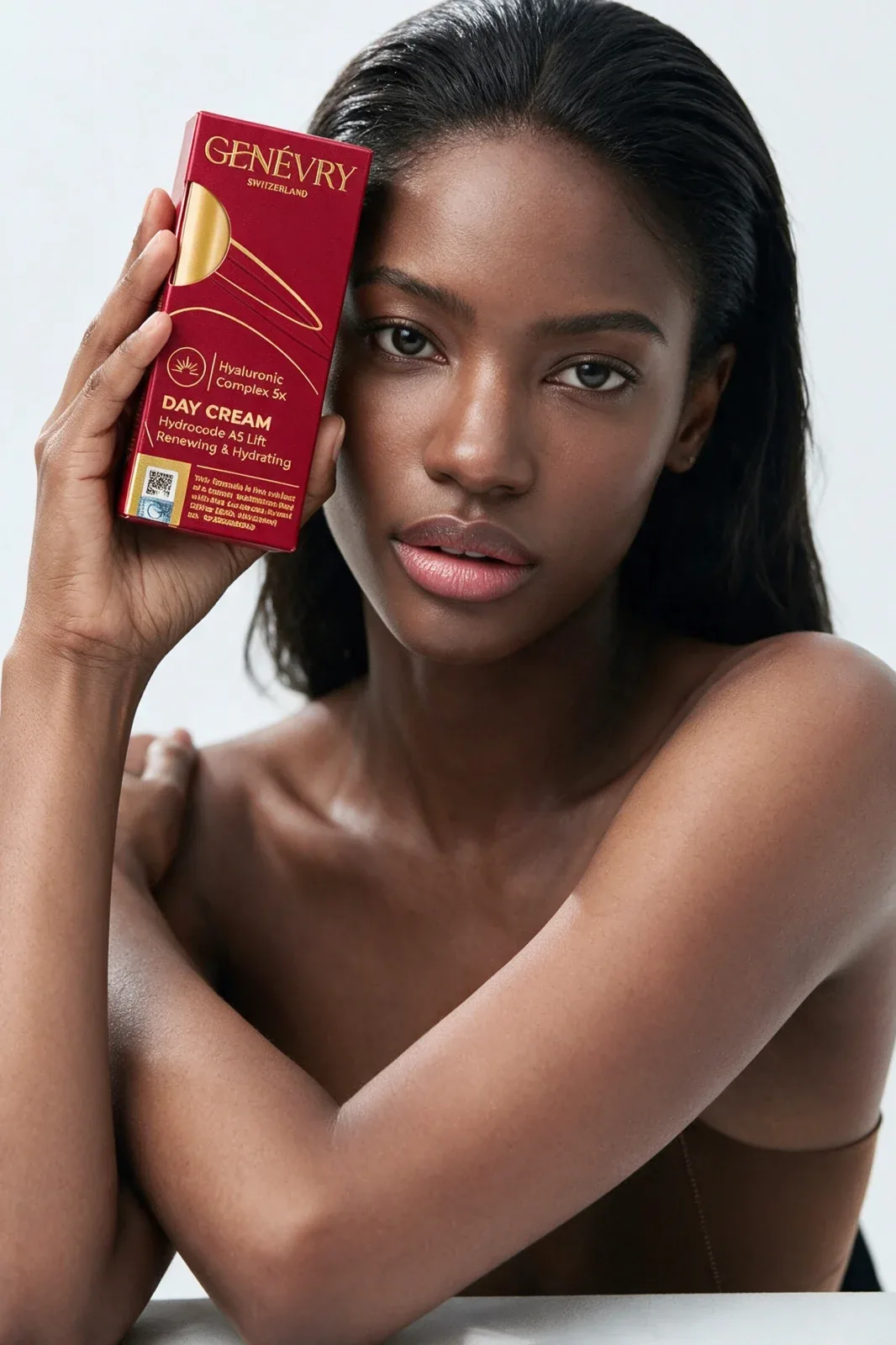
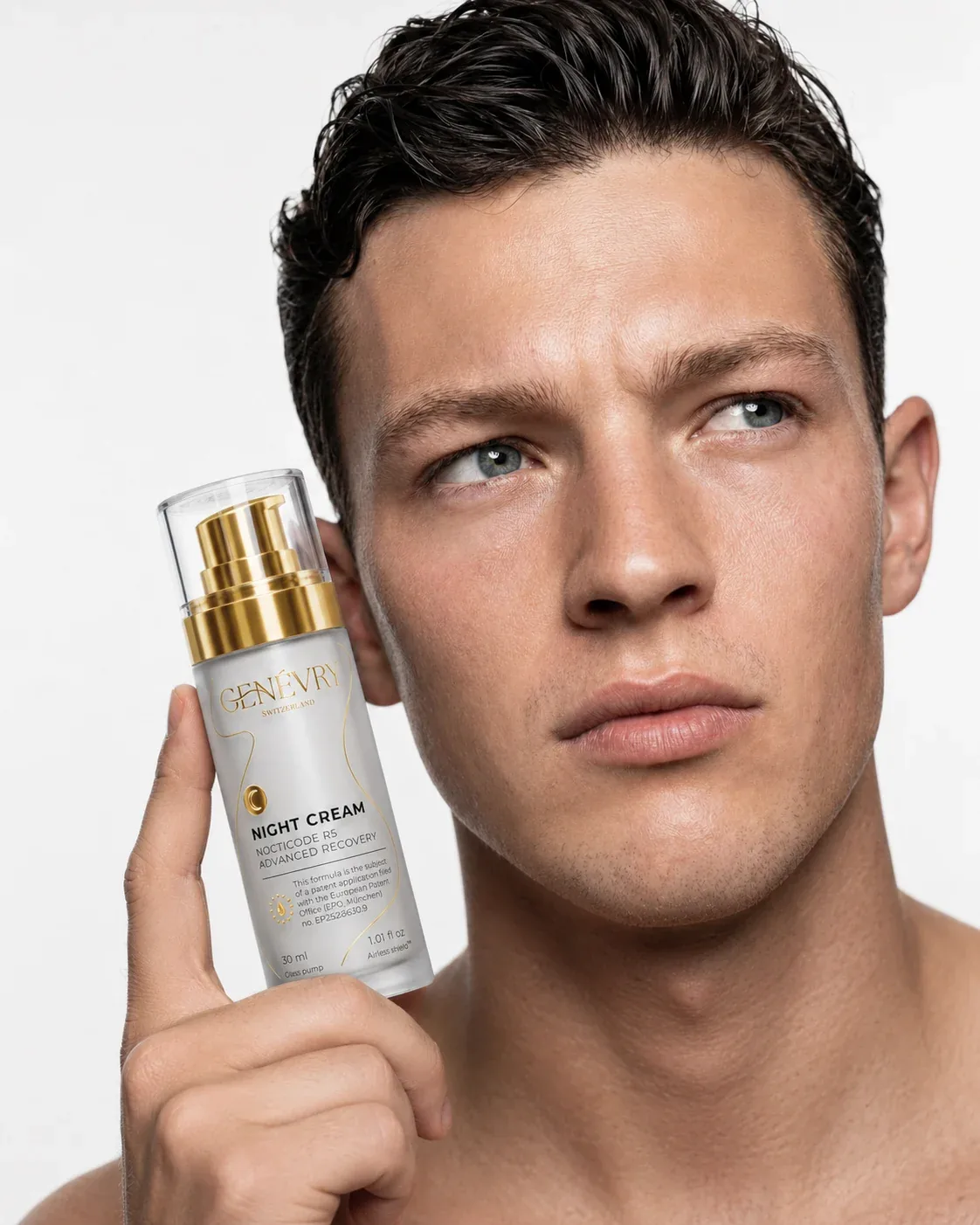
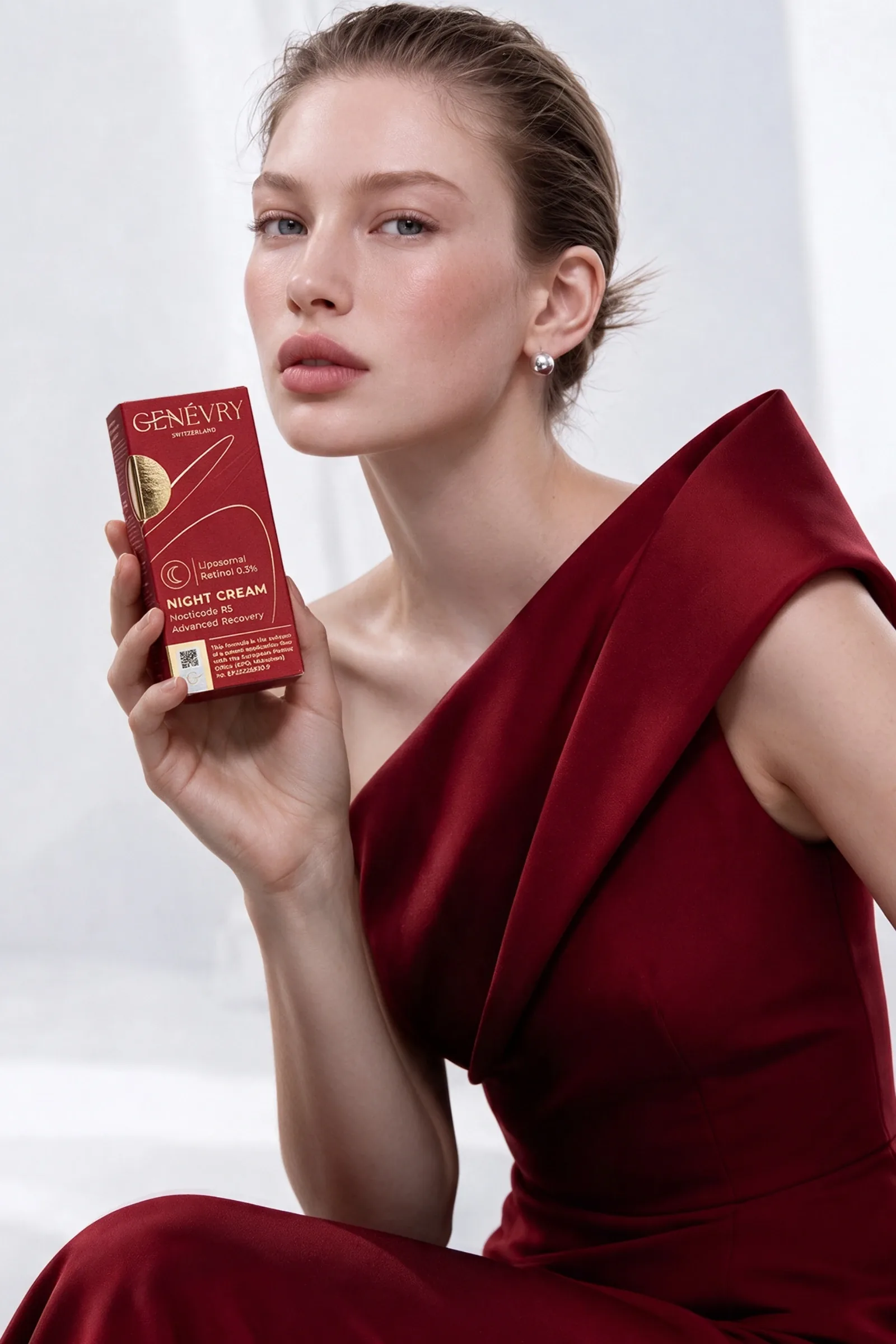
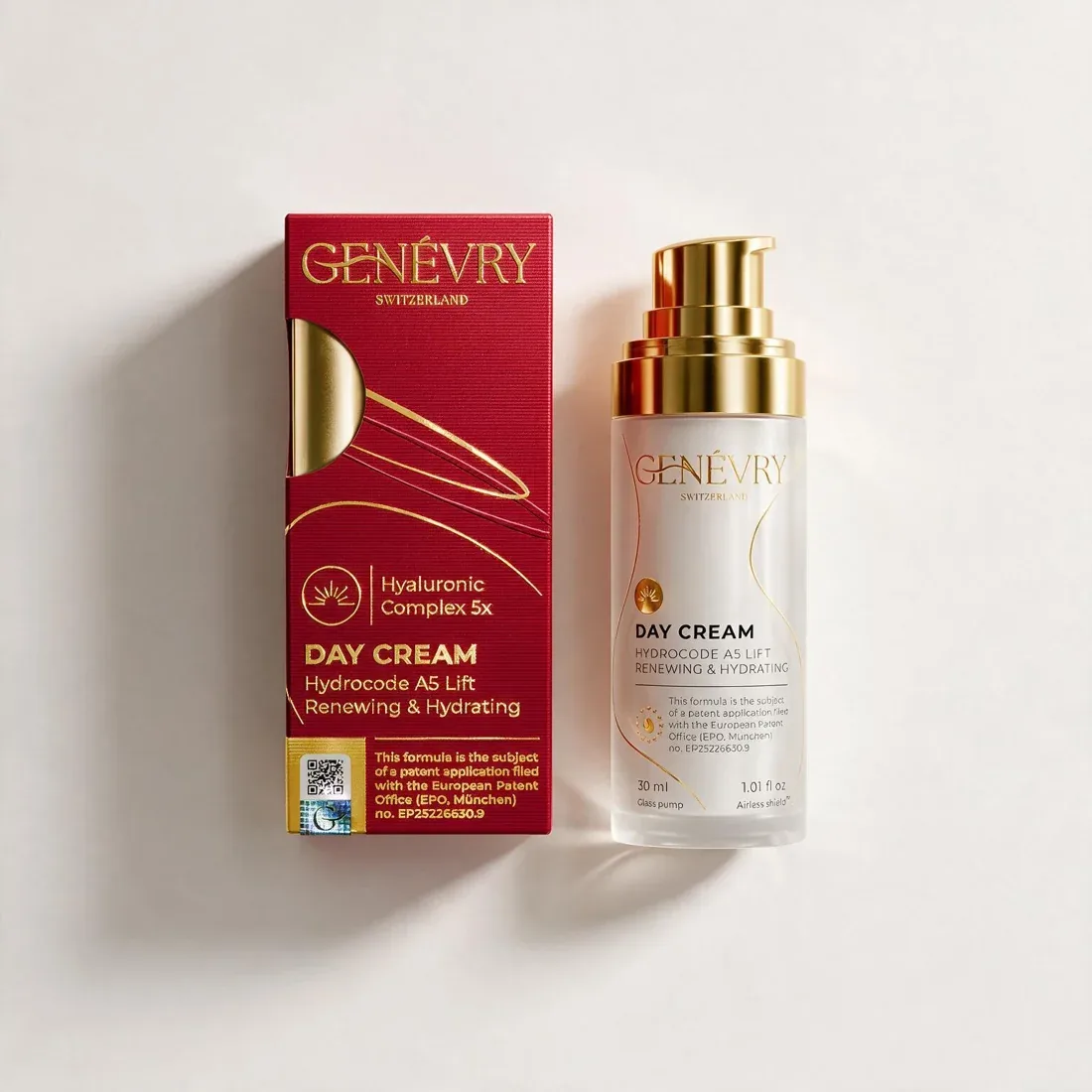
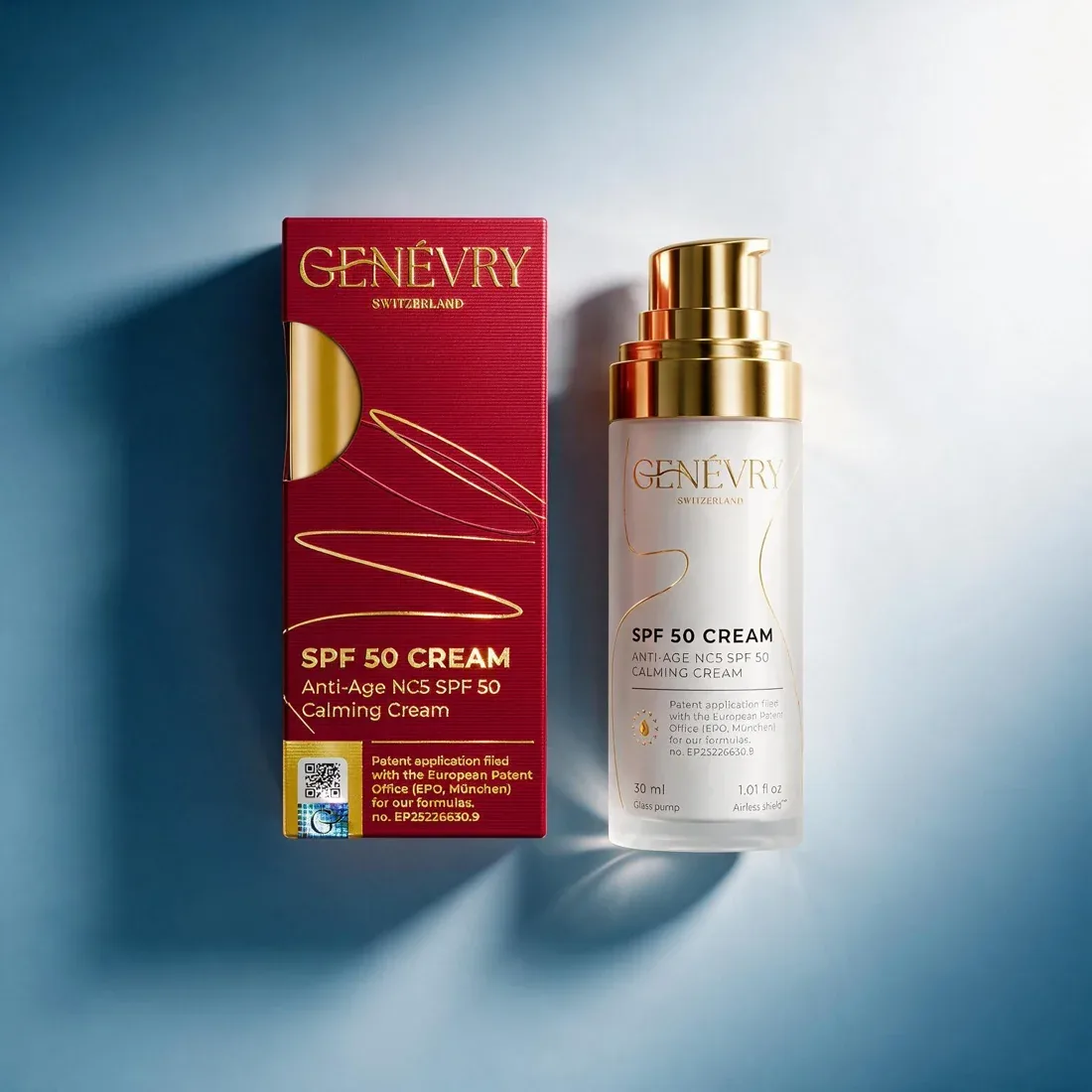
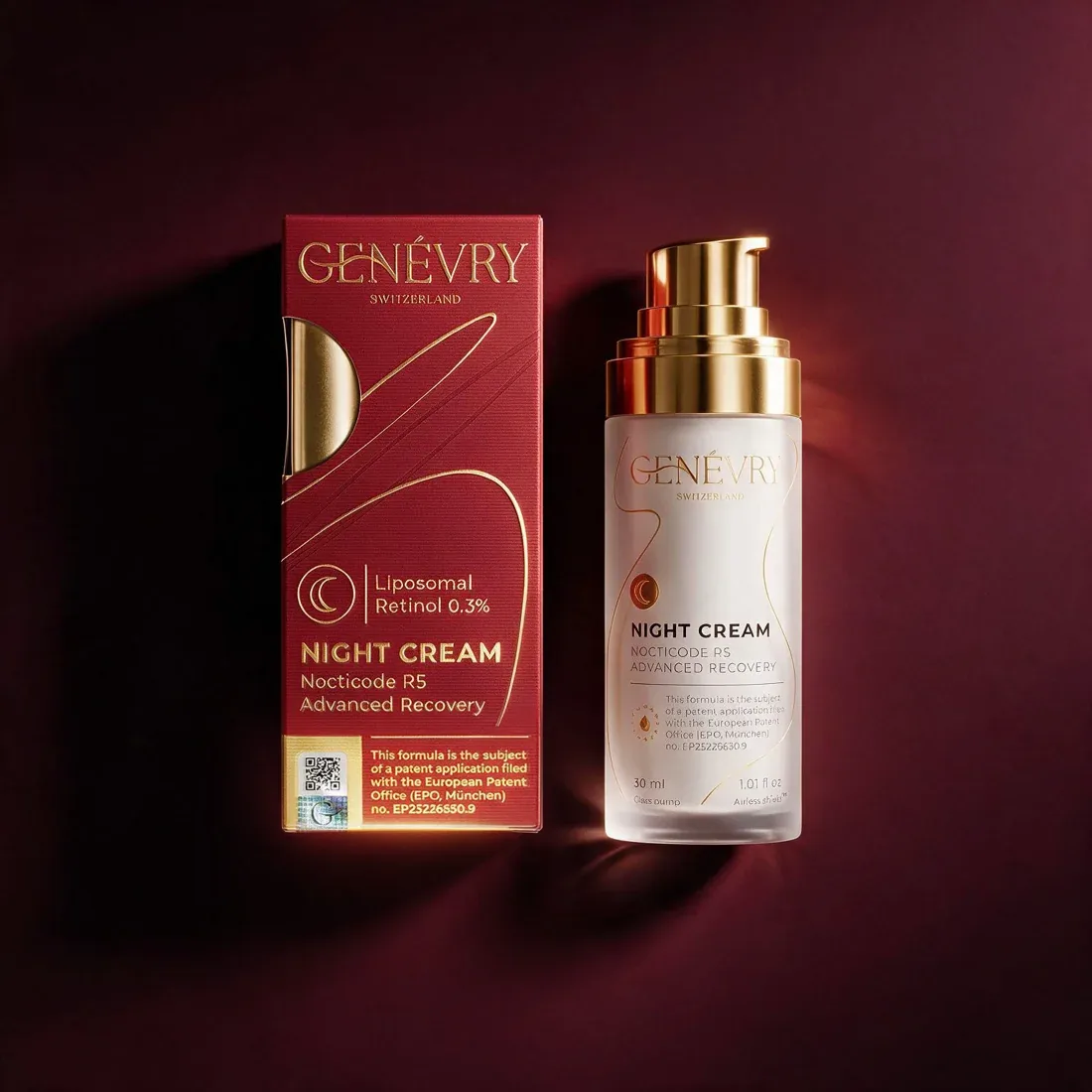
In the morning the serum is sealed with a day cream and finished with sun protection. In the evening the cream above it carries retinol — Nocticode R5, with liposomal retinol at 0.3%. If retinol is new to you, build up slowly and wear SPF in the morning; we wrote that up in retinol for beginners. All four steps of the day come together in The Skin Code Protocol.
Five mistakes we see most often
Expecting the result of a procedure. A peptide in a cream supports how skin looks. It does not relax a muscle and does not stand in for an appointment with a doctor.
Judging after two weeks. Clinical studies of peptides run for 12 weeks. A fortnight settles nothing.
A peptide at the bottom of the INCI list. If the peptide name sits after the preservative and the fragrance, the amount is symbolic. How to read those lists is covered in our guide to reading an INCI list.
Peptides in a rinse-off product. A peptide cleanser is a marketing idea. Contact time is measured in seconds.
Applying a peptide straight after acids. Freshly exfoliated skin at low pH is the wrong moment for any delicate ingredient. Move the two steps to different times, or different days.
Frequently asked questions about peptides
Do peptides in skincare really work?
Palmitoyl pentapeptide-4 has the best evidence: in a 12-week placebo-controlled study in 93 women it improved the appearance of wrinkles and fine lines compared with placebo. For other peptides the data are thinner and often come from small groups. The effect concerns how skin looks, not treatment.
Peptides or retinol — which should I choose?
Retinoids have the deeper clinical record. Peptides are the choice when skin does not tolerate retinol, or when you want to add an active with no adjustment period. Both can run in the same routine as separate evening steps.
Can peptides be used with vitamin C?
Within one finished formula, yes, when it has been designed that way. When layering two separate products, it is safer to split them between morning and evening, especially with a copper peptide and pure ascorbic acid.
How long before peptides show a difference?
Clinical studies run for about 12 weeks and that is the realistic horizon. Earlier changes in smoothness and hydration usually come from the base of the product rather than from the peptide itself.
Are peptides safe during pregnancy?
Peptides are not on the list of ingredients usually avoided in pregnancy the way retinoids are, but any cosmetic decision during pregnancy belongs with your doctor. Check the rest of the formula too, since the concern usually sits with another ingredient.
What does “palmitoyl” in front of a peptide name mean?
It is an attached residue of palmitic acid, a fatty acid. It makes the molecule heavier but much more soluble in the lipids of the epidermis, which is meant to help it cross the stratum corneum.
Can peptides cause an allergic reaction?
Peptides are considered well tolerated and are rarely the culprit. If a product stings or leaves redness, another ingredient or the state of your skin barrier is the more likely cause. See a dermatologist if reactions keep coming back.
How much peptide should a product contain?
Concentrations are rarely disclosed, and the number alone says little: pal-KTTKS performed at 3 ppm, while the hexapeptide study used 10%. Position on the INCI list and the design of the whole formula tell you more than a figure on the carton.
If you want one change rather than five, use a peptide serum morning and evening for three months, then look at your skin in the same light you started in. And if you are curious which peptide has the longest research history behind it, read our piece on the copper peptide Copper Tripeptide-1.
The formulas in this article
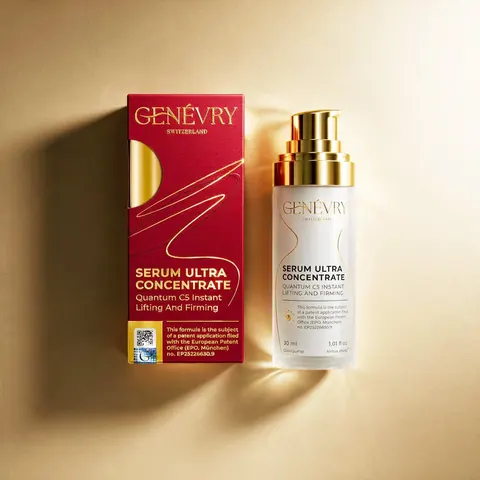 Quantum C5Ultrakontsentreeritud seerum€31.90Discover the formula →
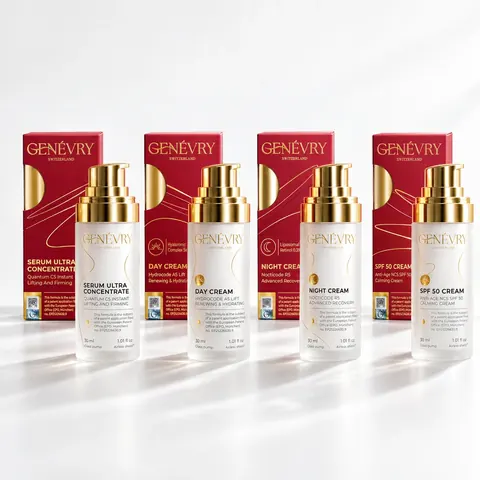 The Skin Code ProtocolTerviklik 24 tunni rituaal · 4 × 30 ml€112.90Discover the formula →
Cosmetic product. Individual results may vary.

 English / EUR
 English (US) / USD
 English (UK) / GBP
 Deutsch / EUR
 Deutsch (Schweiz) / CHF
 Français / EUR
 Italiano / EUR
 Español / EUR
 Nederlands / EUR
 Polski / PLN
 日本語 / JPY
 한국어 / KRW
 中文 / CNY
 العربية / AED
 English (Australia) / AUD
 English (Canada) / CAD
 Svenska / SEK
 Dansk / DKK
 Norsk / NOK
 Suomi / EUR
 Português / EUR
 Türkçe / TRY
 Čeština / CZK
 Magyar / HUF
 Română / RON
 Ελληνικά / EUR
 Slovenčina / EUR
 Hrvatski / EUR
 Slovenščina / EUR
 Lietuvių / EUR
 Latviešu / EUR
 Eesti / EUR
 Български / EUR
 Українська / EUR