Hooded eyelids: what you see in the mirror and what skincare can do
A heavy lid is more often anatomy than neglect. Before you change products, work out what you are actually looking at.
Hooded eyelids are usually noticed in a photograph rather than in the mirror — or during makeup, when the liner disappears under a fold of skin before it has time to dry. The lid looks heavier, the gaze looks tired, and the space between lash line and brow seems to have shrunk. This is one of those changes where cosmetics disappoint most easily: part of what you see is skin condition and does respond to care, and part is the architecture of the orbit, which no cream will rearrange.
Hooded eyelids — how to tell what you are looking at
Start with a calm look in daylight, no makeup, face relaxed, eyes level. Then run three tests. First, lift the skin just above the brow with a fingertip, without pulling: if the fold disappears and the lid seems to open, brow position is doing much of the work. Second, compare the area first thing in the morning and a few hours later — anything that settles by midday has a fluid component. Third, check where the lash margin sits. If the margin itself droops and covers part of the iris or pupil, that is ptosis in the medical sense, a question for a doctor rather than for a product.
| What you see | Likely cause |
|---|---|
| A fold of skin resting on the crease, sometimes touching the lashes, lash margin in its normal place | Excess lax skin on the upper lid, usually age-related and accelerated by sun exposure |
| The fold disappears when you lift the skin above the brow | Descent of the brow and loss of support in the forehead tissues |
| Heavy in the morning, noticeably lighter a few hours later | Fluid retention: short sleep, sleeping position, a salty meal, alcohol the night before |
| The lash margin covers part of the iris or pupil | Ptosis — a muscular or nerve-related cause that needs medical assessment |
| One lid distinctly heavier than the other, appearing suddenly | Urgent medical question, especially with double vision or pain |
| Swollen, reddened lid that itches or stings | An allergic reaction or irritation from a product — stop the new item |
| Heavy lids since youth, familiar from your parents’ faces | Orbital anatomy: an individual trait, not a sign of neglect |
This distinction decides everything that follows. Fluid settles within days of changing a few habits; skin laxity changes slowly, and only in how the skin looks; brow position and orbital shape are anatomy, which skincare does not move.
Why eyelid skin changes before the rest of the face
Eyelid skin is the thinnest on the body — around half a millimetre, while the cheek can be several times thicker. There is very little subcutaneous tissue beneath it, and directly under that the orbicularis oculi muscle works with every blink, which means roughly fifteen to twenty times a minute throughout the waking day. The structure and layers of the lid are described in the Wikipedia entry on the eyelid.
Over time, collagen and elastin fibres in the dermis lose density and spring, and skin that was thin to begin with shows it first. UV radiation speeds that up, and it reaches the eye area all year, including winter and overcast days. Smoking, short sleep and mechanical friction add to it: rubbing the eyes, hurried makeup removal, the daily tug of eye makeup. Genetics plays its part too — for some people the hooded fold is simply how the orbit is built, visible already in childhood photographs.
What skincare can do, and what it cannot
Begin with the limit. A cosmetic will not remove excess skin, raise the brow or change how the levator muscle sits. Advertising that promises otherwise is at odds with EU rules on cosmetic claims, and with anatomy. Structural change to the lid is a procedure, decided with a doctor.
Within its own territory, skincare still has plenty to offer. Well-hydrated, smooth skin reflects light differently: the fold casts a softer shadow and the eye area looks more rested. Consistent moisturising and daily sun protection slow the share of the change the sun is responsible for. Gentle massage improves lymphatic drainage and reduces morning puffiness — the fastest visible effect, because it concerns fluid rather than tissue structure.
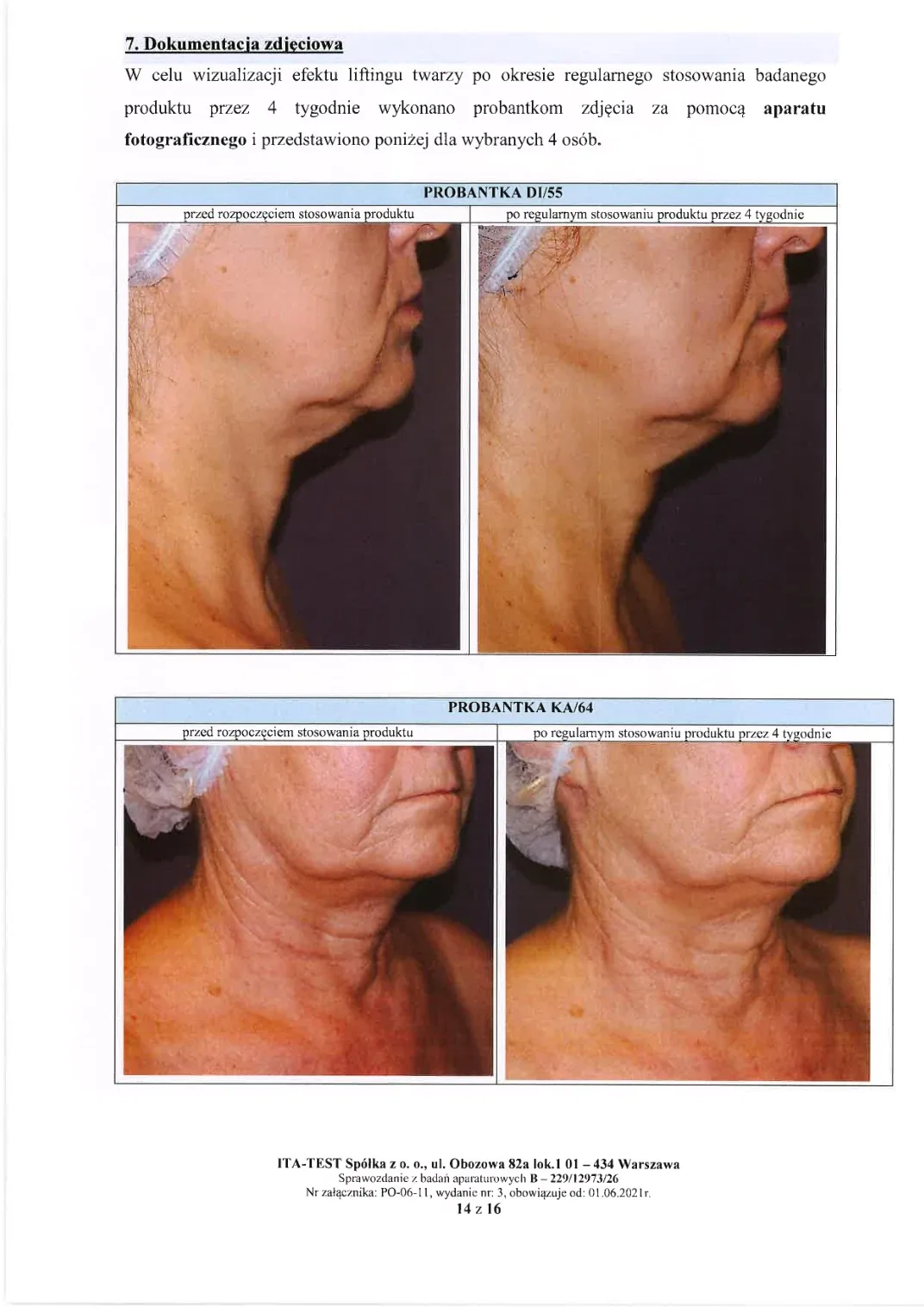
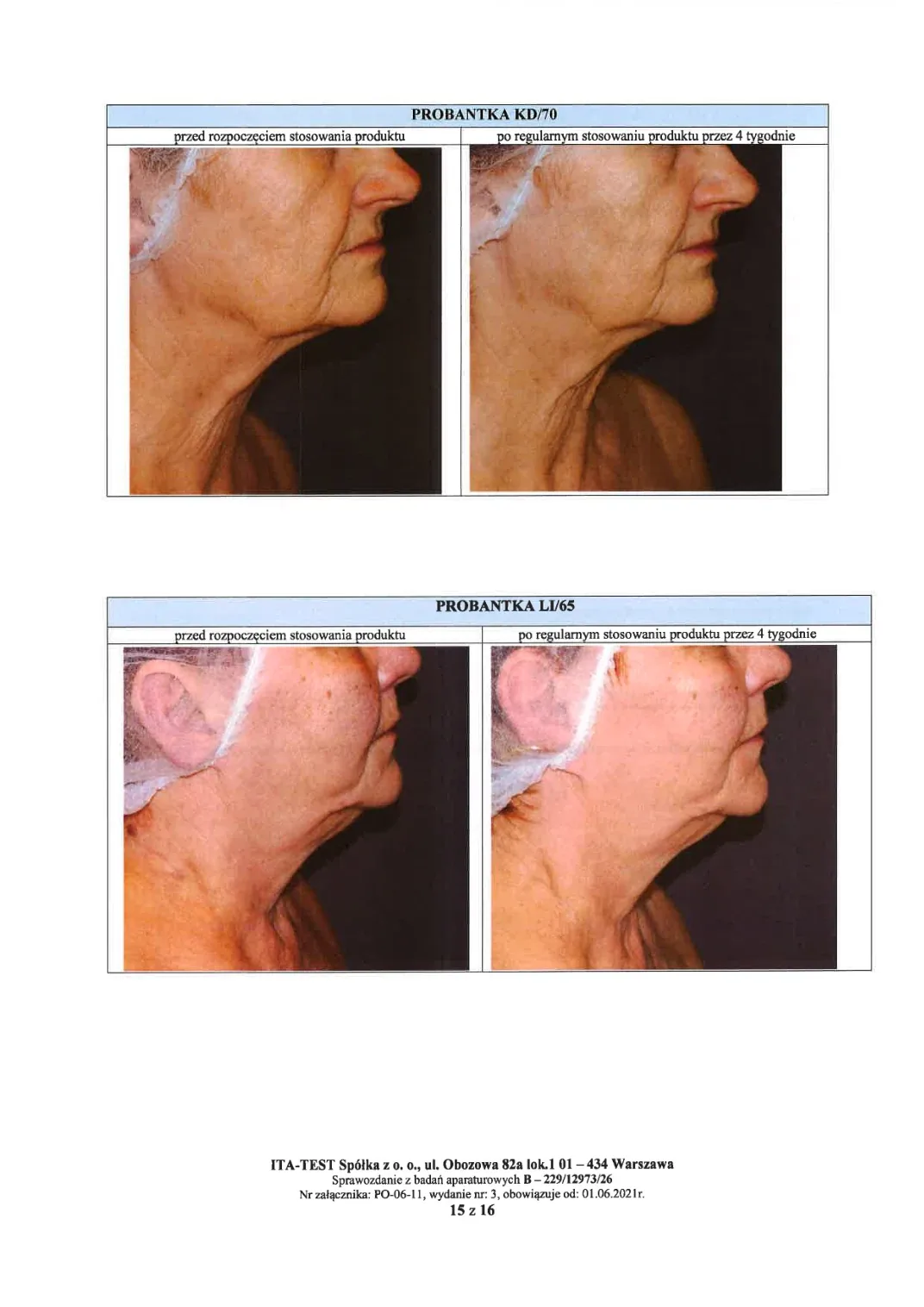
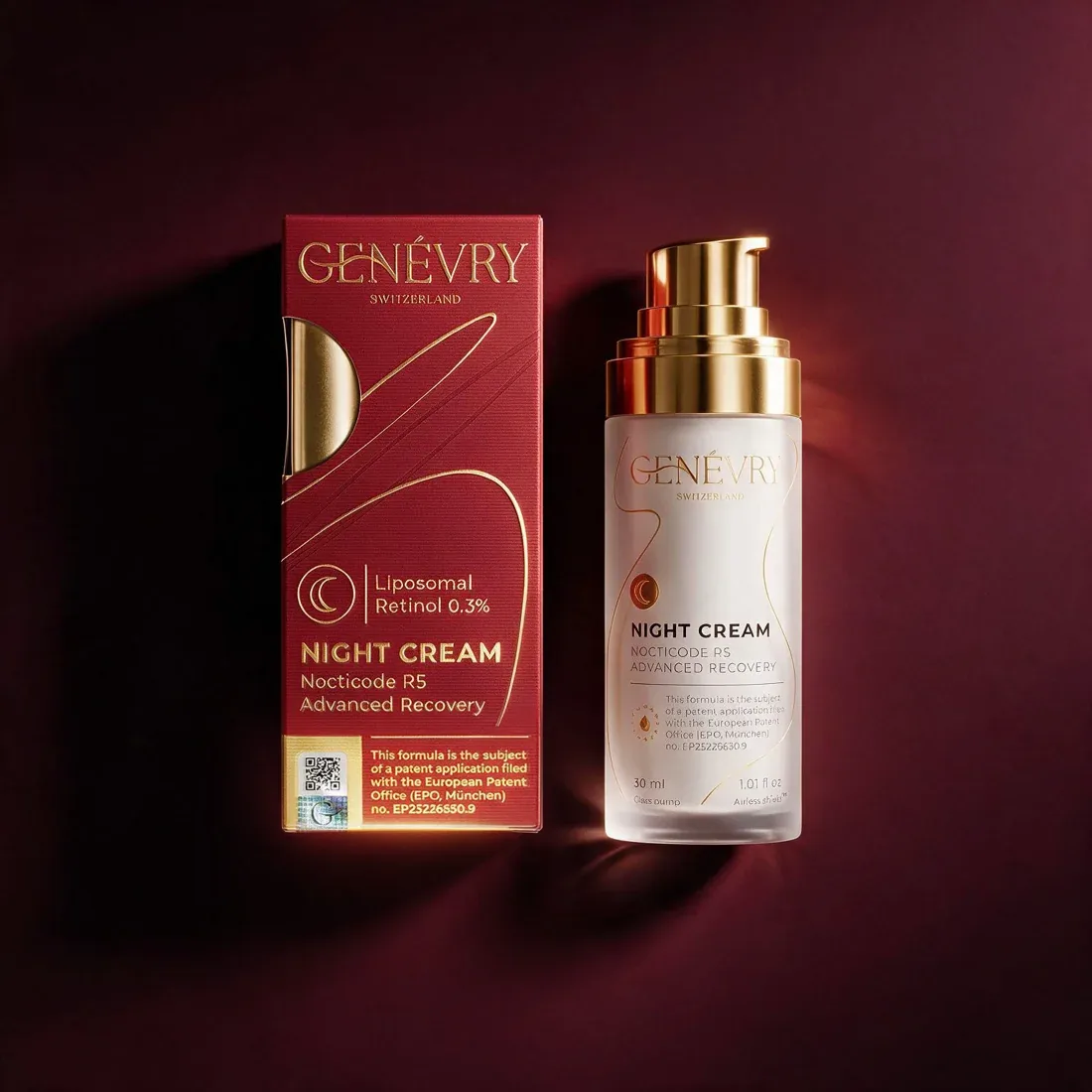
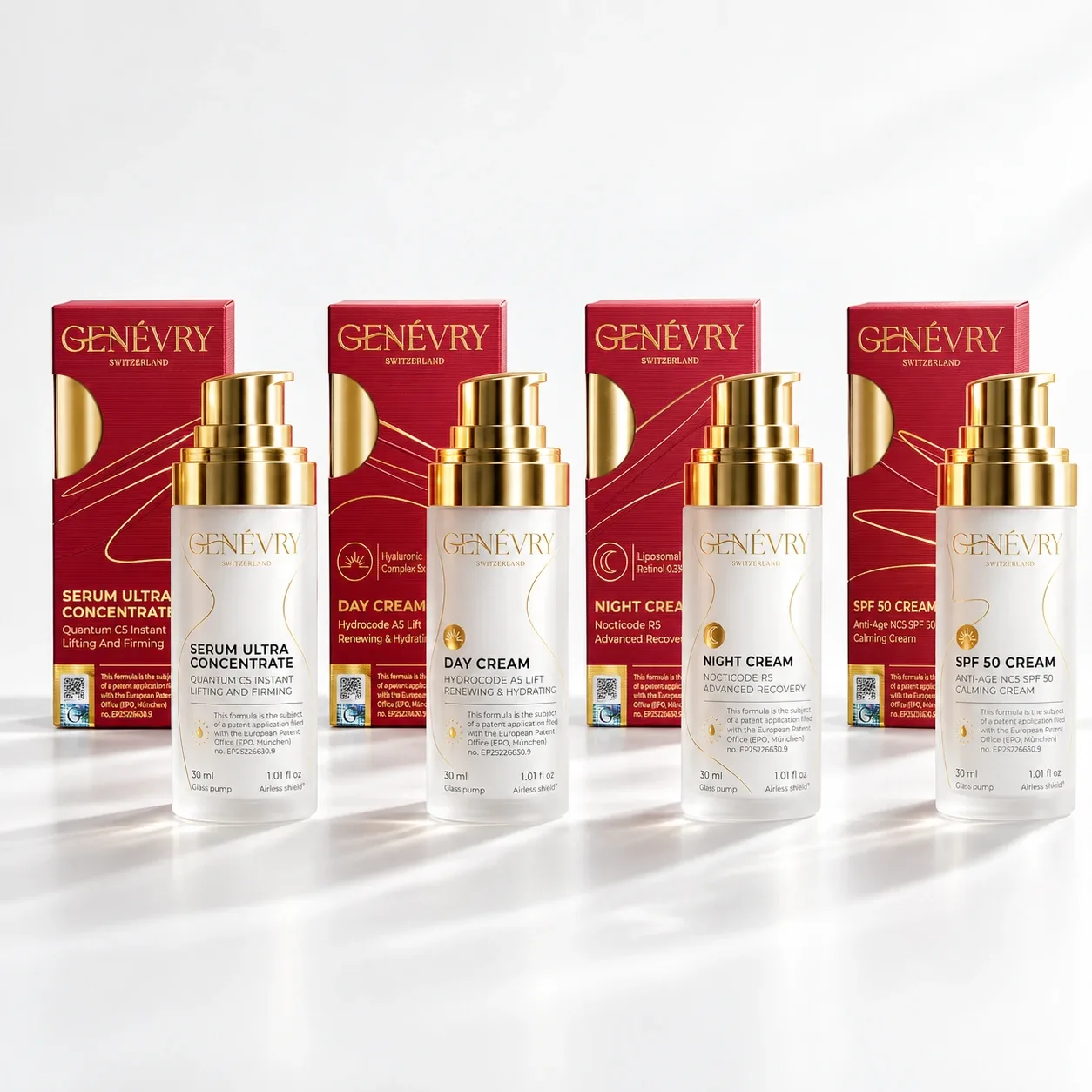
On the firmness of facial skin we have our own measurements. In an instrumental study of the GENÉVRY Nocticode R5 night cream, skin firmness improved by 5–23 per cent across the 10 participants, with a group average of 14 per cent after four weeks (instrumental study, n=10). The measurement was taken on facial skin, not on the lid itself, and that is how it should be read: as information about skin condition, not about lifting a fold.
A routine that makes sense for a heavy lid
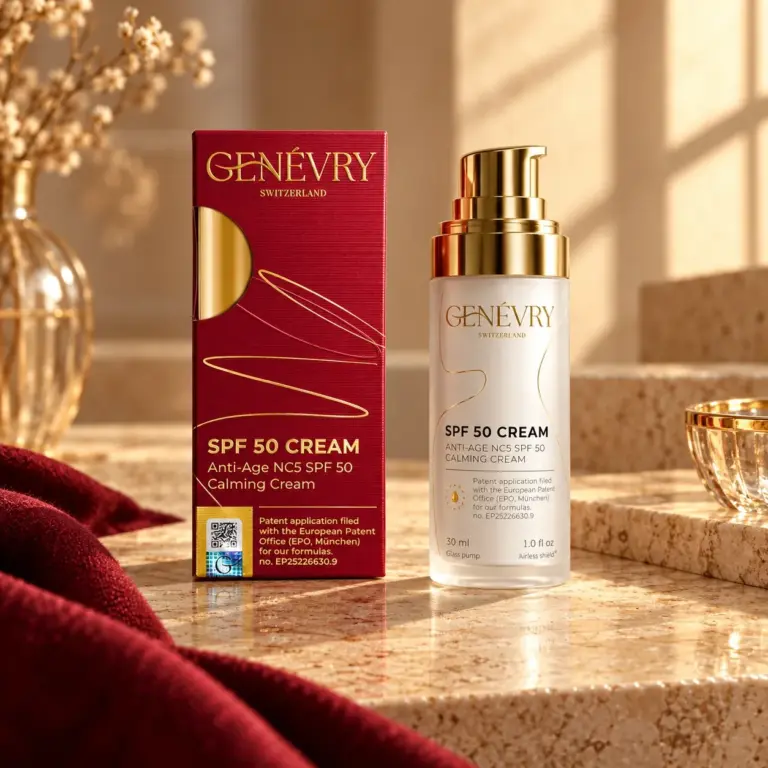
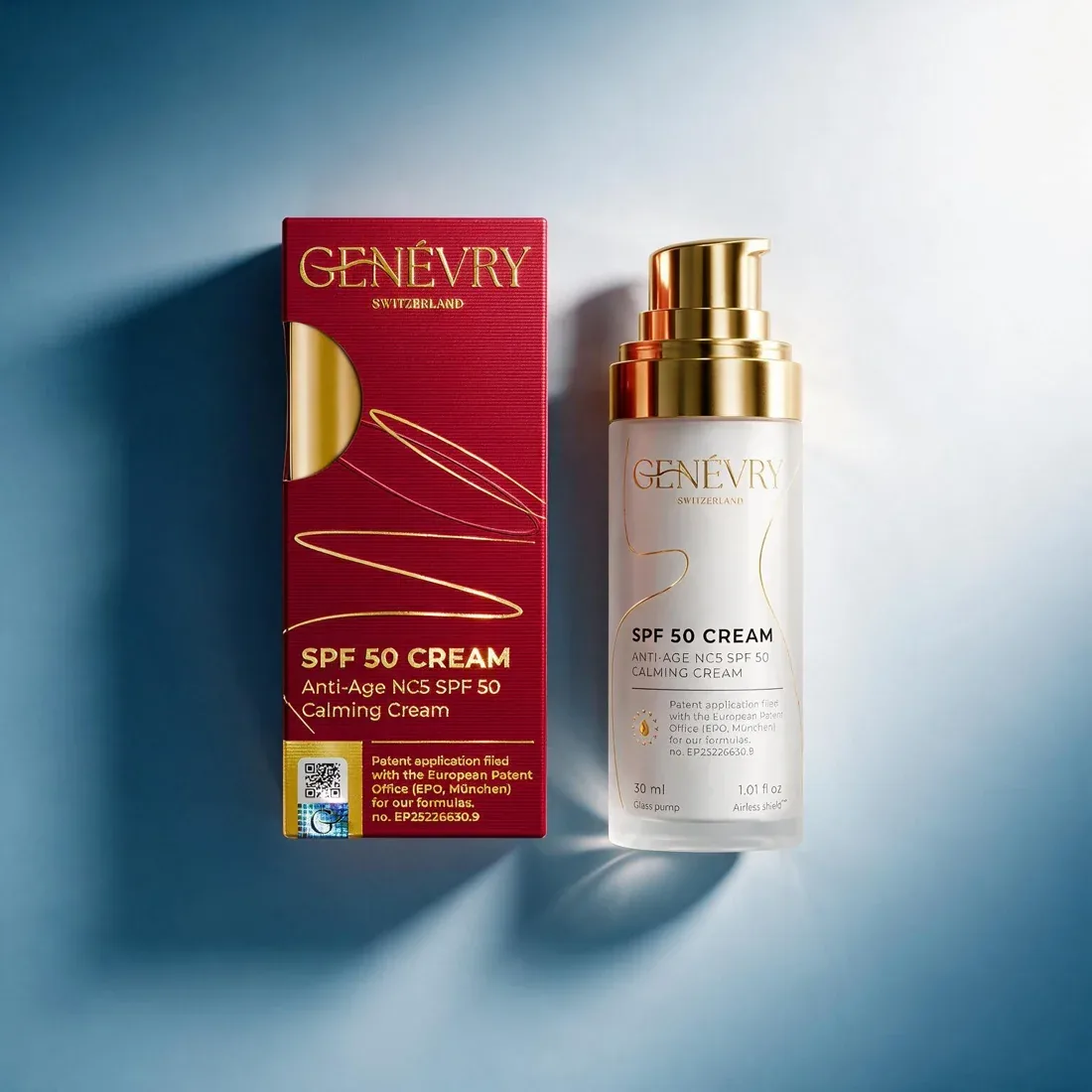
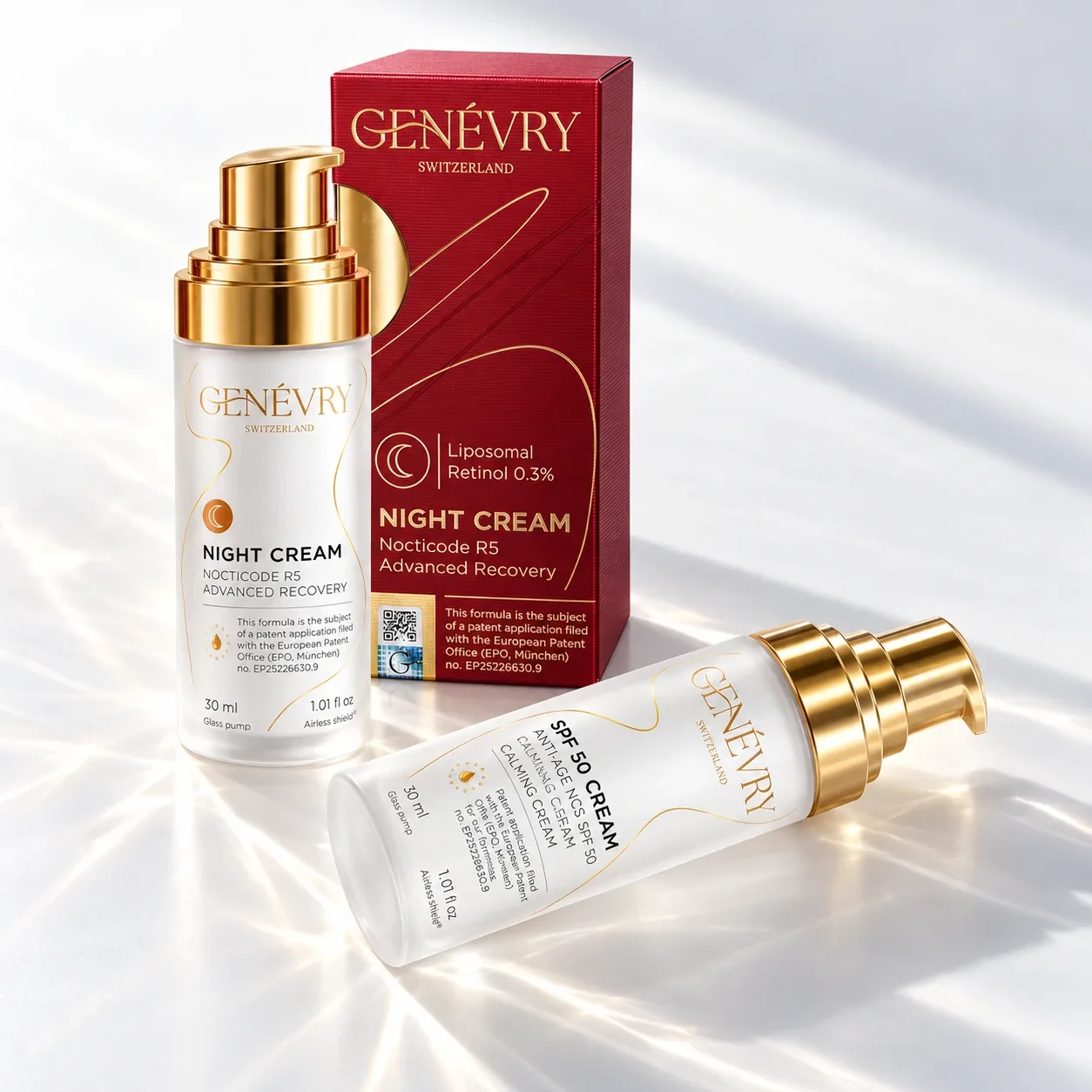
In the morning, cleanse with lukewarm water; hot water adds redness and swelling. Follow with a light moisturiser and finish with sun protection. Apply Anti-Age NC5 SPF 50 up to the orbital bone, avoiding the mobile part of the lid and the lash line; UV sunglasses cover the rest. Take eye makeup off slowly: a pad held in place for fifteen seconds dissolves mascara better than ten passes back and forth.
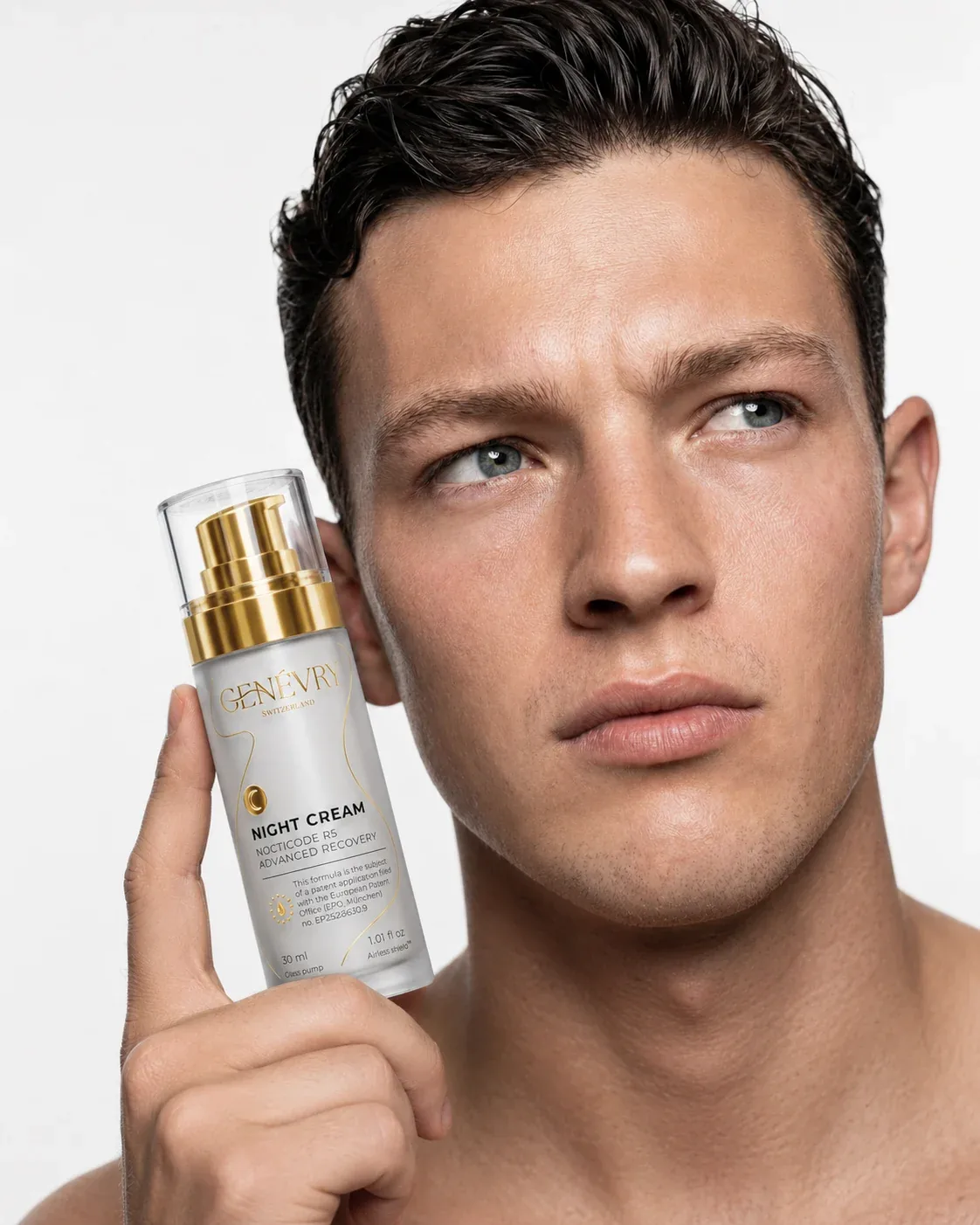
In the evening, after cleansing, apply night cream to the cheeks, forehead and along the orbital bone. Nocticode R5 contains liposomal retinol — a facial ingredient, not one for the mobile lid or the lash margin. Introduce it gradually, following the label, and wear sun protection in the morning. In pregnancy and breastfeeding, retinol is set aside and an alternative discussed with a doctor.
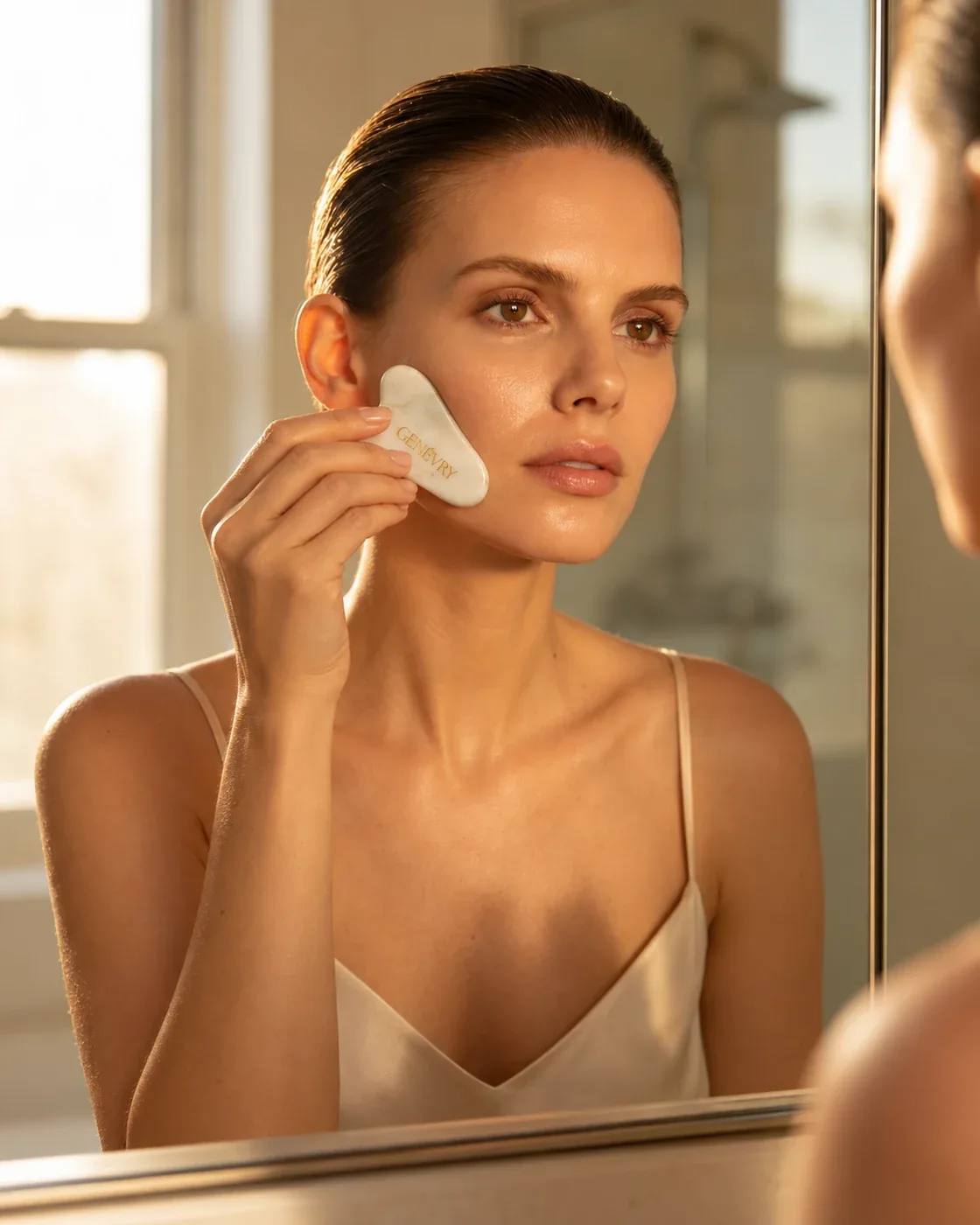
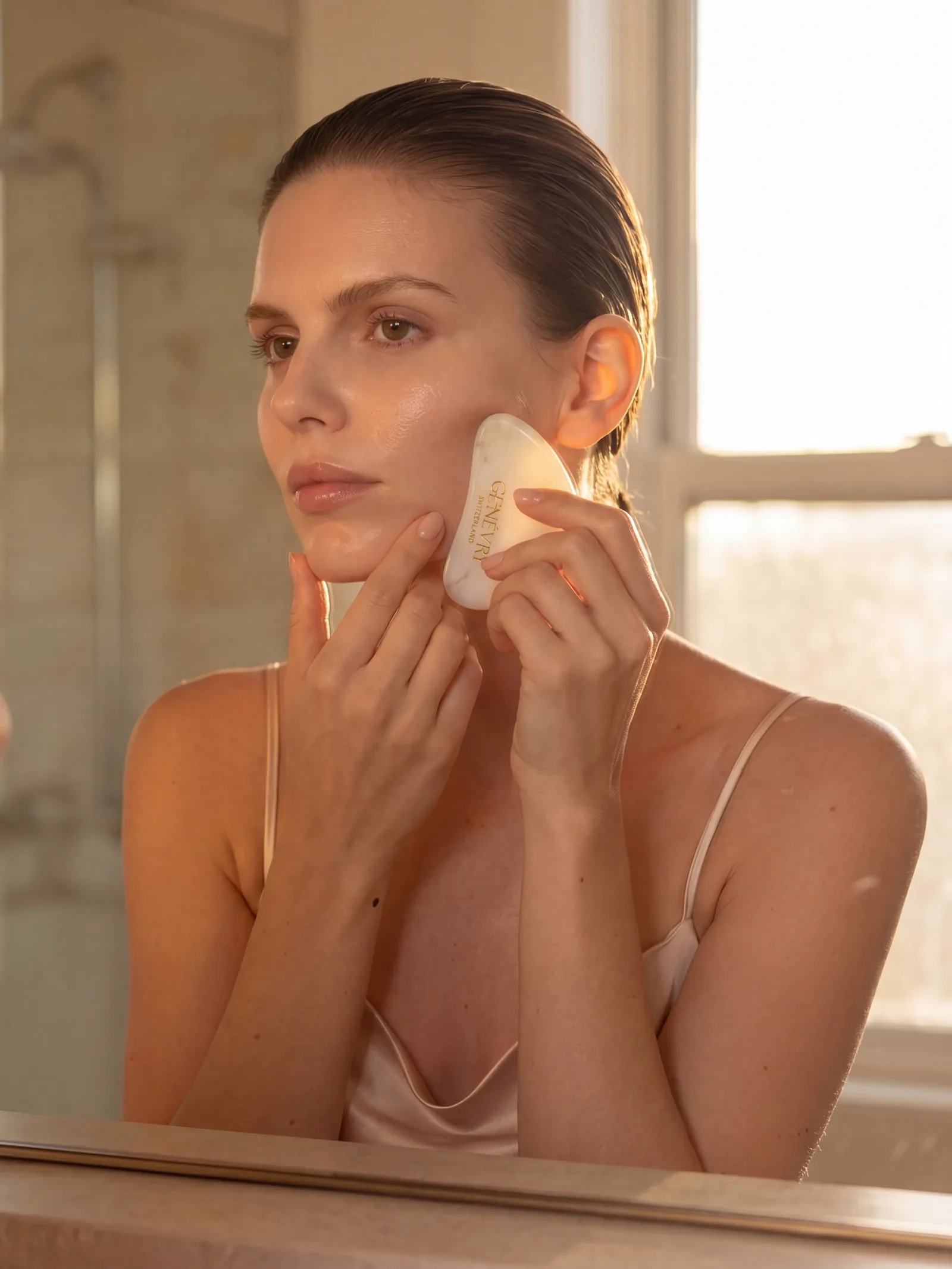
Finish with two or three minutes of massage. The flat Sculpting Gua Sha stone is always used on slip, lightly, and never across the lid itself:
- Spread cream or a little oil so the stone glides without drag.
- Work along the lower edge of the brow bone, from the inner corner towards the temple, five to seven times.
- Pause at the temple with light pressure — the direction lymph drains.
- Continue down the hairline to the jaw and neck to close the route.
There is more on technique in our piece on the evening facial massage. One rule governs it: the pressure stays light, and the skin should neither shift nor redden.
What to avoid
Rubbing the eyes — the most common source of micro-damage to thin lid skin, and the one habit worth breaking. Dragging the skin while applying cream or removing makeup. Rich occlusive formulas placed directly on the lid overnight: they hold water exactly where it already collects by morning. Exfoliating acids and strong retinoids in the immediate eye area unless the instructions say otherwise. Lifting tapes worn for long stretches: the effect is mechanical, temporary and bad for thin skin. And set aside any new product that leaves the lid itching or stinging.
When this is a question for a doctor
Seek advice promptly if one lid has dropped suddenly, if there is double vision, headache or facial muscle weakness, or if the fold blocks your field of vision and you catch yourself raising your brows to see straight ahead. A lid that stays swollen, red and itchy needs assessment too, as does marked asymmetry that appeared over a few weeks. With skin conditions, thyroid disease, in pregnancy, or while taking regular medication, decide on any new active ingredient with a doctor or dermatologist. If excess skin interferes with vision, the conversation is about a procedure and belongs with an eye surgeon.
Frequently asked questions
Will an eye cream lift a hooded eyelid?
No. A well-chosen cream improves hydration and the look of the skin, so the fold casts a softer shadow. Excess skin and brow position are beyond what any cosmetic can change.
Do facial exercises help heavy lids?
The evidence is weak and inconsistent, and around the eye there is an added risk: repeated tensing and rubbing of thin skin does more harm than good. Gentle massage on slip is safer.
How long before skincare shows a difference?
Morning puffiness responds fastest, usually within days. The look of the skin — hydration and smoothness — is assessed at four weeks, and a fair summary comes after three months of consistency.
Can I use a retinol cream on the eyelid?
Not on the mobile lid or the lash margin. A retinol product goes on facial skin along the orbital bone, according to the label, introduced gradually as tolerance allows.
Does sleeping on your side make it worse?
Sleeping with your face in the pillow encourages morning puffiness and crease lines that fade within the hour. A slightly higher pillow and a smooth pillowcase limit both.
A heavy lid rarely has a single cause: usually anatomy, a few years of sun and a little morning fluid, and only the last disappears quickly. The rest is months of work — less friction, daily sun protection, unhurried moisturising, a short massage in the evening. What changes is less the shape of the lid than the way the eye area reads in good light: skin that looks better hydrated, smoother and less tired.
The formulas in this article
 The Sculpting Gua ShaNäomassaažikivi€24.90Discover the formula →
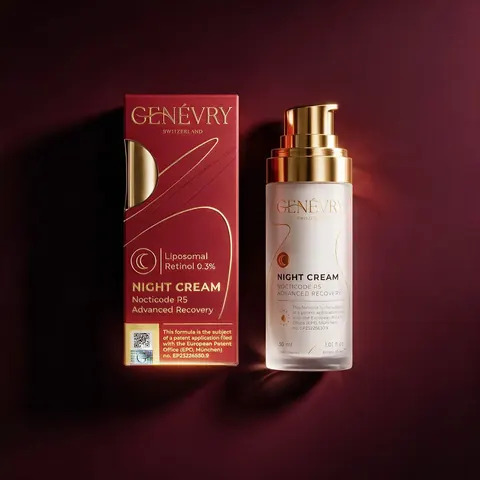 Nocticode R5Täiustatud öökreem€34.90Discover the formula →
Cosmetic product. Individual results may vary.



 English / EUR
 English (US) / USD
 English (UK) / GBP
 Deutsch / EUR
 Deutsch (Schweiz) / CHF
 Français / EUR
 Italiano / EUR
 Español / EUR
 Nederlands / EUR
 Polski / PLN
 日本語 / JPY
 한국어 / KRW
 中文 / CNY
 العربية / AED
 English (Australia) / AUD
 English (Canada) / CAD
 Svenska / SEK
 Dansk / DKK
 Norsk / NOK
 Suomi / EUR
 Português / EUR
 Türkçe / TRY
 Čeština / CZK
 Magyar / HUF
 Română / RON
 Ελληνικά / EUR
 Slovenčina / EUR
 Hrvatski / EUR
 Slovenščina / EUR
 Lietuvių / EUR
 Latviešu / EUR
 Eesti / EUR
 Български / EUR
 Українська / EUR