Skincare after 50: what changes and how to build the routine
Barrier, hydration, sunscreen and one active in the evening — the five rules that do the most visible work in this decade.
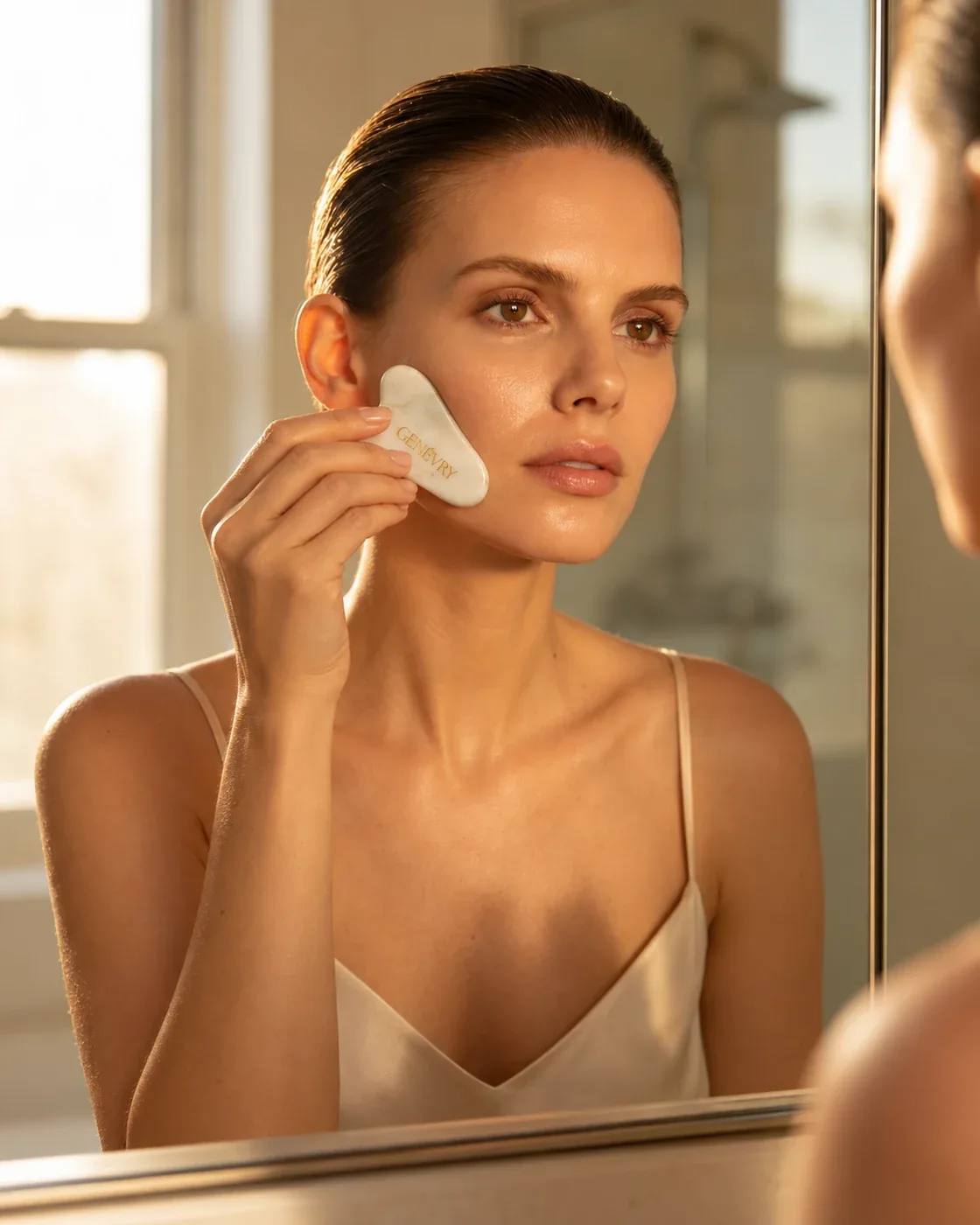
Skin changes faster in this decade than in the ones before it, and it tends to say so plainly: it tightens after cleansing, it dislikes cold air and air conditioning, and the cream that lasted until evening in July stops lasting until noon in November. Skincare after 50 is therefore not about stronger formulas but about a different order of priorities — barrier and hydration first, daily protection second, and active ingredients last, introduced more slowly than they were ten years ago.
Below: what actually happens to skin in this decade, the five rules that do the most visible work, a ready morning and evening rhythm, an unhurried way into retinol, and what the instrumental studies were able to measure.
What happens to skin after fifty
The backdrop to this decade is largely hormonal. Falling oestrogen levels around menopause affect the density of the dermis, its water content and the activity of the sebaceous glands. The effect is often felt before it is seen: skin loses comfort sooner and takes longer to settle after washing or after a walk in cold air.
The second change is in the epidermal barrier. The outermost layer is held together by a mixture of lipids in which ceramides play a significant part. As they decline, water leaves the surface faster and skin responds with a feeling of tightness, roughness and sensitivity to products that were entirely unremarkable for years.
The third is the pace of epidermal renewal, slower now than it was at thirty. Dead cells linger on the surface, light reflects less evenly, and the result is a dull look even after a full night’s sleep.
The fourth concerns firmness. Collagen and elastin fibres form a sparser network, so the contour of the face reads less clearly and the lines around the mouth and on the neck settle in. The fifth is the sum of decades: uneven tone and pigmentation marks are rarely the work of last summer and usually the work of the thirty summers before it.
No cream reverses any of this. Several of the consequences — hydration, comfort, surface smoothness, the look of the complexion — do respond to care, and that is where effort belongs.
Skincare after 50: the five rules that matter most
A routine in this decade should be short and repeatable. A longer one tends to be abandoned in week three; skin after fifty responds to consistency, not to the number of steps.
1. Gentle cleansing. Something that leaves no sting and no tightness: a milk, an emulsion or a low-pH gel. Strong detergents remove lipids that skin now rebuilds more slowly than it used to. For many people, lukewarm water is enough in the morning.
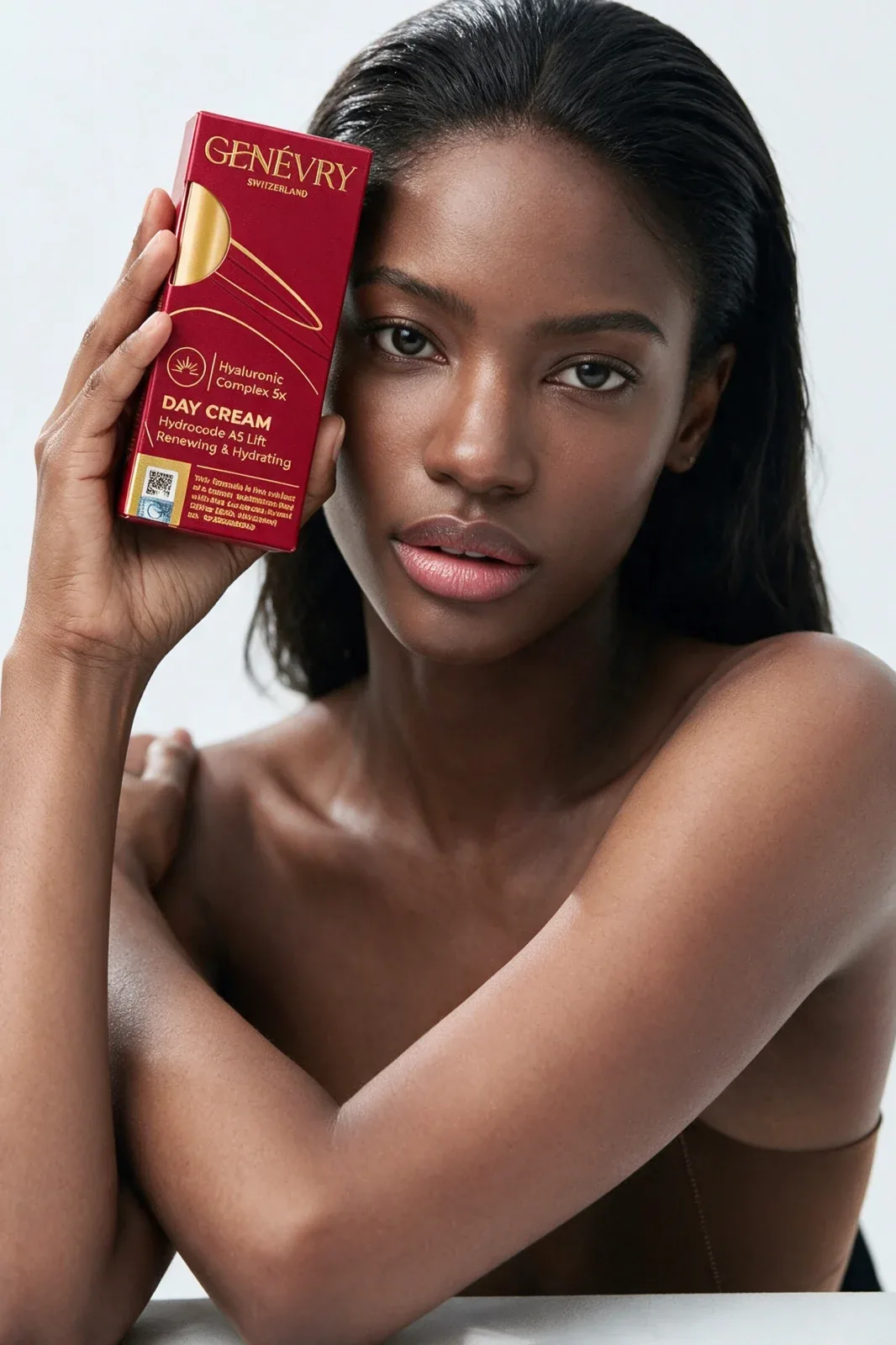
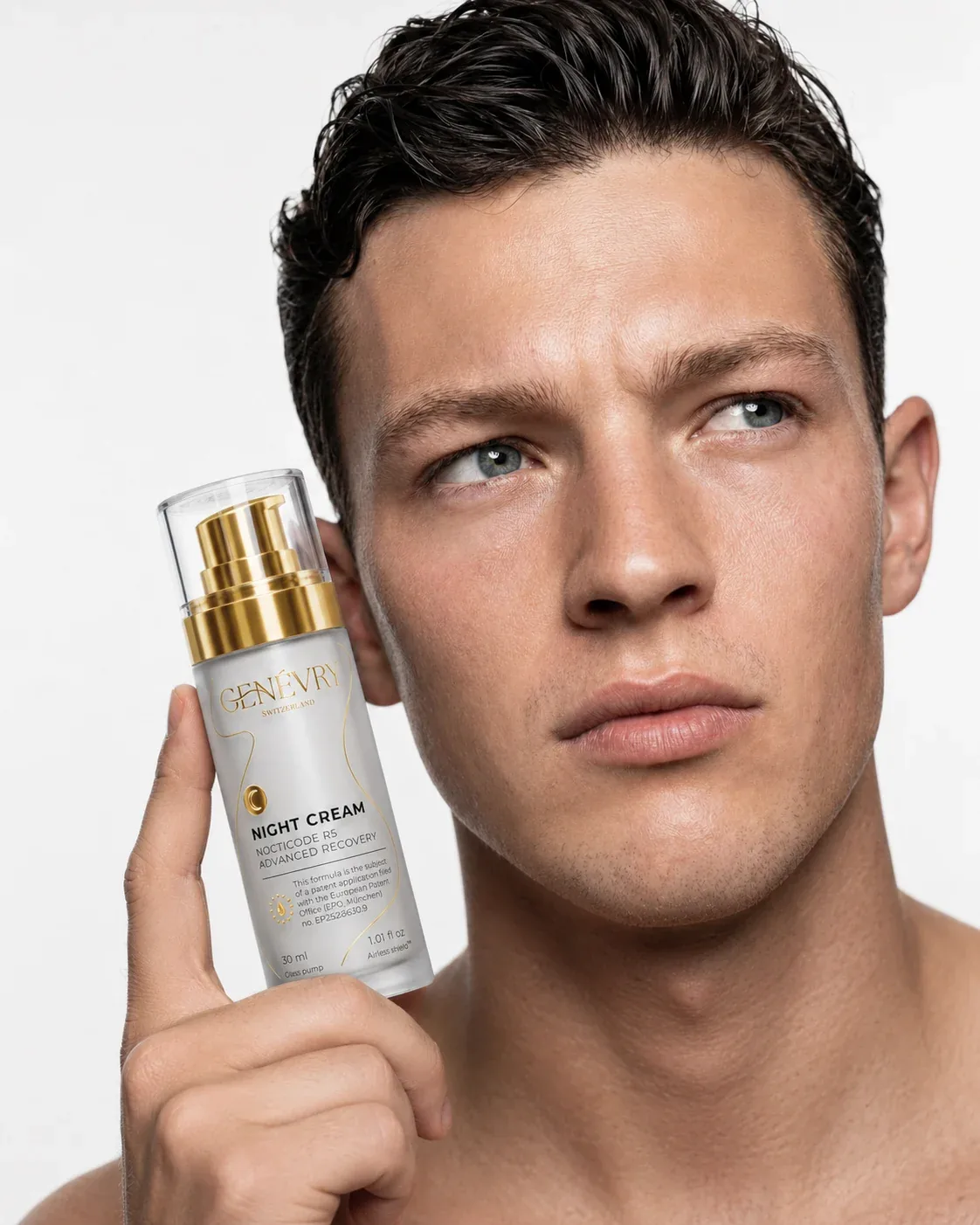
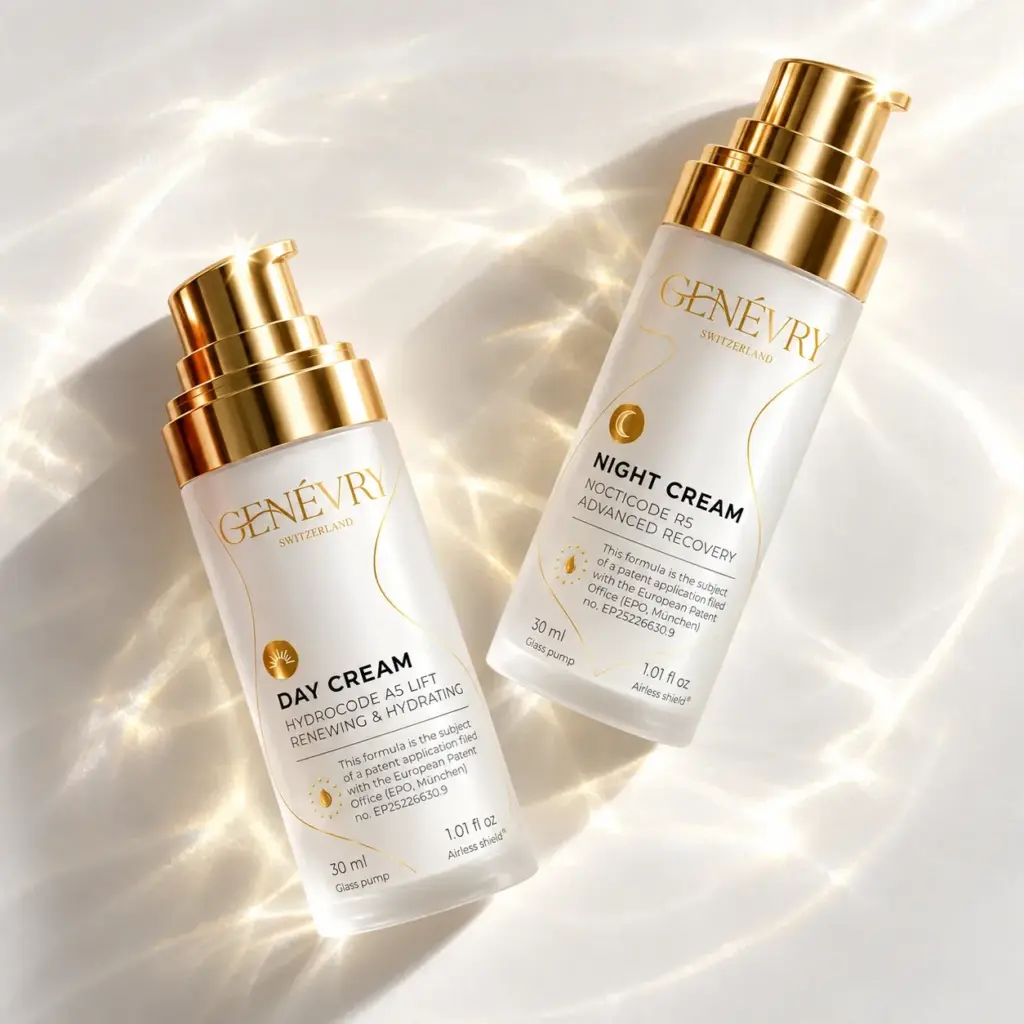
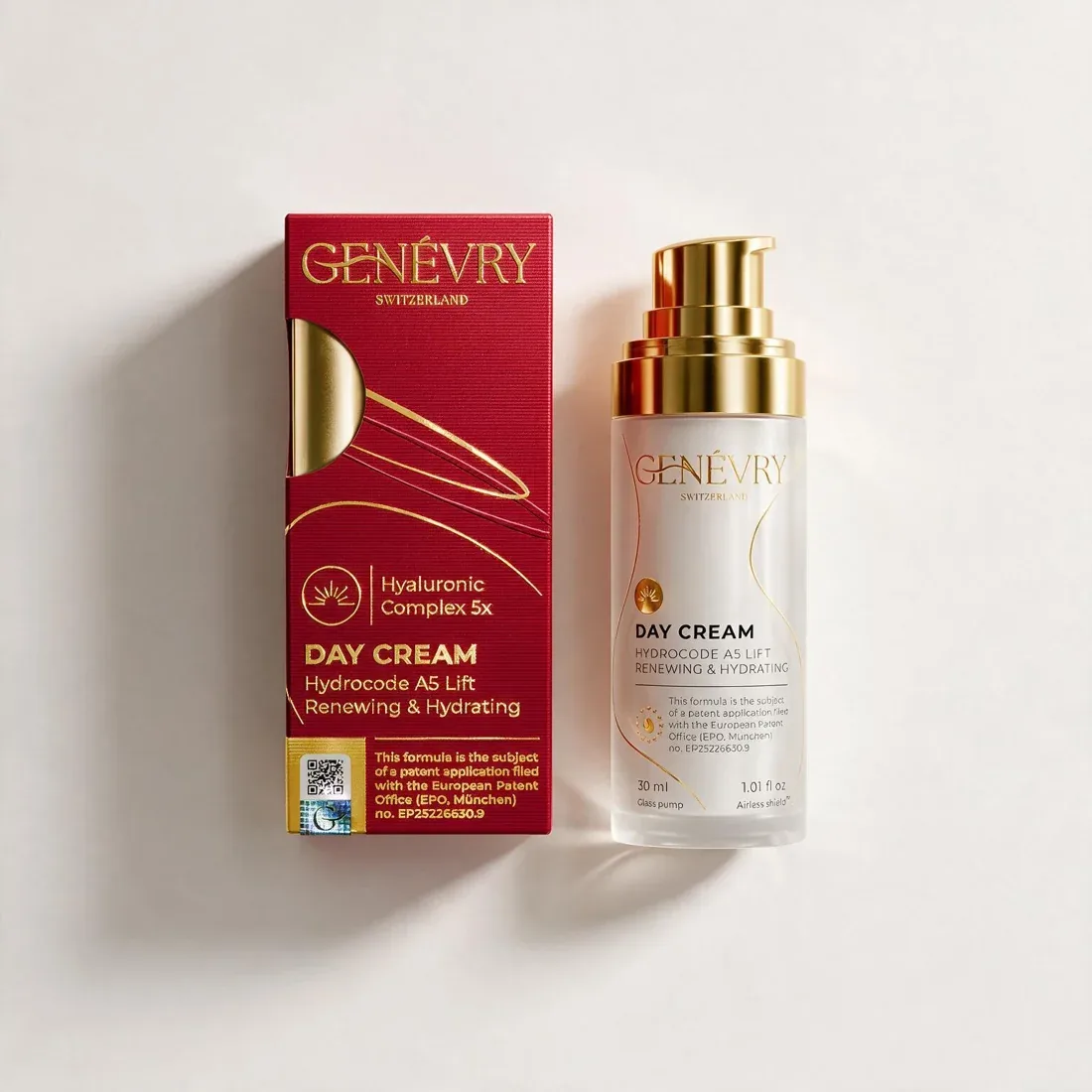
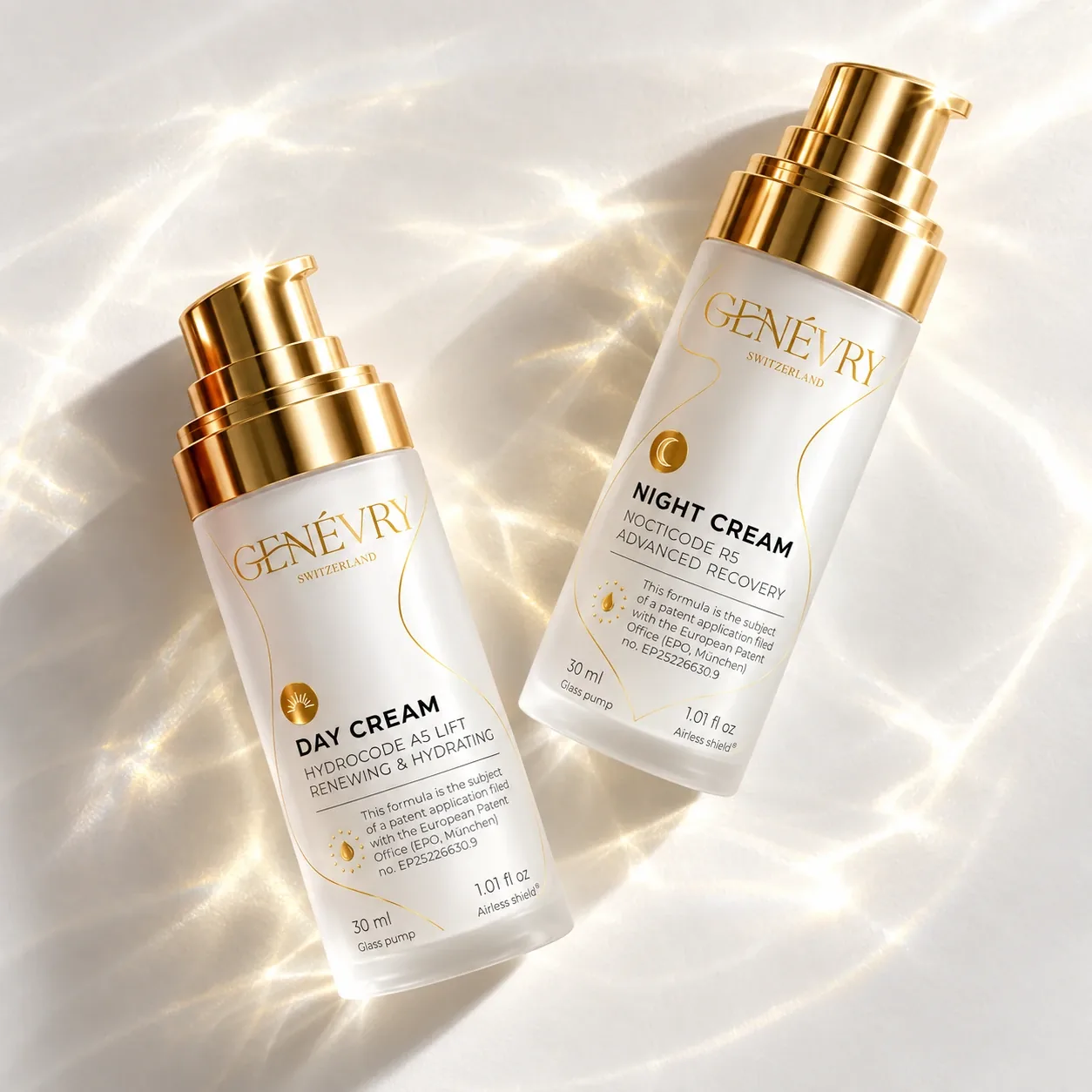
2. Hydration with the barrier in mind. Light gel textures are often simply too light in this decade. Richer textures applied to slightly damp skin hold water for longer. The Day and Night Duo pairs the Hydrocode A5 Lift day cream with the Nocticode R5 night cream — two different textures for two different halves of the day.
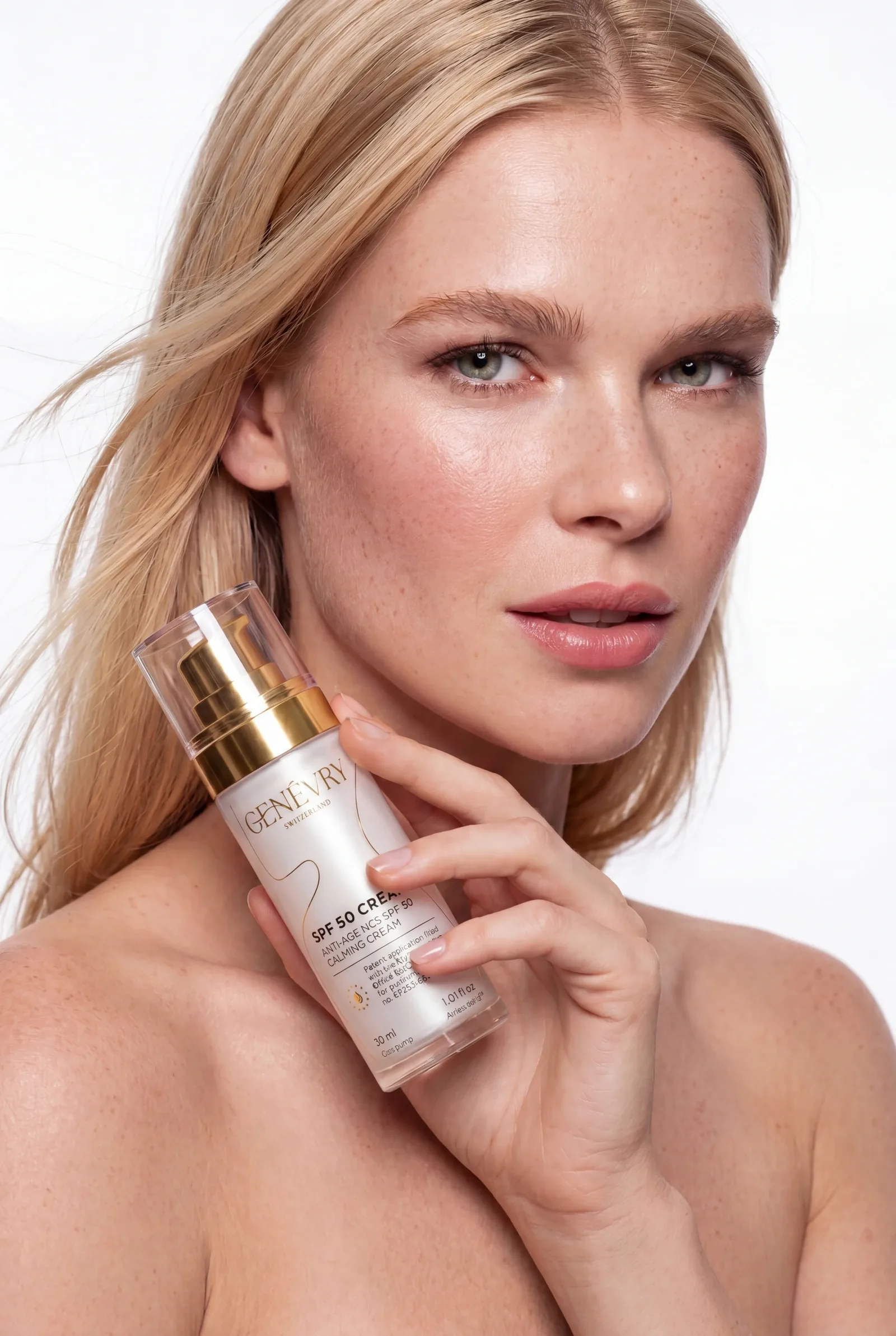
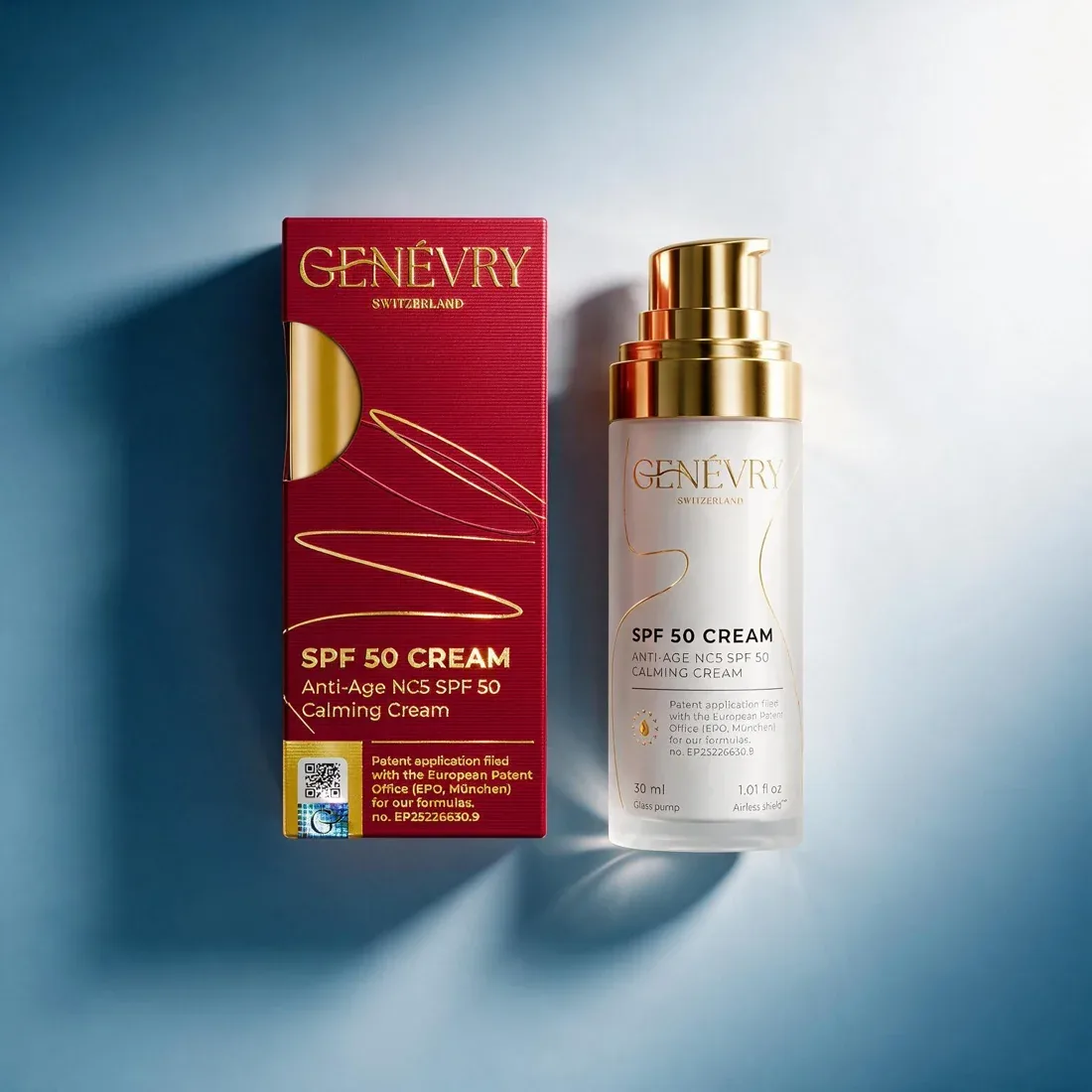
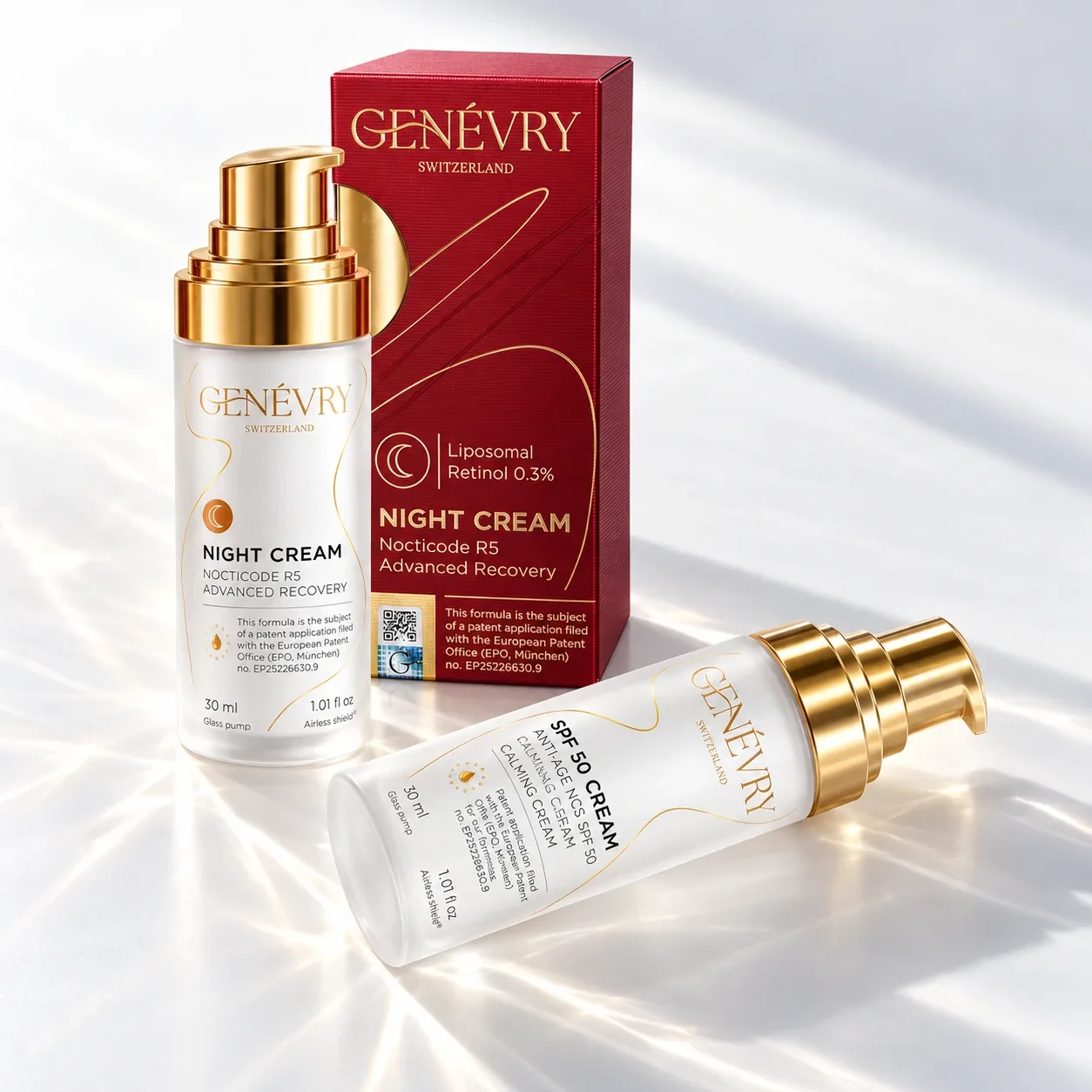
3. Sunscreen every morning. This is the one step that limits the accumulation of new photoageing damage, and the one most often dropped outside summer. Anti-Age NC5 SPF 50 closes the morning routine and can be worn all year.
4. One active in the evening. Not five at once. A retinoid or an acid, introduced gradually and set aside for a few days whenever skin signals dryness. Stacking actives after fifty usually ends in irritation rather than in faster results.
5. Neck, décolleté and hands. The skin there is thinner and usually less protected than the face. Whatever is left on your fingers and a few upward strokes will do.
Morning and evening: a ready rhythm
The layout below assumes four products, about three minutes in the morning and four in the evening. The order follows texture: lightest to richest, sunscreen always last in the morning.
| Step | Morning | Evening | Note |
|---|---|---|---|
| 01 | Water or a gentle emulsion | Thorough but gentle cleansing | No tight feeling afterwards |
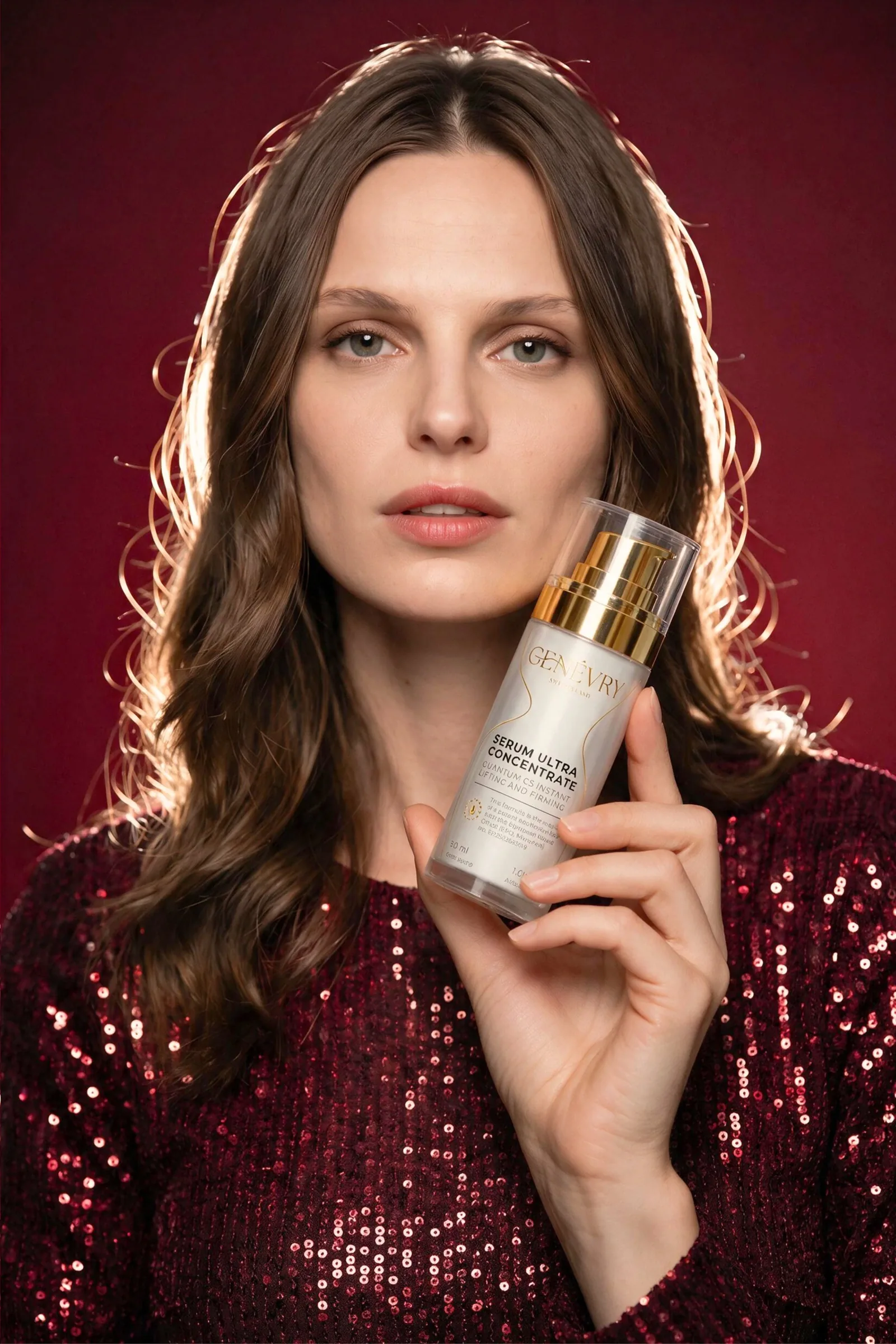
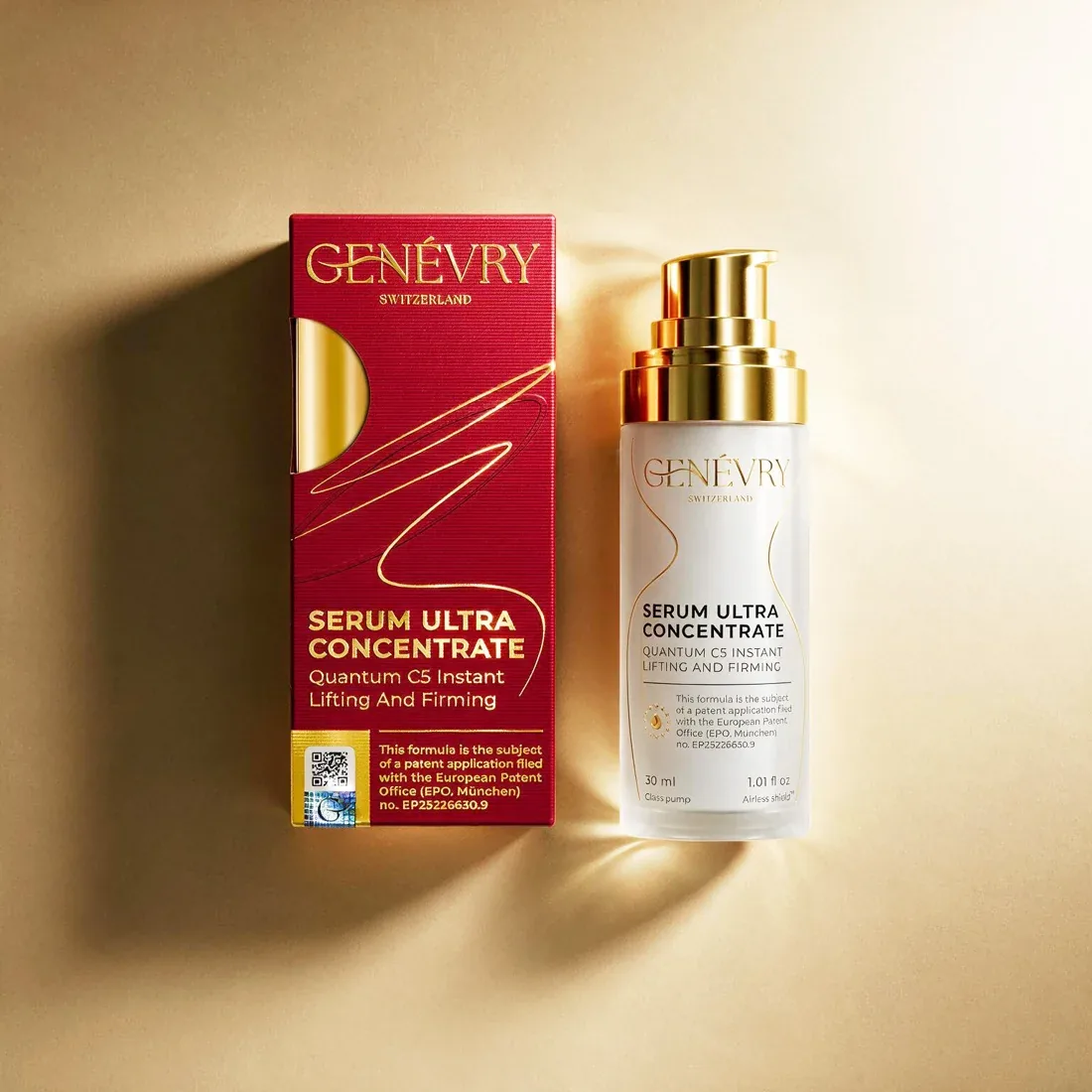
| 02 | Antioxidant serum | — | Onto slightly damp skin |
| 03 | Day cream | Retinol (2–4 evenings a week) | A pea-sized amount |
| 04 | SPF 50 | Night cream | Also in winter and on cloudy days |
| 05 | The remainder onto neck and hands | Neck, décolleté, a moment of massage | Two or three minutes is plenty |
In weeks when skin is visibly drier — the heating season, a long flight, a salon treatment — skip the retinol evenings and keep only the hydrating steps. That is part of the same plan, not a loss of progress.
Retinol after fifty: an unhurried start
In this decade retinol tends to be postponed out of fear of irritation, or abandoned after a fortnight because it began as a nightly habit. The calmer version goes like this: two evenings a week for the first two weeks, three evenings for the next two, and only after a month, if skin raises no objection, consider going further.
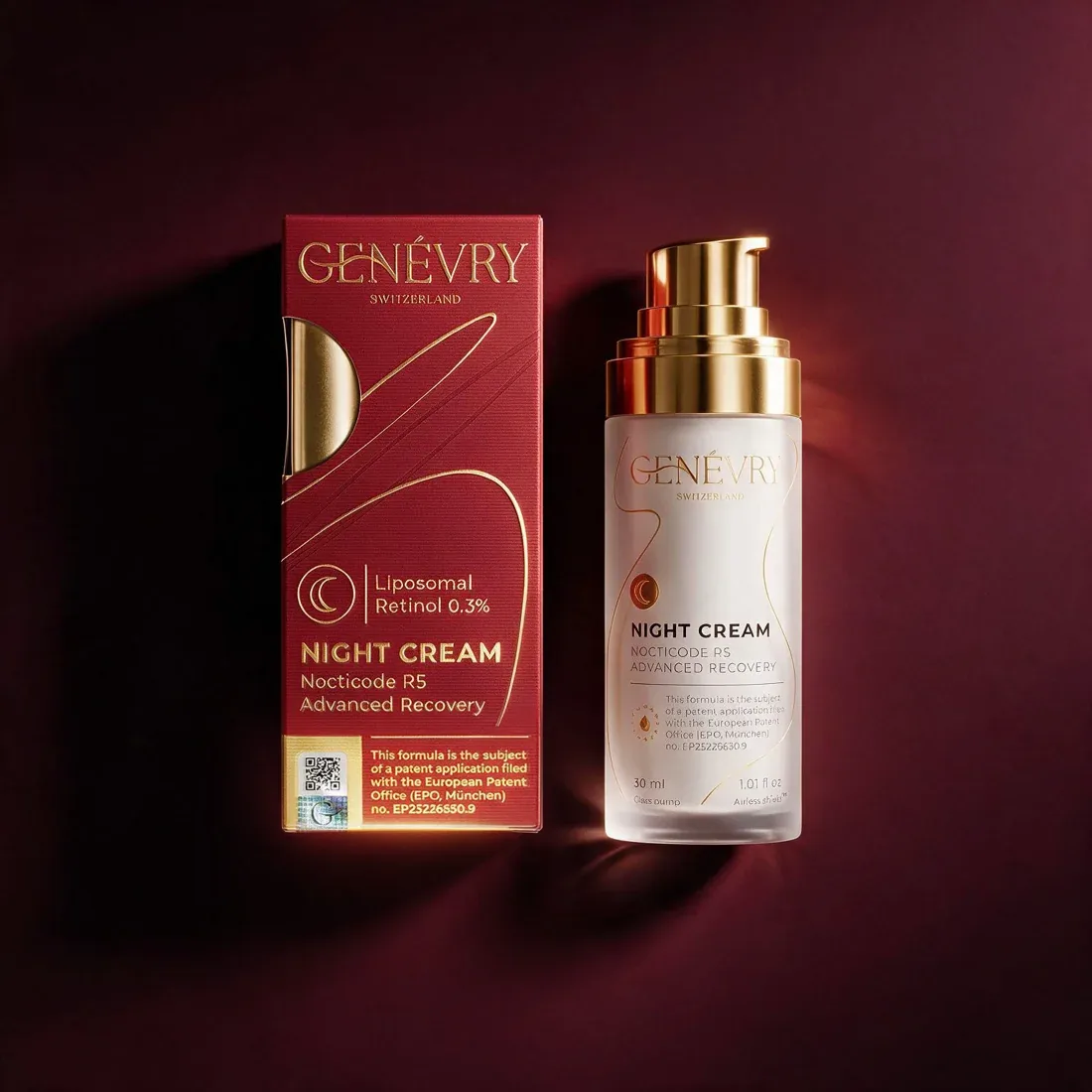
A pea-sized amount covers the whole face. Avoid the creases of the nose and the immediate eye area unless the label says otherwise. Nocticode R5 night cream with 0.3% liposomal retinol combines the active with a layer that limits overnight water loss — after fifty that combination is more comfortable than a separate, high-strength retinol serum.
If skin responds with dryness, the sandwich method helps: a thin layer of cream, then retinol, then cream again. Mild flaking in the first weeks can be normal; stinging, redness that is still there in the morning, or a rough texture is the signal to pause for a few days and return less often. The morning after a retinol evening, sunscreen is not optional. With skin conditions, dermatological treatment or medication that increases light sensitivity, agree the routine with a doctor or dermatologist first.
Dry skin around menopause
The most common complaint in this decade is not „wrinkles“ but „my skin feels tight“. Several things help, and none of them is a cosmetic: lukewarm rather than hot water, shorter showers, a humidifier during the heating season, and body oil or balm onto damp skin straight after the bath.
On the face the direction is simple: gentler cleansing, a richer texture in the evening, fewer actives at once. Hot flushes, disturbed sleep and questions about hormone therapy belong in a conversation with a doctor — a cosmetic does not address them and should not pretend to.
What was measured
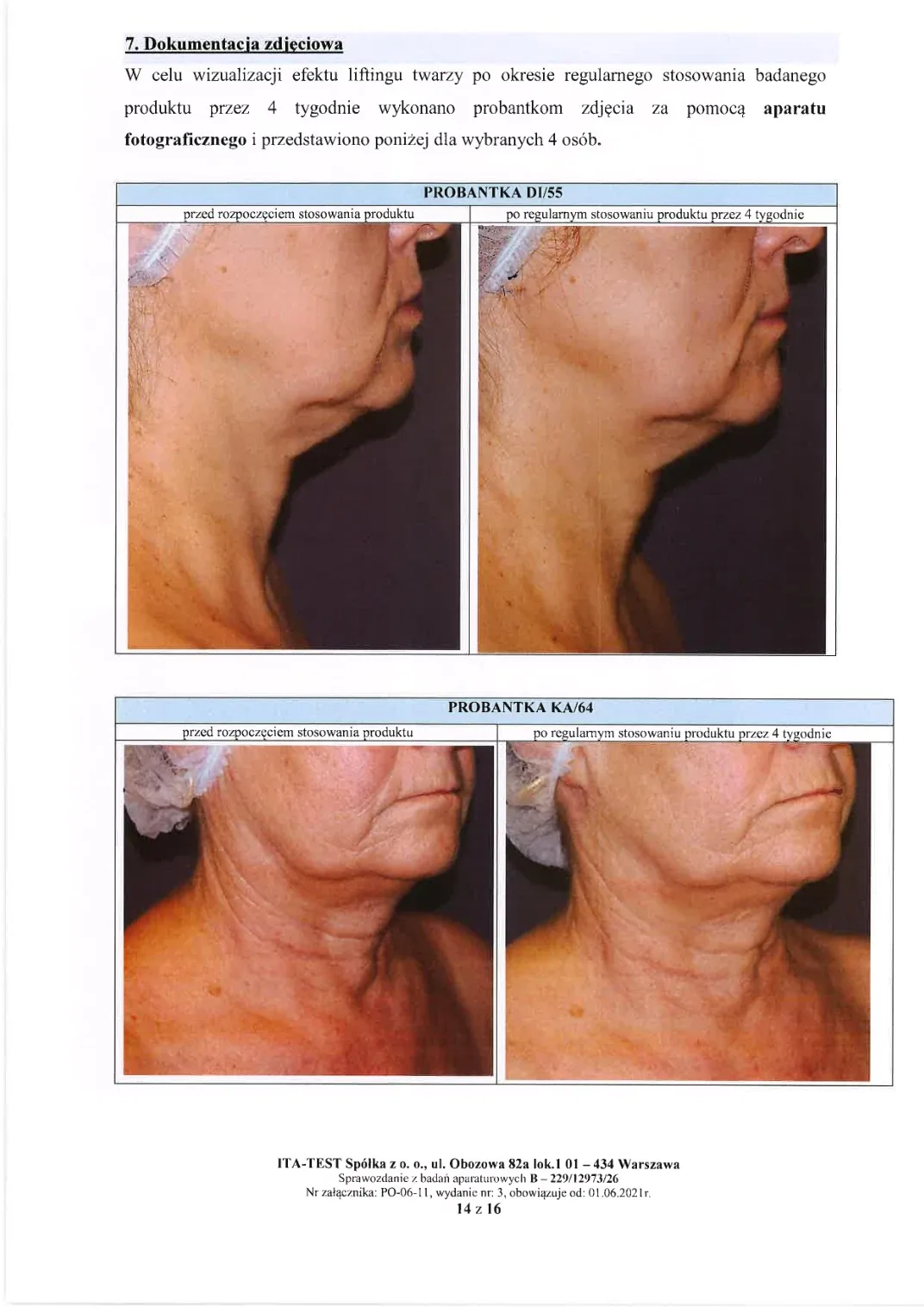
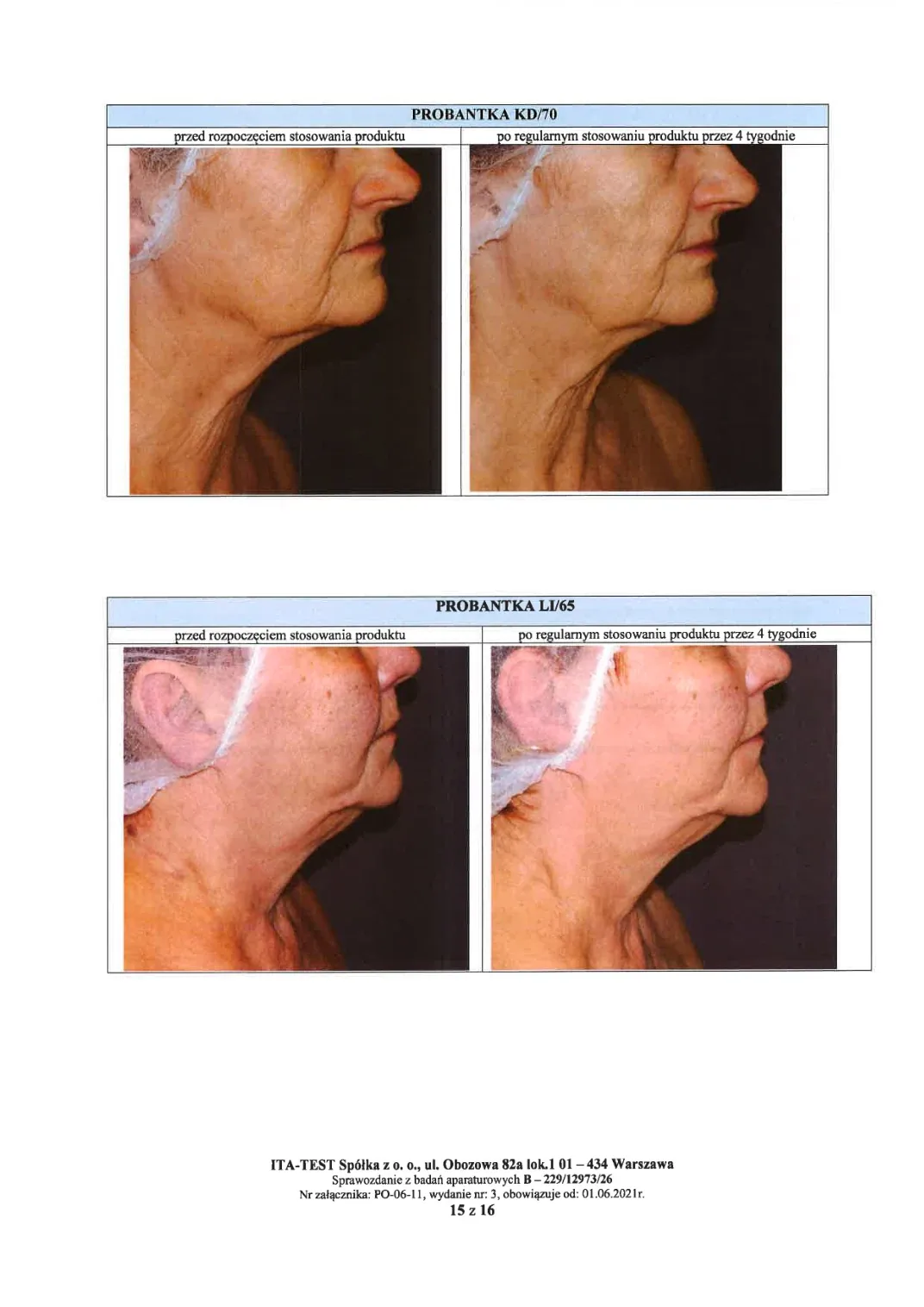
GENÉVRY formulas were assessed in four-week instrumental studies with 10 participants, separately for each product. These are small groups and separate protocols — context, not a promise for any individual complexion.
For the night cream, instrumental firmness increased by 5–23% with a group average of 14%, and mean skin elasticity rose by 11%, with improvement in 9 of 10 participants. Mean wrinkle length fell from 2.08 to 1.88 mm, a reduction of 10%, recorded in 9 of 10 participants (silicone replicas, VISIOLINE VL650). Mean skin hydration rose by 38% from baseline (Corneometer CM 825). For the day cream, mean skin hydration rose by 41%, and the SEsm smoothing parameter improved by 7–26% with a group average of 13% (Visioscan VC 98).
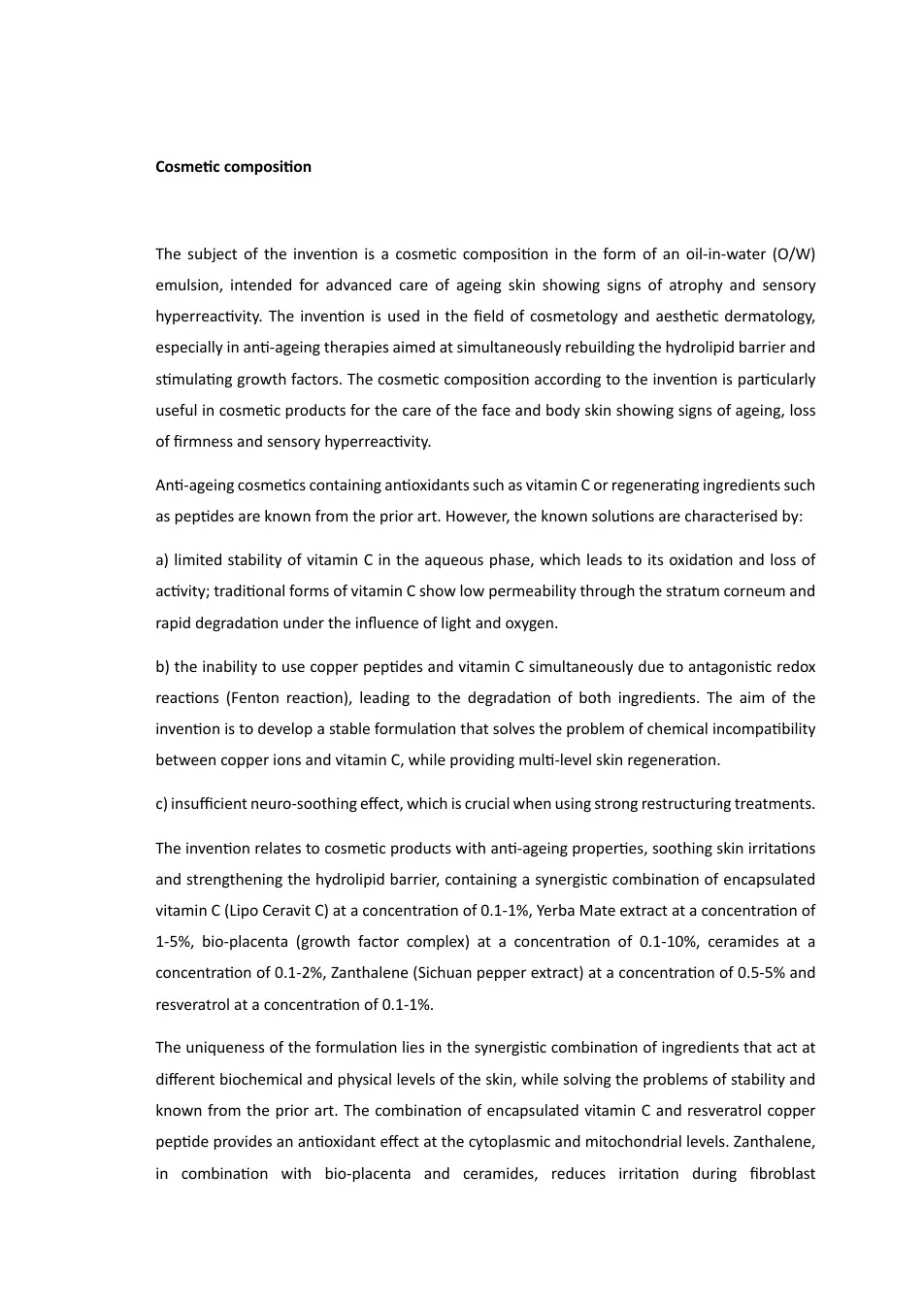
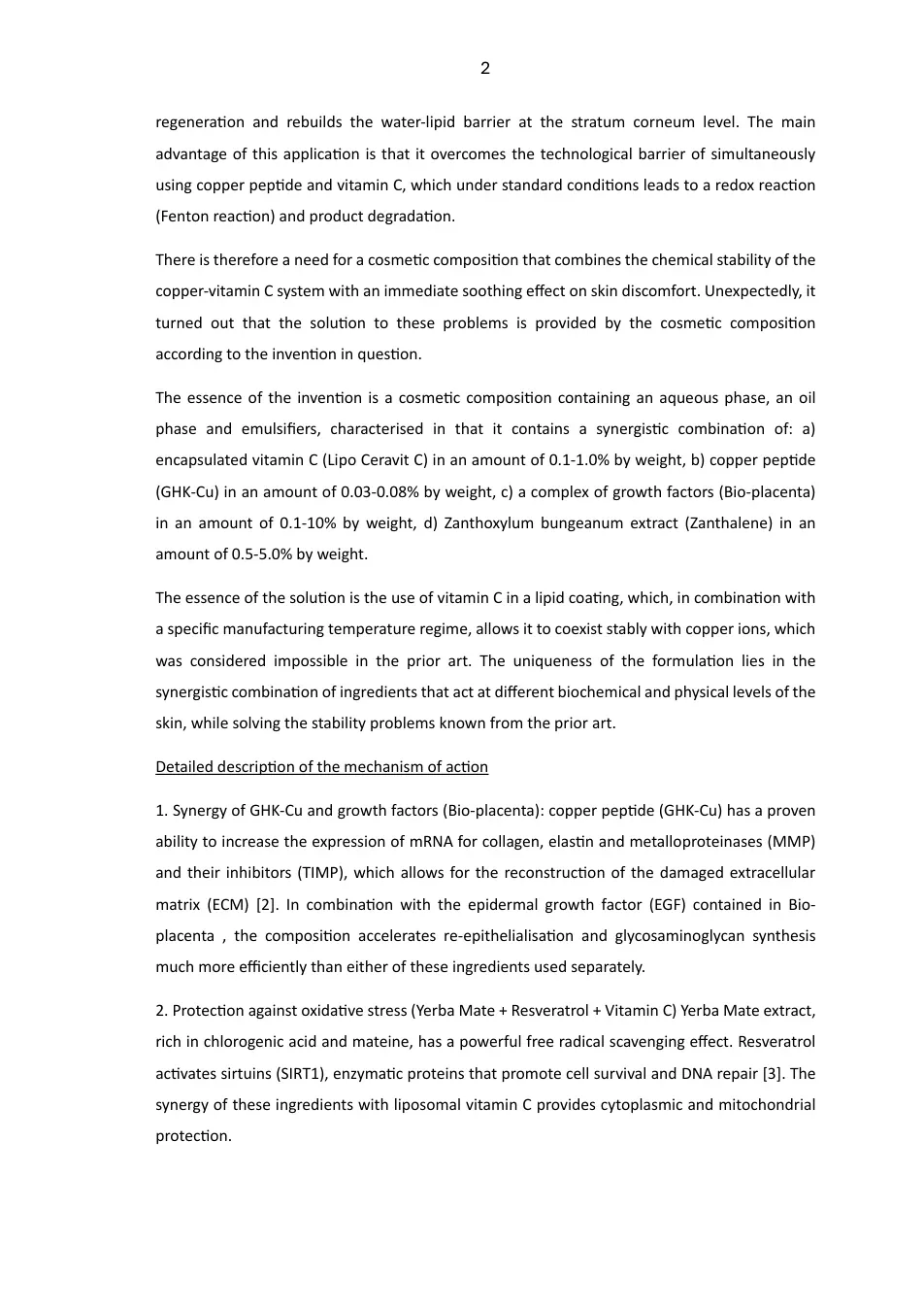
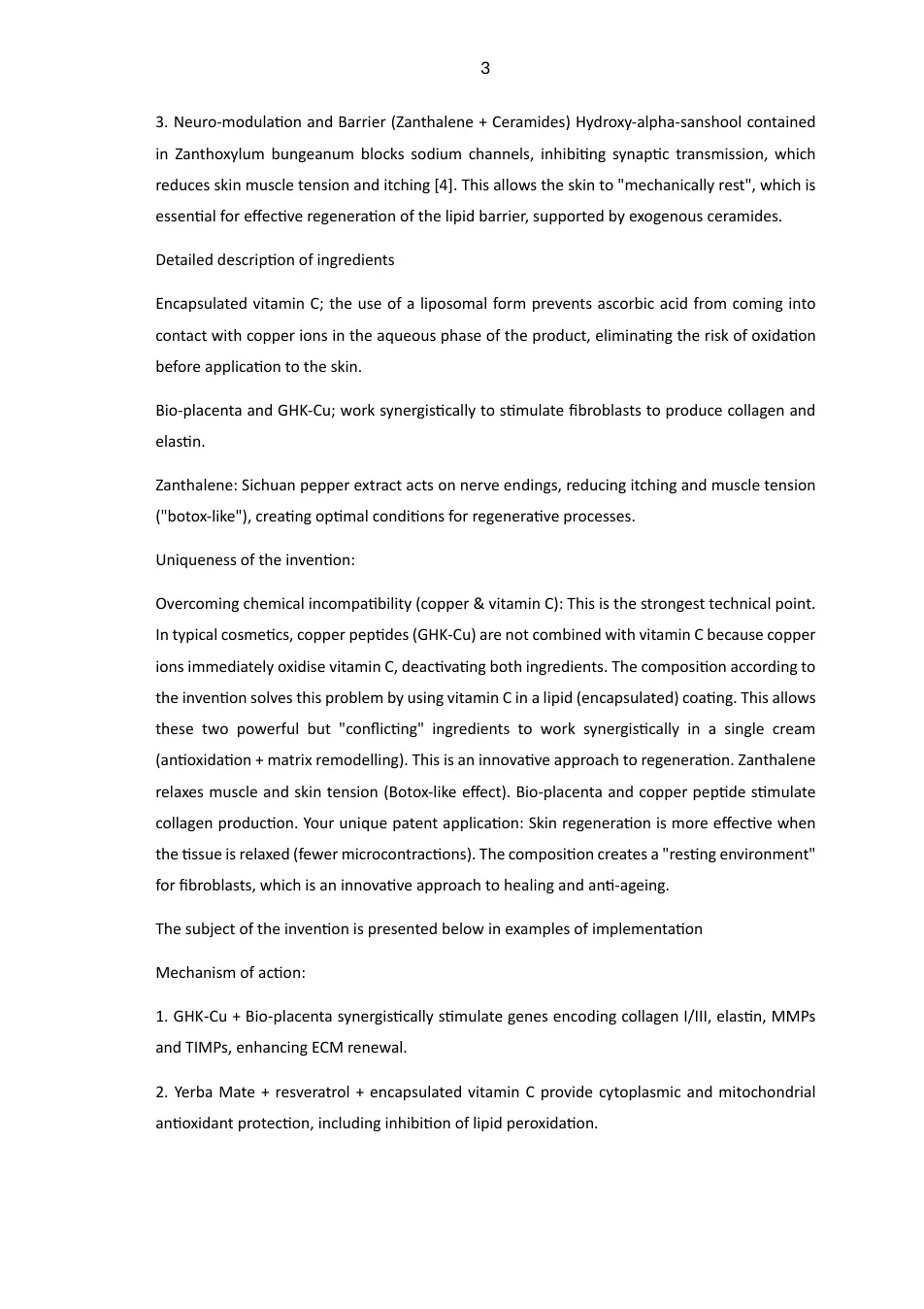
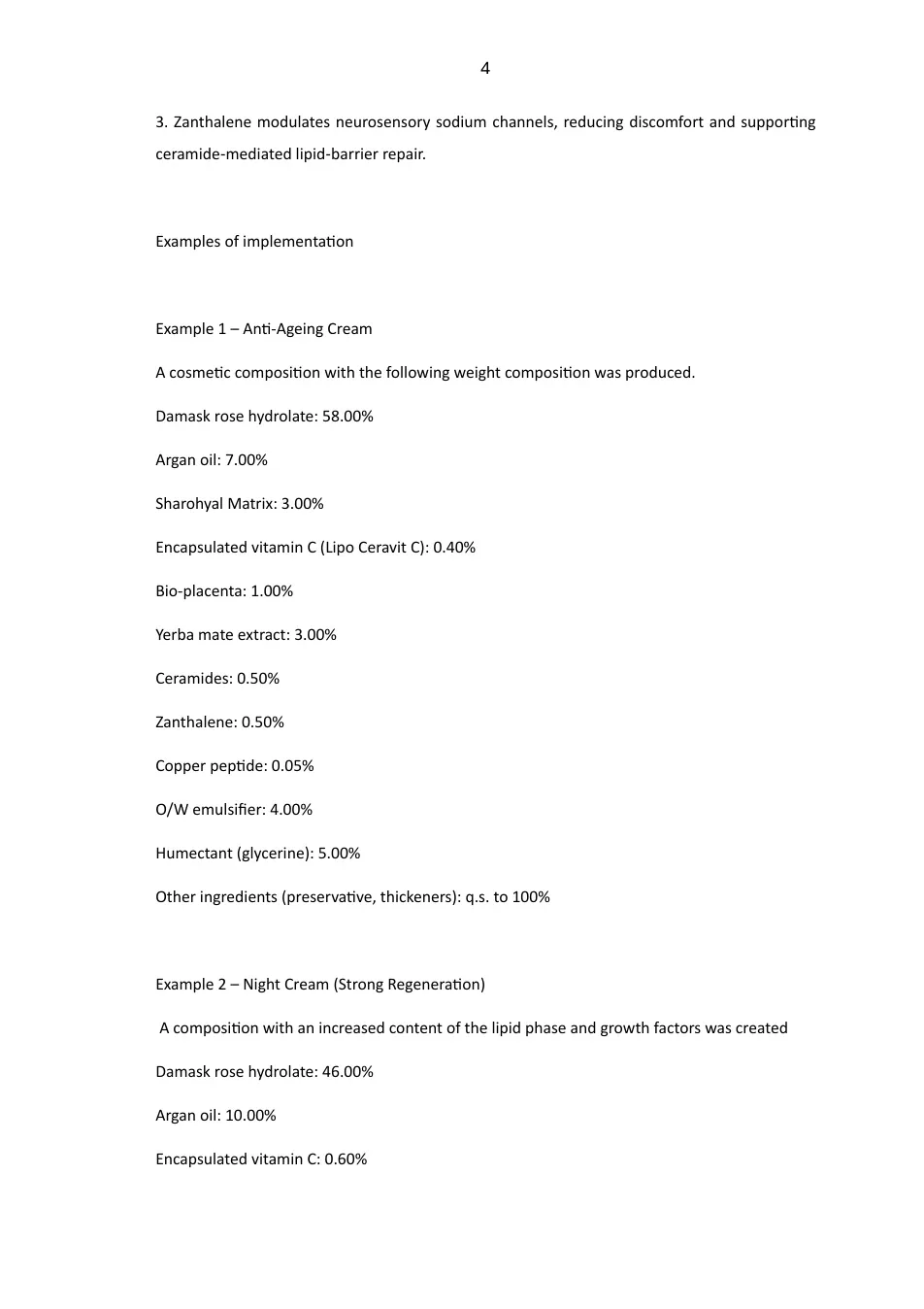
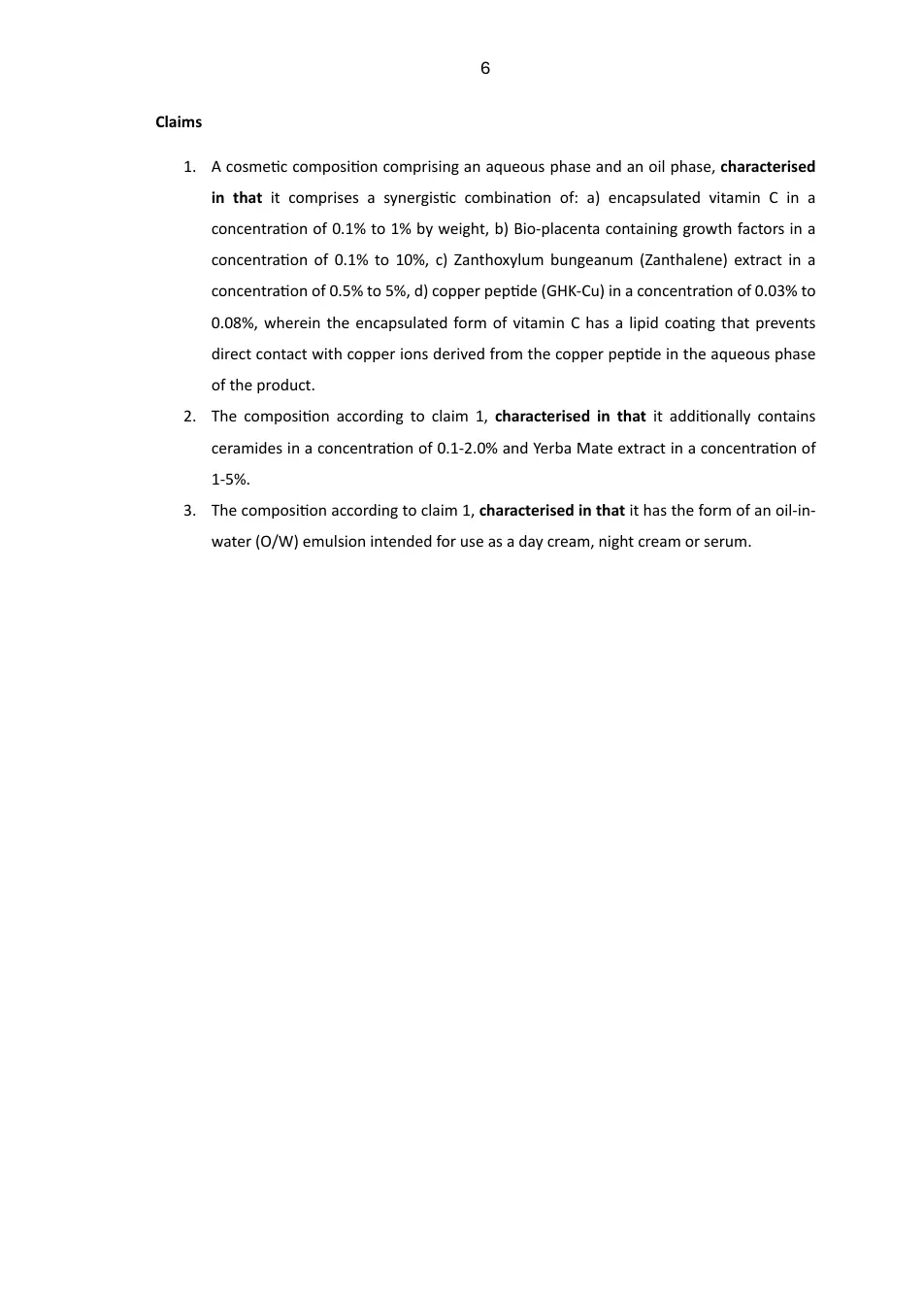
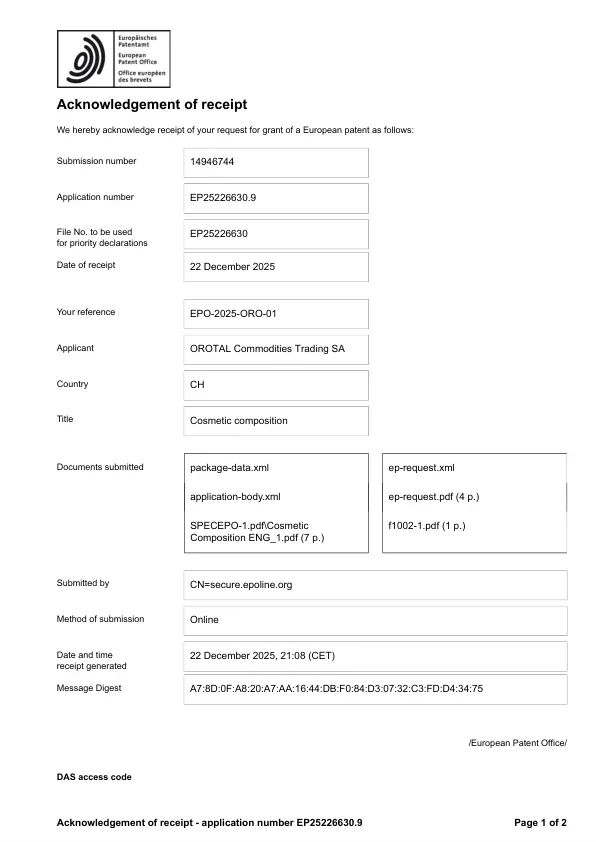
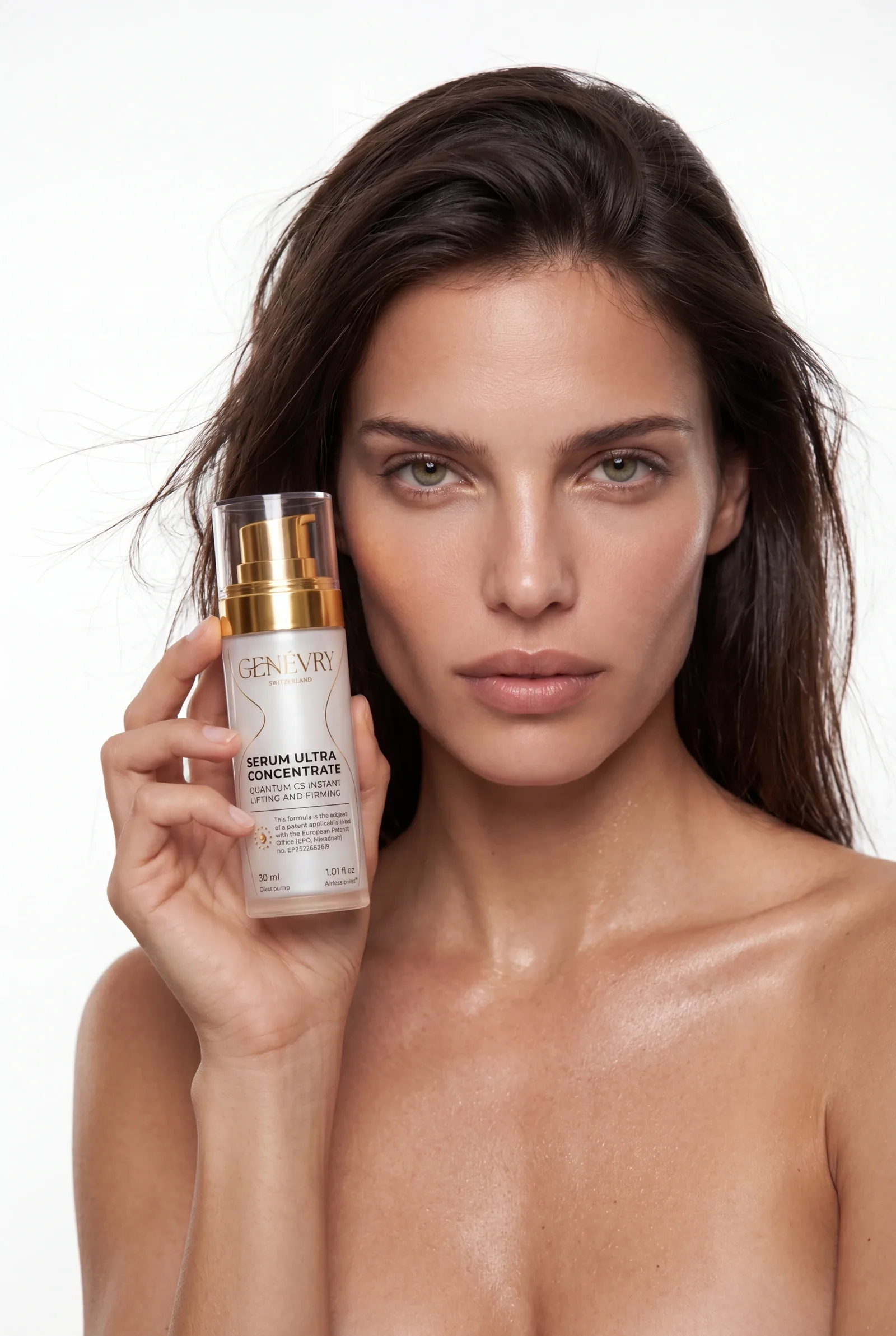
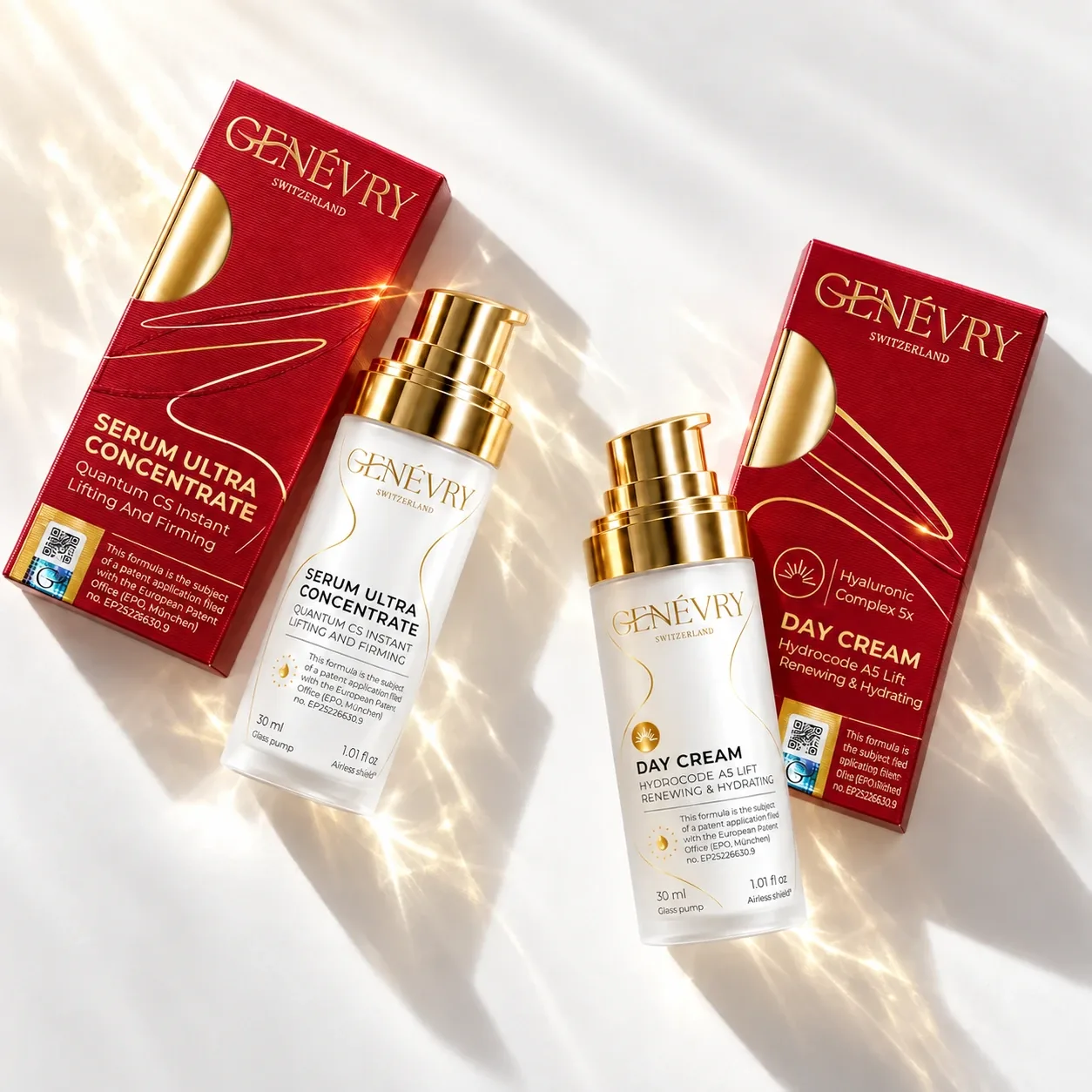
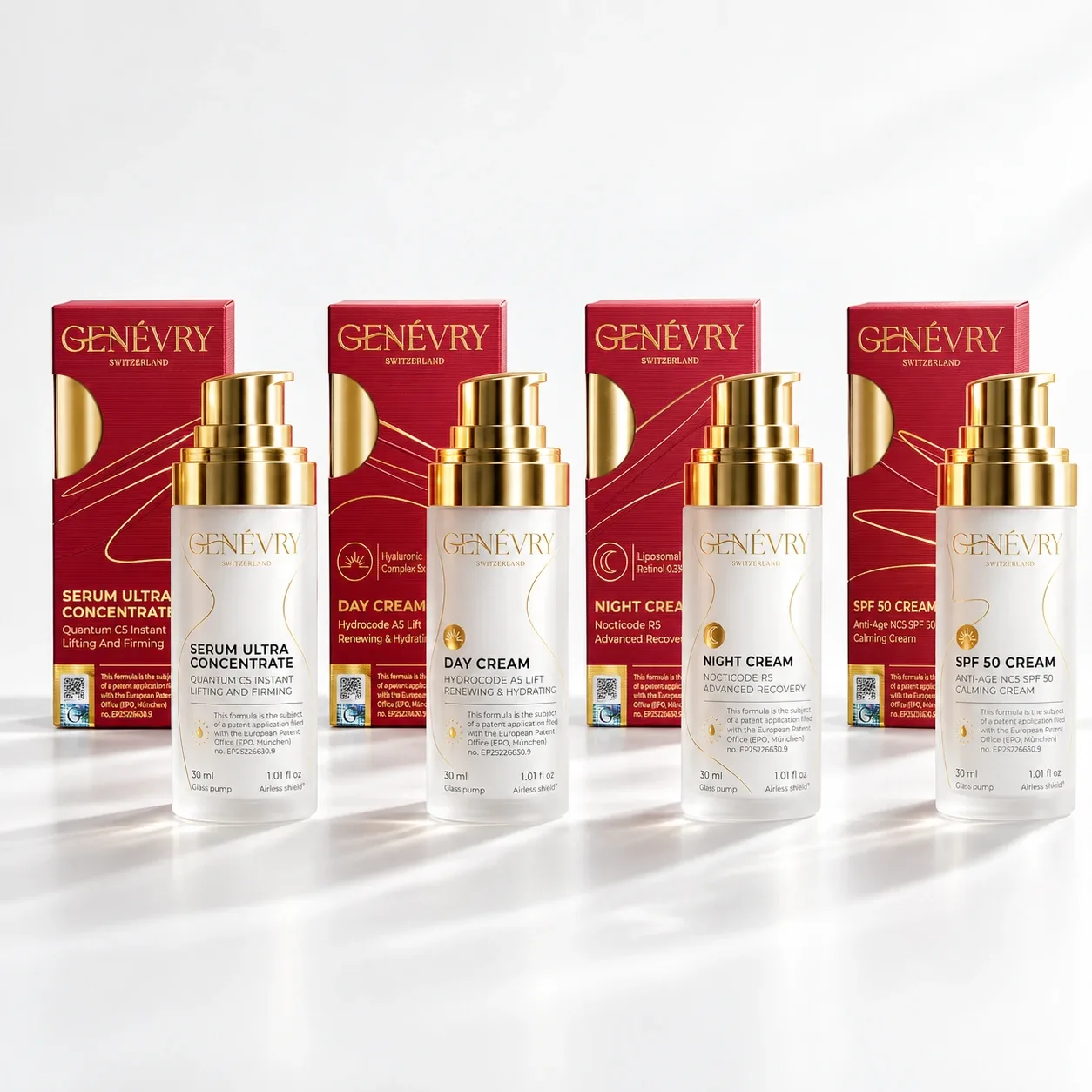
To set all four steps at once, The Skin Code Protocol brings the serum, day cream, SPF 50 and night cream together in one ritual. The formulas are the subject of patent application EP25226630.9 filed with the European Patent Office (patent pending) — an application, not a granted patent.
Frequently asked questions
Do I have to replace everything on the shelf after fifty?
No. Two changes usually cover it: gentler cleansing and a richer cream in the evening. Change the rest when your skin asks for it — for instance when your current moisturiser no longer sees you through the day.
Is retinol suitable for thin, dry skin after 50?
Usually yes, provided you start less often and keep to a pea-sized amount. Begin with two evenings a week, use the sandwich method and wear sunscreen in the morning. With eczema, rosacea or ongoing dermatological treatment, ask a dermatologist first.
Is SPF still worth it when the pigmentation marks are already there?
More than before. Sunscreen will not undo what previous decades produced, but it limits new damage and helps the other steps hold their ground.
What about the neck, décolleté and hands?
Treat them as an extension of the face: the same cream, the same sunscreen, upward strokes. Neglect shows there soonest and is hardest to catch up on.
How long before there is a difference?
Comfort and hydration usually within the first fortnight, surface smoothness later, the look of fine lines last. In the instrumental studies, measurements were taken after four weeks of regular use; in practice, give a routine a full eight weeks before judging it.
Care in this decade looks less spectacular than most advertising promises, and it works precisely because it repeats. Gentle cleansing, proper hydration, sunscreen every morning and one active in the evening — the rest is time and consistency.
The formulas in this article
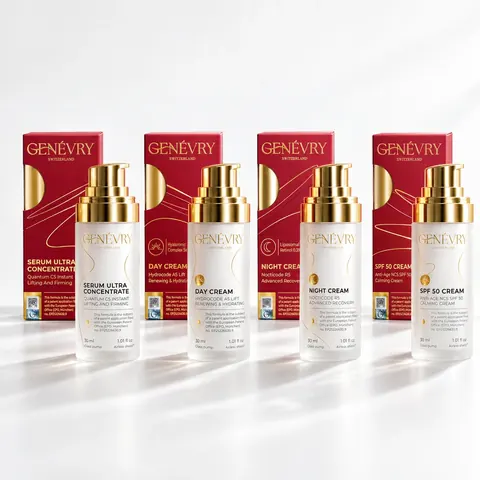 The Skin Code ProtocolKompletní 24hodinový rituál · 4 × 30 ml2 890 KčDiscover the formula →
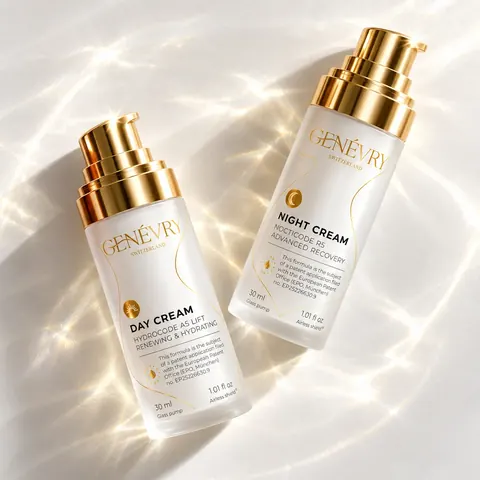 The Day & Night DuoDenní krém + noční krém · 2 × 30 ml1 650 KčDiscover the formula →
Cosmetic product. Individual results may vary.



 English / EUR
 English (US) / USD
 English (UK) / GBP
 Deutsch / EUR
 Deutsch (Schweiz) / CHF
 Français / EUR
 Italiano / EUR
 Español / EUR
 Nederlands / EUR
 Polski / PLN
 日本語 / JPY
 한국어 / KRW
 中文 / CNY
 العربية / AED
 English (Australia) / AUD
 English (Canada) / CAD
 Svenska / SEK
 Dansk / DKK
 Norsk / NOK
 Suomi / EUR
 Português / EUR
 Türkçe / TRY
 Čeština / CZK
 Magyar / HUF
 Română / RON
 Ελληνικά / EUR
 Slovenčina / EUR
 Hrvatski / EUR
 Slovenščina / EUR
 Lietuvių / EUR
 Latviešu / EUR
 Eesti / EUR
 Български / EUR
 Українська / EUR