Retinol for beginners: how to start with liposomal retinol 0.3%
It is not the highest percentage that wins, but the product still in your routine eight weeks later. A starting plan, a schedule and the safety rules.
Retinol for beginners usually goes wrong in one of two ways: either the first week is far too enthusiastic and the tube ends up abandoned at the back of a drawer, or the first night keeps being postponed indefinitely. In practice the whole thing comes down to a handful of decisions — which strength, how often, what to buffer it with, and what happens the next morning. Below is a plan you can realistically follow through the first two months, plus an explanation of what the liposomal form actually changes.
What retinol is, and what it is not
Retinol is the pure form of vitamin A used in cosmetics. Once on the skin it goes through a conversion: first to retinaldehyde, then to retinoic acid, the form that skin cells genuinely recognise. Each step takes time and loses some of the molecule along the way, which is why cosmetic retinol works more gently and more slowly than prescription retinoids. For the chemistry behind it, see the Wikipedia entry on retinol.
It helps to separate two worlds before you start. Prescription products, tretinoin above all, are medicines: a doctor prescribes them and a dermatologist takes responsibility for them. A cosmetic containing retinol belongs to an entirely different category. It supports a daily routine and influences how skin looks; it does not treat anything, and it is no substitute for an appointment when something looks genuinely wrong.
The second thing worth absorbing early: retinol rewards rhythm, not effort. Skin needs a few weeks to get used to it, and visible change is measured in months rather than days. Anyone promising otherwise is selling something.
Why liposomal retinol 0.3% is an easier place to begin
Retinol has two inconvenient habits. It is unstable — oxygen and light degrade it — and it can be irritating, particularly in the first few weeks while skin is still adjusting.
Liposomal encapsulation addresses both at once. A liposome is a microscopic vesicle built from a phospholipid bilayer, chemically close to the lipids already present in the outer layer of the epidermis. A molecule held inside has limited contact with oxygen, and it is released gradually instead of arriving on the skin all at once. The practical result is a formula that feels calmer at the same percentage on the label.
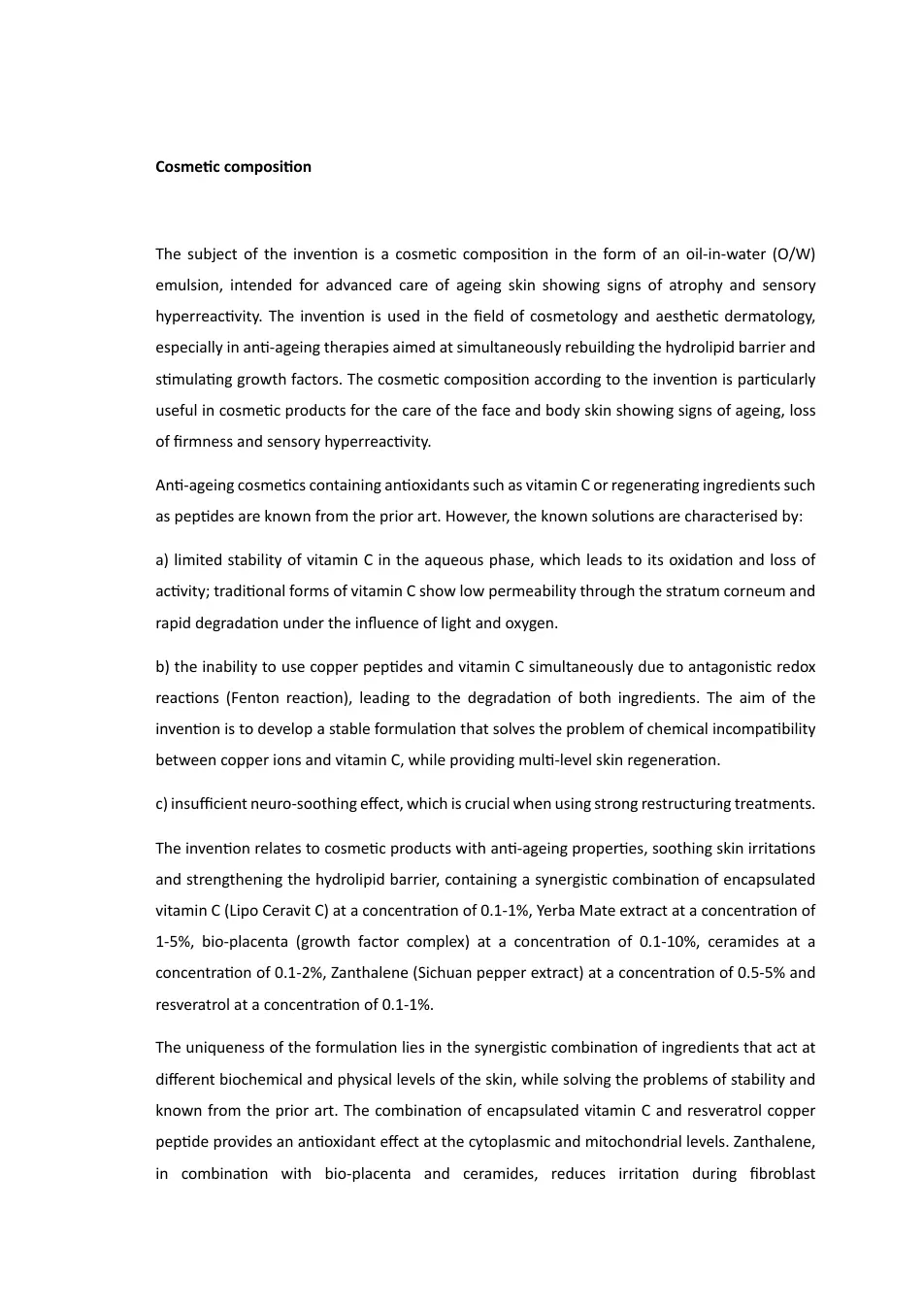
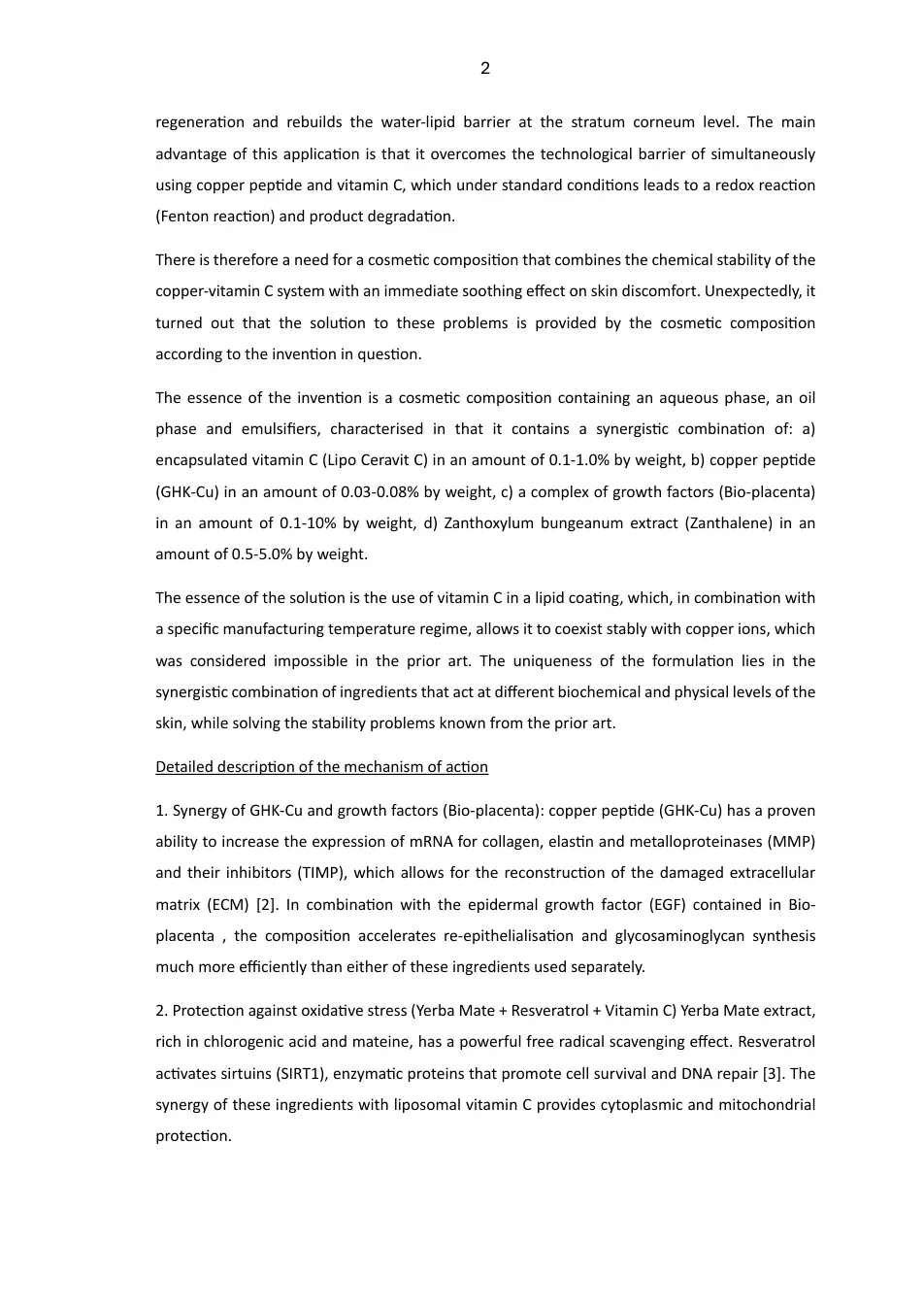
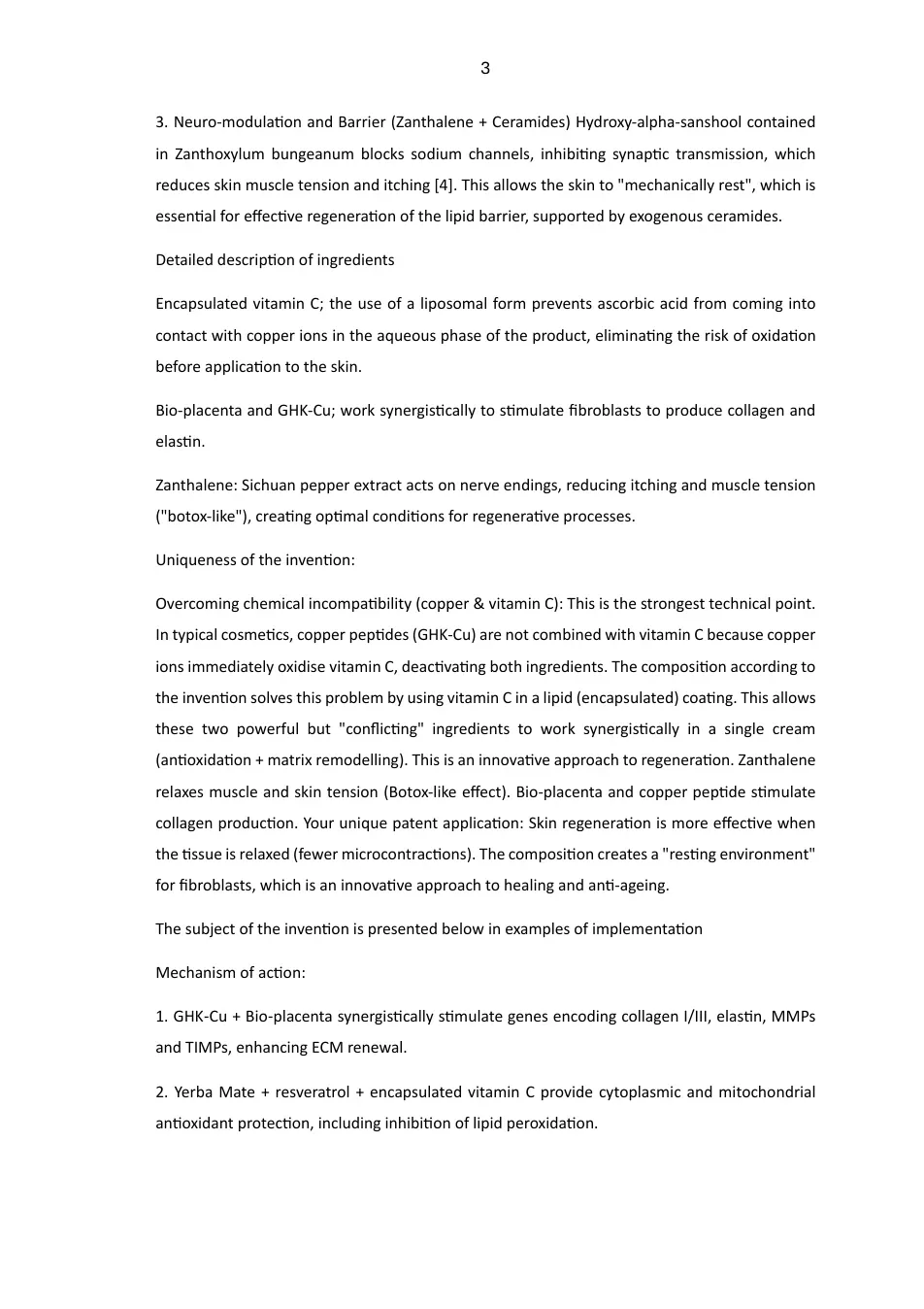
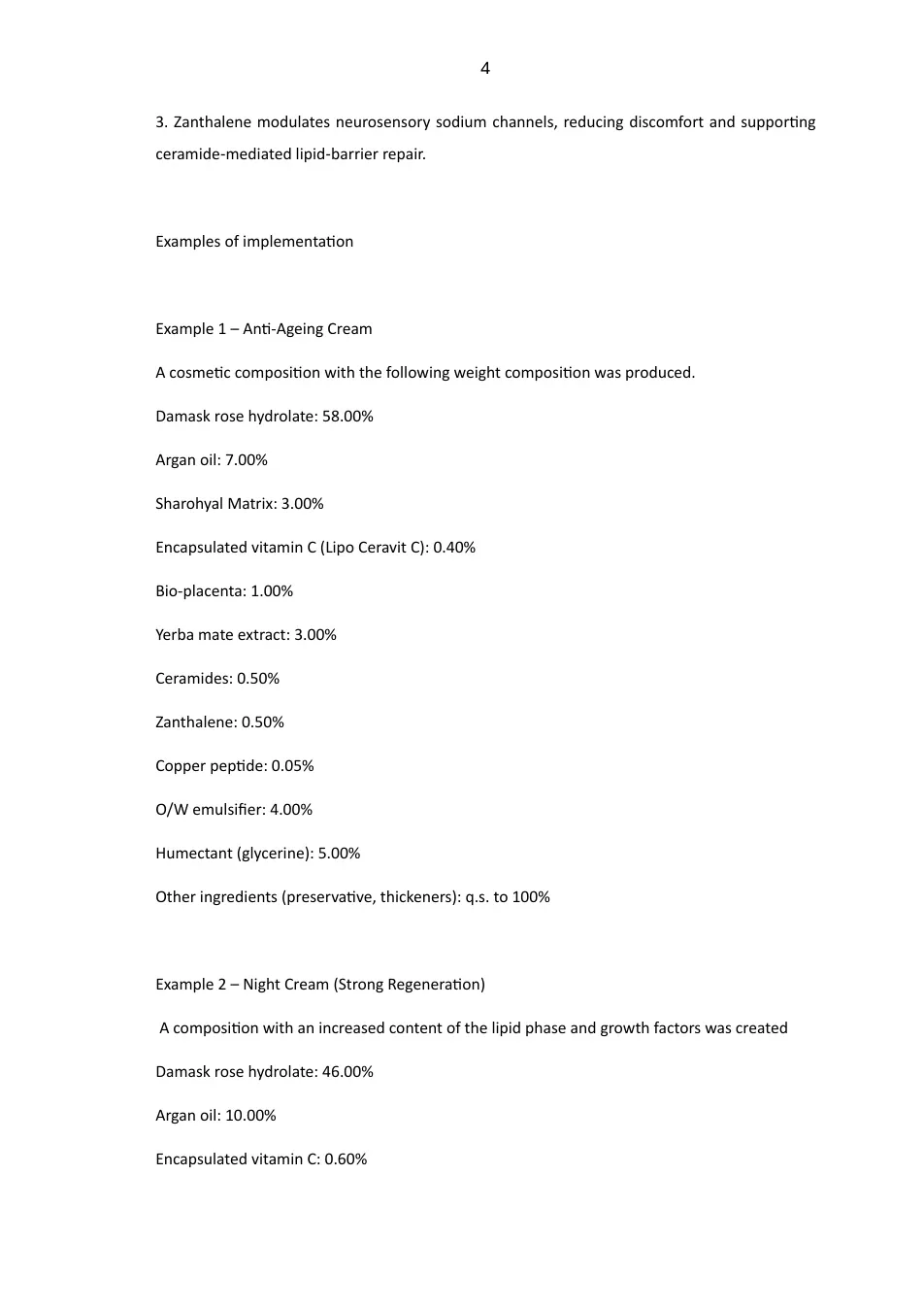
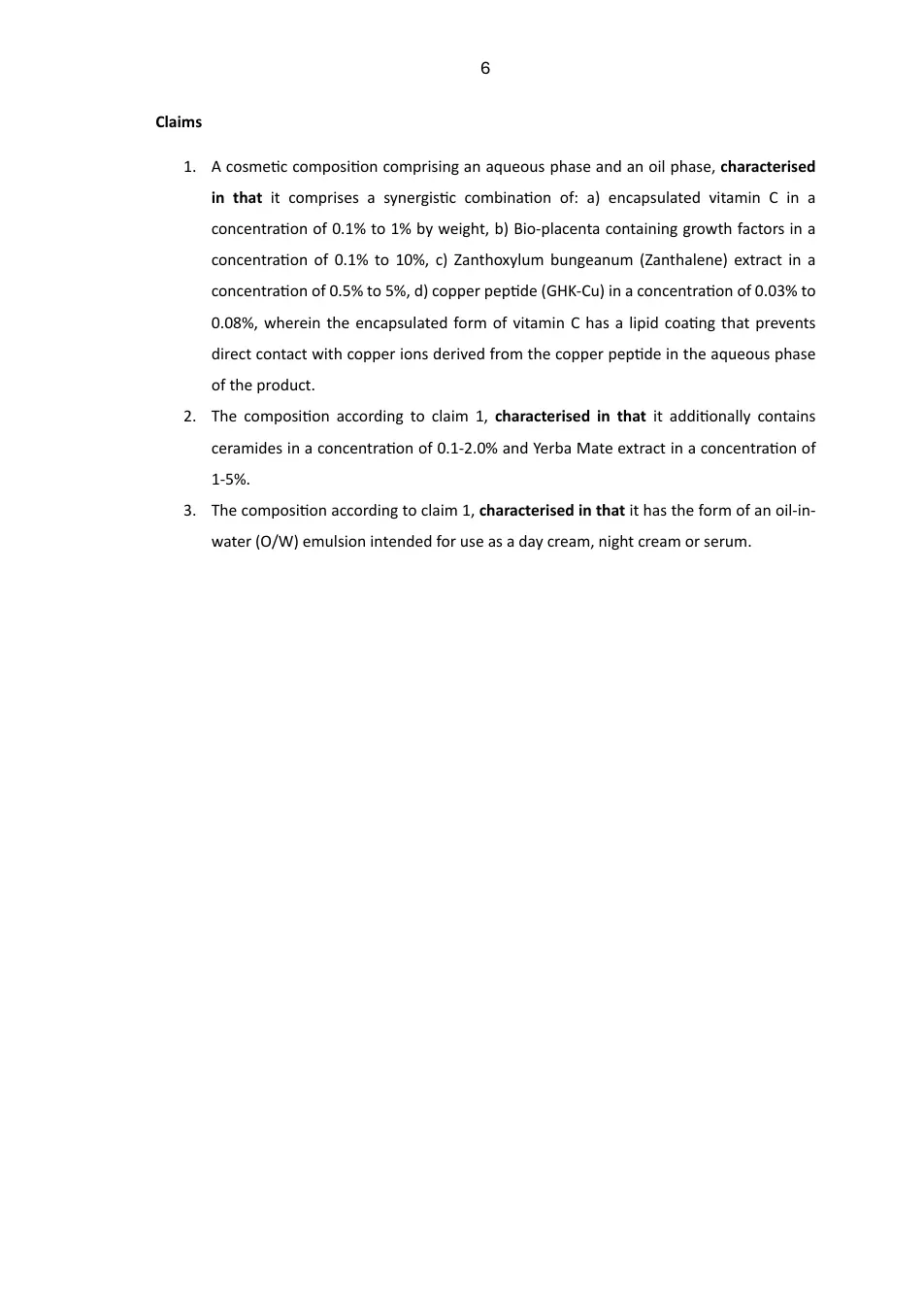
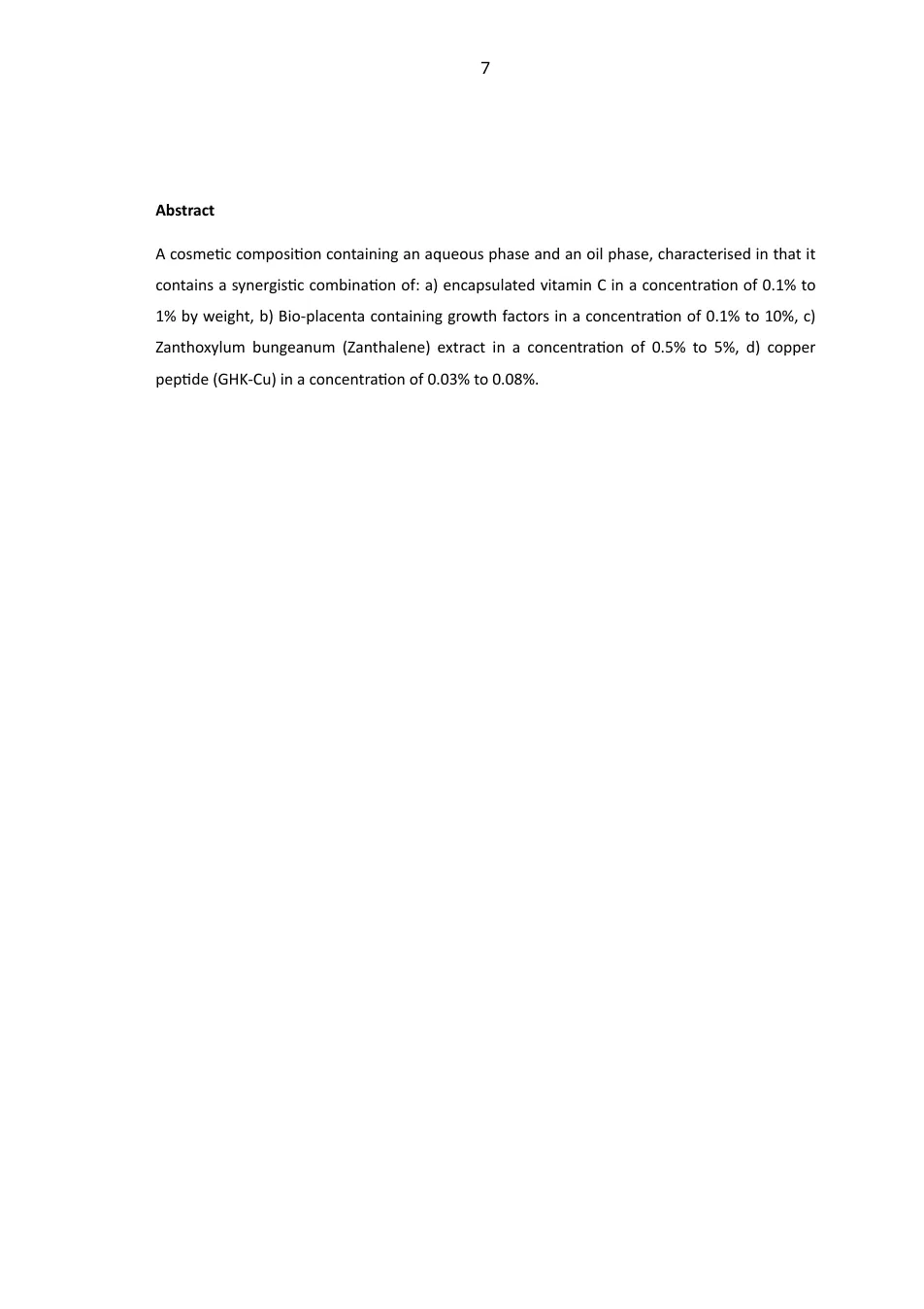
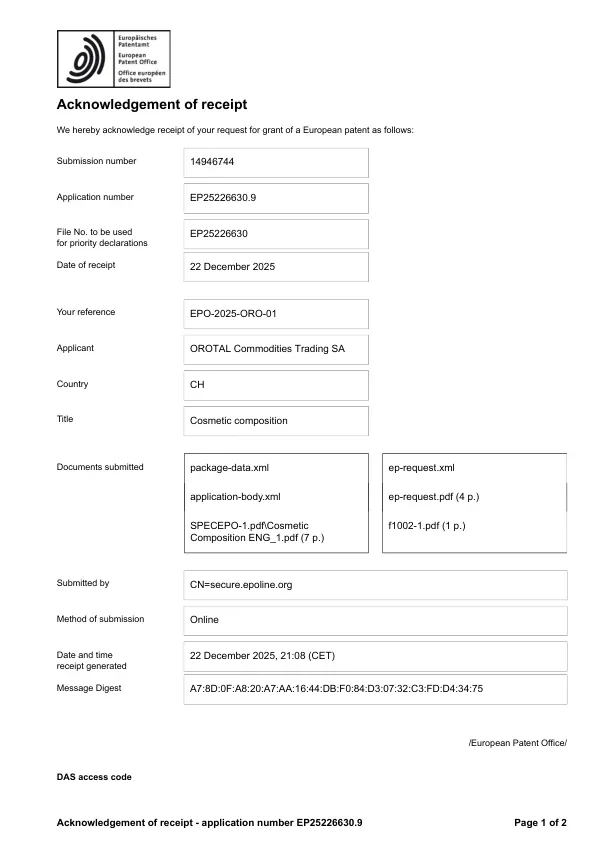
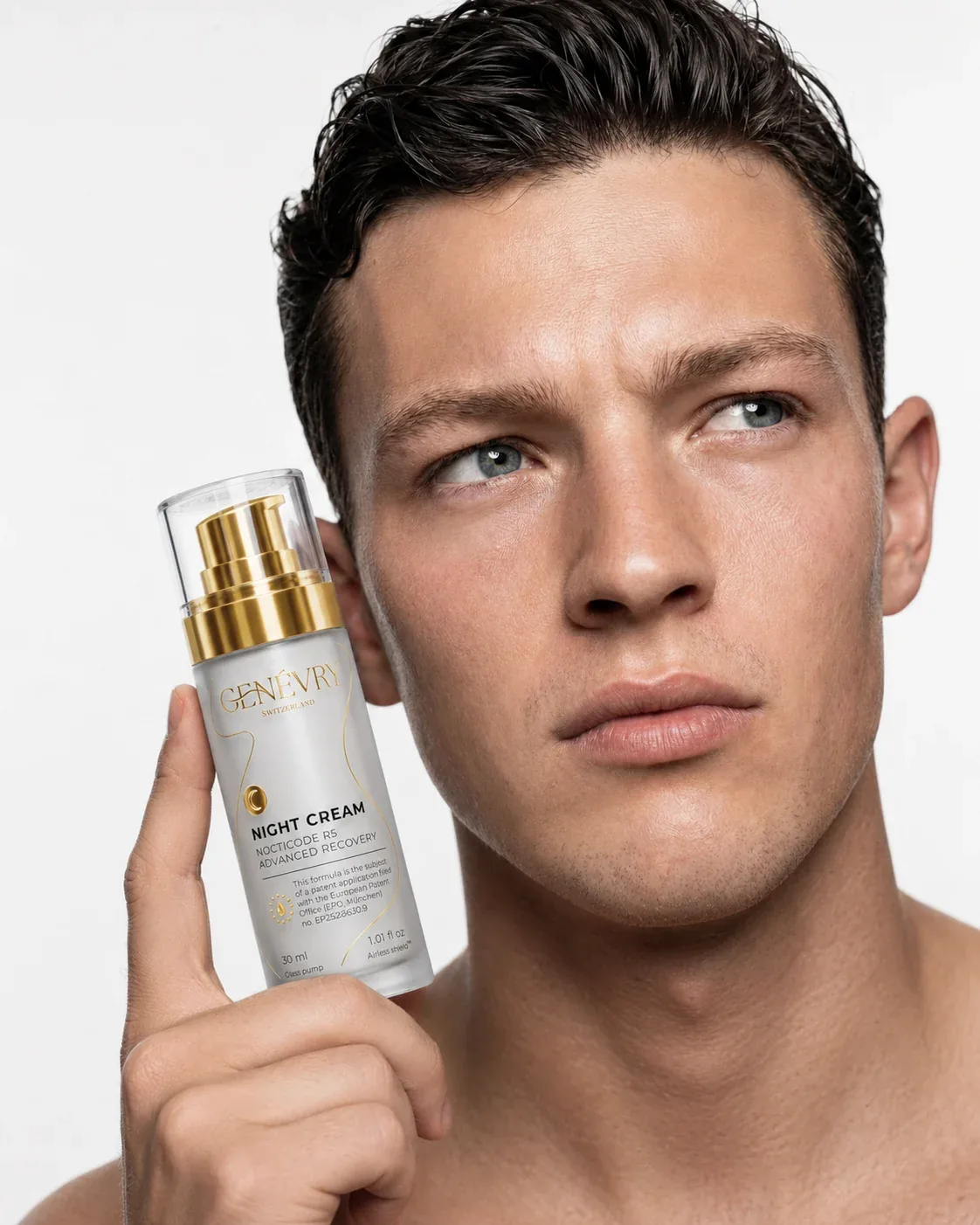
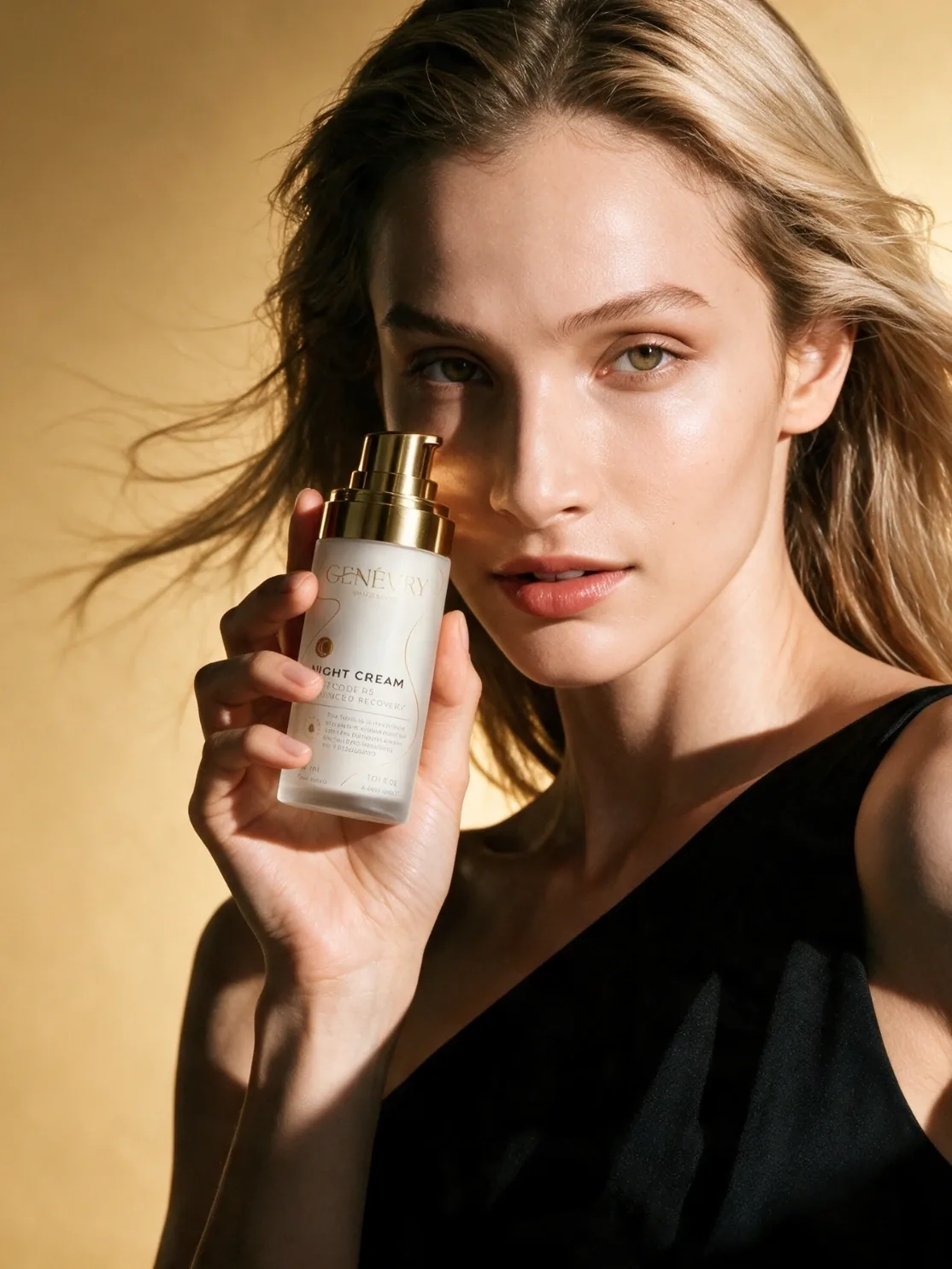
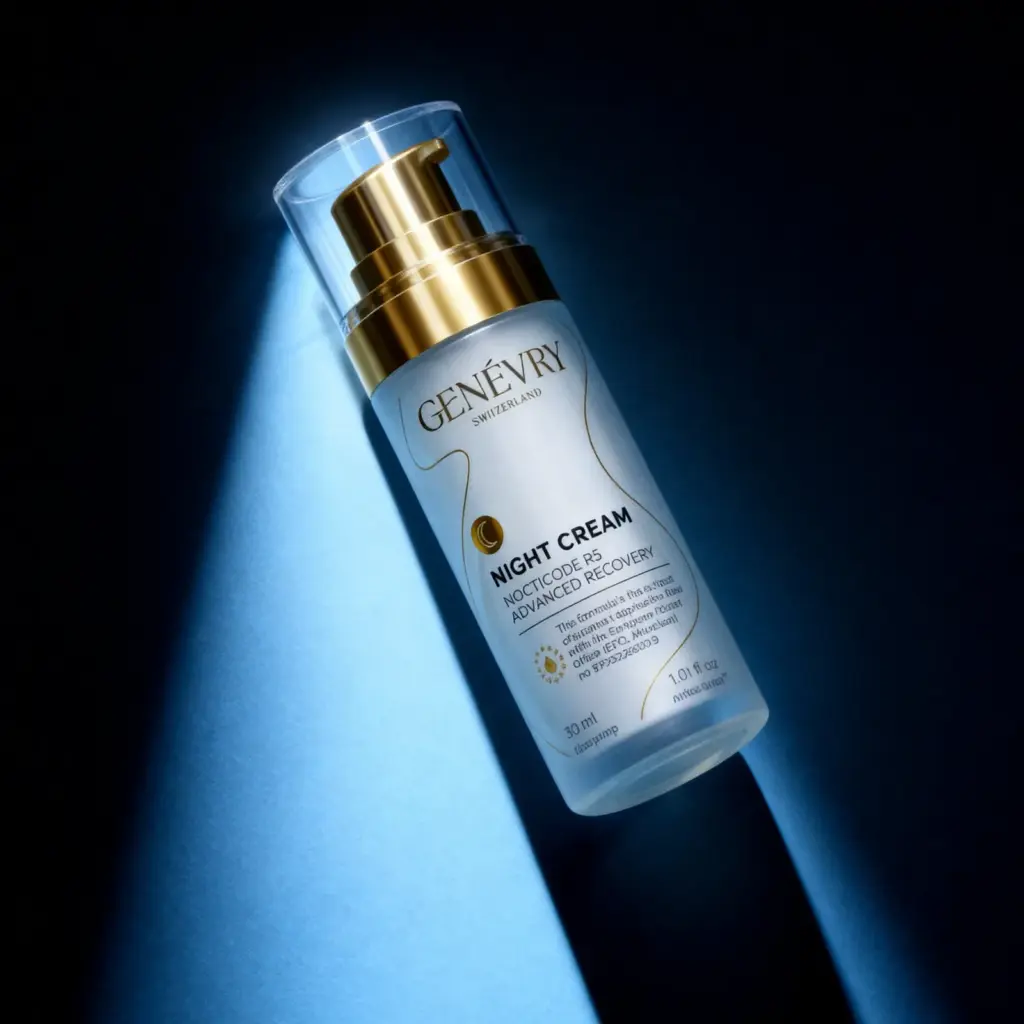
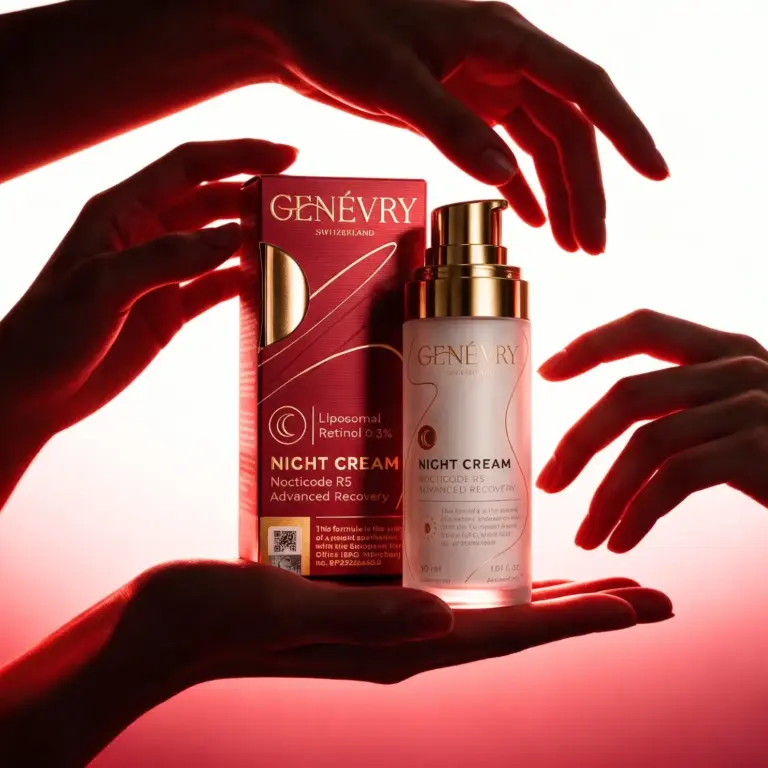
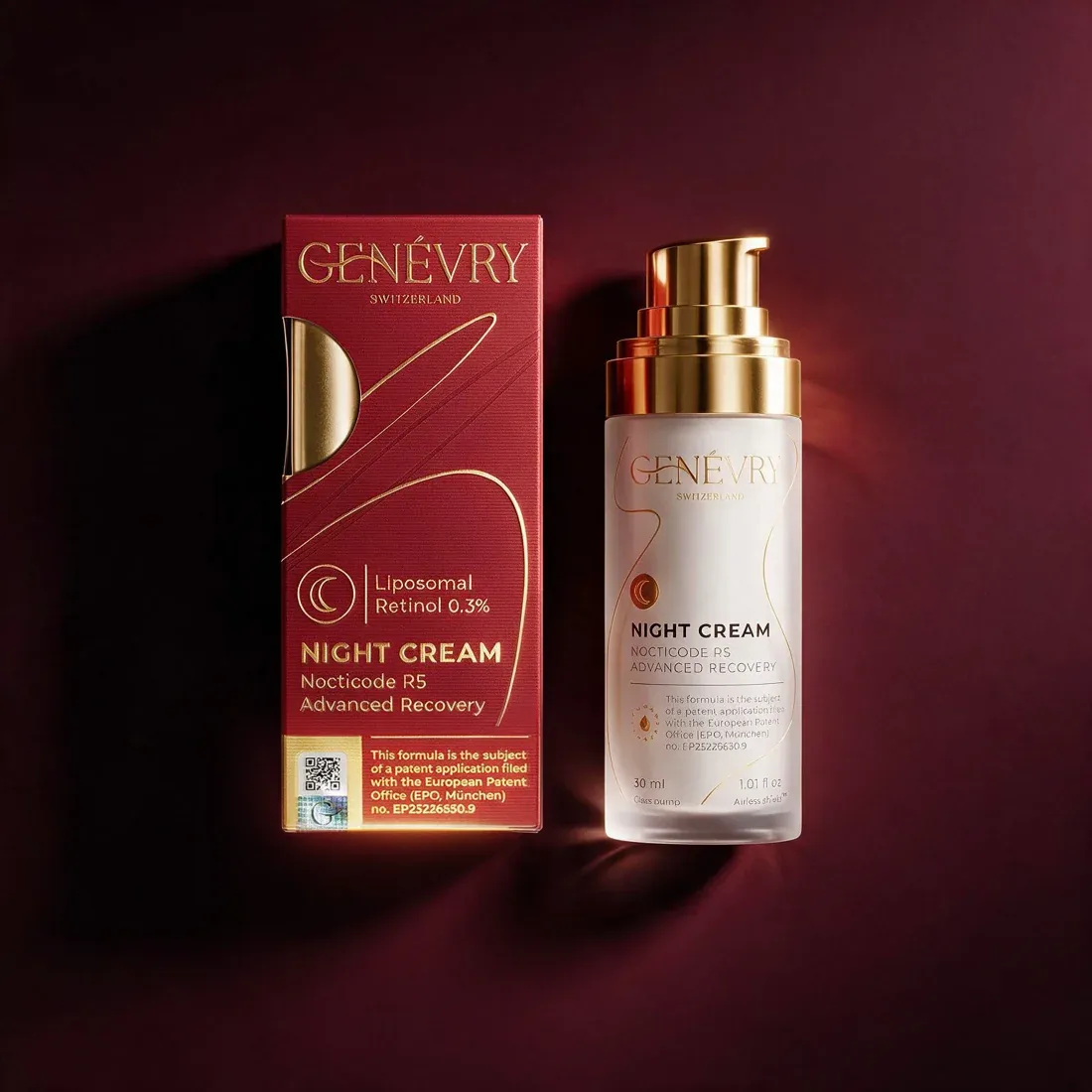
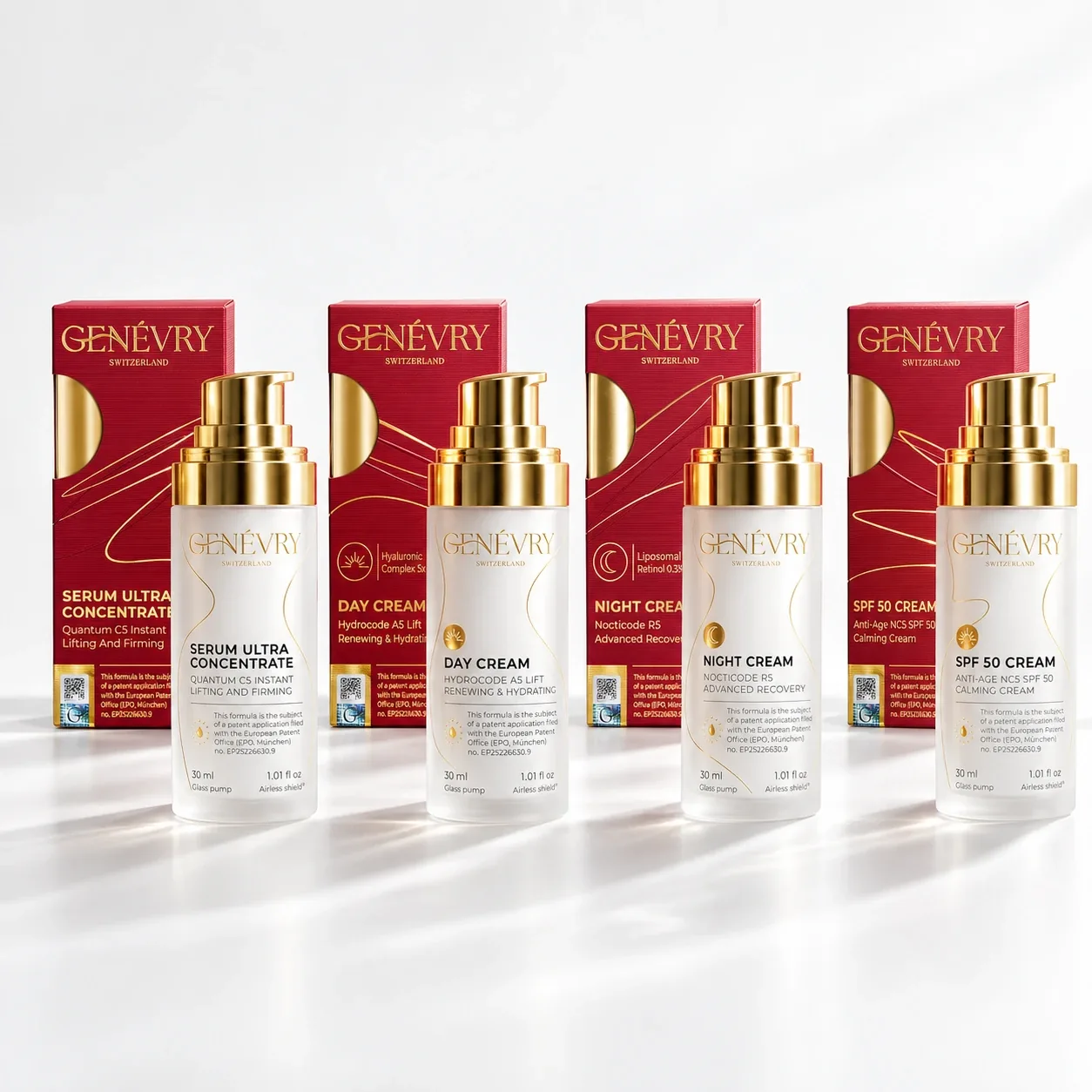
As for 0.3% itself: it sits in the middle of the cosmetic range — clear enough to justify building an evening ritual around it, moderate enough that sensible pacing is usually all it takes. In the GENÉVRY collection this step belongs to Nocticode R5 night cream with liposomal retinol 0.3%. The formula is the subject of patent application EP25226630.9 (patent pending), filed with the European Patent Office — an application, not a granted patent, and that is how we describe it.
Retinol for beginners: a plan for the first eight weeks
The schedule below is a starting point rather than a rulebook. If your skin objects at any stage, you stay on that stage longer. Nobody hands out prizes for finishing early.
| Stage | Frequency | What to watch |
|---|---|---|
| Weeks 1–2 | Two evenings a week | Slight tightness after application is typical; stinging and redness are not |
| Weeks 3–4 | Every other evening | Dryness around the sides of the nose and the chin |
| Weeks 5–6 | Four evenings a week | Whether skin tolerates two nights in a row |
| Weeks 7–8 | Nightly, if skin stays calm | Comfort across the whole day, not just after application |
| Throughout | SPF every morning | Sunscreen is a condition, not an extra |
The adjustment period, often called retinisation, usually lasts four to eight weeks. Temporary dryness and light flaking fall within the normal range. Persistent burning, swelling and itching do not — stop using the product and speak to a dermatologist.
How to start, step by step
- Patch test first. Apply a small amount behind the ear or on the inner forearm and wait a full day.
- Cleanse, then wait for dry skin. Wash with something gentle, pat dry and give it a few minutes. Retinol applied to damp skin penetrates more intensely, which works against you at the beginning.
- A pea-sized amount. That is enough for the whole face. Spread it thinly, avoiding the eye area, the corners of the nose and the lip line.
- Buffer if your skin is reactive. A thin layer of moisturiser first, then retinol, then moisturiser again. The sandwich method takes the edge off the early weeks.
- Hands and neck. Wash your hands afterwards. Extend to the neck and décolletage only once your face has settled.
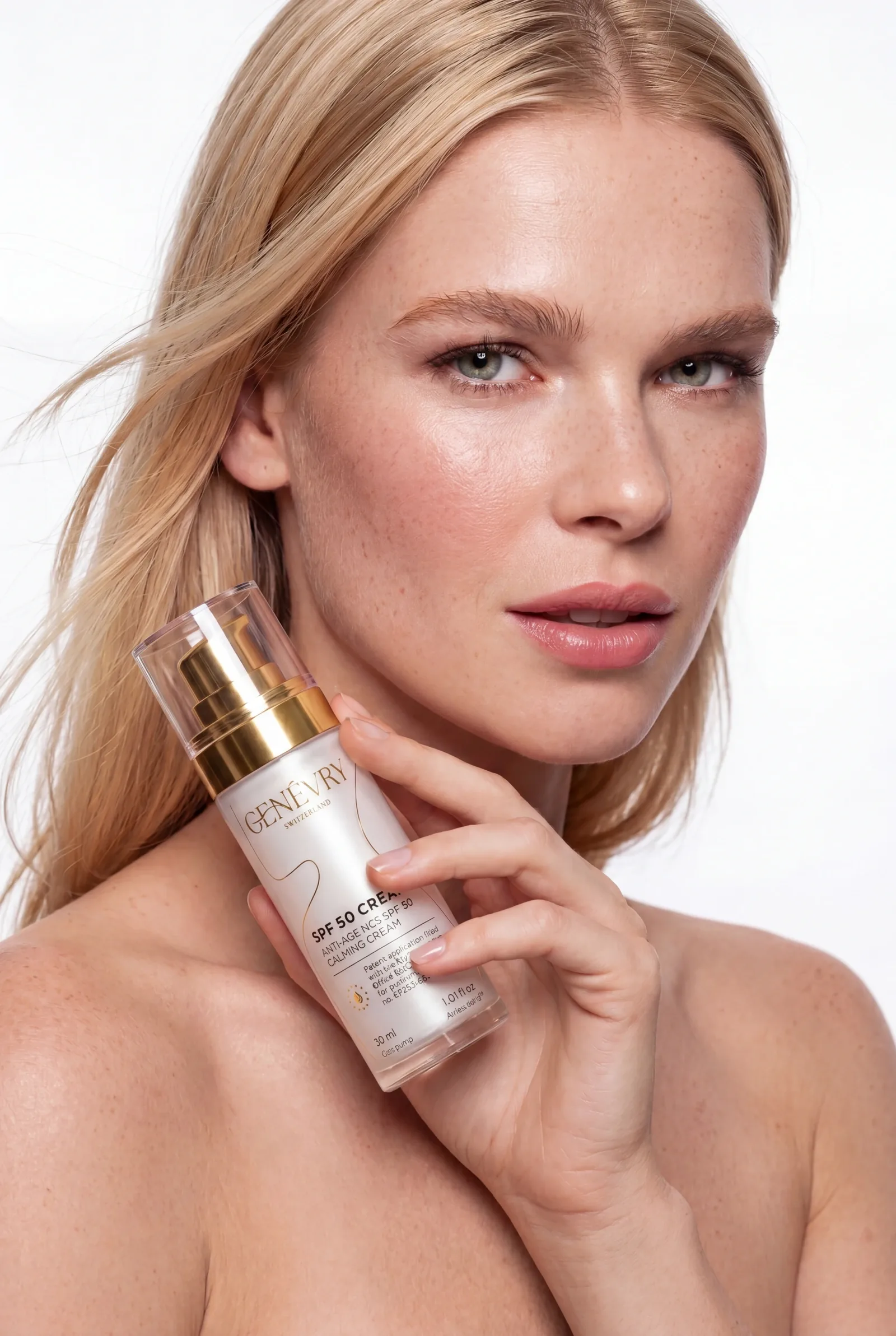
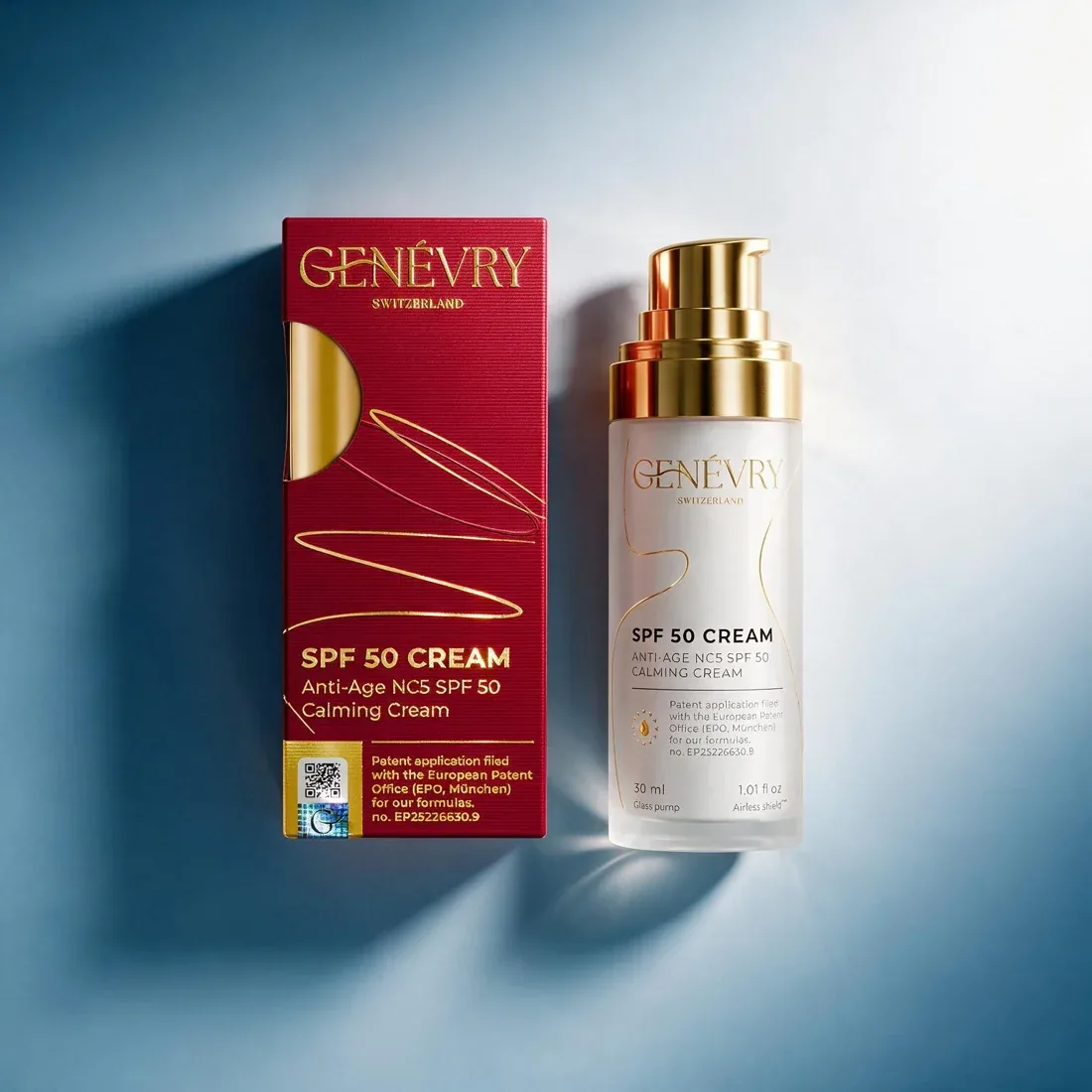
- Sunscreen in the morning. The next day means Anti-Age NC5 SPF 50 without exception, reapplied as the label directs. Skin using retinol is more sensitive to light.
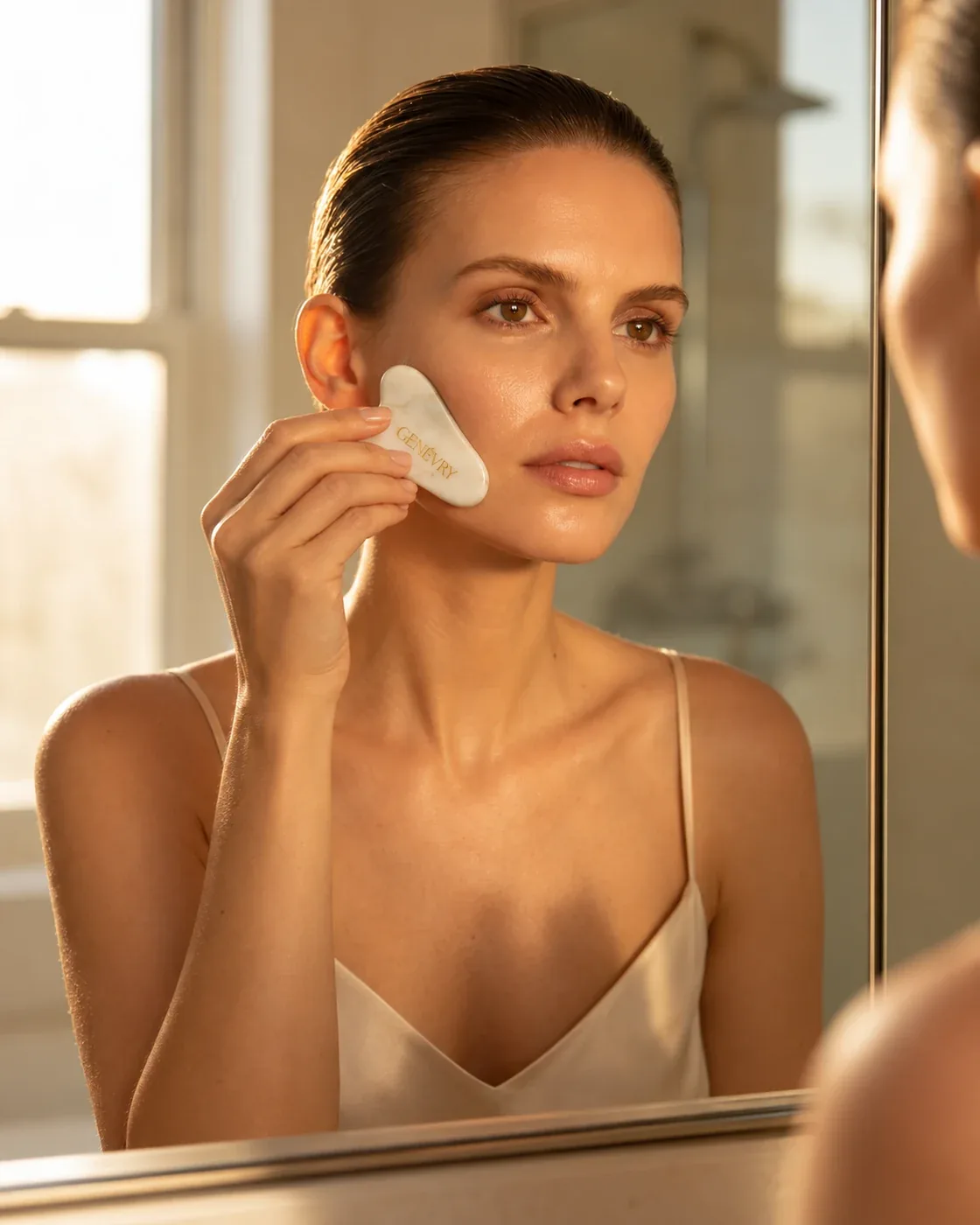
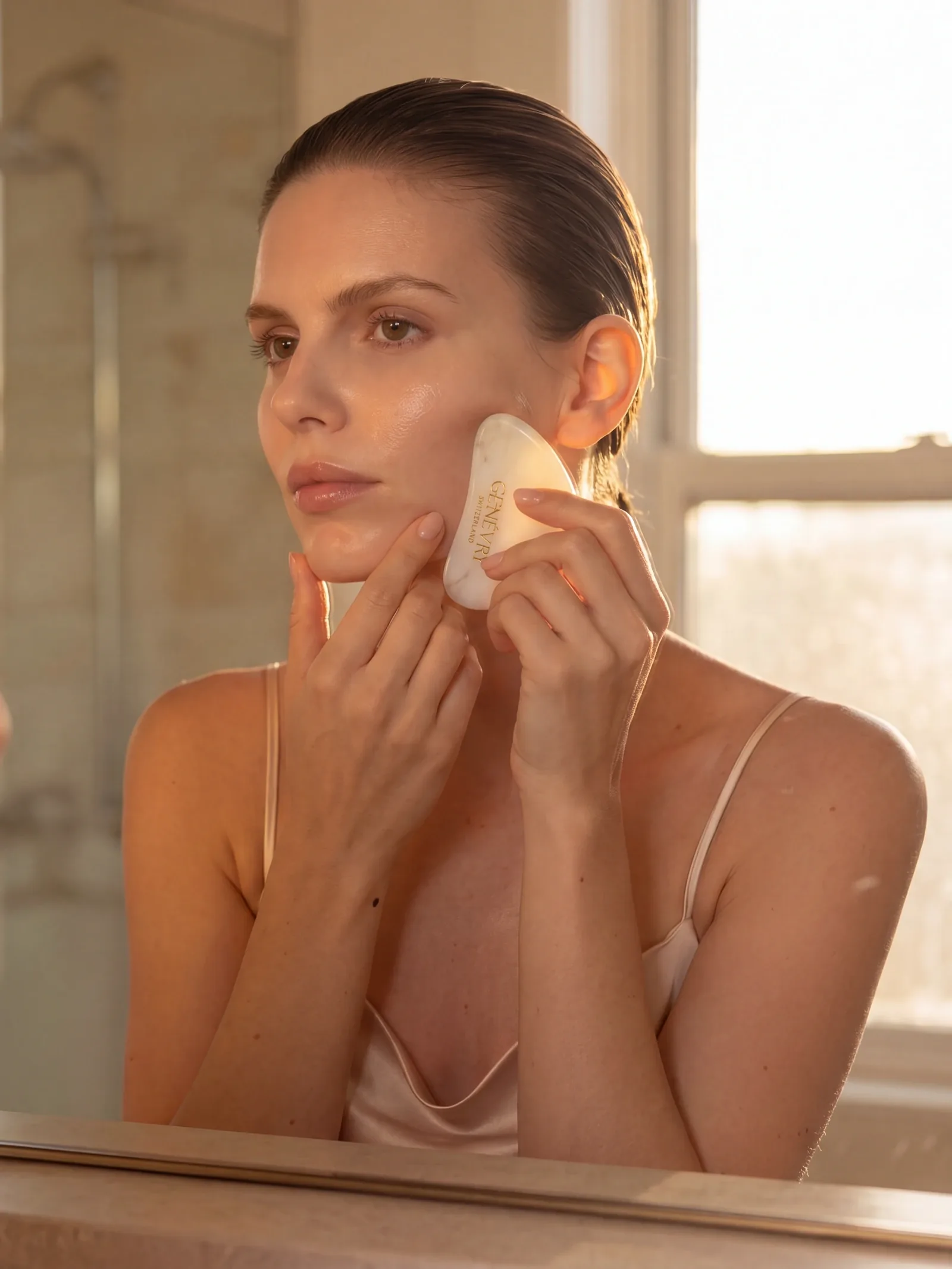
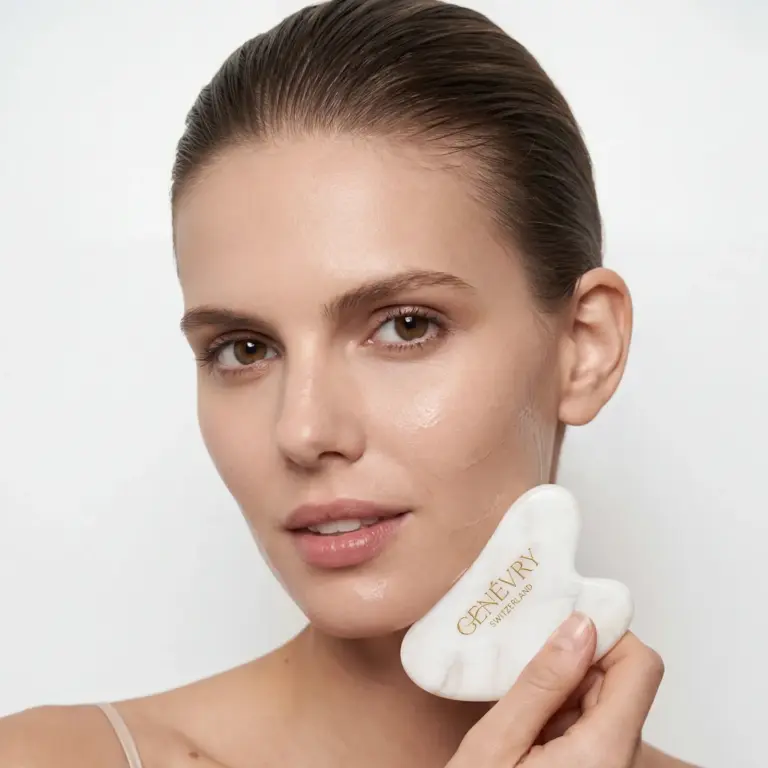
The evening order is simple: cleanse, retinol, cream. If you enjoy a gua sha massage, do it before the retinol, over a cream or an oil, so you are not dragging the formula mechanically across your face. An evening ritual gains far more from consistency than from extra layers — three steps done every night beat seven done on a Sunday.
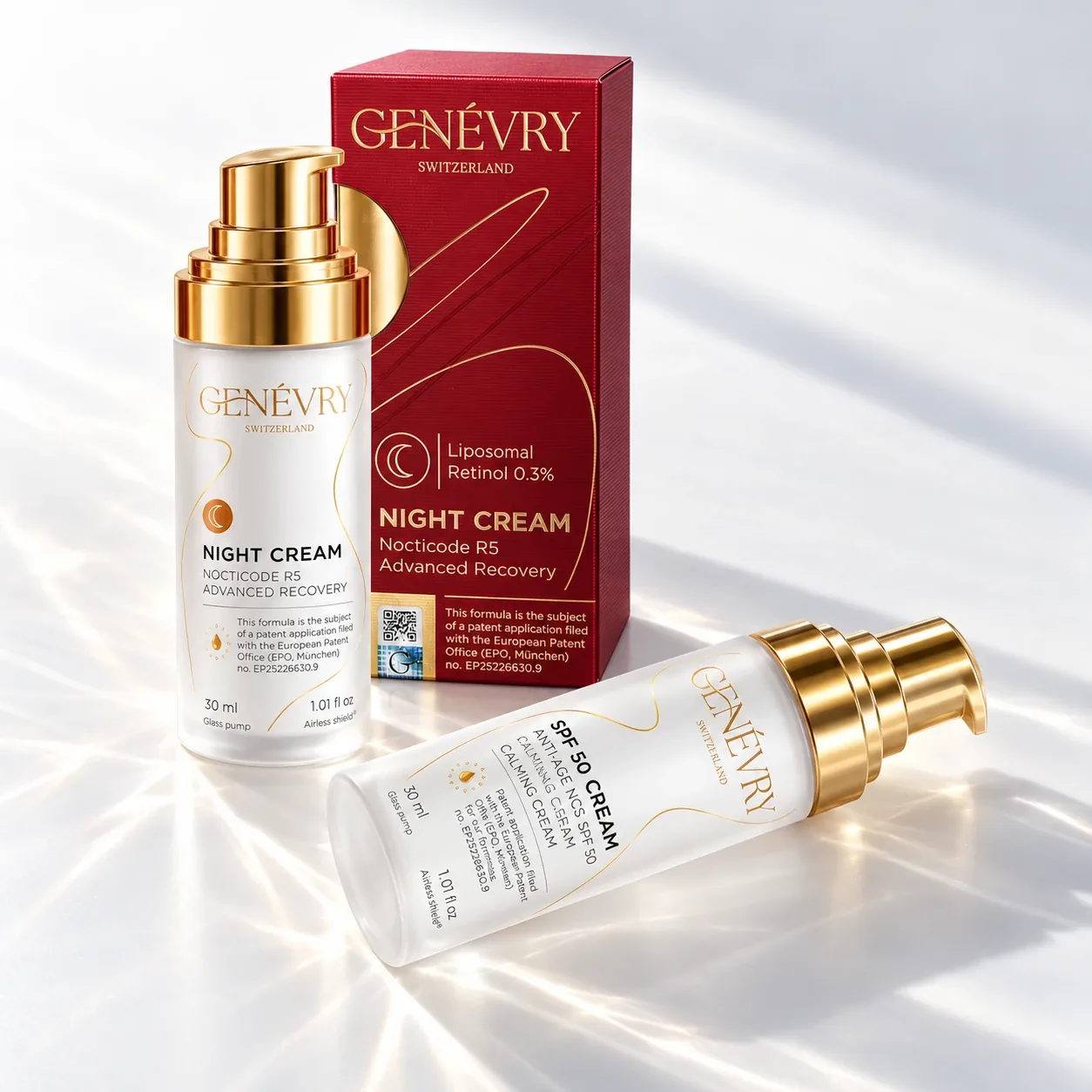
If you would rather have both halves of the equation in one place, The Night & Light Duo pairs the evening retinol cream with the morning SPF 50 — precisely the two products that decide whether starting retinol goes well.
What the Nocticode R5 study measured
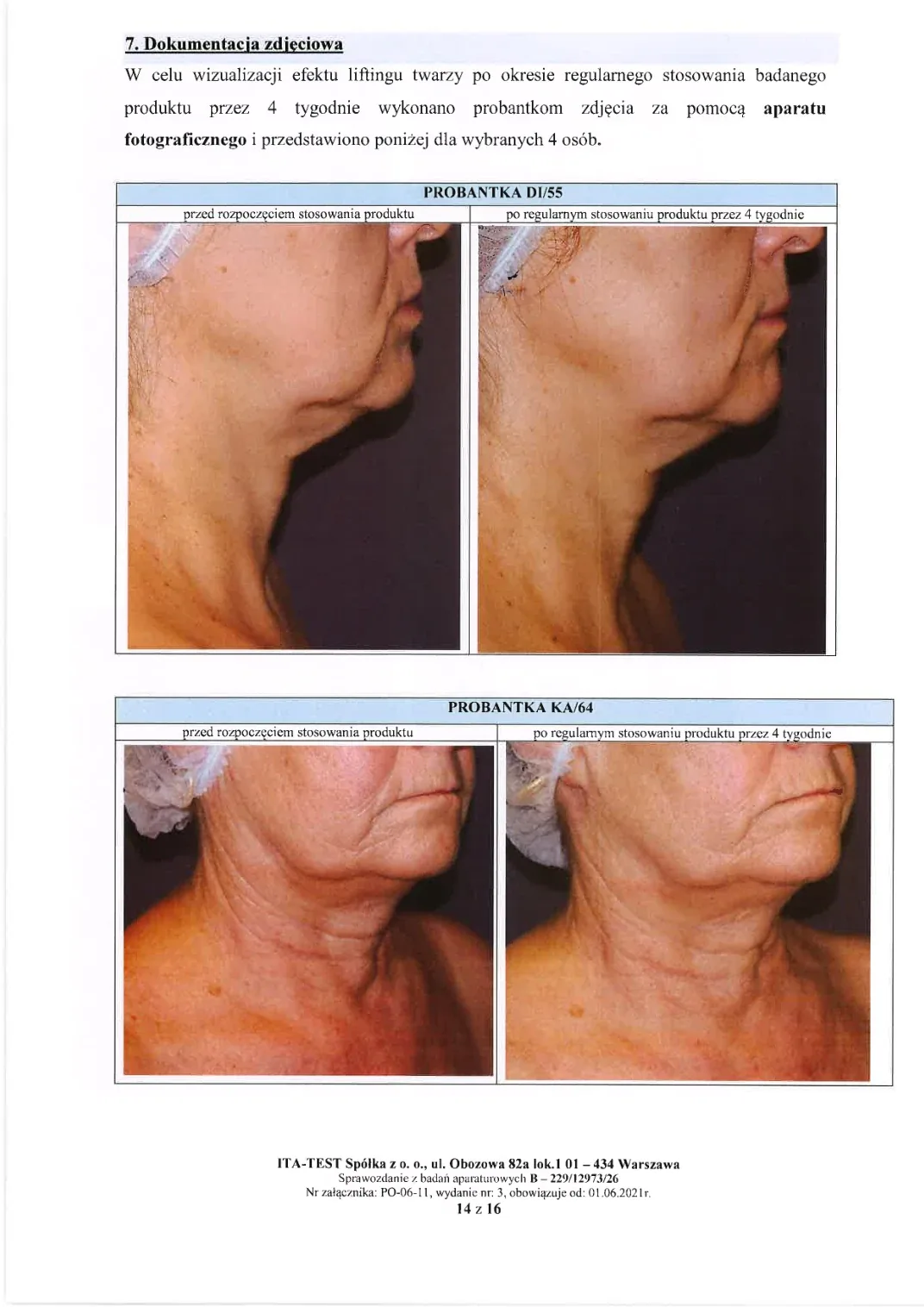
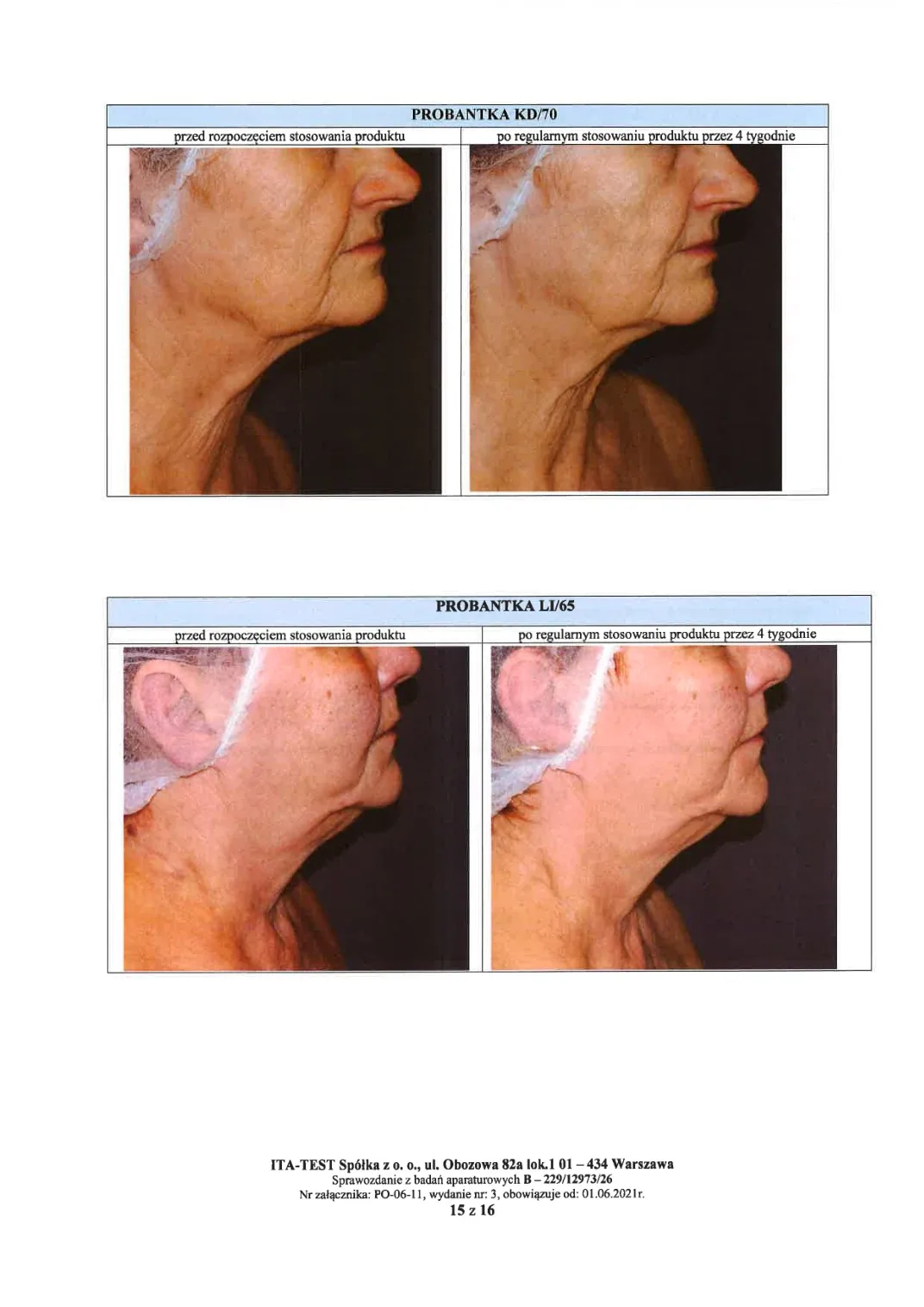
The cream was assessed in a four-week instrumental study with 10 participants. Mean wrinkle length fell from 2.08 to 1.88 mm, a reduction of 10%, recorded in 9 of the 10 participants (silicone replicas, VISIOLINE VL650). Mean skin hydration rose 38% from baseline, in all 10 participants (Corneometer CM 825). Instrumental firmness improved by 5–23%, with a group average of 14%. These figures describe the complete formula and a small group, so read them as context rather than a promise.
What not to combine, and when to pause
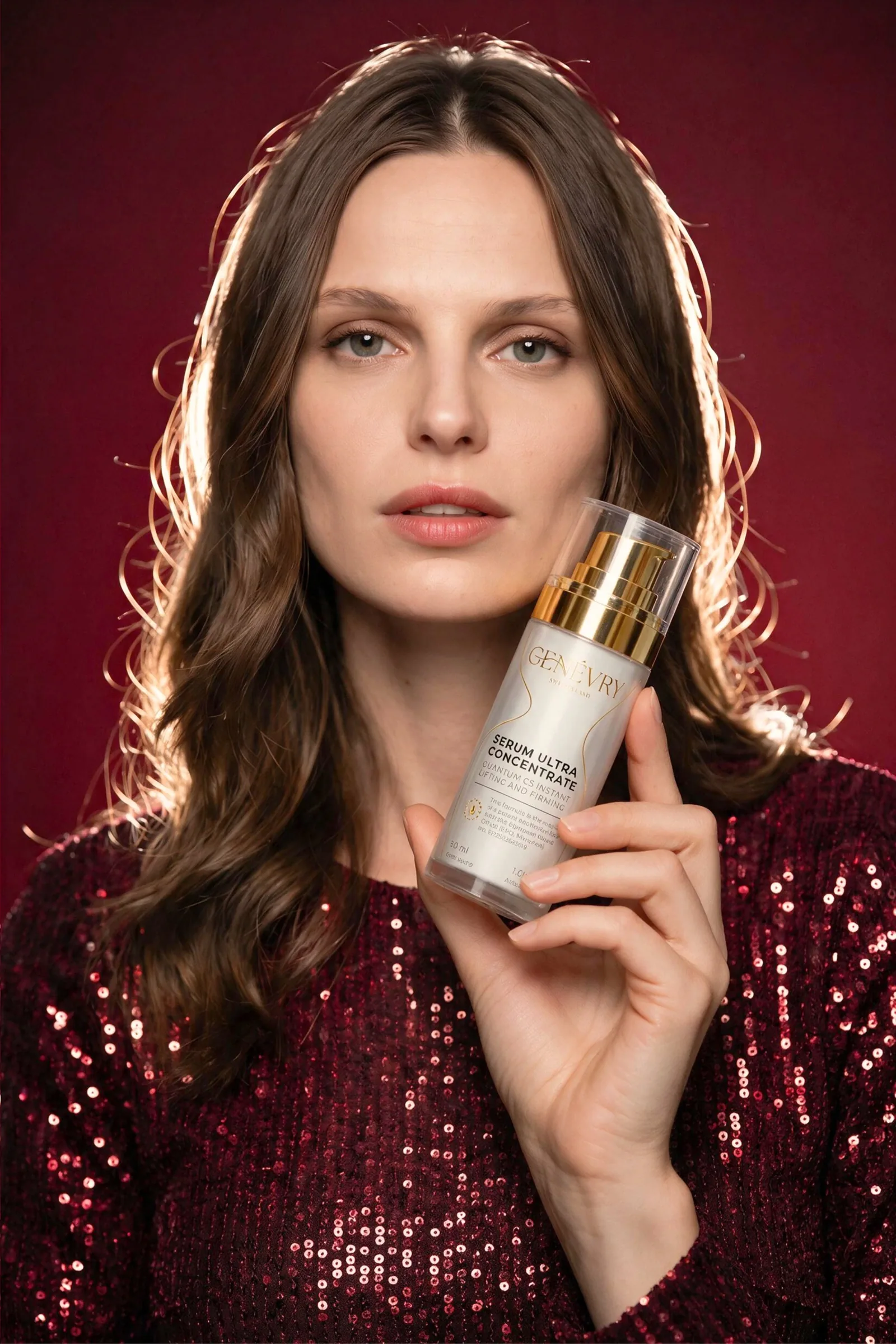
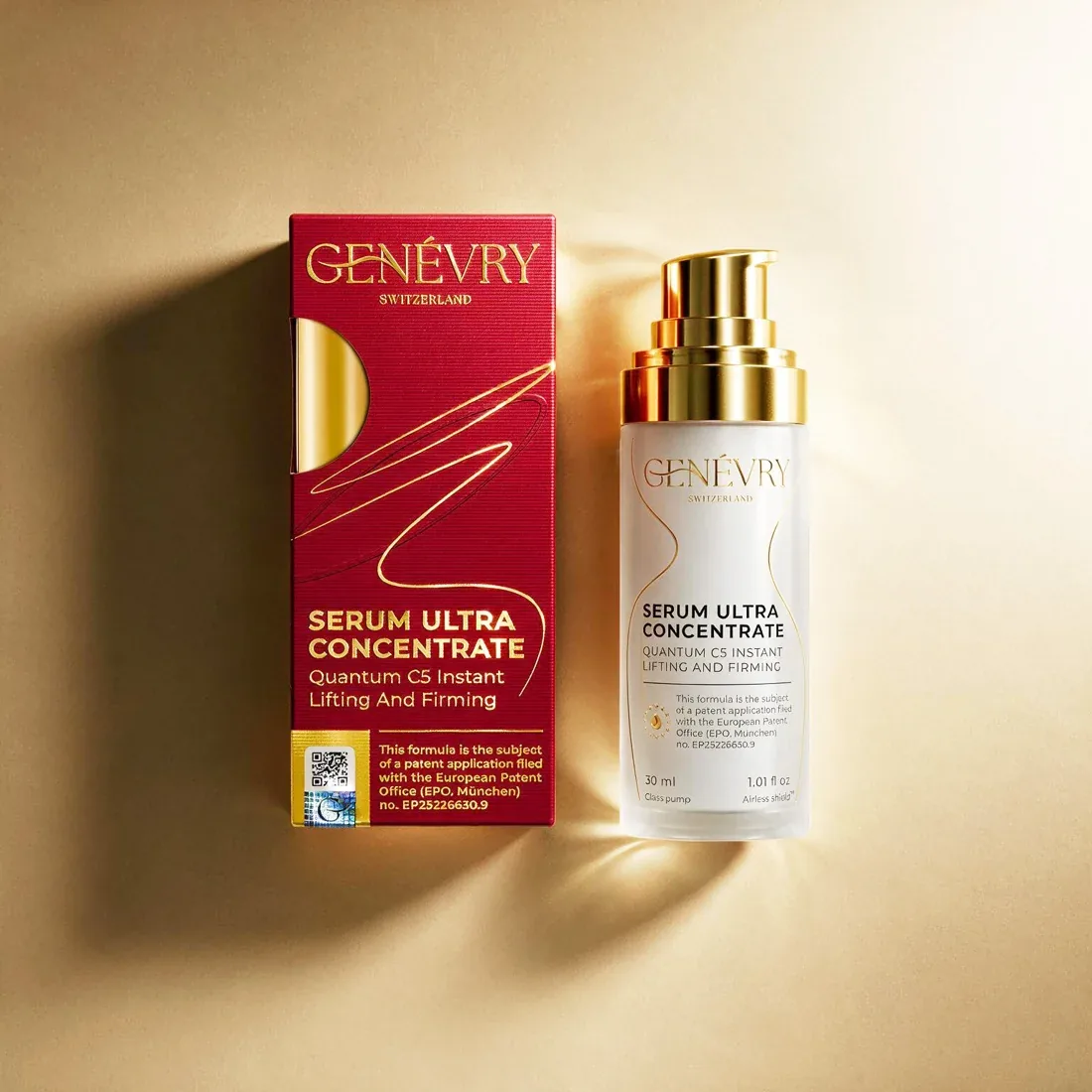
Retinol dislikes a crowded evening. On retinol nights, leave out strong exfoliating acids, benzoyl peroxide and physical scrubs; if you want to keep them in your routine, move them to the nights in between. Vitamin C belongs to the morning — Quantum C5 serum is a first step after cleansing, so the two ingredients never have to compete for the same slot.
On an INCI list retinol appears as Retinol, while its derivatives show up as Retinyl Palmitate or Hydroxypinacolone Retinoate. They are not interchangeable: derivatives require additional conversion in the skin and behave differently. If one retinoid product is already in your routine, do not add a second — that is the easiest way to cross your tolerance threshold without noticing.
Skip retinol for a few days after waxing, after exfoliating treatments and whenever skin is irritated or cracked. It is not used during pregnancy or breastfeeding. With skin conditions, ongoing dermatological treatment or medication that affects the skin, leave the decision to a doctor.
Retinol for beginners: common questions
How long before I notice anything?
The first things people tend to notice are smoothness and the way skin catches the light, after several weeks of consistency. The Nocticode R5 study ran for four weeks. Where wrinkles are concerned, months is the sensible unit.
Does my skin have to peel for retinol to work?
No. Flaking is a sign of temporary irritation, not proof of efficacy. Skin that moves through the adjustment period quietly is doing just as well — it simply tolerates the formula better.
Can I use retinol around the eyes?
Eyelid skin is thinner and reacts faster. Unless the manufacturer says otherwise, it is safer to avoid the area and use products made for it.
Should I stop in summer?
There is no rule requiring it, provided sunscreen is genuinely daily. Before heavy exposure — a week at the coast, a skiing holiday — many people find it easier to pause for a few days.
What do I do if I overdo the frequency?
Take several days off, keeping only gentle cleansing, a moisturiser and sunscreen. Once skin has calmed, return to the last stage that felt comfortable and stay there longer this time.
To finish
Introducing retinol is not an endurance test. The person who wins is not the one using the highest percentage, but the one who still has it in their routine eight weeks later. The liposomal form and a 0.3% concentration do part of that work for you. The rest is patience in the evening and sunscreen every morning.
The formulas in this article
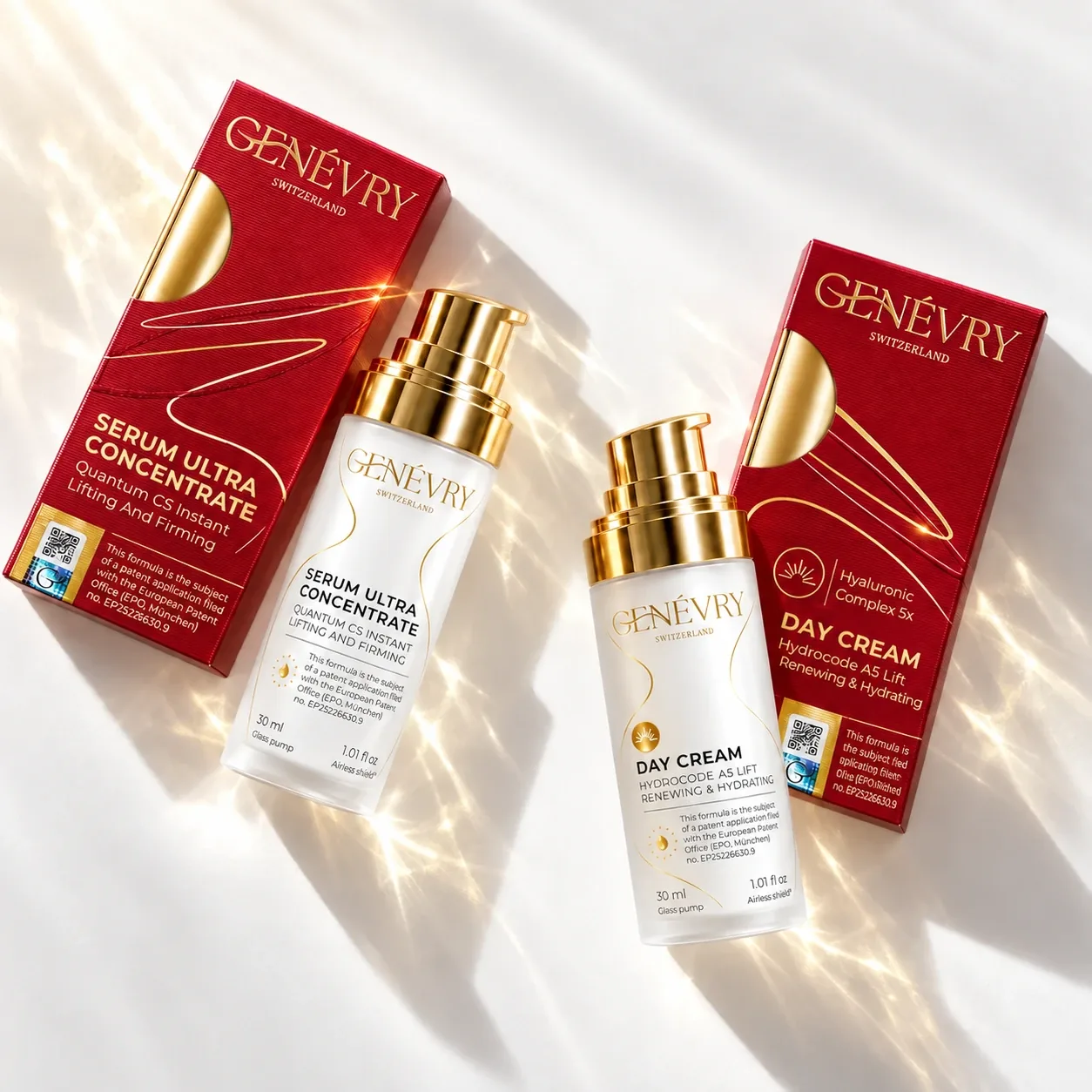
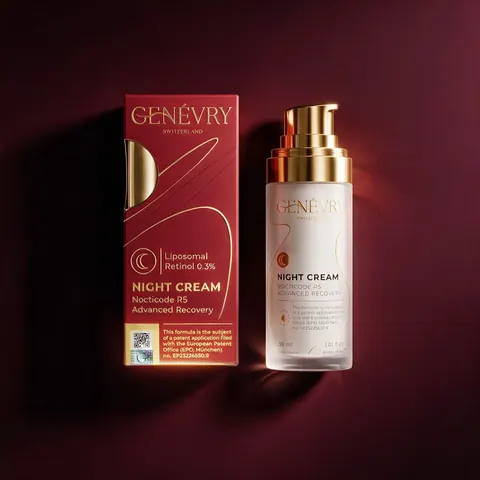 Nocticode R5Advanced night cream$39.90Discover the formula →
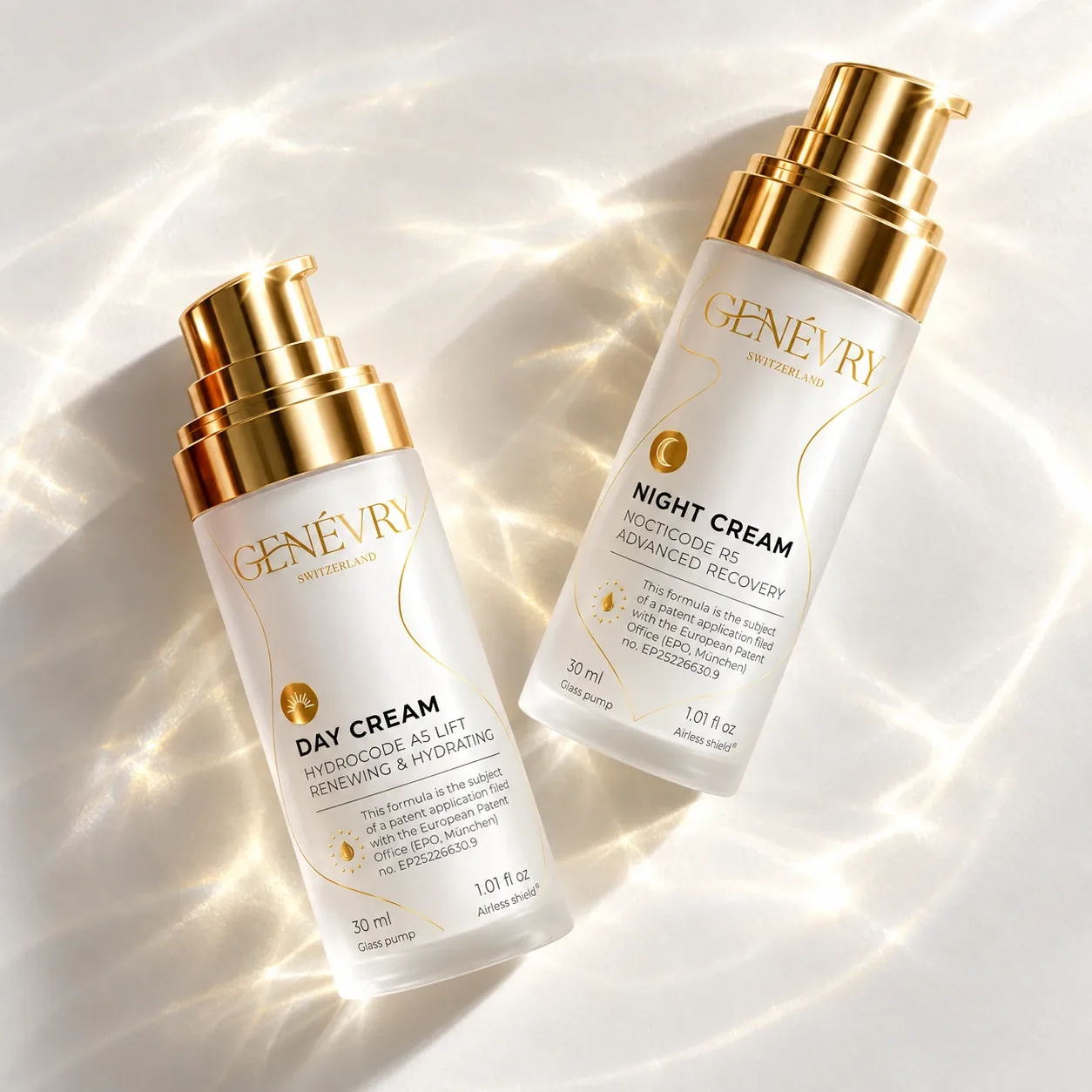
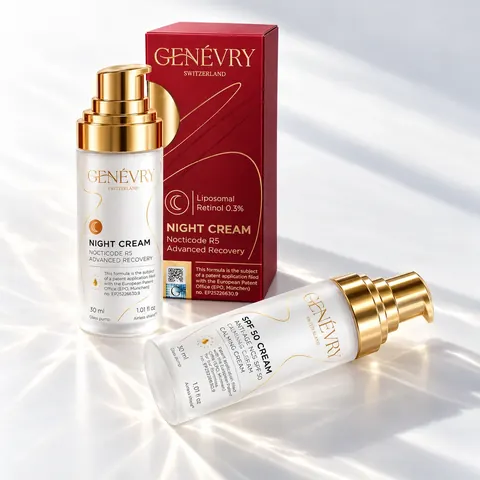 The Night & Light DuoNight cream + SPF 50 · 2 × 30 ml$74.90Discover the formula →
Cosmetic product. Individual results may vary.

 English / EUR
 English (US) / USD
 English (UK) / GBP
 Deutsch / EUR
 Deutsch (Schweiz) / CHF
 Français / EUR
 Italiano / EUR
 Español / EUR
 Nederlands / EUR
 Polski / PLN
 日本語 / JPY
 한국어 / KRW
 中文 / CNY
 العربية / AED
 English (Australia) / AUD
 English (Canada) / CAD
 Svenska / SEK
 Dansk / DKK
 Norsk / NOK
 Suomi / EUR
 Português / EUR
 Türkçe / TRY
 Čeština / CZK
 Magyar / HUF
 Română / RON
 Ελληνικά / EUR
 Slovenčina / EUR
 Hrvatski / EUR
 Slovenščina / EUR
 Lietuvių / EUR
 Latviešu / EUR
 Eesti / EUR
 Български / EUR
 Українська / EUR