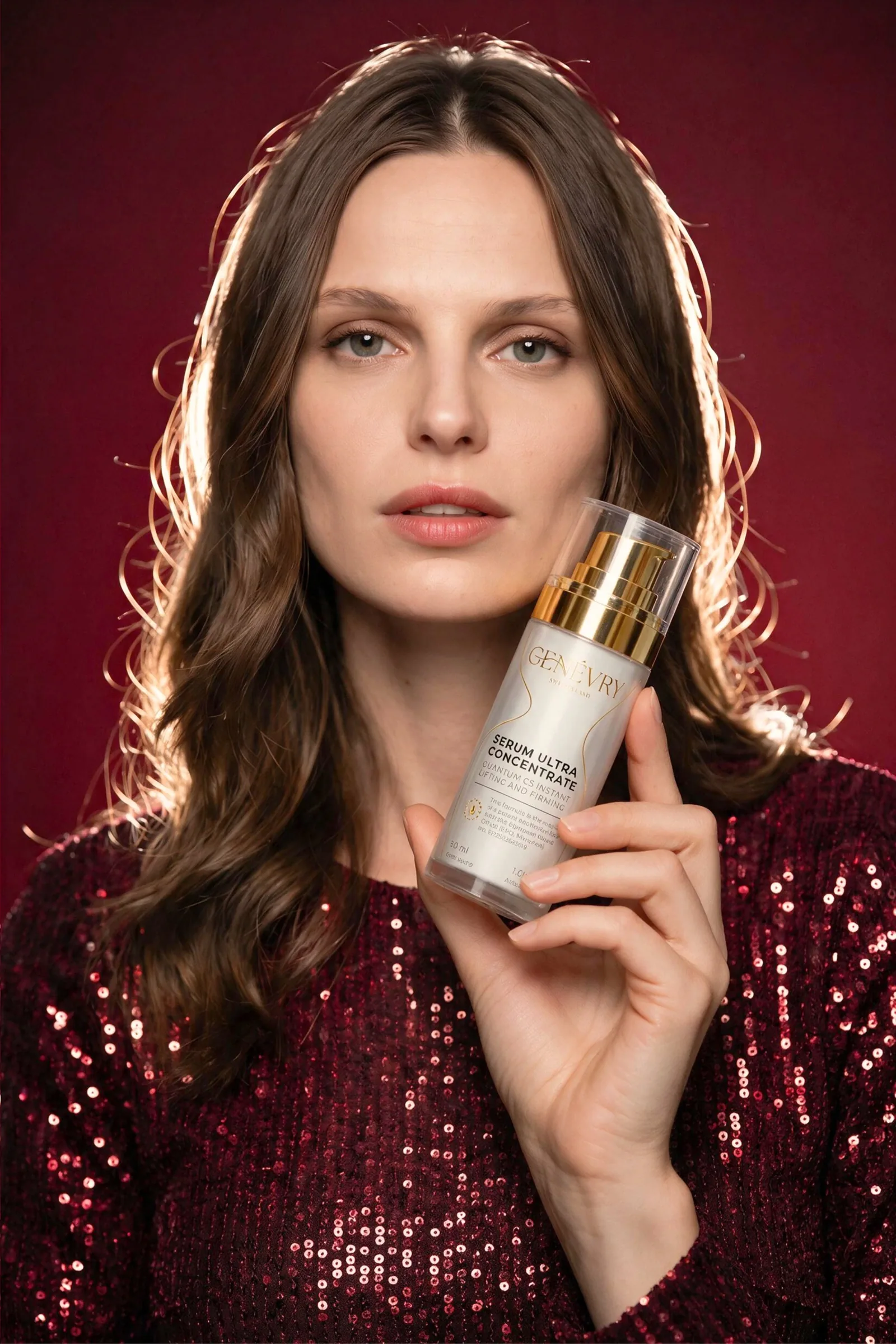
Liposomal vitamin C vs plain vitamin C: what really changes
The same molecule, a different wrapper. What a liposome changes, how to read the label and where a vitamin C serum belongs in the morning.

Liposomal vitamin C appears on more and more labels, usually without a word of explanation. The difference from ordinary vitamin C has nothing to do with the molecule itself, which is identical in both cases. It is about what the molecule is packed into, and that changes how stable the formula is, how acidic it needs to be and how the product behaves once it is on your skin. Here is what a liposome actually is, how to read an ingredient list, and where a vitamin C serum belongs in a morning routine.
What liposomal vitamin C actually means
A liposome is a microscopic vesicle built from a phospholipid bilayer, the same architecture that forms the membranes of our own cells. Inside sits a watery core, and that core can hold a water-soluble substance such as ascorbic acid. The British biophysicist Alec Bangham described these structures in the 1960s, and both pharmacy and cosmetic science have used them ever since. For a broader look at the technology, see the Wikipedia entry on liposomes.
So this is not a new vitamin. It is the familiar molecule wrapped in a lipid shell, and the shell does two jobs. It separates the contents from oxygen, light and trace metal ions present in the formula. It is also chemically related to the lipids of the stratum corneum, which is why an encapsulated formula spreads evenly and sinks in quickly rather than sitting on the surface as a tacky film.
It is worth drawing a line here. Encapsulation is a technology that makes a formula easier to live with; it does not turn a cosmetic into a medicine. The honest description is simpler: a well-built serum supports your daily care and helps you look after skin hydration and the way your complexion looks.
Plain vitamin C and why it is difficult
Pure L-ascorbic acid is one of the best-researched ingredients in cosmetics and one of the most temperamental. In a water-based solution it oxidises on contact with oxygen, light, heat and traces of metal. First comes dehydroascorbic acid, then coloured breakdown products that turn a serum yellow and eventually amber. A change of colour is the clearest sign that what is in the bottle is no longer what went in on the day it was opened.
The second difficulty is acidity. Formulas with pure L-ascorbic acid are usually set to a low pH, around 3 to 3.5, because the ingredient holds up better in that environment. Resilient skin will not notice. Sensitive or reactive skin, or skin that has just had a professional treatment, may answer with stinging and redness.
Hence the popularity of derivatives: sodium ascorbyl phosphate, magnesium ascorbyl phosphate, ascorbyl glucoside, tetrahexyldecyl ascorbate. They are more stable and gentler, but they have to be converted into the active form in the skin, and how well that works depends on concentration and on the rest of the recipe. Liposomal encapsulation takes a third route. It leaves the vitamin C molecule untouched and rebuilds only its immediate surroundings.
Liposomal vitamin C versus the plain version: a comparison
The table below describes typical market solutions rather than specific brands. In the end the whole formulation decides, not a single row in a table.
| Criterion | Plain L-ascorbic acid | Liposomal version |
|---|---|---|
| Form in the formula | Dissolved in the water phase | Enclosed in phospholipid vesicles |
| Stability | Sensitive to oxygen, light and metal ions | The shell limits contact with oxidants |
| pH of the formula | Usually low, around 3 to 3.5 | Allows values closer to skin pH |
| How it feels | Can sting on sensitive skin | Usually gentler, emulsion-like texture |
| Company it keeps | Conflicts with copper ions | The shell separates the vitamin from copper ions |
| What to look at | Opaque bottle, period after opening, colour | Position in the INCI list and how encapsulation is described |
Vitamin C and copper peptide in one formula
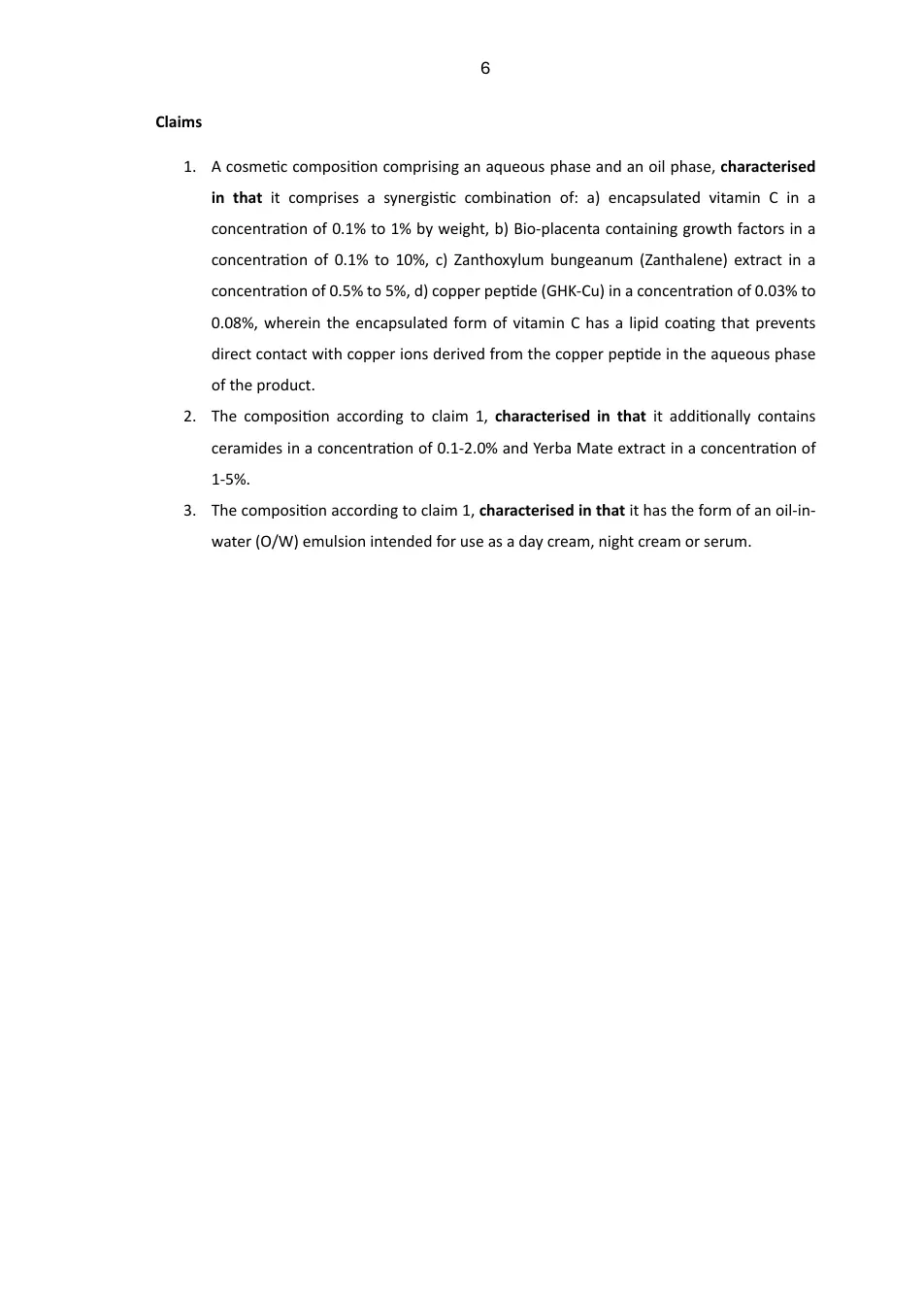
Pairing vitamin C with the copper peptide GHK-Cu has tempted formulators for years, since both are associated with caring for mature skin. The obstacle is pure chemistry: copper ions speed up the oxidation of vitamin C, and oxidised vitamin C loses its properties and discolours the product. Mixing the two straight into one bottle reads beautifully on a label and rarely survives a few weeks on a shelf.
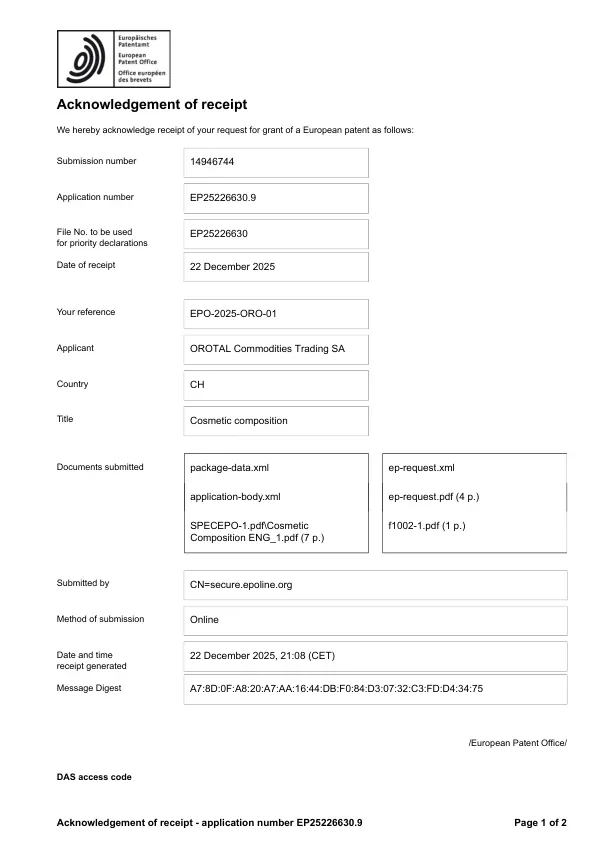
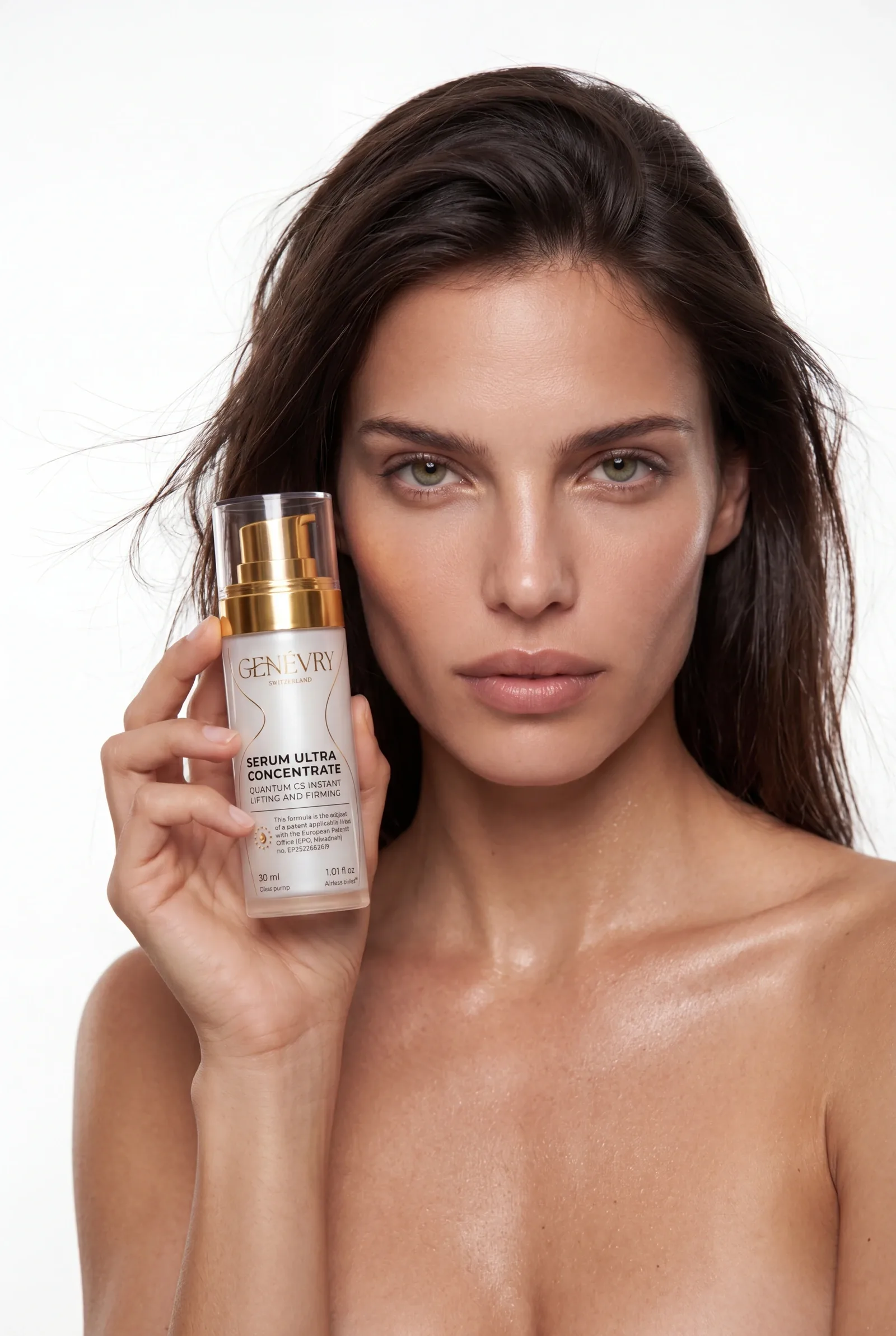
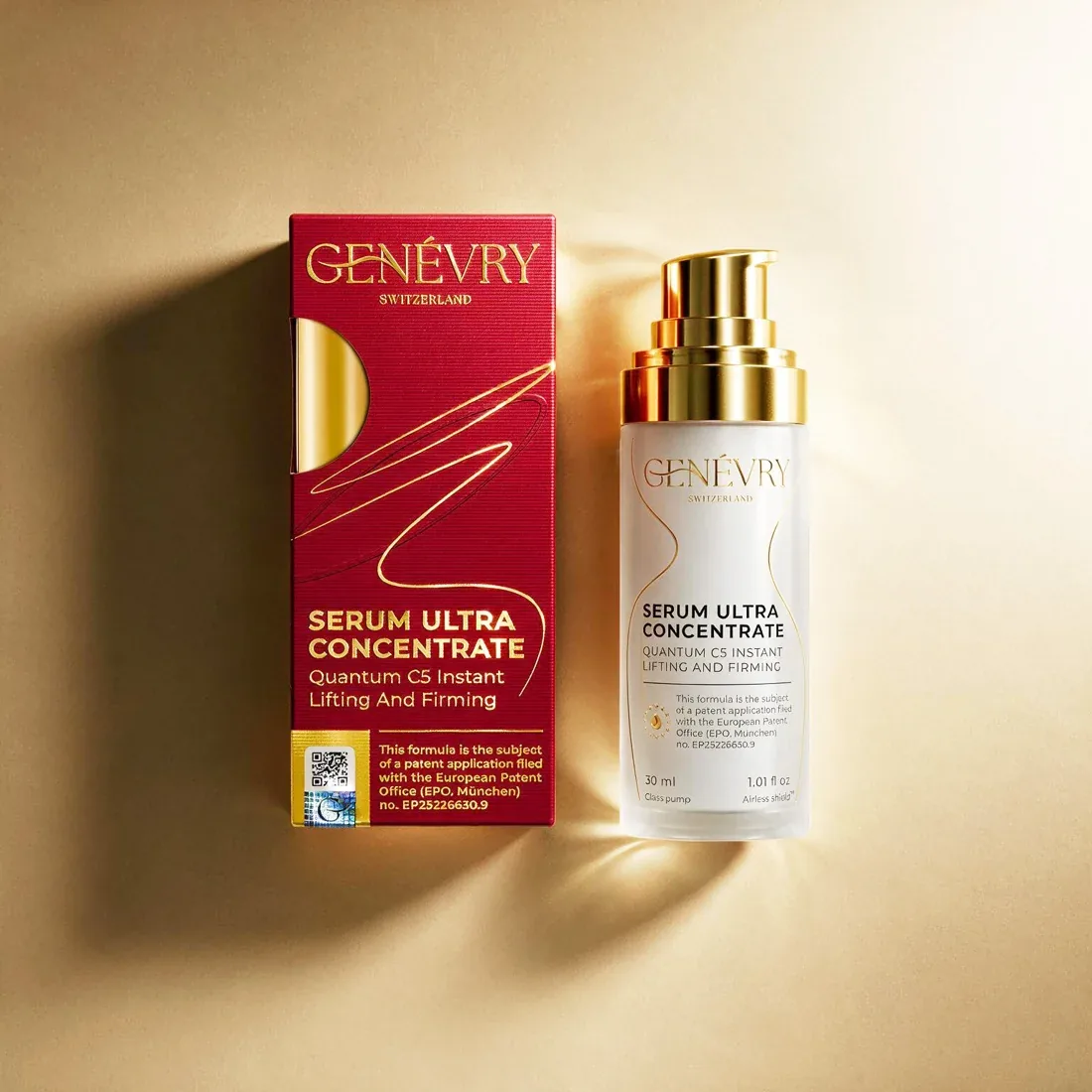
GENÉVRY answers that problem with encapsulation. Patent application EP25226630.9 (patent pending), filed with the European Patent Office on 22 December 2025, describes a lipid shell around vitamin C designed to keep it apart from the copper ions in the formula. It is an application, not a granted patent, and we describe it that way. The idea sits at the centre of the Quantum C5 serum with copper peptide and liposomal vitamin C, the first step of the morning ritual.
What the Quantum C5 study showed
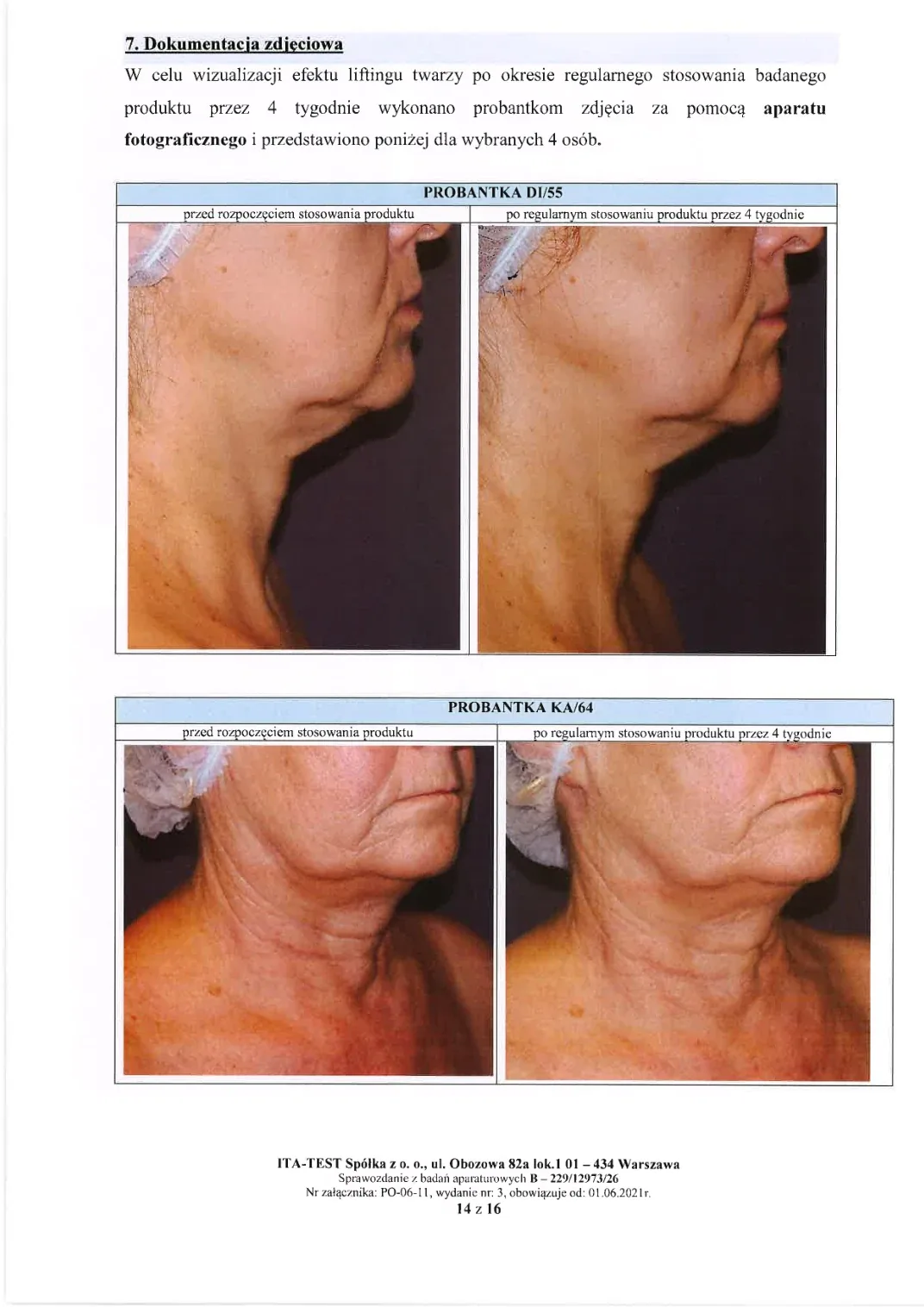
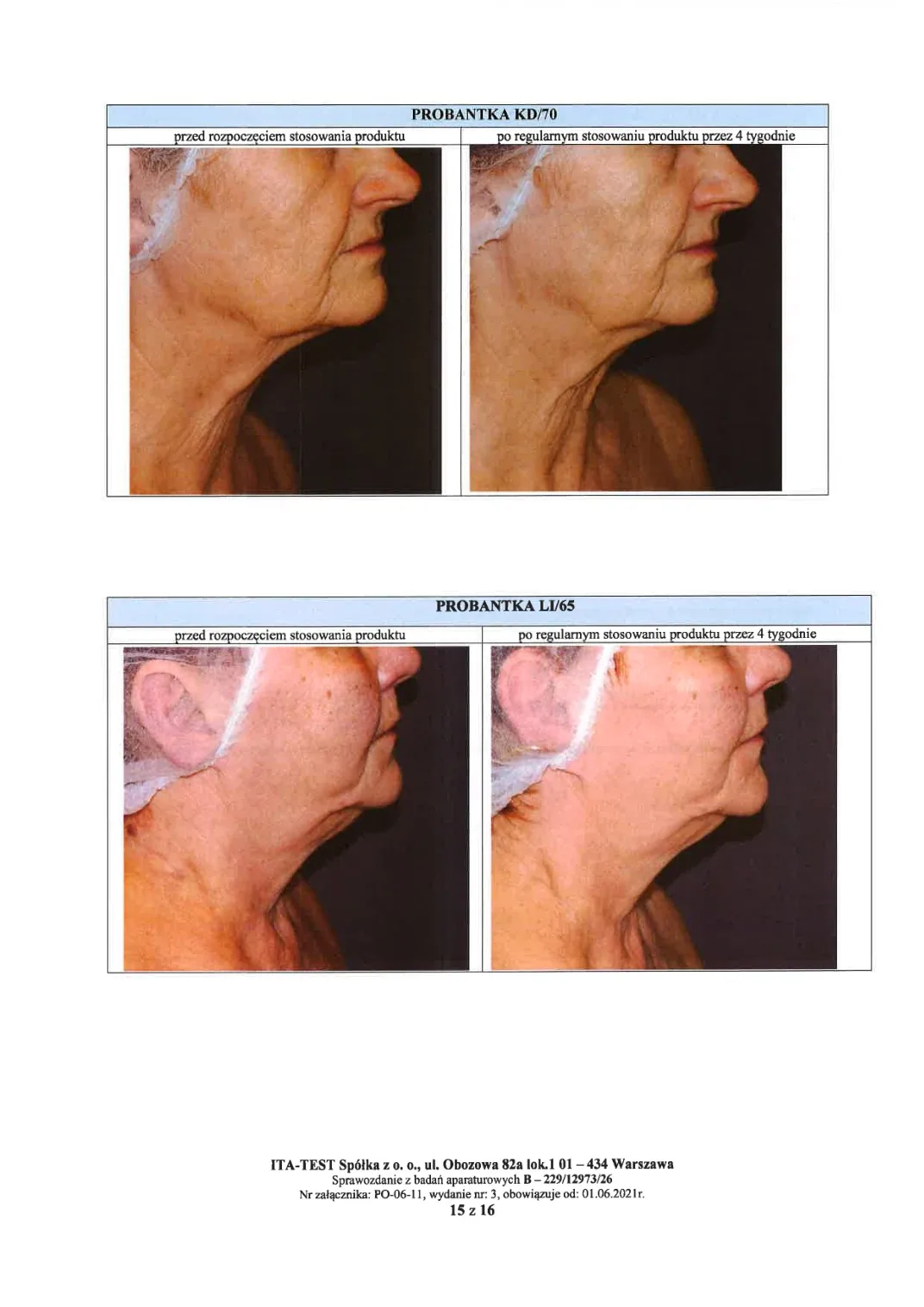
The serum was assessed in a four-week instrumental study with 10 participants. Mean skin hydration rose by +33% from baseline (Corneometer CM 825), and hydration increased in all 10 participants. The SEsm smoothing parameter improved by 5–26%, with a reported group average of +12% (Visioscan VC 98). In a survey after four weeks, all 10 respondents rated deep hydration “very good”, which is a self-assessment rather than a measurement. These numbers describe the complete formula, not vitamin C on its own.
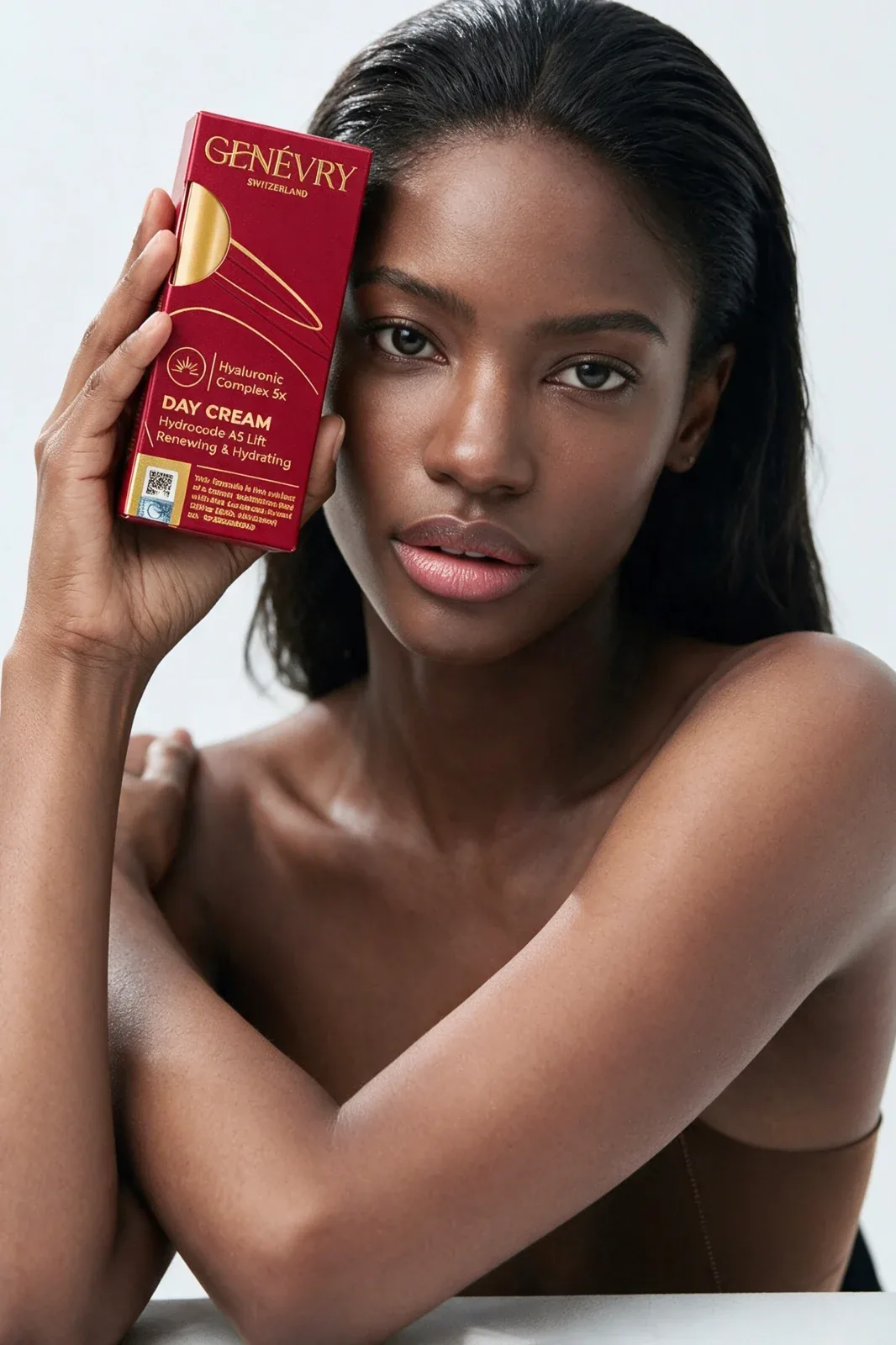
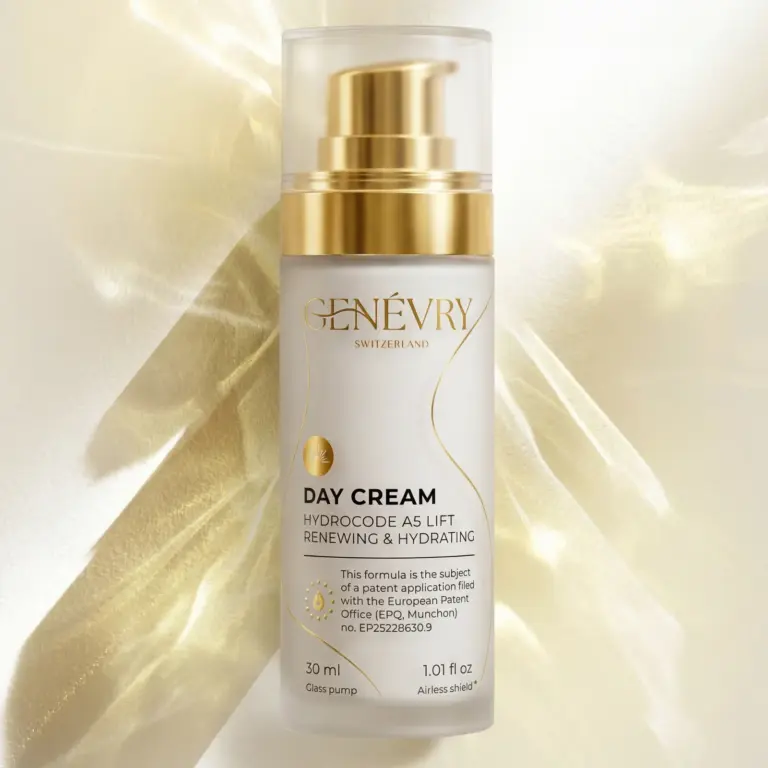
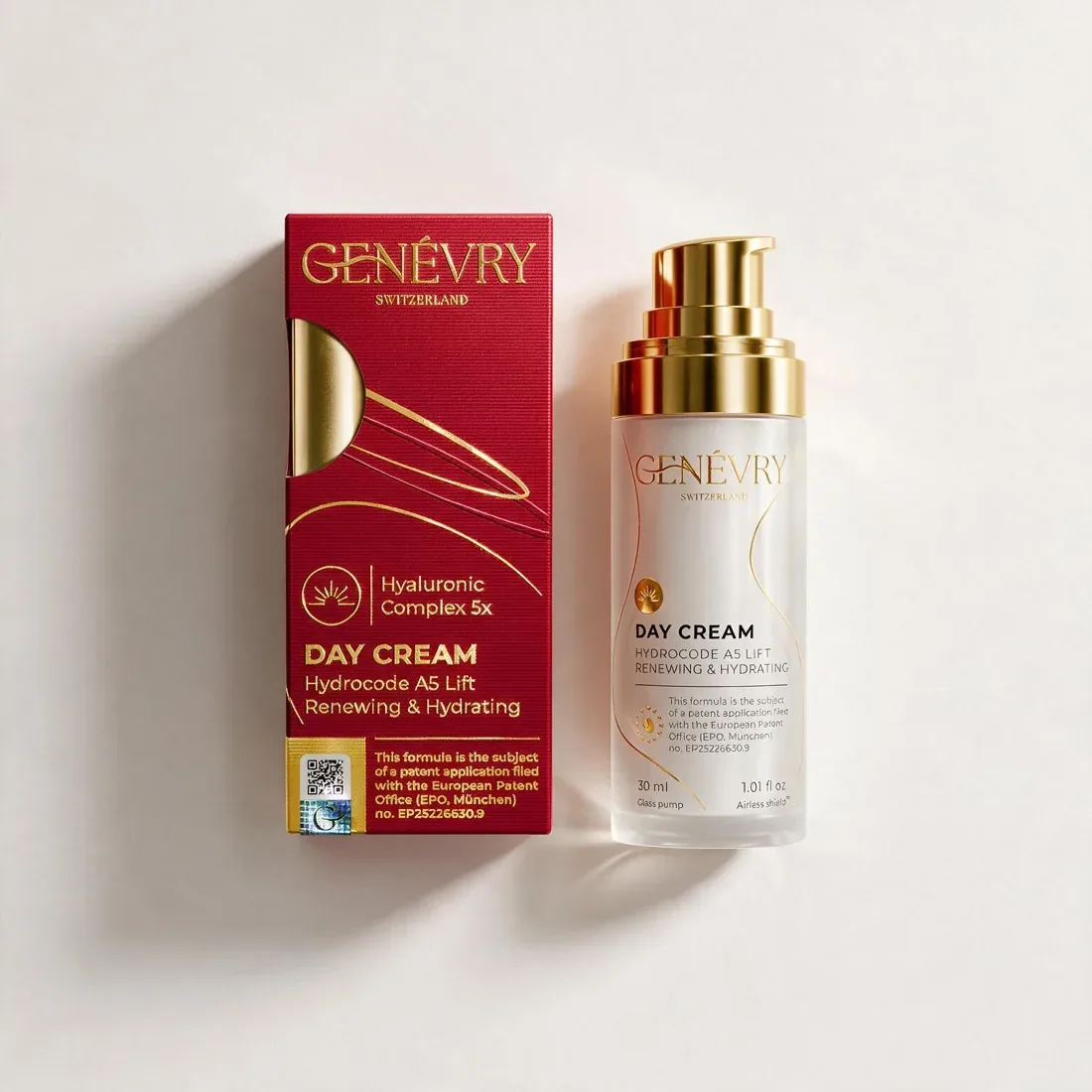
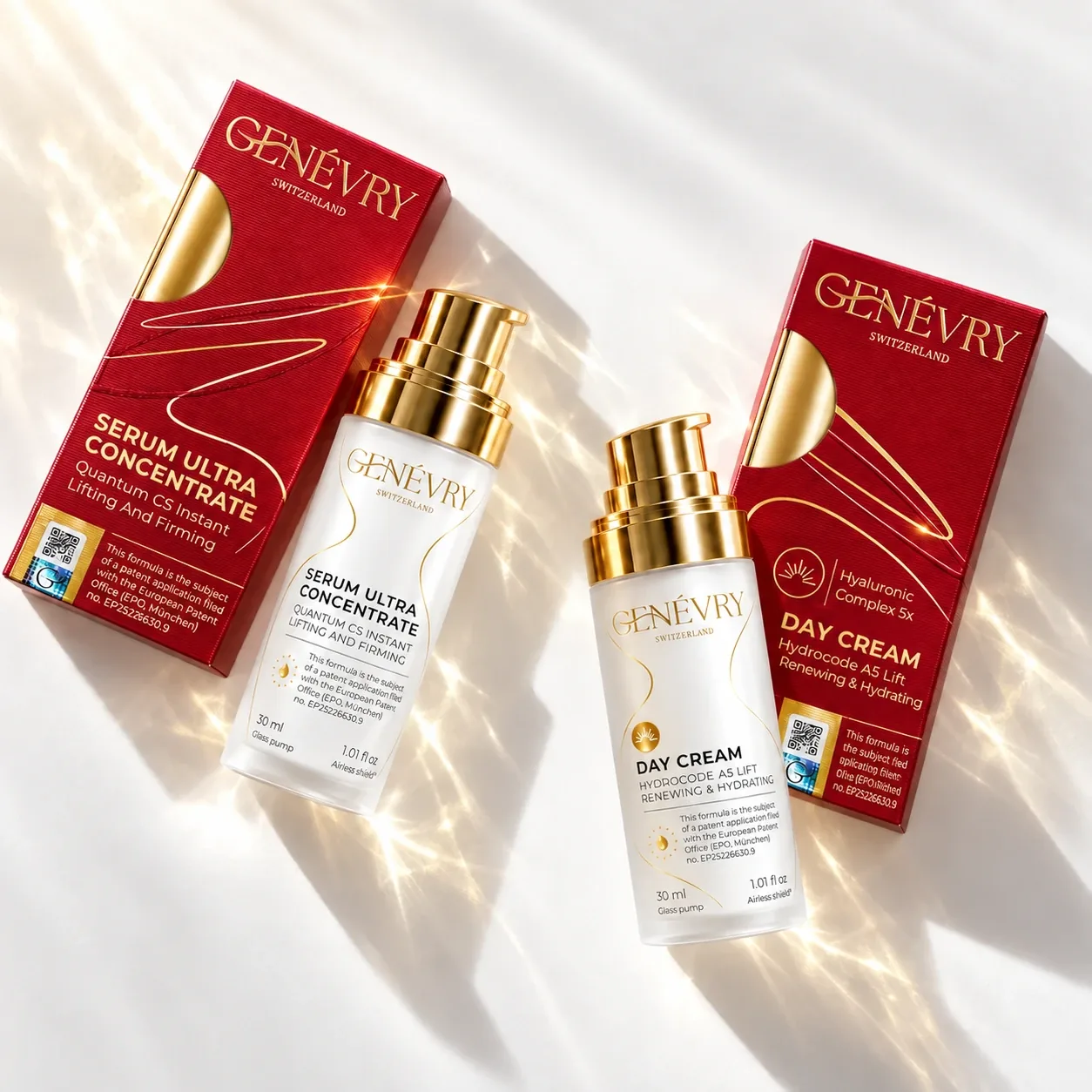
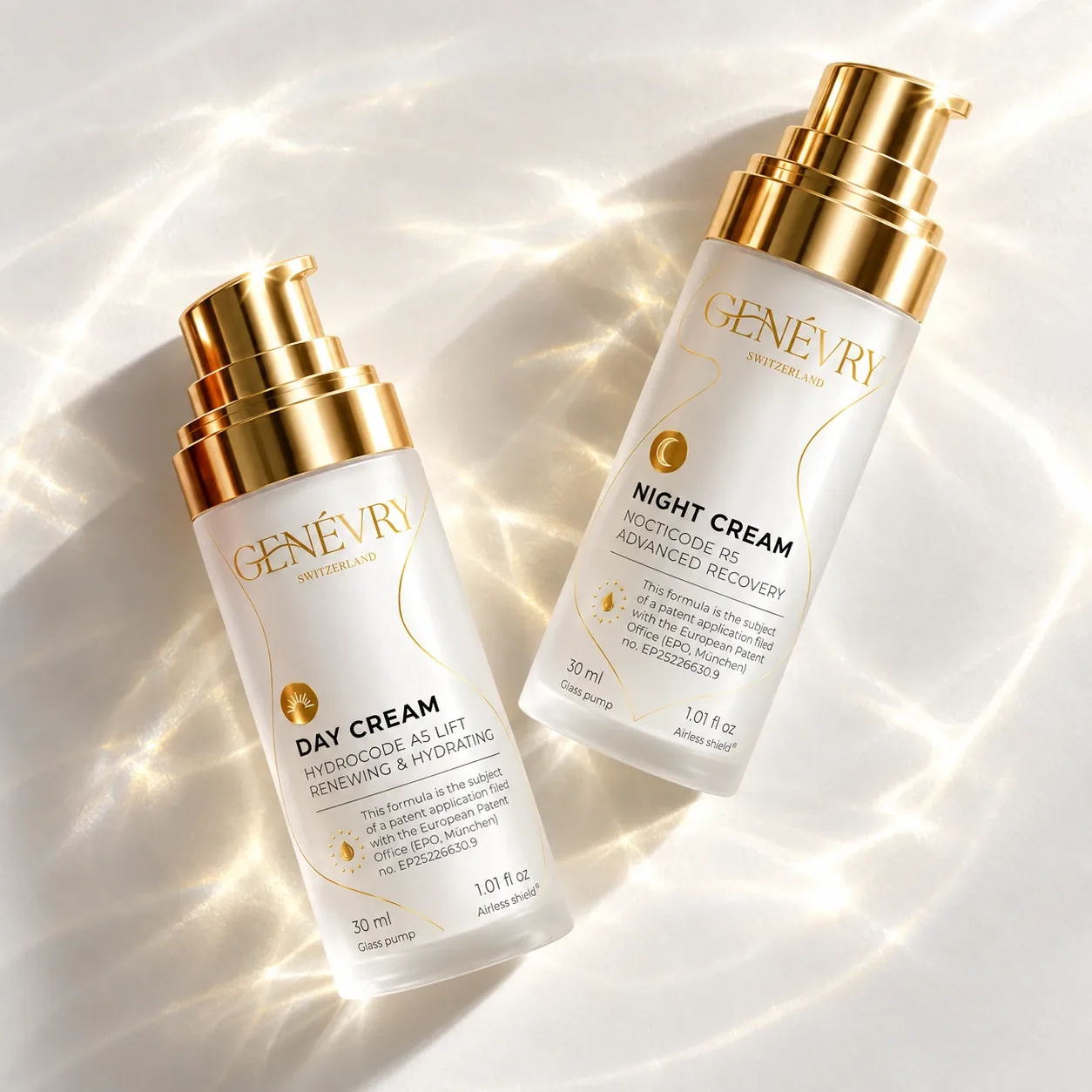
If you would rather start with the serum and day cream together, The Morning Duo pairs Quantum C5 with the Hydrocode A5 Lift day cream in one set. The cream was tested under the same protocol: mean hydration +41% after four weeks, instrumental, n=10.
How to use liposomal vitamin C, step by step
Morning is the natural slot for a vitamin C serum, because it fits a sequence that ends with sun protection. Order matters here more than the number of layers.
- Cleanse. Wash your face with a gentle cleanser and pat the skin dry, without rubbing.
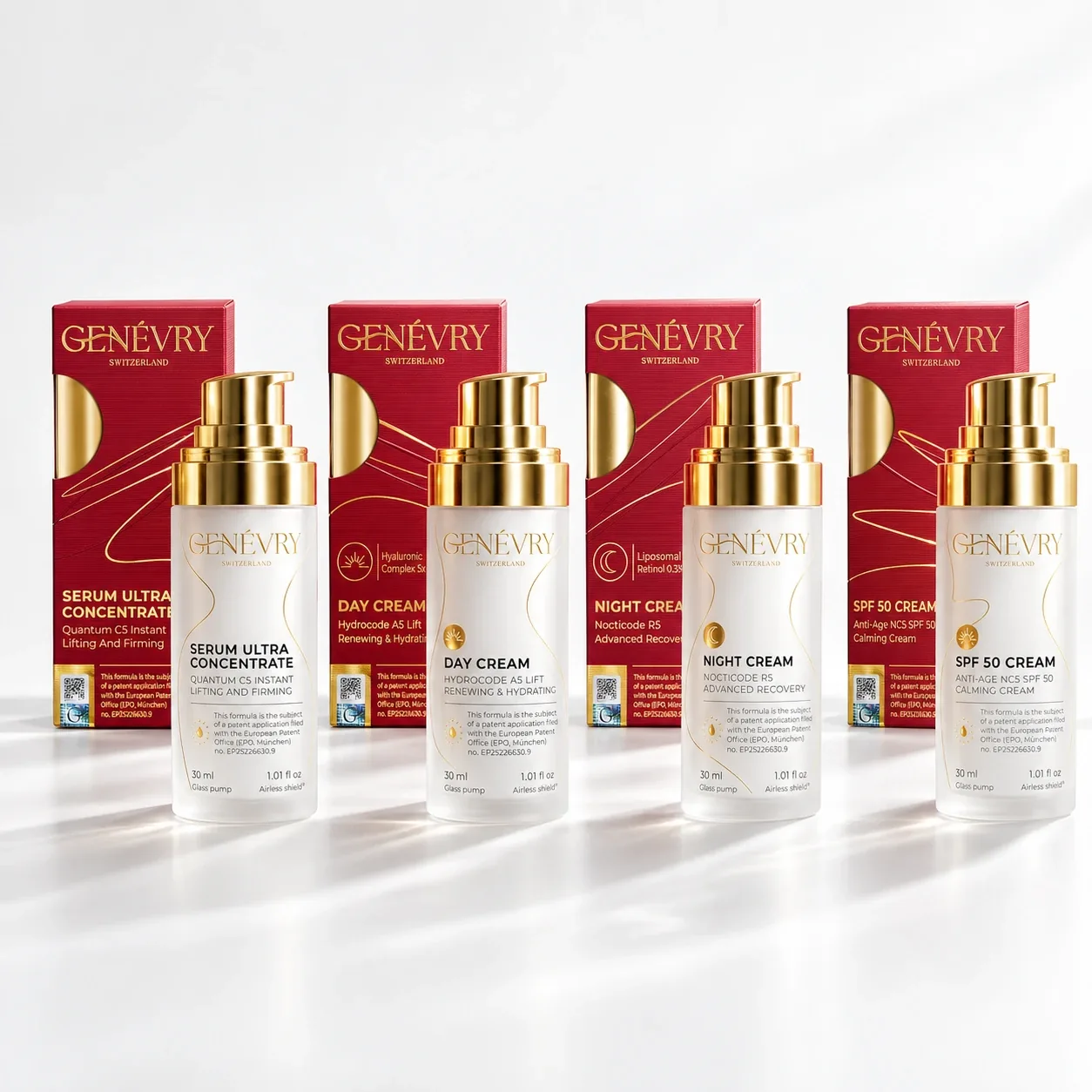
- Serum. Apply Quantum C5 to cleansed facial skin following the directions on the label. A thin layer is enough.
- Day cream. After a moment, smooth in Hydrocode A5 Lift to complete the hydration step.
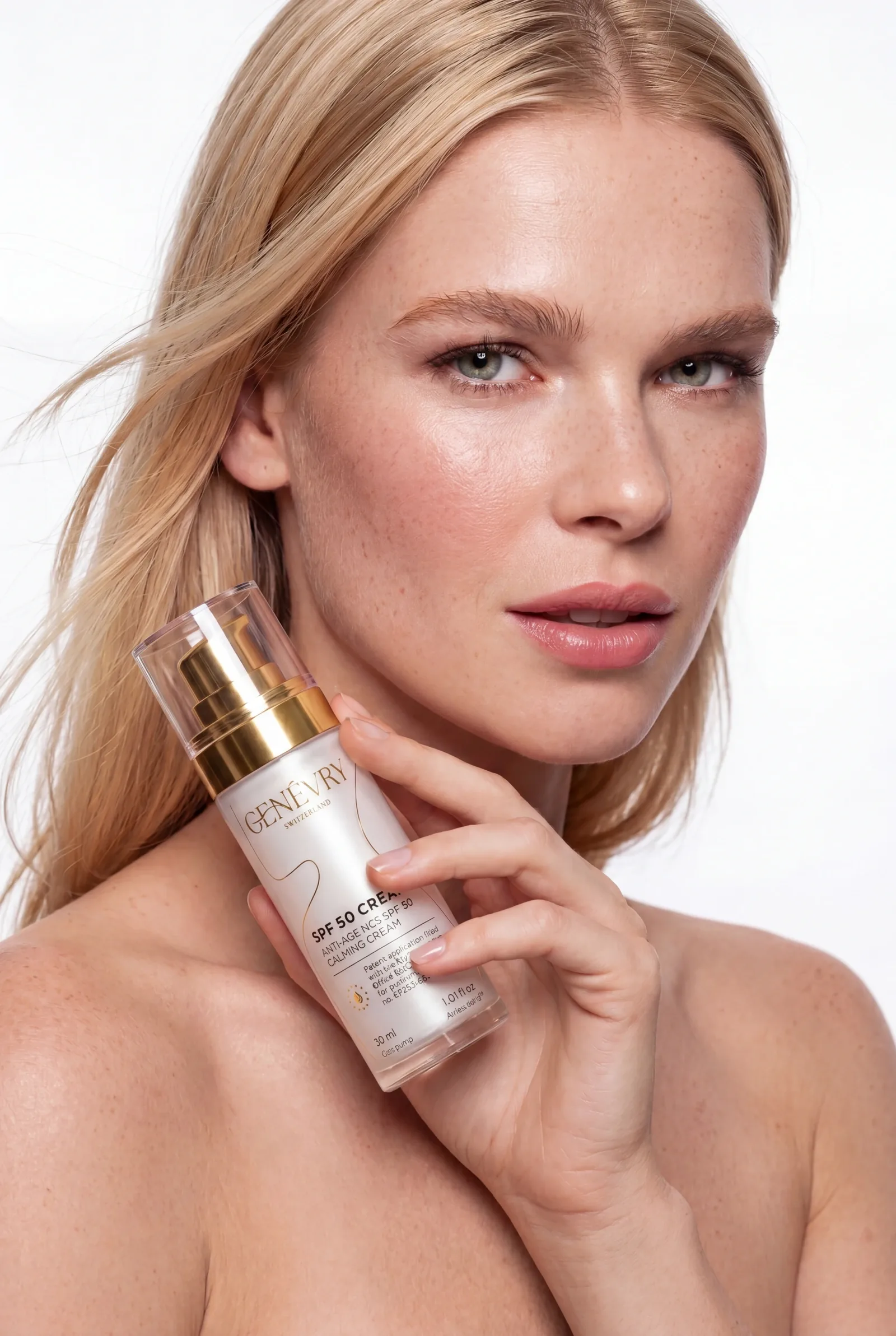
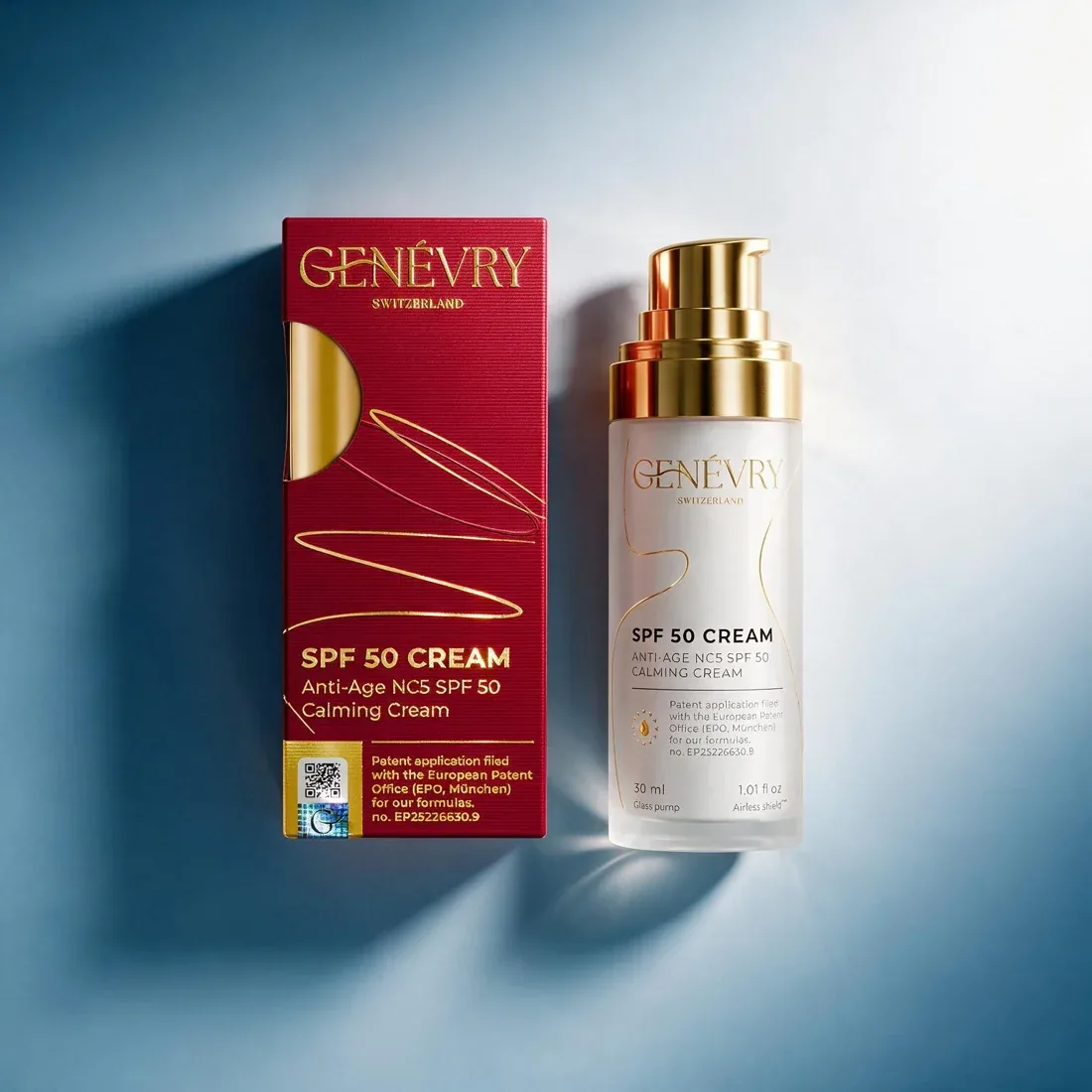
- Protect. Finish with Anti-Age NC5 SPF 50 and reapply through the day as the label directs. Without it, the rest of the morning loses its point.
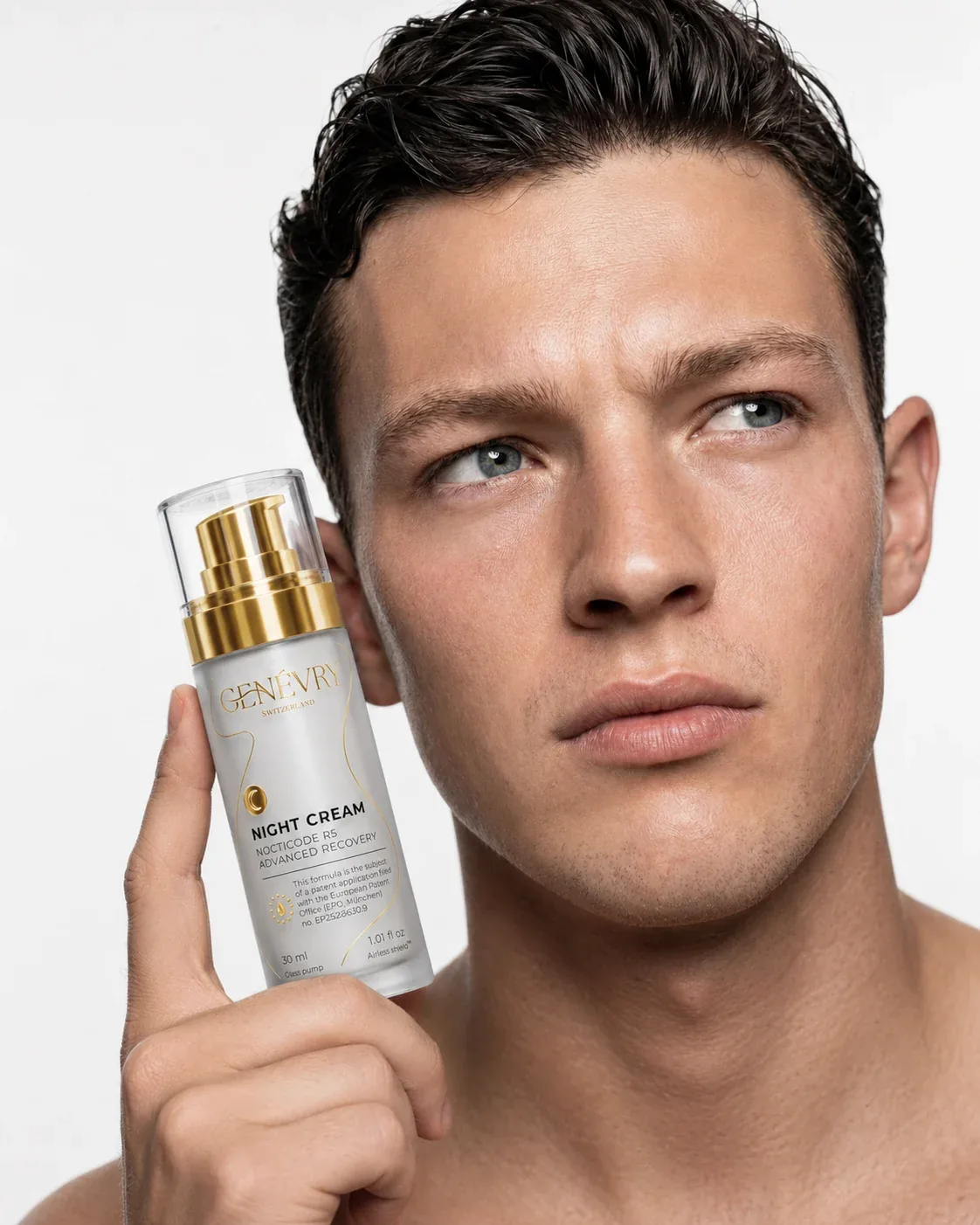
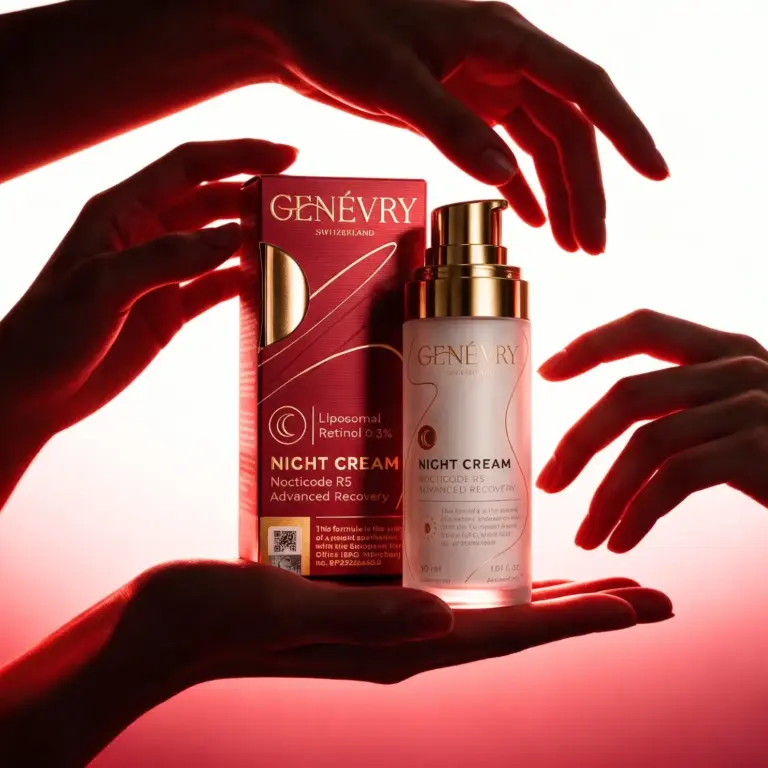
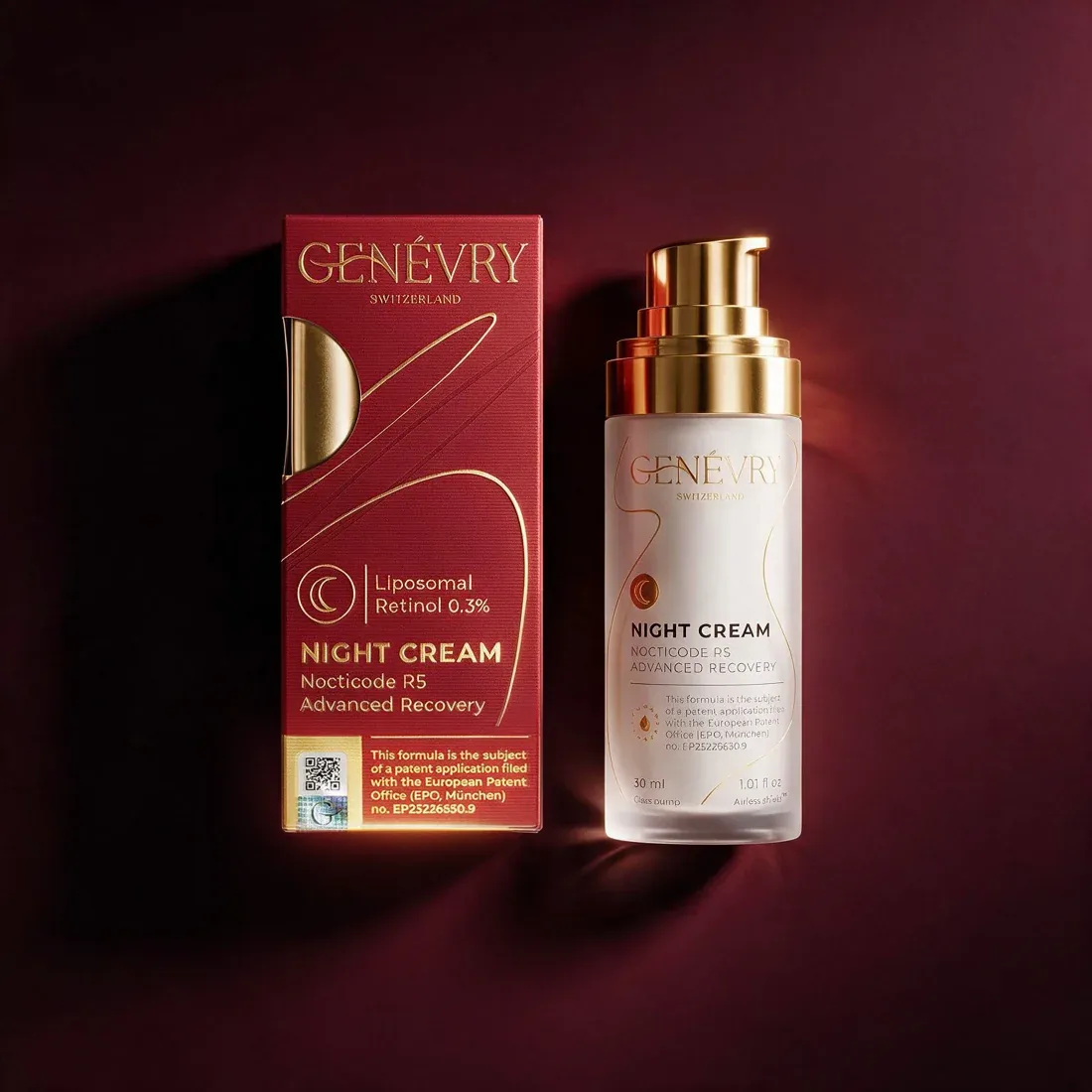
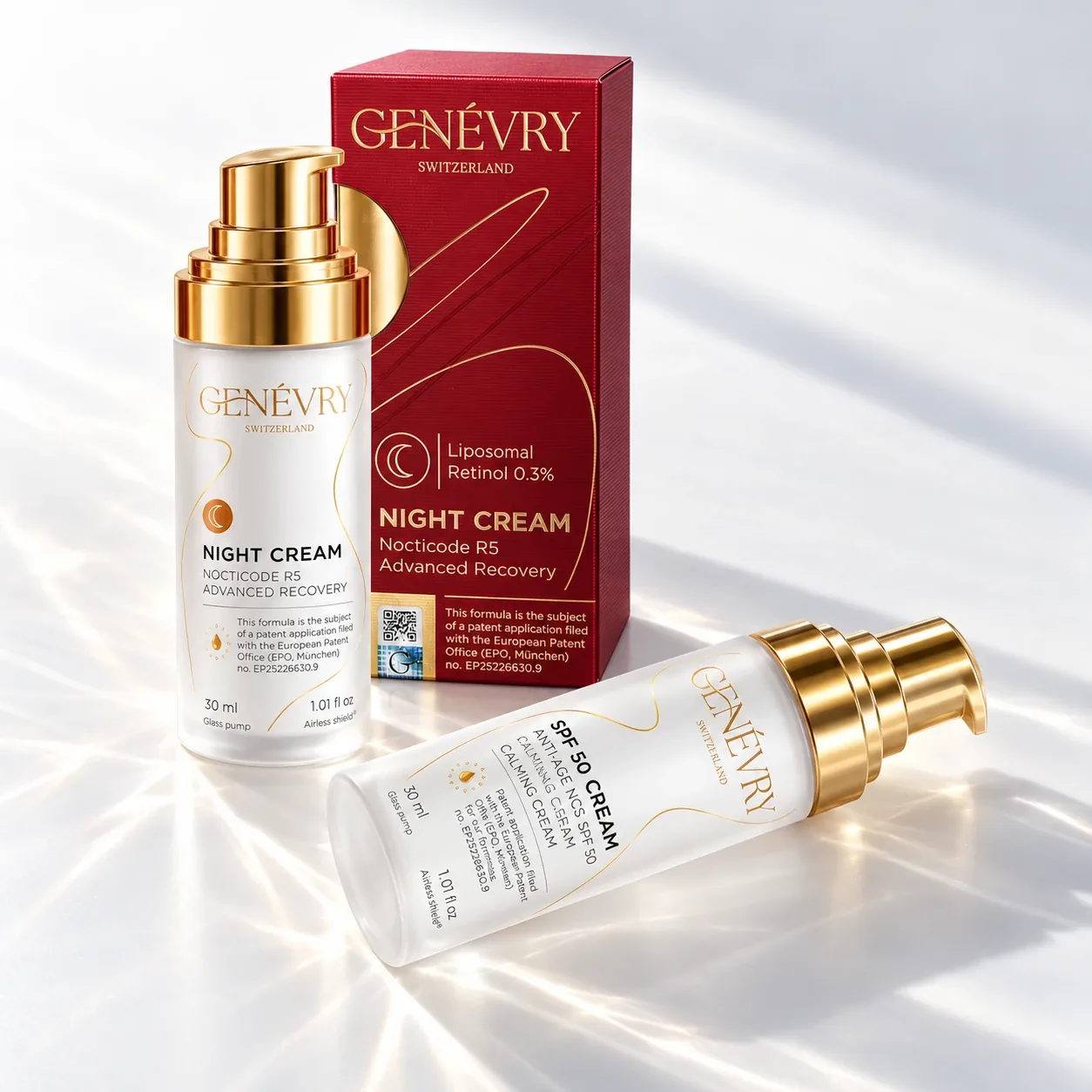
- Evening. The evening belongs to other ingredients. Introduce Nocticode R5 night cream with 0.3% liposomal retinol gradually, a few evenings a week at first, and wear SPF the next morning.
- Storage. Keep the bottle tightly closed, away from sunlight and heat. A shelf above a radiator is the worst place in the house.
Before using any new product for the first time, patch test it on a small area of skin, behind the ear for example, and wait 24 hours. If you use strong exfoliating acids, keep them to a different time of day than your vitamin C serum.
Liposomal vitamin C: frequently asked questions
Is liposomal vitamin C stronger than the plain kind?
That question sets up the wrong axis. The molecule is the same; what differs is its packaging and how the formula holds up over time. Comfort in use and behaviour over the life of the bottle are easier to judge than an abstract idea of strength, and the percentage on the label never tells the whole story about a finished product.
Morning or evening?
Morning, as the step before your cream and your SPF. In the GENÉVRY ritual the evening is reserved for retinol, so the two ingredients never compete for the same place in the queue.
Can I combine liposomal vitamin C with retinol?
In one ritual, yes, but at different times of day: serum in the morning, retinol cream in the evening. Introduce retinol gradually, avoid it during pregnancy, and always apply SPF the following morning.
Can I use a vitamin C serum during pregnancy?
Any change to your skincare during pregnancy or breastfeeding is worth discussing with your doctor. The same goes for diagnosed skin conditions and for medication that affects the skin, where a dermatologist is the right person to ask.
How can I tell that a serum is past its best?
By a clear darkening of the colour, or a change in smell or texture. Encapsulation slows that process down without abolishing it, so stick to the period-after-opening date printed on the packaging.
A final word
Choosing between liposomal and plain vitamin C is not a choice between a better and a worse ingredient. It is a choice between two ways of handling the same difficulty: a molecule that oxidises readily has to survive until the last drop in the bottle. Encapsulation manages that while leaving the formulator more room, including in the company of a copper peptide. Consistency and daily SPF do the rest.
The formulas in this article
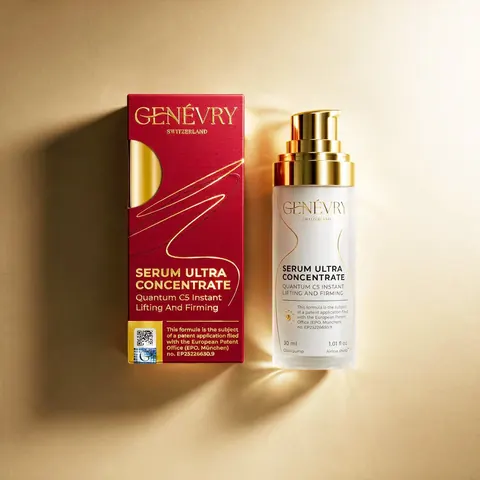 Quantum C5Ultra-concentrate serum$39.90Discover the formula →
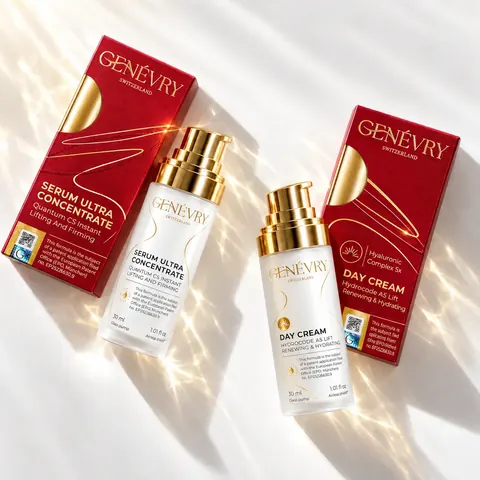 The Morning DuoQuantum C5 + Hydrocode A5 · 2 × 30 ml$74.90Discover the formula →
Cosmetic product. Individual results may vary.

 English / EUR
 English (US) / USD
 English (UK) / GBP
 Deutsch / EUR
 Deutsch (Schweiz) / CHF
 Français / EUR
 Italiano / EUR
 Español / EUR
 Nederlands / EUR
 Polski / PLN
 日本語 / JPY
 한국어 / KRW
 中文 / CNY
 العربية / AED
 English (Australia) / AUD
 English (Canada) / CAD
 Svenska / SEK
 Dansk / DKK
 Norsk / NOK
 Suomi / EUR
 Português / EUR
 Türkçe / TRY
 Čeština / CZK
 Magyar / HUF
 Română / RON
 Ελληνικά / EUR
 Slovenčina / EUR
 Hrvatski / EUR
 Slovenščina / EUR
 Lietuvių / EUR
 Latviešu / EUR
 Eesti / EUR
 Български / EUR
 Українська / EUR