Niacinamide for Skin — What It Does and What to Pair It With
An ingredient that is almost everywhere and almost never on the front of the box. What the studies show, and where it belongs in a routine.
Niacinamide for skin has quietly become the most widely used active in modern formulation. It turns up in serums, moisturisers, toners and sunscreen emulsions, usually without a word on the front of the carton. That is rather the point: it is one of the few ingredients cosmetic dermatology discusses in a level voice — well studied, well tolerated, no theatre. What deserves attention is the detail: what it actually does, the concentrations researchers tested, and where the published evidence stops and the packaging copy begins.
What niacinamide is, and where it comes from
On an ingredient list it appears under a single INCI name: Niacinamide. Chemically it is the amide of nicotinic acid — one of the two forms of vitamin B3, the other being niacin itself. The distinction matters outside the laboratory. Niacin dilates blood vessels and can produce a brief, warm flush; the amide does not. That is why cosmetics use niacinamide rather than its sibling.
Inside the cell, niacinamide is a precursor of the coenzymes NAD and NADP, which take part in hundreds of reactions from cellular respiration to DNA repair. A formulator cares about something more prosaic: the molecule is small, water-soluble and stable across a broad pH range. In practice it can be worked into almost any base — a weightless serum, a rich night cream, a sunscreen emulsion — without wrecking the texture.
It is produced by industrial synthesis, and it is the same molecule you find in vitamin B3 supplements and fortified foods. Skin cannot tell whether it came from yeast or a reactor, because there is no difference to tell. If label reading is new to you, our guide to INCI lists is a useful companion: where niacinamide sits on the list says more than any claim on the front.
What the research shows it does
Niacinamide has no single dramatic mechanism. It has several moderate ones, each described in peer-reviewed work, and the accumulation explains why it appears in so many formulas.
The skin barrier
In a study published in the British Journal of Dermatology (Tanno et al., 2000), nicotinamide increased ceramide biosynthesis in cultured keratinocytes several-fold over control, along with free fatty acid and cholesterol synthesis — the three principal lipids of the intercellular matrix. Applied topically, it raised ceramide levels in the stratum corneum and reduced transepidermal water loss in dry skin. This is the strongest case for using it through winter, when the barrier works under pressure; we go further into that in our piece on protecting the skin barrier in cold months.
Tone and dark spots
Niacinamide does not inhibit tyrosinase, so it does not interrupt pigment production at source. It works a step later: in a keratinocyte–melanocyte co-culture model it reduced melanosome transfer into epidermal cells by 35–68% (Hakozaki et al., 2002). In the clinical arm of the same paper, a 5% cream used by 18 participants reduced the appearance of hyperpigmentation against vehicle after four weeks, while a 2% formula paired with sunscreen limited facial tanning in a group of 120. The practical reading: it supports the step you should be taking anyway — daily sun protection — rather than replacing it.
Sebum and facial shine
Draelos et al. (2006) found that 2% niacinamide lowered the sebum excretion rate in a Japanese study group after two and four weeks. In the Caucasian group, six weeks of use significantly reduced casual sebum levels on the surface, though the excretion rate itself did not shift. The effect is real but population- and method-dependent, and closer to “a less shiny T-zone” than to a matte finish.
Lines and elasticity
The most quoted trial is Bissett et al. (2005): 50 women with clinical signs of facial photoageing applied 5% niacinamide to one half of the face and vehicle to the other, twice daily for 12 weeks, double-blind. The authors reported improvements in the appearance of fine lines and wrinkles, hyperpigmented spots, red blotchiness and skin sallowness, and better elasticity measured by cutometry. It is a study about how skin looks, and that is exactly the conclusion it supports.
Niacinamide for skin: the concentrations with evidence behind them
Cartons today advertise 2%, 5% and 10%. The clinical literature moves in a narrower band, and the number on the label does not always have a trial behind it.
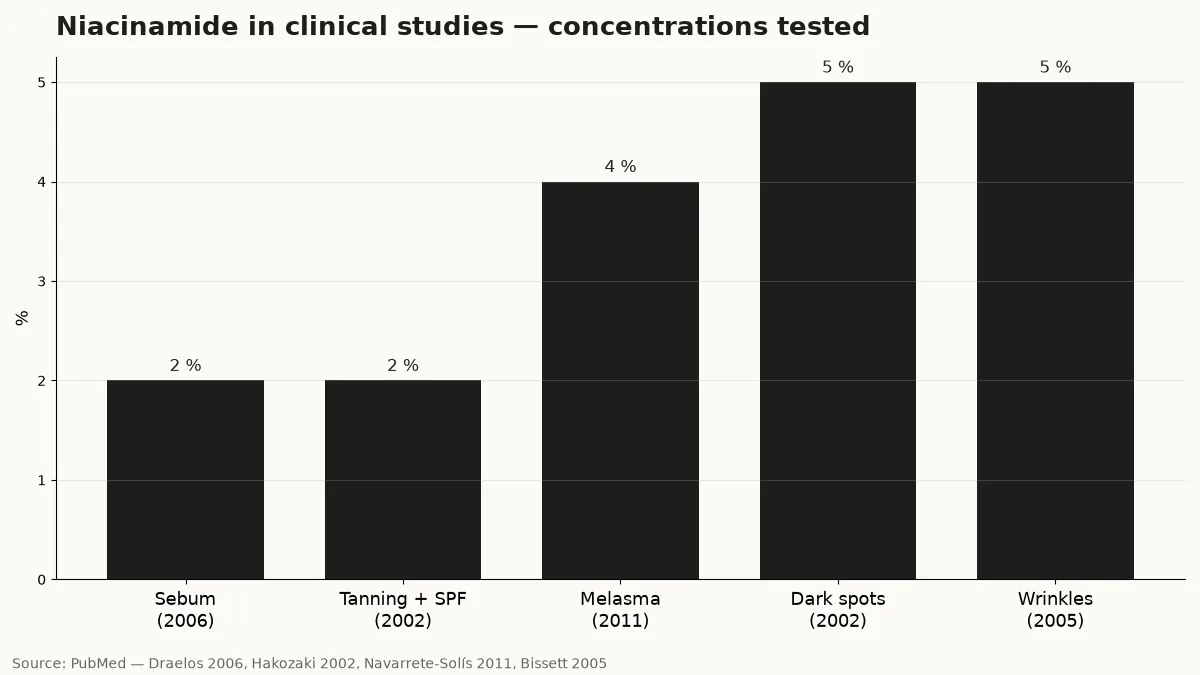
The chart makes the point plainly: nearly every documented effect sits between 2% and 5%. Above that range there is little solid evidence of added benefit, and more reports of stinging and flushing in reactive skin. Ten per cent is a marketing argument rather than a formulation requirement. If your skin dislikes strong actives, 2–4% is a sensible place to begin.
The second variable is time. In the studies above, the first measurements came at two to four weeks and the clearer differences at eight to twelve. Niacinamide rewards consistency, not intensity.
What to pair it with, and what to keep apart
Niacinamide is unusually sociable. Genuine conflicts are few, and most of the warnings circulating online do not survive contact with formulation practice.
| Ingredient | Pair it? | Time of day | What to watch |
|---|---|---|---|
| Vitamin C (L-ascorbic acid) | Yes, though separating is easier | Morning | The “they cancel each other out” story comes from laboratory conditions: pure compounds, high heat, prolonged contact. In a finished cosmetic it is not an issue. If your skin is prone to irritation, use vitamin C in the morning and niacinamide at night |
| Retinol | Yes | Evening | A common pairing; niacinamide is often formulated alongside retinoids for comfort. Introduce the retinoid gradually either way |
| AHAs and BHAs | Yes, but not in the same layer | Evening | Apply the acid, let skin settle, then the niacinamide. Stacking them wet is where the stinging comes from |
| Ceramides, hyaluronic acid, panthenol | Yes | Morning and evening | No caveats — these work in the same direction as niacinamide |
| Peptides | Yes | Morning or evening | No known interactions; order by texture, lightest first |
| Sunscreen | Yes | Morning | Niacinamide underneath, sunscreen always as the final step |
The one situation worth caution is accumulation: 10% niacinamide, mandelic acid, retinal and a cleansing brush all in the same week. The trouble then is not any single product but the sum of them.
Who it suits, and where it belongs in a routine
It makes most sense for combination and oily skin that shines through the T-zone, for uneven tone, and for a barrier left fragile by winter, acids or retinoids. Dry skin benefits too, but needs emollients alongside — niacinamide will not stand in for an occlusive layer. Very reactive skin should start low and watch for a fortnight before judging.
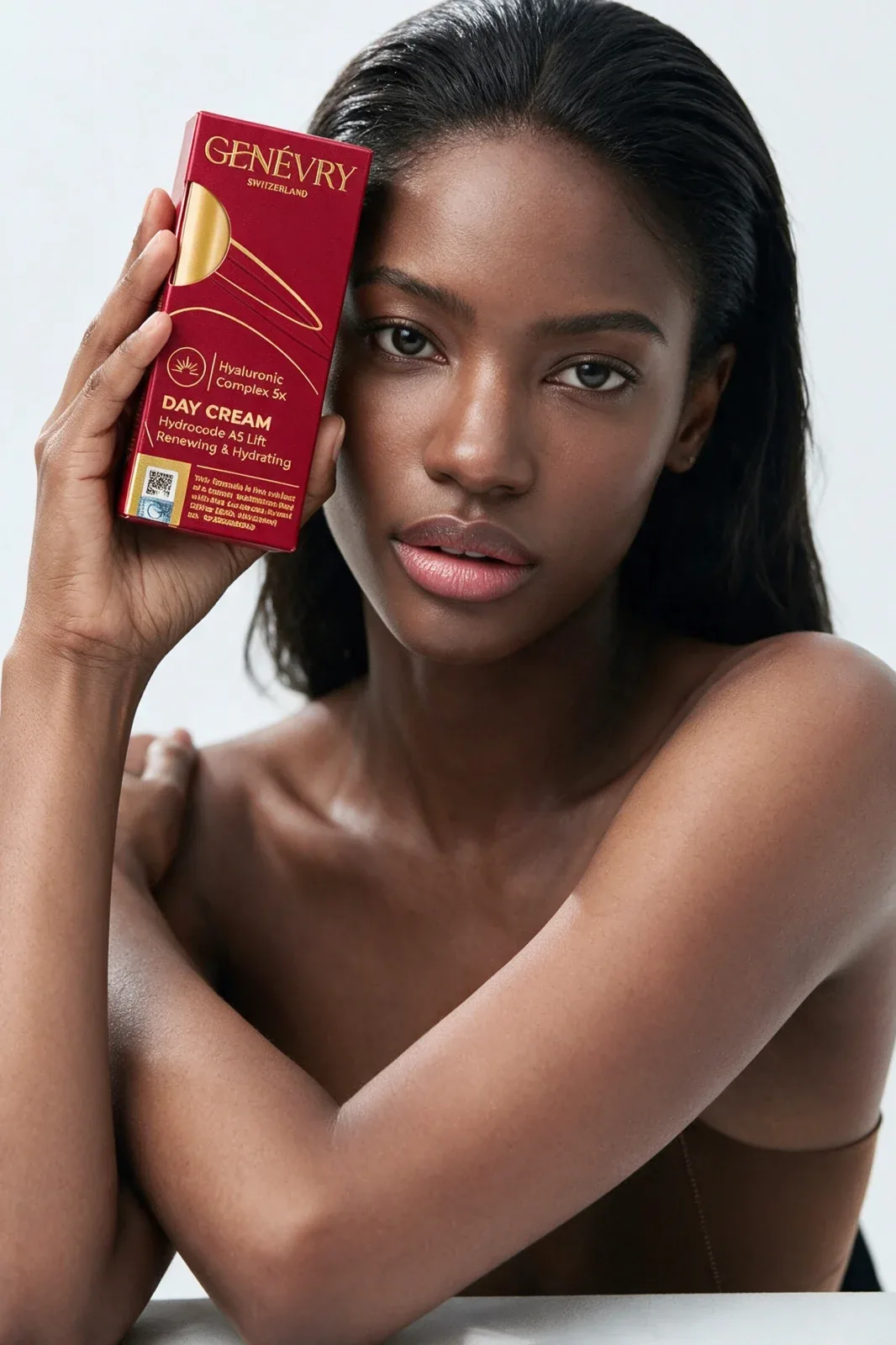
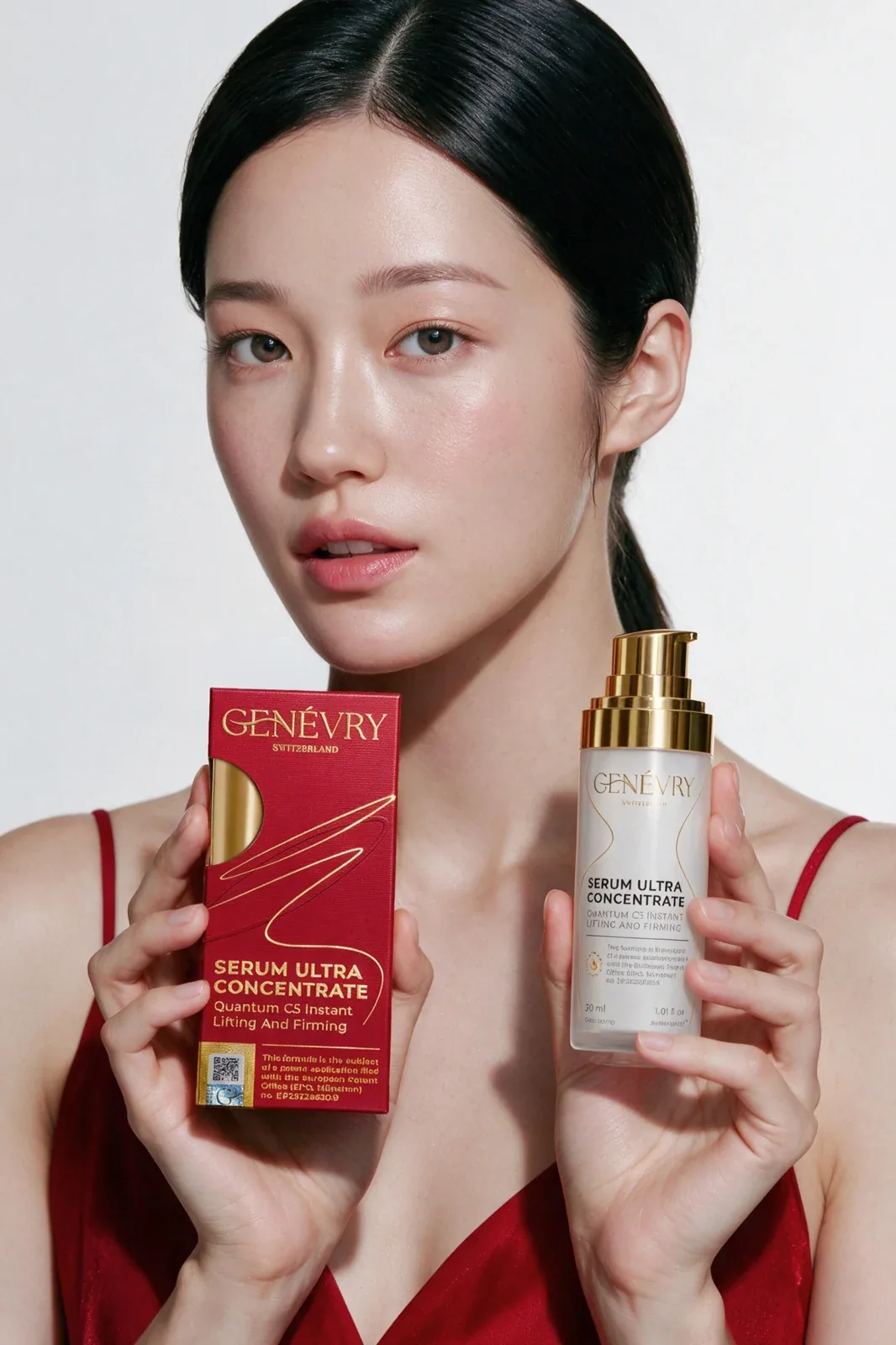
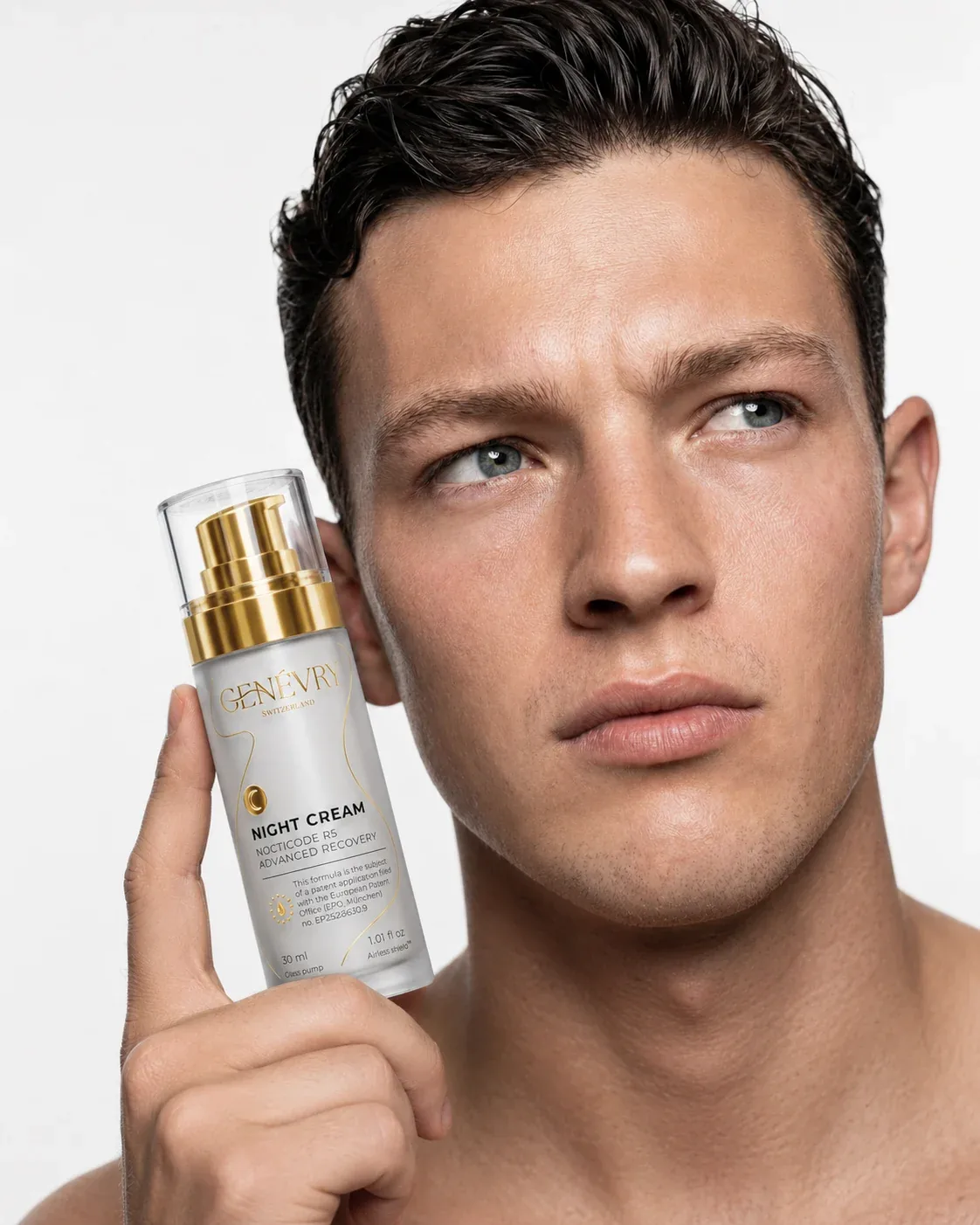
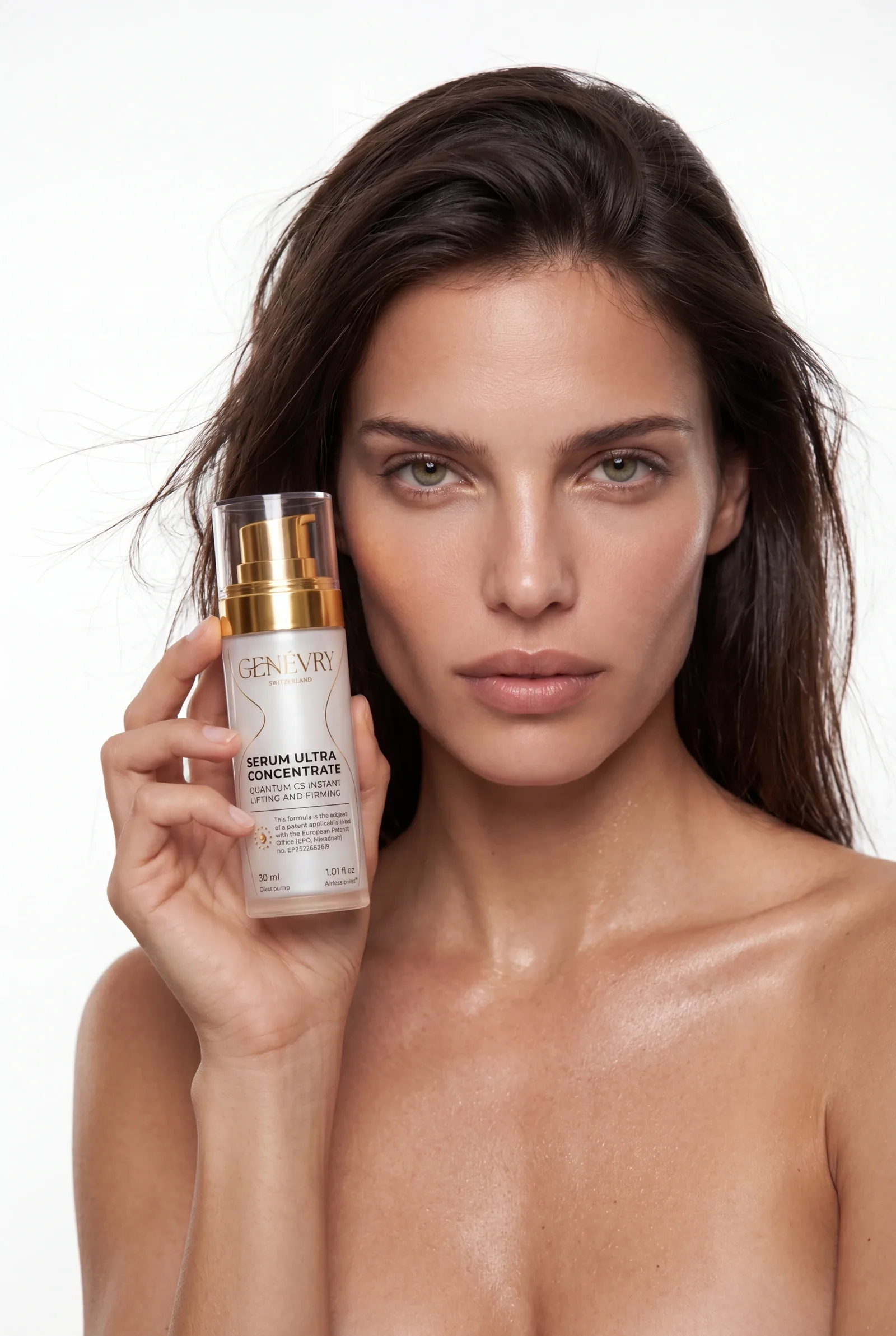
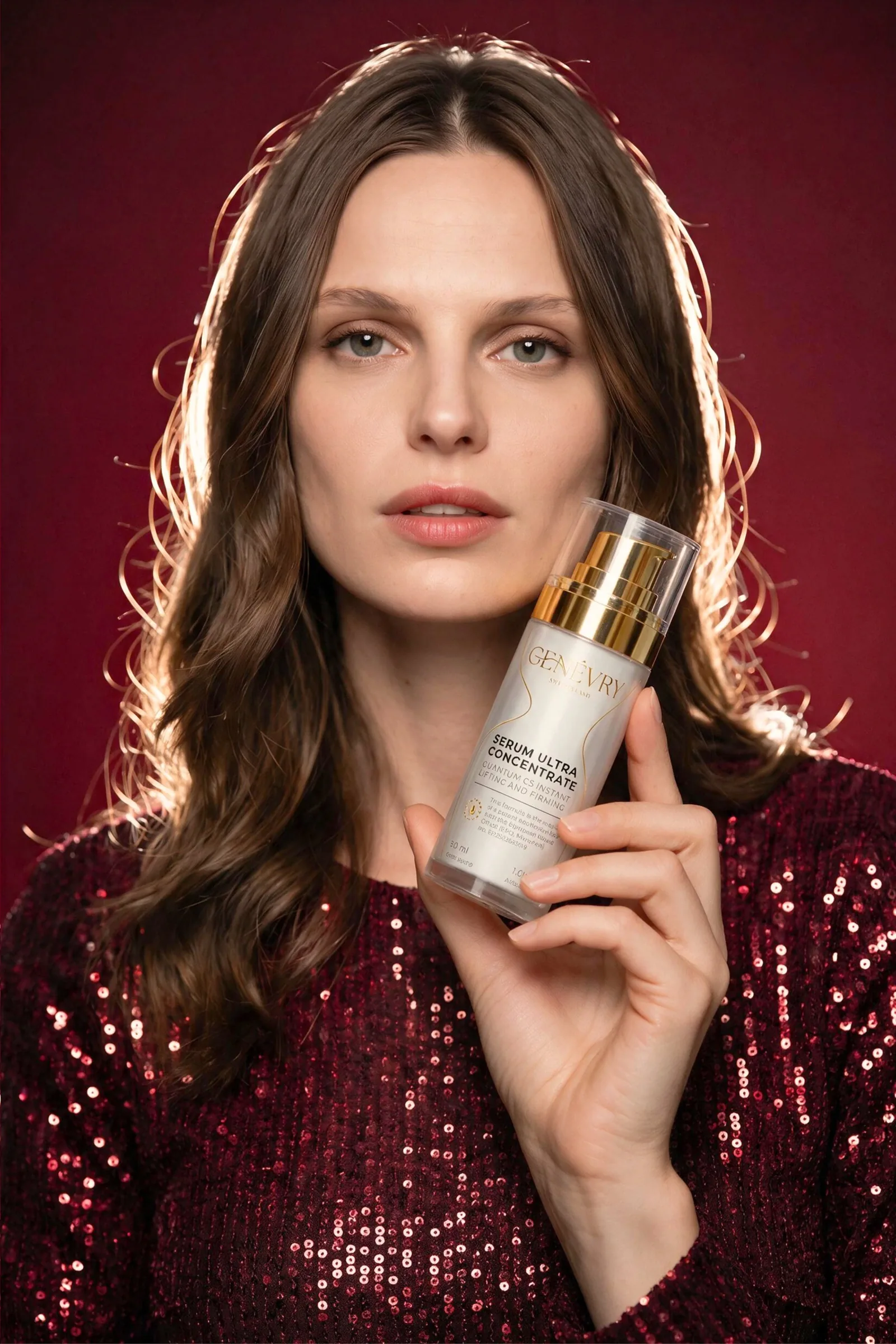
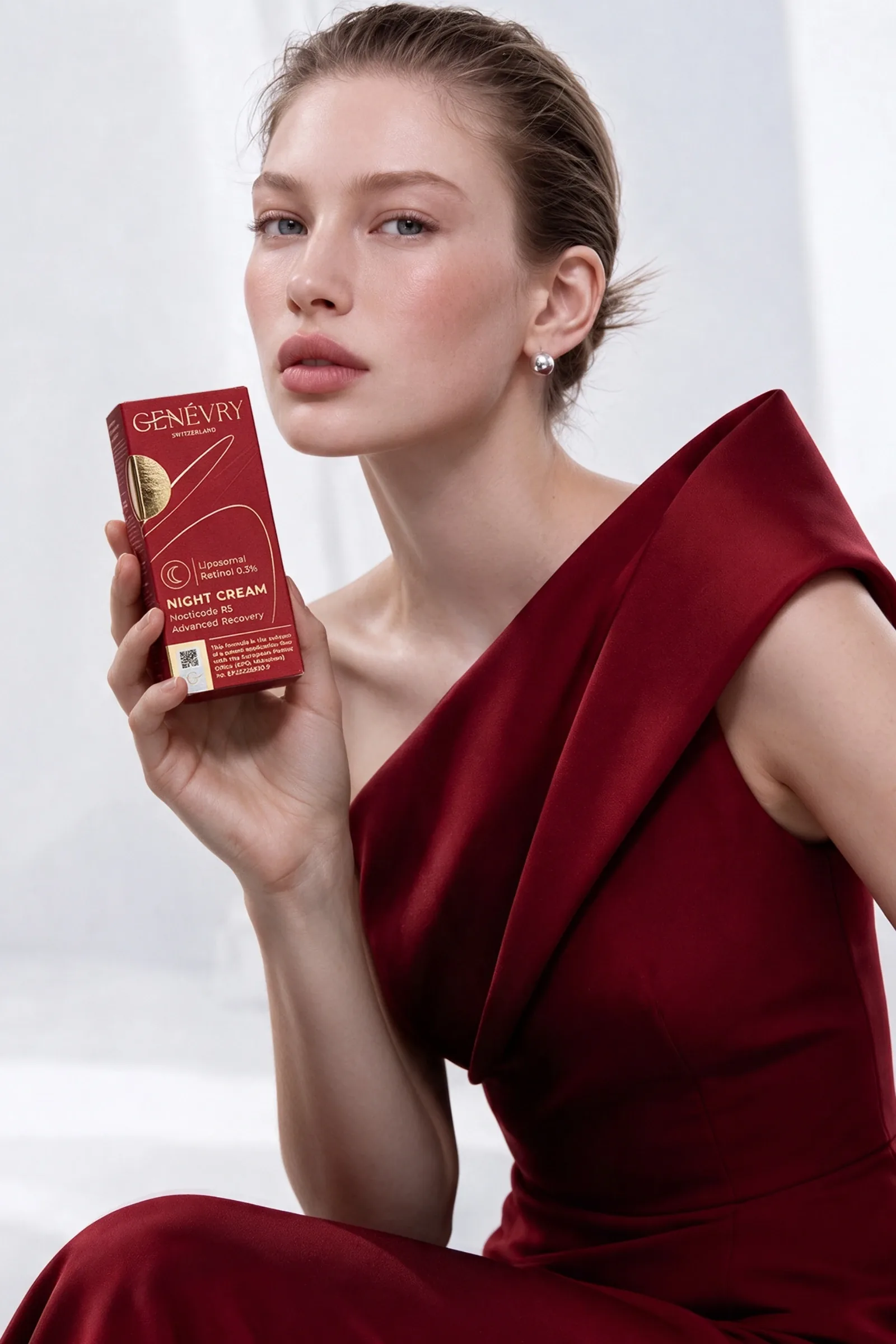
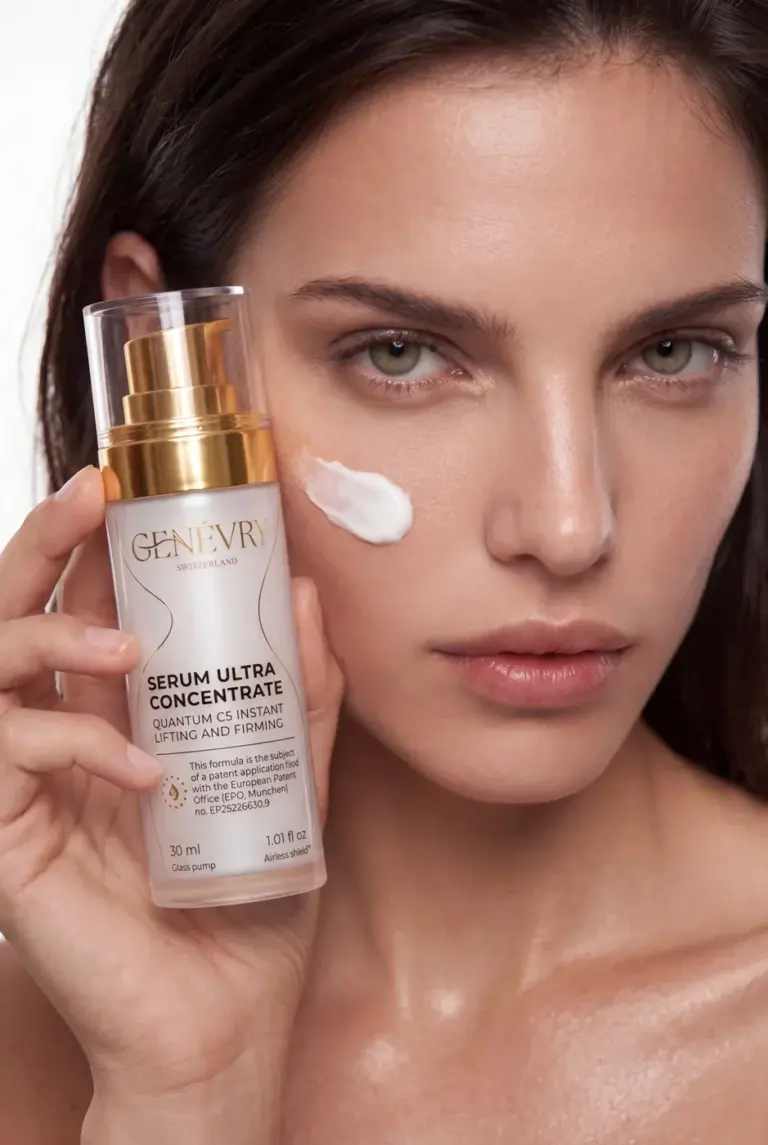
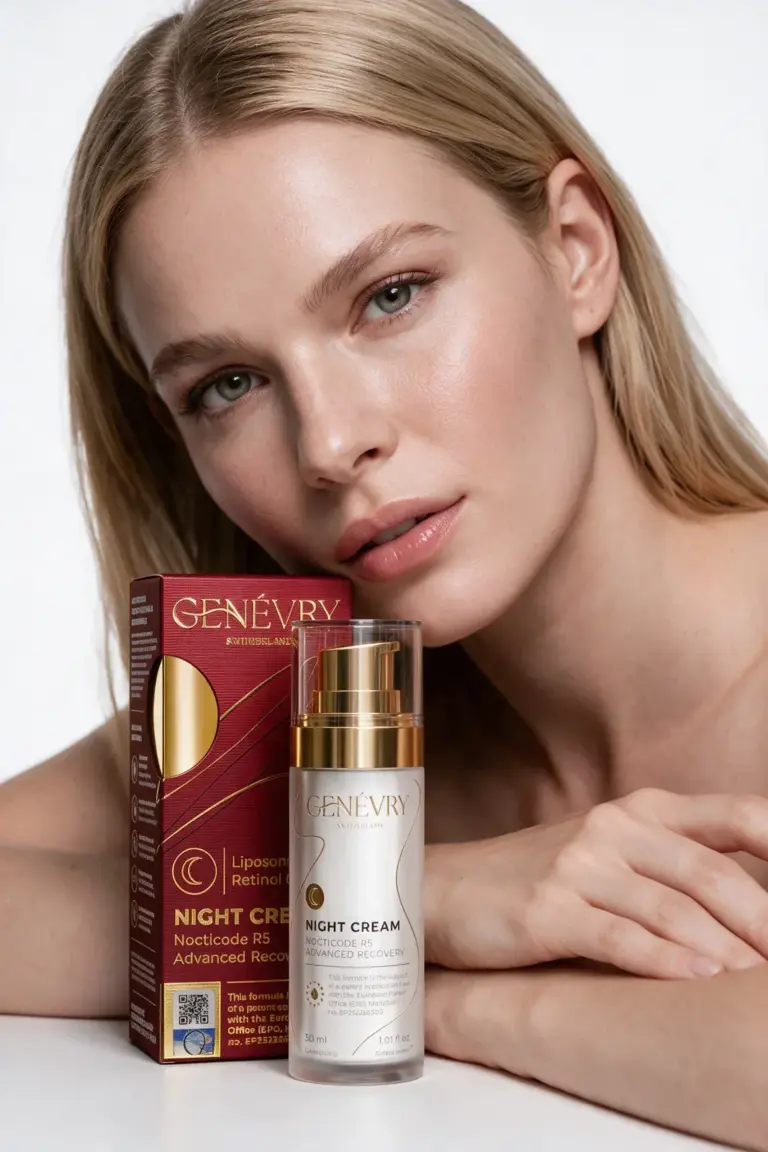
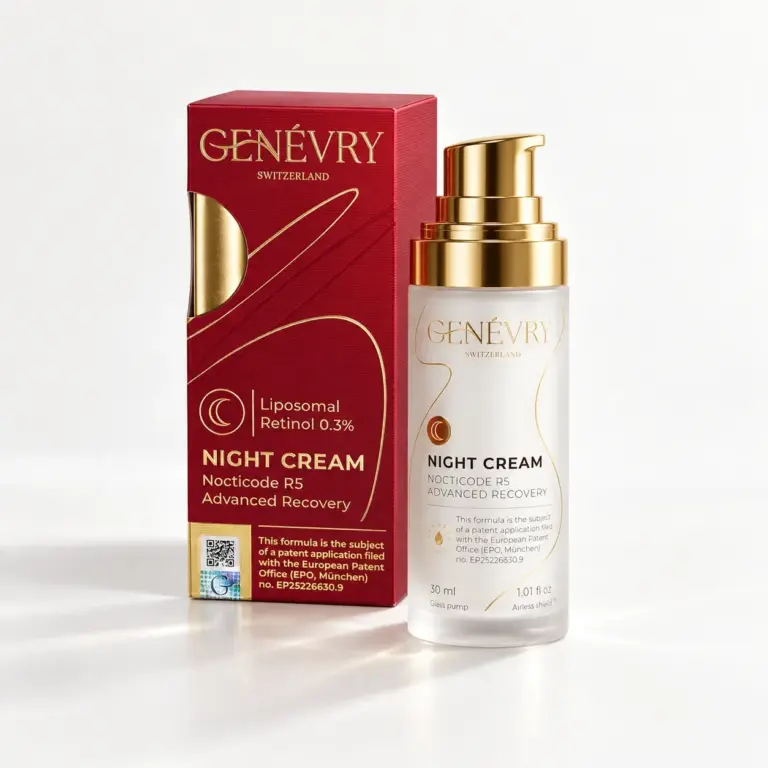
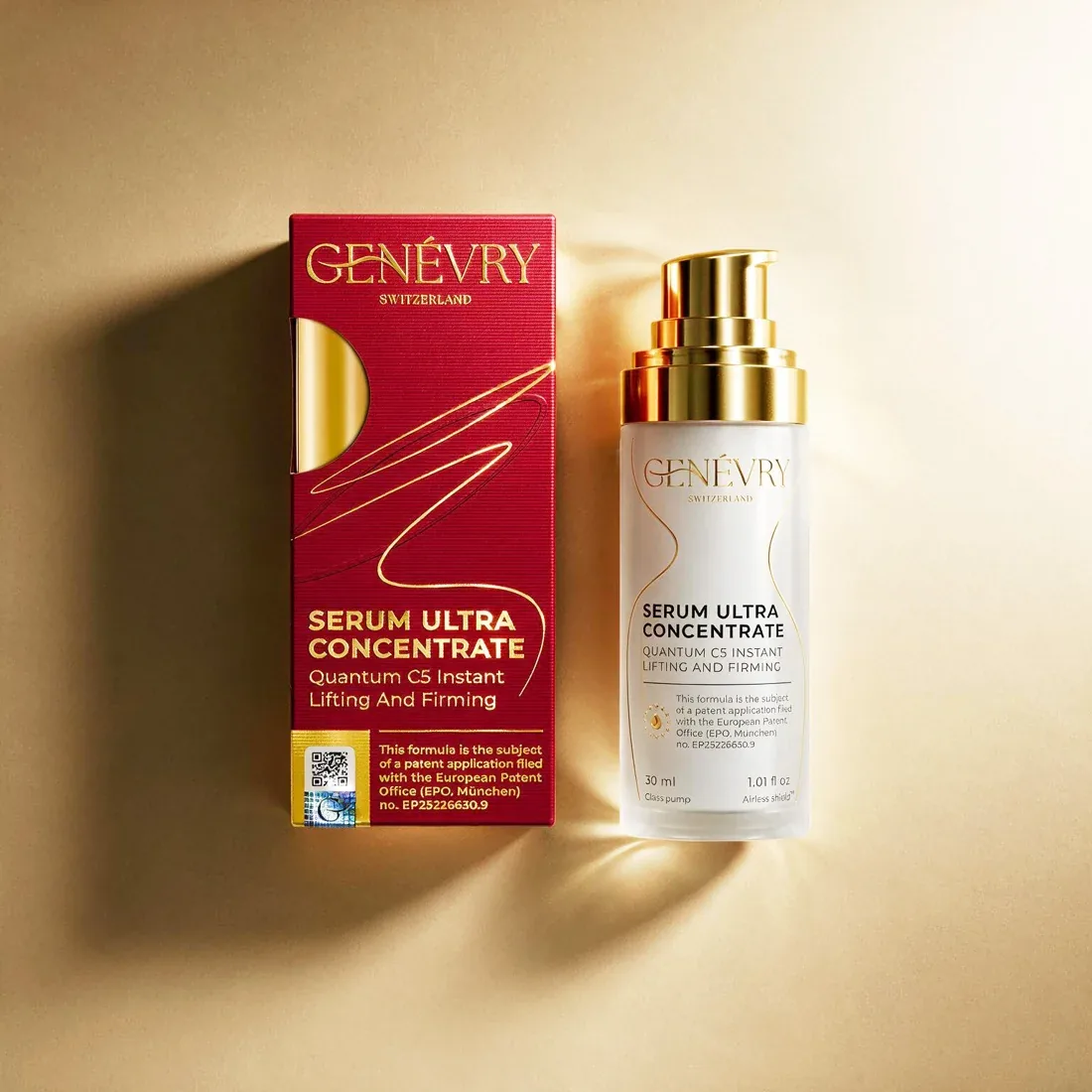
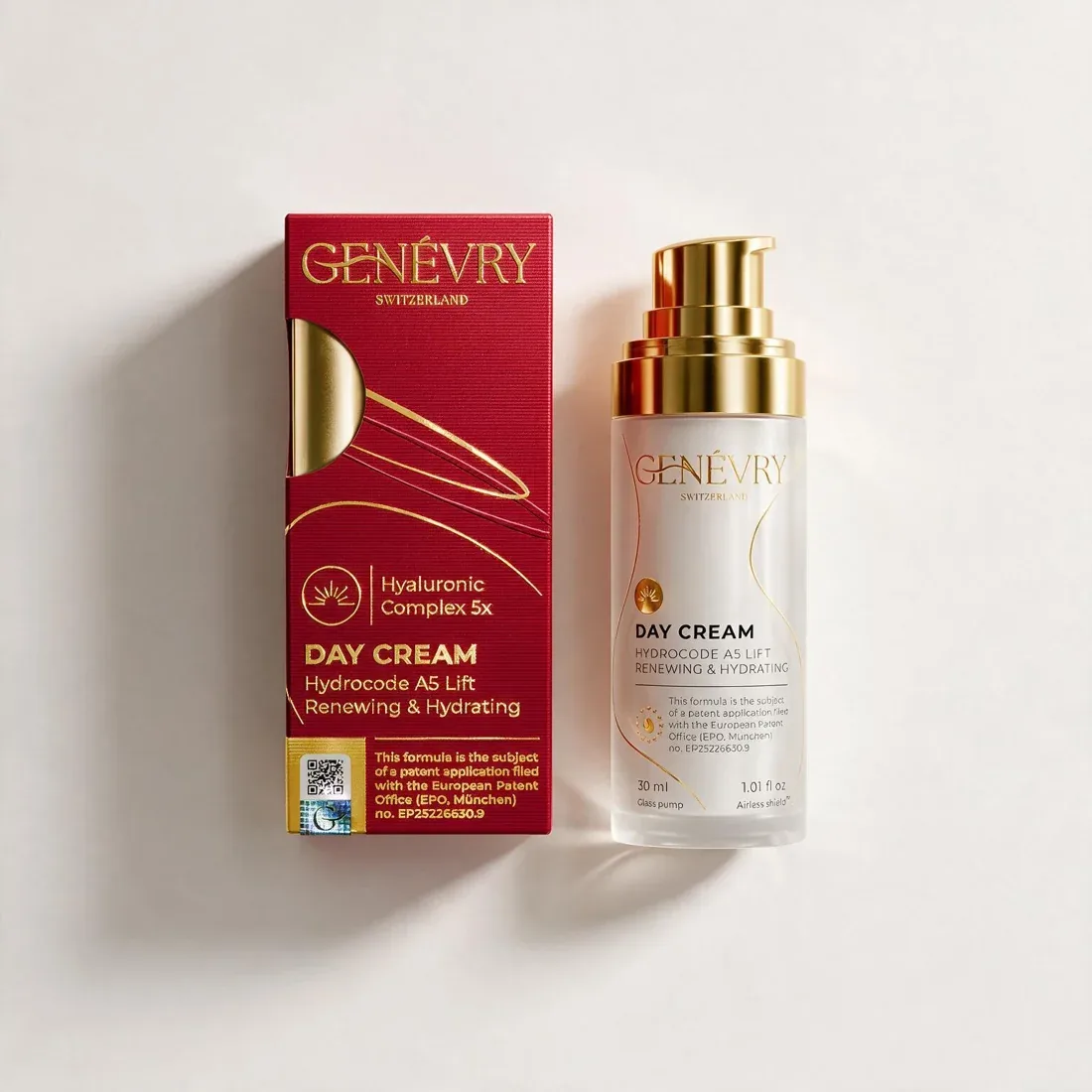
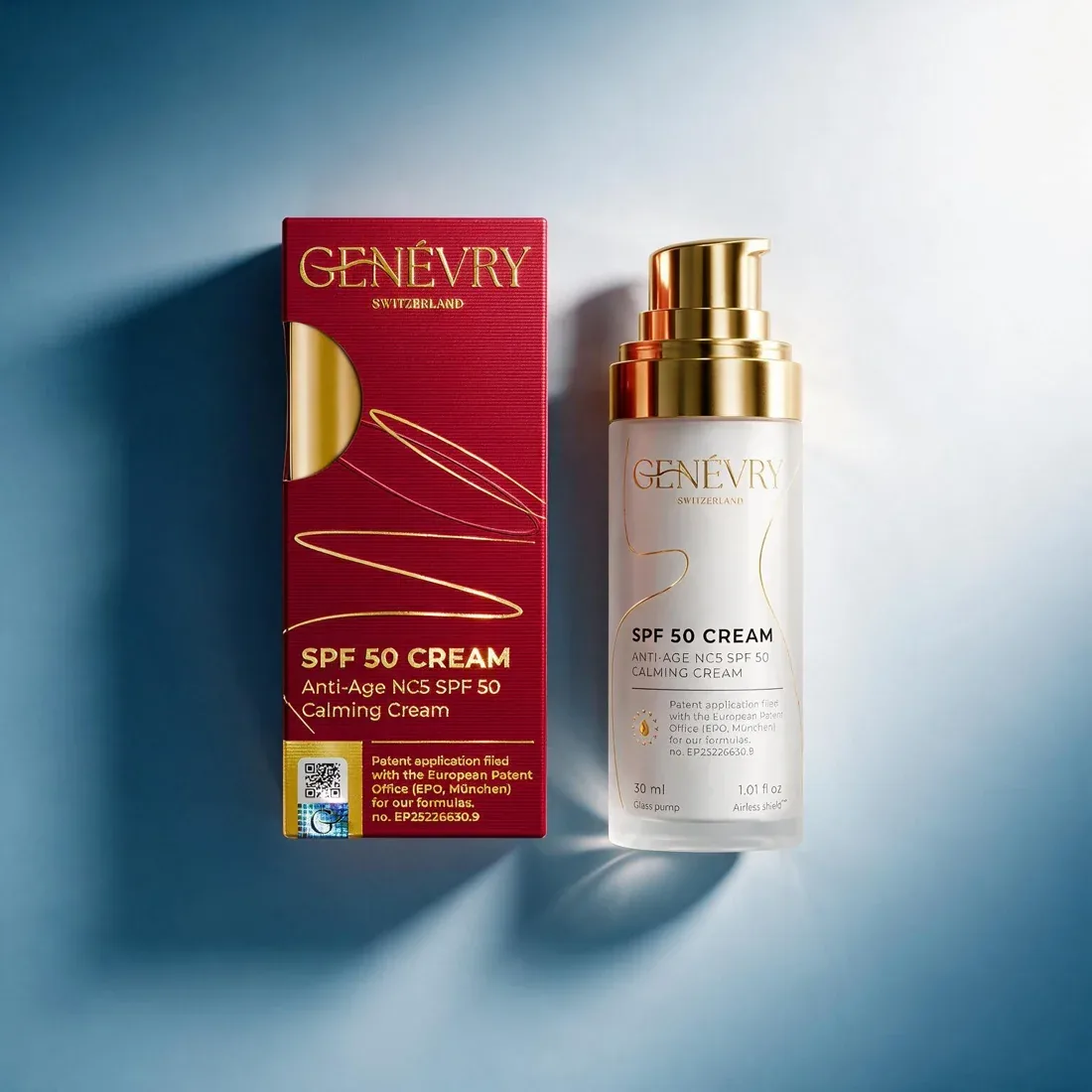
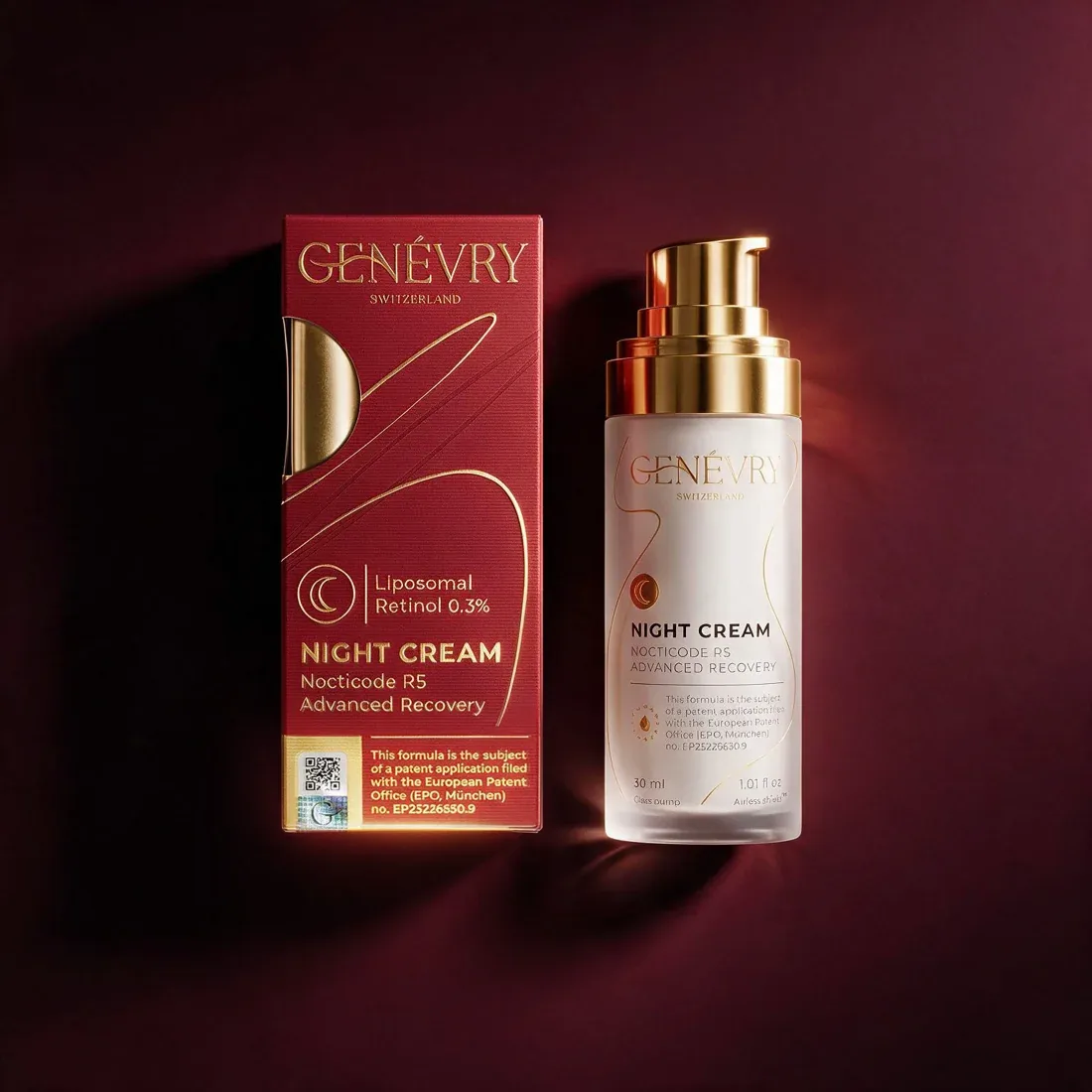
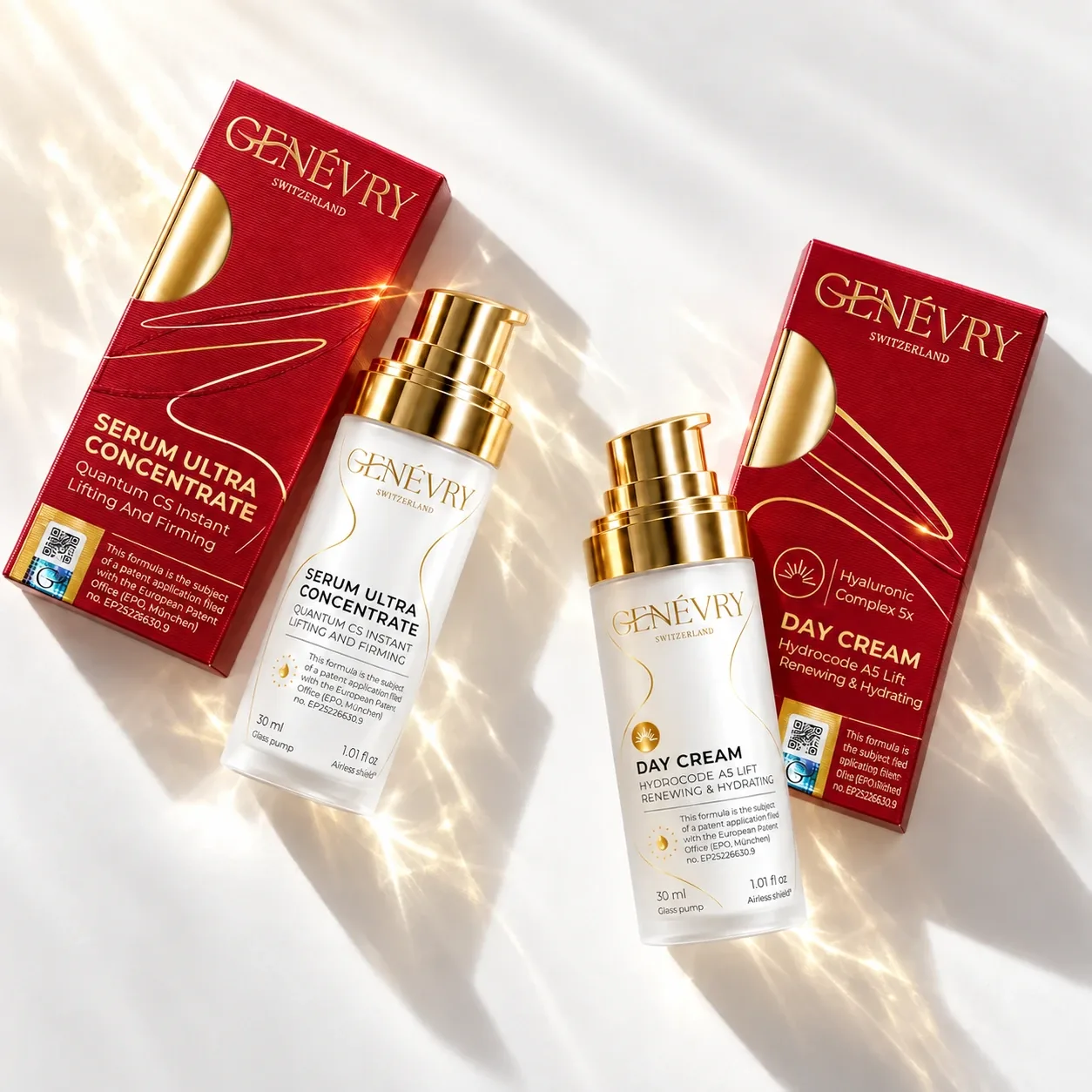
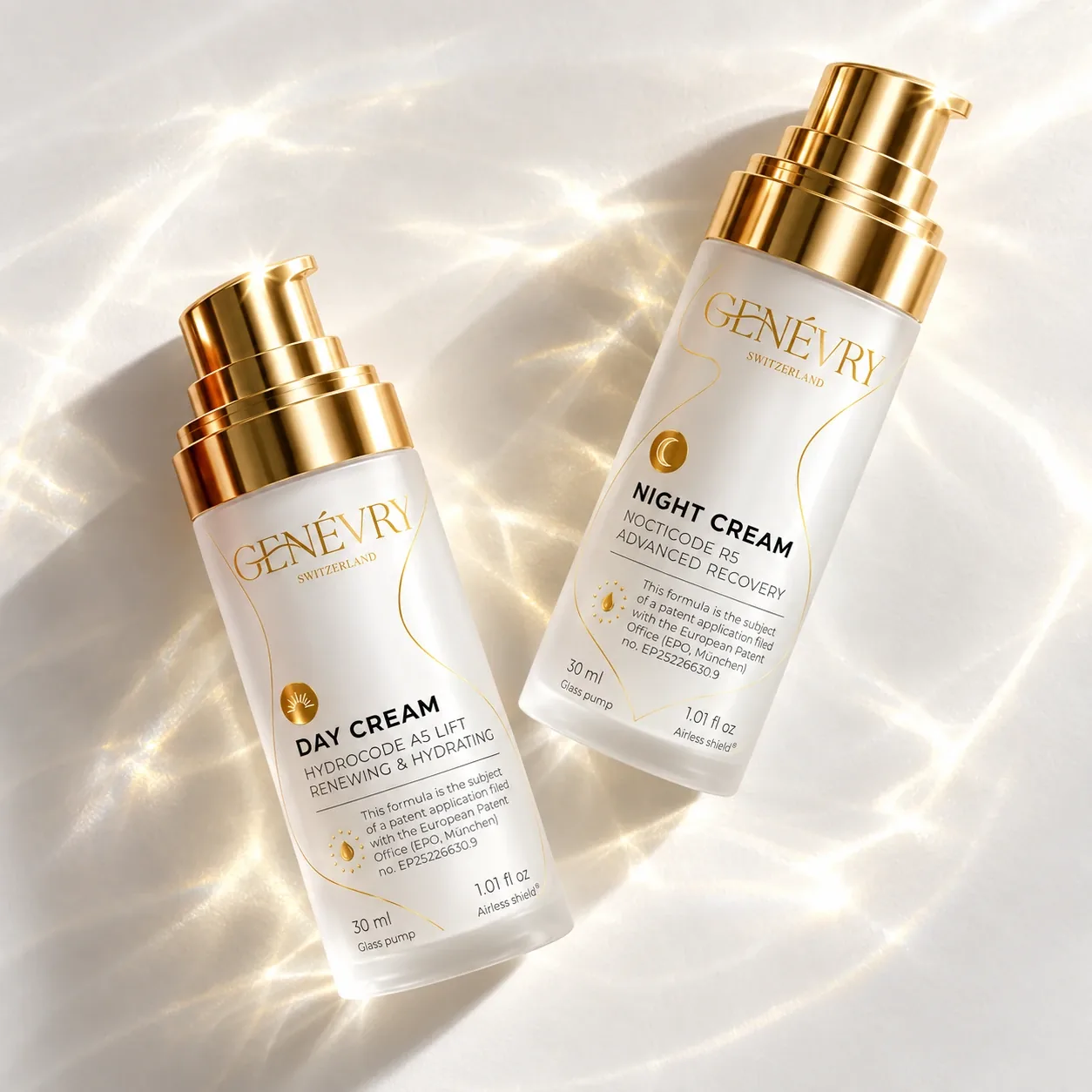
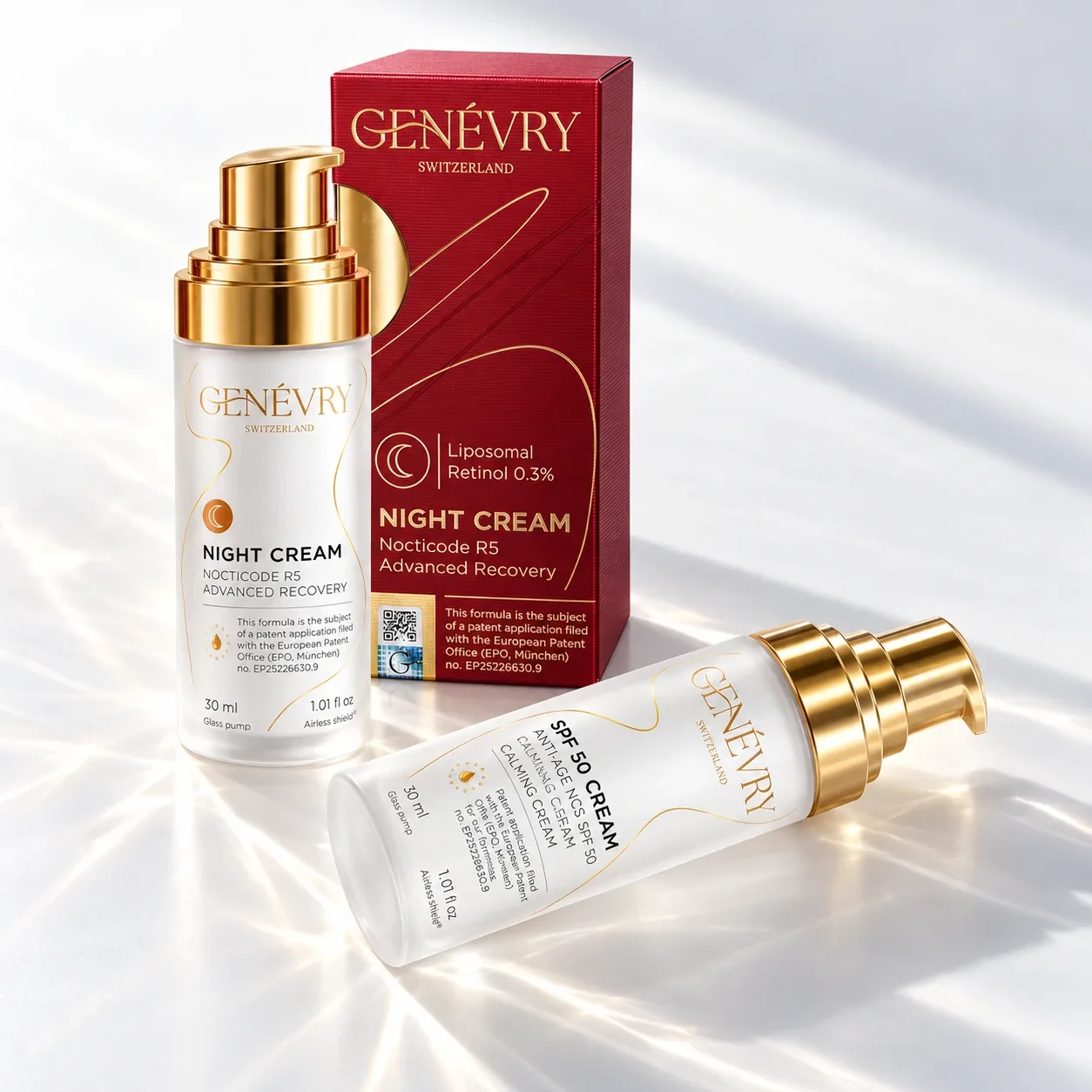
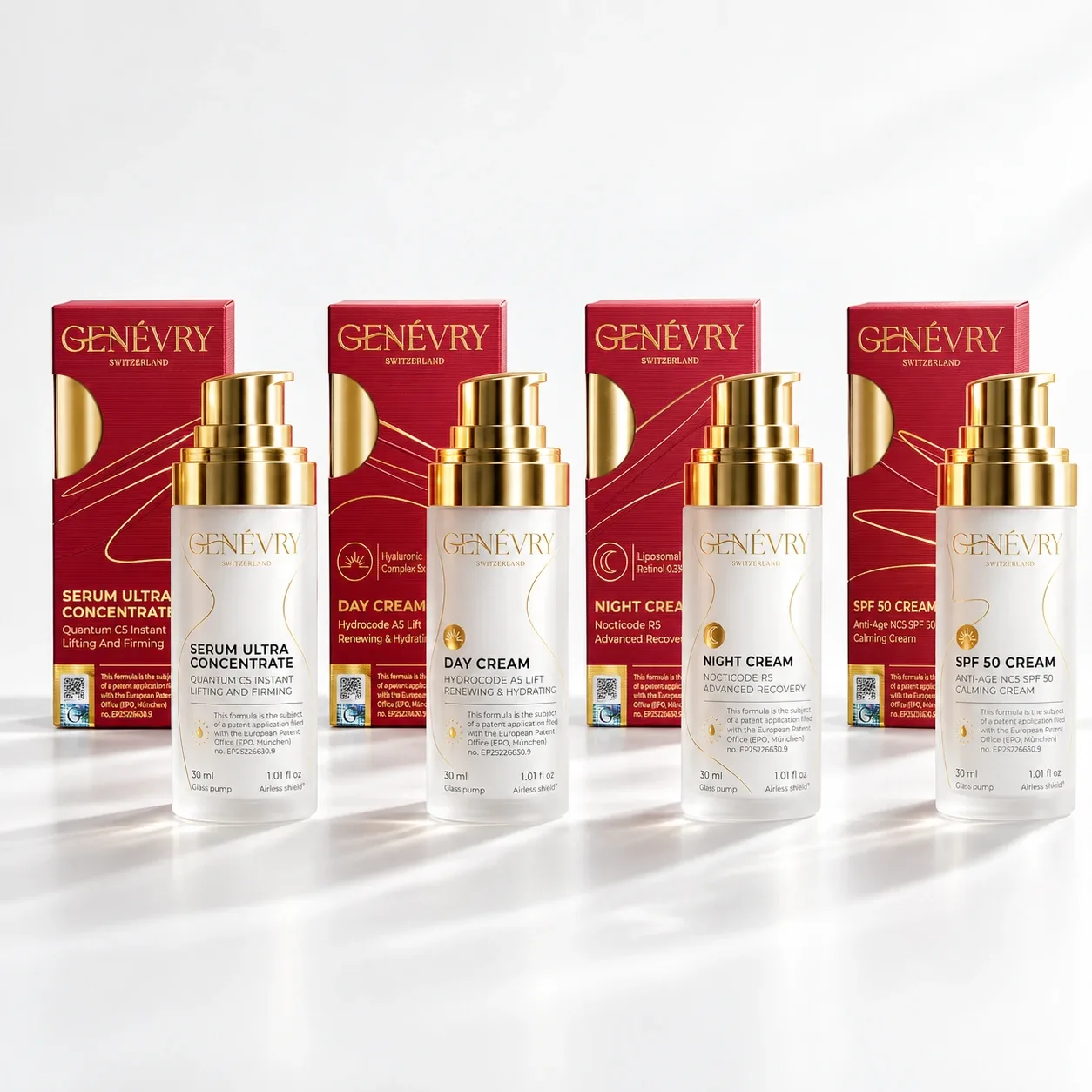
GENÉVRY formulas are built around different actives. The Quantum C5 serum pairs the copper peptide GHK-Cu with liposomal vitamin C; the Hydrocode A5 Lift day cream handles hydration and comfort; Nocticode R5 works in the evening on 0.3% liposomal retinol. Niacinamide is not among their ingredients — if you use it from a separate product, the simplest place is the watery layer after cleansing, before serum and cream.
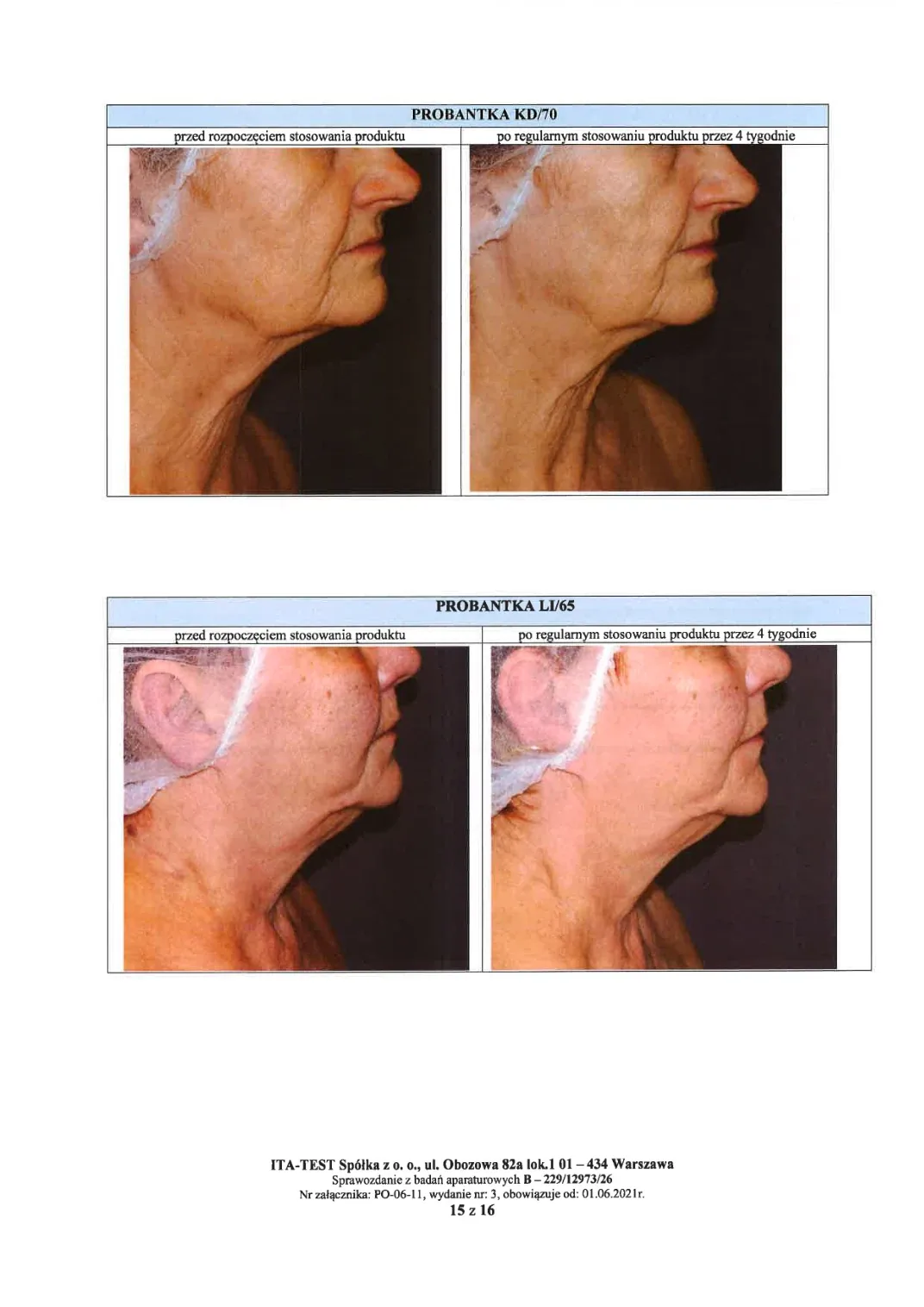
In instrumental testing of the Quantum C5 serum (Corneometer CM 825, four weeks, n=10), mean skin hydration rose by 33%; the Hydrocode A5 Lift cream recorded 41% under the same protocol. These are hydration measurements in small groups, not findings about niacinamide — we quote them because they are what our own documentation covers. For a ready-made morning pairing, The Morning Duo brings both steps together.
The order stays the same whatever the brand: thinnest texture to richest, protection last. On vitamin C and its different forms, we go into more detail in our piece on liposomal versus plain vitamin C.
Frequently asked questions
Can niacinamide be used every day?
Yes, and that is how it was used in the studies above — usually twice daily for four to twelve weeks. If you are starting with a higher concentration, keep the first week to one application a day.
How long before anything shows?
Work on sebum and tone recorded the first meaningful shifts at two to four weeks; the trial on the appearance of lines at eight to twelve. Judging it earlier tells you very little.
Does niacinamide irritate?
It is regarded as well tolerated, but at higher concentrations some people report stinging and redness, particularly with visible capillaries. In the 2011 melasma trial, side effects appeared in 18% of participants using 4% niacinamide. They usually settle once the concentration or frequency comes down.
Is niacinamide safe in pregnancy?
Any skincare decision during pregnancy or breastfeeding belongs with your doctor — the same goes for skin conditions and prescribed medication. With retinoids the rule is unambiguous: not in pregnancy.
Does 10% work better than 5%?
There is no convincing evidence that it does. The documented benefits were obtained at 2–5%, and higher concentrations are associated more often with discomfort than with extra results.
Niacinamide carries no legend. It promises no breakthrough, but it has twenty years of sound publication behind it and a reputation for rarely troubling anyone. In skincare those are the valuable ingredients: the quiet background against which stronger actives can do their work calmly.
The formulas in this article
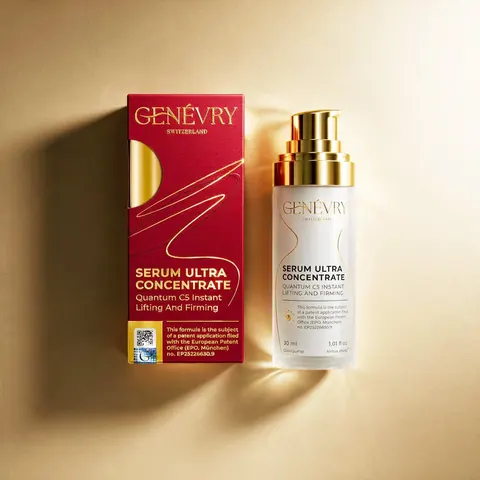 Quantum C5Ультраконцентрована сироватка€31.90Discover the formula →
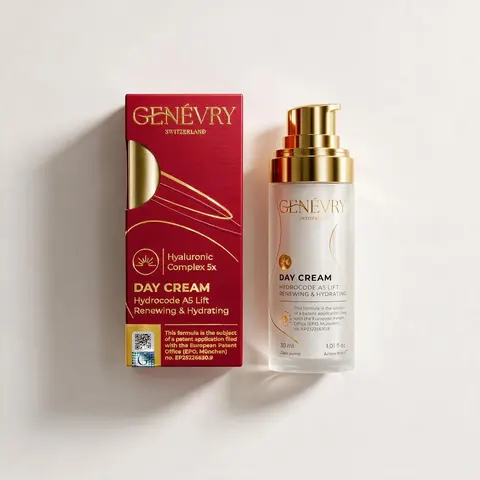 Hydrocode A5 LiftОновлювальний денний крем€34.90Discover the formula →
Cosmetic product. Individual results may vary.

 English / EUR
 English (US) / USD
 English (UK) / GBP
 Deutsch / EUR
 Deutsch (Schweiz) / CHF
 Français / EUR
 Italiano / EUR
 Español / EUR
 Nederlands / EUR
 Polski / PLN
 日本語 / JPY
 한국어 / KRW
 中文 / CNY
 العربية / AED
 English (Australia) / AUD
 English (Canada) / CAD
 Svenska / SEK
 Dansk / DKK
 Norsk / NOK
 Suomi / EUR
 Português / EUR
 Türkçe / TRY
 Čeština / CZK
 Magyar / HUF
 Română / RON
 Ελληνικά / EUR
 Slovenčina / EUR
 Hrvatski / EUR
 Slovenščina / EUR
 Lietuvių / EUR
 Latviešu / EUR
 Eesti / EUR
 Български / EUR
 Українська / EUR