Vitamin E and ferulic acid: the duo that stabilises vitamin C
Tocopherol protects the oily side of skin, ferulic acid keeps the formula stable. Next to vitamin C they form a combination taken from research.
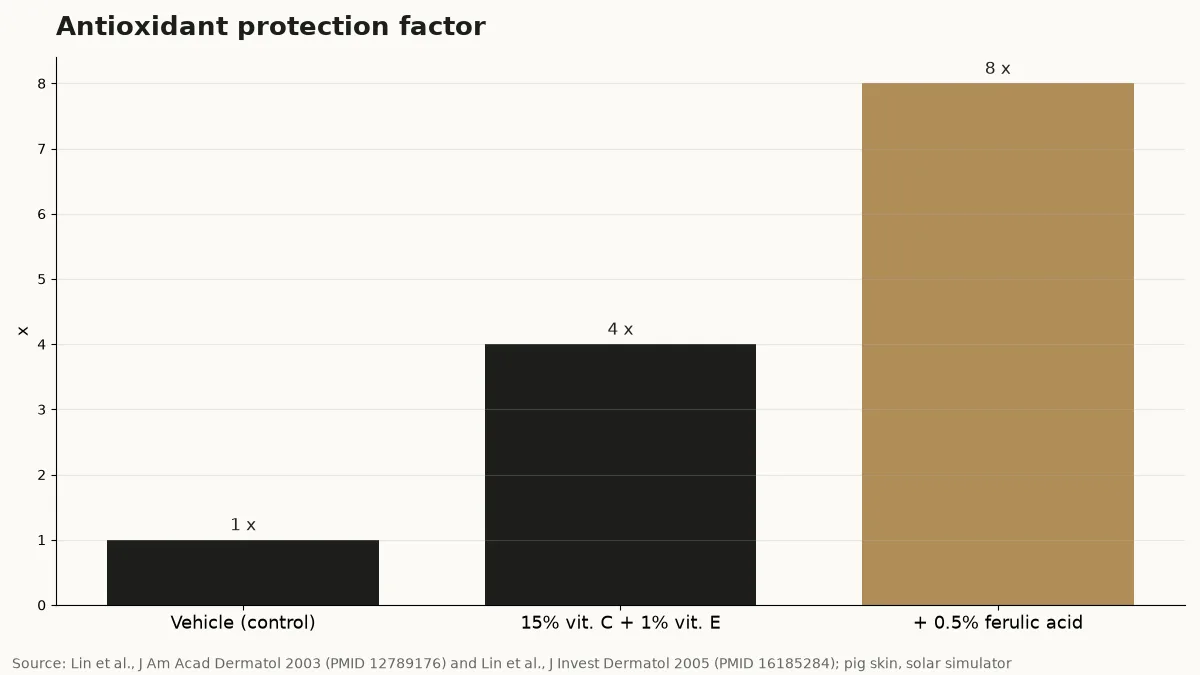
Vitamin E and ferulic acid are the two antioxidants you almost always find sitting next to vitamin C on an ingredient list. Tocopherol works in the oily part of the skin and slows the oxidation of the formula itself; ferulic acid stabilises the whole mixture and strengthens its antioxidant effect. In work led by Sheldon Pinnell at Duke University, adding 0.5% ferulic acid to a solution of 15% vitamin C and 1% vitamin E doubled the antioxidant protection of skin, from fourfold to roughly eightfold.
- On the label, vitamin E usually appears as Tocopherol (the free form) or Tocopheryl Acetate (an ester, more stable in the jar).
- Ferulic acid (INCI: Ferulic Acid) is a plant compound, most abundant in rice bran, wheat bran and coffee beans.
- The study formula from Duke University: 15% L-ascorbic acid, 1% alpha-tocopherol, 0.5% ferulic acid.
- The numbers: fourfold antioxidant protection for the C + E pair (Lin 2003), about eightfold once ferulic acid was added (Lin 2005), measured on pig skin under a solar simulator.
- Not a sunscreen. Murray 2008 described antioxidants as a supplement to sun protection, working by a different mechanism than UV filters.
- Regulation: in the consolidated text of Regulation (EC) 1223/2009 (version of 18 May 2026) neither Tocopherol nor Ferulic Acid has its own entry with a concentration limit.
Vitamin E and ferulic acid: what they actually are
Vitamin E is not one molecule but a family of eight: four tocopherols and four tocotrienols. Alpha-tocopherol dominates in human skin, and it is the form most cosmetic research deals with. Because it dissolves in fat, it collects wherever fat is: in cell membranes, in the lipids between corneocytes, in sebum. The chemistry behind the different forms is set out in the Wikipedia entry on vitamin E.
Ferulic acid belongs to the hydroxycinnamic acids. Plants build it into their cell walls, where it stiffens the structure and shields the tissue from radiation. That is where the cosmetic raw material comes from: rice bran, wheat bran, coffee beans, sugar beet pulp. In a finished product it does two jobs at once, protecting skin and keeping the other antioxidants from falling apart in the bottle. The molecule is described in the entry on ferulic acid.
Why these two next to vitamin C
Vitamin C is water-soluble, vitamin E is fat-soluble. Skin has both phases, so no single antioxidant covers all of it. The two also regenerate each other: once tocopherol has donated an electron and become a tocopheroxyl radical, ascorbic acid can return it to its active form. Ferulic acid adds a third layer by slowing the oxidation of the solution itself.
The practical conclusion, for anyone standing in front of a shelf: when a vitamin C serum also lists Tocopherol and Ferulic Acid, that combination is copied from the published literature rather than invented by a marketing department.
What the research actually showed
The first paper the whole industry cites appeared in 2003 in the Journal of the American Academy of Dermatology. Lin, Pinnell and colleagues made a stable aqueous solution of 15% L-ascorbic acid and 1% alpha-tocopherol, applied it to pig skin for four days, then irradiated it with a solar simulator. The antioxidant protection factor came out at four. Ascorbic acid alone and tocopherol alone were also protective, but the combination beat both (PMID 12789176).
Two years later the same group published a paper on ferulic acid in the Journal of Investigative Dermatology. Adding 0.5% ferulic acid improved the chemical stability of both vitamins and doubled the protection, from fourfold to approximately eightfold, measured by erythema and by sunburn cell formation (PMID 16185284).
A third paper, Murray 2008, moved the same formula onto human skin in vivo. Volunteers had 15% L-ascorbic acid, 1% alpha-tocopherol and 0.5% ferulic acid applied for four days, then received doses of 2 to 10 MED. The authors reported meaningful protection by every measure they used, and wrote plainly that the mechanism differs from that of sunscreens and that antioxidants should supplement sun protection rather than replace it (PMID 18603326).
Those percentages describe specific research formulas, not every product with vitamin E on the label. An INCI list gives order, not percentages, so the label alone will not tell you whether a brand hit the ratios used in the studies.
Reading the label: forms of vitamin E
“Vitamin E” on the front of a box can mean several different raw materials. They differ in shelf stability and in what happens to them after application.
| INCI name | What it is | What to expect |
|---|---|---|
| Tocopherol | Free vitamin E, usually a mixture of tocopherols | Active straight away, but oxidises faster on its own; often included to protect the oils in the formula |
| Tocopheryl Acetate | An ester of vitamin E with acetic acid | More stable in the pack; in skin it needs enzymes to split the ester, which is why research on photoprotection uses pure alpha-tocopherol |
| Tocopheryl Linoleate, Tocopheryl Glucoside | Other tocopherol derivatives | A compromise between stability and availability; seen less often |
| Ferulic Acid | Pure ferulic acid | Works as an antioxidant and as a stabiliser; at higher levels it tints the product yellow |
| Oryza Sativa Bran Extract and similar | Plant extracts that contain ferulic acid among other compounds | The ferulic acid content is not disclosed; treat it as a bonus, not as an equivalent of the pure substance |
Position on the list says something too. Tocopherol listed right at the end, next to the preservatives, is usually there to keep the oils from going rancid. Higher up, in company with vitamin C and ferulic acid, the brand is counting on what it does to skin. Neither case gives you certainty, since concentrations are not published; read the order as a hint from the label, not as a declaration.
What to pair it with, and what to keep apart
Vitamin E and ferulic acid are calm ingredients. Trouble comes less often from tocopherol itself and more often from whatever sits beside it in the routine.
| Ingredient | Pairs with | Care needed | Time of day |
|---|---|---|---|
| Vitamin E (Tocopherol) | Vitamin C, ferulic acid, plant oils, sunscreen | Oily and congestion-prone skin: a heavy oil base carrying the tocopherol can feel like too much | Morning and evening |
| Ferulic acid | Vitamin C, vitamin E, niacinamide | No cosmetic contraindications; with very low-pH vitamin C formulas, sensitive skin may sting | Mainly morning |
| The C + E + ferulic trio | Sunscreen on top, moisturiser | Do not layer it in the same minute as an exfoliating acid; wait, or split them between morning and evening | Morning, under moisturiser and SPF |
| Retinol | Vitamin E in a night cream | Do not combine in one layer with a strongly acidic vitamin serum | Evening |
| AHA/BHA acids | Hydration, ceramides | Same evening as retinol only for skin already used to both | Evening, on alternate nights |
The question that comes up most often is niacinamide. The old warning about it “cancelling out” vitamin C came from studies on raw materials at elevated temperature, not from finished cosmetics. If your skin flushes when you use both, split them between morning and evening; if it does not, there is no reason to separate them. There is more detail in our piece on niacinamide.
Where these raw materials come from
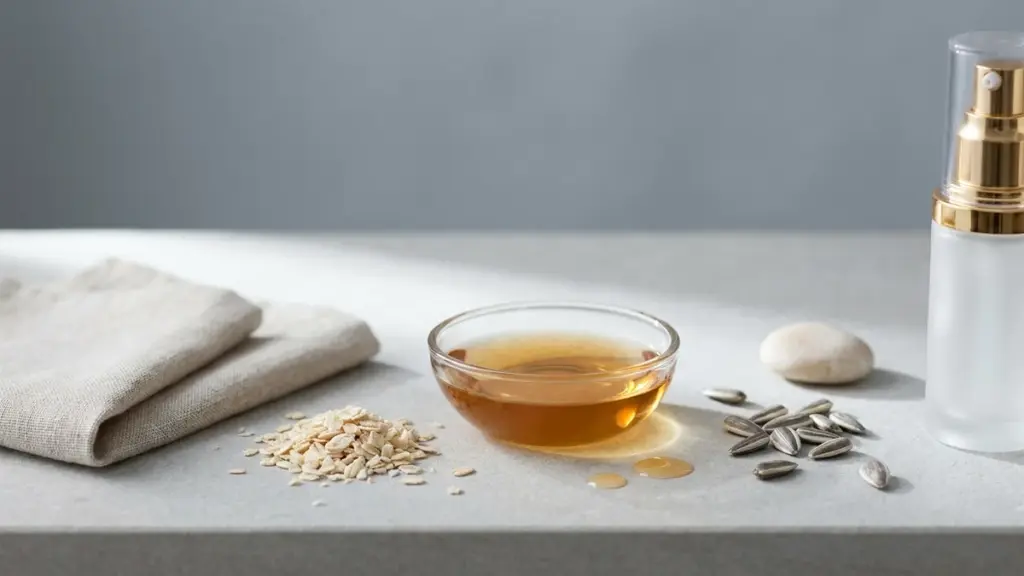
Cosmetic vitamin E comes mostly from vegetable oils. Wheat germ oil, sunflower oil and grapeseed oil are the richest sources, and tocopherol reaches a formula either as an isolated substance or inside the oil that carries it. Suppliers distinguish the natural form, labelled d-alpha-tocopherol, from the synthetic dl-alpha-tocopherol. On an INCI list both usually hide behind the single word Tocopherol, so origin is not something you can read off the pack.
Ferulic acid is recovered from the by-products of grain processing: rice and wheat bran, and also coffee beans and sugar beet. In the plant it is bound to the fibre of the cell wall, so the cosmetic raw material only exists after it has been released chemically or enzymatically and purified. That explains why pure ferulic acid costs more than a bran extract, and why brands are so keen to print it on the front of the bottle.
Two things are easy to confuse here. Wheat germ oil in a formula is not the same as a measured dose of isolated tocopherol, and rice bran extract is not the equivalent of the 0.5% ferulic acid used in Lin 2005. An extract carries dozens of compounds in undisclosed proportions; an isolated substance can be dosed. Both make sense in a formula, but the numbers from the studies apply only to the second case.
Antioxidants in the city
UV is not the only source of free radicals in urban skin. Air pollution, tobacco smoke and ozone act in a similar way, and their effect adds to sun exposure. A morning antioxidant layer therefore earns its place in November too, when the sun barely shows and smog hangs over the city for a week.
Ozone makes the point well. In Thiele’s 1997 study, a two-hour ozone exposure depleted the vitamin E reserve in the stratum corneum of mice in a dose-dependent way, and repeated low doses produced a cumulative effect over six days (PMID 9129228). Three years later the same group showed that an ozone level with no effect on its own still deepened the tocopherol loss caused by UV (PMID 10648834). These are animal studies, so the figures do not transfer directly to people, but the direction is clear: tocopherol behaves like a first line and is used up protecting lipids from oxidation. How pollution and UV combine in skin ageing is covered in our article on air pollution and skin.
Fitting the duo into a routine
Antioxidants belong to the morning, because that is when skin meets radiation and polluted air. Evenings are for other ingredients: retinoids, peptides, lipids.
- Cleanse. Lukewarm water and a gentle cleanser. Hot water leaves that tight feeling and makes the next layers harder to spread.
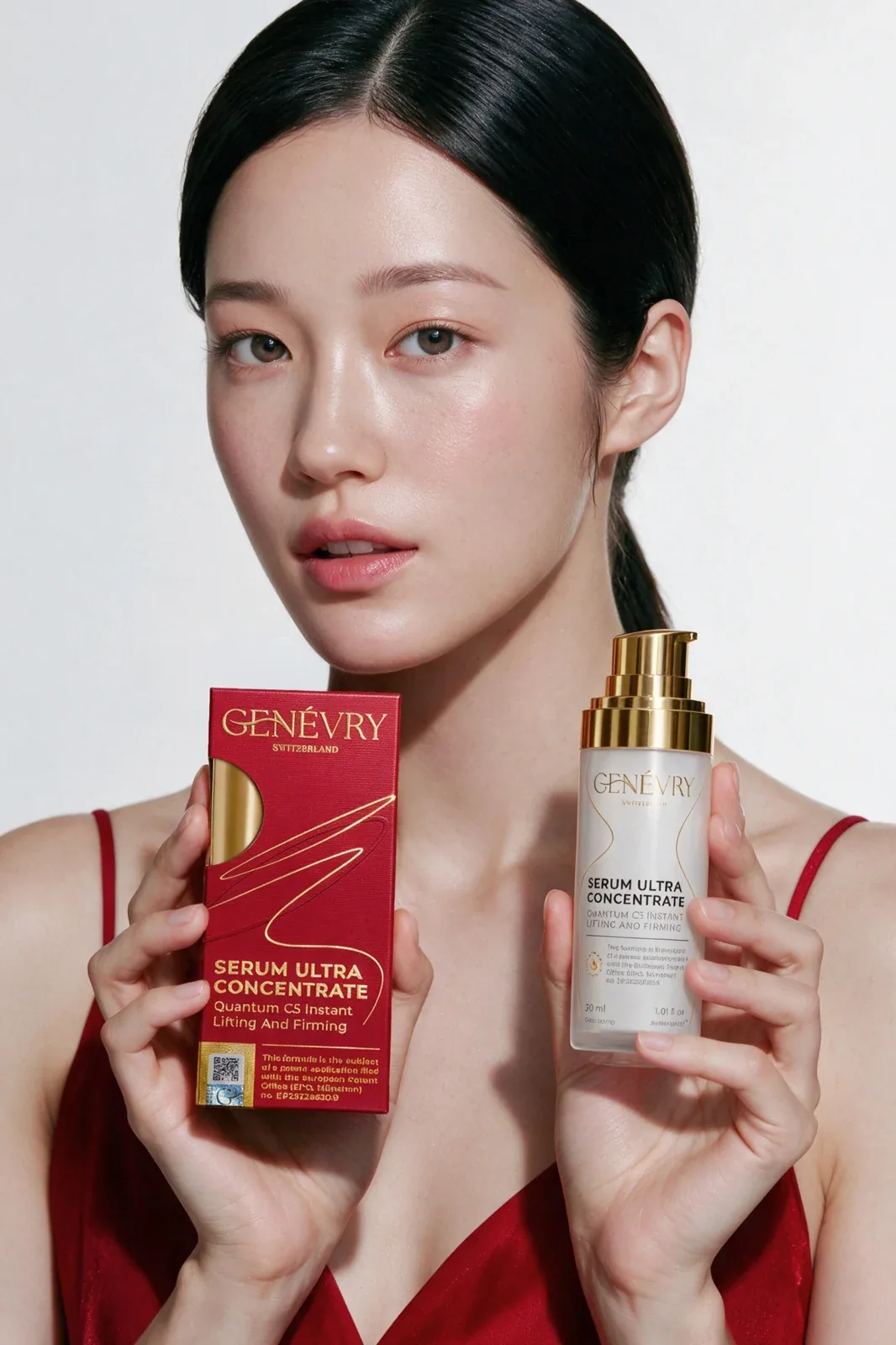
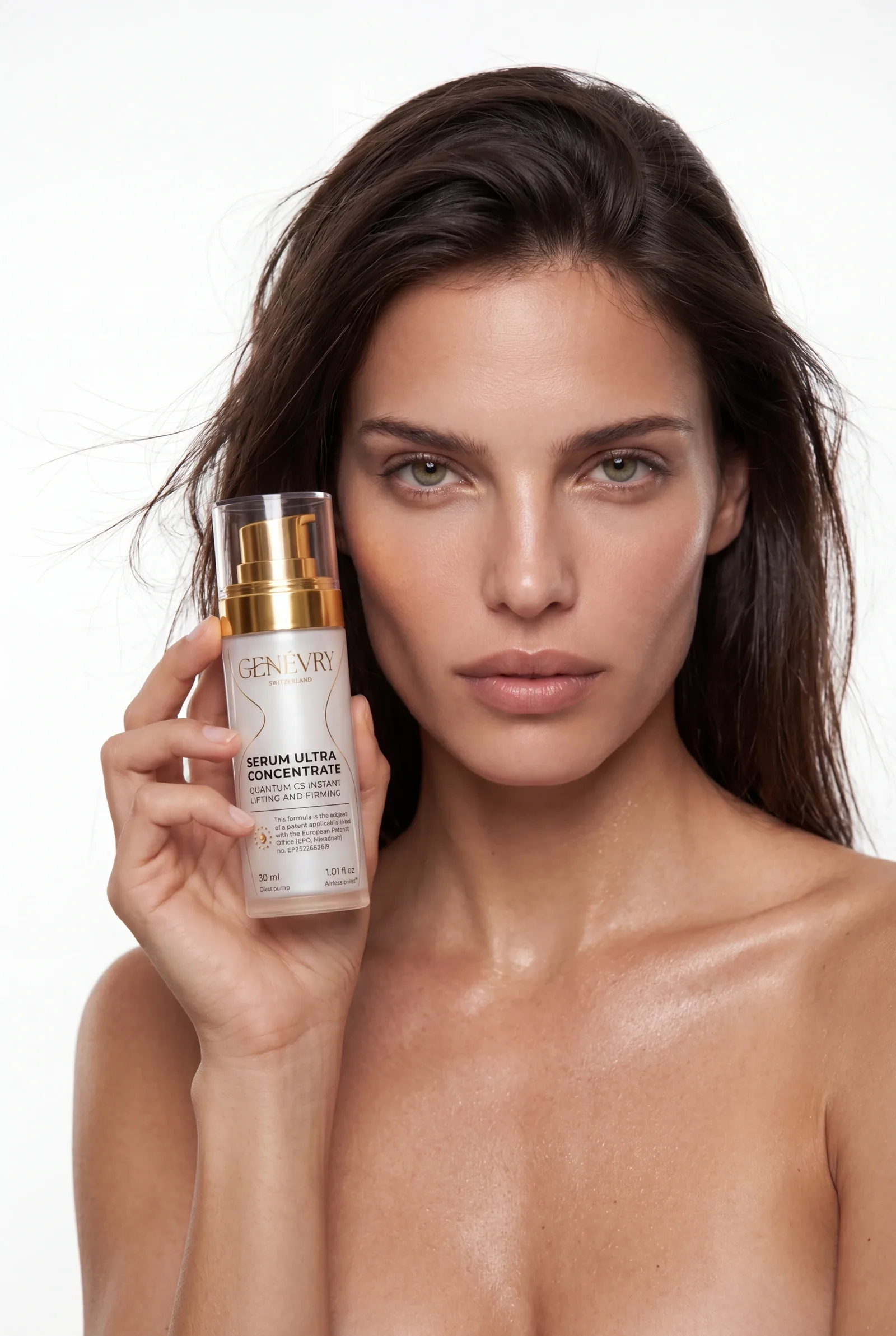
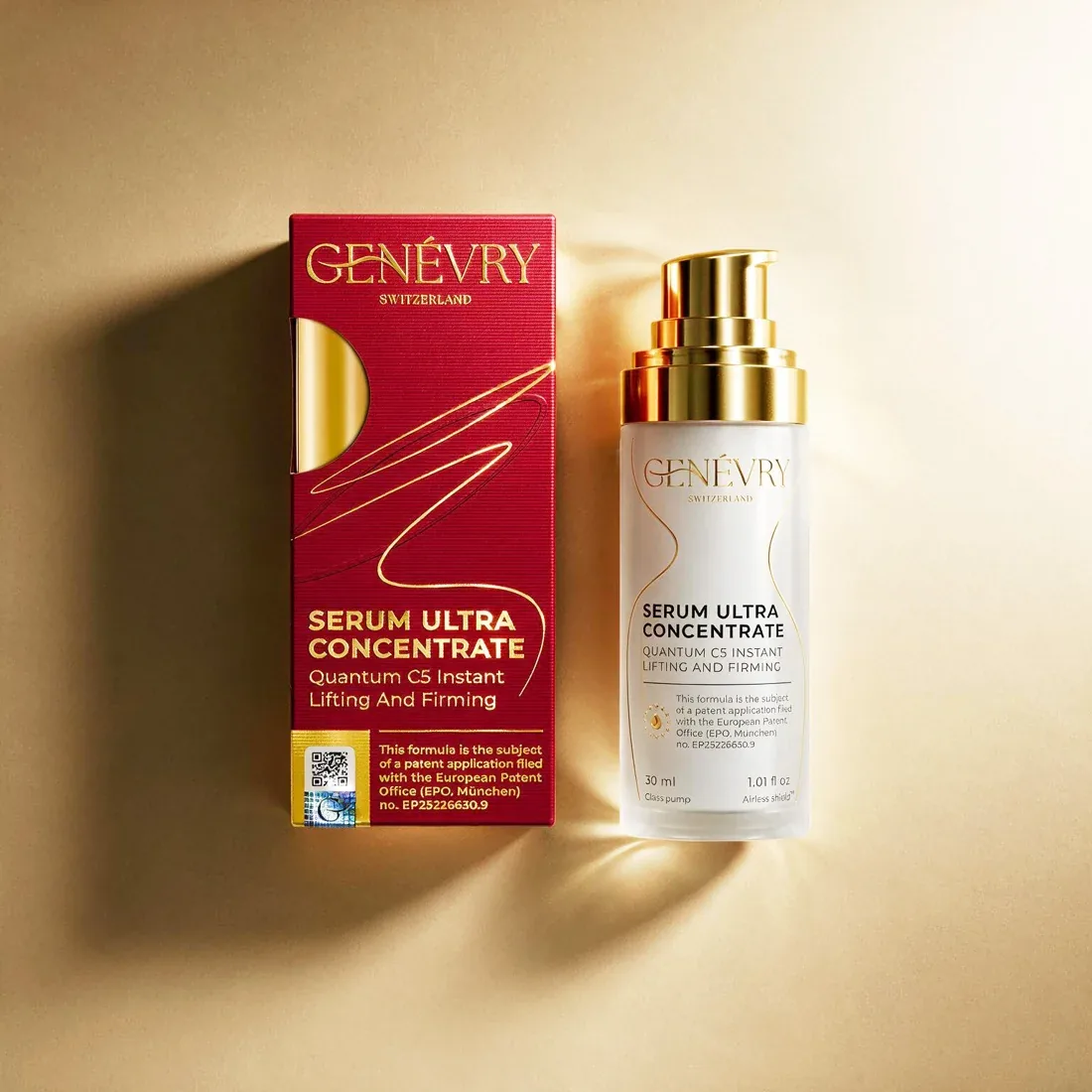
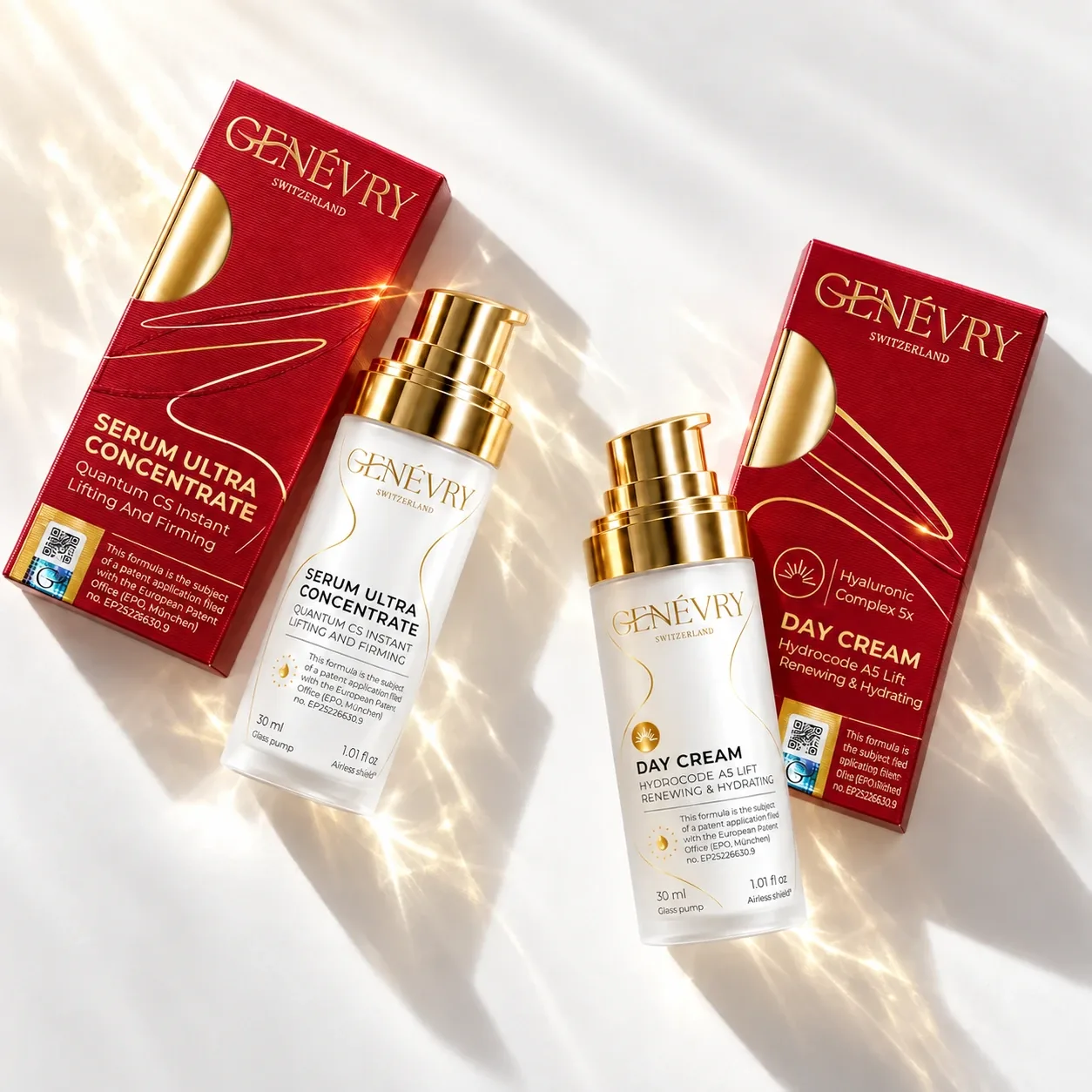
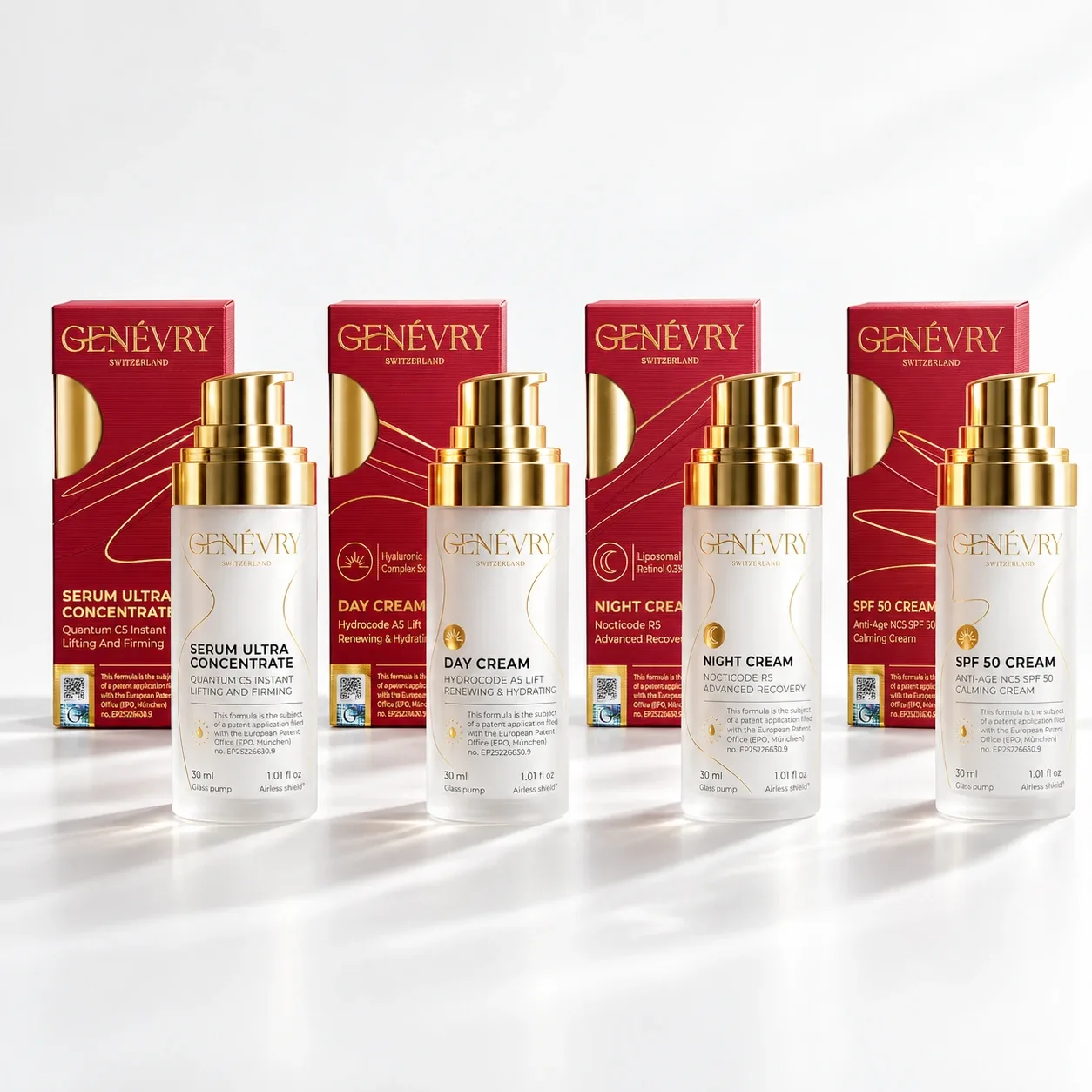
- Antioxidant serum. Two or three drops on dry skin, face and neck, pressed in with the palms rather than rubbed. GENÉVRY Quantum C5 Serum is built around liposomal vitamin C and the copper peptide Copper Tripeptide-1. If you also want tocopherol and ferulic acid in the routine, look for them on the label of a second product, a cream with plant oils for instance.
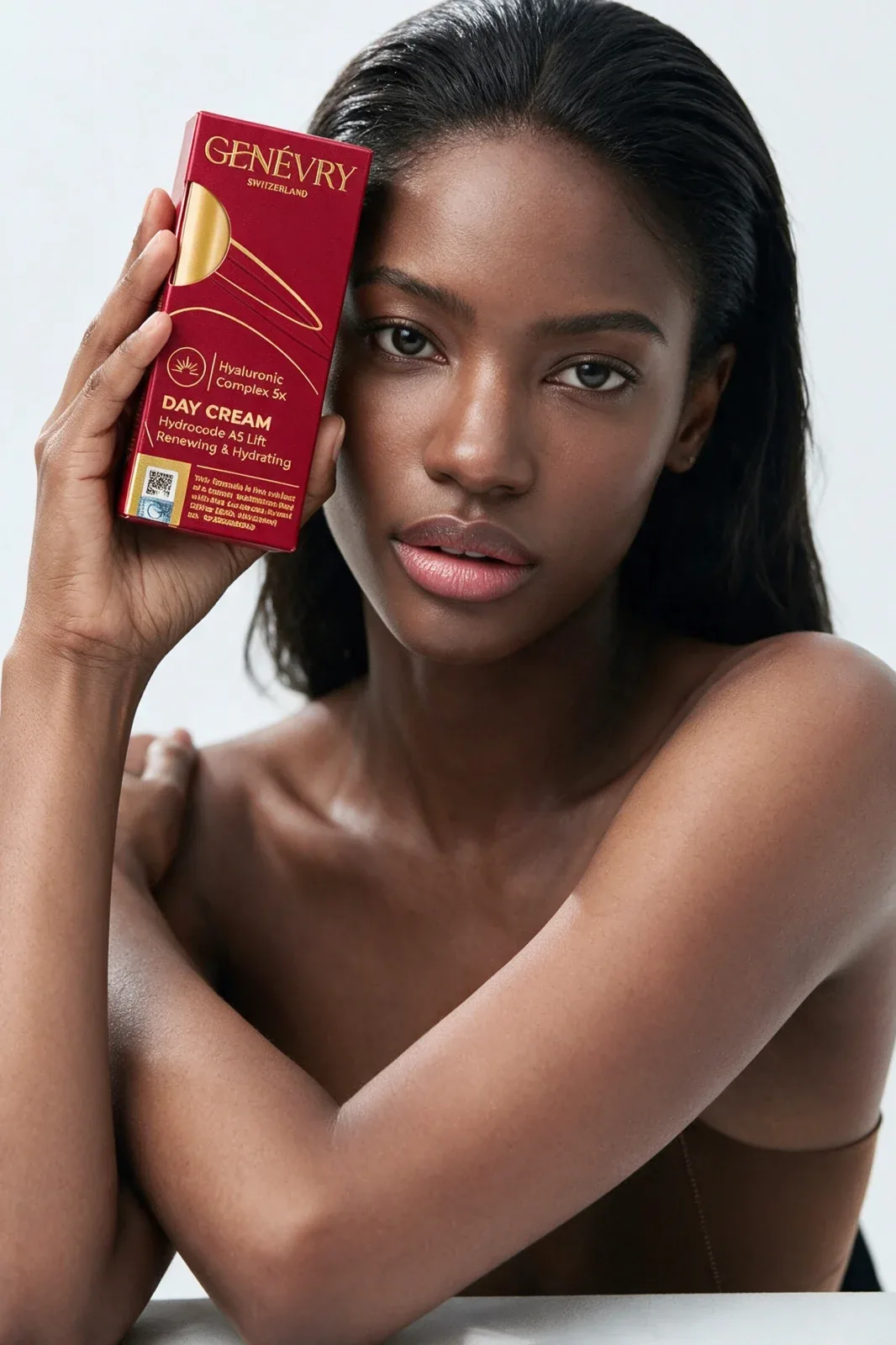
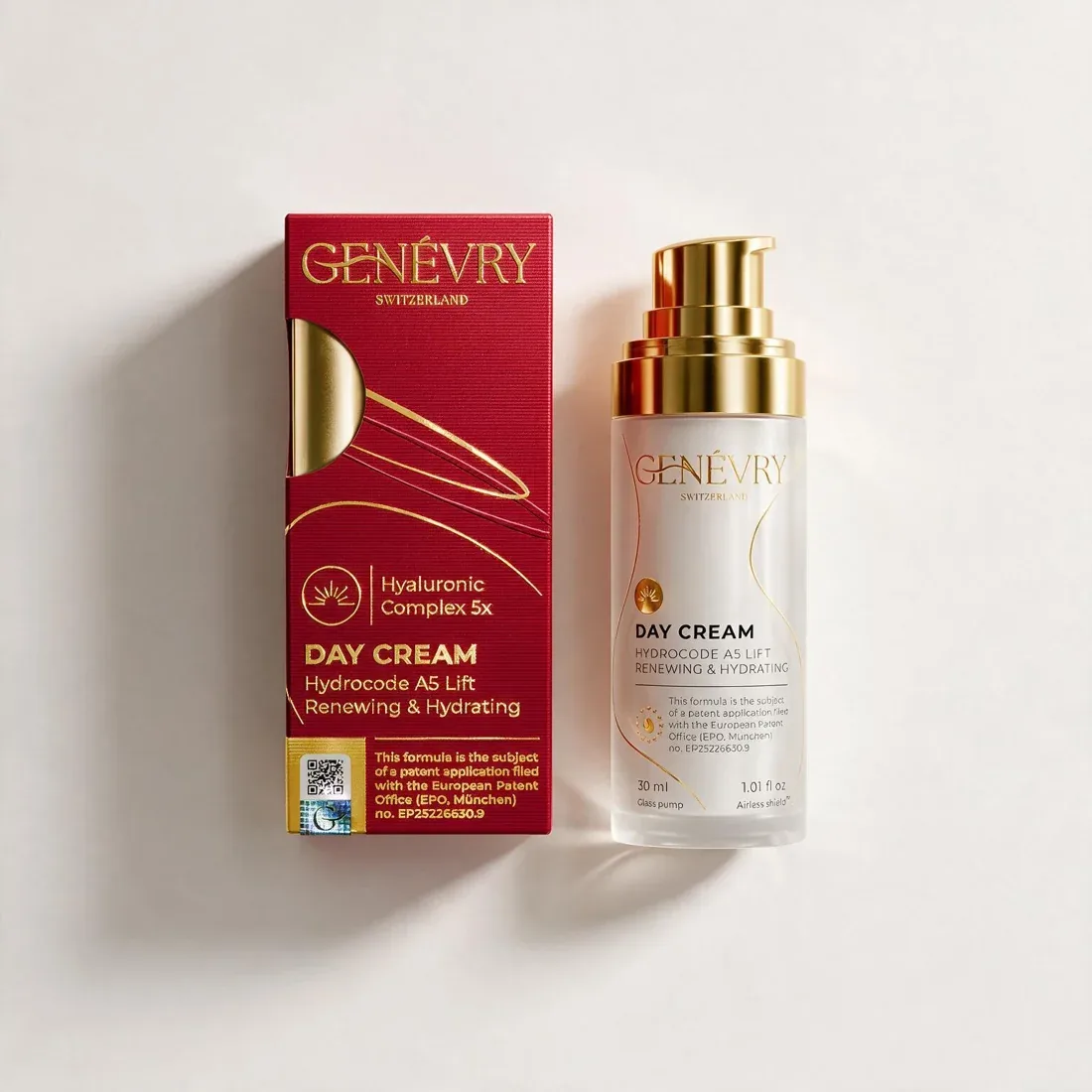
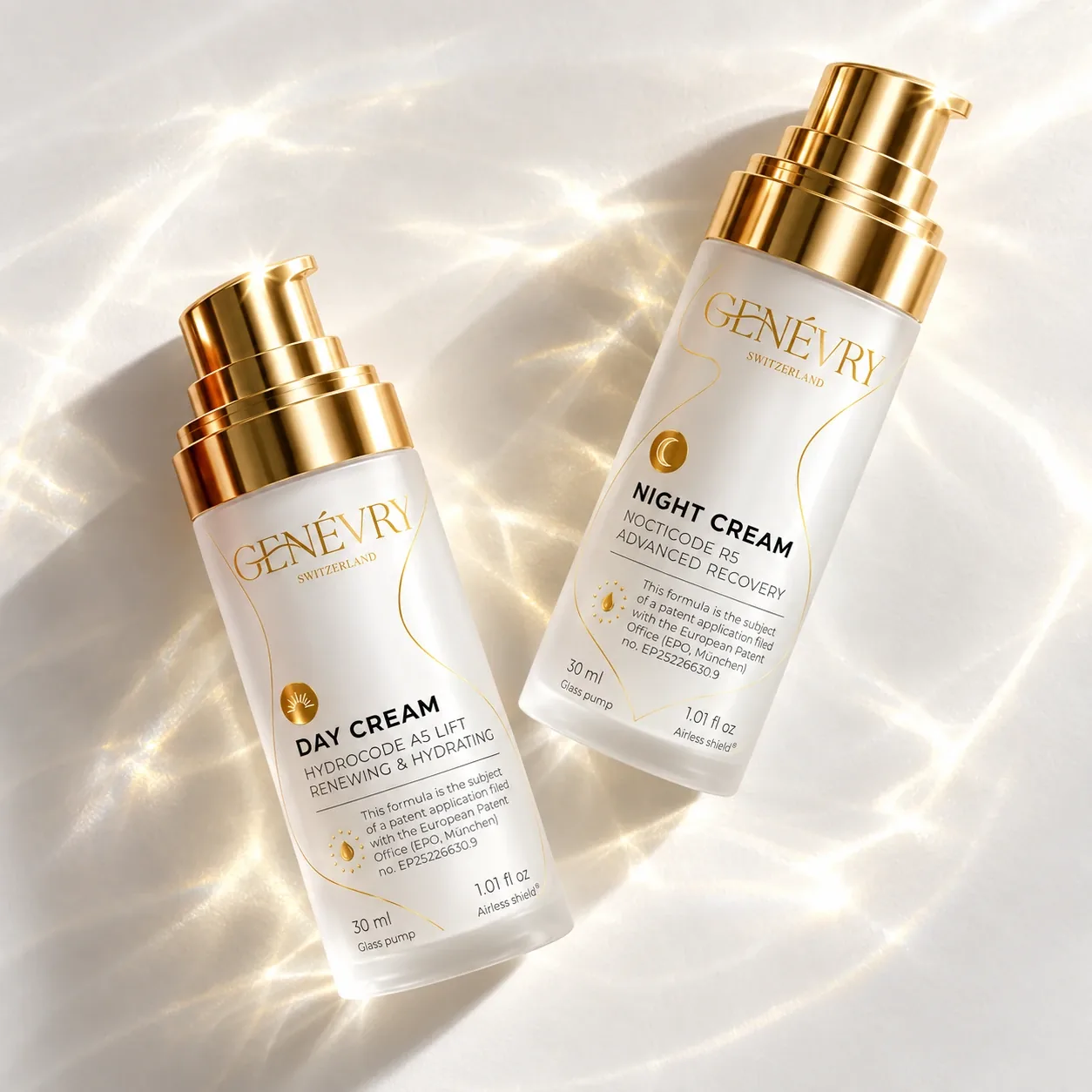
- Day cream. Hydrocode A5 Lift applied while skin is still slightly damp closes the hydrating layer.
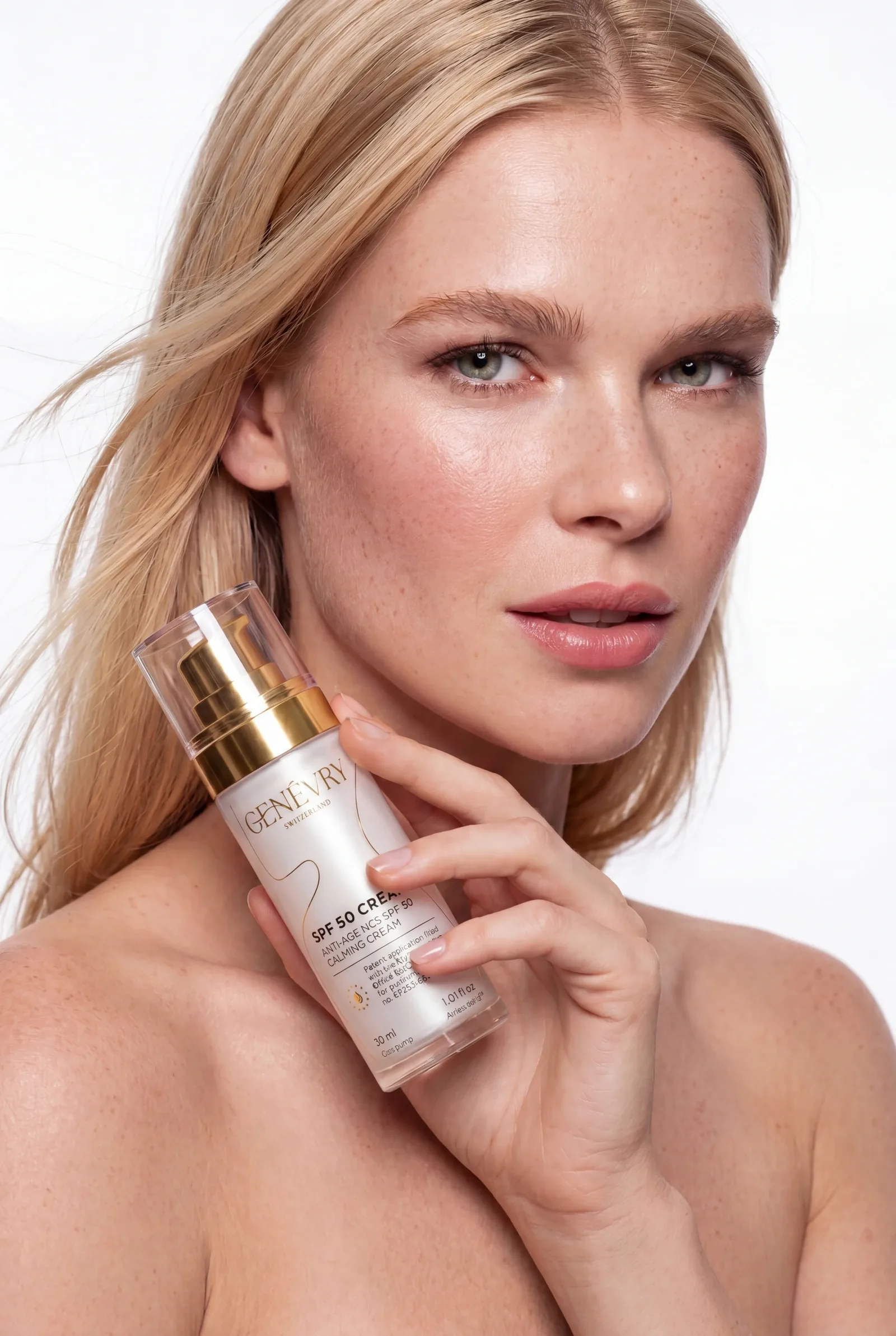
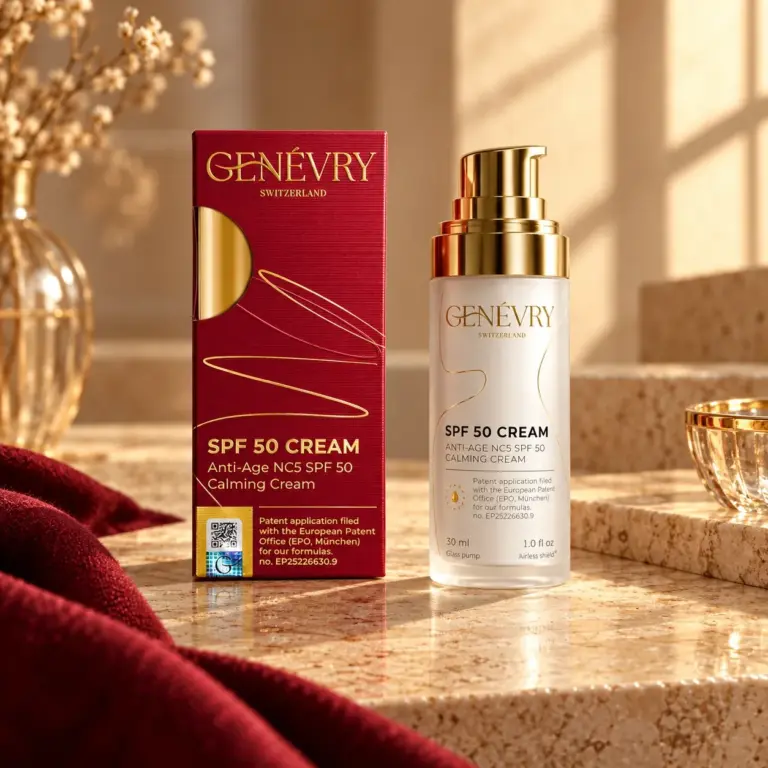
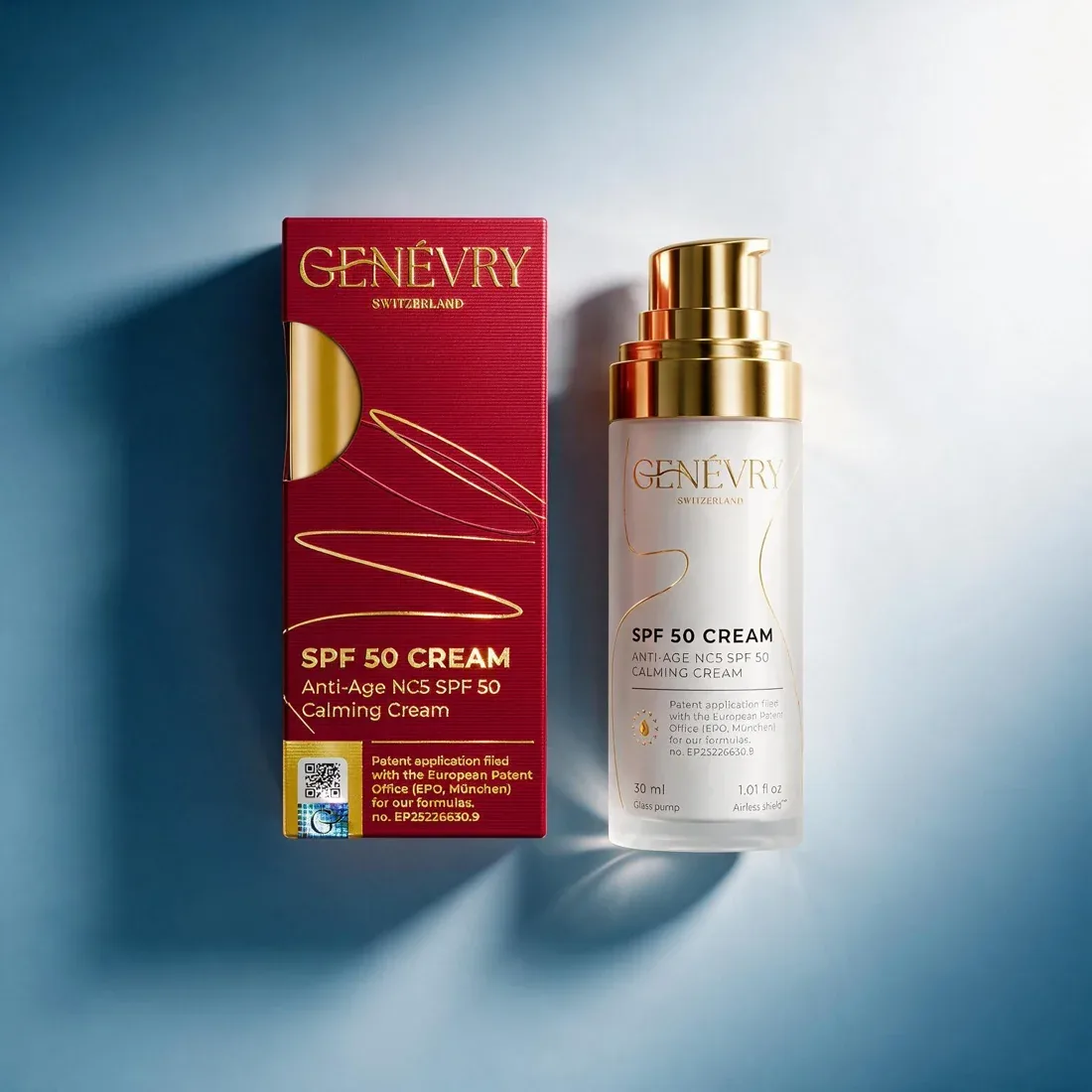
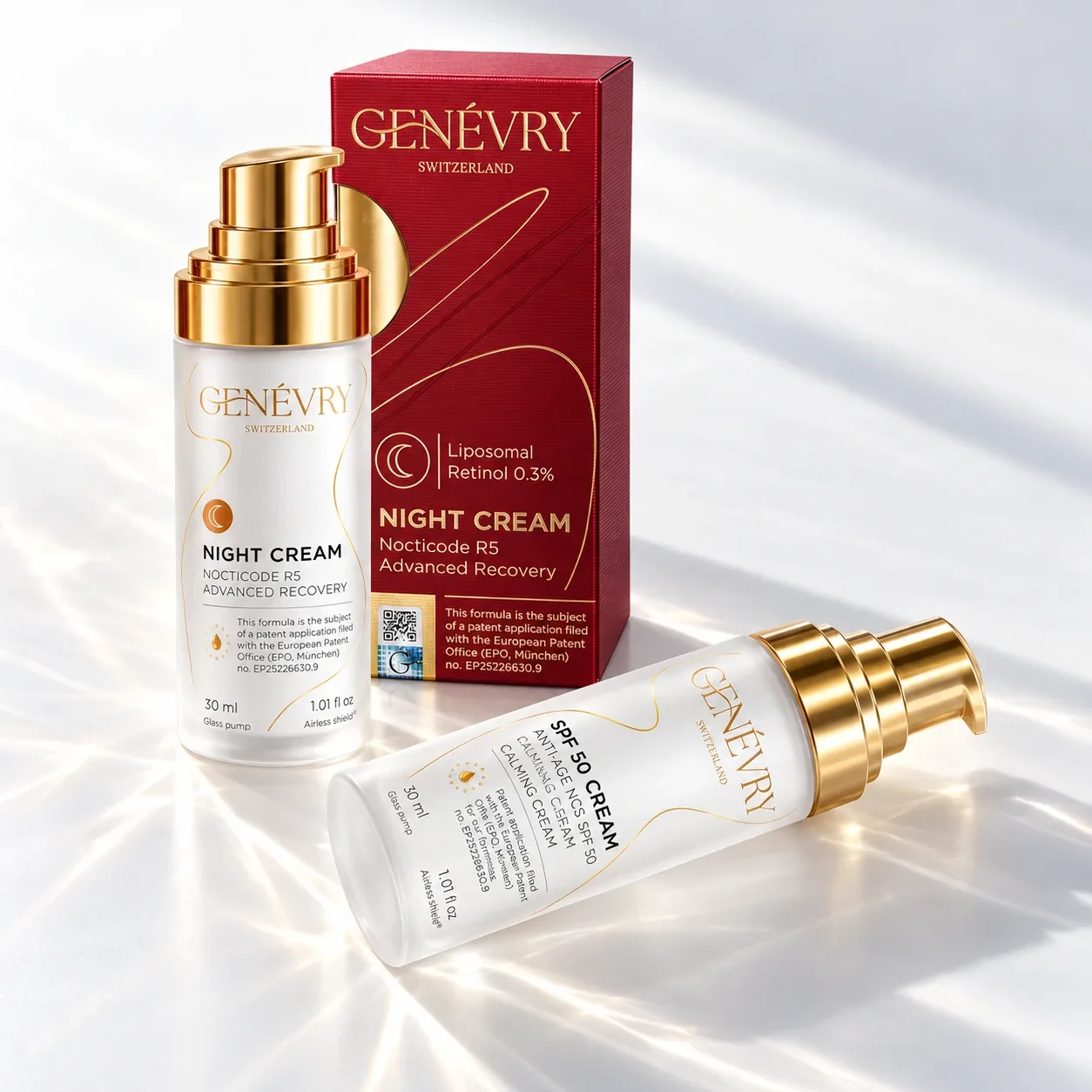
- Sunscreen. Anti-Age NC5 SPF 50 as the last step of the morning. An antioxidant and a filter do two different jobs; one does not stand in for the other.
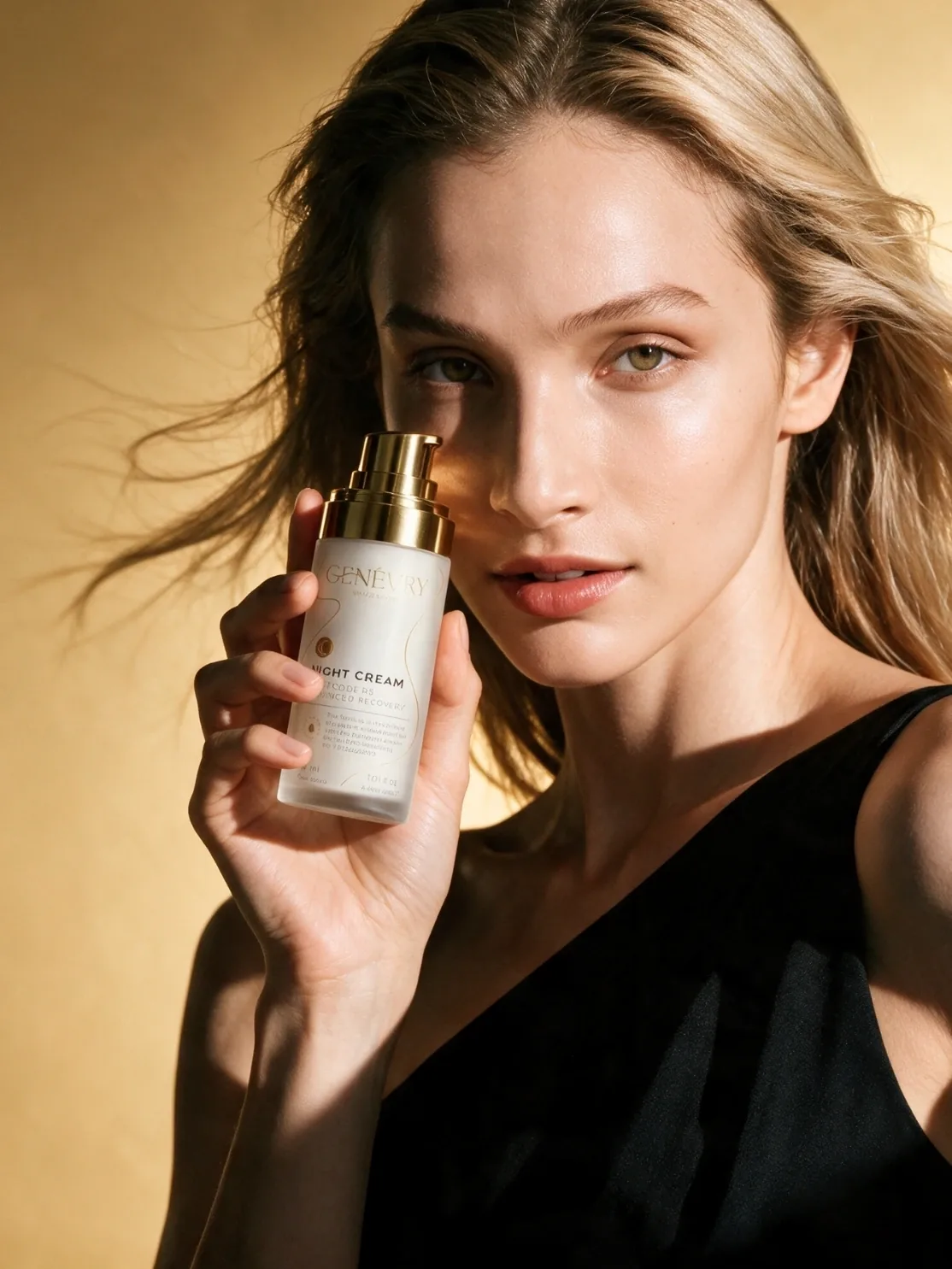
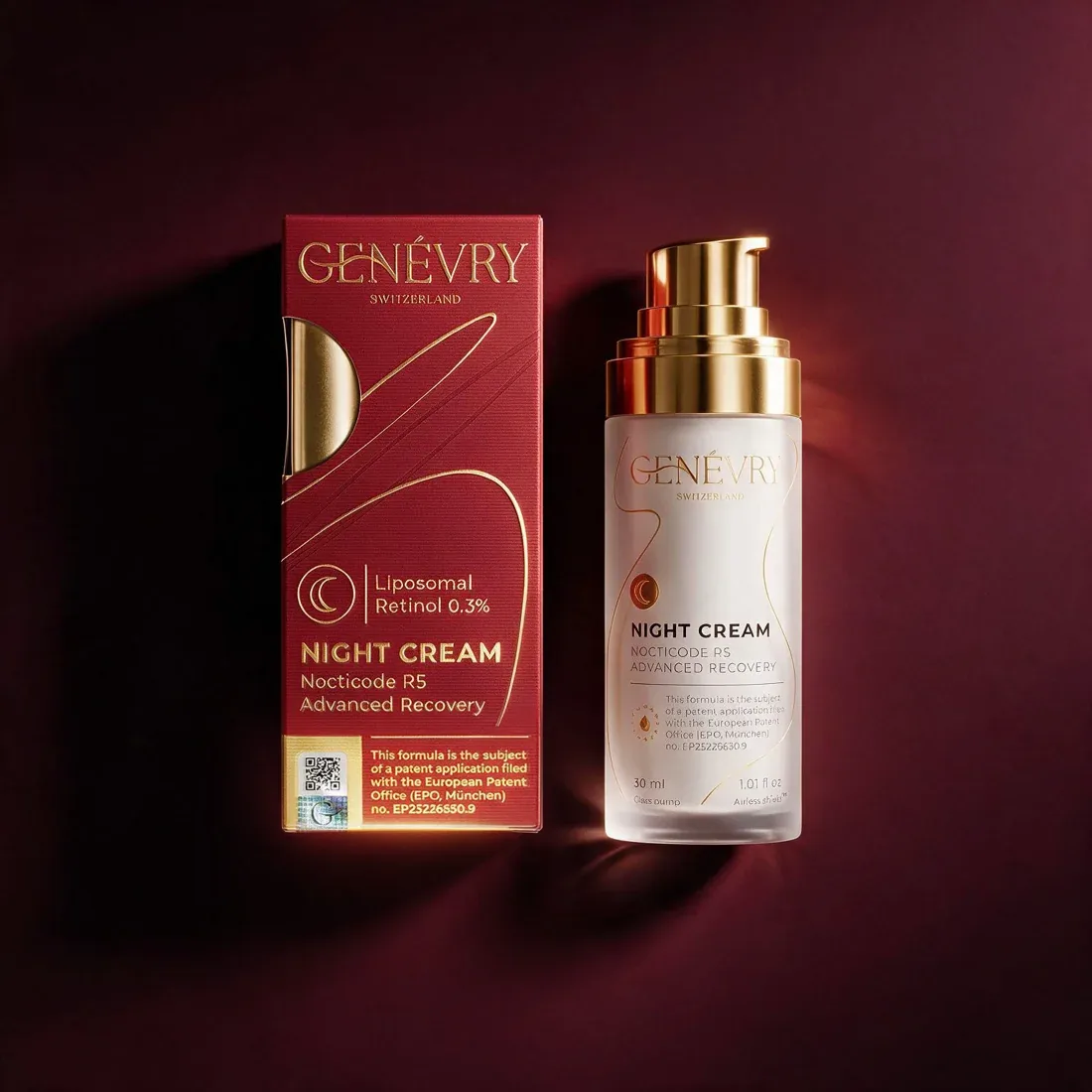
- Evening. Cleanse, night cream, retinol every few nights. Vitamin E in an evening cream works in the lipid layer while skin recovers from the day.
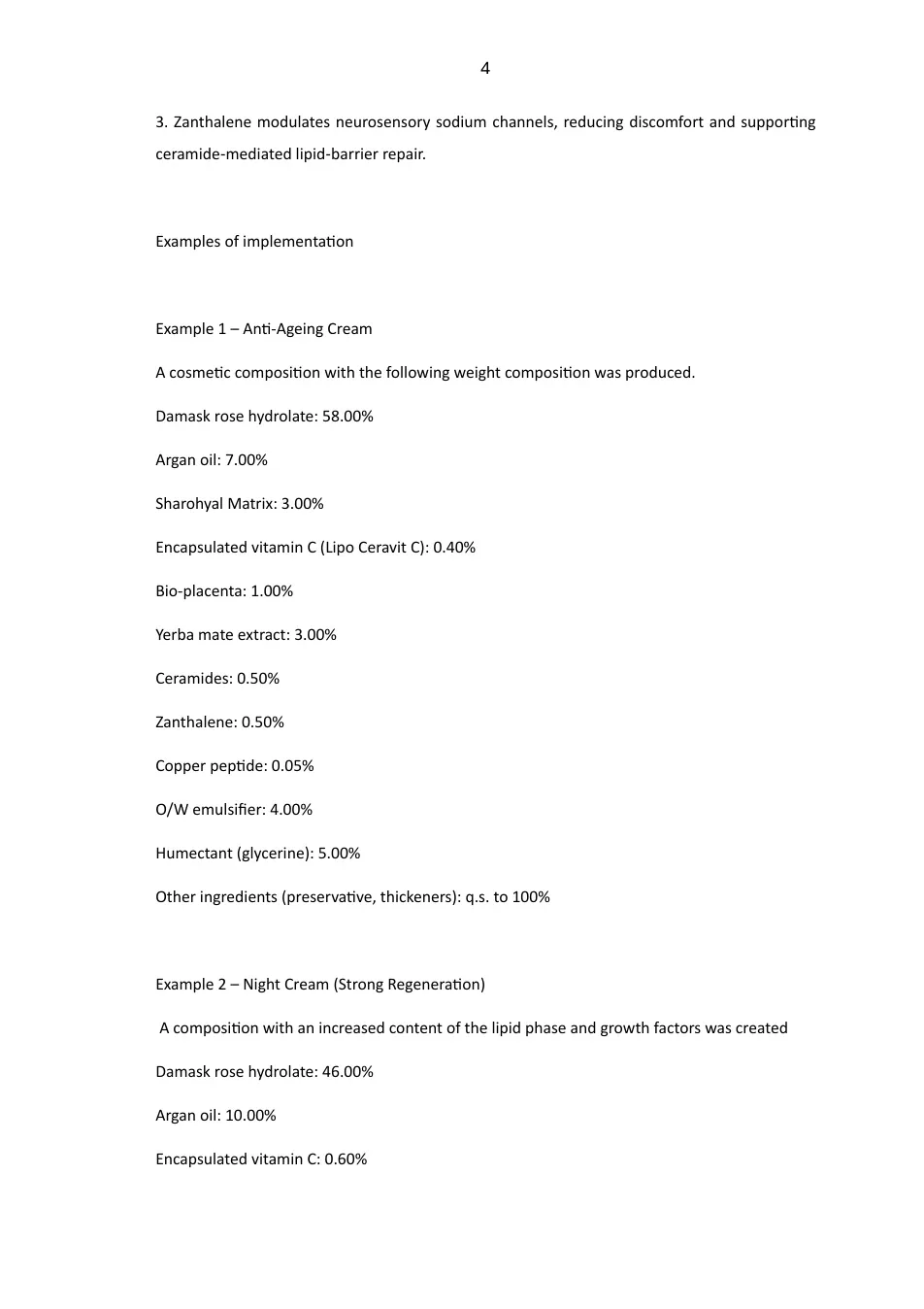
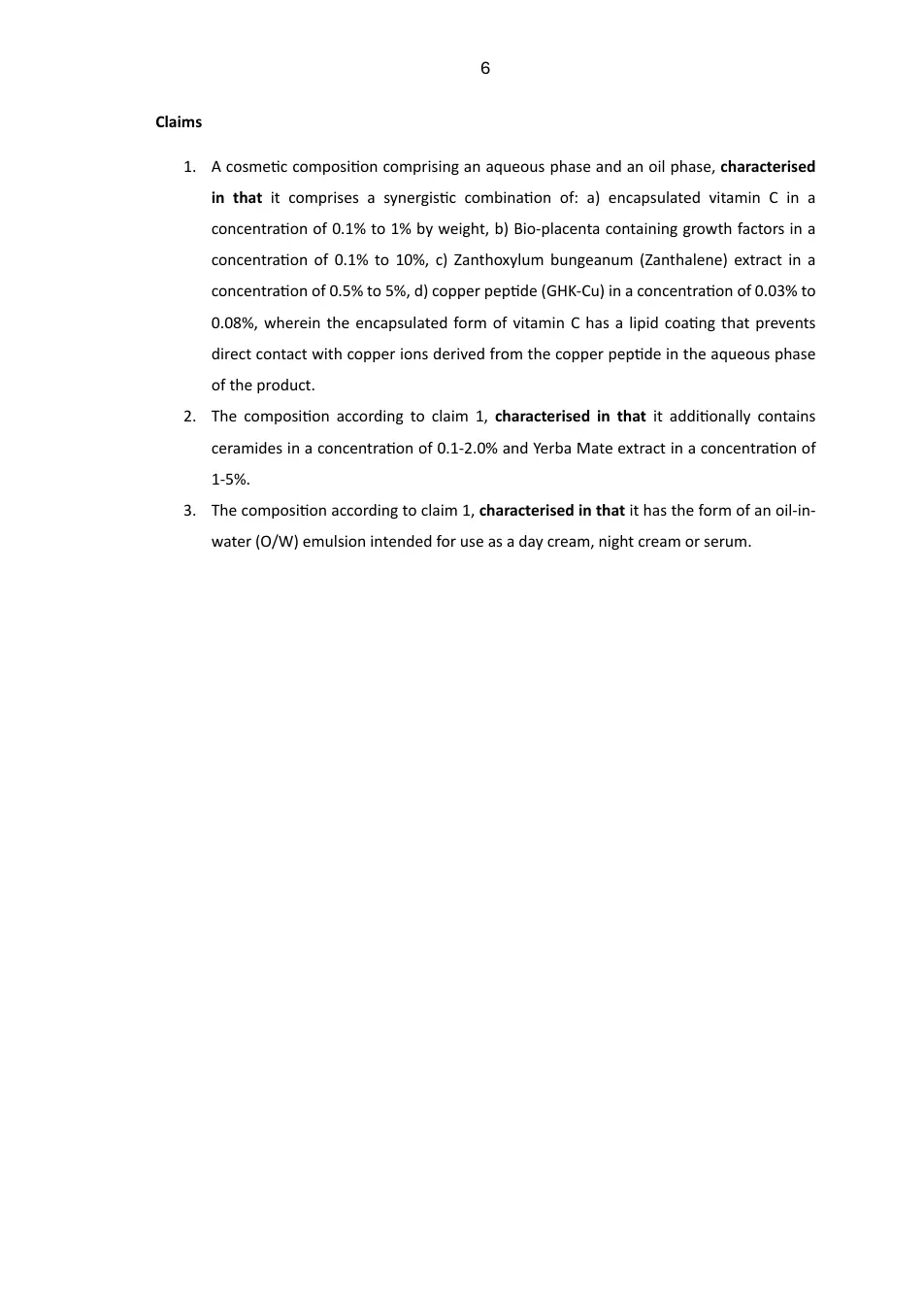
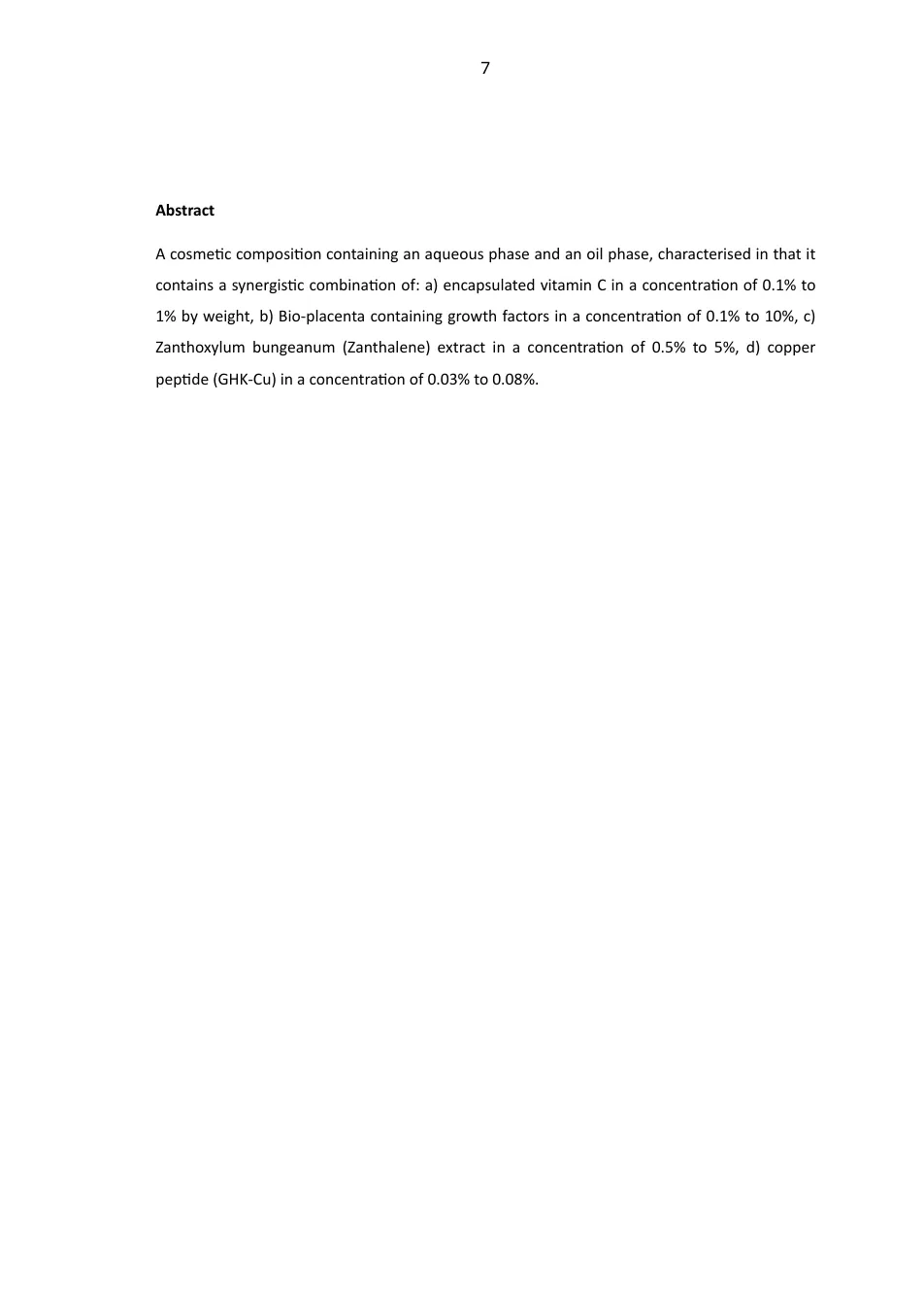
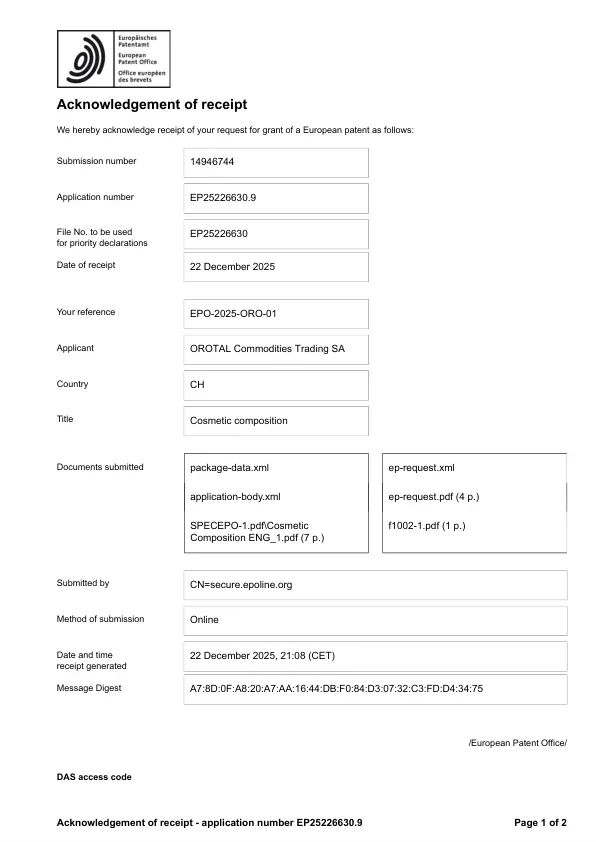
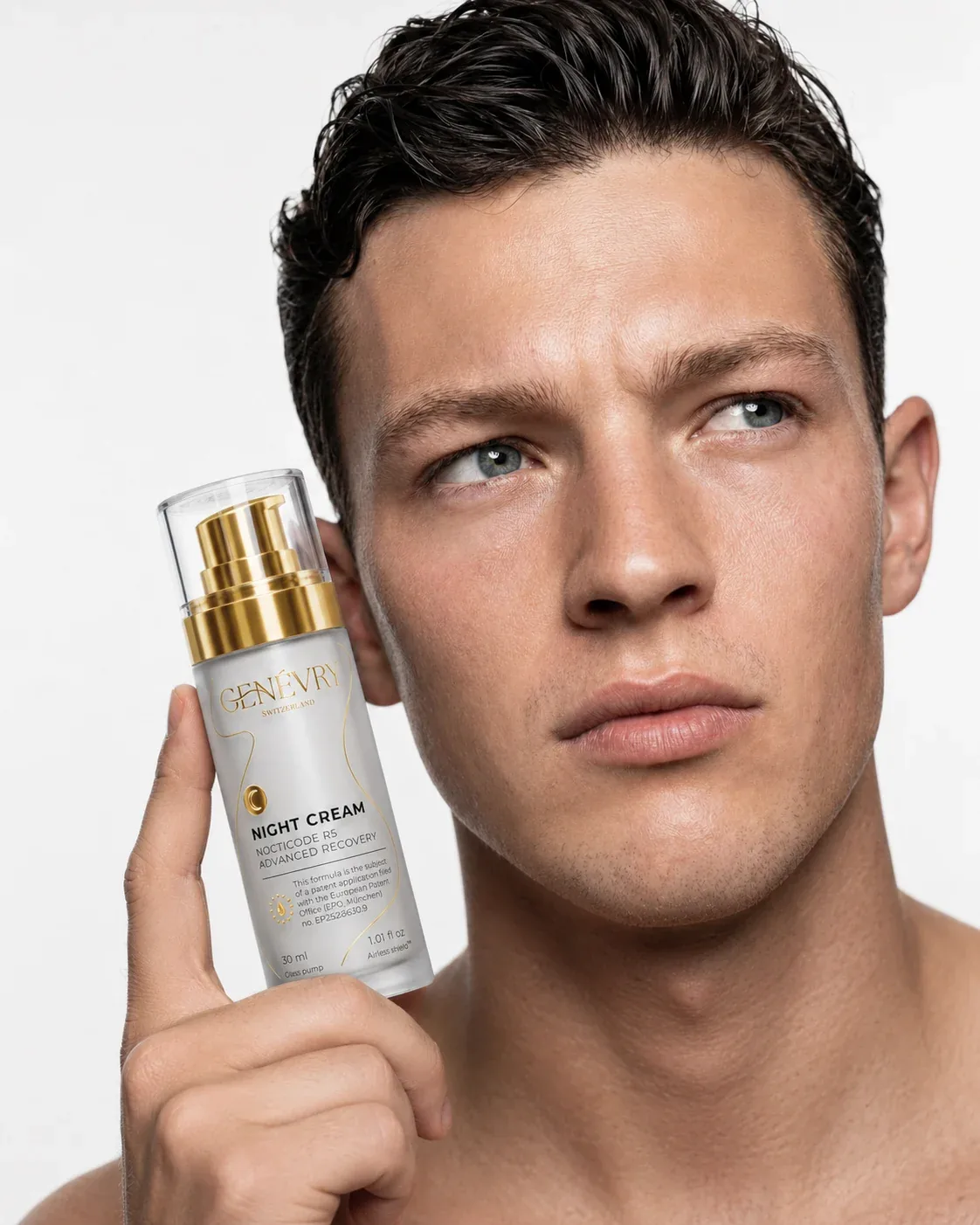
GENÉVRY serum was developed in Switzerland; patent application EP25226630.9, patent pending. The formulas are notified in the CPNP and production runs on an implemented HACCP system.
How long it takes
Antioxidants do not deliver overnight and should not promise to. In the studies above, the formula went on for four days before irradiation so that skin could build up a reserve of the active. Daily skincare follows the same logic: consistency over several weeks, not one application before going out into the sun.
Which skin types
Dry and mature skin usually takes tocopherol well, since it supports the lipid layer and eases that tight feeling. Oily, congestion-prone skin can be fussier, though the issue is rarely vitamin E itself; it is the rich oil base it usually travels in. If a cream like that leaves you with clogged pores, switch to a lighter texture rather than dropping the ingredient.
Sensitive and redness-prone skin reacts more often to the acidic pH of a pure vitamin C serum than to tocopherol or ferulic acid. Applying the antioxidant to slightly damp skin helps, as does choosing a vitamin C derivative formulated closer to neutral pH. With atopic skin, rosacea or any dermatological treatment under way, discuss new actives with a dermatologist. During pregnancy and breastfeeding, ask your doctor about the whole routine rather than a single product.
Contact allergy to vitamin E
Tocopherol is one of those ingredients that occasionally triggers contact dermatitis, reported most often after high-strength vitamin E preparations used on damaged skin. It is uncommon, but if a new cream brings an itchy rash where you applied it, stop and show it to a doctor. A patch test on the forearm over two or three days before a new product joins the routine costs little and saves trouble.
Buying and storing
Formulas with pure vitamin C and ferulic acid tend to darken. A faint straw tone in a new serum is normal; amber or brown means oxidation has gone a long way. Such a product is not harmful, but it no longer provides the antioxidant effect it was bought for.
- Packaging. Dark glass or an airless pump rather than a wide-mouthed jar.
- Place. A cupboard, not a windowsill or a shelf under the mirror in a sunny bathroom.
- Period after opening. The open-jar symbol gives a number of months; with antioxidants, stick to it more strictly than with a plain moisturiser.
- Smell. A rancid note in an oil-rich cream means the tocopherol has stopped keeping up with the fats.
- Pairing. An antioxidant serum with no sunscreen over it is half the job; in the research the two are described as complementary.
Common mistakes
First: treating an antioxidant as a substitute for sunscreen. Second: using a vitamin C and ferulic acid serum at night, when the radiation it guards against is not there. Third: buying large bottles to stock up, which oxidise faster than you can finish them. Fourth: changing a whole routine in one week, which makes it impossible to tell which product caused a reaction.
The fifth mistake is subtler. INCI lists get read like a ranking: the higher, the better. With antioxidants, whether the formula is sealed and fresh matters more than whether Ferulic Acid sits seventh or eleventh. How to read an ingredient list without over-reading it comes up in our ranking of anti-ageing ingredients.
FAQ
Do vitamin E and ferulic acid work without vitamin C?
They do, but less powerfully than as a trio. The Duke University research measured one specific arrangement: vitamin C as the lead ingredient, vitamin E and ferulic acid as reinforcement and stabilisation. Tocopherol on its own still protects skin lipids and keeps the formula from oxidising.
Does ferulic acid exfoliate like glycolic acid?
No. Despite the name it is not an exfoliating acid. It is a plant antioxidant; it does not loosen the bonds between skin cells and needs no gradual introduction.
What does Tocopheryl Acetate mean on a label?
It is an ester of vitamin E, more stable in the pack than free tocopherol. In skin it has to be split by enzymes to release the active form, which is why photoprotection research tends to use pure alpha-tocopherol.
Can vitamin E be used every day?
Yes. For most people it is a daily ingredient, morning and evening. Oily skin may prefer lighter textures, since the discomfort usually comes from the oil base rather than from the tocopherol.
Do antioxidants replace sunscreen?
No. Murray 2008 described them as a supplement to sun protection with a different mechanism: a filter absorbs or reflects radiation, an antioxidant deals with free radicals that have already formed. Why a filter still matters in winter is covered in our piece on daily SPF 50.
Will a vitamin C, E and ferulic acid serum fade dark spots?
Antioxidant care supports an even-looking complexion and protects the results of other steps, but it does not remove pigmentation. For established dark patches, a dermatologist decides what comes next.
How can I tell my serum has oxidised?
By colour and smell. A shift from clear or straw-coloured to orange and brown signals oxidation, as does a metallic or rancid note. The product does not become harmful, it simply stops doing what you bought it for.
If you are putting a morning routine together from scratch, start with one antioxidant serum and a sunscreen, then add the rest after a few weeks. The differences between forms of vitamin C, and what the liposomal version changes, are unpacked in our article on liposomal vitamin C.
The formulas in this article
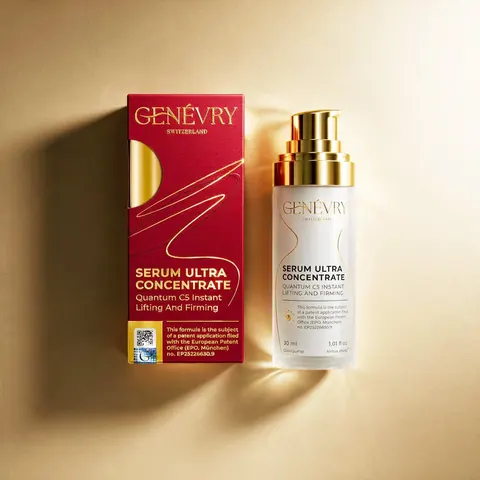
Cosmetic product. Individual results may vary.


 English / EUR
 English (US) / USD
 English (UK) / GBP
 Deutsch / EUR
 Deutsch (Schweiz) / CHF
 Français / EUR
 Italiano / EUR
 Español / EUR
 Nederlands / EUR
 Polski / PLN
 日本語 / JPY
 한국어 / KRW
 中文 / CNY
 العربية / AED
 English (Australia) / AUD
 English (Canada) / CAD
 Svenska / SEK
 Dansk / DKK
 Norsk / NOK
 Suomi / EUR
 Português / EUR
 Türkçe / TRY
 Čeština / CZK
 Magyar / HUF
 Română / RON
 Ελληνικά / EUR
 Slovenčina / EUR
 Hrvatski / EUR
 Slovenščina / EUR
 Lietuvių / EUR
 Latviešu / EUR
 Eesti / EUR
 Български / EUR
 Українська / EUR