How to read skincare ingredients: a guide to the INCI list
Thirty Latin names on the back of a box turn readable once you know a few rules: the descending order, the one-percent line and the seven families of ingredients.
Learning how to read skincare ingredients starts with an uncomfortable moment: you turn the box over and find thirty Latin names in one unbroken line. That list is not decoration, and it is not a code for insiders. It is the part of the label written by law, where the order of entries means something specific. A few rules are enough to learn more in five minutes than the front of the box will ever tell you.
What INCI actually is
INCI stands for International Nomenclature of Cosmetic Ingredients, the shared dictionary of ingredient names used across the industry. One substance, one name, everywhere in the European Union, whatever language the packaging is printed in. Water is always Aqua, in Dublin and in Helsinki — so anyone who reacts to a particular substance can recognise it on a product bought anywhere in Europe.
The list is required by Regulation 1223/2009 and is introduced by the word “Ingredients” — your signal that the marketing department has stopped writing. Plants appear under botanical Latin names: Butyrospermum Parkii Butter is shea butter, Simmondsia Chinensis Seed Oil is jojoba. Colourants appear as Colour Index numbers such as CI 77891, and anything present as a nanomaterial carries the suffix [nano]. For the system itself, see the Wikipedia entry on INCI.
Descending order and the one-percent line
This is the most useful rule on the label. Ingredients are listed in descending order of weight as added during manufacture — but only down to one percent. Below that threshold the order is free. Every list therefore has two halves: the part that describes how the formula is built, and the part where everything weighs less than one percent.
Nobody marks the dividing line, but you can estimate it. Look for ingredients with a known maximum concentration, or ones only ever used in trace amounts: phenoxyethanol (capped at 1% in the EU), xanthan gum, carbomer, disodium EDTA, tocopherol. Almost everything after them sits below one percent.
And here is where most readers go wrong. A low position does not mean an ingredient is doing nothing: retinol works at tenths of a percent, peptides can be active at parts per million, and overdosing an active more often irritates skin than improves it. The reverse trap exists too — a botanical extract sitting right behind water is frequently a dilute solution with a fraction of a percent of plant material. The list shows proportions, not worth.
The seven families you see on every label
Most formulas are built from the same handful of groups. Once you recognise them, thirty names collapse into seven blocks.
| Group | Typical INCI names | What it does |
|---|---|---|
| Solvents | Aqua, Propanediol, Alcohol Denat. | The base the rest is dispersed in |
| Humectants | Glycerin, Sodium Hyaluronate, Panthenol, Butylene Glycol | Bind water in the upper layers of skin |
| Emollients and oils | Caprylic/Capric Triglyceride, Squalane, Dimethicone, Butyrospermum Parkii Butter | Smooth the surface and slow water loss |
| Emulsifiers and thickeners | Cetearyl Alcohol, Xanthan Gum, Carbomer, Polyglyceryl-3 Dicitrate | Hold water and oil together, set the texture |
| Actives | Retinol, Ascorbic Acid, Niacinamide, Copper Tripeptide-1, Ceramide NP | The ones the front of the box talks about |
| Preservatives and chelators | Phenoxyethanol, Sodium Benzoate, Benzyl Alcohol, Disodium EDTA | Protect the product from microbial growth |
| Fragrance and colour | Parfum, Limonene, Linalool, CI 77891 | How the formula smells and looks |
The tail of the list is often the most informative part. If Parfum is followed by names like Linalool, Citronellol and Geraniol, those are not extra perfume ingredients — they are fragrance allergens the law requires to be named separately, above 0.001% in leave-on products and 0.01% in rinse-off ones. Since 31 July 2026 only products carrying the expanded allergen list may be placed on the EU market: more than eighty substances instead of the two dozen declared until now, with earlier stock saleable until 31 July 2028. Expect longer list endings — and an easier life if you know what your skin reacts to.
What the list cannot tell you
It gives no concentrations, unless the brand chooses to print them. It says nothing about the form an ingredient takes: the same word Retinol covers the free molecule and one encapsulated in a liposomal carrier. It says nothing about raw-material quality, or about how a formula behaves after three weeks. Whether a product does what it claims is a question for measurement.
Five myths that get in the way
“Chemicals” versus “natural”. Water is a chemical, and essential oils are among the most common contact allergens in cosmetics. Origin says little about how your skin will take an ingredient.
A long list is a bad list. Twenty entries usually mean a well-built emollient phase and a complete preservative system. A short list is sometimes just oil in a bottle.
All alcohol is drying. Alcohol Denat. is ethanol, and in quantity it can be a challenge for dry skin. Cetearyl Alcohol and Stearyl Alcohol are fatty alcohols — waxy emollients that do the opposite.
“Preservative-free” is a virtue. A water-containing formula without a preservative system is a growth medium. “Free from” claims describe what is absent and say nothing about what is present.
The order is a quality ranking. The first entry is almost always water; entries two to five describe the character of the formula. After that comes craft, which no ordering rule can measure.
How to read skincare ingredients in five minutes
- Find the word “Ingredients”. On the carton, the tube, or the leaflet marked with the hand-and-book symbol. That is where the mandatory part begins.
- Read the first five entries. They tell you whether this is a light emulsion, a rich cream or a water-based solution.
- Estimate the one-percent line. Look for phenoxyethanol, xanthan gum or disodium EDTA. Everything after them is a trace amount.
- Locate the hero ingredient. If a product is sold on one active, see where it sits and whether the brand states a concentration.
- Scan the ending. Parfum and the allergen names that follow it matter most to reactive skin.
- Check the symbols. An open jar marked “12M” is the period after opening; the hourglass is the minimum durability date.
- Patch test. Apply anything new to a small area first and give it a day.
Where to find the GENÉVRY ingredient lists
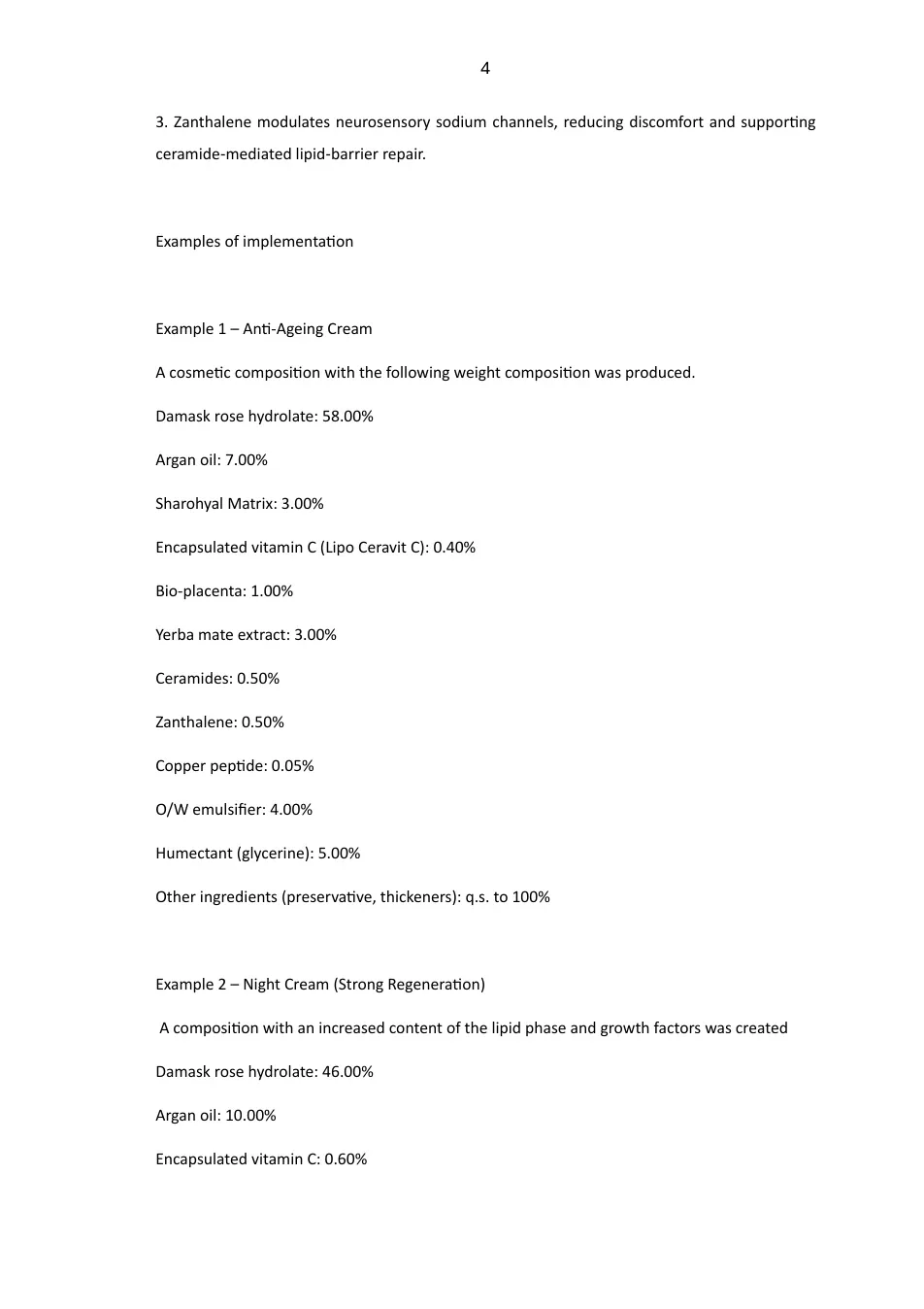
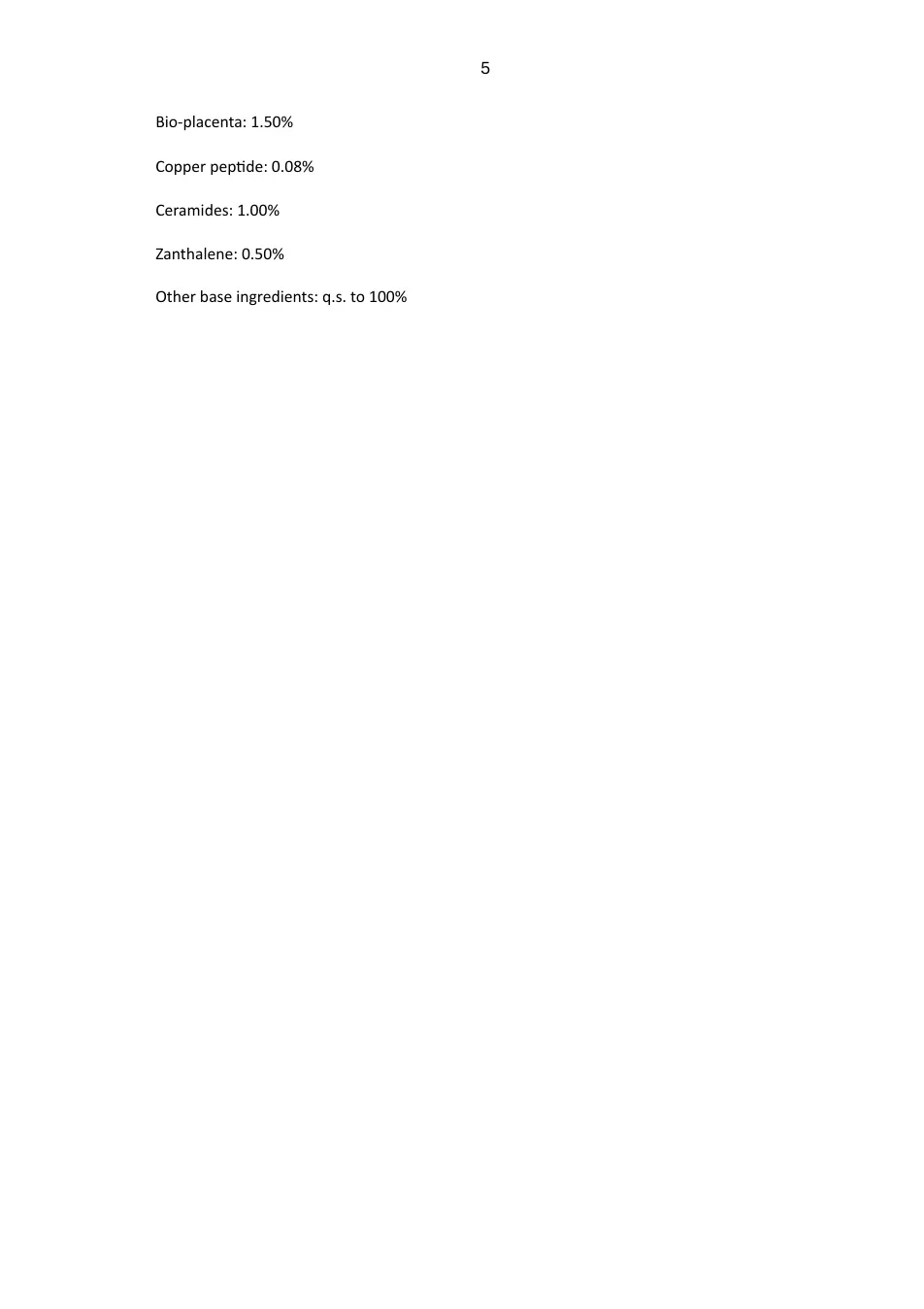
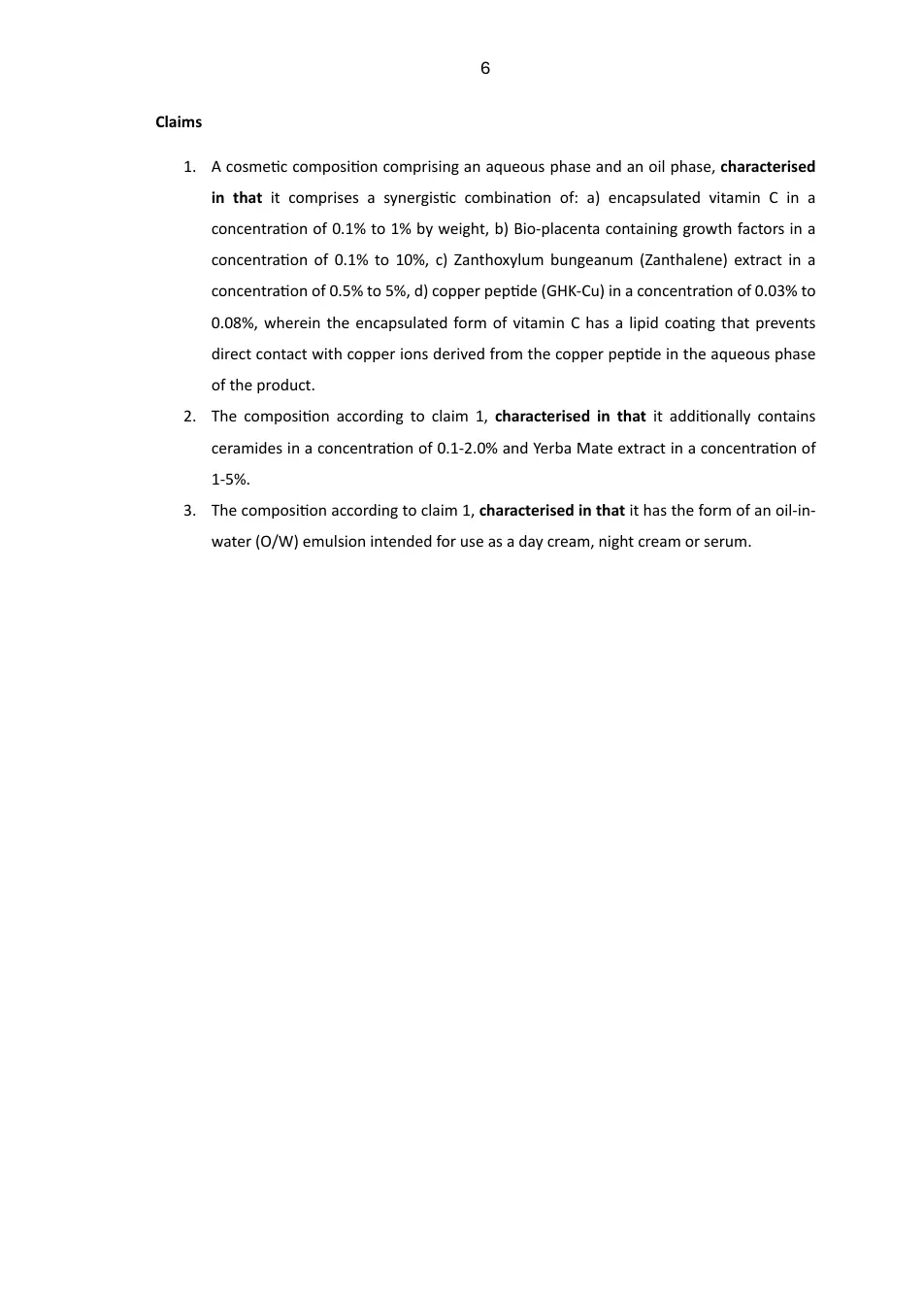
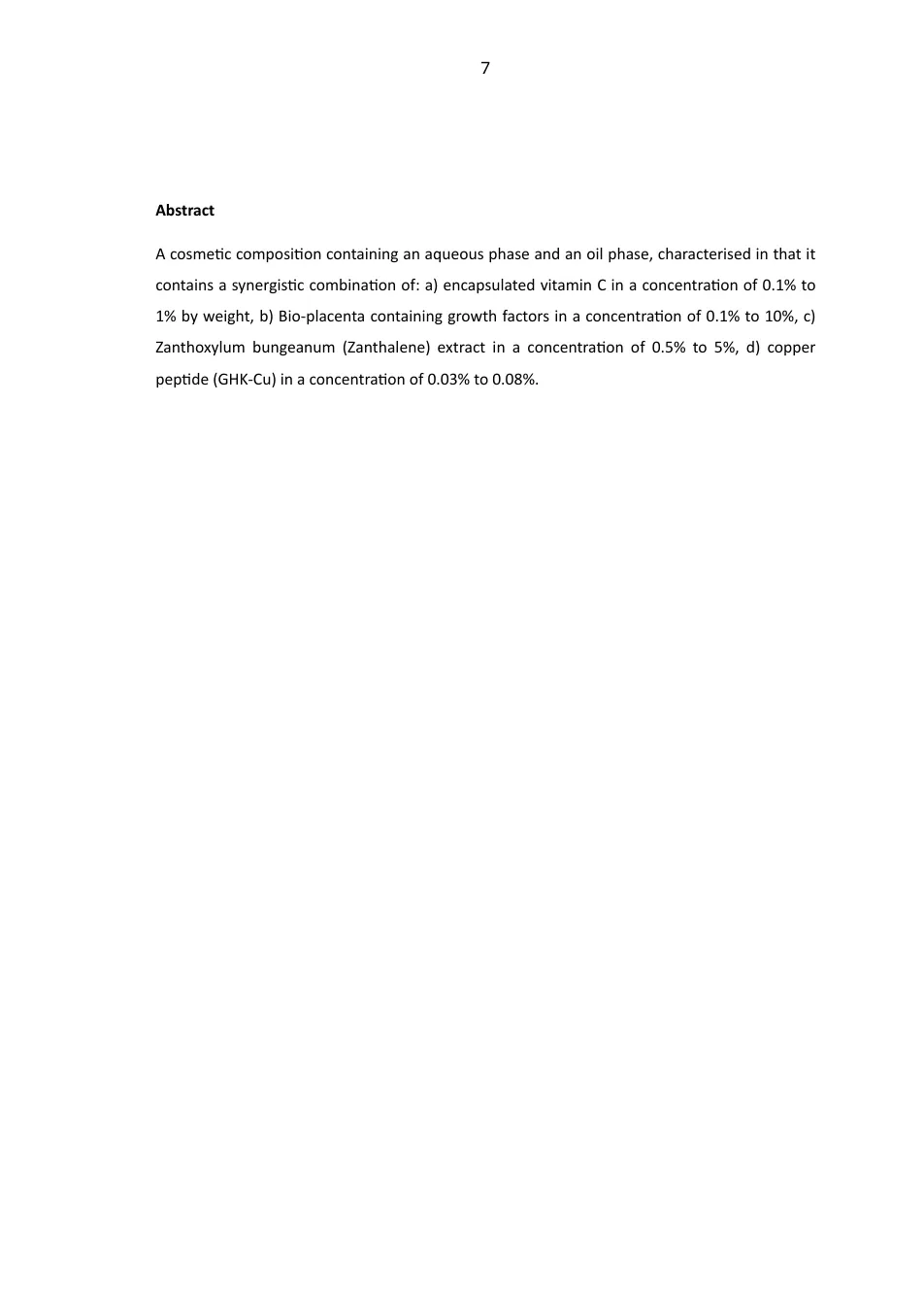
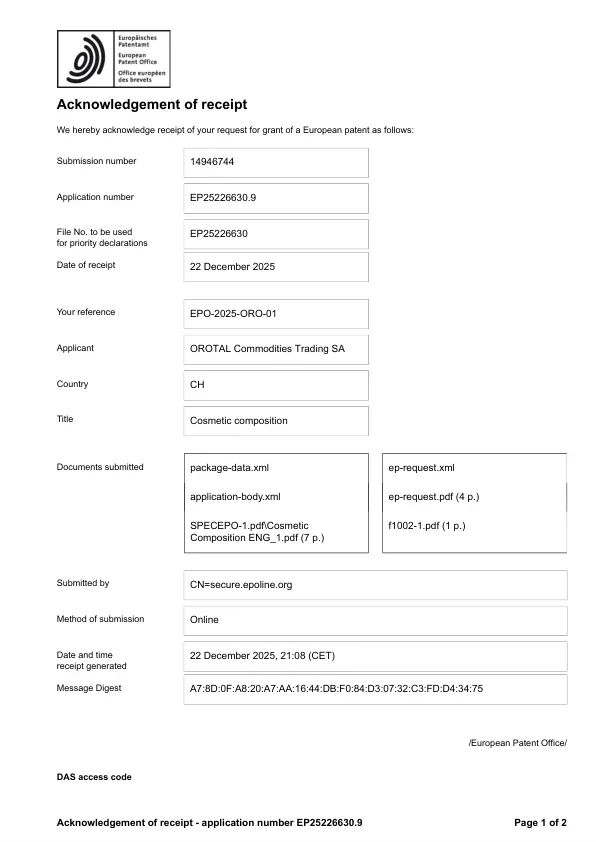
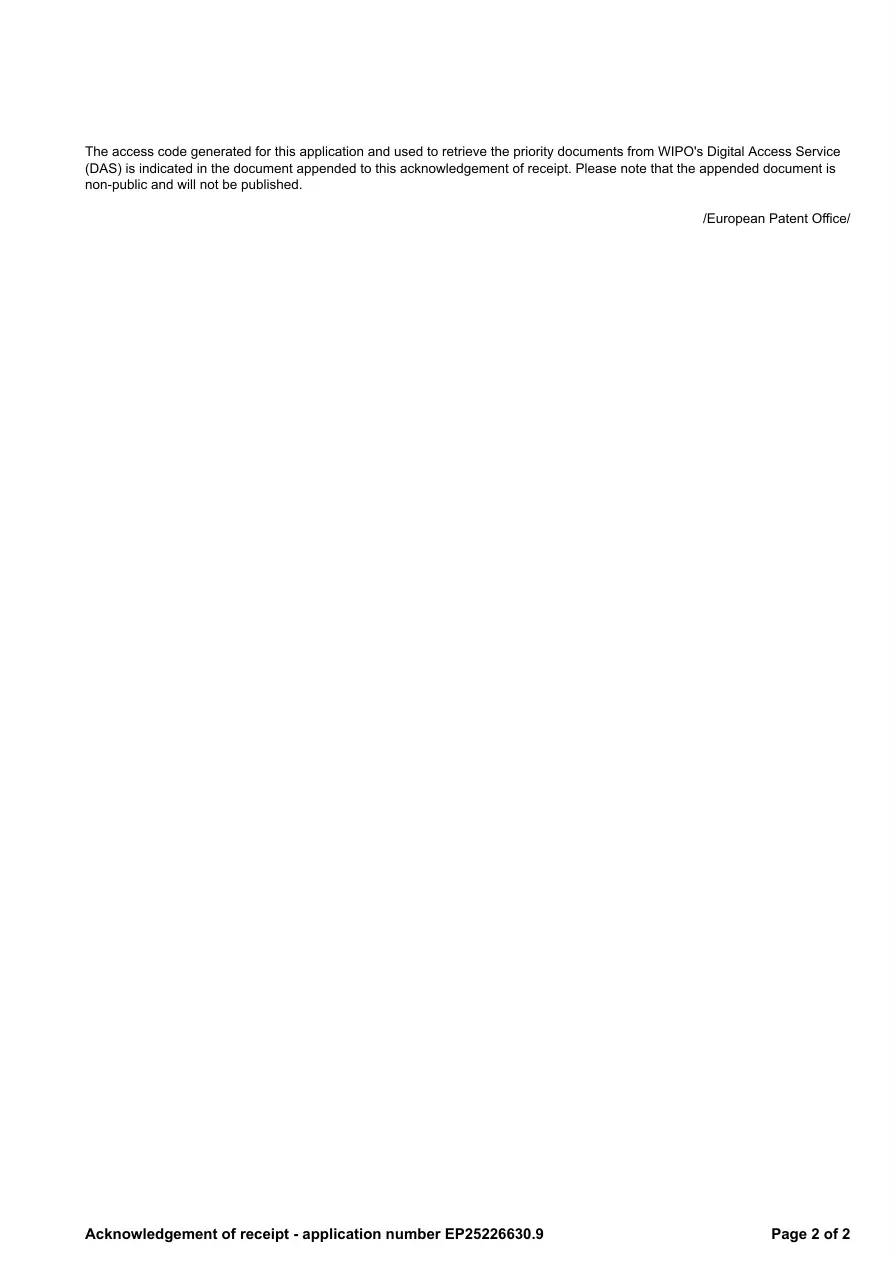
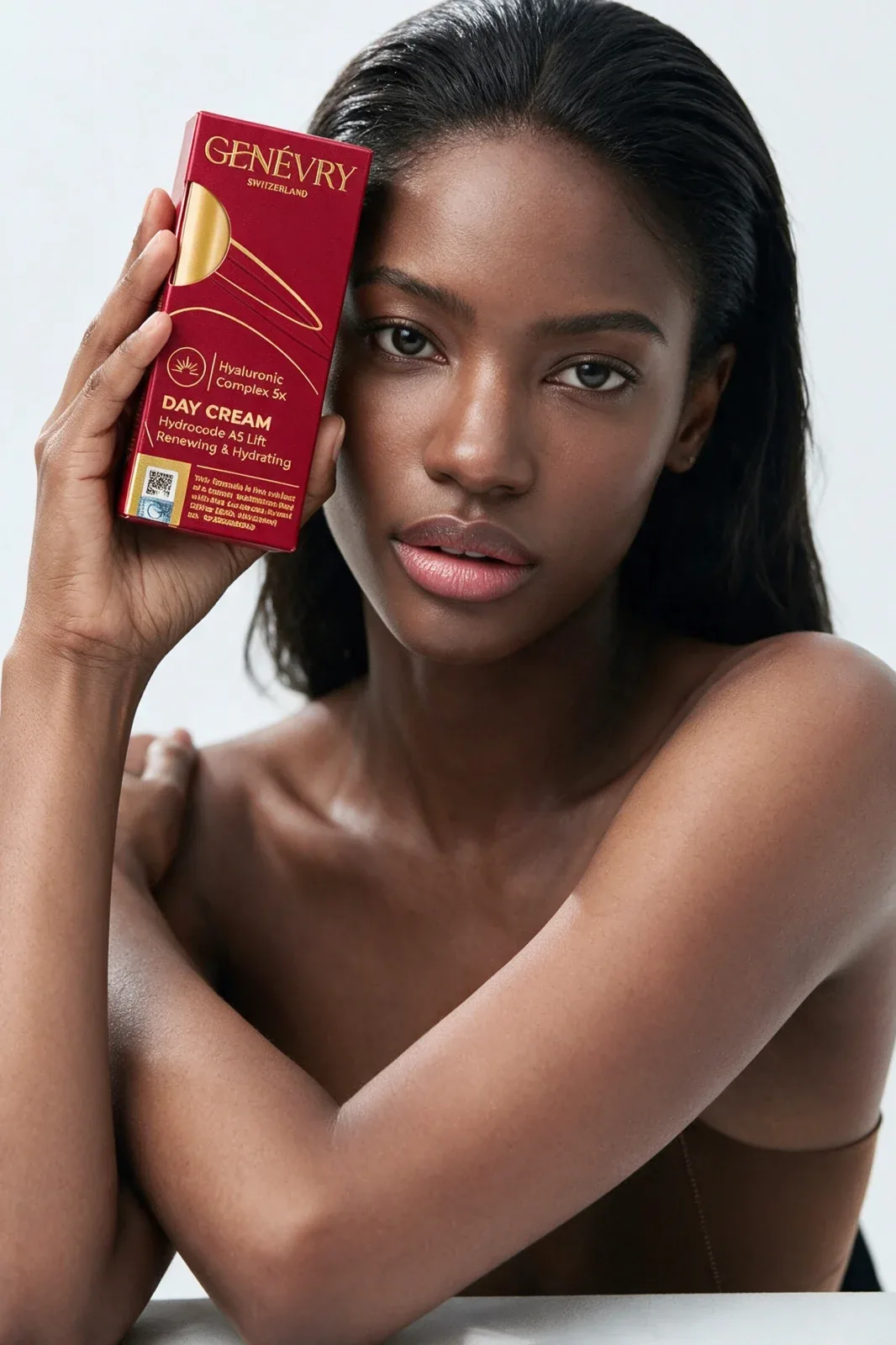
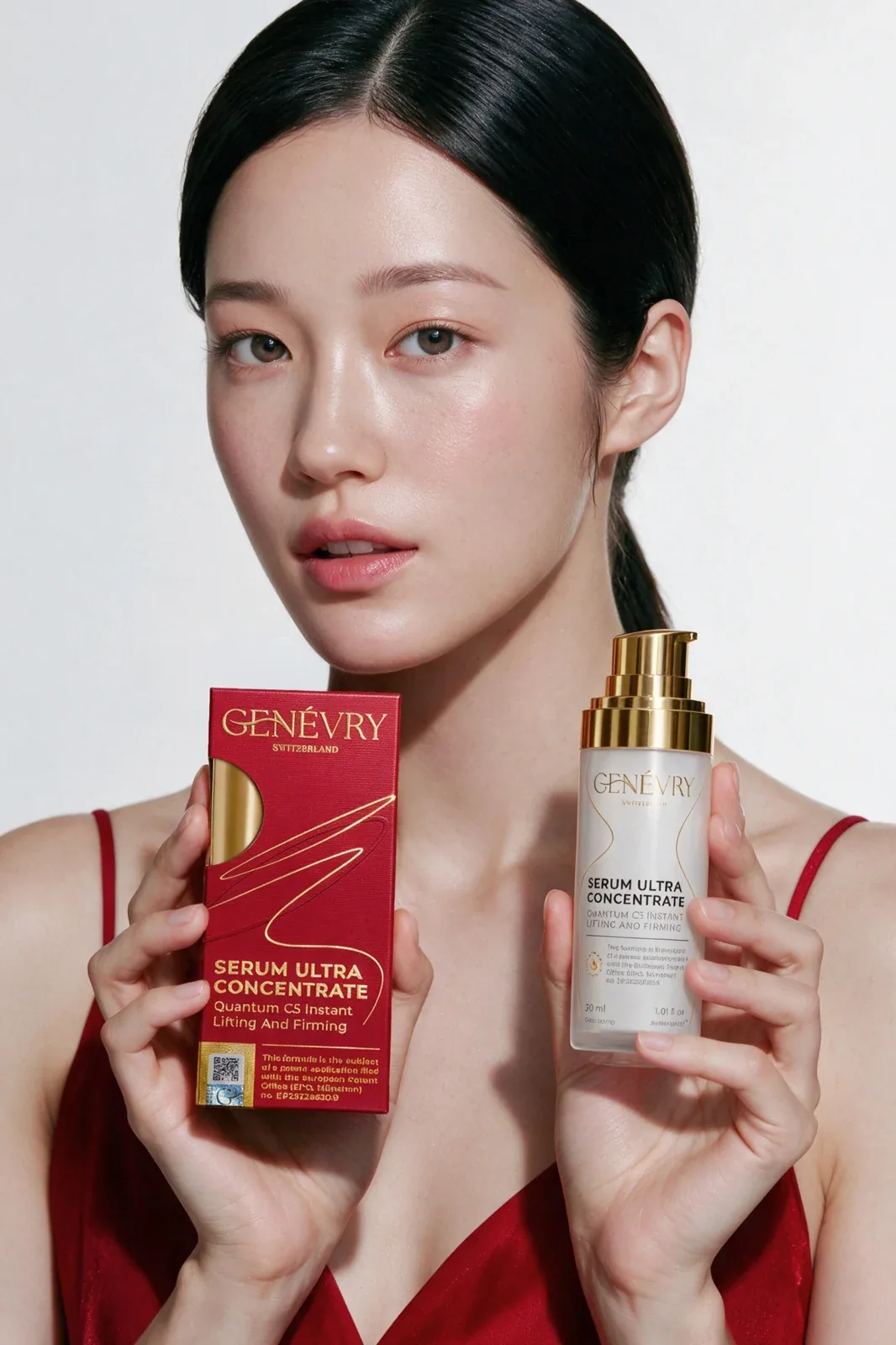
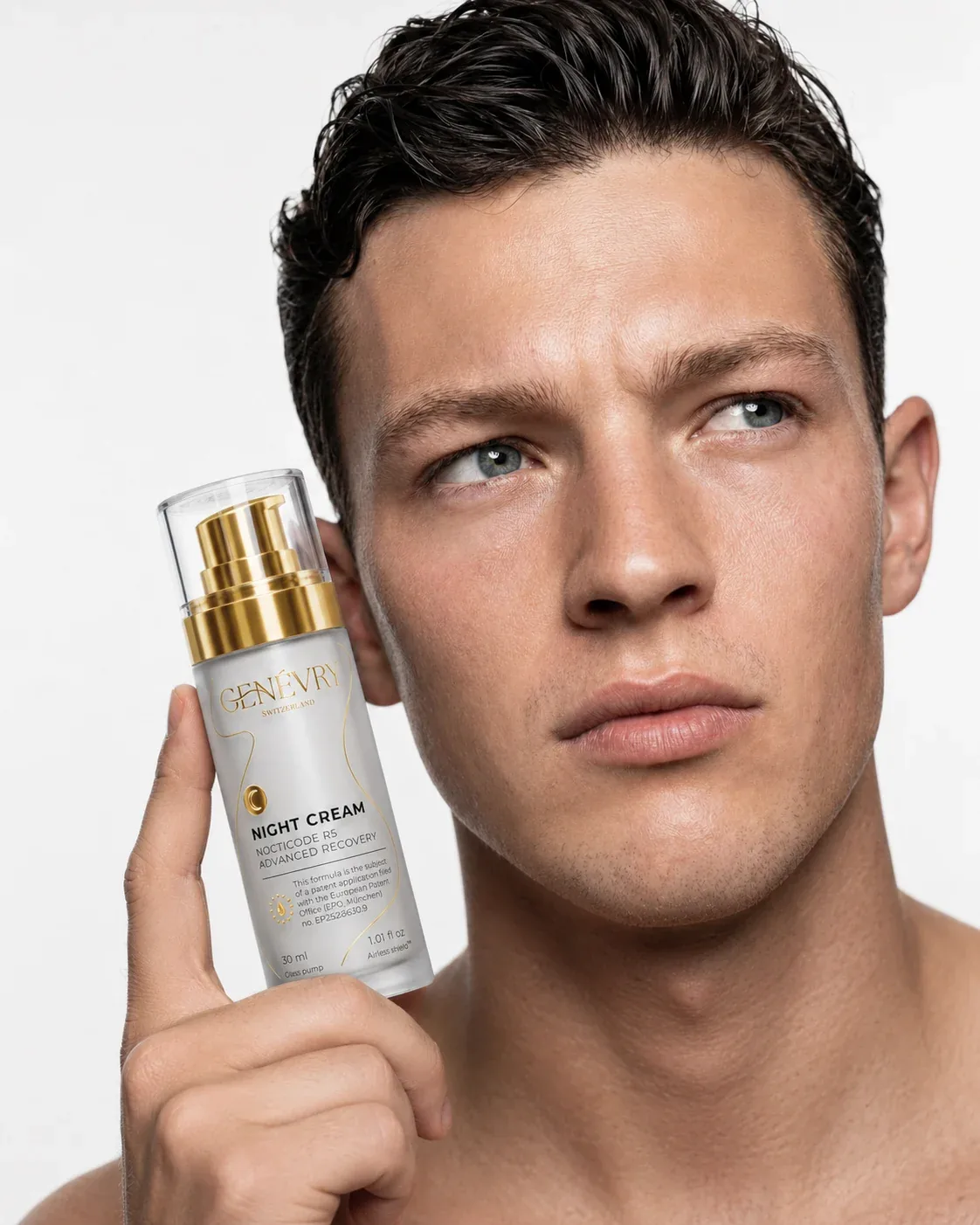
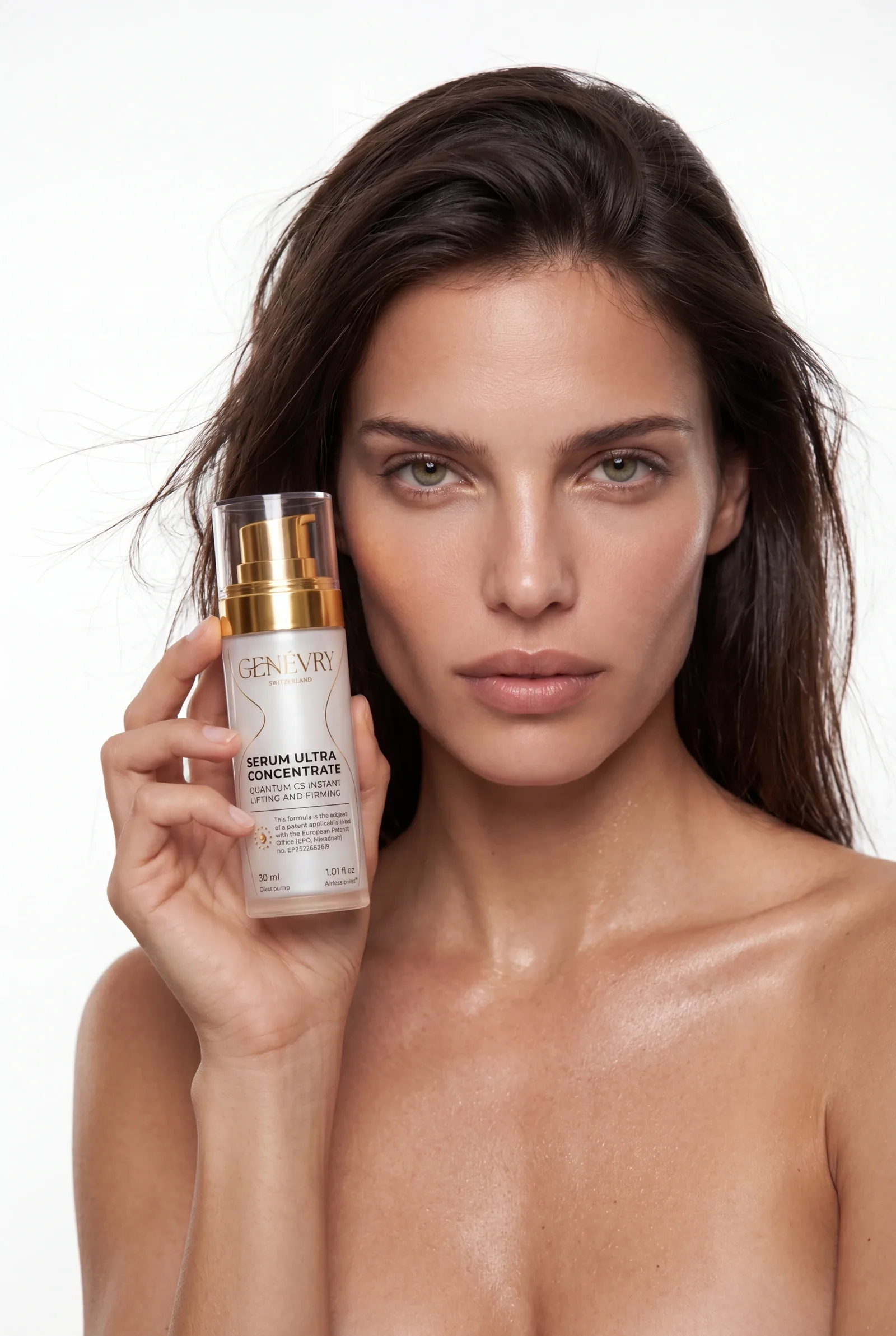
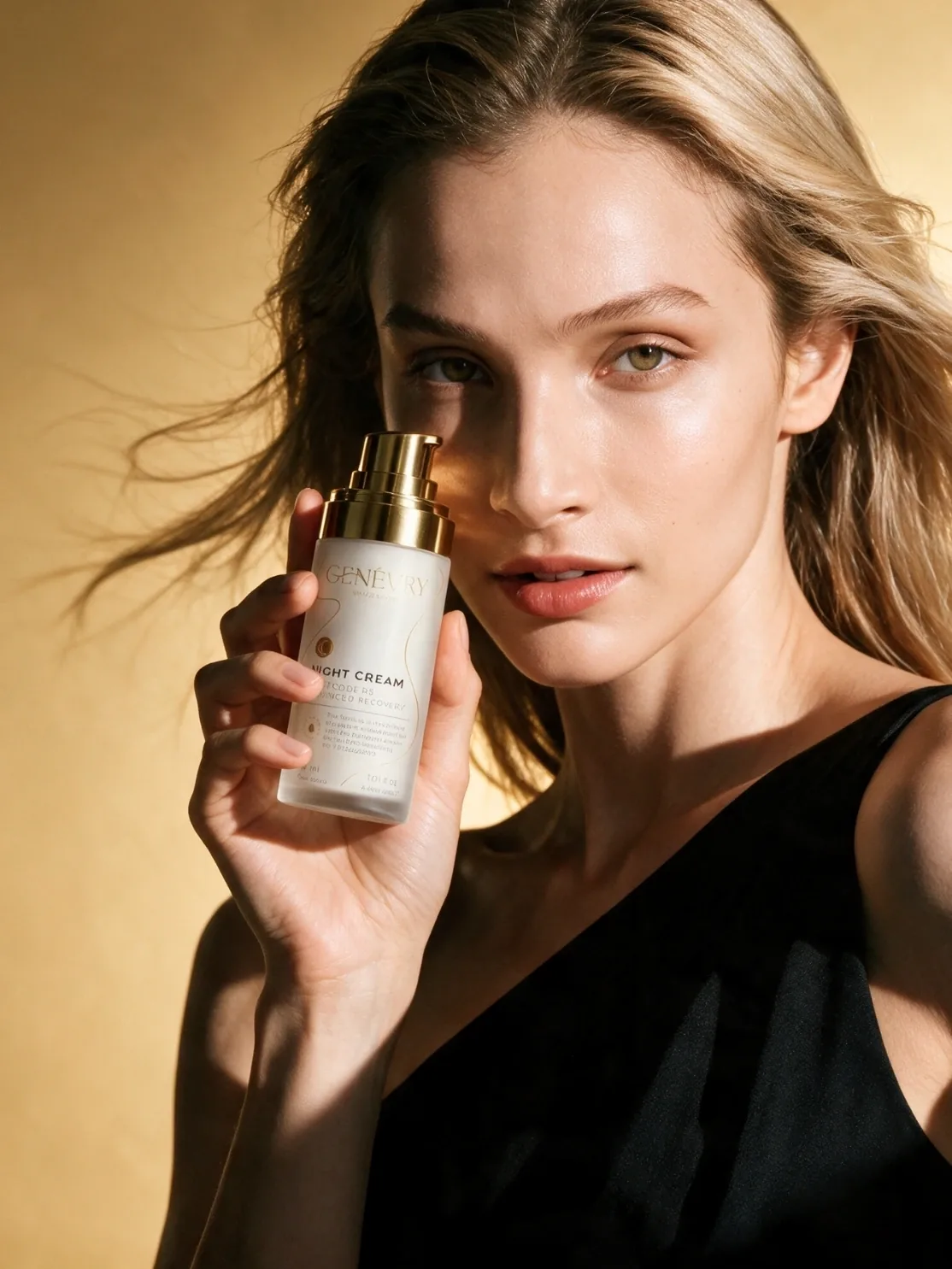
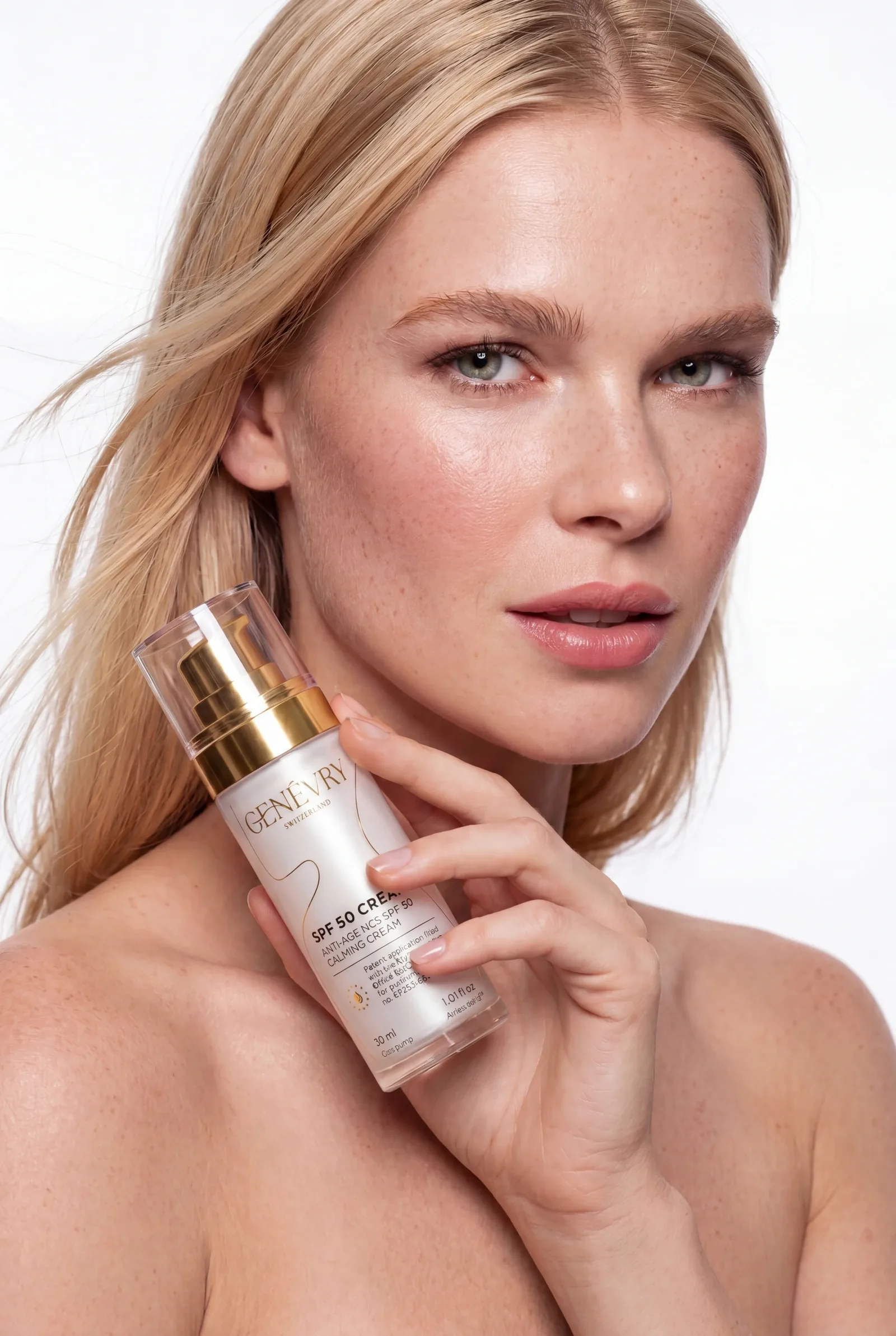
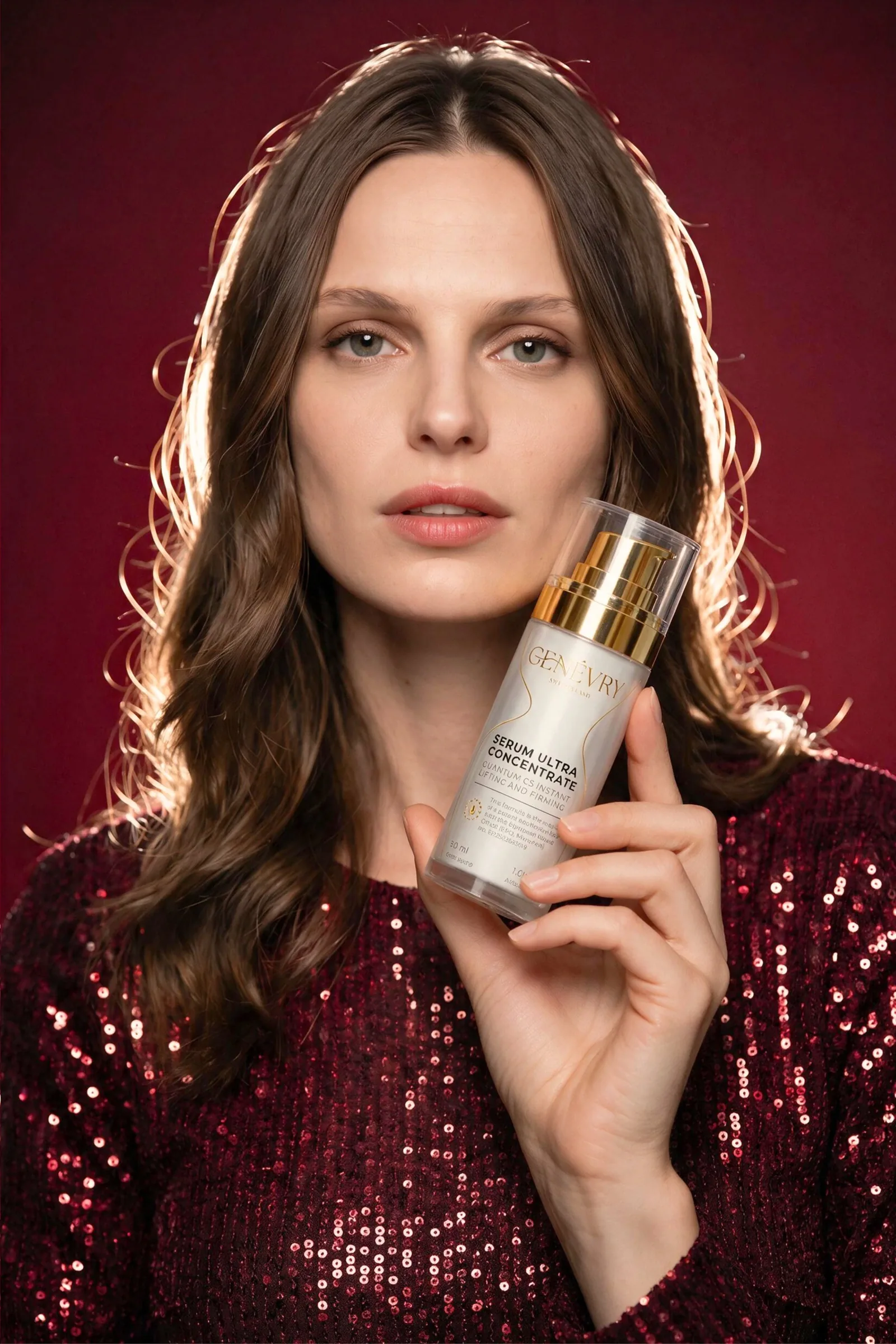
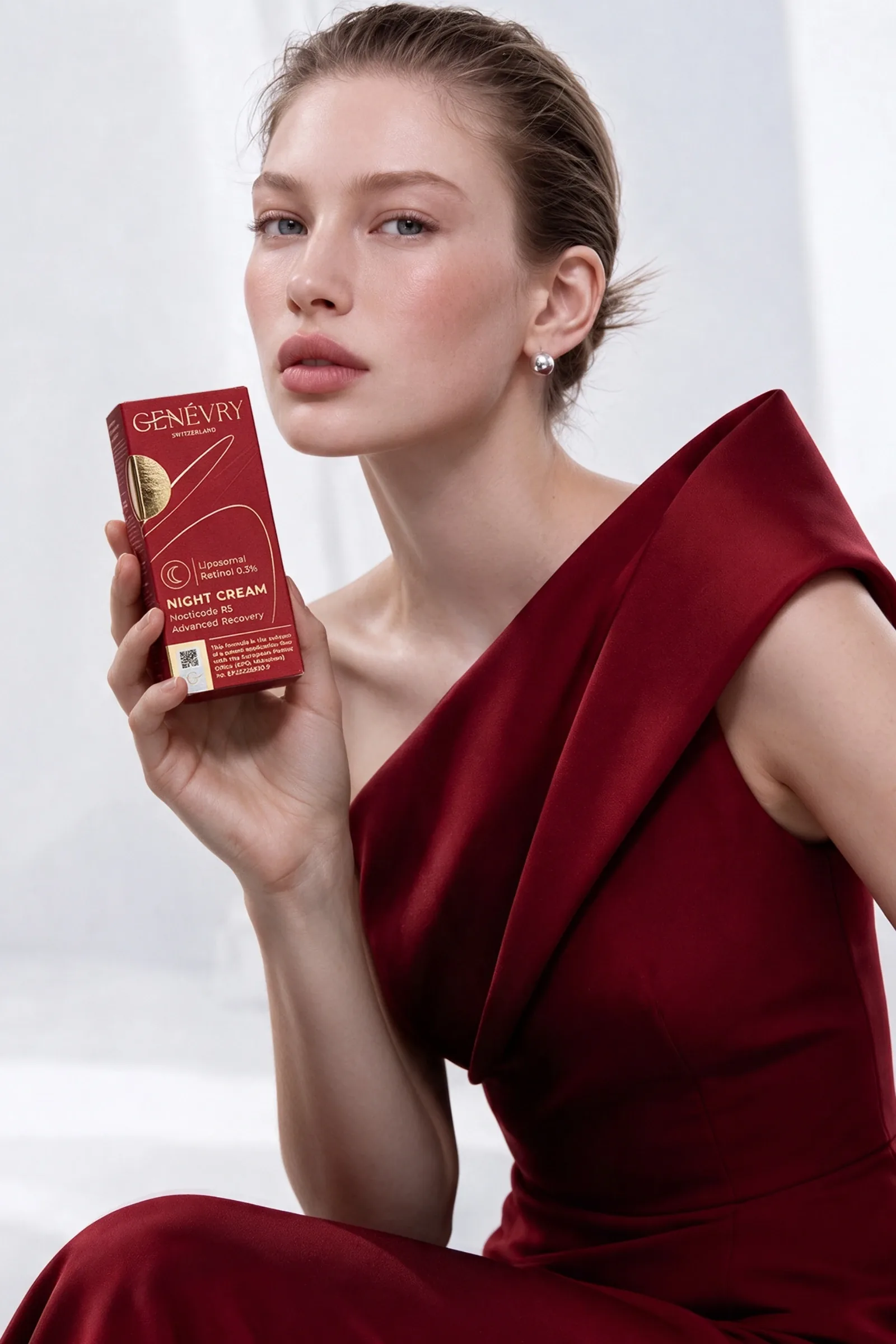
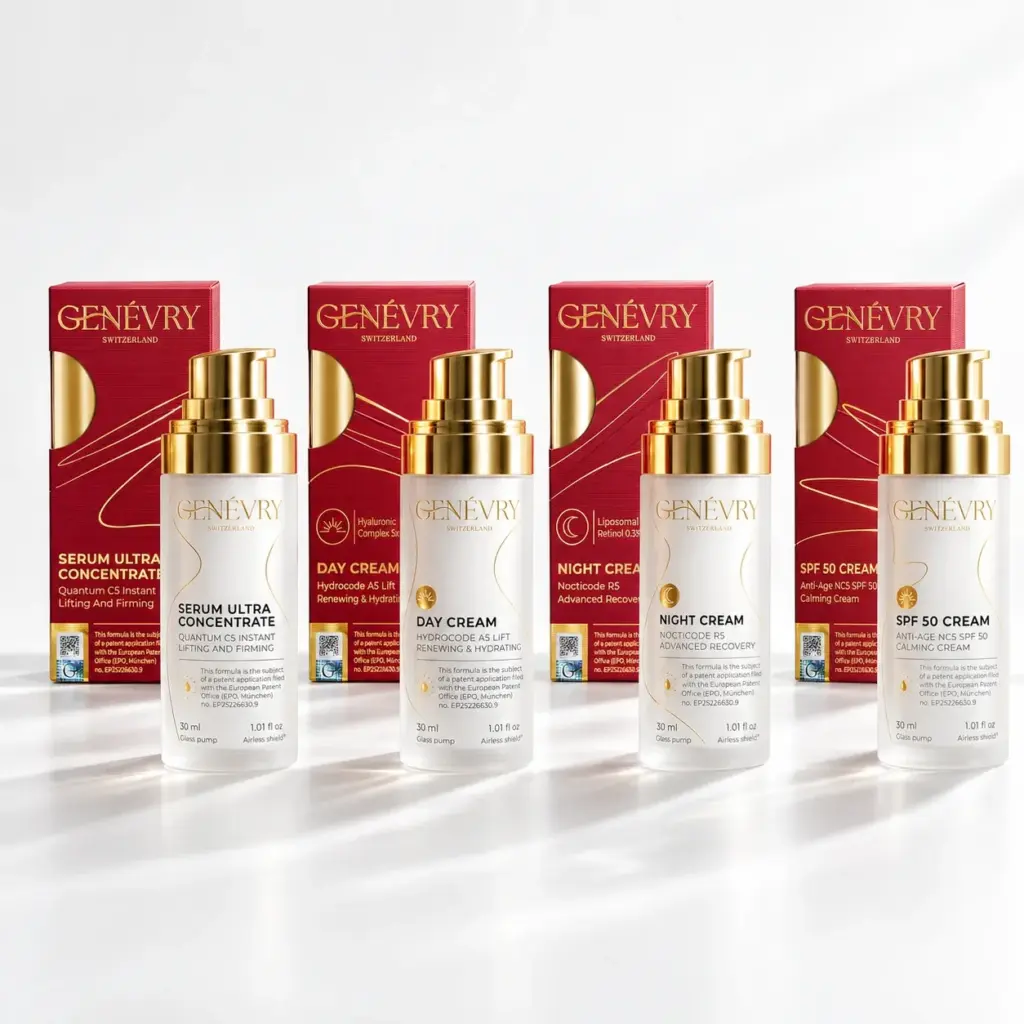
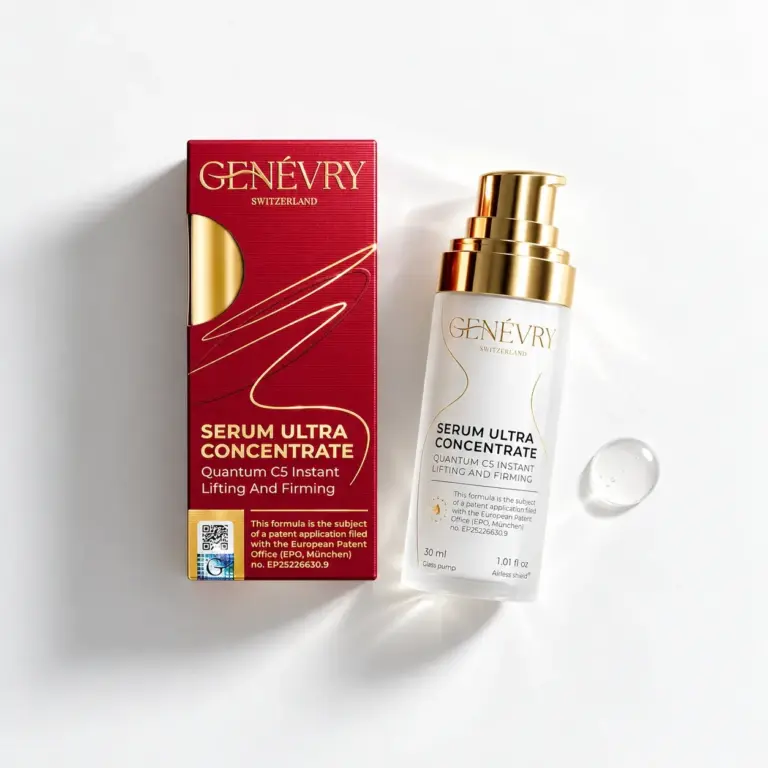
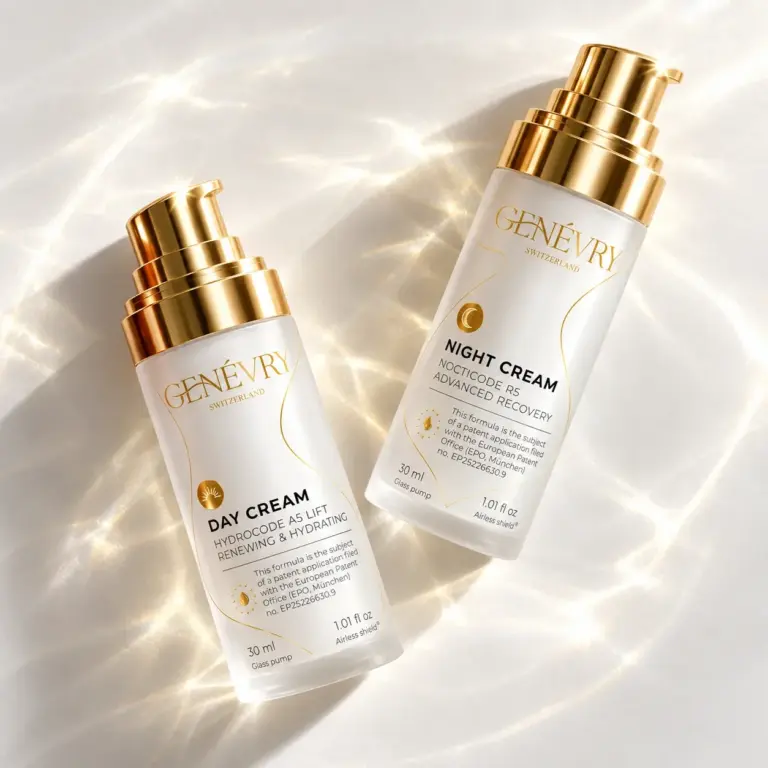
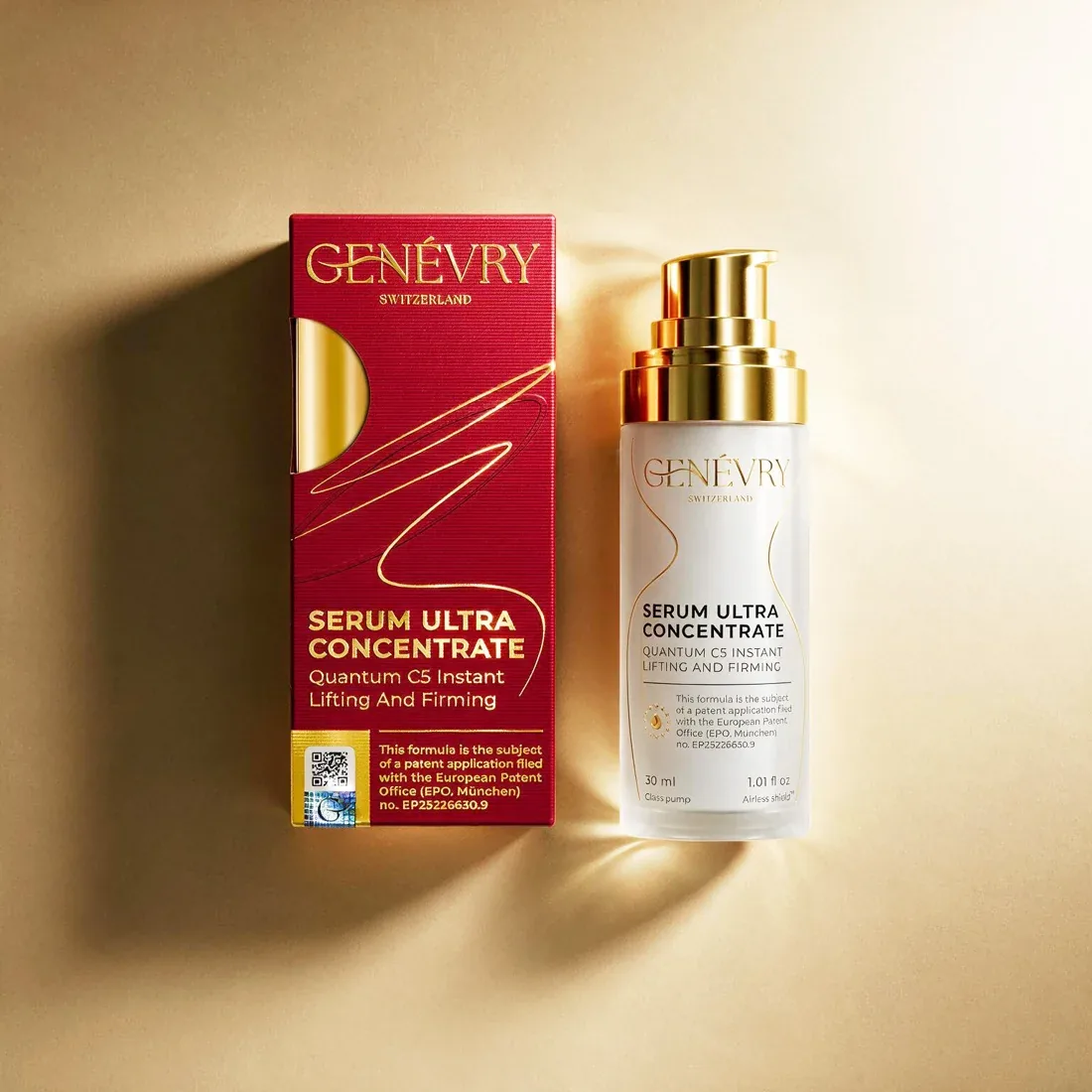
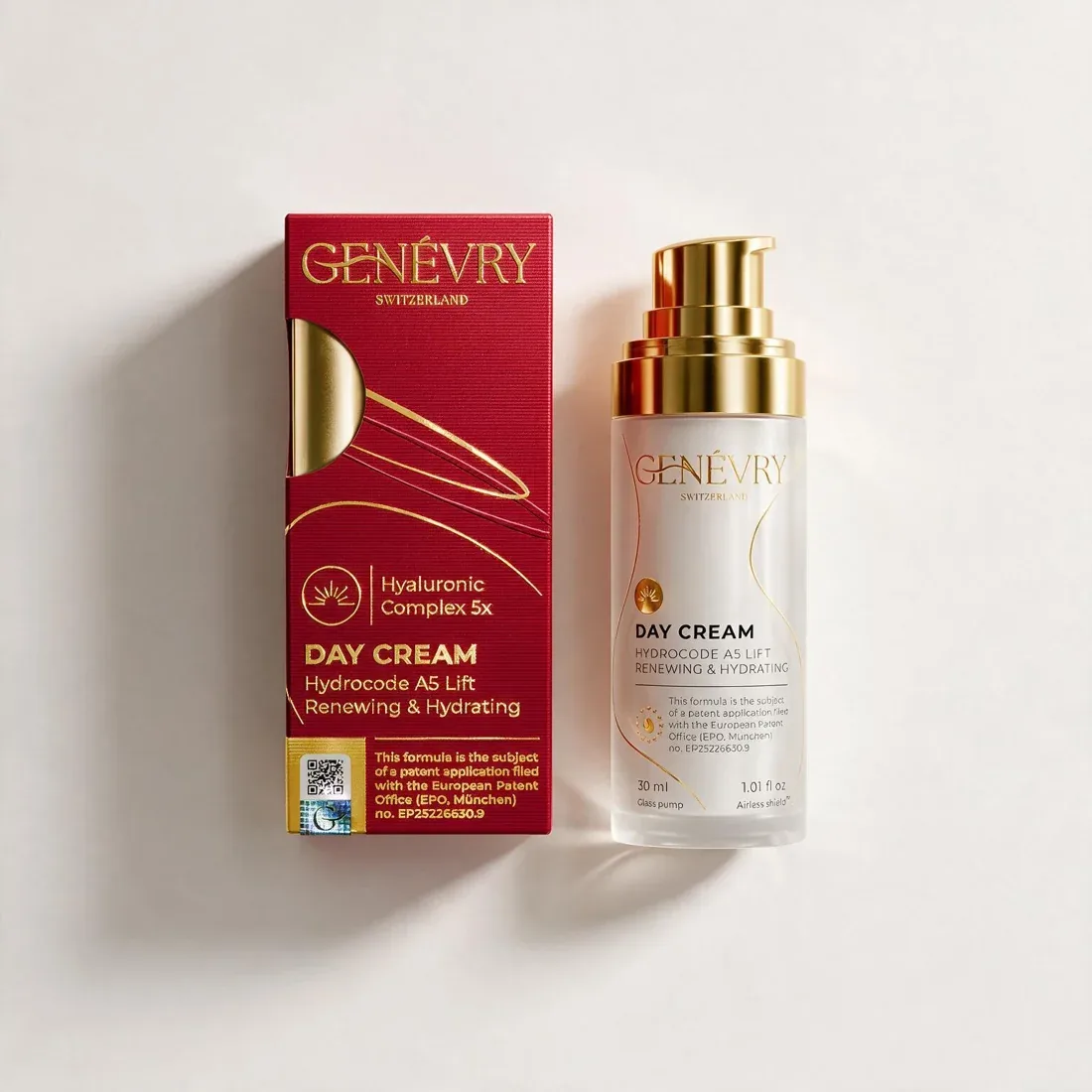
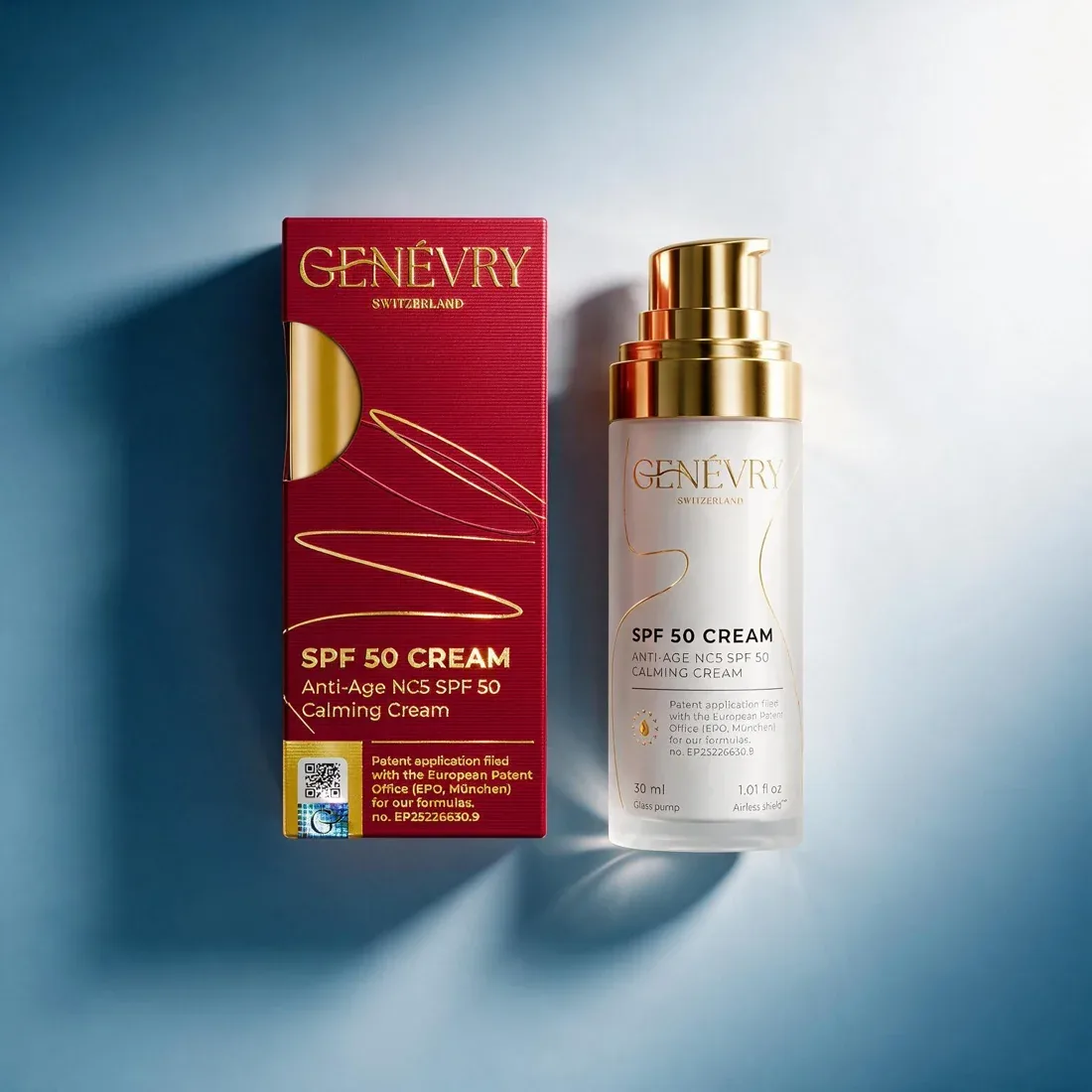
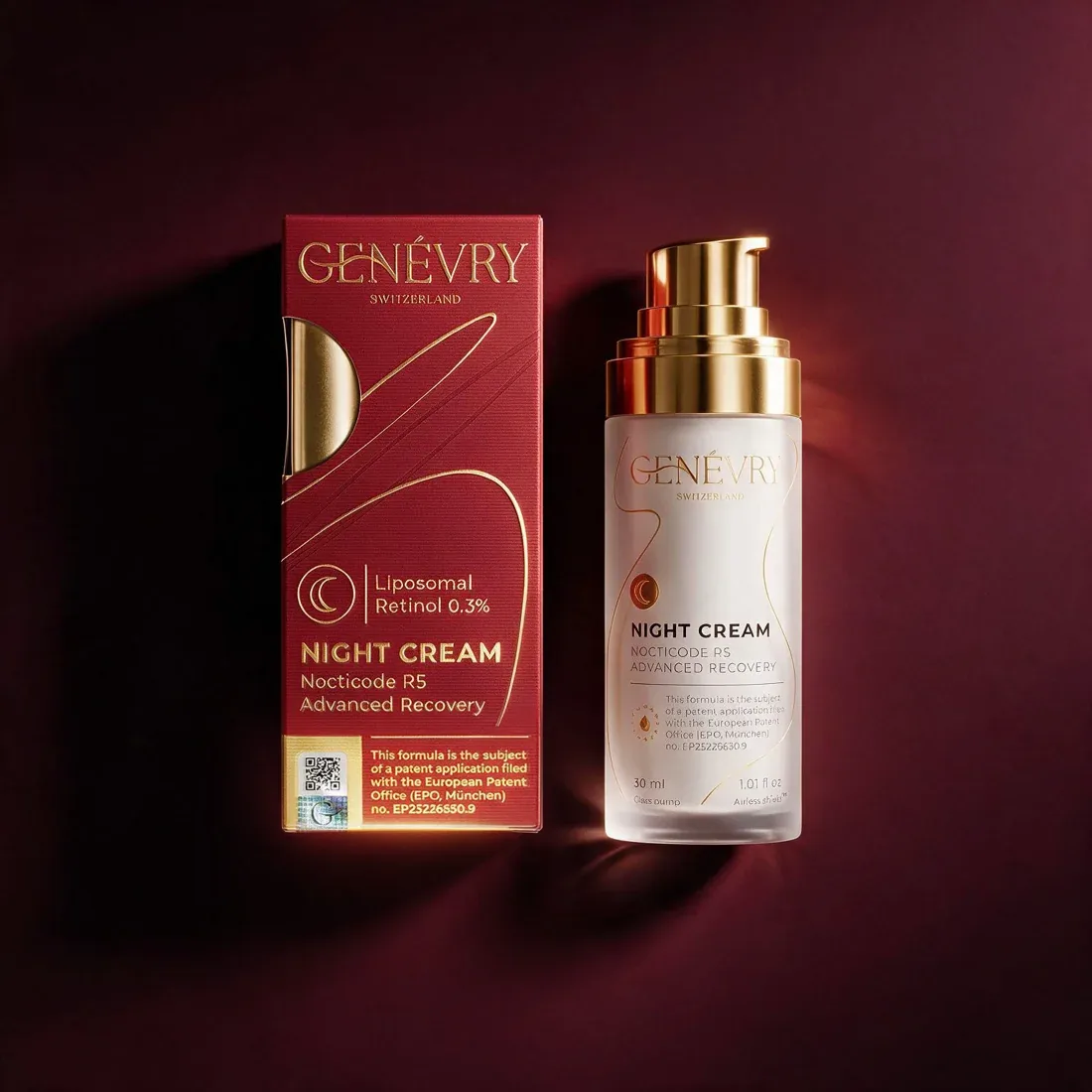
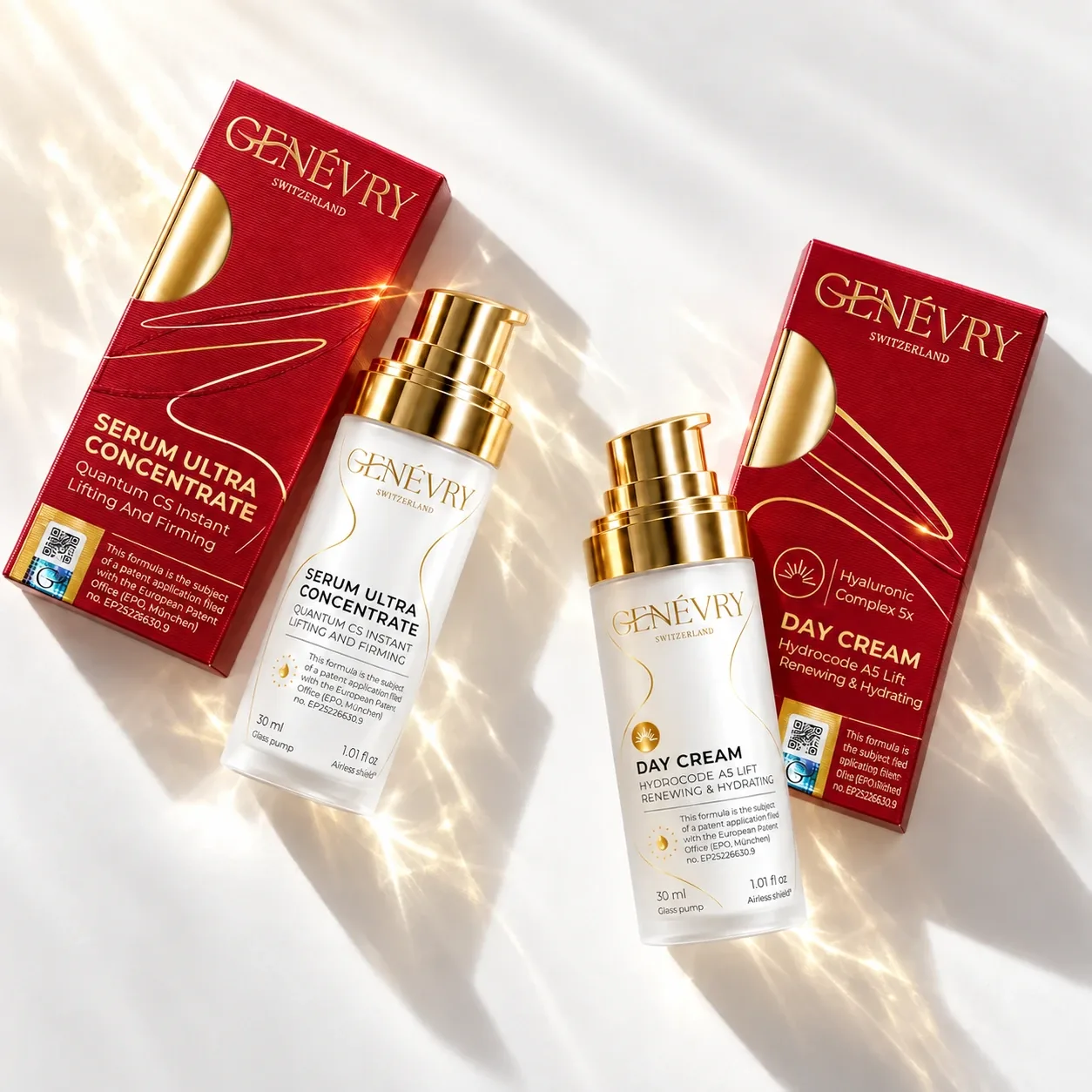
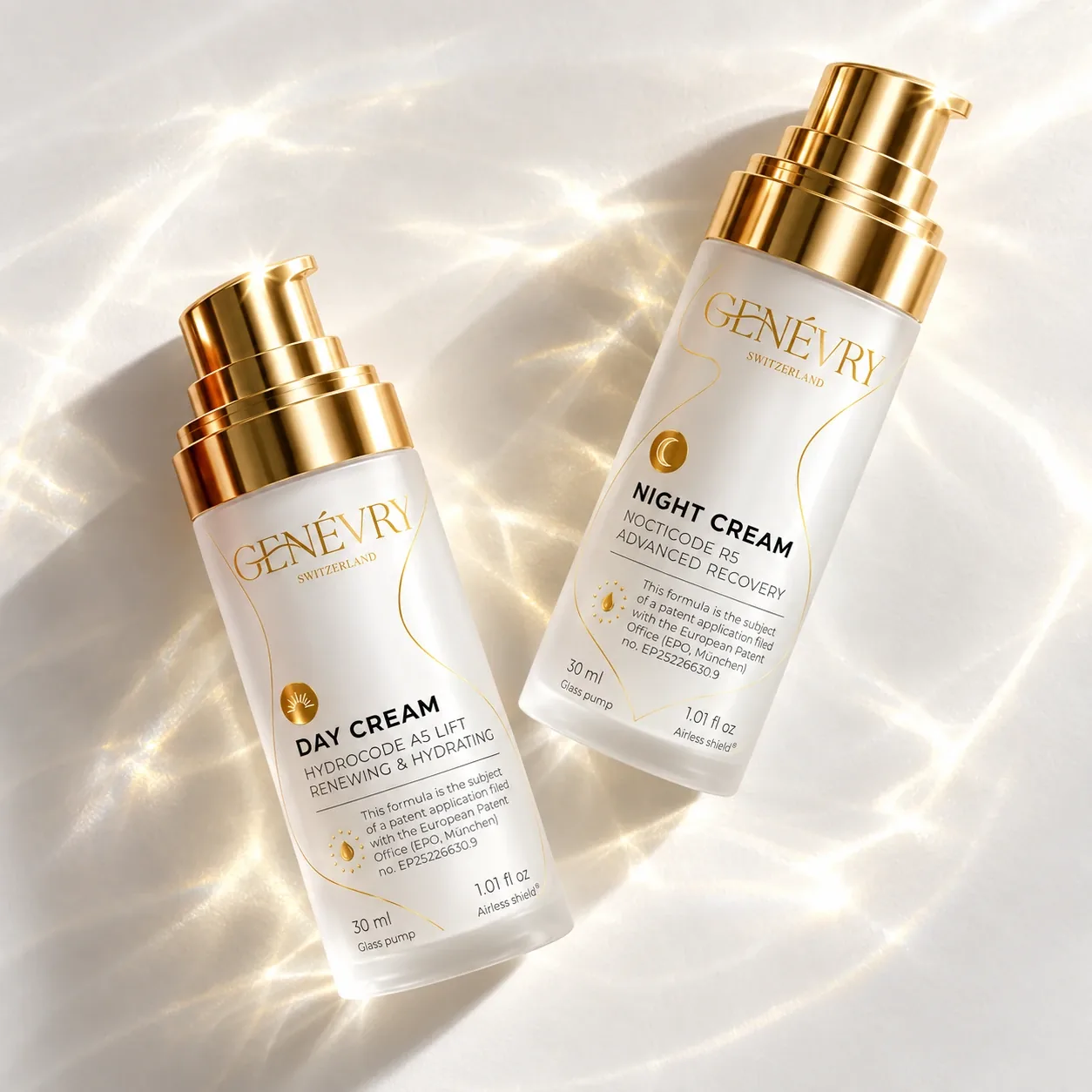
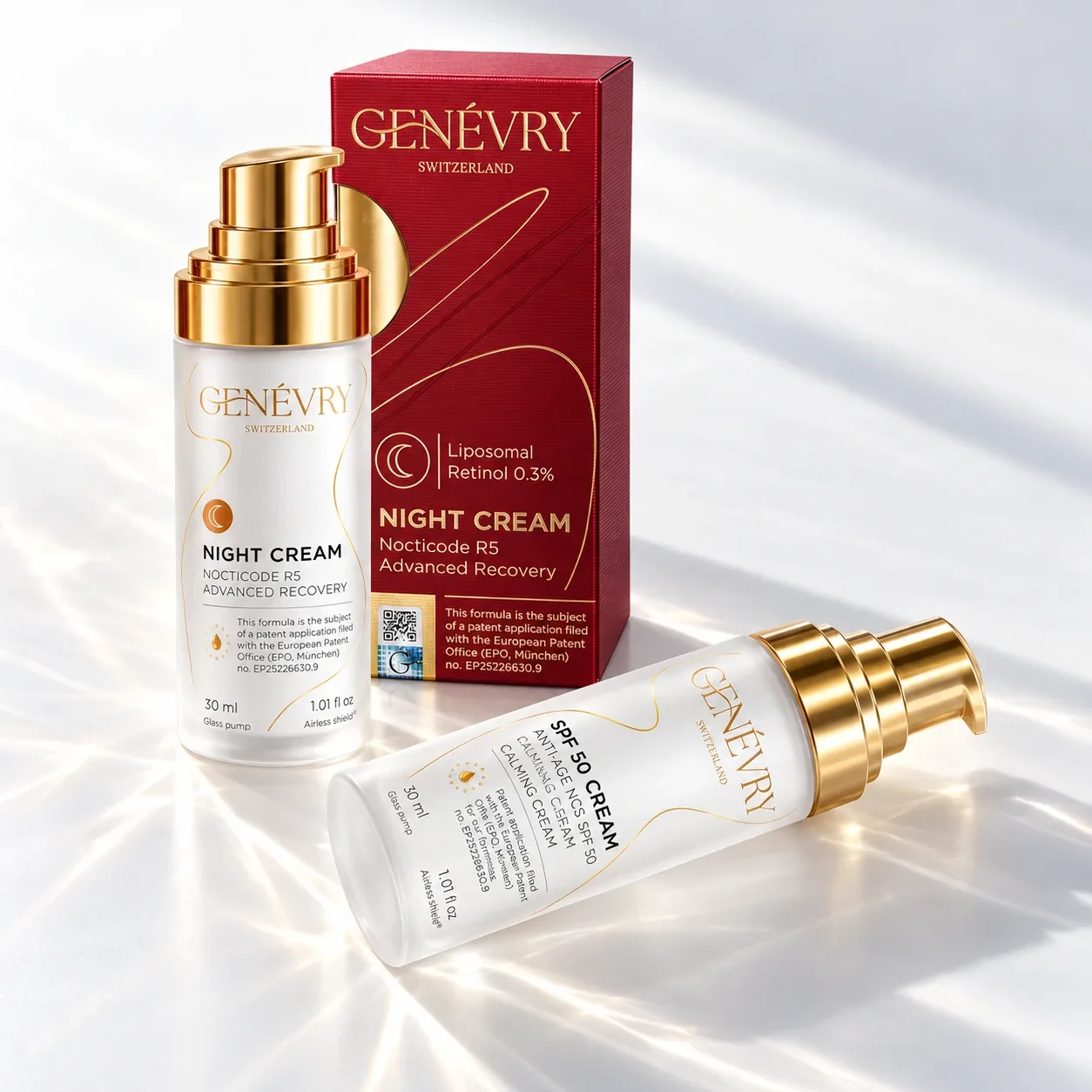
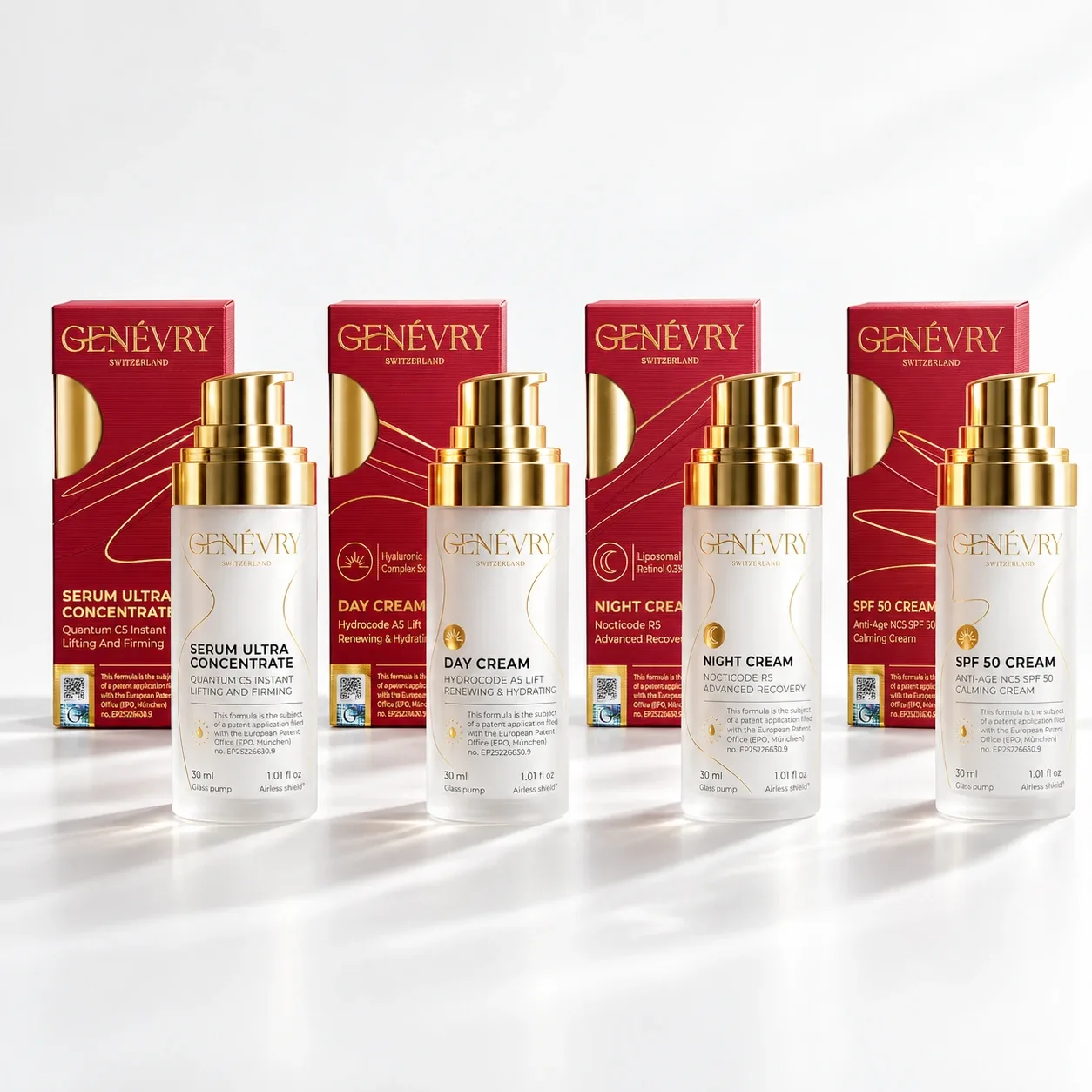
The full INCI list of every GENÉVRY formula is printed on the packaging, and we send it on request to [email protected]. The brand also names what its formulas are built around: the GHK-Cu copper peptide and liposomal vitamin C in the Quantum C5 serum, liposomal retinol 0.3% in the Nocticode R5 night cream, SPF 50 in Anti-Age NC5 and a hydrating complex in the Hydrocode A5 Lift day cream. Bringing the copper peptide and vitamin C together is the subject of patent application EP25226630.9 at the European Patent Office — an application, not a granted patent.
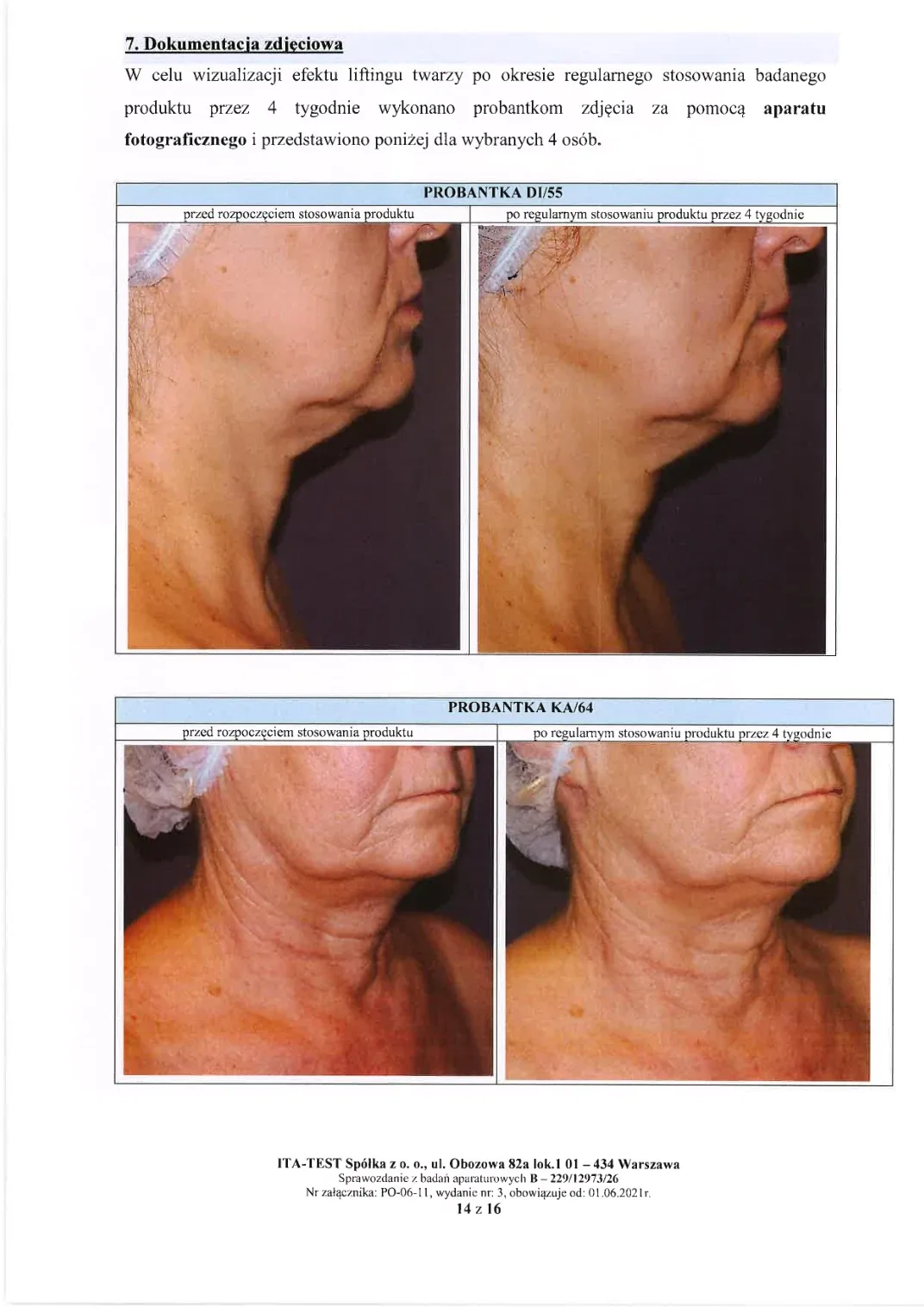
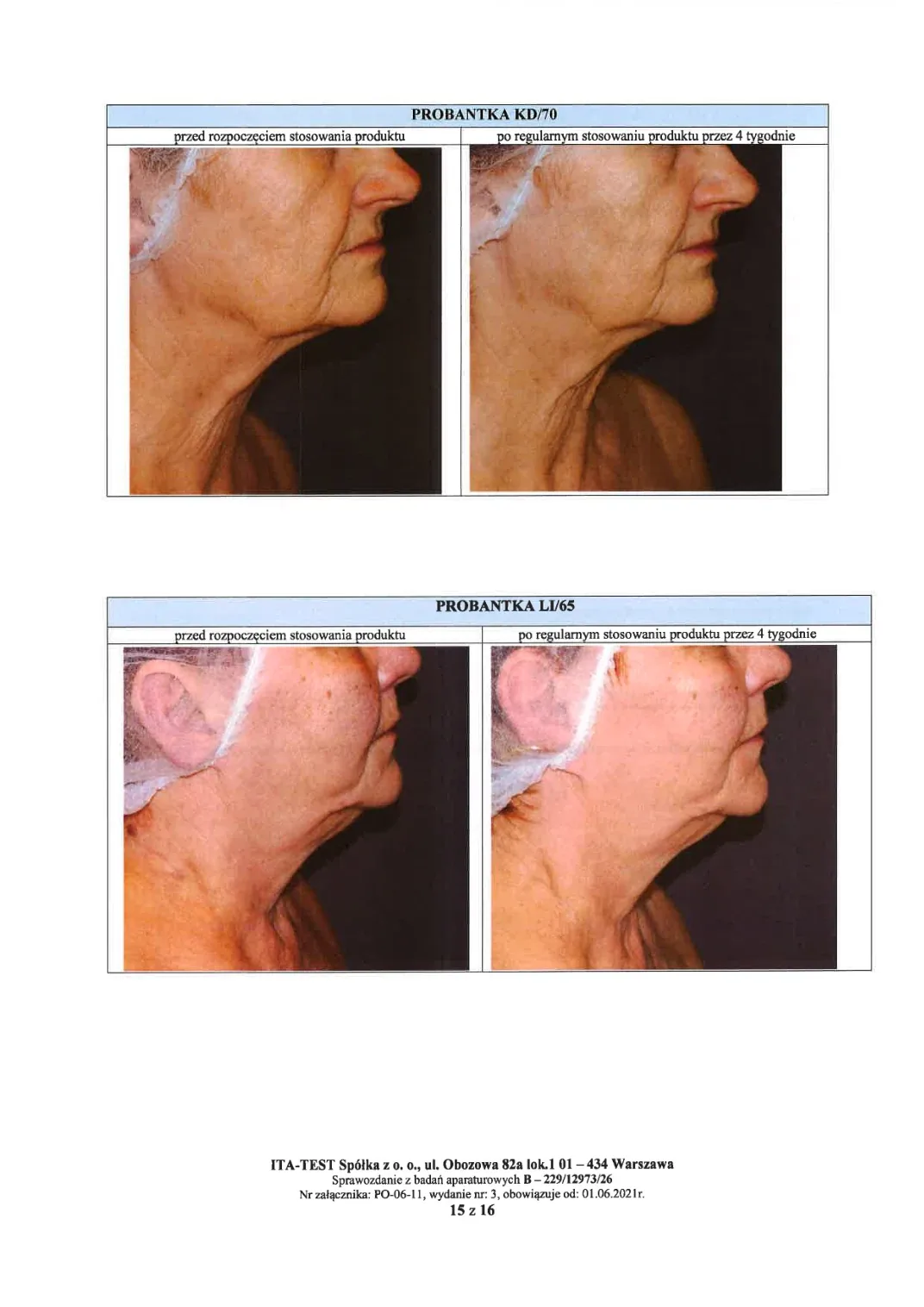
This is where the label stops. In a four-week instrumental study with 10 participants, mean skin hydration after the Quantum C5 serum rose by 33% from baseline (Corneometer CM 825), with an increase recorded in all participants. No ingredient list carries that kind of information — the gap is the difference between what is in a product and how it behaves on skin. The four steps are gathered in The Skin Code Protocol.
Every GENÉVRY formula holds a safety assessment issued by a qualified Safety Assessor and is notified in the European Union’s CPNP portal; the company operates a HACCP system, and the products were tested on volunteers, never on animals. During pregnancy and breastfeeding, with skin conditions, or on medication that affects the skin, discuss any change of routine with a doctor or dermatologist. Retinol is not used in pregnancy, is introduced gradually, and calls for SPF every morning.
Skincare ingredient lists: common questions
Is the first ingredient the most important one?
It is the most abundant, which is not the same thing. In creams first place almost always goes to water; the character of a formula shows in entries two to five.
What does “may contain” or “+/−” mean?
It is reserved for colour cosmetics made in several shades: the colourant list covers the whole range, while any one shade contains only some of them.
Can I identify a product for sensitive skin from the INCI list?
Partly. You can check for fragrance, essential oils and a high position for ethanol. The response depends on the whole formula, so a patch test remains the most reliable check.
Where can I find the full GENÉVRY ingredient list?
On the packaging of each product. We also send it by email on request to [email protected].
In closing
An ingredient list will not settle arguments about which cream is better. It does something more modest: it shows how a product is built, and whether the promise on the front is reflected on the back. The rest — concentrations, the form an ingredient takes, measured results — asks a brand to say more than the law obliges. Asking for that is reasonable.
The formulas in this article
Cosmetic product. Individual results may vary.
 English / EUR
 English (US) / USD
 English (UK) / GBP
 Deutsch / EUR
 Deutsch (Schweiz) / CHF
 Français / EUR
 Italiano / EUR
 Español / EUR
 Nederlands / EUR
 Polski / PLN
 日本語 / JPY
 한국어 / KRW
 中文 / CNY
 العربية / AED
 English (Australia) / AUD
 English (Canada) / CAD
 Svenska / SEK
 Dansk / DKK
 Norsk / NOK
 Suomi / EUR
 Português / EUR
 Türkçe / TRY
 Čeština / CZK
 Magyar / HUF
 Română / RON
 Ελληνικά / EUR
 Slovenčina / EUR
 Hrvatski / EUR
 Slovenščina / EUR
 Lietuvių / EUR
 Latviešu / EUR
 Eesti / EUR
 Български / EUR
 Українська / EUR