Under eye wrinkles: how to read them and what actually helps
The skin around the eye is the thinnest on the body and works with every blink. Before adding another cream, find out which kind of line you are looking at.
Under eye wrinkles tend to show up before any other lines on the face — for some people well before thirty, while the rest of the complexion gives no hint of time passing. That head start is structural rather than a sign of neglect: the skin around the eye is thinner than on the cheek, has few oil glands and sits over a muscle that contracts with every blink. Before adding another product to the shelf, work out which kind of line you are looking at, because dehydration, repeated expression and settled change look alike while responding to entirely different things.
Under eye wrinkles: how to read what you see
Start with an unhurried look in daylight, without makeup. Check twice: on waking and again in the evening. Lines that are sharp in the morning and soften through the day behave differently from those that stay put whatever the hour. The second test is just as simple: rest a fingertip on the temple and ease the skin taut, without dragging it. If the lines under the eye disappear, they are surface lines; if they remain drawn in, the change sits deeper and has settled.
| What you see | Likely cause |
|---|---|
| A fine mesh of short lines, clearest in the morning, softening once cream goes on | Temporary dehydration of the upper layers, dry air, cleansing that strips too much |
| Lines fanning from the outer corner, deepening when you smile | Repeated work of the orbicularis oculi muscle — crow’s feet |
| The same lines visible with the face completely still | Settled change: reduced collagen and elastin quality, photoageing |
| Thin, almost translucent skin with visible vessels | Thinning of the dermis after years of cumulative UV exposure |
| Morning puffiness with a single horizontal crease beneath it | Fluid retention, short sleep, sleeping position, a salty dinner |
| A shadowed hollow running from the inner corner towards the cheek | Facial anatomy and loss of underlying volume, not the condition of the skin itself |
The distinction matters in practice. Dehydration lines can soften within days once cleansing and moisturising change. Expression lines and settled wrinkles ask for months of consistency, and some features — the tear trough shadow among them — are anatomical and sit outside what any cream can address. We looked at that boundary in more detail in our piece on expression lines and what skincare can realistically do.
Why this area ages first
Eyelid skin is the thinnest on the body, roughly half a millimetre against up to four times that on the cheek. Sebaceous glands are sparse here, so the lipid film that slows water loss elsewhere does less work. Anything drying — cold air, central heating, air conditioning, a brisk foaming cleanser — registers here first.
Then there is movement. The orbicularis oculi contracts with every blink, and we blink well over a dozen times a minute, all day. For the first few decades the skin returns to its original shape without a trace. Over time collagen and elastin fibres are remodelled, the network loses spring, and folds begin to hold. That is intrinsic ageing: a matter of years and genetics.
The larger share, though, belongs to an external factor — ultraviolet radiation. Photoageing accounts for most of the visible change around the eye: fibre degradation, elastosis, uneven tone. Squinting into the sun without sunglasses combines two mechanisms at once, photodamage and repeated expression. The rest of the list is short and well documented: tobacco smoke, chronic short sleep, dehydration, and friction from brisk makeup removal, rubbing itchy eyes or sleeping face-down.
A morning and evening routine, step by step
The aim is not to smooth the eye area in a week, but to take the load off it and keep the skin well hydrated over the months that follow. Four steps in the morning, four at night.
Morning
- Cleanse with lukewarm water and a gentle formula. Hot water and high-foaming gels leave this area stripped for hours.
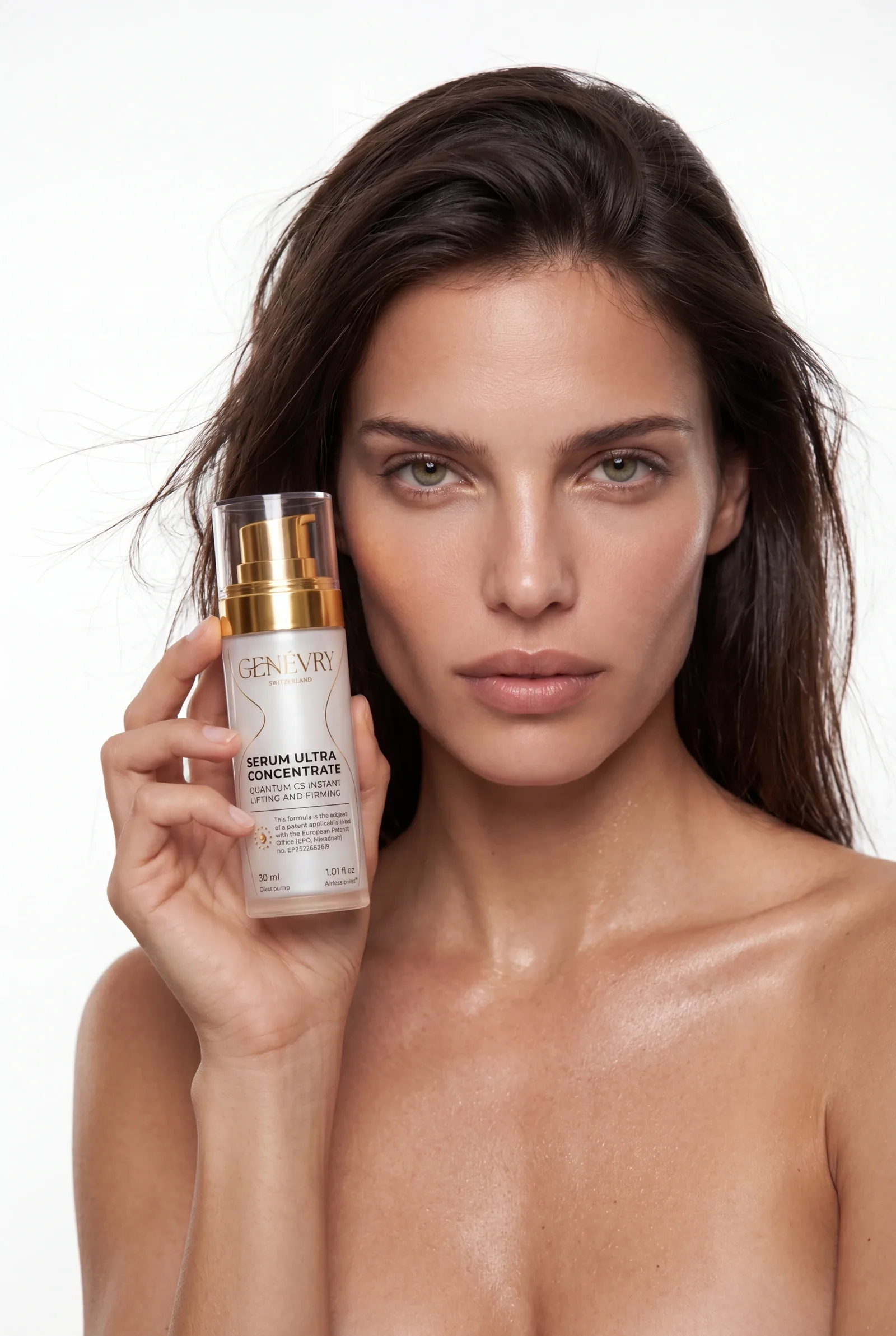
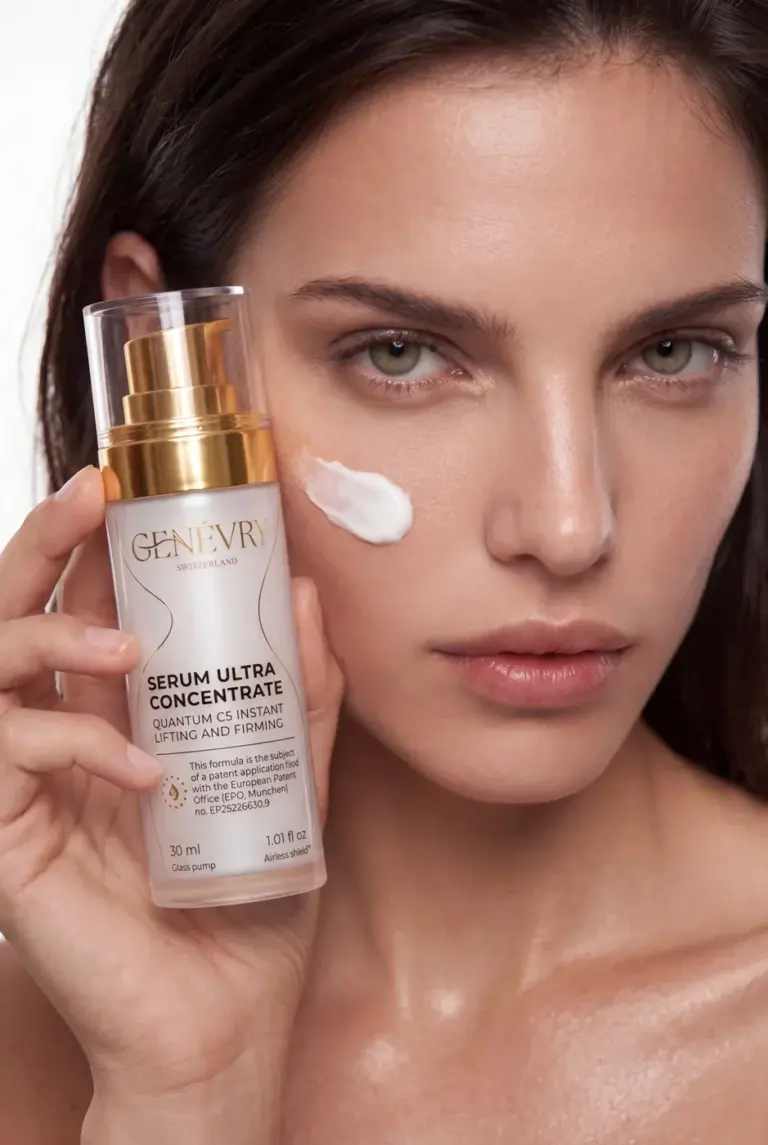
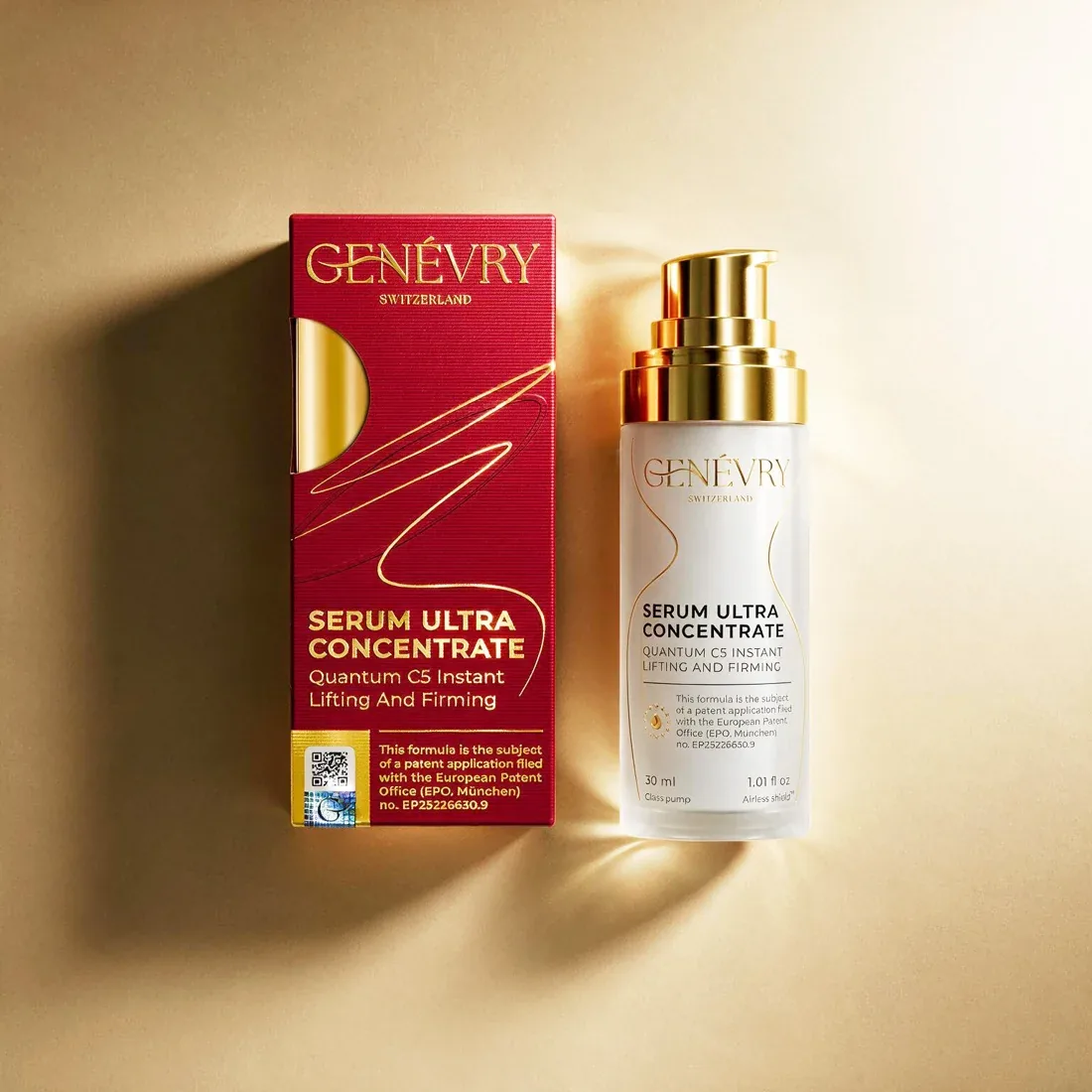
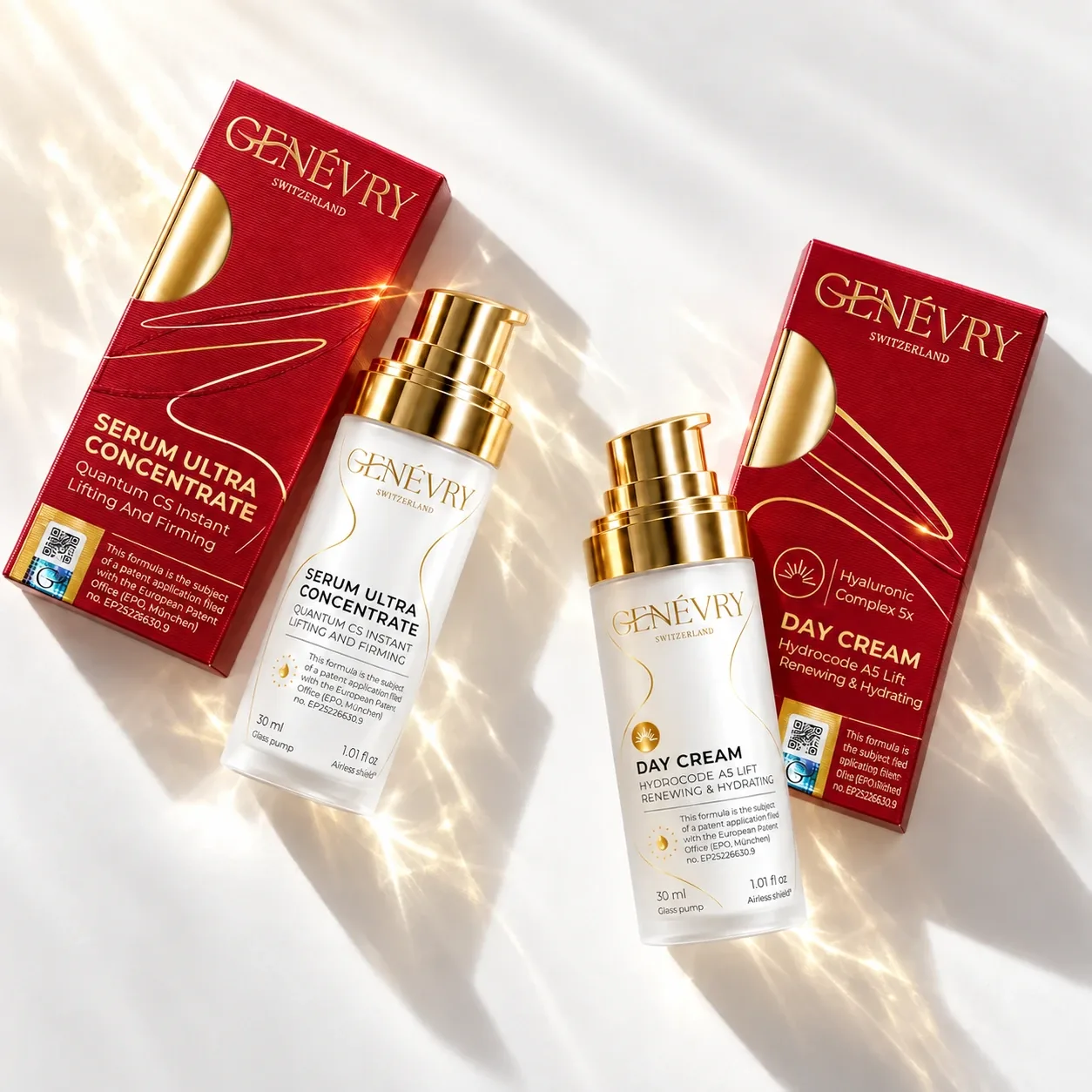
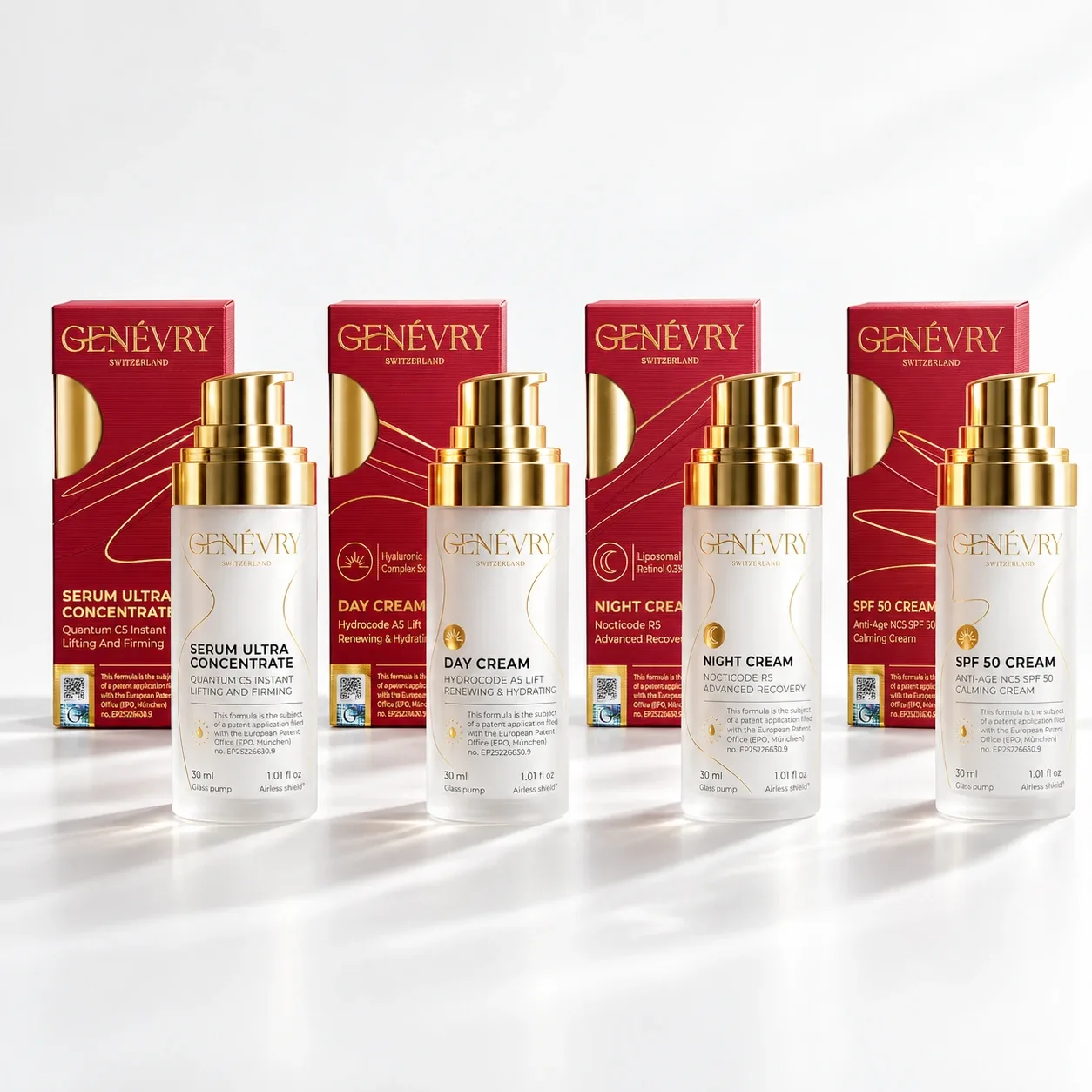
- Apply an antioxidant serum to slightly damp skin. In Quantum C5 that role belongs to the GHK-Cu copper peptide and liposomal vitamin C; in instrumental testing of the formula (Corneometer CM 825, four weeks, n=10) mean skin hydration rose 33 per cent from baseline.
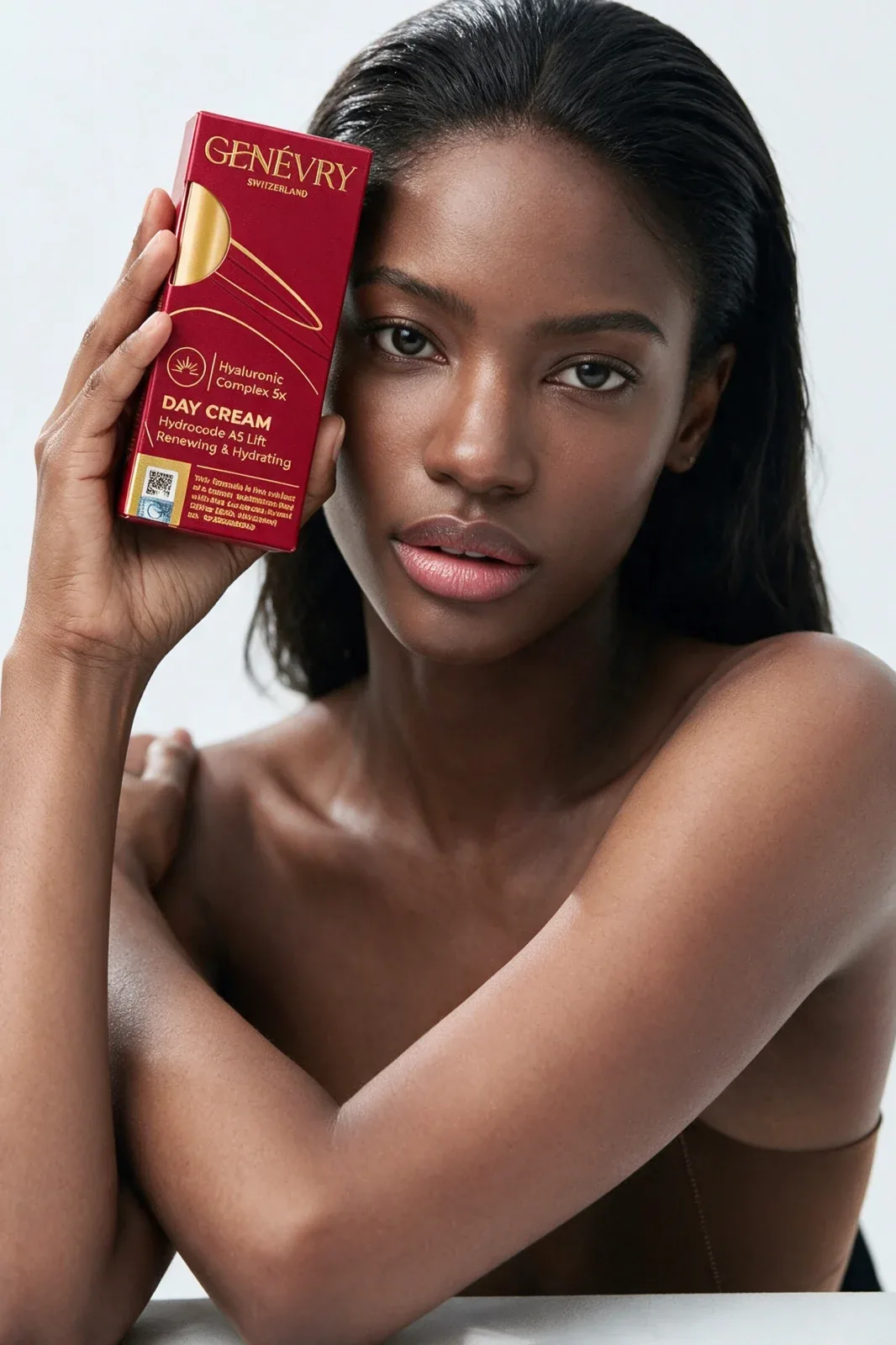
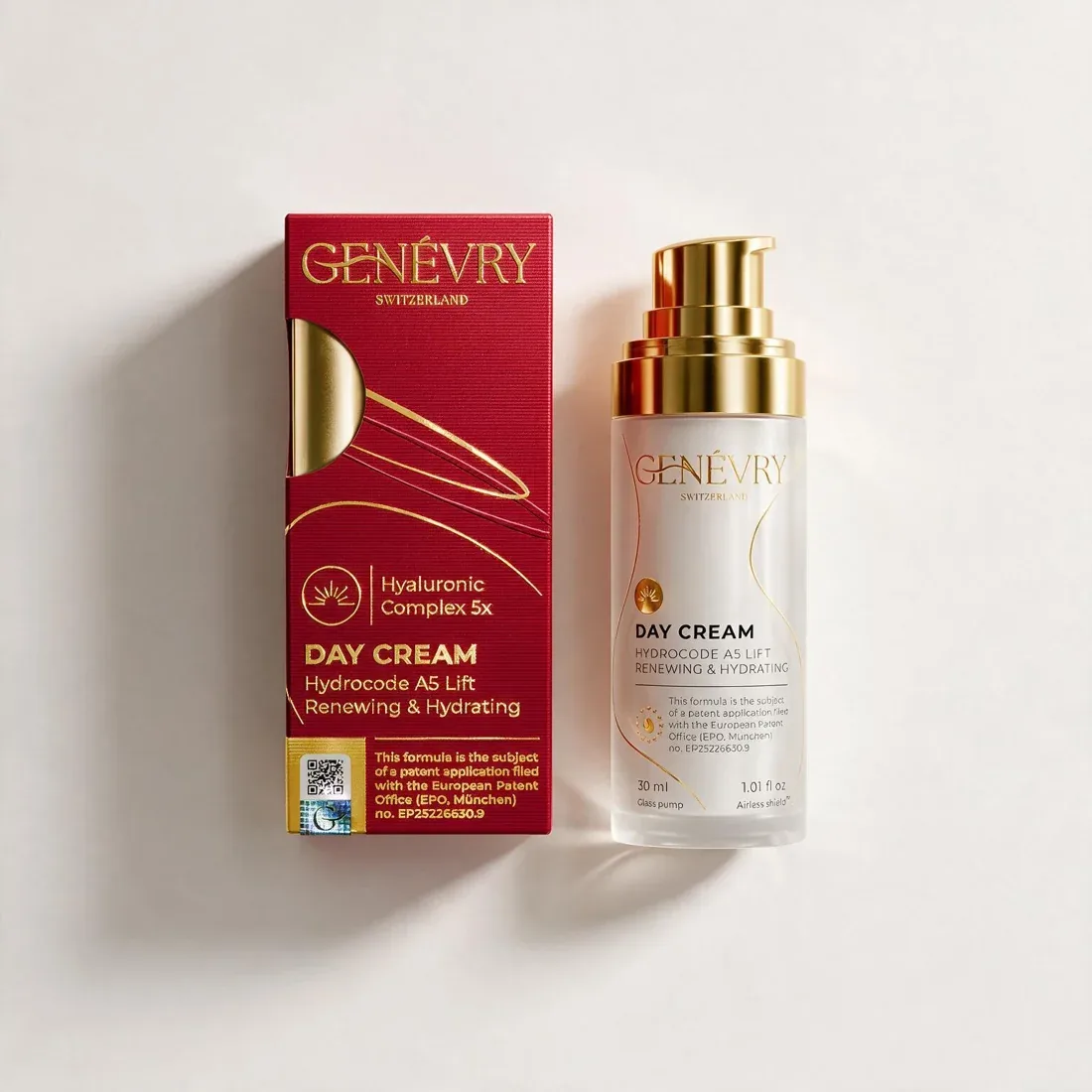
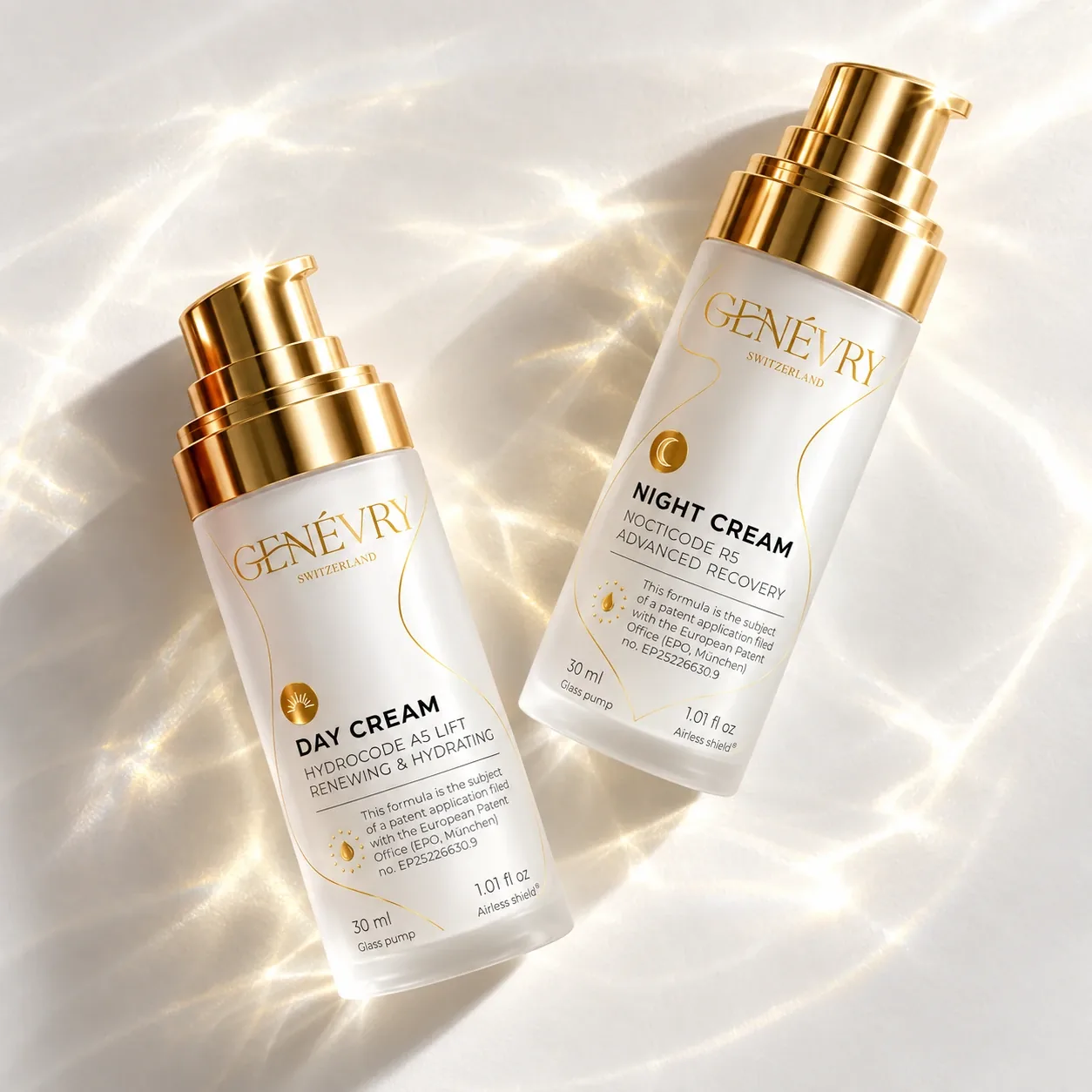
- Follow with day cream, carrying what remains on your fingers towards the orbital bone — not rubbed into the moving lid.
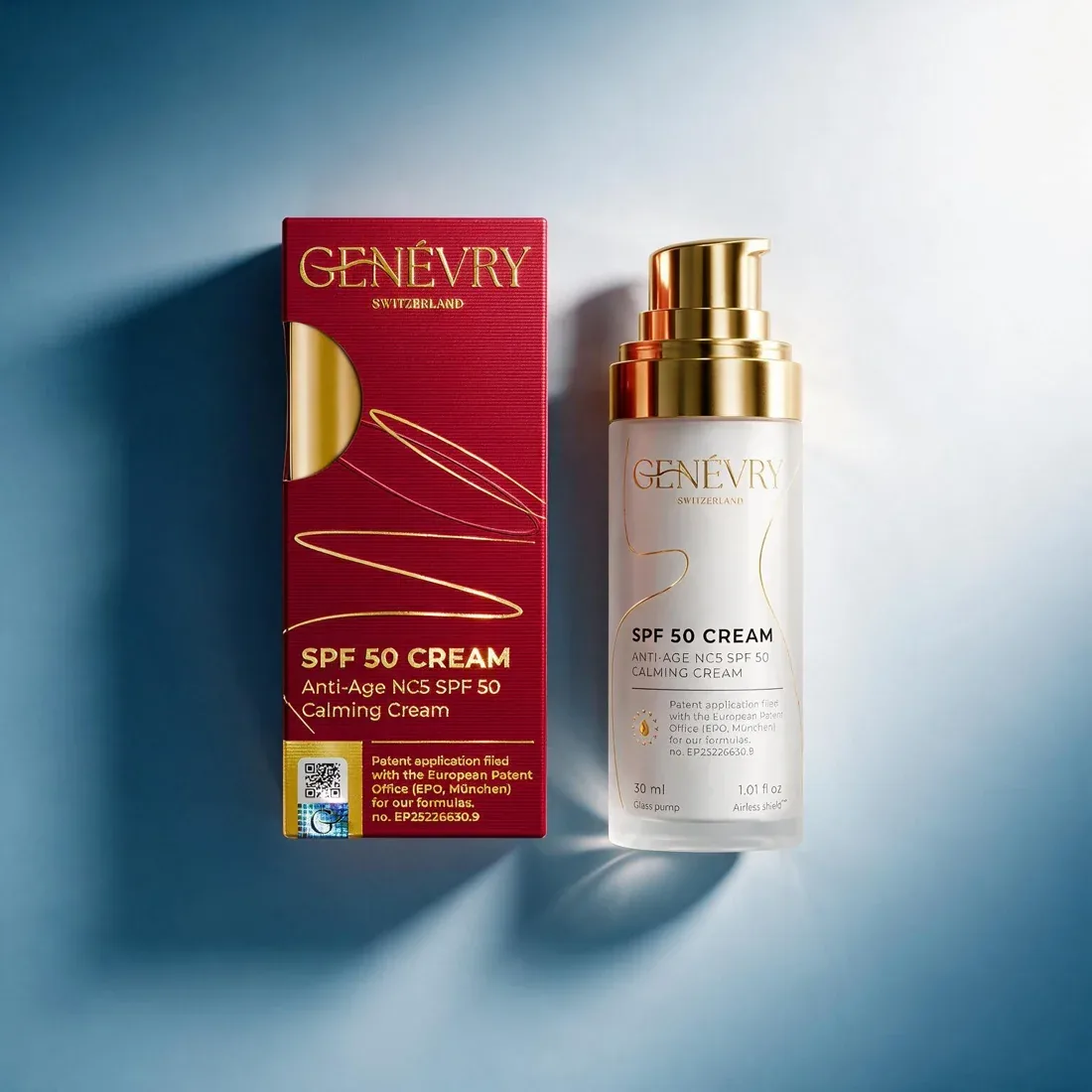
- Apply sunscreen. It is the one step that genuinely limits photoageing here. UV-filtering sunglasses do the other half of the job, because you stop squinting without thinking about it.
Evening
- Remove makeup without friction: hold a soaked pad in place for twenty seconds, then draw it downwards in a single pass. Repeat rather than scrub.
- Cleanse, then press the towel against the skin instead of wiping.
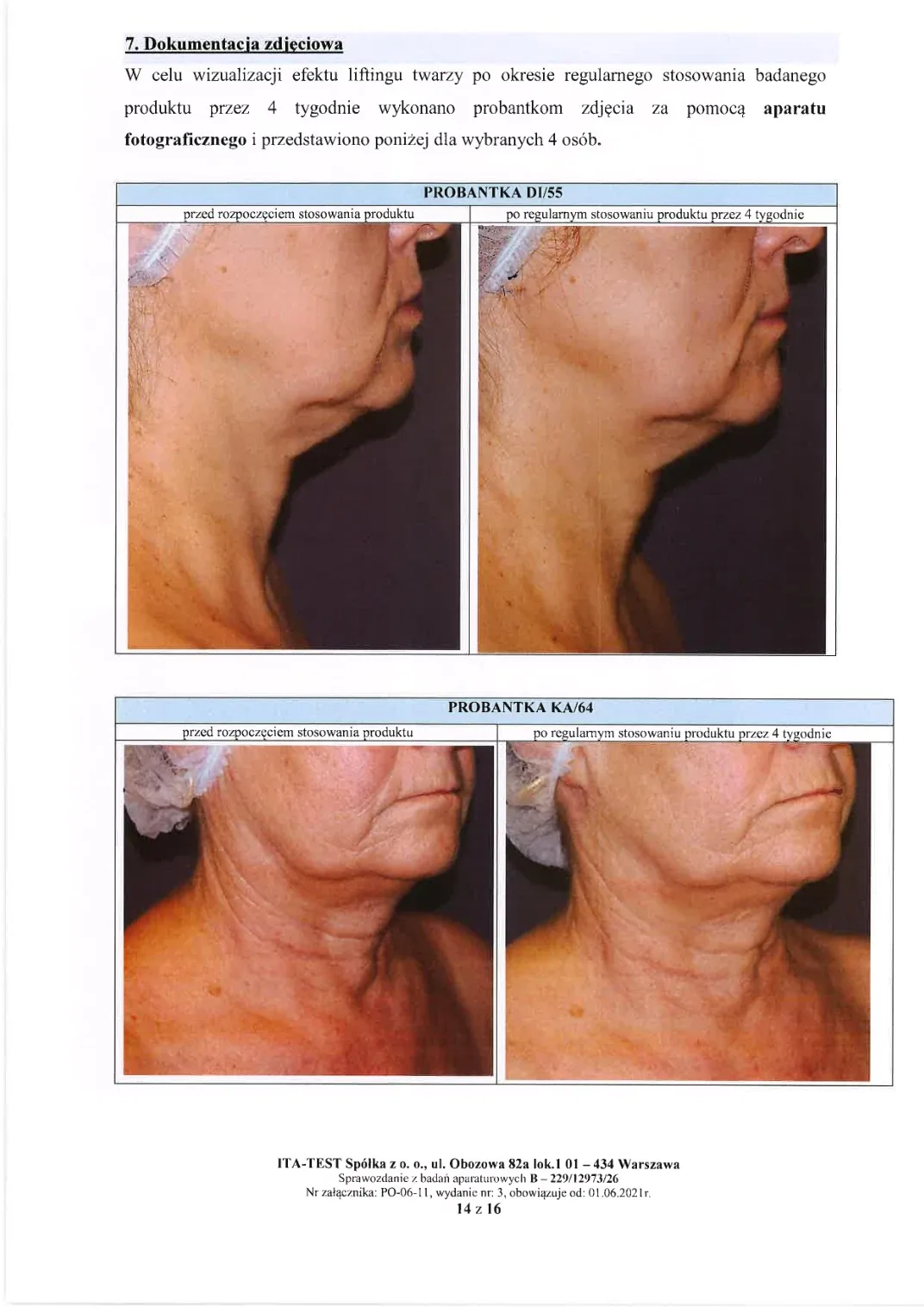
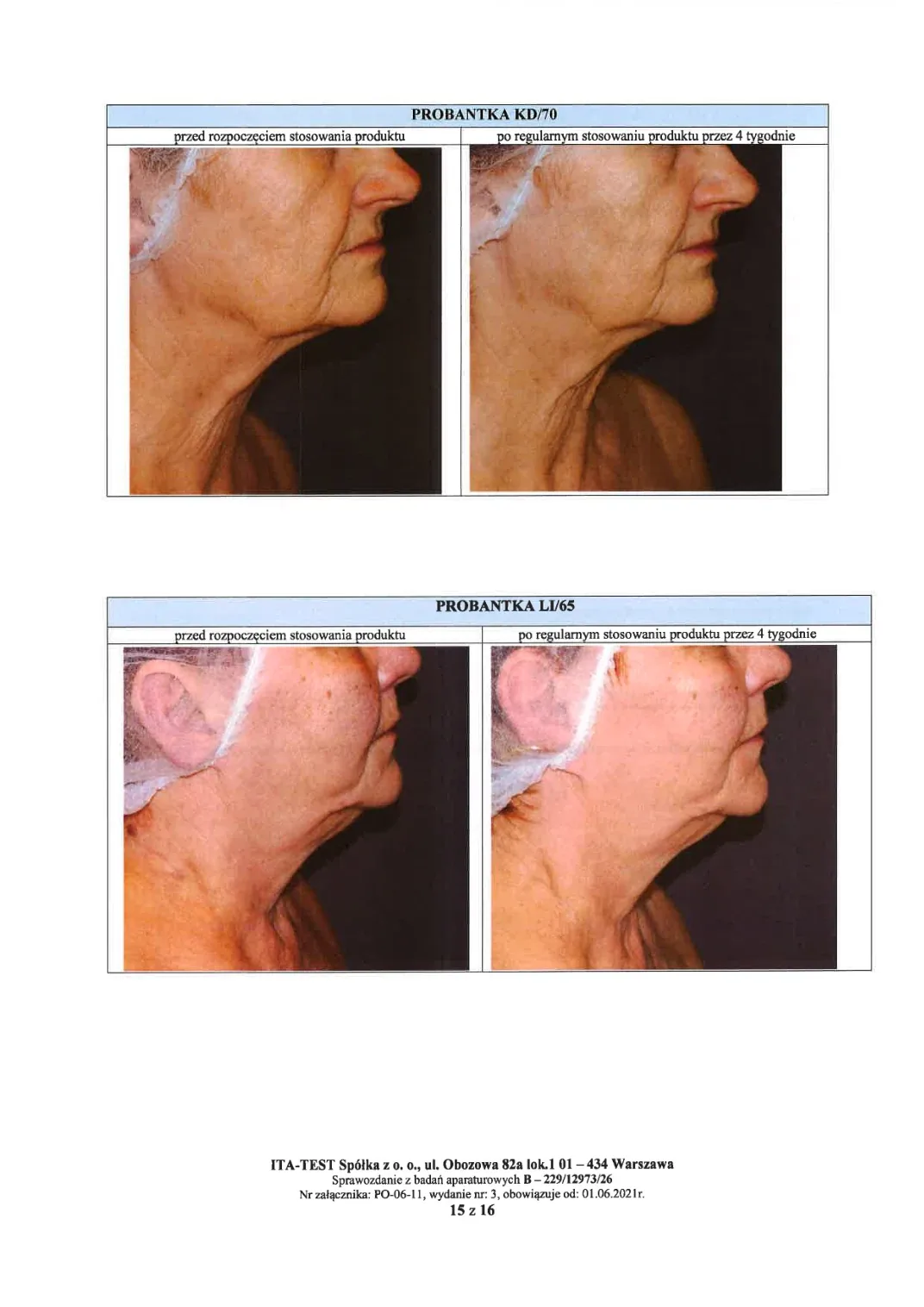
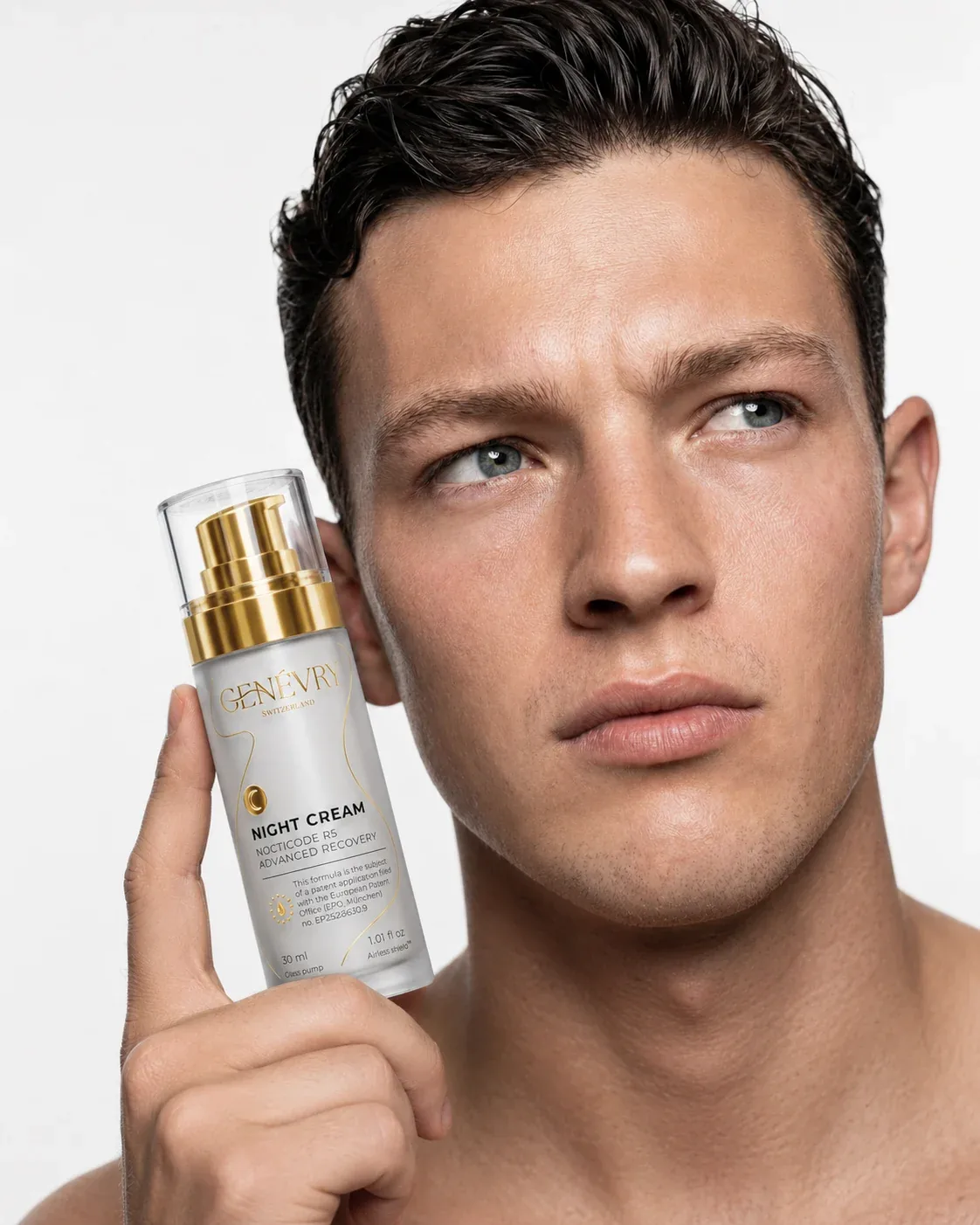
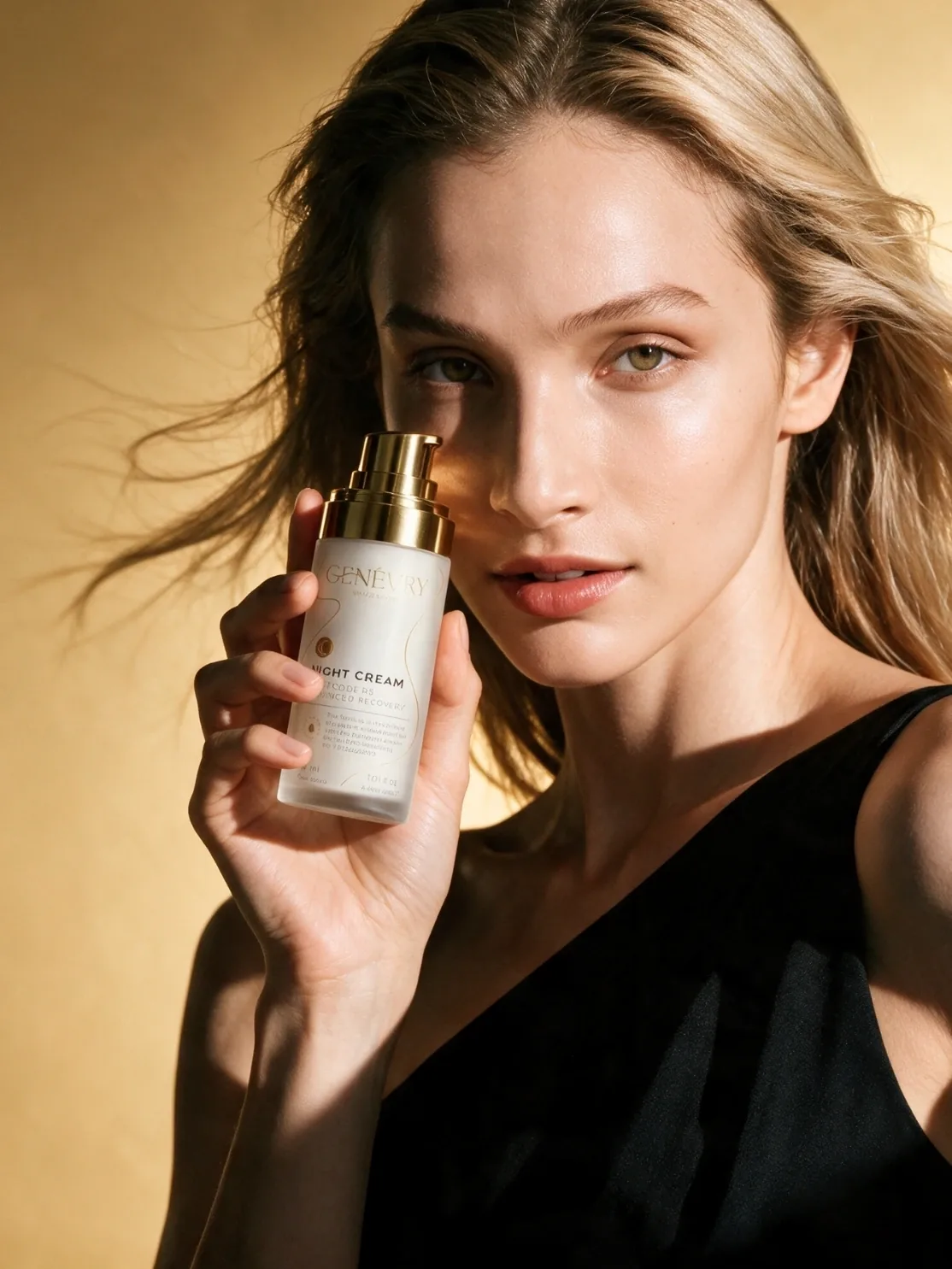
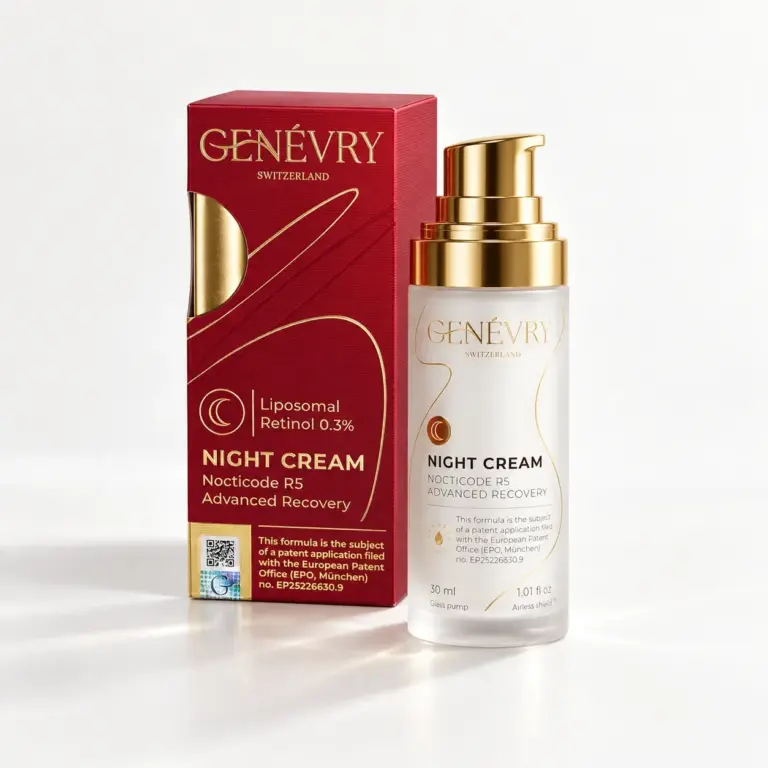
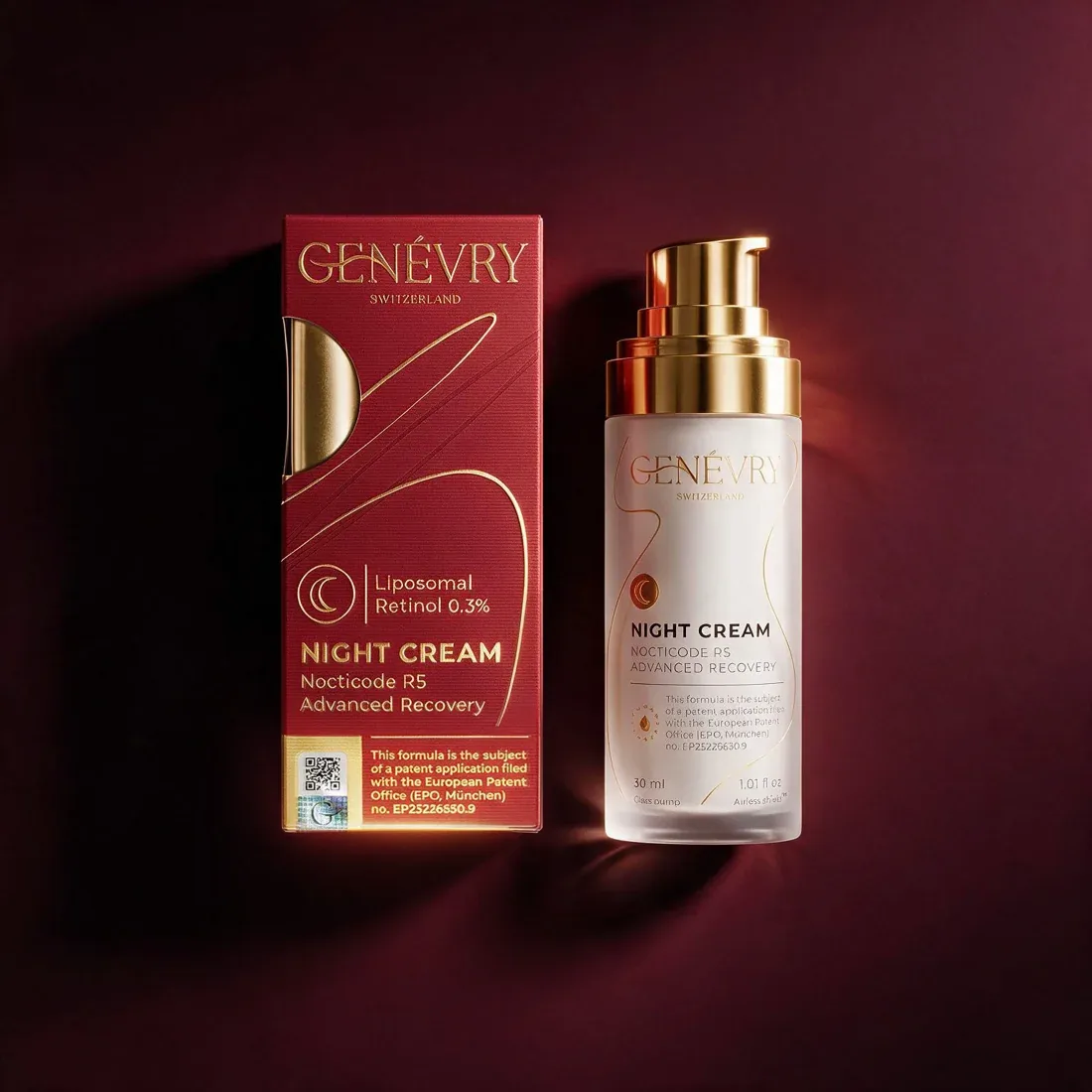
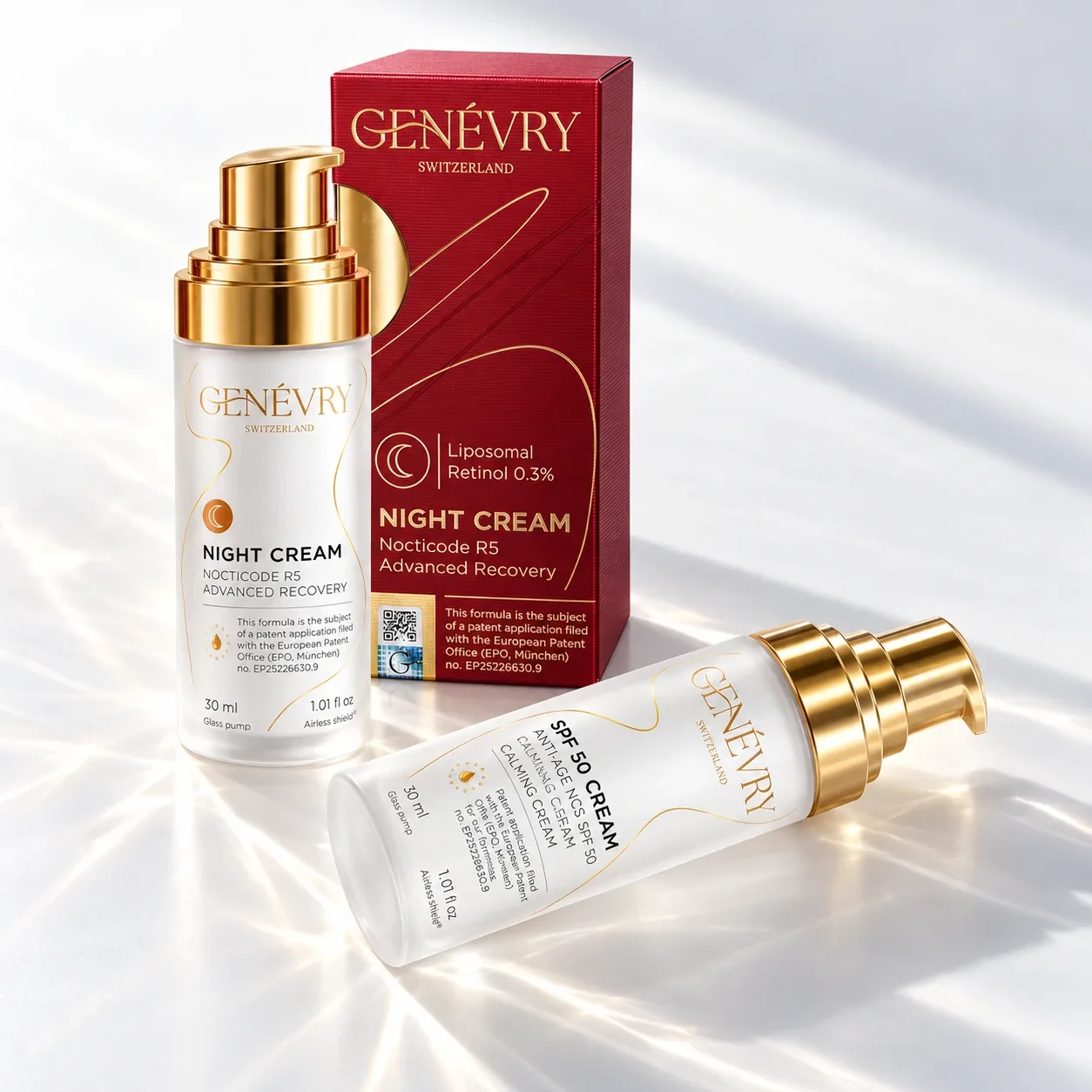
- Apply night cream. Nocticode R5 contains liposomal retinol at 0.3 per cent, the ingredient with the best-described effect on the appearance of wrinkles in the literature. In instrumental testing of this cream (VISIOLINE VL650, silicone replicas, four weeks, n=10) mean wrinkle length fell by 10 per cent, from 2.08 to 1.88 mm, and mean depth by 8 per cent; a reduction was recorded in 9 of 10 participants. That is a measurement on a small group, not a forecast for every face. Apply to the face as directed, avoiding the mobile lid and lash line.
- Introduce retinol gradually: every third evening for the first fortnight, then every other. Sunscreen the next morning is not optional — we set out why in our article on retinol and sun exposure.
Two habits from outside the bathroom belong here too: seven hours of sleep and steady hydration through the day. No cream substitutes for either in an area that answers to both within a single night.
What to leave out
The list of mistakes is shorter than the list of recommendations, and several of these deepen the problem faster than any routine can ease it.
- Friction. Brisk makeup removal, rubbing itchy eyes, a coarse towel. Pulling at skin half a millimetre thick works against it every single day.
- Retinol or acids on the moving lid. Face formulas go up to the orbital bone and no closer, unless the manufacturer states otherwise.
- Grainy scrubs in this area. Abrasive particles are a disproportionate tool for skin this fine.
- Too much product. A thick layer does not absorb better; it does encourage morning puffiness.
- Squinting. An uncorrected prescription and no sunglasses amount to daily expression training in the most delicate place on the face.
- Kitchen remedies. Lemon juice, bicarbonate of soda and essential oils near the eye are the shortest route to a stinging conjunctiva.
When to see a doctor
Skincare concerns how skin looks. Some situations call for a diagnosis instead of another cream. Book an appointment with a dermatologist or ophthalmologist if the change appeared suddenly over a few days; if it comes with swelling, redness and itching, which can point to contact dermatitis, a common reaction to a cosmetic or a preservative; if the eyelid skin is flaking or cracking; or if you notice asymmetry, a drooping lid, a new pigmented spot or a lump. Chronic skin conditions — atopic dermatitis, seborrhoeic dermatitis, rosacea — are managed with specialist care, not a home routine.
Pregnancy and breastfeeding deserve a separate note: retinoids are set aside, and any active is worth discussing with your doctor. If you take medication that affects the skin, that conversation is the first step rather than the last.
Frequently asked questions
Do I really need a separate eye cream?
Not always. Eye formulas are usually lighter, ophthalmologically tested and free of ingredients with higher irritation potential. If your face cream suits you and you stop at the orbital bone, a dedicated product is a convenience rather than a requirement.
What age should I start?
Sunscreen and moisturiser from the beginning. Actives make sense once lines are visible with the face at rest, which for most people falls somewhere between twenty-five and thirty-five. Starting earlier does not speed anything up.
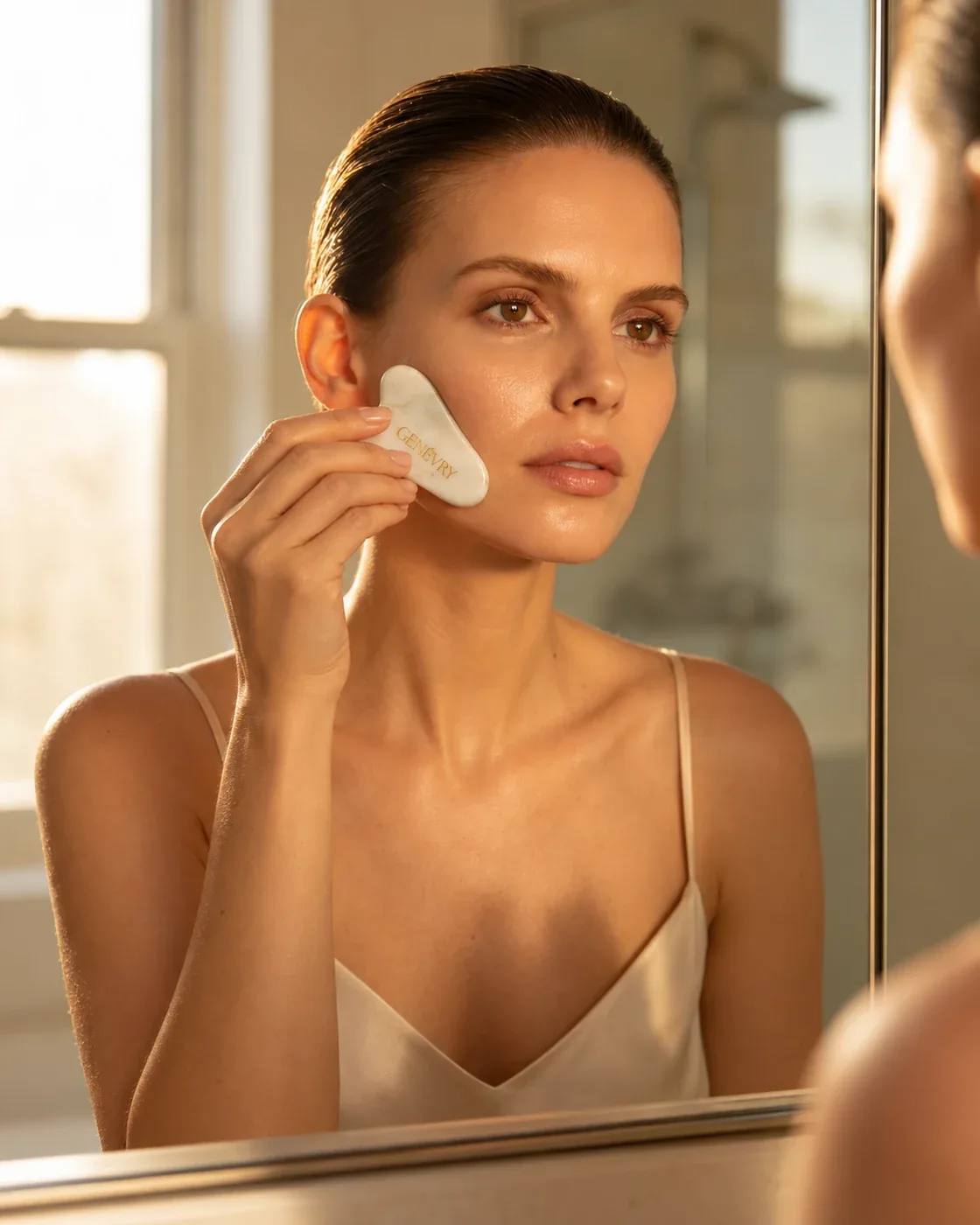
Does massage or gua sha help?
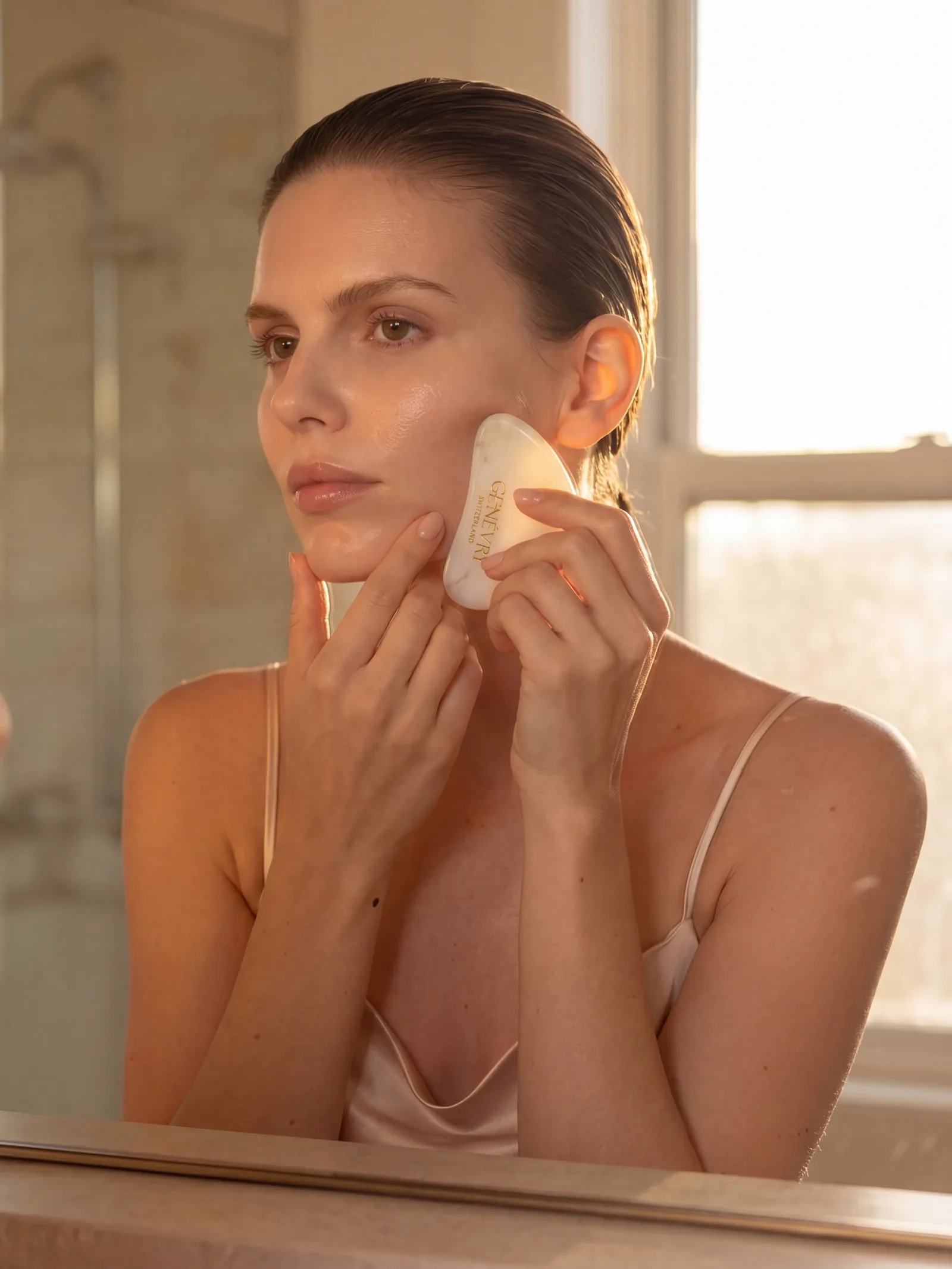
Massage supports lymphatic drainage and can reduce morning puffiness. Around the eye it is done very lightly, always with slip and never directly on the lid — the stone travels along the orbital bone, from the inner corner outwards.
How long before I see a difference?
Dehydration lines soften within days. For ingredients that act on the appearance of wrinkles, first observations are typically recorded at four weeks, and a fair point to judge is the third month of consistent use.
Does makeup make wrinkles worse?
Concealer itself does not. The quantity and the removal do: thick layers settle into creases and emphasise them, while a rushed cleanse means daily friction. A thin layer and patient removal solve both.
The eye area does not ask for an elaborate routine, only a consistent one: less friction, daily sunscreen, hydration matched to the season, one active introduced calmly. After a few months what changes is less the number of lines than the way the skin catches light — better hydrated, smoother, less tired-looking.
The formulas in this article
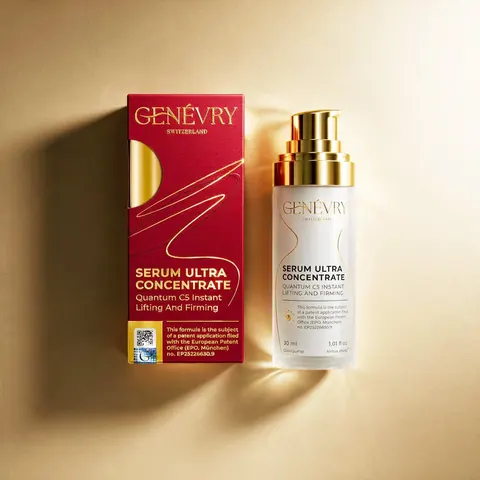 Quantum C5Ser ultraconcentrat159,90 leiDiscover the formula →
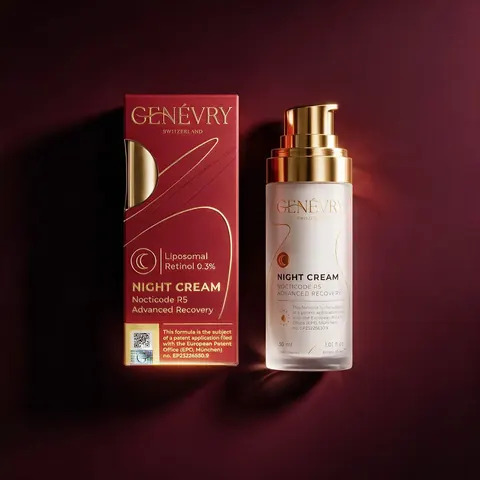 Nocticode R5Cremă de noapte avansată174,90 leiDiscover the formula →
Cosmetic product. Individual results may vary.


 English / EUR
 English (US) / USD
 English (UK) / GBP
 Deutsch / EUR
 Deutsch (Schweiz) / CHF
 Français / EUR
 Italiano / EUR
 Español / EUR
 Nederlands / EUR
 Polski / PLN
 日本語 / JPY
 한국어 / KRW
 中文 / CNY
 العربية / AED
 English (Australia) / AUD
 English (Canada) / CAD
 Svenska / SEK
 Dansk / DKK
 Norsk / NOK
 Suomi / EUR
 Português / EUR
 Türkçe / TRY
 Čeština / CZK
 Magyar / HUF
 Română / RON
 Ελληνικά / EUR
 Slovenčina / EUR
 Hrvatski / EUR
 Slovenščina / EUR
 Lietuvių / EUR
 Latviešu / EUR
 Eesti / EUR
 Български / EUR
 Українська / EUR