Bakuchiol vs retinol: what the studies actually show
In a head-to-head trial both ingredients reduced wrinkle surface area to a similar degree. The difference was tolerability — and how much bakuchiol products really contain.
Bakuchiol vs retinol is the comparison almost everyone makes before buying a plant-based anti-ageing product, and the research answer is calmer than the marketing: in the only randomised, double-blind study that put the two side by side, twelve weeks of use reduced wrinkle surface area and hyperpigmentation in both groups, with no statistical difference between them. The difference showed up somewhere else. People using retinol reported more facial scaling and stinging.
That single sentence does not settle the question, because bakuchiol still has far less evidence behind it than retinoids, and the market has attached promises to it that no trial supports. What follows is what has actually been measured: concentrations, timeframes, numbers from the published papers, the EU rules that apply, and what to do with all of it in front of your bathroom mirror.
- INCI name: Bakuchiol. A meroterpene phenol from the seeds and leaves of Psoralea corylifolia (accepted botanical name Cullen corylifolium), the babchi plant.
- It is not a retinoid. Its structure has nothing in common with vitamin A, yet in gene expression profiling it behaves much like retinol.
- Typical cosmetic concentration: 0.5–1%; clinical studies most often used 0.5% twice daily.
- Head-to-head trial (2019, n=44, 12 weeks): bakuchiol 0.5% and retinol 0.5% both reduced wrinkle surface area and hyperpigmentation, with no statistical difference; retinol caused more scaling and stinging.
- Vehicle-controlled trial (2026, n=73, 84 days): global wrinkles −5.2%, crow’s feet −7.4%, pigmented area on image analysis −60.0% against −32.2% in the placebo group.
- Tolerability: the tightness score on a 0–3 Likert scale fell from 0.86 to 0.11 over 84 days; scaling went from 0.36 to zero.
- What is unknown: there is no safety data for pregnancy or breastfeeding — that is a conversation with a doctor, not with a label.
What bakuchiol is and where it comes from
Bakuchiol is a phenolic compound from the meroterpene family, found in the seeds and leaves of Psoralea corylifolia, a plant used for centuries in traditional Indian and Chinese medicine. It entered cosmetics as a single purified molecule rather than as a whole-seed extract, and that distinction matters more than it sounds — I will come back to it.
On a label you will find it as Bakuchiol, usually sitting next to squalane, argan oil or caprylic/capric triglycerides, because it is lipophilic: it dissolves in oils, not in water. That is why it turns up in facial oils, oil serums and emulsions far more often than in watery toners. The Wikipedia entry on bakuchiol is a reasonable starting point for the chemistry.
Its cosmetic career began with a 2014 paper by Chaudhuri and Bojanowski in the International Journal of Cosmetic Science. They compared gene expression profiles after retinol and after bakuchiol in the EpiDerm FT full-thickness skin model. Volcano plots showed a broad overlap between the two substances, and protein-level analysis confirmed increases in type I, III and IV collagen as well as aquaporin 3. Hence the description that has followed bakuchiol ever since: a functional analogue of retinol, a compound with no retinoid structure that still triggers comparable pathways.
A 2026 review by the same author in the International Journal of Cosmetic Science goes further and describes mechanisms retinol does not have: activation of the Nrf2 pathway, upregulation of antioxidant enzymes such as NQO1, modulation of endocannabinoid signalling in the epidermis, and increased LRAT, an enzyme involved in the skin’s own retinoid handling. Bakuchiol does not imitate vitamin A. It enters the same network through a different door.
Bakuchiol vs retinol: what the trials actually measured
Bakuchiol vs retinol in a direct comparison comes out similar on results and different on tolerability. That is the conclusion of the randomised, double-blind study by Dhaliwal and colleagues published in the British Journal of Dermatology in 2019, and it remains the strongest piece of evidence this ingredient has.
The study that put both ingredients side by side
Forty-four participants spent twelve weeks using either a bakuchiol 0.5% cream twice daily or a retinol 0.5% cream once daily. High-resolution photographs were taken at baseline and at weeks 4, 8 and 12, and a board-certified dermatologist grading pigmentation and redness did not know who was in which group. Both compounds significantly decreased wrinkle surface area and hyperpigmentation, with no statistical difference between them. The retinol group reported more facial skin scaling and stinging. The abstract is on PubMed.
One detail deserves attention, because it is easy to skip: bakuchiol was applied twice a day, retinol once. This is not a gram-for-gram comparison. It compares two realistic usage patterns.
The placebo-controlled trial and the numbers it produced
In 2026 the Journal of Cosmetic Dermatology published a trial run in a Chinese population: 73 participants with an average age around 50, 84 days, a bakuchiol cream against an identical cream without it. Assessment used a modified Griffiths scale plus VISIA-CR image analysis. After 84 days, the bakuchiol group showed:
- global wrinkles −5.2% (−3.0% at day 56), while the control group showed no significant change,
- crow’s feet −7.4% (already −2.6% by day 28),
- under-eye wrinkles −5.0%,
- clinically graded hyperpigmentation −3.2%, with pigmented area on image analysis down 60.0% against 32.2% in the placebo group,
- pore appearance −5.3% on clinical grading and −14.7% measured as pore area.
Two things stand out. The placebo group improved as well — consistent moisturising and protection do their own work, which explains why uncontrolled studies tend to flatter ingredients. And the wrinkle numbers are single digits. This is a measurable improvement in appearance, not a transformation.
Where the evidence is thinner than the marketing
A systematic review published in the Journal of Drugs in Dermatology in 2024 analysed fifteen human clinical trials of topical bakuchiol formulations. Twelve were unblinded, open-label trials without a control group. Ten used a combination therapy, so the effect cannot be attributed to bakuchiol alone. Four did not specify the dose or concentration at all. The authors judged a meta-analysis unfeasible and the risk of bias high.
That verdict does not write the ingredient off. It simply places it: one solid head-to-head trial against retinol, one new placebo-controlled study, and a long tail of weaker work. Retinoids carry decades of research and medical registrations behind them, which is a different evidentiary league for now.
Bakuchiol and retinol in one table
| Feature | Bakuchiol | Retinol |
|---|---|---|
| Origin | Plant-derived, from seeds and leaves of Psoralea corylifolia | A vitamin A derivative, usually synthetic |
| Structure | Meroterpene phenol, not a retinoid | Retinoid, precursor of retinoic acid |
| Typical concentration | 0.5–1% | 0.1–1%; in the EU, face creams are capped at 0.3% retinol equivalent |
| Frequency | Usually morning and evening | Usually evening, introduced gradually |
| Clinical evidence | One head-to-head trial, one placebo-controlled trial, the rest methodologically weaker | Decades of studies, including therapeutic dermatology |
| Tolerability in trials | Less scaling and stinging | More scaling, stinging and transient irritation |
| Stability | More stable to light and heat | Sensitive to light and oxygen, hence opaque packaging |
| Pregnancy and breastfeeding | No safety data — ask your doctor | Not advised; the decision belongs to your doctor |
The table also explains why bakuchiol works well as a bridging ingredient. If your skin rejects retinol, or you have abandoned it twice already, you start with something that stings less often. That is not the same as giving up on retinoids. It is often a step before them, or beside them.
What to combine bakuchiol with, and what to keep apart
Bakuchiol layers more easily than retinol because it neither acidifies the skin nor dehydrates it to the same degree. A few rules still apply, particularly if acids or vitamin C already have a place in your routine.
| Ingredient | Combine? | Time of day | Why |
|---|---|---|---|
| Niacinamide | Yes | Morning and evening | Complementary work on tone and barrier, no pH conflict |
| Ceramides, squalane | Yes | Evening | A lipid carrier supports absorption and softens dryness |
| Vitamin C | Yes, separately | Vitamin C in the morning, bakuchiol at night | Separating them keeps observation simple around a low-pH serum |
| AHA / BHA acids | Carefully, alternate | On different evenings | Lower risk of stacking two stimuli on the barrier |
| Retinol | Possible, without rushing | Evening, not from day one | Two actives at once make it hard to tell what is irritating |
| SPF | Essential | Morning | UV protection is the condition for any work on tone |
If you use bakuchiol in the morning, apply it under your cream rather than over it — an oil-based compound struggles to pass through a layer of emulsion. In the evening the order is simpler: serum, then bakuchiol in an oil or cream, then an occlusive cream if your skin asks for one. We covered the layering logic in our guide to ceramides and the skin barrier.
Which skin benefits most
Bakuchiol gives most to skin that wants retinoid-type results and cannot tolerate them. In the 2026 trial, the tightness score on a 0 to 3 scale fell from 0.86 at baseline to 0.11 after 84 days, scaling dropped from 0.36 to zero, and stinging and tingling disappeared entirely. Erythema stayed at zero throughout.
It suits sensitive skin, anyone working on uneven tone, and men past forty who prefer one simple evening step to a routine with a calendar. It is not a solution for actively inflamed skin, rosacea or atopic dermatitis — in those cases a dermatologist sets the routine, not an article.
Allergy is a separate matter. In 2026 Contact Dermatitis published a case report of allergic contact dermatitis to a bakuchiol preparation used for photodamage prevention. One case report does not change the safety picture of an ingredient, but it restates the obvious: plant-derived does not mean non-allergenic. Patch-test a new product on a small area first, ideally across three consecutive evenings.
Pregnancy, breastfeeding, medication
There is no safety data for bakuchiol in pregnancy, and absent data is not the same as evidence of safety. If you are pregnant, breastfeeding or using prescribed skin treatments, speak to your doctor or dermatologist before adding it. The same principle applies to retinol, which is not used during pregnancy.
How much bakuchiol is actually in the jar
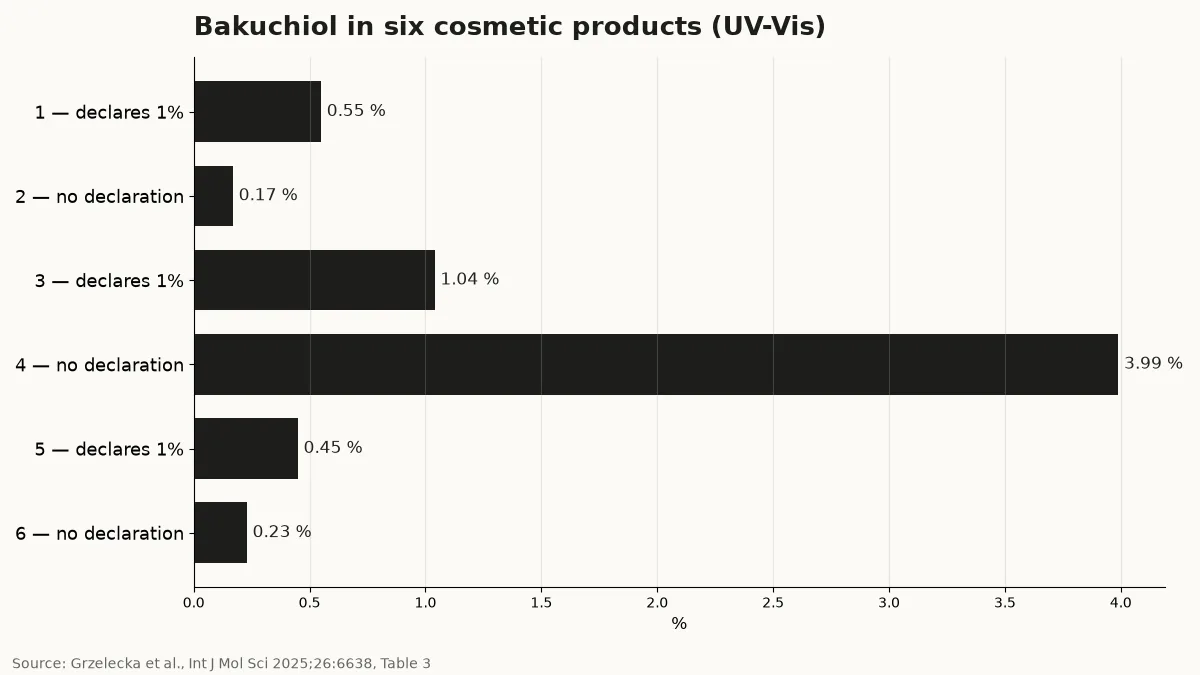
Here is the part product descriptions rarely mention. A team from the Medical University of Warsaw and the University of Würzburg analysed six cosmetic products on sale using three methods: UV-Vis spectrophotometry, quantitative NMR and HPLC. The results appeared in the International Journal of Molecular Sciences in 2025.
Of three products declaring 1% bakuchiol, only one came close to its declaration (1.04% by UV-Vis). The other two held roughly half that: 0.55% and 0.45%. In one product that listed bakuchiol among its ingredients, the selective methods — NMR and HPLC — detected none at all. Meanwhile a product with no stated concentration contained around 4%, the highest of the six.
The practical conclusion: the number on the box is sometimes a marketing claim rather than a measurement. Dermatologists at the University of California, Davis made the same point in a short 2023 commentary in the Journal of Cosmetic Dermatology titled „Finding the right Bakuchiol” — raw material purity, and whether a product contains isolated bakuchiol or simply a seed extract, changes both performance and safety profile.
Why purity has a legal dimension
The seeds of Psoralea corylifolia also contain psoralens, which are furocoumarins. Regulation (EC) No 1223/2009, in the consolidated text of 18 May 2026, lists furocoumarins in Annex II under entry 358 as substances prohibited in cosmetic products, except for their normal content in the natural essences used; in sun protection and bronzing products they must stay below 1 mg/kg. Bakuchiol itself appears in none of the annexes — it carries no concentration limit and no restriction.
So well-purified bakuchiol and a babchi seed extract are two different stories in regulatory terms. If an ingredient list shows Psoralea Corylifolia Seed Extract instead of plain Bakuchiol, that is a different raw material from the one used in the clinical work.
How to fit bakuchiol into a GENÉVRY ritual
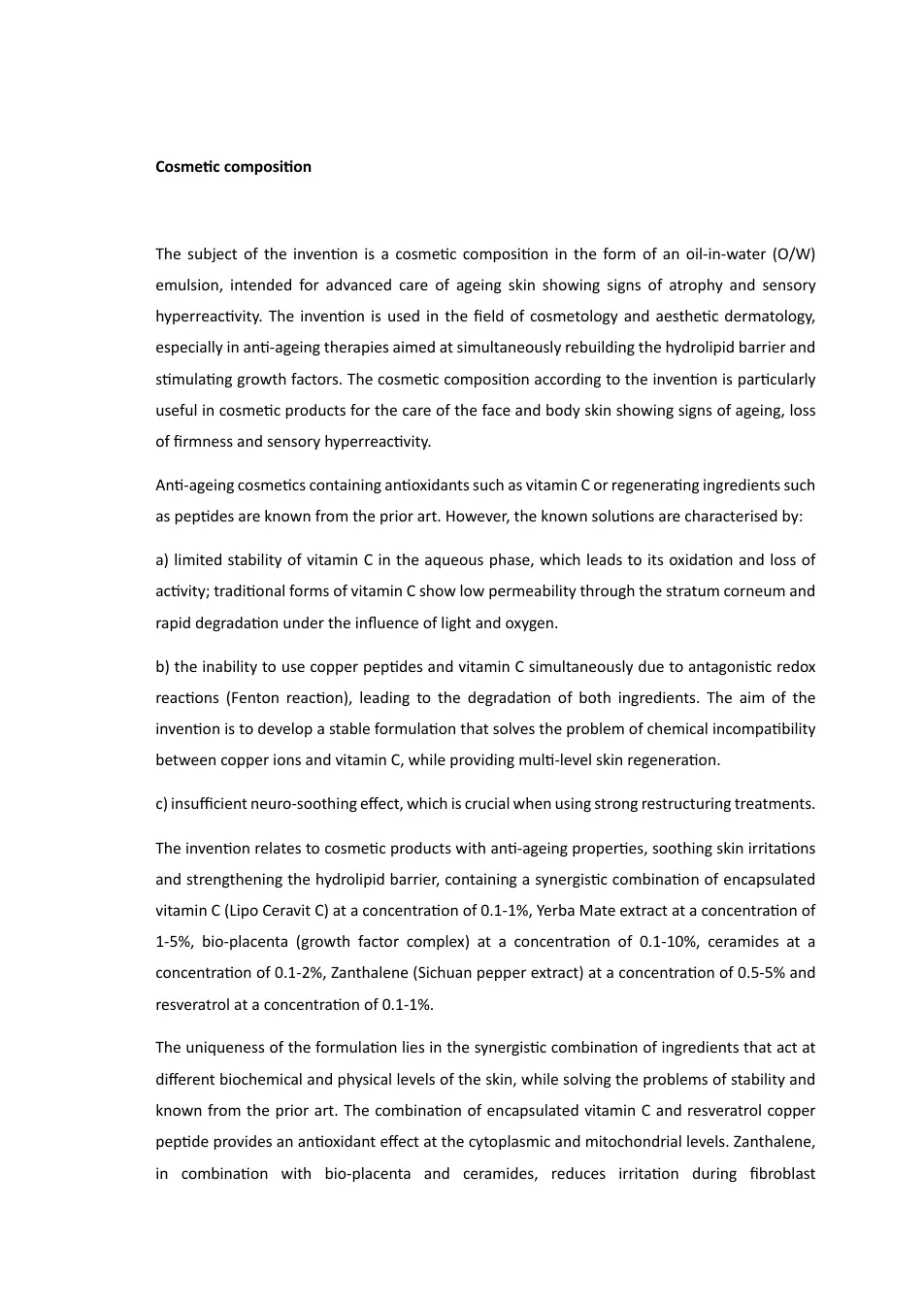
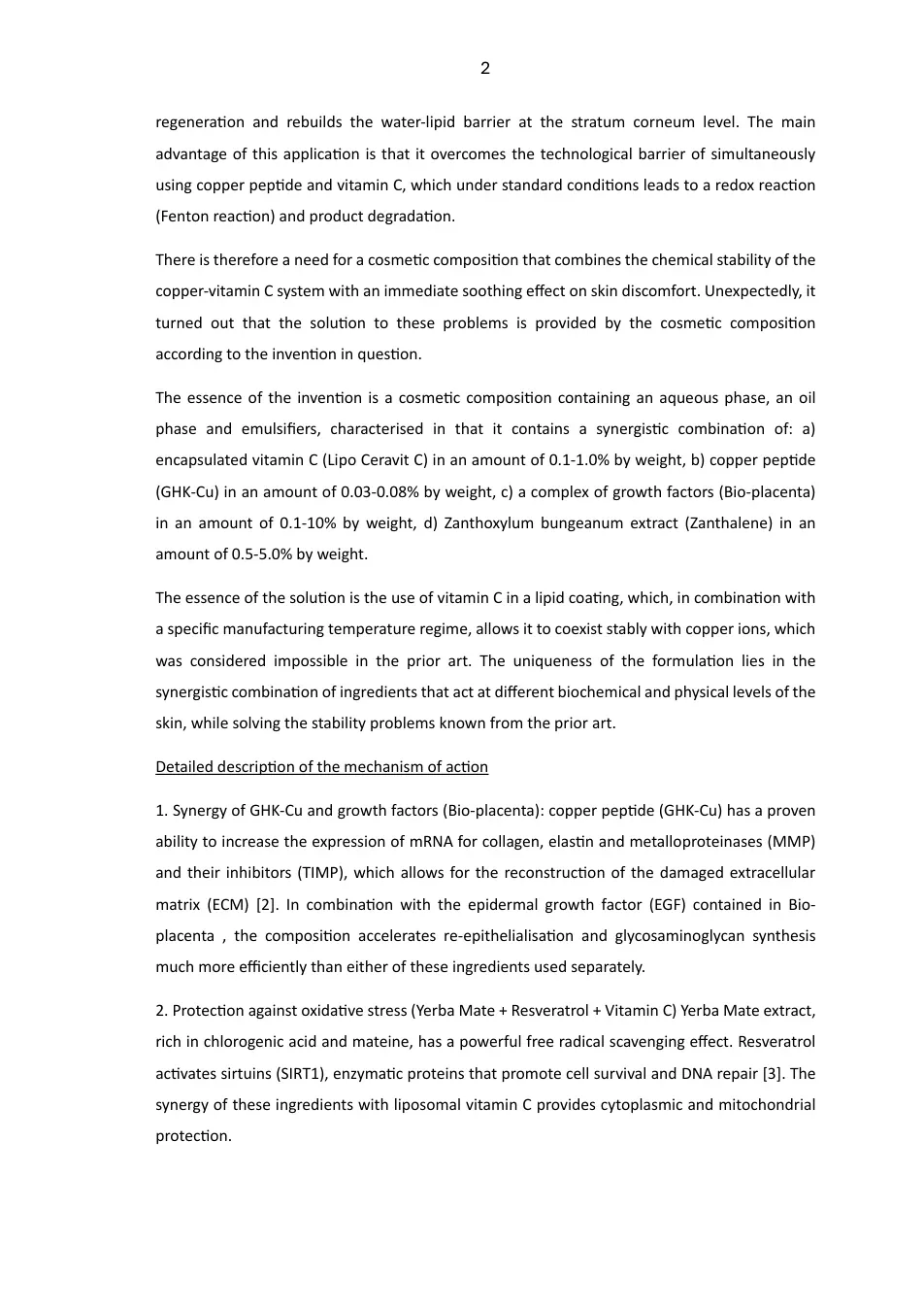
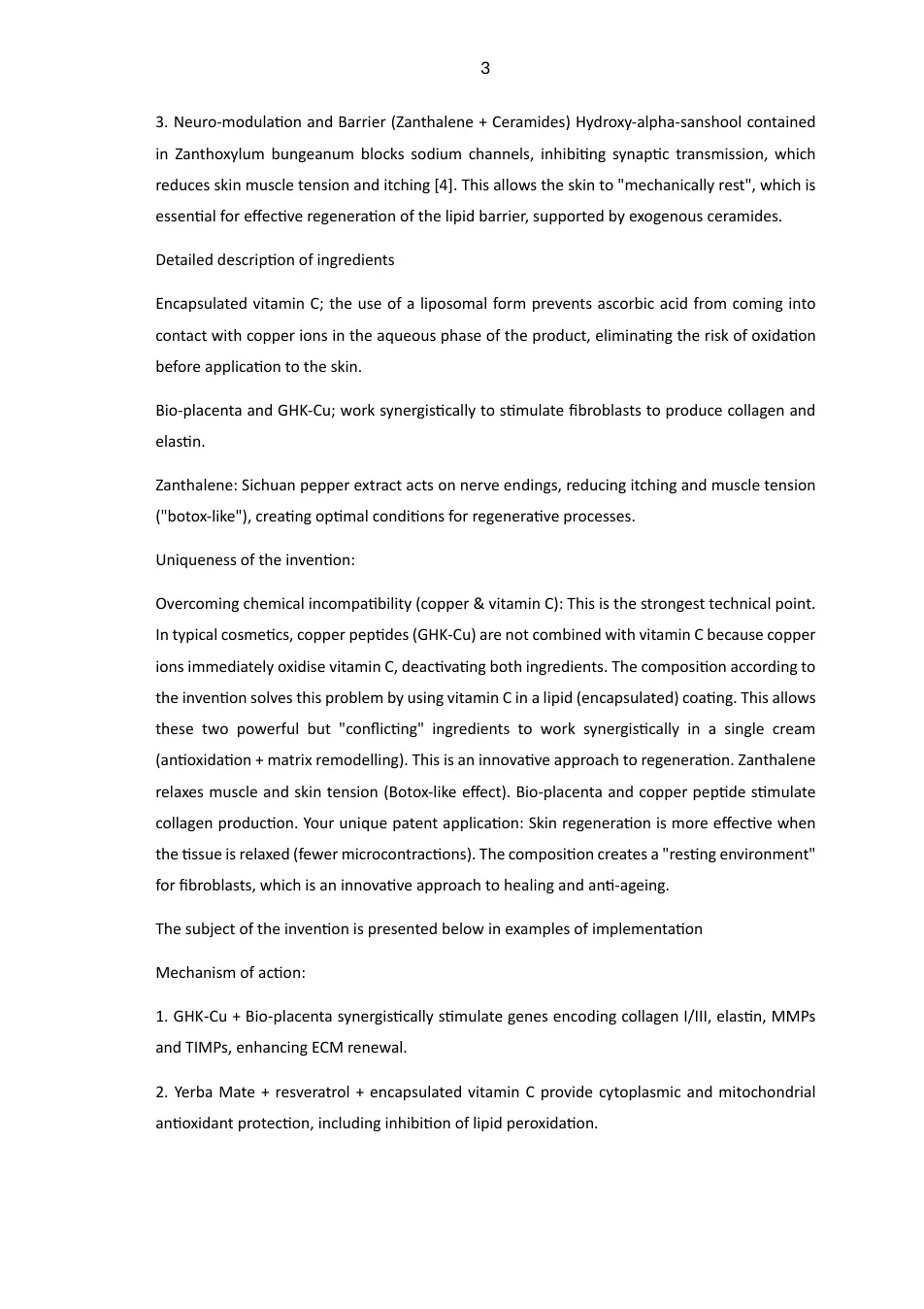
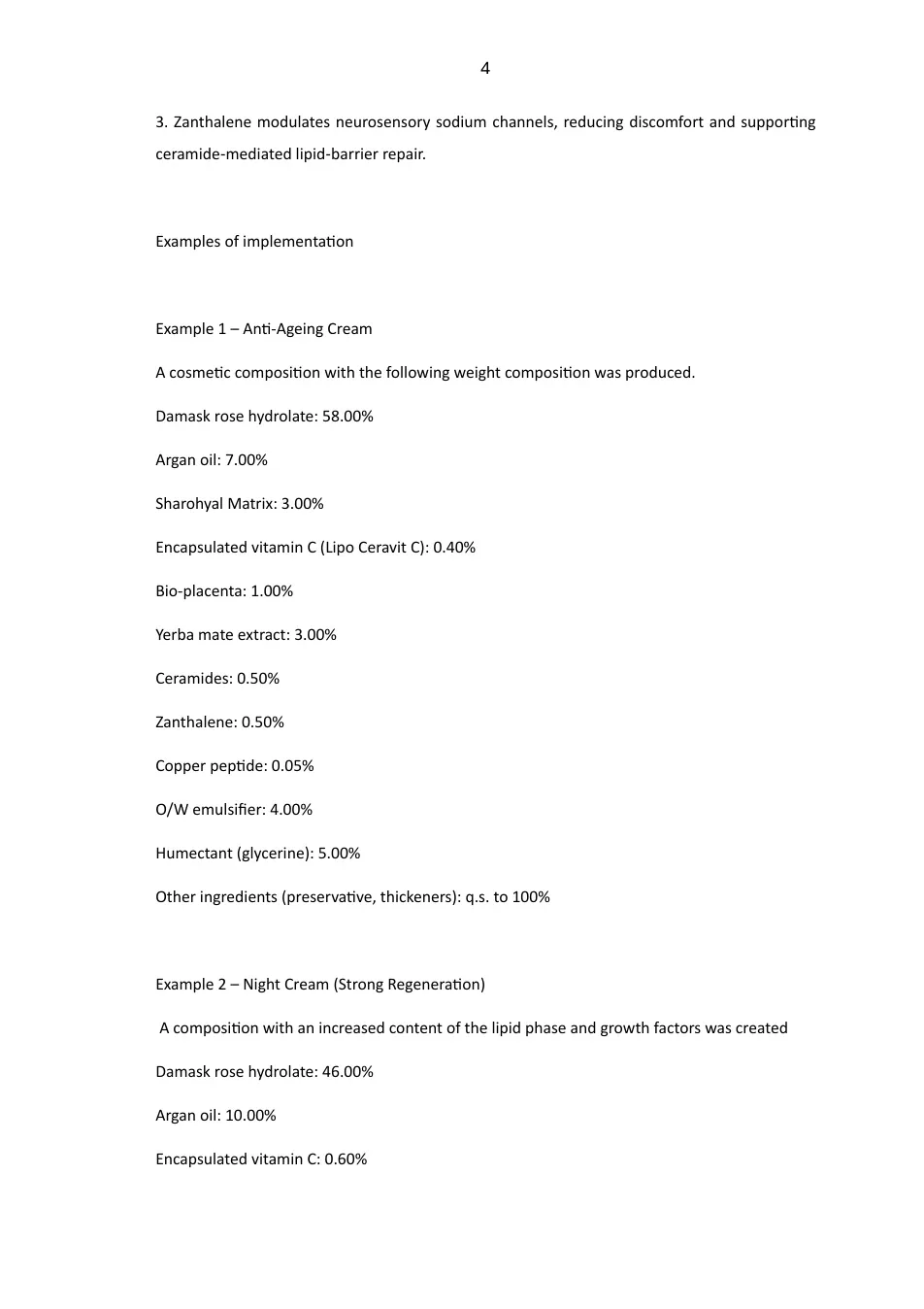
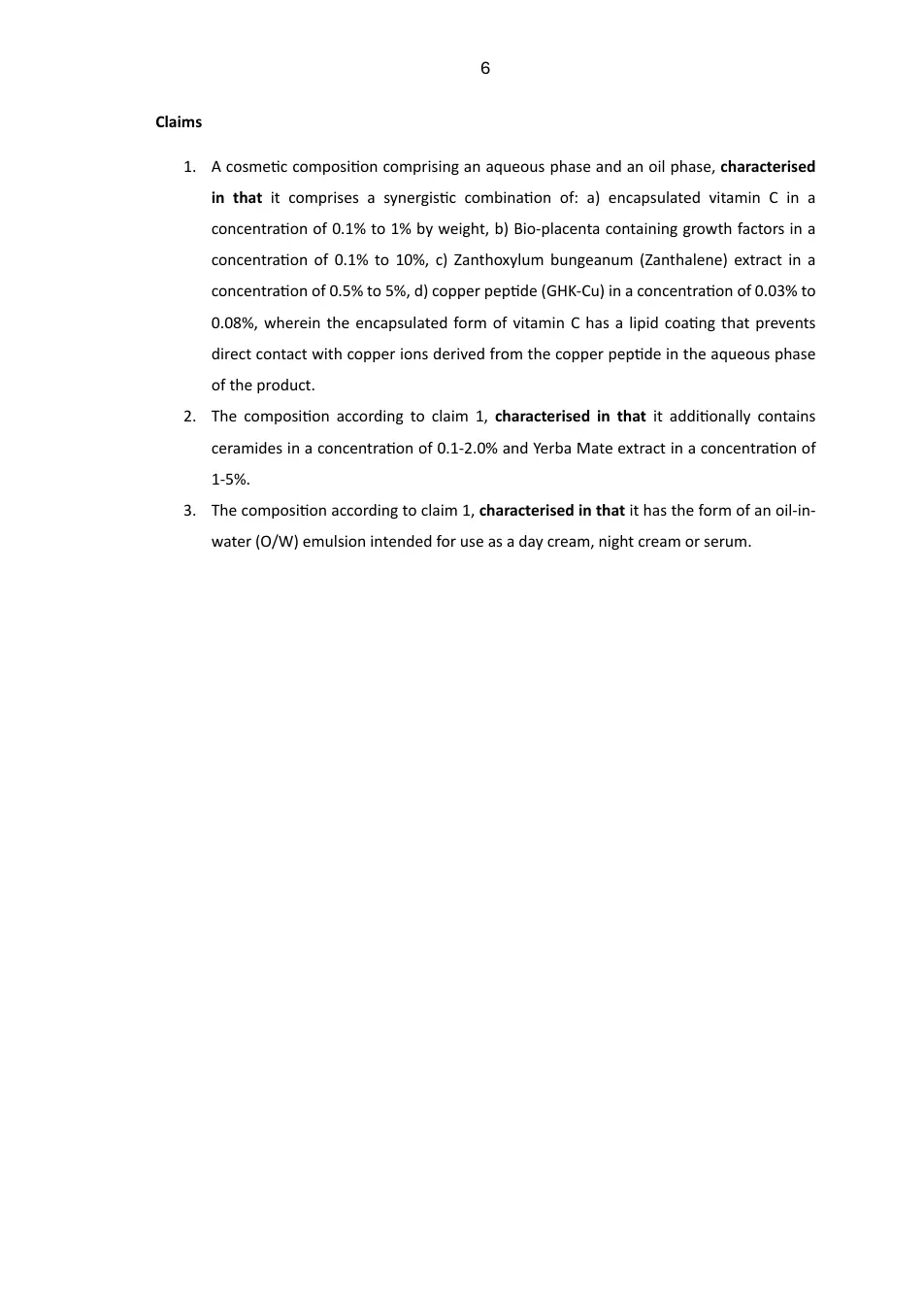
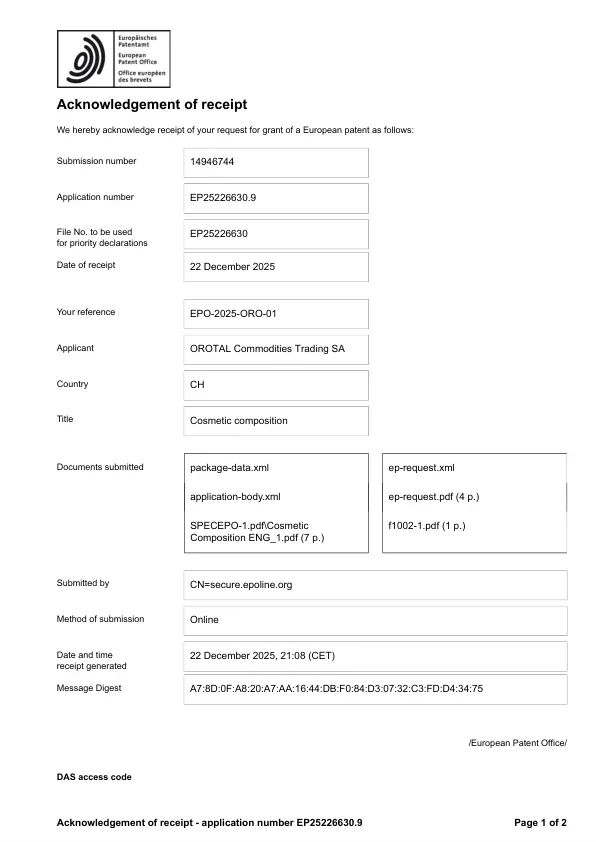
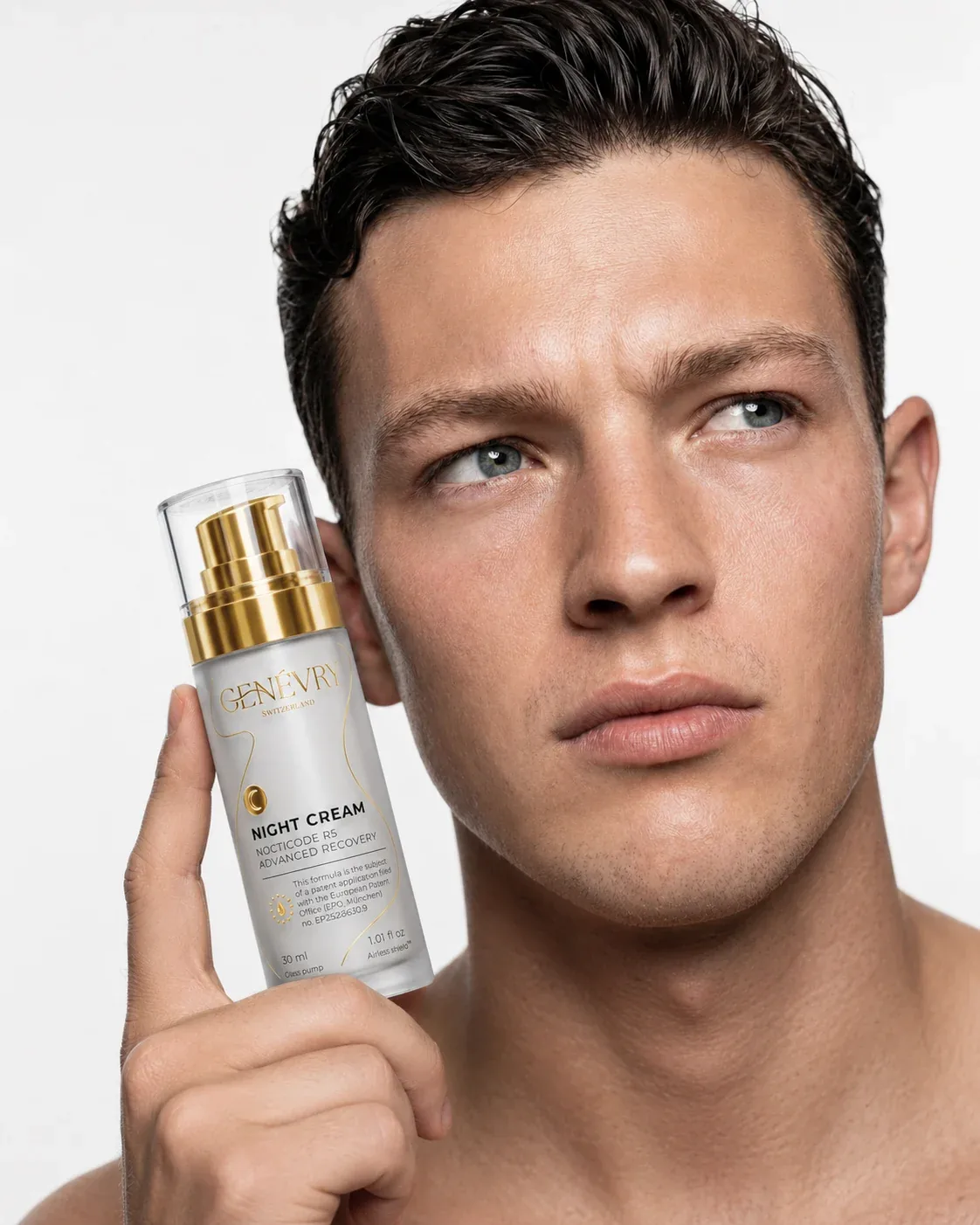
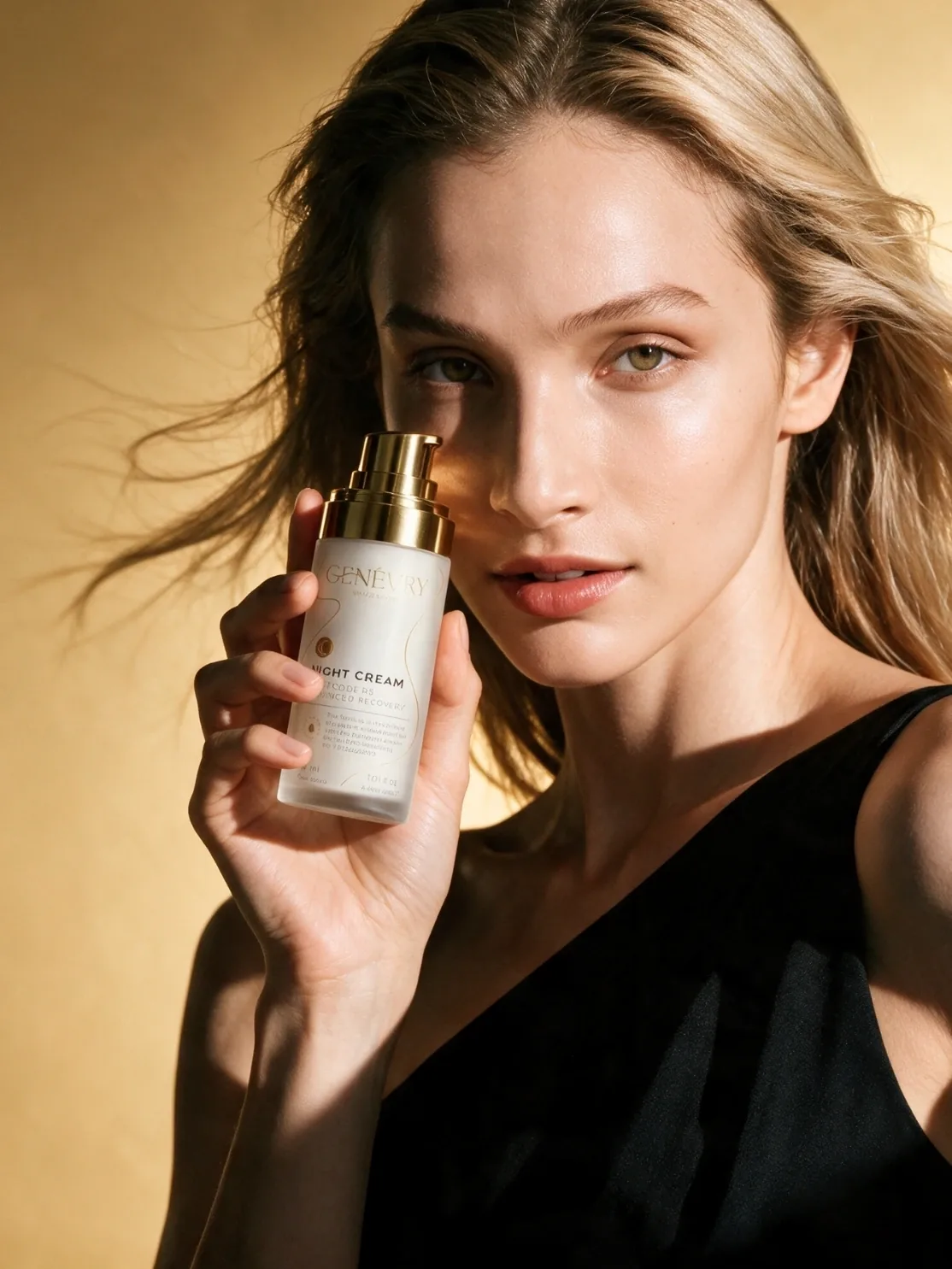
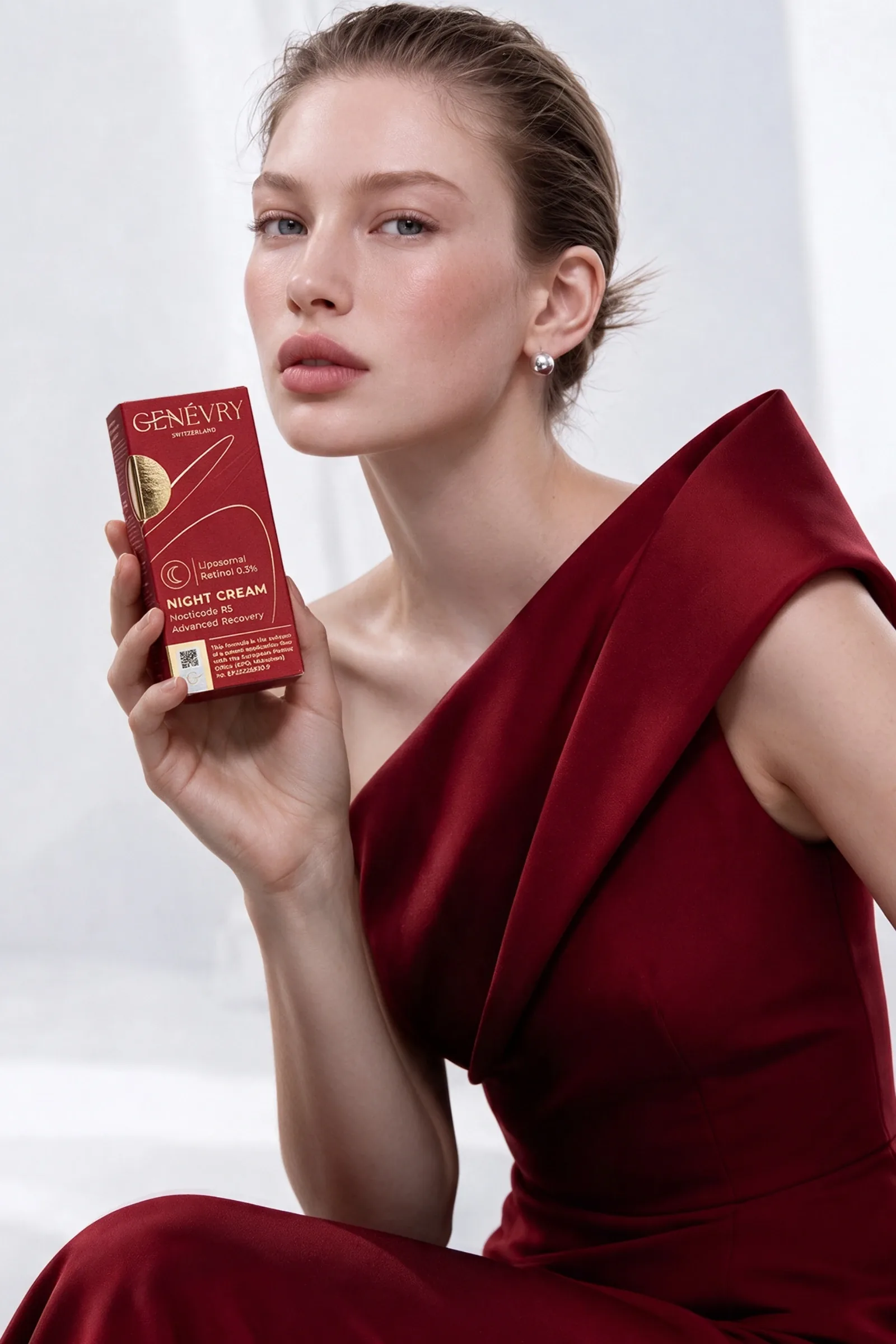
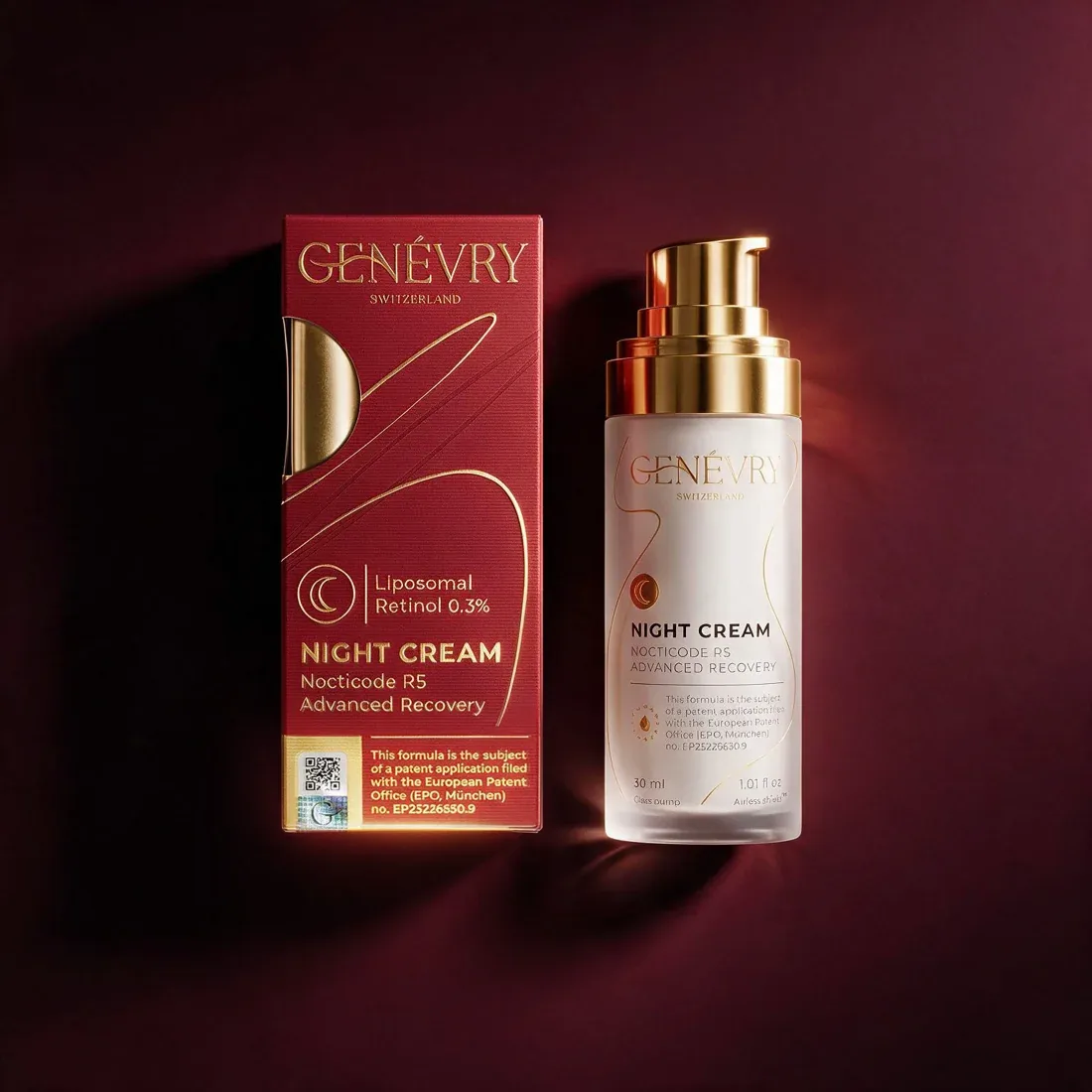
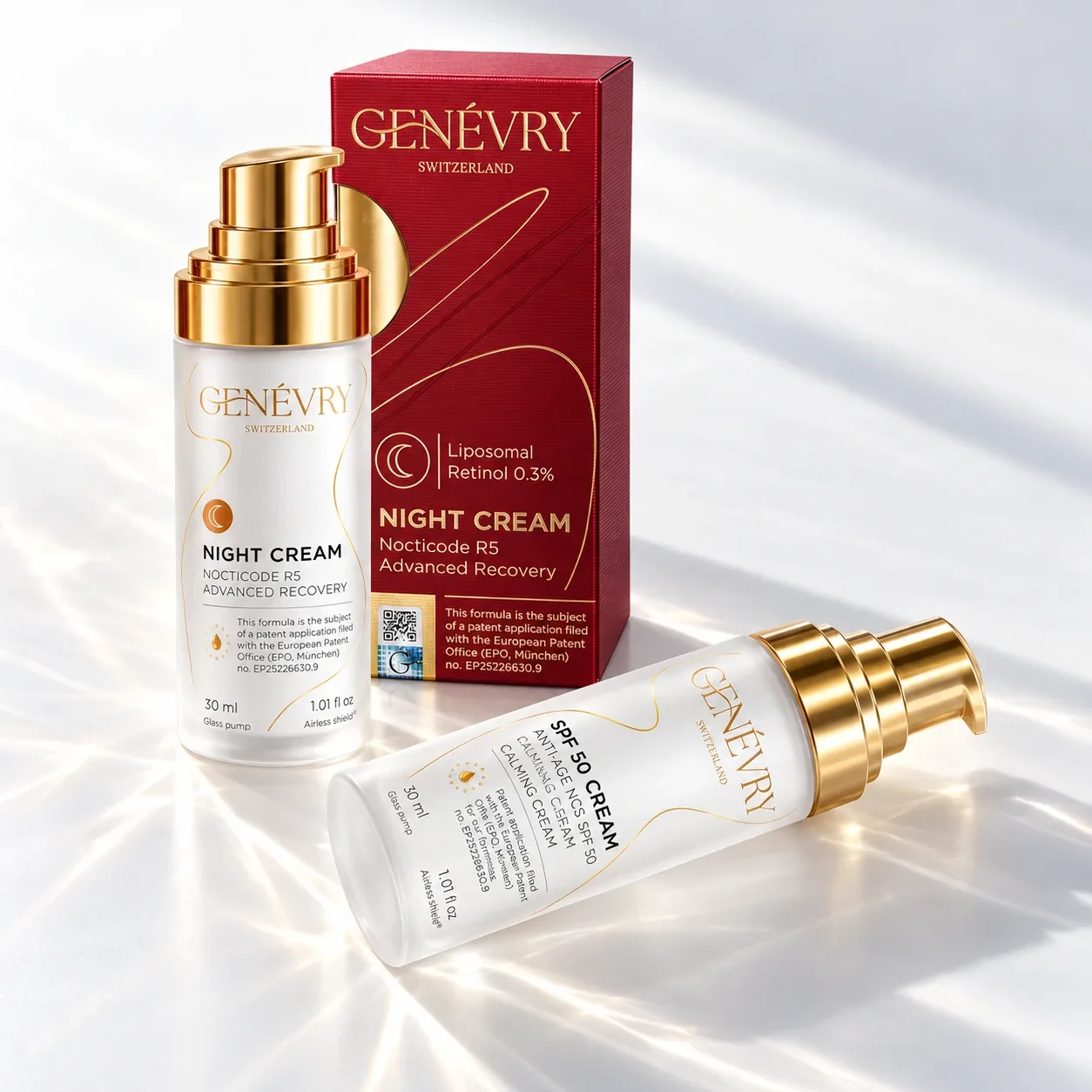
No GENÉVRY product contains bakuchiol, and we are not going to pretend otherwise. Our evening step rests on a different solution: Nocticode R5 is a night cream with liposomal retinol 0.3%, encapsulated in a lipid carrier that allows a lower concentration to do the work. In an instrumental study on 10 participants over 4 weeks, mean wrinkle length decreased from 2.08 to 1.88 mm (silicone replicas, VISIOLINE VL650; a reduction was recorded in 9 of 10 participants) and mean hydration rose by 38% (Corneometer CM 825). The formulation is covered by patent application EP25226630.9.
If you use a bakuchiol product from another brand, arrange your week so that two stimuli never land on the same evening. The simplest starting schedule looks like this:
- Monday, Wednesday, Friday: bakuchiol in an oil or cream after cleansing and serum.
- Tuesday, Thursday: a retinol cream, if your skin takes it well.
- Remaining evenings: moisturiser only, no actives.
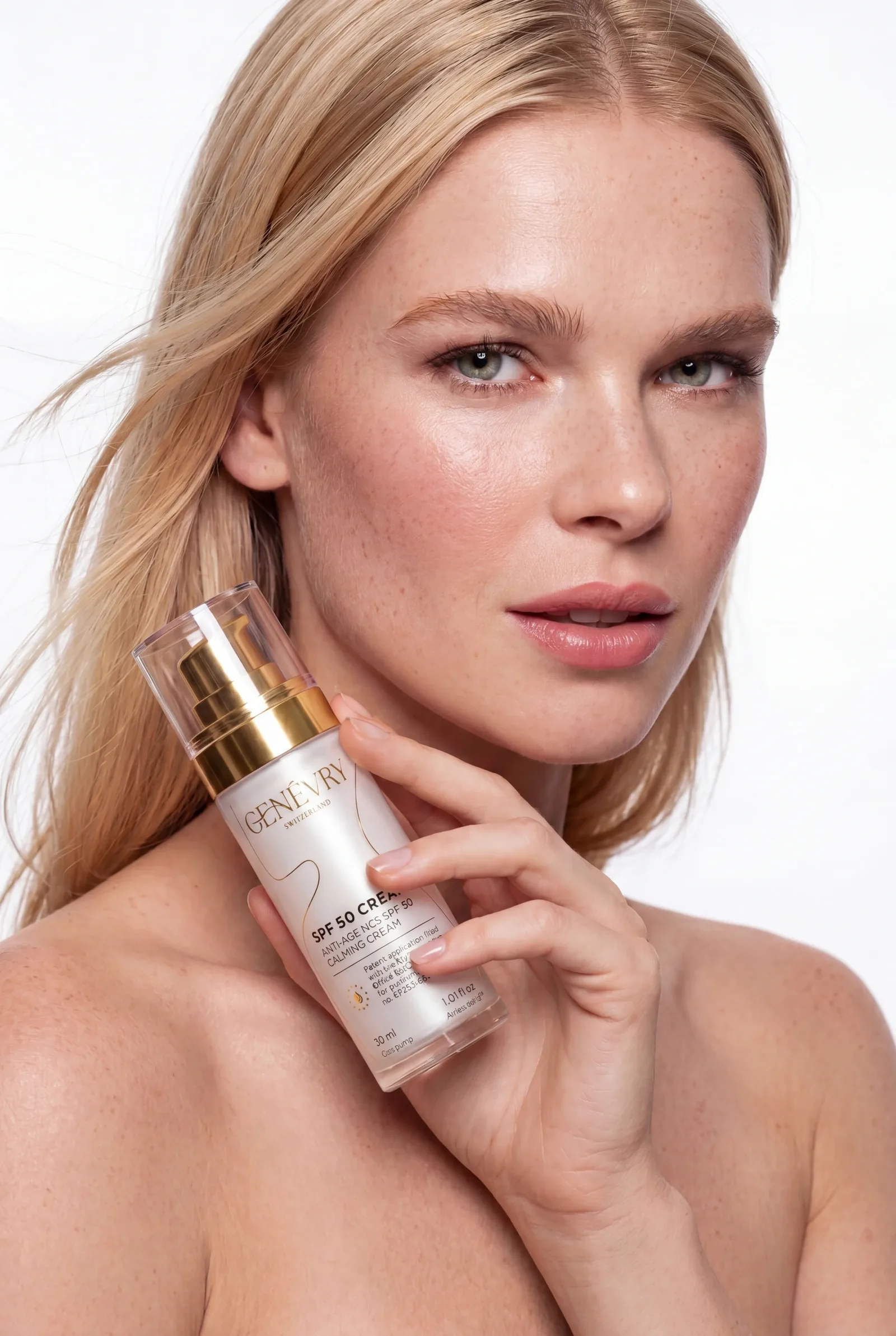
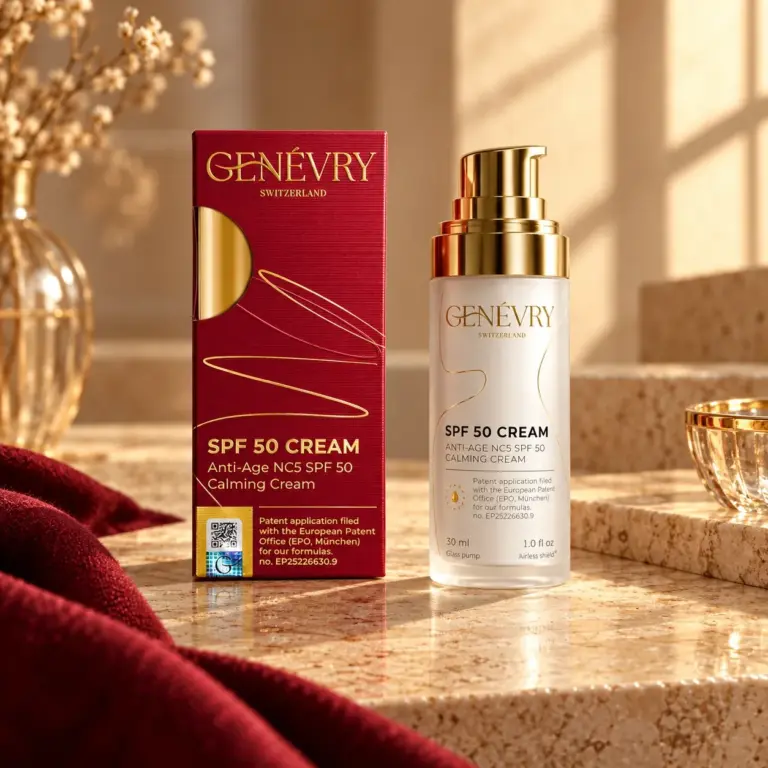
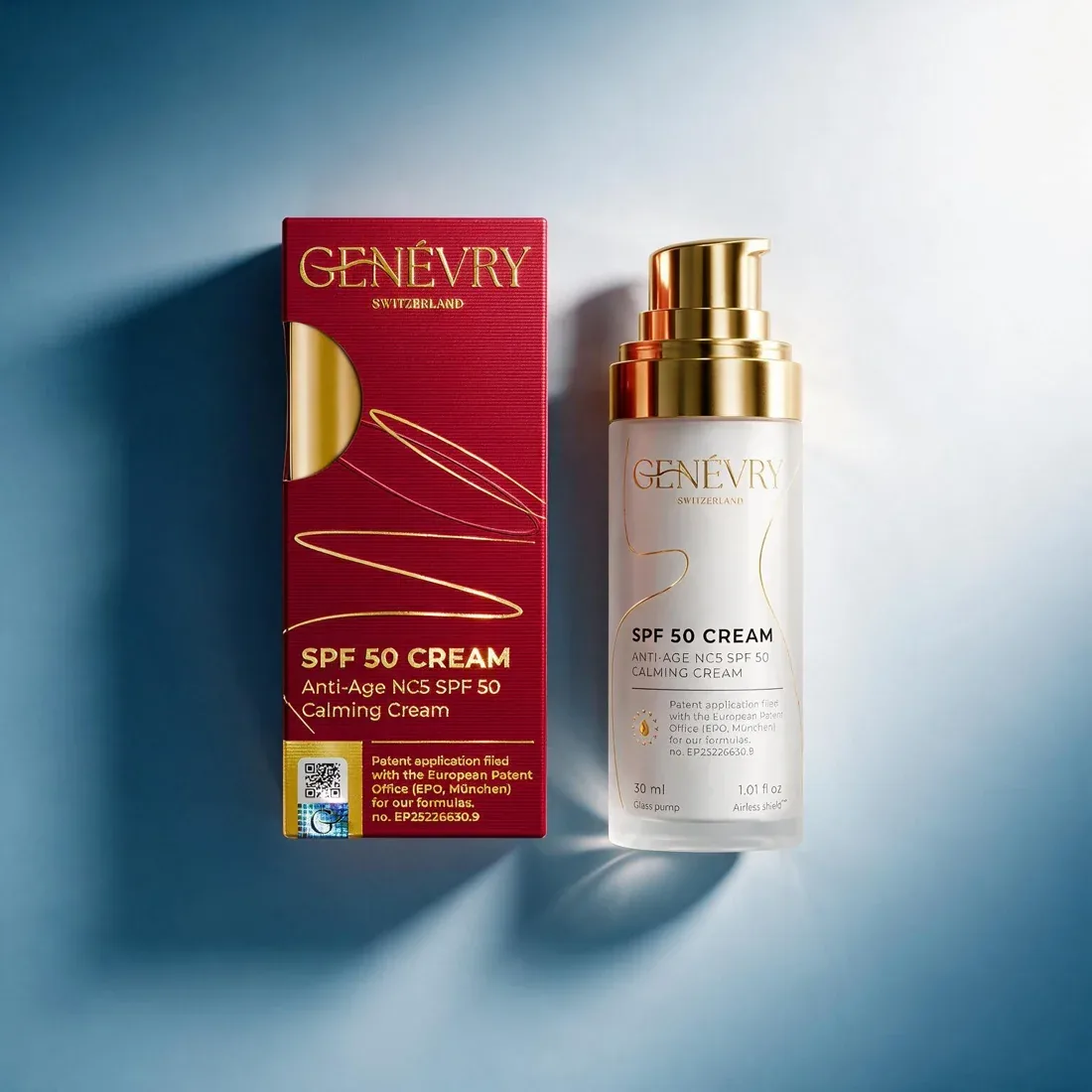
- Every morning: Anti-Age NC5 SPF 50 as the final step — without sun protection, work on tone does not pay off.
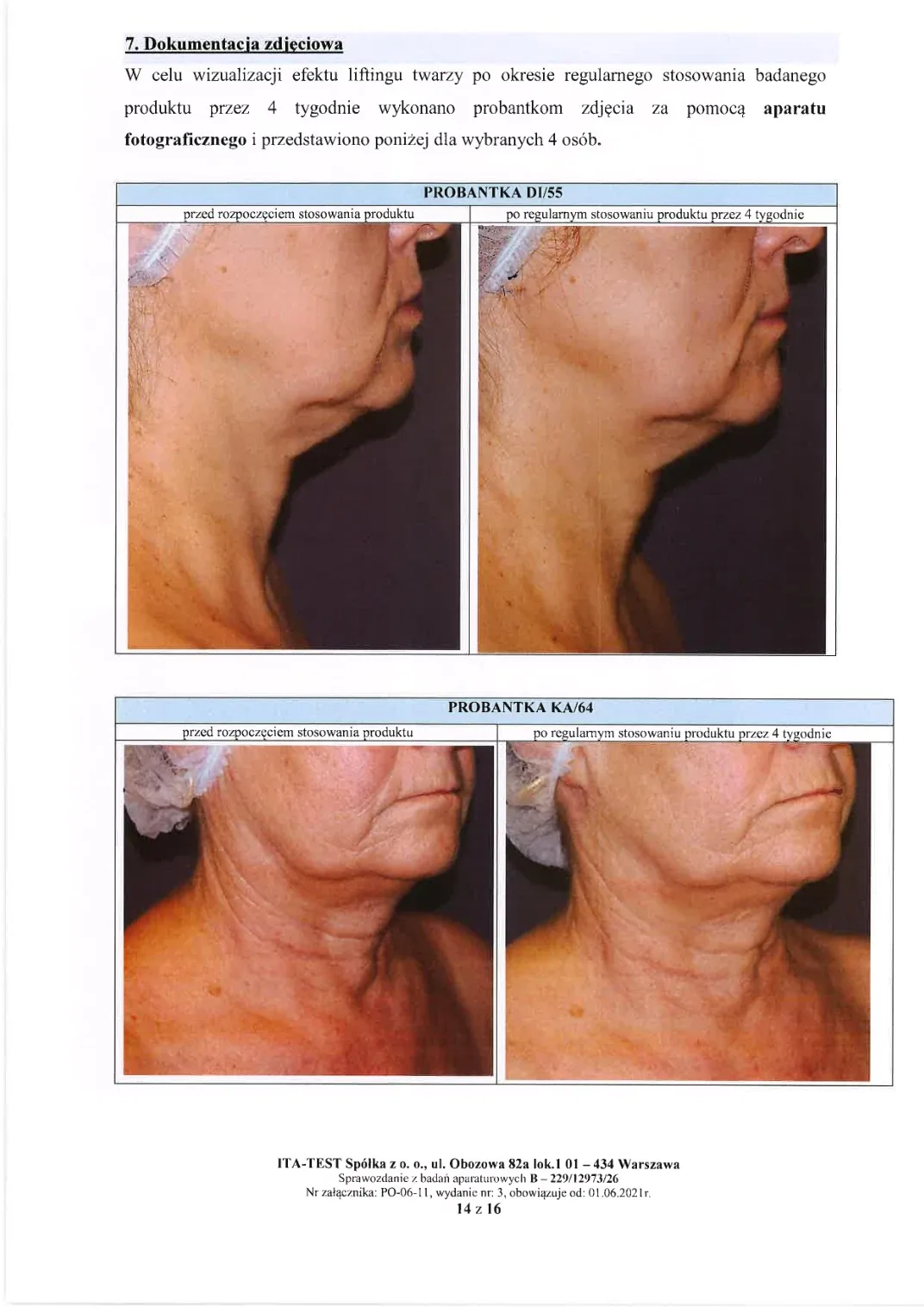
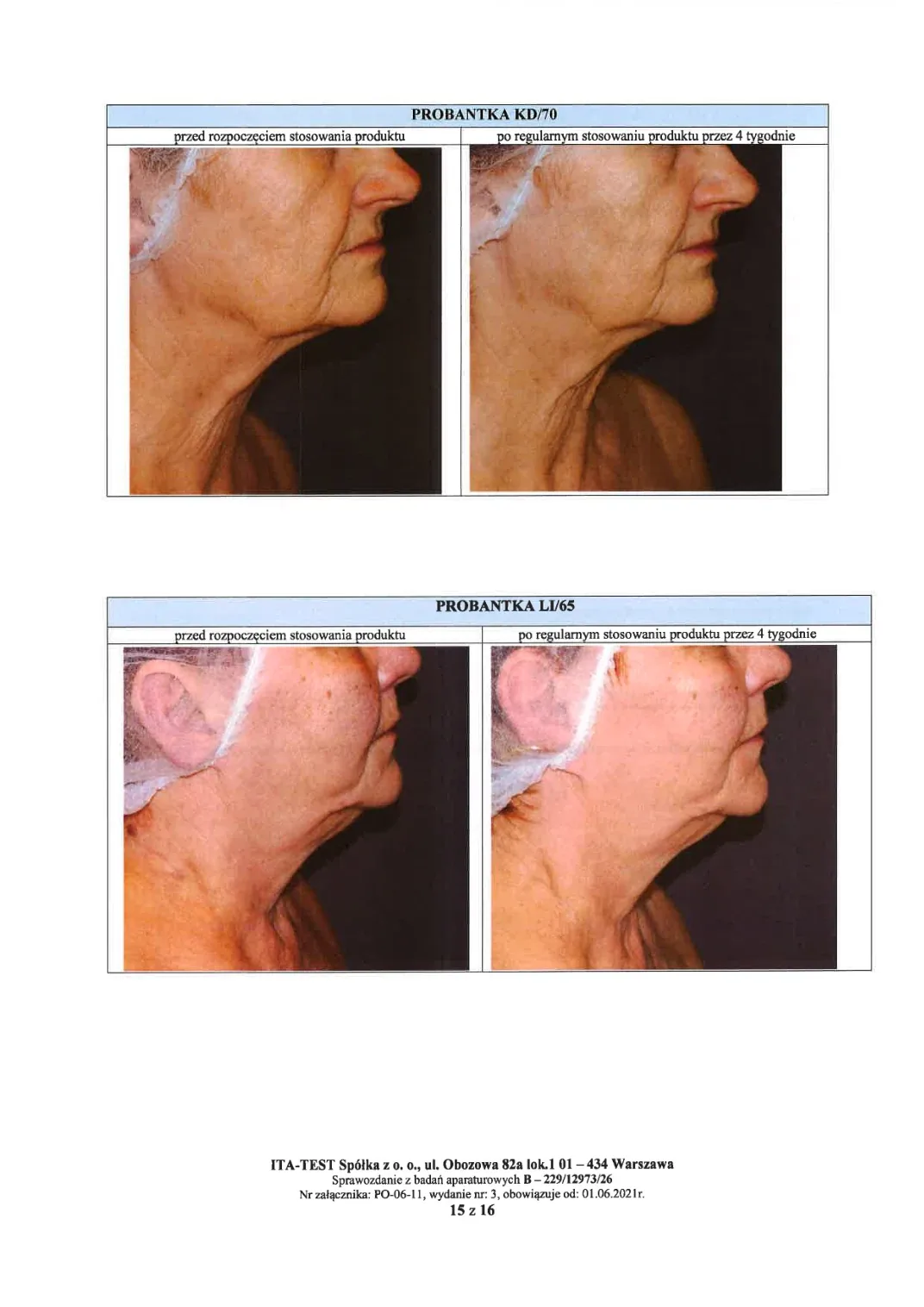
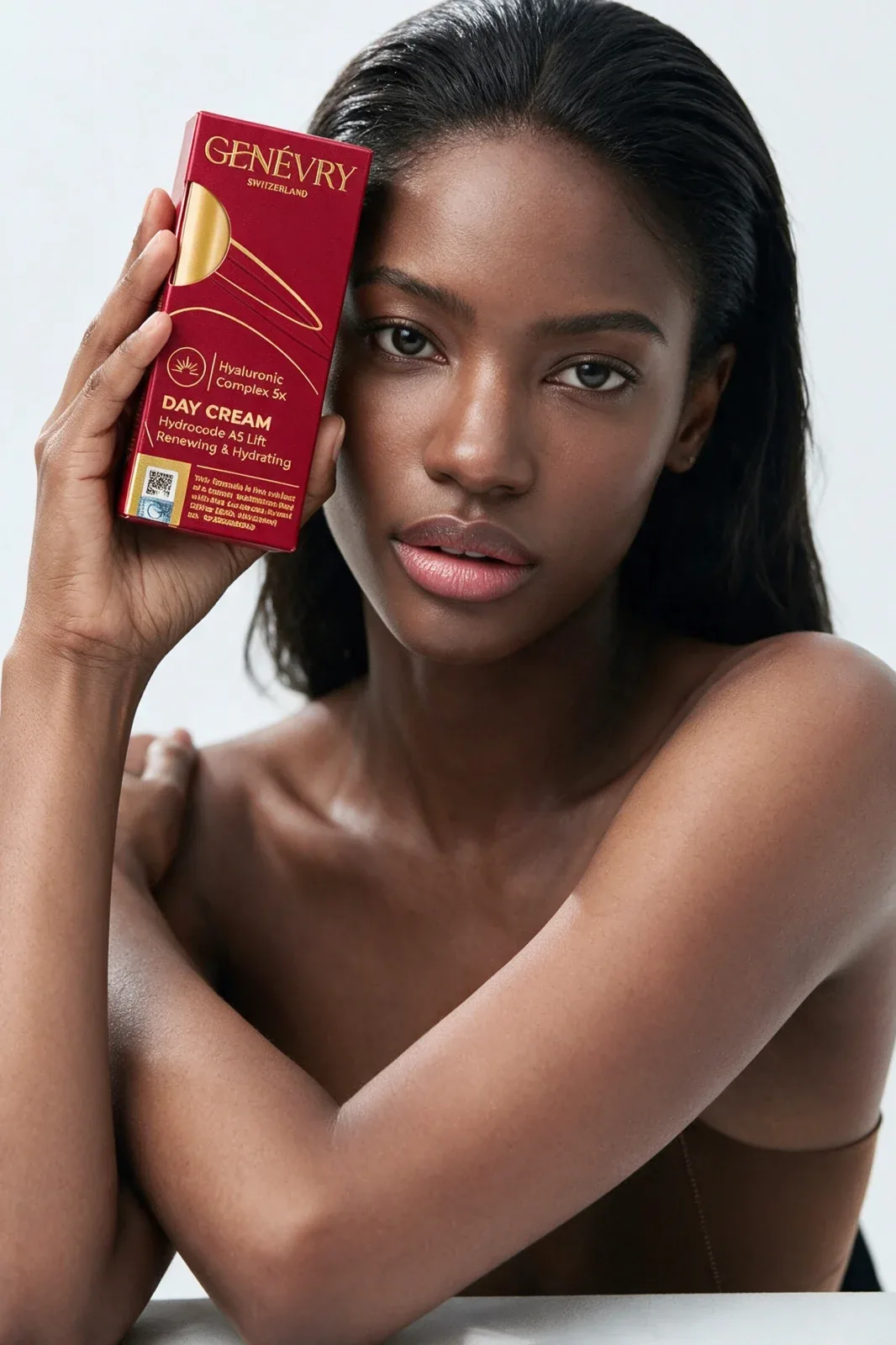
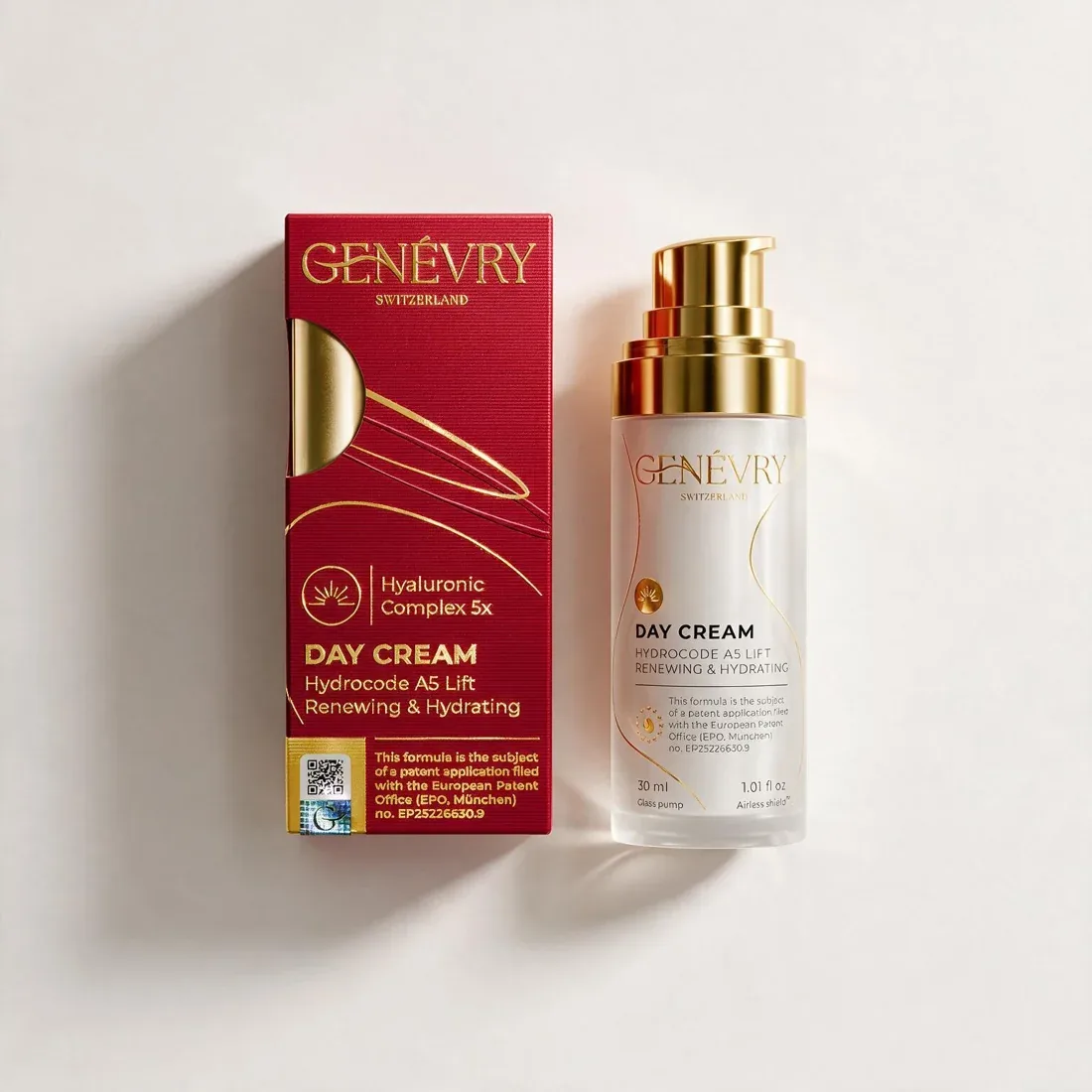
After four weeks, judge whether your skin handles two active evenings a week. If it does, add a third. If tightness or roughness appears, hold the pattern and add hydration instead — for example Hydrocode A5 Lift in the morning, which raised mean skin hydration by 41% after 4 weeks in an instrumental study on 10 participants (Corneometer CM 825).
New to retinoids altogether? Start with our guide to retinol for beginners. For the origin of the 0.3% facial cap, see what we wrote about the EU retinol rules.
Frequently asked questions about bakuchiol
Does bakuchiol work the same way as retinol?
Not the same way, but in one randomised double-blind trial the effect on wrinkle surface area and hyperpigmentation was comparable after twelve weeks, with fewer reports of scaling and stinging in the bakuchiol group. The mechanism differs: bakuchiol is not a retinoid, although it activates some of the same pathways in skin cells.
Is bakuchiol safe during pregnancy?
No study has confirmed or ruled it out, so make that decision with your doctor. Absent safety data means neither a manufacturer nor an article can state that the ingredient is suitable in pregnancy.
Which bakuchiol concentration should I choose?
Clinical trials most often used 0.5%, usually twice daily. A higher number is not automatically better, especially since measurements show gaps between declared and actual content. Whether the product contains isolated bakuchiol or a seed extract often matters more.
Does bakuchiol make skin sun-sensitive?
Bakuchiol itself has not been described as photosensitising, and trials applied it in the morning as well. Wear sunscreen daily regardless — it is the condition for holding on to results when working on pigmentation, whichever active you choose.
How long before results show?
In the 2026 trial, the first significant changes in crow’s feet and pigmentation appeared after 28 days, while global wrinkles shifted significantly only at day 56. A realistic horizon is two to three months of daily use.
Can bakuchiol and retinol be combined?
They can, though not from day one and preferably on separate evenings. Two actives at once make it hard to identify what is causing irritation, and with retinol it is exactly that observation that sets the pace of introduction.
Does bakuchiol help with acne?
Some trials covered acne, usually with combination formulas and without a control group, so they say little about bakuchiol on its own. Acne that needs treatment starts with a dermatologist.
If you take one sentence from this: bakuchiol is a sensible choice for skin that cannot tolerate retinol, provided you buy a product with the isolated ingredient and give it two or three months. On evenings without actives, a good moisturiser is enough — and for the mornings after, there is the night cream and SPF pairing.
The formulas in this article
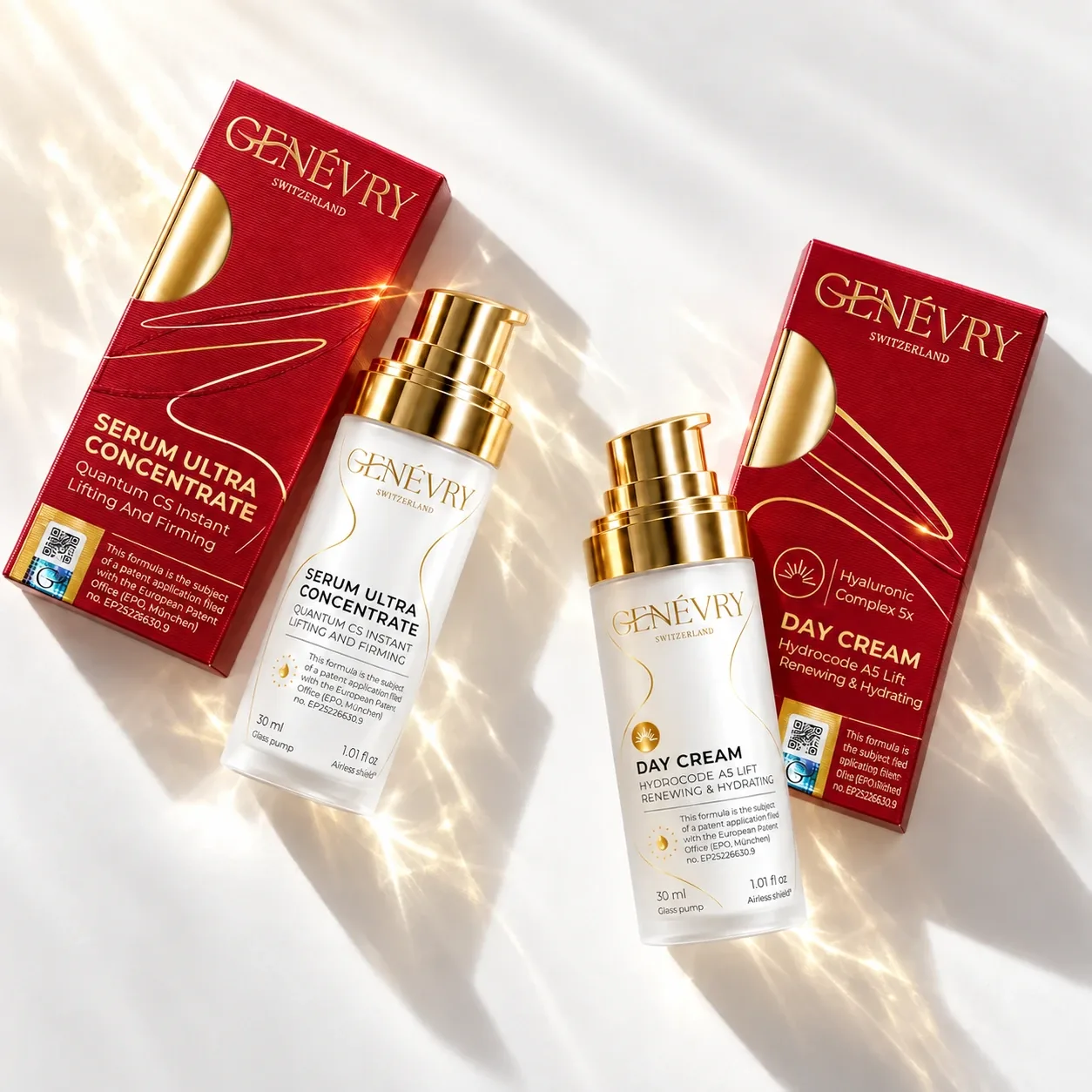
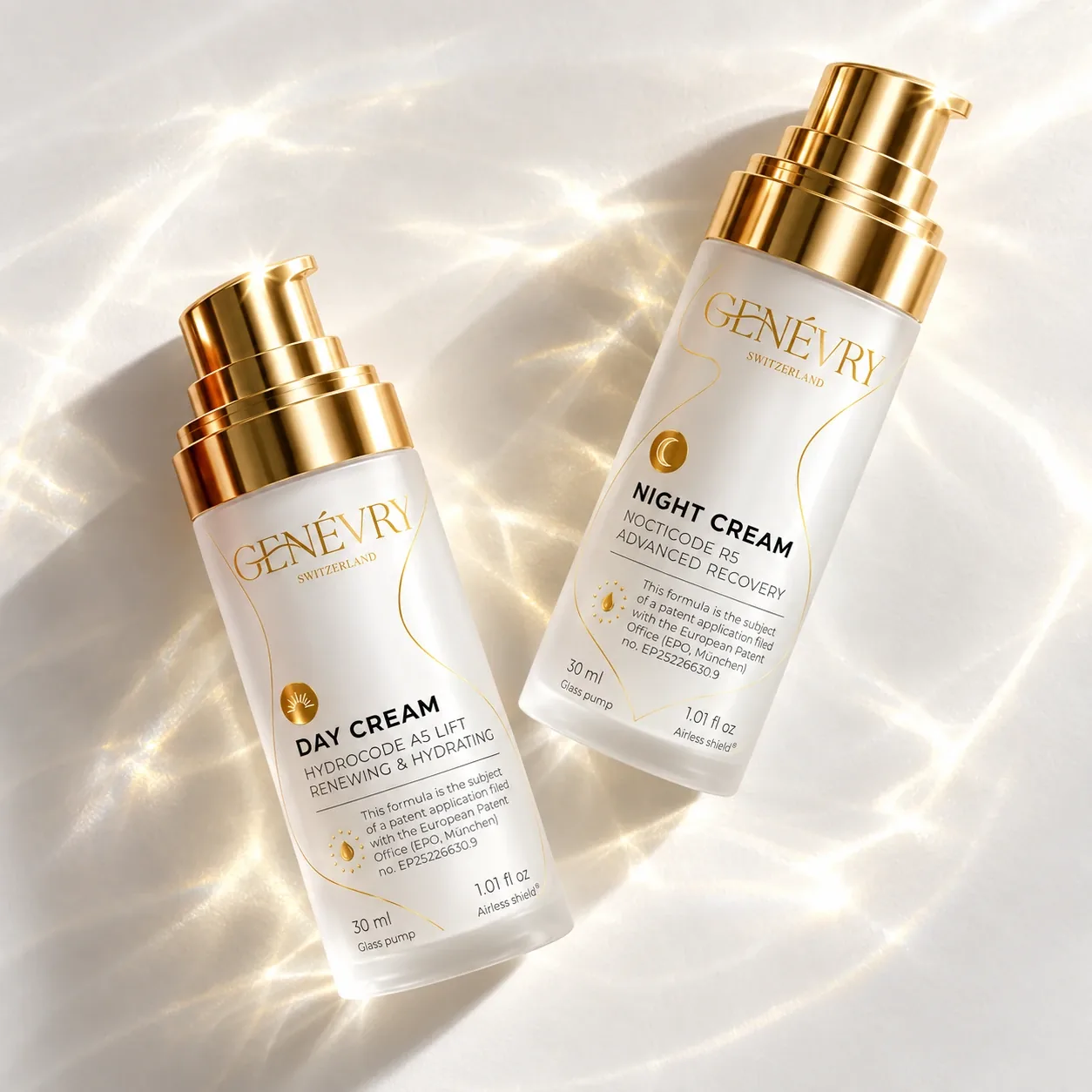
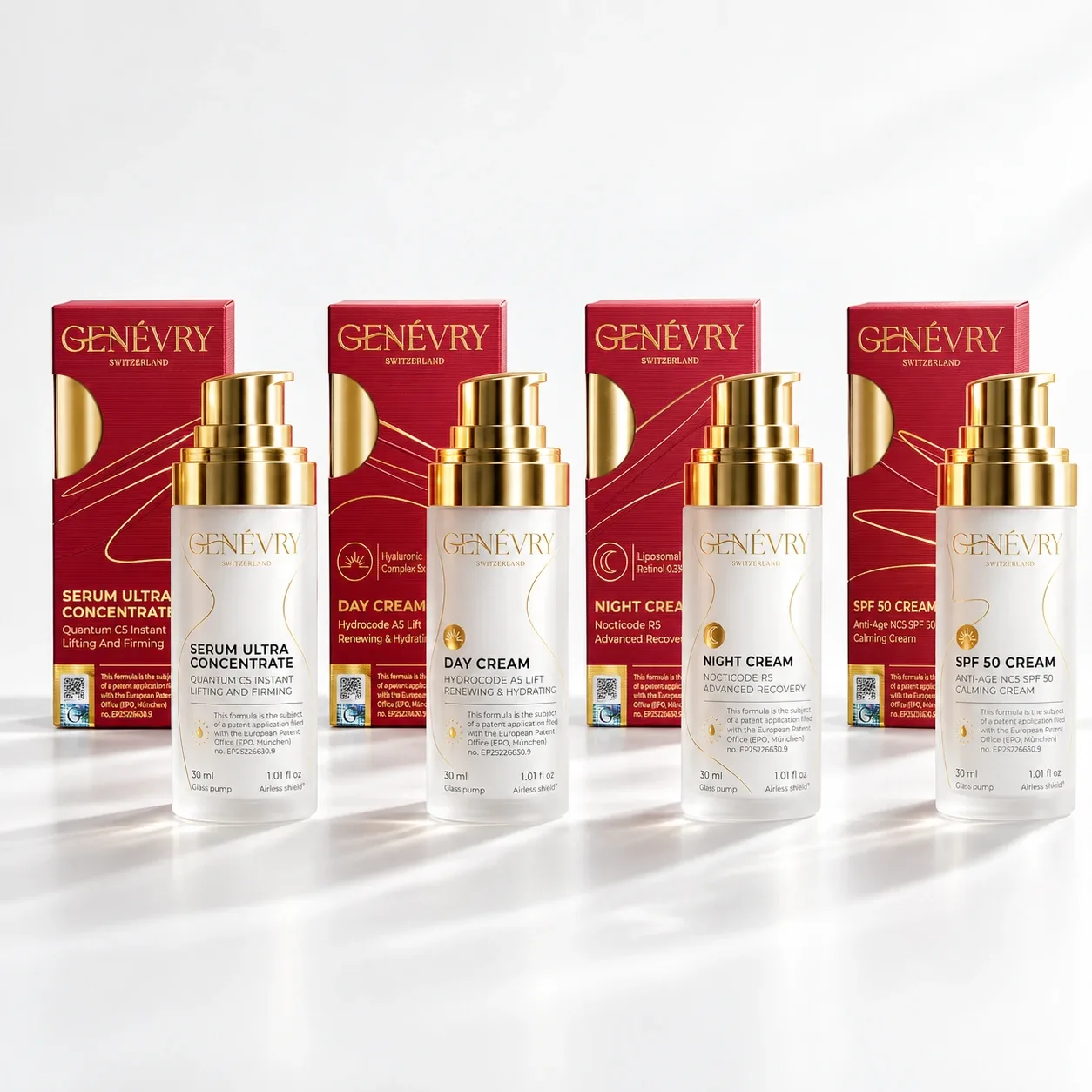
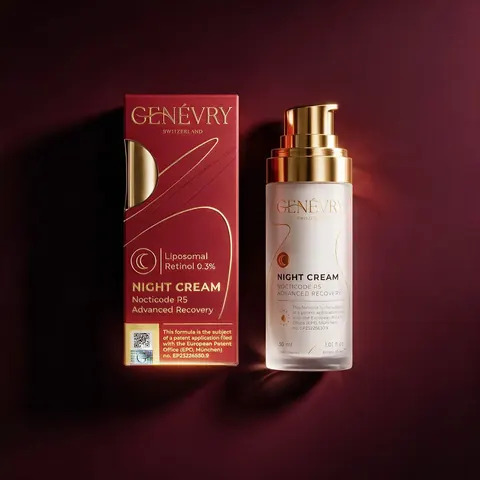 Nocticode R5Cremă de noapte avansată174,90 leiDiscover the formula →
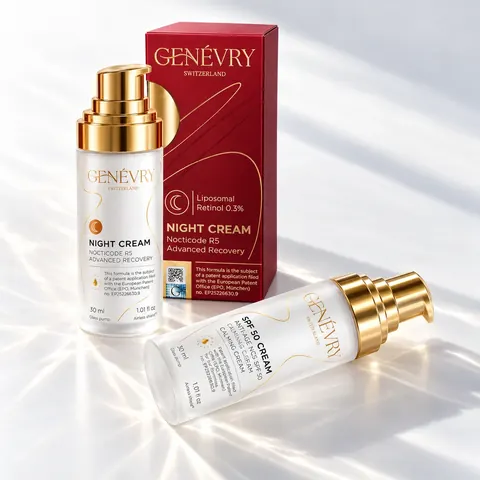 The Night & Light DuoCremă de noapte + SPF 50 · 2 × 30 ml324,90 leiDiscover the formula →
Cosmetic product. Individual results may vary.
 English / EUR
 English (US) / USD
 English (UK) / GBP
 Deutsch / EUR
 Deutsch (Schweiz) / CHF
 Français / EUR
 Italiano / EUR
 Español / EUR
 Nederlands / EUR
 Polski / PLN
 日本語 / JPY
 한국어 / KRW
 中文 / CNY
 العربية / AED
 English (Australia) / AUD
 English (Canada) / CAD
 Svenska / SEK
 Dansk / DKK
 Norsk / NOK
 Suomi / EUR
 Português / EUR
 Türkçe / TRY
 Čeština / CZK
 Magyar / HUF
 Română / RON
 Ελληνικά / EUR
 Slovenčina / EUR
 Hrvatski / EUR
 Slovenščina / EUR
 Lietuvių / EUR
 Latviešu / EUR
 Eesti / EUR
 Български / EUR
 Українська / EUR