Expression lines: what skincare can realistically do
The lines left behind by a smile record muscle work, not neglect. Here is what skincare genuinely changes about their appearance — and what no cream will do.
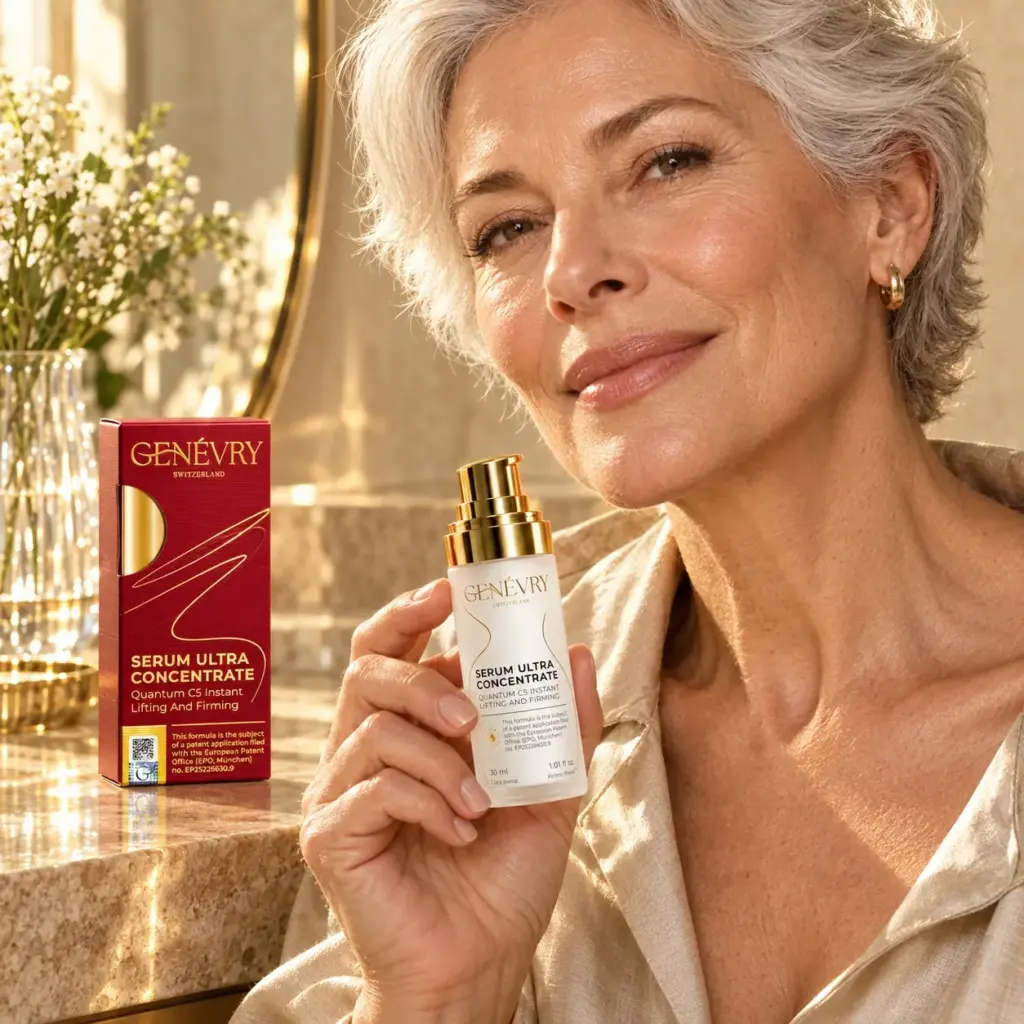
Expression lines are usually the first ones anybody notices on their own face: the vertical mark between the brows, the fan at the outer corner of the eye, the two creases running from nose to mouth. They are not a sign of neglect. They are a record of how you laugh, how you squint into the sun and how you frown at a screen. So the useful question is not how to get rid of them, but what skincare can genuinely do about them — and what no cream, at any price, is going to do.
Where expression lines come from
Facial skin sits in an unusual anatomical position. The muscles of facial expression attach not only to bone but directly to the tissue beneath the skin, which is why every smile and every raised eyebrow deforms it hundreds of times a day. As long as the skin has elasticity in reserve, it snaps back the instant the muscle relaxes and nothing shows.
Three things deliver that snap-back: the collagen scaffold, elastin fibres that behave like rubber bands, and water held in the epidermis and dermis. With age, collagen synthesis slows, elastin repairs less well, and the barrier holds water less efficiently. Photoageing adds to all of it — cumulative UV exposure is the best-documented external accelerator. The result is always the same: the return to smoothness takes a fraction of a second longer, then a few seconds, until the line stops disappearing on its own.
Dynamic versus set: the distinction that decides everything
Cosmetic science separates two states of the same line. A dynamic line appears only in movement — visible when you smile, gone when the face is at rest. A set, or static, line is visible when the face is doing nothing at all: the muscle let go, the crease stayed.
The distinction is practical, because it marks the boundary of what a cosmetic can reach. Skincare does not influence how a muscle contracts; no topical ingredient tells your brow to frown less forcefully. What skincare works on is the ground underneath: hydration, surface smoothness, firmness, barrier condition. And that ground determines how fast the skin returns to smooth, and how sharply the line draws itself at rest.
Hence a simple rule of thumb: the more dynamic a line still is, the more a well-run routine can change about its appearance. With deep creases of many years’ standing, we are talking about the look of the skin around them rather than the crease itself.
What skincare can do, and what it will not
This border deserves to be drawn plainly, because the beauty market enjoys blurring it. A cosmetic product, by definition, acts on the epidermis and on appearance. It is not a medicine and it does not intervene in muscle or in the deeper structure of the dermis the way a clinical procedure does. European law on cosmetic claims — Regulation 655/2013 — prohibits advertising a cosmetic with medicinal promises or absolute results.
| What skincare will not do | What is genuinely on the table |
|---|---|
| Stop a facial muscle from contracting | Care for the skin that works above that muscle |
| Fill a deep crease permanently | Skin looks smoother, so light catches the fold less harshly |
| Replace sun protection | Daily SPF limits the best-documented accelerating factor |
| Show results in a week | Credible study protocols measure at three to four weeks and beyond |
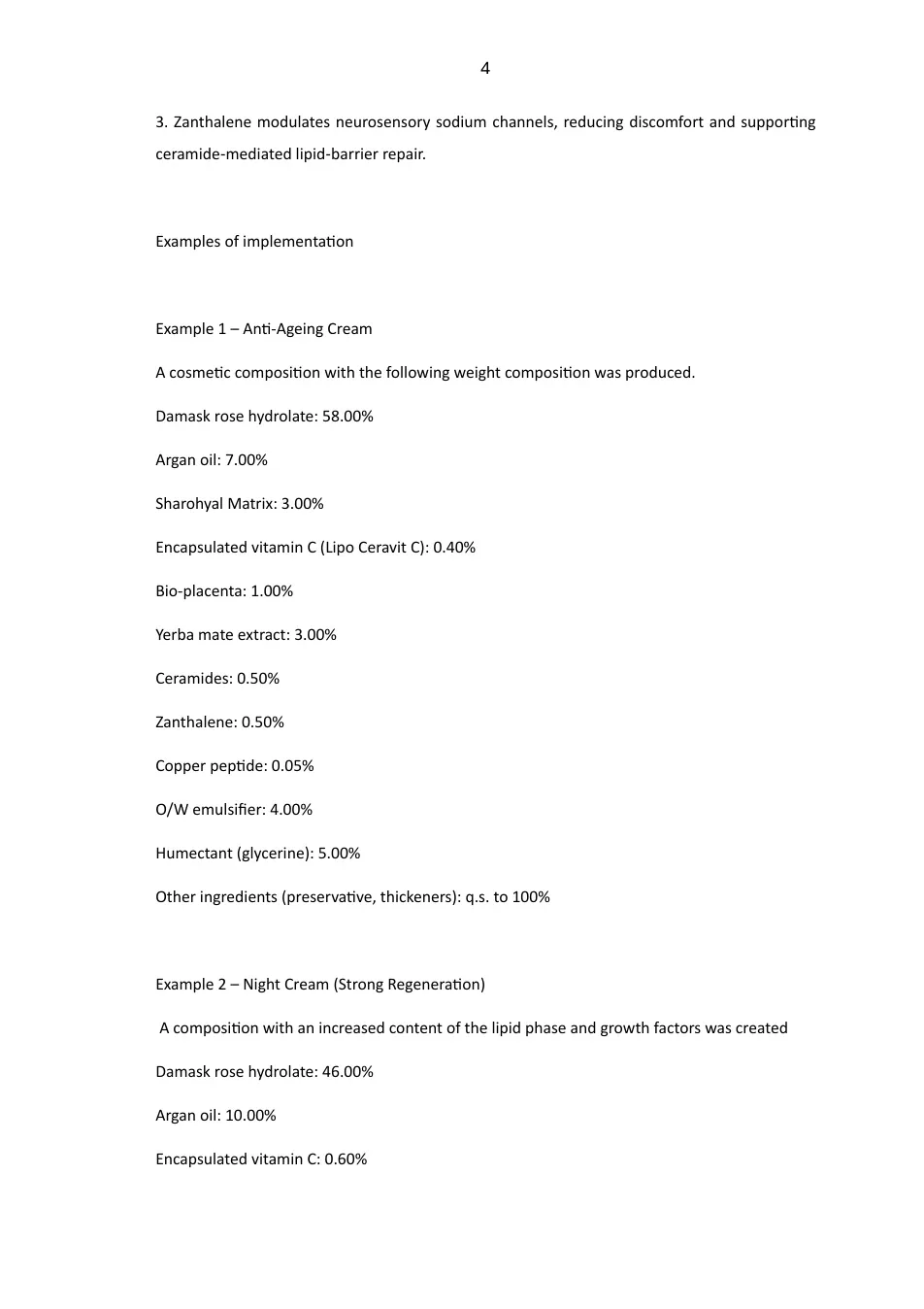
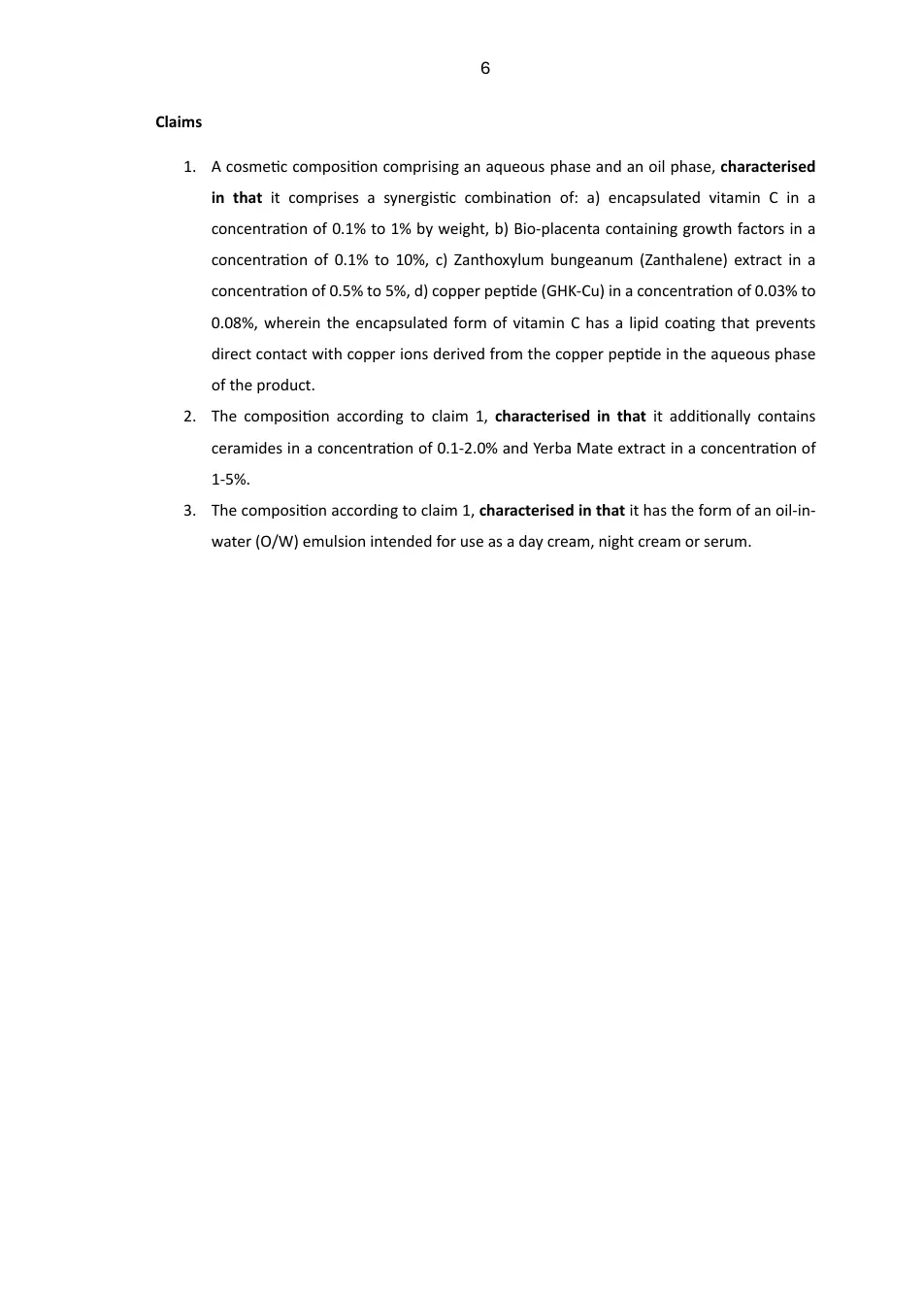
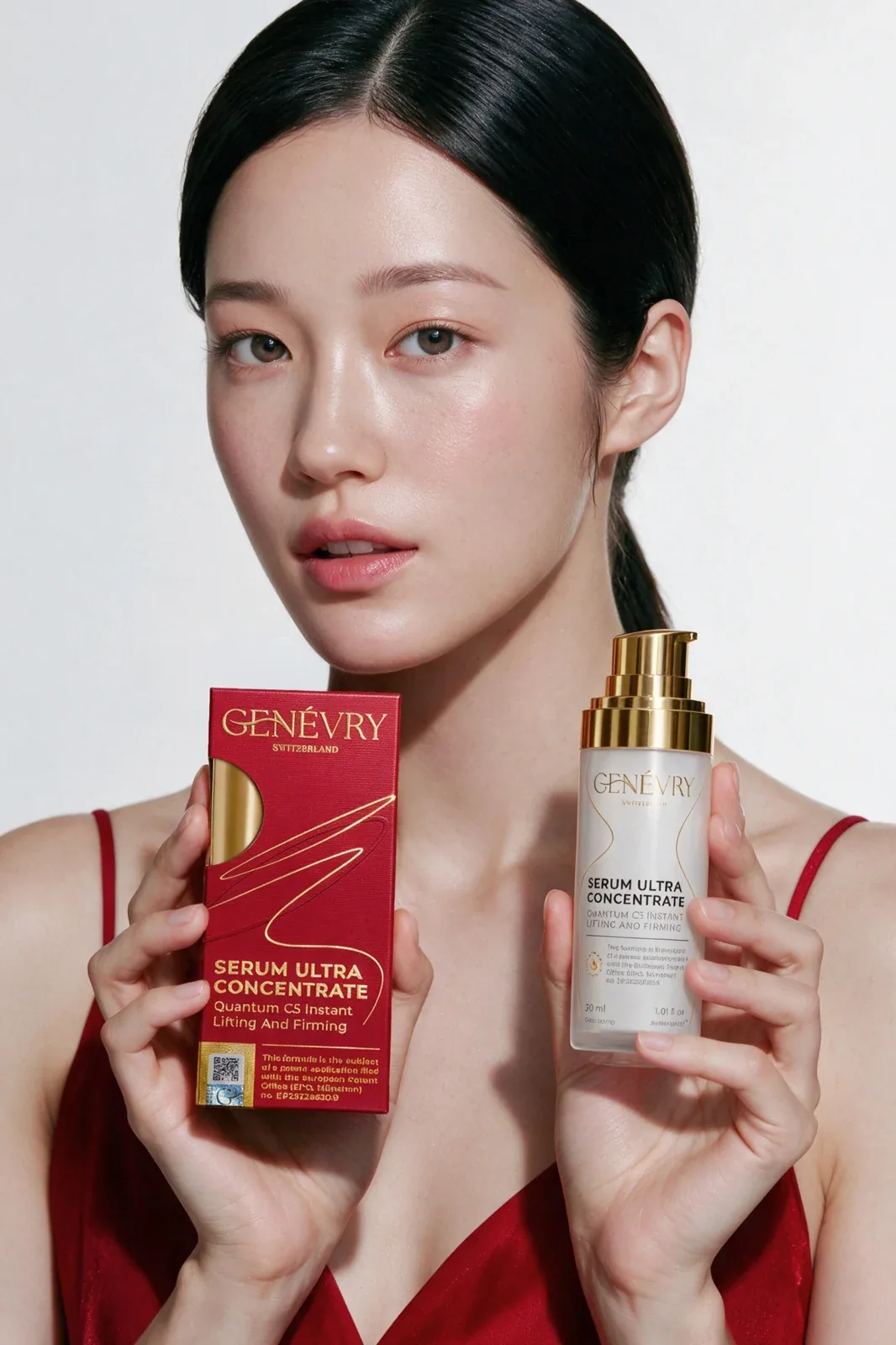
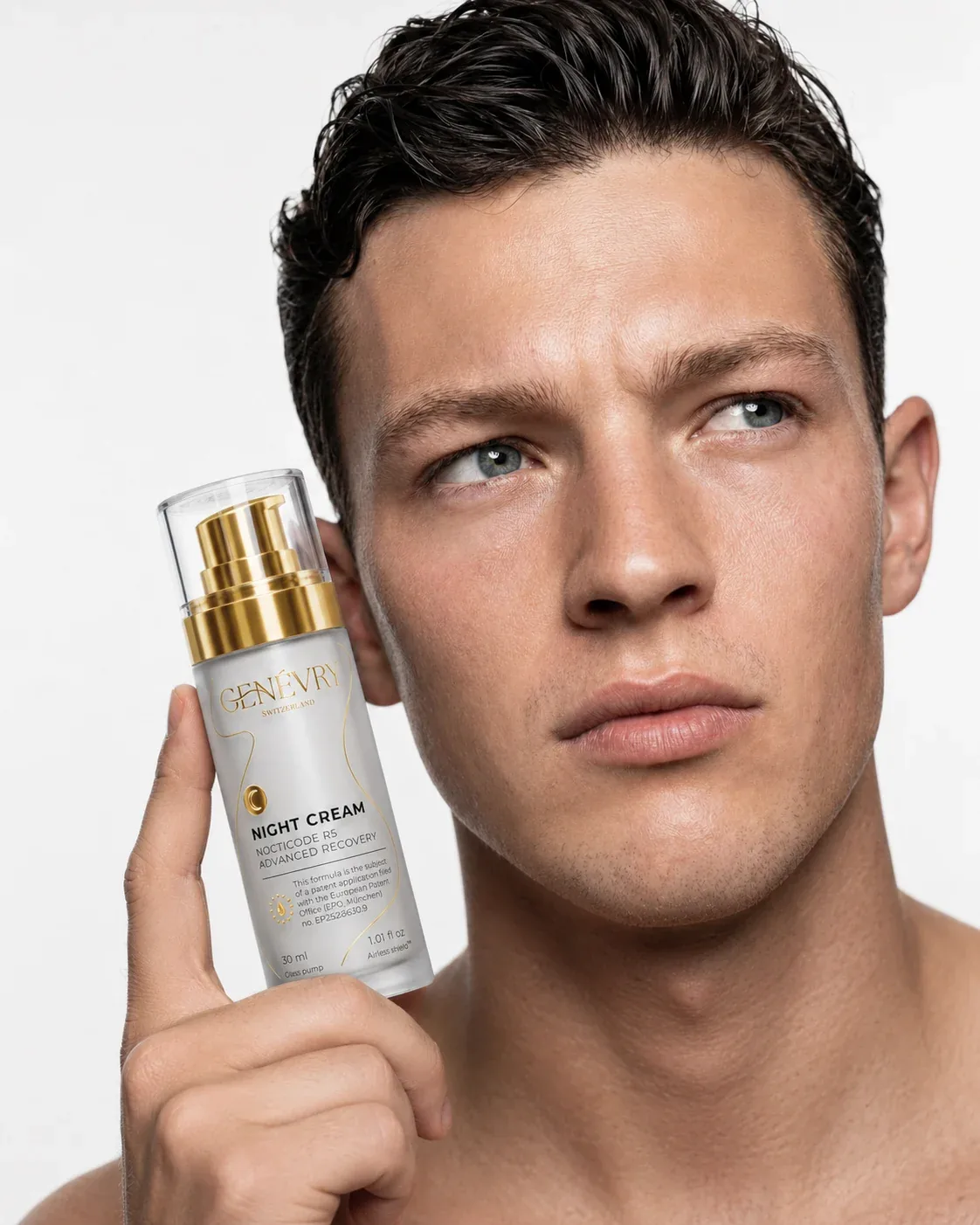
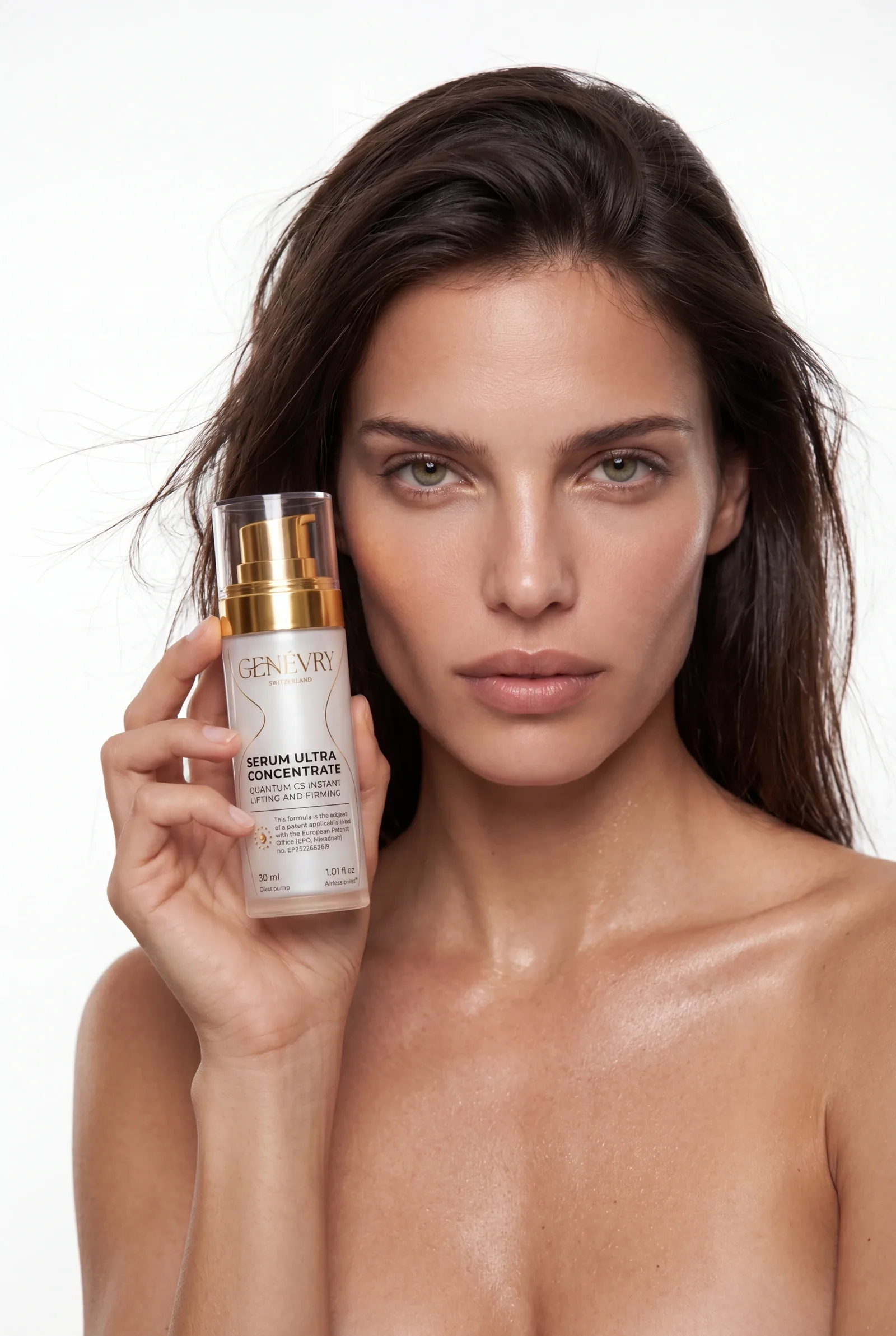
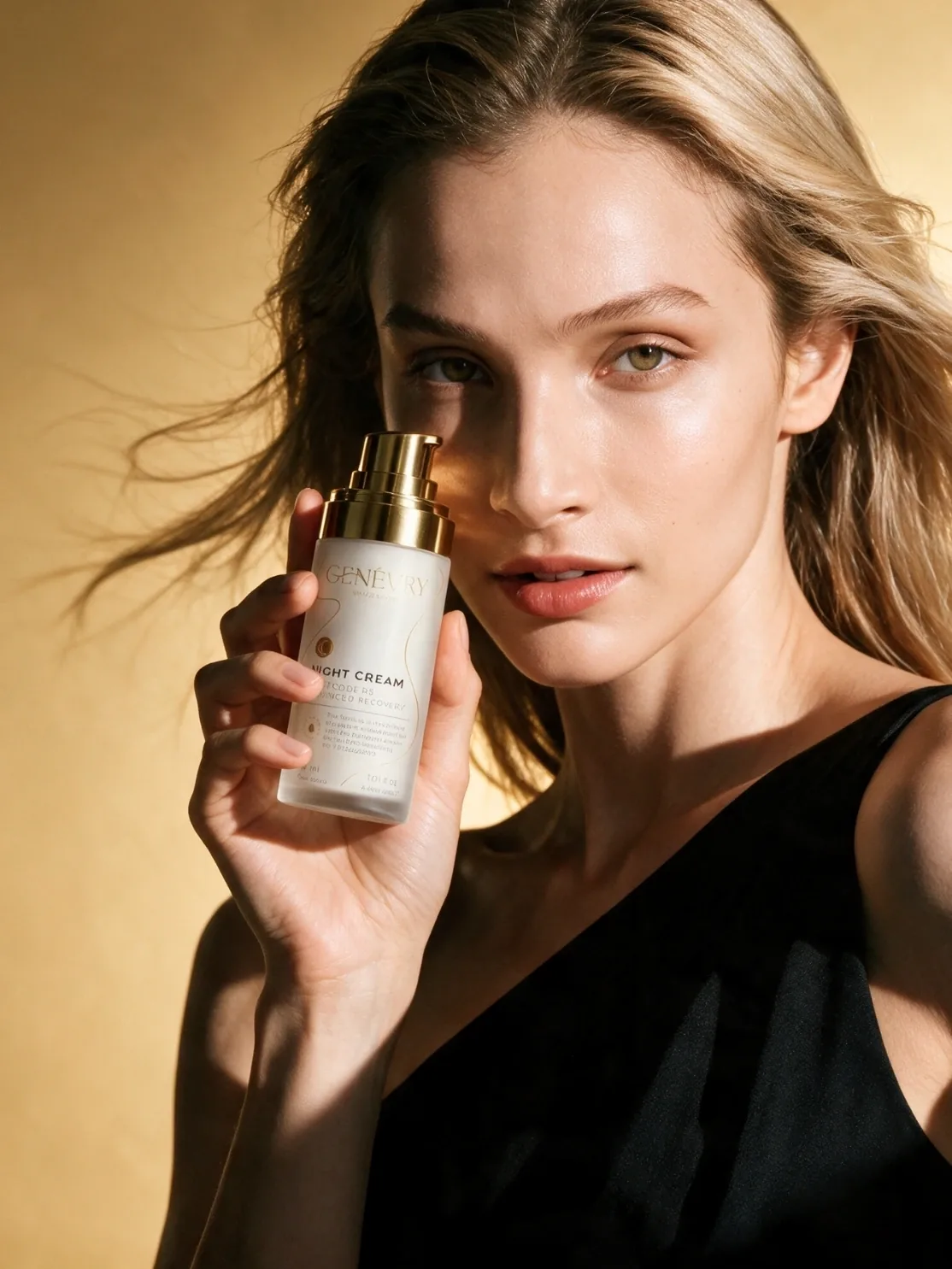
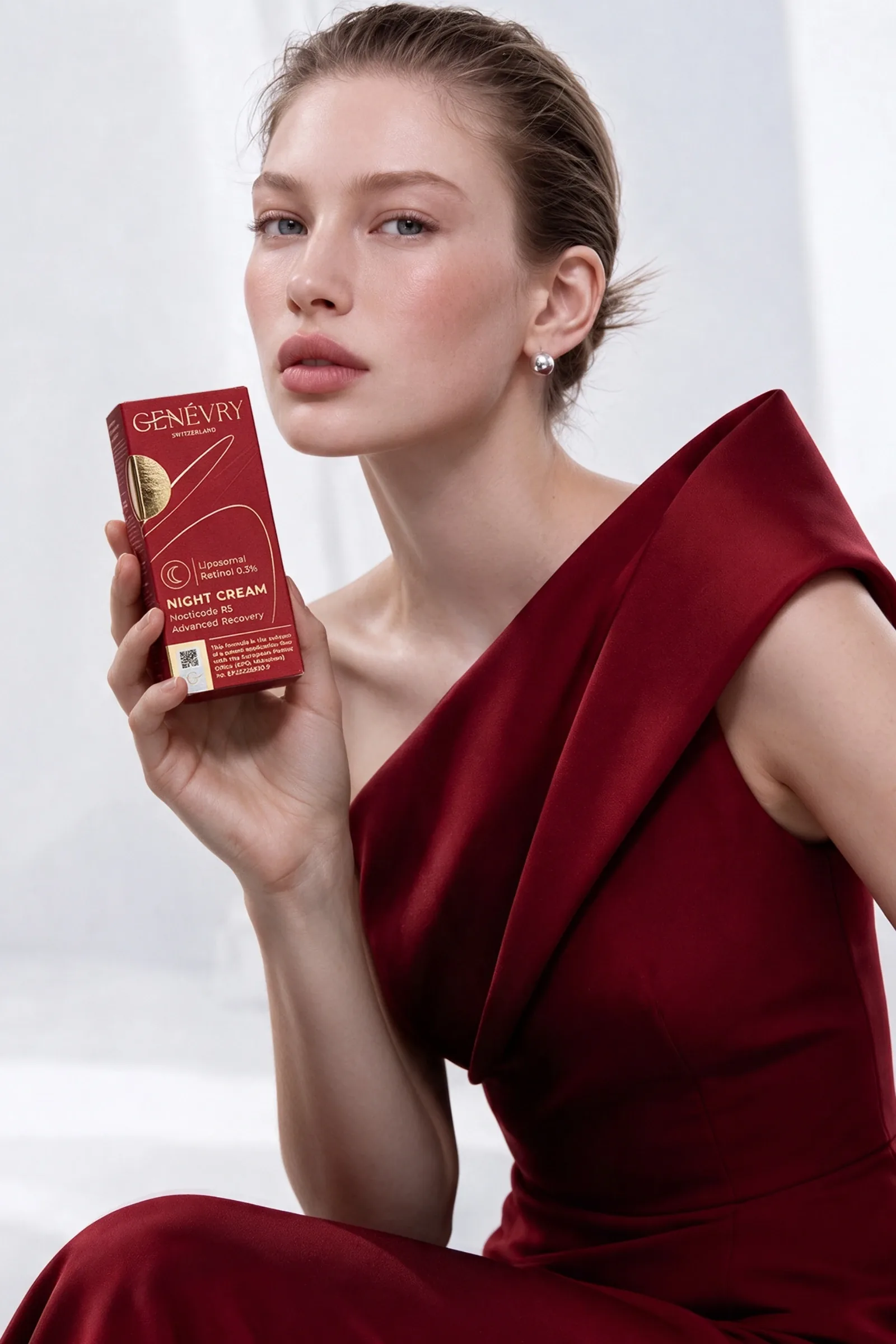
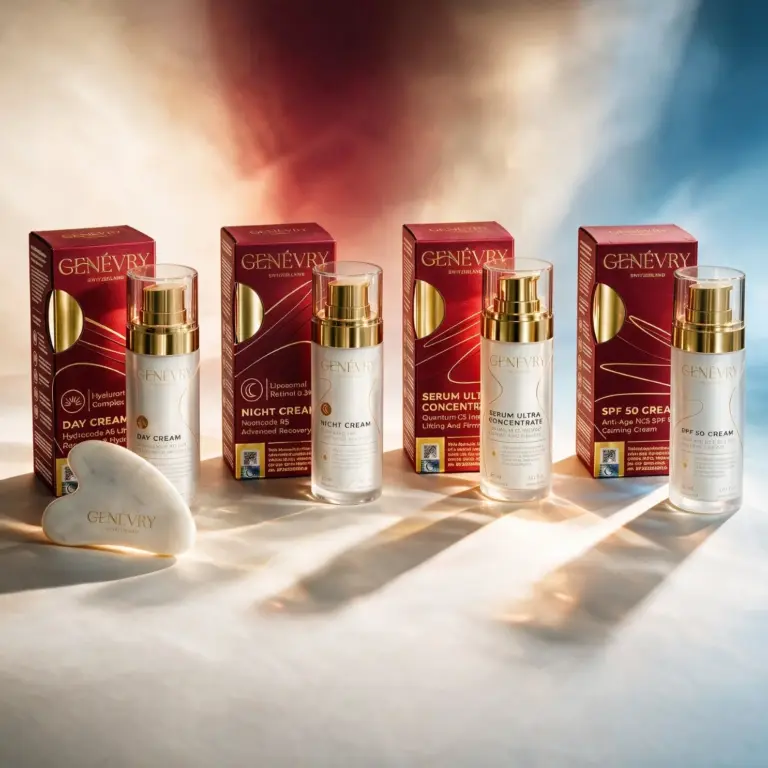
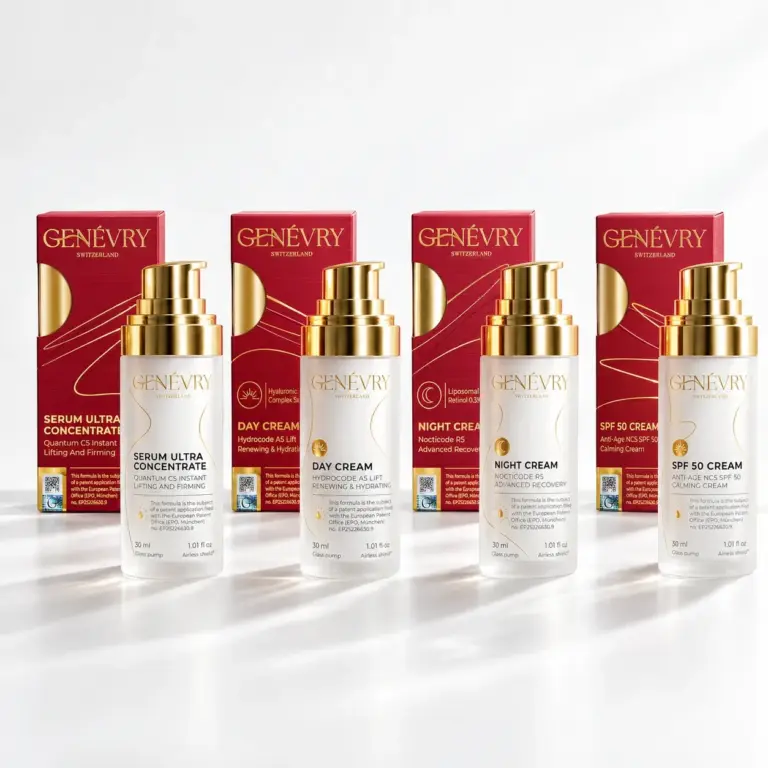
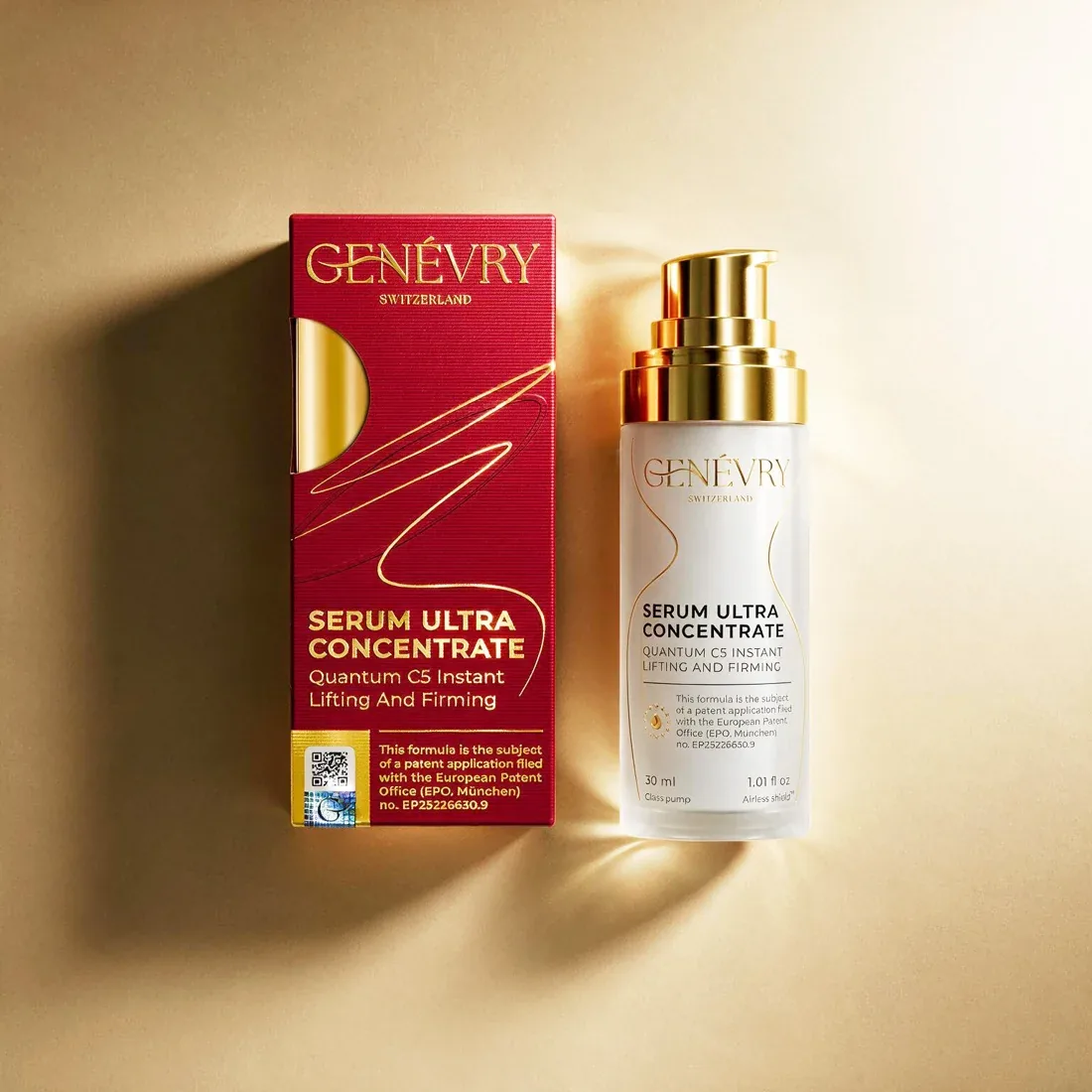
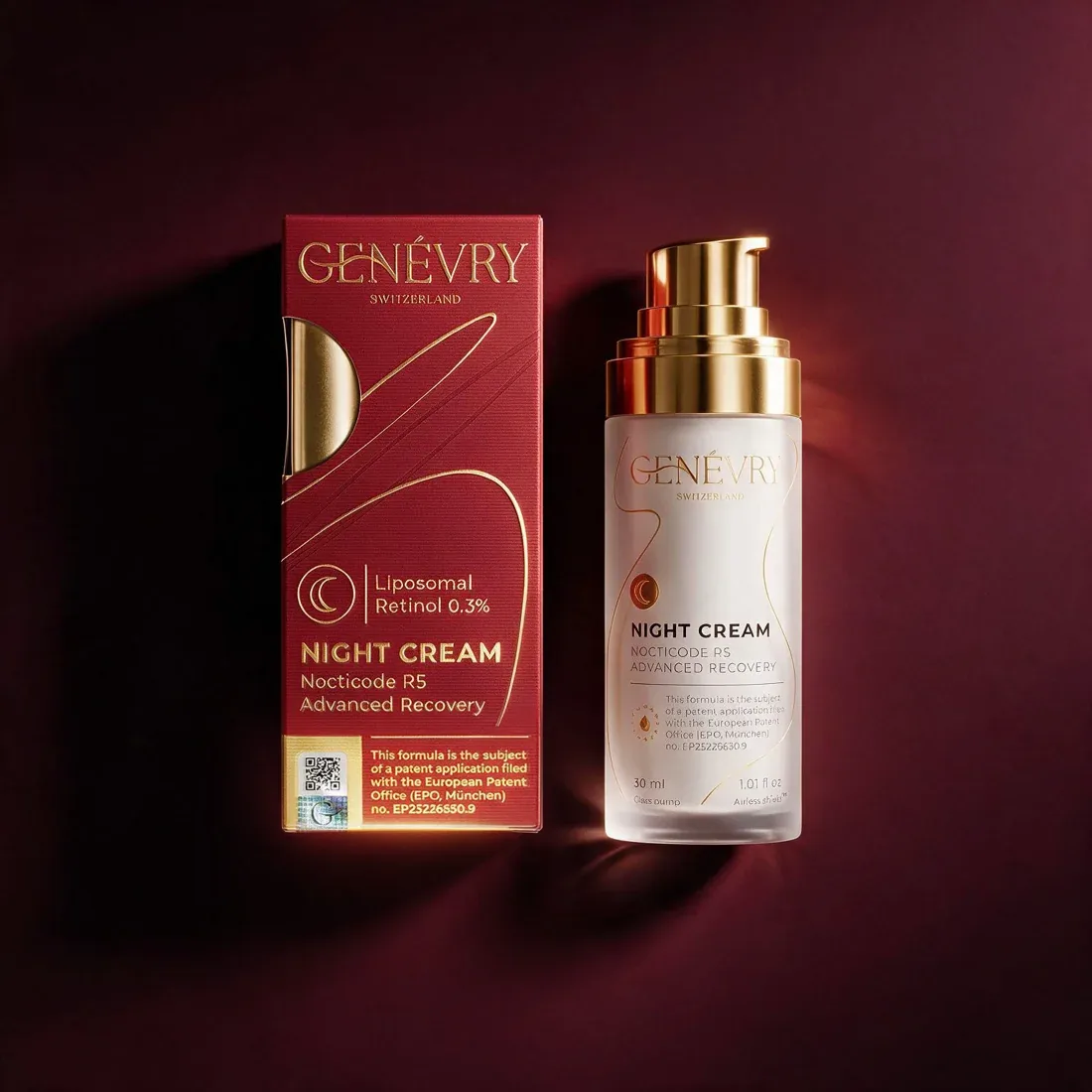
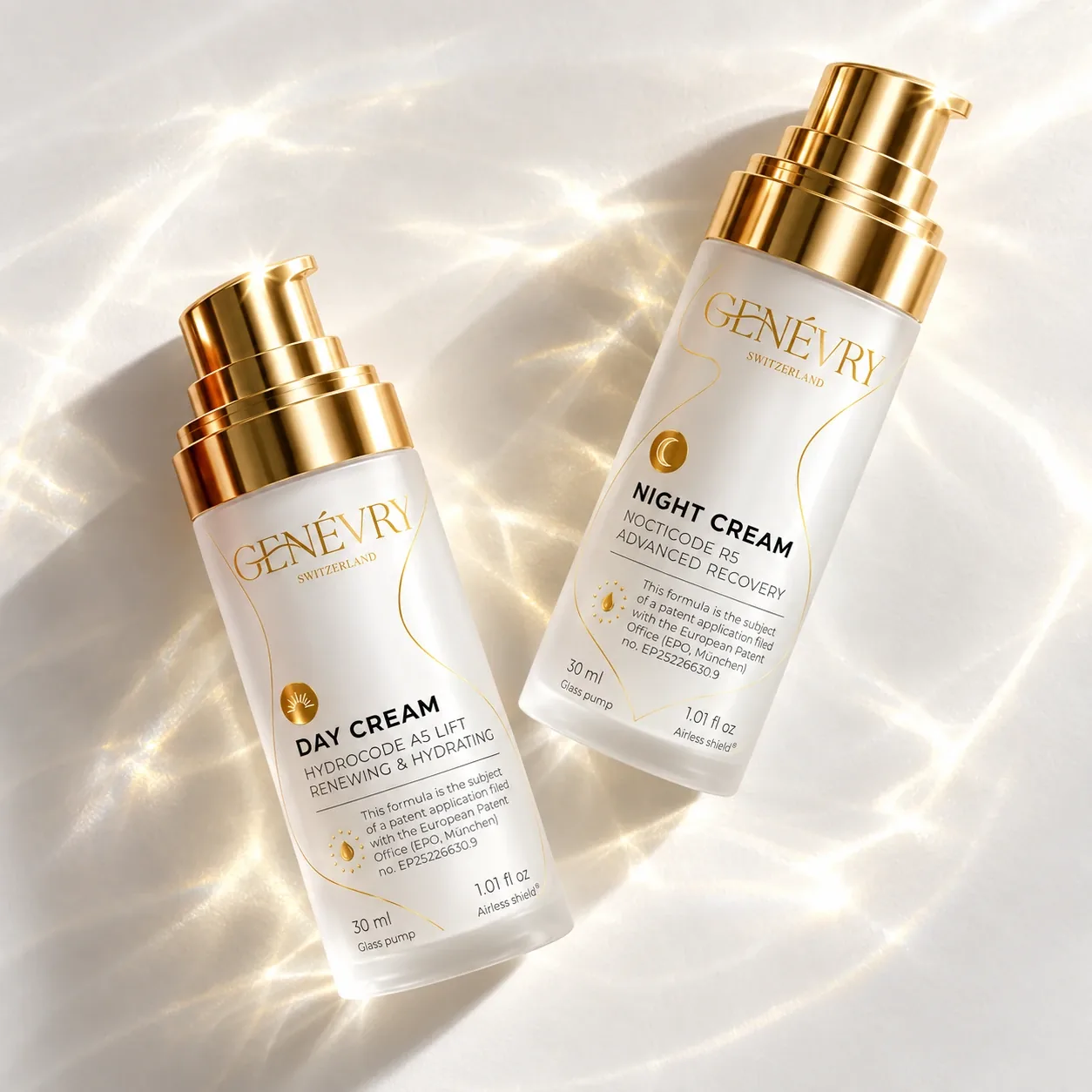
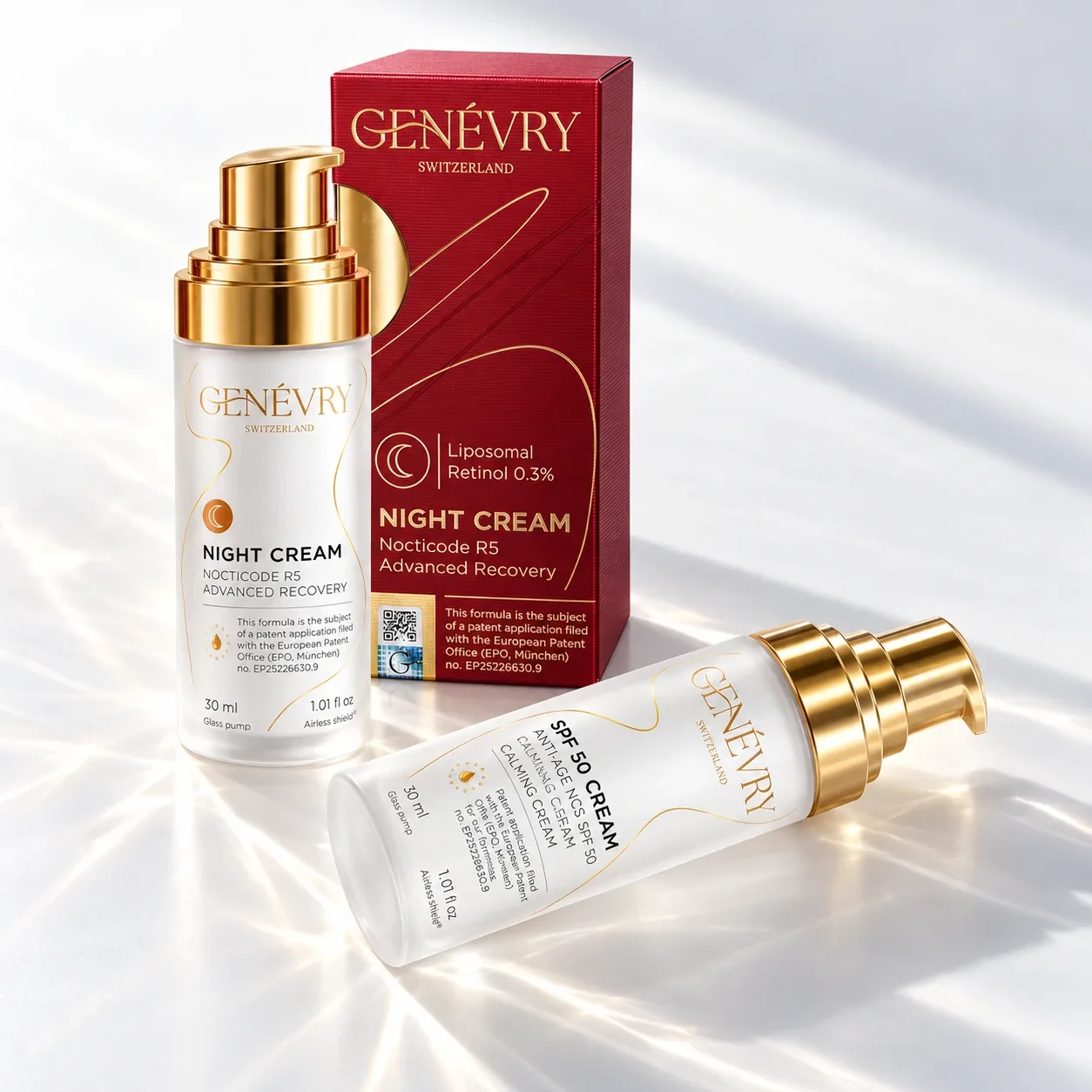
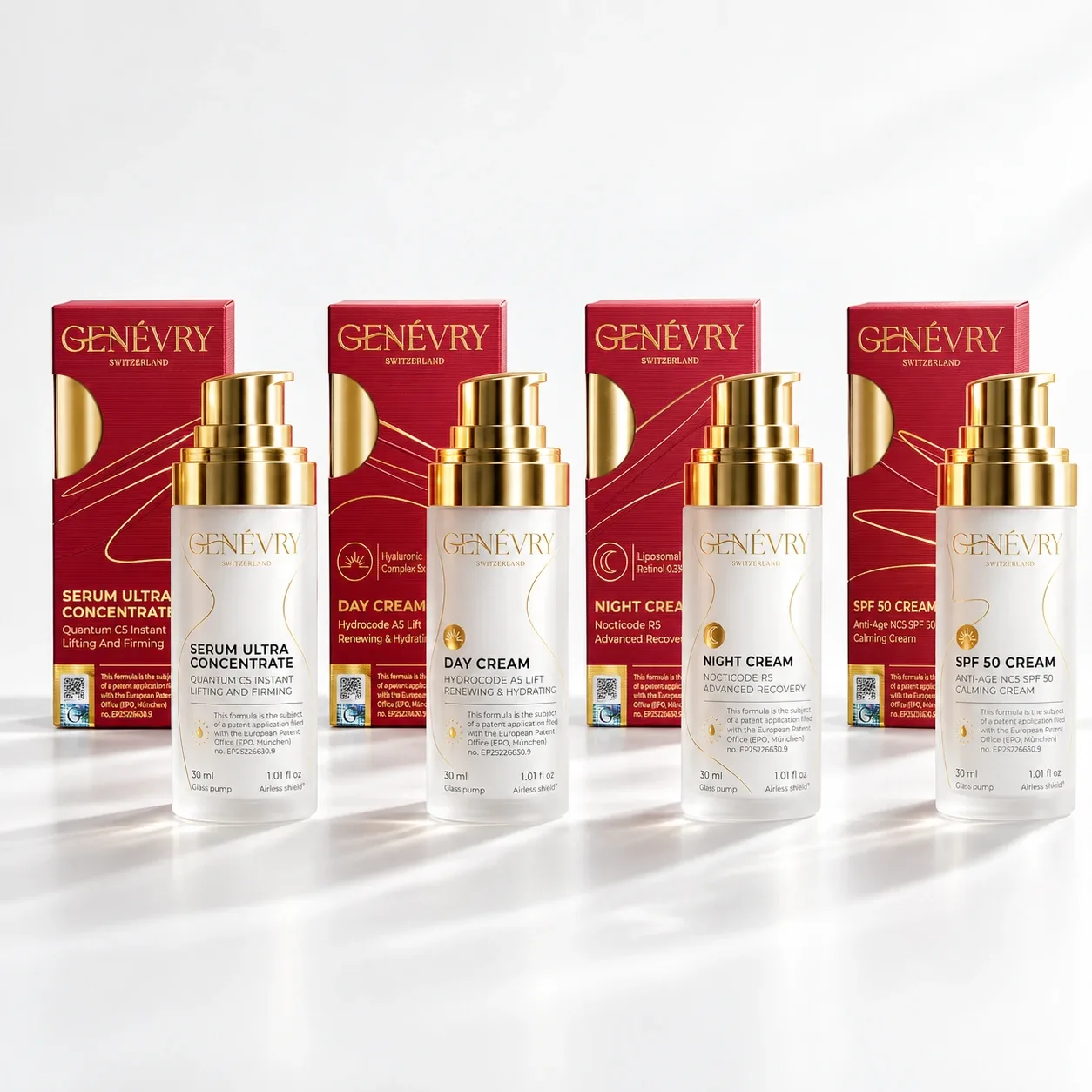
Among ingredients, the one with the deepest documentation on the appearance of lines is retinol, the cosmetic derivative of vitamin A. In the GENÉVRY Nocticode R5 night cream it appears in liposomal form at 0.3%, the lipid carrier intended to release the molecule gradually. The second pillar is vitamin C: in the Quantum C5 serum it is liposomal and sits alongside the GHK-Cu copper peptide. Both formulas are the subject of patent application EP25226630.9 — patent pending, which means a filing on record, not a granted patent.
What the instrumental measurements showed
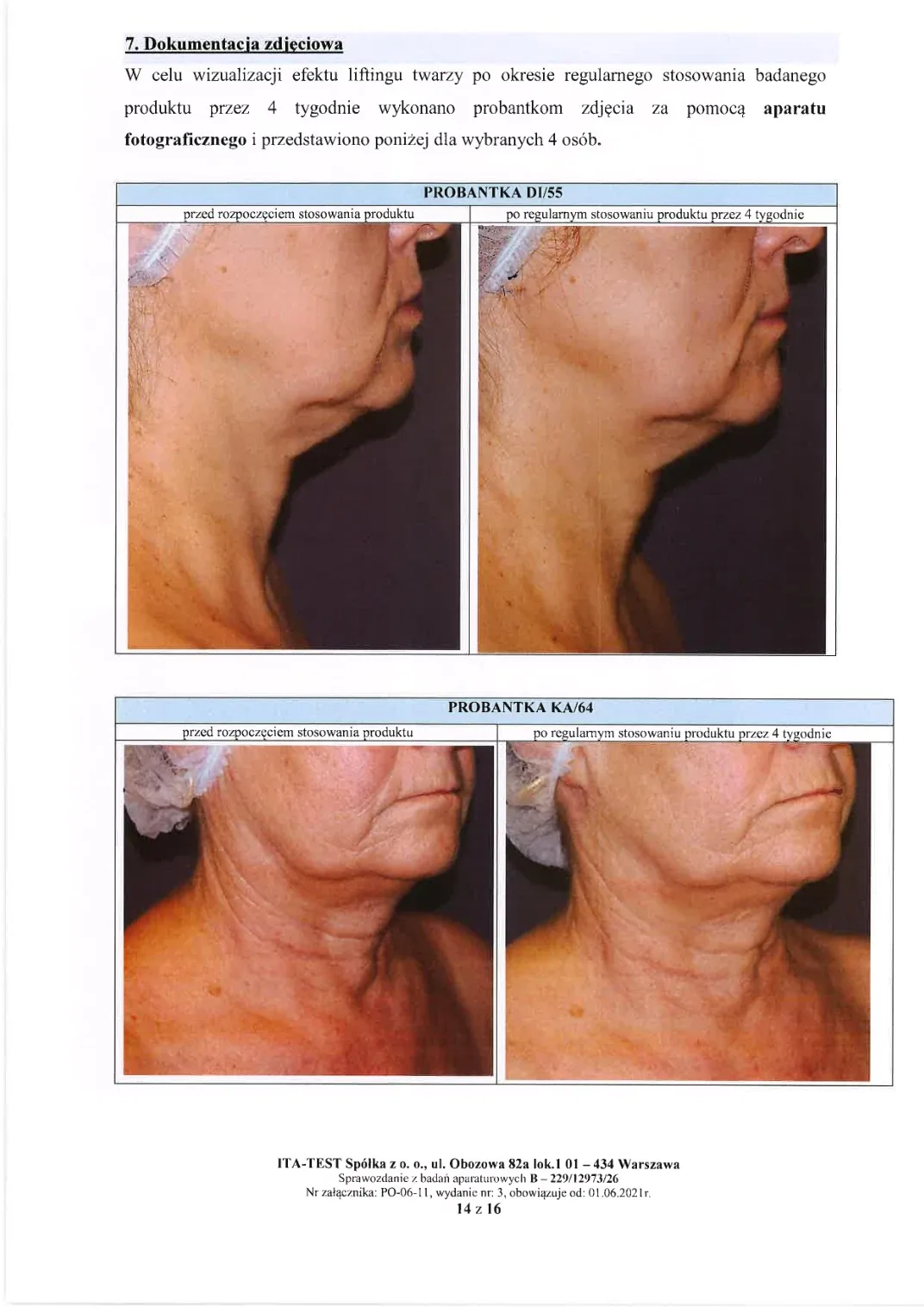
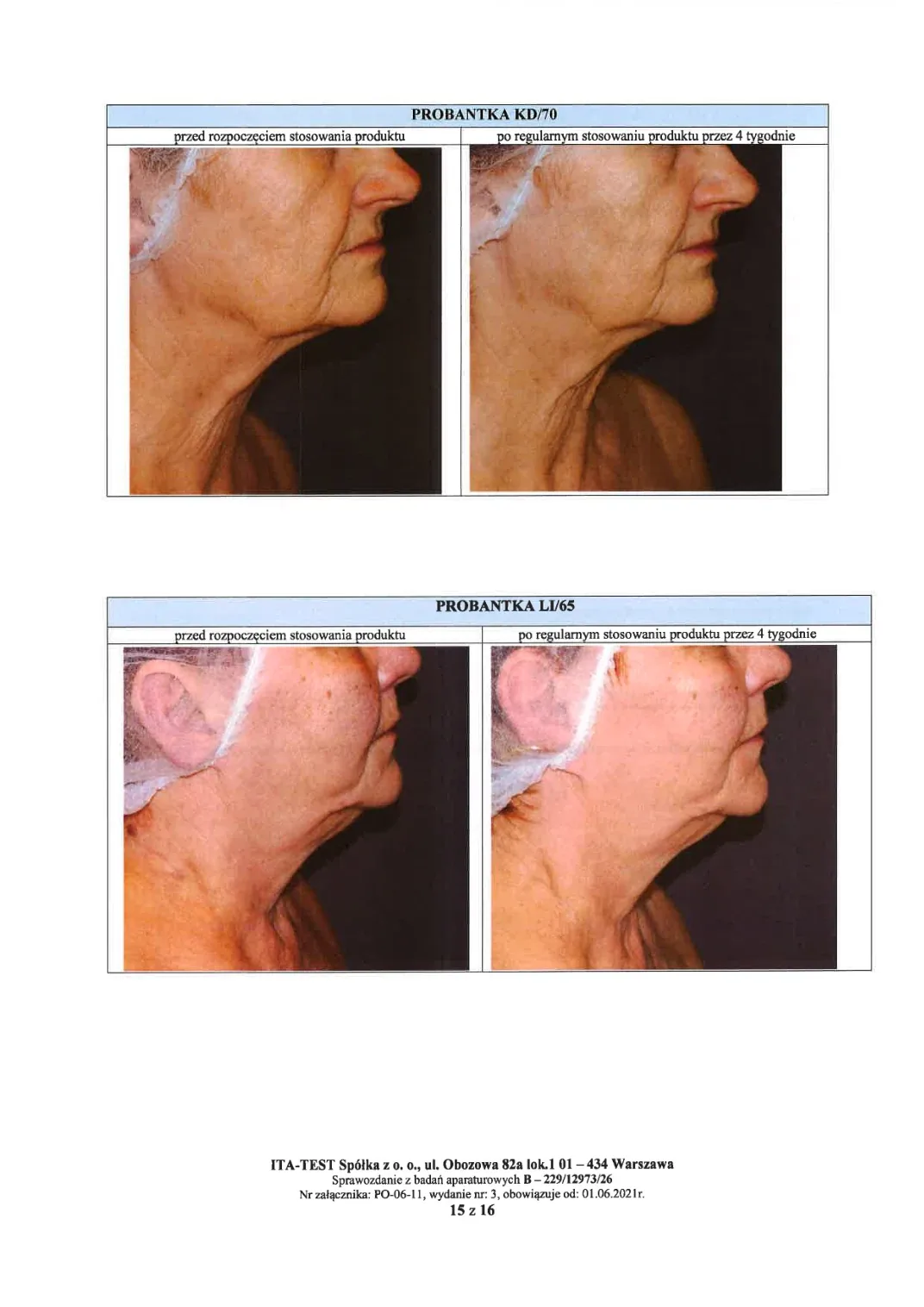
The brand commissioned independent instrumental and self-assessment studies in groups of ten participants over four-week cycles. These are small groups: the results indicate a direction, not a guarantee. For lines, the most relevant readings come from silicone replicas measured on a VISIOLINE VL650.
| Parameter | Result | Context |
|---|---|---|
| Mean wrinkle length | −10% | Decreased from 2.08 to 1.88 mm; a reduction was recorded in 9 of 10 participants. Silicone replicas, VISIOLINE VL650, 4 weeks, instrumental, n=10 (Nocticode R5) |
| Mean wrinkle depth | −8% | Group-average reduction; a reduction was recorded in 9 of 10 participants. VISIOLINE VL650, 4 weeks, instrumental, n=10 (Nocticode R5) |
| Skin smoothing | +19% | Individual maximum; the reported group-average improvement in SEsm was 10%, with improvement in 9 of 10 participants and individual gains of 6–19%. 4 weeks, instrumental, n=10 (Nocticode R5) |
| Skin firmness | +23% | Individual maximum; instrumental firmness increased by 5–23% across the 10 participants, group average 14%. 4 weeks, n=10 (Nocticode R5) |
| Mean skin hydration | +33% | Average increase from baseline, Corneometer CM 825; hydration increased in all 10 participants. 4 weeks, instrumental, n=10 (Quantum C5) |
How should that be read? Ten per cent of mean wrinkle length is two tenths of a millimetre — nobody registers that with the naked eye as “fewer wrinkles”. What is noticeable is the sum of it: better-hydrated skin with an even surface and more spring to it scatters light differently, so lines draw themselves less sharply. That, not the disappearance of a crease, is the honest description of what good skincare achieves.
A routine that makes sense for expression lines
The order is simple and does not need ten steps. Mornings are about hydration and protection; evenings are about repair.
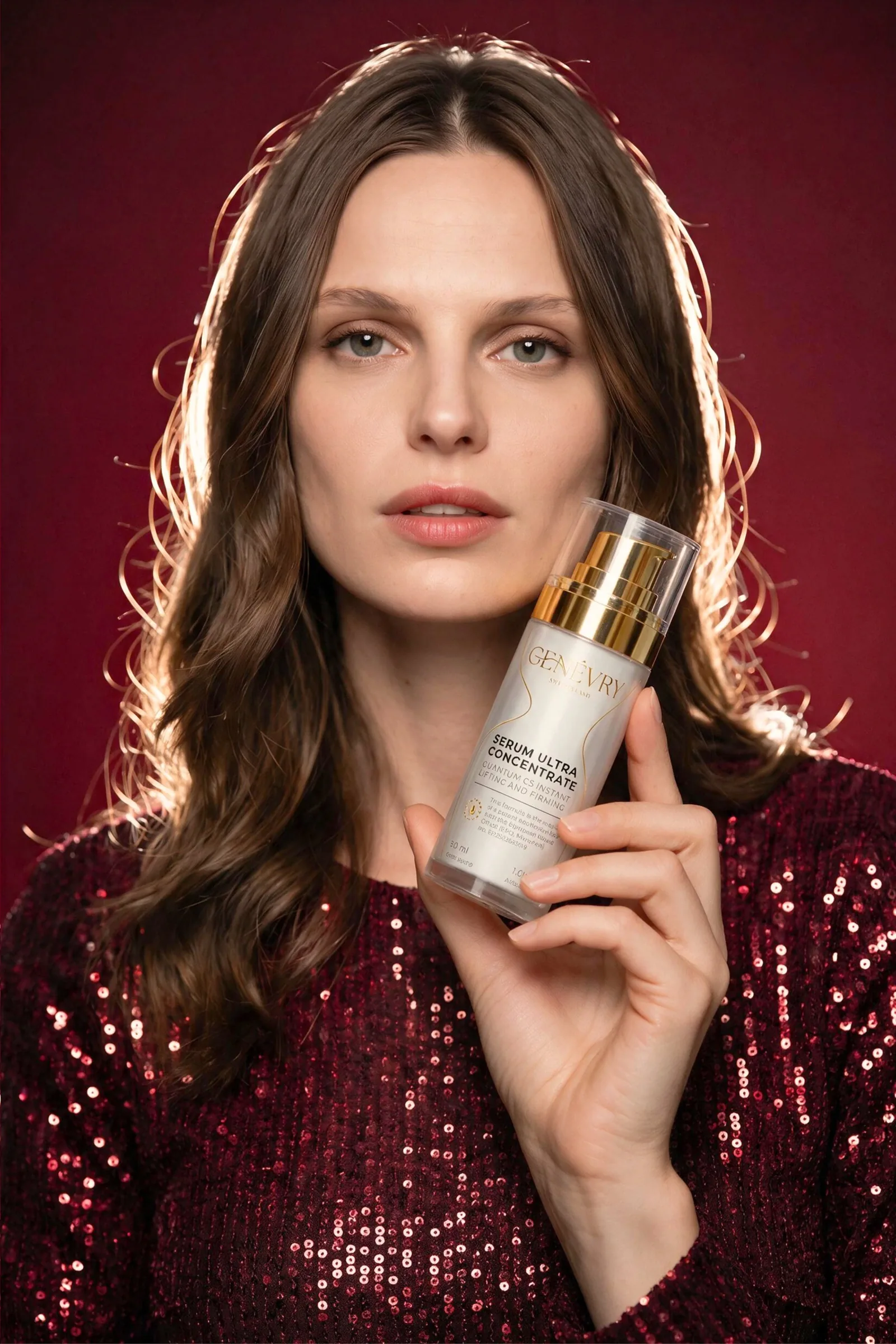
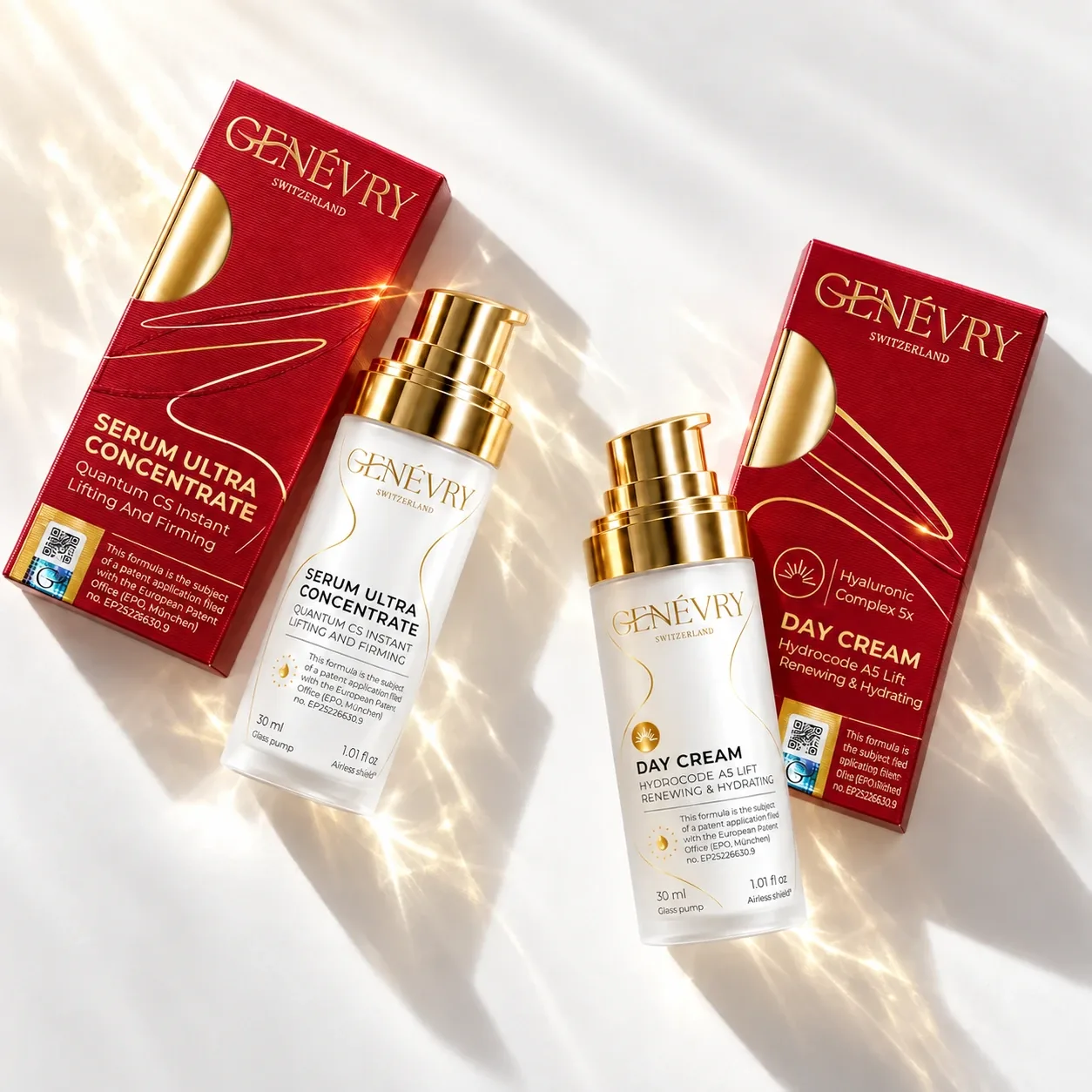
- Morning — serum. A few drops of liposomal vitamin C with copper peptide onto cleansed skin, pressed in, then a minute’s pause.
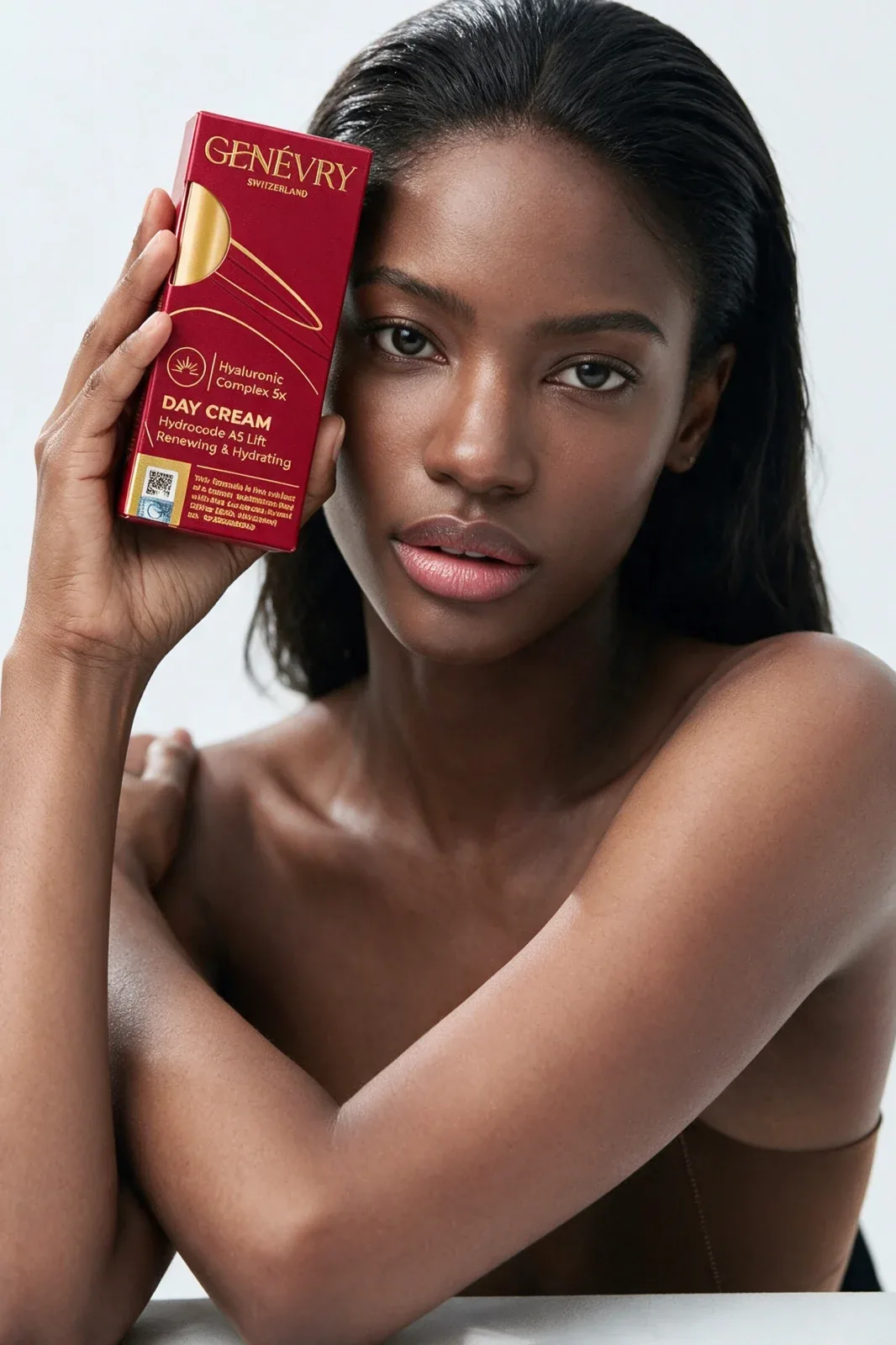
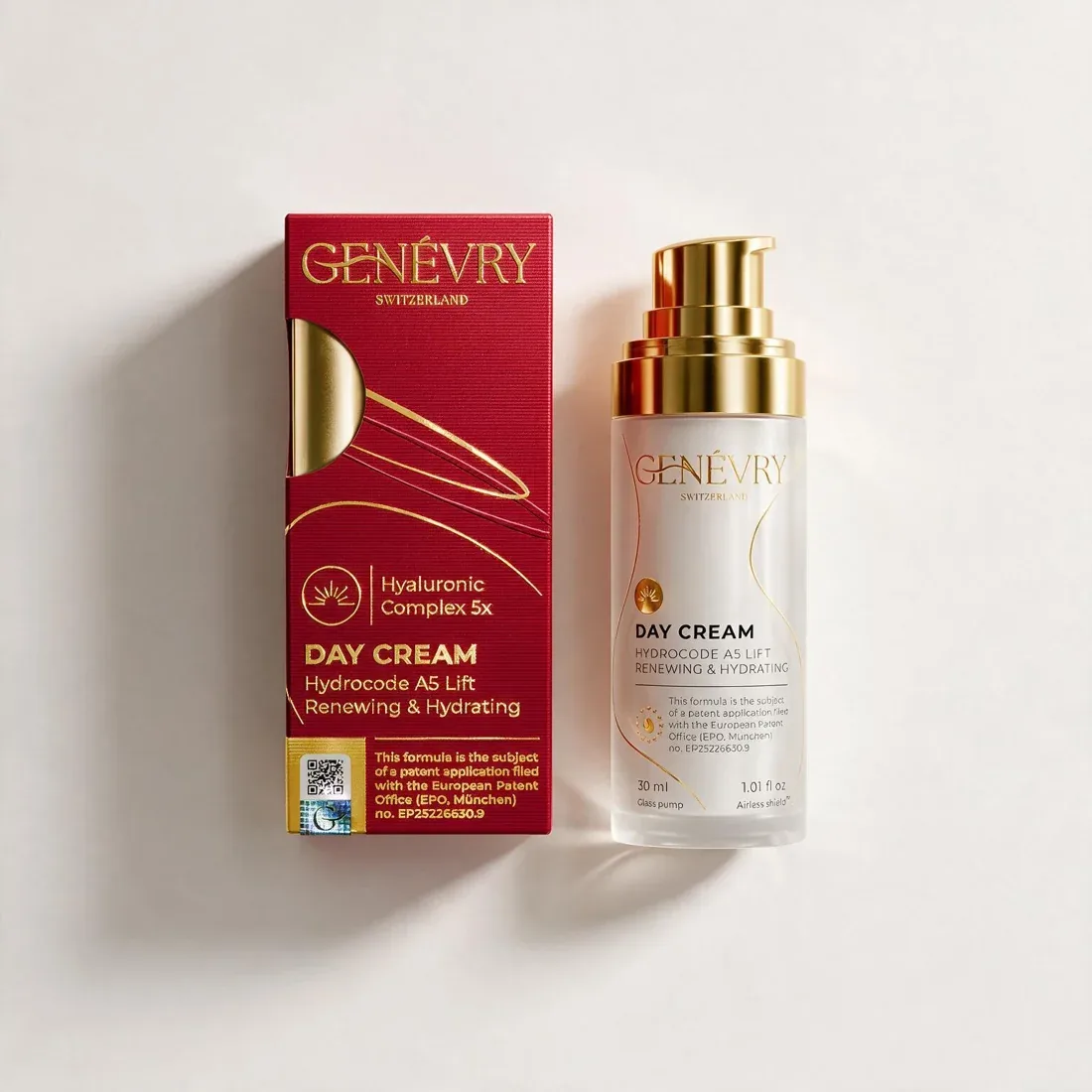
- Morning — moisturiser. Hydrocode A5 Lift or any day cream you get on with. A hydrated epidermis looks smoother immediately, before anything deeper has had time to happen.
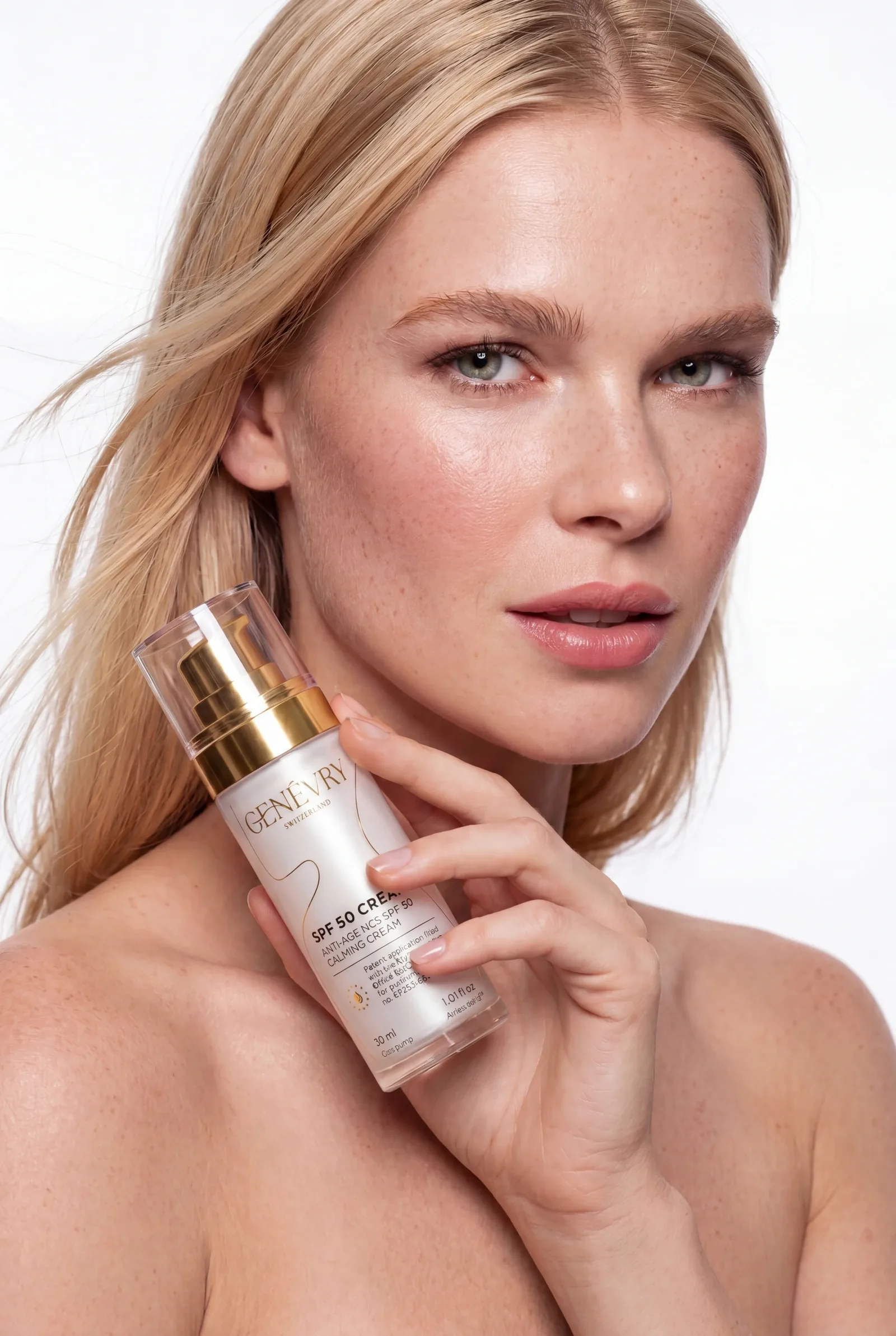
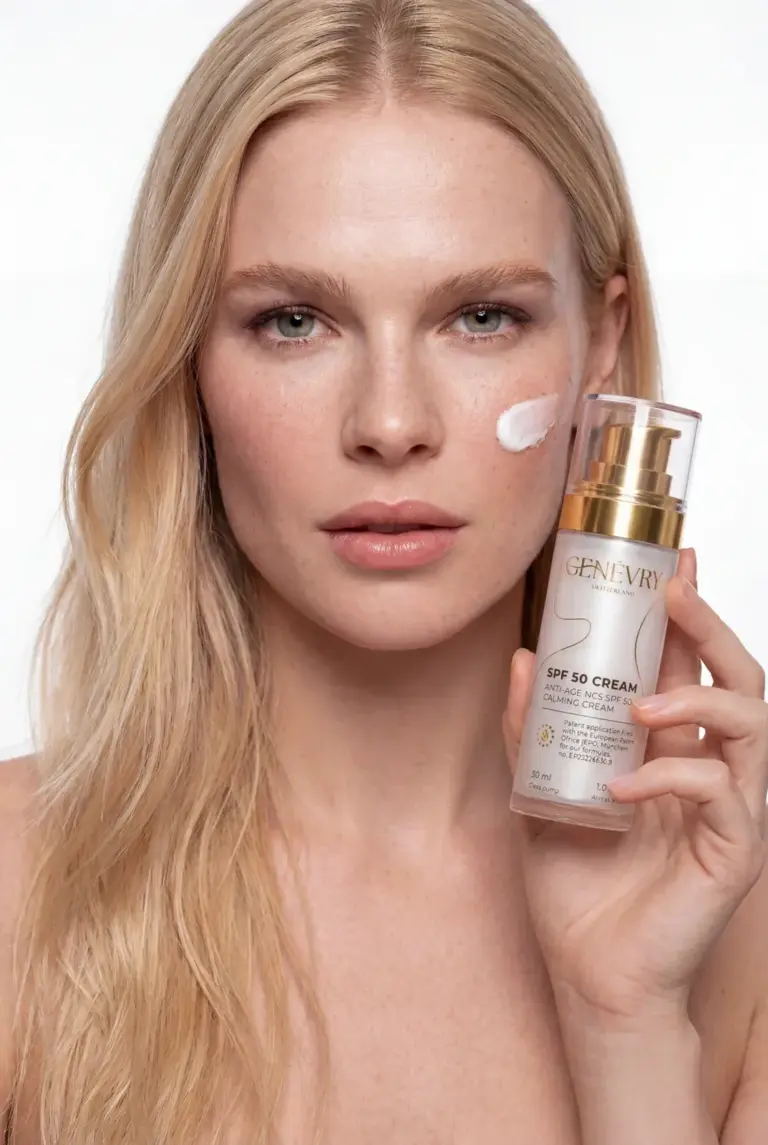
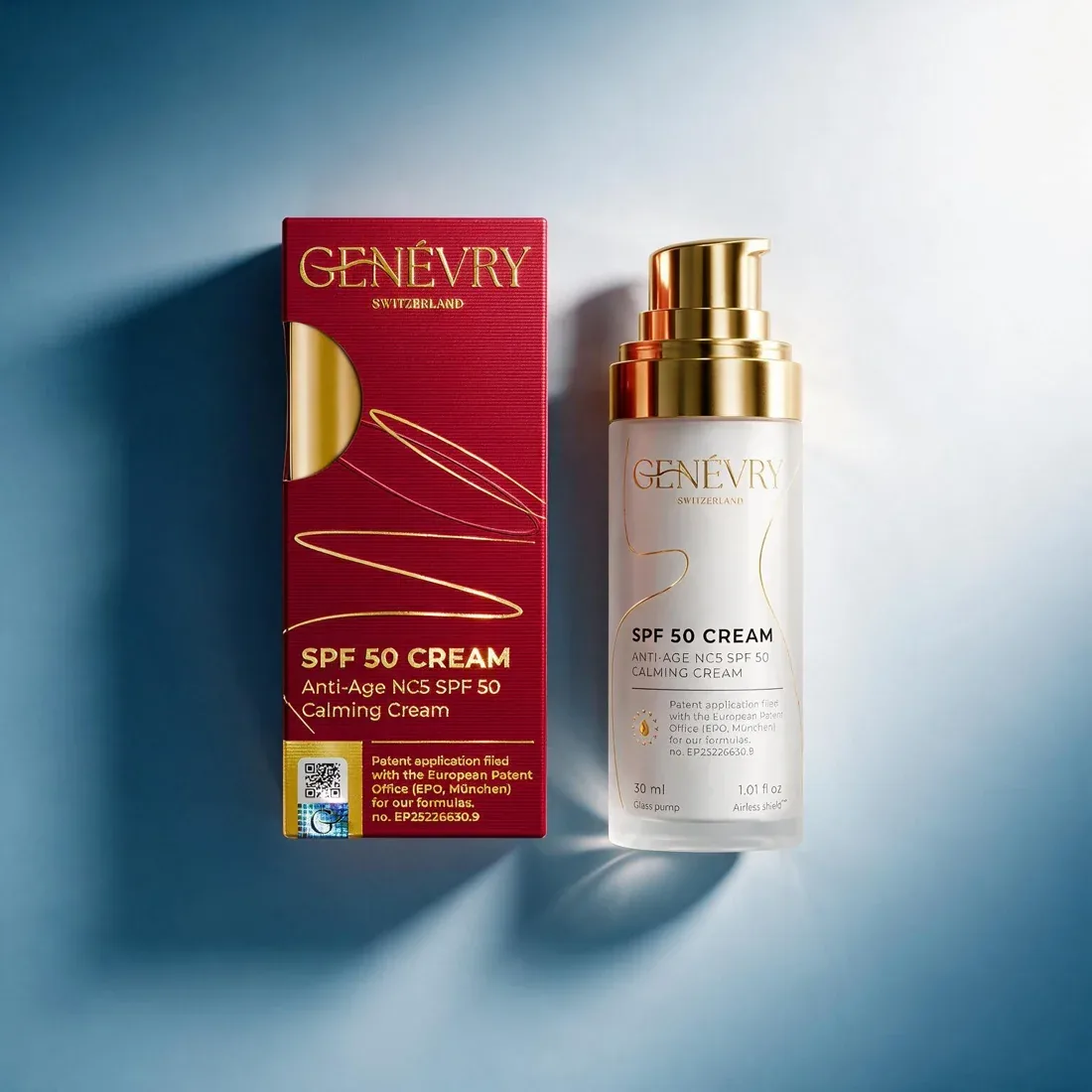
- Morning — SPF 50. The step not to skip, all year round. With retinol in the evening it stops being optional.
- Evening — retinol cream. Twice a week to begin with, every other night after two or three weeks, nightly in time if your skin is comfortable with it. A pea-sized amount for the whole face.
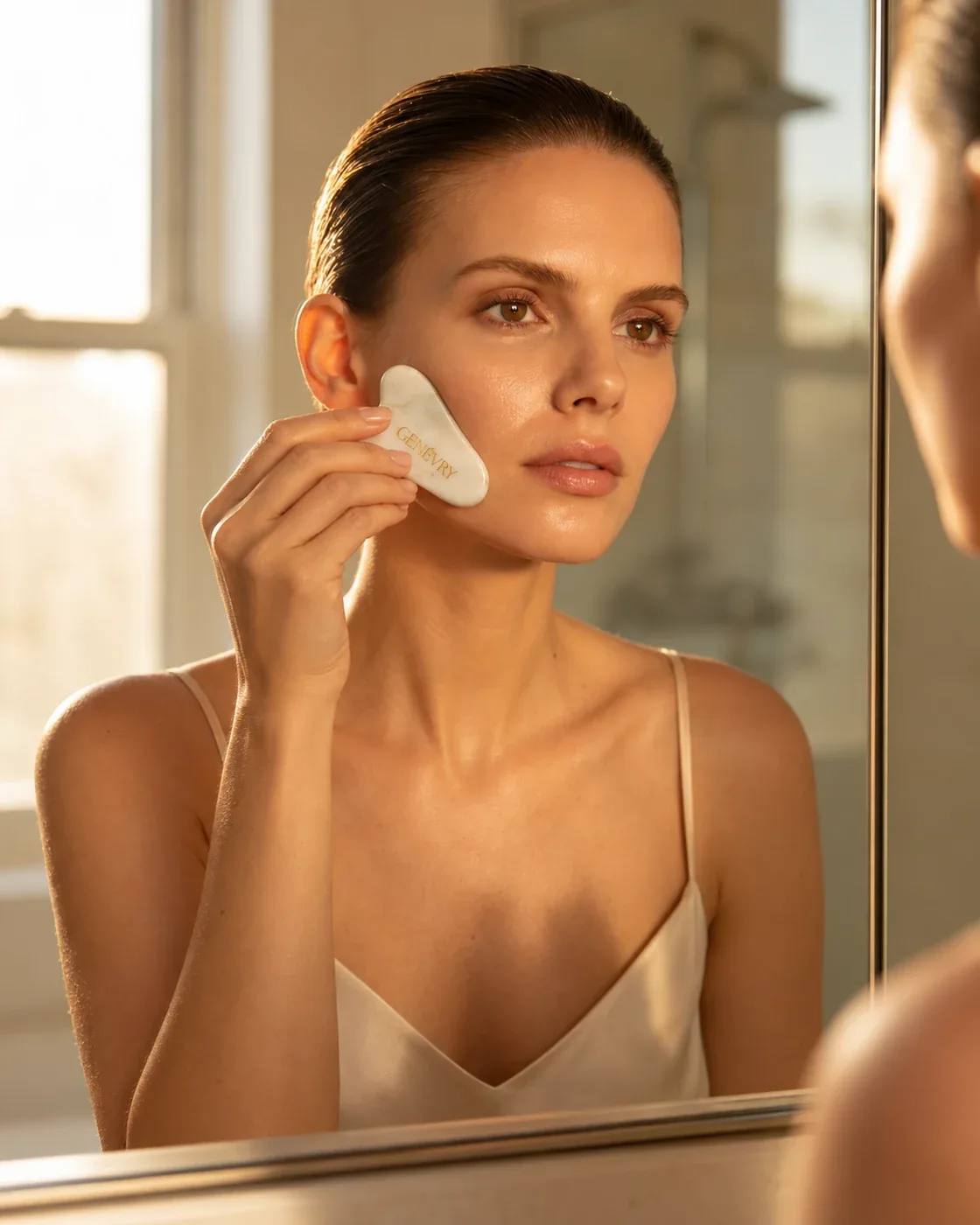
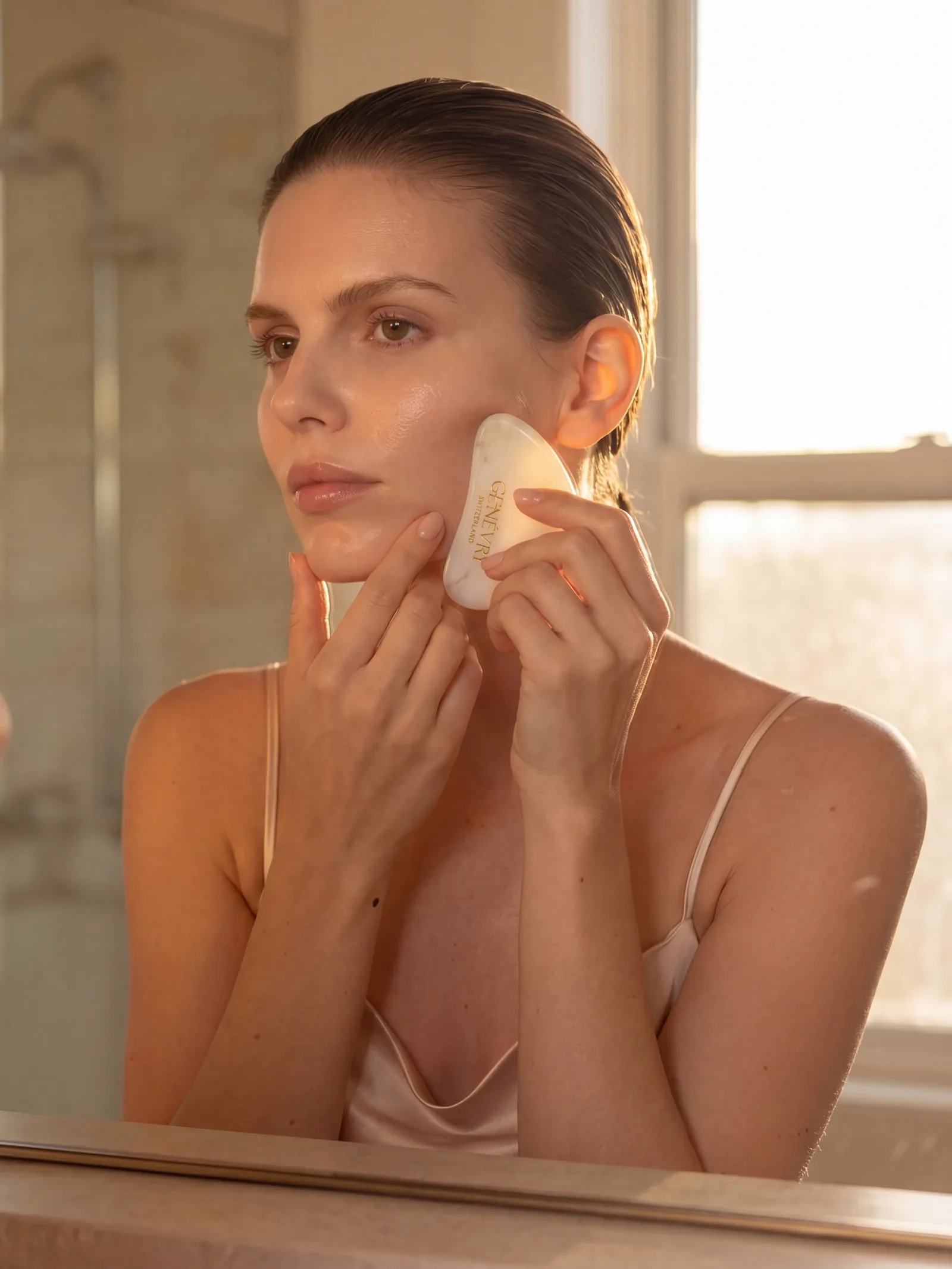
- Once or twice a week — massage. A gua sha stone, or two minutes with your fingers along the jaw and cheekbones. It changes nothing structural, but the face looks fresher afterwards, and the ritual is often what keeps people doing the rest.
Two practical notes. Retinol is introduced gradually and is not used during pregnancy or breastfeeding. If the skin responds with stinging, flaking or redness that lasts more than a few hours, cut the frequency back. With any skin condition, while on dermatological medication, or during pregnancy, discuss active ingredients with a doctor or dermatologist first. For the evening-and-morning pairing already assembled, there is the Night & Light Duo: the night cream and the SPF 50 in one box.
Frequently asked questions
Can a cream remove expression lines?
No. A cosmetic does not influence muscle action and does not erase a set crease. It influences how the skin looks: hydration, surface smoothness, firmness. In instrumental testing this registers as measurably shorter and shallower lines, not as their absence.
What age should I start?
When you notice a line no longer vanishing the moment your face relaxes. For most people that falls between 25 and 35, though it can be earlier, particularly with heavy sun exposure. The one step worth having from the start is daily SPF.
Should I move my face less?
No. Suppressing expression is not a skincare strategy, it is a poor plan for a life. One thing is worth noticing, though: a good deal of squinting is a reflex to glare and to an out-of-date spectacle prescription. Sunglasses and a current prescription do more for the eye corners than people expect.
Serum or night cream, if I can only pick one?
If the lines are still dynamic and your interest is smoothness and radiance, take the morning serum. If they are visible on a relaxed face, take the retinol night cream — in the instrumental study it is the formula behind the wrinkle length and depth readings. Used together they work on two different fronts, which is the reason for pairing them in one ritual.
How long before anything shows?
Hydration and surface smoothness: a few days to a fortnight. The instrumental parameters quoted above were read at four weeks. For set lines, a sensible horizon is several months of consistent use, judged in the same light and from the same distance each time.
Expression lines are not a problem to be solved once and for all. They are the consequence of a face that works. Skincare worth the name does not promise to reverse them; it keeps the skin around them hydrated, smooth and resilient so they draw themselves more gently. A more modest aim than the advertising one — and a measurable one.
The formulas in this article
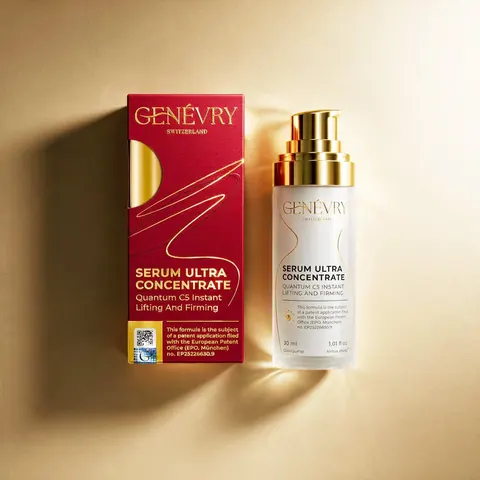 Quantum C5Ultrakoncentrēts serums€31.90Discover the formula →
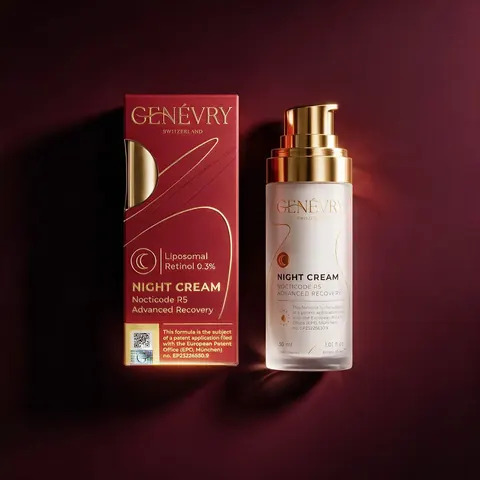 Nocticode R5Progresīvs nakts krēms€34.90Discover the formula →
Cosmetic product. Individual results may vary.

 English / EUR
 English (US) / USD
 English (UK) / GBP
 Deutsch / EUR
 Deutsch (Schweiz) / CHF
 Français / EUR
 Italiano / EUR
 Español / EUR
 Nederlands / EUR
 Polski / PLN
 日本語 / JPY
 한국어 / KRW
 中文 / CNY
 العربية / AED
 English (Australia) / AUD
 English (Canada) / CAD
 Svenska / SEK
 Dansk / DKK
 Norsk / NOK
 Suomi / EUR
 Português / EUR
 Türkçe / TRY
 Čeština / CZK
 Magyar / HUF
 Română / RON
 Ελληνικά / EUR
 Slovenčina / EUR
 Hrvatski / EUR
 Slovenščina / EUR
 Lietuvių / EUR
 Latviešu / EUR
 Eesti / EUR
 Български / EUR
 Українська / EUR