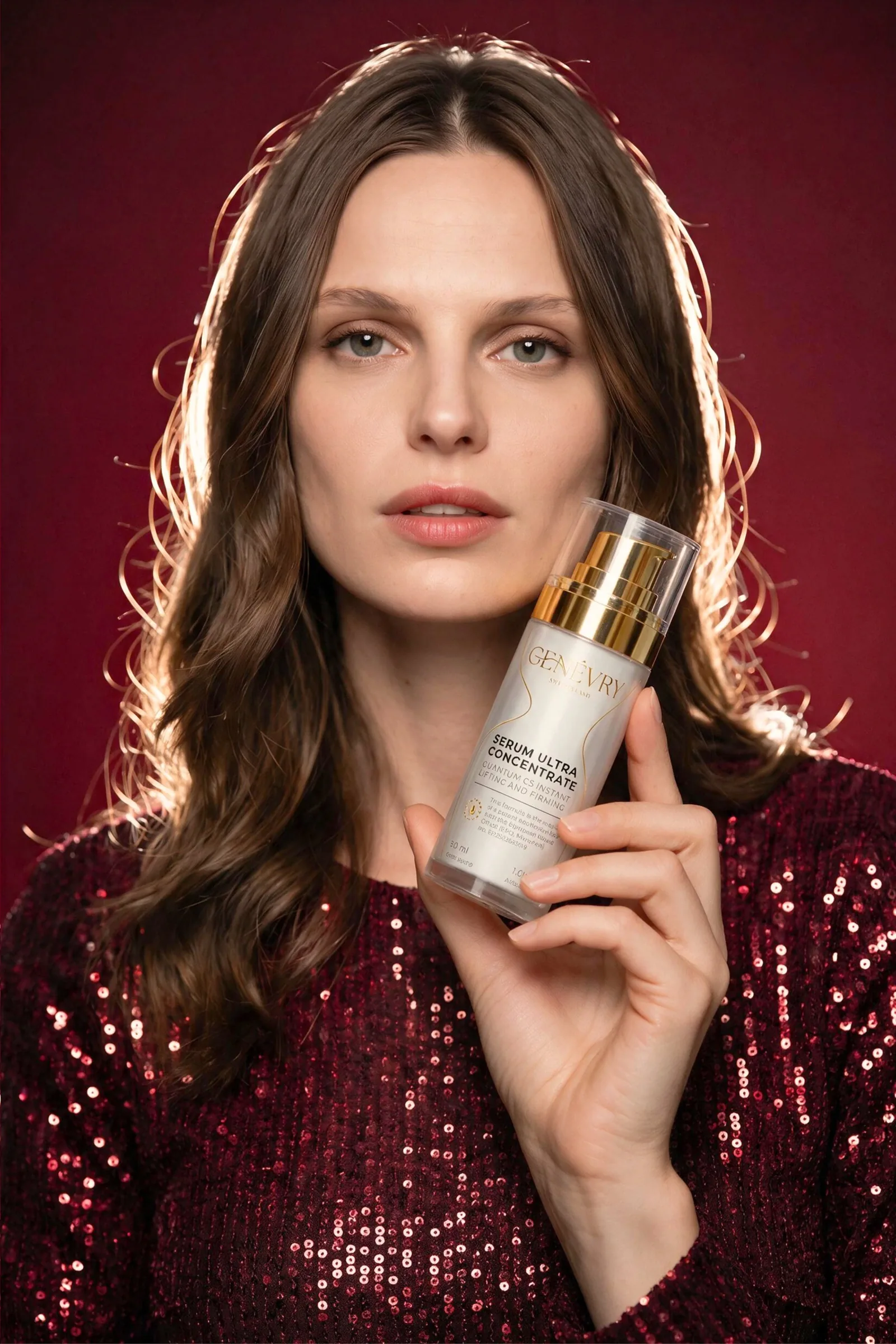
Beauty advent calendar: how to choose one you will actually finish
You buy it in November and open it across 24 days of December. Here is the method that separates a set worth its price from a box of sachets.
A beauty advent calendar is worth buying when three things are visible before you pay: the full contents list, the size of every item inside, and the shelf life. The artwork on the box and the line about a „total value of €450” tell you nothing about whether you will finish a single one of those 24 products.
Every November the shelves fill with calendars at roughly the same price, and the gap between a sensible one and a random one is wide. One gives you four products that stay in your routine until spring. Another gives you twenty-four sachets, half of them bath foams and nail colours you would never choose. What follows is the method that separates the two, plus the details brands print in small type.
What you are actually buying: 24 doors and simple arithmetic
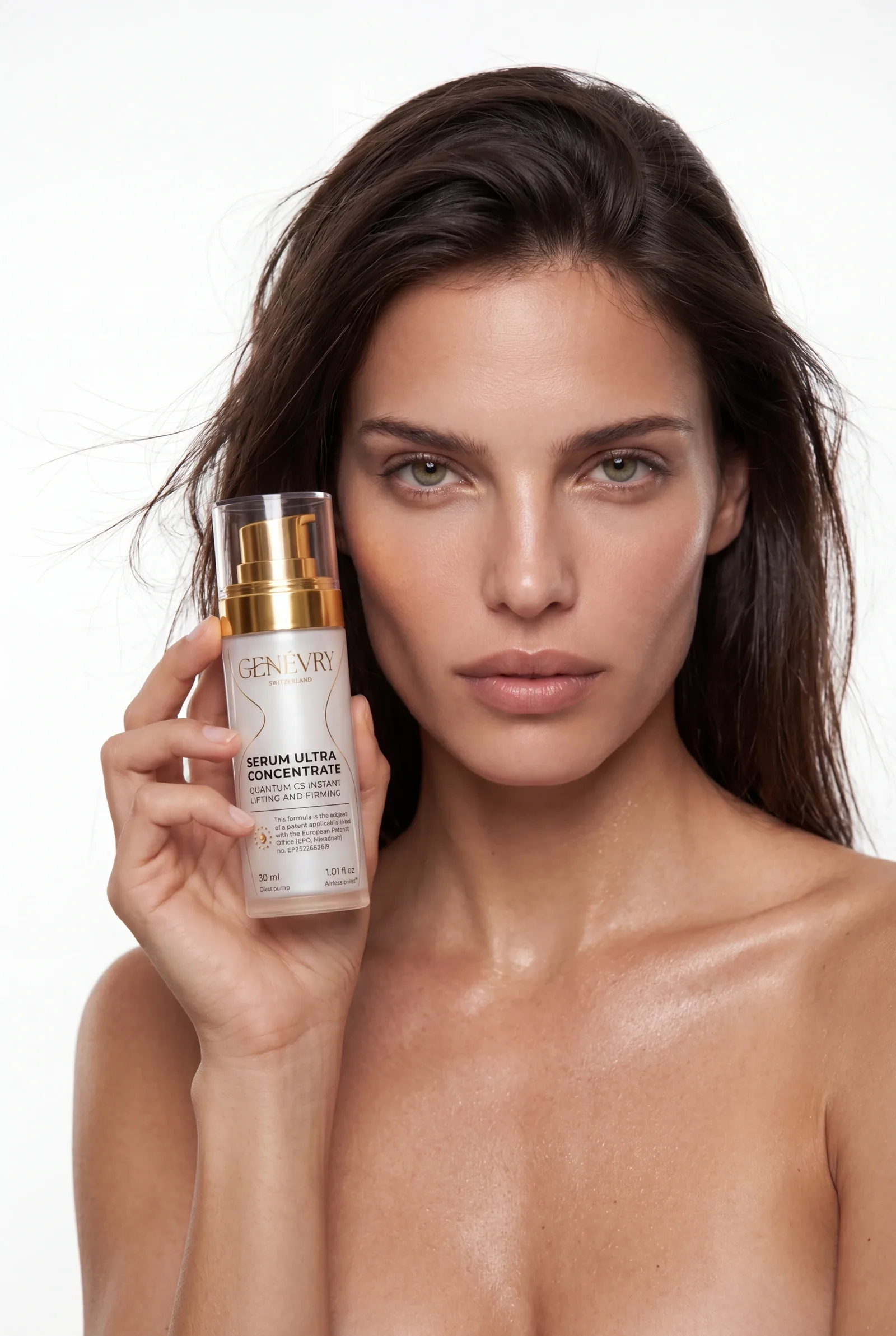
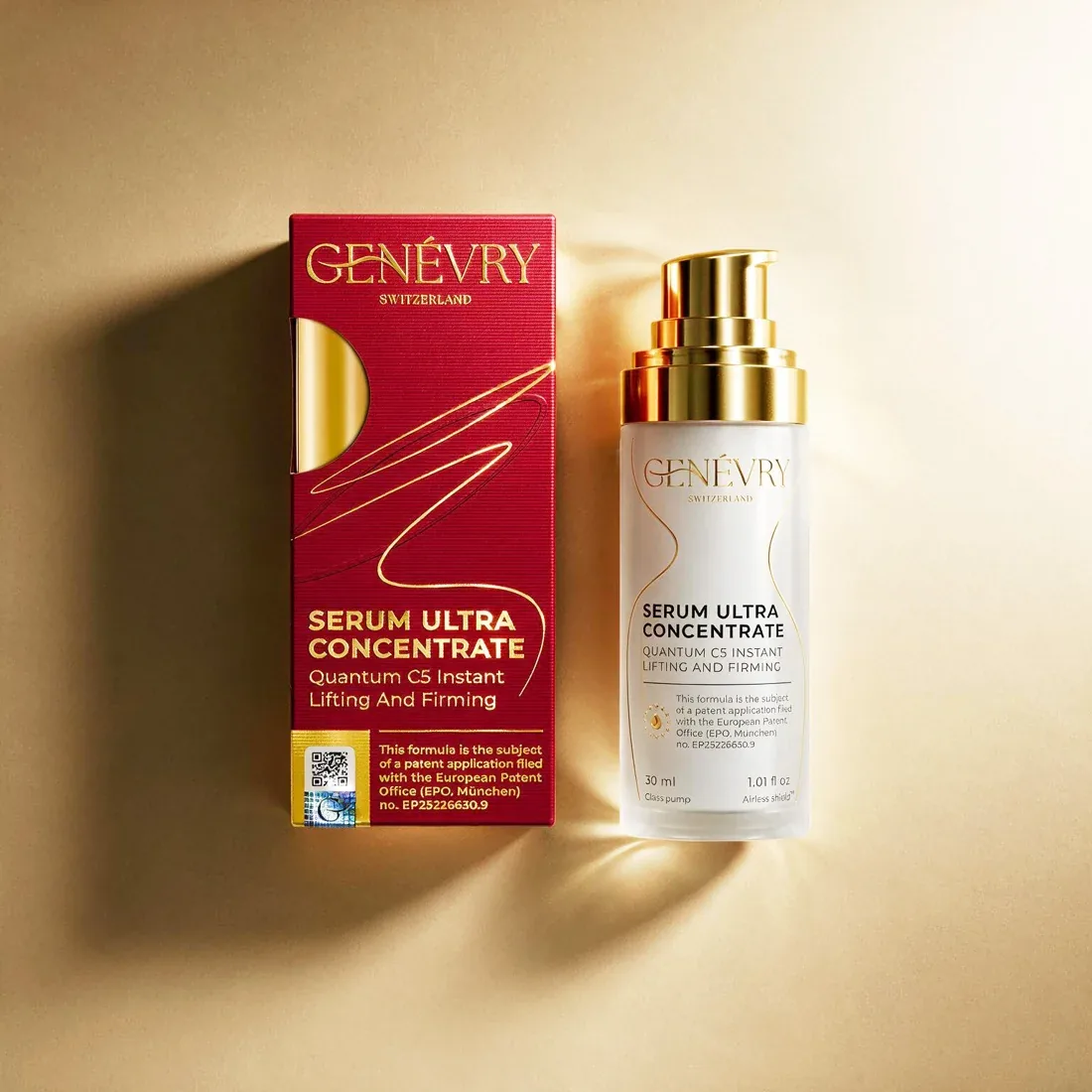
Start by counting millilitres. Divide the price of the calendar by the combined volume of everything inside. A calendar at €95 holding 24 products averaging 4 ml each gives you 96 ml, so just under €1 per millilitre. For comparison: our Quantum C5 serum in its full 30 ml size costs €31.90, which is €1.06 per millilitre, and the complete Skin Code Protocol works out at €112.90 for 120 ml, or €0.94 per millilitre. The calendar is not automatically cheaper per millilitre, however impressive the „value” printed on the box.
That stated value is usually built by pricing miniatures at the per-millilitre rate of full sizes, the highest possible rate. It is a marketing figure, not a price anyone would pay at a counter.
The second number to work out is how many applications you get, because millilitres on their own mean little. A face cream is roughly half a gram per application. A serum is three or four drops, about 0.2 ml. Sunscreen for face and neck needs far more, around a quarter of a teaspoon, well over a gram, which is exactly why SPF samples are the least useful thing in any calendar.
| What is behind the door | Roughly how many uses | What that means |
|---|---|---|
| 1.5 ml sachet, cream | 2–3 | Enough to judge scent and texture, nothing else |
| 3 ml mini, cream | 5–6 | Under a week, still too short to draw conclusions |
| 5 ml mini, serum | about 25 | Almost a month of evenings, a genuine trial |
| 10 ml mini, serum | about 50 | A full course, the best format in a calendar |
| 3 ml mini, SPF | 2 | Two outings, useless for judging protection |
| 30 ml full size, cream | about 60 | Two months of daily use |
Skin does not answer a new product in three days. Renewal of the outer layer takes an adult around four weeks, which is why instrumental cosmetic testing runs over four weeks rather than over a weekend. Anything under roughly 5 ml tells you about scent, colour and how fast it absorbs. That is the whole list.
Miniature or full size: when each one makes sense
Miniatures have three real advantages. They travel well, they let you check tolerance before committing to a big jar, and they open the door to brands whose full sizes you would never buy blind. Those benefits are genuine.
The trouble starts when a miniature pretends to be a course of treatment. A 1.5 ml sachet of cream will never show what it does after a month. A 2 ml retinol sample runs out before the skin finishes adapting, which usually takes two to three weeks. A single-dose acid peel tells you only whether it stings.
So when you assess a calendar, look at one figure: how many items are 10 ml or larger. If a €80 box holds four of them and the rest are sachets, you are buying four products and twenty small surprises. If ten items are a usable size, that is a strong set.
Full-size-only calendars are a separate category, usually four to six products behind larger doors. They cost more, but you are buying cosmetics rather than samples, and that is the only format where comparing the price against a regular gift set is a fair comparison.
A beauty advent calendar and your skin: 24 new products in 24 days is too many
This is where most people go wrong, and it is hard to undo. The calendar suggests a rhythm of one product a day, while skin needs the opposite: one change at a time and room to react.
Put seven new formulas on your face in one week and, if stinging, redness or small bumps appear on day three, you have no way of telling which one caused it. The culprit could be the fragrance, a preservative, an acid, an essential oil, or simply too many actives at once. The only way out is to stop everything and reintroduce one by one, which costs you several more weeks.
Then there is the combination question. December calendars regularly place AHA acids, retinol and high-strength vitamin C within a few days of each other. Each is fine on its own. All three in one week, on skin already dried out by indoor heating, is a reliable route to a stressed barrier: tightness after cleansing, rough patches, cheeks that burn when you apply anything.
A workable rule: one new active formula every three to four days, and weekly if your skin runs sensitive. Neutral products, meaning cleansers, mists, hydrating masks and hand creams, can be opened freely. They should fill most of the days.
The patch test at home
Before the first use of anything with an active ingredient, put a small amount on the inner forearm or behind the ear and leave it for 24 hours without washing it off. No reaction is not a cast-iron guarantee, but it catches the sharpest cases before they reach your face. In the three days before Christmas, a wedding or an office dinner, introduce nothing new. That is not the moment for experiments.
What the product photo does not show
Calendars fall under the same rules as any cosmetic sold in the EU: Regulation 1223/2009 requires the INCI list, the product function, a batch number and a durability indication. On very small packaging some of that information may sit on an enclosed leaflet or on the outer box, so do not throw the insert away with the wrapping.
Two markings decide how much time you really have:
- The open-jar symbol marked 6M, 12M or 24M. That is the number of months the product stays usable after opening. Twenty-four items opened by 24 December means every 6M product expires in June, however much is left inside.
- The minimum durability date, shown on products that keep their properties for less than 30 months. On end-of-line calendars it can be close, so check it in the description or ask the retailer before ordering.
The other thing a photo hides is the contents list itself. A good retailer publishes every product with its size before launch. A mystery calendar, where the brand reveals the contents only after purchase, is a lottery and should be priced as one: a present for somebody who enjoys surprises, not a skincare purchase.
Check the category split too. If 24 doors hold 12 bath products, 4 candles and 8 face items, this is a gift box with some skincare in it rather than a skincare calendar. Nothing wrong with that, as long as you know what you are paying for.
The checklist before you buy
Run through these eight points on the product page before you click. It takes five minutes and saves the mid-December disappointment.
| What to check | Why it matters | Red flag |
|---|---|---|
| Full contents list with sizes | Without it you cannot work out the price per millilitre | „Contents are a surprise” |
| Number of items over 10 ml | Only those last long enough to matter | Nothing but 1–2 ml sachets |
| Share of face products | Decides whether it is a skincare calendar at all | Mostly bath items and accessories |
| Period-after-opening marking | All 24 products start ageing at once | No PAO symbol or date given |
| INCI lists for the active products | Lets you spot an ingredient that irritated you before | No ingredient lists in the description |
| How many active formulas are included | More than six is hard to space out safely | Acids, retinol and strong vitamin C together |
| Price per millilitre for the whole box | The only honest comparison with a regular set | „Worth €450” with no breakdown |
| Returns policy | An opened calendar is often excluded | No clear wording in the terms |
How to spread 24 days so your skin comes out well
A calendar does not oblige you to use a product on the day you open it. Open a door every morning and introduce the contents at your own pace. This plan works:
- Days 1–7. Open everything, use only the neutral items: cleanser, mist, hydrating mask, lip balm. One new active formula, ideally a hydrating one, around day three.
- Days 8–14. A second active formula, this time an antioxidant one such as vitamin C in the morning. Watch your skin for three days before adding anything else.
- Days 15–21. If everything has stayed calm, this is the point for retinol or acids, but not both. Start with two evenings a week, on dry skin, always with a cream afterwards.
- Days 22–24. Nothing new. Before Christmas you stay with what you know, plus a hydrating mask the night before.
Everything else waits for January and February. Winter is when you will want it anyway, and your skin gets the chance to show which product genuinely suits it.
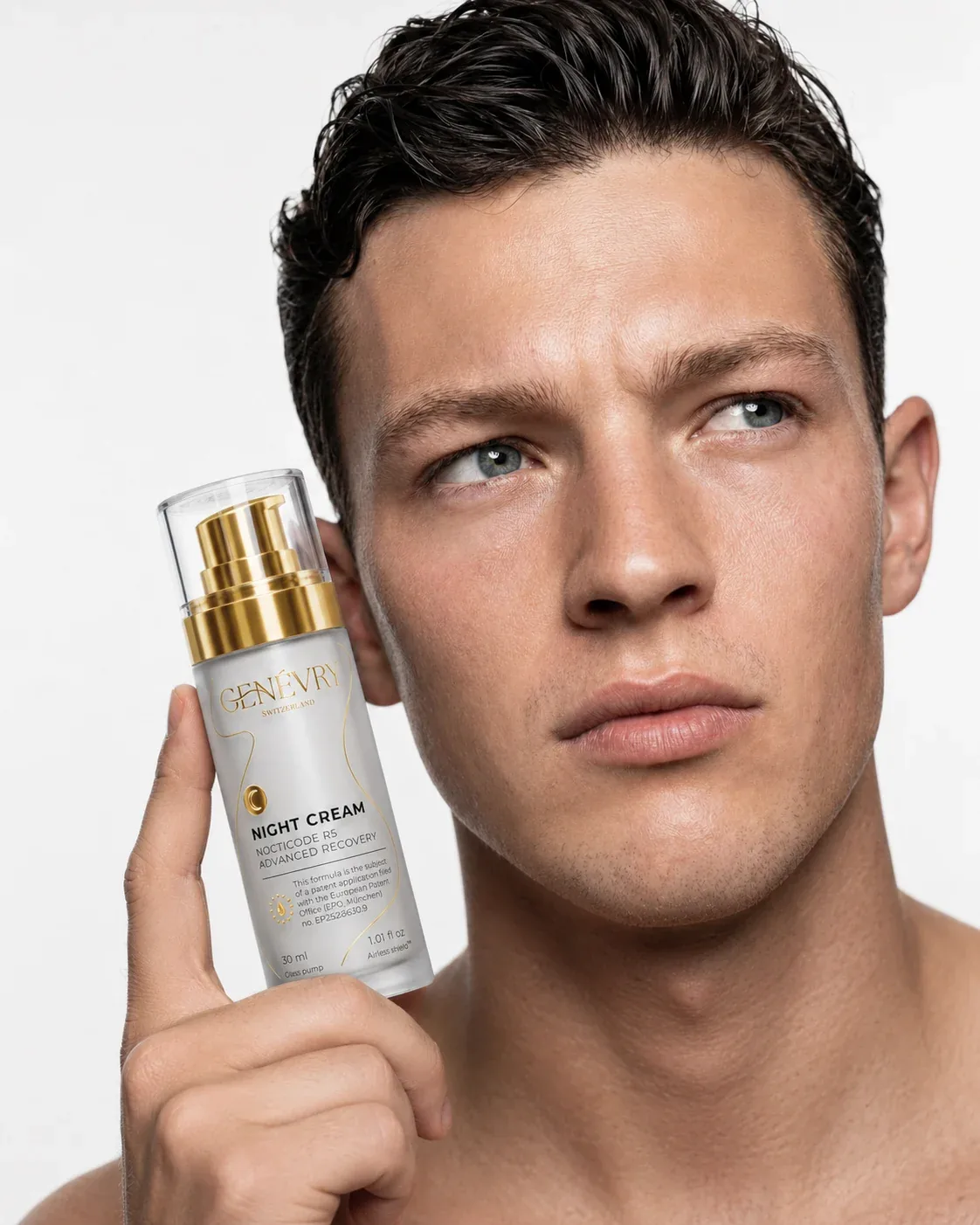
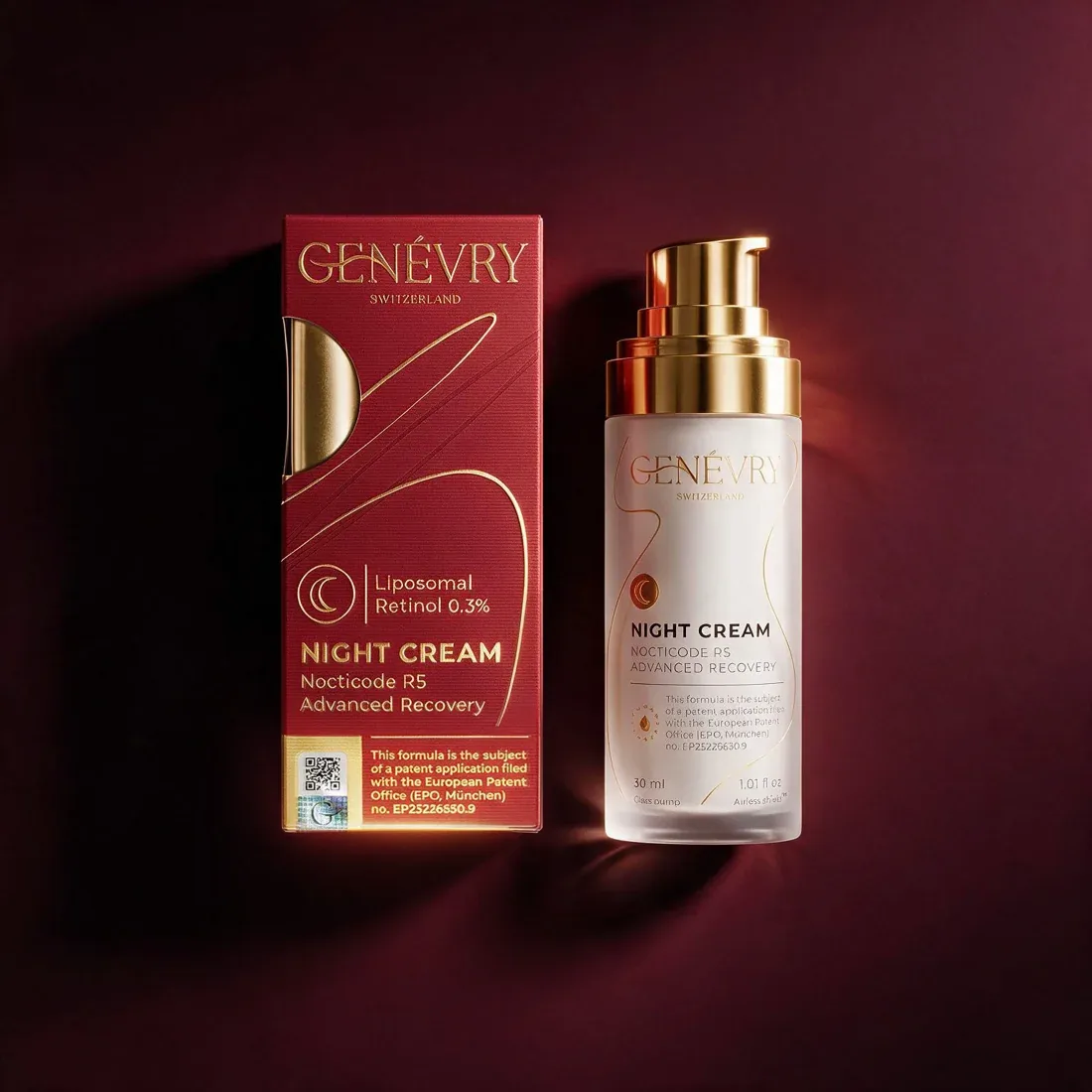
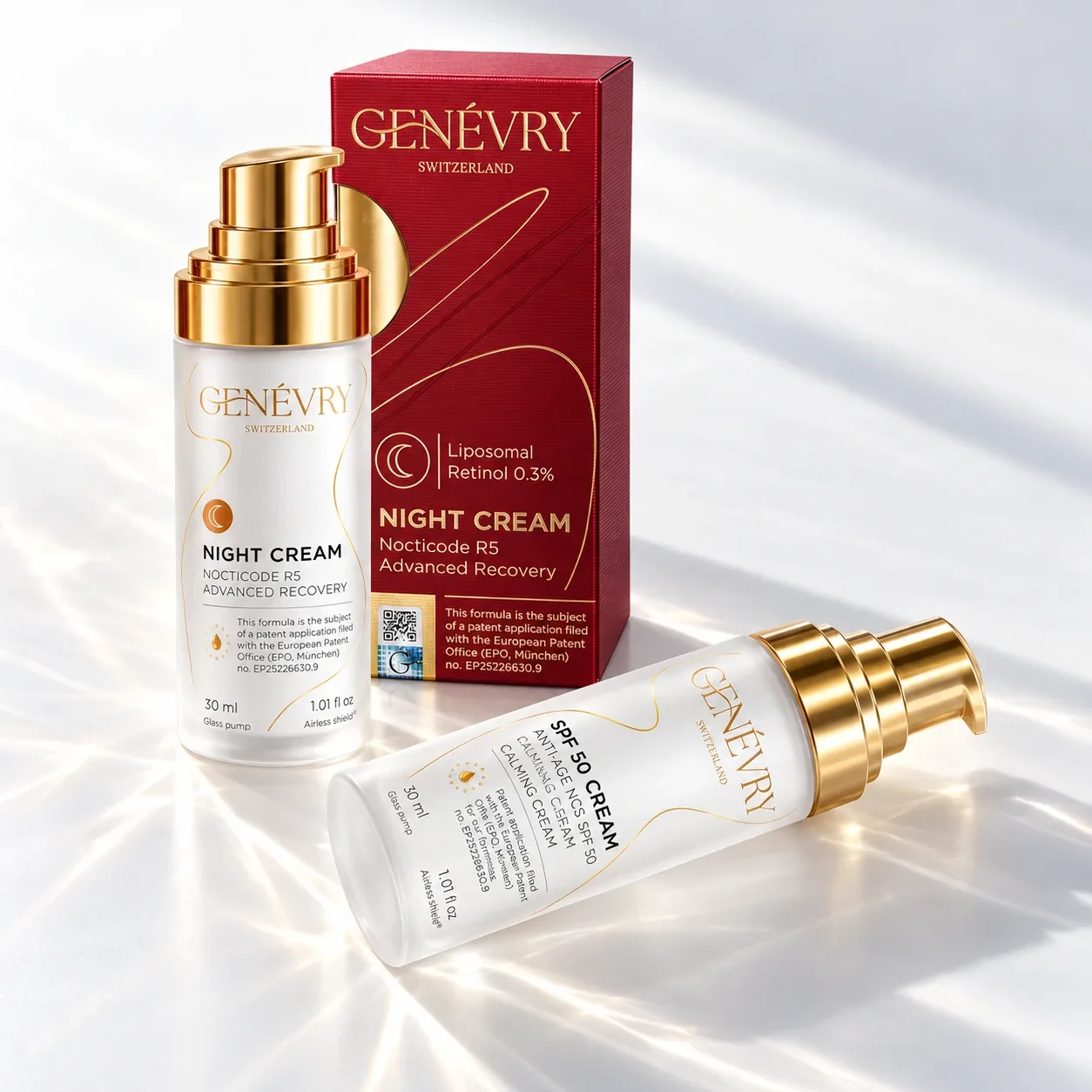
Retinol comes with three rules whatever the brand: introduce it gradually, avoid it in pregnancy and while breastfeeding, and wear sunscreen in the morning. In the EU, retinol in face products is capped at 0.3%, so a formula at that level, like our Nocticode R5 with 0.3% liposomal retinol, sits at the top of what cosmetics are allowed to contain. If you have atopic skin, rosacea or you use prescription dermatological treatments, talk to a dermatologist before starting.
Calendar or gift set: which works better as a present
A calendar is an excellent present for somebody who enjoys trying new things and treats skincare as a hobby. Opening a door each morning is a pleasure in itself, and the fact that half the products will not join the permanent routine does not spoil it.
It works far less well for someone with settled habits and reactive skin. That present gets opened, admired and put aside, because dropping twenty-four novelties into a routine that already works makes no sense. One full-size product or a coherent set serves that person better.
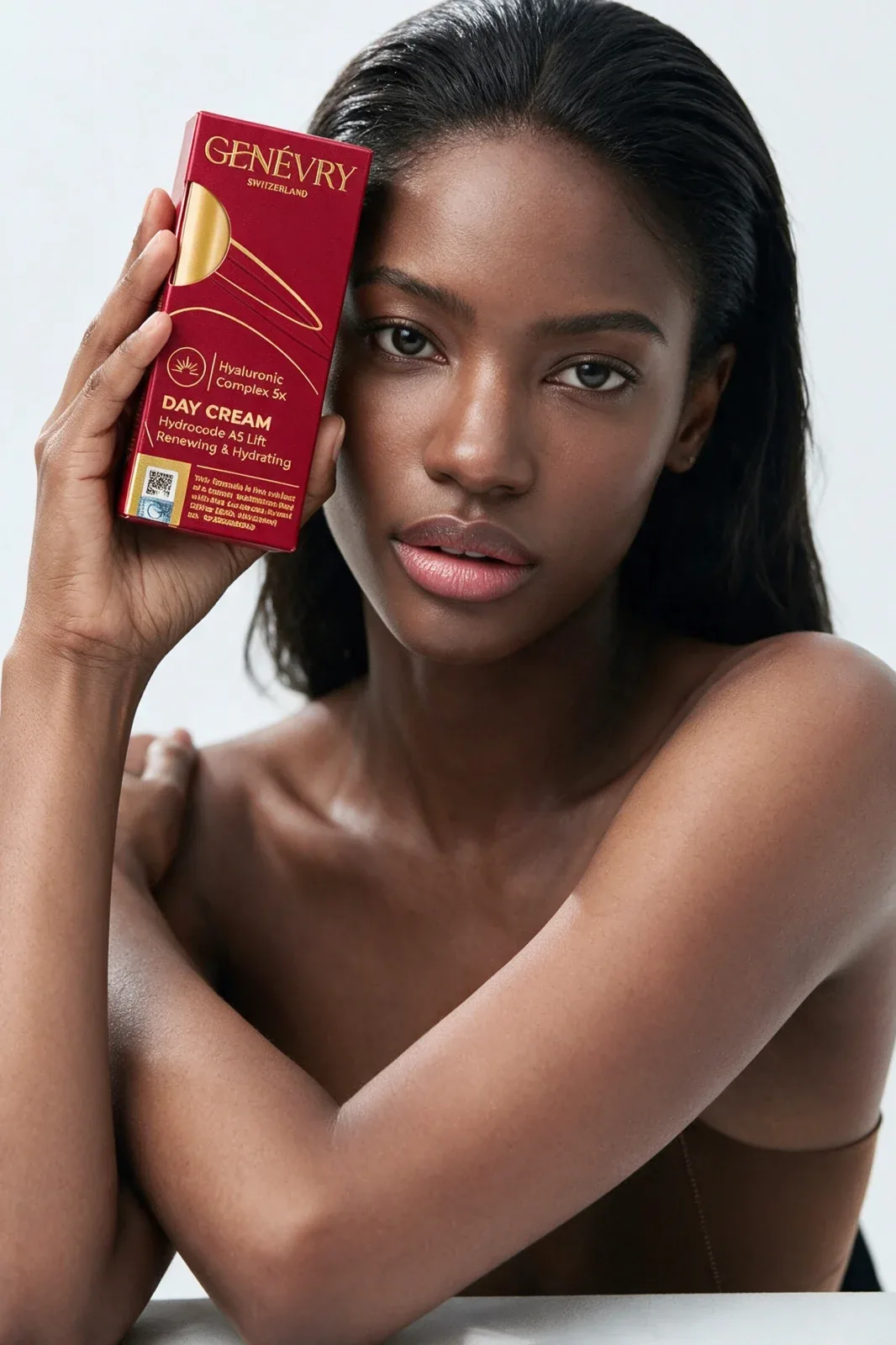
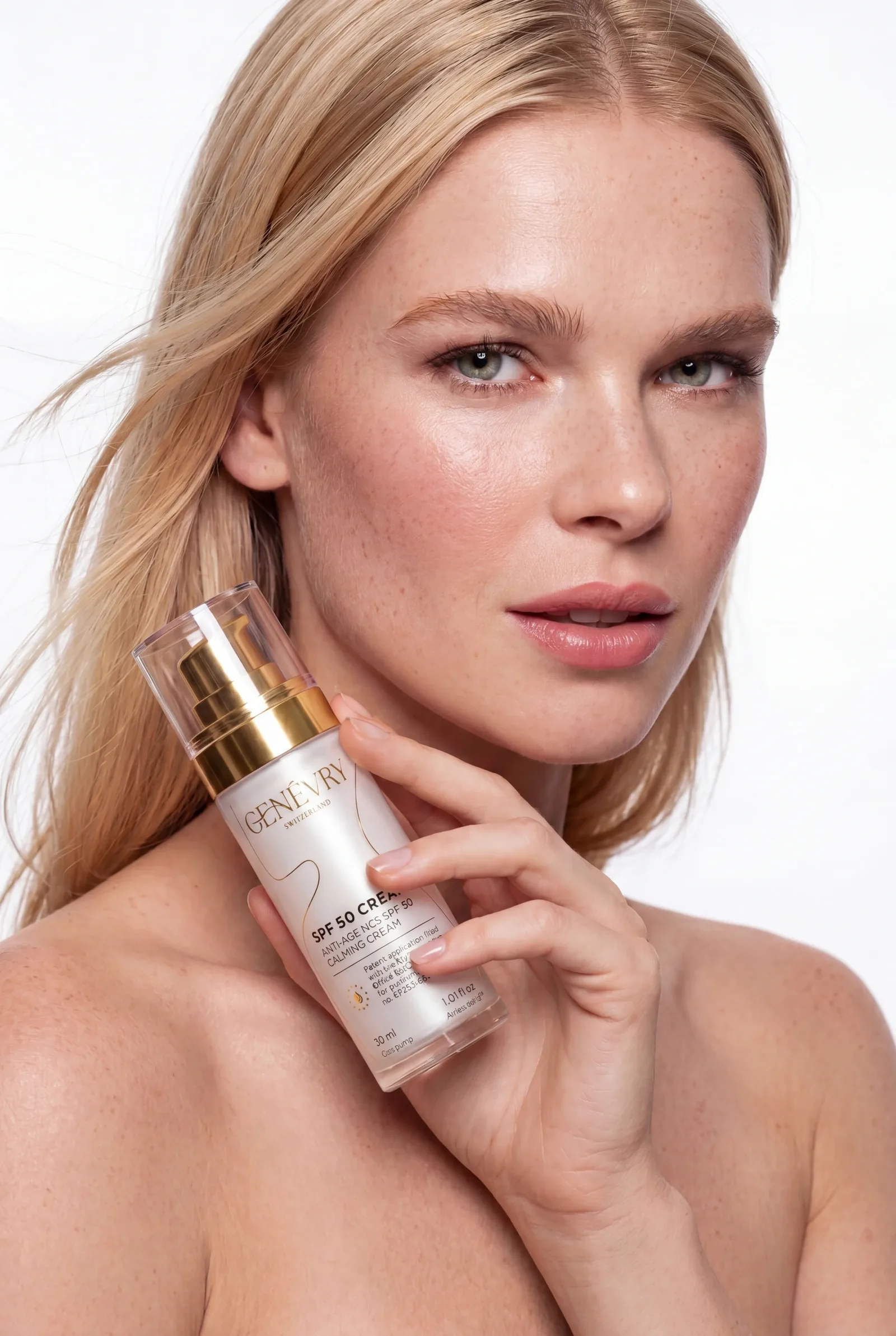
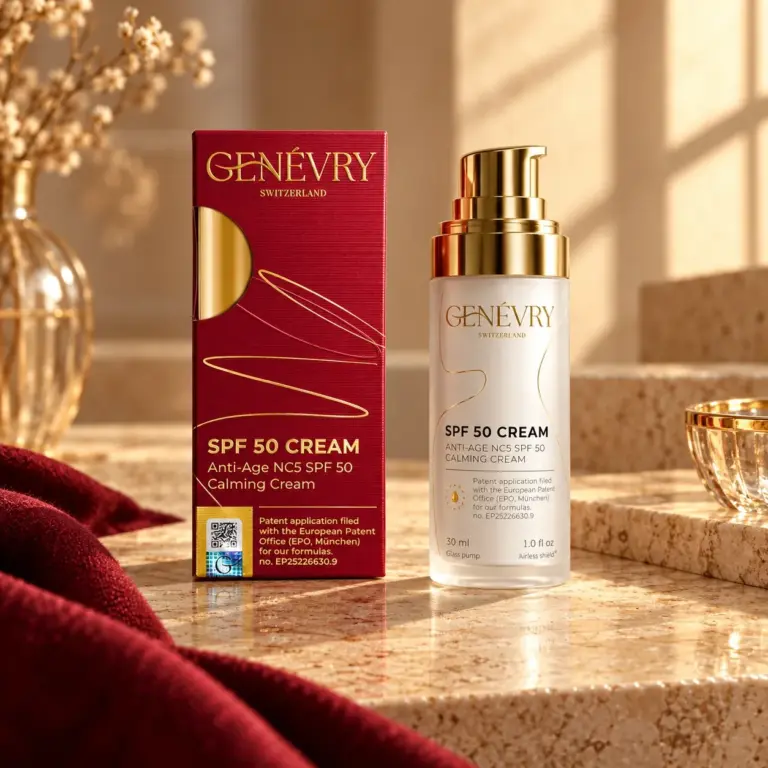
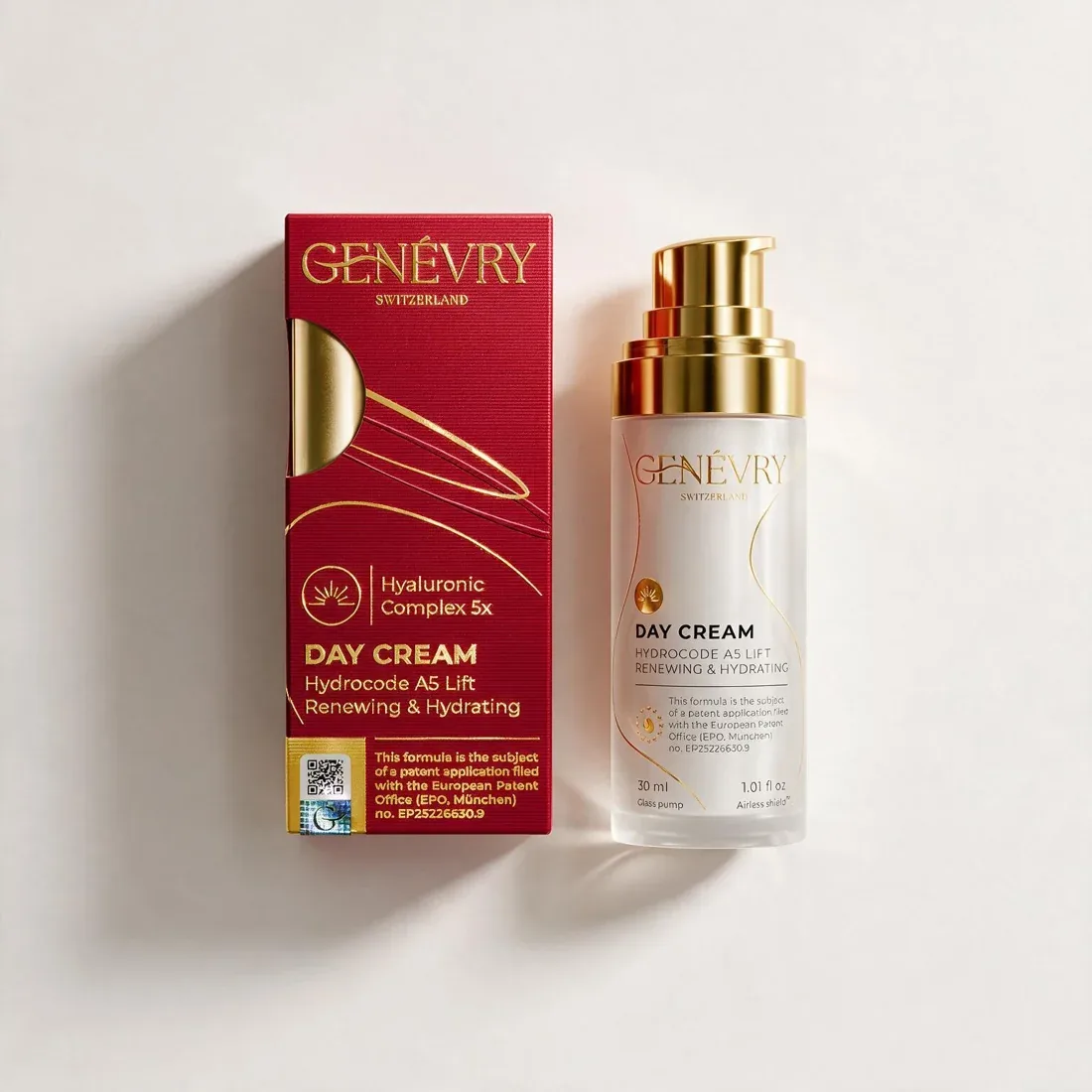
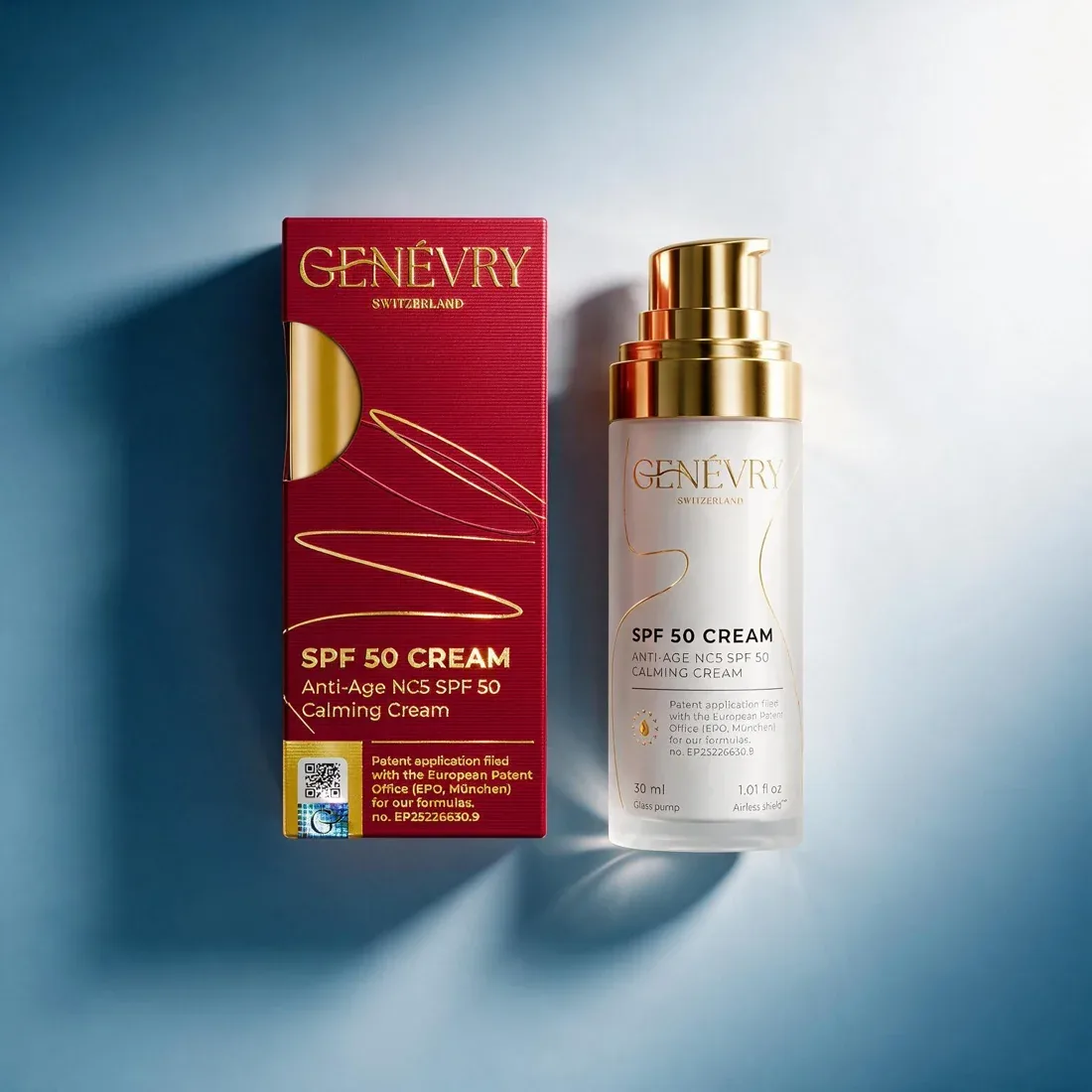
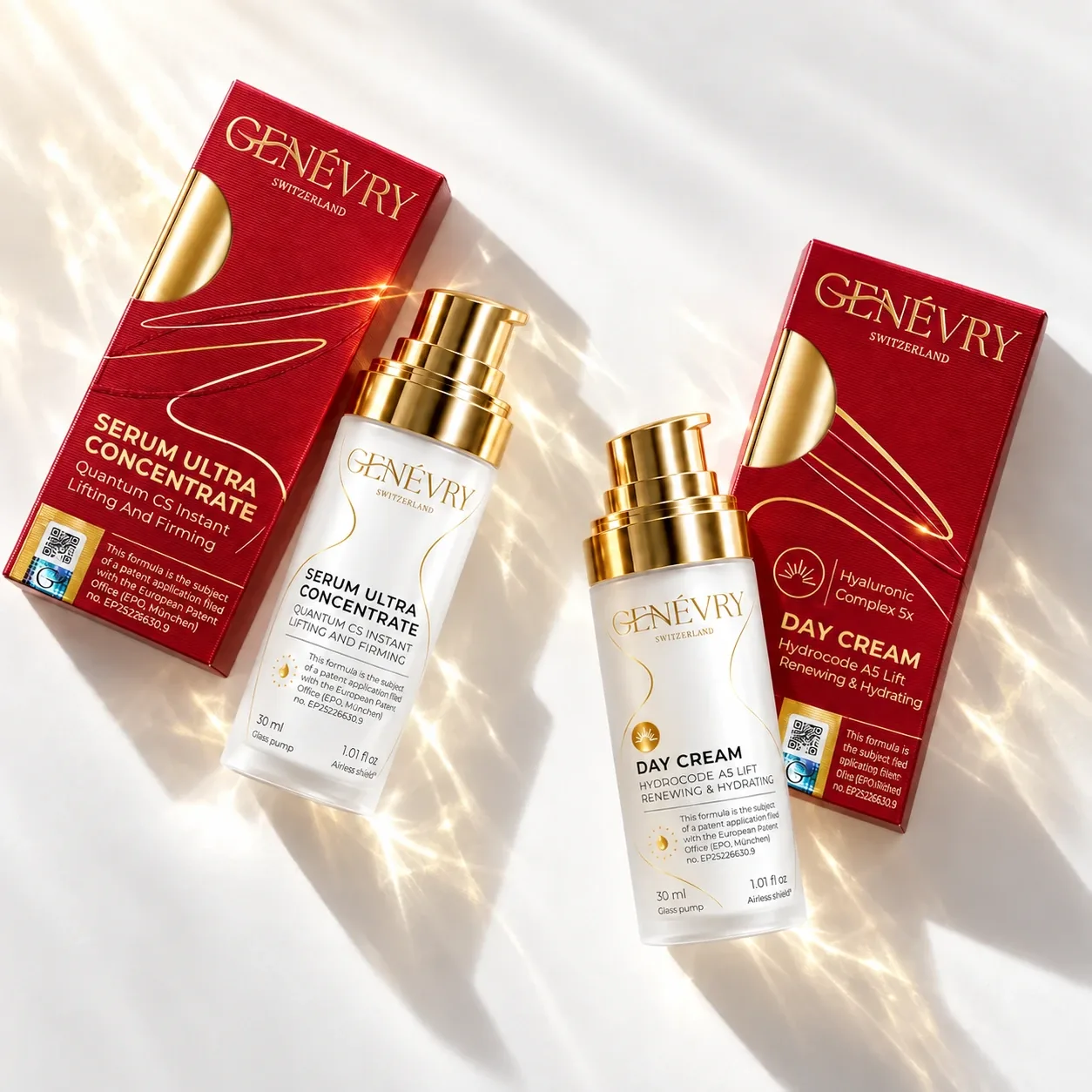
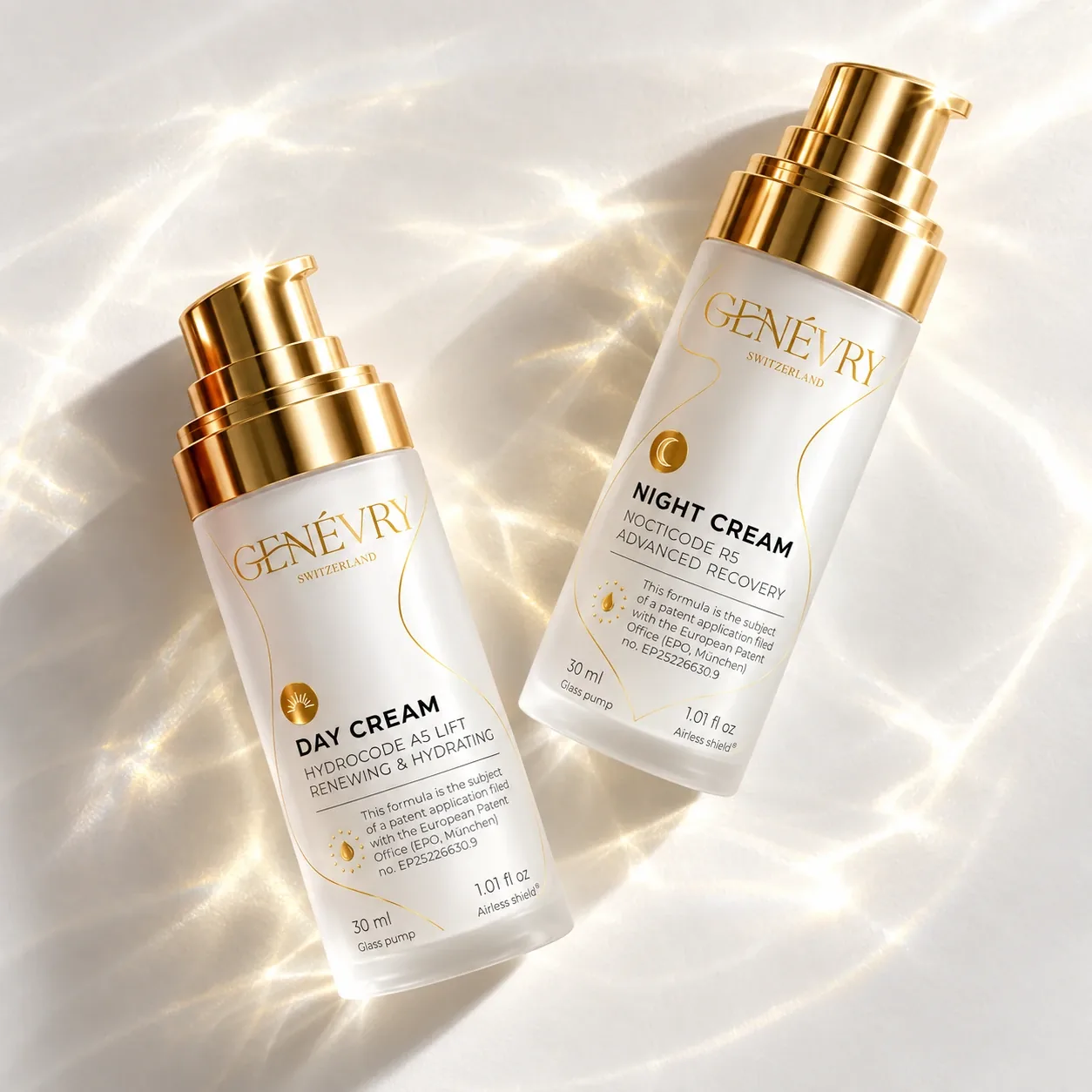
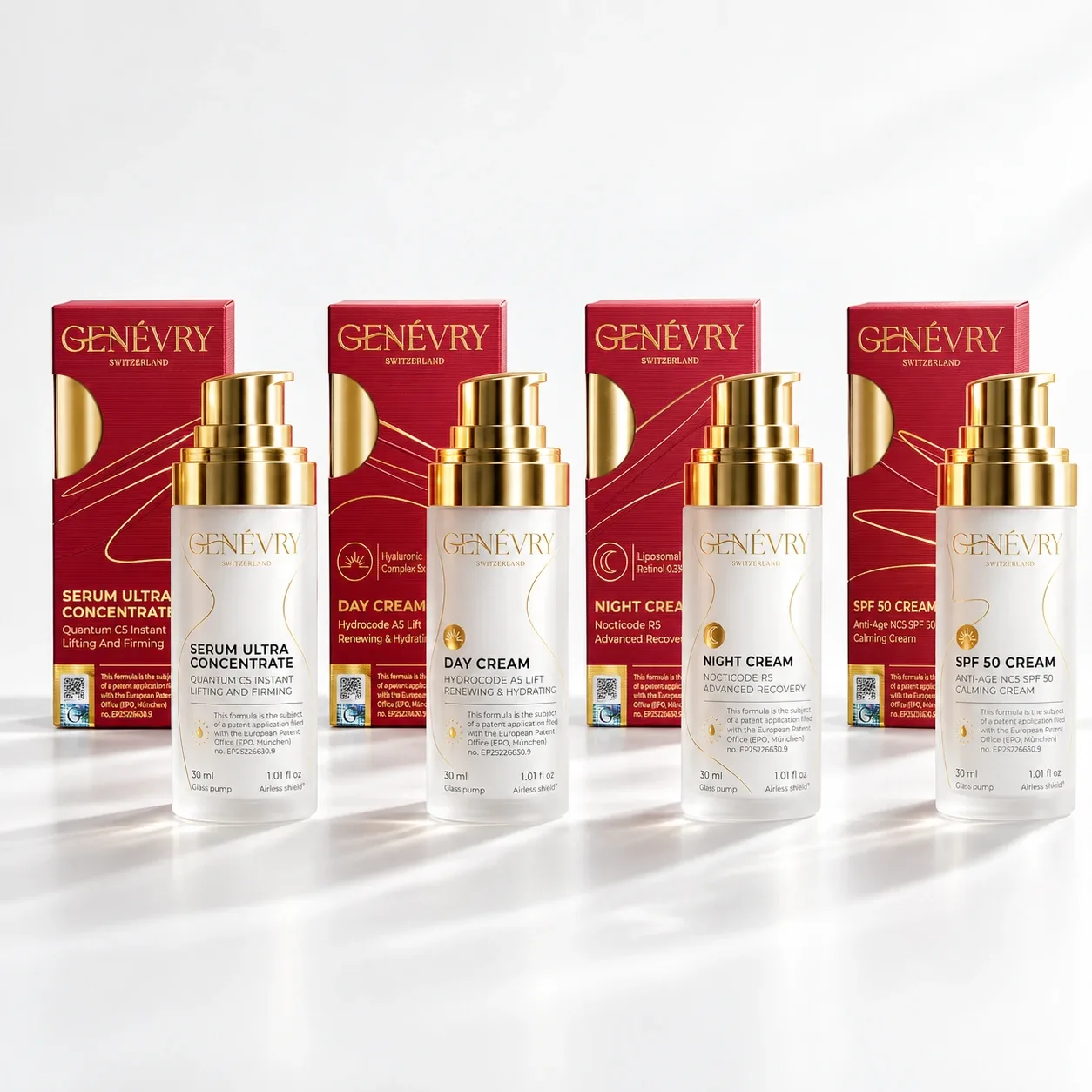
Work out the difference in real numbers. Buying the four steps of our ritual separately comes to €133.60: the Quantum C5 serum at €31.90, the Hydrocode A5 Lift day cream at €34.90, Anti-Age NC5 SPF 50 at €31.90 and Nocticode R5 at €34.90. As the Skin Code Protocol the same four full sizes cost €112.90, which is €20.70 less, and each one lasts around two months. For something smaller, The Morning Duo pairs the serum with the day cream at €64.90.
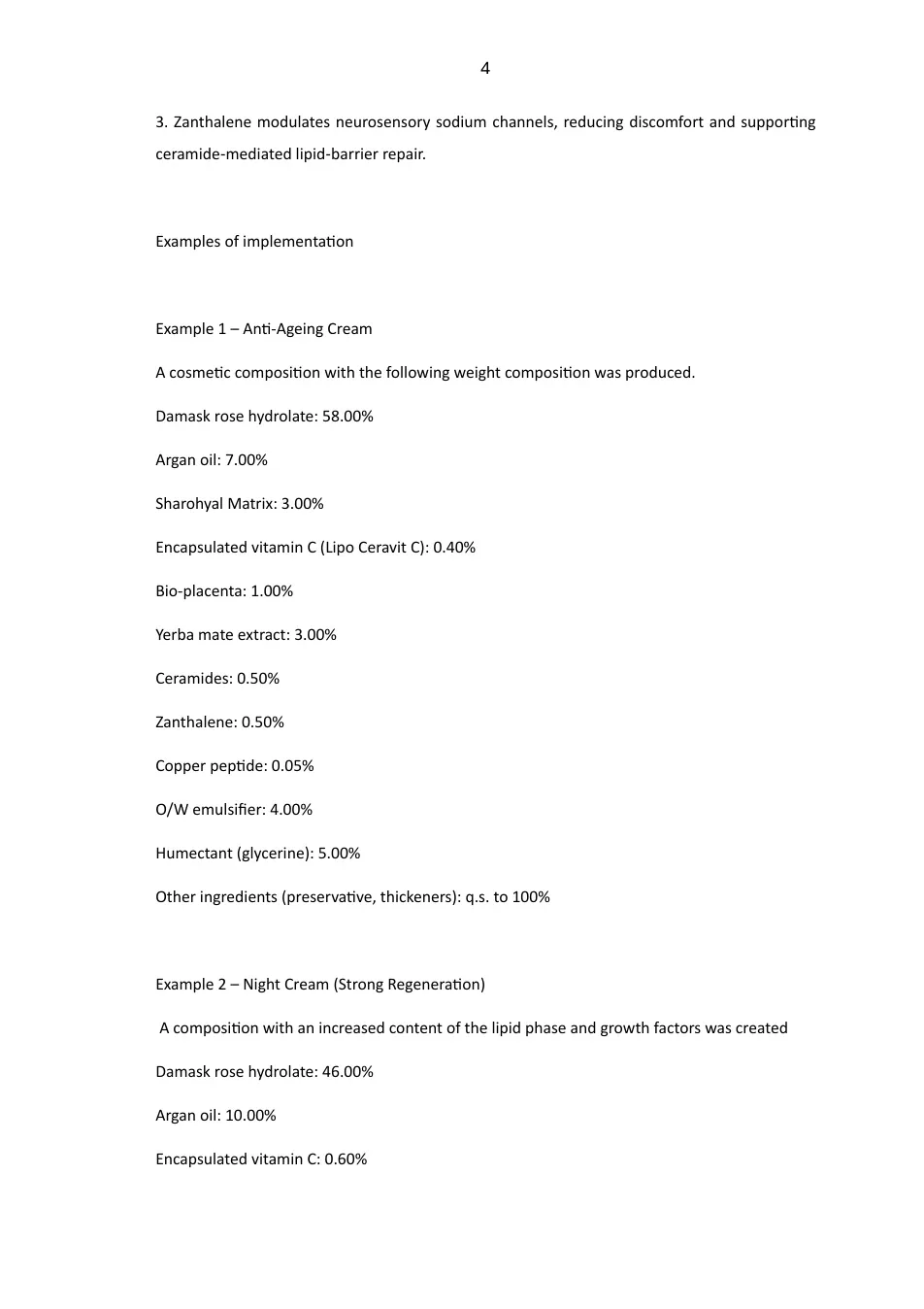
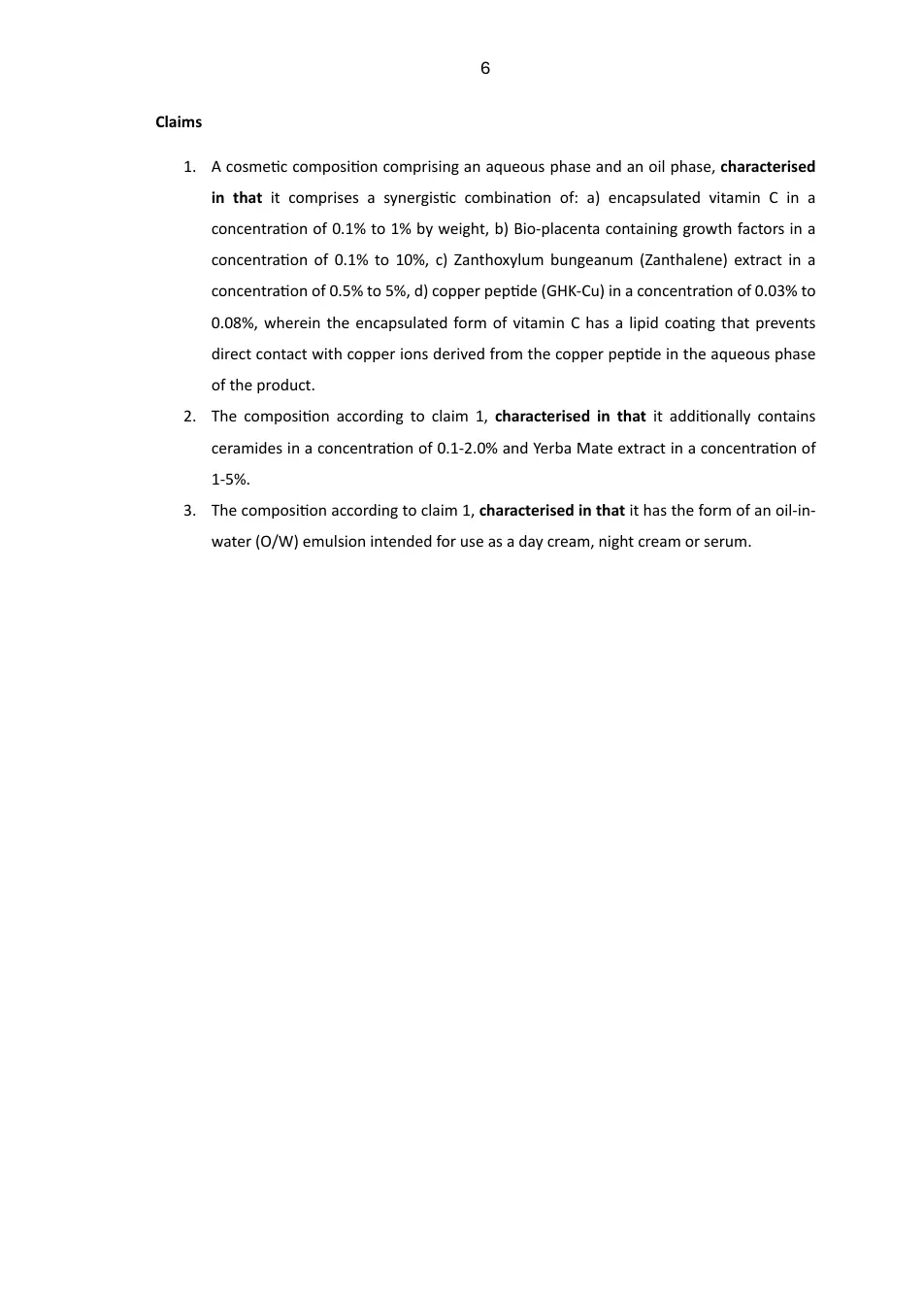
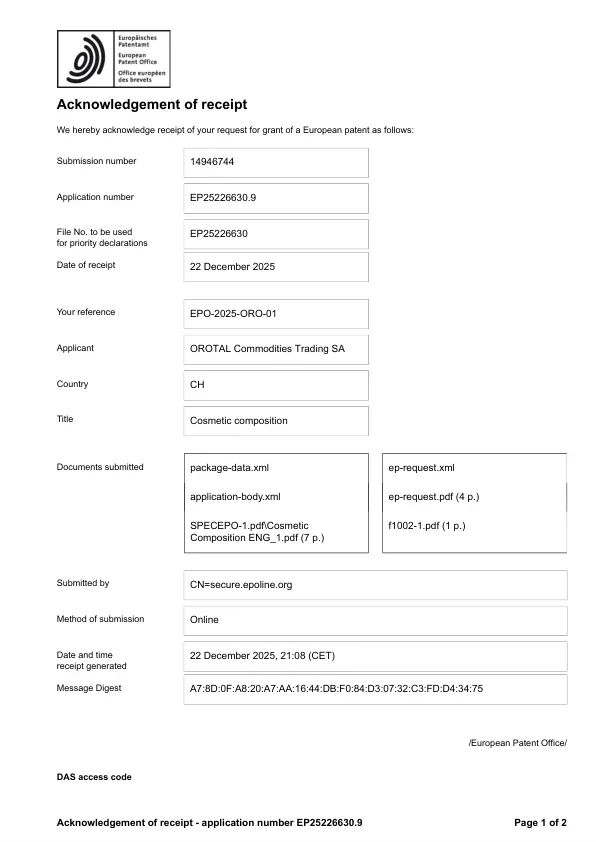
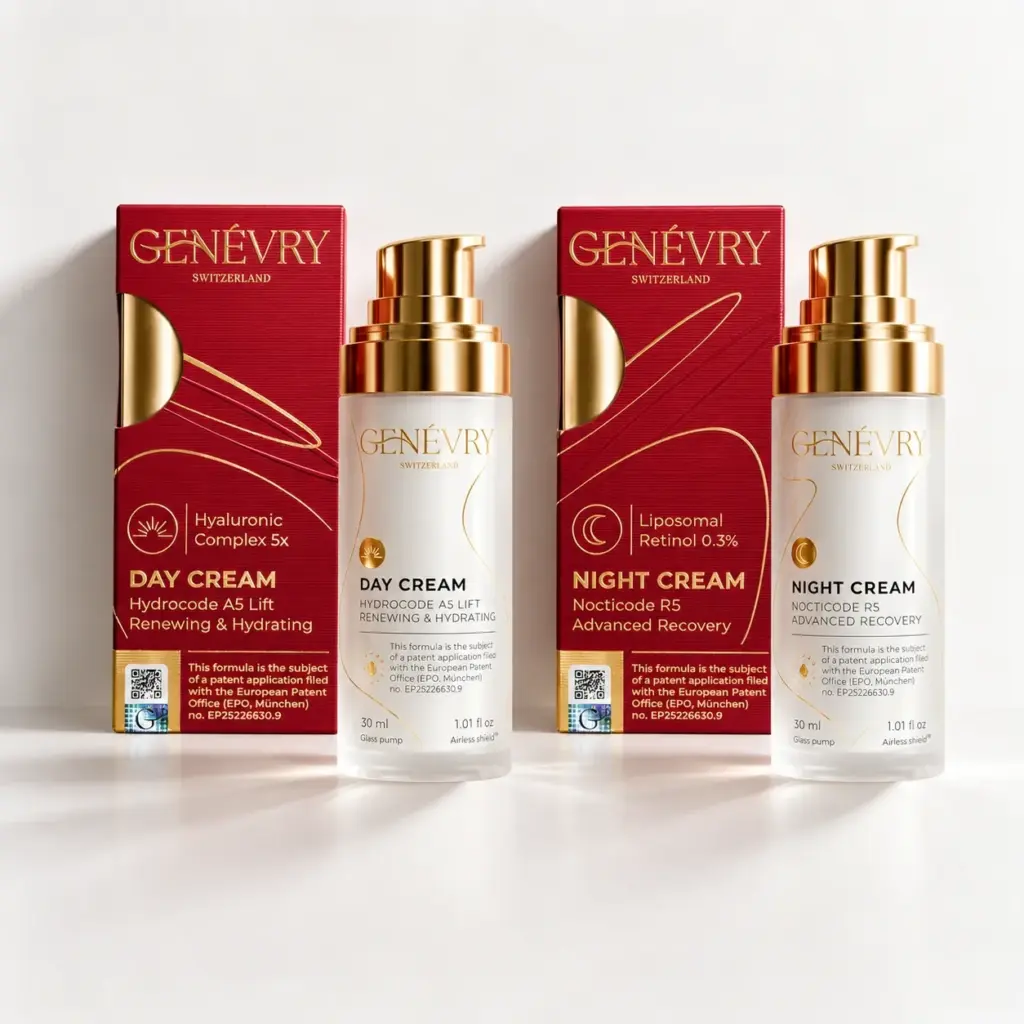
GENÉVRY formulas are covered by patent application EP25226630.9 (patent pending), the products are notified in the EU CPNP portal, and the brand is cruelty free. The serum carries the Copper Tripeptide-1 copper peptide with liposomal vitamin C, the day cream a hyaluronic complex, the evening step liposomal retinol. This is not a set to sample for a week; it is three months of skincare, and that difference is usually the point of the gift.
Build your own calendar from four steps
Advent runs over the four Sundays before Christmas, and the habit of counting down came from chalk marks on the door in nineteenth-century homes, long before printed boxes existed (more on the history of the advent calendar). That rhythm, four stages instead of twenty-four, suits skincare far better than a daily change.
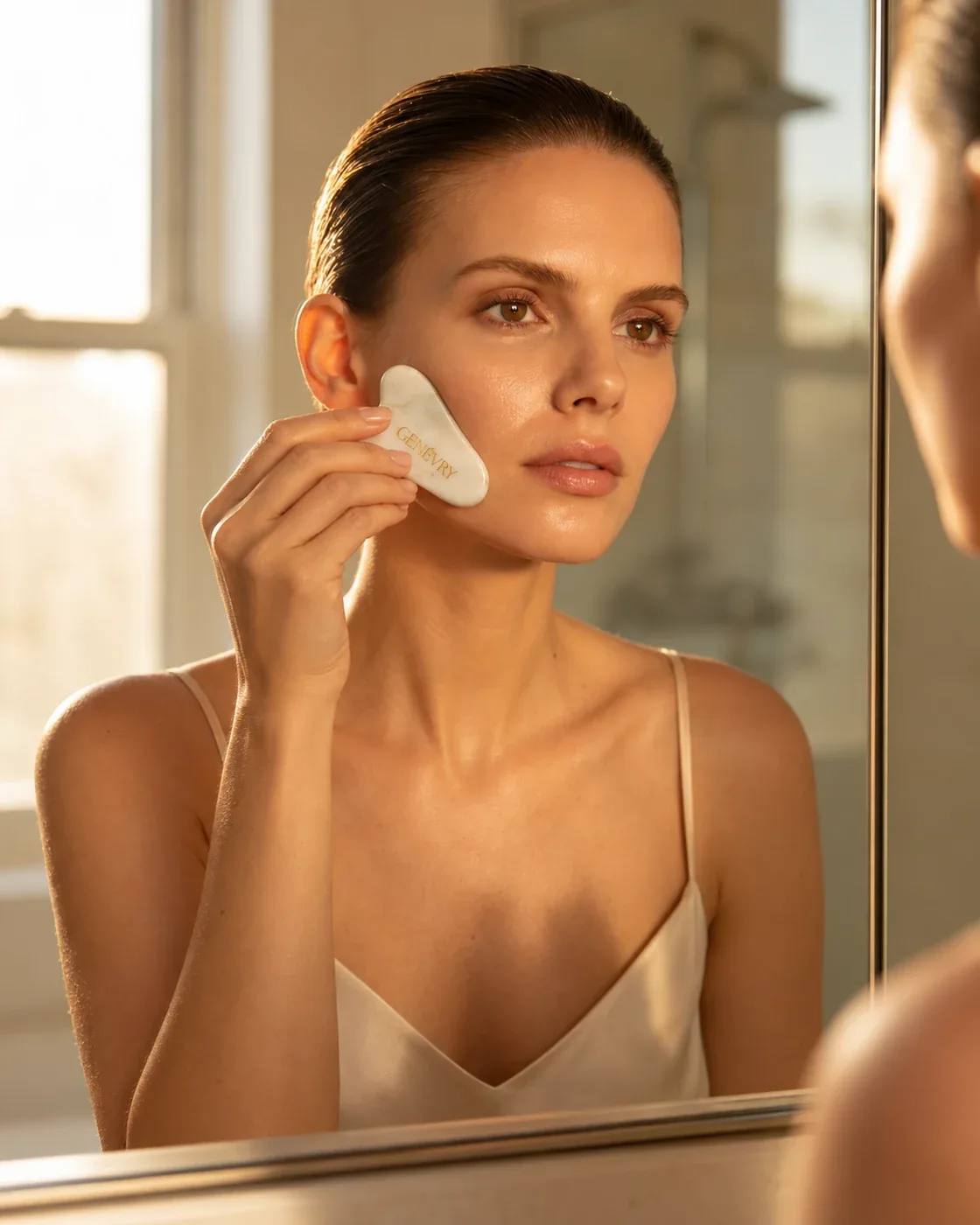
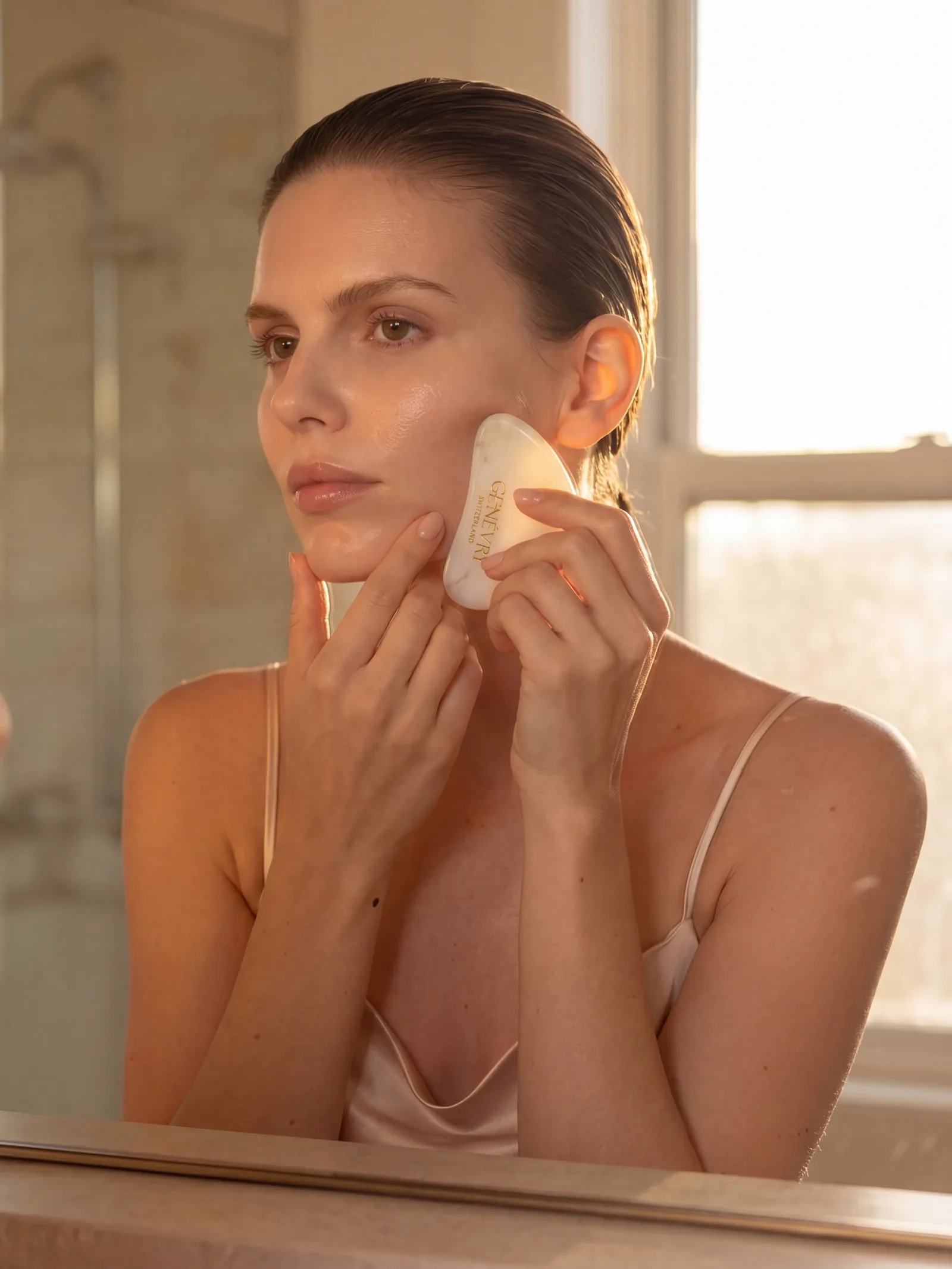
Assemble the gift yourself: four products, wrapped separately, opened on consecutive Sundays of Advent. The first Sunday is the serum, since it needs the longest run to show anything. The second is the day cream. The third is the night cream. The fourth is a gua sha or sunscreen for January travel. You get four moments instead of one, and four products that last into spring.
The budget version: one full-size product plus three small things that always get used, meaning a hand cream, a lip balm and a nail file. Four considered items beat twenty-four random ones.
Five mistakes that show up every year
They repeat, and they all come from treating the calendar as an instruction rather than a box of supplies.
- Using a product on the day you open it. The door sets the opening date, not the application date. Nothing is lost if a cream waits until January.
- Applying two new products on the same evening. If the skin reacts, you cannot tell which one is responsible.
- Saving the best samples for a special occasion. After a year in a drawer the scent and texture have often shifted, and with vitamin C creams you can see it in the colour.
- Dropping your usual routine for the duration. The base, meaning hydration and morning sunscreen, stays put. New things go alongside it, not instead of it.
- Buying a second calendar because the first disappointed. If January leaves you with ten untouched sachets, next year one full-size product is the better call.
Frequently asked questions
Is a beauty advent calendar worth the money?
It is worth it when at least a third of the contents are 10 ml or larger, in categories you actually use, and the price per millilitre comes out below buying those items individually. When sachets dominate, you are mostly paying for the box and the pleasure of opening it.
When should I buy one to get a choice?
The strongest sets from brands that produce limited runs sell out in the first half of November. If you have your eye on a specific one, order before 20 November. After 1 December what remains tends to be end-of-line stock, sometimes discounted, and that is when checking the durability date pays off.
Can calendar miniatures be kept until summer?
Unopened, yes, up to the minimum durability date on the packaging. Once opened, the period beside the open-jar symbol applies, usually 6 to 12 months. Keep them somewhere cool, away from a radiator and off a sunny windowsill.
What should I do if my skin reacts to something from the calendar?
Stop all the new products, keep a gentle cleanser and one familiar moisturiser for three or four days. Once the skin settles, reintroduce one item at a time, a few days apart, and write the names down. If the irritation lasts more than a week, or you see swelling or weeping, see a dermatologist.
Single brand or multi-brand?
A single-brand calendar gives a coherent routine and bigger sizes, because the brand is not sharing the box with twenty other companies. Multi-brand is more interesting but leans on sachets. For anyone still building a routine, the single-brand version is the safer buy.
Is it a good present for a teenager?
Yes, provided you choose one without strong actives: hydration, cleansing, lip balms, sheet masks. Retinol, strong acids and high-percentage vitamin C are not products for young skin, which usually needs gentle cleansing and sunscreen rather than an anti-ageing course.
Where to start
Open the page of the calendar you like and find three numbers: total volume, how many products exceed 10 ml, and the price per millilitre. If the description does not give them, you have your answer. And if you are shopping for somebody who already has a routine and does not need twenty-four surprises, the four full sizes in The Skin Code Protocol will keep them going until spring.
The formulas in this article
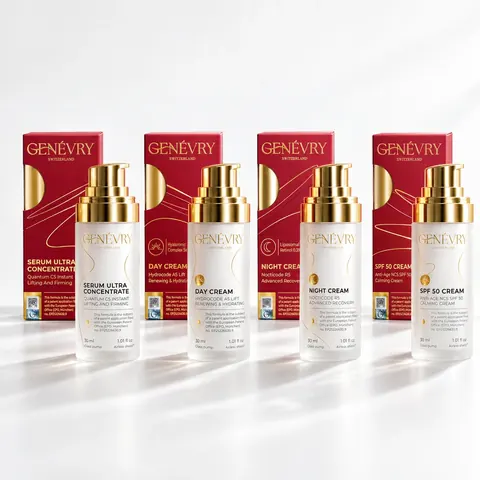 The Skin Code ProtocolPilnas 24 valandų ritualas · 4 × 30 ml€112.90Discover the formula →
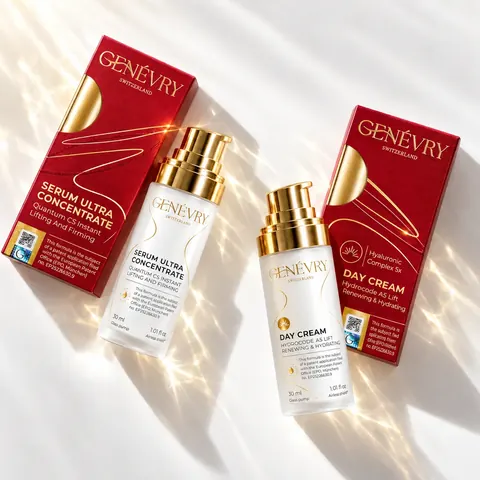 The Morning DuoQuantum C5 + Hydrocode A5 · 2 × 30 ml€64.90Discover the formula →
Cosmetic product. Individual results may vary.

 English / EUR
 English (US) / USD
 English (UK) / GBP
 Deutsch / EUR
 Deutsch (Schweiz) / CHF
 Français / EUR
 Italiano / EUR
 Español / EUR
 Nederlands / EUR
 Polski / PLN
 日本語 / JPY
 한국어 / KRW
 中文 / CNY
 العربية / AED
 English (Australia) / AUD
 English (Canada) / CAD
 Svenska / SEK
 Dansk / DKK
 Norsk / NOK
 Suomi / EUR
 Português / EUR
 Türkçe / TRY
 Čeština / CZK
 Magyar / HUF
 Română / RON
 Ελληνικά / EUR
 Slovenčina / EUR
 Hrvatski / EUR
 Slovenščina / EUR
 Lietuvių / EUR
 Latviešu / EUR
 Eesti / EUR
 Български / EUR
 Українська / EUR