How to use a gua sha: the facial massage step by step
Angle, pressure and the layer that lets the stone glide. The full sequence for face and neck, how often to do it and what to avoid.
Nobody expects to need instructions for a stone, which is why how to use a gua sha is worth five minutes of reading. The difference between skin that looks rested afterwards and skin that looks irritated comes down to three details: the angle you hold the stone at, how hard you press, and what you put on your face first so the stone can glide.
Below is the full sequence: what to prepare, six movements across face and neck, a table to check in two seconds, how often to do it, how to look after the stone and when to skip it altogether.
What gua sha is, and what it realistically does
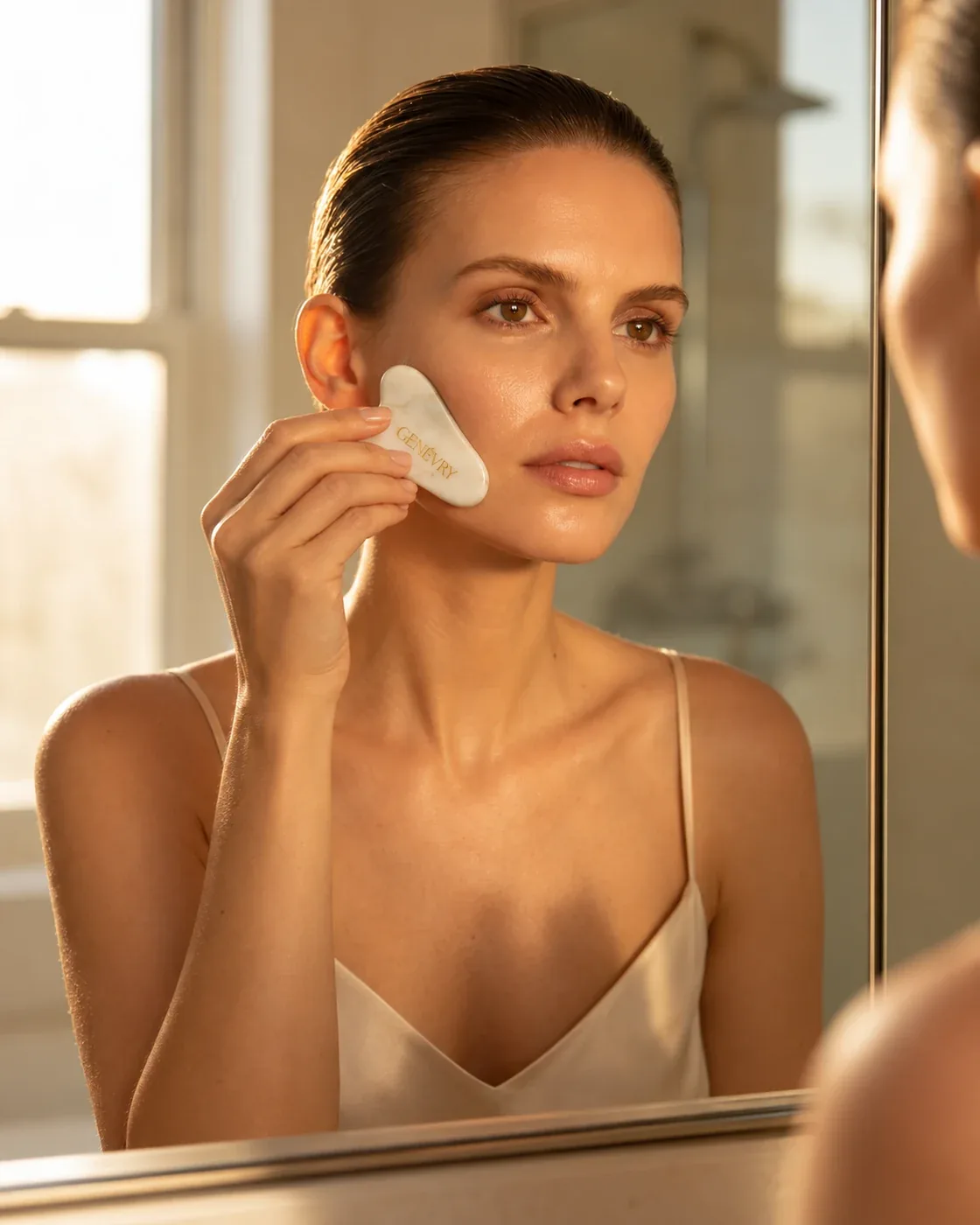
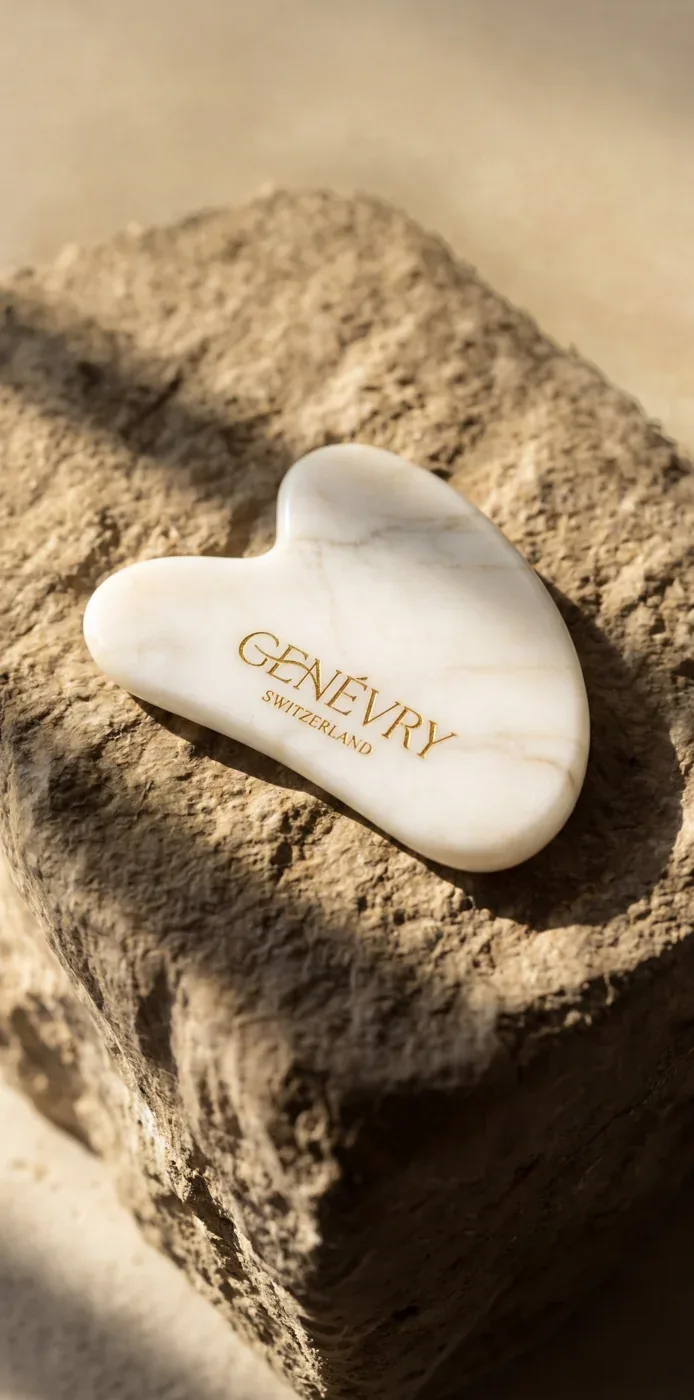
A gua sha is a flat stone with contoured edges that you draw across the skin in one direction, under light pressure. The practice comes from traditional Chinese medicine, where it was performed on the back and shoulders with far more force, deliberately raising the marks that give the technique its name. The facial version is a gentle adaptation; the shared ancestry is mostly the shape of the stone, as the Wikipedia entry on gua sha sets out.
Strokes run from the centre of the face outwards, then down the neck — the direction the lymphatic vessels take. Hence the rule that the massage starts at the neck: you open the route first, then send each area of the face towards it.
What should you expect? Immediately afterwards, skin usually looks smoother and more rested, and facial contours read as slightly more defined — the result of product worked evenly into the skin and a brief flush of circulation, lasting hours rather than weeks. The second benefit never shows up in photographs: five unhurried minutes at the end of the day. Gua sha is not a medical treatment and does not replace a dermatologist’s advice.
Preparation: slip, clean skin, a cool stone
Start on a washed face, patted dry but not bone dry. Then the part that matters most — slip. A stone dragged across dry skin pulls at it instead of gliding, and that is the only way to do yourself harm in five minutes of massage.
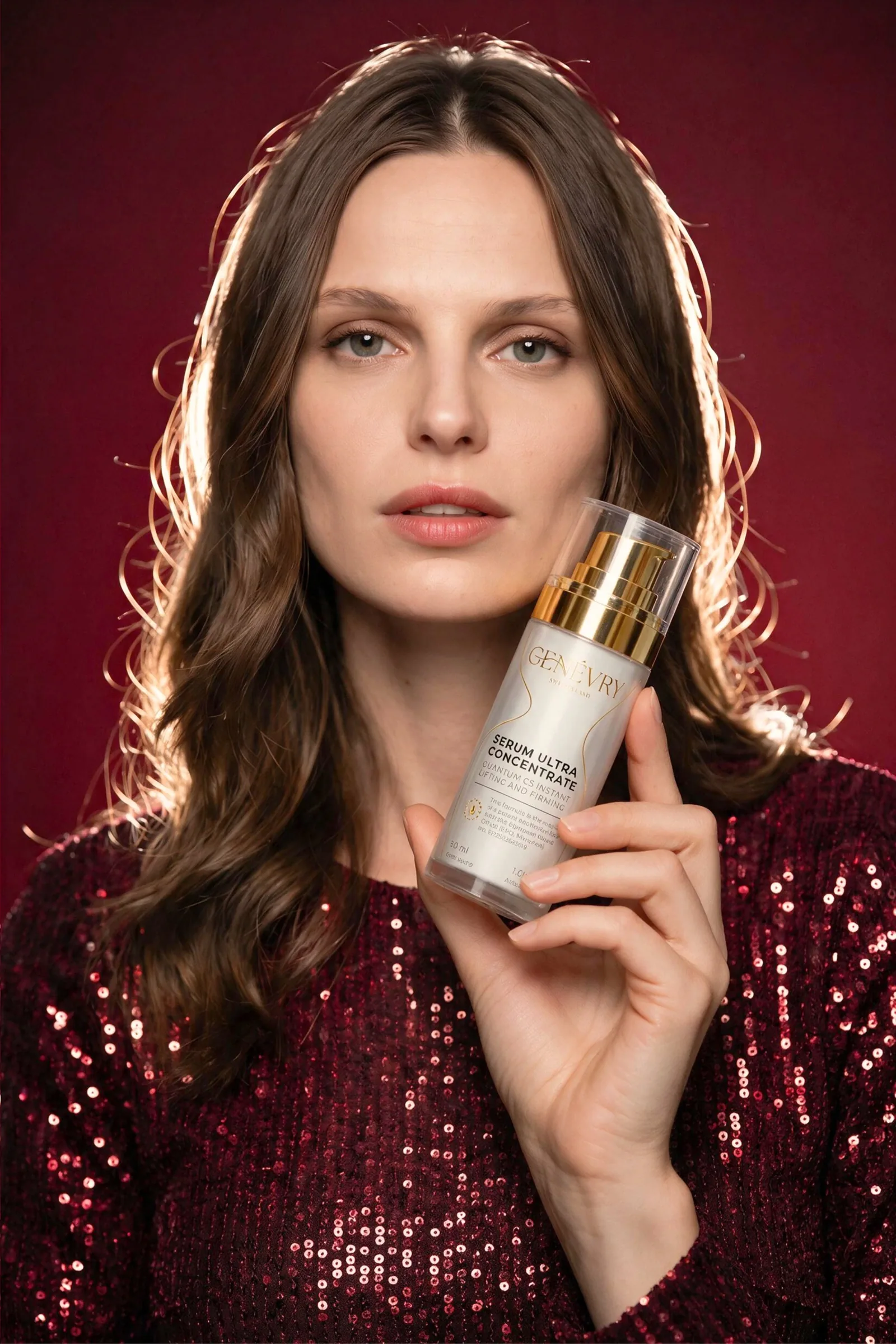
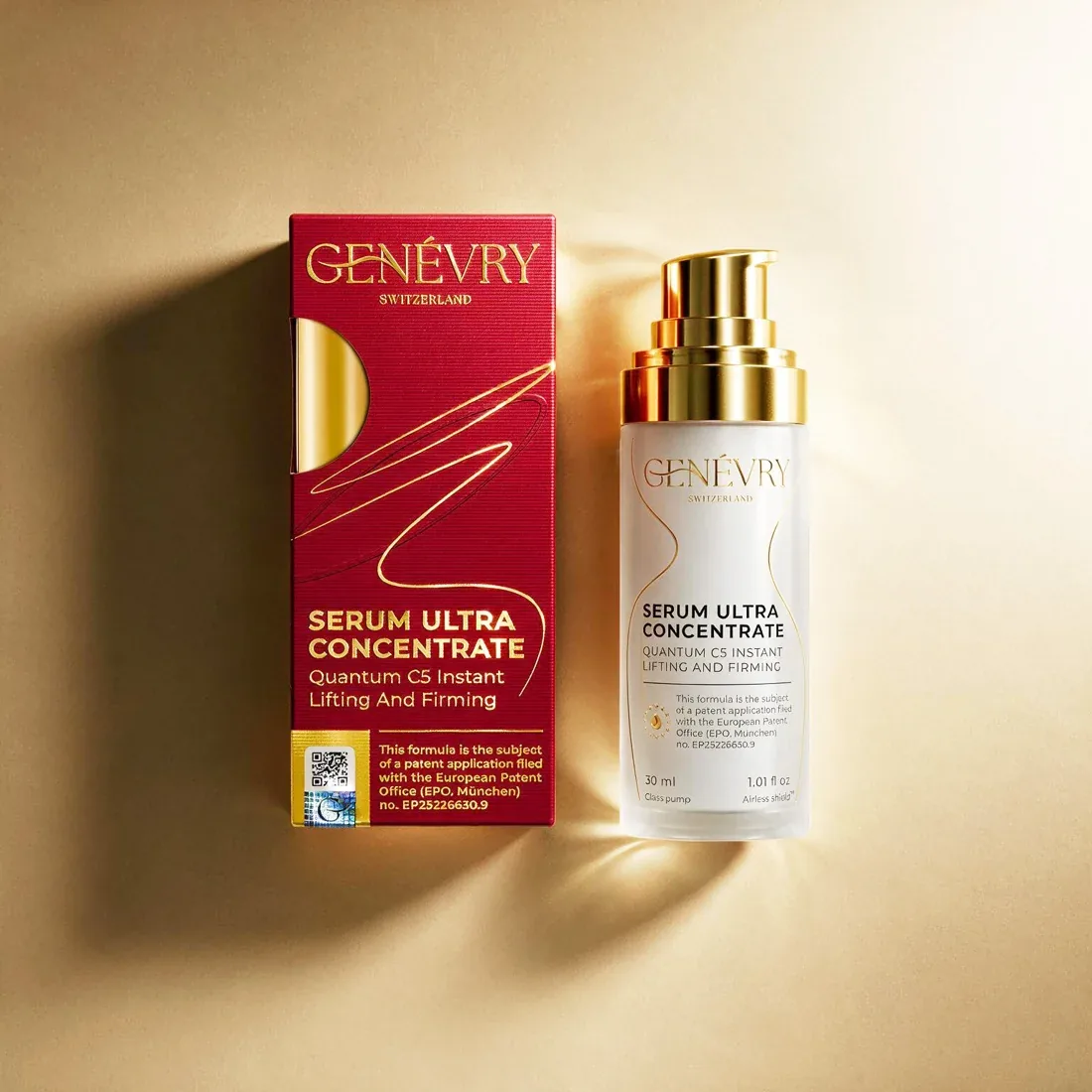
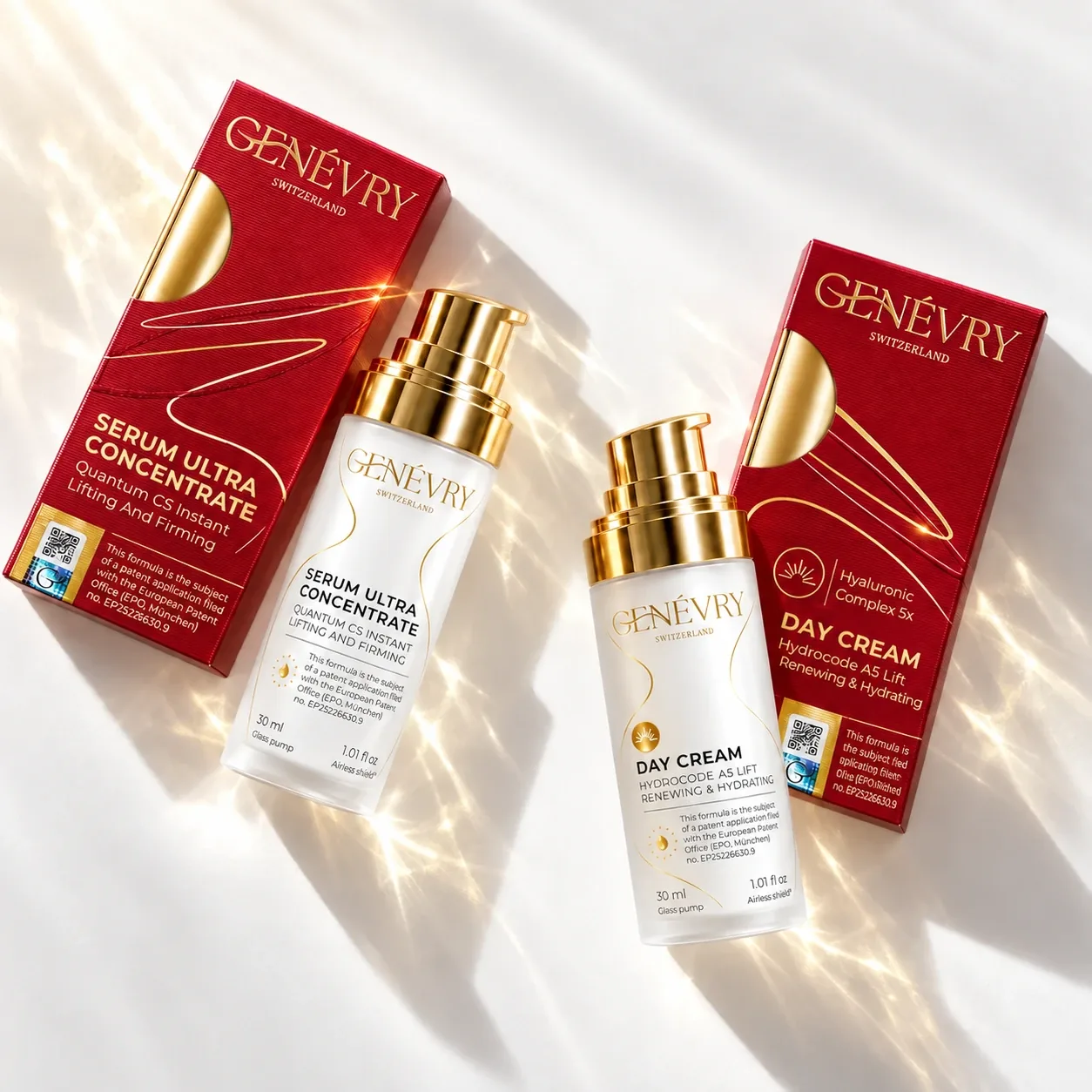
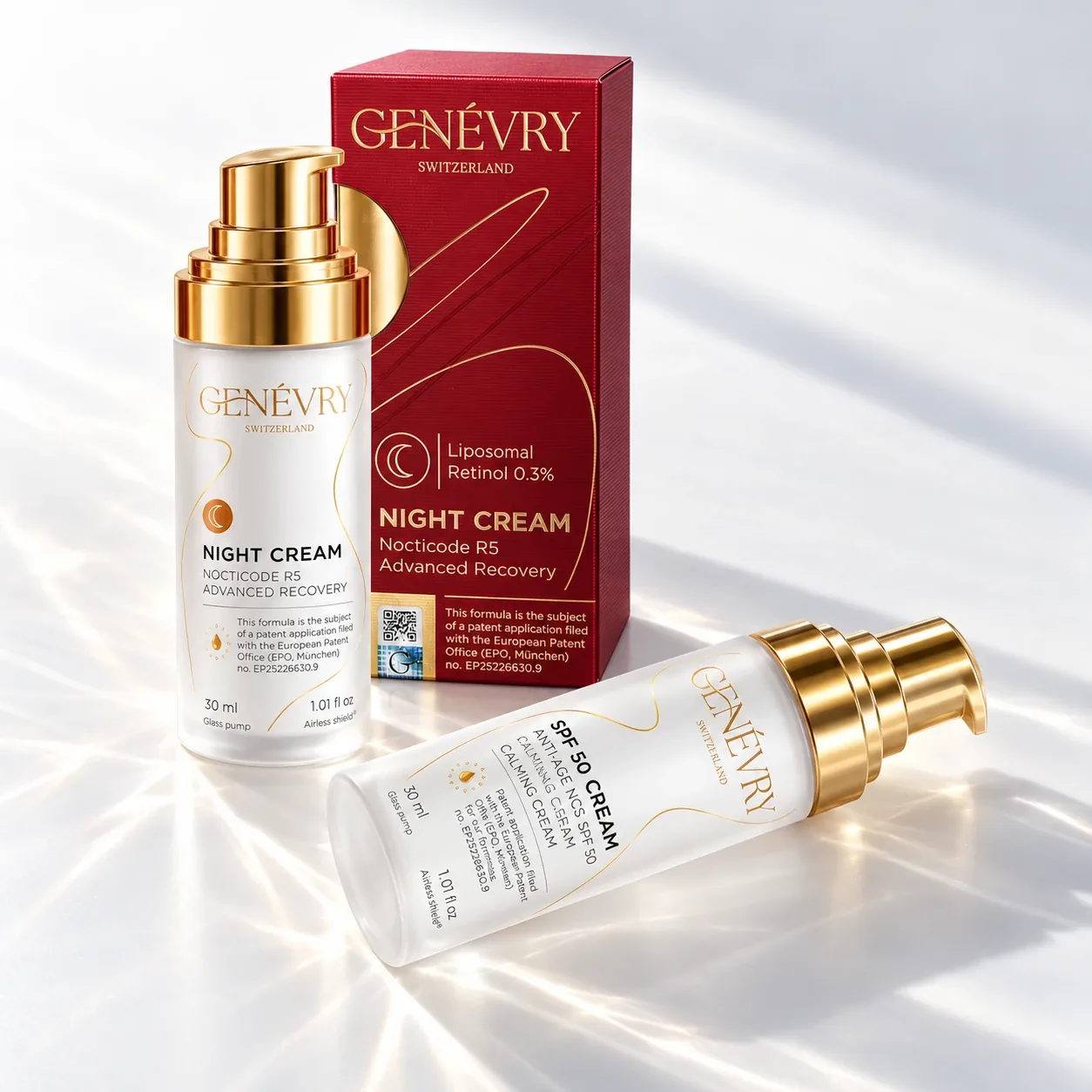
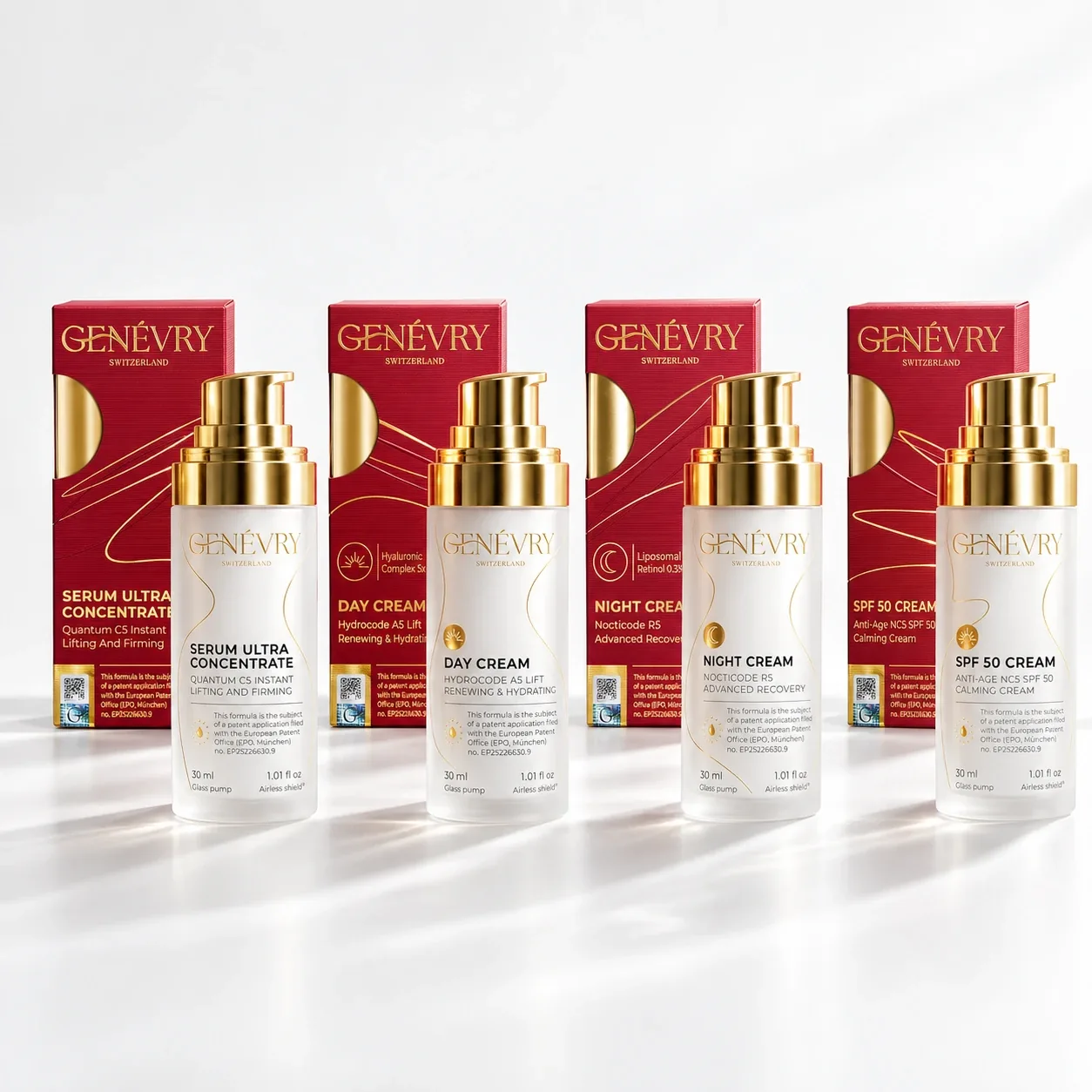
Slip can come from a serum, a facial oil, or a little more moisturiser than usual. In the GENÉVRY ritual that step is Quantum C5 with GHK-Cu copper peptide and liposomal vitamin C; three or four drops cover face and neck. If you feel resistance, add a drop of oil — the skin should stay slippery throughout.
The stone itself should be clean and cool: fifteen seconds under cold water is enough to make first contact with the cheek pleasant.
How to use a gua sha: the sequence step by step
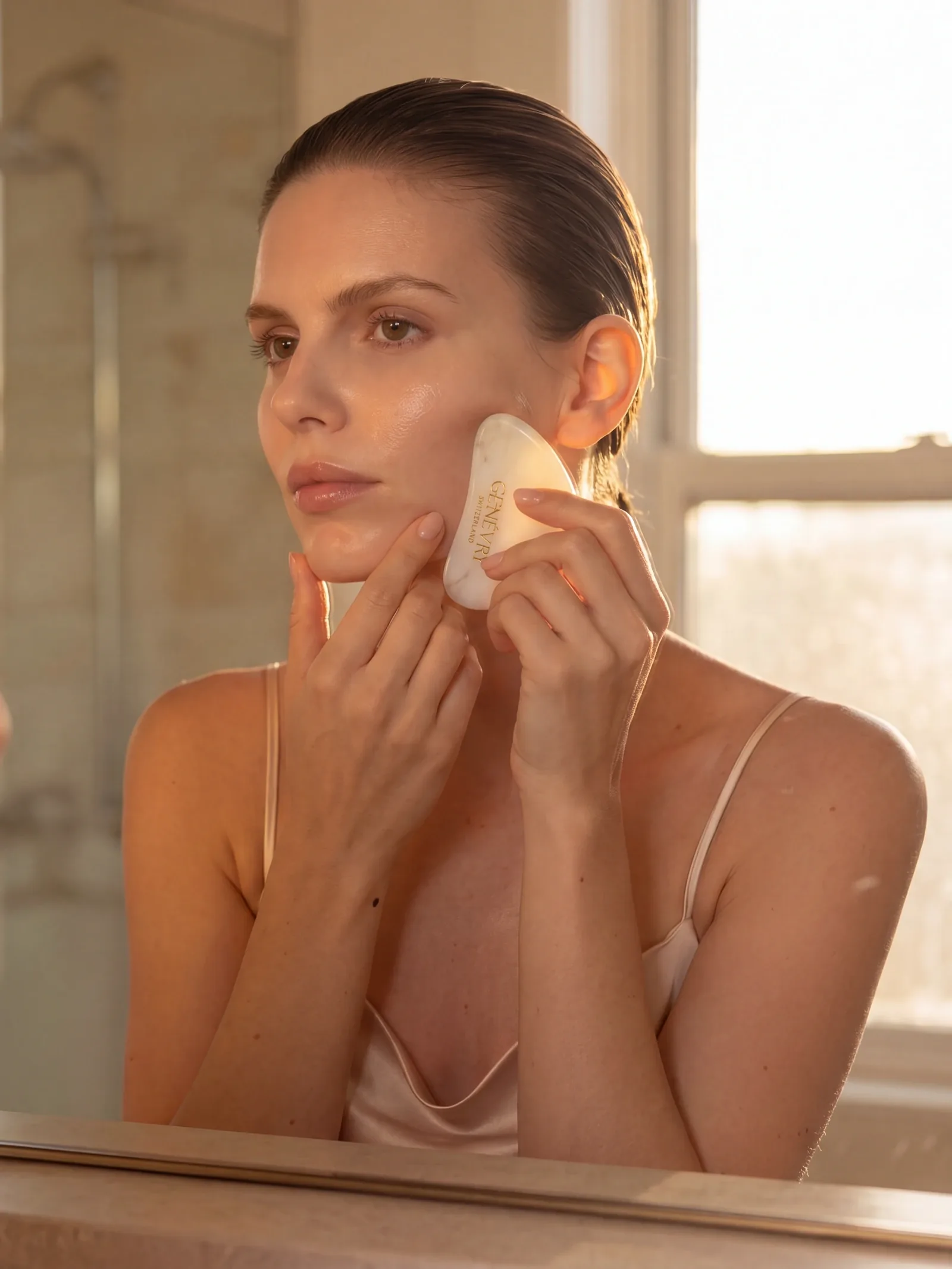
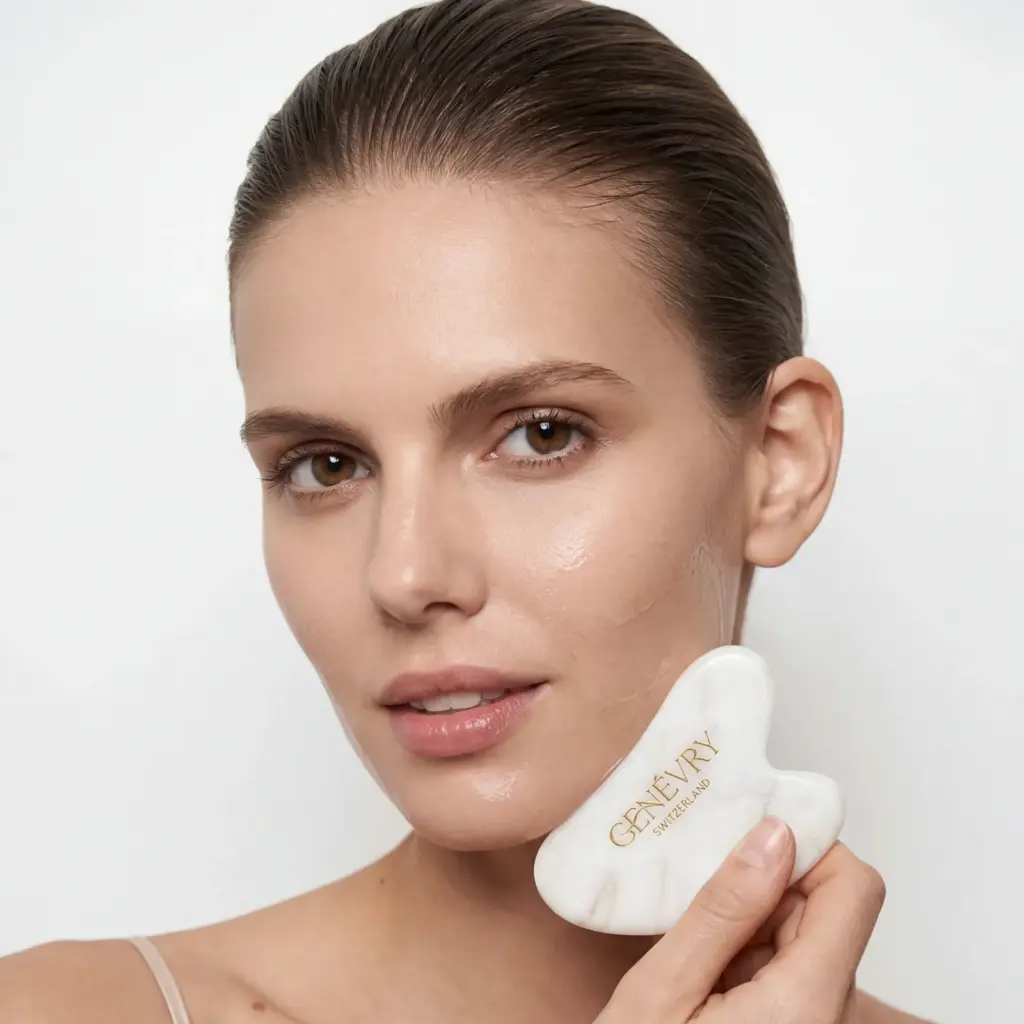
Hold the stone almost flat, at roughly 15 to 45 degrees to the skin — the flatter it lies, the gentler it is. Use enough pressure that the skin moves with the stone rather than slipping away beneath it; on the face you are not trying to raise marks or redness. Each stroke travels one way, and you lift the stone to return.
- Neck. Begin at the side of the neck: with the long flat edge, sweep from the jawline to the collarbone. Three to five times a side.
- Jawline. Fit the notch of the stone around the edge of the jaw and work from the chin towards the ear. Pressure here can be a little more confident than on the cheek.
- Cheeks. From beside the nose and the corner of the mouth out towards the ear, stone lying flat. Three strokes low, two beneath the cheekbone.
- Eye area. The most delicate part of the sequence. With the curved edge, glide from the inner corner, under the lower lid, towards the temple: three times, with almost no pressure.
- Forehead. From the centre out to each temple, then from the brow line up towards the hairline. Three to five repetitions.
- Finish. Return to where you started: down from the temple, in front of the ear, along the neck to the collarbone. Three unhurried strokes a side.
| Area | Edge of the stone | Direction | Repetitions |
|---|---|---|---|
| Neck | Long, flat | Jawline to collarbone | 3–5 per side |
| Jawline | Notch | Chin to ear | 3–5 per side |
| Cheeks | Long, flat | Nose and mouth towards the ear | 5 per side |
| Eye area | Curved | Inner corner to temple | 3 per side, no pressure |
| Forehead | Long, flat | Centre to temples, brow upwards | 3–5 |
| Finish | Long, flat | Temple to collarbone | 3 per side |
The whole sequence takes about five minutes. With less time, keep the neck, the jawline and the cheeks — those three make the most visible difference in the morning.
How often, when, and where it belongs in a routine
Two to four times a week is plenty, and with very light pressure it can be daily. Short and regular beats twenty minutes once a fortnight — long, enthusiastic sessions end in irritation.
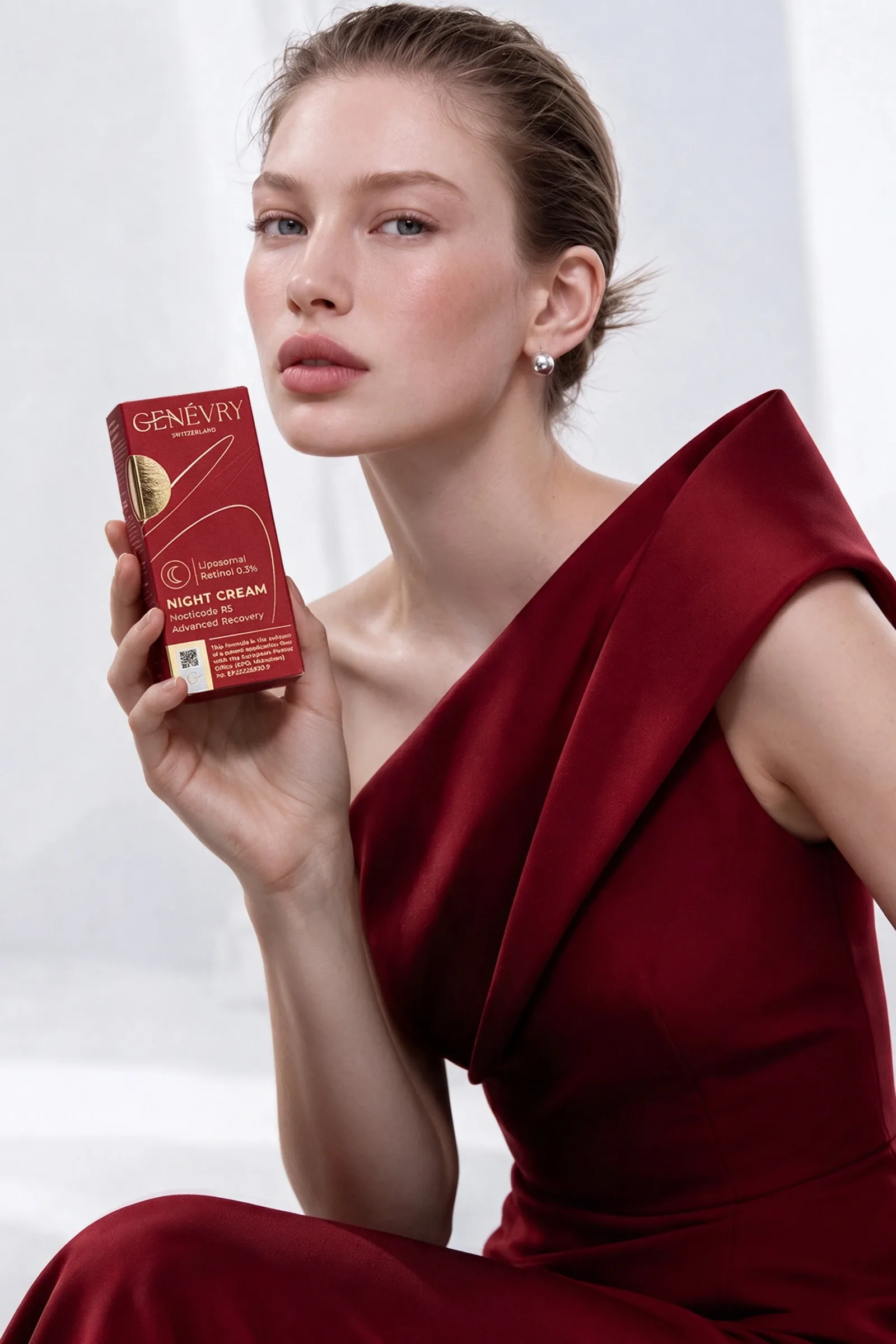
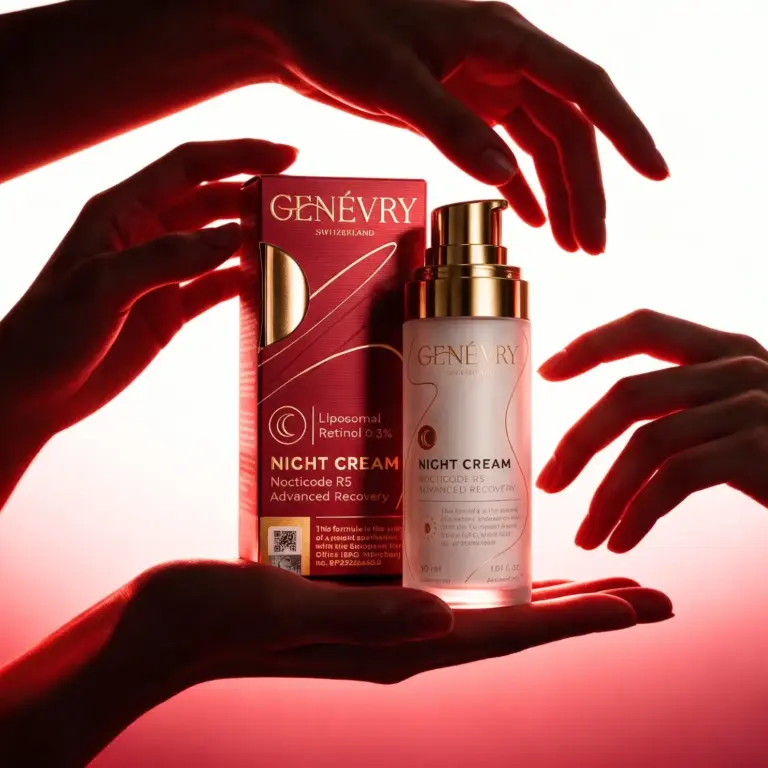
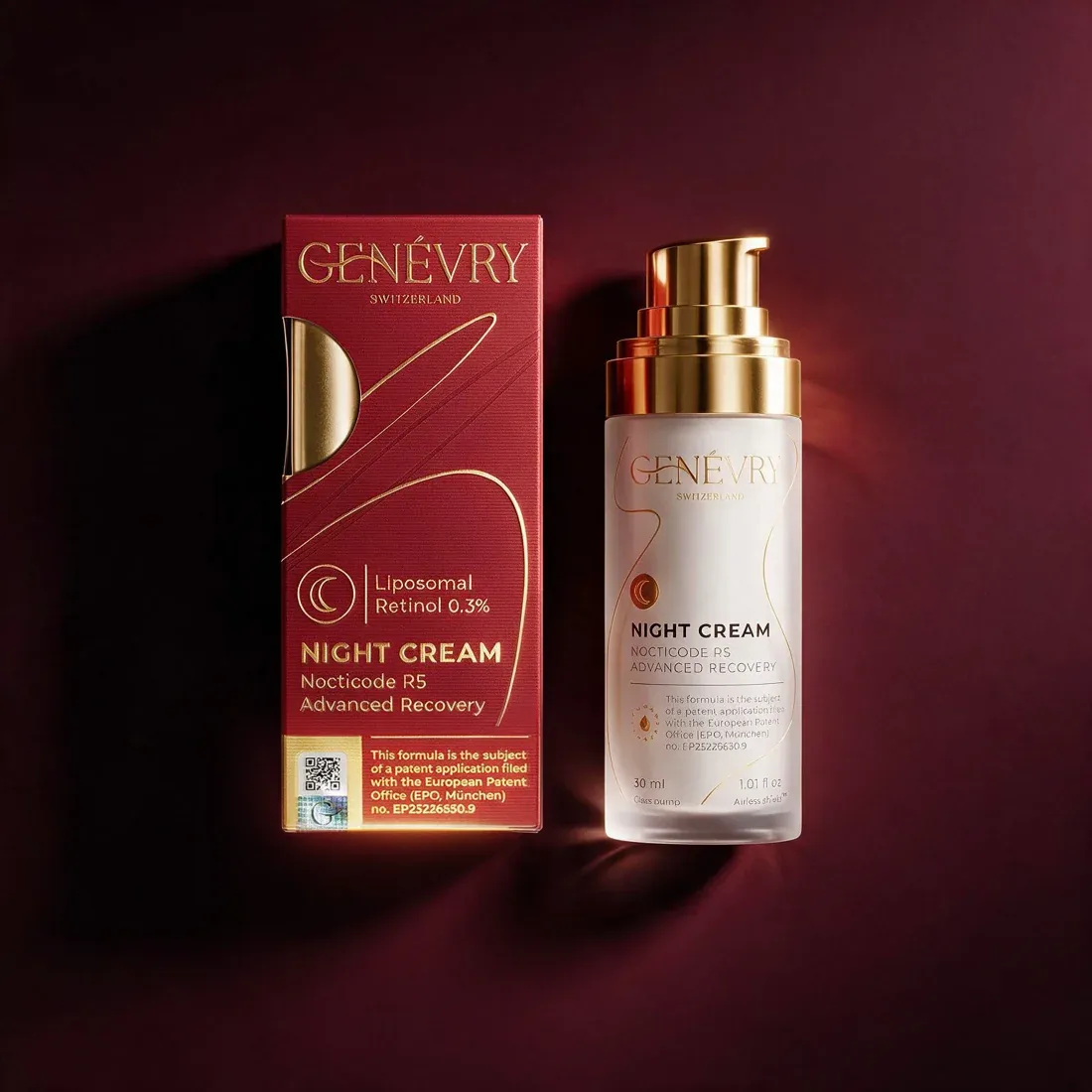
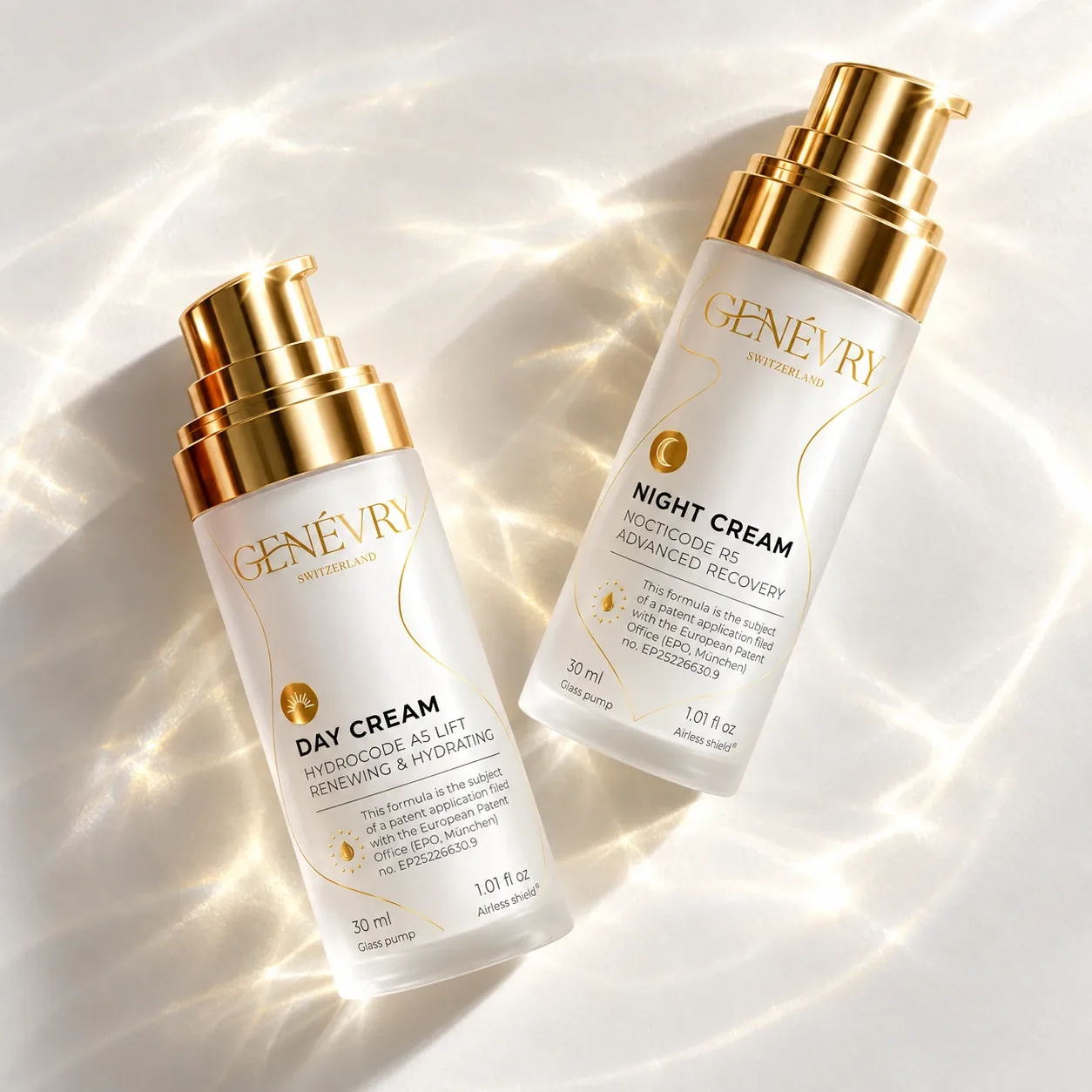
Its place in the routine is fixed — after the layer that provides slip, before your cream. In the evening that means serum or oil, then gua sha, then Nocticode R5 with 0.3% liposomal retinol. On retinol evenings work markedly more gently, or move the massage to another day: newly introduced retinol and mechanical friction are a lot at once. Retinol is not for use during pregnancy or breastfeeding, and the morning after calls for sunscreen.
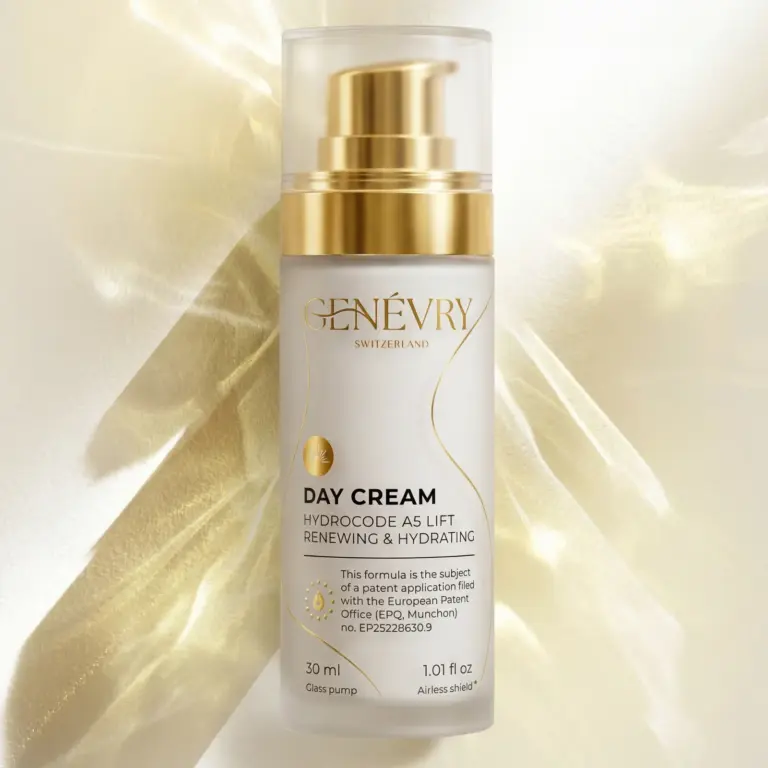
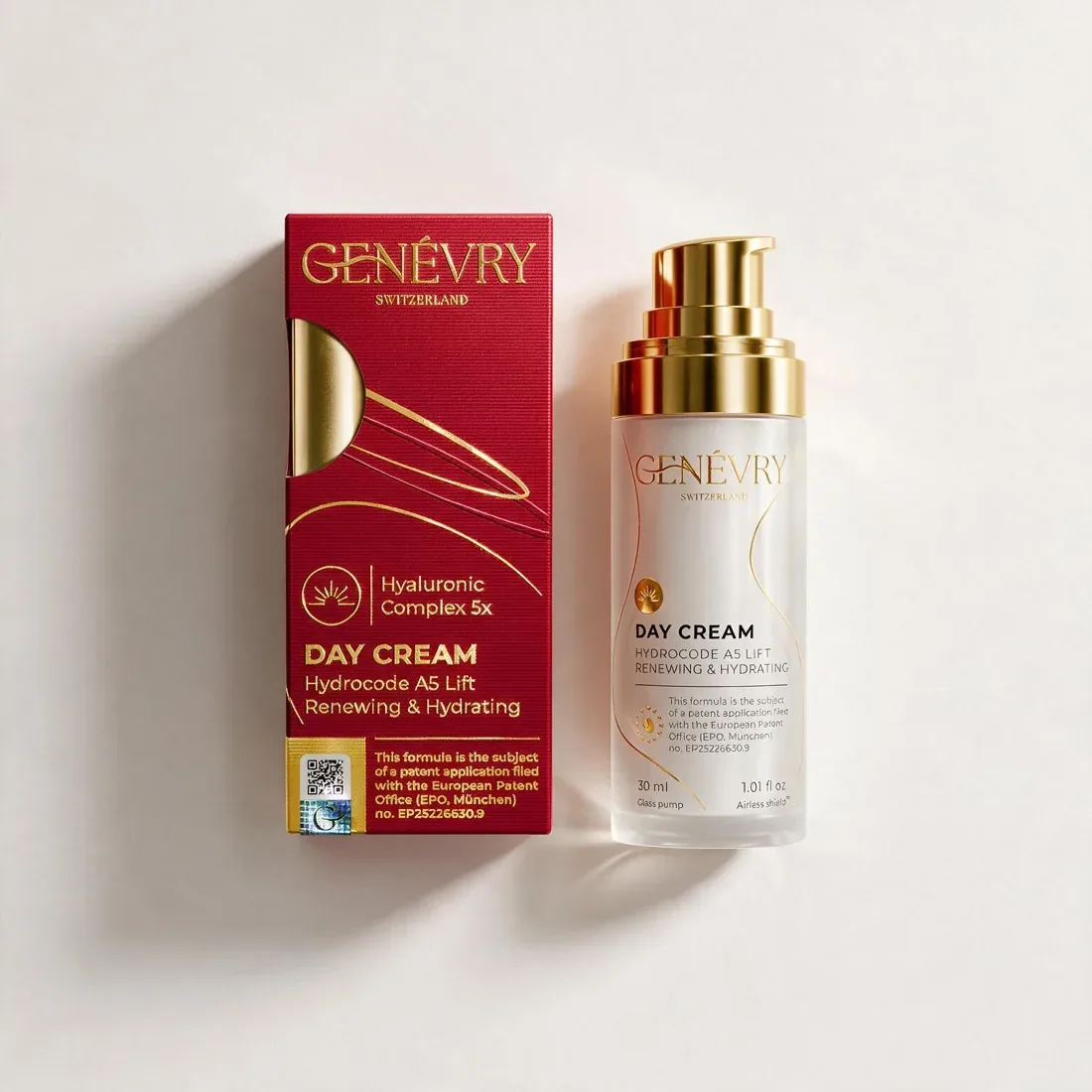
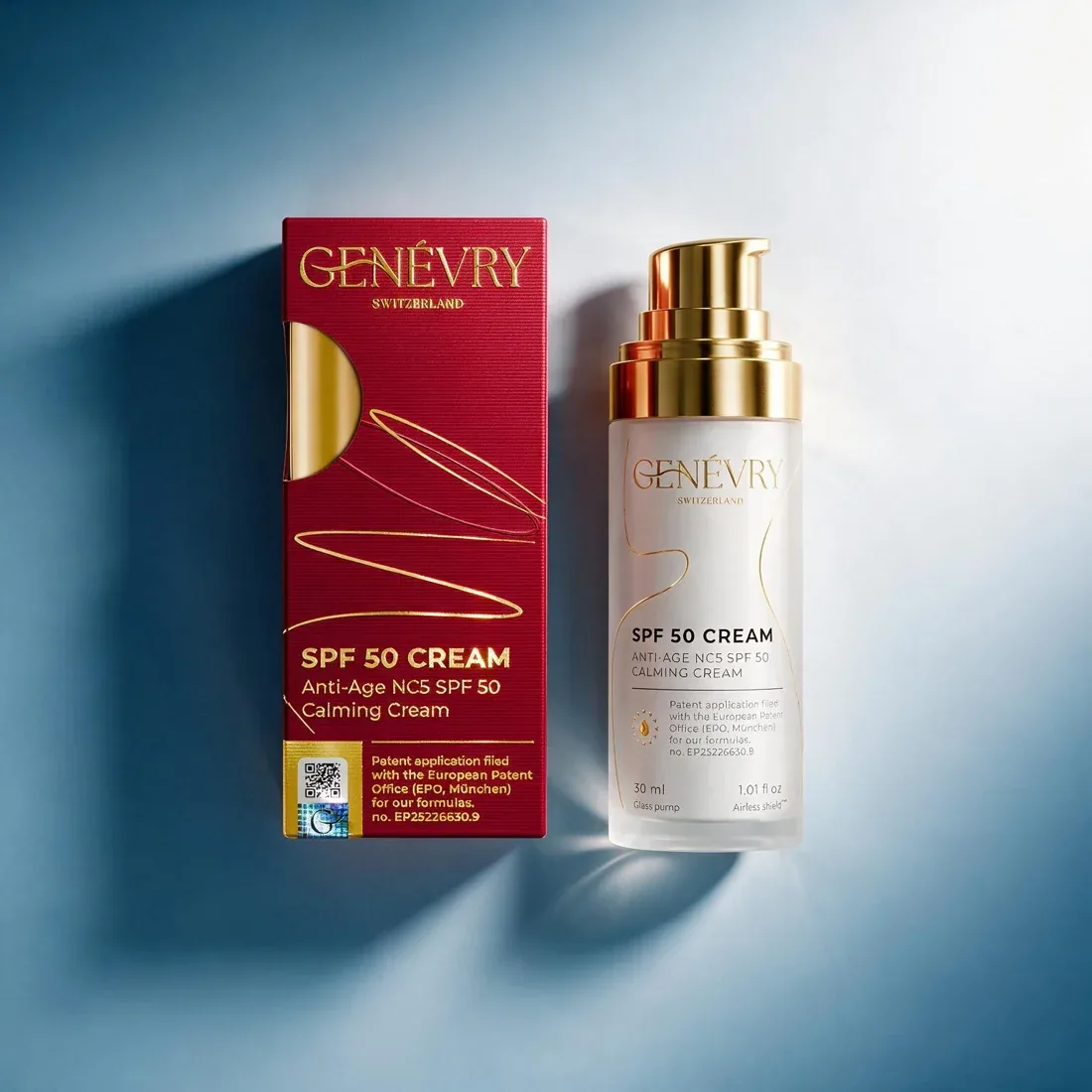
In the morning, a shortened version — neck, jaw, cheeks — before day cream and SPF is enough. The Sculpting Gua Sha completes the four-step Skin Code Protocol, but works just as well with the products already on your shelf.
What was measured, and what was not
Honestly: the stone itself has not been studied. What was measured are the formulas you glide it over, in instrumental studies with 10 participants.
| Product | Result | Study conditions |
|---|---|---|
| Quantum C5 | Mean skin hydration +33% | 4 weeks, instrumental, n=10, Corneometer CM 825; hydration increased in all 10 participants |
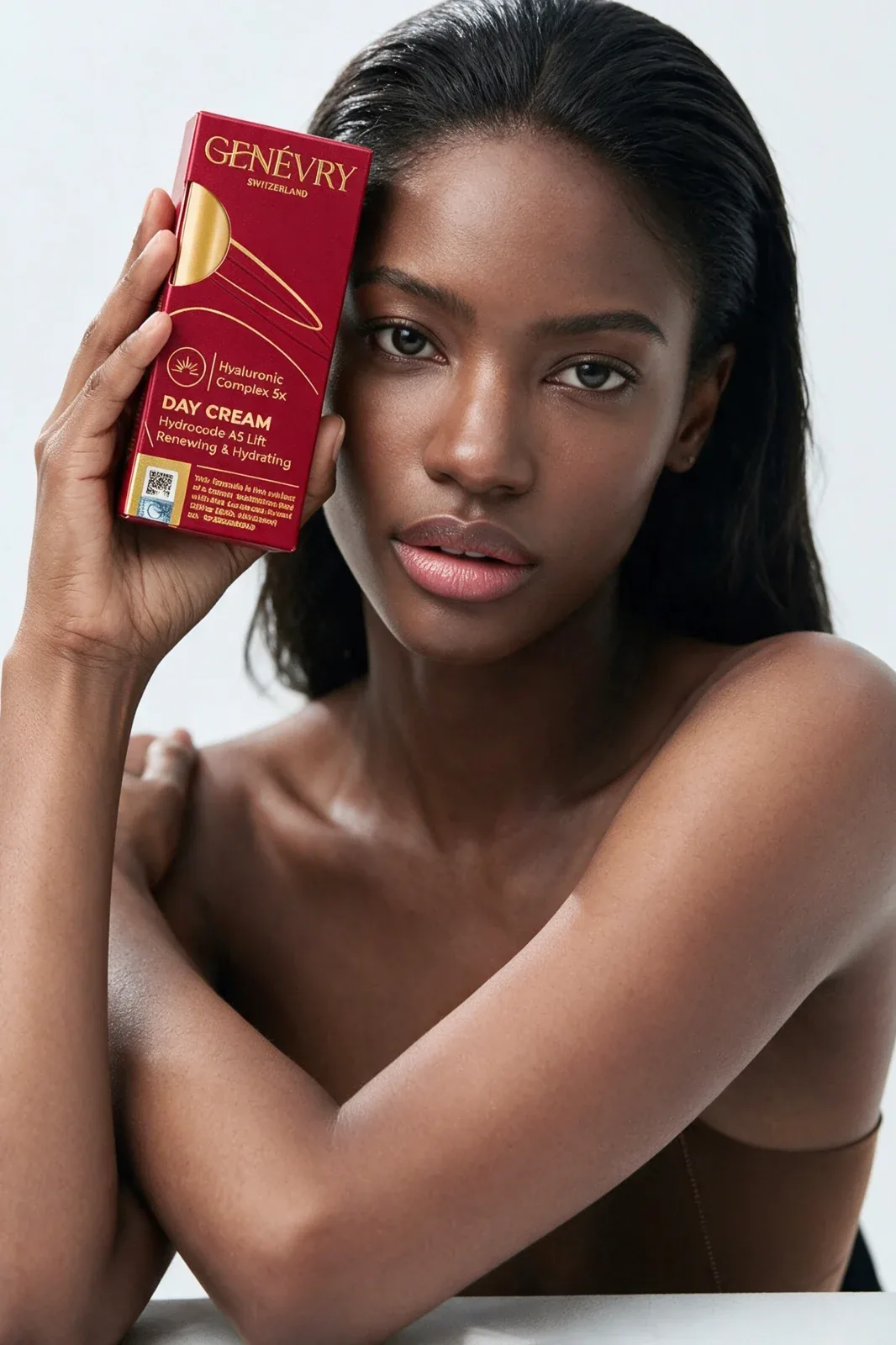
| Hydrocode A5 Lift | Mean skin hydration +41% | 4 weeks, instrumental, n=10, Corneometer CM 825 |
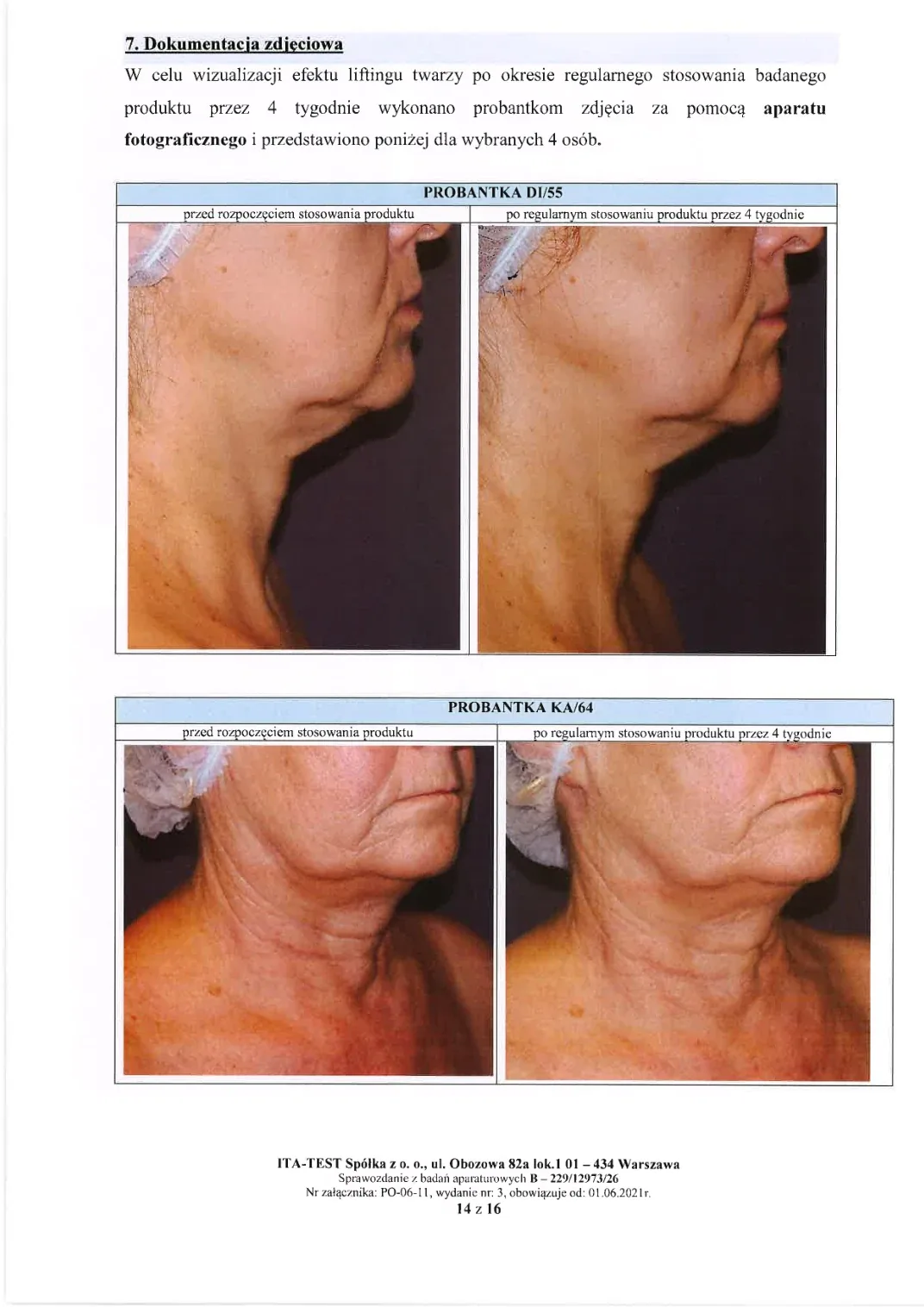
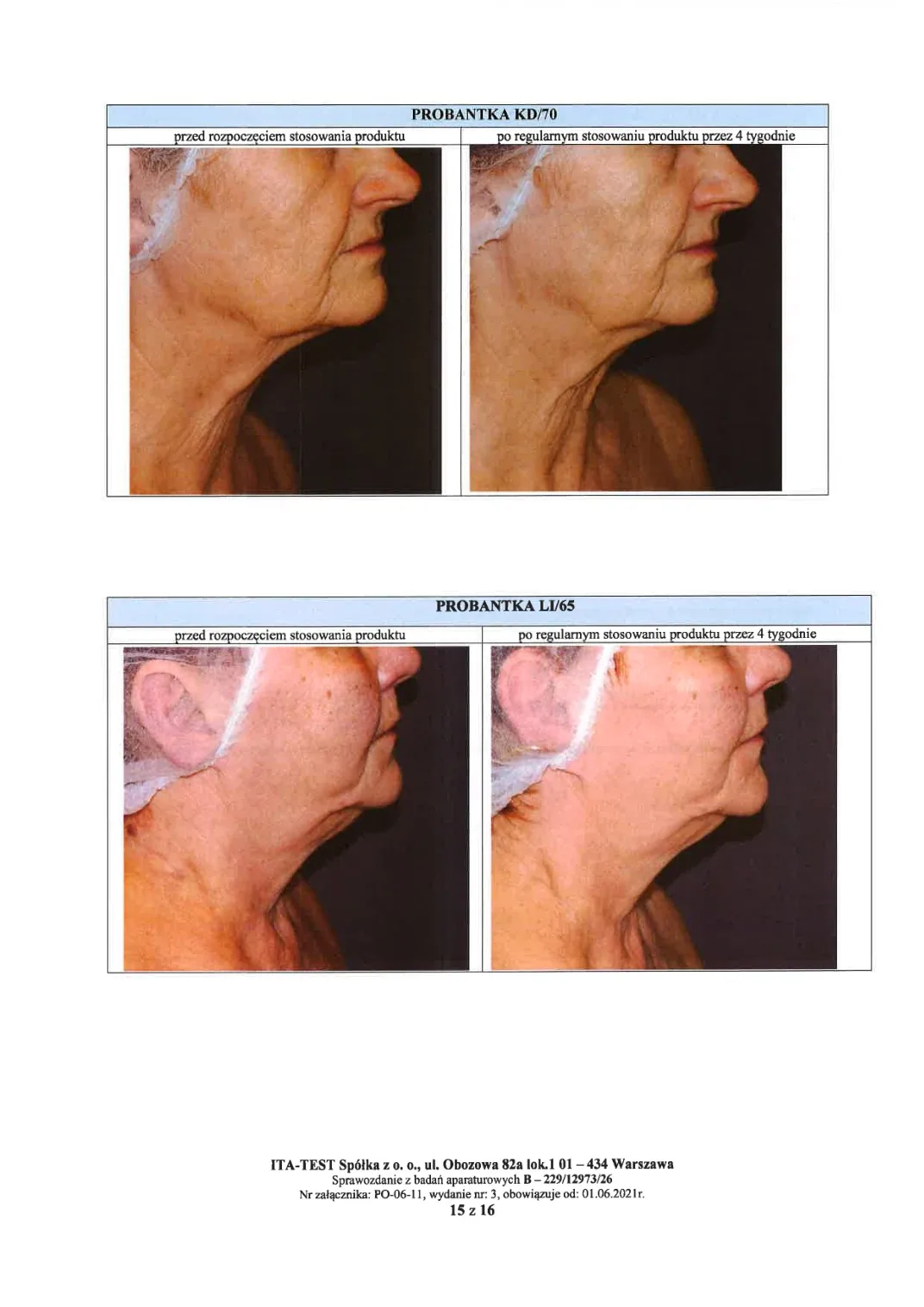
| Nocticode R5 | Mean wrinkle length −10% (2.08 to 1.88 mm) | 4 weeks, silicone replicas, VISIOLINE VL650, n=10; a reduction in 9 of 10 participants |
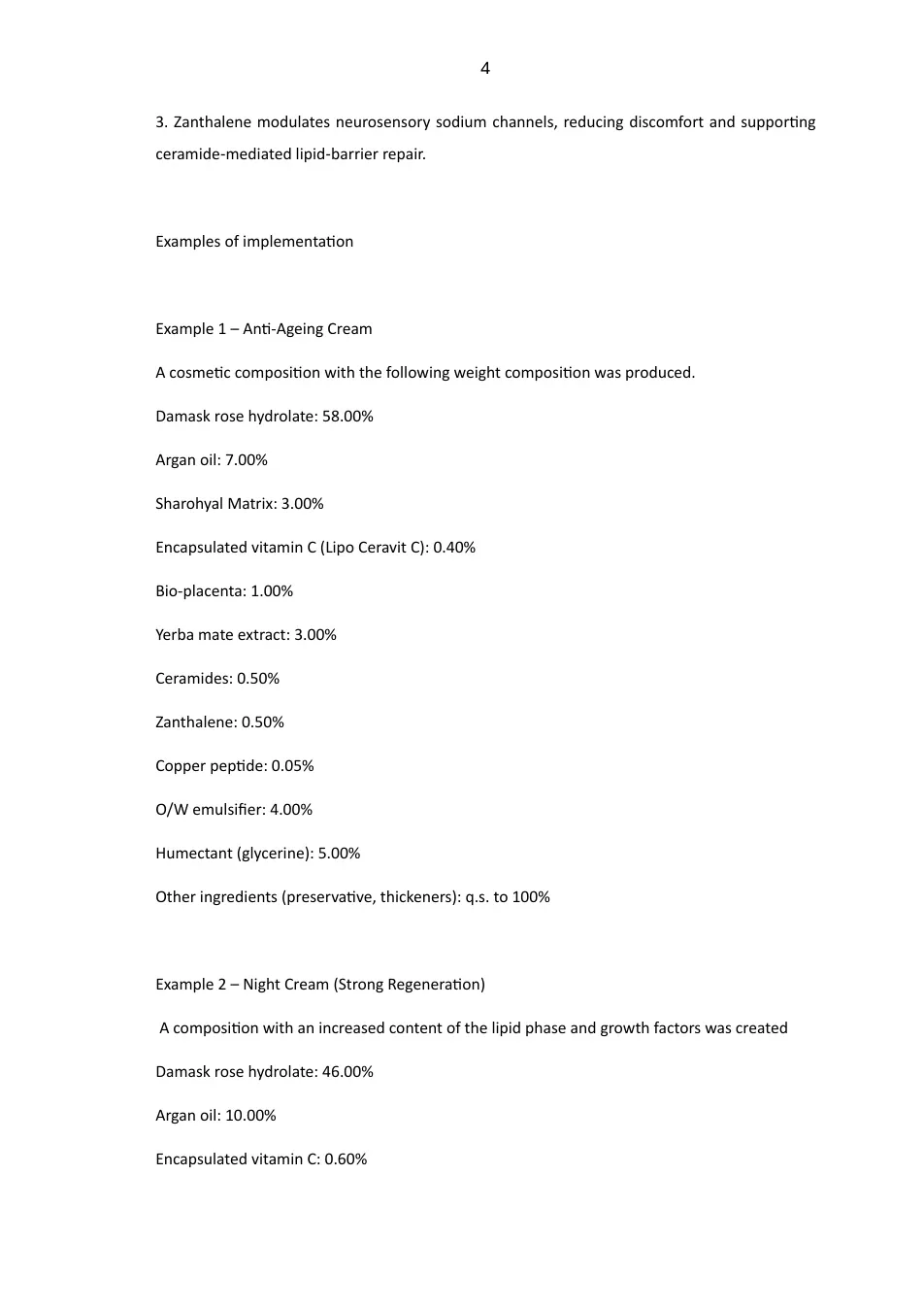
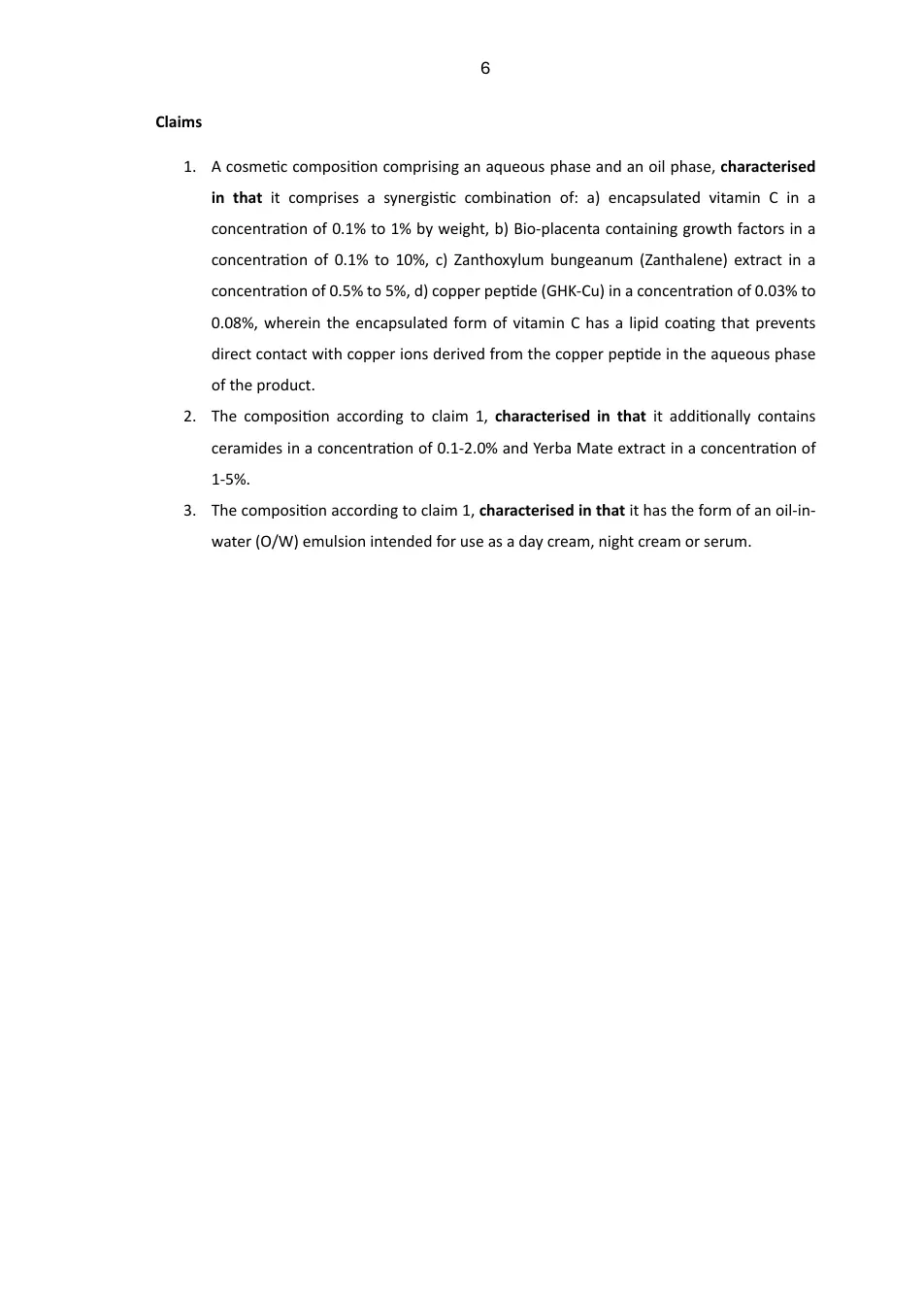
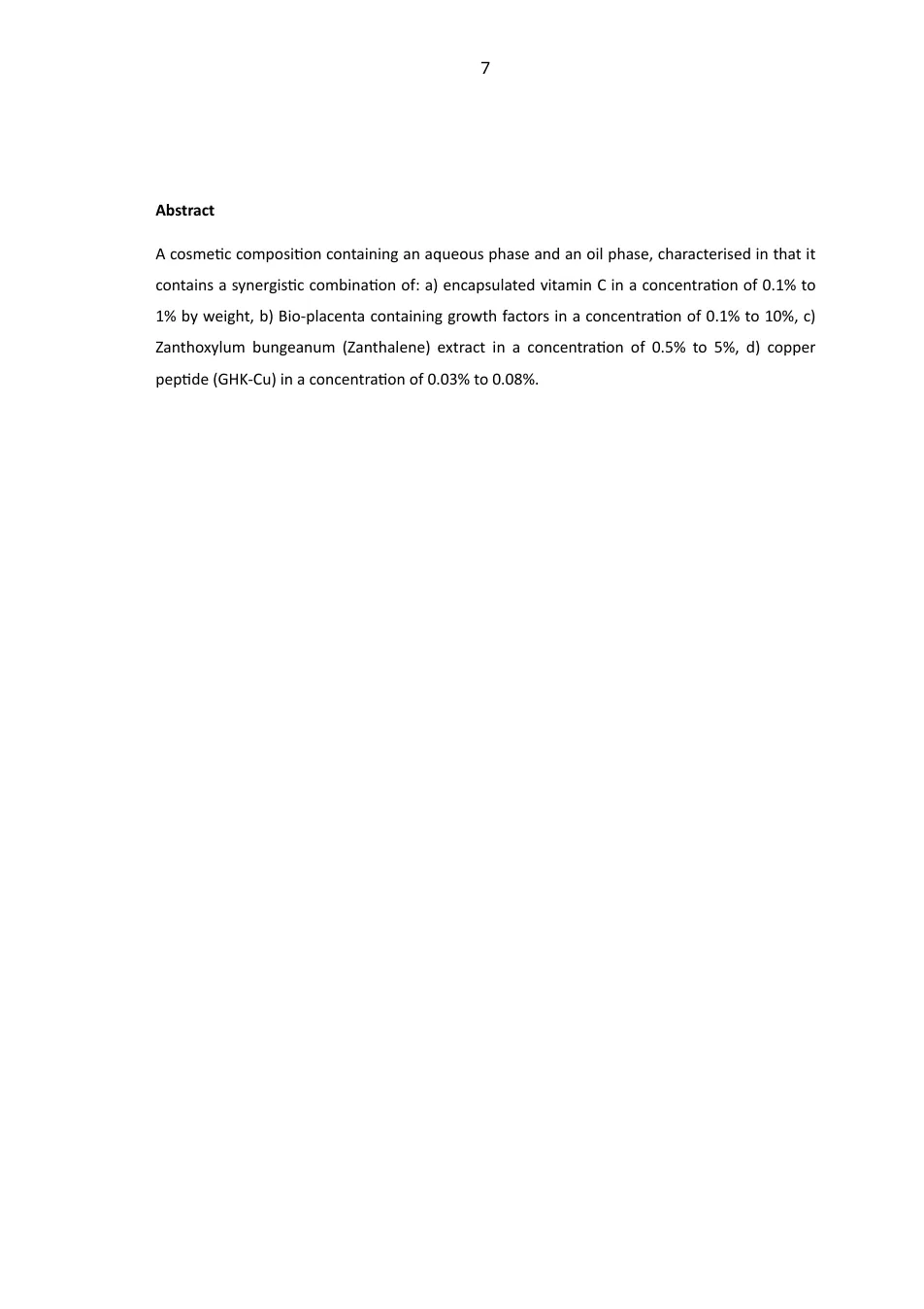
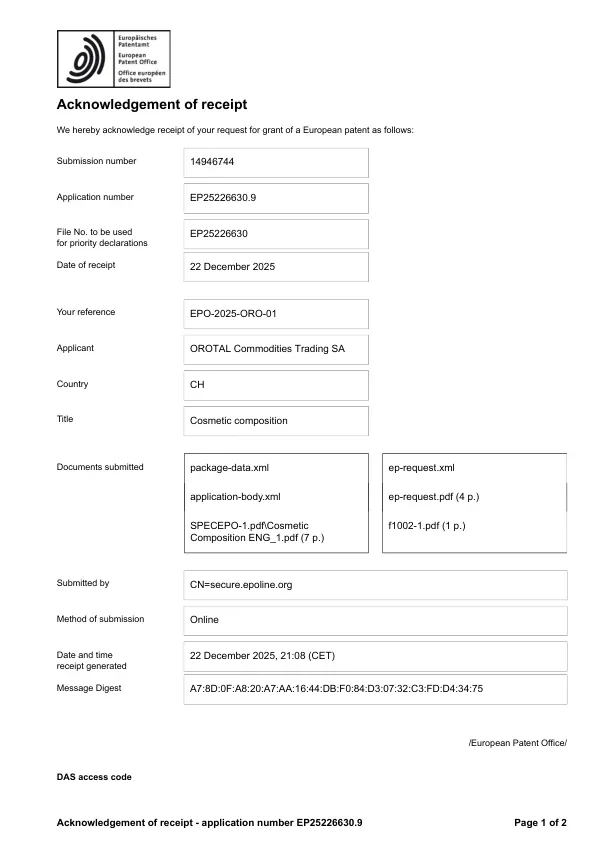
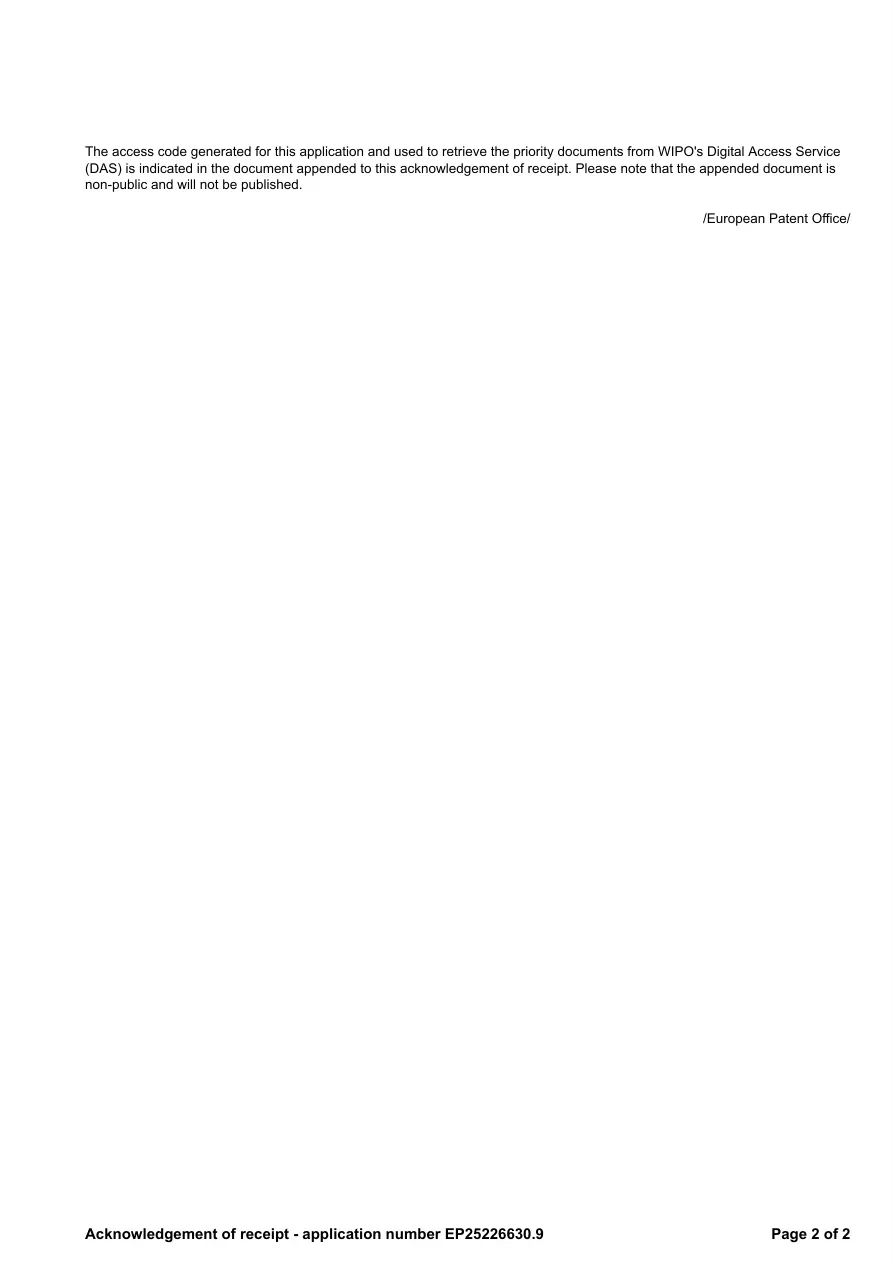
The formulas are covered by patent application EP25226630.9 (patent pending) at the European Patent Office — an application, not a granted patent.
Looking after the stone
After each use, wash it in lukewarm water with a little mild soap, dry it with a soft cloth and return it to its pouch. Never pour boiling water over it, and do not leave it balanced on the edge of the basin — a stone dropped onto tiles cracks, and a chipped edge has no business near a face.
Five mistakes, and when to skip the massage
- Working on dry skin. The most common error and the only one that does real damage: without slip the stone drags.
- Too much pressure. There is no reason to raise redness on the face. If you see red streaks, halve the force next time.
- Holding the stone upright. An edge set at a right angle behaves like a blunt blade; flat means gentle.
- Scrubbing back and forth. Every stroke runs one way; the return journey happens above the skin.
- A stone that never gets washed. Serum and sebum sit on it until next time; ten seconds at the tap settles that.
Skip the massage when skin is actively inflamed, broken out with pustules, sore after exfoliation or damaged. With rosacea, visible capillaries, ongoing dermatological treatment, after aesthetic procedures and during pregnancy, run the routine past a doctor or dermatologist first.
Frequently asked questions
Does gua sha firm the face?
It is a massage, not a contouring treatment. Straight afterwards skin looks smoother and more rested, and contours read as more defined. The effect is temporary and returns with each session; it does not build up in a way any instrument could record.
How hard should I press?
Hard enough that the skin travels with the stone. That is noticeably less than instinct suggests: a good gua sha massage feels uneventful rather than intense.
Can I do it every day?
Yes, with light pressure and a short sequence. Sensitive skin generally does better with two or three times a week. Watch how your skin responds over the first fortnight and let that set the frequency.
Gua sha or a facial roller?
A roller is easier to handle; the stone gives more control over angle and pressure, and its notch follows the jawline properly. In everyday use that difference matters far less than the one between massaging regularly and massaging occasionally.
Does the stone need to live in the fridge?
No. Cold feels good and helps the face look more rested in the morning, but the massage works the same at room temperature. Keep it out of the freezer.
Gua sha asks for consistency and a light hand rather than skill. Five minutes, six movements, always over a layer that lets the stone glide — then night cream, and the day is closed.
The formulas in this article
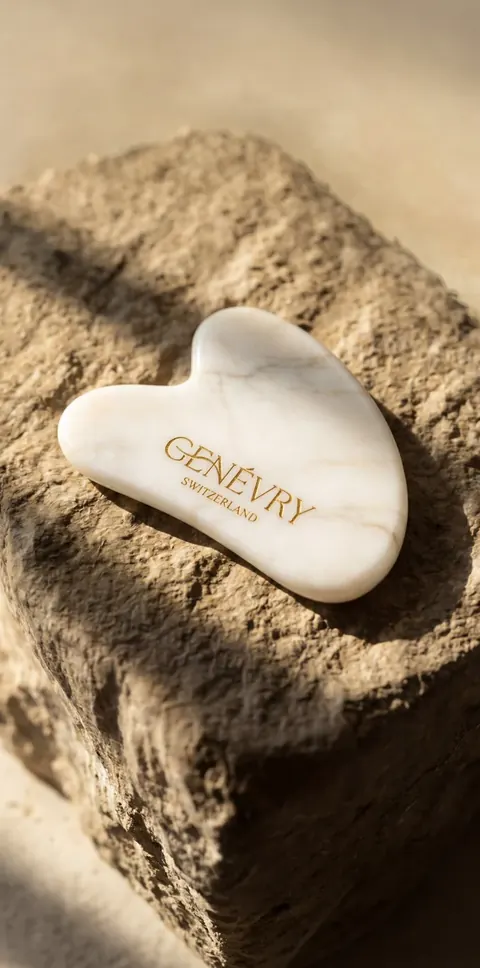 The Sculpting Gua Shaフェイシャルマッサージストーン¥3,900Discover the formula →
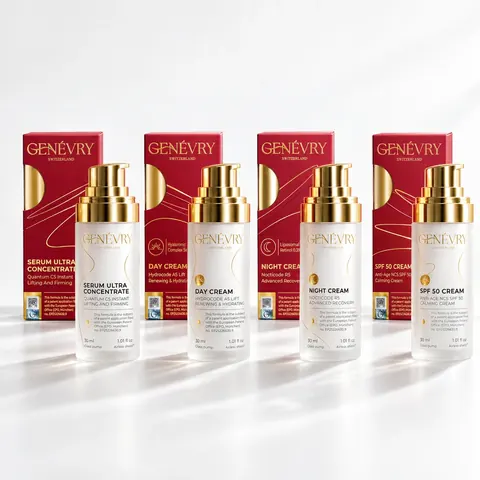 The Skin Code Protocol24時間の完全なリチュアル · 4 × 30 ml¥18,000Discover the formula →
Cosmetic product. Individual results may vary.
 English / EUR
 English (US) / USD
 English (UK) / GBP
 Deutsch / EUR
 Deutsch (Schweiz) / CHF
 Français / EUR
 Italiano / EUR
 Español / EUR
 Nederlands / EUR
 Polski / PLN
 日本語 / JPY
 한국어 / KRW
 中文 / CNY
 العربية / AED
 English (Australia) / AUD
 English (Canada) / CAD
 Svenska / SEK
 Dansk / DKK
 Norsk / NOK
 Suomi / EUR
 Português / EUR
 Türkçe / TRY
 Čeština / CZK
 Magyar / HUF
 Română / RON
 Ελληνικά / EUR
 Slovenčina / EUR
 Hrvatski / EUR
 Slovenščina / EUR
 Lietuvių / EUR
 Latviešu / EUR
 Eesti / EUR
 Български / EUR
 Українська / EUR