How to get glass skin — the three conditions on the surface
Glass skin is an optical effect, not a skin type. Three conditions on the surface, and the routine that keeps them.
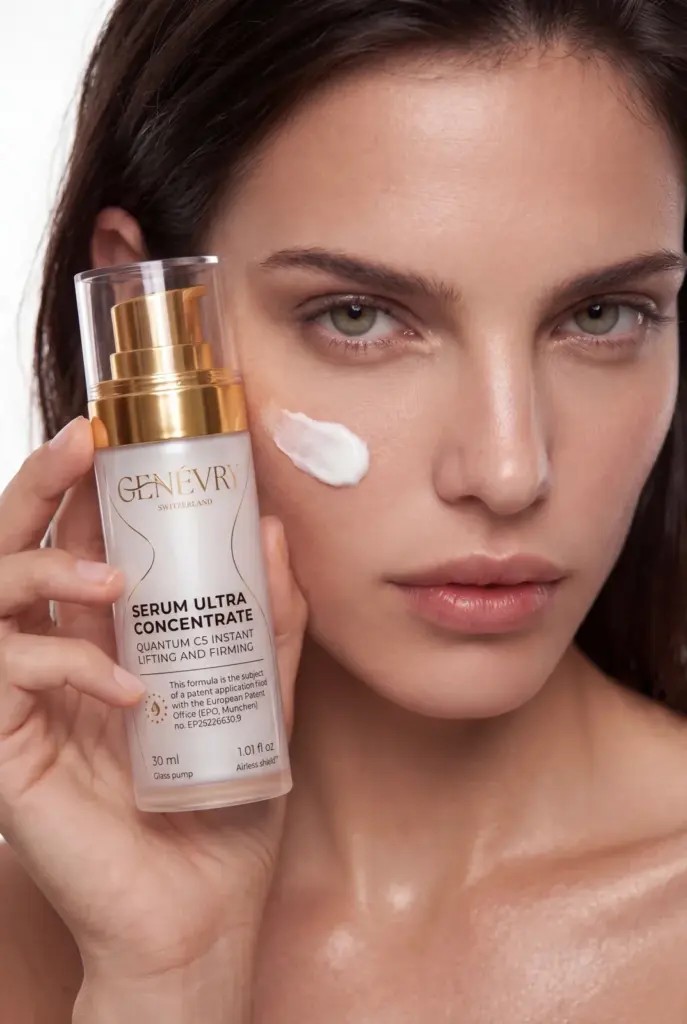
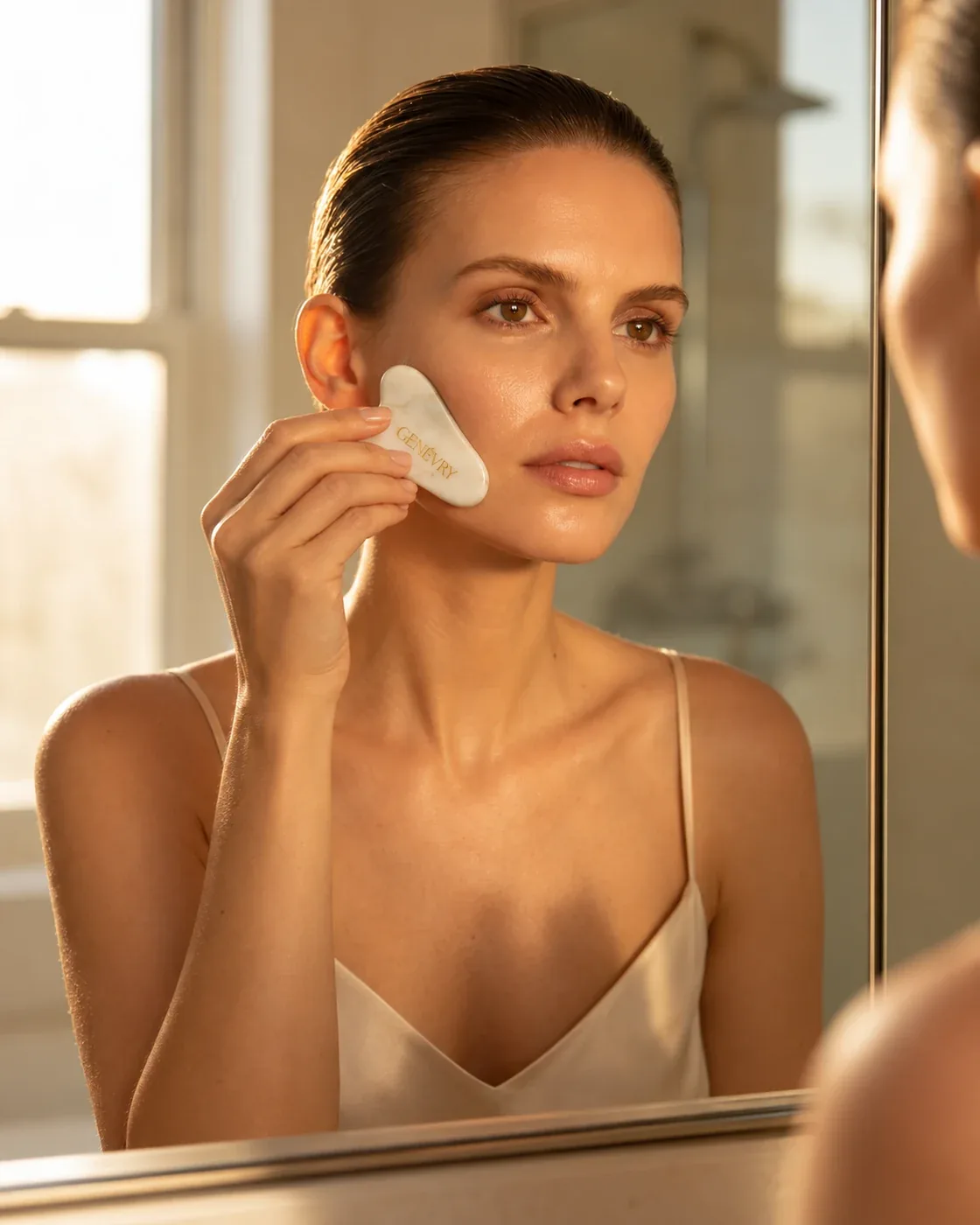
Ask how to get glass skin and the honest answer begins with optics rather than with a shopping list. Glass skin is not a filter and not a skin type. It is a surface state in which light bounces off the face at a consistent angle instead of scattering across microscopic ridges. The term travelled west from Korean beauty writing, and it describes exactly what you see: skin smooth enough and hydrated enough to read as a single pane. That makes it a matter of physics, which is encouraging — and a matter of repetition, which is less so, because the effect fades faster than it builds.
What follows: what light actually does on the surface of skin, the three conditions that have to be met, a morning and evening sequence with quantities, the measured results for the Quantum C5 serum and the Hydrocode A5 Lift day cream, and the habits that undo the whole thing.
Why one face catches the light and another does not
The outermost layer of the epidermis, the stratum corneum, is around fifteen micrometres thick and behaves like an optical surface. When it is smooth and well hydrated, incoming light reflects at a similar angle across the whole plane. You get one coherent highlight, the kind you see on glass or on a wet stone. When the surface dries out and corneocytes begin to lift at the edges, every tiny ridge throws light somewhere else. The reflection breaks up, and skin reads as matte, sometimes grey.
That leads to a conclusion worth holding on to: radiance is not something added to skin. It is what becomes visible once the surface stops scattering. Illuminating make-up works instantly for exactly this reason, and it works shallowly — it lays a highlight on top. Skincare is slower, but it changes the surface itself.
Two things also deserve separating, because they are routinely confused. Oily skin reflects light too, but the reflection sits in patches across the T-zone. The glass effect is an even sheen across the whole cheek. Sebum does not create it. It can disrupt it, because it alters the reflective index in some places and not others.
How to get glass skin: three conditions on the surface
Water in the stratum corneum. This is measurable. Cosmetic studies use a Corneometer, which reads the electrical capacitance of the upper epidermis — a value that rises with water content. Hydrated skin is more pliable, and its surface flattens on its own as corneocytes sit closer together.
A smooth microrelief. Skin is never perfectly flat. It carries its own pattern of lines and furrows, and the shallower and more regular that pattern, the less scattering occurs. This is measured as well, with a Visioscan device that reports a smoothing parameter (SEsm).
An intact barrier. Flaking, tightness and redness are the three most common reasons the effect refuses to appear despite a good product list. Irritated skin loses water faster and its surface becomes irregular. In practice, the route to glass skin runs through removing steps far more often than through adding them.
What these three conditions do not cover is pore size. Pore diameter depends largely on genetics and sebum output, and no cosmetic closes a pore. Clean, unstretched pores cast a smaller shadow and read as less visible, and that is where the honest promise ends.
The routine that builds the surface
The structure is simple and rests on two rules: apply onto slightly damp skin, and do not add steps while the current ones are still unproven.
| Step | What and how much | Watch for |
|---|---|---|
| AM 01 · cleanse | Gentle gel, lukewarm water, 30 seconds | Press the towel rather than rubbing |
| AM 02 · serum | One pump onto damp skin | Work from the centre of the face outwards |
| AM 03 · day cream | A hazelnut-sized amount | Press in with fingertips instead of rubbing |
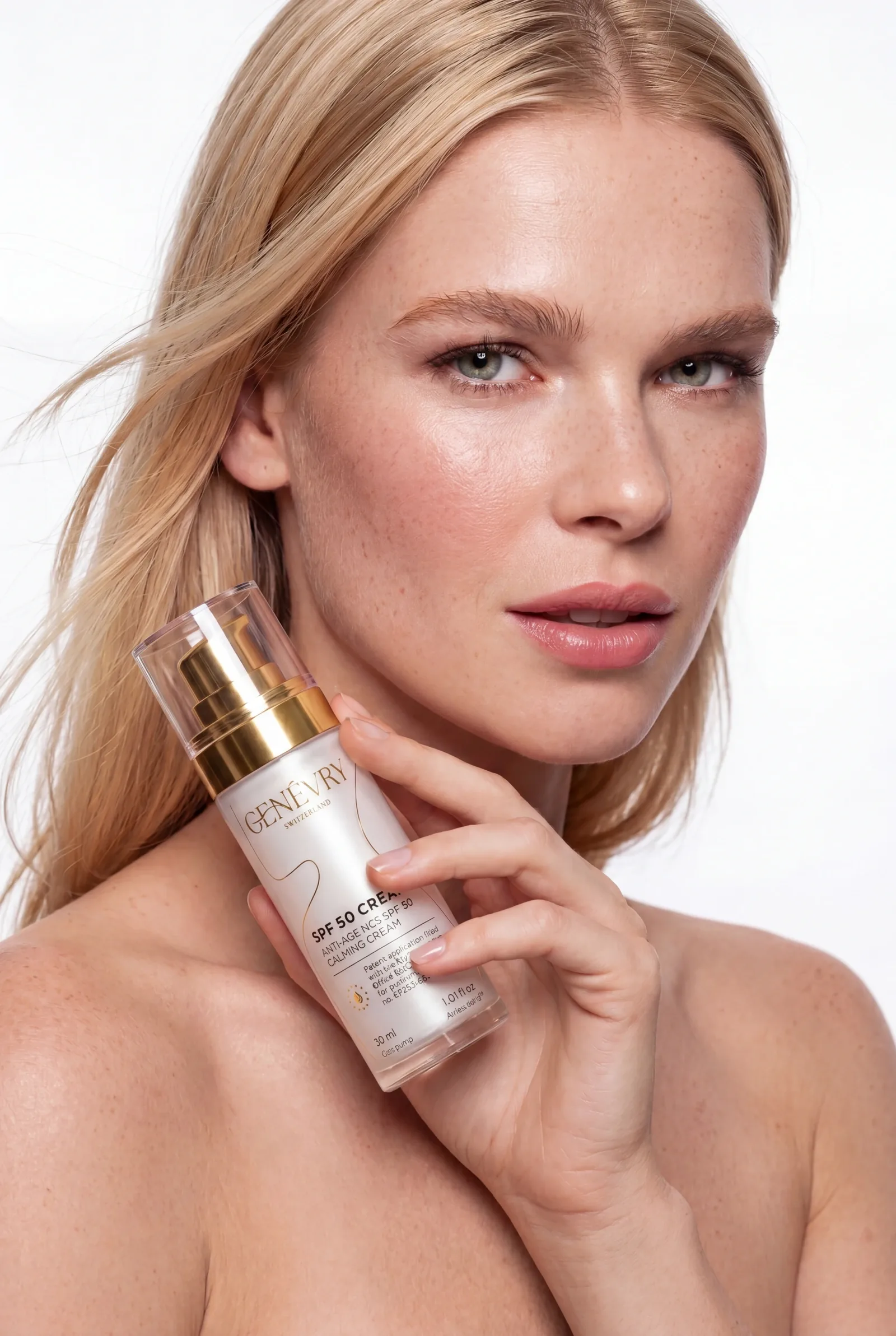
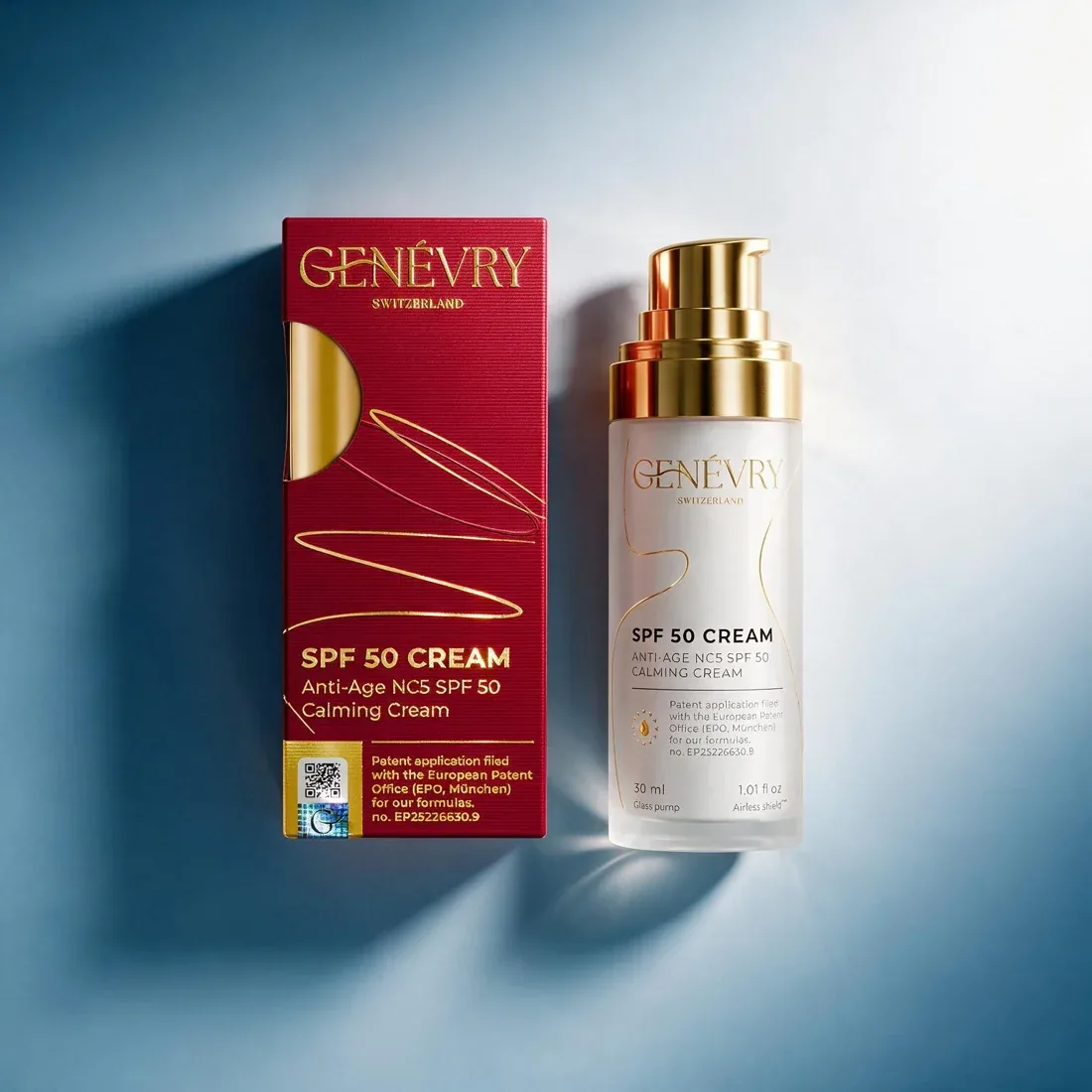
| AM 04 · SPF | SPF 50 as the final layer, winter included | Give it a minute before make-up |
| PM · cleanse | Two stages on SPF or make-up days | Hot water leaves the barrier worse off |
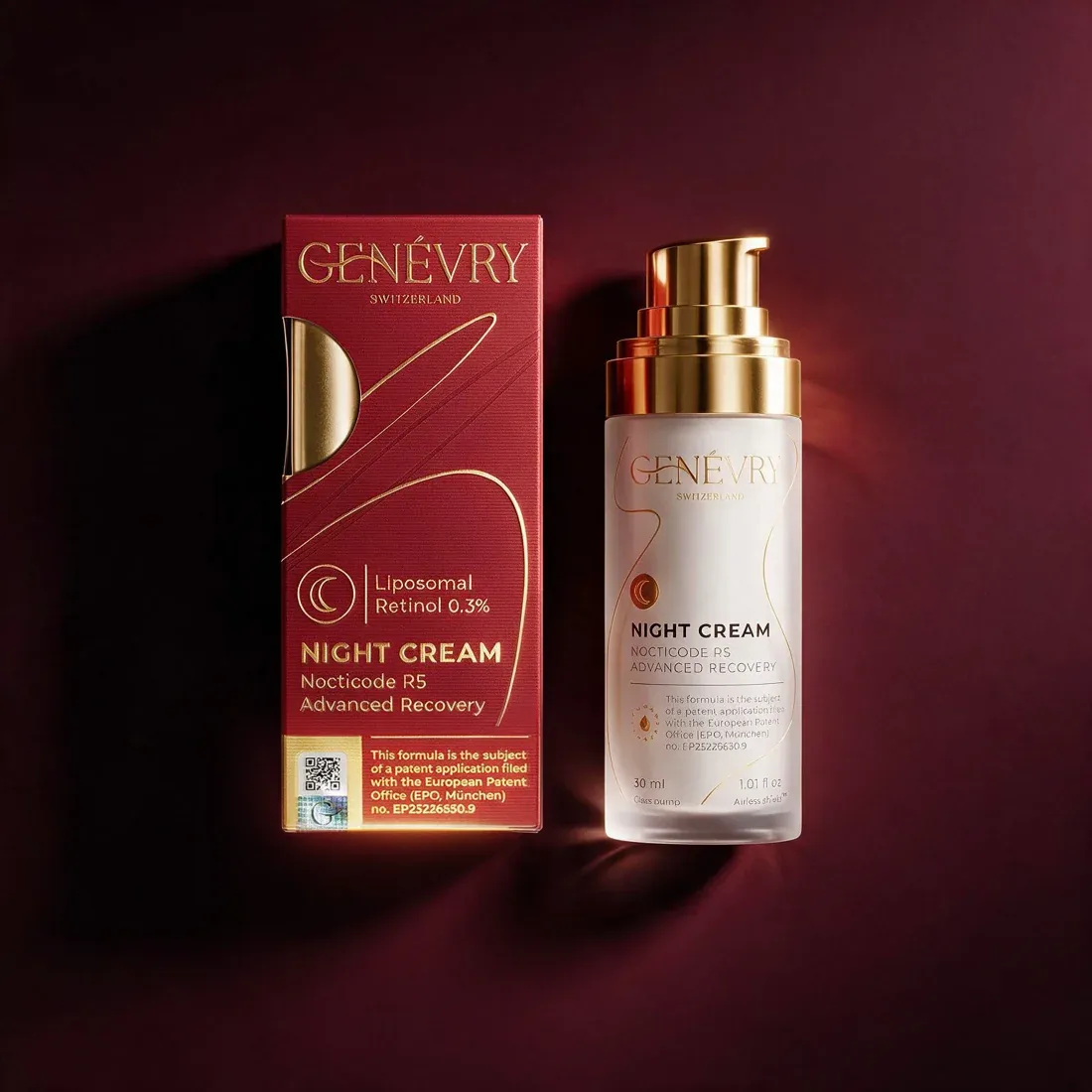
| PM · night layer | Cream, with a serum underneath if tolerated | One active per evening is enough |
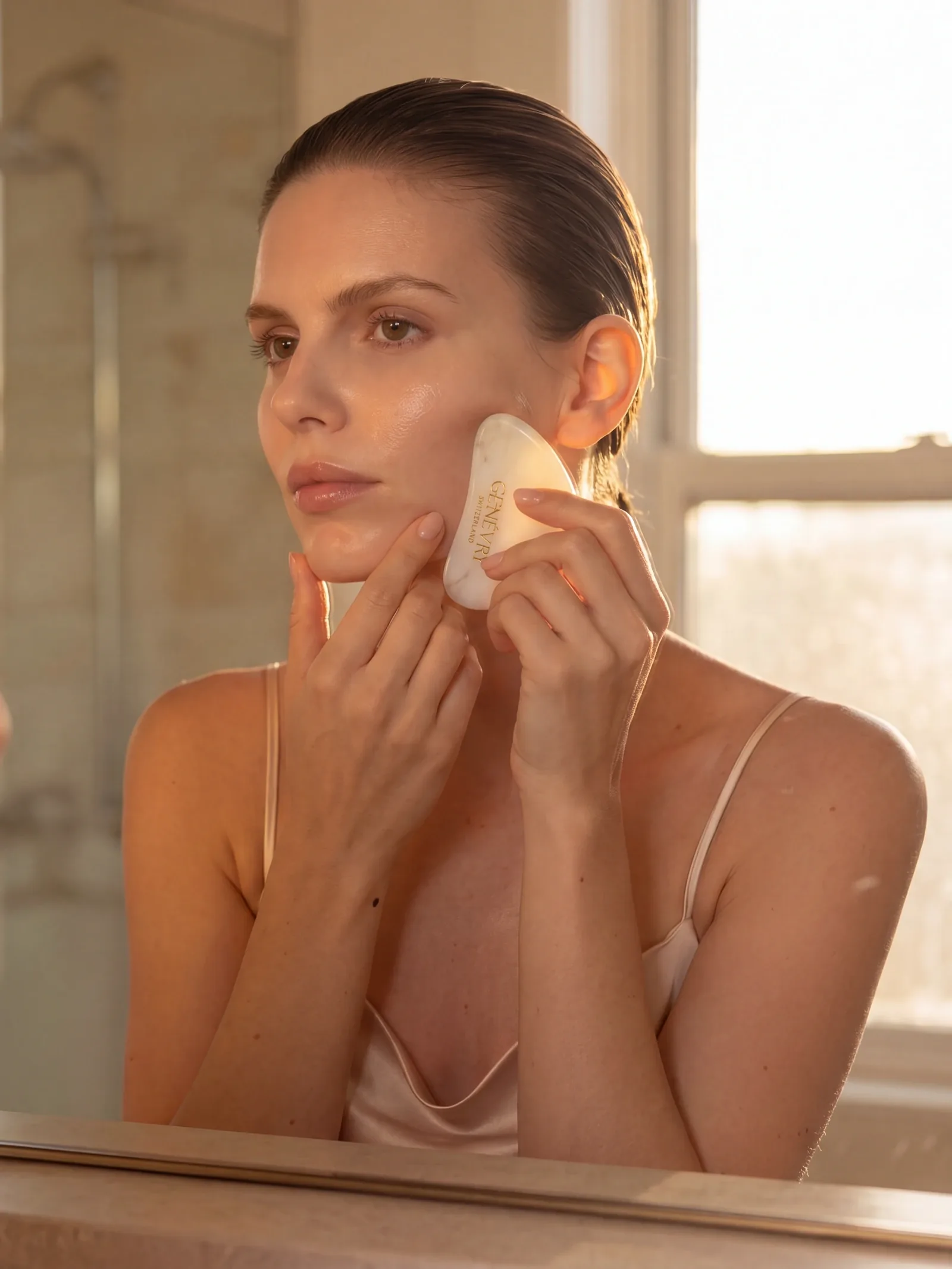
| 1–2 × a week | Gentle exfoliation | More often is the fastest route to the opposite result |
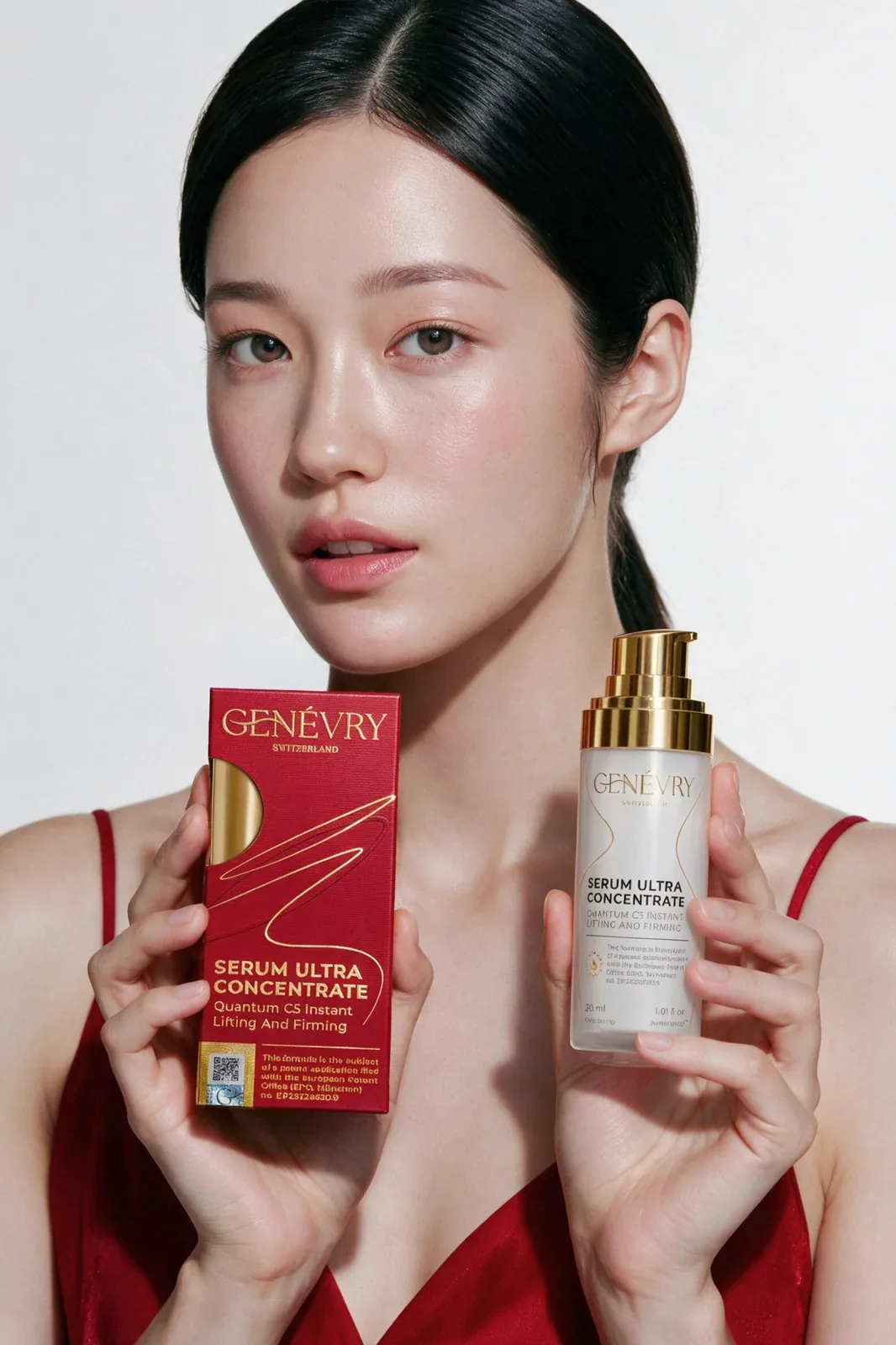
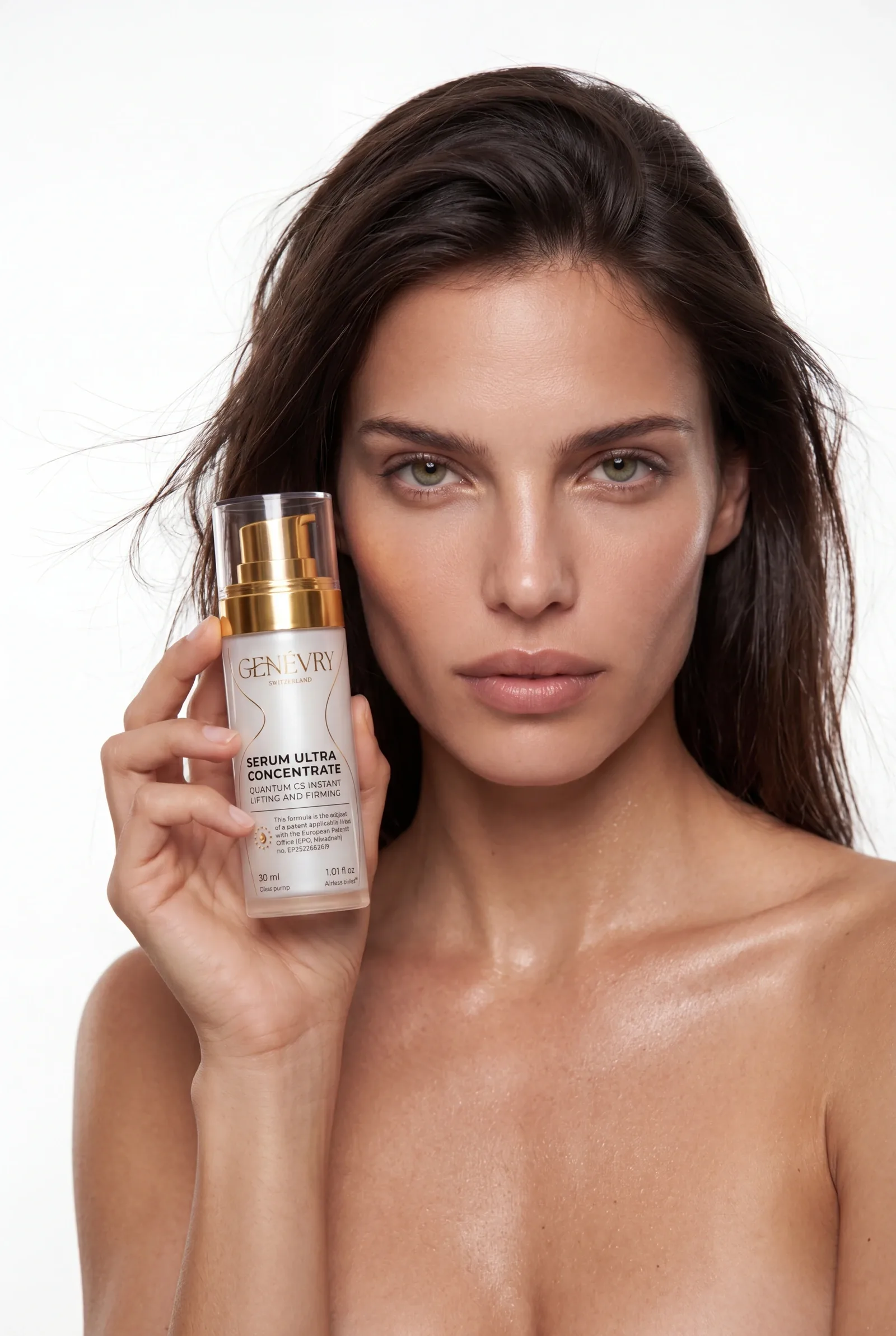
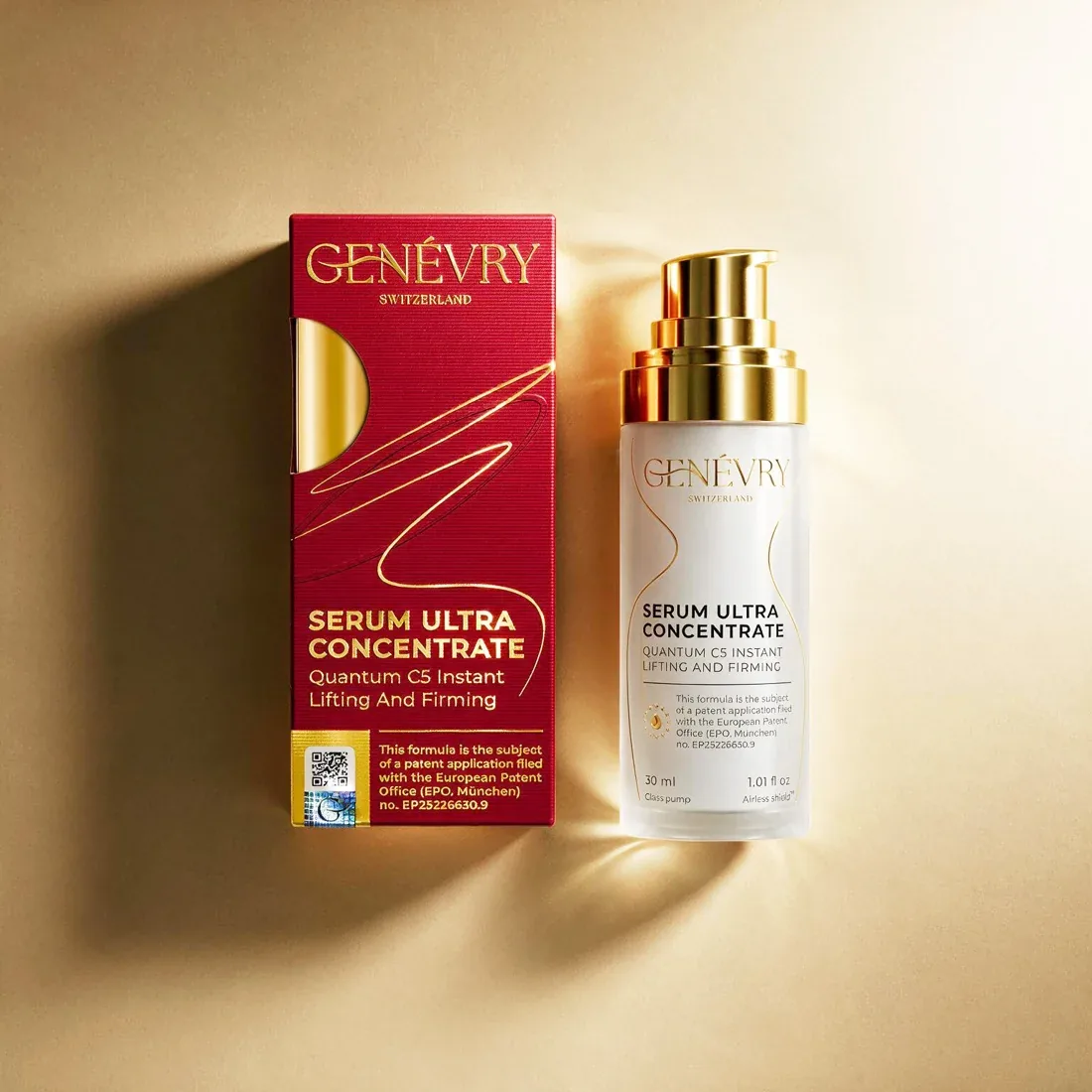
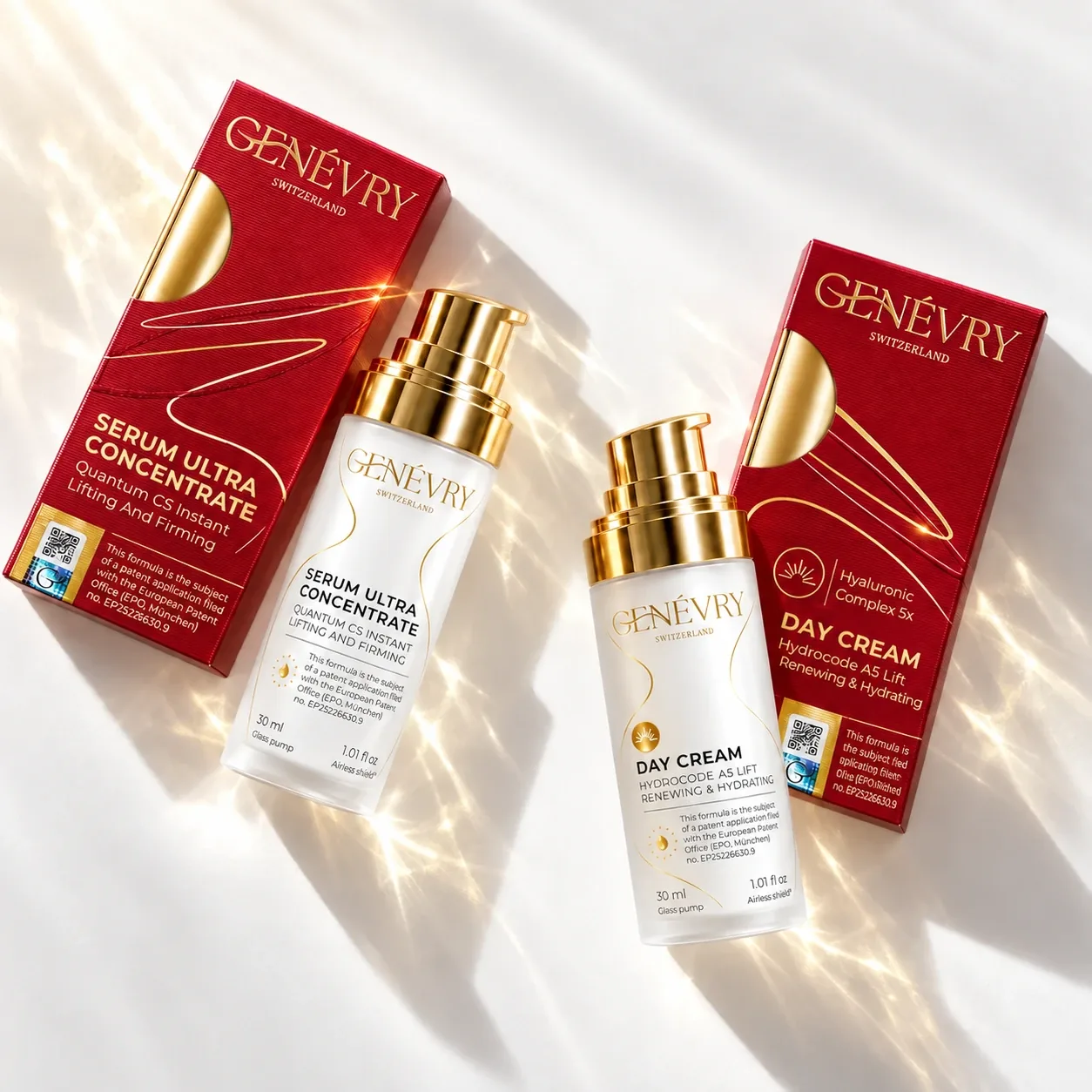
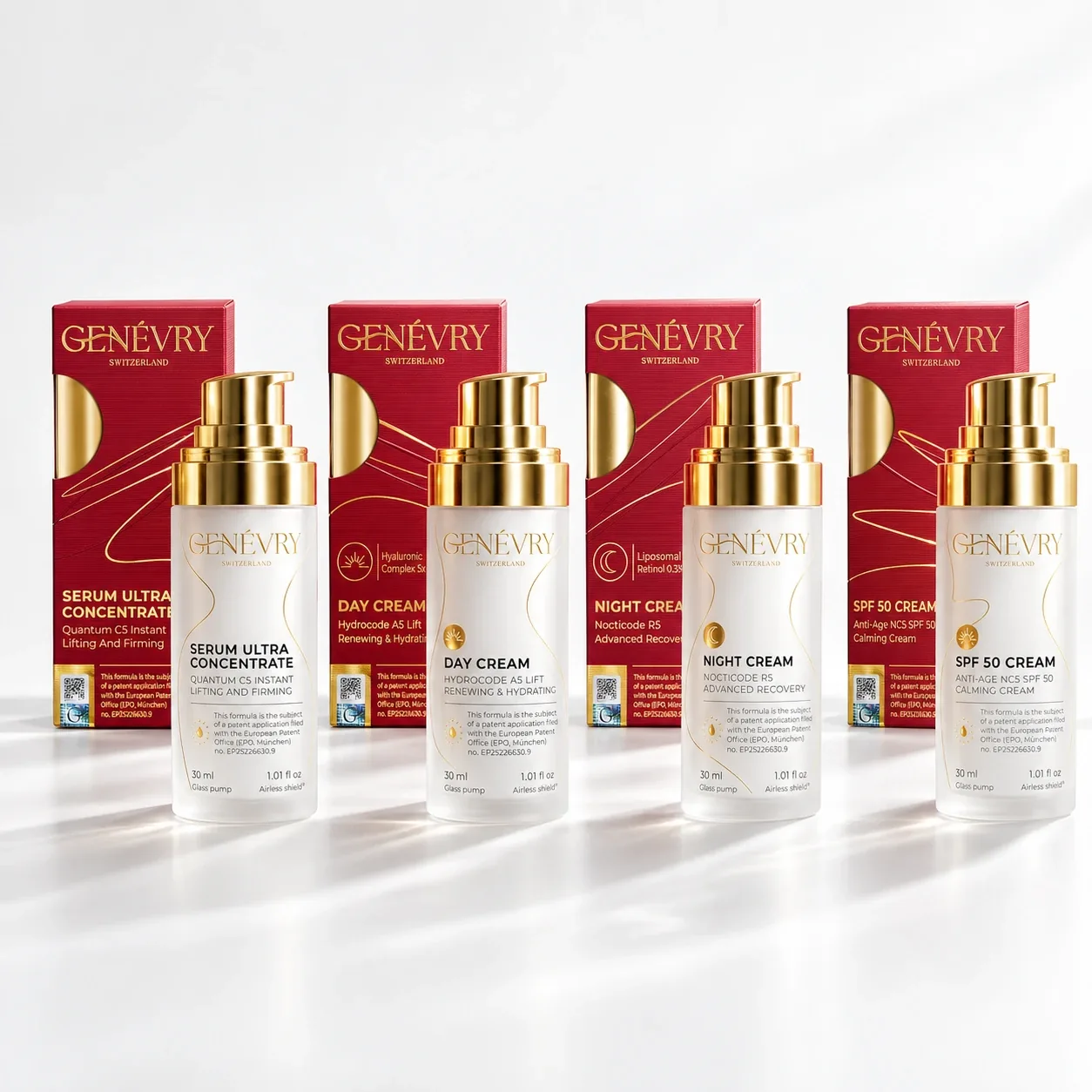
The step that works hardest on the surface is the serum. Quantum C5 pairs the copper peptide GHK-Cu with liposomal vitamin C — the vitamin held inside a liposome, a vesicle built like a cell membrane, which allows the ingredient to be carried in a stable form. It goes on as the first layer after cleansing, before the face has dried completely.
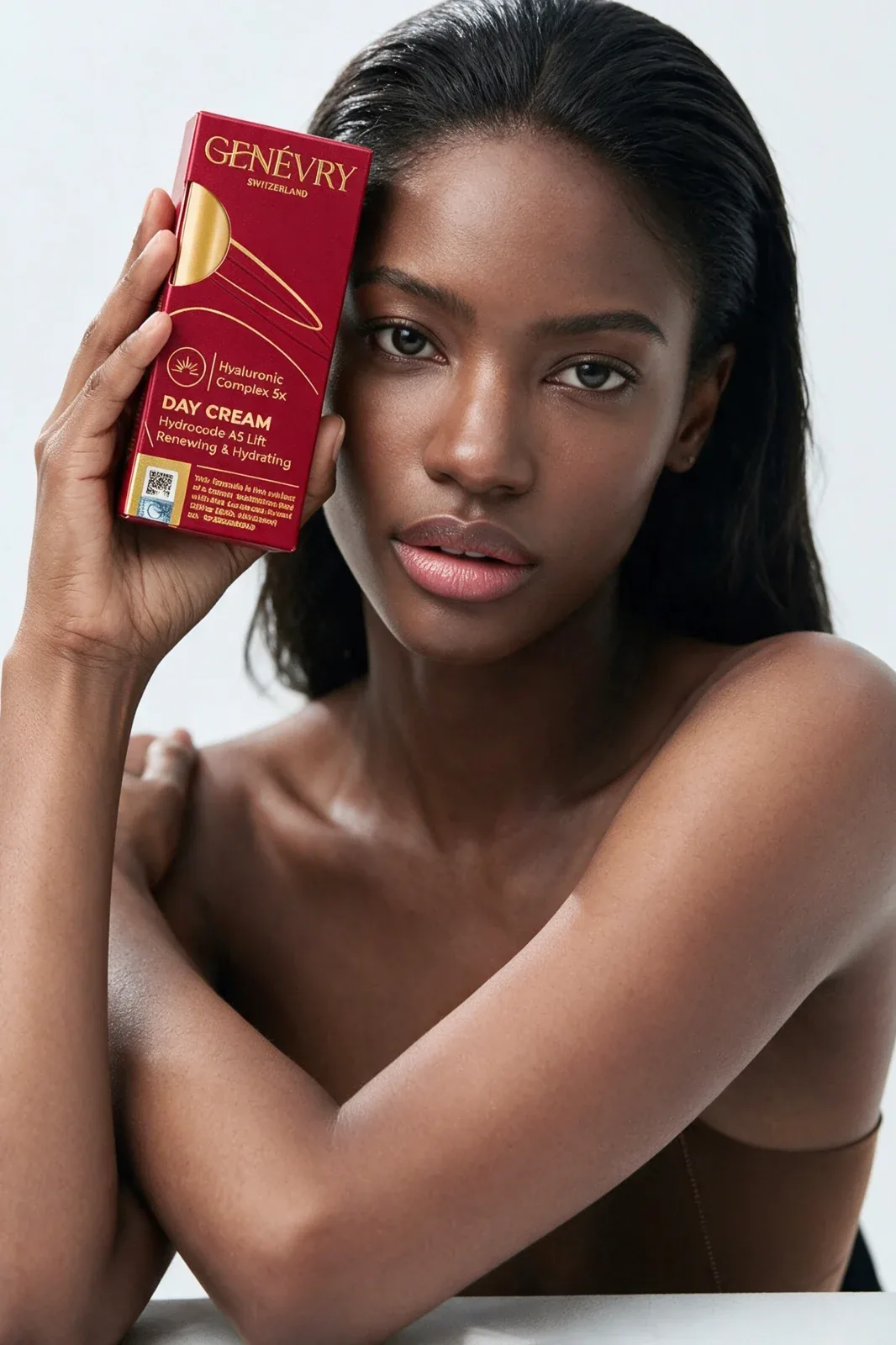
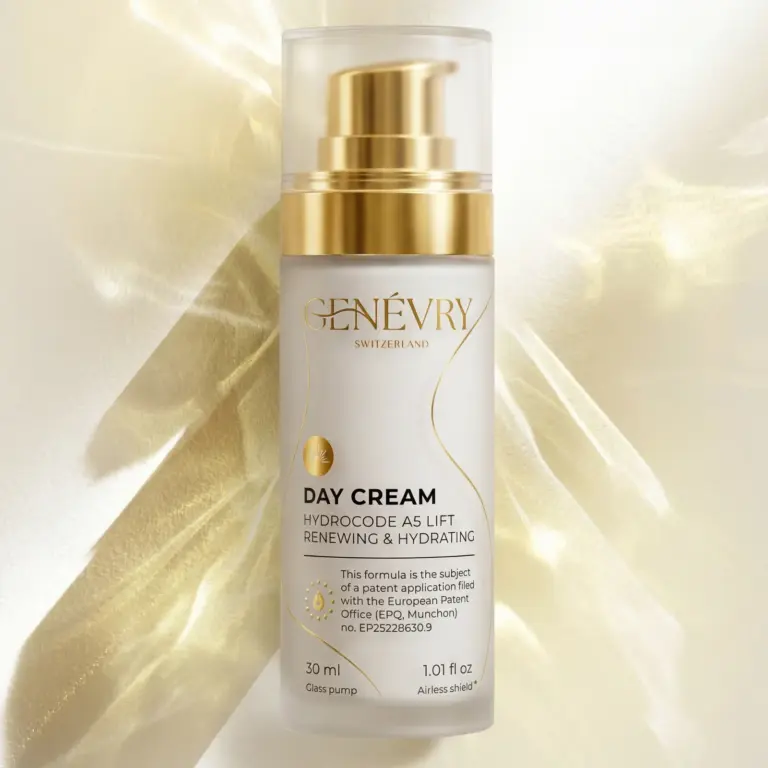
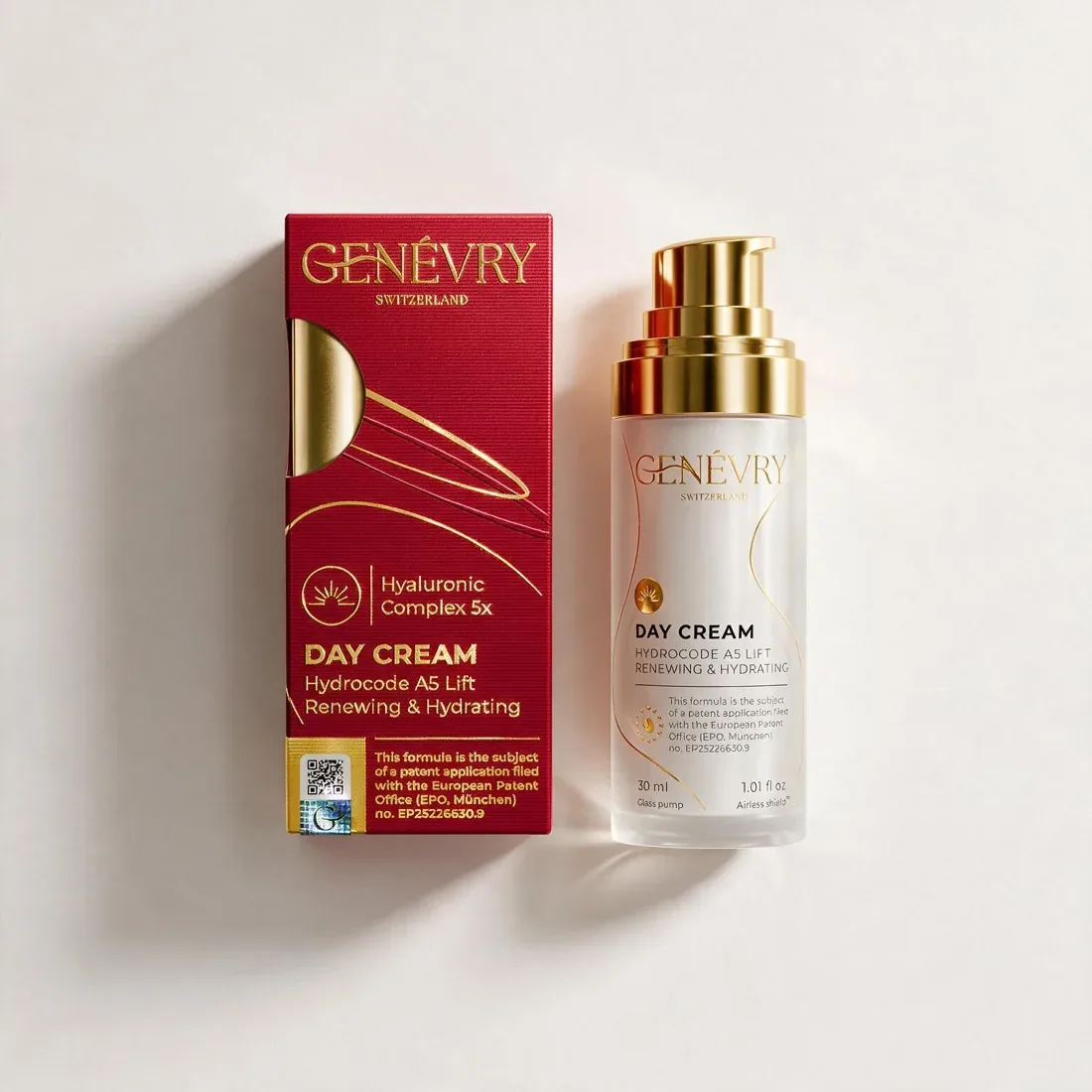
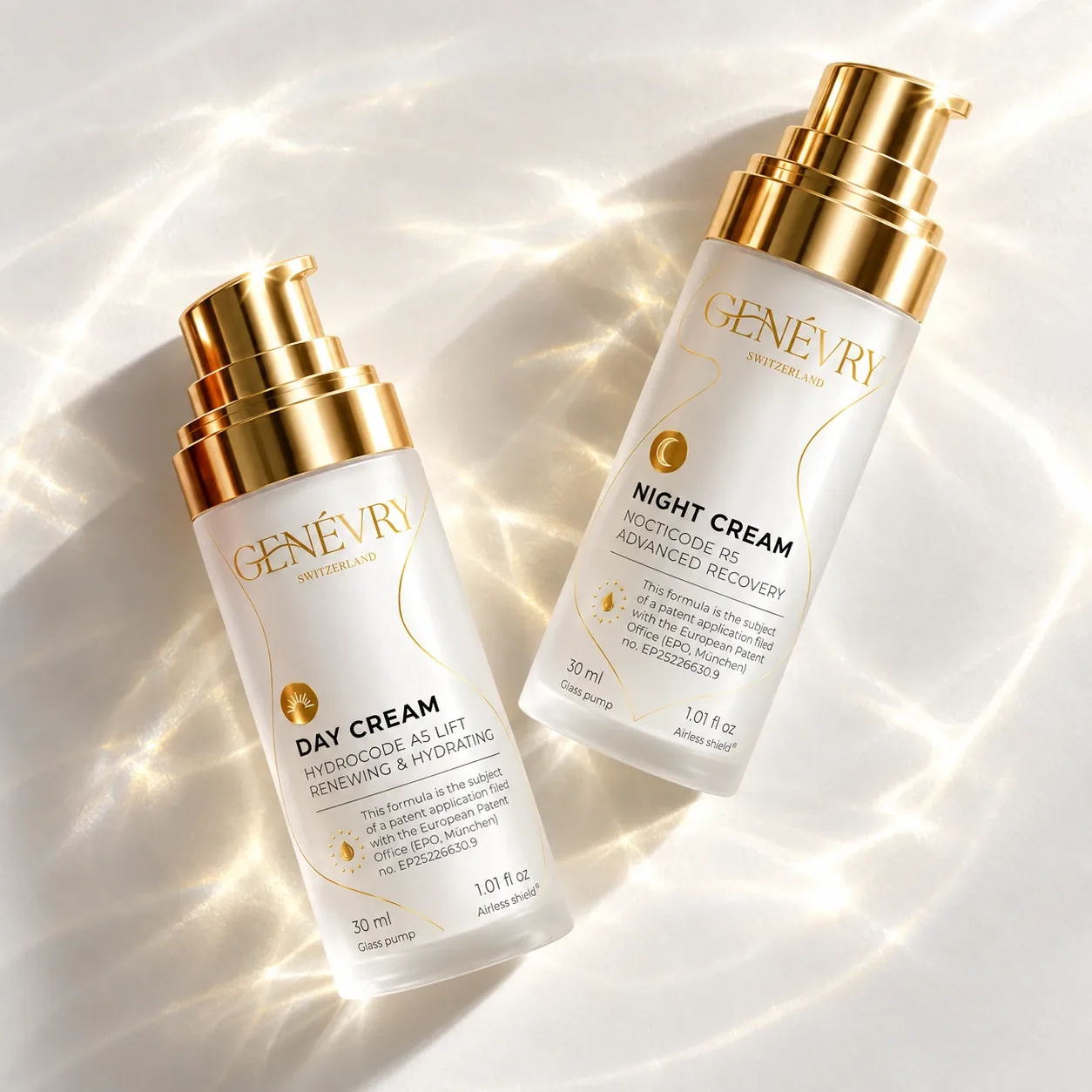
Next comes Hydrocode A5 Lift, which seals that layer and slows water loss through the day. Both steps are also offered together as The Morning Duo. Sunscreen closes the morning — not because summer demands it, but because ultraviolet light works on the lipid barrier all year round.
What the studies measured
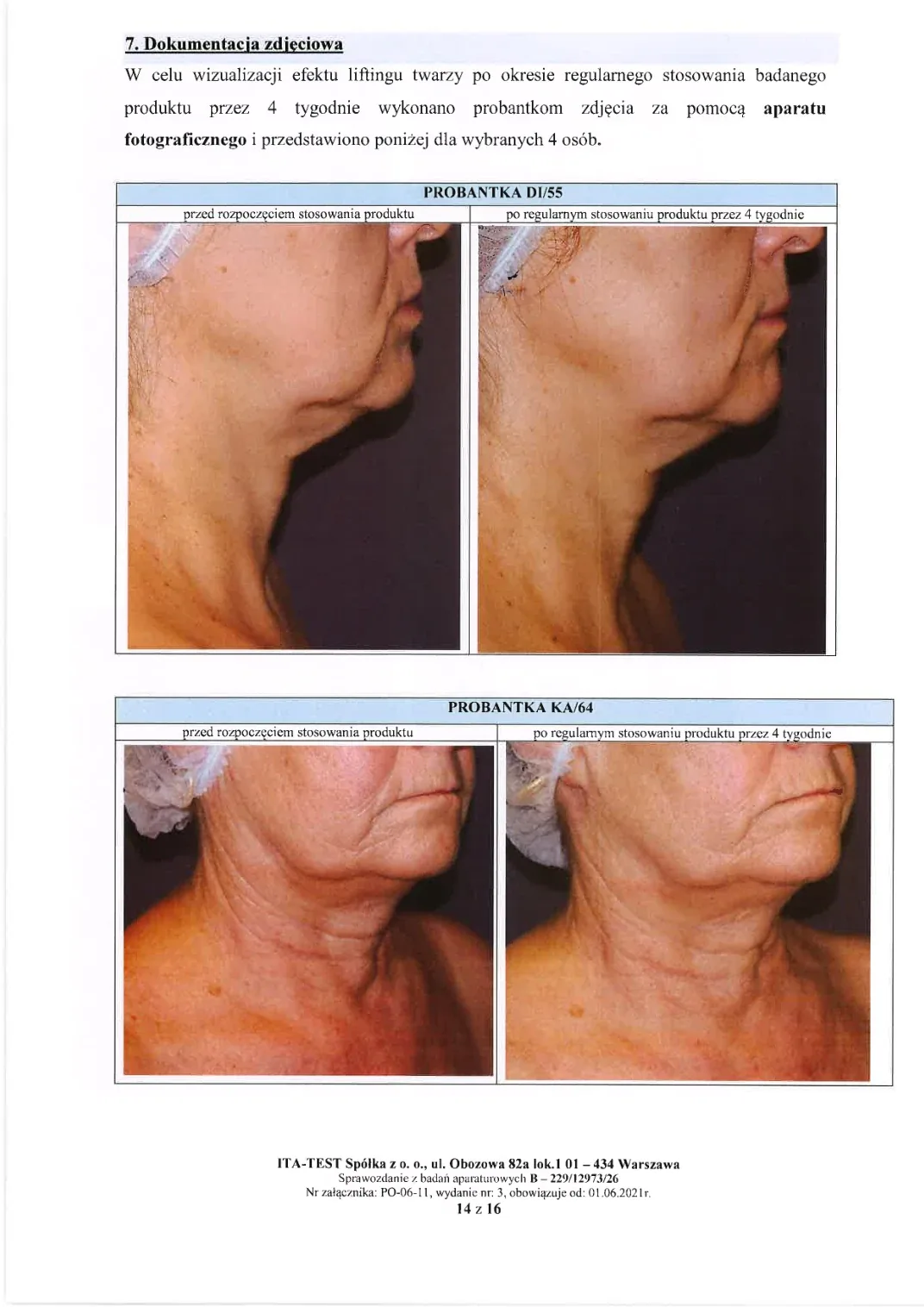
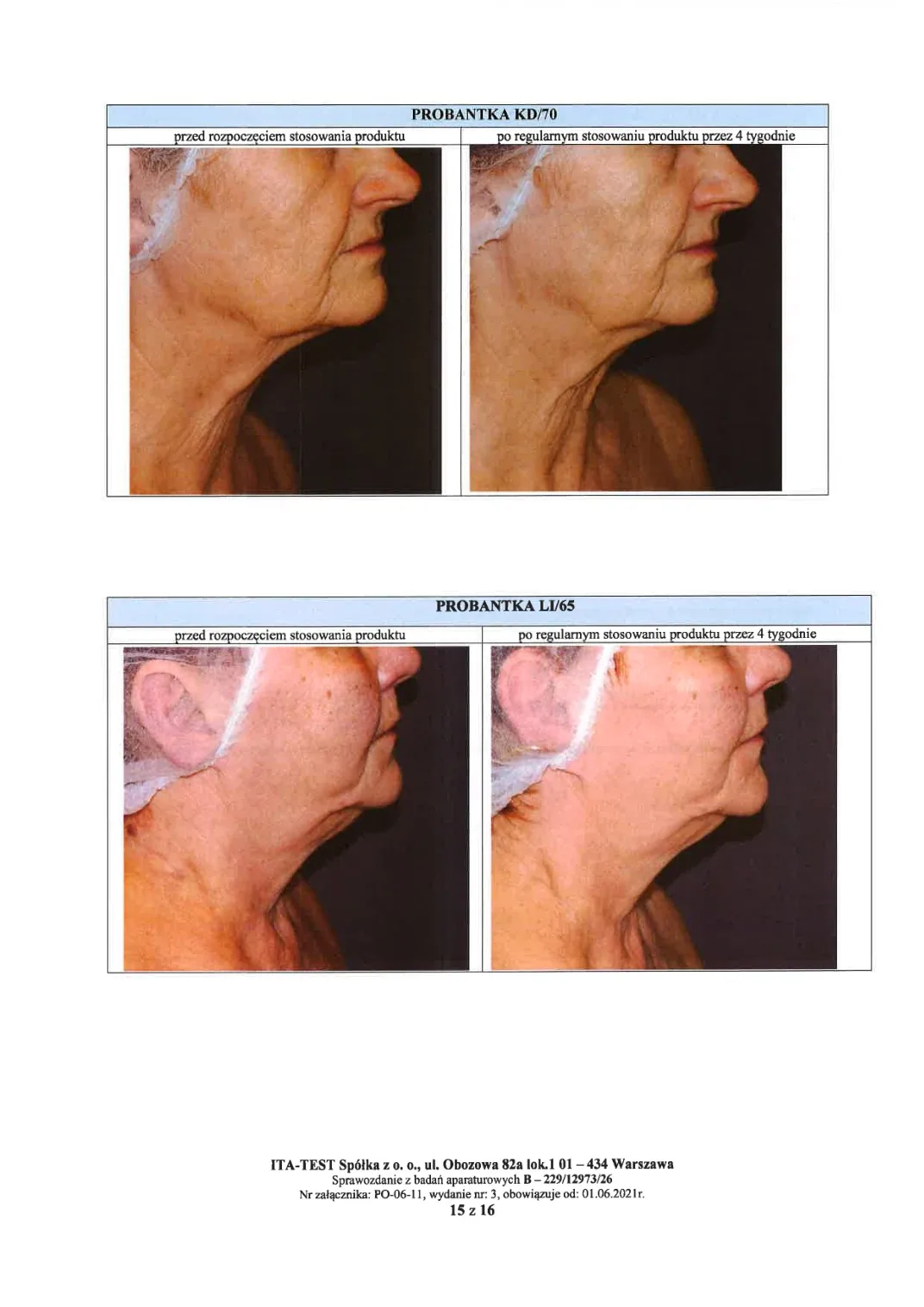
The results below come from instrumental and self-assessment studies run on groups of ten participants. These are small groups: the figures show the direction a measured parameter moved, not a guaranteed outcome for every user.
| Product | Parameter | Result | Context |
|---|---|---|---|
| Quantum C5 | Rating of the glass-skin effect | 100% | All 10 respondents chose “very good”; 4 weeks, self-assessment, n=10 |
| Quantum C5 | Mean skin hydration | +33% | 4 weeks, instrumental, n=10, Corneometer CM 825; hydration rose in all 10 participants |
| Quantum C5 | Skin smoothing | +26% (individual maximum) | Range 5–26%, group mean +12%; Visioscan VC 98, 4 weeks, n=10 |
| Hydrocode A5 Lift | Mean skin hydration | +41% | 4 weeks, instrumental, n=10, Corneometer CM 825; hydration rose in all 10 participants |
| Hydrocode A5 Lift | Skin smoothing | +26% (individual maximum) | Range 7–26%, group mean +13%; Visioscan VC 98, 4 weeks, n=10 |
| Hydrocode A5 Lift | Rating of skin radiance | 100% | All 10 respondents rated radiance “very good”; 4 weeks, self-assessment, n=10 |
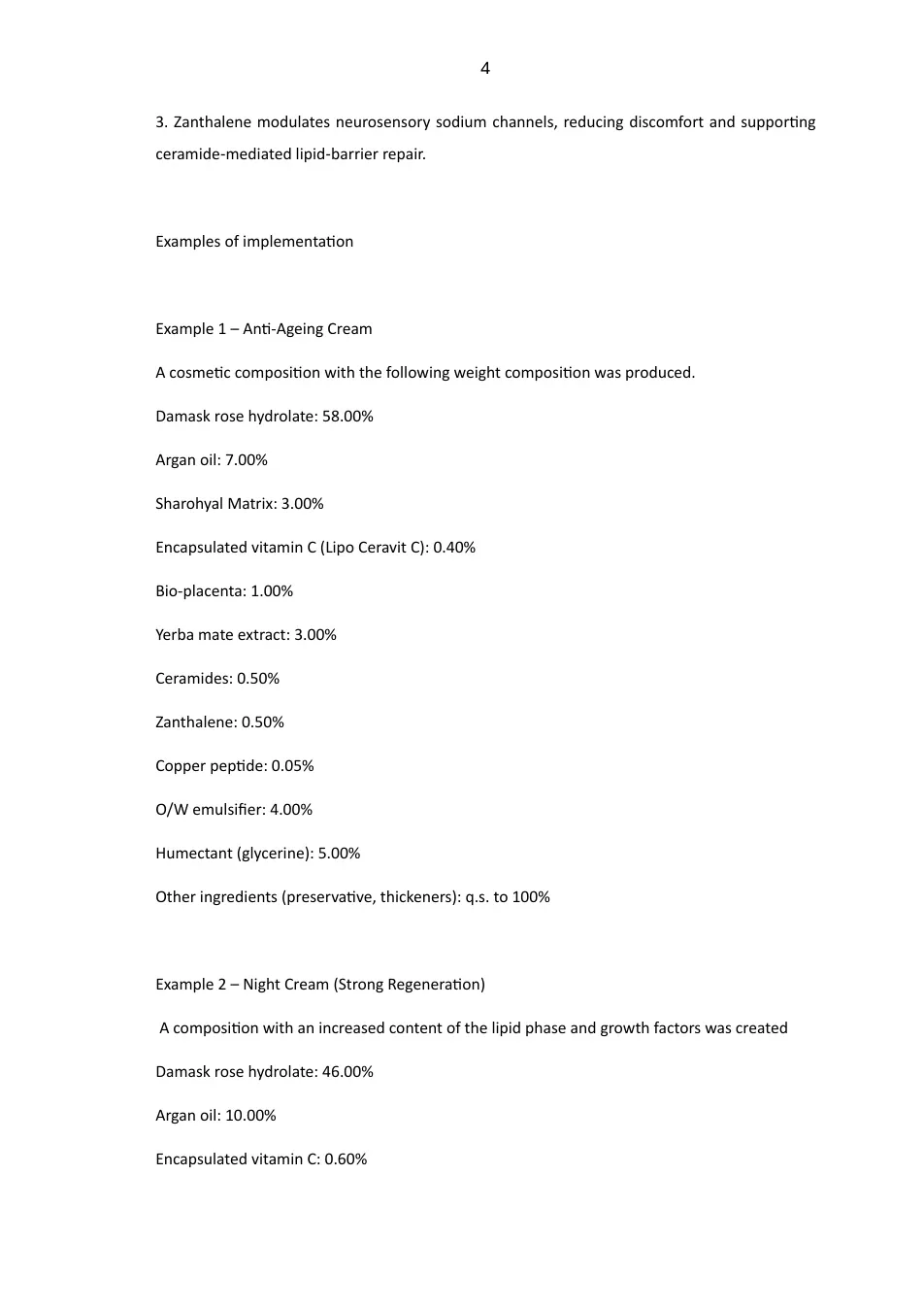
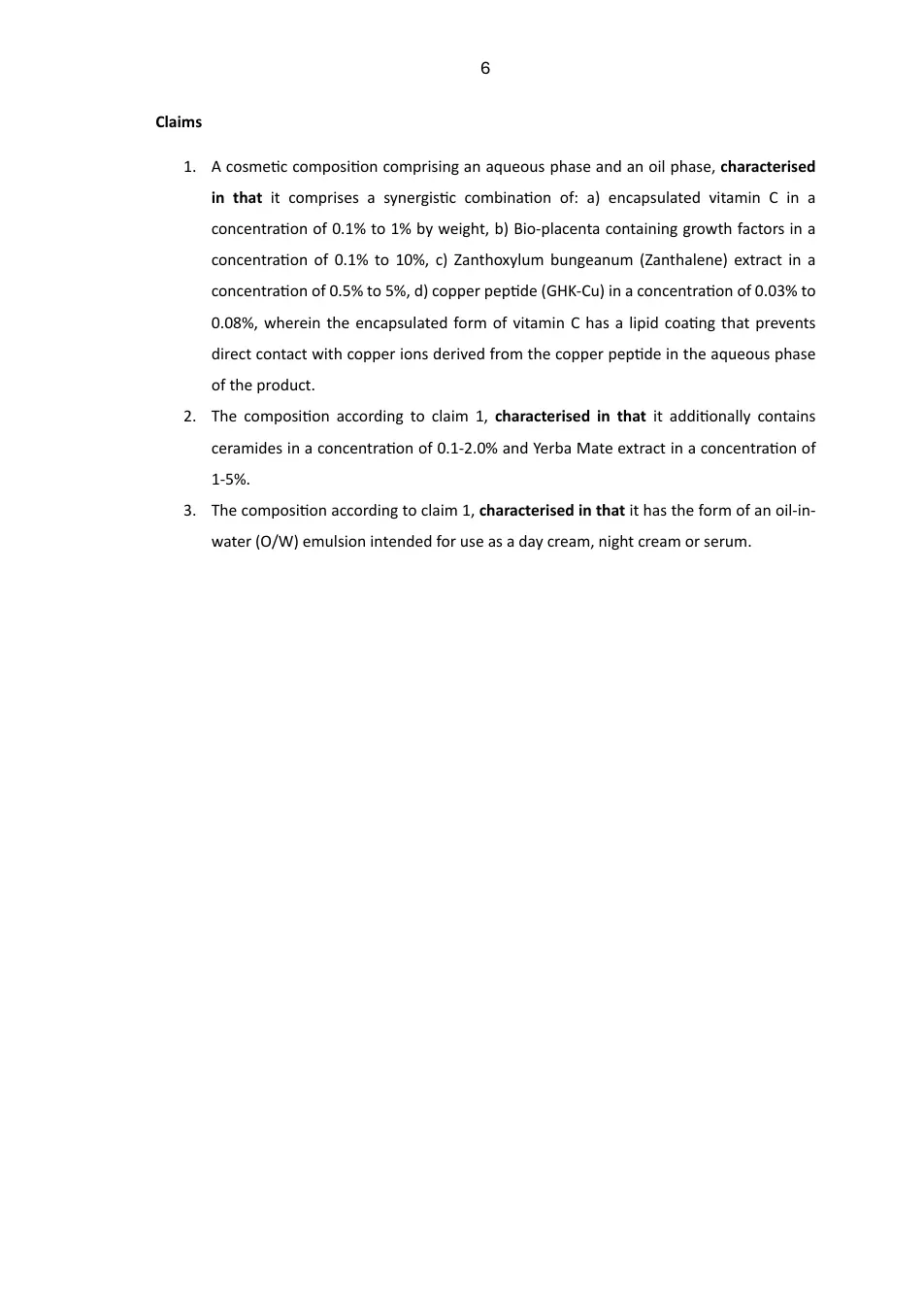
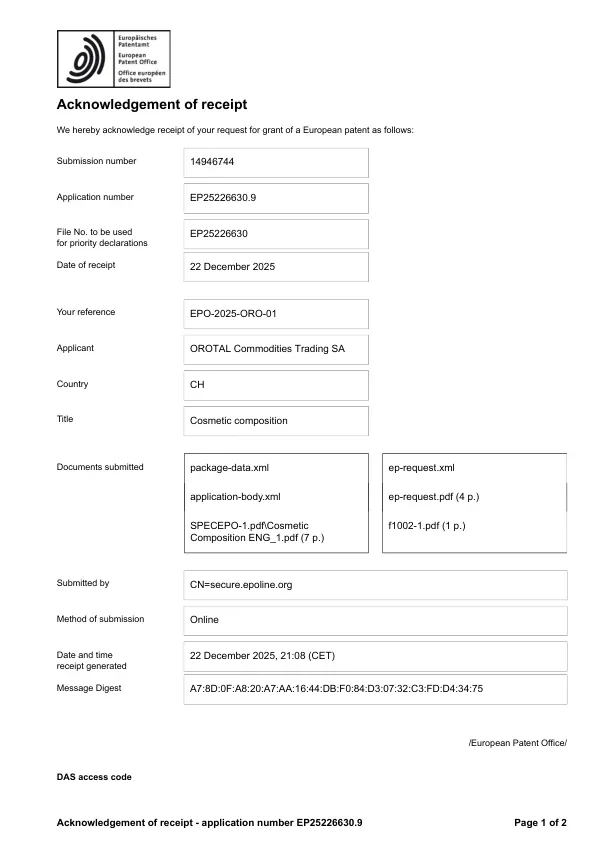
Two parameters in that table are precisely the ones that govern reflection: hydration and smoothing. The third row rewards careful reading — an individual maximum is the best single result in the group, not a typical one, and the group average sits beside it. GENÉVRY formulas are the subject of patent application EP25226630.9 at the European Patent Office (patent pending); that is a filing, not a granted patent.
What undoes the effect faster than it builds
- Exfoliating every other day. Acids smooth the surface right up to the point where they start compromising the barrier. After that they do the opposite.
- Hot water and long showers. The lipids of the stratum corneum dissolve in heat. For a few hours after a hot shower, skin loses water faster.
- Applying to bone-dry skin. A layer laid over damp skin holds on to water that is already there. On a fully dried face that mechanism has nothing to work with.
- Too many new products at once. Three launches in one week is three variables. When skin reacts, nothing tells you which one caused it.
- Skipping SPF. Photochemical damage reaches the lipid barrier too, and the barrier is what keeps water in.
During pregnancy and breastfeeding, with skin conditions or rosacea, while taking medication and after dermatological procedures, it is worth agreeing the routine with a doctor or dermatologist.
Frequently asked questions
Is the effect possible on oily skin?
Yes, though it looks different. On oily skin the issue is not an absence of shine but its unevenness. Lighter textures help, as does consistent hydration — yes, oily skin included — and easing off strong mattifying products, which dry the surface and prompt sebum production to start over.
How long before there is a difference?
Comfort and hydration usually within the first week, because the stratum corneum responds quickly. The instrumental parameters in the studies cited above were assessed after four weeks of regular use. Smoothing the microrelief needs a full epidermal renewal cycle, which is roughly a month.
Do I need seven layers, as in Korean routines?
No. The number of layers is not a value in itself; what matters is whether the final one limits water loss. Four morning steps done daily achieve more than ten done occasionally.
Does vitamin C fade dark spots?
Vitamin C is often described as supporting a more even-looking tone, but skincare does not remove pigmentation. For the glass effect, the more relevant point is that it supports a smooth, hydrated surface — and an even highlight visually evens out tone as well.
Does make-up get in the way?
Not if it comes off completely in the evening. Two-stage cleansing on SPF and foundation days is the condition without which the rest of the plan loses its point.
A glass surface on skin is the sum of three plain things: water in the stratum corneum, a smooth plane and a calm barrier. None of them can be rushed. All of them hold, as long as the morning and the evening look the same.
The formulas in this article
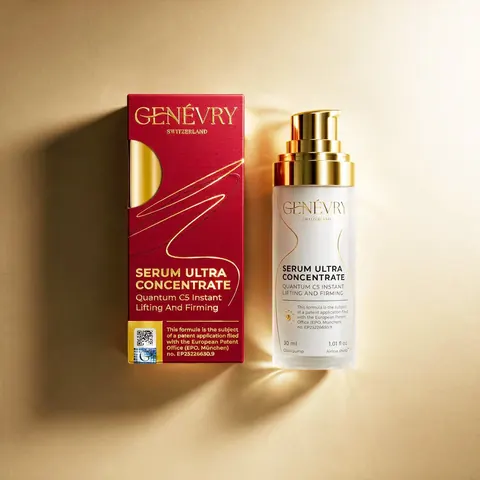 Quantum C5Ultrakoncentrátum szérum13 990 FtDiscover the formula →
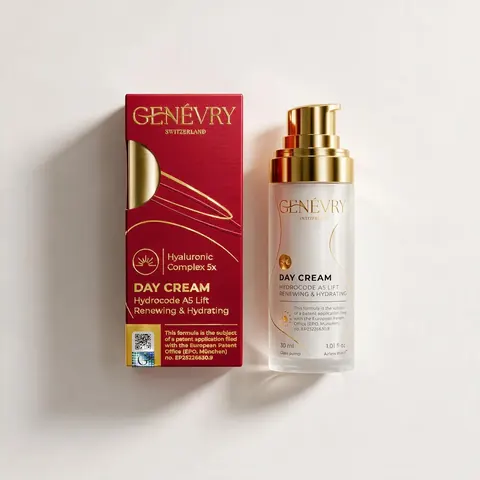 Hydrocode A5 LiftMegújító nappali krém13 990 FtDiscover the formula →
Cosmetic product. Individual results may vary.
 English / EUR
 English (US) / USD
 English (UK) / GBP
 Deutsch / EUR
 Deutsch (Schweiz) / CHF
 Français / EUR
 Italiano / EUR
 Español / EUR
 Nederlands / EUR
 Polski / PLN
 日本語 / JPY
 한국어 / KRW
 中文 / CNY
 العربية / AED
 English (Australia) / AUD
 English (Canada) / CAD
 Svenska / SEK
 Dansk / DKK
 Norsk / NOK
 Suomi / EUR
 Português / EUR
 Türkçe / TRY
 Čeština / CZK
 Magyar / HUF
 Română / RON
 Ελληνικά / EUR
 Slovenčina / EUR
 Hrvatski / EUR
 Slovenščina / EUR
 Lietuvių / EUR
 Latviešu / EUR
 Eesti / EUR
 Български / EUR
 Українська / EUR