Astaxanthin for skin: what the research actually shows
A red carotenoid from the microalga Haematococcus pluvialis — the evidence, its limits, and how to layer it.
Astaxanthin for skin usually arrives in a jar that looks nothing like the rest of your shelf: deep coral, almost salmon. That colour is the point. It is the same pigment that tints wild salmon flesh and shrimp shells, and brands sell it as a powerful antioxidant from microalgae. Here is what the published research actually says — what the molecule is, where it comes from, what human studies measured, and where the evidence ends and the marketing begins.
What astaxanthin for skin really is
Chemically it is a keto-carotenoid, part of the xanthophyll family, with the full name 3,3′-dihydroxy-β,β-carotene-4,4′-dione. The molecule has a long chain of conjugated double bonds in the middle and a hydroxyl plus a ketone group at each end. That architecture explains both the intense red colour and the ability to quench reactive oxygen species described in review papers.
It is fat-soluble and, unlike β-carotene, it is not converted into vitamin A in the body. Three stereoisomers occur in nature; the 3S,3′S form dominates in microalgae and in salmon. The Wikipedia entry on astaxanthin covers the chemistry in more detail.
On a label, look for the INCI names Astaxanthin or Haematococcus Pluvialis Extract — the second being the algal extract that carries the pigment. Concentrations are typically fractions of a percent, because anything higher turns the whole formula orange.
Where it comes from: an alga that turns red under stress
Haematococcus pluvialis is a freshwater microalga, and in comfortable conditions it is green. Starve it of nutrients or give it too much light and it stops dividing, forms cysts and packs itself with astaxanthin, turning the whole culture brick red. A review in Nutrients calls it the most promising source for industrial production, and notes that roughly 95% of the astaxanthin on the market is synthetic, made from petrochemicals rather than grown.
In food, the carotenoid reaches us mainly through fish: the same review reports 3–37 mg per kilogram of salmon flesh, and 26–38 mg/kg for wild sockeye. A cosmetic takes a different route — the pigment sits in the oil phase of an emulsion, because that is the only place it dissolves.
What the research shows
Two mechanisms come up repeatedly. First, the molecule inserts itself into the lipid bilayer of cell membranes, which is precisely where oxidised lipids accumulate. Second, in UV-exposed cells astaxanthin activated the Nrf2/HO-1 pathway — the cell’s own defence system — raising the activity of enzymes such as superoxide dismutase, catalase and glutathione peroxidase. Both observations come from laboratory work, not from skin biopsies in volunteers.
Human studies are few and small. In a 2012 paper, 30 women used 6 mg of oral astaxanthin plus 2 ml of a 78.9 µM topical solution daily for eight weeks; the authors recorded improvements in crow’s feet, age-spot size, elasticity and texture. There was no control group, and the authors worked for a raw-material manufacturer. The second half of the same publication was a placebo-controlled trial in 36 men taking 6 mg a day for six weeks, with improvements in wrinkles, elasticity and transepidermal water loss (Tominaga et al., PubMed).
The most rigorous study available is a randomised, double-blind trial from 2018: 23 participants took either 4 mg of astaxanthin daily or placebo for nine weeks. The supplement group showed a higher minimal erythema dose — the amount of UV needed to redden skin — and lost less moisture in the irradiated area (Ito et al., PubMed). The trial was funded by the company that makes the ingredient, and 23 people is a small sample. Both facts are worth remembering when you read a brand summary of the same study.
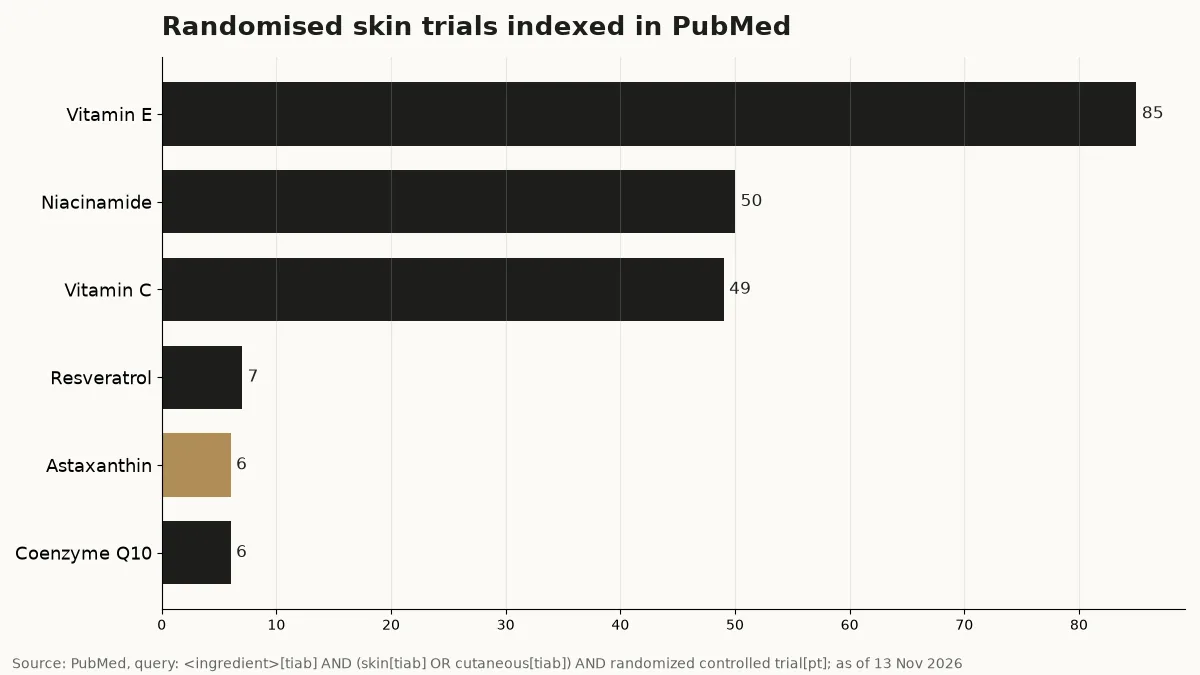
The chart does not say astaxanthin works less well. It says there is less evidence, and that most of it concerns oral supplements rather than creams. Which is why the honest description of a cosmetic is „an antioxidant with promising data”, not a wrinkle solution. Neither EFSA nor the FDA has approved a health claim for astaxanthin.
What to pair it with, and what to keep apart
Astaxanthin is a carotenoid, so it is sensitive to light and oxidation and belongs in opaque, airtight packaging alongside other antioxidants. In a routine, it slots in like this:
| Ingredient | Pair it? | Time of day | What to watch |
|---|---|---|---|
| Vitamin C | yes | morning | A water-soluble and a fat-soluble antioxidant working in different compartments of the skin. |
| Vitamin E | yes | morning and evening | Both sit in the oil phase and help stabilise each other. |
| Niacinamide | yes | morning and evening | No known conflict; more in our guide to niacinamide. |
| SPF | yes, always | morning | An antioxidant supports a sunscreen; it never replaces one. |
| Retinol | carefully | evening | Layered together they can feel heavy on reactive skin; alternate evenings instead. |
| AHA/BHA acids | not in the same layer | evening | Low pH speeds up oxidation of the pigment; leave a gap or use another night. |
If a formula stains visibly, use it at night or under a richer cream — the pigment transfers easily onto a pale pillowcase or shirt collar.
Who it suits, and how to fit it into a ritual
It makes most sense for mature, city-tired skin that sees daylight all year — the same skin that already benefits from antioxidants. Sensitive skin generally tolerates it, since nothing here exfoliates, but introduce one new product at a time and patch test first. During pregnancy and breastfeeding, with a skin condition, or while on medication, talk to a doctor or dermatologist before adding any new active. Oral supplements are a separate conversation, and one for a doctor rather than a beauty counter.
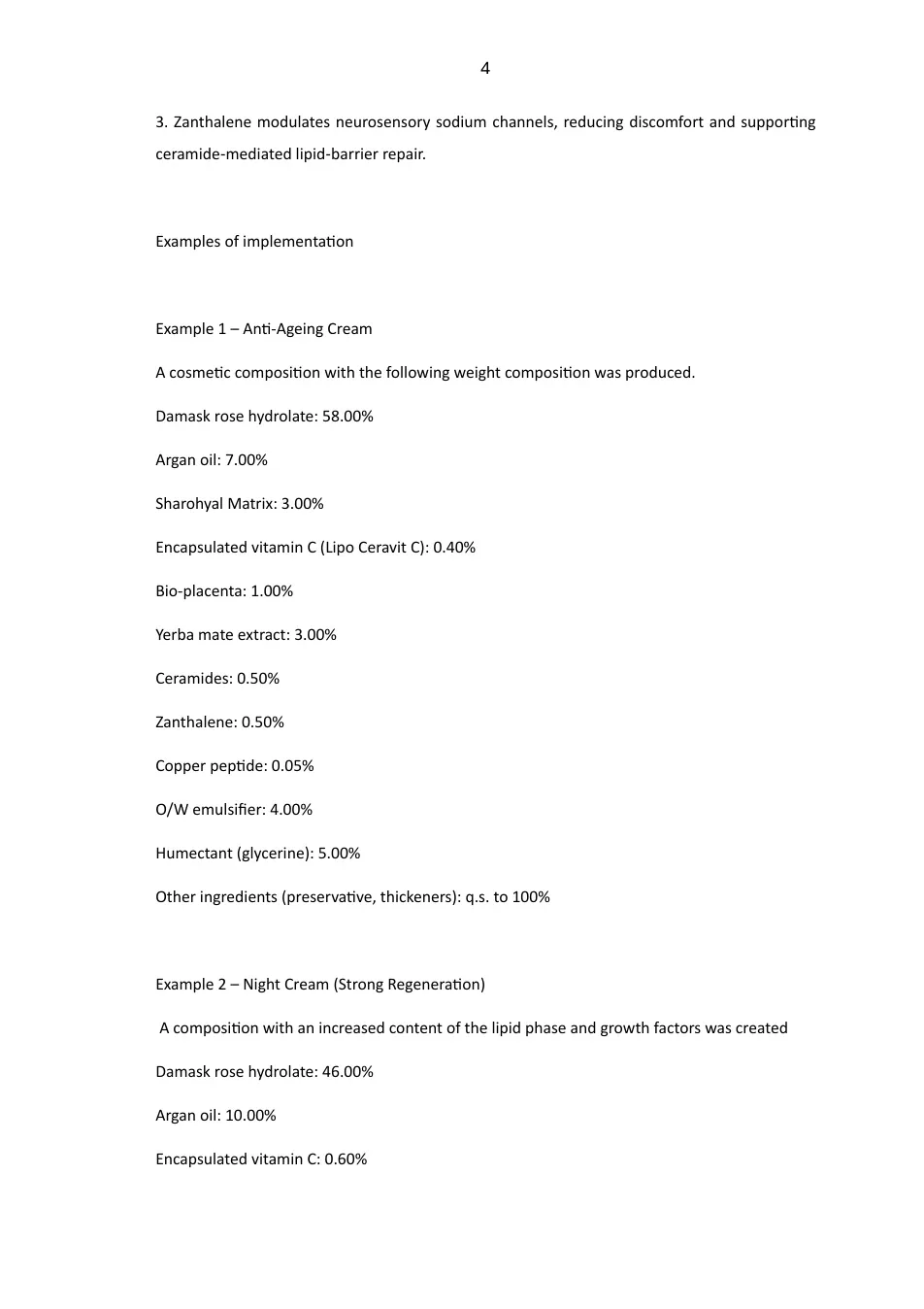
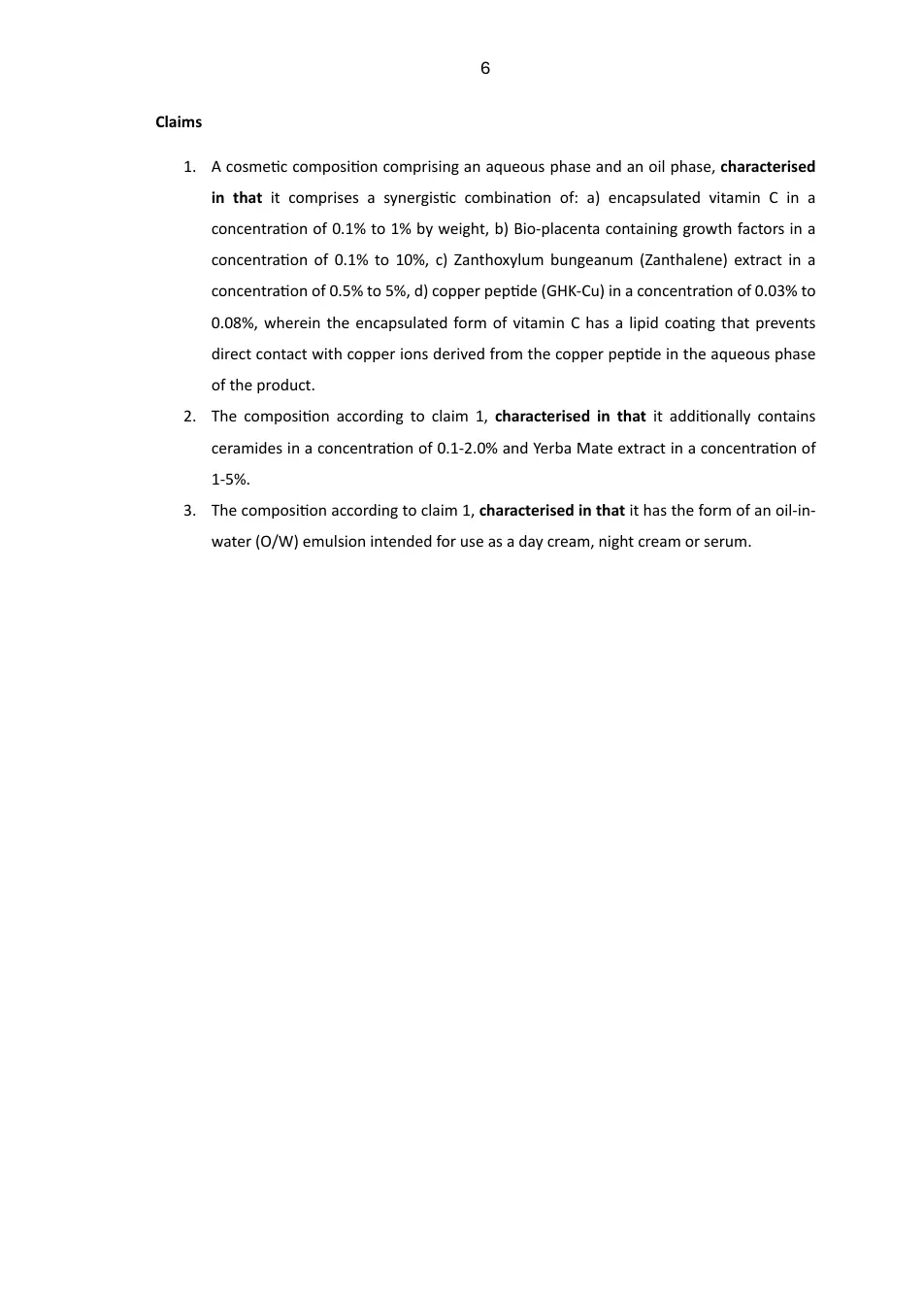
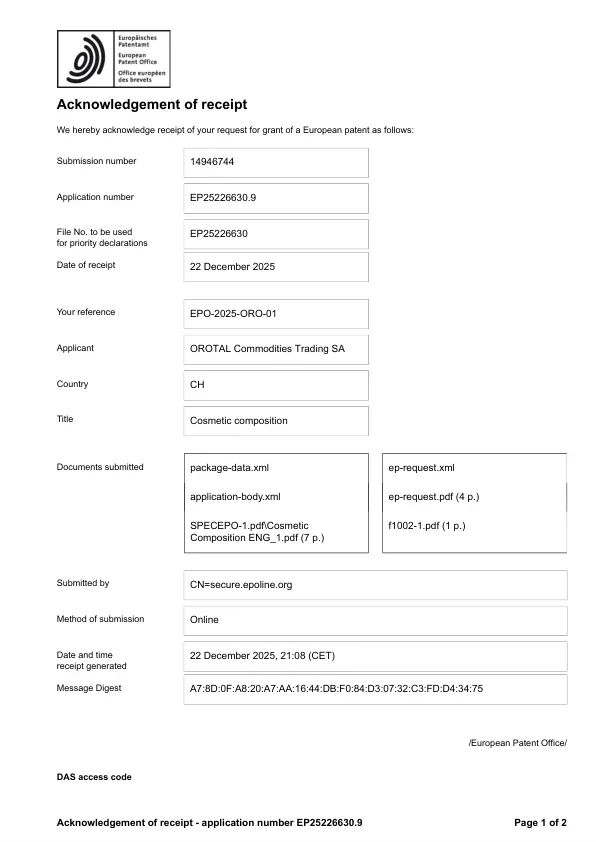
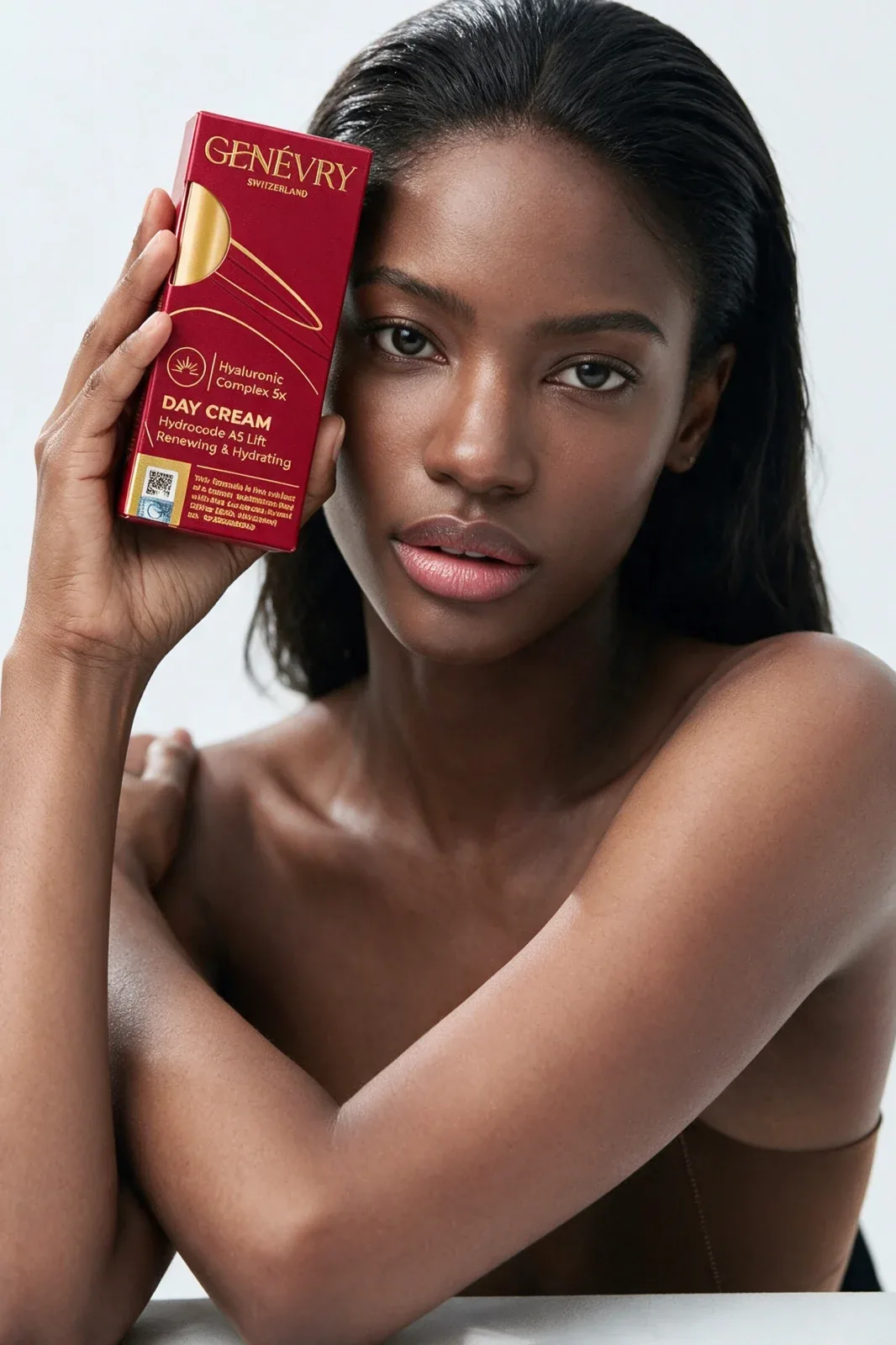
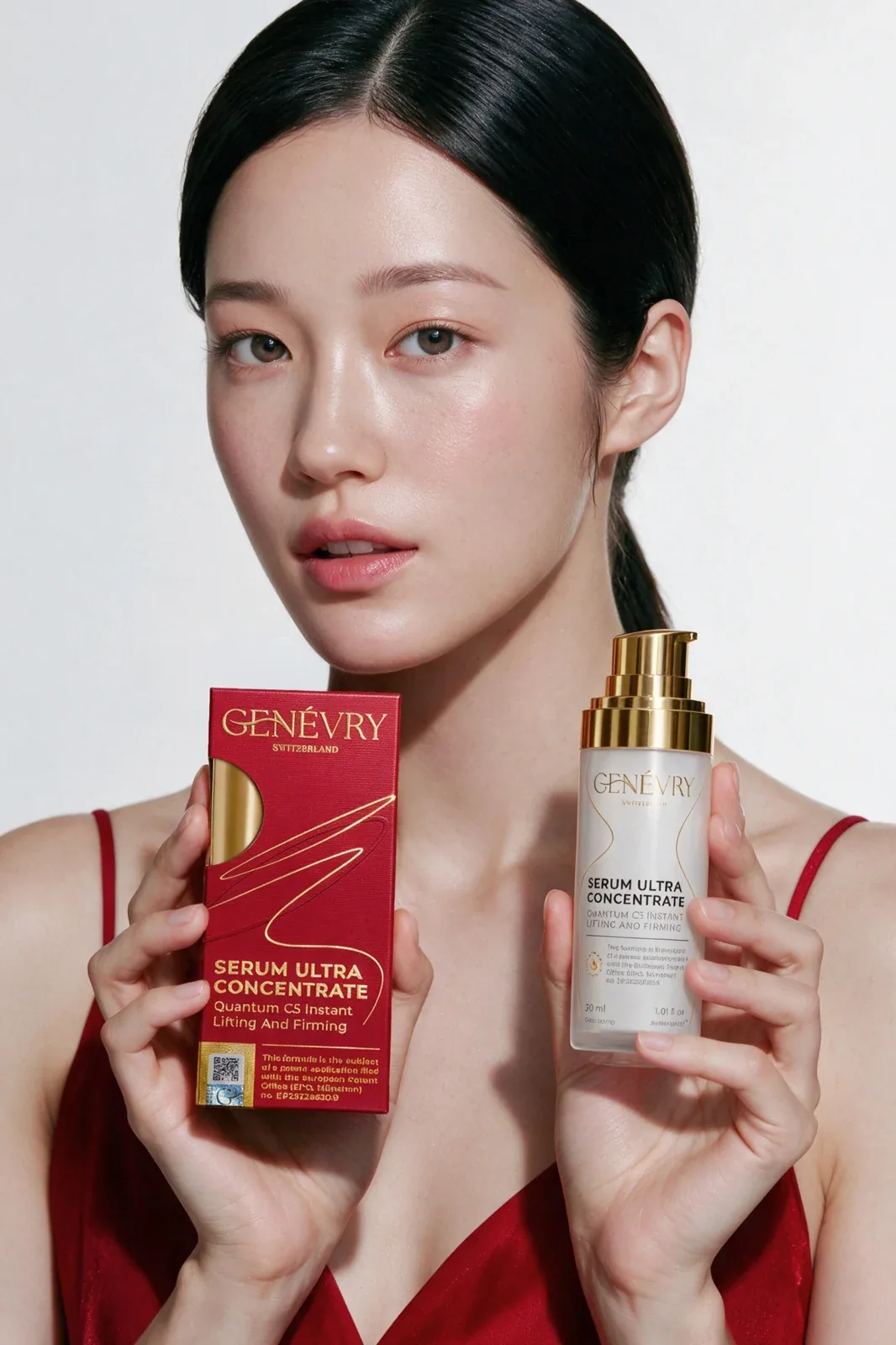
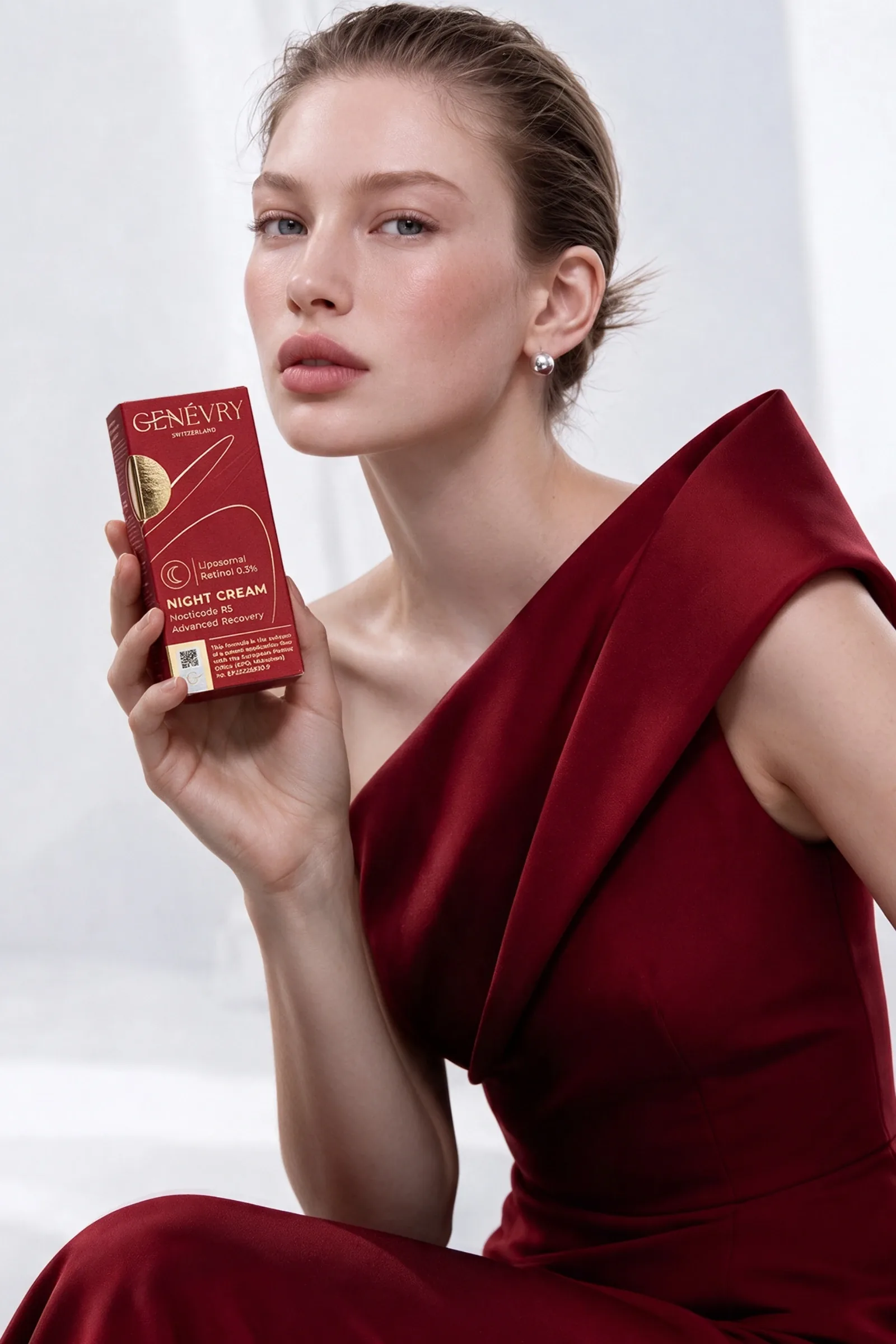
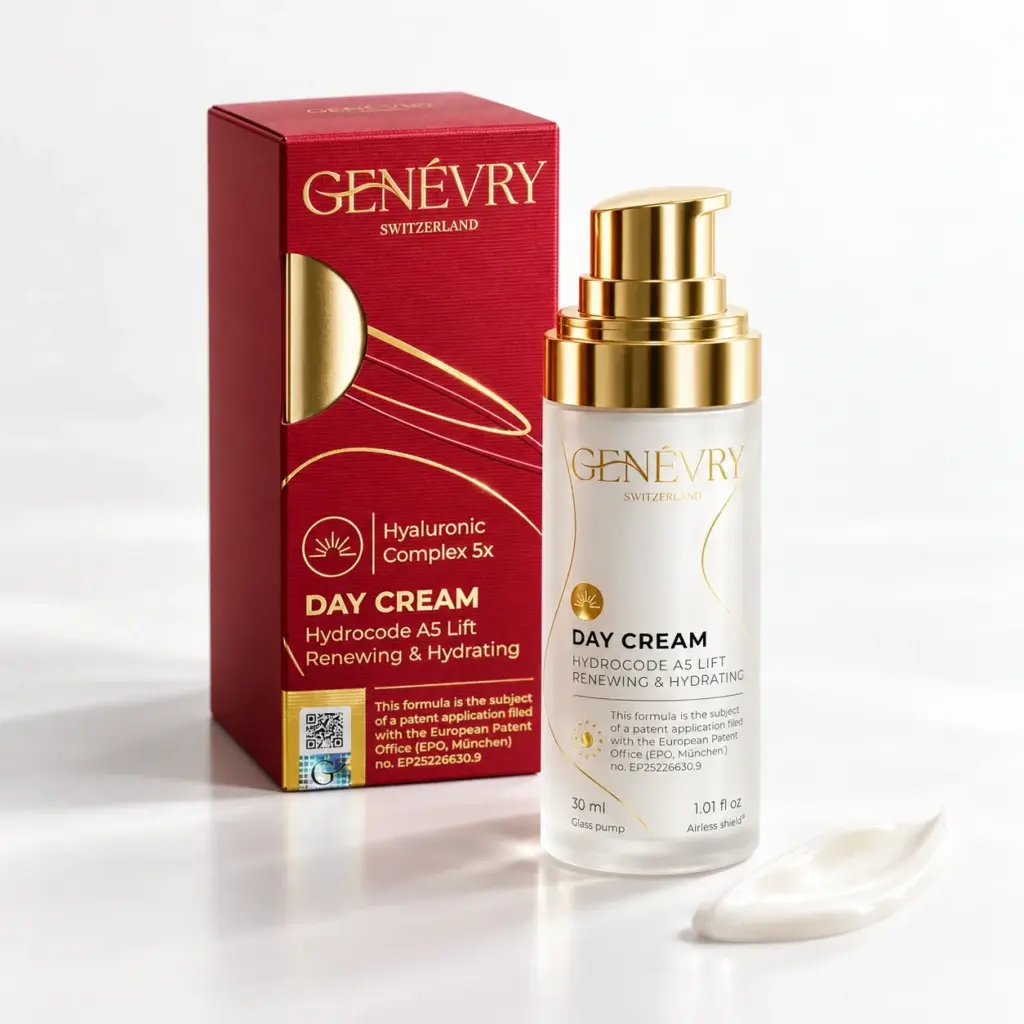
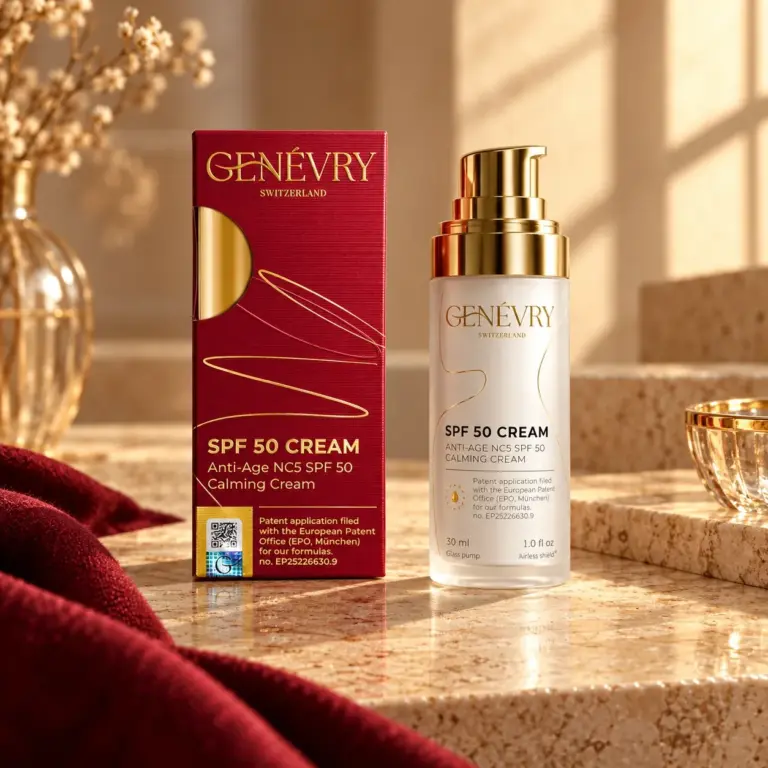
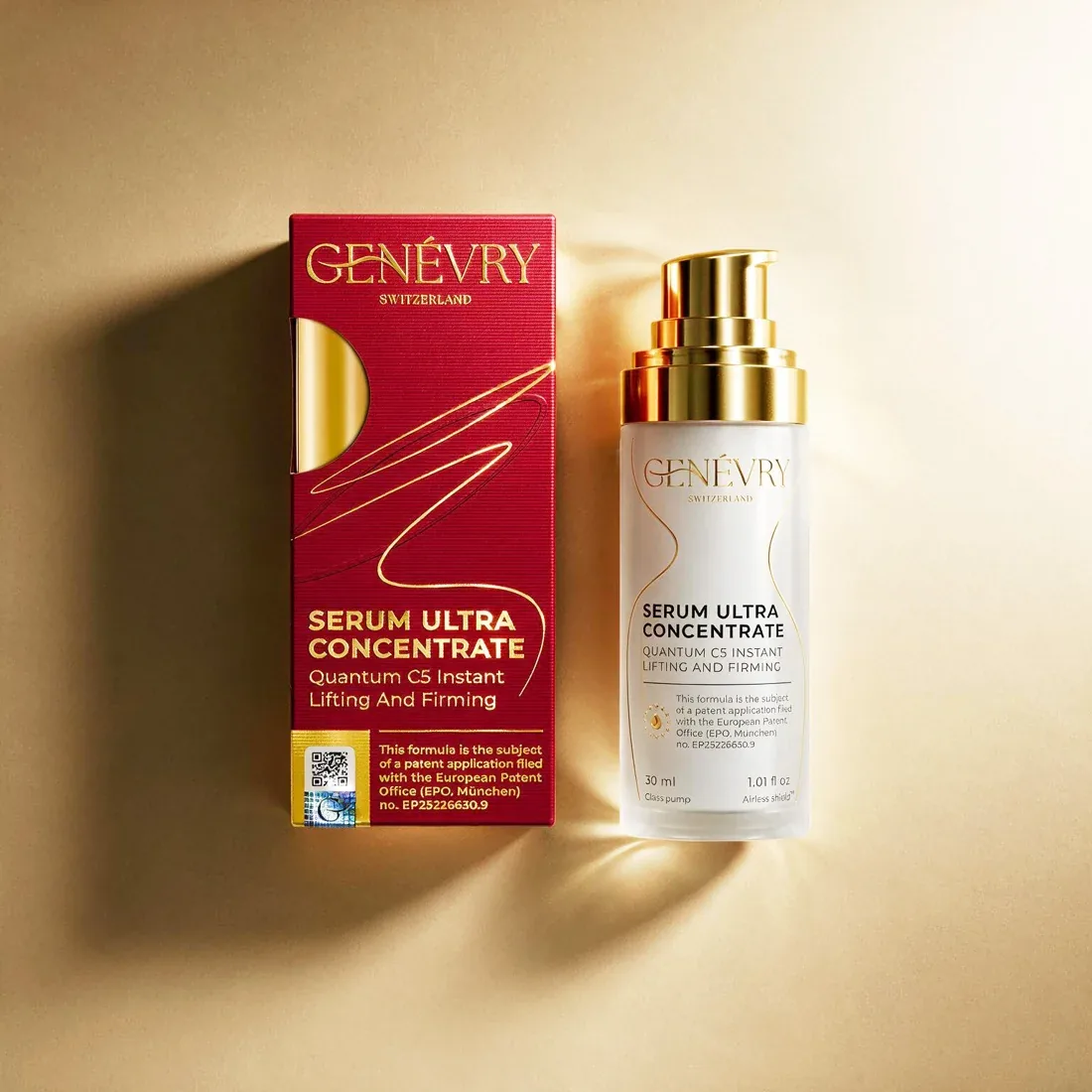
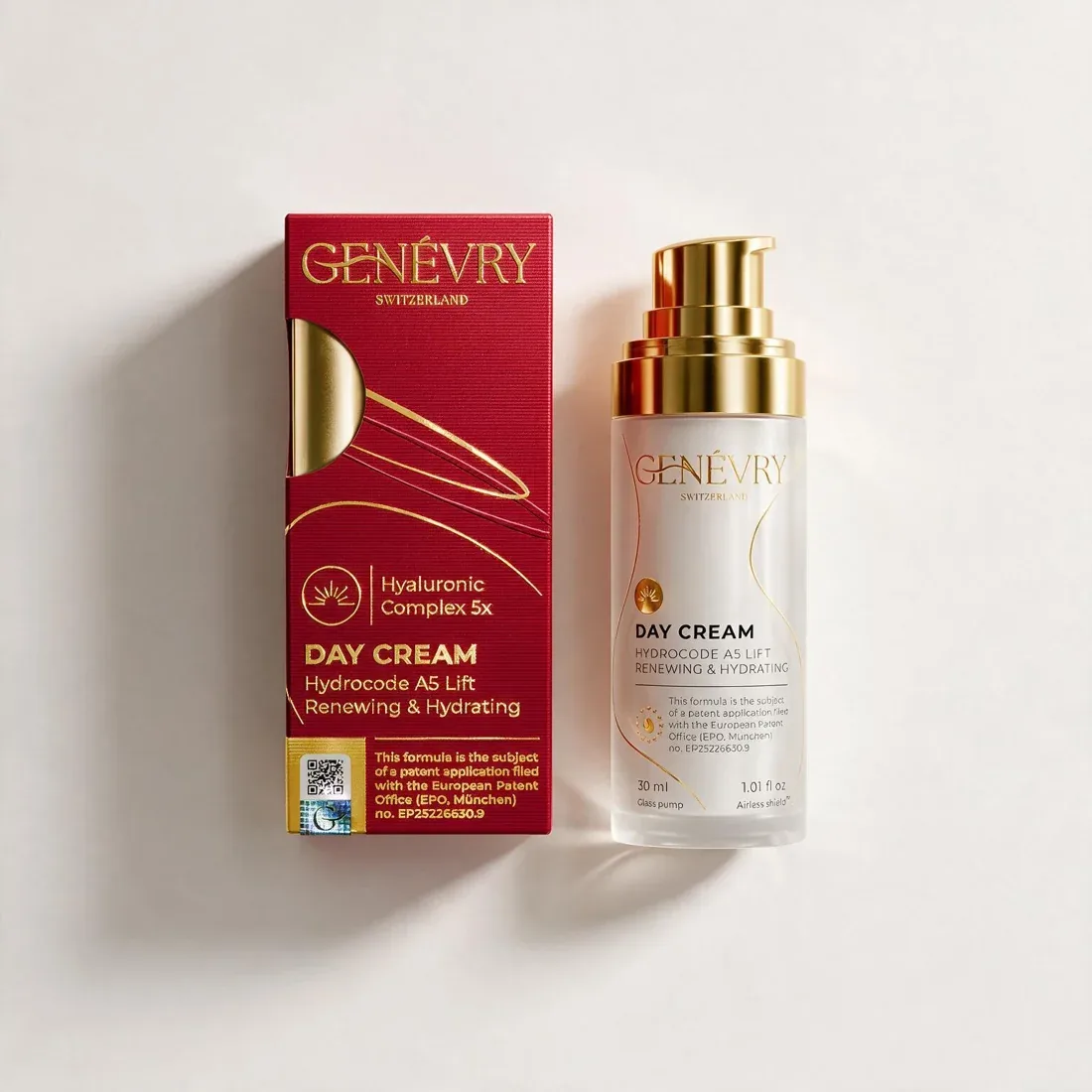
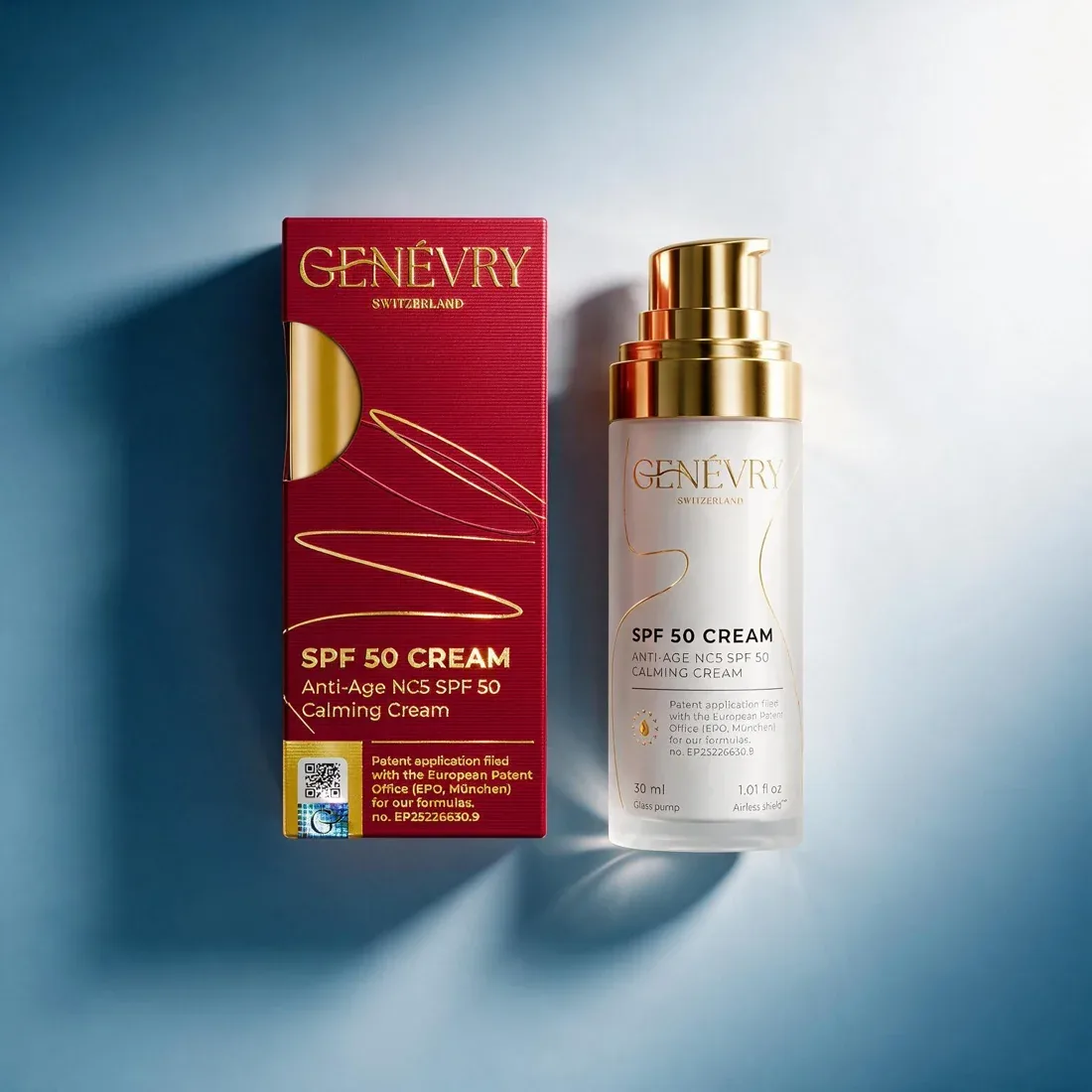
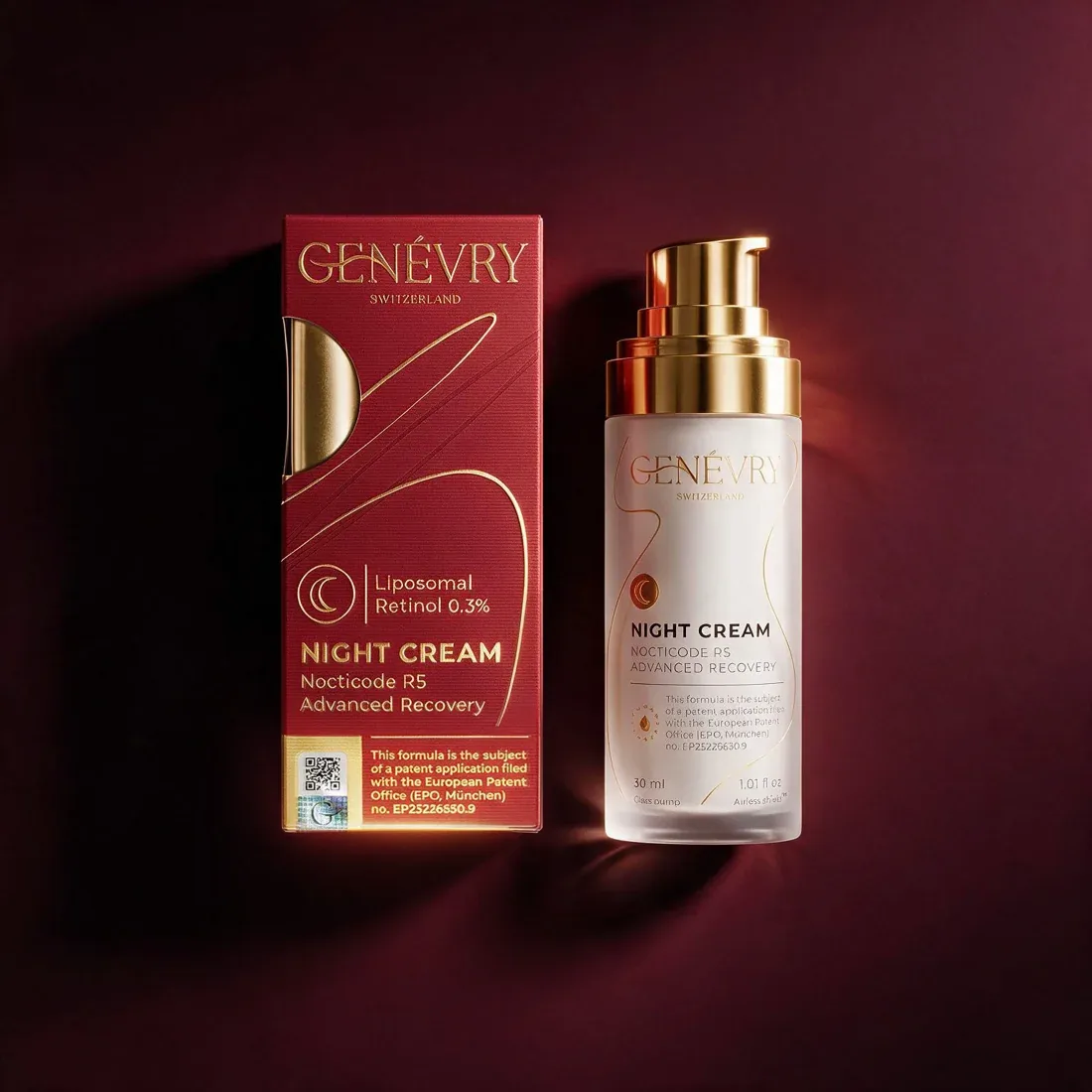
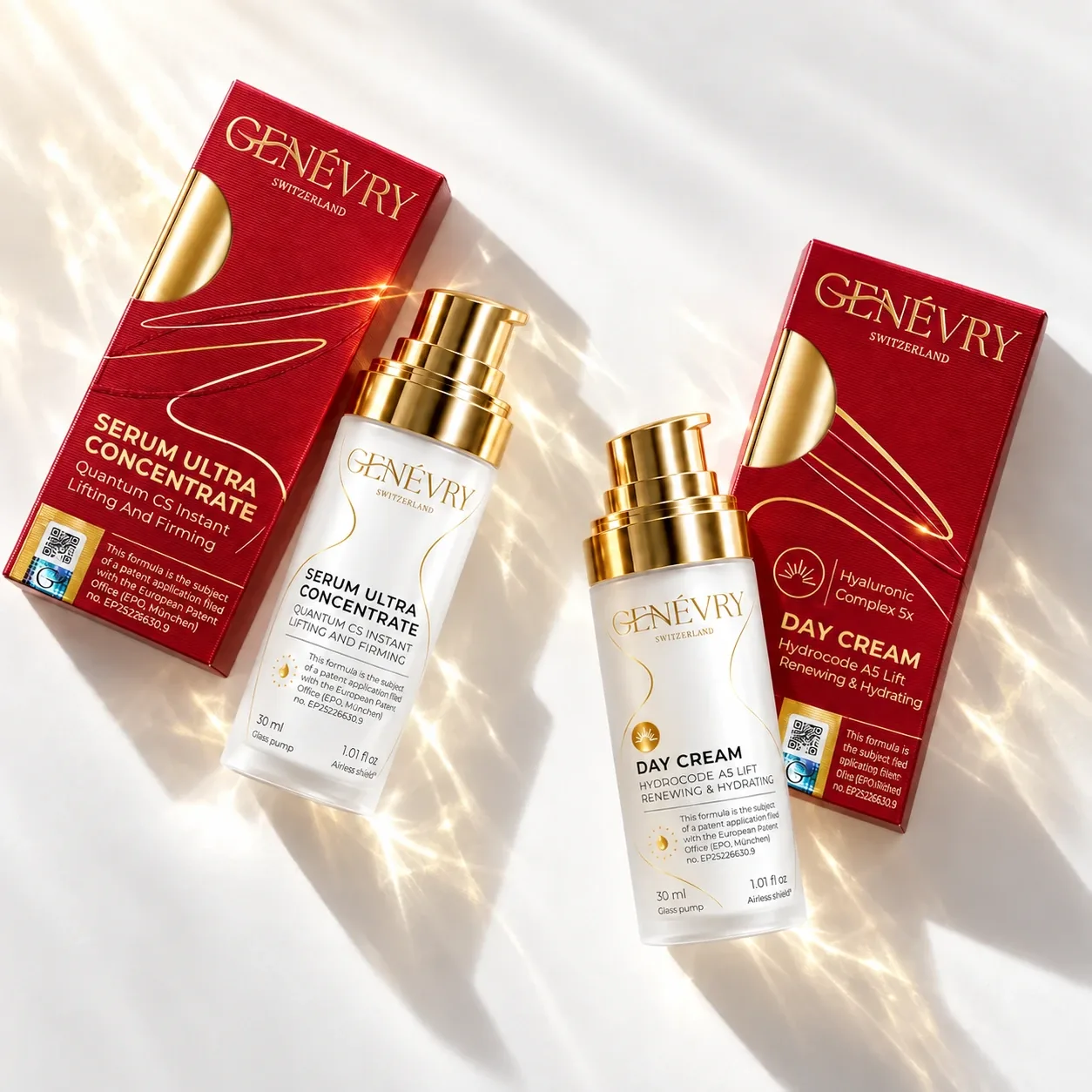
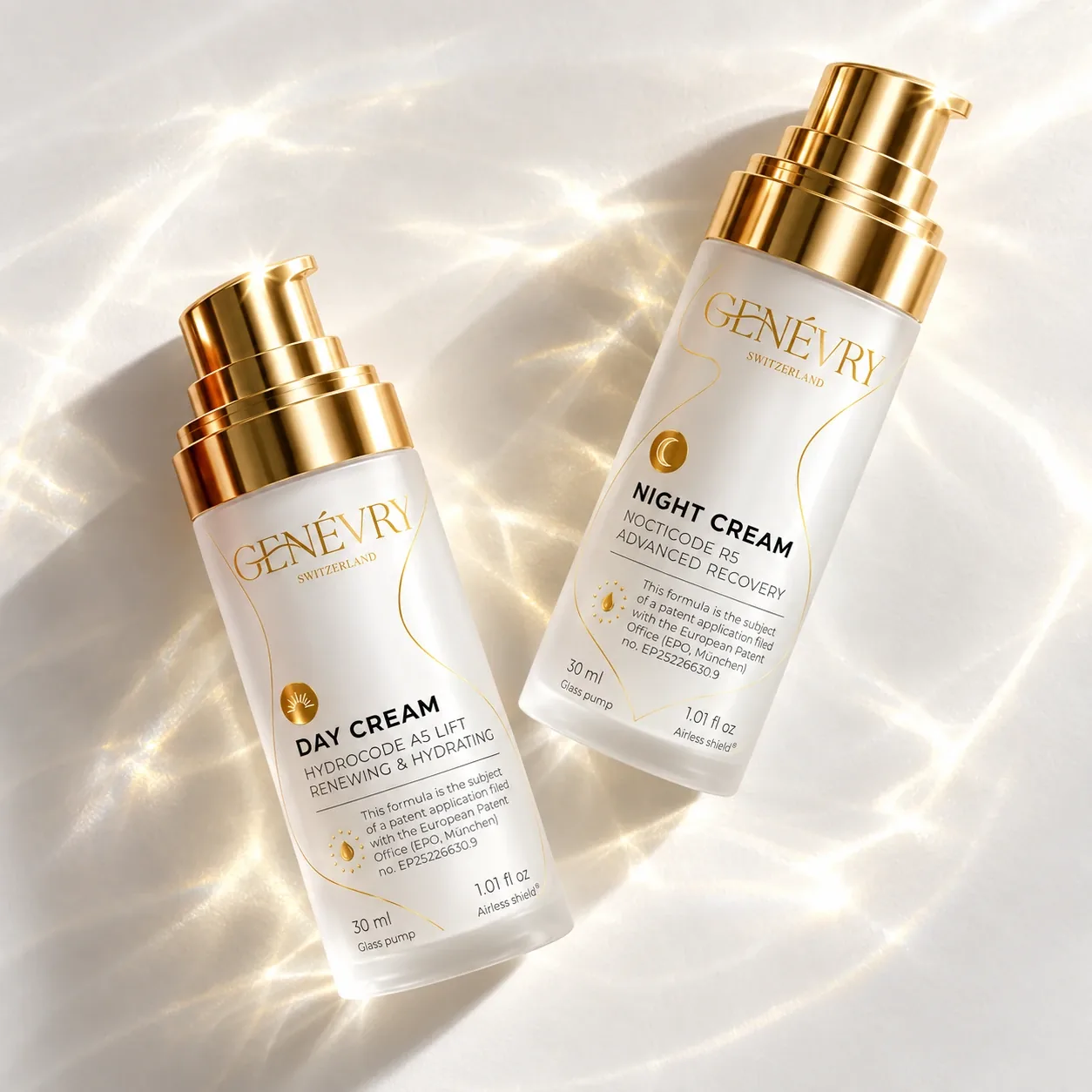
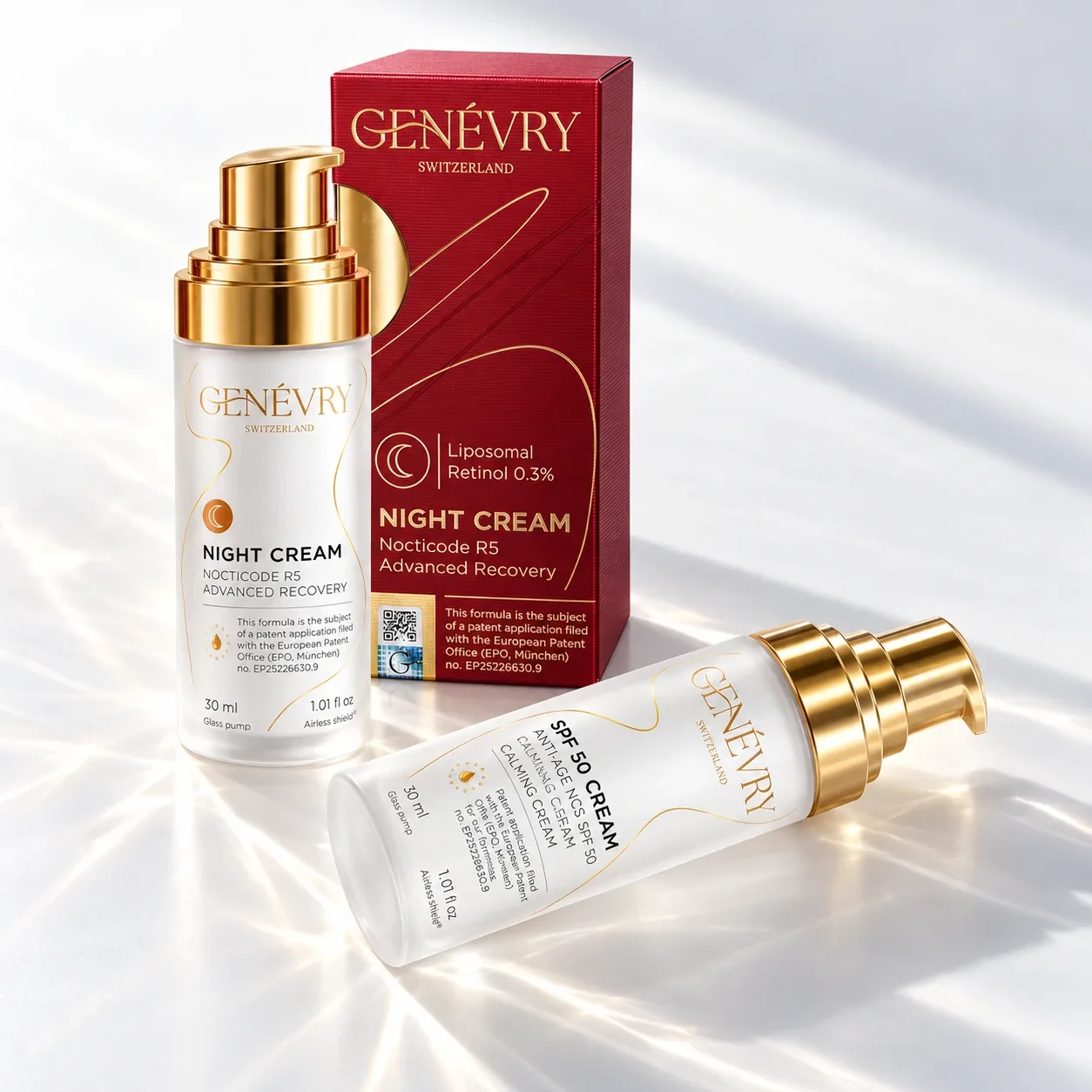
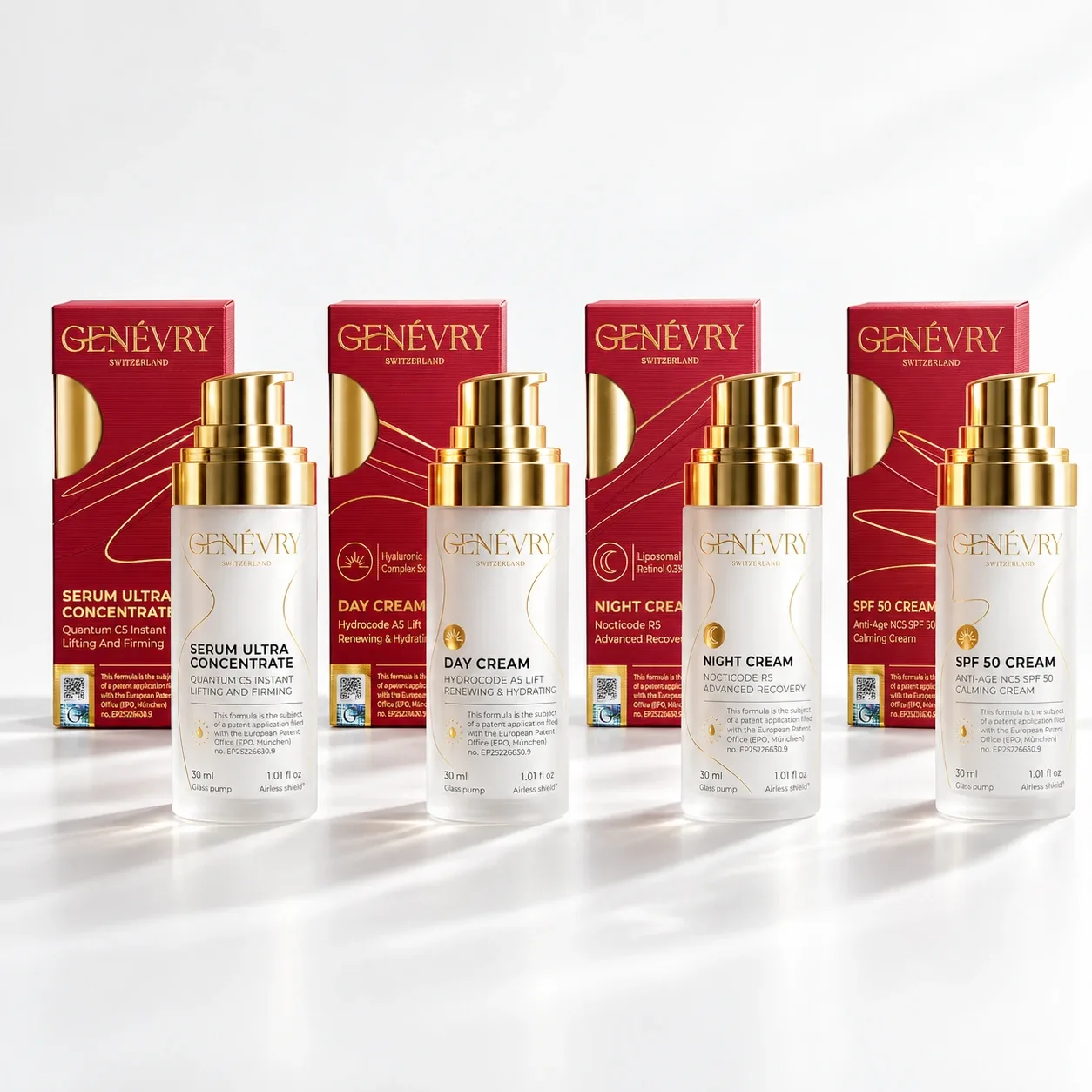
GENÉVRY formulas do not contain astaxanthin, so none of our measured results belong to it. If you want to add it anyway, the order stays the same as always: lightest texture first. In the morning, cleanse, apply Quantum C5 serum with liposomal vitamin C and the copper peptide Copper Tripeptide-1, then your oil-based astaxanthin product, then Hydrocode A5 Lift day cream, and finish with Anti-Age NC5 SPF 50. In the evening, if you use Nocticode R5 with liposomal retinol 0.3%, keep the carotenoid for the nights in between. GENÉVRY formulas are the subject of patent application EP25226630.9 (patent pending).
If you are stacking two antioxidants in one routine, it is worth reading how liposomal vitamin C differs from the plain form. The principle is the same: the ingredient matters, but so does the form in which it reaches the skin.
Frequently asked questions
Does astaxanthin remove wrinkles?
No. No cosmetic removes wrinkles — that claim falls outside what EU cosmetics law allows. Small human studies, mostly of oral supplements, recorded improvements in elasticity and in the appearance of fine lines. In a cream, astaxanthin supports antioxidant protection, and skin tends to look better rested.
Will it stain my skin?
The formula itself is distinctly red-orange, but the colour usually disappears as you spread it. On very fair skin, and at higher concentrations, a warm glow can linger — which is why these products work better at night or under a base and cream.
Cream or capsules?
Most of the data on skin appearance comes from oral supplementation, sometimes combined with topical use. Decide on supplements with a doctor; in skincare, treat astaxanthin as one antioxidant among several in a formula rather than the whole point of it.
Can I use it with retinol?
Yes, but not in the same layer and not in the first weeks of a retinoid routine. Alternating evenings is easier on the skin barrier. The usual retinol rules still apply: SPF every morning, and no retinol during pregnancy.
How do I know the product has gone off?
Carotenoids fade. If a vividly red emulsion has turned pale beige, or the smell has changed, the antioxidant has probably been spent. Keep it away from light and heat — a bathroom shelf above a radiator is the worst possible place.
Astaxanthin is a good example of an ingredient worth discussing calmly: sound chemistry, a plausible mechanism, a handful of small studies and a great deal of marketing on top. In a routine it earns its place as an addition to the basics you already do consistently — cleansing, moisturising and daily SPF — never as a replacement for them.
The formulas in this article
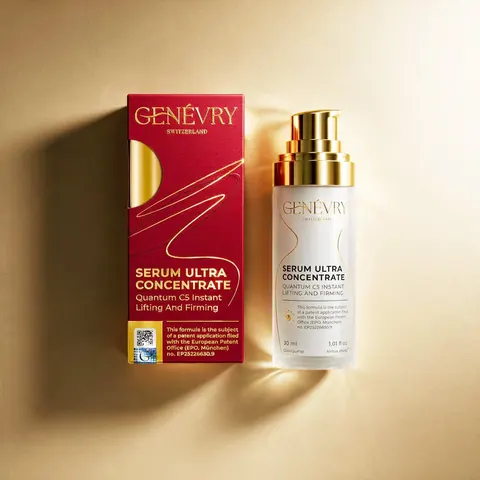 Quantum C5Ultrakoncentrátum szérum12 490 FtDiscover the formula →
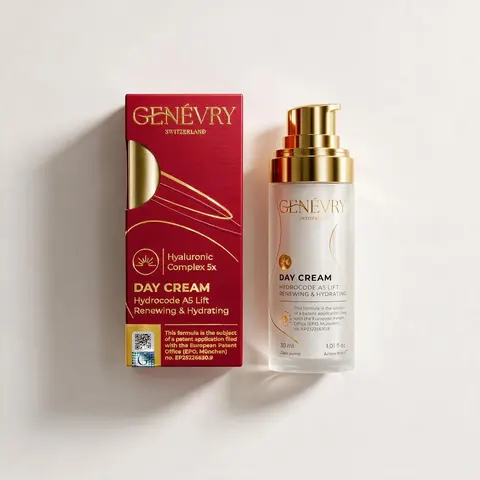 Hydrocode A5 LiftMegújító nappali krém13 990 FtDiscover the formula →
Cosmetic product. Individual results may vary.

 English / EUR
 English (US) / USD
 English (UK) / GBP
 Deutsch / EUR
 Deutsch (Schweiz) / CHF
 Français / EUR
 Italiano / EUR
 Español / EUR
 Nederlands / EUR
 Polski / PLN
 日本語 / JPY
 한국어 / KRW
 中文 / CNY
 العربية / AED
 English (Australia) / AUD
 English (Canada) / CAD
 Svenska / SEK
 Dansk / DKK
 Norsk / NOK
 Suomi / EUR
 Português / EUR
 Türkçe / TRY
 Čeština / CZK
 Magyar / HUF
 Română / RON
 Ελληνικά / EUR
 Slovenčina / EUR
 Hrvatski / EUR
 Slovenščina / EUR
 Lietuvių / EUR
 Latviešu / EUR
 Eesti / EUR
 Български / EUR
 Українська / EUR