Skincare layering order: serum, cream and SPF, morning and evening
The same three products behave differently when the sequence flips. The morning and evening order, realistic waiting times and five common mistakes.
Skincare layering order looks like a detail, yet it decides how much of a routine actually reaches the skin. The same three products — serum, moisturiser, sunscreen — behave differently when the sequence is reversed: the lightest formula never touches the skin, and the protective layer is diluted by whatever goes on top of it. The rule behind it is simpler than most guides suggest: thinnest texture first, richest last, with sunscreen closing every morning.
What follows is the sequence for morning and for evening, a table you can check in two seconds, honest waiting times between layers, and the five mistakes that cost the most.
Why the sequence matters at all
The outermost layer of the epidermis, the stratum corneum, is often described as a brick wall: corneocytes are the bricks, lipids the mortar. It lets very little through and is selective about what it does let through, which is why watery formulas with small molecules need direct contact with the skin rather than a place at the top of the pile. The structure is described in the Wikipedia entry on the stratum corneum.
Creams work on a different principle. An emulsion with an oil phase leaves a thin film on the surface that slows water loss and makes the skin look smoother. That film earns its place — but when it sits underneath a serum, the serum stays on the film instead of reaching the skin.
Sunscreen is a category of its own. Protection depends on a continuous, undisturbed layer. A moisturiser spread over sunscreen dilutes and breaks that layer, and the SPF 50 printed on the tube stops describing what is actually on the face. Hence the one rule with no exceptions: in the morning, sunscreen is the last step of skincare, applied before makeup.
Skincare layering order in the morning: four steps
- Cleanse. A gentle gel or milk and lukewarm water is enough. Skin is not dirty after a night’s sleep — it carries traces of last night’s products and sebum, nothing more. Pat dry rather than rubbing dry.
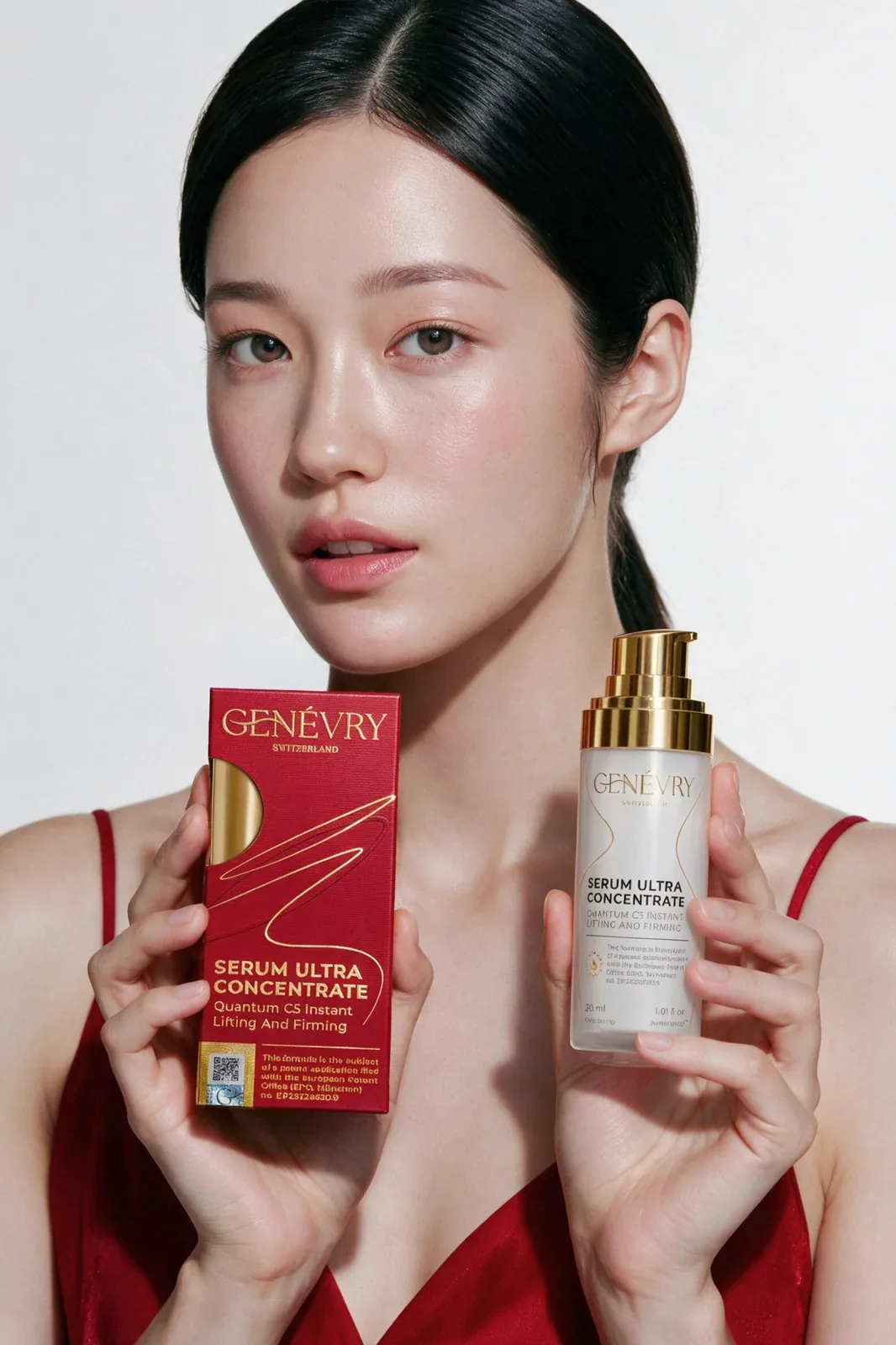
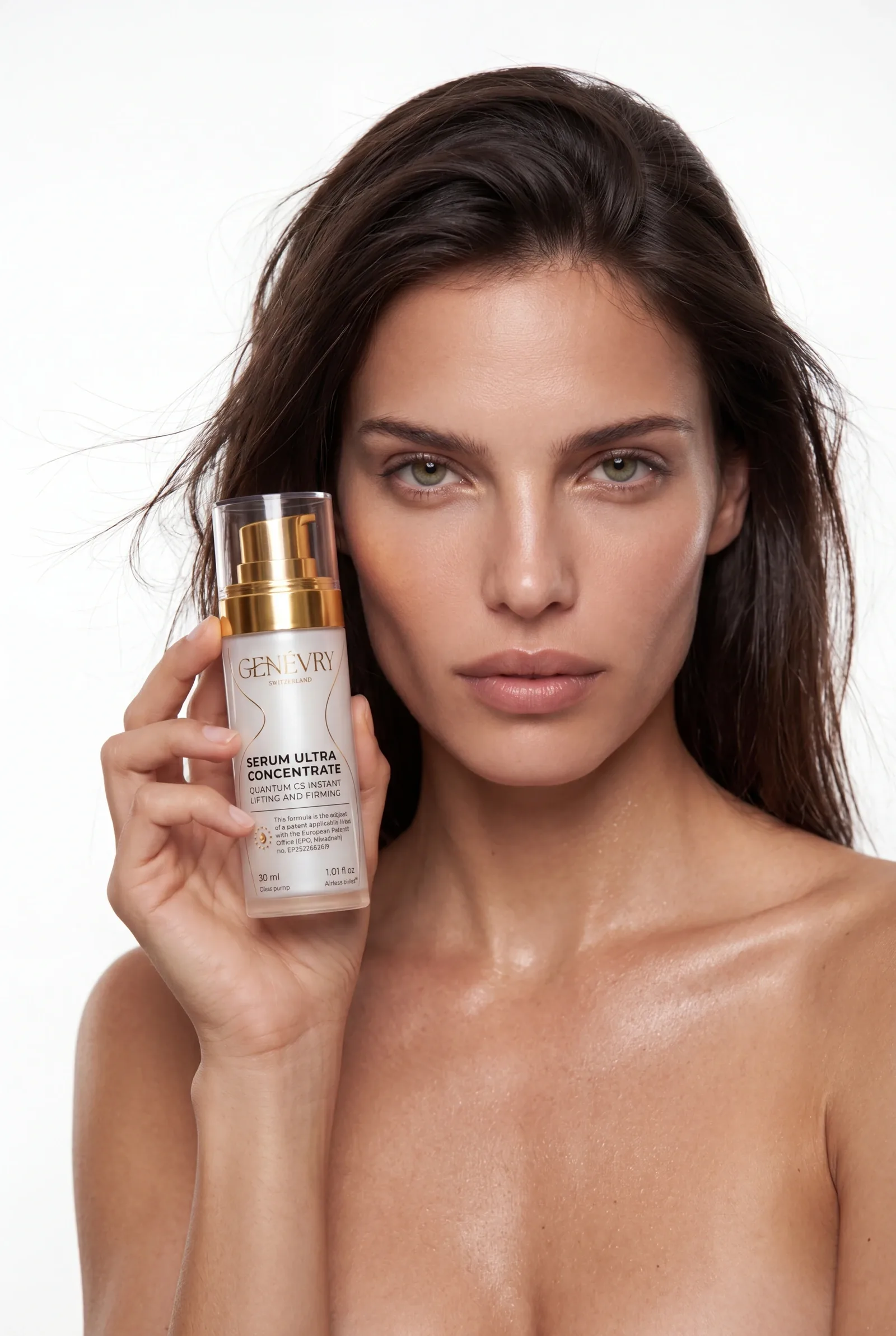
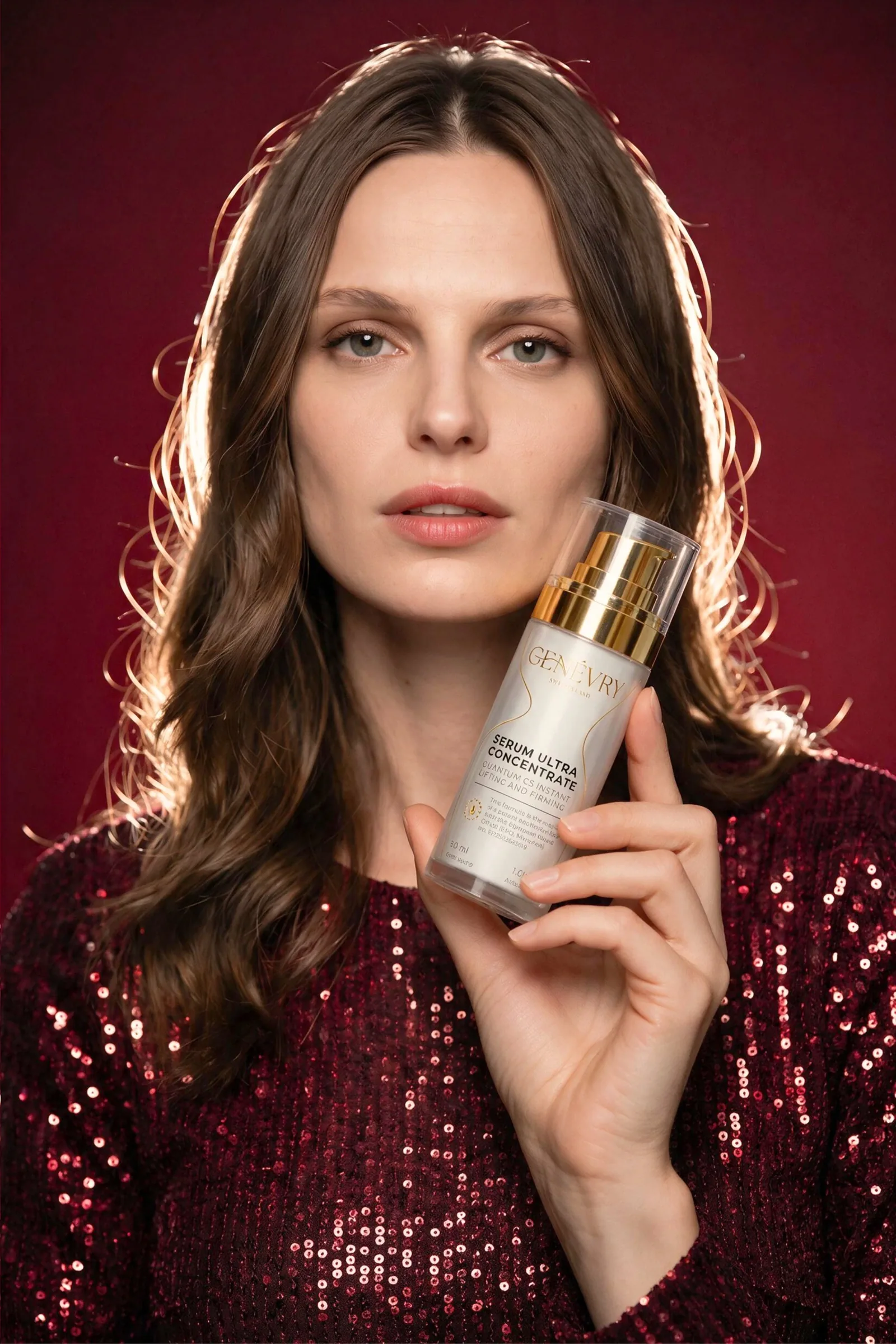
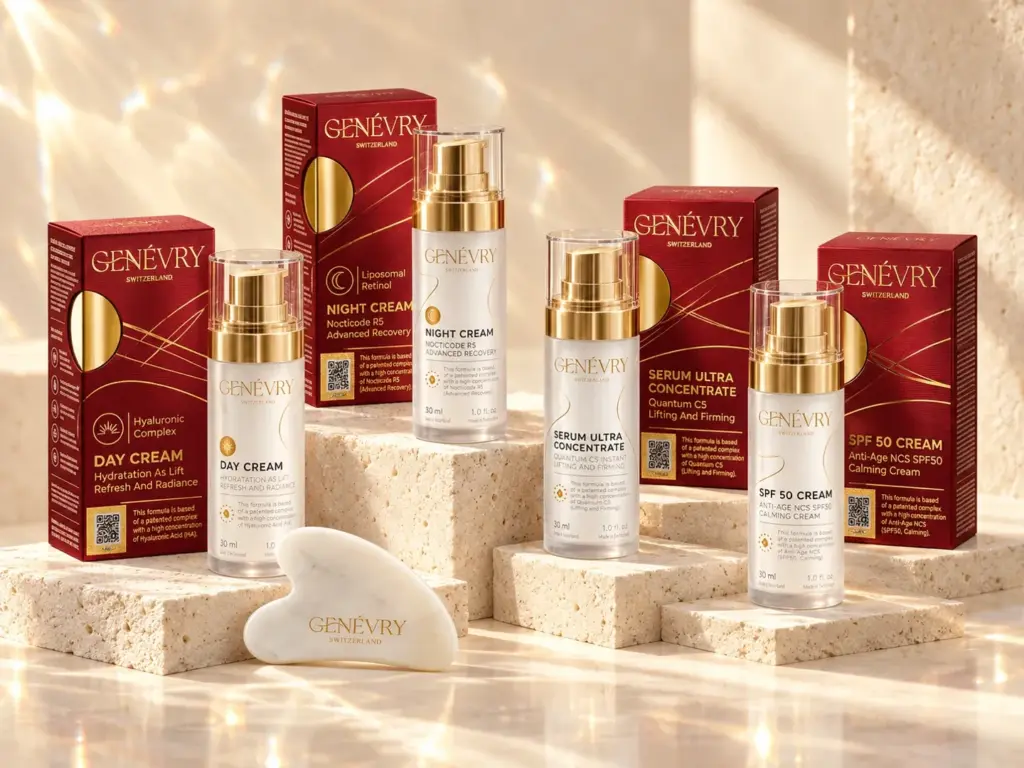
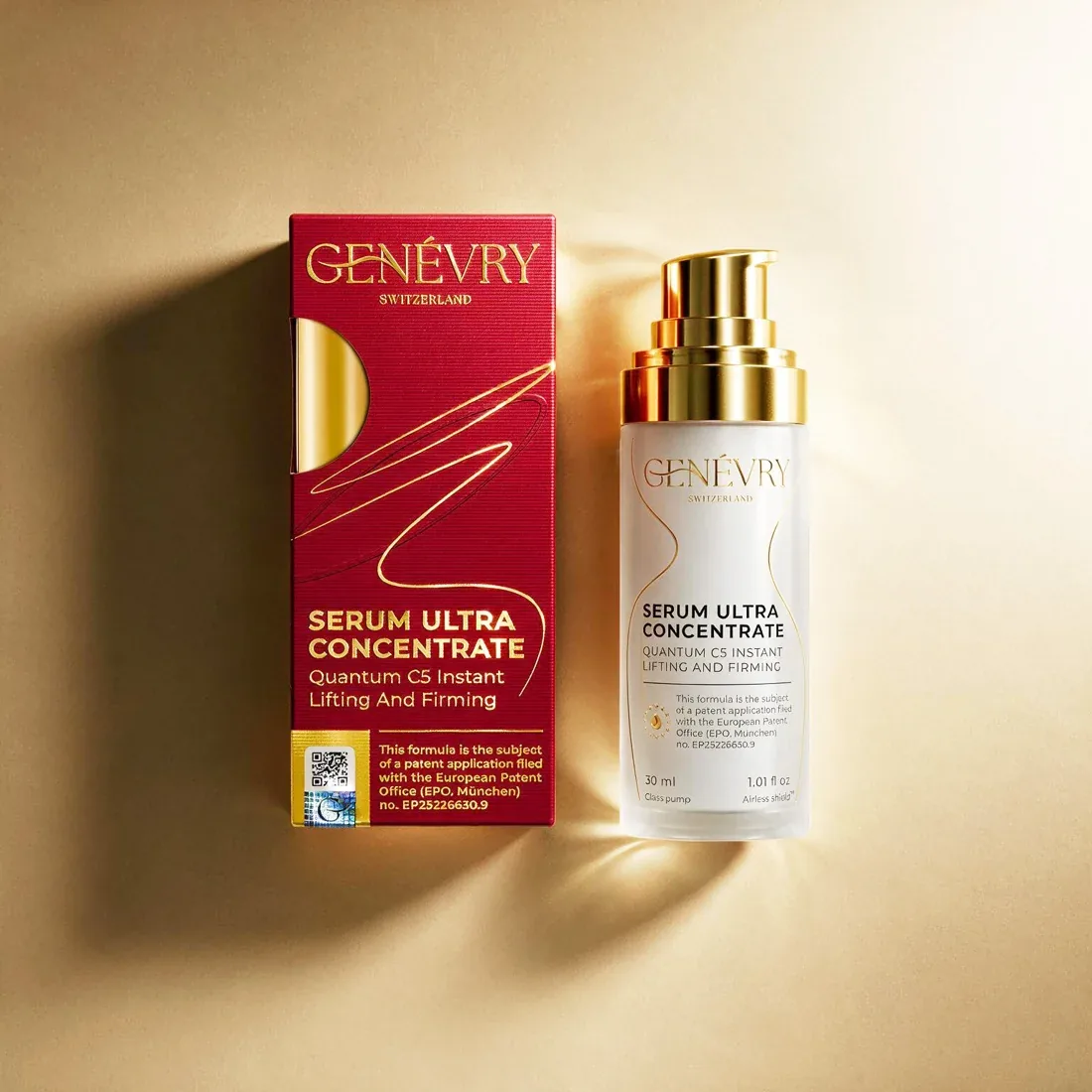
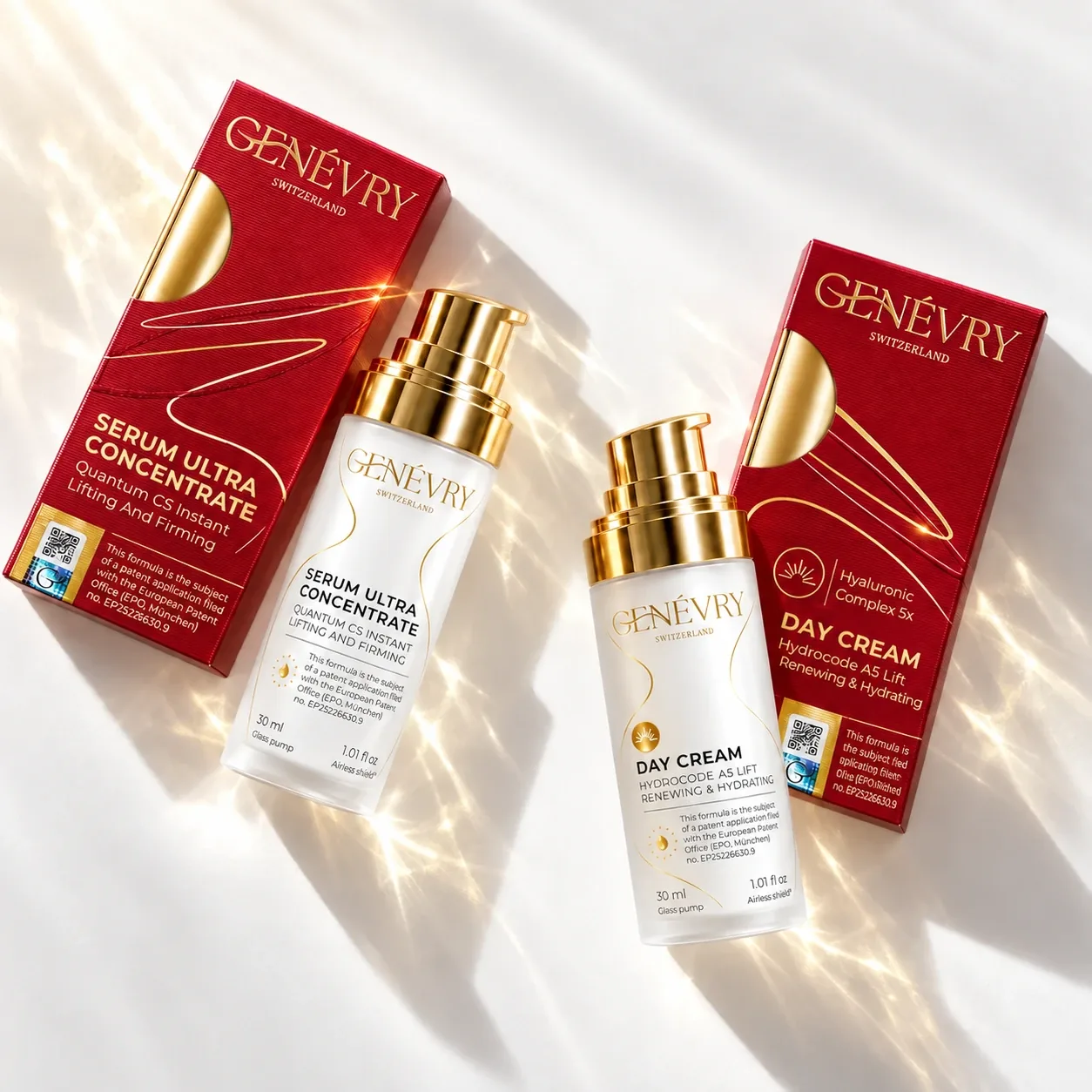
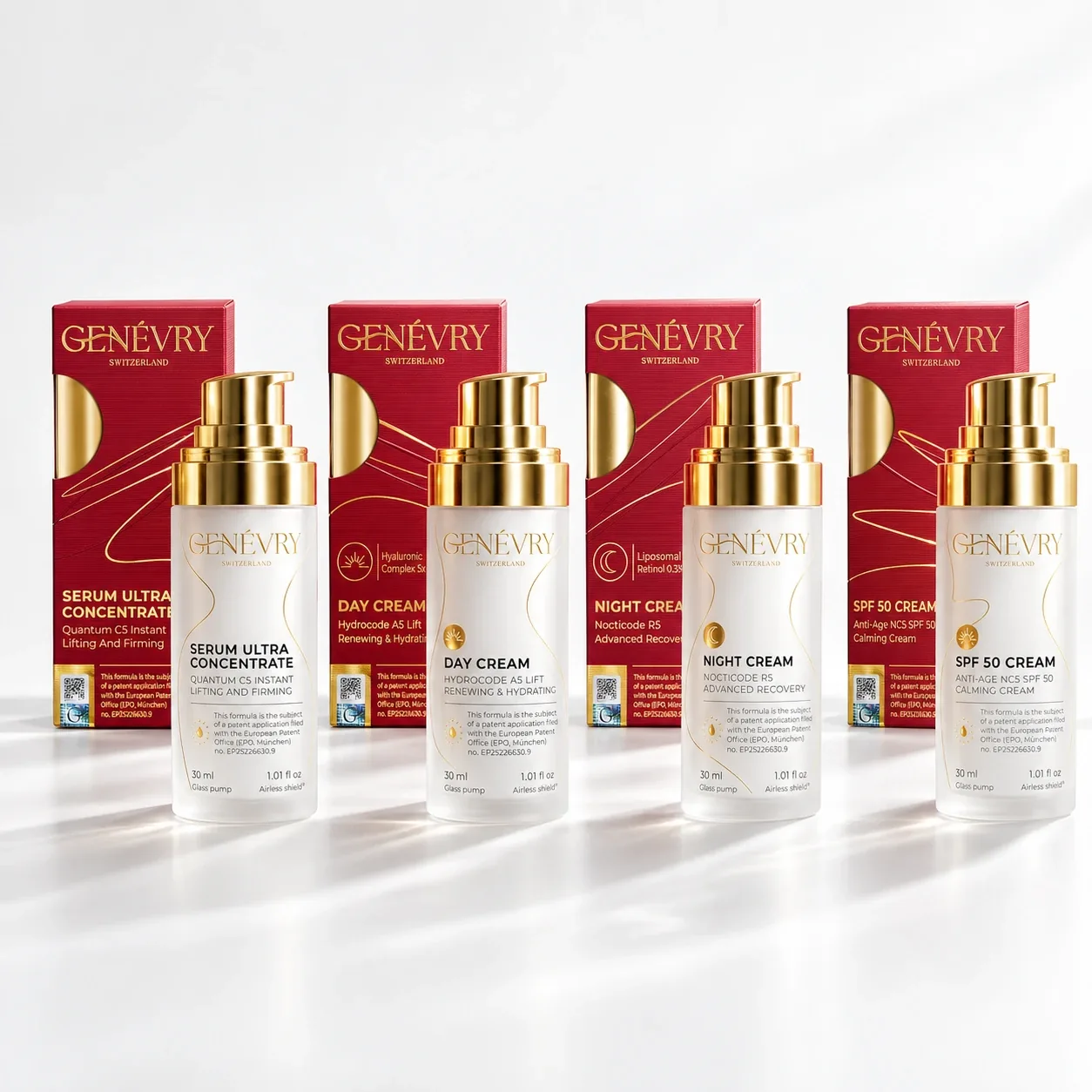
- Serum. The lightest and most concentrated layer goes first. Press three to four drops over face, neck and décolleté. In the GENÉVRY collection this step is Quantum C5 with copper peptide GHK-Cu and liposomal vitamin C.
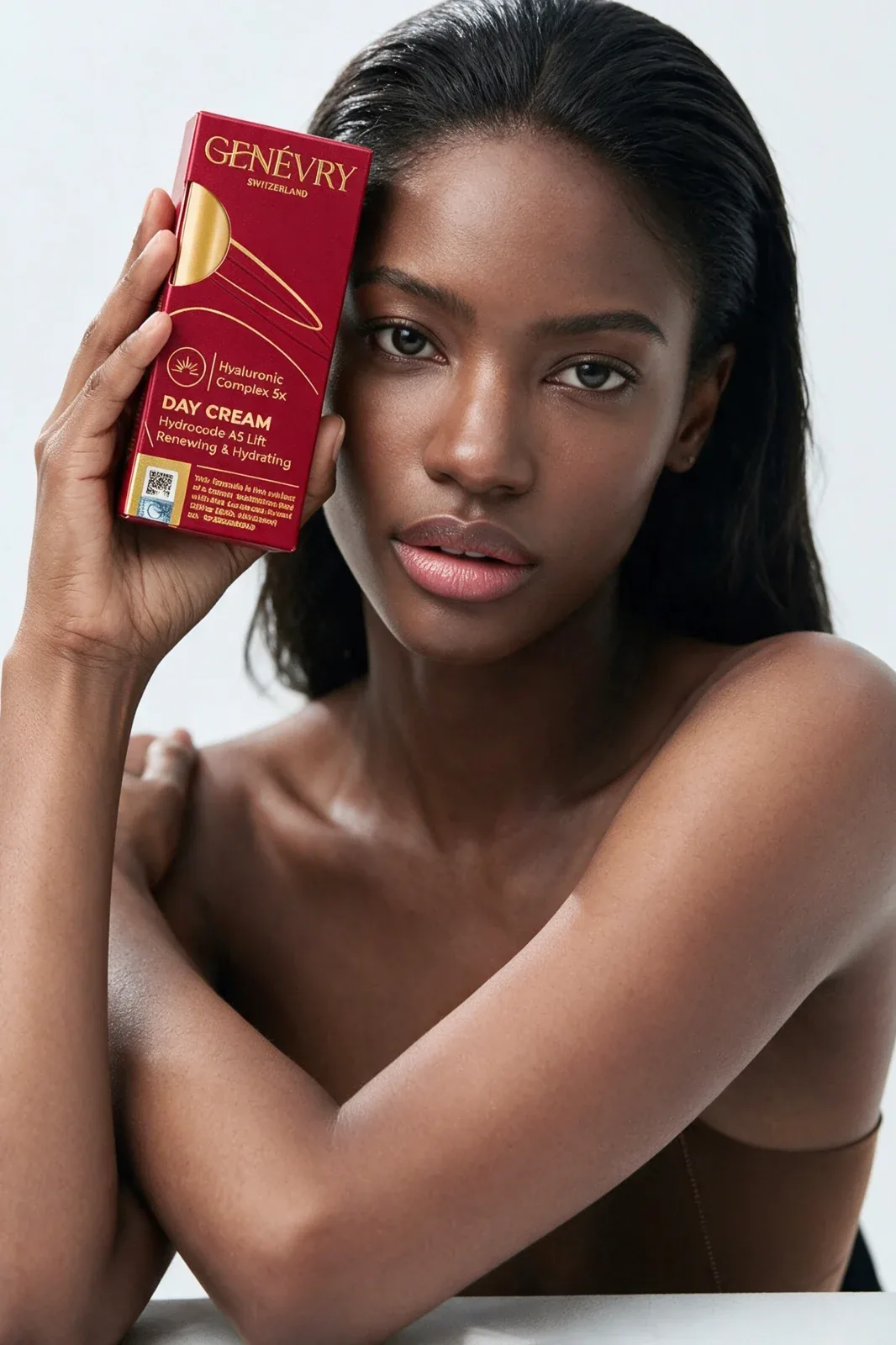
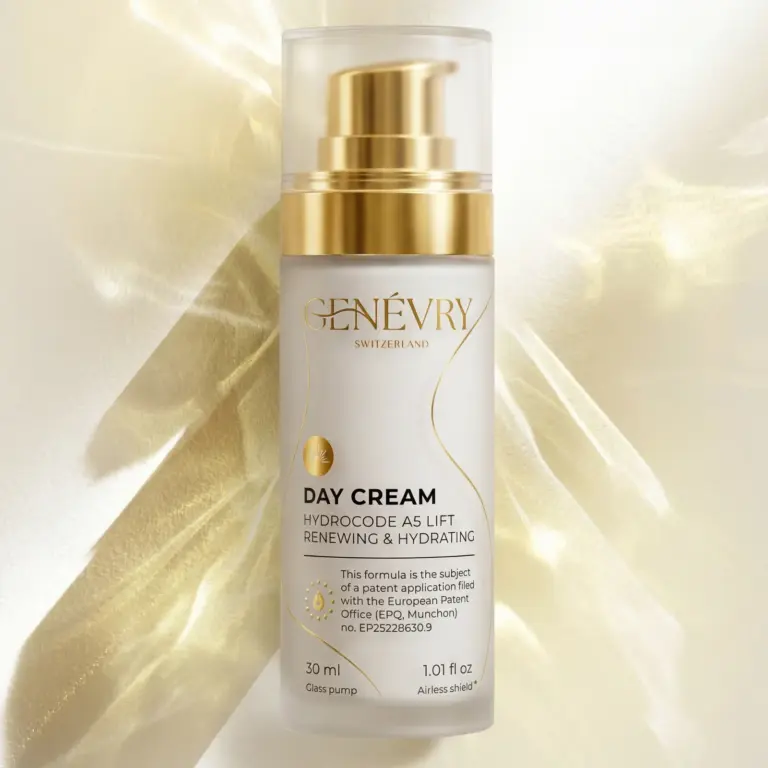
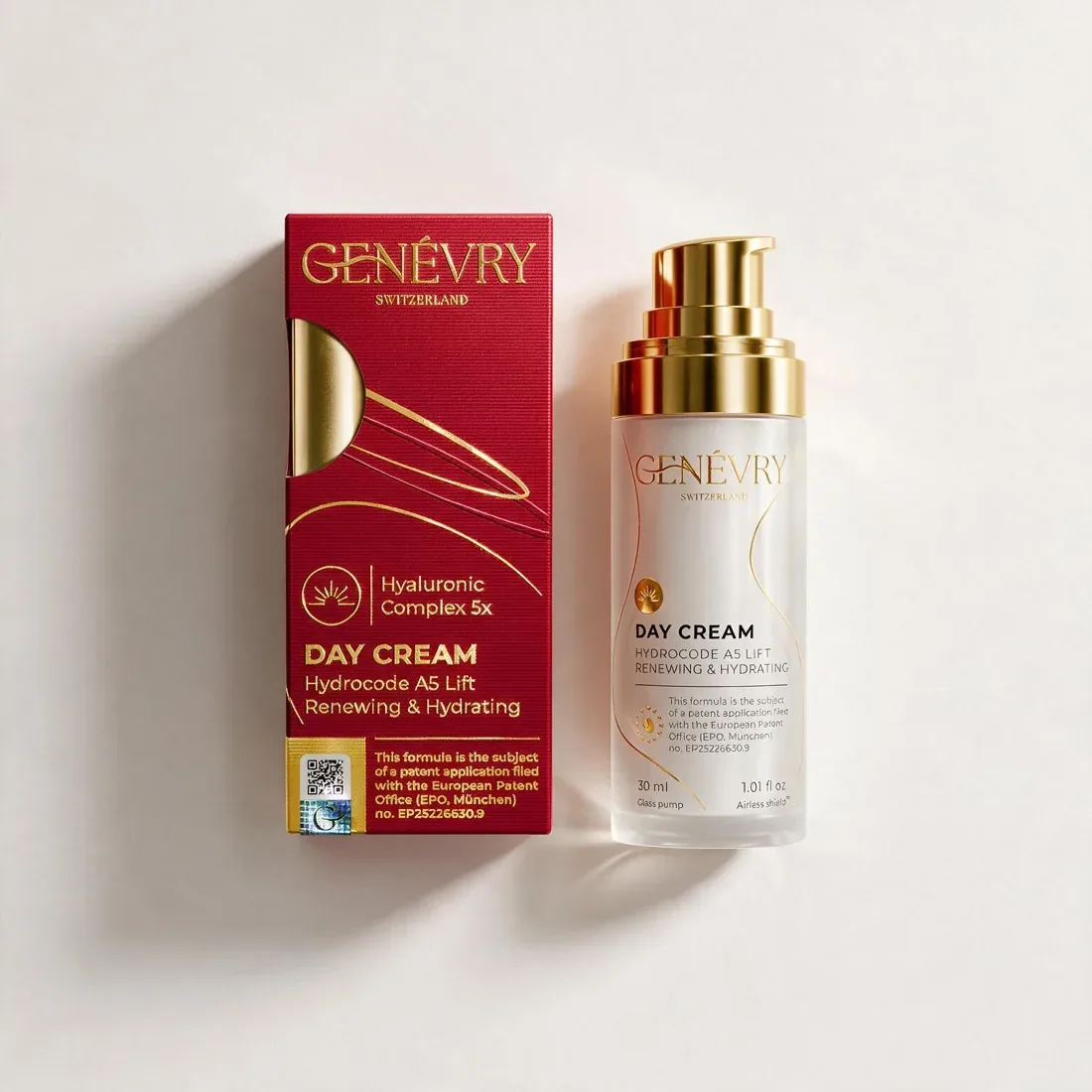
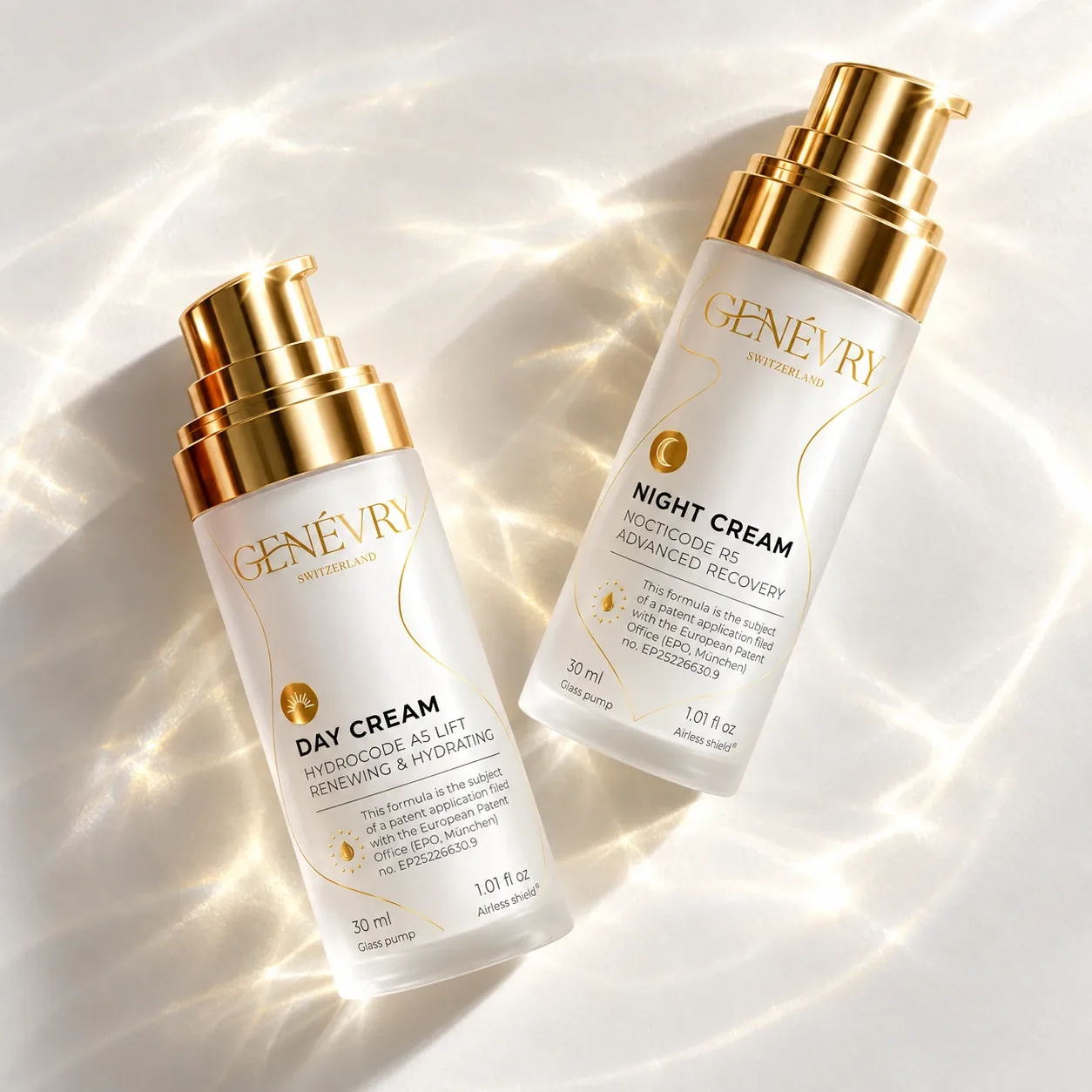
- Day cream. It seals the serum and adds its own hydration. Hydrocode A5 Lift goes on while the skin is still slightly damp, so the film has something to hold in.
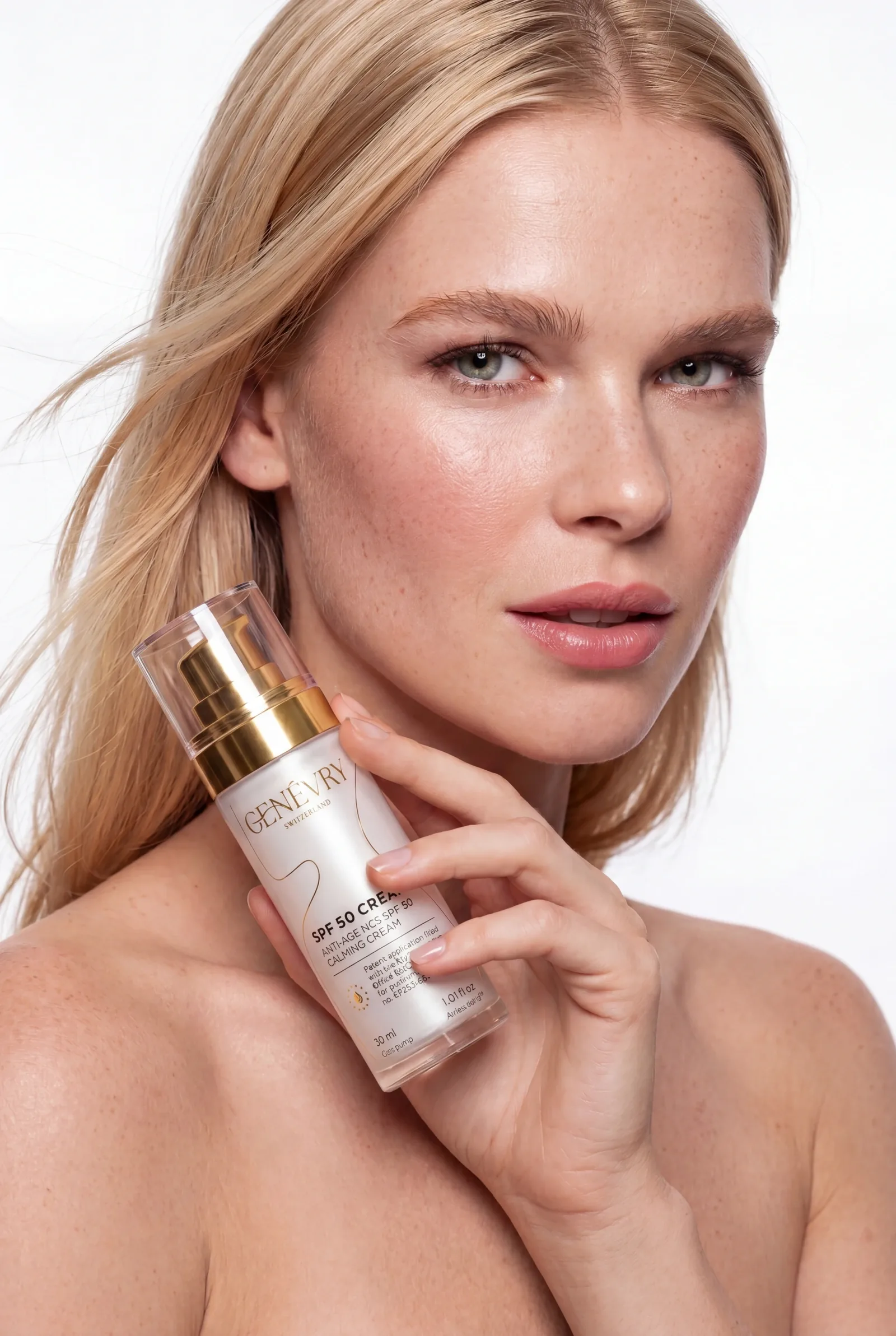
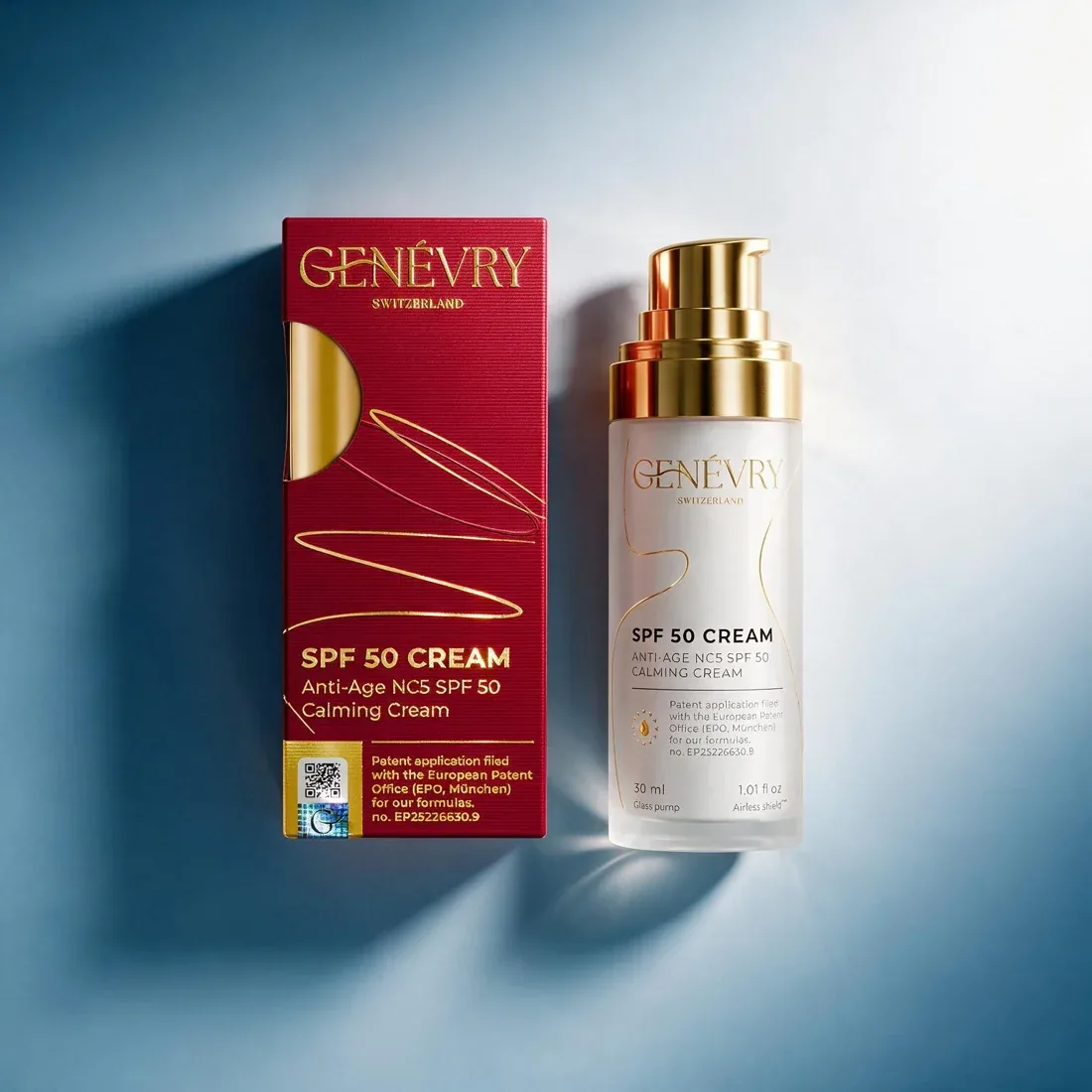
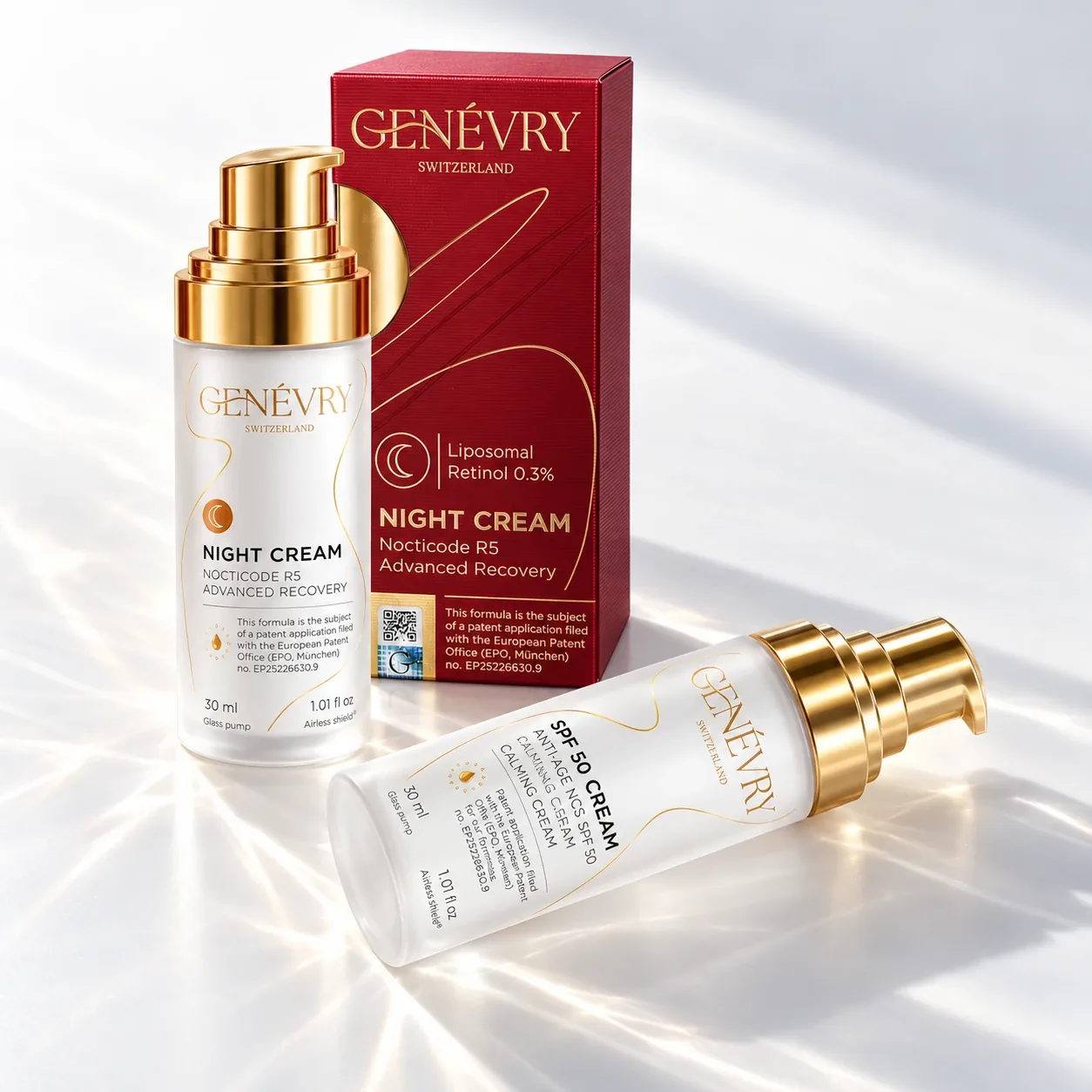
- SPF 50. The final step of the ritual. Spread Anti-Age NC5 SPF 50 evenly and generously: face and neck take roughly a third of a teaspoon, or two fingers’ worth of product. Reapply during the day as the label directs.
Treat the eye area separately and always more gently — the thin skin of the eyelids does not need the quantities the cheeks do. Neck and décolleté belong to the same routine; they are where a skincare habit that stops at the jawline becomes visible first.
The evening runs on a different sequence
Evening starts with more thorough cleansing. If sunscreen and makeup were on the face all day, one wash rarely does the job: an oil or micellar step to dissolve the protective layer first, then a gentle gel. Sunscreens are engineered to cling to skin — and they cling just as well when you would rather remove them.
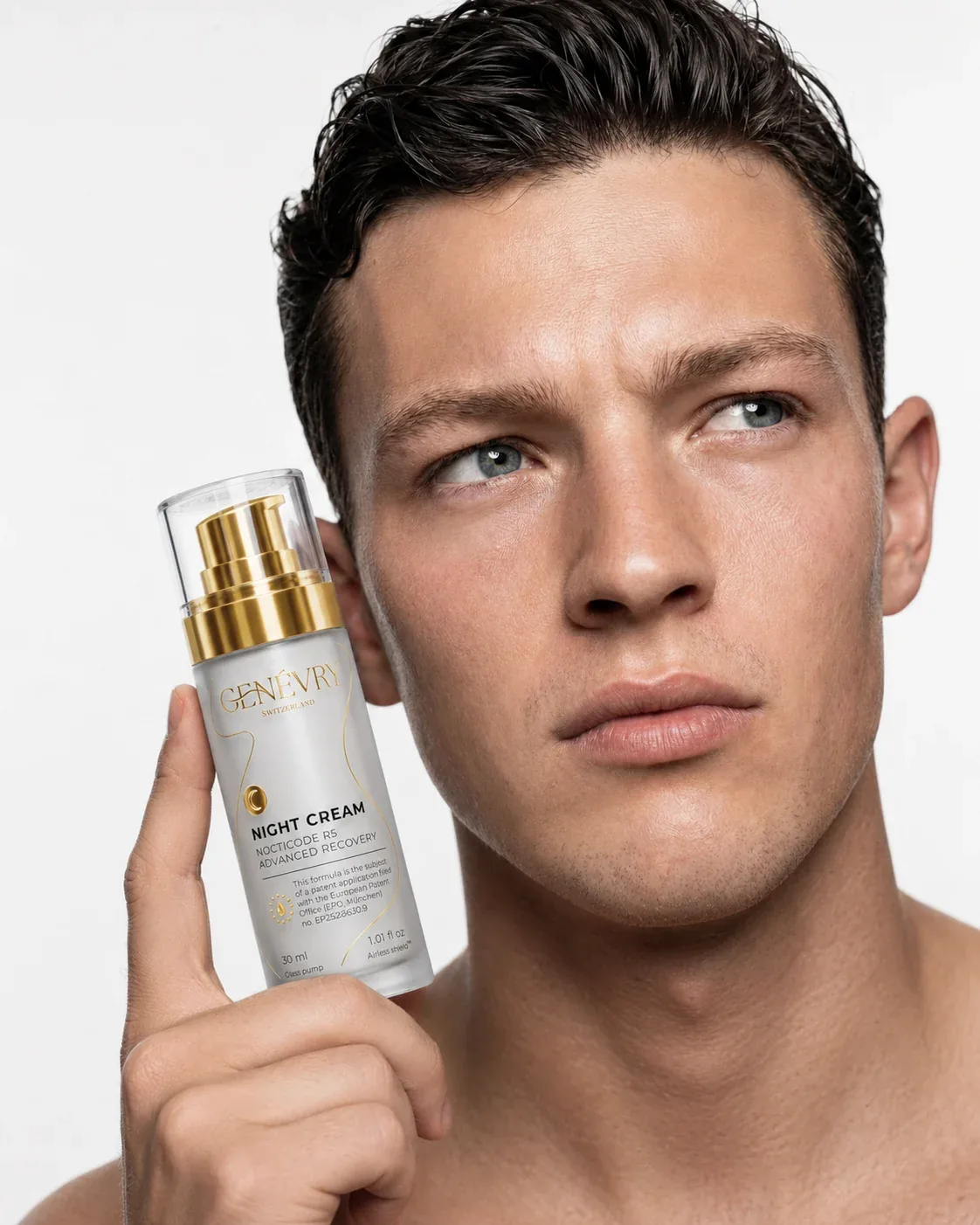
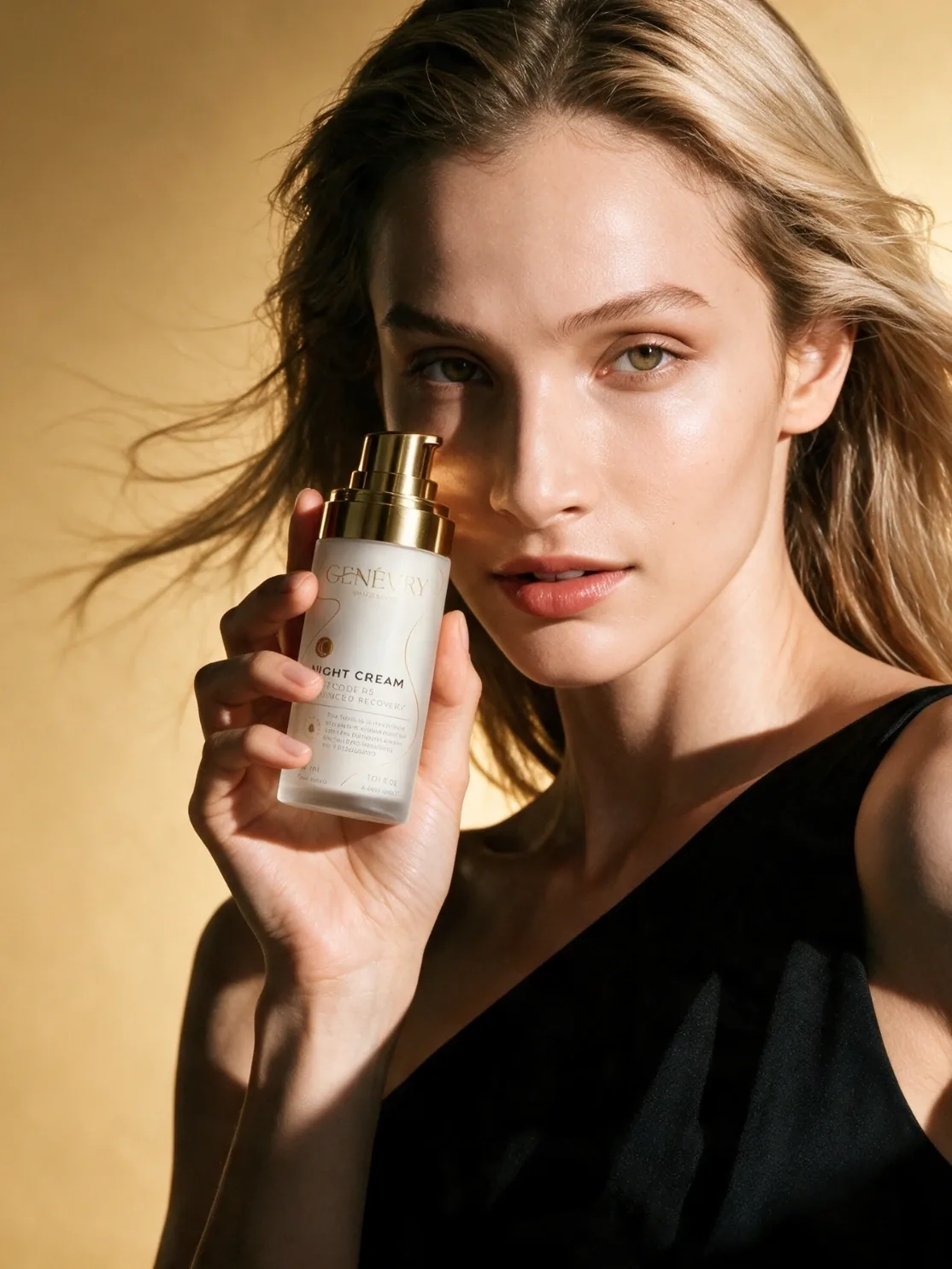
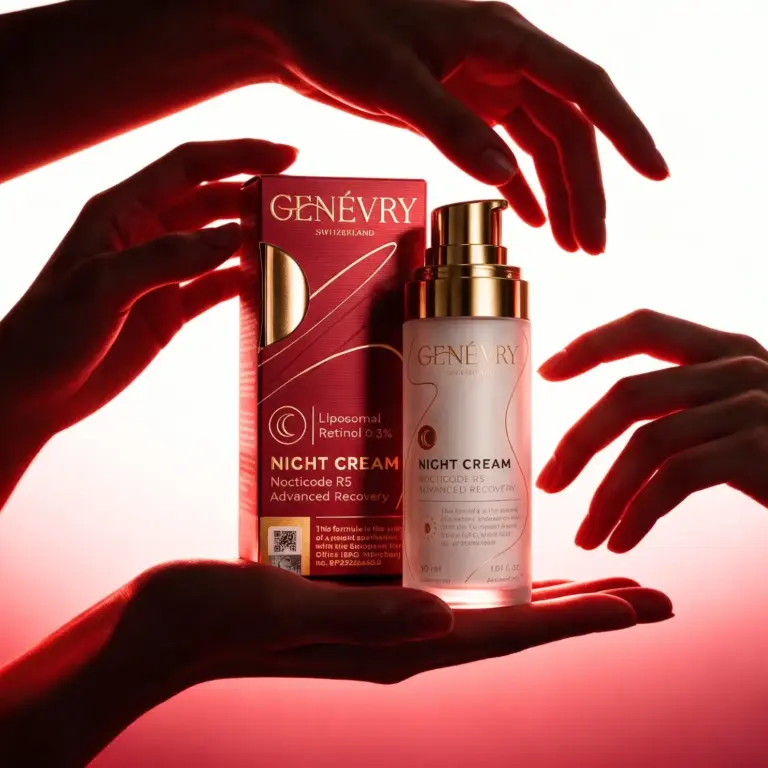
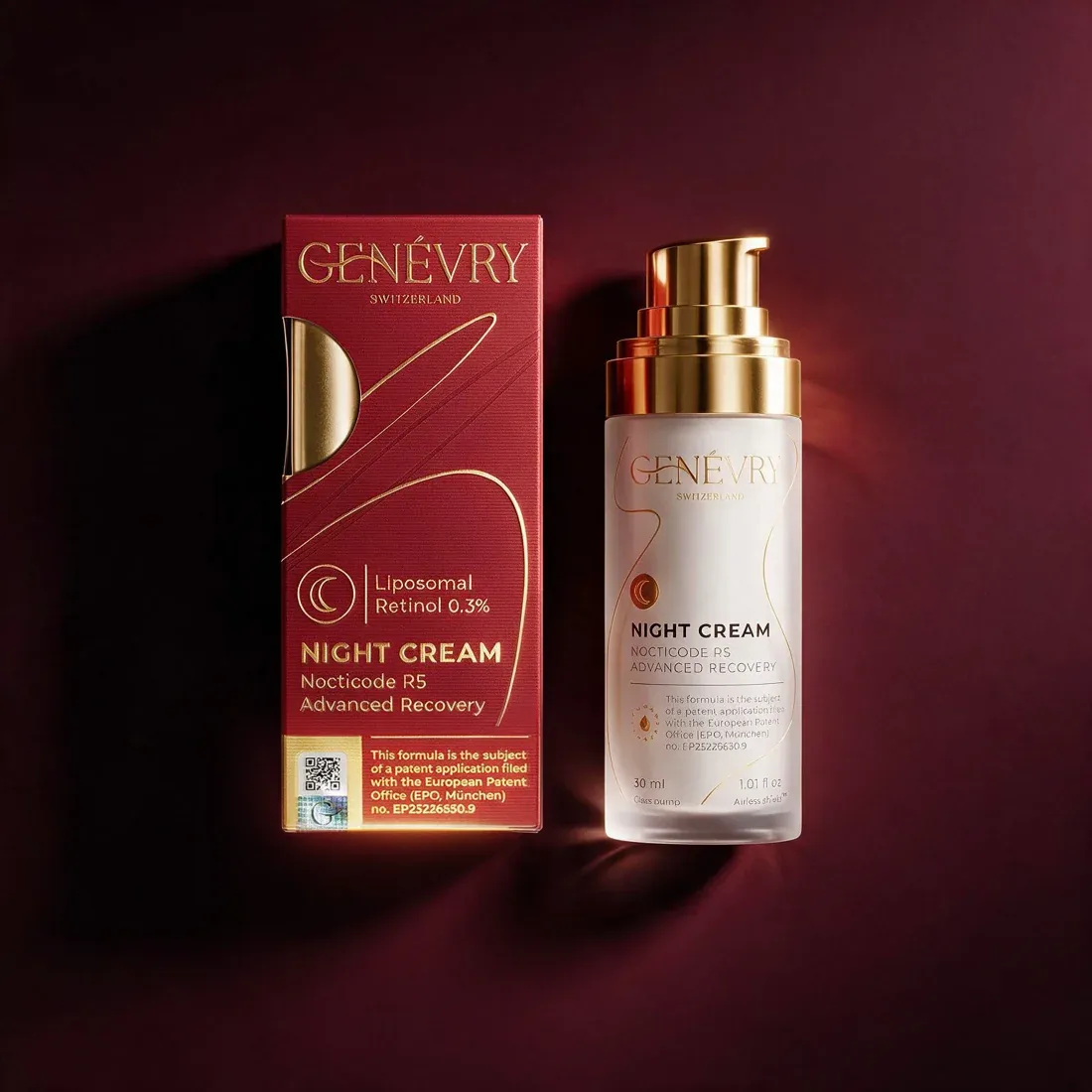
After that the same logic returns: lightest first. Serum, if you use it twice daily, then night cream. Nocticode R5 with liposomal retinol 0.3% is a step worth introducing gradually — two evenings a week to begin with, increasing only once the skin stays comfortable. Retinol is not used during pregnancy or breastfeeding, and once it is part of the evening, morning sunscreen stops being optional.
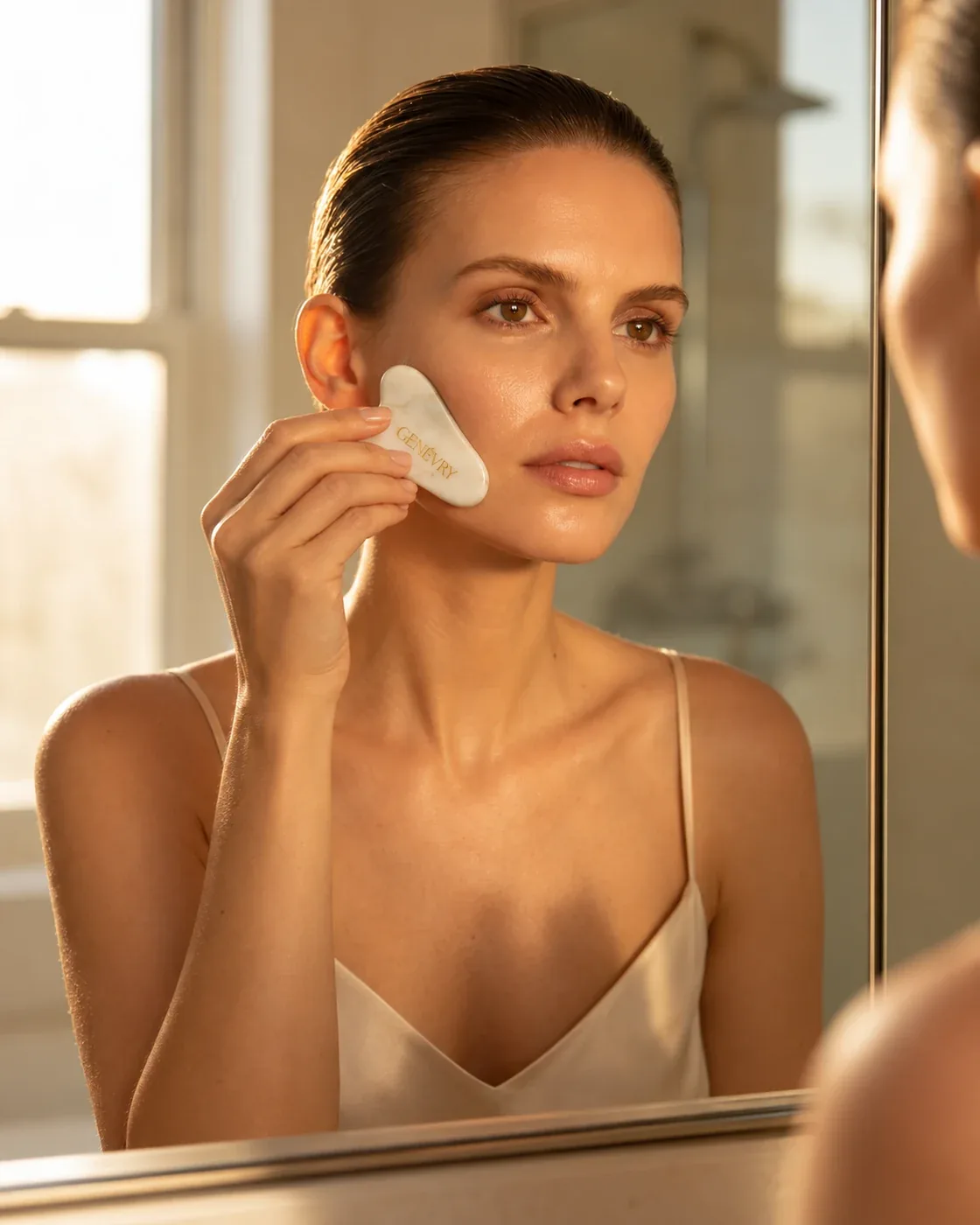
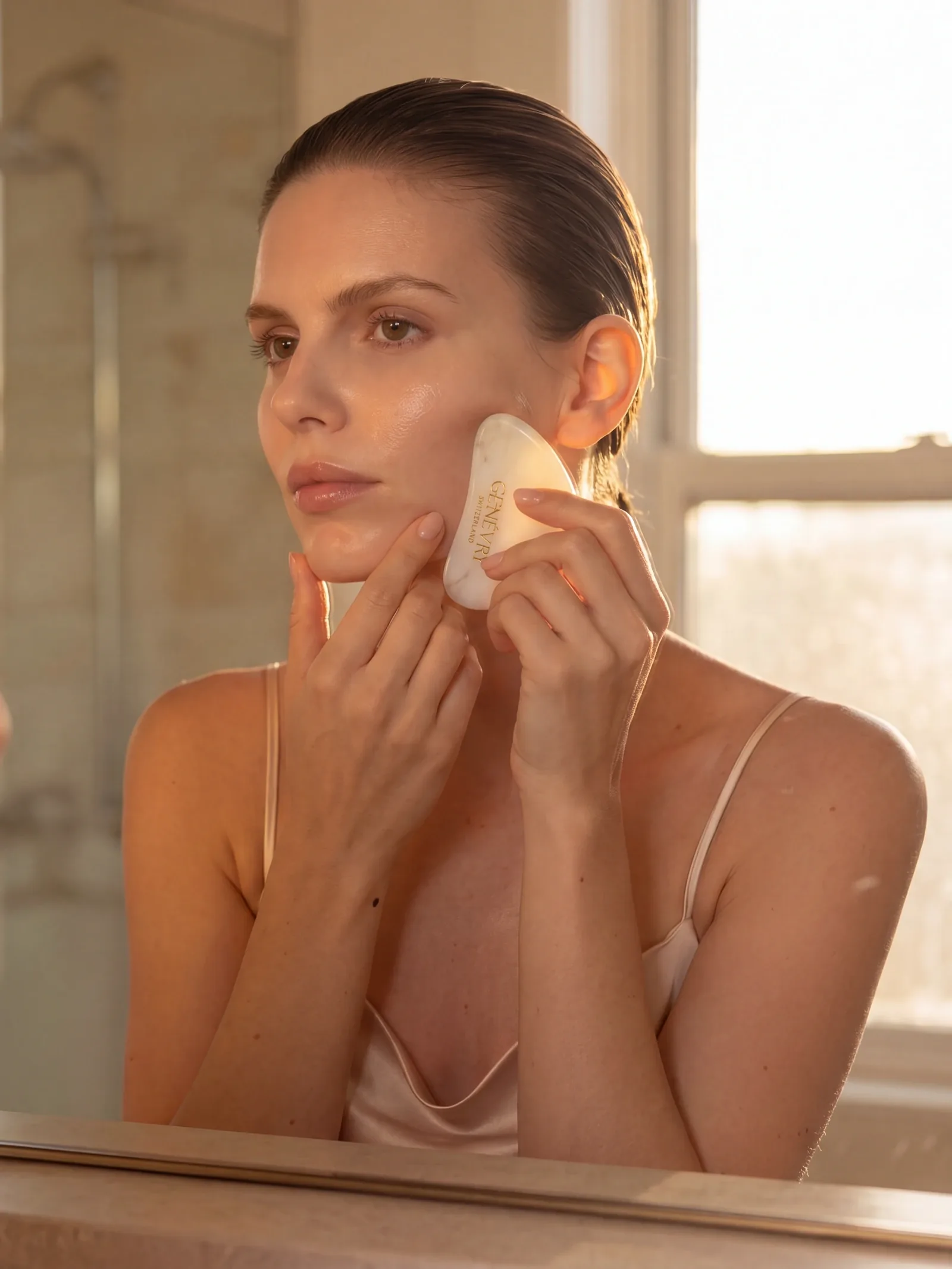
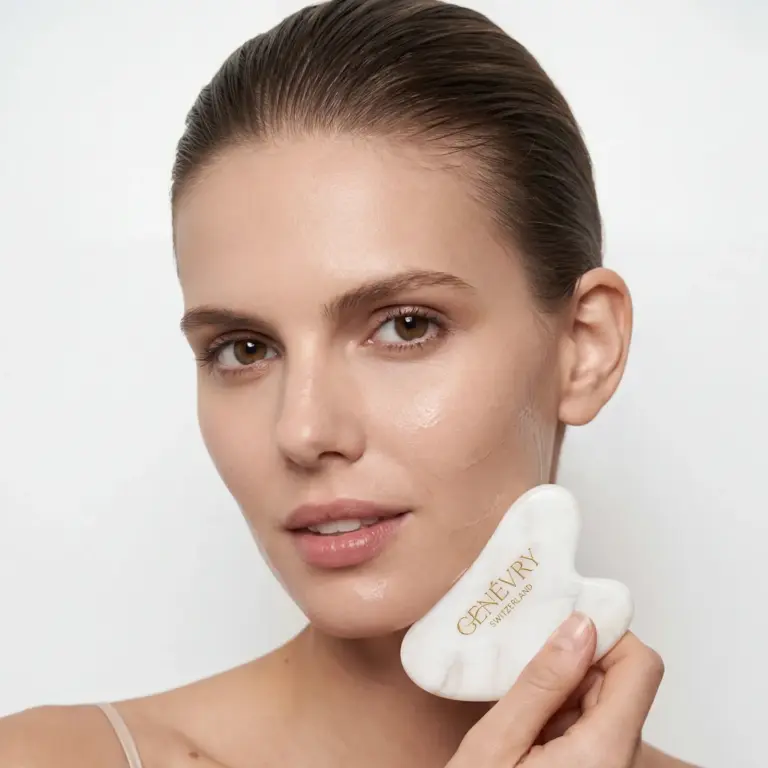
Gua sha massage belongs before the night cream, over a serum or an oil — it needs slip, not dry skin. And one detail that is easy to forget: sunscreen is never an evening step.
The evening ritual also answers a different brief. Mornings are about protection — from light, wind, dry office air. At night the skin has nothing to fend off, so textures can be richer, and ingredients that dislike daylight go exactly where they belong.
Morning and evening in one table
| Step | Morning | Evening |
|---|---|---|
| 1 | Gentle cleanse | Two-step cleanse if sunscreen or makeup was worn |
| 2 | Serum — the lightest layer | Serum, if you use it twice a day |
| 3 | Day cream | Night cream, including retinol formulas |
| 4 | SPF 50 — always last | No sunscreen; optional gua sha before the cream |
| Note | Reapply sunscreen through the day | Introduce retinol gradually; not during pregnancy |
How long to wait between layers
Less time than the internet suggests. A serum needs about a minute to stop feeling wet; a cream two to three minutes before sunscreen goes on. The point is that the next layer should not smear the previous one — not that everything must “fully absorb” first. Fifteen-minute pauses between steps are a myth, and an efficient way to abandon a routine altogether.
Five mistakes that undo a good routine
- Moisturiser over sunscreen. The most common error, and the only one that measurably lowers protection.
- Too little sunscreen. A thin layer delivers less protection than the number on the packaging.
- Too many layers at once. Five products in a row is the shortest path to irritation; three steps done daily achieve more than seven done occasionally.
- Rubbing it in. Skin does not require force. Light pressure is enough, and with retinol it is preferable.
- Retinol and acids on the same evening. Separate them across different days, especially in the first weeks.
What the studies measured, step by step
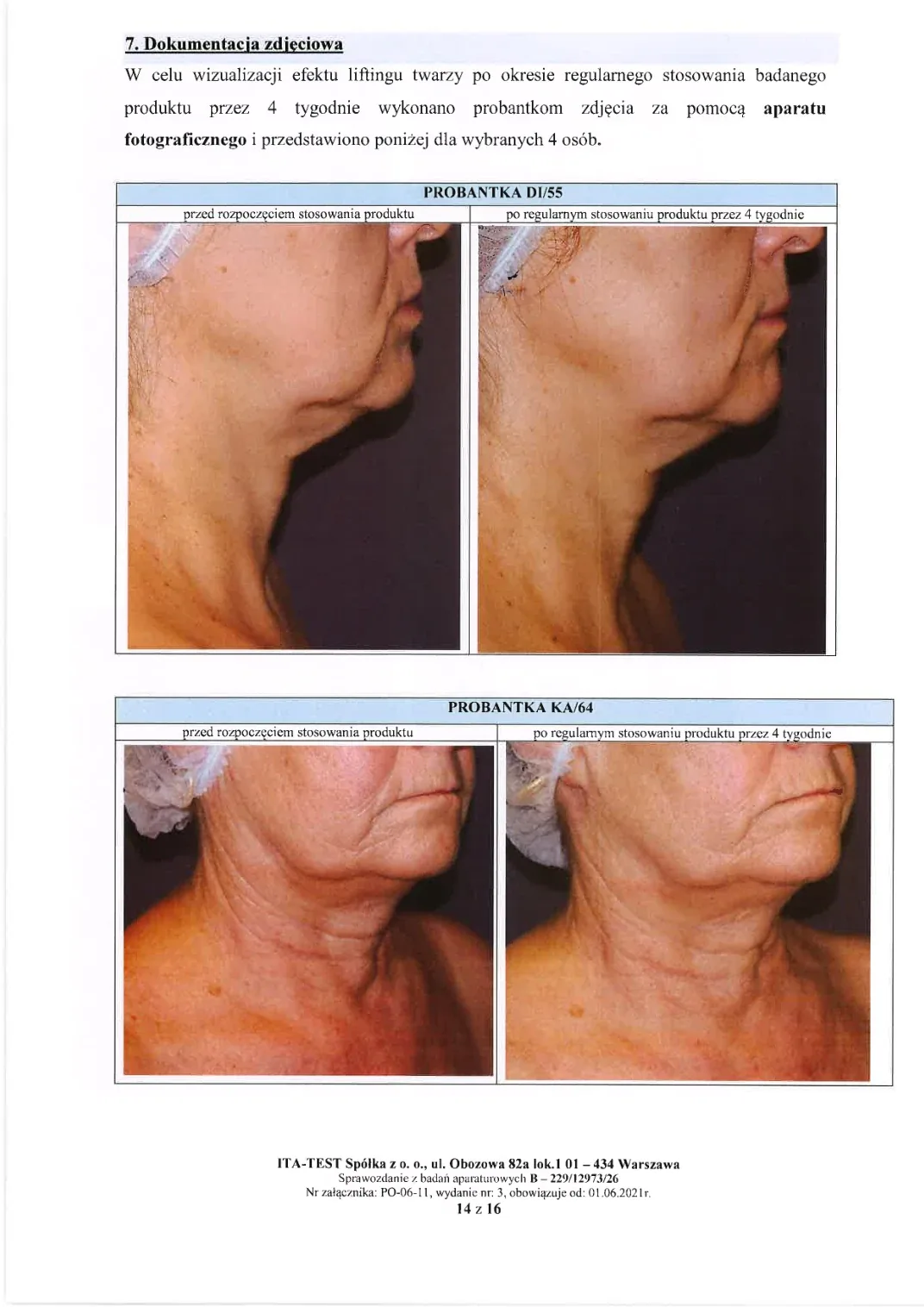
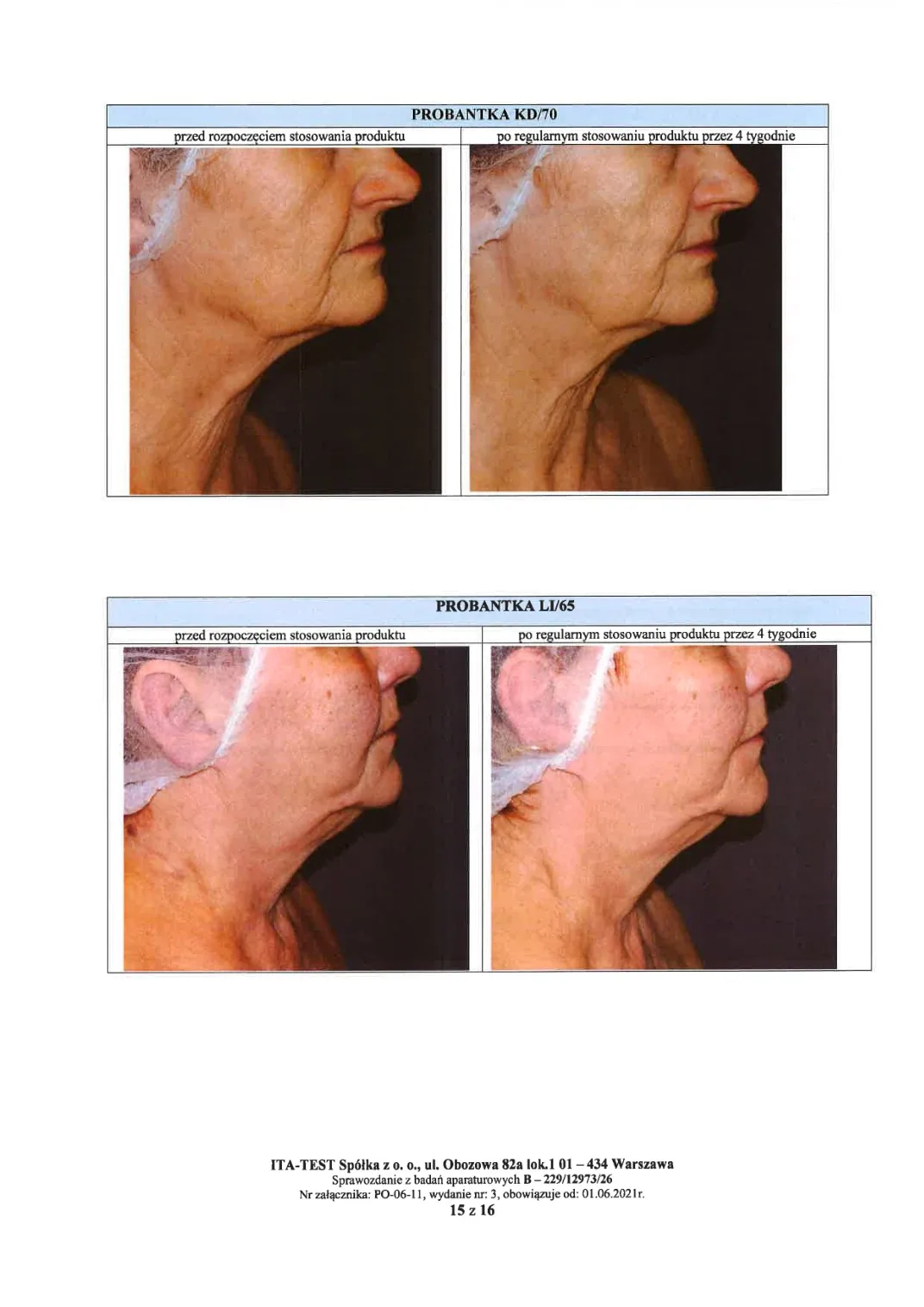
Each GENÉVRY formula was assessed separately in instrumental studies with 10 participants. These are small groups and averaged results — a reference point for each step rather than a promise.
| Step | Result | Study conditions |
|---|---|---|
| Quantum C5 serum | Mean skin hydration +33% | 4 weeks, instrumental, n=10, Corneometer CM 825; hydration increased in all 10 participants |
| Hydrocode A5 Lift day cream | Mean skin hydration +41% | 4 weeks, instrumental, n=10, Corneometer CM 825 |
| Anti-Age NC5 SPF 50 | Mean facial skin hydration +23% | 3 weeks of regular use, instrumental, n=10, Corneometer CM 825 |
| Nocticode R5 night cream | Mean wrinkle length −10% (2.08 to 1.88 mm) | 4 weeks, silicone replicas, VISIOLINE VL650, n=10; a reduction in 9 of 10 participants |
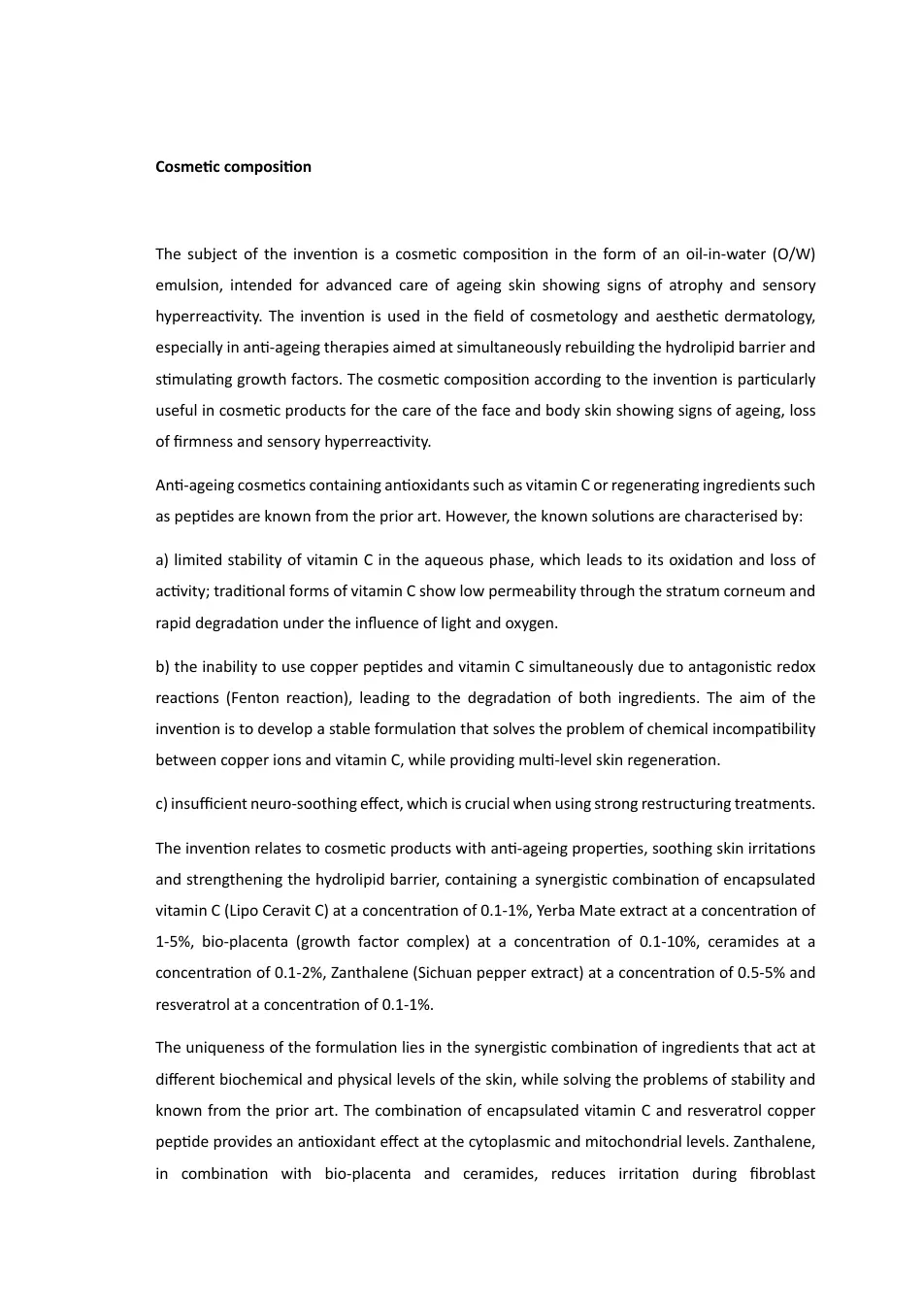
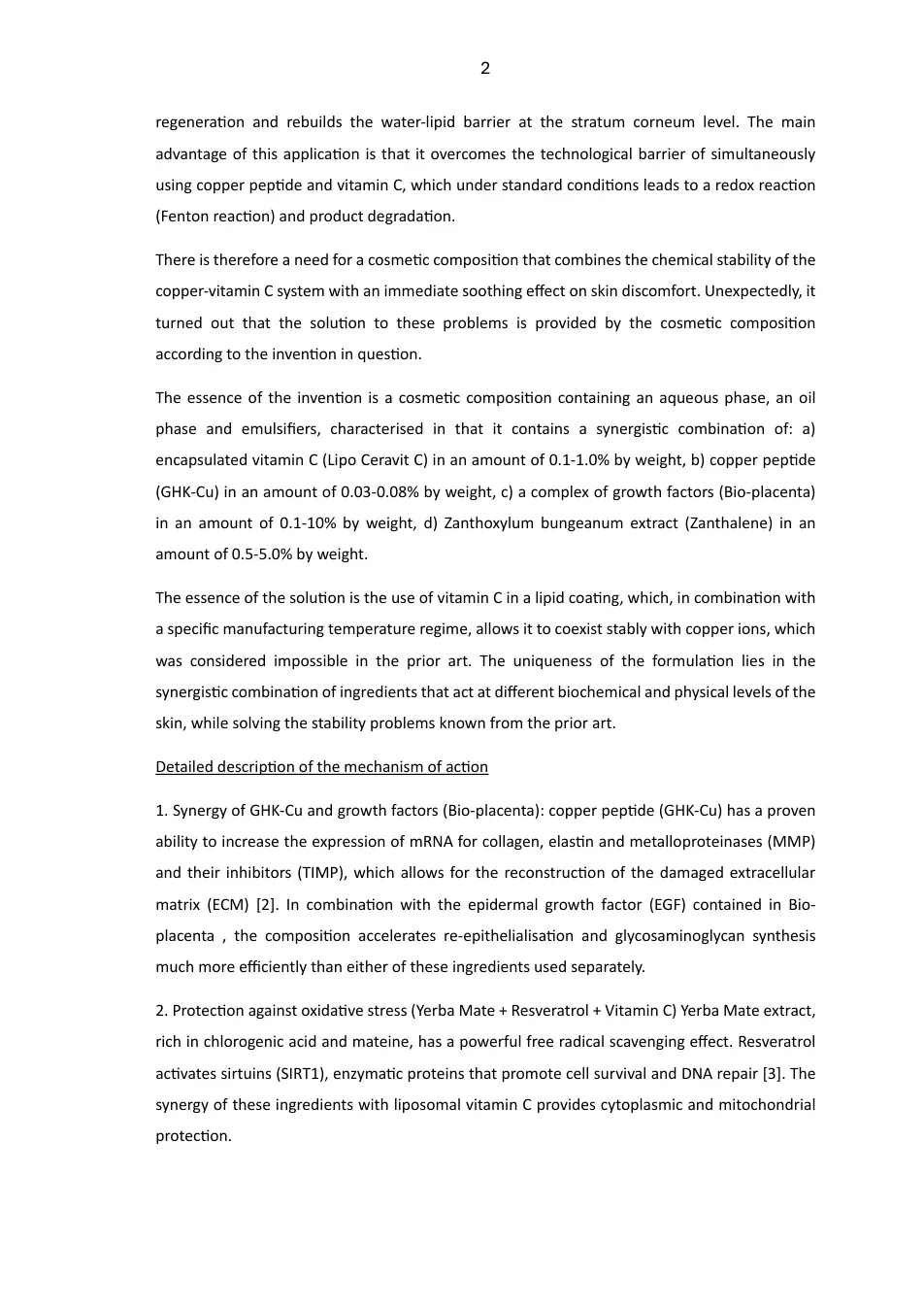
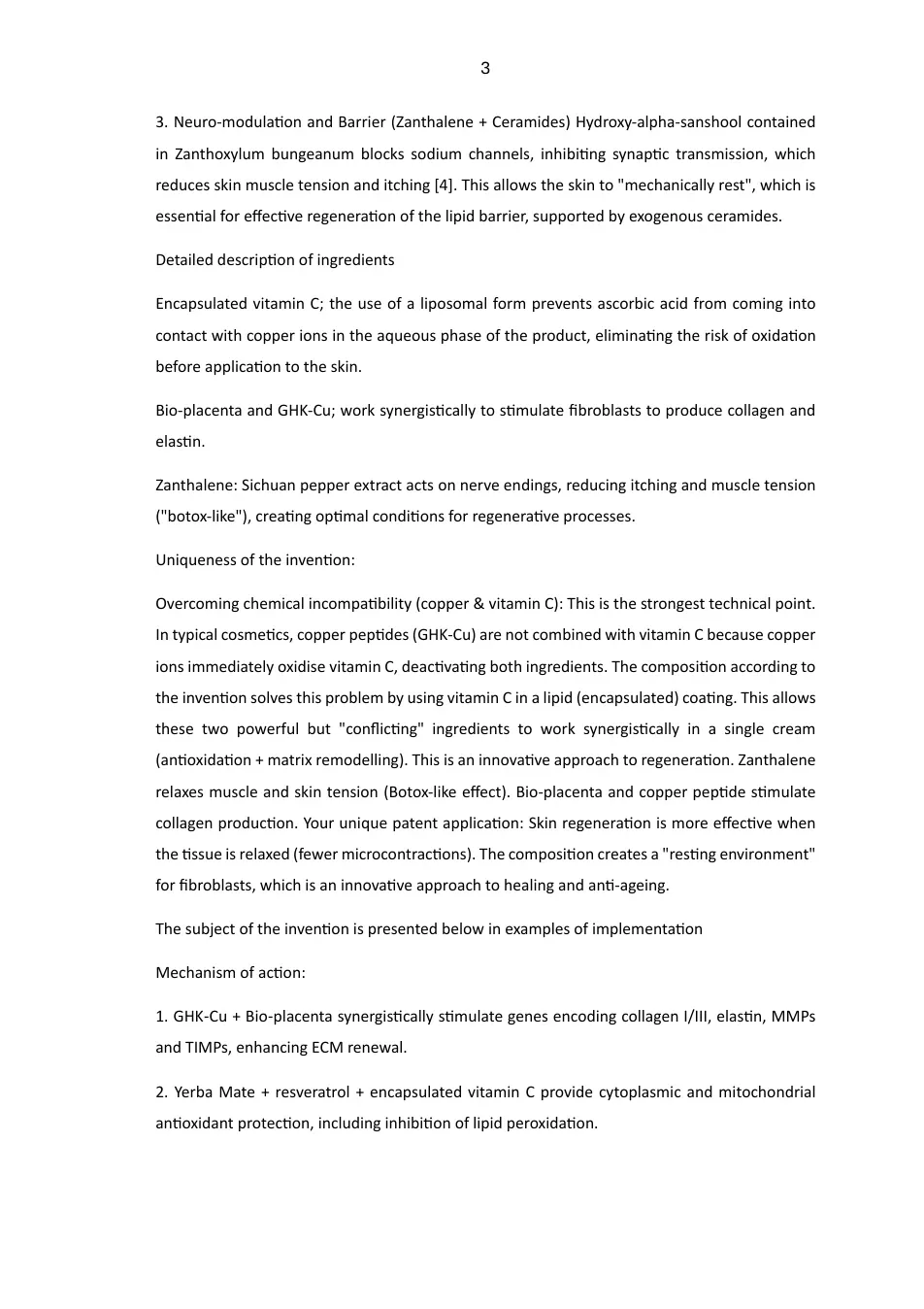
The formulas are the subject of patent application EP25226630.9 (patent pending) filed with the European Patent Office — an application, not a granted patent.
Frequently asked questions
Can the serum be skipped?
It can, although the routine then loses its most concentrated step. If you are choosing between a serum and a cream, keep the one that answers your main concern — in practice, extra layers are dropped far more often than the basics.
Sunscreen before or after moisturiser?
After, always. Sunscreen is the last step of skincare and the first thing that should never be diluted. The only thing that goes over it is makeup.
How long between serum and cream?
A minute is plenty. The layer only needs to stop feeling damp to the touch; nothing else has to happen.
Does the order change for oily or dry skin?
The order does not. The textures do: oily skin usually prefers a light gel-cream, dry skin a richer emulsion. Thinnest to richest holds either way.
Can vitamin C and retinol be used on the same day?
Yes, as long as they are separated in time: vitamin C in the morning, retinol at night. With sensitive skin, or during dermatological treatment, discuss the plan with your doctor.
A routine rarely fails because of the products in it. Far more often it fails on the order in which they reach the skin. Four steps in the morning, three at night, sunscreen always last before the day begins. The rest is repetition, which after a few weeks stops requiring any thought at all.
The formulas in this article
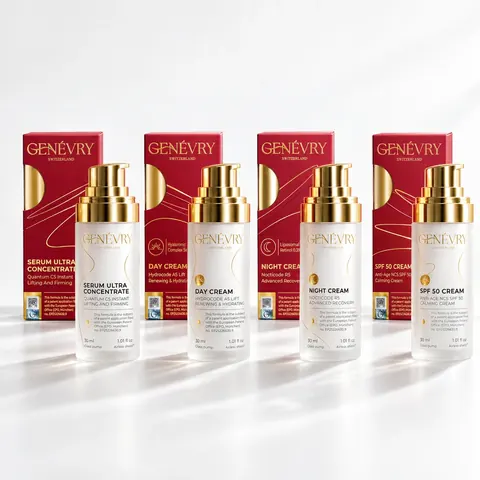 The Skin Code ProtocolCjeloviti 24-satni ritual · 4 × 30 ml€112.90Discover the formula →
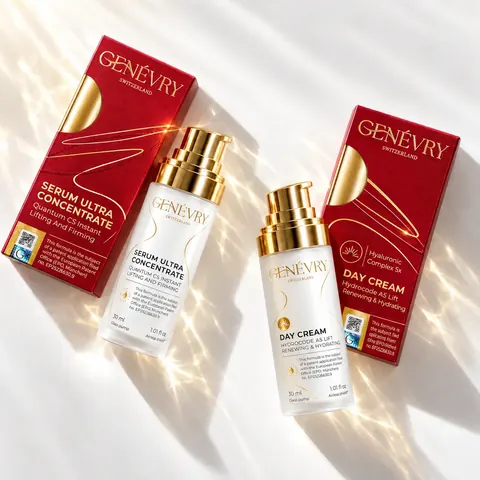 The Morning DuoQuantum C5 + Hydrocode A5 · 2 × 30 ml€64.90Discover the formula →
Cosmetic product. Individual results may vary.

 English / EUR
 English (US) / USD
 English (UK) / GBP
 Deutsch / EUR
 Deutsch (Schweiz) / CHF
 Français / EUR
 Italiano / EUR
 Español / EUR
 Nederlands / EUR
 Polski / PLN
 日本語 / JPY
 한국어 / KRW
 中文 / CNY
 العربية / AED
 English (Australia) / AUD
 English (Canada) / CAD
 Svenska / SEK
 Dansk / DKK
 Norsk / NOK
 Suomi / EUR
 Português / EUR
 Türkçe / TRY
 Čeština / CZK
 Magyar / HUF
 Română / RON
 Ελληνικά / EUR
 Slovenčina / EUR
 Hrvatski / EUR
 Slovenščina / EUR
 Lietuvių / EUR
 Latviešu / EUR
 Eesti / EUR
 Български / EUR
 Українська / EUR