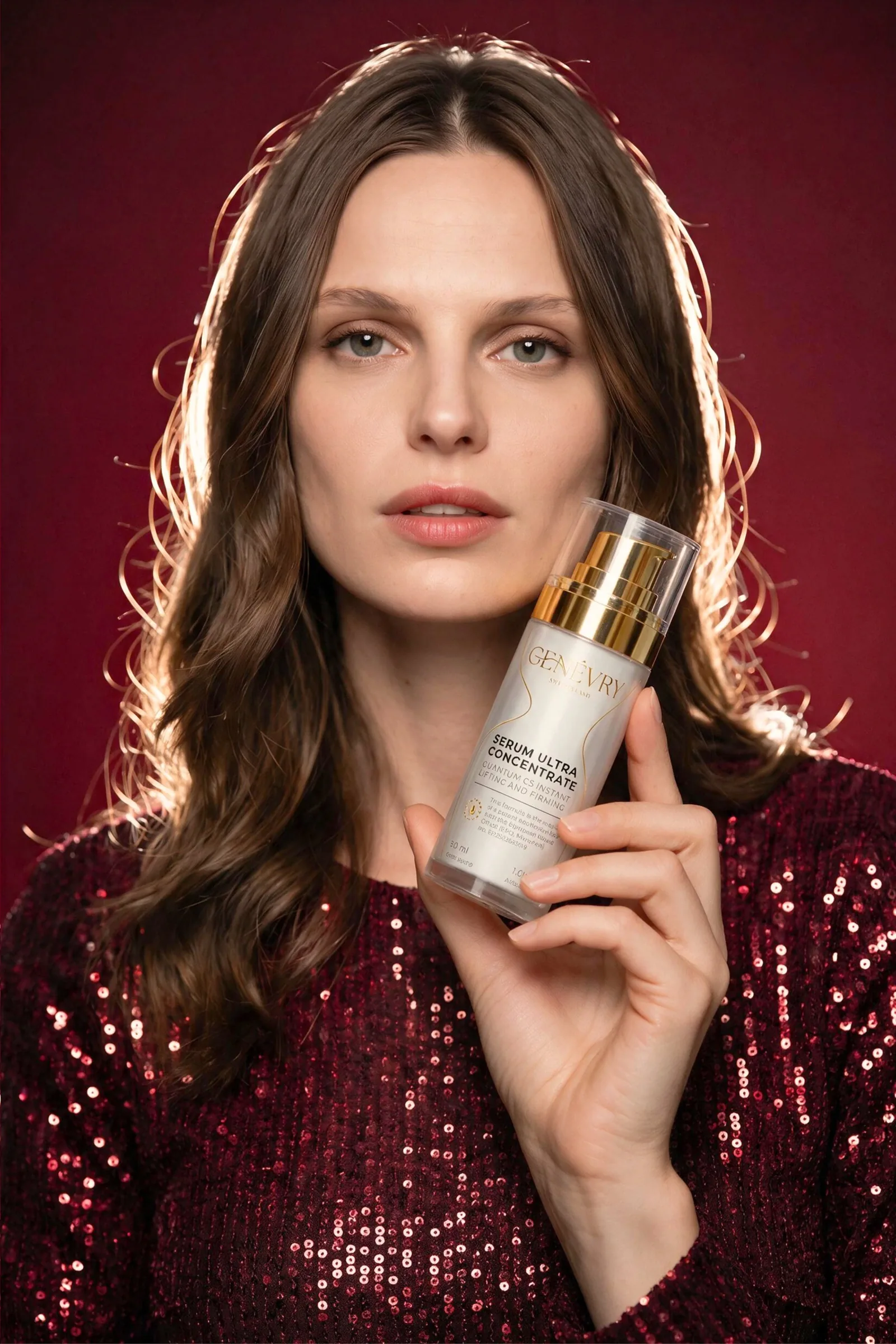
Air pollution and skin aging: what a new review found about UV and particles
The point is not that cities are bad for your face. It is that sunlight and particles reach the skin at the same moment, and together they count differently.
Air pollution and skin aging have usually been studied as separate problems: sunlight on one side, particles and traffic fumes on the other. A review published on 17 November in Toxicology Letters pulls the two together and argues that they do not simply add up. Ultraviolet radiation and airborne pollutants reach the skin at the same moment, and together they trigger a response larger than either produces alone. The authors call it “oxinflammation”. For anyone who walks to work past a busy road, the practical consequence is narrow but useful: daily sunscreen and a proper evening cleanse stop being two unrelated habits.
- What happened: a review appeared in Toxicology Letters on 17 November, written by a team from the University of Bordeaux, Université Grenoble Alpes and Université Paris-Saclay (DOI 10.1016/j.toxlet.2026.113234).
- What it covers: the combined action of UV radiation and polycyclic aromatic hydrocarbons (PAHs), benzo[a]pyrene above all, on human skin.
- The core finding: co-exposure produces a supra-additive, non-linear interaction the authors name “oxinflammation”.
- What it depends on: UV dose, pollutant concentration and how long exposure lasts. Brief, low-level contact gives an adaptive response; chronic cumulative contact shifts the skin into persistent inflammation.
- What happens in the skin: chronic low-grade inflammation, cellular senescence, collagen broken down by matrix metalloproteinases and cathepsins, impaired DNA repair and autophagy, a weakened epidermal barrier, a disrupted microbiome.
- What it is not: a clinical trial. It is a literature review describing mechanisms, not a test of any cosmetic product.
- What it means for a routine: SPF in the morning and a thorough cleanse at night are two ends of the same job.
What the 17 November review actually says
The review brings together evidence on two stressors that almost never occur separately on skin: ultraviolet radiation and polycyclic aromatic hydrocarbons, with benzo[a]pyrene as the model compound. The novelty lies in the framing. Earlier papers treated UV and air pollution as parallel threats whose effects stack. This one concentrates on the immuno-inflammatory circuitry where the two meet, and on how one stressor changes the skin’s answer to the other.
The starting point is the skin exposome: the cumulative sum of environmental exposures and their biological imprint from conception to death. Skin is an unusually convenient organ to study, since you can reach it directly, and yet, as the authors point out, the exposome remains an underexplored driver of premature skin aging.
The paper was written by Ali Nasrallah, Joudi El Mir, Mohammad Fayyad-Kazan and Walid Rachidi, with affiliations at Inserm and the University of Bordeaux, CEA and Université Grenoble Alpes, Université Paris-Saclay and the American University of Iraq in Baghdad. The full abstract sits on PubMed. If the chemistry is unfamiliar, the Wikipedia entry on polycyclic aromatic hydrocarbons explains where they come from and why they linger in city air.
Why UV and particles act together rather than side by side
Supra-additive means two plus two gives more than four. Each stressor on its own disrupts redox balance, genomic integrity and immune function in skin. Put them together and an extra layer opens: the aryl hydrocarbon receptor (AhR), which binds PAH molecules, starts talking to the MAPK and NF-κB pathways that UV has already switched on. That crosstalk is where the term “oxinflammation” comes from — oxidative stress and inflammation feeding one another.
The size of the effect is not fixed. It depends on three variables: UV dose, pollutant concentration and duration of exposure. Short, low-level contact produces an adaptive response and the skin settles back down. Chronic, cumulative contact pushes the system towards inflammation that no longer resolves.
| Stressor | What it does alone | What it contributes to the pair |
|---|---|---|
| UV radiation | Damages DNA, generates reactive oxygen species, activates MAPK and NF-κB signalling | Leaves skin in an inflammatory state, so the next hit lands on primed tissue |
| PAHs, including benzo[a]pyrene | Binds the AhR receptor, modulates skin immunity, drives oxidative stress | Adds AhR activation on top of already active inflammatory pathways |
| UV and PAHs together | — | A supra-additive, non-linear interaction: “oxinflammation”, with oxidative stress and inflammation amplifying each other |
| Dose and time | — | Low, acute exposure gives an adaptive response; chronic exposure gives maladaptive, persistent inflammation |
That distinction matters, because it explains why one walk through heavy traffic does nothing measurable while ten years of commuting along the same road might. The sum counts, not the single day.
What happens to collagen, barrier and microbiome
The chain of events described in the review ends in several places at once. Chronic low-grade inflammation — “inflammaging” in the literature — drives cellular senescence and the build-up of cells that secrete inflammatory signals, a phenomenon known as the senescence-associated secretory phenotype, or SASP. In parallel, autophagy and DNA repair are impaired: the two housekeeping systems skin depends on most.
Two consequences show up at the level you can see in a mirror. First, collagen: its breakdown accelerates through activation of matrix metalloproteinases and cathepsins. Second, the epidermal barrier, which the review names directly as compromised by co-exposure. Skin with a weaker barrier loses water faster, reacts to products it tolerated last winter, and takes longer to calm down.
The microbiome is a separate thread. The authors treat PAH-driven immunomodulation and disruption of the skin microbiome as emerging, underappreciated parts of the same inflammatory circuit. And one point is made without hedging: cumulative UV–pollutant co-exposure is associated with elevated carcinogenic risk. That is an argument for checking moles and respecting the sun, not for buying a new cream.
Air pollution and skin aging in daily life: what follows for a city routine
The review does not say that living in a city ruins your complexion, and it certainly does not say that any product neutralises pollution. It says something narrower. The variable you fully control is your UV dose. The variable you can shorten in the evening is how long particles sit on the skin’s surface. The concentration in the air outside your window is not yours to change.
In most European cities this follows a seasonal rhythm. Levels climb on still, cold days between autumn and early spring, when traffic is joined by domestic heating, and they tend to fall after rain or wind. Winter sun gets dismissed at the same time, because it does not feel warm — yet UVA passes through cloud and through window glass, and UVA is the part that keeps feeding the mechanism above.
What should you expect to see on your skin during such a stretch? Usually something dull and non-specific: a flat tone, rough patches on the cheeks, tightness after washing, a lower threshold for stinging. None of this proves your skin is “polluted”. Dry indoor air, over-washing and cold wind produce exactly the same list, and more often.
A routine for days when the air is bad
The structure is simple and needs no new products: in the morning you limit UV dose and support the skin with an antioxidant; in the evening you shorten the contact time and look after the barrier. Everything else is optional.
| When | Step | Why |
|---|---|---|
| Morning | Gentle wash with lukewarm water or a mild gel | Clears what is left from the night without stripping the barrier |
| Morning | Antioxidant serum as the first layer | Supports skin through a day that brings light and particles anyway |
| Morning | Moisturiser | Comfort and support for the epidermal barrier |
| Morning | Sunscreen as the final step | The one part of the mechanism you control every single day |
| Evening | A thorough but gentle cleanse of SPF and make-up | Shortens how long particles and leftover emulsion stay on skin |
| Evening | Barrier cream, or a retinoid on tolerant nights | Supports how skin looks and feels after a day outdoors |
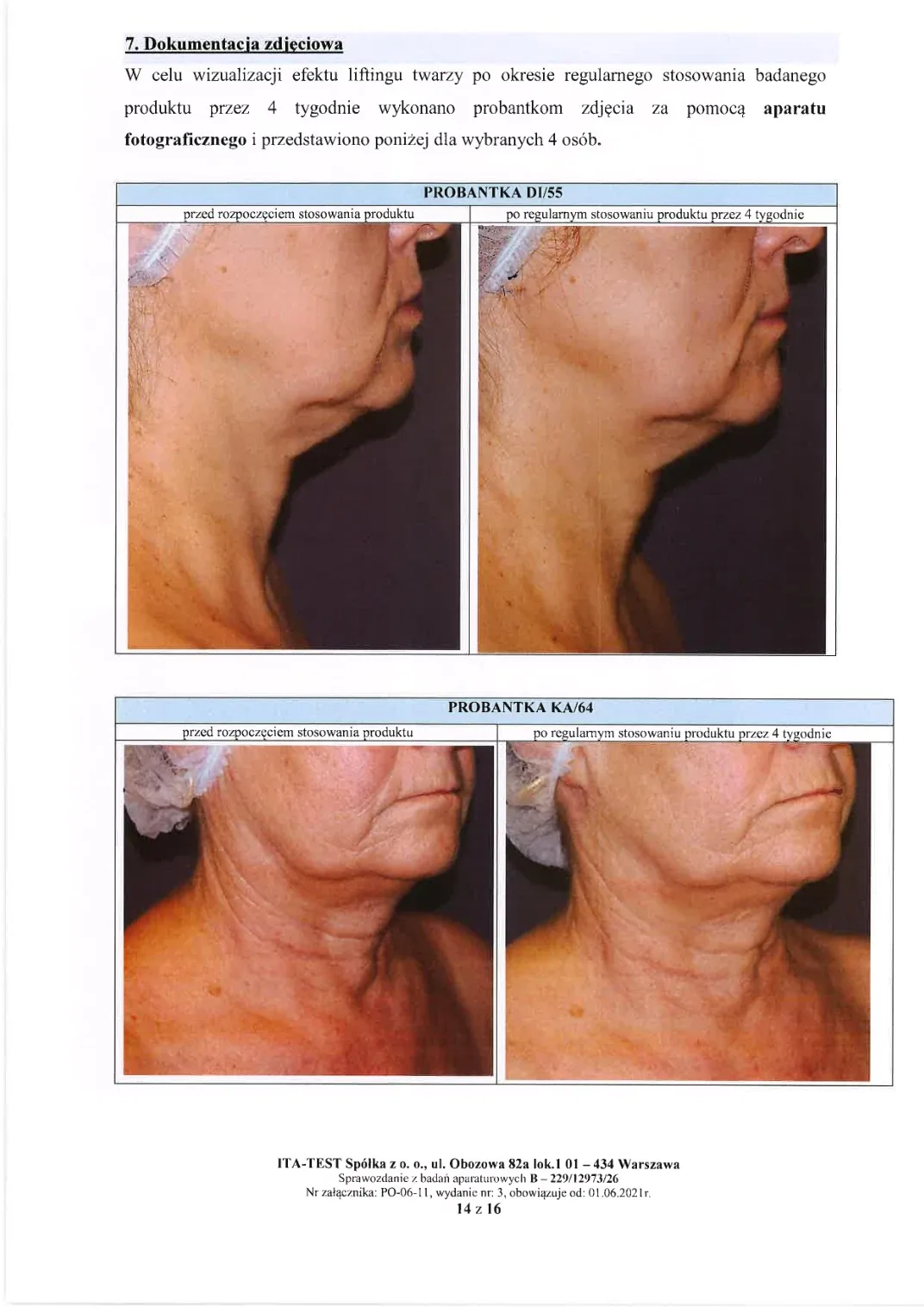
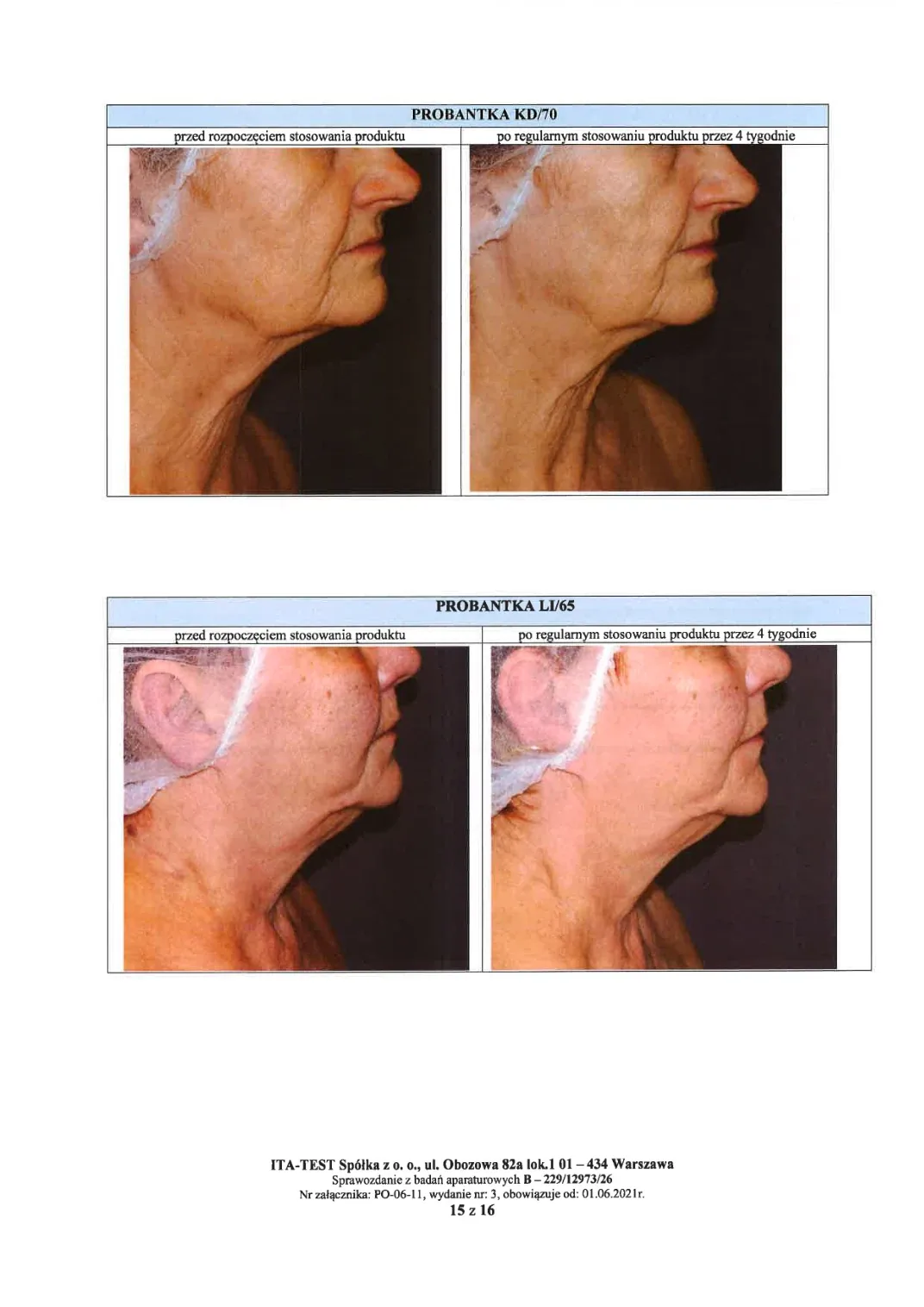
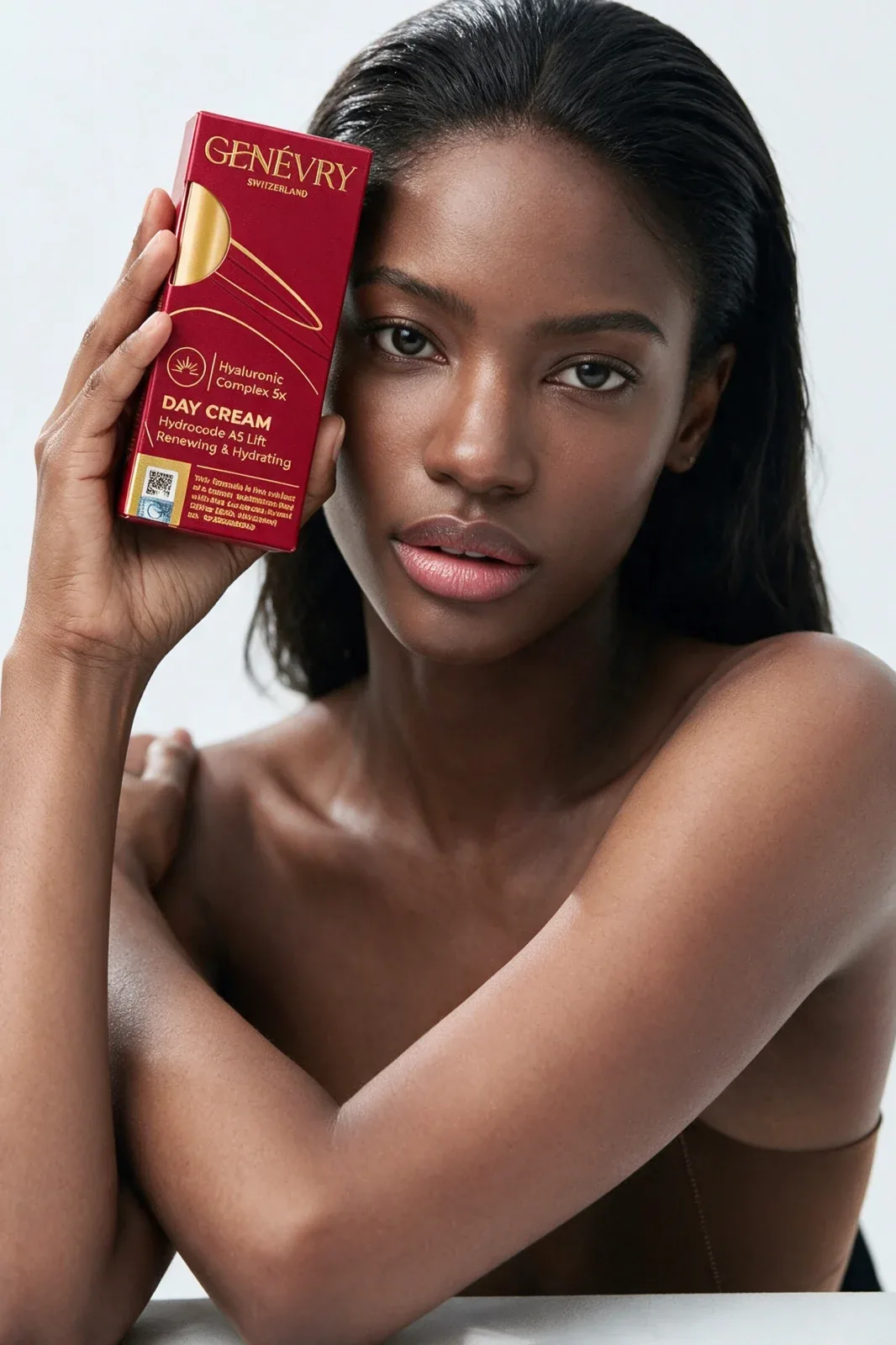
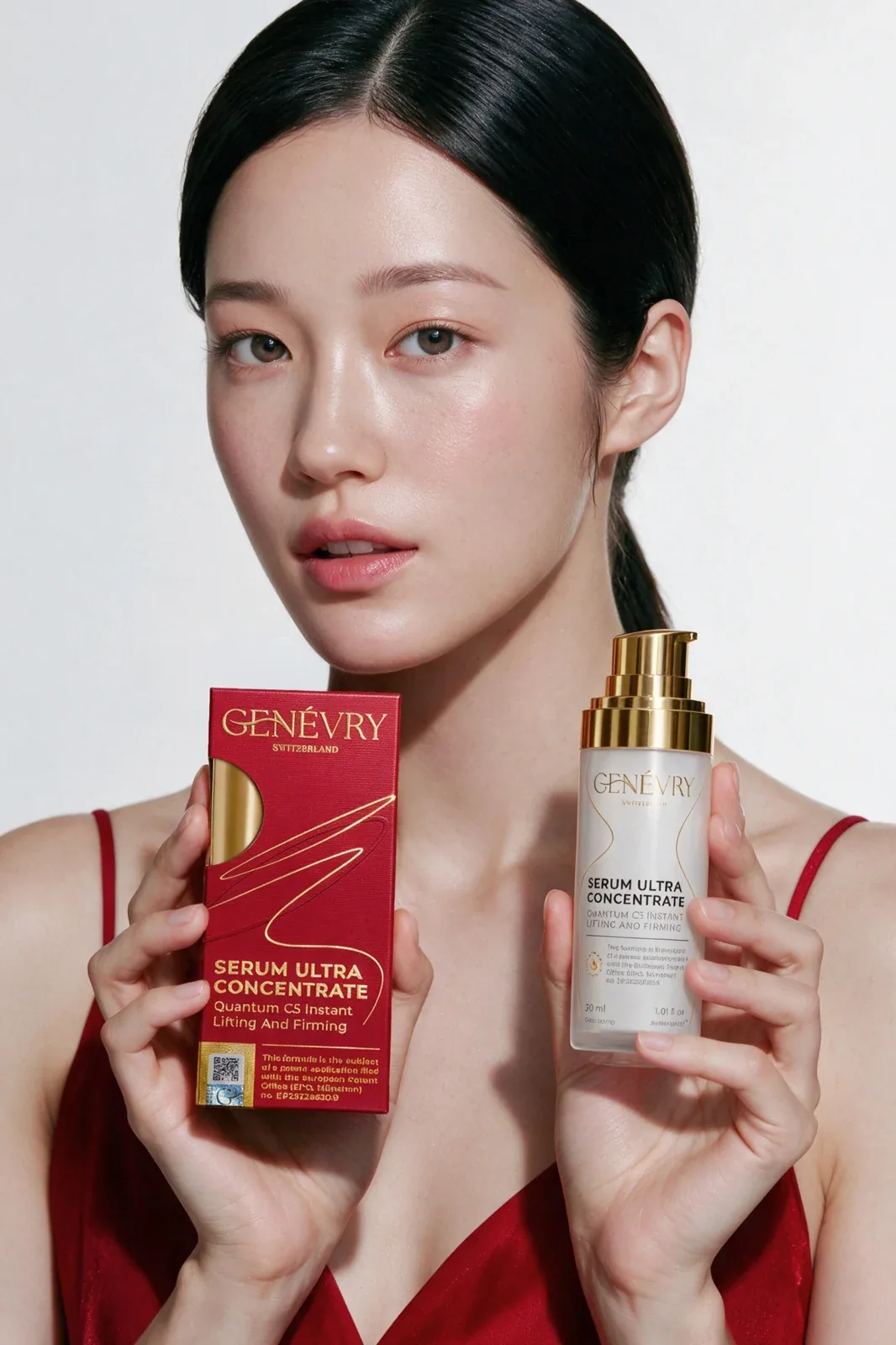
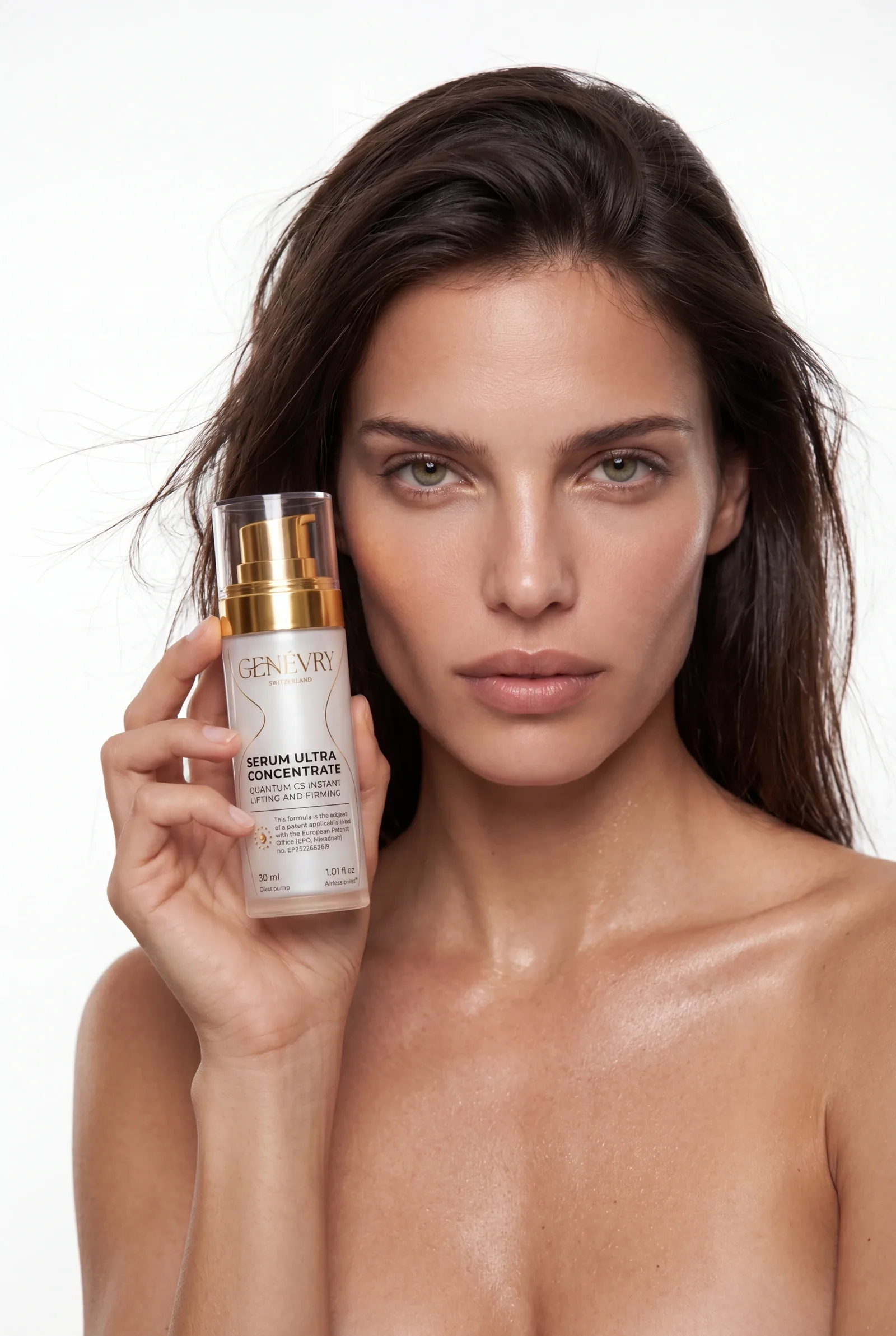
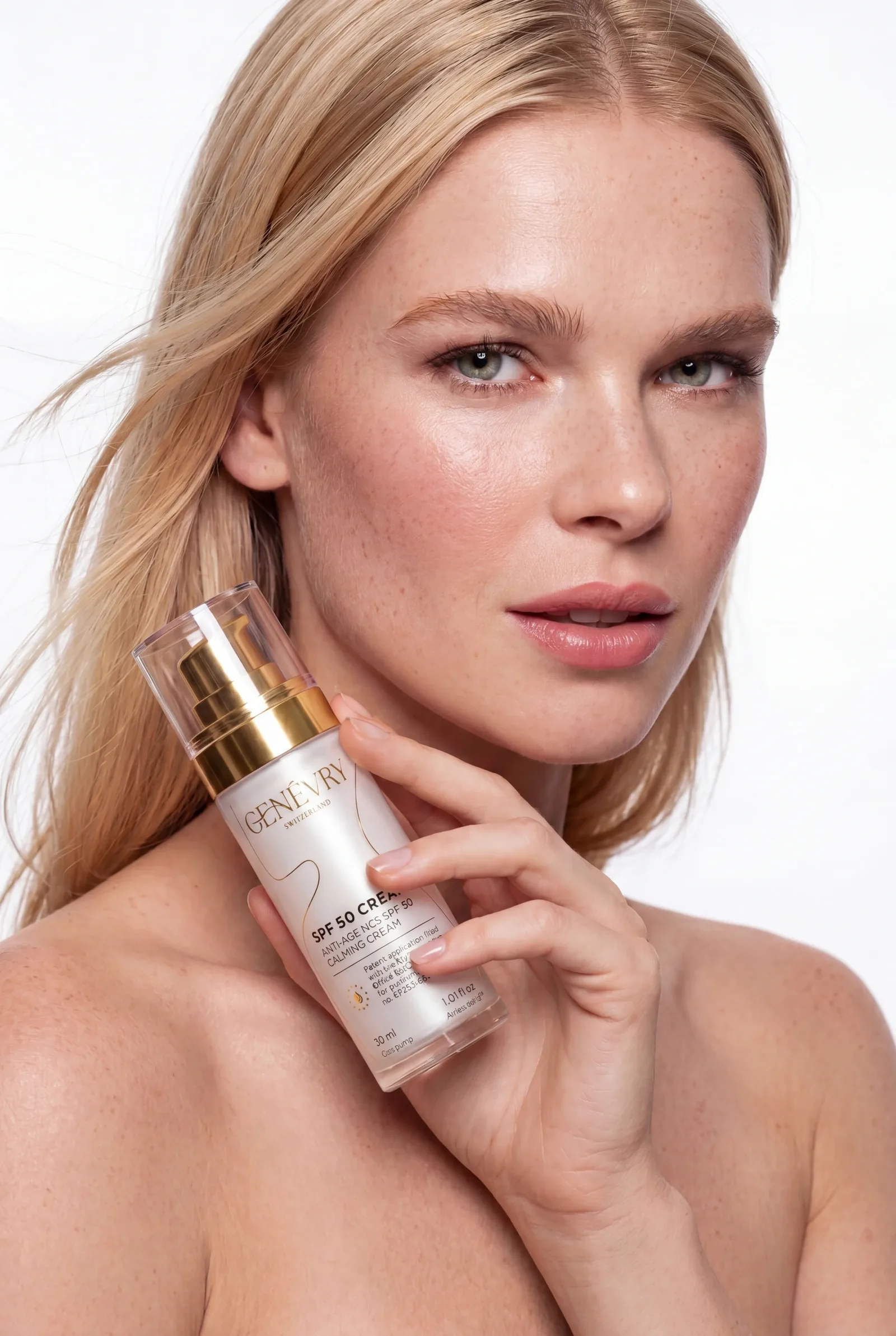
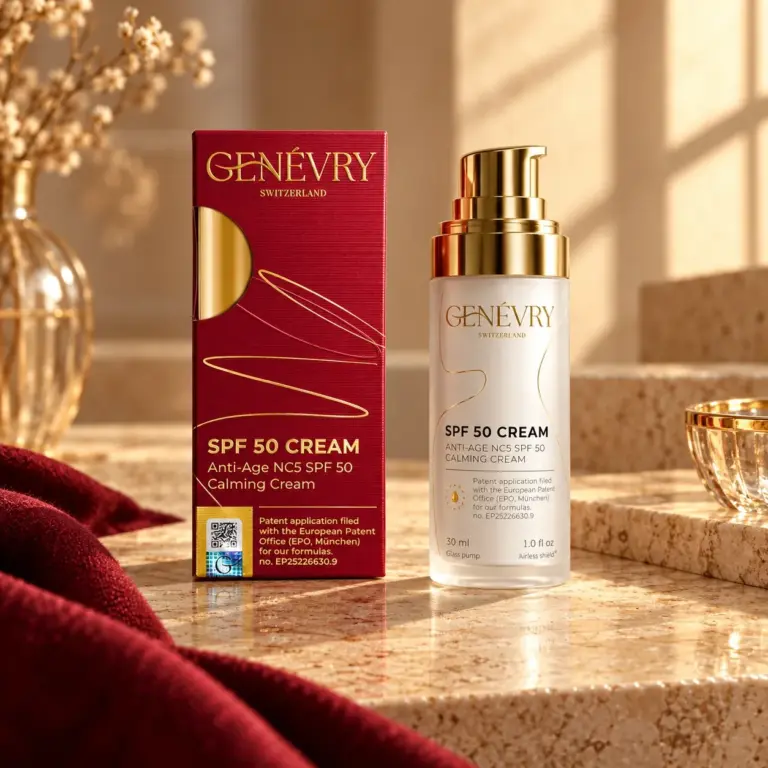
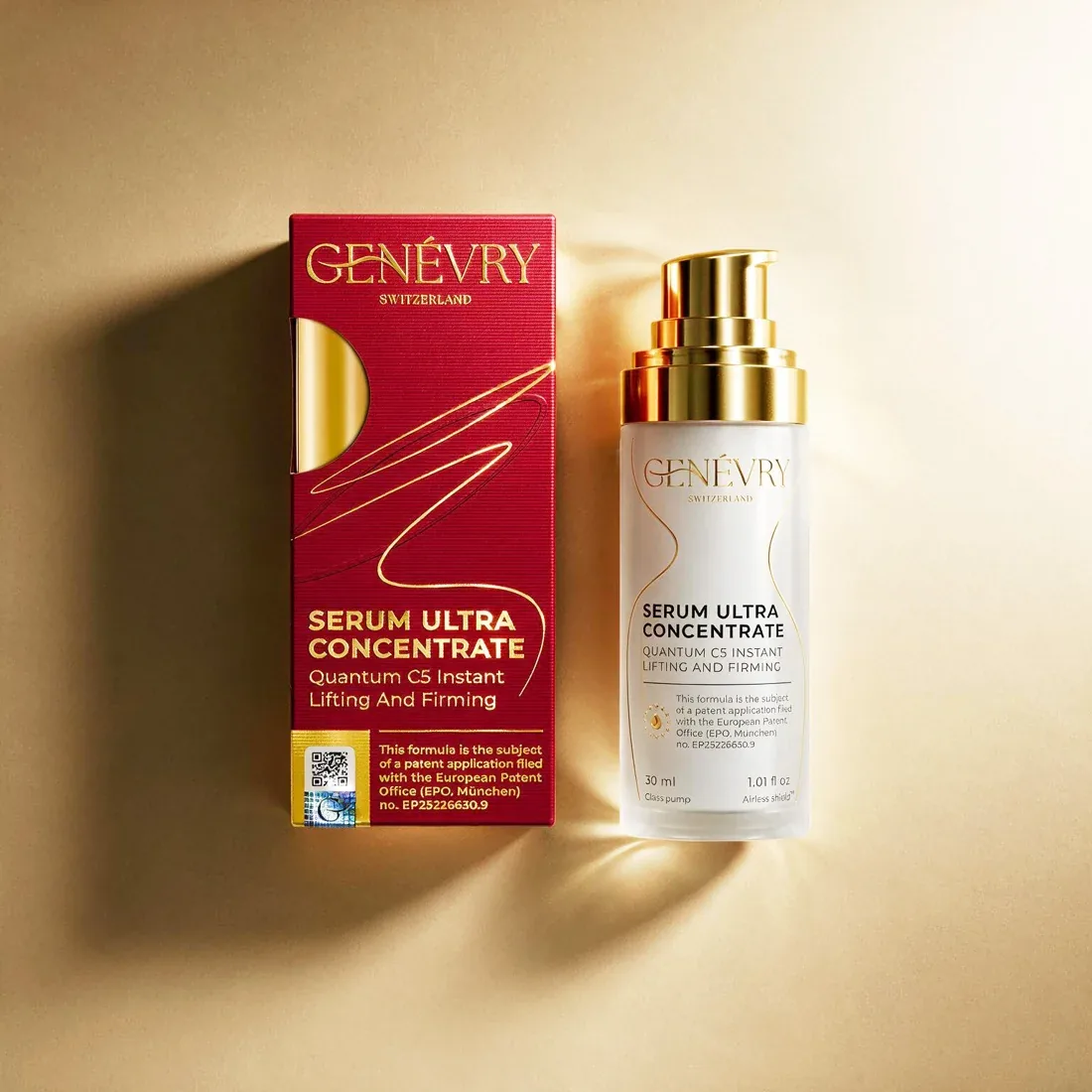
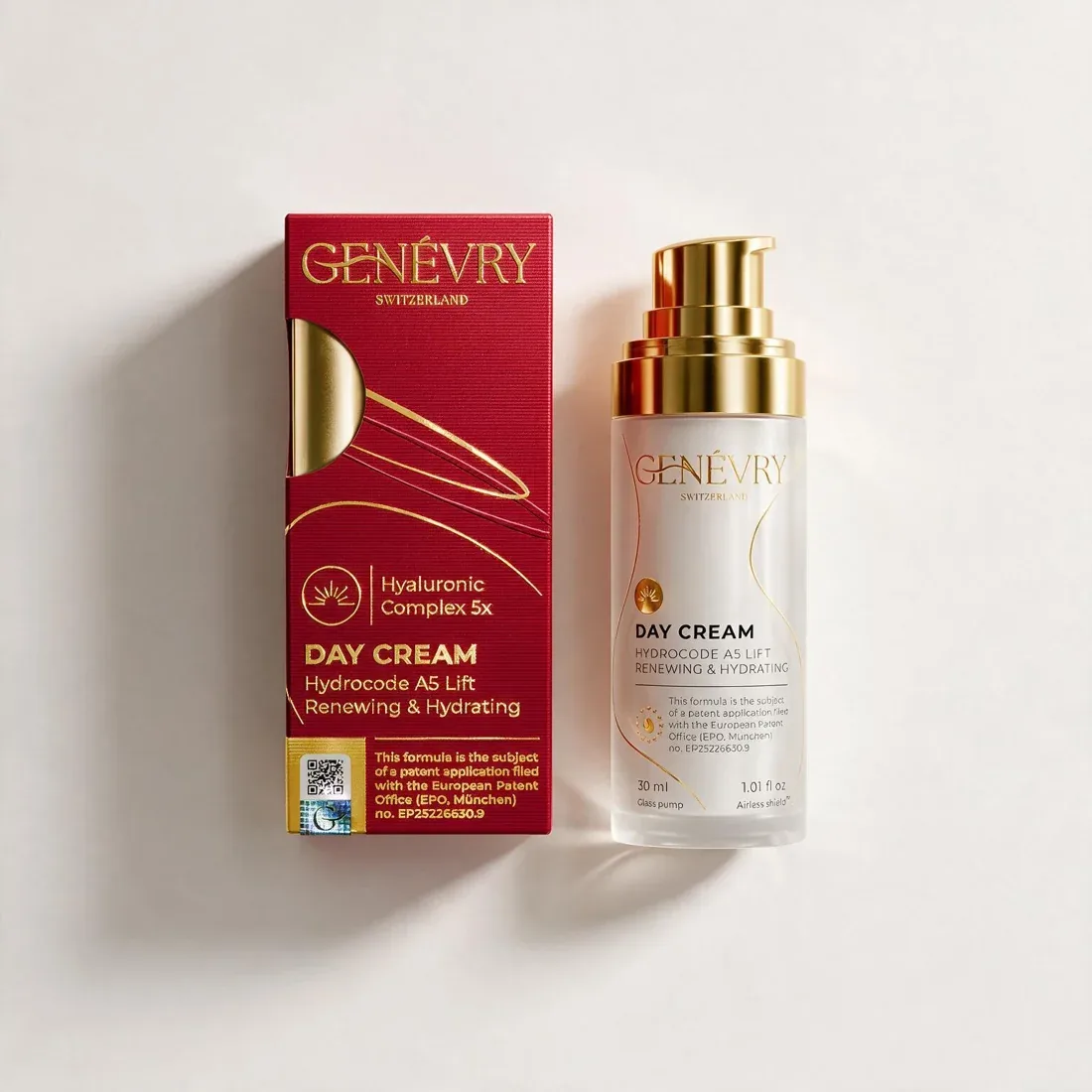
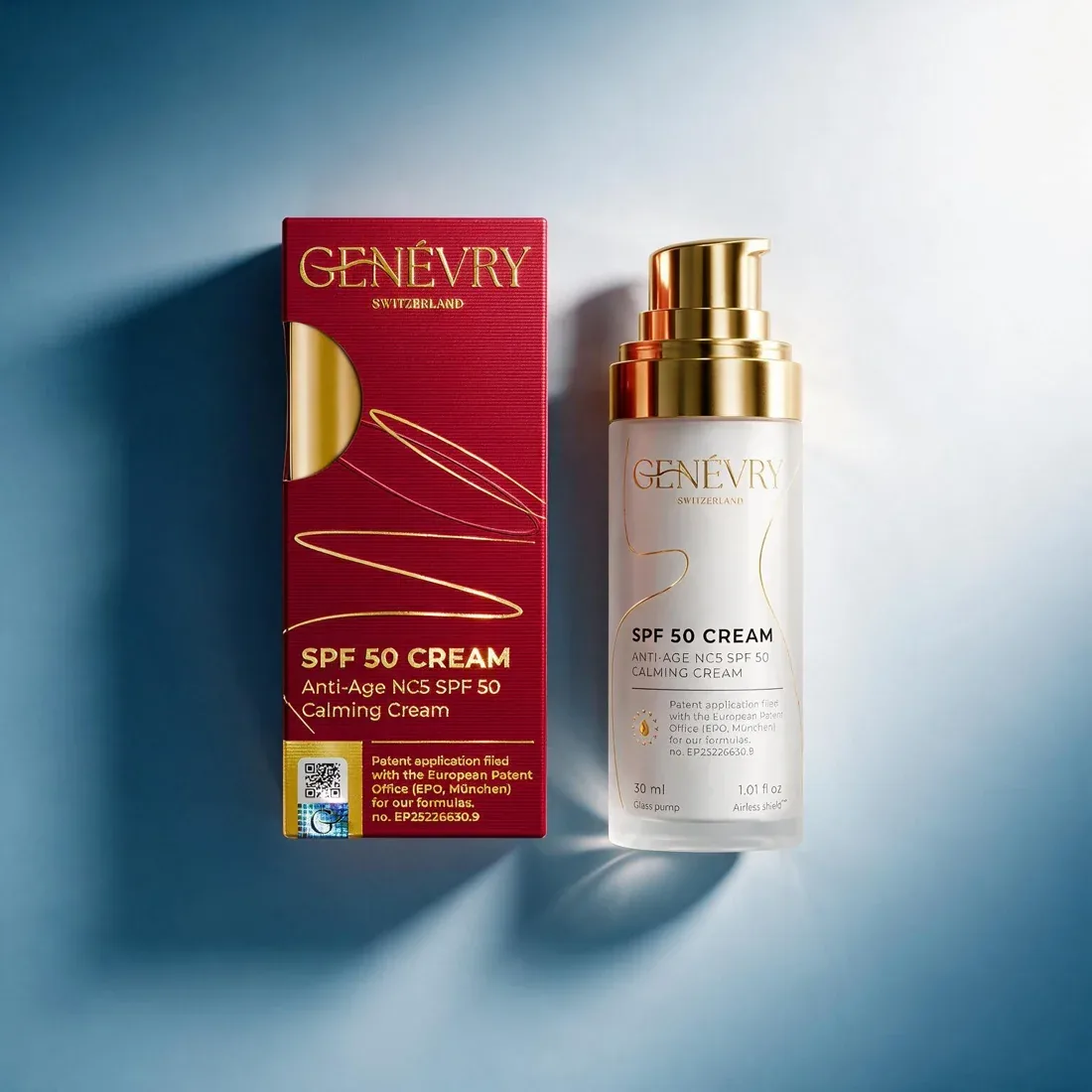
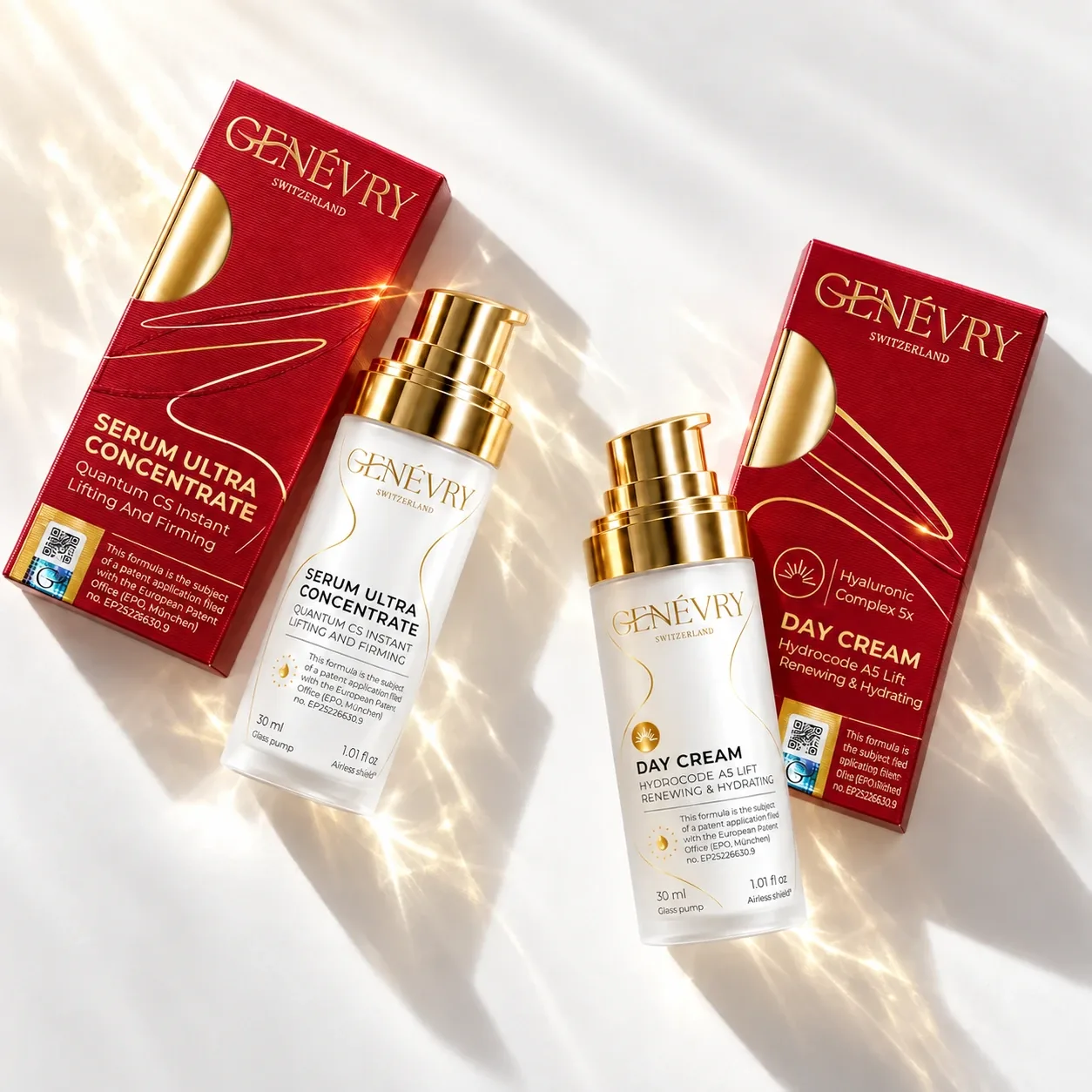
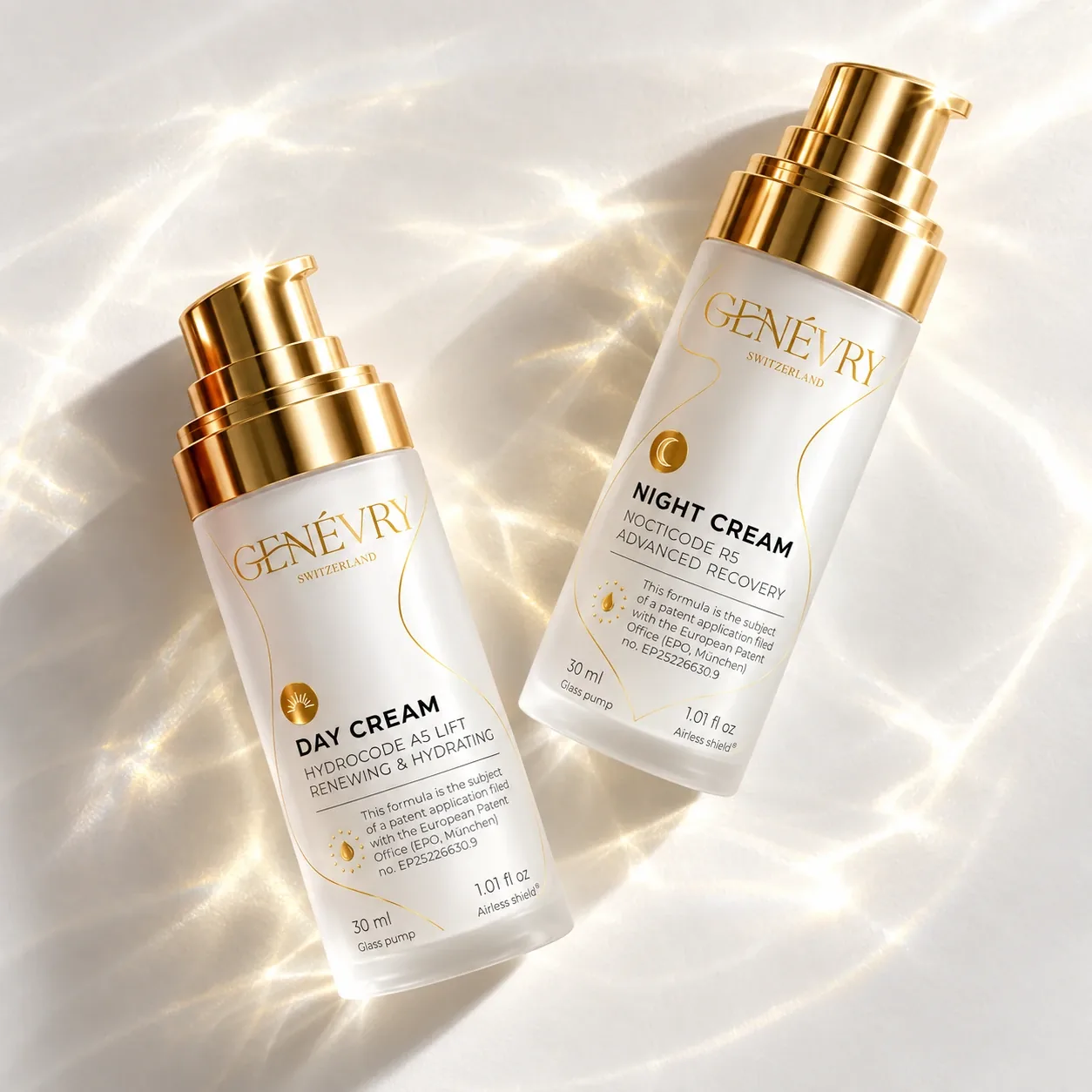
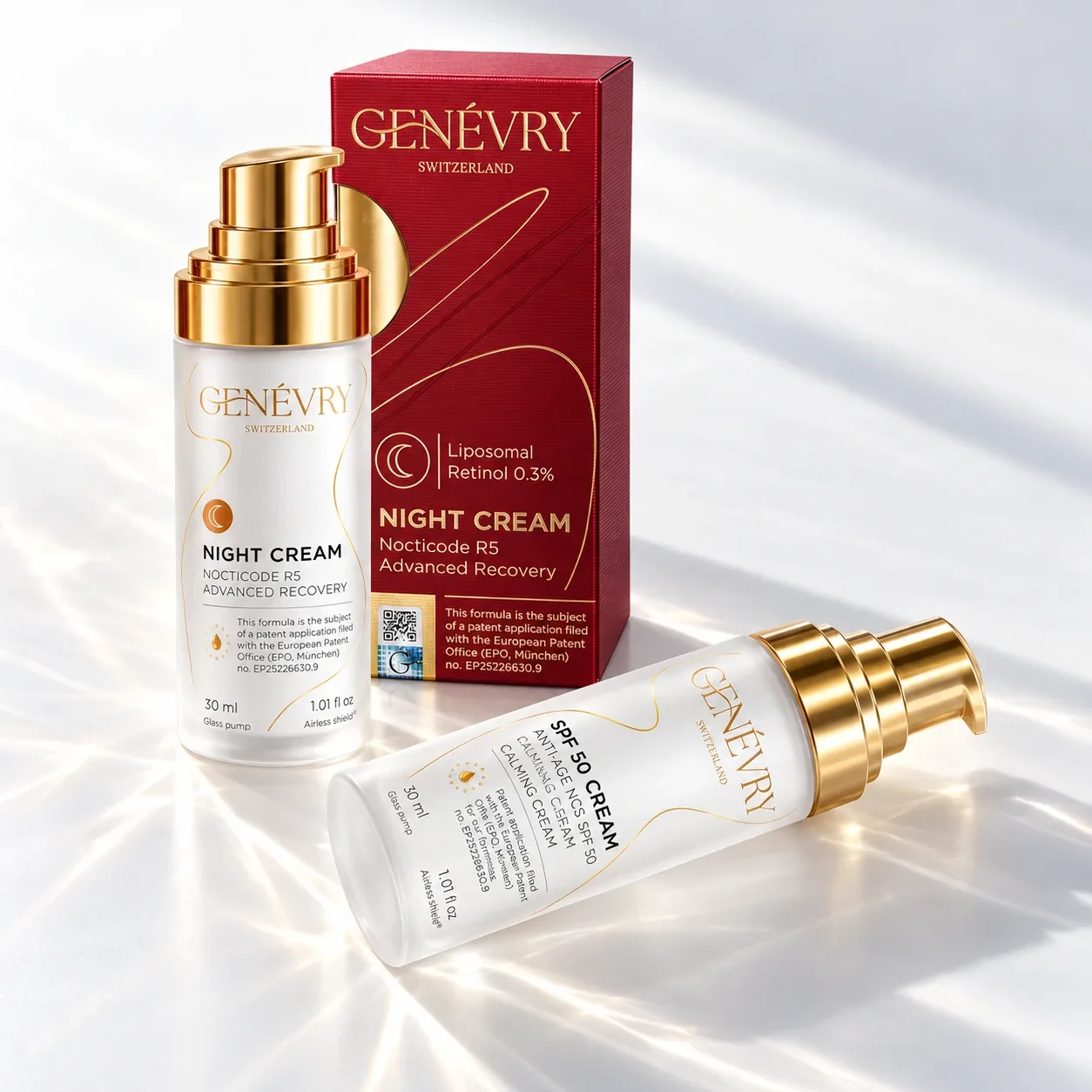
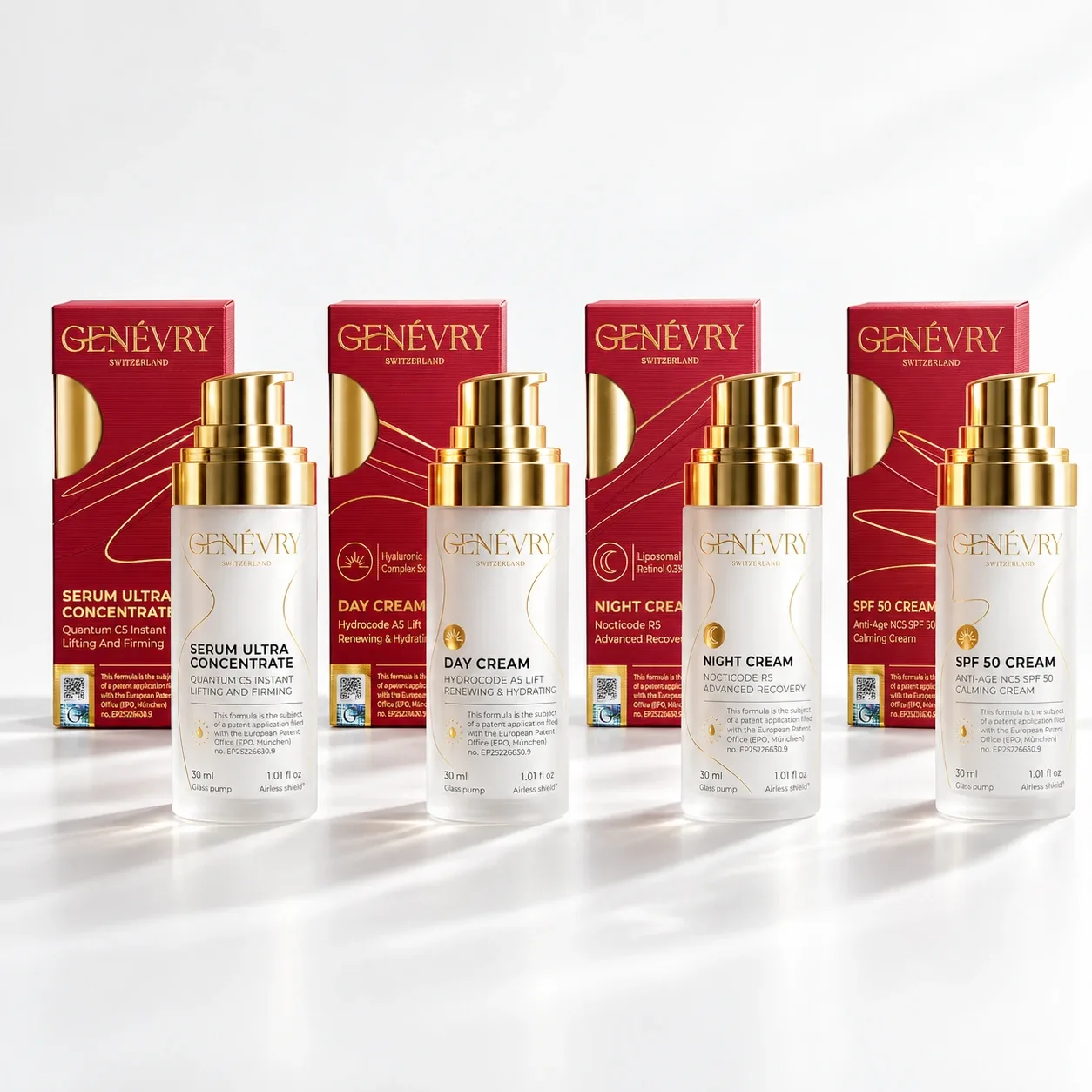
In terms of specific steps: GENÉVRY Quantum C5 is a 30 ml serum with liposomal vitamin C and the copper peptide Copper Tripeptide-1, the first step of the Skin Code collection. In the brand’s instrumental study (n=10, four weeks, Visioscan VC 98) the SEsm smoothing parameter improved by 5–26%, with a reported group average of +12%. That is a surface smoothness measurement, not a study on pollution, and it should be read that way. The morning closes with Anti-Age NC5 SPF 50, a calming cream with SPF 50 protection, 30 ml, the final step of the morning ritual. In the evening, after cleansing, Hydrocode A5 Lift suits skin that needs quiet, while a retinoid belongs on the nights your skin tolerates it well.
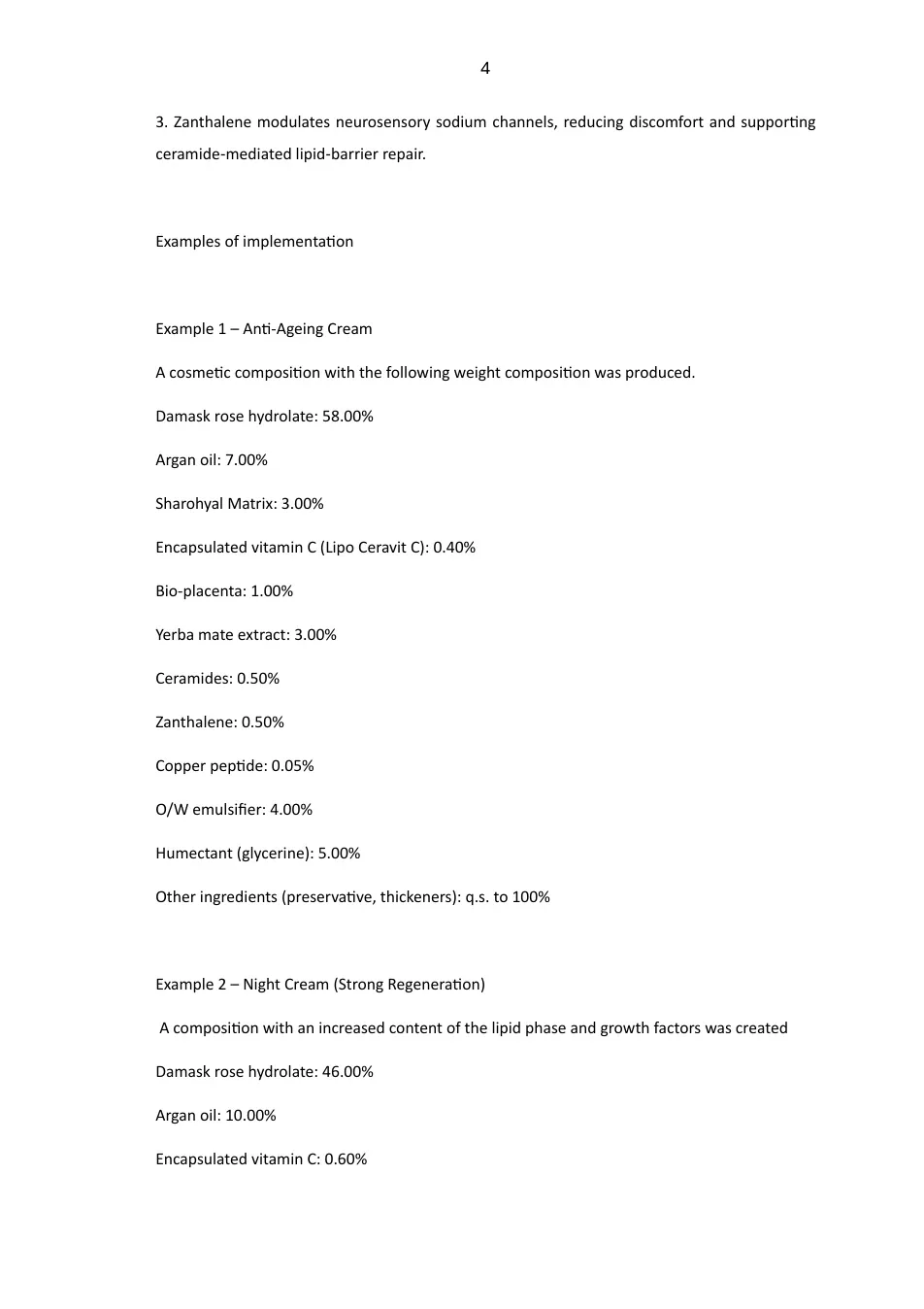
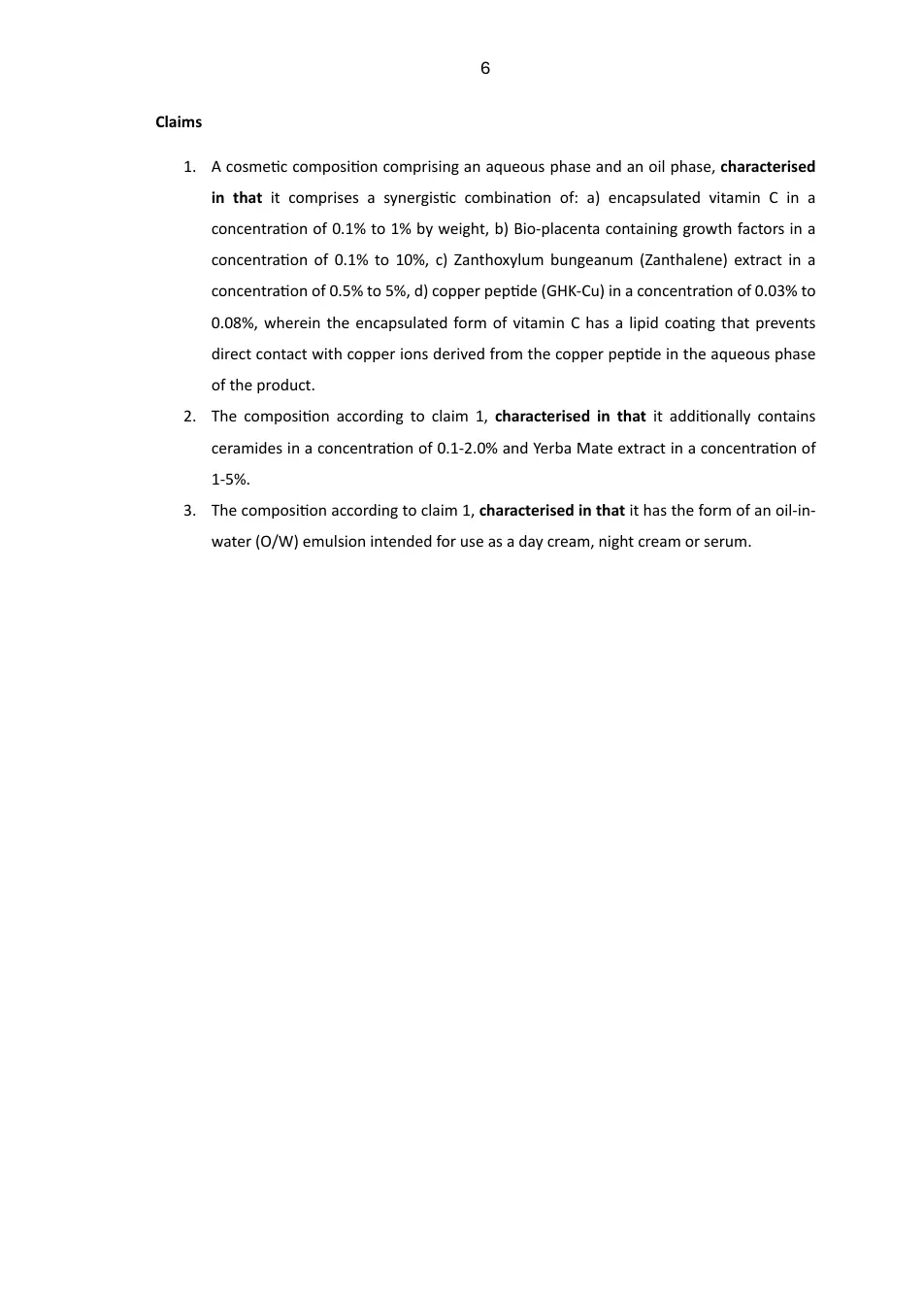
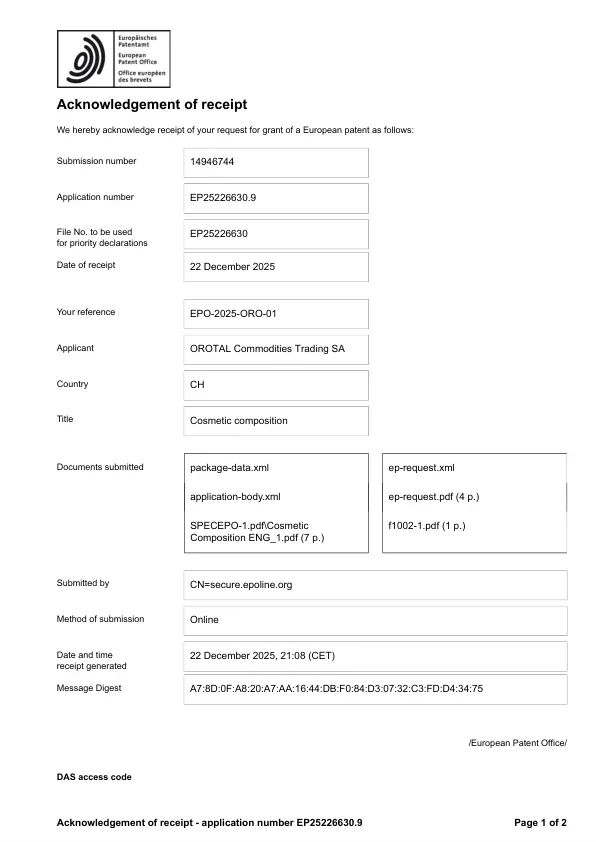
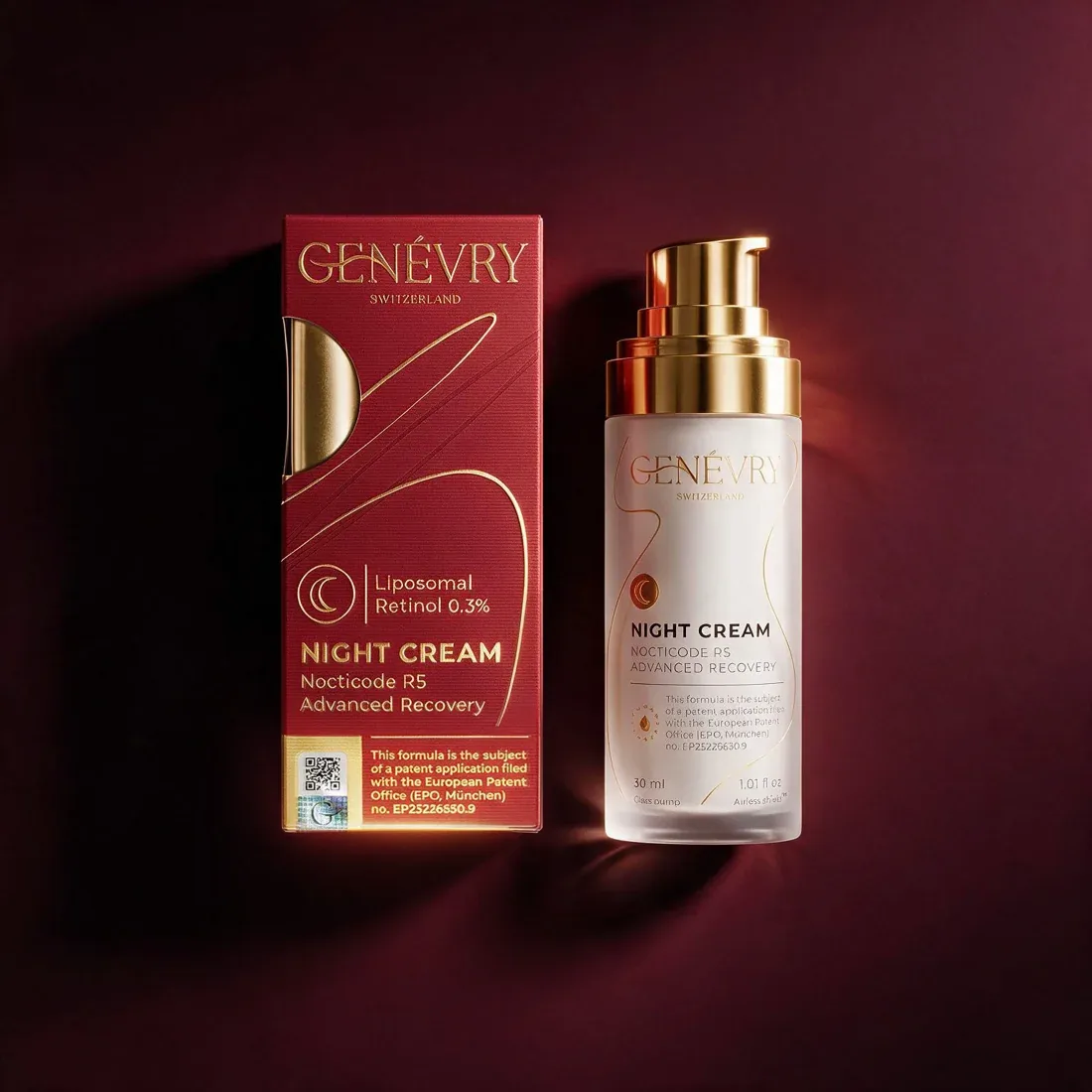
GENÉVRY formulas are covered by patent application EP25226630.9 (patent pending), are notified to CPNP and are produced under an implemented HACCP system. The brand does not test on animals.
Coming home after a long day outside
There is no need for a third cleanse or a mask promising to draw out toxins. Wash properly — meaning massage the cleanser over the face for a count of thirty rather than swiping once with a wipe — and put something occlusive on the drier areas. Skin that has spent the day in cold wind needs fewer stimuli, not more.
Is an air quality app any use for skincare?
Up to a point, though not as a reason to change products from one day to the next. A PM reading is most useful for decisions you are making anyway: whether today’s run goes along the main road or through the park, whether you air the flat at rush hour or later, whether the window stays open at night. Skin benefits indirectly, through shorter exposure, not through a new cream.
Indoor air deserves the same attention. Frying without extraction, scented candles, open fires and tobacco smoke all put particles into the rooms where you spend most of the winter. Dry heated air adds its own problem: a weakened barrier loses water faster and reacts more to everything else. A humidifier does more here than another serum.
One pattern comes up constantly in treatment rooms. During a bad-air week people tighten their routine — stronger cleansers, acids, a clay mask three times — and end up with irritation they then blame on the pollution. The relationship between air pollution and skin aging plays out over years, not over one week, so sudden escalation is the wrong answer to it.
Five mistakes worth avoiding
- Dropping sunscreen for winter. UV dose is the half of the mechanism you can actually influence, and cloud does not remove it.
- Scrubbing the face clean. Daily grainy exfoliation damages the barrier, which this mechanism already leaves as the weak link.
- Buying an “anti-pollution” label instead of the basics. A claim on a box is not a study. Sunscreen, cleansing and moisturising remain the foundation.
- Reaching for a high-alcohol toner after the commute. It feels clean and leaves skin more reactive than it was before.
- Starting three new products in the same bad-air week. If something stings, you will have no idea what caused it.
What the review leaves unresolved
The authors review several strategies being explored to break this circuit: Nrf2 activators, mitochondria-targeted antioxidants, AhR antagonists, NAD+-restoring compounds, barrier-repair technologies and microbiome-modulating interventions. They also name the limitation that matters most in cosmetics — poor cutaneous bioavailability. A molecule that performs in cell culture still has to arrive where it is meant to act, at a useful concentration and in a stable form.
Their list of research priorities is equally telling: systematic dose–response characterisation, multi-omics integration, advanced 3D and human-on-chip skin models, and personalised exposome analytics. In other words, the pathway is mapped; what remains unknown is the dose and duration at which it turns into measurable change on a particular face.
So you will not find a sentence here claiming that any cream protects skin from pollution. The review does not support it, and a cosmetic is not allowed to promise it.
When to see a dermatologist
Book an appointment if a mole changes shape, colour or size, itches or bleeds. Given what the review says about cumulative exposure, that is the most important reason to have skin checked. Go too if redness and stinging persist for weeks despite a gentle routine, if scaling appears in defined patches, or if your skin suddenly reacts to products it used to tolerate.
During pregnancy and breastfeeding, with skin conditions, or alongside regular medication, discuss any retinoid or acid with a doctor first. Retinol is not used in pregnancy, is introduced gradually, and always comes with sunscreen the next morning.
Frequently asked questions
Does air pollution really speed up skin aging?
Mechanistic evidence indicates that airborne pollutants, especially alongside UV radiation, intensify the processes that break down collagen and sustain low-grade inflammation. This review describes exactly those mechanisms. It does not state how many years or what percentage anything accelerates, because that depends on dose and duration.
Are “anti-pollution” products worth buying?
As an extra, sometimes — if they contain antioxidants and barrier-supporting ingredients. As a replacement for sunscreen and evening cleansing, no. No cosmetic neutralises pollutants in the air, and a claim on packaging is not evidence of effect.
Should I wash my face more often on high-pollution days?
Twice a day is enough. What matters is how thoroughly you cleanse in the evening, not how many times. A third wash usually costs the barrier more than it gains.
Does sunscreen protect against particles?
Not as a physical shield. Sunscreen limits UV dose, which is one of the two stressors in this mechanism — and the one that amplifies the other. That alone justifies wearing it through winter.
Do face masks help the skin on polluted days?
Masks are designed for the airways, not the skin, and worn for hours they can cause friction irritation of their own. For the complexion, a proper evening cleanse and daily sunscreen do more.
Is oil cleansing better at removing pollution particles?
Oil-based cleansers handle sunscreen and make-up well, since both are lipophilic, and particles trapped in that layer come off with it. Thoroughness matters more than the format, as long as your skin does not feel tight afterwards.
Was this research done on people?
No. It is a review of published science, synthesising cell, proteomic, metabolomic and epigenetic evidence. Work like this maps a mechanism; it does not measure what one person’s skin will look like after a year of commuting.
One thing to do tomorrow morning: apply sunscreen as the last step, even if the sky is grey and cold. And give yourself a slow thirty seconds over the basin at night instead of one swipe with a wipe. On the evidence of this review, those two habits are the same job done at both ends of the day.
The formulas in this article
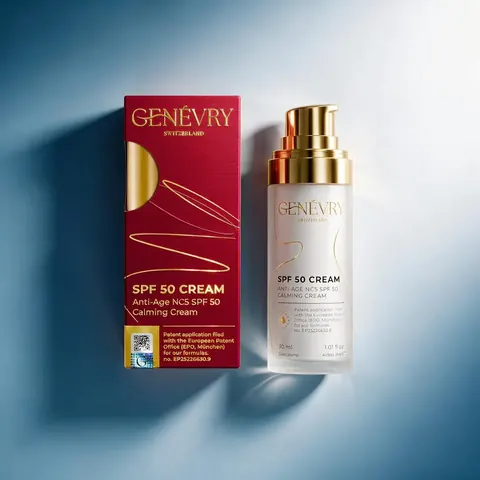 Anti-Age NC5Umirujuća krema SPF 50€31.90Discover the formula →
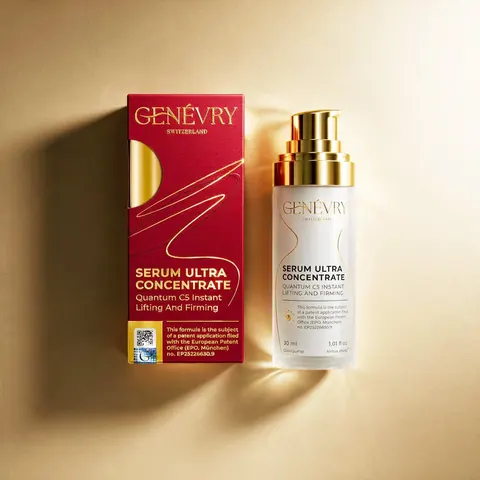 Quantum C5Ultrakoncentrirani serum€31.90Discover the formula →
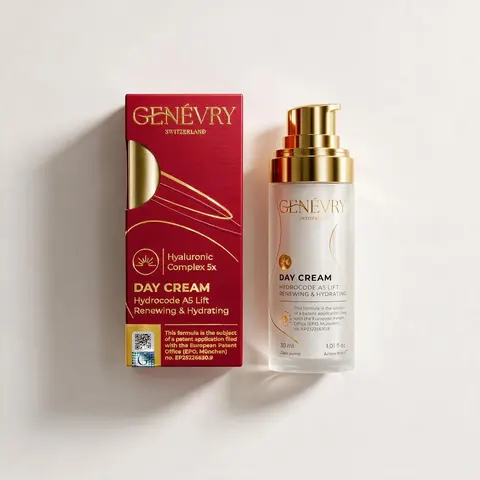 Hydrocode A5 LiftObnavljajuća dnevna krema€34.90Discover the formula →
Cosmetic product. Individual results may vary.

 English / EUR
 English (US) / USD
 English (UK) / GBP
 Deutsch / EUR
 Deutsch (Schweiz) / CHF
 Français / EUR
 Italiano / EUR
 Español / EUR
 Nederlands / EUR
 Polski / PLN
 日本語 / JPY
 한국어 / KRW
 中文 / CNY
 العربية / AED
 English (Australia) / AUD
 English (Canada) / CAD
 Svenska / SEK
 Dansk / DKK
 Norsk / NOK
 Suomi / EUR
 Português / EUR
 Türkçe / TRY
 Čeština / CZK
 Magyar / HUF
 Română / RON
 Ελληνικά / EUR
 Slovenčina / EUR
 Hrvatski / EUR
 Slovenščina / EUR
 Lietuvių / EUR
 Latviešu / EUR
 Eesti / EUR
 Български / EUR
 Українська / EUR