Copper peptide GHK-Cu: what it is and what to expect in skincare
A blue complex of copper and three amino acids, with more than half a century of research behind it. Here is what is genuinely known, and which expectations are reasonable.
The copper peptide GHK-Cu turns up in more and more serum formulas, usually accompanied by claims nobody can check. That is a pity, because few skincare ingredients have such a long and well-documented research history. Here we separate what is actually known about copper peptides from the marketing gloss, and show how to bring GHK-Cu into a daily ritual with realistic expectations.
What is the copper peptide GHK-Cu?
GHK is a tripeptide: a short chain of three amino acids, glycine, histidine and lysine. It binds copper ions with remarkable affinity, which is why in the body it exists mainly as a copper complex, hence the name GHK-Cu. It occurs naturally in human plasma and is also found in saliva. The American biochemist Loren Pickart first isolated it from plasma in 1973.
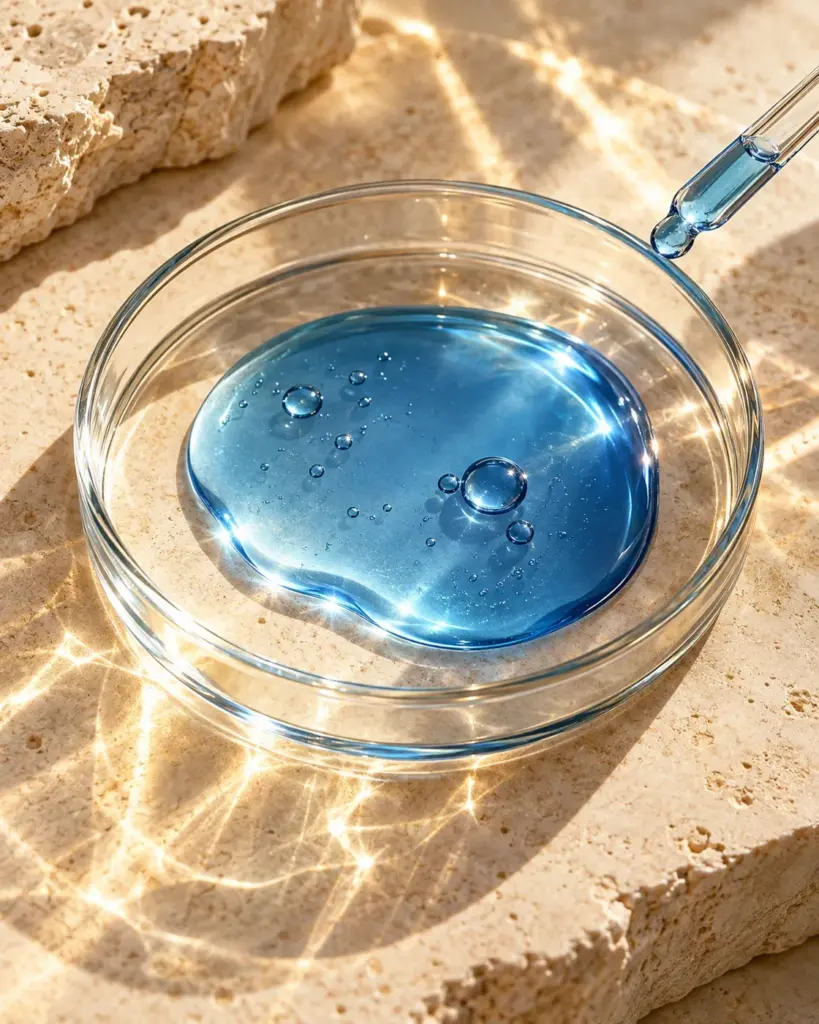
Two observations drew skin researchers to GHK-Cu. First, its concentration in plasma falls noticeably with age. Second, the GHK sequence is written into the structure of collagen, which suggests the fragment may be released from tissue and act as a signal to cells. The pure complex also has a distinctive blue colour, typical of copper compounds. For a clear overview of the chemistry and history, see the Wikipedia entry on copper peptide GHK-Cu.
In cosmetic science, peptides are loosely sorted into several groups, and GHK-Cu is the best-known example of a so-called carrier peptide. Its job is to transport copper, a trace element needed by, among others, lysyl oxidase, an enzyme involved in cross-linking collagen and elastin fibres. That biochemical context is exactly why the copper peptide comes up so often in conversations about mature skin.
What the research says, and what it does not
Most of what we know about GHK-Cu comes from laboratory work on cell cultures and from animal studies. In those settings, researchers described its influence on fibroblasts, the dermal cells that produce collagen and glycosaminoglycans. The more interesting finding is subtler: GHK-Cu stimulated both the enzymes that break down skin proteins and their natural inhibitors. Scientists therefore tend to describe it as a regulator of renewal processes rather than a simple booster.
This is where a clear line needs to be drawn. A result obtained on cells in a dish does not translate directly into what a cosmetic will do on your face. Concentration matters, as do the ingredient’s stability in the formula, its neighbours and the way the product is used. The honest way to describe a copper peptide cosmetic is this: it supports your skincare, helps you care for skin hydration and smoothness, and with regular use your skin can look more rested. Anything that sounds like a promise of treatment belongs to a different category of product altogether.
Copper and vitamin C: a difficult pairing
Copper peptide and vitamin C are a combination formulators have been tempted by for years. Both are associated with caring for mature, radiant-looking skin. The problem is chemistry: copper ions accelerate the oxidation of vitamin C, and oxidised vitamin C loses its properties and can discolour a product. Simply mixing the two in one bottle is not a good idea, however appealing it looks on the label.
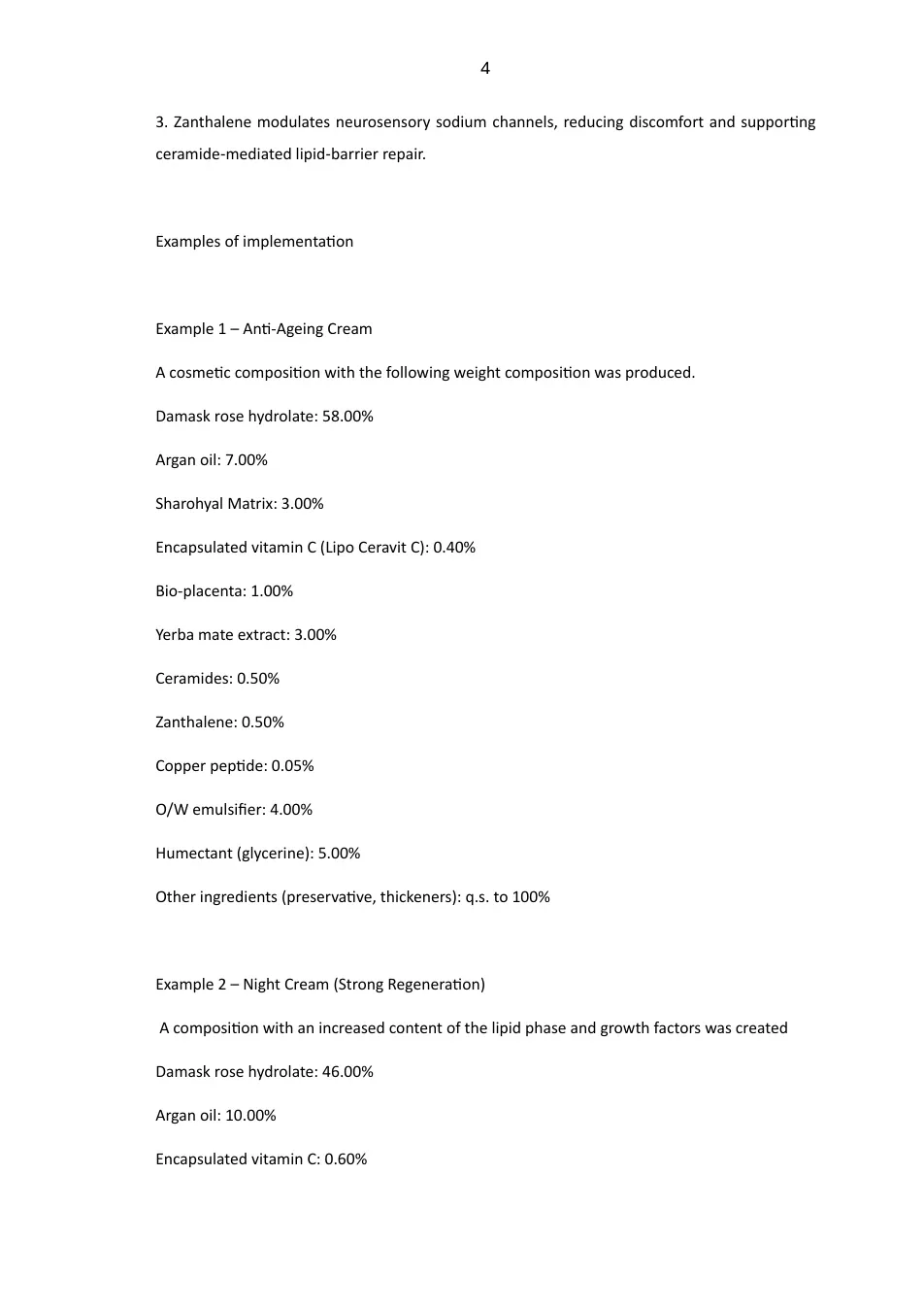
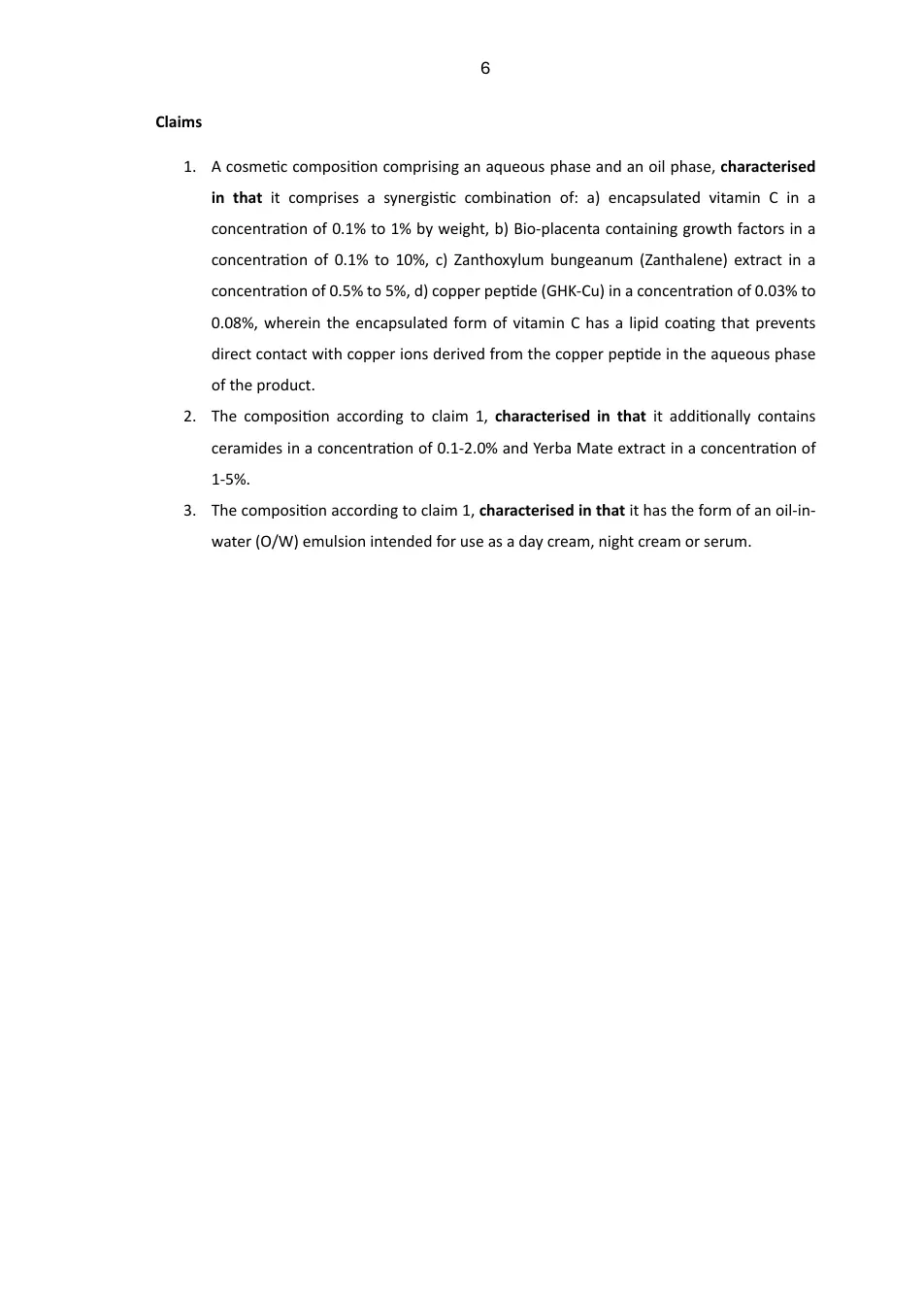
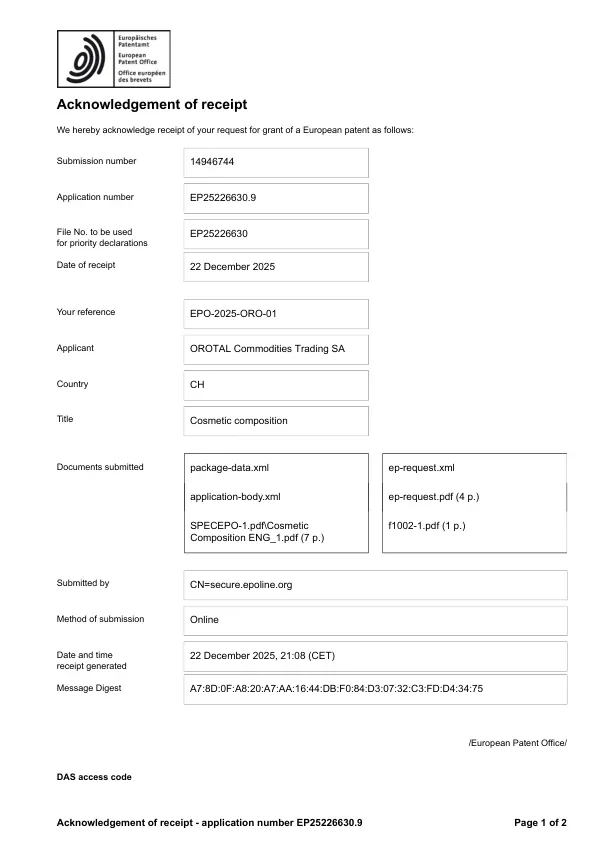
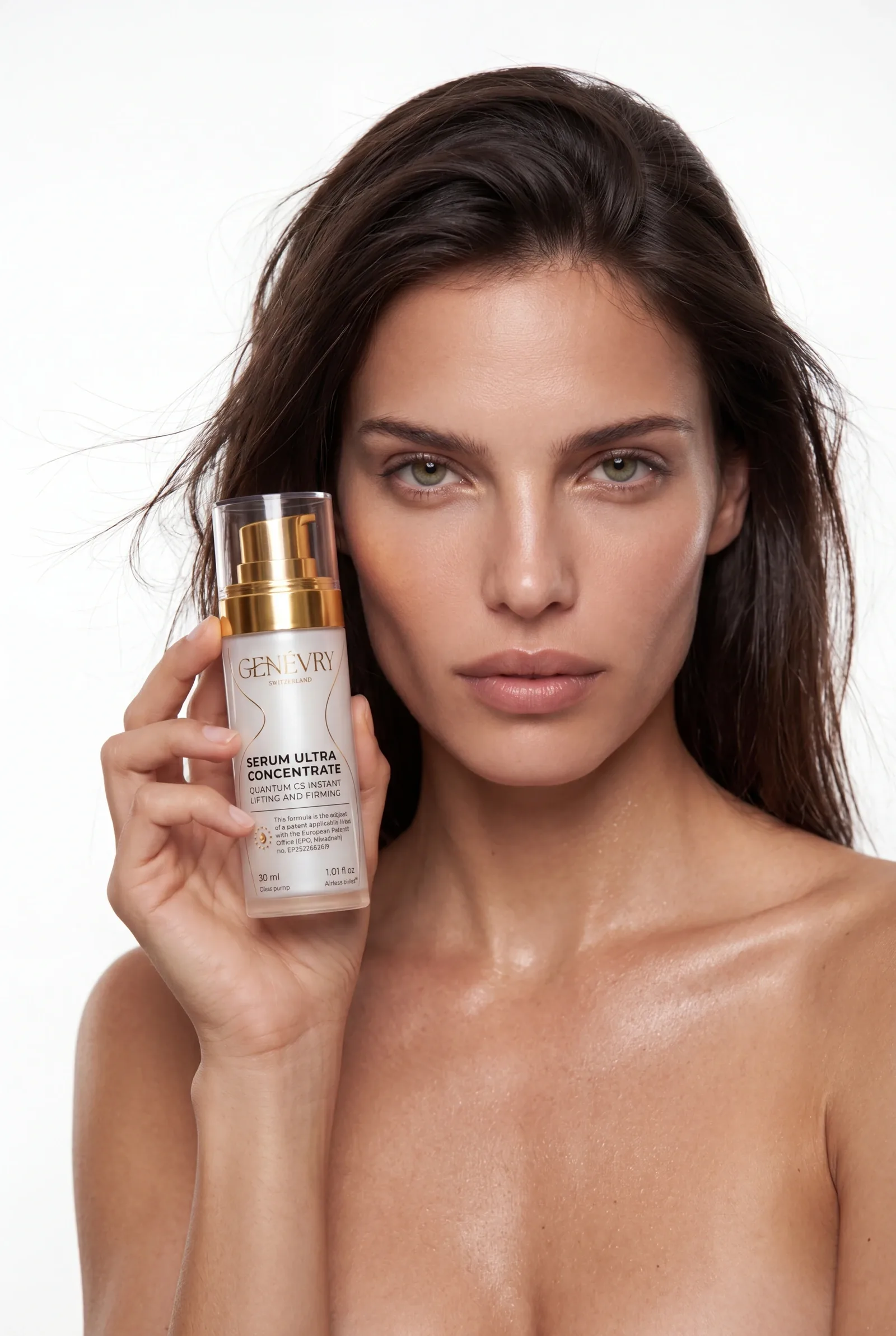
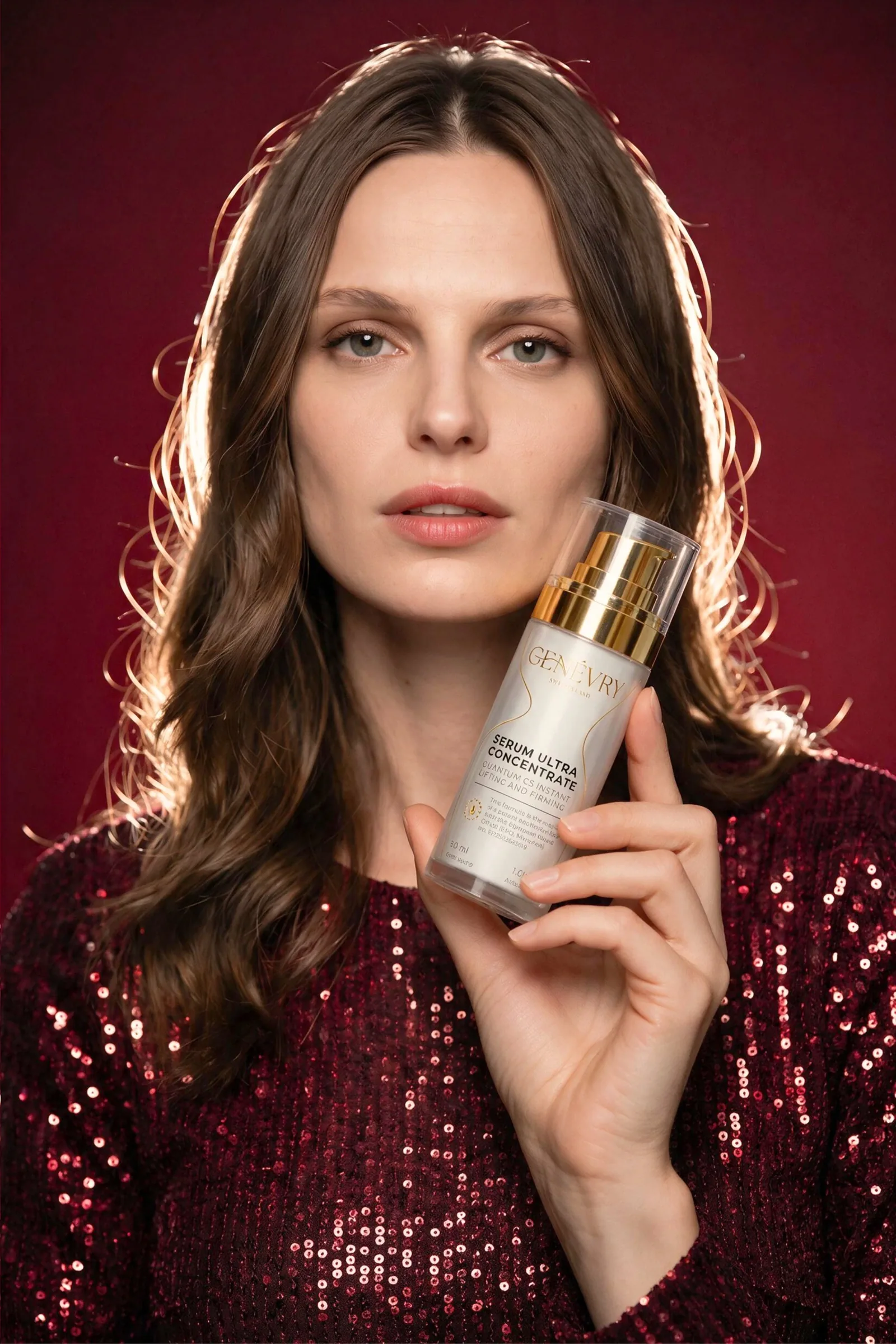
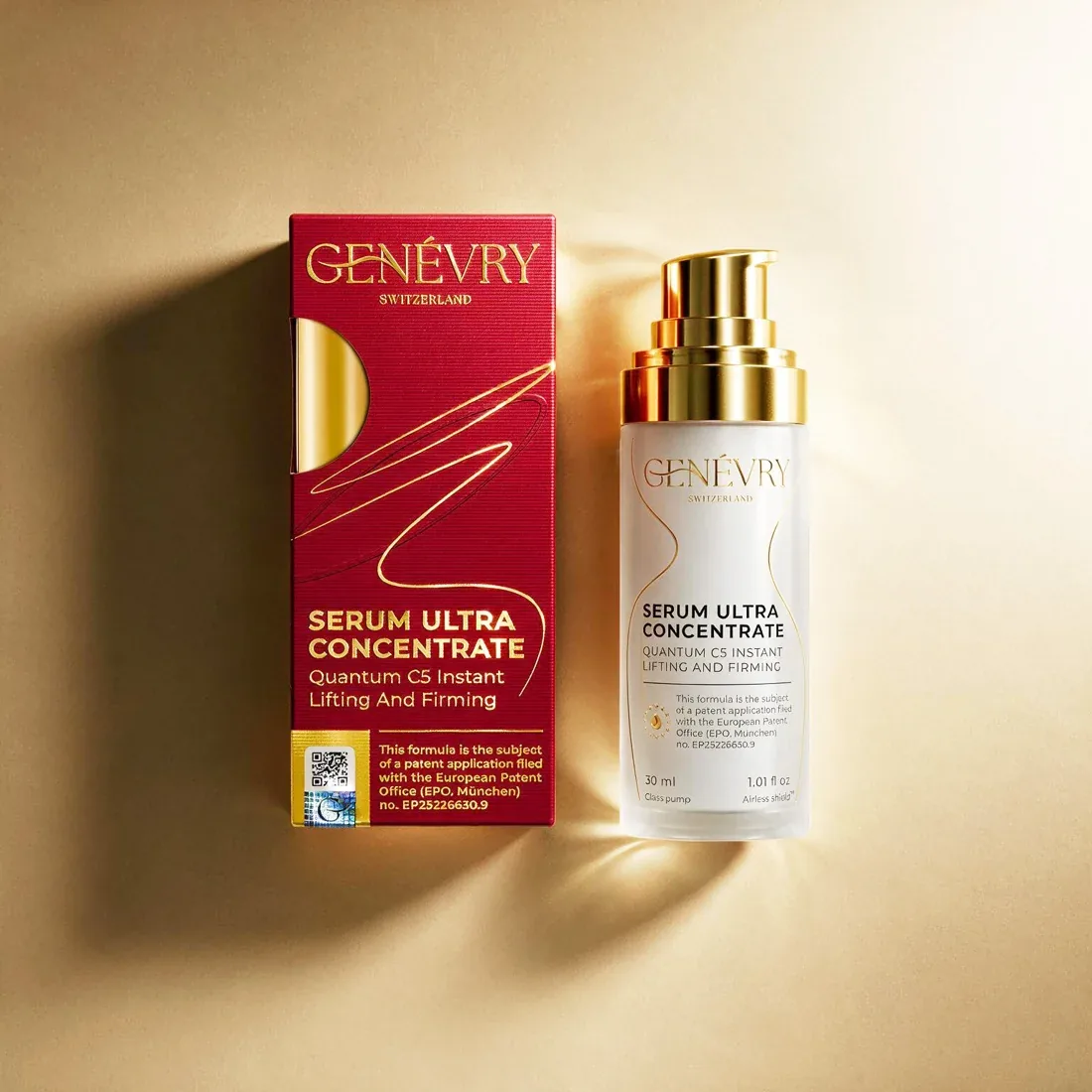
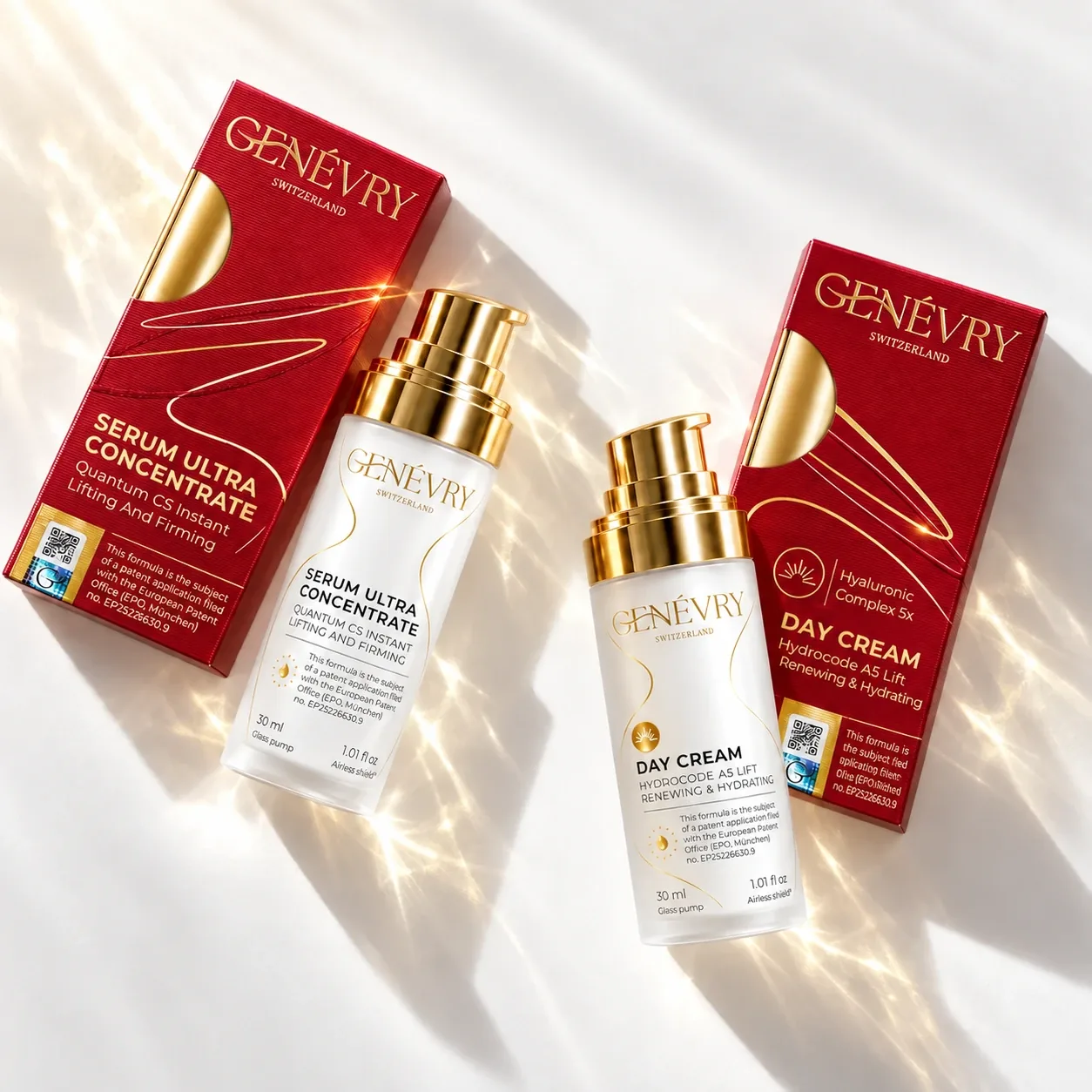
GENÉVRY approaches the problem through encapsulation. Our patent application EP25226630.9 (patent pending), filed with the European Patent Office on 22 December 2025, describes a lipid shell around vitamin C, designed to separate it from copper ions in the formula. It is an application, not a granted patent, and we describe it as such. This concept sits at the heart of the Quantum C5 serum with copper peptide and liposomal vitamin C, the first step of the morning ritual.
What to expect from a copper peptide serum, and when
The first impression after applying the serum is mostly about comfort: skin feels pleasant to the touch and looks hydrated. Visible changes in your complexion take patience, because the epidermis renews itself gradually, over a rhythm of several weeks. The table below sets out realistic expectations.
| Time of use | What you may notice | What to watch |
|---|---|---|
| First days | A feeling of comfort, skin smoother to the touch | A fixed time of application, a thin layer on cleansed skin |
| 2–3 weeks | Your complexion may look fresher and more rested | Consistency matters more than quantity |
| 4 weeks | A good moment for a first honest assessment | Photos in the same light and at the same time of day |
| The months that follow | A predictable ritual instead of constant product changes | Daily SPF 50 as the foundation of any anti-ageing routine |
Quantum C5 results in numbers
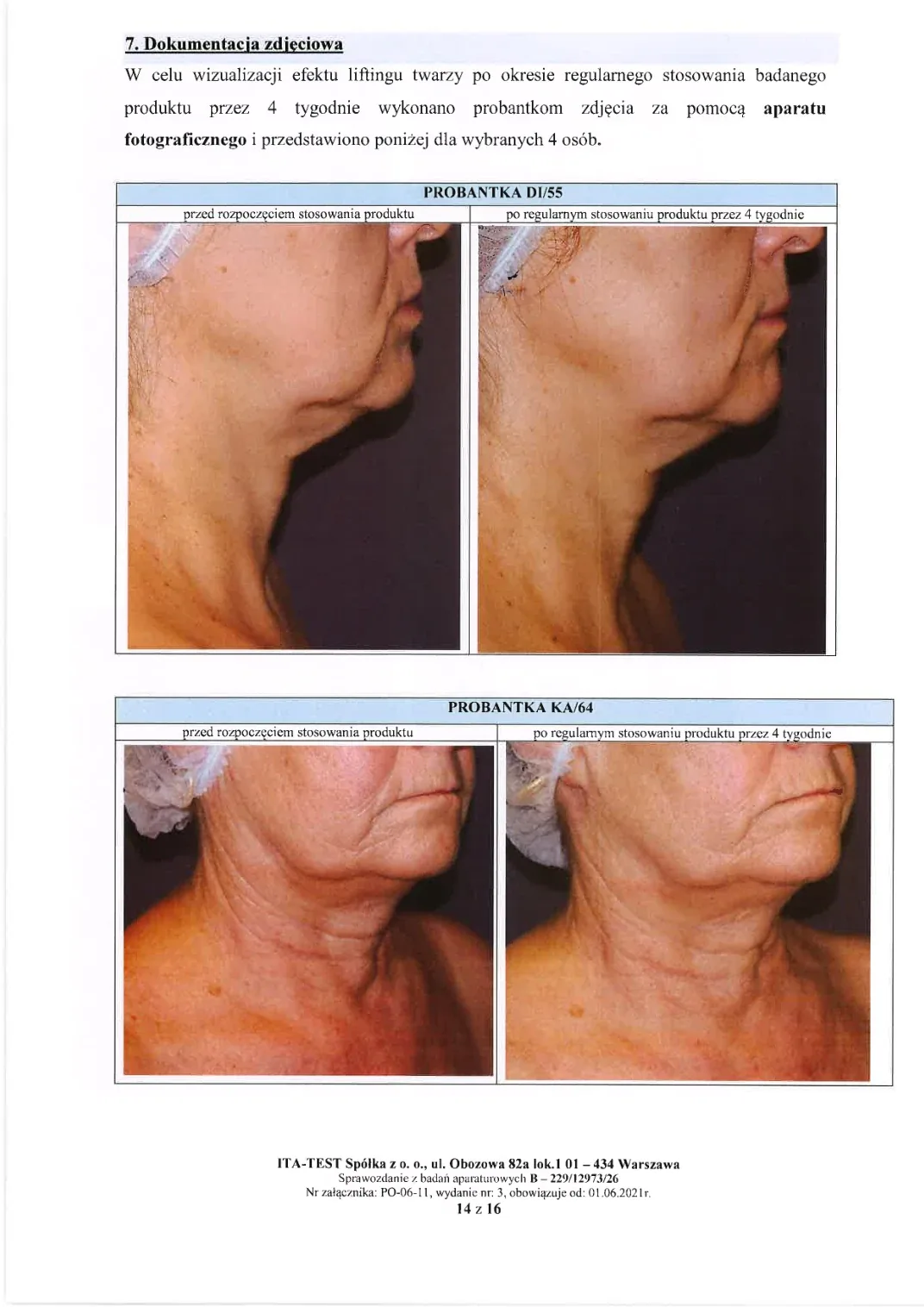
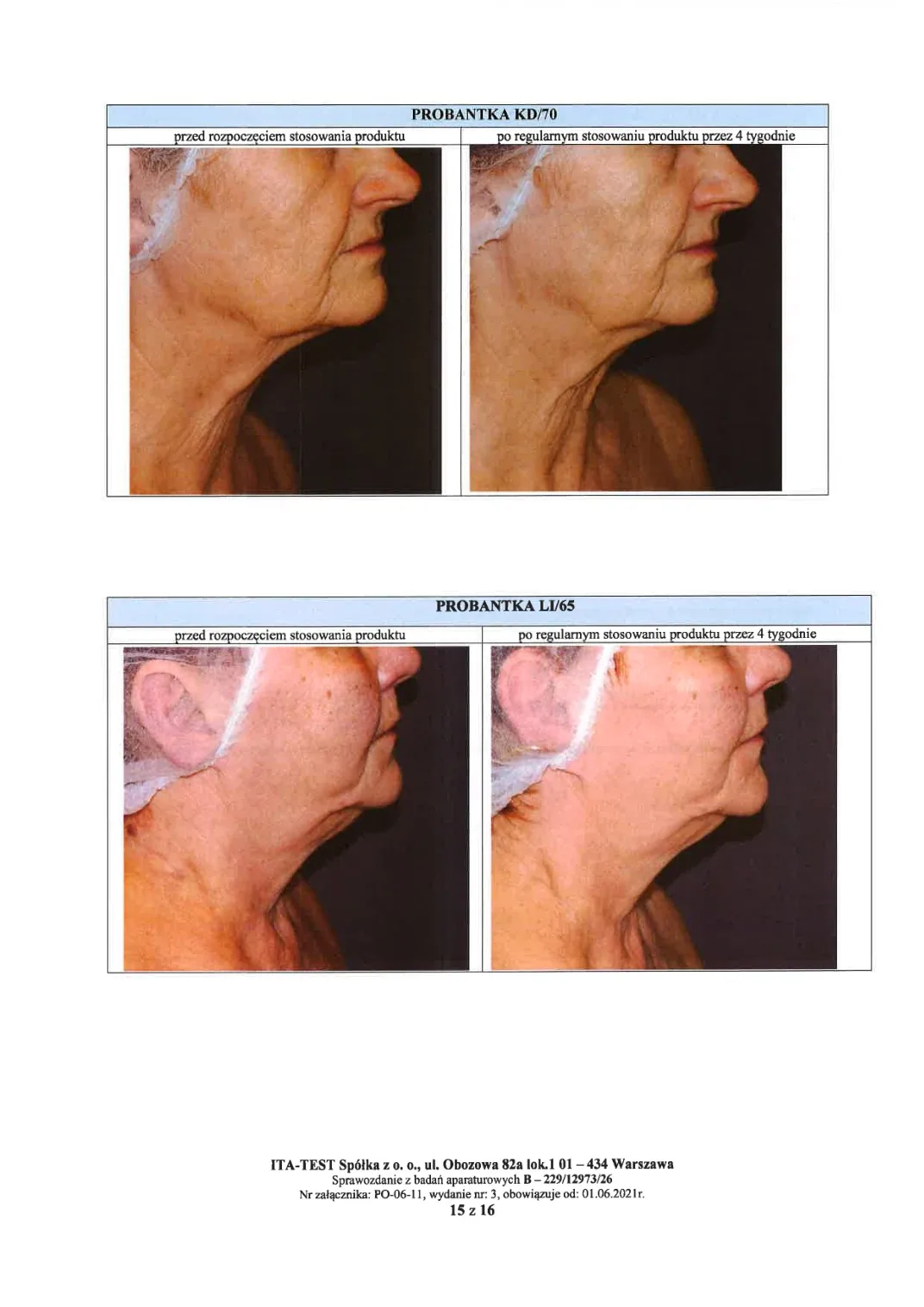
Quantum C5 serum was assessed in a four-week instrumental study with 10 participants. The mean increase in skin hydration from baseline was +33% (Corneometer CM 825), and hydration increased in all 10 participants. The SEsm smoothing parameter improved by 5–26%, with a reported group average of +12% (Visioscan VC 98). In a survey after four weeks, all 10 participants rated deep hydration “very good”, which is a self-assessment rather than a measurement.
These figures describe the whole formula, not the copper peptide on its own. That is how any cosmetic study should be read: as the result of one specific product, tested under specific conditions, in a small group of people.
How to add a copper peptide to your routine, step by step
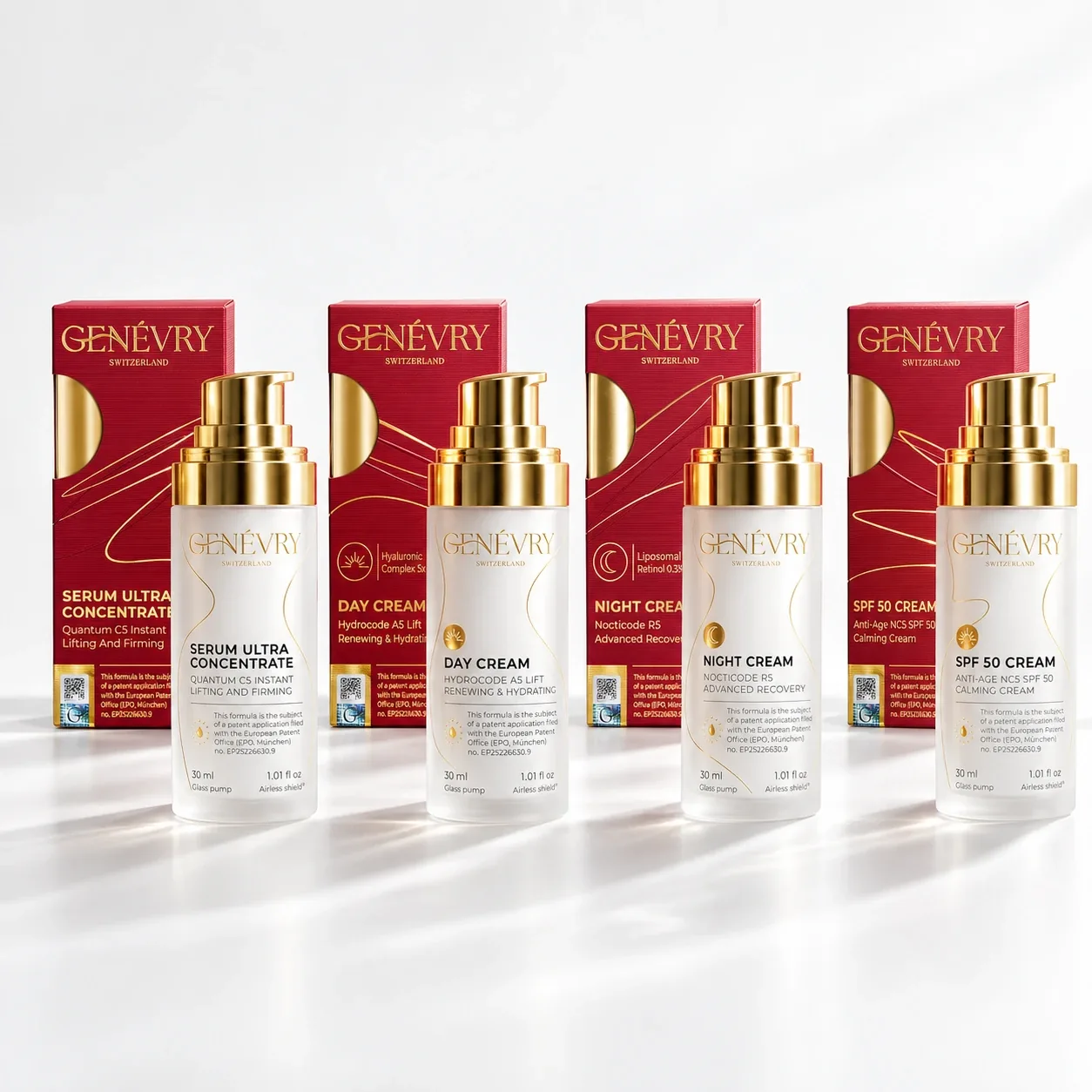
A GHK-Cu serum works best as the first step after cleansing. In the GENÉVRY ritual, the morning order is fixed and easy to remember.
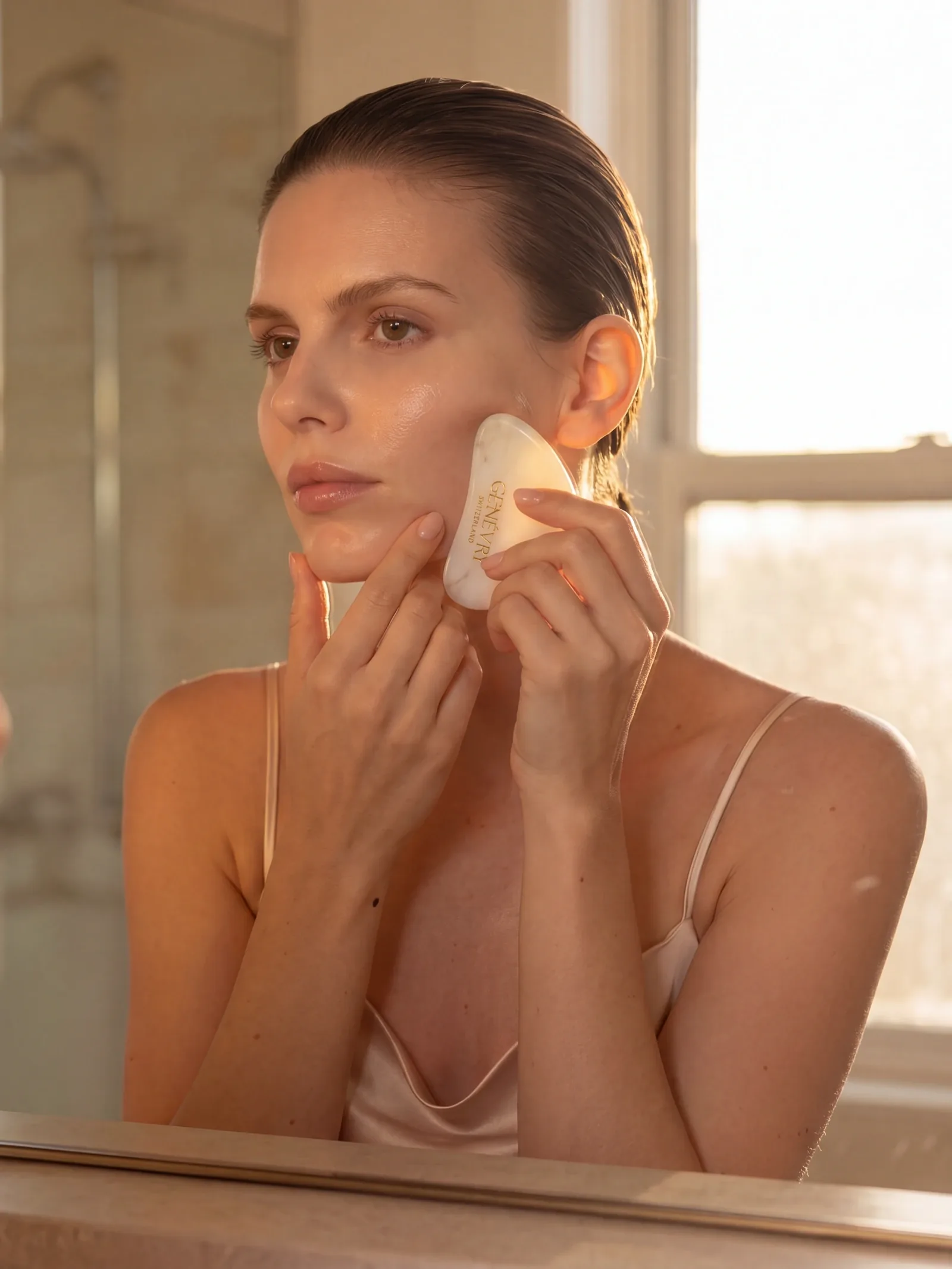
- Cleanse. Wash your face with a gentle cleanser and pat the skin dry with a towel, without rubbing.
- Serum. Apply Quantum C5 to cleansed facial skin, following the directions on the label.
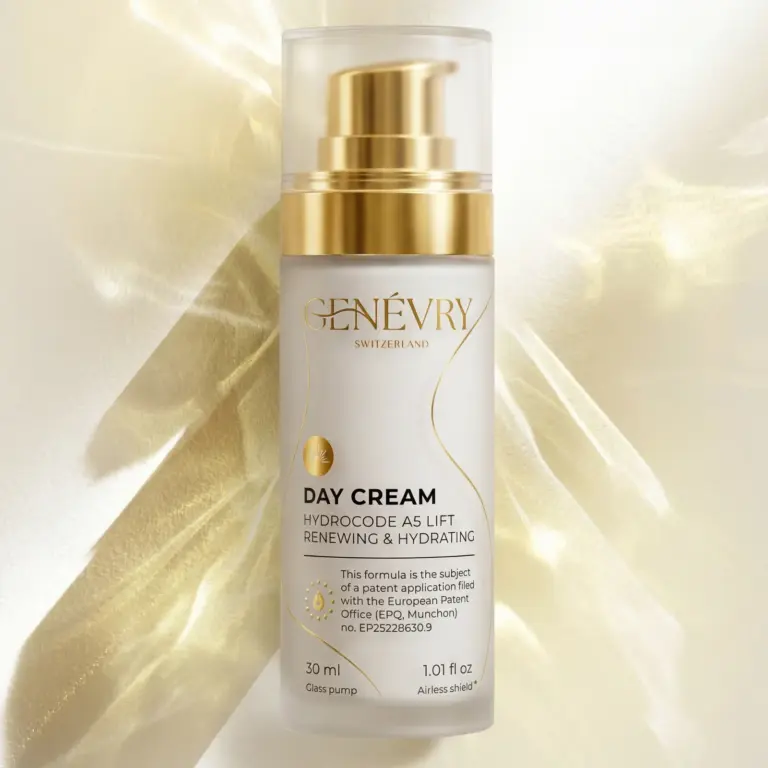
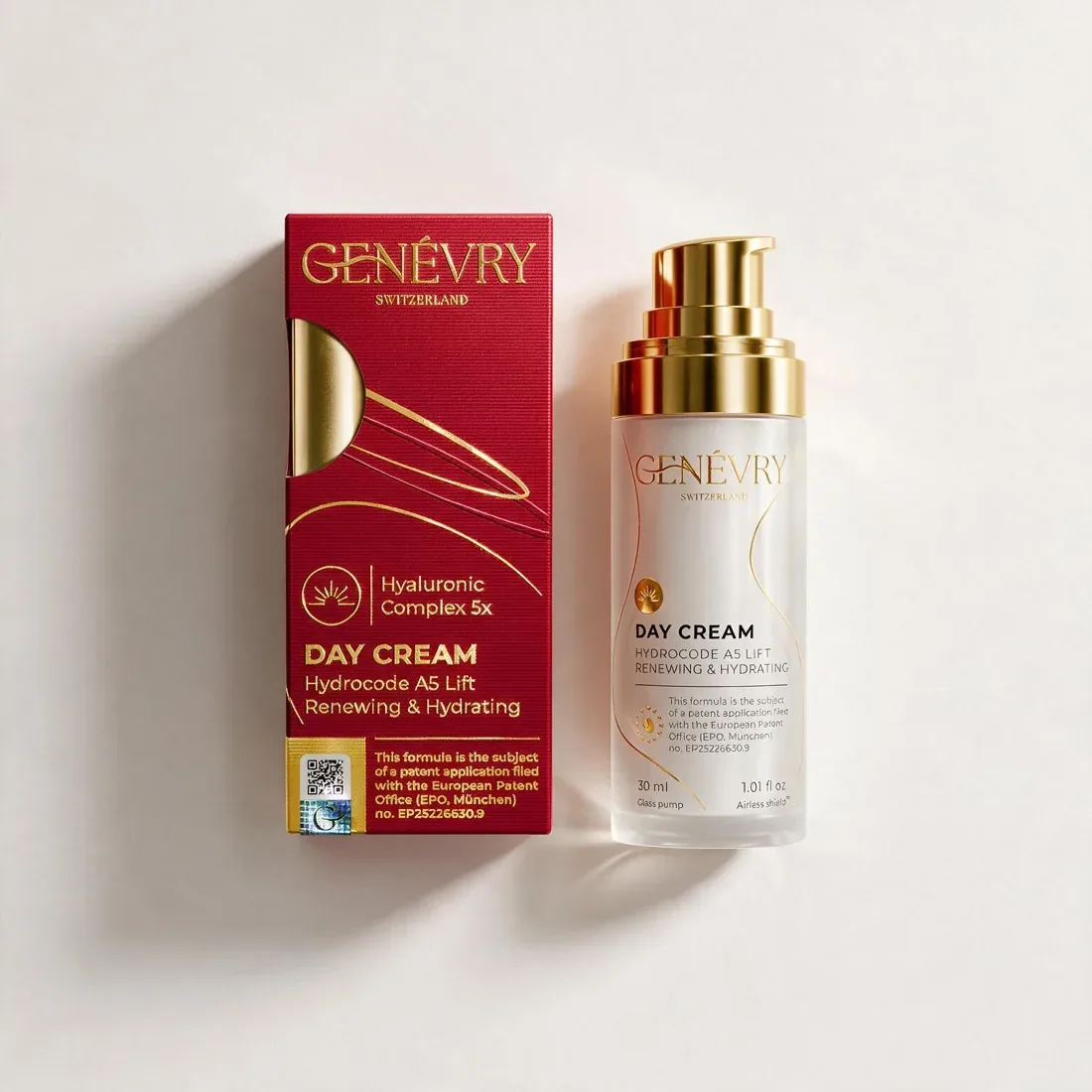
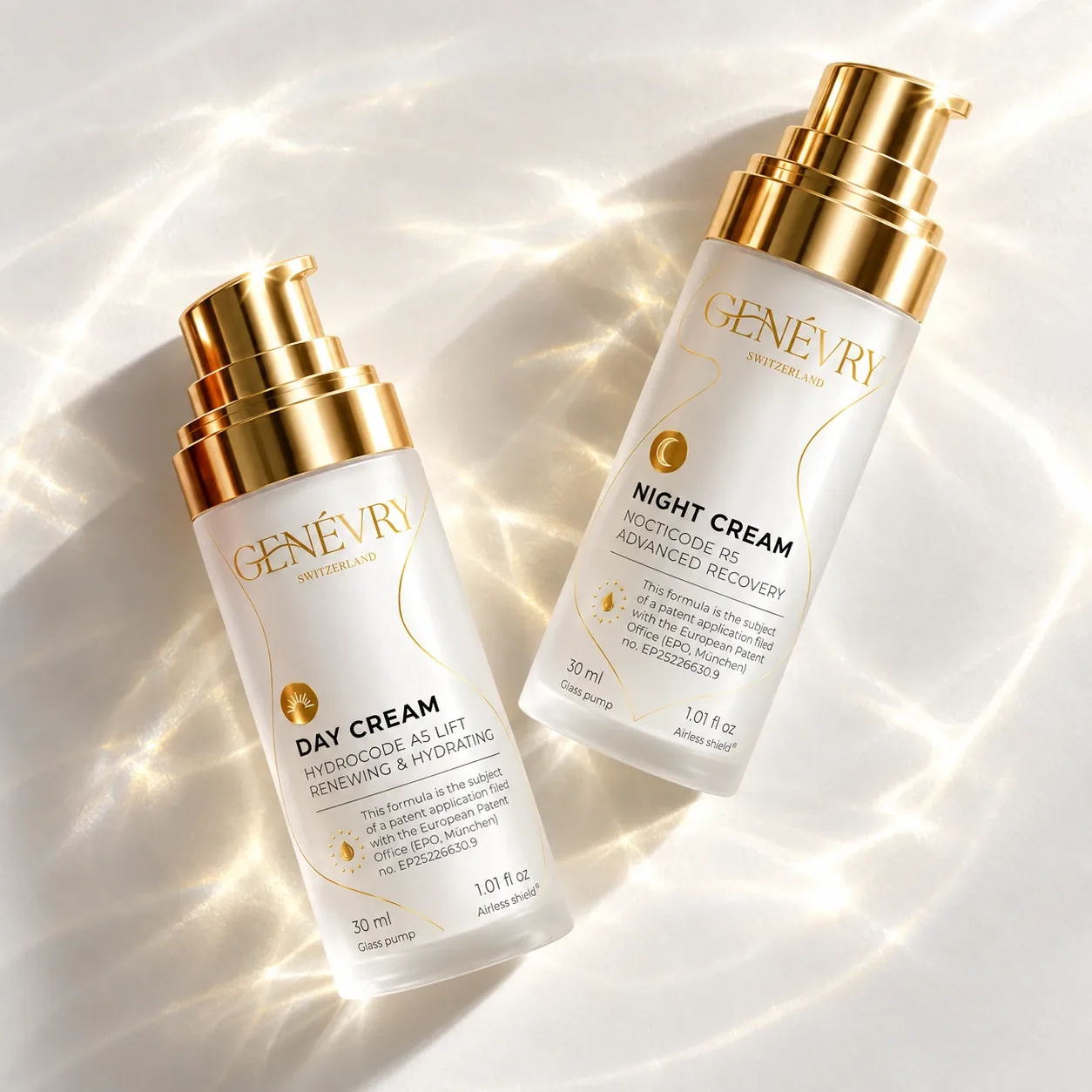
- Day cream. After a moment, apply Hydrocode A5 Lift day cream to complete the hydration step.
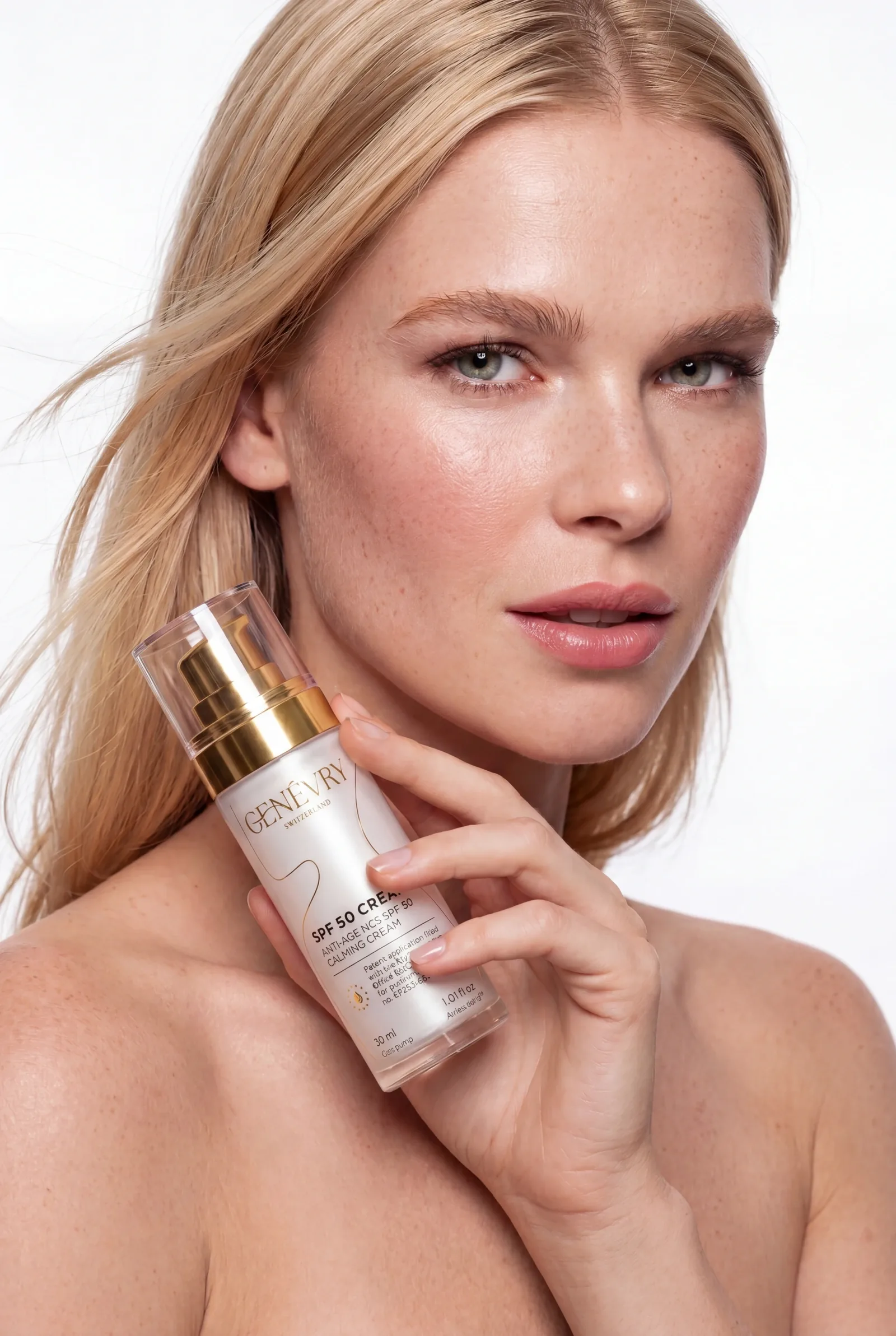
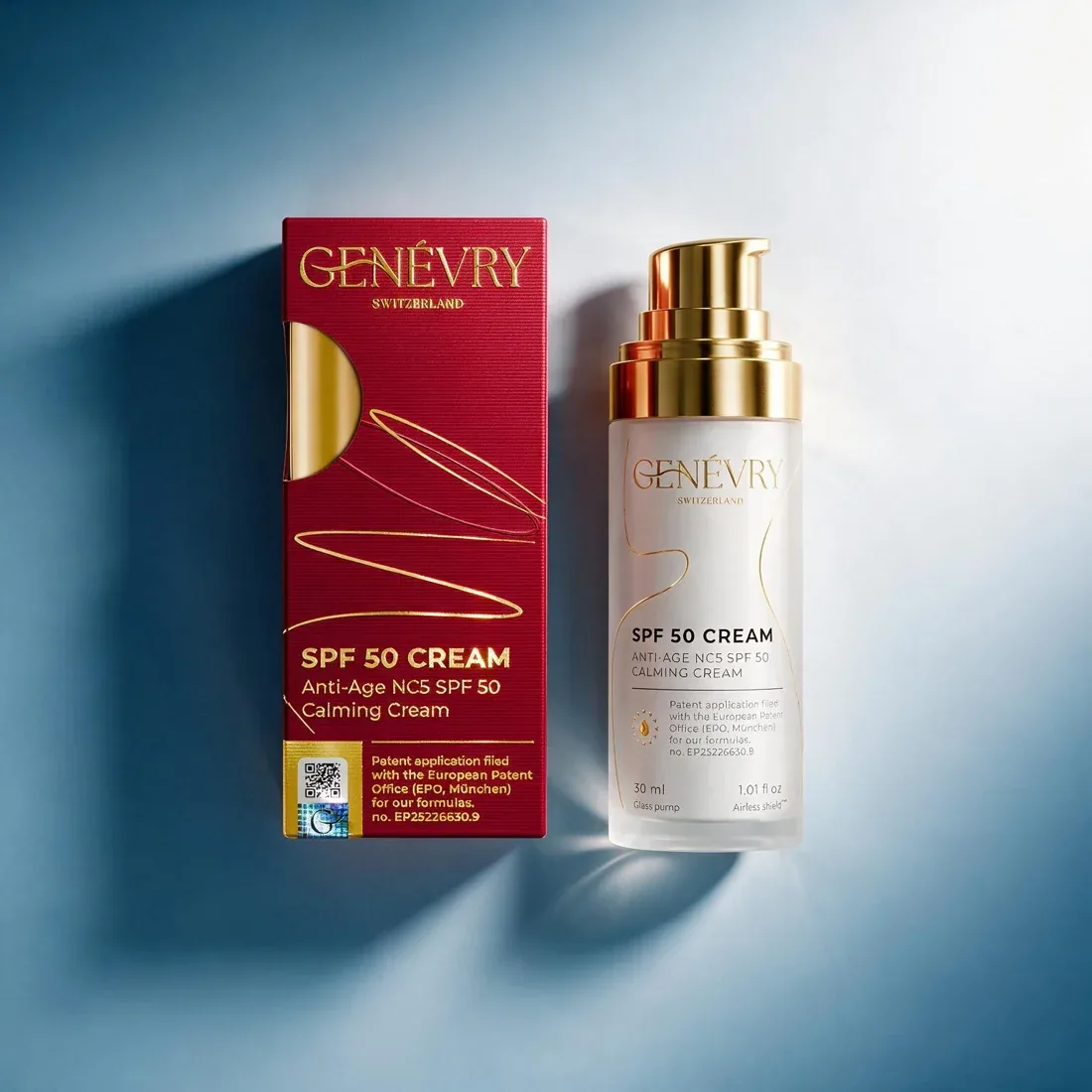
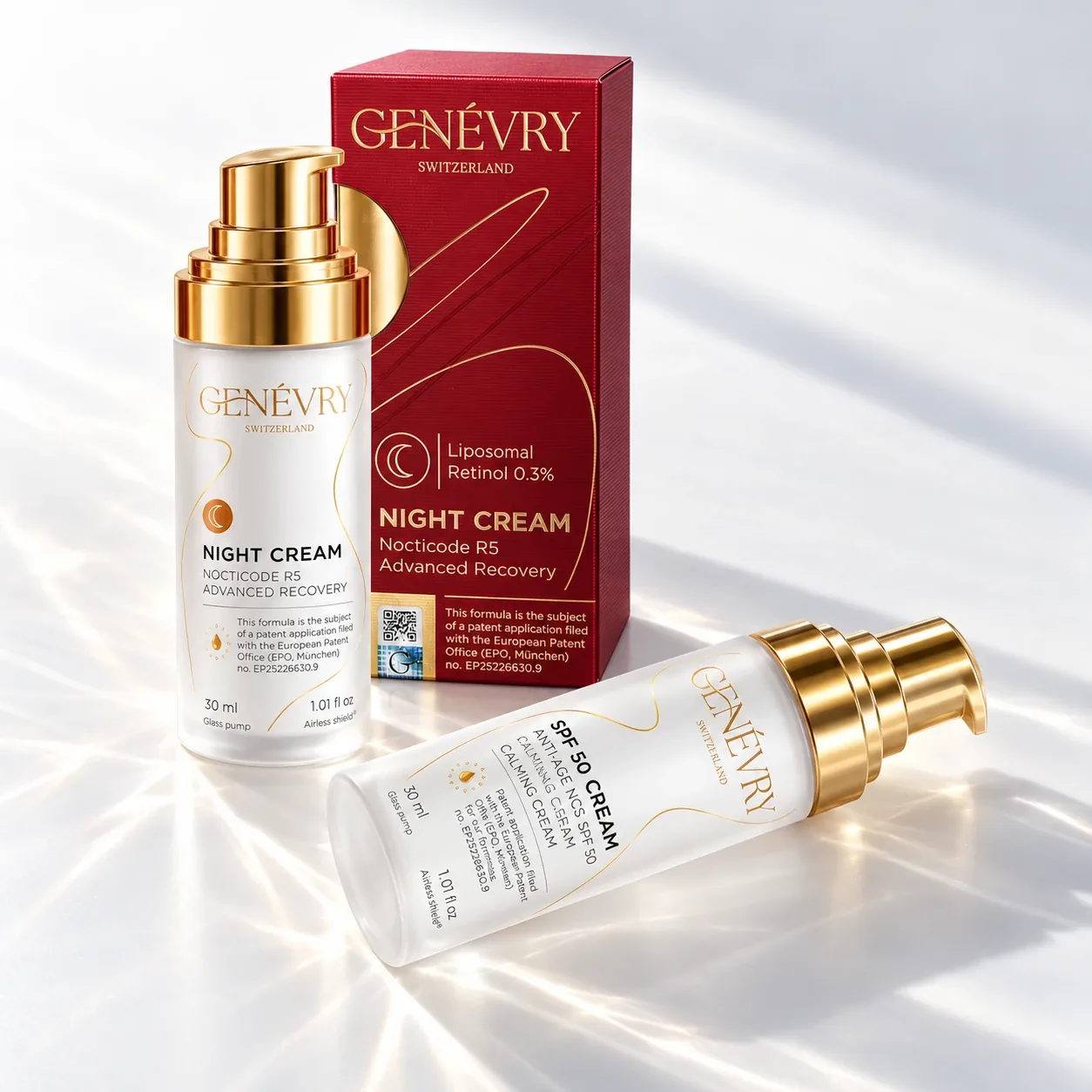
- Protect. As the final step, apply Anti-Age NC5 SPF 50 and reapply according to the label.
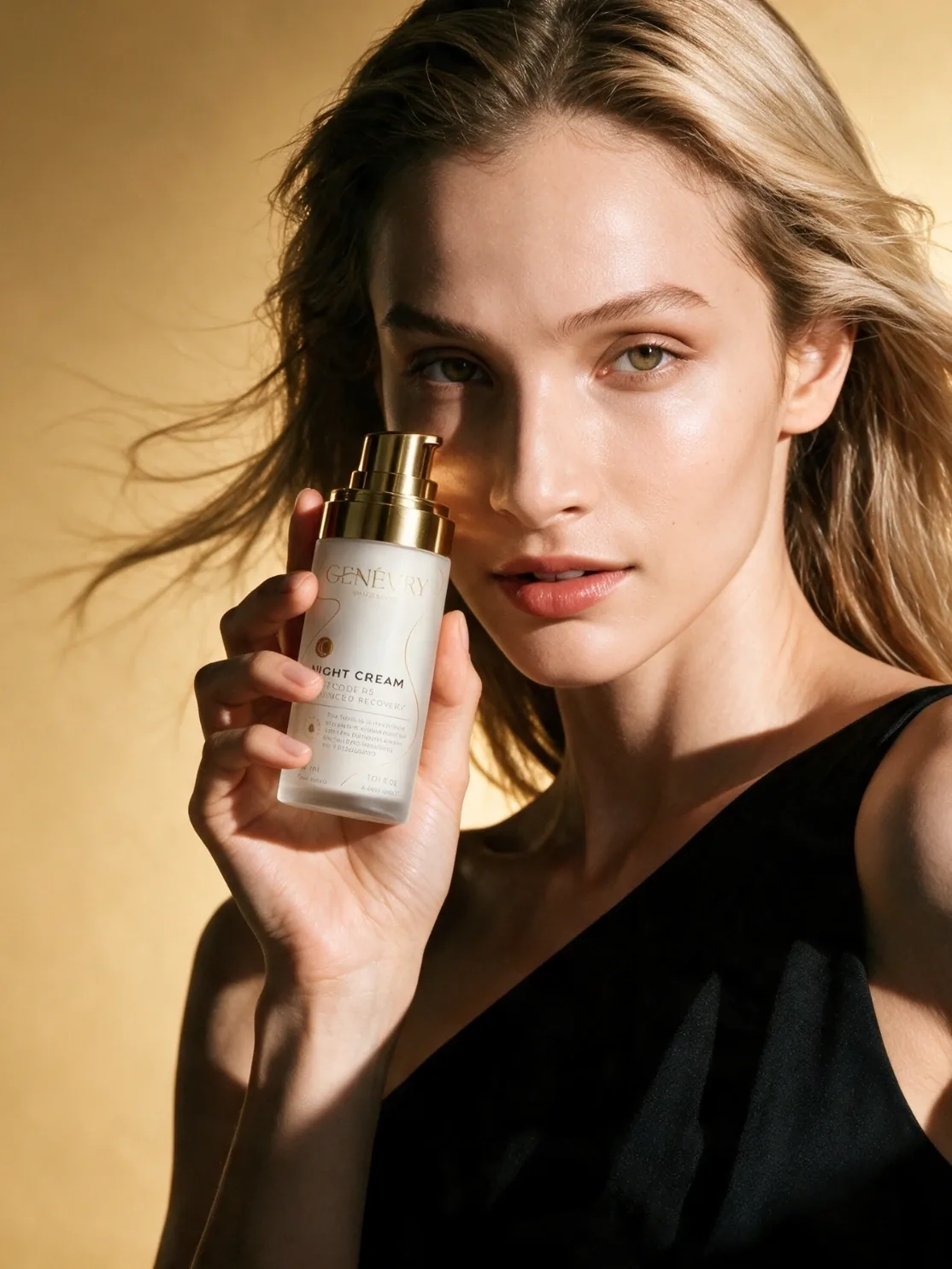
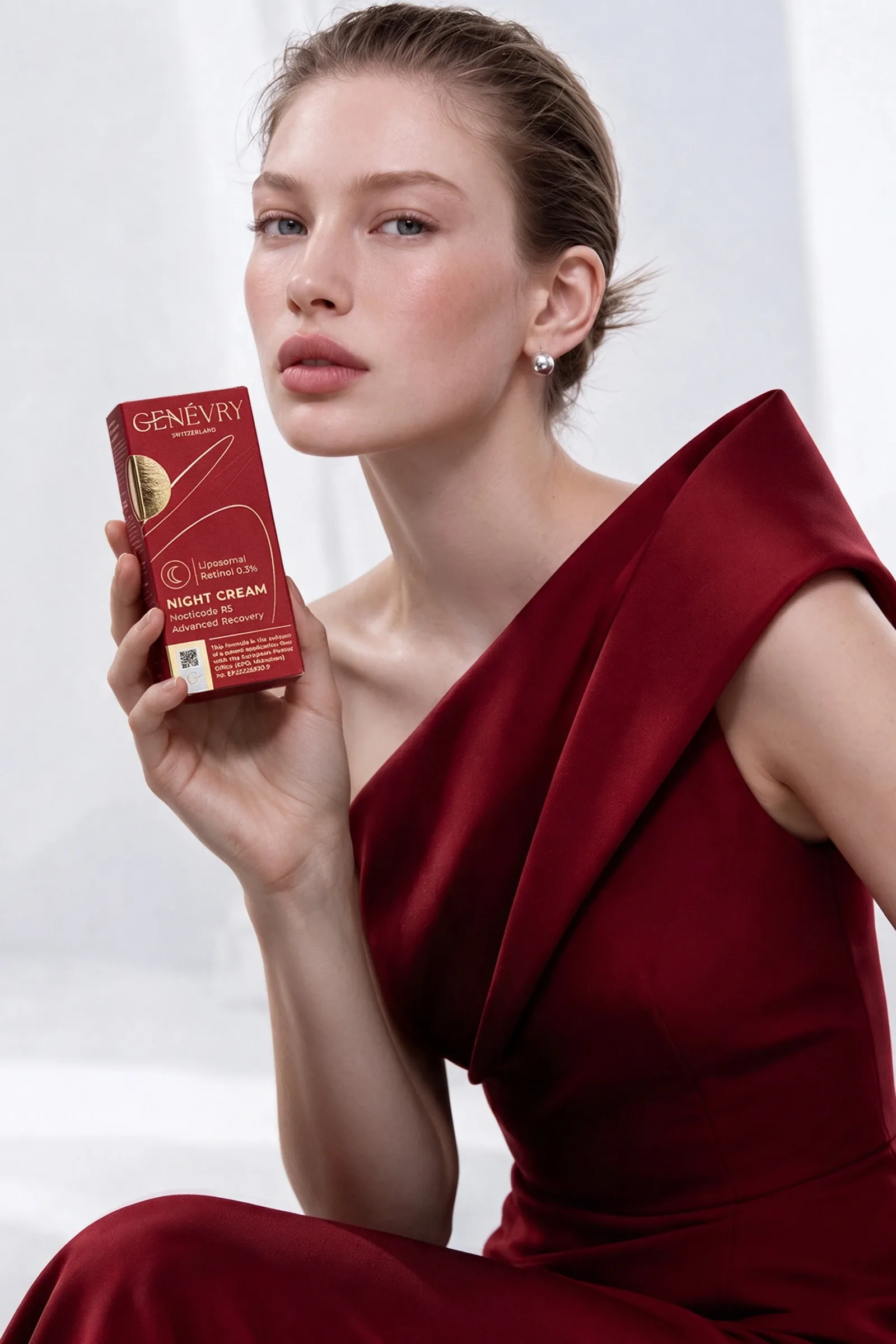
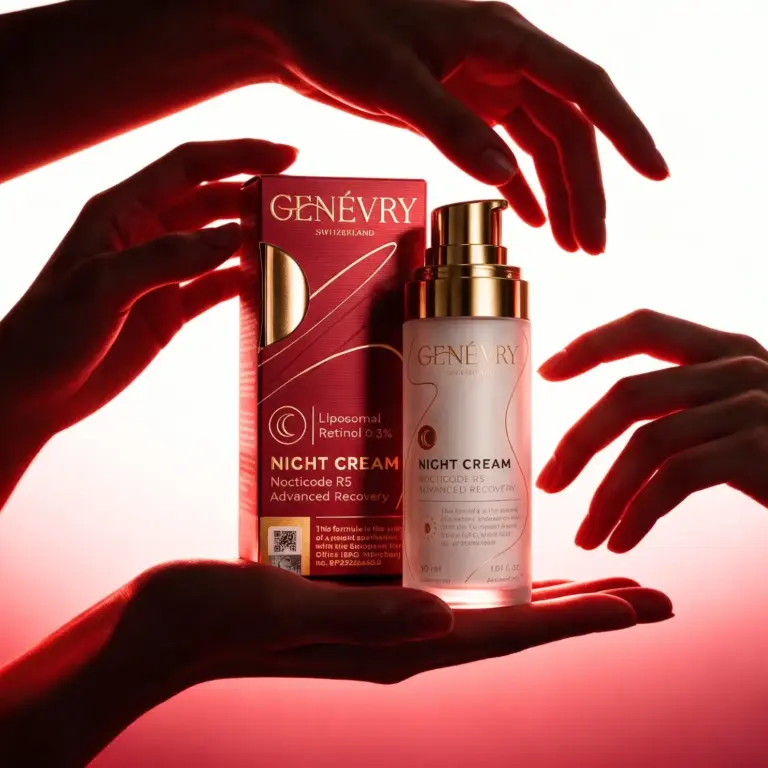
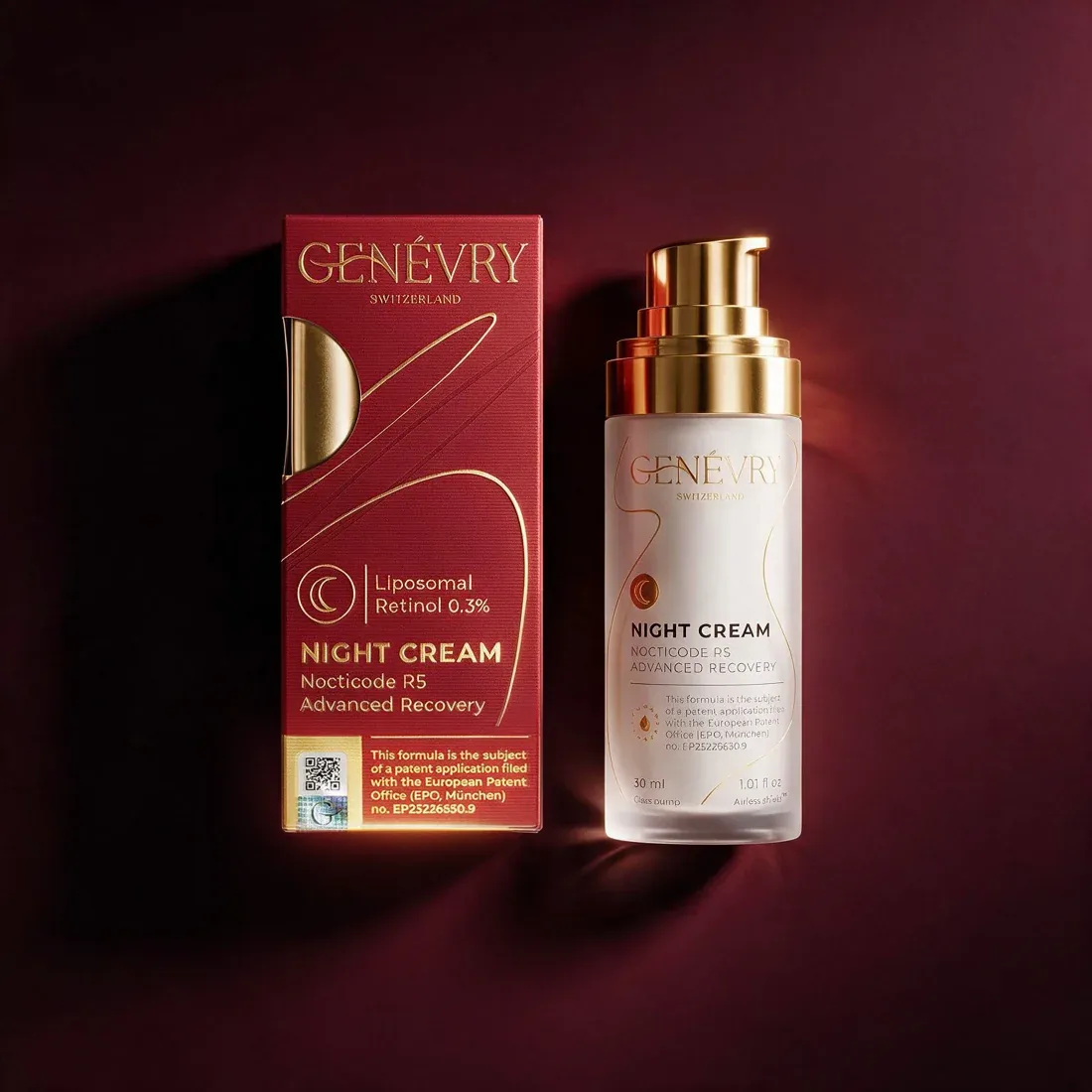
- Evening. Introduce Nocticode R5 night cream with 0.3% liposomal retinol gradually, following its directions, starting with a few evenings a week.
Together, these steps form The Skin Code Protocol, a ritual in which four formulas complement one another morning and evening. If you use strong exfoliating acids, apply them at a different time of day from your copper peptide serum. Before using any new product for the first time, patch test it on a small area of skin, behind the ear for instance, and wait 24 hours. Keep the serum tightly closed, away from sunlight and heat.
Copper peptide: frequently asked questions
Is copper peptide suitable for sensitive skin?
Peptides are generally well-tolerated ingredients, but how your skin responds always depends on the whole formula and on your skin itself. Start with a patch test. If you have a diagnosed skin condition, such as rosacea or atopic dermatitis, consult a dermatologist.
Can I combine GHK-Cu with retinol?
In the GENÉVRY ritual, each ingredient has its moment: the copper peptide serum in the morning, the retinol night cream in the evening. Introduce retinol gradually, do not use it during pregnancy, and always wear SPF the next morning.
Can I use copper peptide skincare during pregnancy?
During pregnancy and while breastfeeding, it is wise to discuss any change to your skincare with your doctor. The same applies if you are taking medication that affects the skin.
Why is GHK-Cu associated with the colour blue?
The pure complex of copper and the tripeptide is an intense blue. In a finished product, the shade depends on concentration and on the other ingredients, so the colour of a cosmetic is no measure of its quality or of how much peptide it contains.
How long before I can judge the results?
Comfort and a sense of hydration are usually the first things you notice. The look of your skin is best assessed after at least four weeks of regular use, the same period as the instrumental study of Quantum C5 serum.
A final word
The copper peptide is not a miracle ingredient, and it does not need to be one. It is a compound well described in the literature which, in a well-designed formula, supports daily skincare, especially alongside a stable vitamin C and with SPF 50 every morning. Time and consistency do the rest.
The formulas in this article
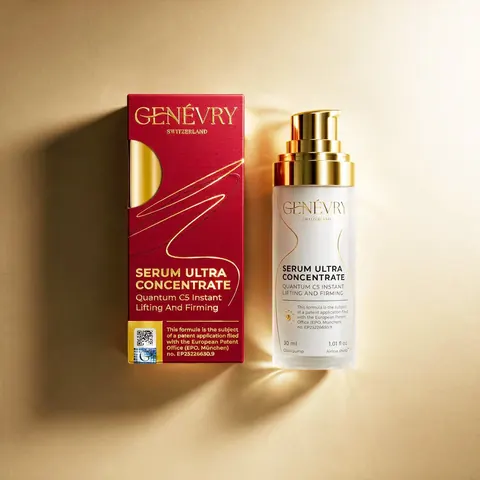 Quantum C5Ultra-concentrate serum£29.90Discover the formula →
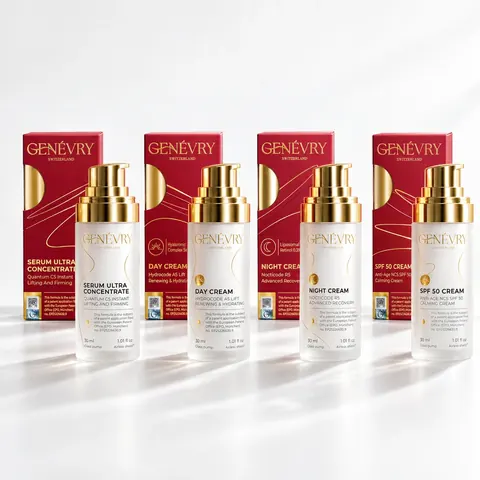 The Skin Code ProtocolComplete 24-hour ritual · 4 × 30 ml£96.90Discover the formula →
Cosmetic product. Individual results may vary.
 English / EUR
 English (US) / USD
 English (UK) / GBP
 Deutsch / EUR
 Deutsch (Schweiz) / CHF
 Français / EUR
 Italiano / EUR
 Español / EUR
 Nederlands / EUR
 Polski / PLN
 日本語 / JPY
 한국어 / KRW
 中文 / CNY
 العربية / AED
 English (Australia) / AUD
 English (Canada) / CAD
 Svenska / SEK
 Dansk / DKK
 Norsk / NOK
 Suomi / EUR
 Português / EUR
 Türkçe / TRY
 Čeština / CZK
 Magyar / HUF
 Română / RON
 Ελληνικά / EUR
 Slovenčina / EUR
 Hrvatski / EUR
 Slovenščina / EUR
 Lietuvių / EUR
 Latviešu / EUR
 Eesti / EUR
 Български / EUR
 Українська / EUR