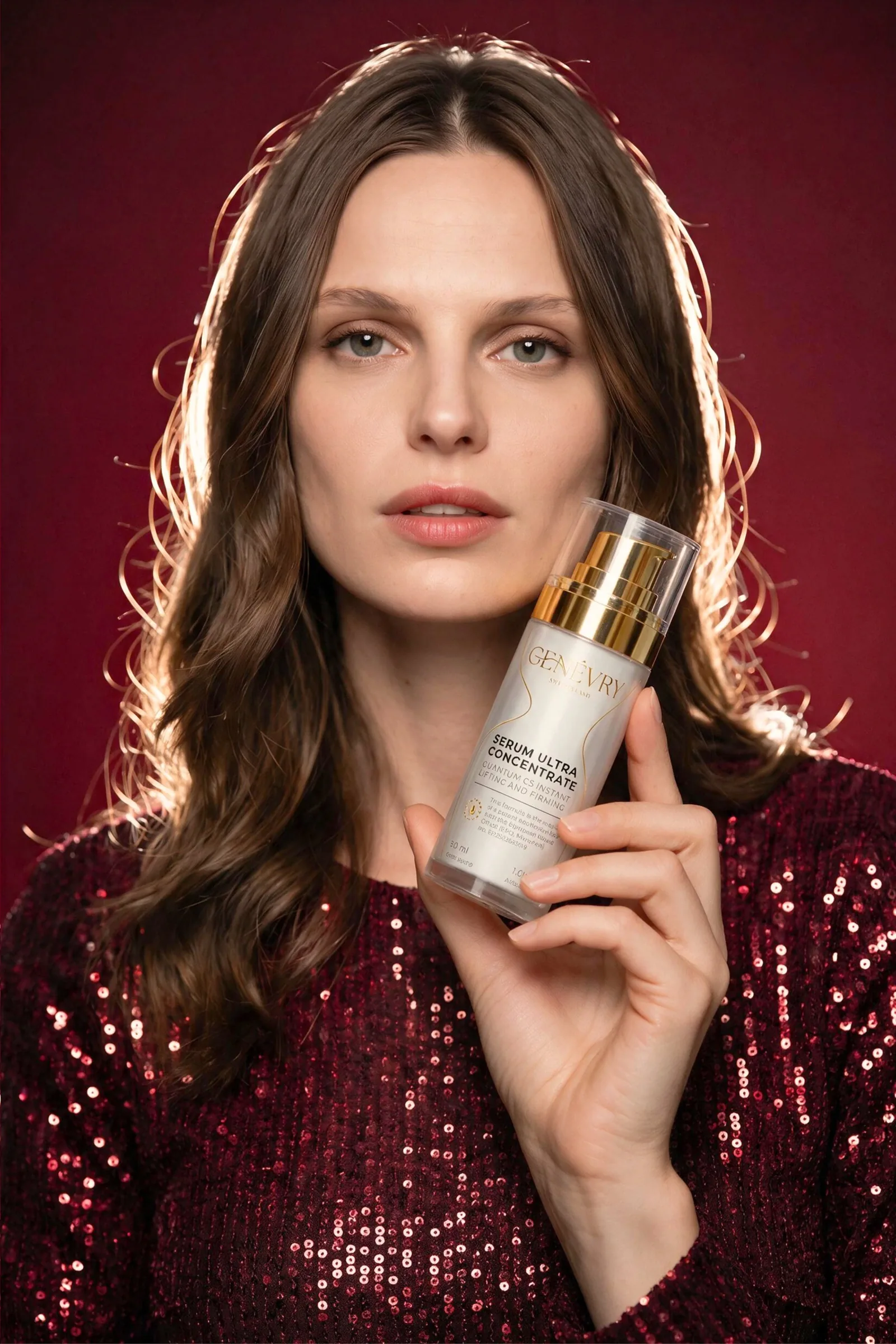
Black Friday Skincare Deals: How to Buy the Product, Not the Discount
A discount describes a price, not a product. Before you click, check the ingredient list, the volume and the price per millilitre.
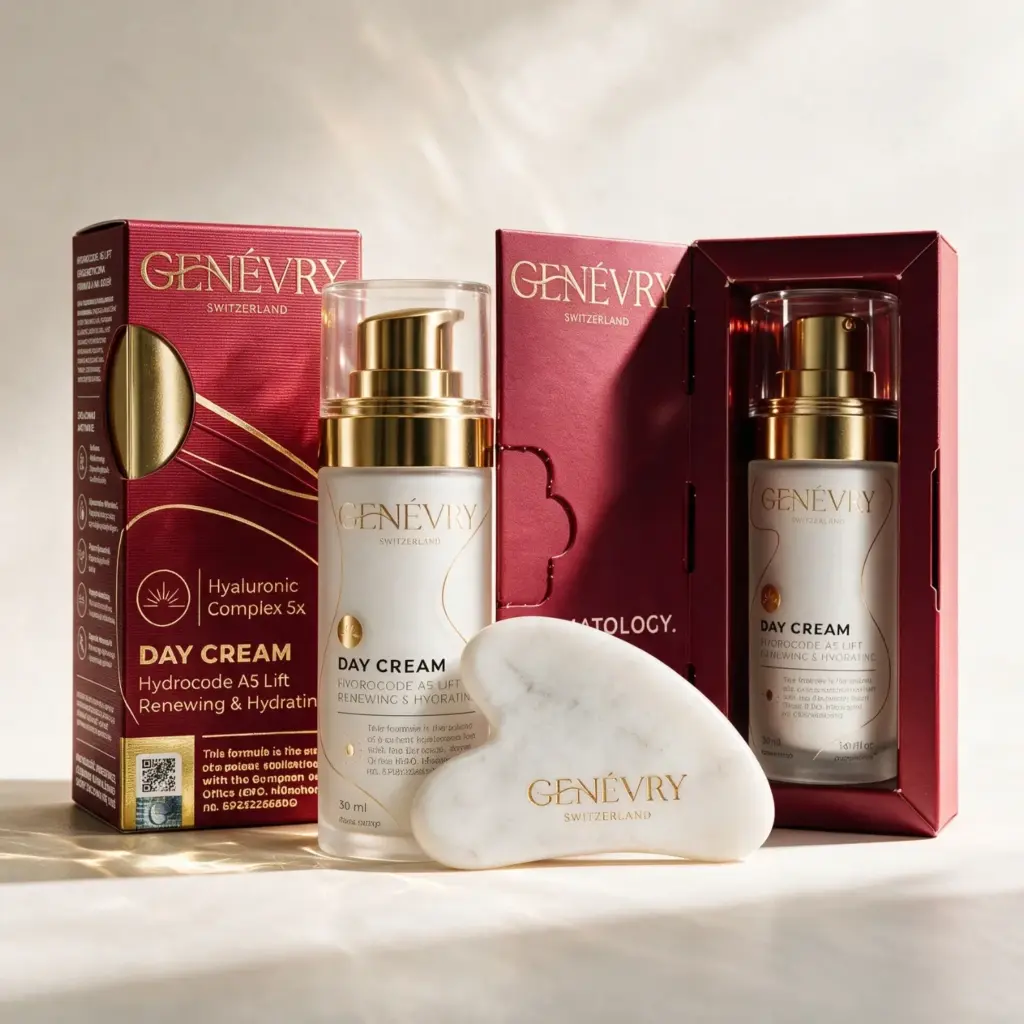
Black Friday skincare deals are usually bought faster than they are chosen. A counter runs down, the basket fills up, and a fortnight later three opened jars sit on the shelf, none of them part of the routine. A discount describes a price, not a product: it says nothing about the formula, the volume or whether the texture suits your skin. A purchase prepared in advance keeps a routine stocked for a quarter; one made under a ticking clock costs more than it appears to.
Black Friday skincare deals start on your own shelf
Reverse the order. Instead of scrolling offers for something that might fit, write the list before the discounts begin. Five minutes at the bathroom cabinet and three questions are enough: what runs out within the month, what the routine is missing — usually sunscreen or a night cream — and what has worked well enough to be worth stocking up on.
A list also sets the budget before a retailer does. Once you know you need one serum and one SPF, a sitewide offer on ten products becomes what it is — a proposal. The Friday after American Thanksgiving has stretched into a full week across Europe, and many brands run reductions into early December, so there is more than an hour to compare calmly.
The checklist before you buy
Seven things that take a few minutes to verify before you click. If something is missing from the product page and the seller will not supply it, that answers it.
| What to check | Where to find it | Warning sign |
|---|---|---|
| Ingredient list (INCI) | Carton and product page | The full list appears nowhere on the site |
| Size and price per millilitre | Label, product description | Volume visible only in the photograph |
| Expiry date and PAO symbol (e.g. 12M) | Base or side of the pack | No date, and no answer when you ask |
| Concentration of the active | Description, technical sheet | “High concentration” with no figure |
| Type of packaging | Product photographs | Retinol or vitamin C in an open jar |
| Evidence: method, panel size, duration | Results or testing tab | A percentage with no method and no n |
| Seller, returns, company details | Terms, shop footer | Price far below market, prepayment only |
Read the ingredient list from the top. INCI is the international naming system for cosmetic ingredients: anything above one per cent is listed in descending order, so the first five entries define the formula. If the ingredient advertised on the front of the box appears at the very end, beside the colourant and the fragrance, the product was not built around it. We set this out in our guide to reading an INCI list.
Packaging is the quiet variable, and with some ingredients it decides how much of the formula survives the first month. Pure vitamin C and retinol oxidise on contact with air and light, which makes a pump or an airless system more practical than a wide screw-top jar. Opaque glass is not a styling choice; it protects the contents.
Price per millilitre, not percentage off
A percentage describes a relationship to a starting price, not the value of what is in the bottle. The one number that compares two similar products is the price per millilitre: divide the discounted price by the volume.
Take two moisturisers. The first: 30 ml, 20% off, €30 to pay — that is €1.00 per millilitre. The second: 50 ml, 50% off, €60 to pay — €1.20 per millilitre. The larger discount carries the higher unit cost. The comparison only works within one category: an eye serum and a body lotion are used up at completely different rates.
The second figure worth finding is the reference price. In the European Union, any announcement of a price reduction has to state the lowest price applied in at least the 30 days before the promotion — Article 6a of Directive 98/6/EC, inserted by the Omnibus Directive (EU) 2019/2161 and applicable since 28 May 2022. Where no such figure sits next to the struck-through price, the size of the discount says very little.
A set or a single product
Sets are promoted hardest in November because they are easier to pack, ship and give. For the buyer they make sense in two cases: when every product in the box is already part of the routine, or when the box is a gift and the point is a finished whole. Otherwise a single product you will finish works out better.
| Situation | What usually makes sense |
|---|---|
| One specific product is running out | A single purchase, perhaps a quarter’s backup |
| The routine is half-built, two steps missing | A duo matched to one time of day |
| You want to try a new brand | One product, not the whole line |
| Buying as a gift | A boxed set that suits most skin types |
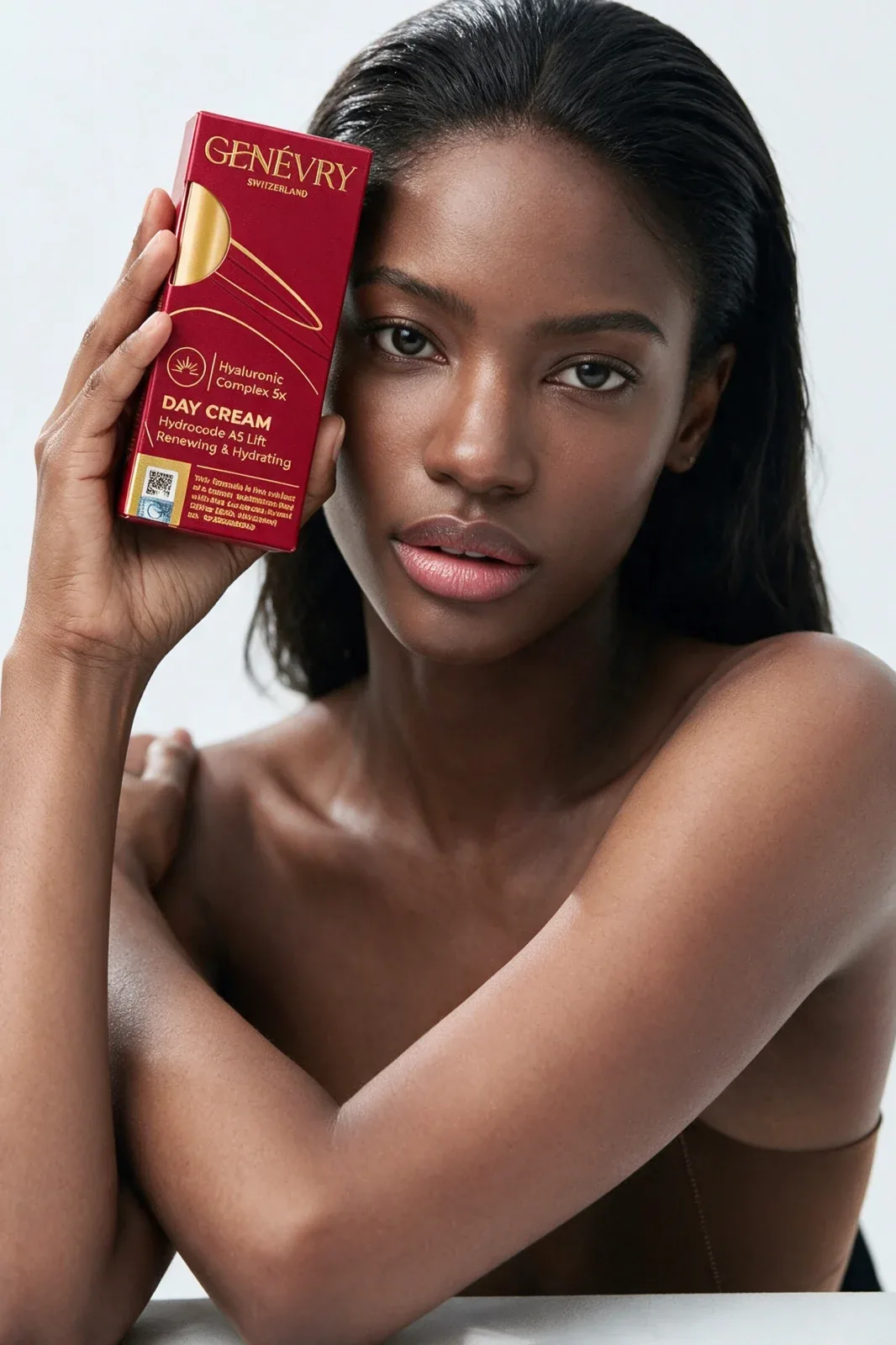
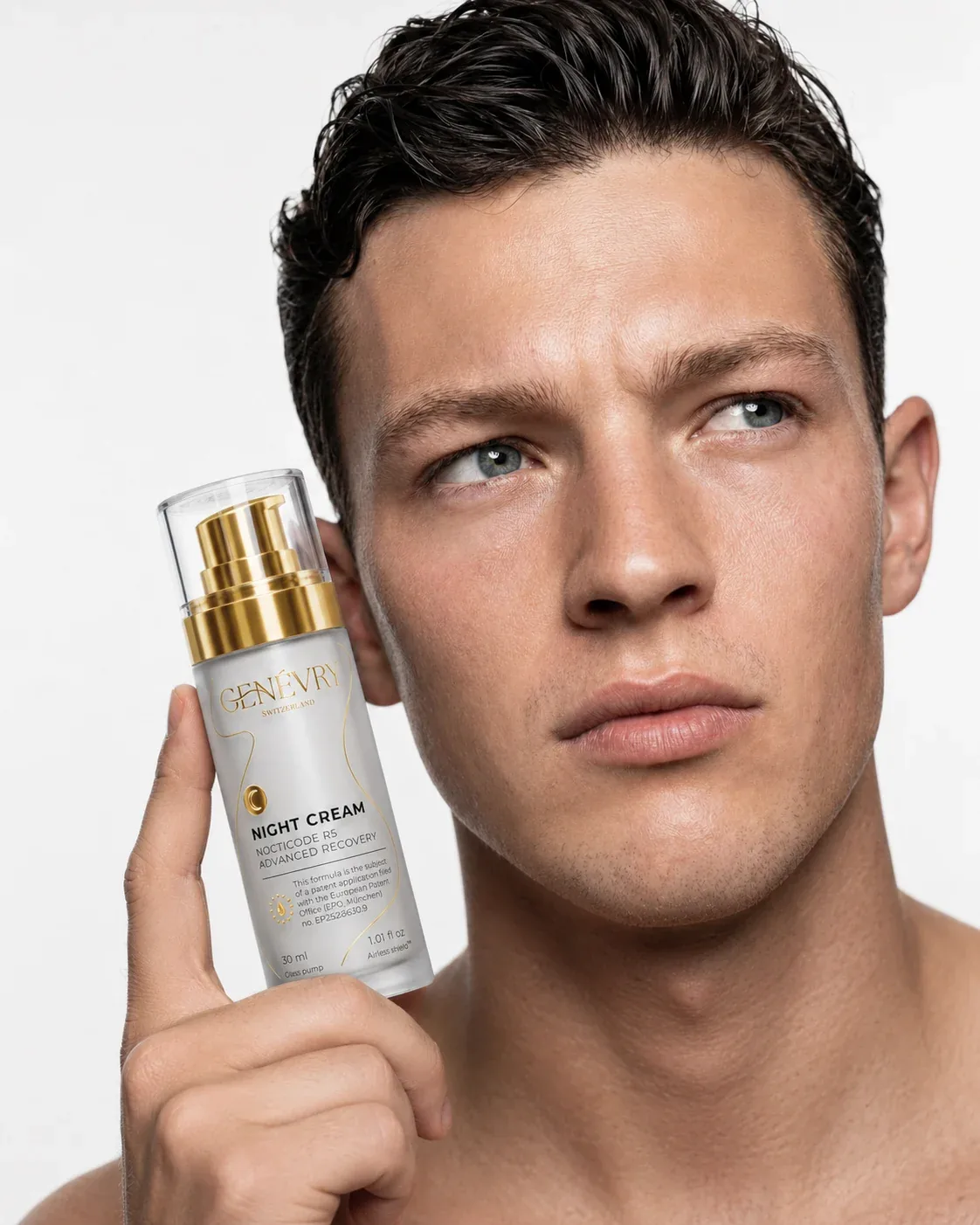
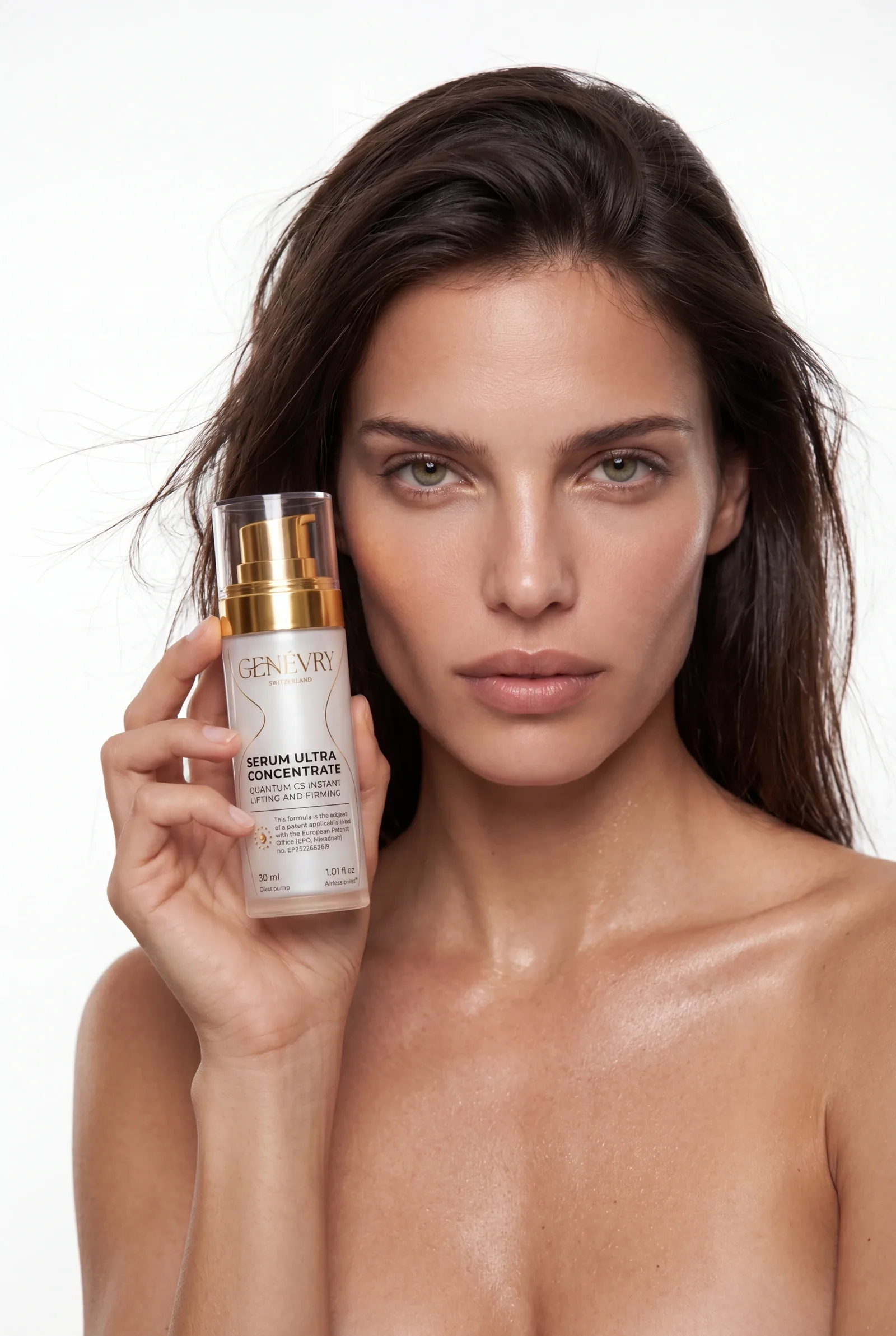
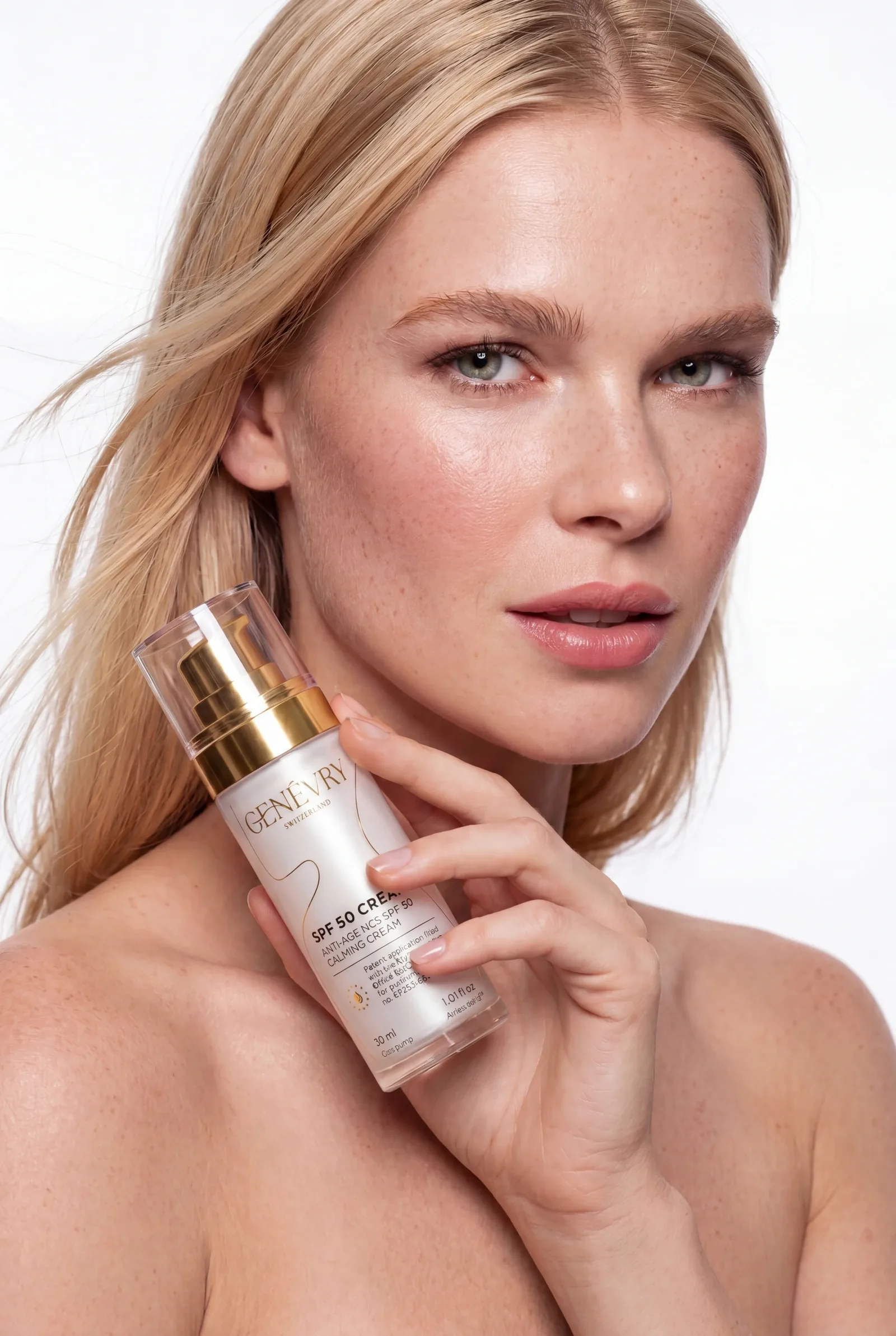
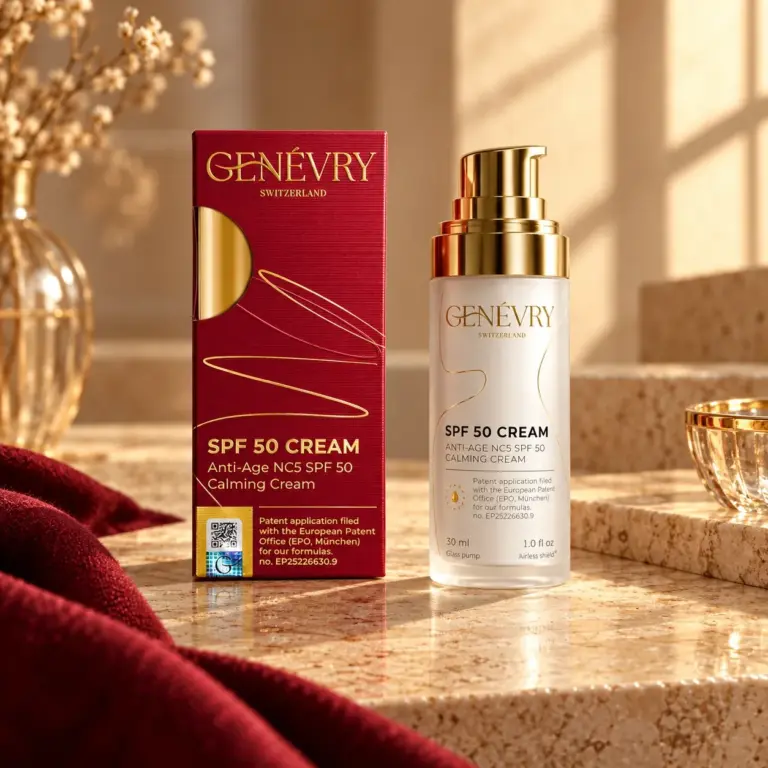
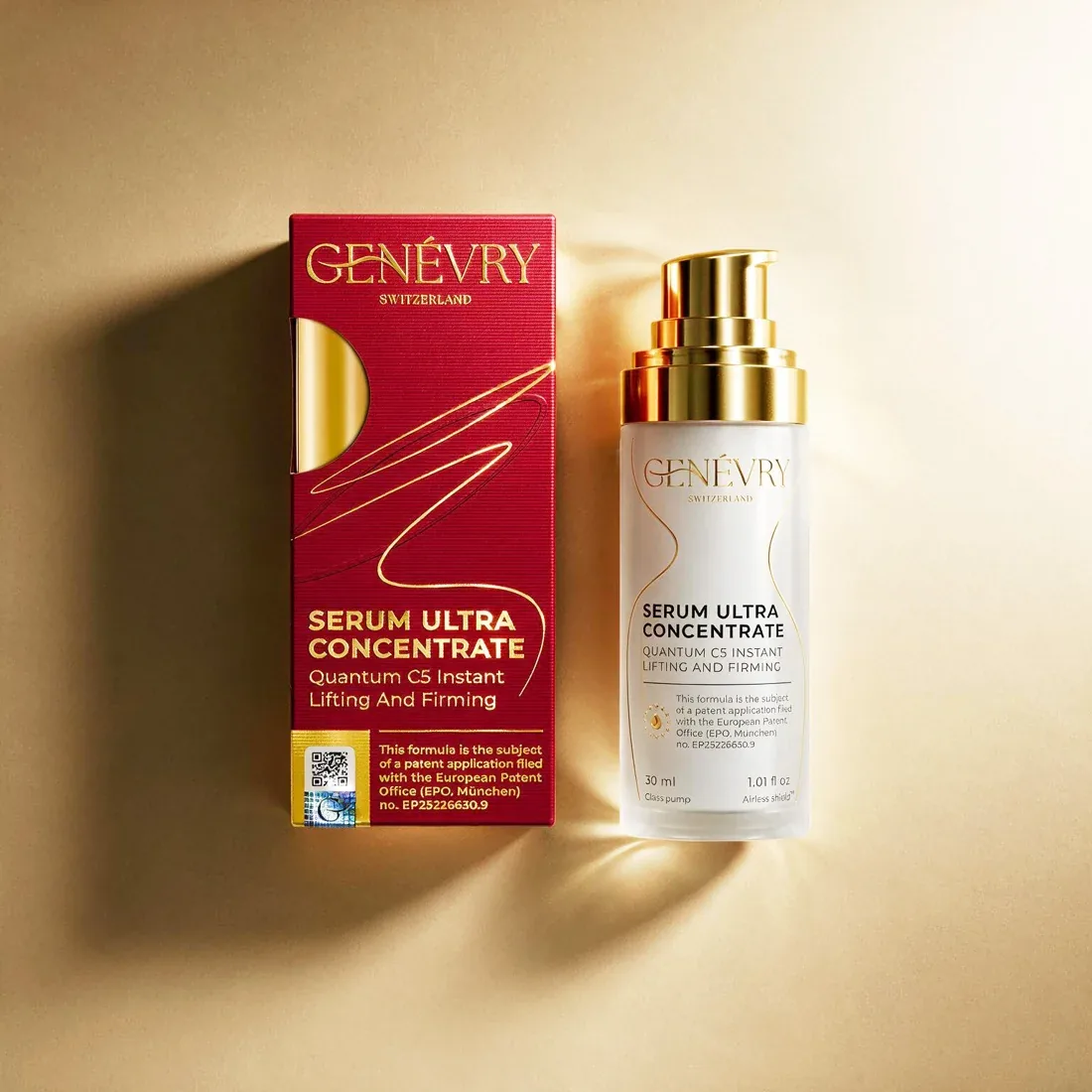
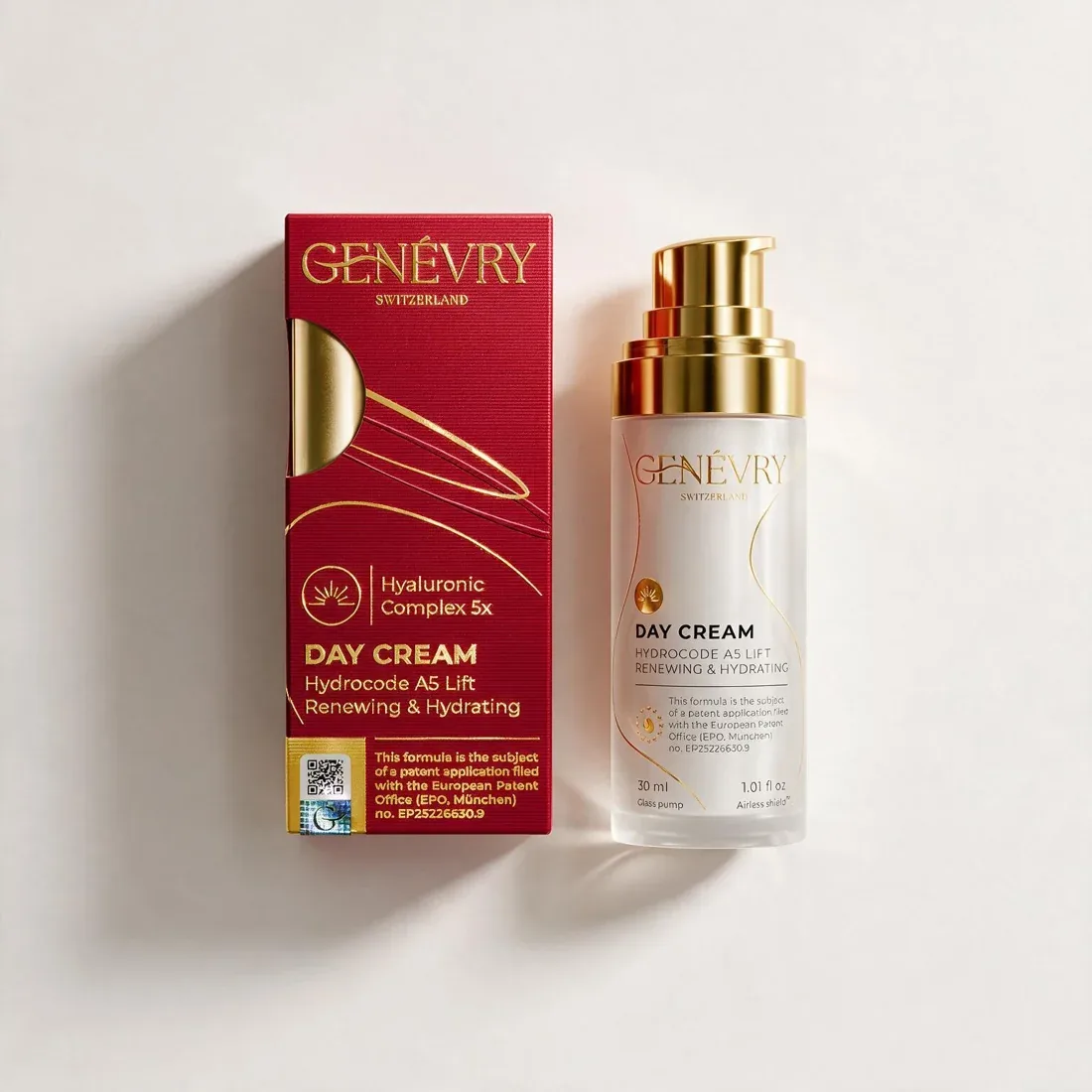
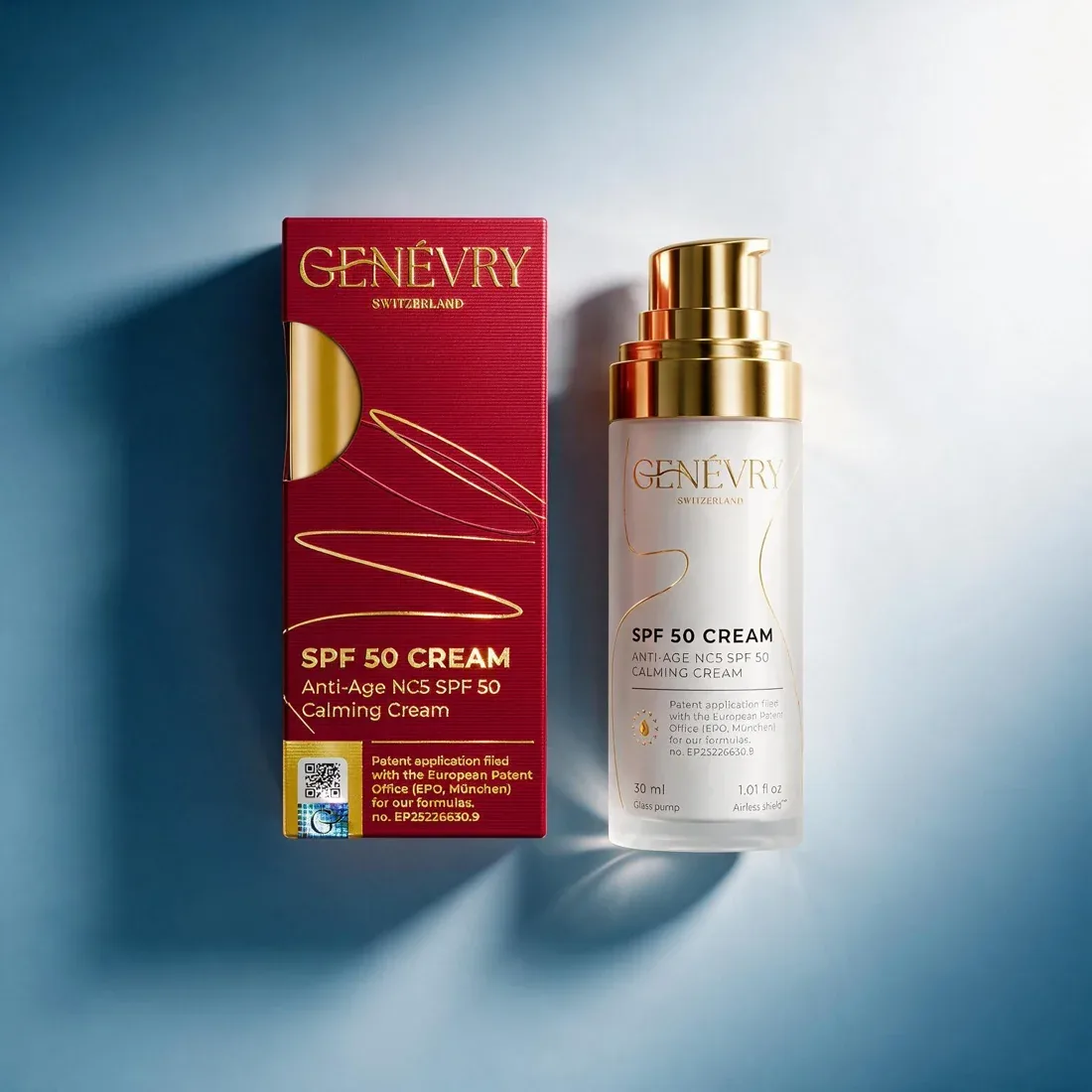
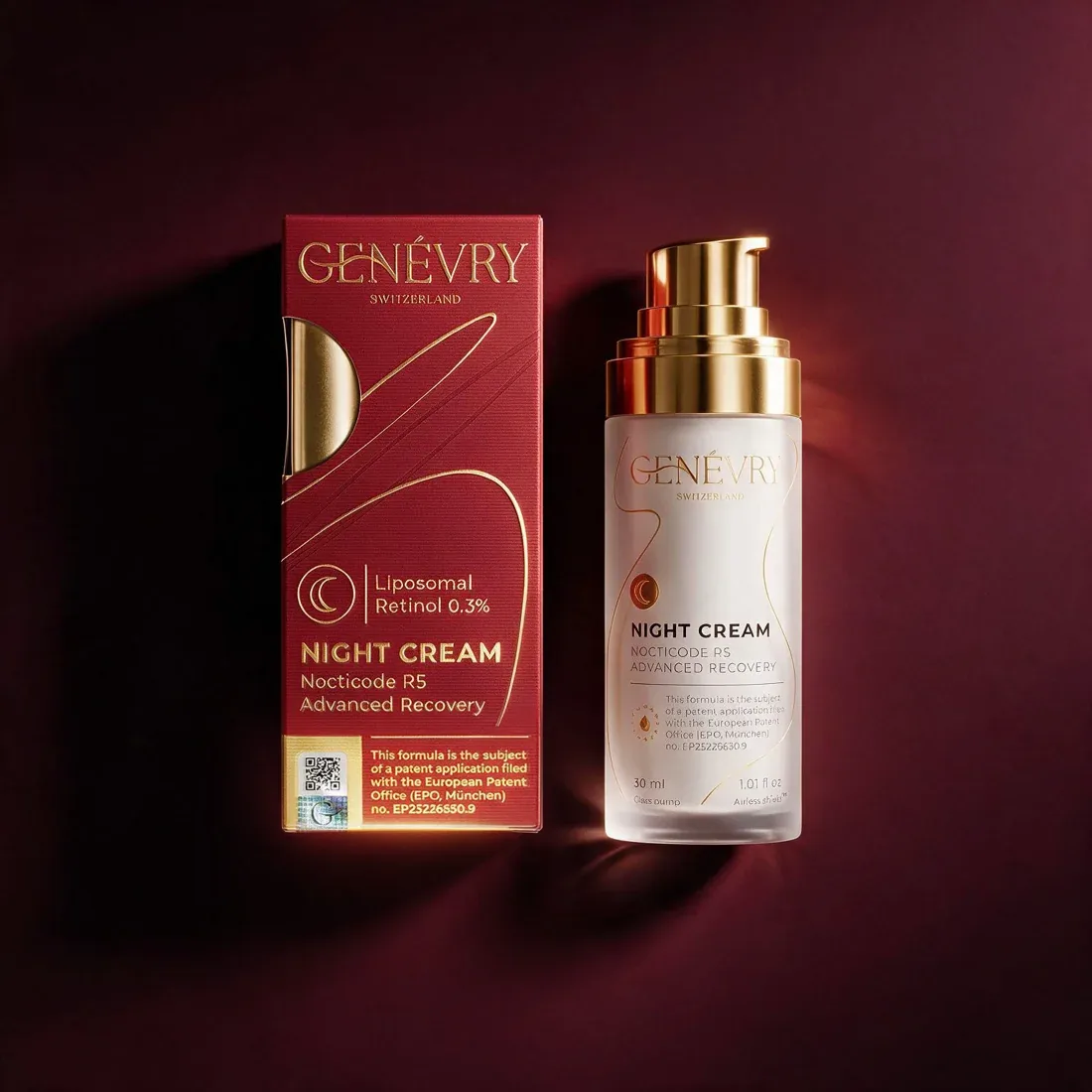
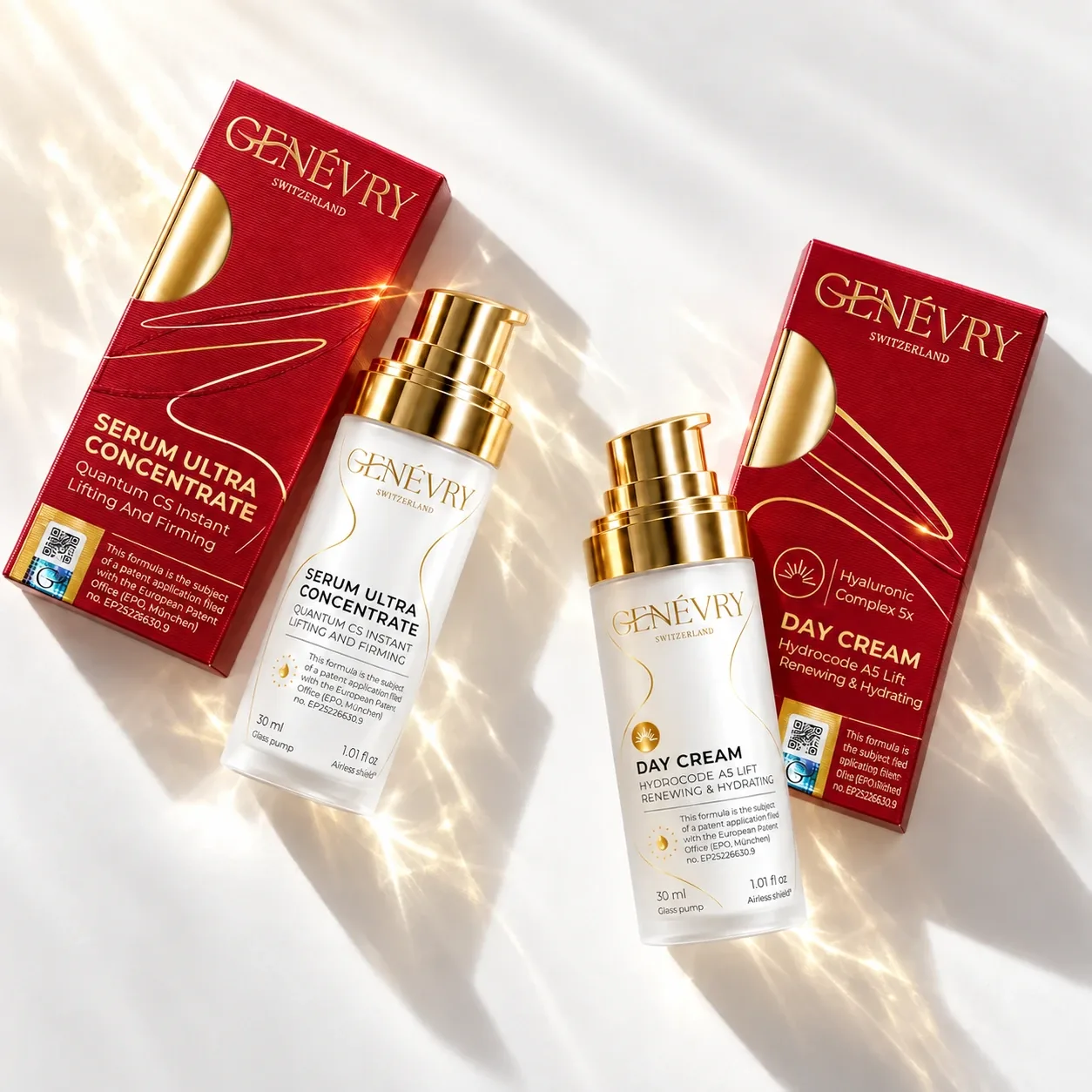
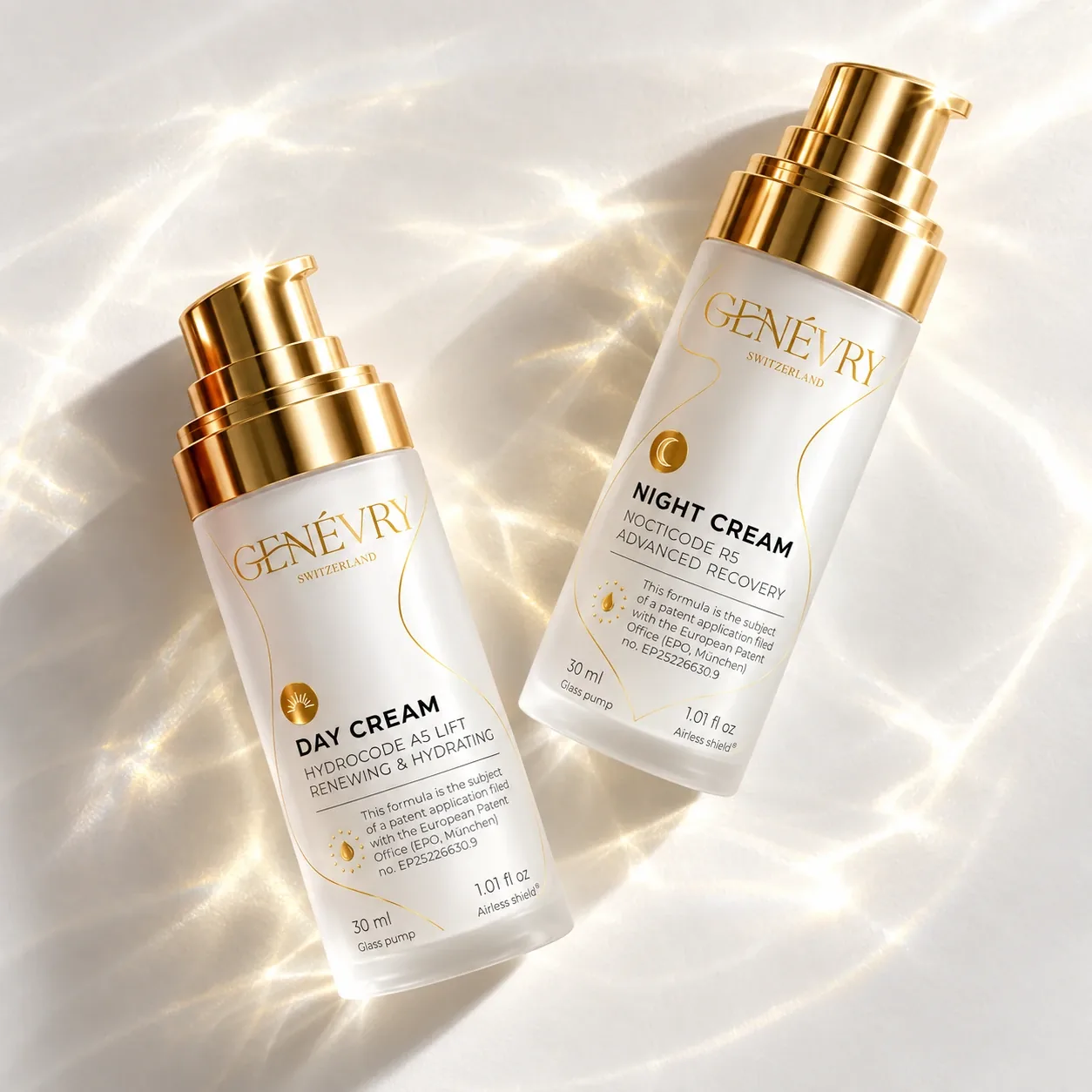
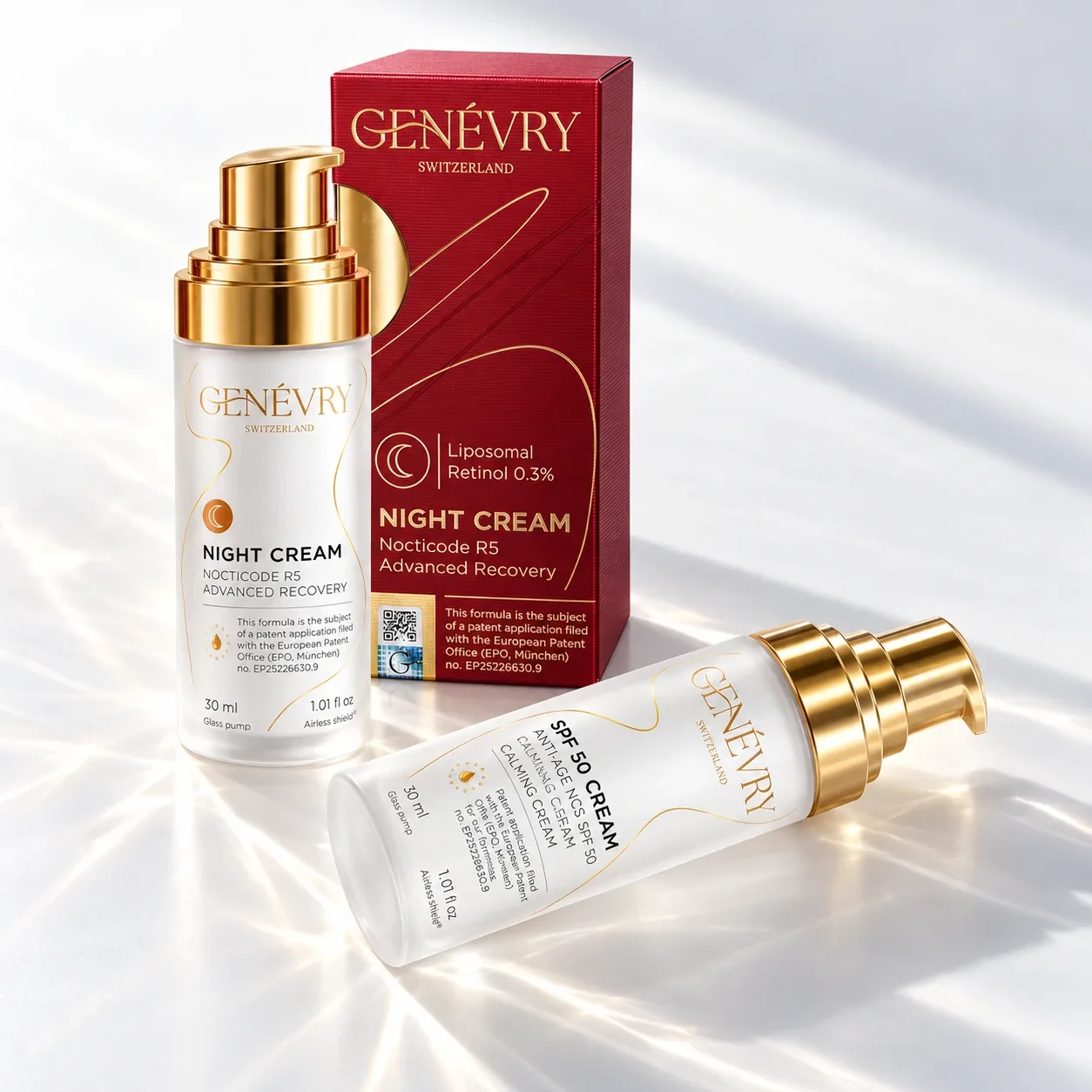
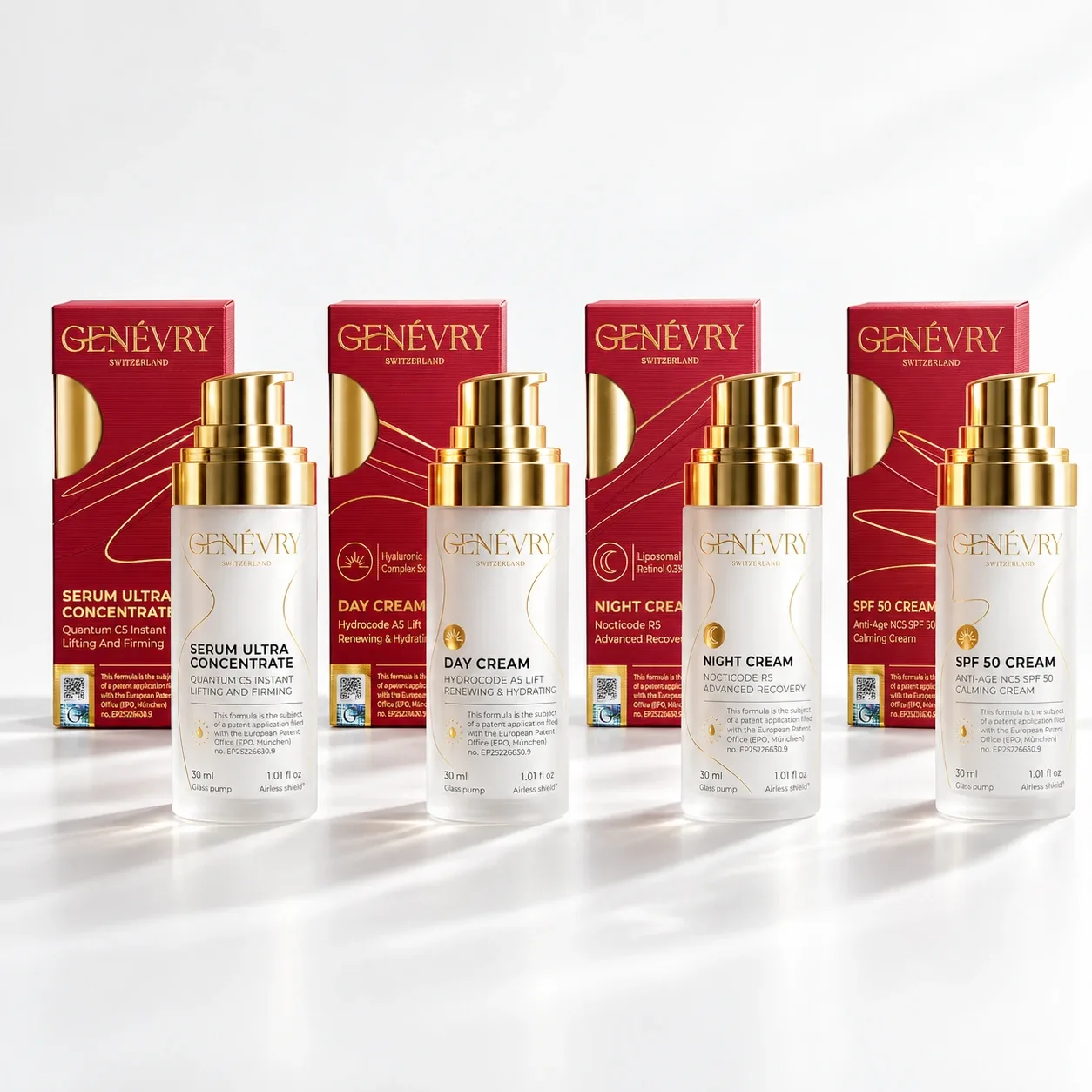
At GENÉVRY that division shows up in two formats. The Morning Duo pairs the serum with the day cream, the first two steps of the morning, while The Skin Code Protocol covers the full twenty-four-hour ritual: serum, day cream, SPF 50 and night cream. To begin with one thing, the Quantum C5 serum with Copper Tripeptide-1 copper peptide and liposomal vitamin C is the easiest step to add to a routine that already works.
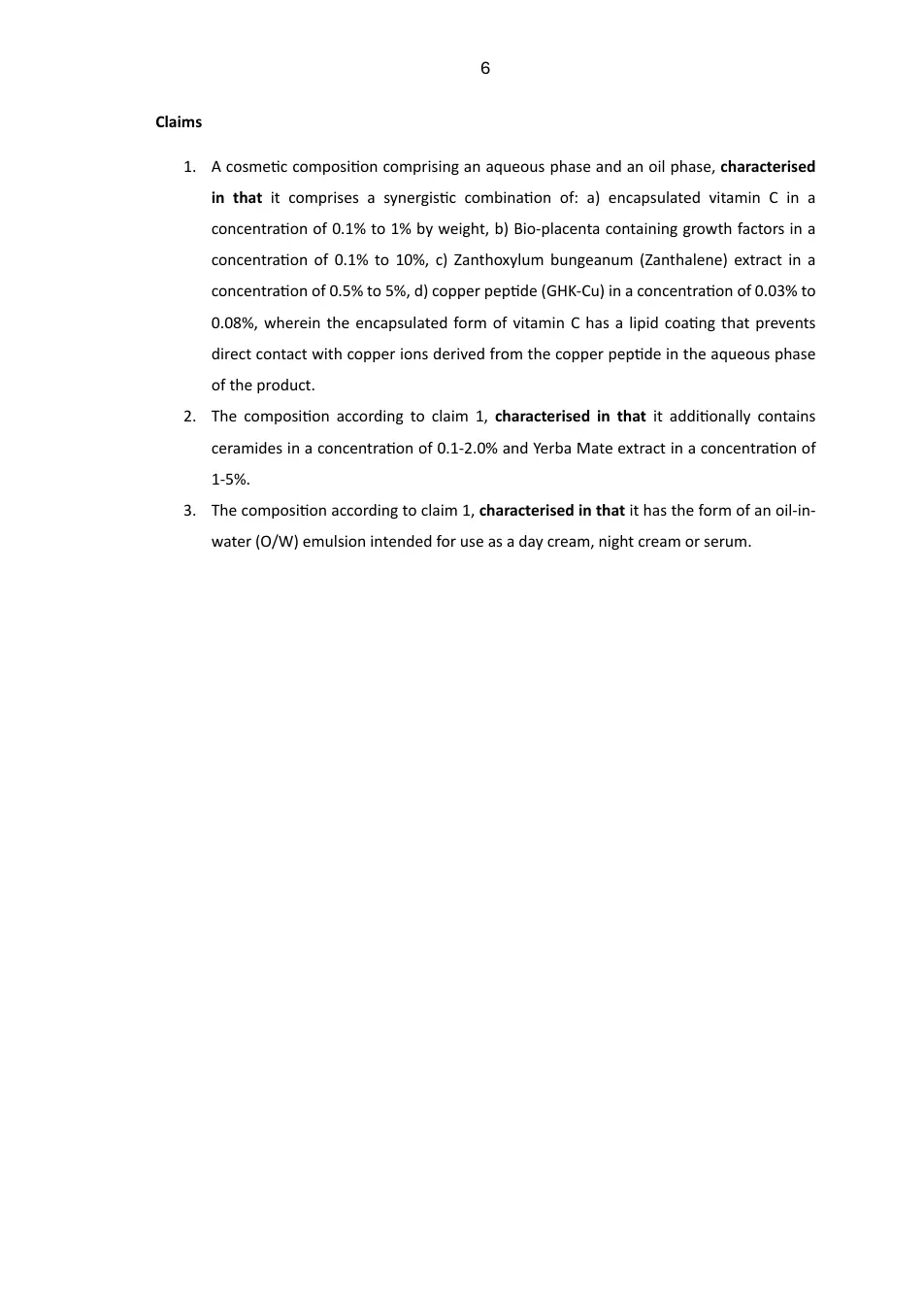
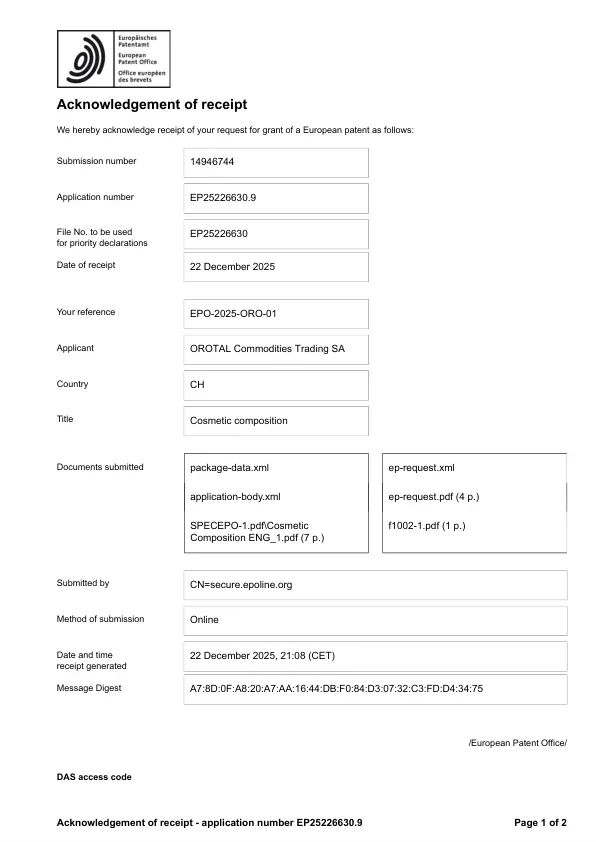
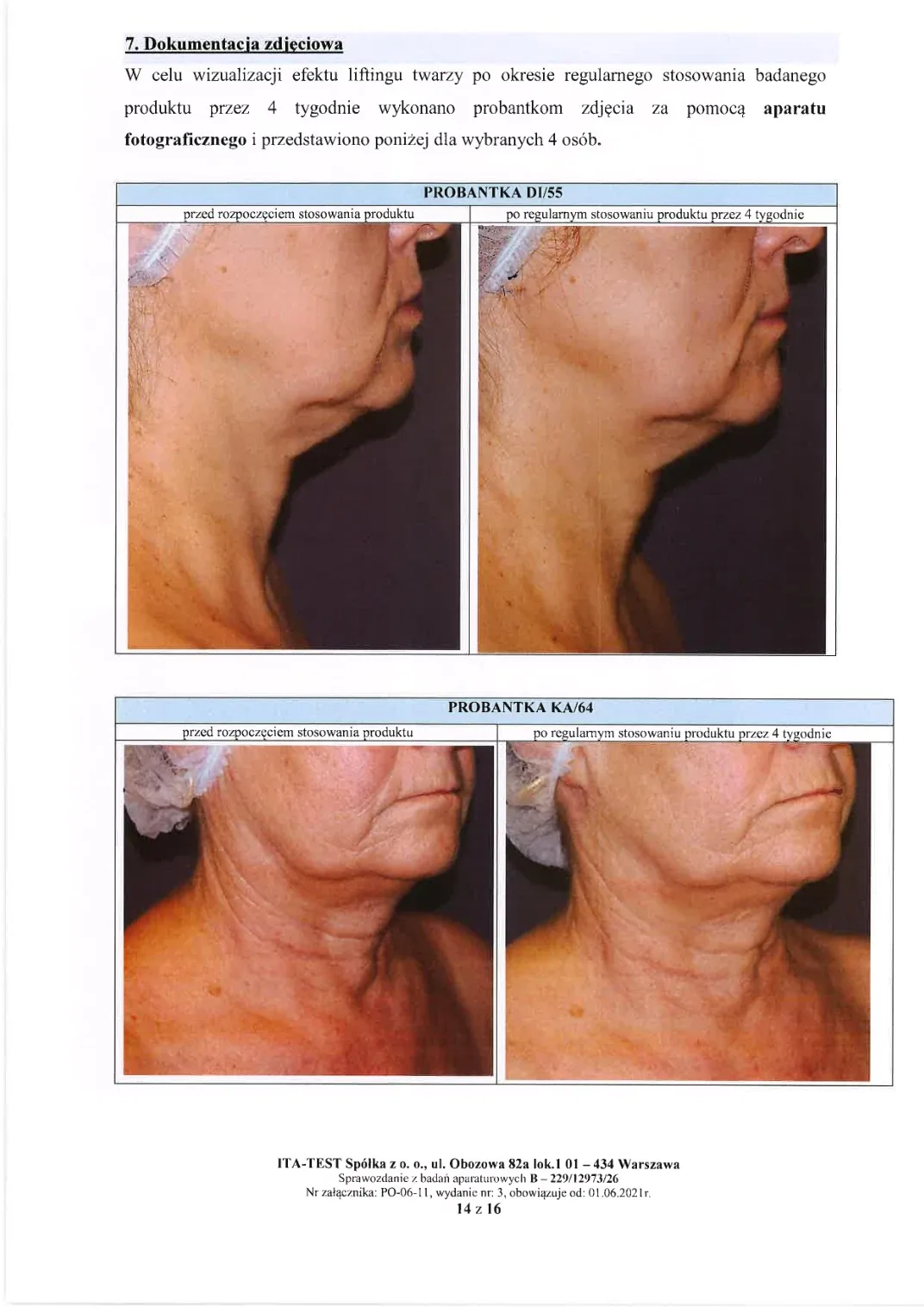
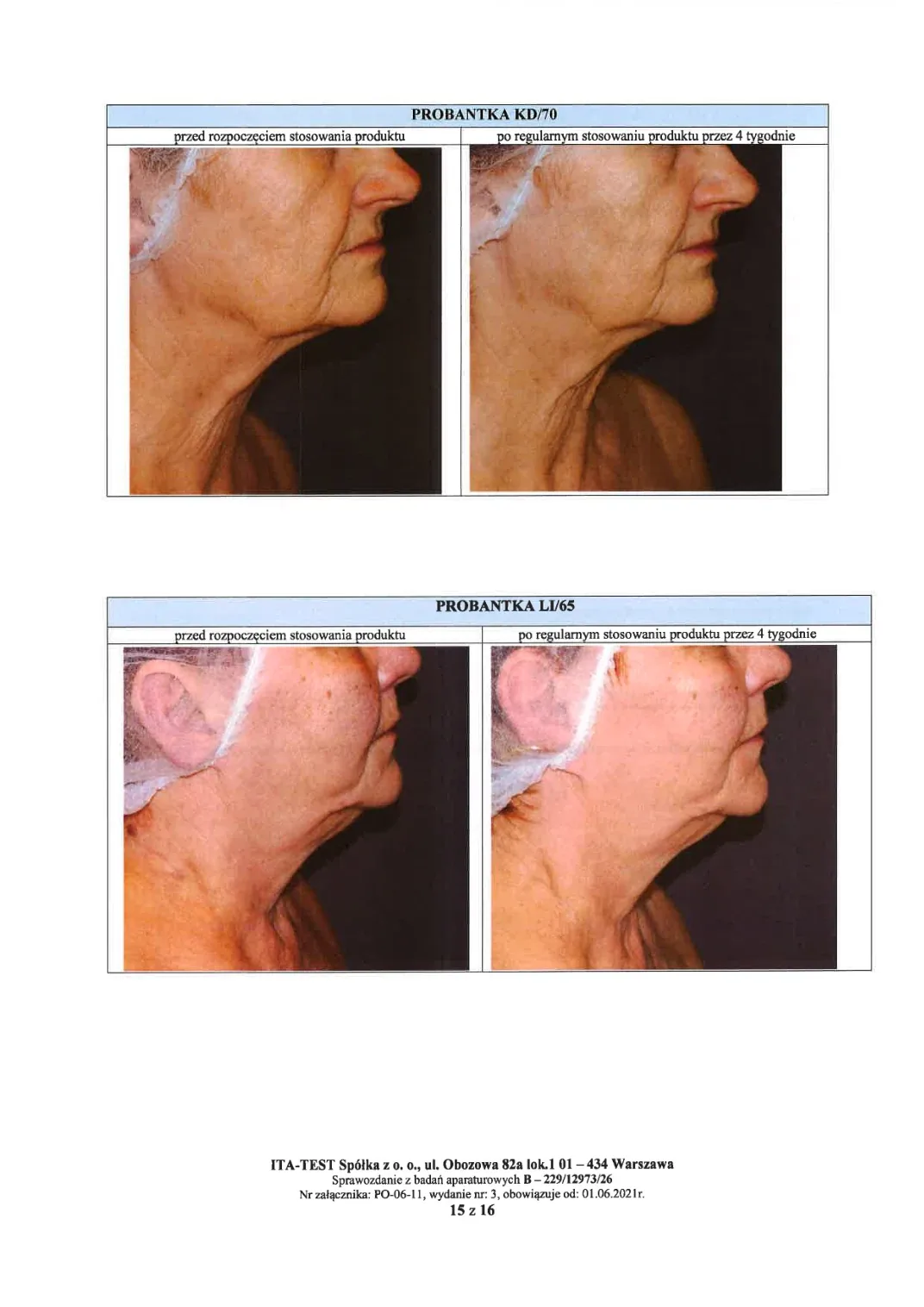
One more thing helps when judging a brand: how it reports results. The GENÉVRY formula is covered by patent application EP25226630.9 (patent pending), and study figures are published with the method — instrumental measurement, n=10, four weeks. Those details are what make an advertised percentage interpretable at all.
What to avoid during the sales
Do not introduce two new actives at once. If an acid, a retinol and a vitamin C all land in the basket and the skin responds with irritation, there is no telling which caused it. One new product at a time, every other evening for the first fortnight, is slower but legible.
Do not buy a year’s supply. The PAO symbol states how many months after opening the manufacturer stands behind the product; at 12M, a third bottle of vitamin C ages before you reach it. Unopened products kept cool and dark last longer, but retinol and vitamin C are the most sensitive to light and oxygen.
Do not buy under a countdown. “Only 3 left” works on the same reflex as a queue outside a shop. If the product is on your list, buy it calmly; if it is not, a discount is not a reason.
Do not buy from an unfamiliar source simply because it is cheaper. A price far below market, no company details and prepayment only make an uncertain combination — and on a product applied to the face daily, twenty euros saved is not worth it.
Do not buy a problem-solving product for someone whose skin you do not know. A safe gift is hydration, sun protection or a massage tool — we covered choosing for someone else in the piece on how to choose a skincare gift set.
Frequently asked questions
Is it worth waiting until Black Friday to buy skincare?
If the product runs out in November or December anyway, yes — two weeks usually pay for themselves. If your skin is reacting badly and the change is needed now, waiting has no justification. Skincare works through consistency, not through the sales calendar.
Do discounted products have short expiry dates?
Sometimes, and that is not a flaw as long as the date is stated and you will use the product within it. A 30 ml day cream used daily lasts two to three months, so a date six months out changes nothing. The problem is missing information, not a shorter date.
Is a set always cheaper than buying separately?
Not always, and checking takes a minute: add up the discounted prices of the individual products and compare with the price of the set. The second half of the sum matters more — whether you will use everything in the box. A set that leaves two untouched jars was not cheaper.
How do I tell whether a discount is real?
Note the price at the start of November; a screenshot is enough. When the reduction appears, compare it with the stated reference price — the lowest price from the 30 days before the promotion, which EU sellers must display next to the new one.
How many products should go into one order?
As many as the list says. The practical ceiling is one new product plus refills of what you already know. A four-step routine followed consistently does more for how skin looks than ten used interchangeably.
November is a good moment to restock a routine, provided the decision is made before the reductions rather than during them. The list, the ingredients, the volume and the price per millilitre take a few minutes between them and usually save more than the discount does. A product that stays in the routine is cheaper in the end than one bought because it happened to be marked down.
The formulas in this article
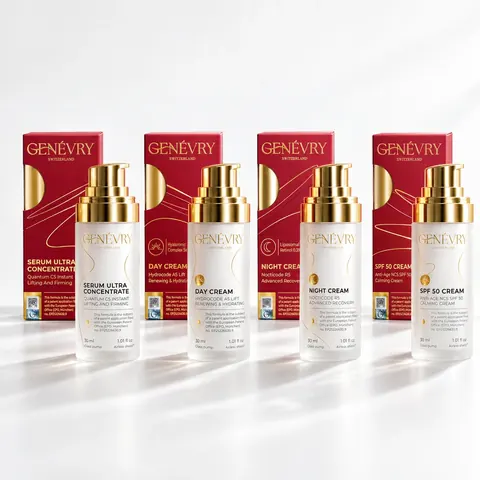 The Skin Code ProtocolTäydellinen 24 tunnin rituaali · 4 × 30 ml€112.90Discover the formula →
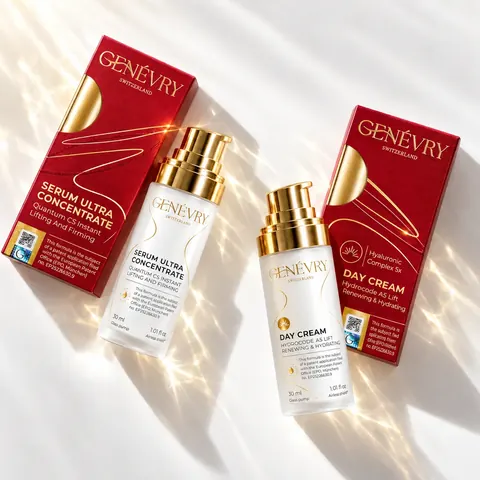 The Morning DuoQuantum C5 + Hydrocode A5 · 2 × 30 ml€64.90Discover the formula →
Cosmetic product. Individual results may vary.



 English / EUR
 English (US) / USD
 English (UK) / GBP
 Deutsch / EUR
 Deutsch (Schweiz) / CHF
 Français / EUR
 Italiano / EUR
 Español / EUR
 Nederlands / EUR
 Polski / PLN
 日本語 / JPY
 한국어 / KRW
 中文 / CNY
 العربية / AED
 English (Australia) / AUD
 English (Canada) / CAD
 Svenska / SEK
 Dansk / DKK
 Norsk / NOK
 Suomi / EUR
 Português / EUR
 Türkçe / TRY
 Čeština / CZK
 Magyar / HUF
 Română / RON
 Ελληνικά / EUR
 Slovenčina / EUR
 Hrvatski / EUR
 Slovenščina / EUR
 Lietuvių / EUR
 Latviešu / EUR
 Eesti / EUR
 Български / EUR
 Українська / EUR