Skincare after 40: what changes in skin and how to build the routine
Collagen, barrier, hormones and light — five shifts that overlap in this decade, and the four steps that do most of the visible work.

Turning forty rarely announces itself in the mirror overnight. It shows up in smaller ways: the moisturiser that served you for a decade no longer lasts until evening, a short night takes longer to recover from, foundation settles where it used to sit smoothly. Skincare after 40 is therefore less about replacing everything on the shelf and more about shifting emphasis — from quick hydration towards barrier repair, consistent protection and one ingredient that works overnight.
What follows: what genuinely changes in skin during this decade, the four steps with the greatest effect on how skin looks, a ready-made daily and weekly rhythm, how to introduce retinol without a flare-up, and what instrumental testing was able to measure — along with what it cannot.
What actually changes in skin in your forties
The usual protagonist of this decade is collagen, the protein responsible for the density and spring of the dermis. Production begins to taper from the mid-twenties onwards, by a fraction of a percent each year. The loss is slow, but by forty its effects become visible, because they now overlap with several other changes happening at the same time.
The second is the pace of epidermal renewal. A cycle that closed in roughly four weeks at twenty takes longer, and dead cells linger at the surface. Skin reflects light less evenly, which reads as a dull, tired tone even after a full night’s sleep.
The third concerns the lipid barrier. Sebum output falls, and with it the skin’s ability to hold on to water. A complexion that spent years looking oily through the T-zone can start to feel tight after cleansing and react badly to strong foaming washes. The fourth is hormonal: for many people the perimenopausal transition begins in this decade, and shifting oestrogen levels influence hydration and firmness. That is a conversation for a doctor, not something a cream resolves.
The fifth is the most underrated and the easiest to limit: cumulative UV exposure. Uneven tone, pigmentation and the lines set around the eyes are largely the sum of several decades, not of last summer.
Skincare after 40 — the four steps that make the difference
A routine that holds up in this decade is short. Longer ones tend to be abandoned by week three, and consistency matters more here than the number of stages.
Gentle cleansing. In the evening, choose something that leaves skin comfortable rather than squeaky. High-pH foaming washes strip lipids that skin in its forties replaces more slowly than it did ten years earlier. In the morning, water or a very mild emulsion is enough for most people.
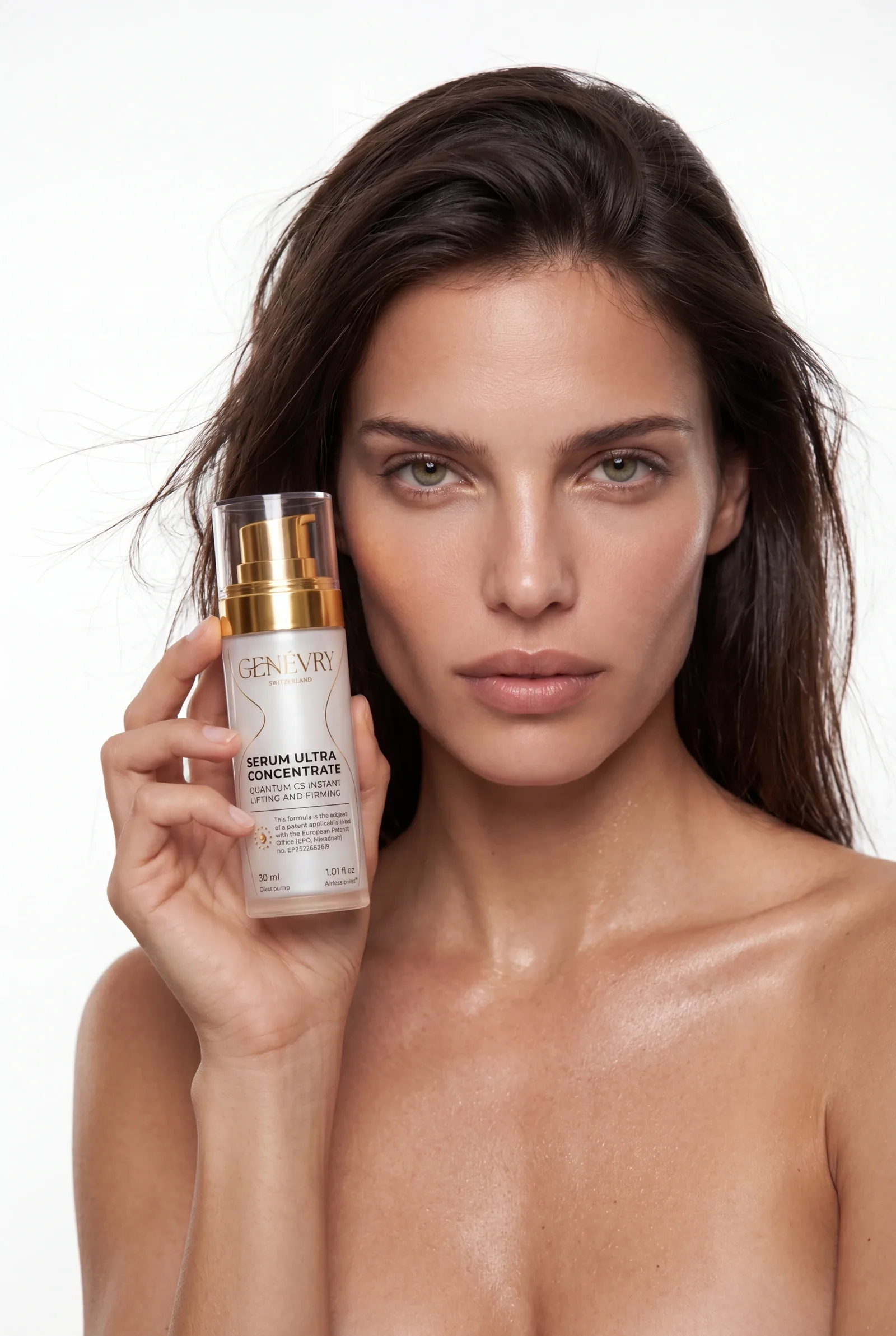
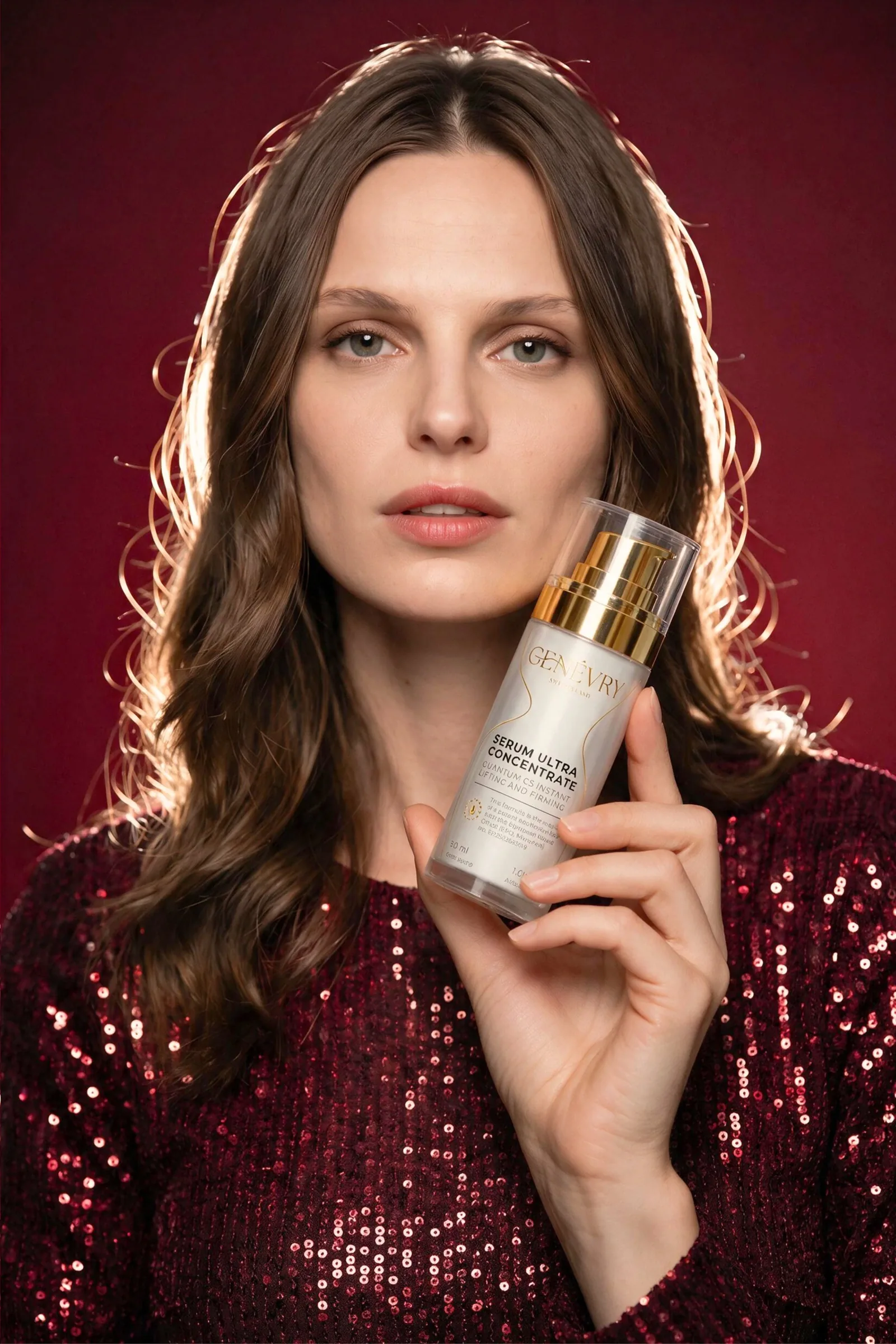
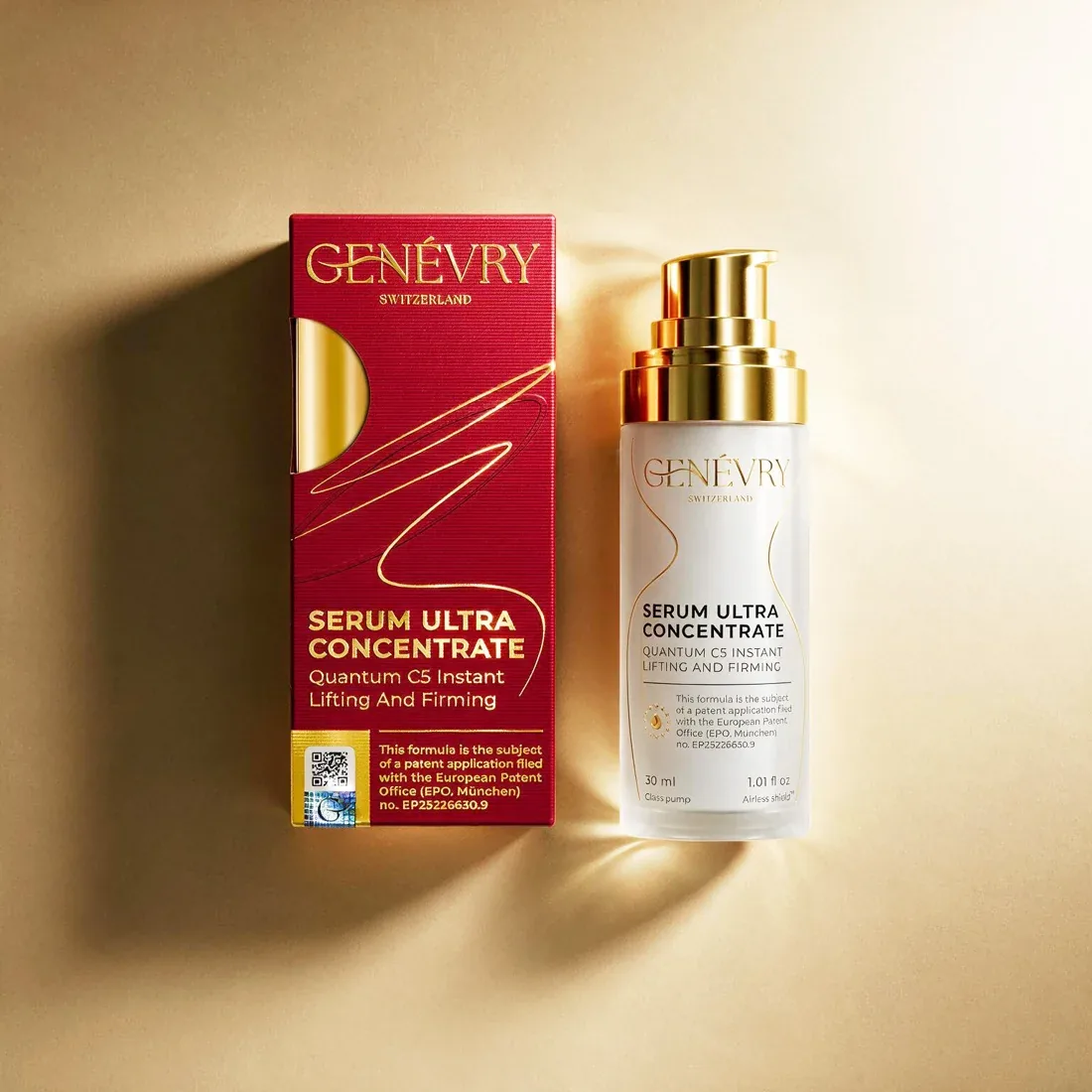
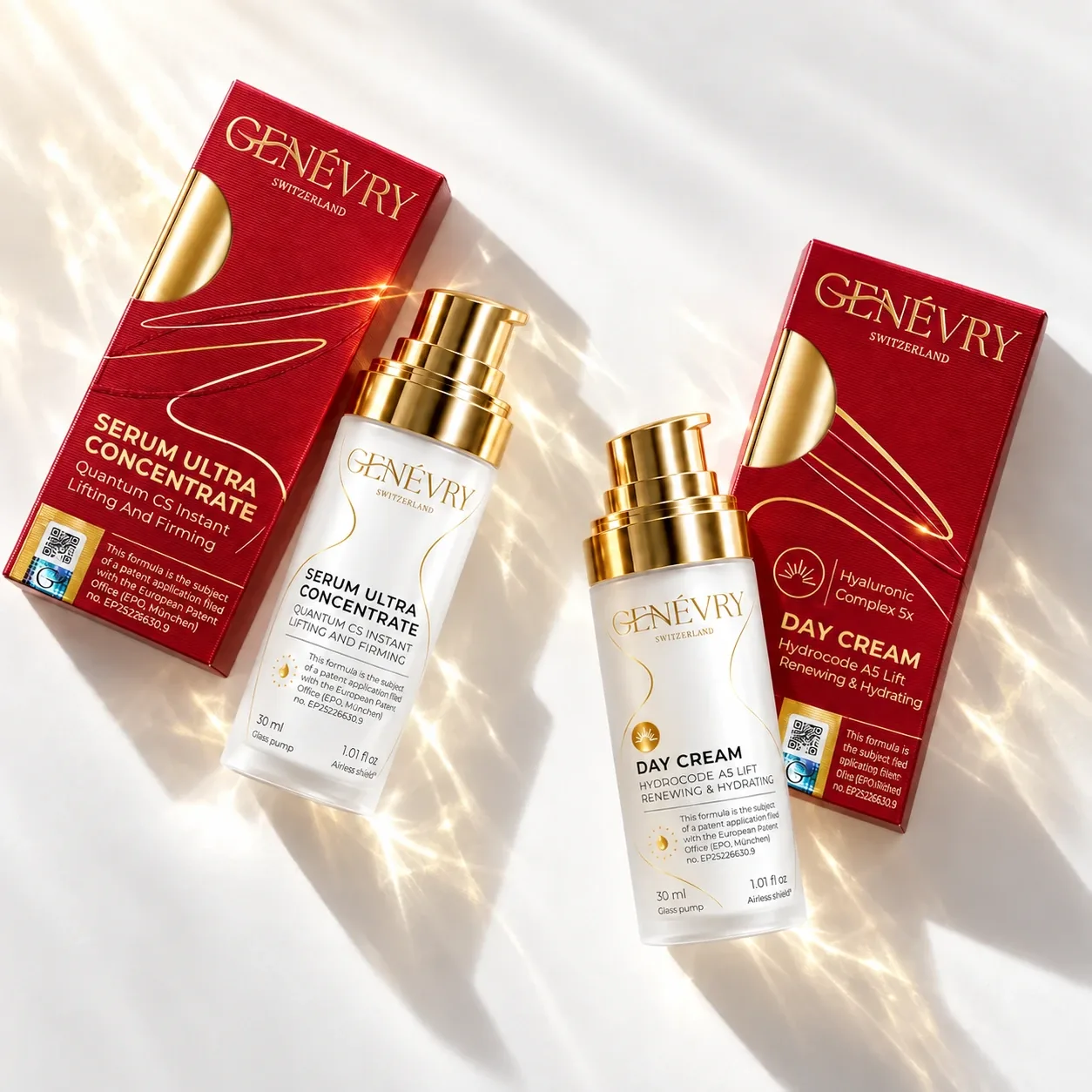
An antioxidant in the morning. A vitamin C serum on cleansed skin works alongside sunscreen, never instead of it. In the Quantum C5 serum with liposomal vitamin C and the copper peptide GHK-Cu, the vitamin sits inside a liposomal carrier, which makes it straightforward to layer into a daily routine.
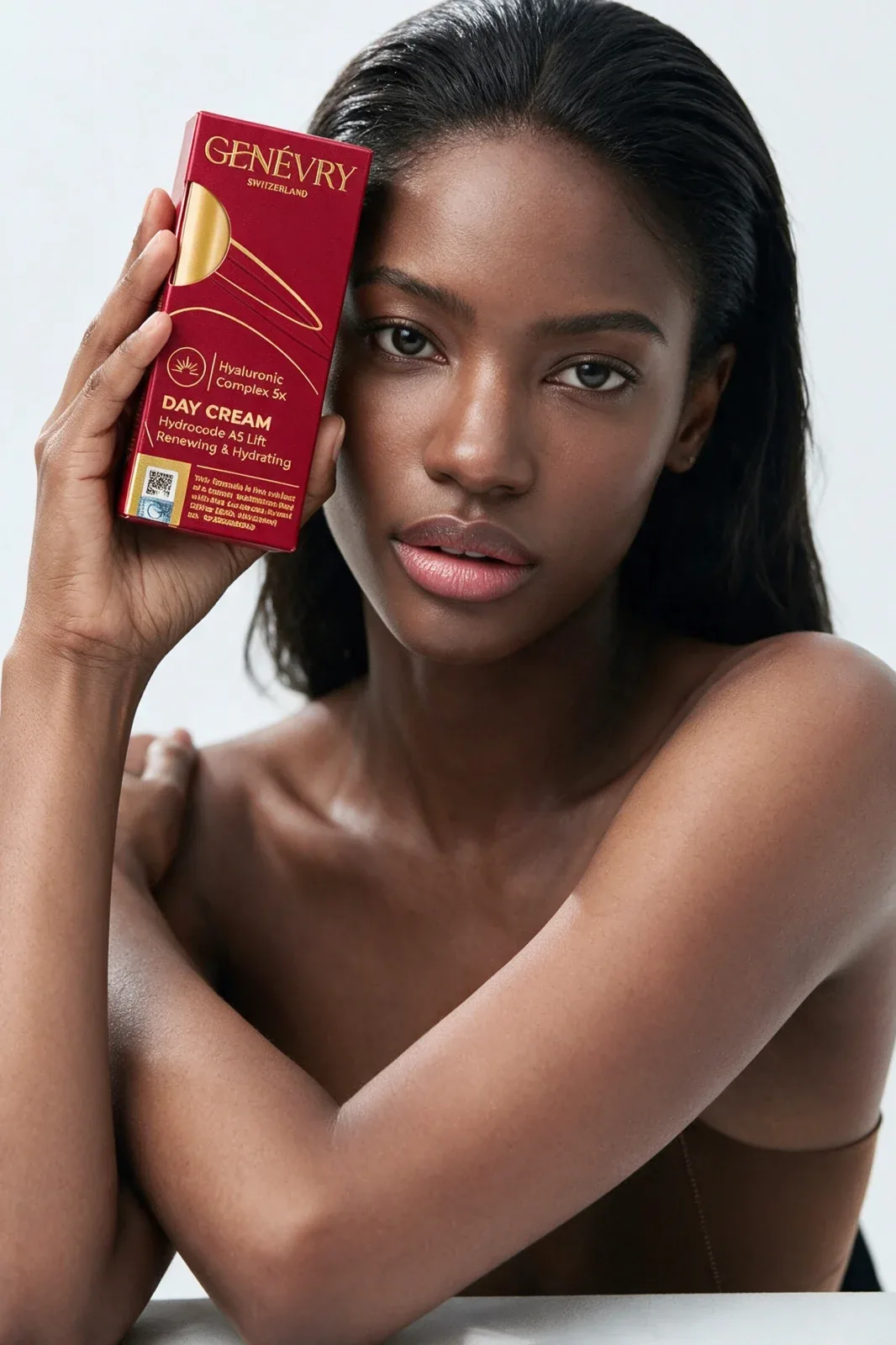
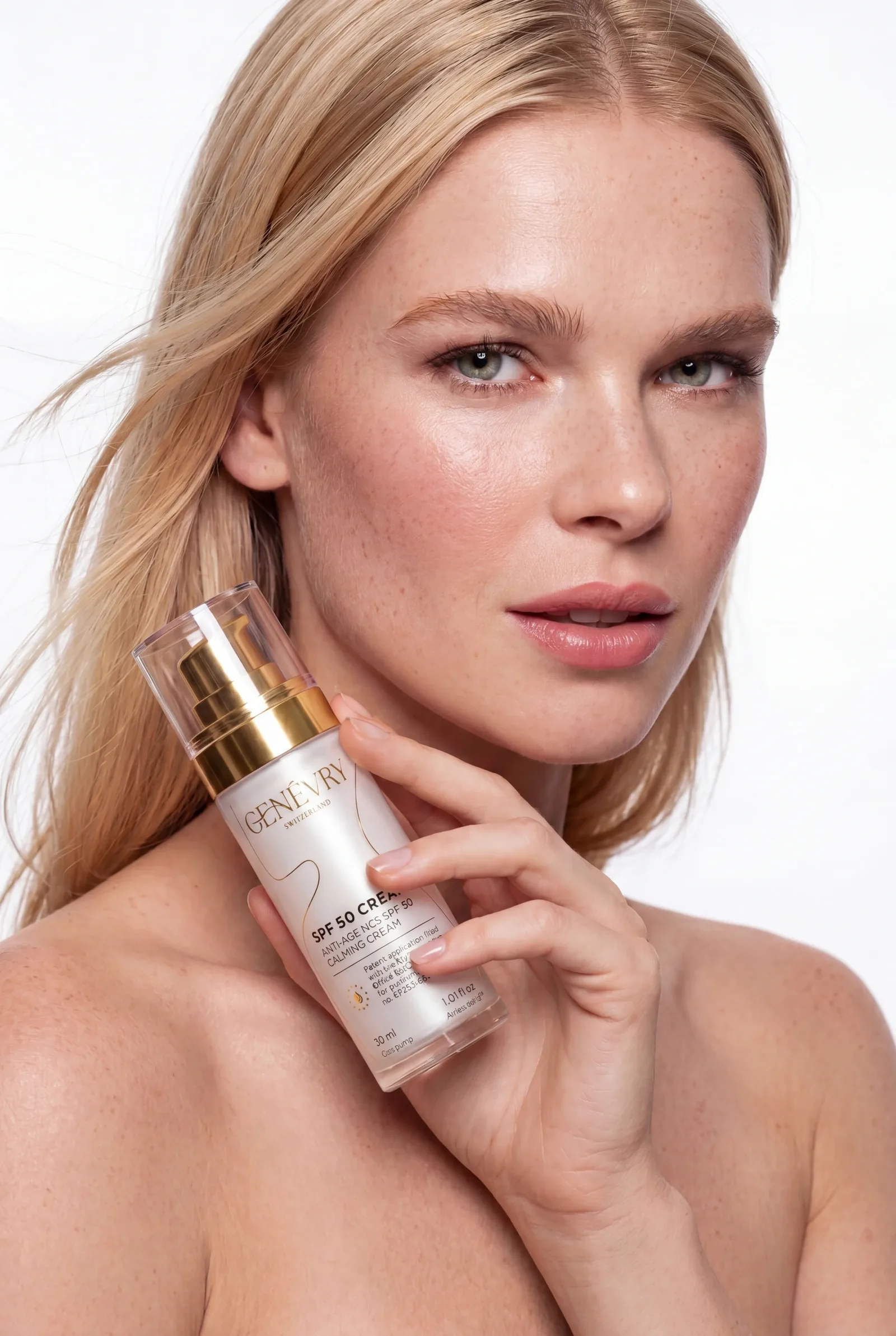
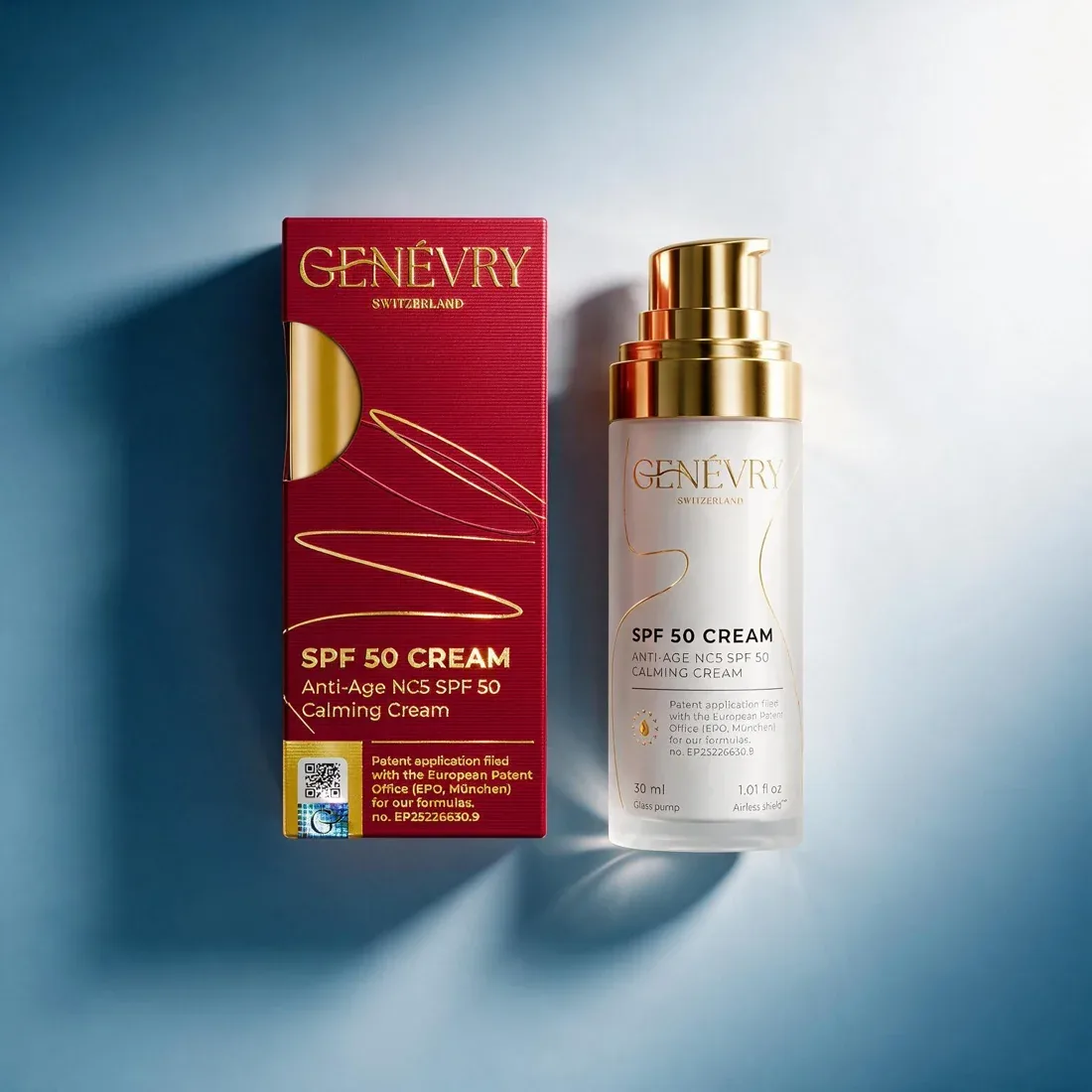
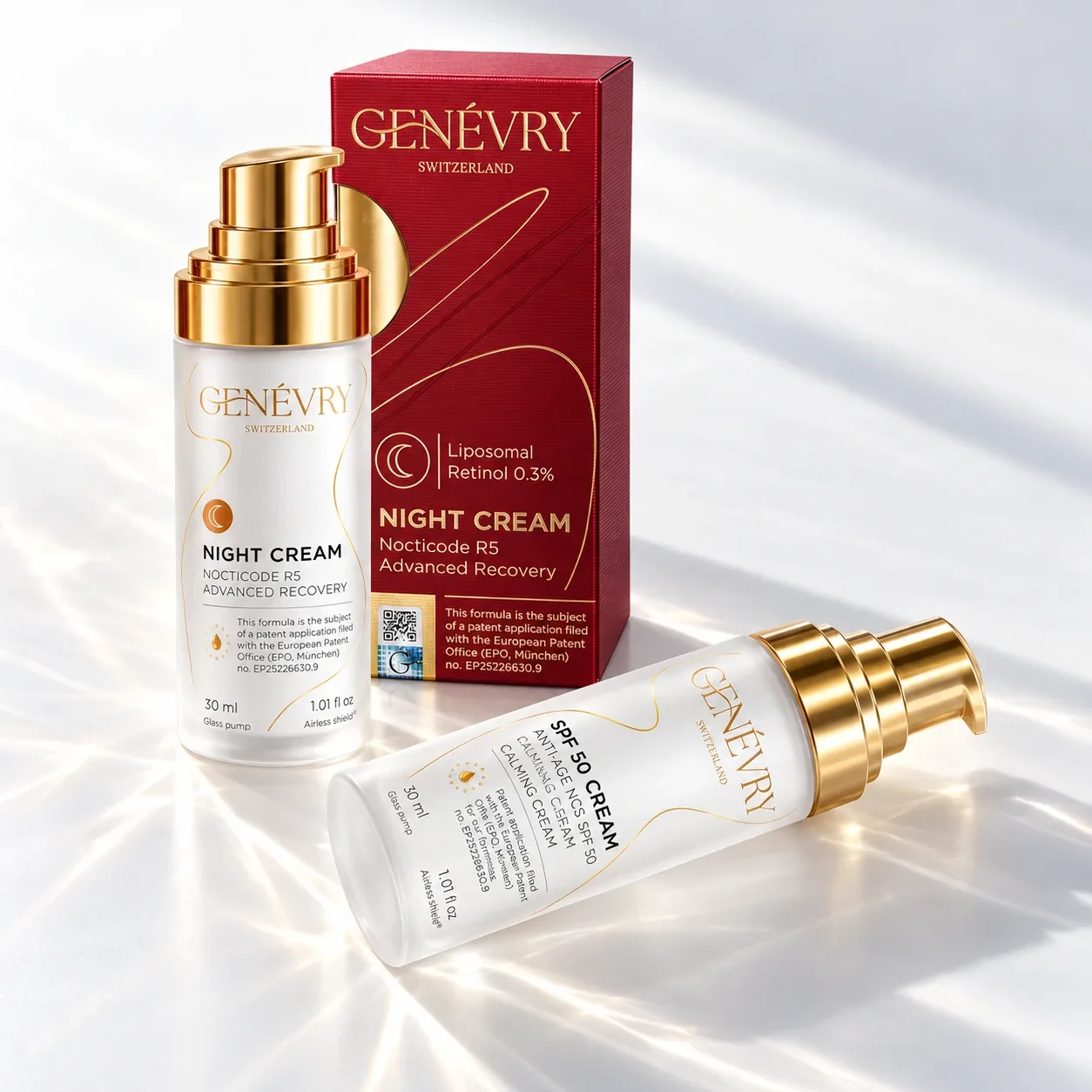
Sunscreen every day. This is the one step that limits how much new photoageing accumulates, and the one most often dropped between October and March. Anti-Age NC5 SPF 50 closes the morning routine and is designed for year-round use.
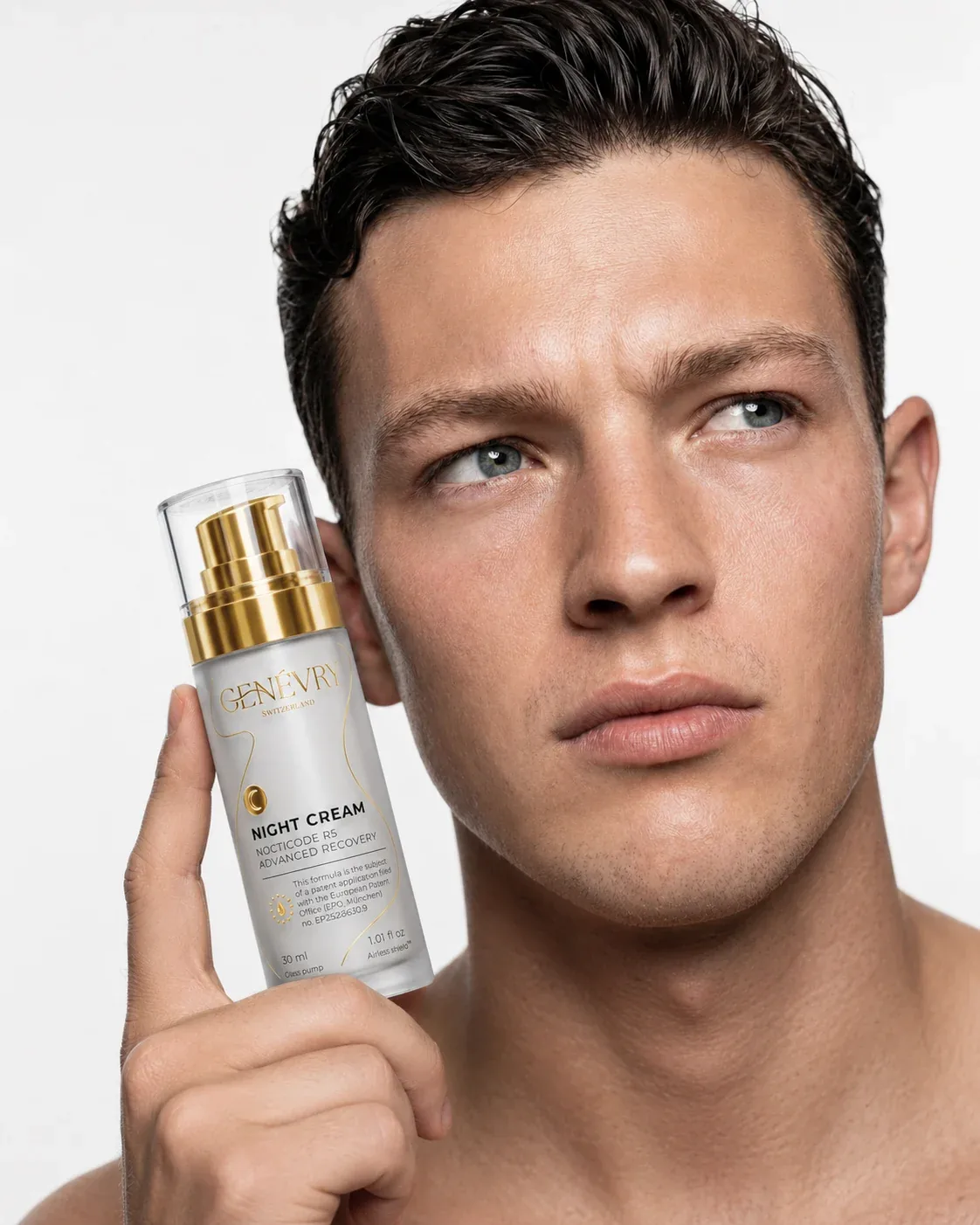
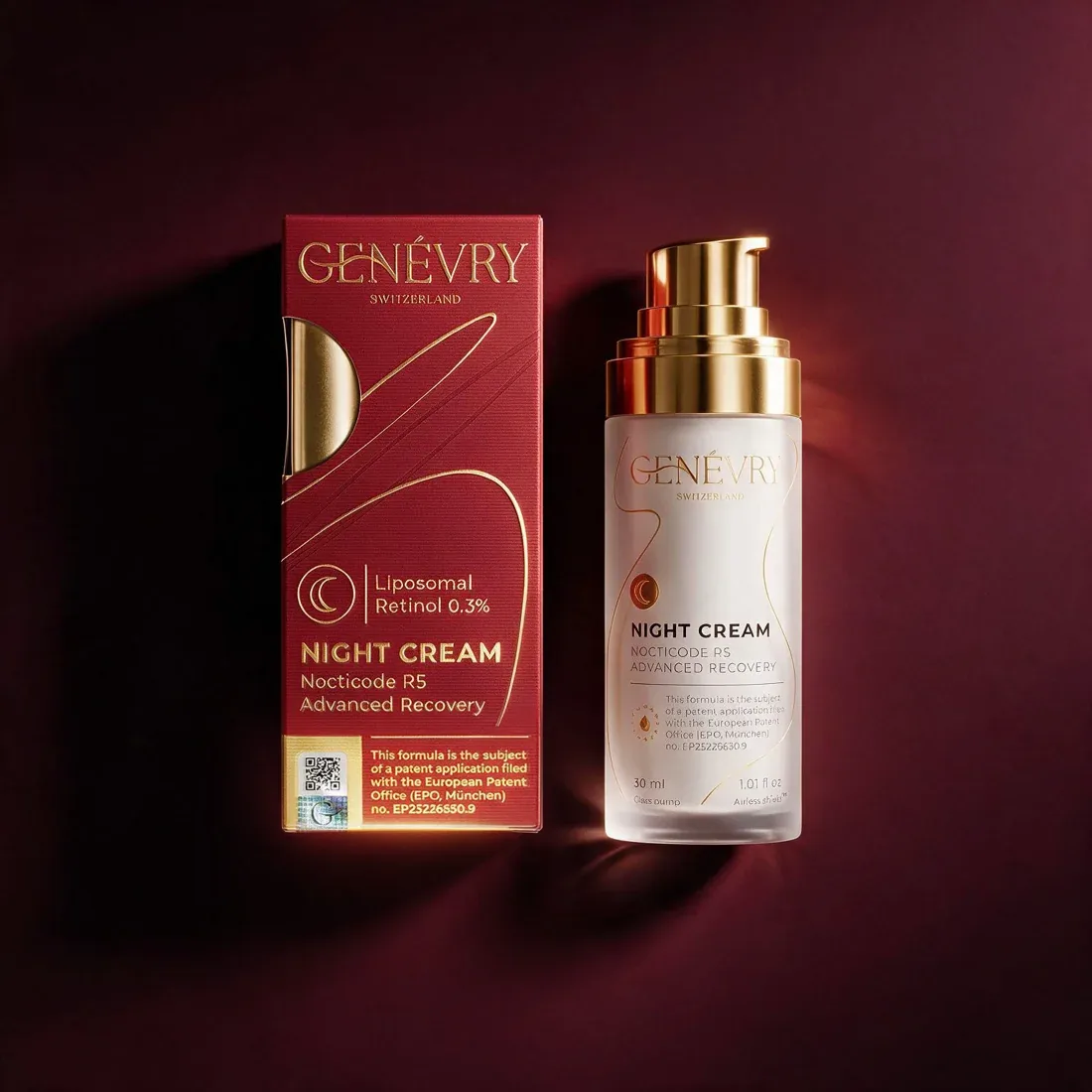
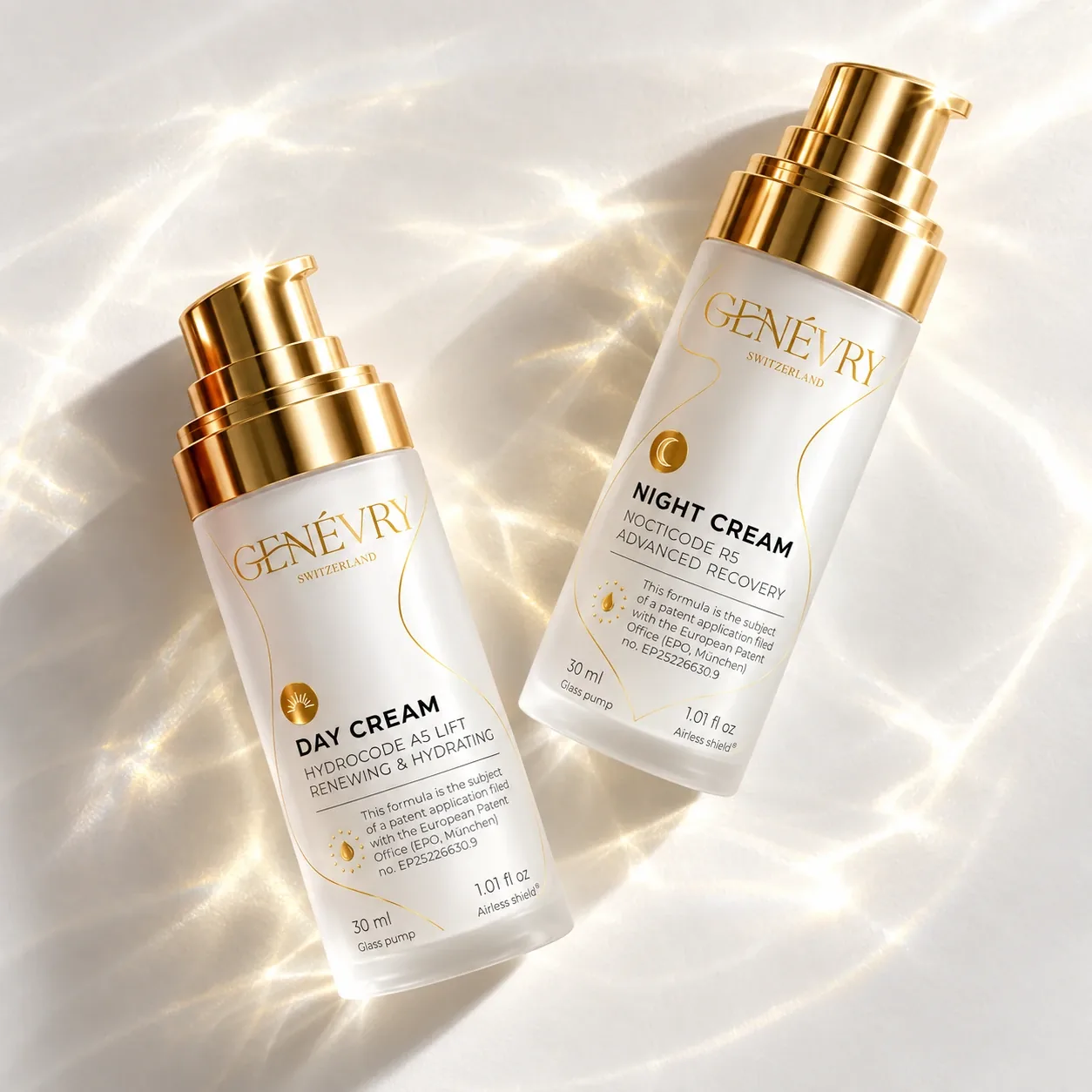
Night for repair. Evening is the natural slot for a retinoid and for a richer texture. Nocticode R5 night cream with 0.3% liposomal retinol combines both: the active step and an occlusive layer that limits overnight water loss.
Morning and evening: a rhythm you can keep
The layout below assumes four products, about three minutes in the morning and four at night. The order follows texture — lightest first, sunscreen always last before the day begins.
| Step | Morning | Evening | Note |
|---|---|---|---|
| 01 | Water or a mild emulsion | Thorough cleanse | No tight, stripped feeling |
| 02 | Vitamin C serum | — | On slightly damp skin |
| 03 | Moisturiser | Retinol, 2–7 nights a week | A pea-sized amount |
| 04 | SPF 50 | Night cream | Including overcast days |
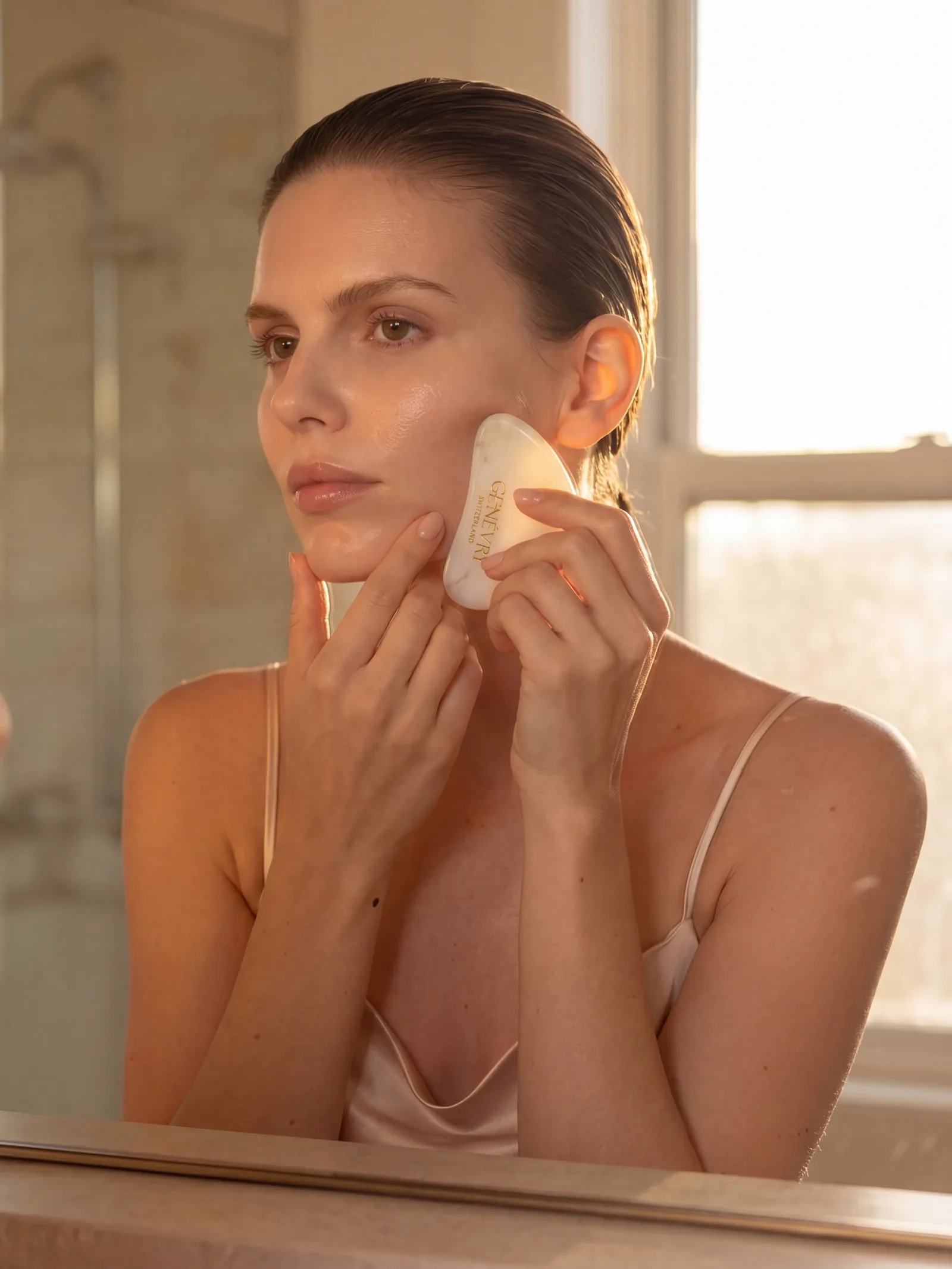
| 05 | — | Facial massage, if you enjoy it | Two or three minutes is plenty |
In weeks when skin is visibly drier — after a long flight, during the heating season, after a salon treatment — skip retinol for a few evenings and keep only the hydrating steps. That is not losing ground; it is part of the same plan.
Retinol in your forties: how to start
Retinol is the most recommended ingredient of this decade and the most frequently abandoned one, usually because people begin with nightly use. A calmer version looks like this: two evenings a week for the first fortnight, three evenings for the next two weeks, and only after a month, if skin is comfortable, consider going further. A pea-sized amount covers the whole face; avoid the creases around the nose and the immediate eye area unless the product says otherwise.
If skin feels dry, the sandwich method helps: a thin layer of moisturiser, then retinol, then moisturiser again. Mild flaking in the first weeks is common. Stinging, redness that is still there in the morning, or a rough, papery texture are signals to pause for a few days and return less often.
Two rules are not negotiable. Sunscreen the morning after a retinol night is compulsory, because skin is more light-sensitive then. And retinol is not used during pregnancy or breastfeeding. If you have a diagnosed skin condition, are under dermatological treatment, or take medication that affects light sensitivity, agree your routine with a doctor or dermatologist first.
What the measurements showed
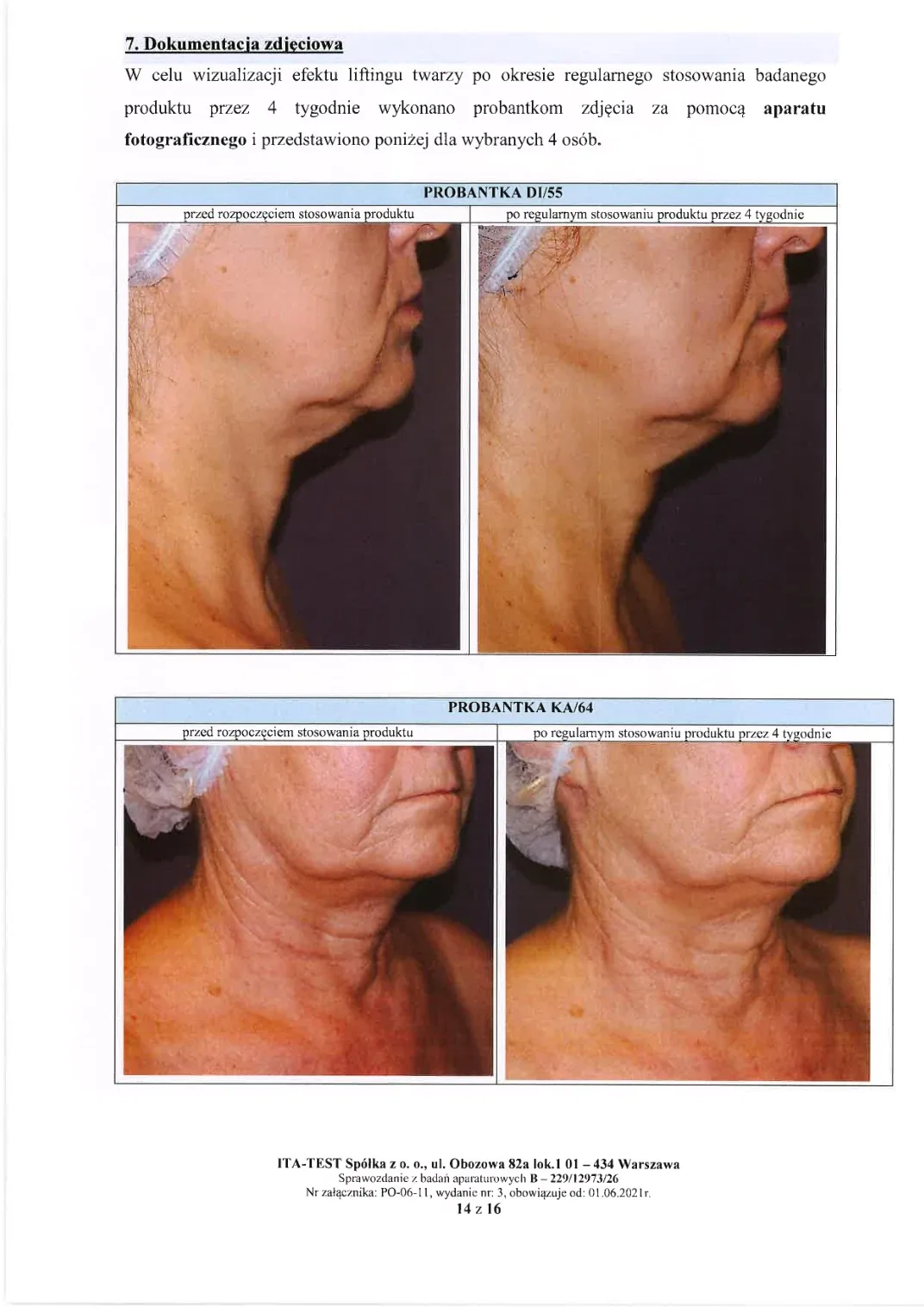
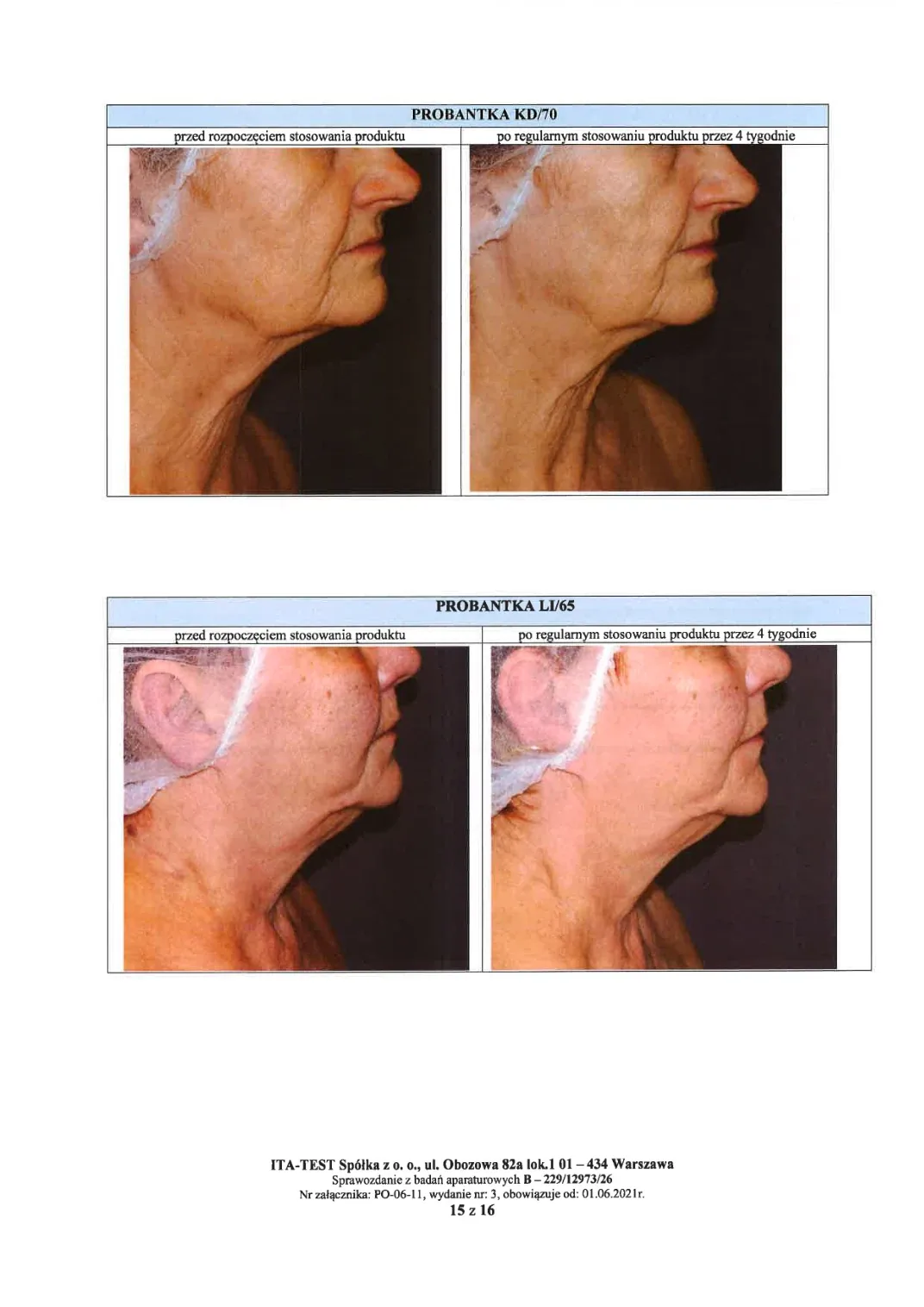
No cosmetic halts biology or rewinds a decade. What a formula can influence is how skin looks and behaves. GENÉVRY formulas were assessed in four-week instrumental studies with 10 participants, each product tested separately.
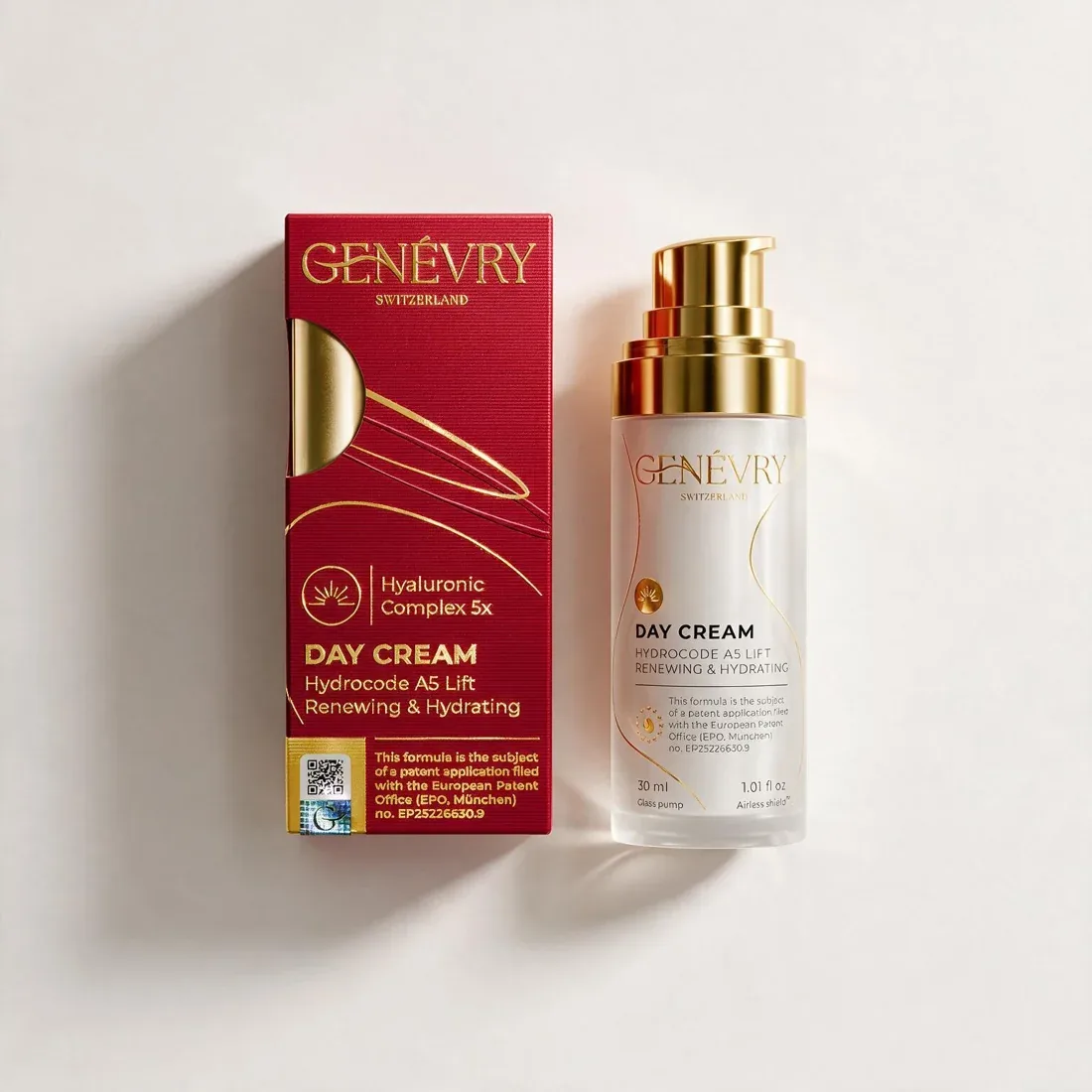
For the night cream, mean wrinkle length decreased from 2.08 to 1.88 mm — a 10% reduction, recorded in 9 of 10 participants (silicone replicas, VISIOLINE VL650). Instrumental firmness improved by 5–23% with a group average of 14%, and mean skin hydration rose 38% from baseline (Corneometer CM 825). For the serum, mean hydration rose 33%, and the SEsm smoothing parameter improved by 5–26% with a 12% group average (Visioscan VC 98). For the day cream, mean skin hydration rose 41%. These are small groups and separate protocols — context rather than a promise for any individual complexion.
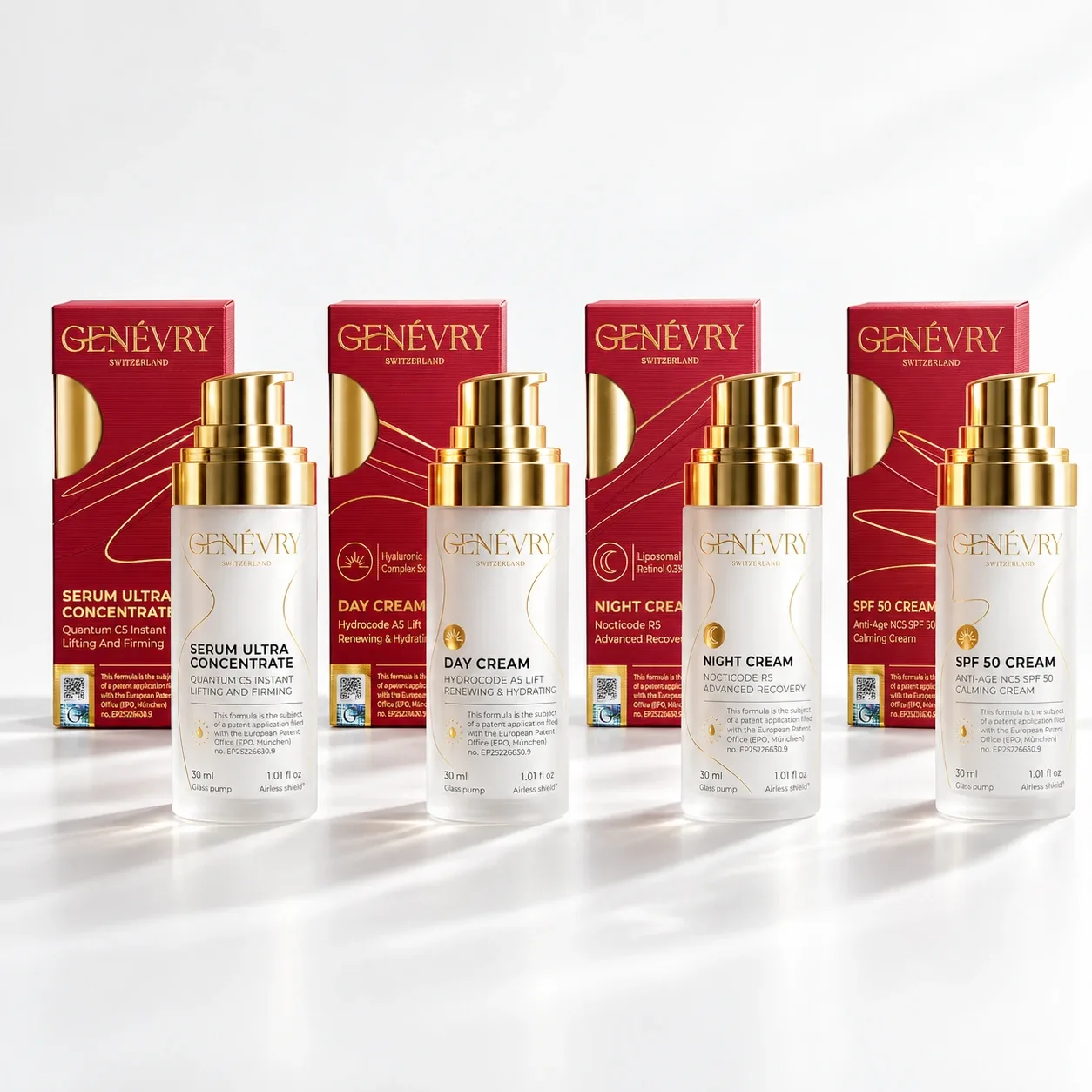
To set up all four steps at once, The Skin Code Protocol brings the serum, day cream, SPF 50 and night cream together as a single ritual. The formulas are the subject of patent application EP25226630.9 filed with the European Patent Office (patent pending) — a filing, not a granted patent.
Frequently asked questions
Do I need to replace everything once I turn forty?
No. Most routines only need two additions that were probably missing: sunscreen used all year, and a retinoid in the evening. Change the rest when your skin asks for it — for instance when your current moisturiser no longer carries you through the day.
Where should I start if I have only ever used a moisturiser?
With sunscreen. It has the best effort-to-result ratio of any step and it is the only one that limits new damage. Add retinol two or three weeks later, once the morning habit is established.
Should the routine change during perimenopause?
The direction stays the same, but skin is often drier and more reactive, so gentler cleansing and richer evening textures are worth the switch. Discuss wider symptoms and any treatment with a doctor — that is a medical question, not a cosmetic one.
How long before I see anything?
Hydration and surface smoothness arrive before any change in how lines sit. In the instrumental studies, measurements were taken after four weeks of regular use. In practice, give a routine a full eight weeks before judging it.
Can a day cream replace sunscreen?
Not unless it carries a declared SPF. Protection is a separate step, and it decides how much new damage skin accumulates over the decade ahead.
Skincare in this decade looks less dramatic than most advertising suggests, and it works precisely because it repeats. Four steps, one active in the evening, sunscreen every morning — and time, which in this plan is on your side rather than against you.
The formulas in this article
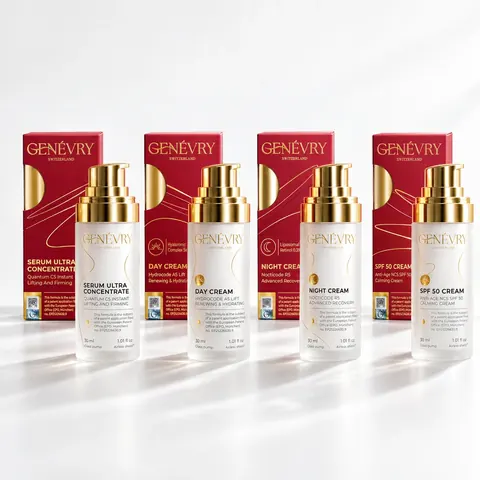 The Skin Code ProtocolΠλήρες 24ωρο τελετουργικό · 4 × 30 ml€112.90Discover the formula →
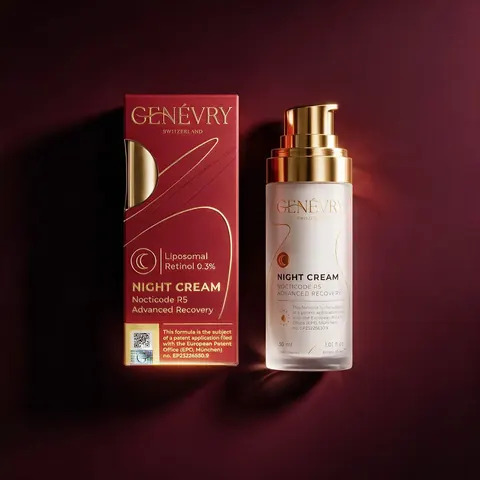 Nocticode R5Εξελιγμένη κρέμα νύχτας€34.90Discover the formula →
Cosmetic product. Individual results may vary.
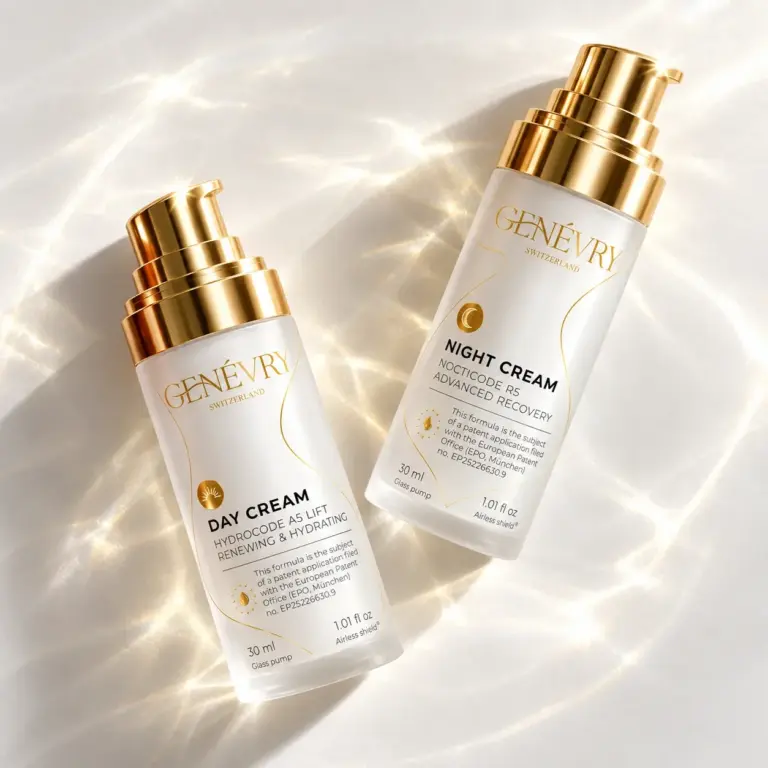


 English / EUR
 English (US) / USD
 English (UK) / GBP
 Deutsch / EUR
 Deutsch (Schweiz) / CHF
 Français / EUR
 Italiano / EUR
 Español / EUR
 Nederlands / EUR
 Polski / PLN
 日本語 / JPY
 한국어 / KRW
 中文 / CNY
 العربية / AED
 English (Australia) / AUD
 English (Canada) / CAD
 Svenska / SEK
 Dansk / DKK
 Norsk / NOK
 Suomi / EUR
 Português / EUR
 Türkçe / TRY
 Čeština / CZK
 Magyar / HUF
 Română / RON
 Ελληνικά / EUR
 Slovenčina / EUR
 Hrvatski / EUR
 Slovenščina / EUR
 Lietuvių / EUR
 Latviešu / EUR
 Eesti / EUR
 Български / EUR
 Українська / EUR