Swiss skincare — what the words on the box really mean
The country name on a jar is a legal declaration, not decoration. Here is what it covers, what it leaves out, and how to verify it in five minutes.
Swiss skincare carries a reputation that no marketing department has to work for. Precision, cleanliness, restraint — the country’s name on a box does the job faster than any description of a formula. What that word actually covers, though, is written into law, and the scope is narrower than most shoppers assume. Knowing where the legal claim ends and the storytelling begins makes the whole category easier to read.
When a brand may write “Swiss made”
Since 1 January 2017, Switzerland has applied a package of rules known as Swissness. It settled the question of when a product may use the country’s name and the Swiss cross. For industrial goods — and a cream or a serum falls into that category — two conditions apply. At least 60% of the manufacturing costs must be incurred in Switzerland, with research and development counting towards that total. And the activity that gives the product its essential characteristics has to take place in Switzerland, which for a cosmetic means compounding the emulsion itself.
Food is governed by a separate and stricter calculation based on the weight of raw materials, which is why Swiss chocolate and a Swiss face cream are not measured on the same scale. A further rule concerns heraldry: the Swiss coat of arms — the cross on a shield — is reserved for federal institutions, while the plain Swiss cross may appear on goods that meet the criteria above.
One detail rarely makes it into the conversation. No authority issues a “Swiss made” certificate. The manufacturer declares compliance itself, and that declaration is only tested if someone challenges it, in court or through unfair-competition proceedings. The words on the box are a statement, not a seal. The legal background is set out in the Wikipedia entry on Swiss made.
What the claim does not cover
The most common misreading involves the brand name. A French-sounding name, an alpine motif and the word “laboratoire” say nothing about where anything was produced. They belong to visual identity, not to origin. The same goes for the phrases that sit just beside the legal claim: “Swiss brand”, “formulated in Switzerland”, “Swiss laboratories”. Each can be perfectly true, and each describes something other than the place where the finished cream was made.
Then there is the split between the brand and the factory. Contract manufacturing is the industry norm: the brand owns the formula, the testing and the regulatory file, while a given batch is produced in a plant that serves a dozen other clients. There is nothing shady about it — most cosmetics sold in Europe are made this way, including expensive ones. It matters only when the premium being charged is for the country on the label and nothing else.
Finally, alpine spring water, mountain botanicals and air from 2,000 metres are a story rather than a specification. An ingredient of Swiss origin can be a good ingredient, but its presence changes neither the legal status of the product nor the concentration at which it was used.
How to check Swiss skincare for yourself
Five minutes with the packaging in hand is enough to separate the declaration from the styling. The table below covers what usually appears on a box.
| What you see on the pack | What it actually tells you |
|---|---|
| “Swiss made”, the Swiss cross | A declaration that the 60% manufacturing-cost threshold is met and the essential step took place in Switzerland |
| “Swiss brand”, “developed in Switzerland” | Information about the company or one stage of formulation work — not about the production site |
| Name and address of the responsible person | Mandatory on EU labels: it names who answers for the product’s compliance |
| Country of origin (“Made in…”) | Mandatory for cosmetics imported into the EU — the shortest answer to the question of where it was made |
| Batch number, expiry date or PAO symbol | Traceability: it links the jar in your hand to a specific production run |
| The coat of arms on a shield | Reserved for federal institutions; it should not appear on commercial packaging |
If the box still leaves you guessing, the simplest route remains open: ask the brand. A question about the country of manufacture, the full INCI list and the study documentation should come back with a straight answer.
Swiss rules next to EU rules
Here is the part that surprises people most. Switzerland is not in the European Union, yet its cosmetics law is largely harmonised with EU Regulation 1223/2009. The requirements for safety assessment, ingredient listing, labelling and prohibited substances are closely aligned in both systems. “Swiss” therefore does not automatically mean “stricter”. It means “comparable”.
The real guarantees sit elsewhere, and they are identical regardless of the flag. The first is a safety assessment issued by a qualified Safety Assessor covering the finished product, not individual ingredients. The second is notification in the EU’s Cosmetic Products Notification Portal, which gives medical services access to the composition if a reaction occurs. The third is process control at the manufacturing end — an operating HACCP system, batch traceability, stability and microbiological challenge testing. None of it photographs well on a box, and all of it counts.
Precision instead of a flag
If something in the Swiss tradition genuinely transfers to skincare, it is not the alpine scenery. It is the habit of measuring. Four questions make a useful test of any brand: does it name the active ingredient, does it state the concentration, does it describe the study with the number of participants, its duration and the instrument used, and does it distinguish a patent application from a granted patent. A brand that answers all four has told you more than one that printed a cross on the carton.
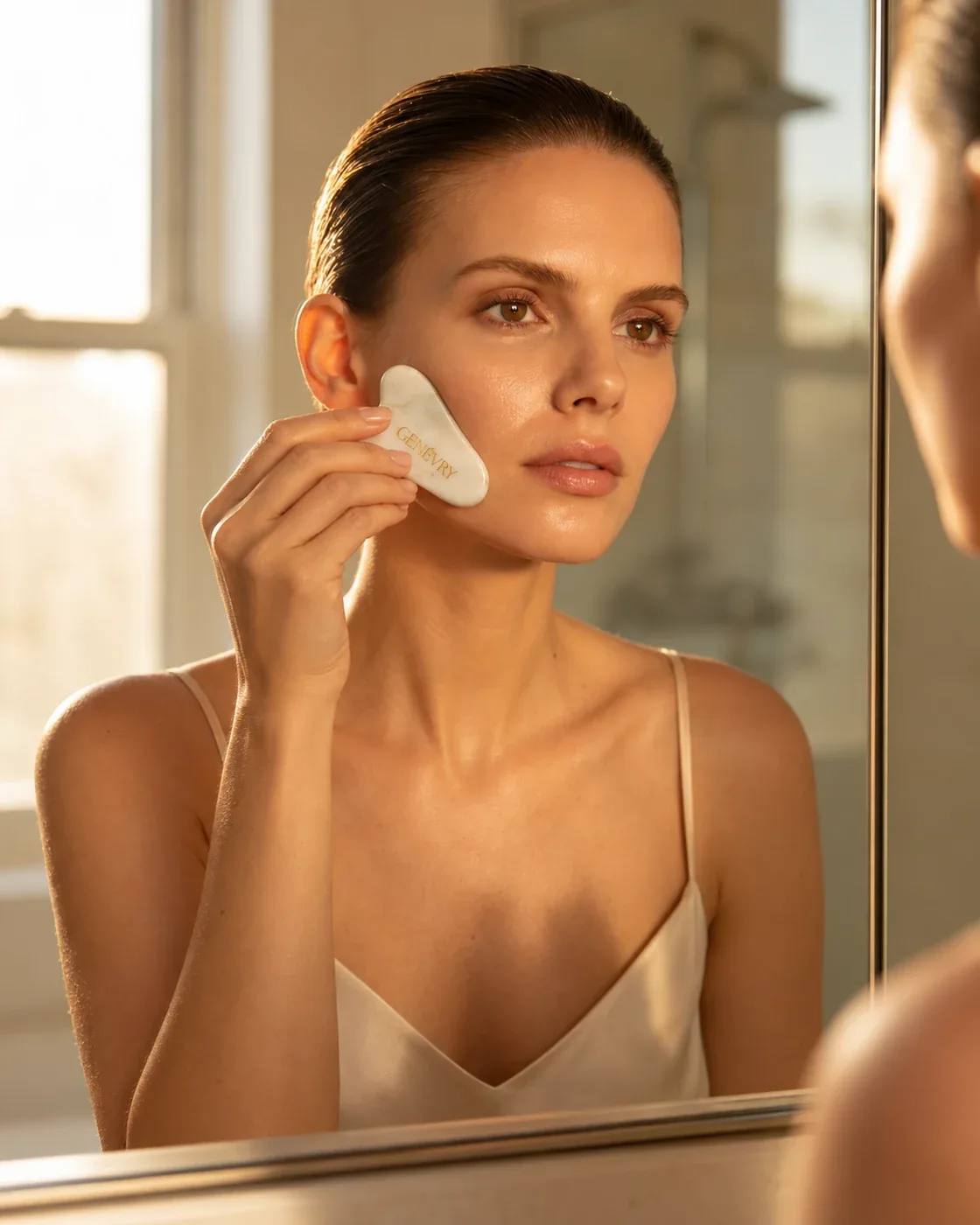
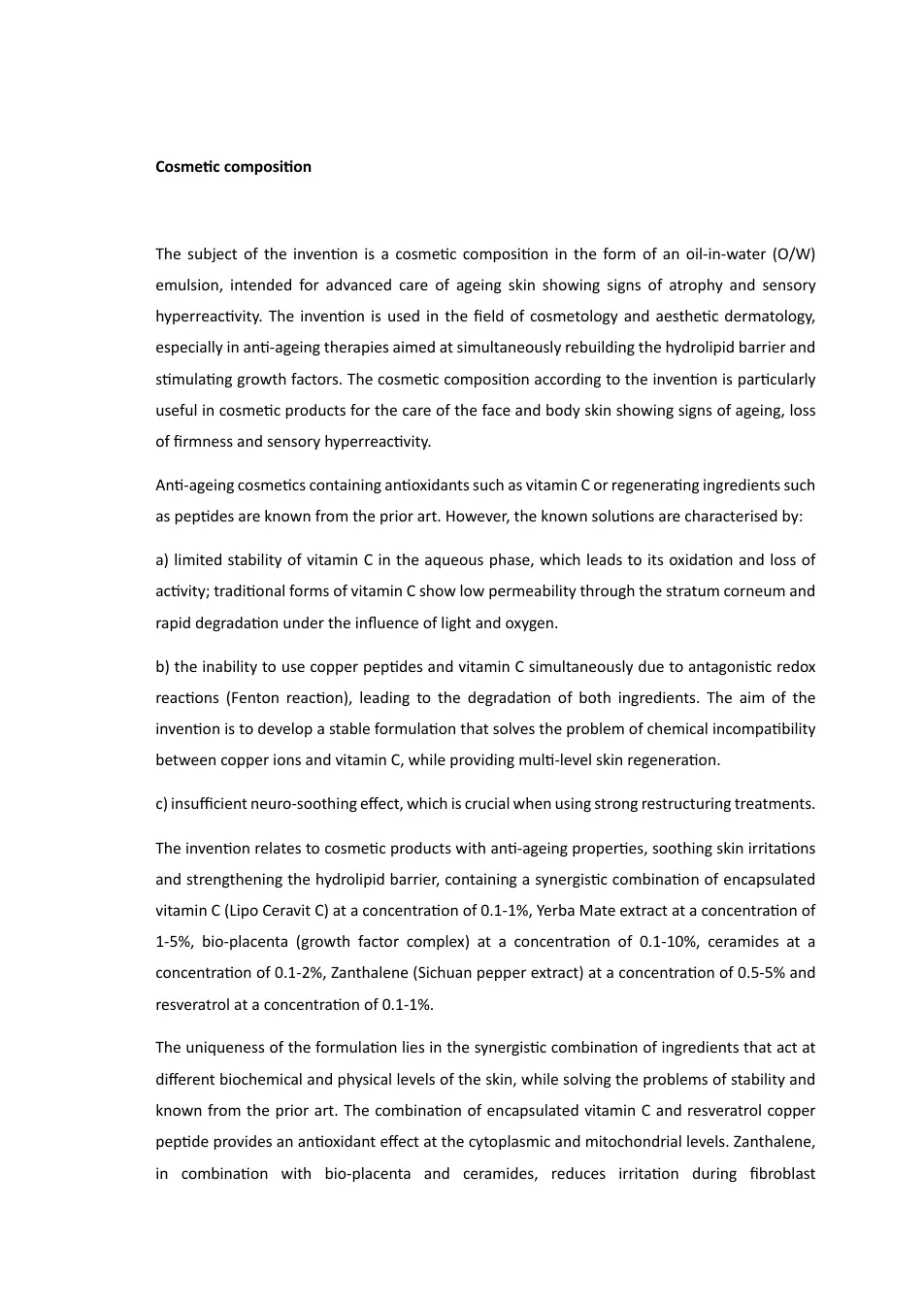
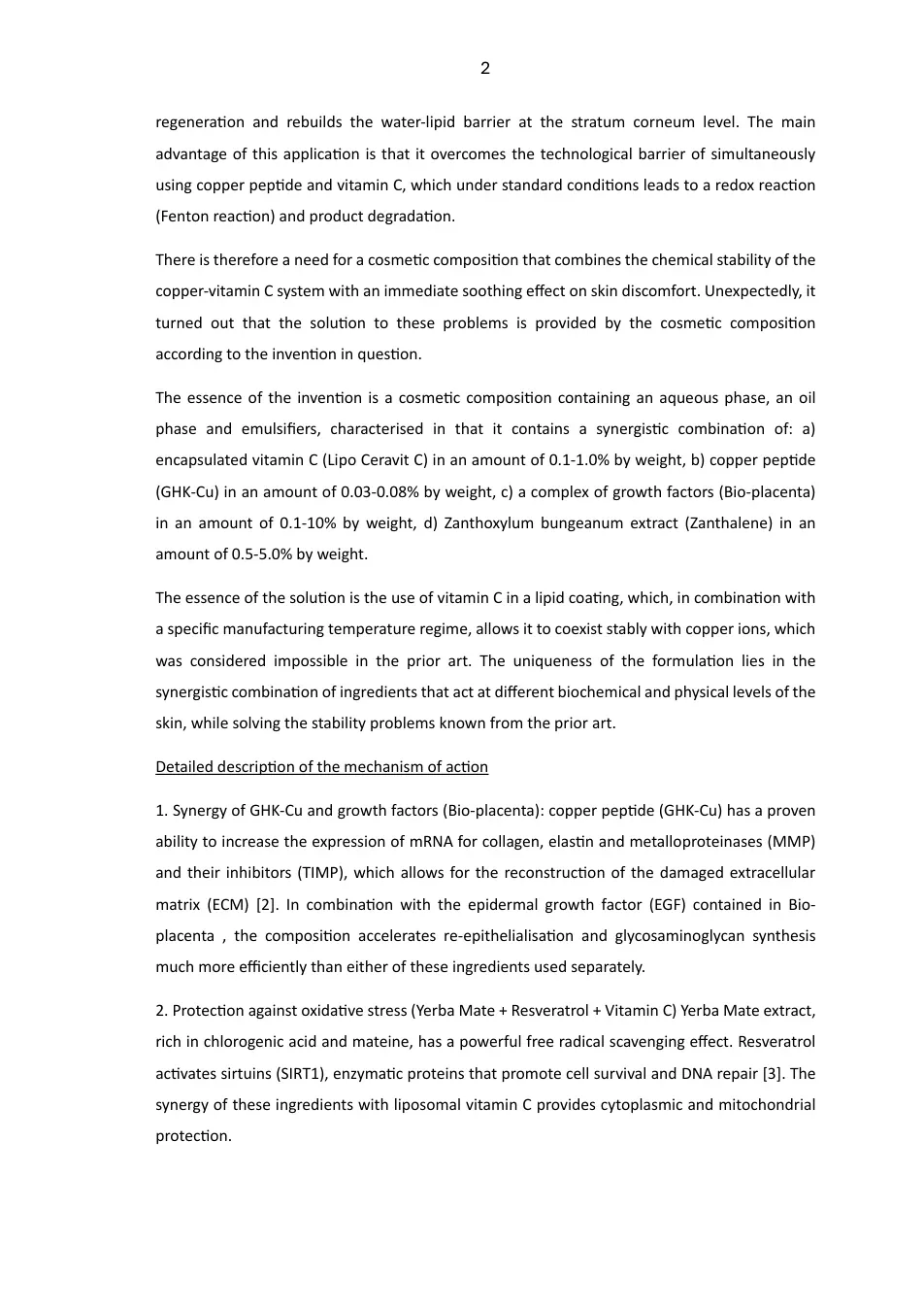
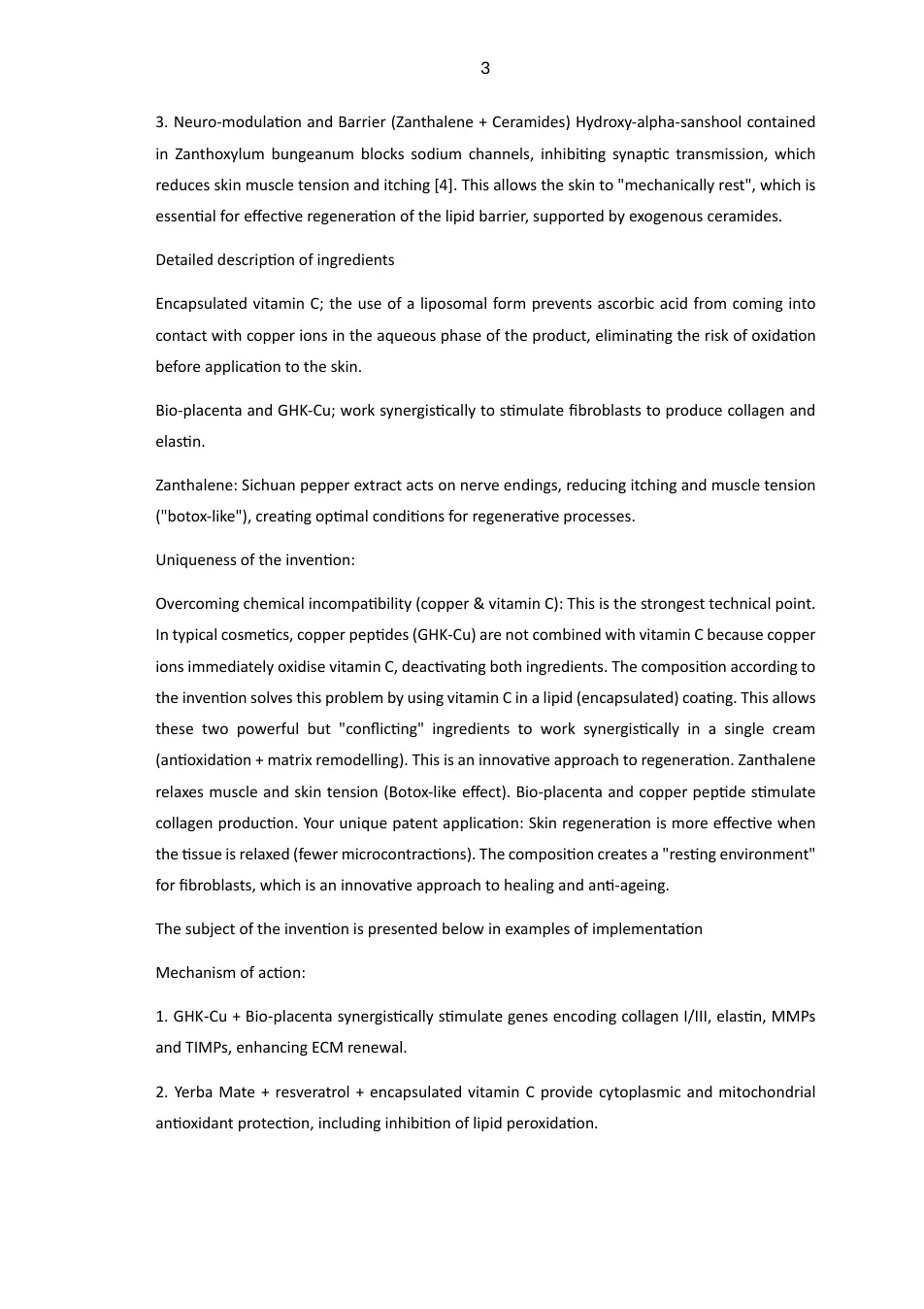
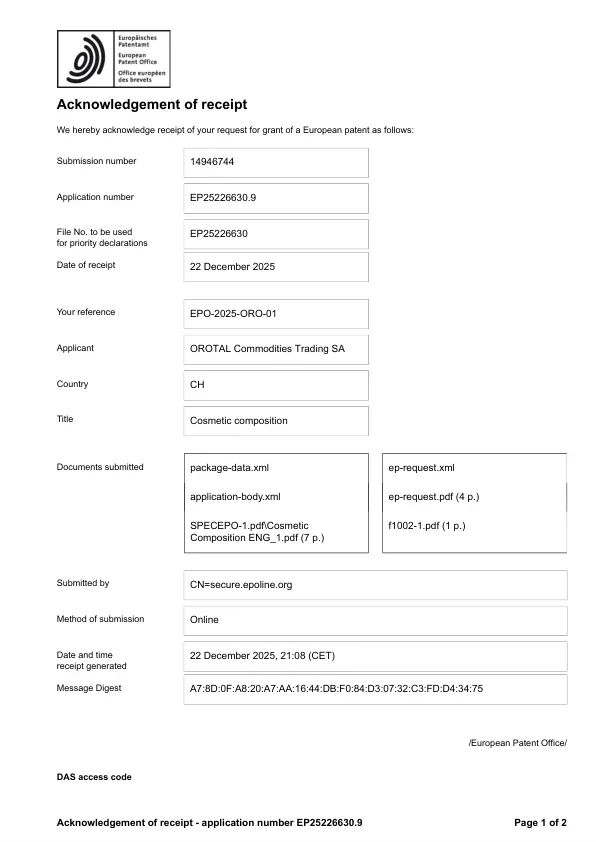
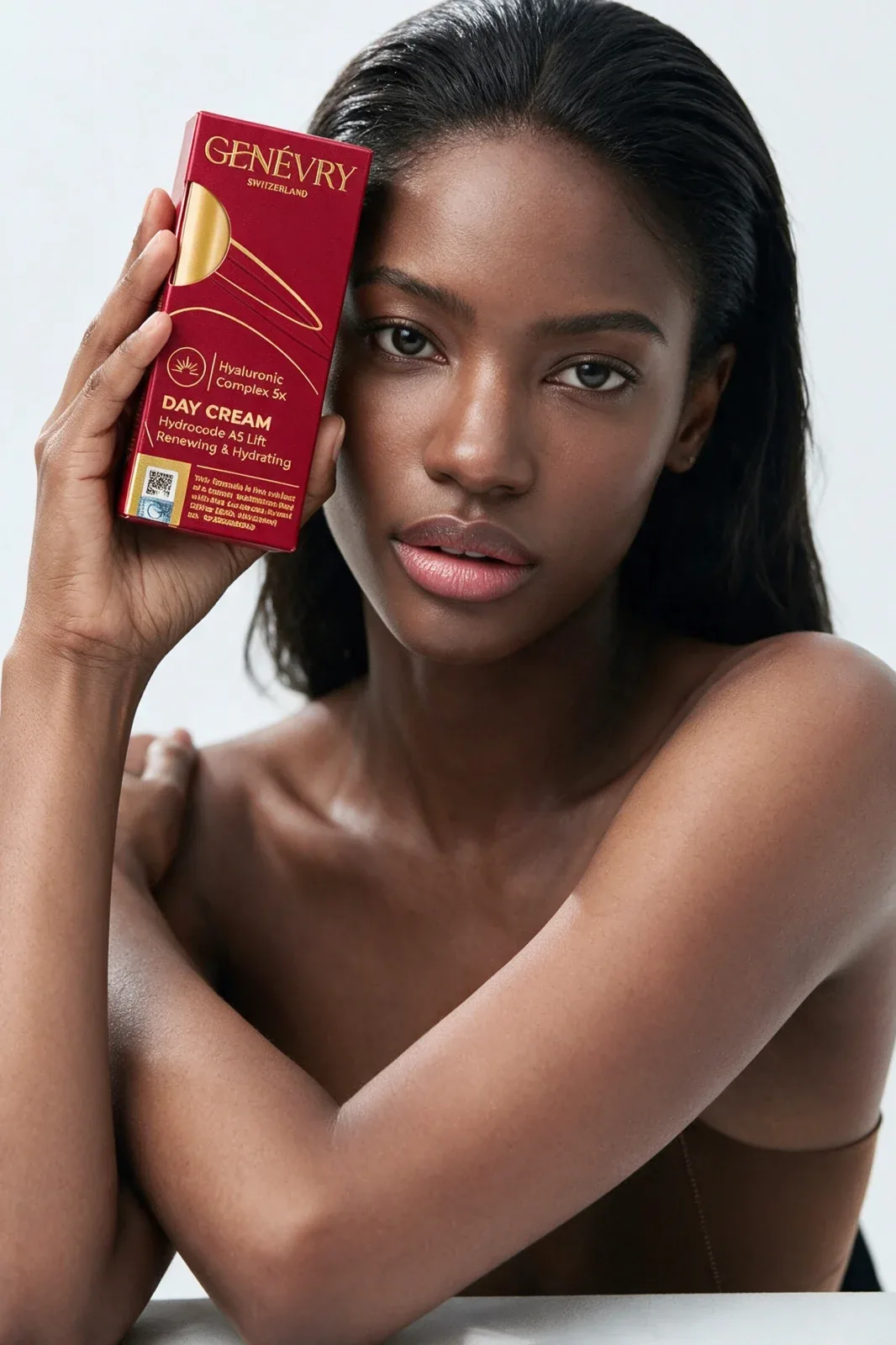
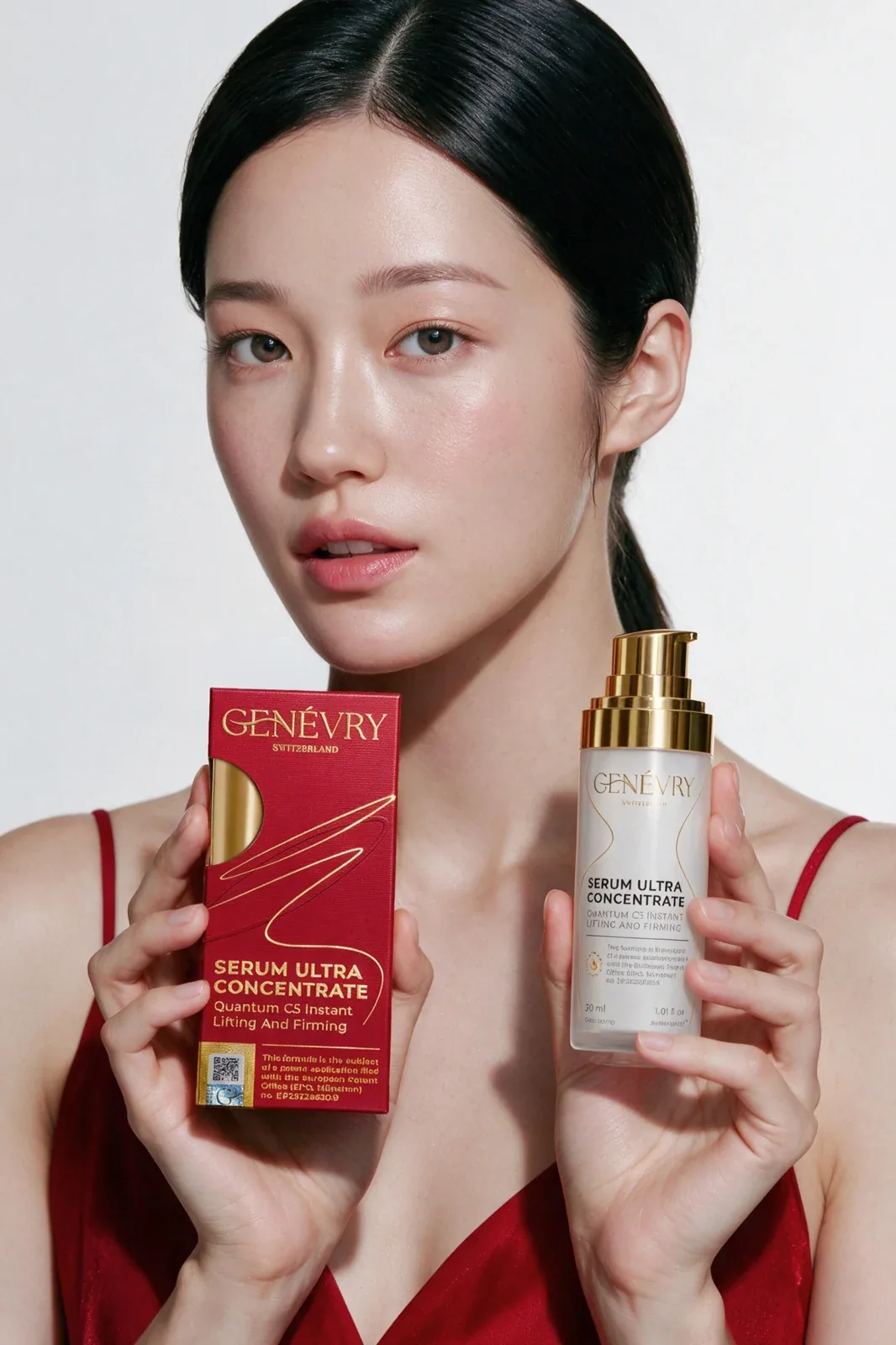
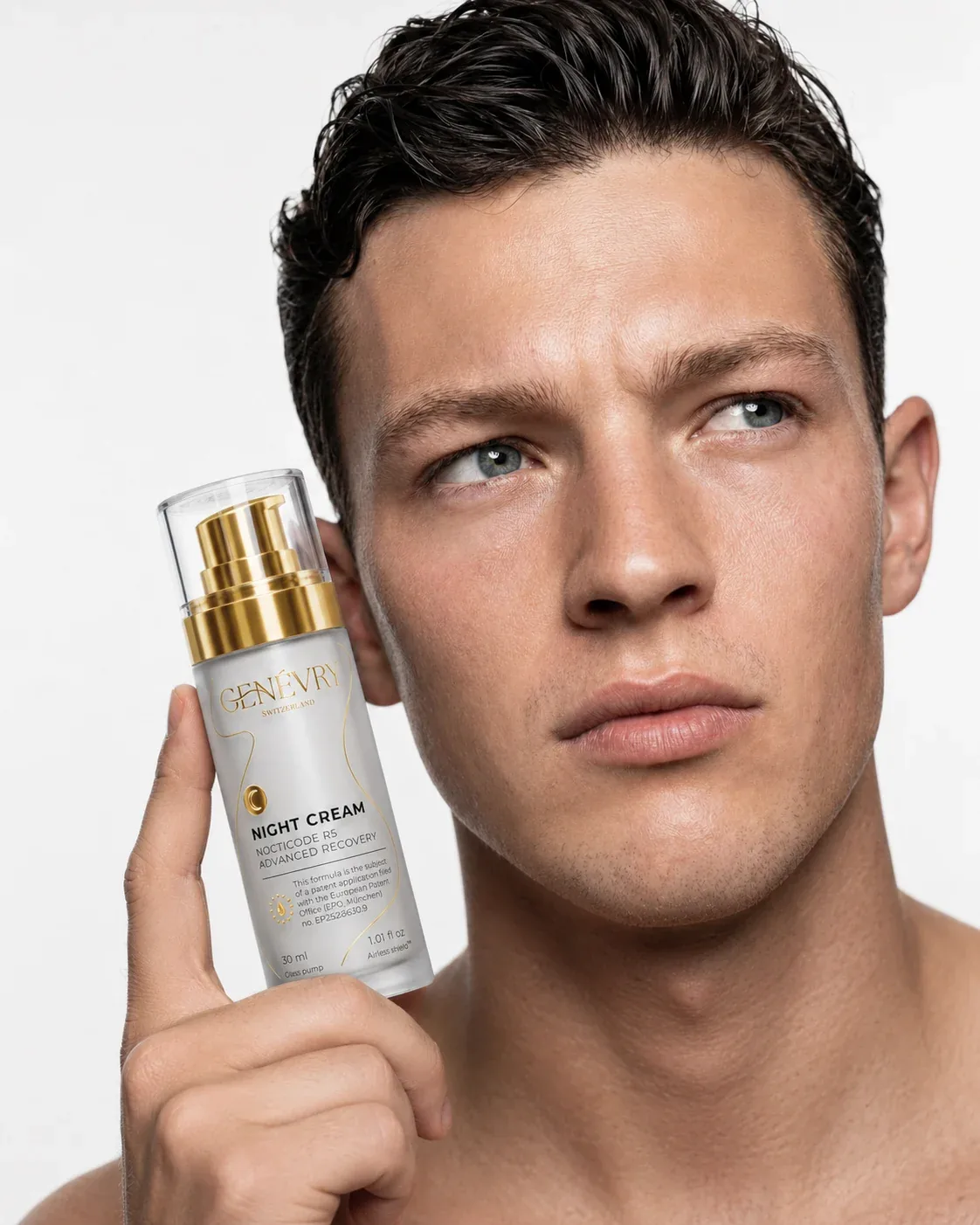
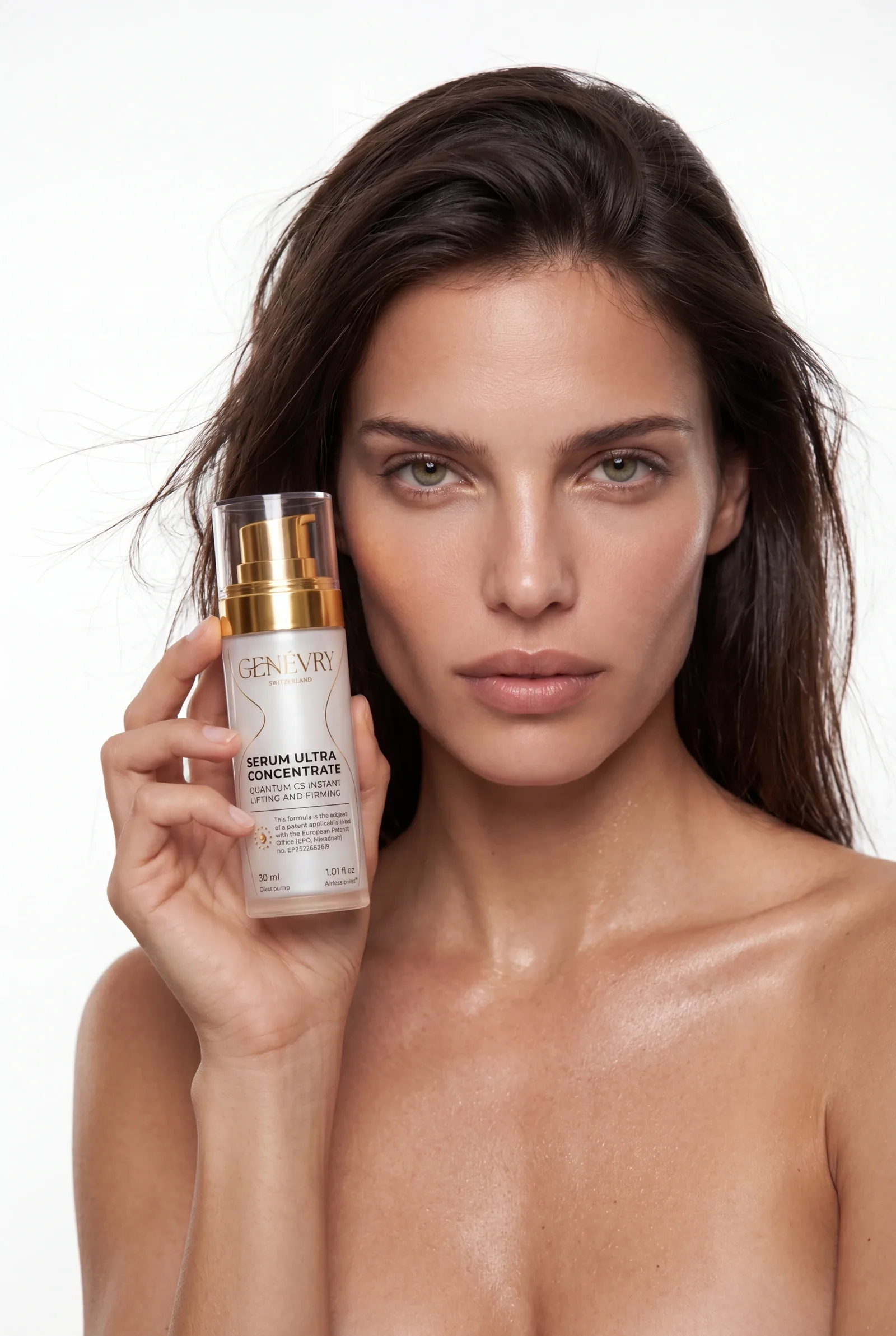
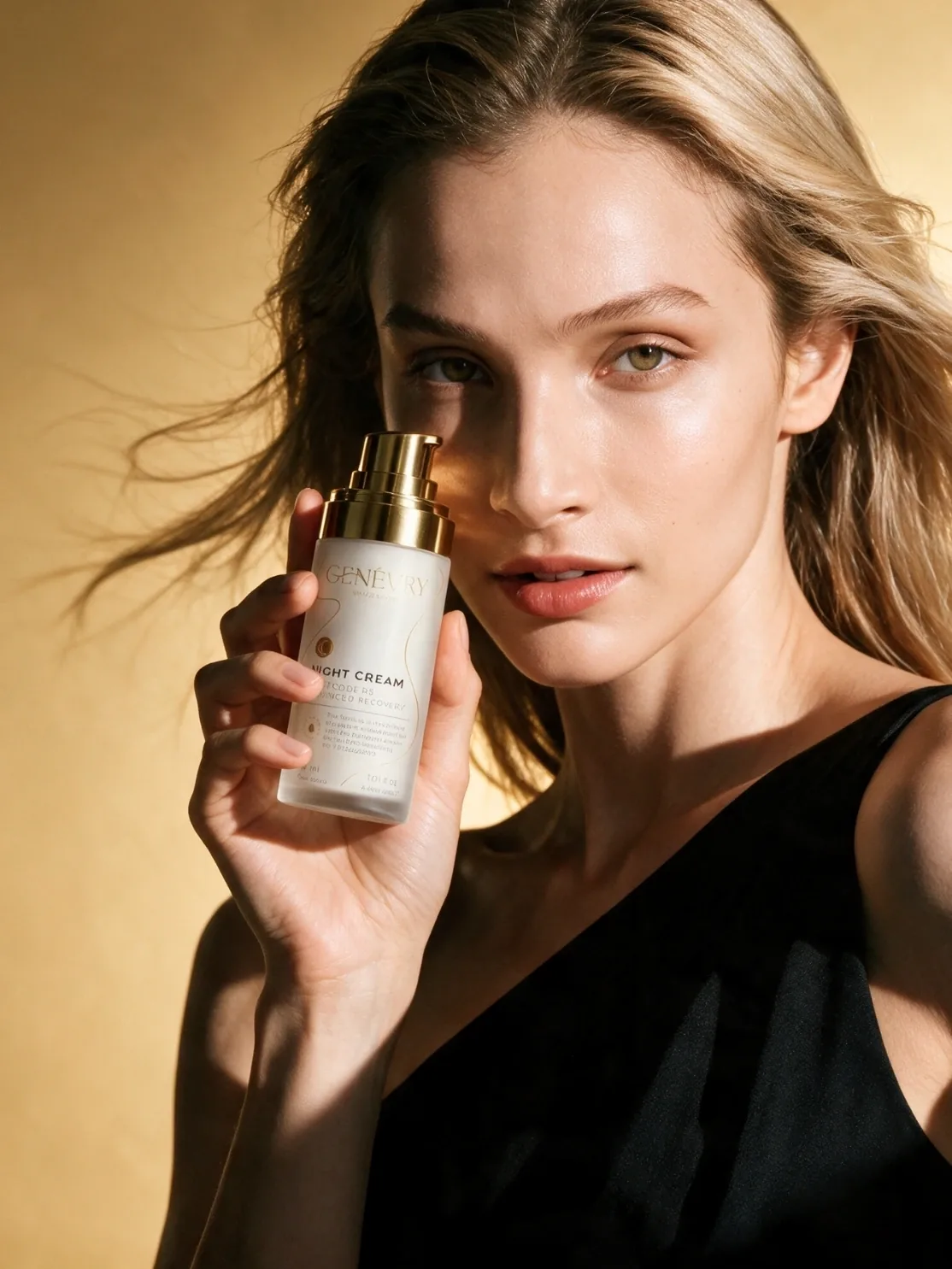
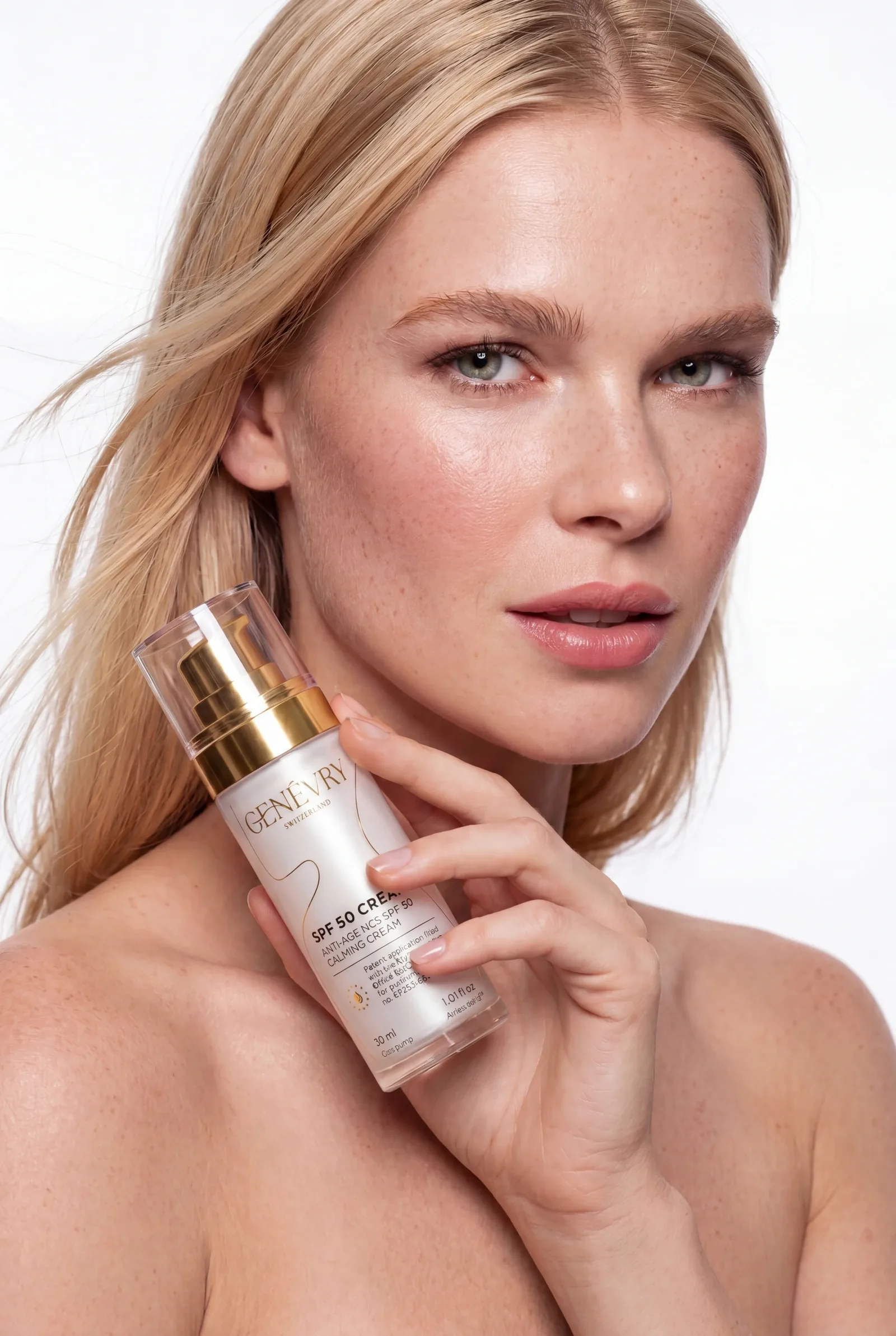
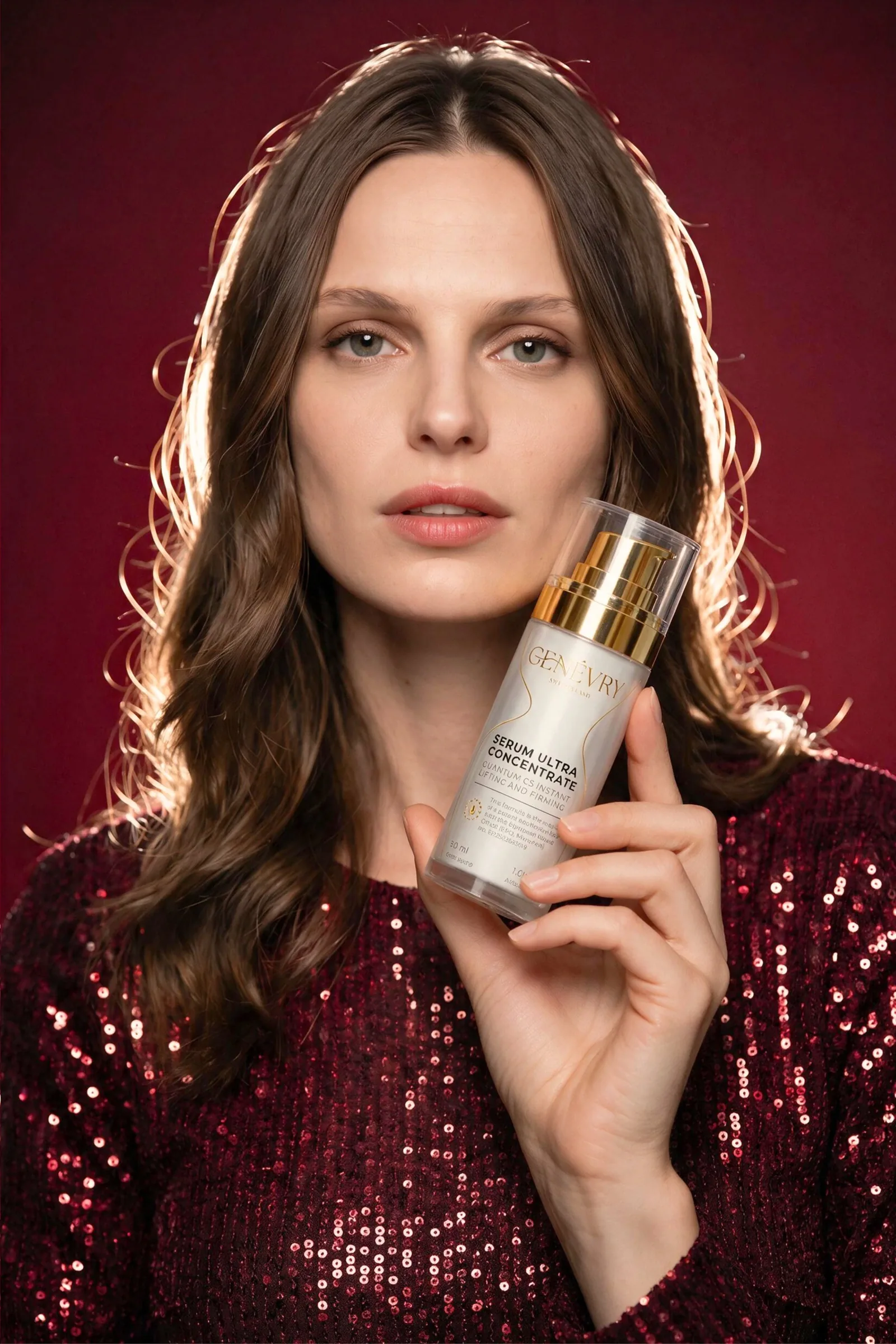
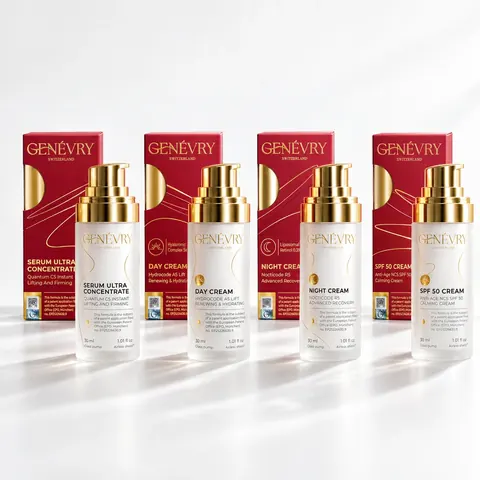
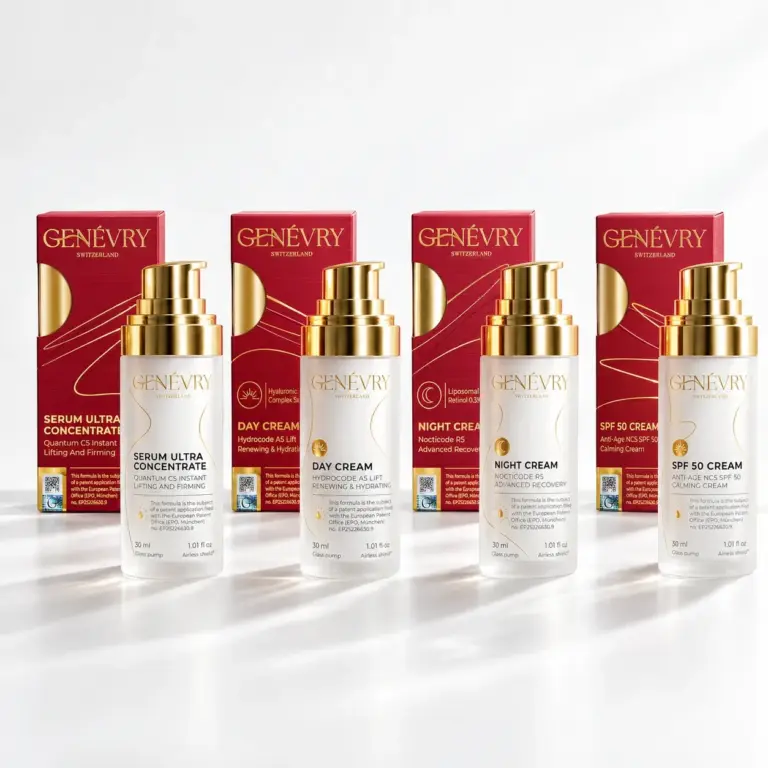
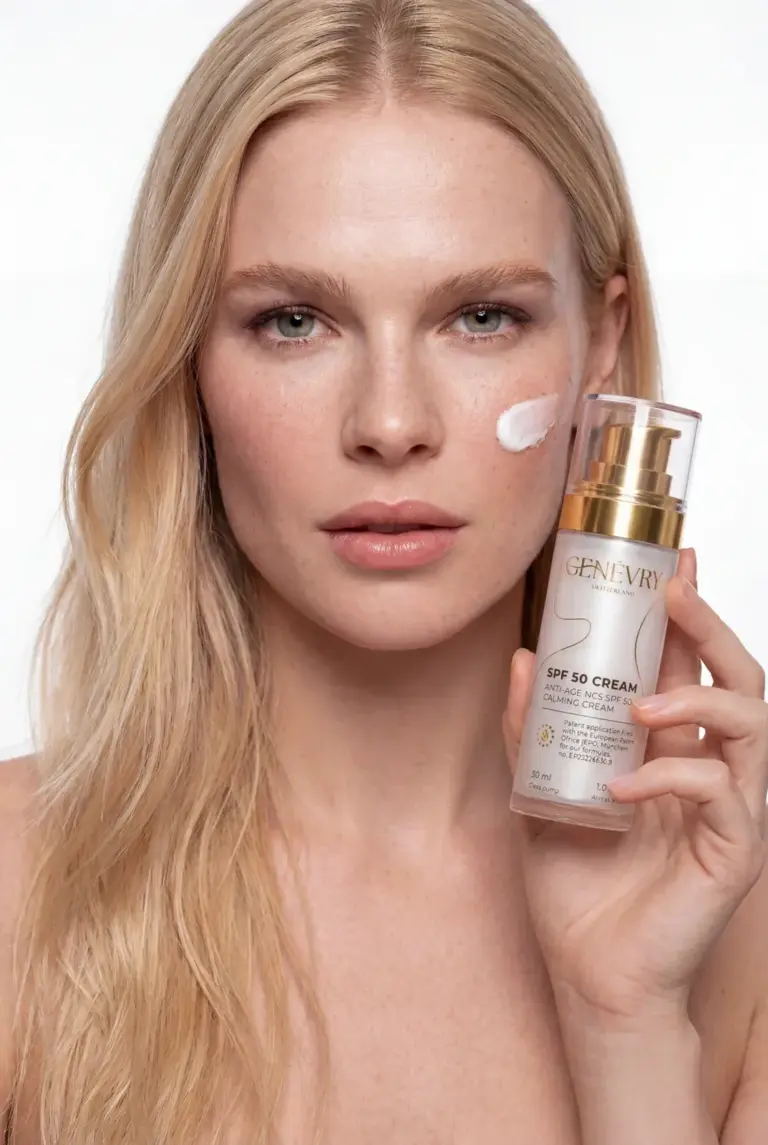
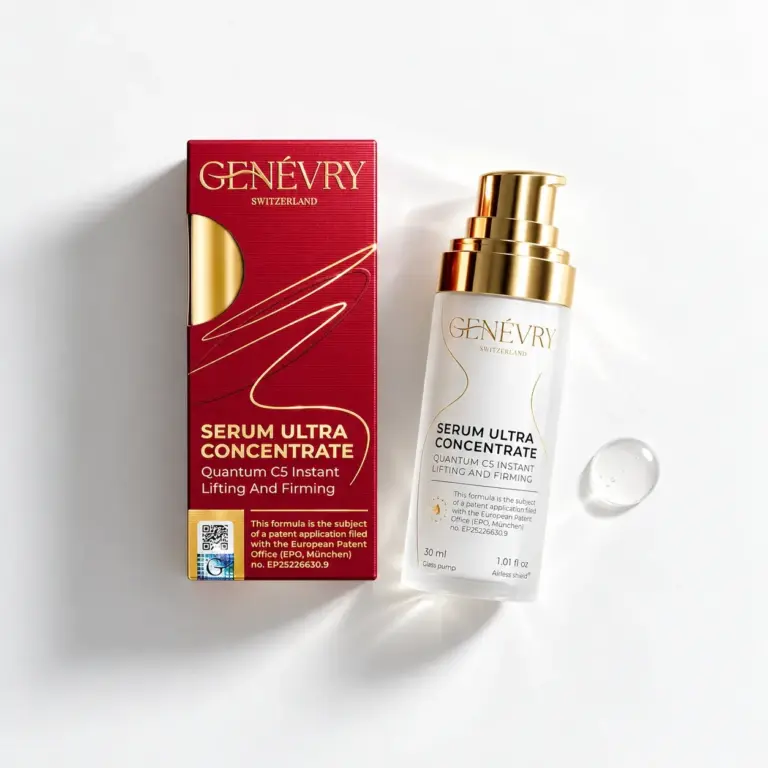
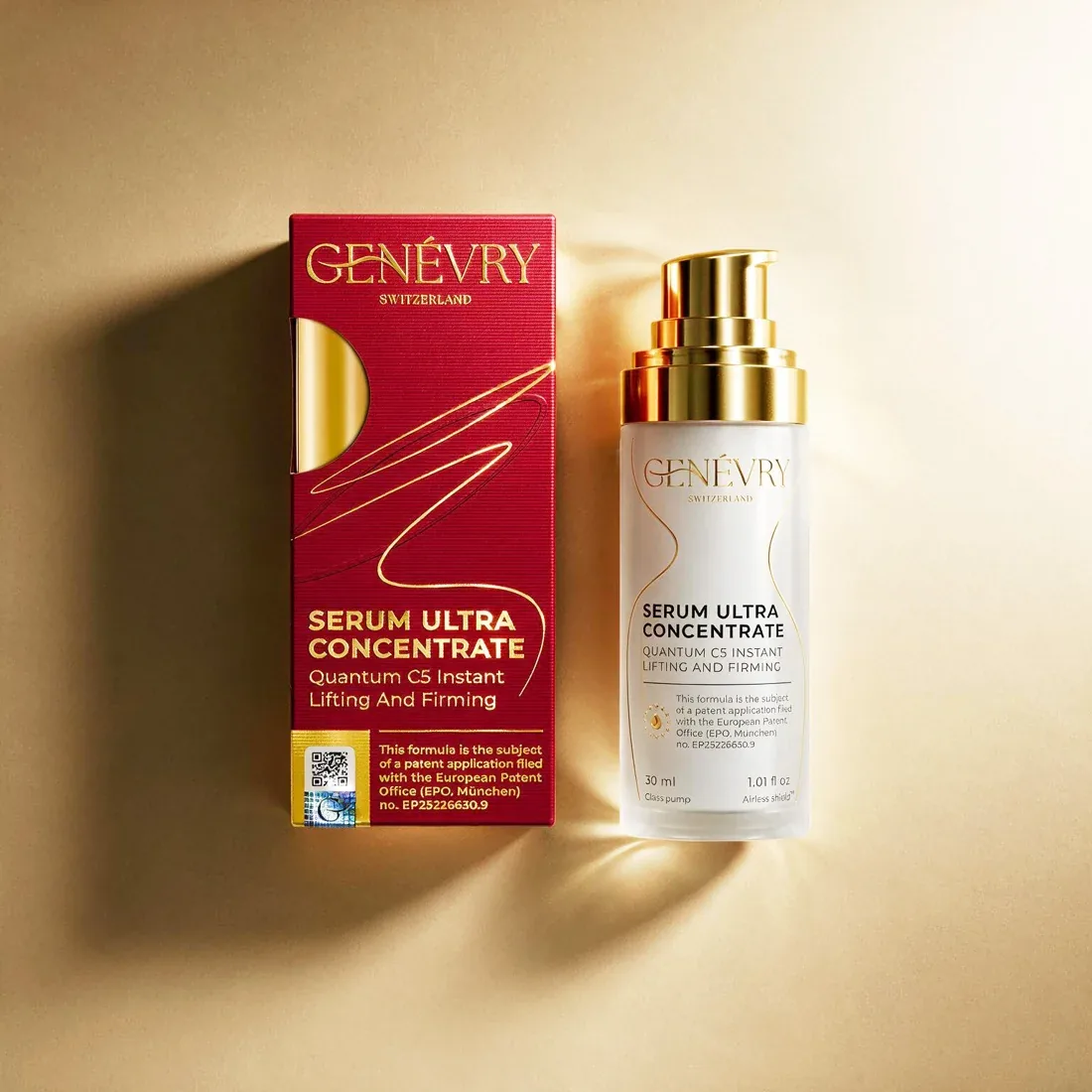
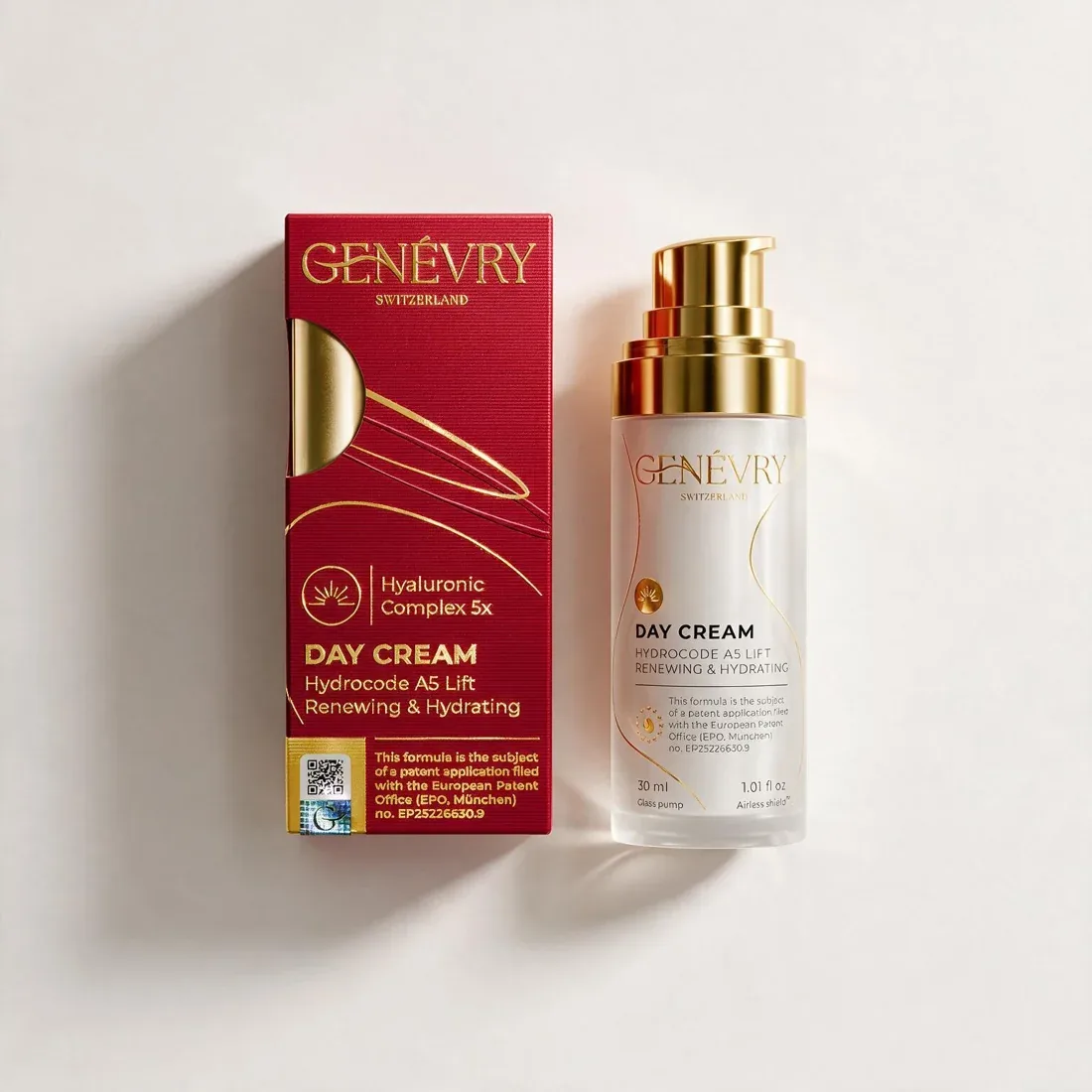
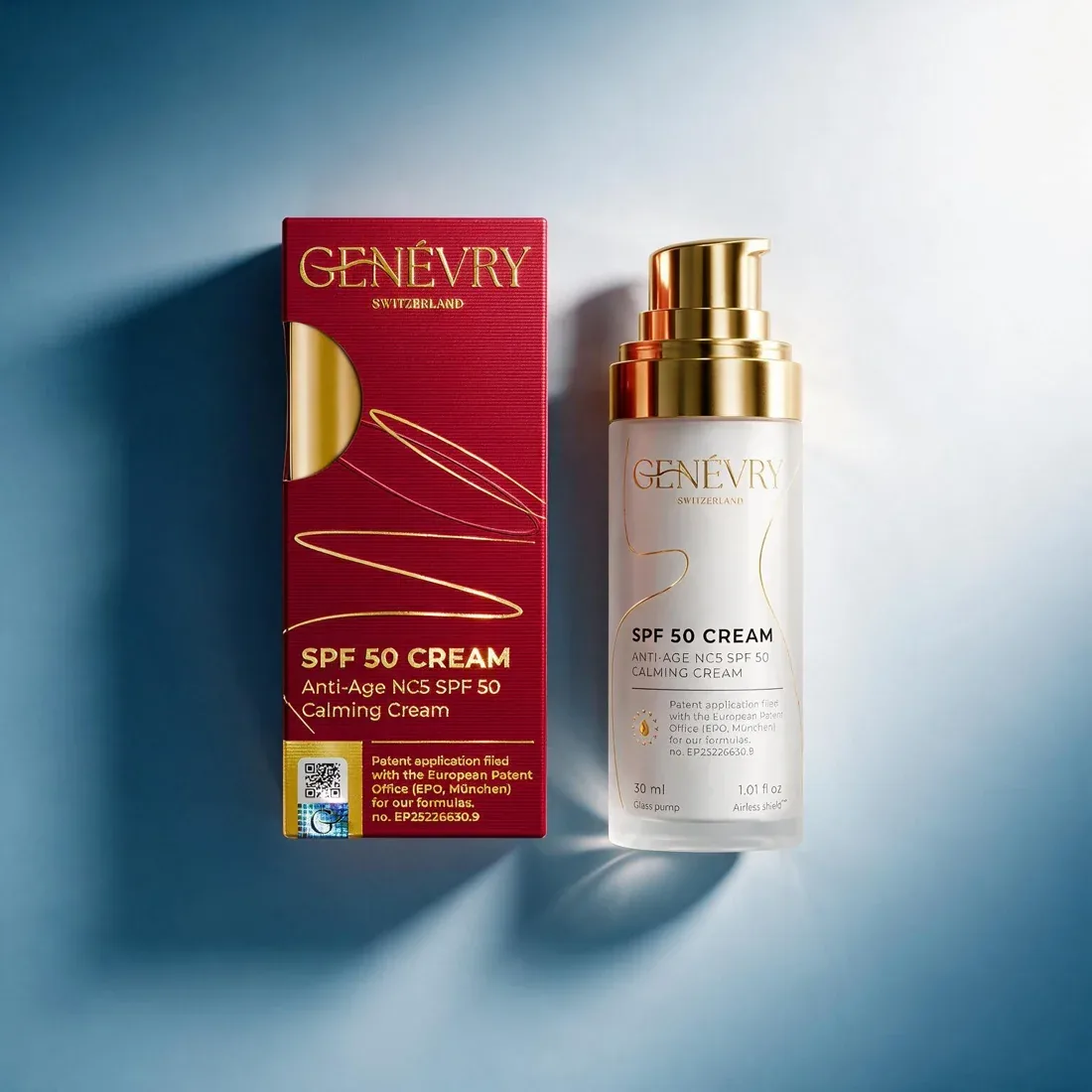
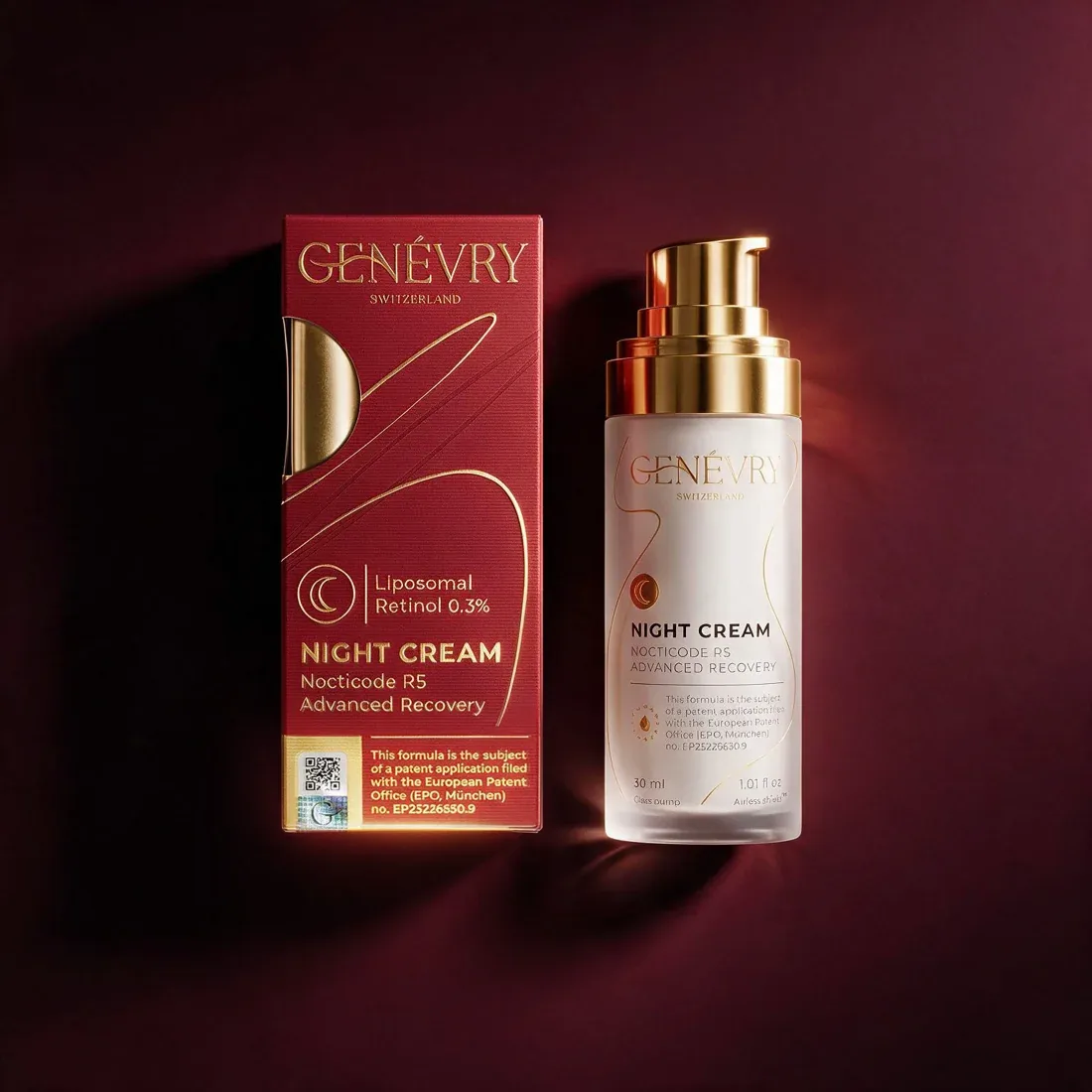
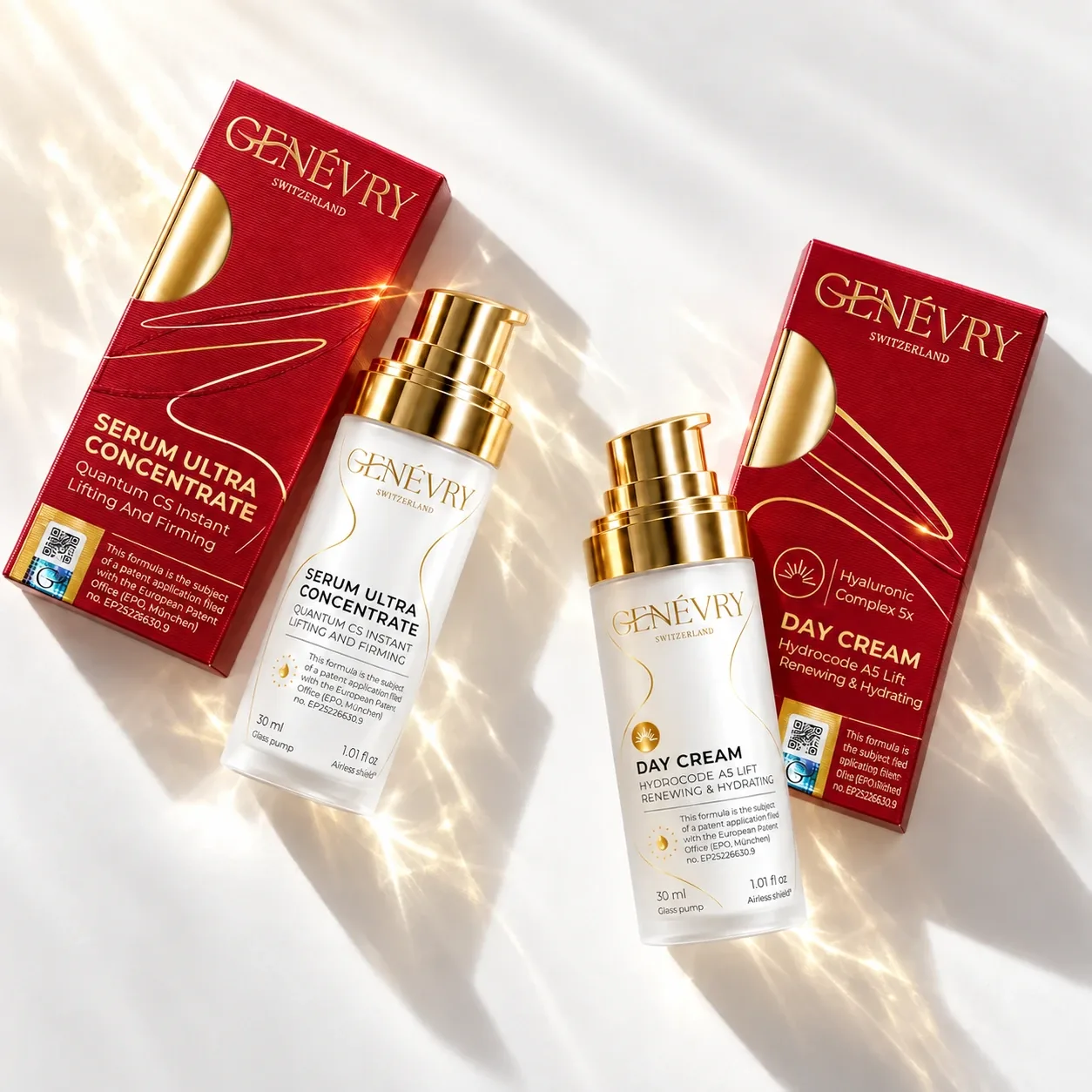
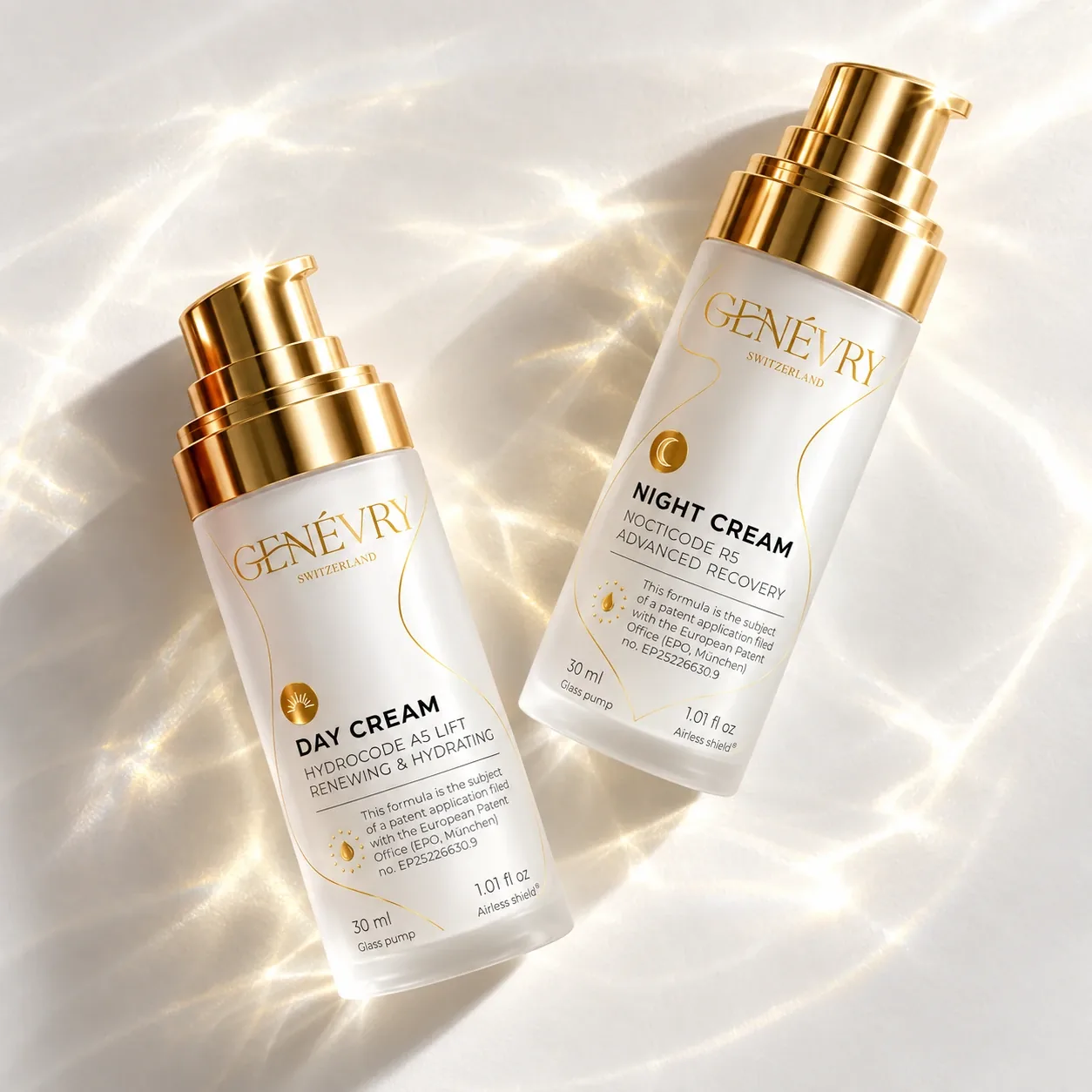
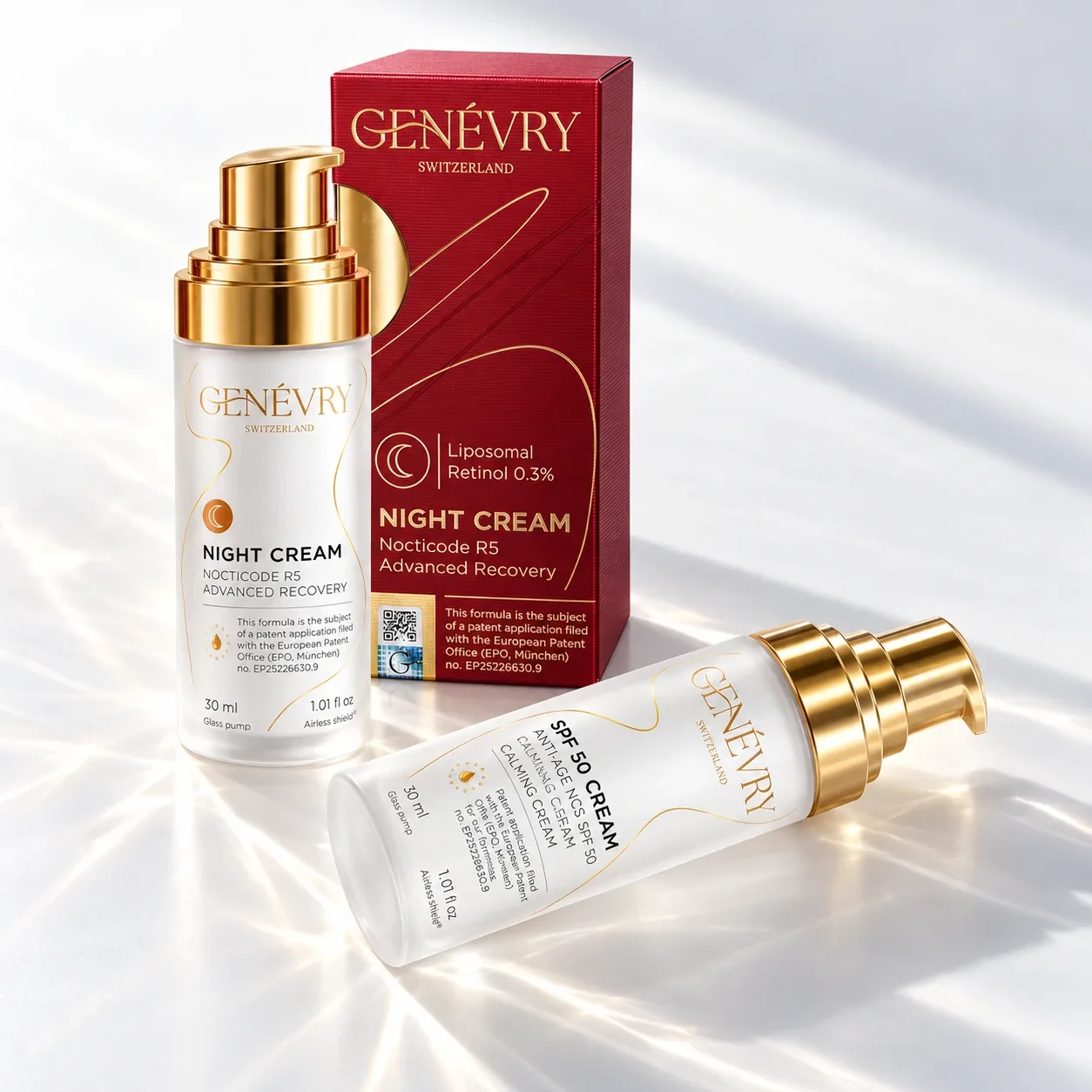
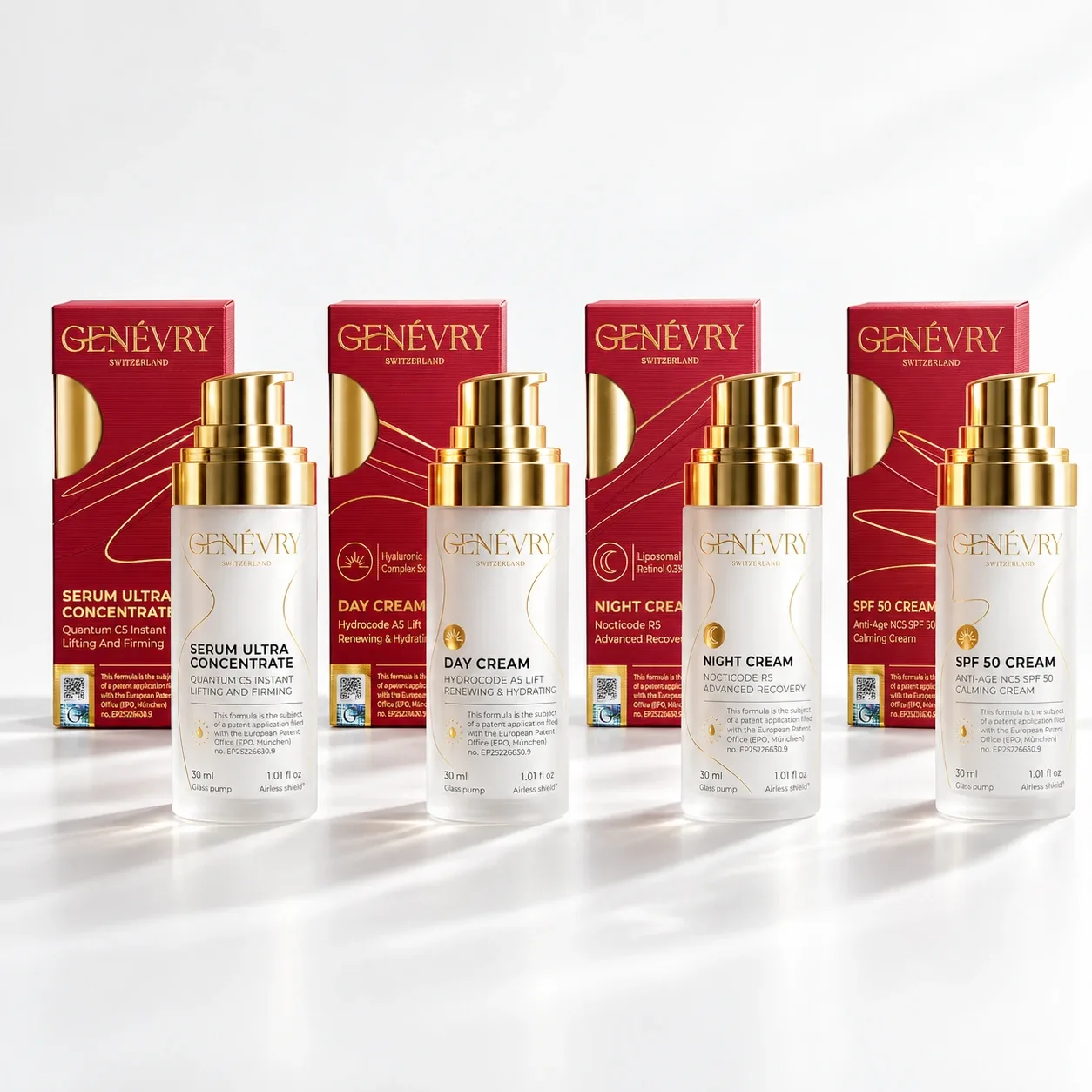
The word beside the GENÉVRY logo is SWITZERLAND, and it means precisely this: the brand is run by a Geneva company, OROTAL Commodities Trading SA, registered at Avenue de Champel 29 in Geneva. The formulas are described plainly — copper peptide GHK-Cu and liposomal vitamin C in the Quantum C5 serum, liposomal retinol 0.3% in the Nocticode R5 night cream, SPF 50 in Anti-Age NC5 and a hydrating complex in the Hydrocode A5 Lift day cream. The way the copper peptide is combined with vitamin C is the subject of patent application EP25226630.9 at the European Patent Office — an application in progress, not a granted patent.
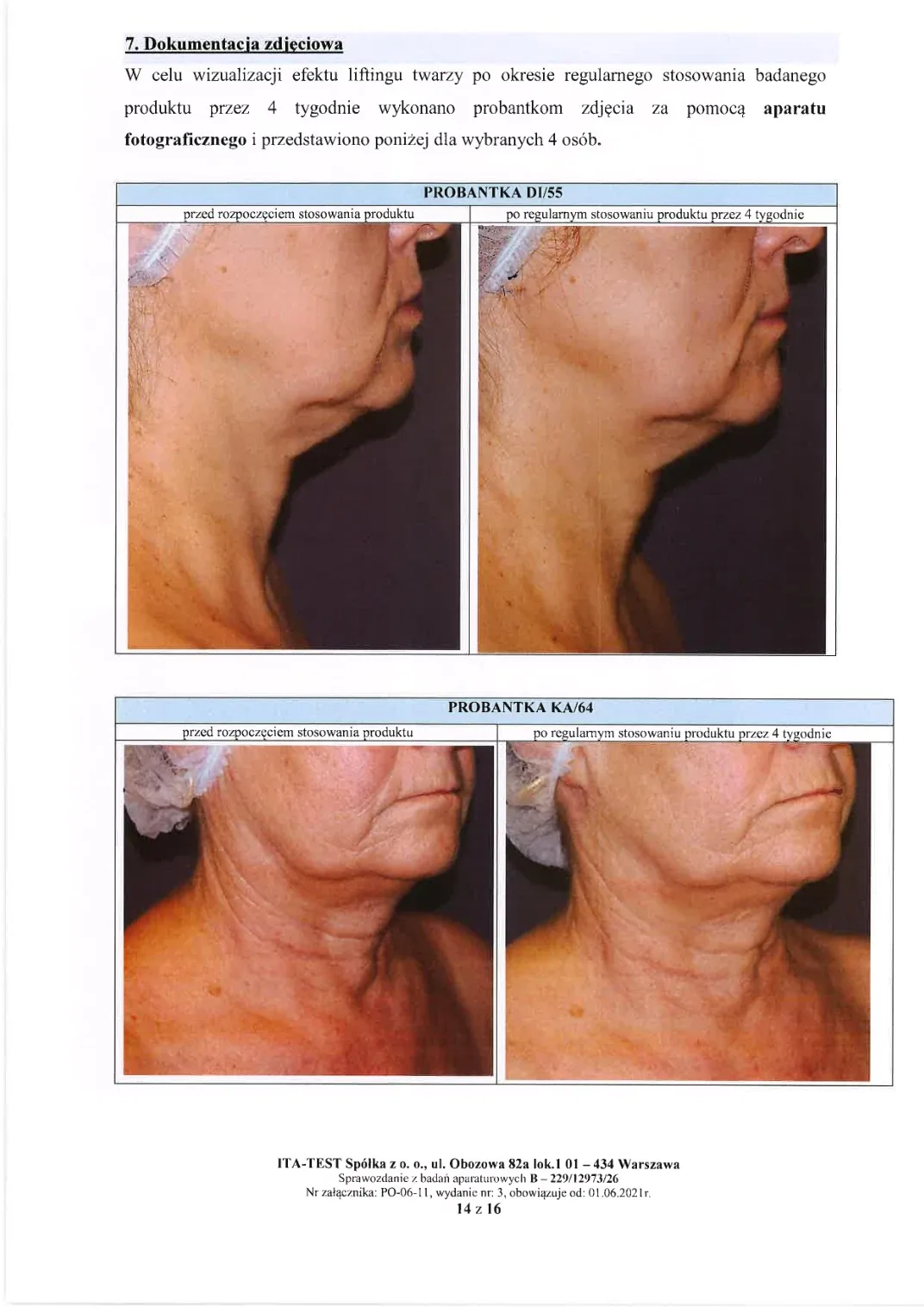
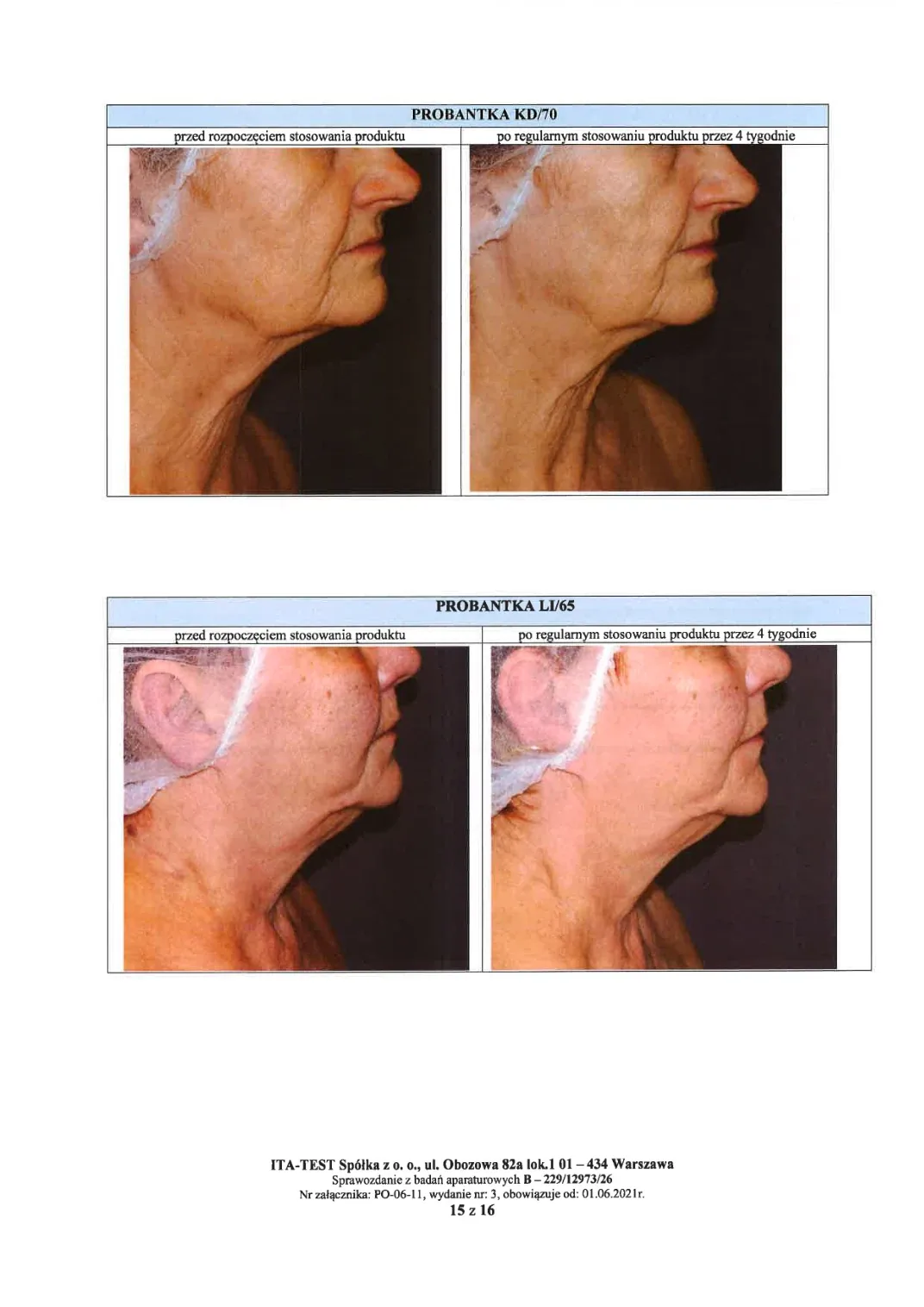
The numbers follow the same rule. In a four-week instrumental study with 10 participants, mean skin hydration after the Quantum C5 serum rose by 33% from baseline (Corneometer CM 825), with an increase recorded in all participants. That is the result of one defined protocol, not a promise. The four steps of the ritual come together in The Skin Code Protocol. Every formula holds a safety assessment issued by a qualified Safety Assessor and is notified in the EU’s CPNP portal, the company operates a HACCP system, and the products were tested on volunteers, never on animals.
During pregnancy and breastfeeding, with skin conditions, or while taking medication that affects the skin, discuss any change of routine with a doctor or dermatologist. Retinol is not used in pregnancy; it is introduced gradually, and sunscreen every morning is part of the arrangement.
Swiss skincare: common questions
Does “Swiss made” on a cream mean it was produced in Switzerland?
It means a declaration that two conditions are met: at least 60% of the manufacturing costs arose in Switzerland, and the step giving the product its essential characteristics was carried out there. Some ingredients and the packaging may come from elsewhere.
Is Swiss skincare safer than skincare made in the EU?
Not by virtue of origin. Swiss cosmetics law is largely harmonised with the EU framework, so the safety requirements are comparable. The difference is made by the individual manufacturer and its documentation.
Is every brand with a French-sounding name Swiss?
No. A brand name belongs to identity and is not governed by origin rules. For the country of manufacture, look at the responsible person’s address and the “Made in…” statement.
Where on the pack do I find who is accountable for the product?
In the name and address of the responsible person, a mandatory element on EU labels. For imported products, the country of origin must appear alongside it.
Does GENÉVRY hold a patent?
GENÉVRY filed patent application EP25226630.9 with the European Patent Office on 22 December 2025. That is an application in progress — patent pending — rather than a granted patent.
In closing
A country name on a box is information, not a recommendation. It tells you where a substantial part of the work was done and nothing beyond that: it does not describe concentrations, it does not replace testing, and it cannot predict how a formula will behave on your skin. The useful news is that everything that does matter can be found on the label and in one email to the brand. The flag is a pleasant detail; the checkable facts are the decision.
The formulas in this article
Cosmetic product. Individual results may vary.
 English / EUR
 English (US) / USD
 English (UK) / GBP
 Deutsch / EUR
 Deutsch (Schweiz) / CHF
 Français / EUR
 Italiano / EUR
 Español / EUR
 Nederlands / EUR
 Polski / PLN
 日本語 / JPY
 한국어 / KRW
 中文 / CNY
 العربية / AED
 English (Australia) / AUD
 English (Canada) / CAD
 Svenska / SEK
 Dansk / DKK
 Norsk / NOK
 Suomi / EUR
 Português / EUR
 Türkçe / TRY
 Čeština / CZK
 Magyar / HUF
 Română / RON
 Ελληνικά / EUR
 Slovenčina / EUR
 Hrvatski / EUR
 Slovenščina / EUR
 Lietuvių / EUR
 Latviešu / EUR
 Eesti / EUR
 Български / EUR
 Українська / EUR