Skincare ingredients not to mix — six pairs, ranked
Six pairings ranked not by internet folklore but by how well the separation is actually justified.
Most online lists of skincare ingredients not to mix read like a chemistry warning label: keep this away from that, never layer these two, wait thirty minutes in between. In practice there are only a handful of real conflicts, and they rest on very different foundations. Some are measurable chemistry. Others come down to a simpler question — how many strong actives one face can take in a single evening. Here are six pairings ranked by how well the separation is justified, from the one that genuinely changes your results to the one you can quietly retire.
The three criteria behind this ranking
First: what kind of conflict it is. One ingredient breaking down another, or needing a completely different pH, is a chemical problem. Two stable ingredients that simply add up to too much irritation is a tolerance problem. The two deserve different answers.
Second: how strong the evidence is. Observations in people rank highest, stability measurements in solution come next, and a sentence repeated across the internet without a source ranks last.
Third: how easily it is solved. Some pairs only need morning and evening apart. Some need separate days. A few need nothing at all.
One number keeps returning in all of this: pH. It decides whether an active works, and whether it does so at the expense of your skin barrier.
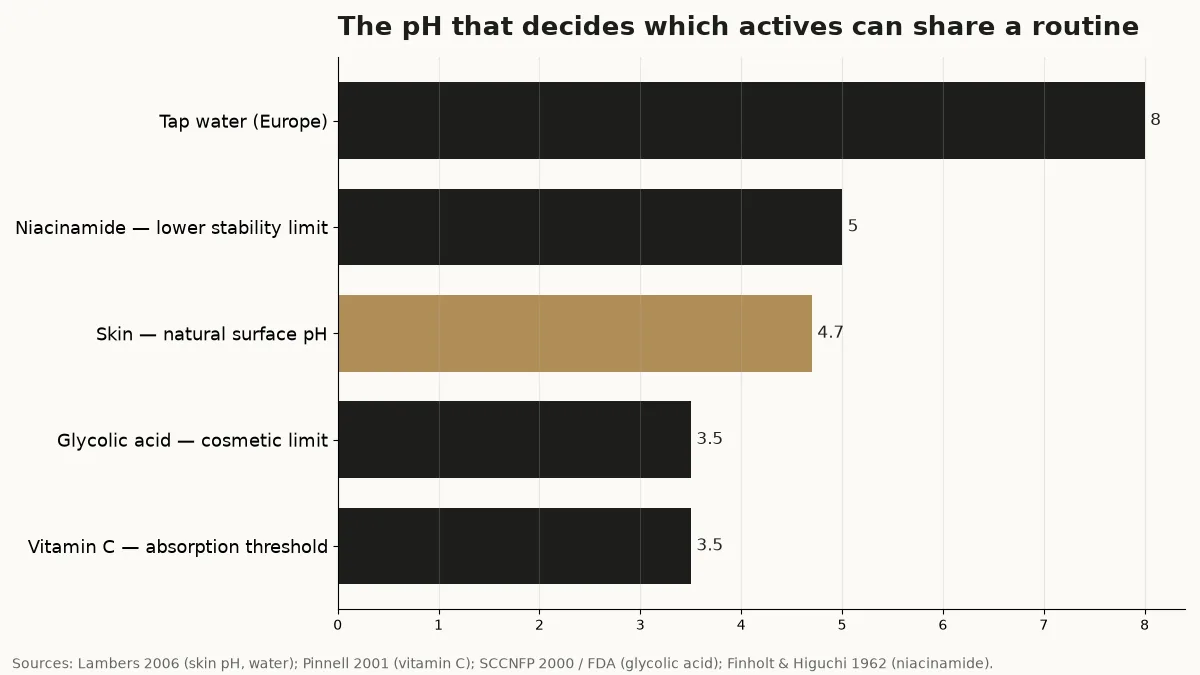
Natural skin surface pH was estimated at roughly 4.7 in a study of 330 people (Lambers et al., 2006). Pure L-ascorbic acid only penetrates meaningfully below pH 3.5 (Pinnell, 2001). Consumer products with glycolic acid are assessed on a worst case of 10% at pH 3.5. Niacinamide is at its most stable around pH 5 to 6. Those four figures explain most of the supposed conflicts.
Skincare ingredients not to mix — six pairs, ranked
1. Retinol and AHA/BHA acids on the same evening
The best-justified entry on the list, though the reason is not chemical. Retinol speeds up surface renewal; acids loosen the bonds between dead cells. Each asks the skin to adjust. Together, evening after evening, they usually end in stinging, tightness and flaking around the nose. This is the single most common reason people abandon retinol before it has had a chance to show anything.
What to do: keep them on separate evenings. Acids once a week, retinol on the other nights, SPF every morning.
2. A retinoid and benzoyl peroxide in the same layer
Here the conflict is chemical and documented, but the data concern prescription medicines. Tretinoin in conventional vehicles degrades quickly in the presence of benzoyl peroxide — roughly half within two hours and most of it within a day, while newer formulations kept away from light hold up far better. No equivalent measurements exist for cosmetic retinol, but the oxidation mechanism is the same.
What to do: never layer one over the other. Benzoyl peroxide in the morning, retinol at night, if a dermatologist has prescribed both.
3. A pure vitamin C serum and exfoliating acids back to back
Two products below pH 4, applied one after the other, put a double load on the acid mantle. Nothing is neutralised and nothing stops working. The skin simply spends a long stretch at an acidity it is not used to, and the result tends to arrive the next morning as redness and a rough, papery feel.
What to do: vitamin C in the morning, acids at night. If both have to be evening steps, leave at least a day between them.
4. Retinol and vitamin C in one layer
The classic entry on every warning list, and mostly a matter of tolerance and environment. The two work best in different conditions: ascorbic acid at a very low pH, retinol closer to the skin’s own. Layered together they do not cancel out, but they do add up to irritation — and retinol has little business being on your face in daylight anyway.
What to do: vitamin C in the morning, retinol in the evening. We looked at this pairing in detail in our guide to using vitamin C and retinol together.
5. Acids and a physical scrub on the same day
One pair, two ways of doing the same job: removing the outer layer of dead cells, chemically in one case and mechanically in the other. Combined in a single routine they over-exfoliate. Skin looks polished for a few hours, then answers with dryness and sensitivity. For reactive skin this is the shortest route to a damaged barrier.
What to do: pick one method. If you use acids, the scrub has no job left to do.
6. Niacinamide and vitamin C — the pair that does not belong here
The weakest entry in the ranking. The story about flushing after combining the two traces back to observations in solutions under laboratory conditions, not to studies on skin. In a finished cosmetic this is a formulation stability question for the manufacturer, not a rule for the person using it. If the combination does feel uncomfortable, the low pH of the vitamin C itself is the usual culprit.
What to do: use them together. On sensitive skin, simply wait a minute between layers.
The six pairs at a glance
| Pairing | Nature of the conflict | Strength of evidence | What to do |
|---|---|---|---|
| Retinol + AHA/BHA | Cumulative irritation | High (clinical observation) | Separate evenings |
| Retinoid + benzoyl peroxide | Oxidation of the active | High for medicines, none for retinol | Morning and evening apart |
| Vitamin C + acids | Two low pH steps in a row | Moderate | Morning / evening |
| Retinol + vitamin C | Different pH, tolerance | Moderate | Morning / evening |
| Acids + physical scrub | Over-exfoliation | Moderate | Choose one |
| Niacinamide + vitamin C | Formulation stability | Low | Safe to combine |
Pairs that belong together
The list of combinations that work is far longer than the list of warnings. Niacinamide sits well alongside retinol and is often added to formulas precisely to make the first weeks easier. Hyaluronic acid and glycerin conflict with nothing. Ceramides and squalane applied after an active support the barrier rather than diluting the result. Peptides share a routine with hydration without complaint. And an antioxidant under sunscreen in the morning is a sensible pairing: the filter limits the dose of radiation, the antioxidant helps care for skin exposed to the rest.
What a week looks like
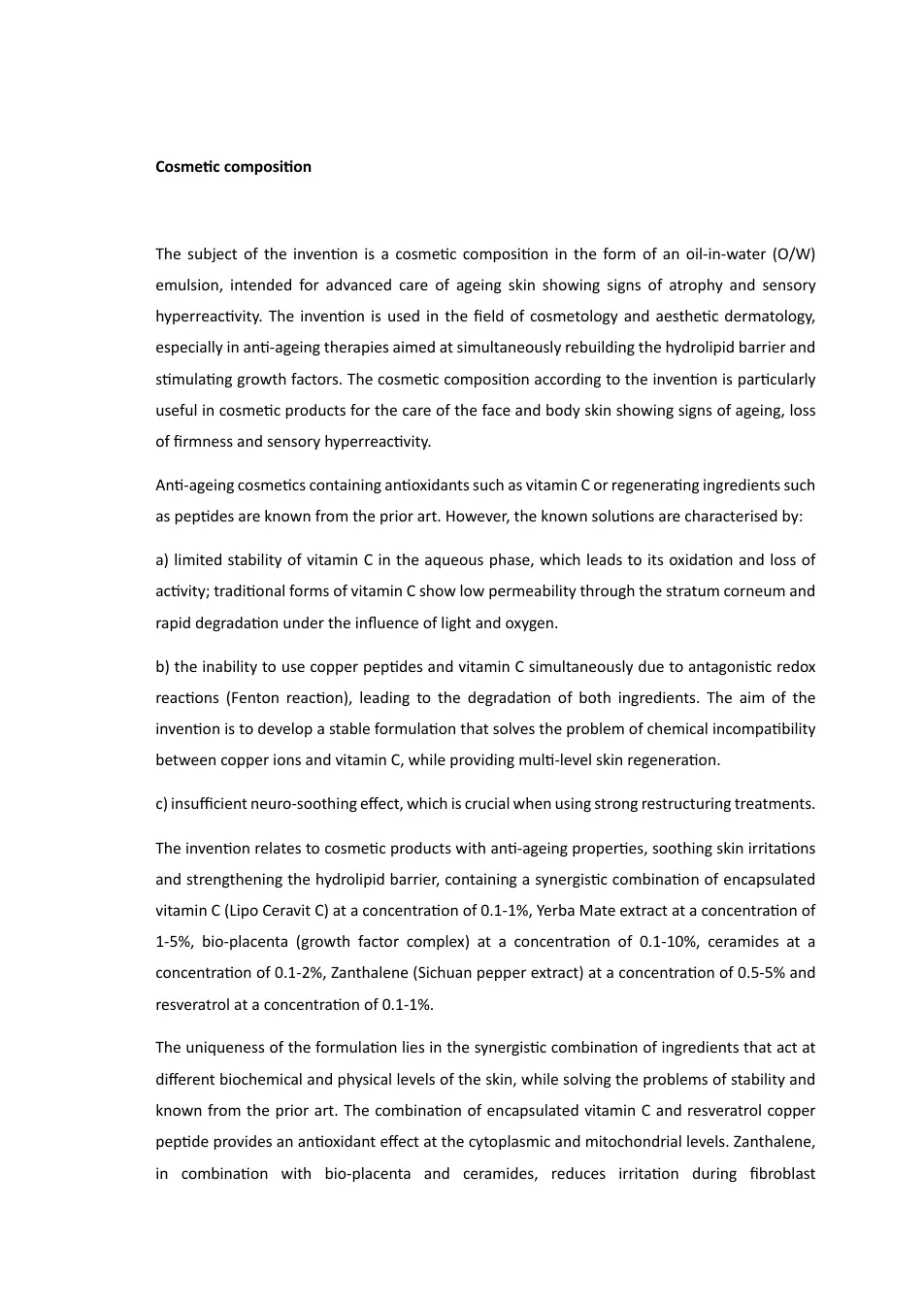
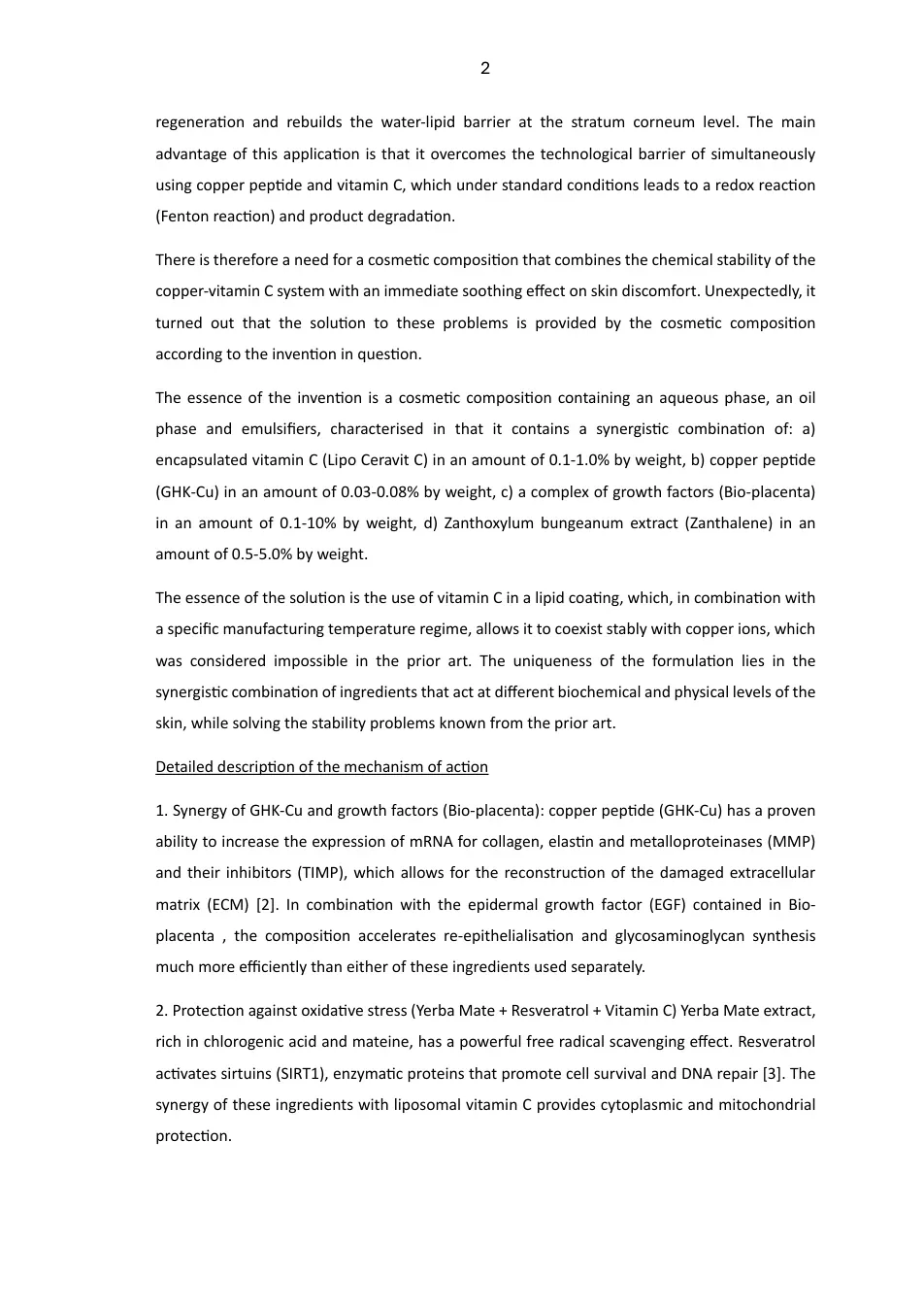
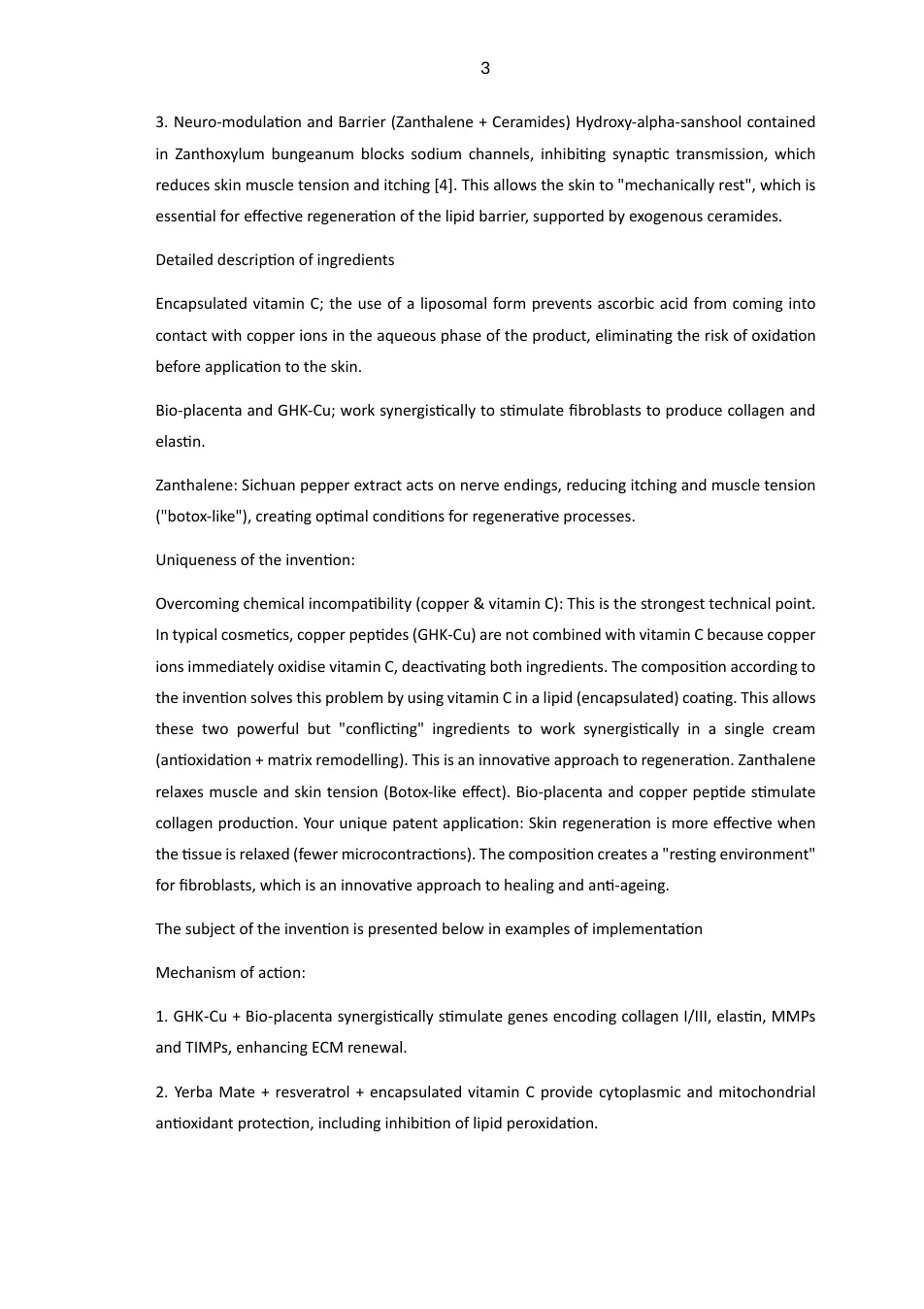
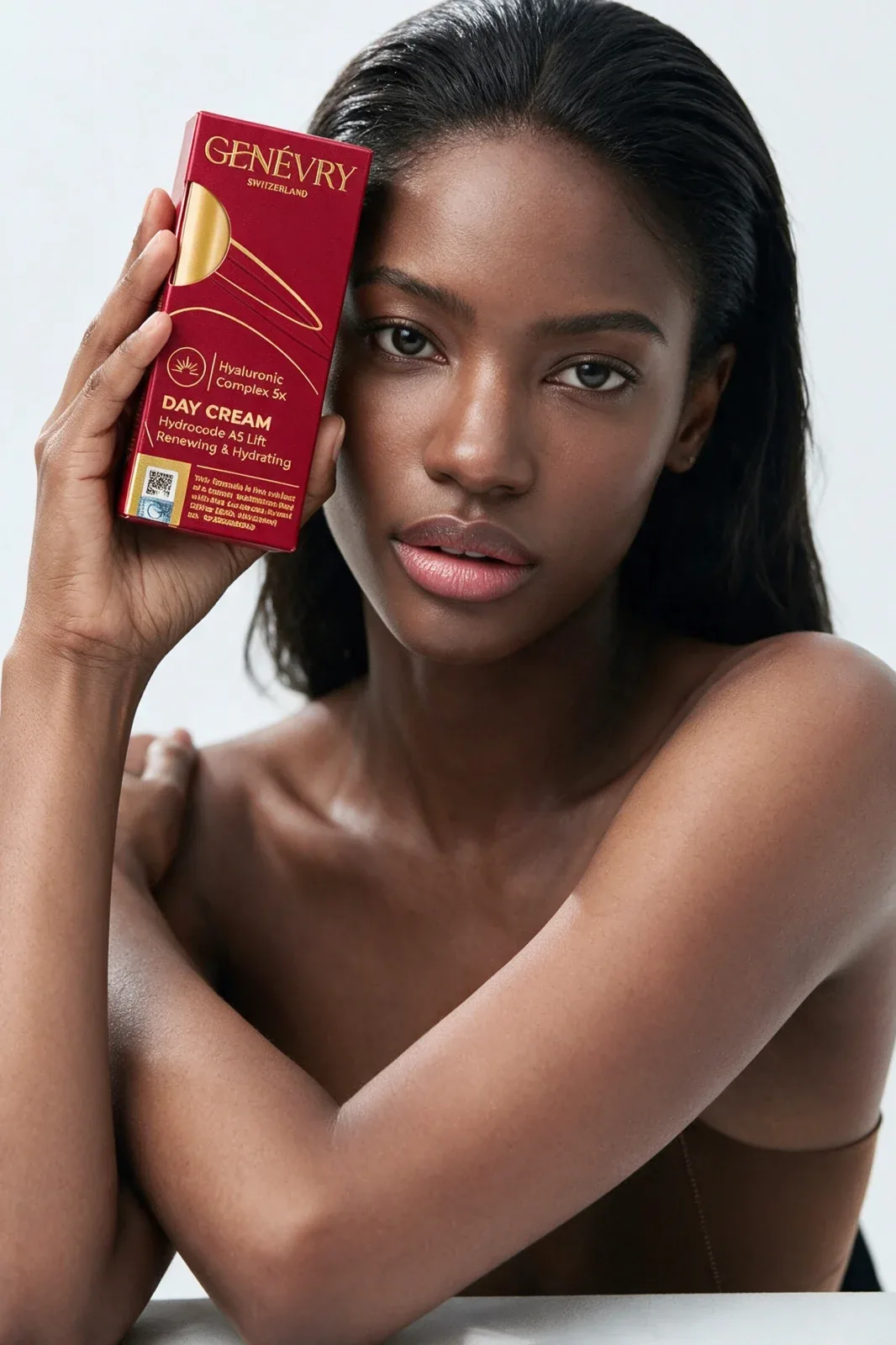
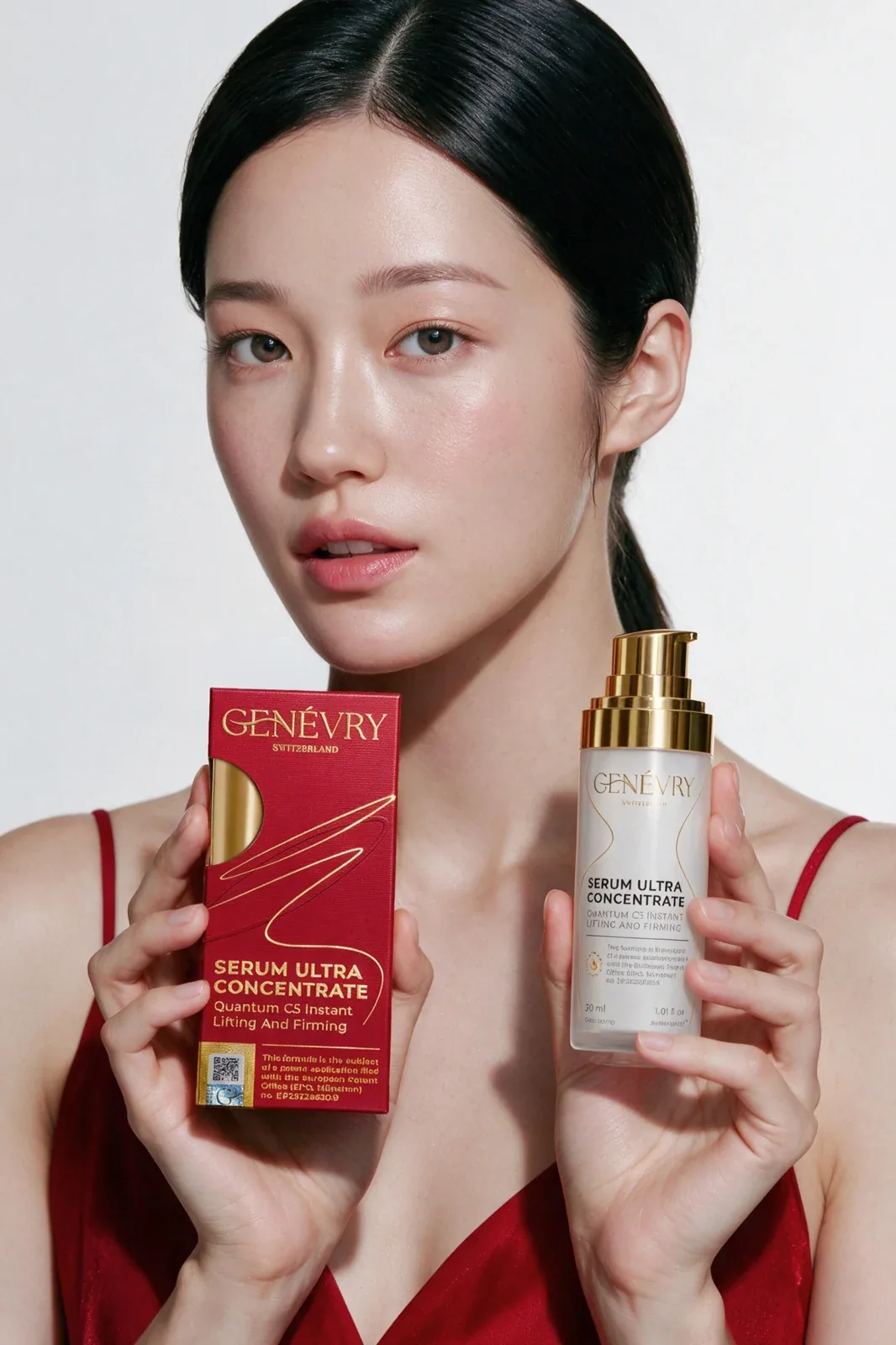
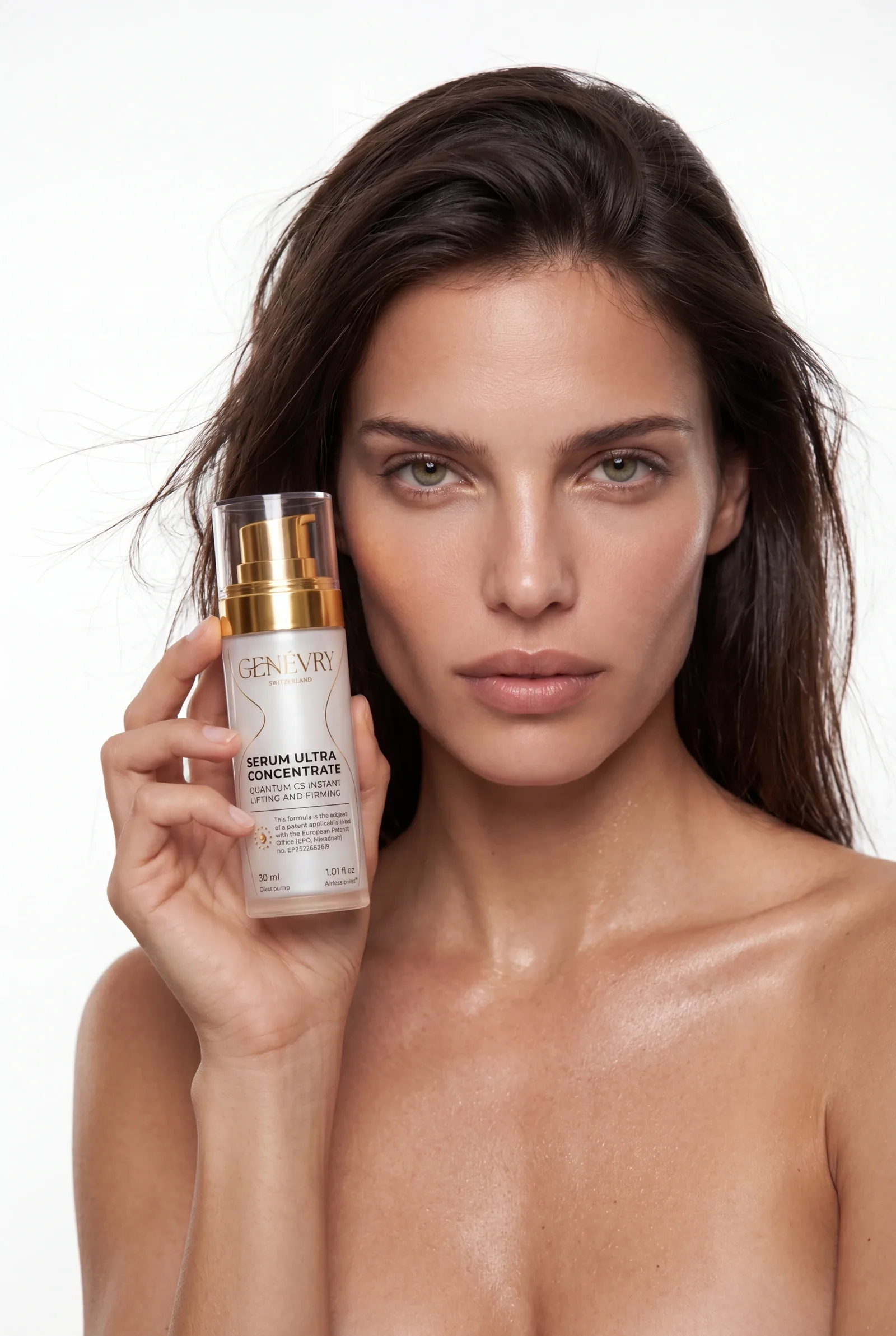
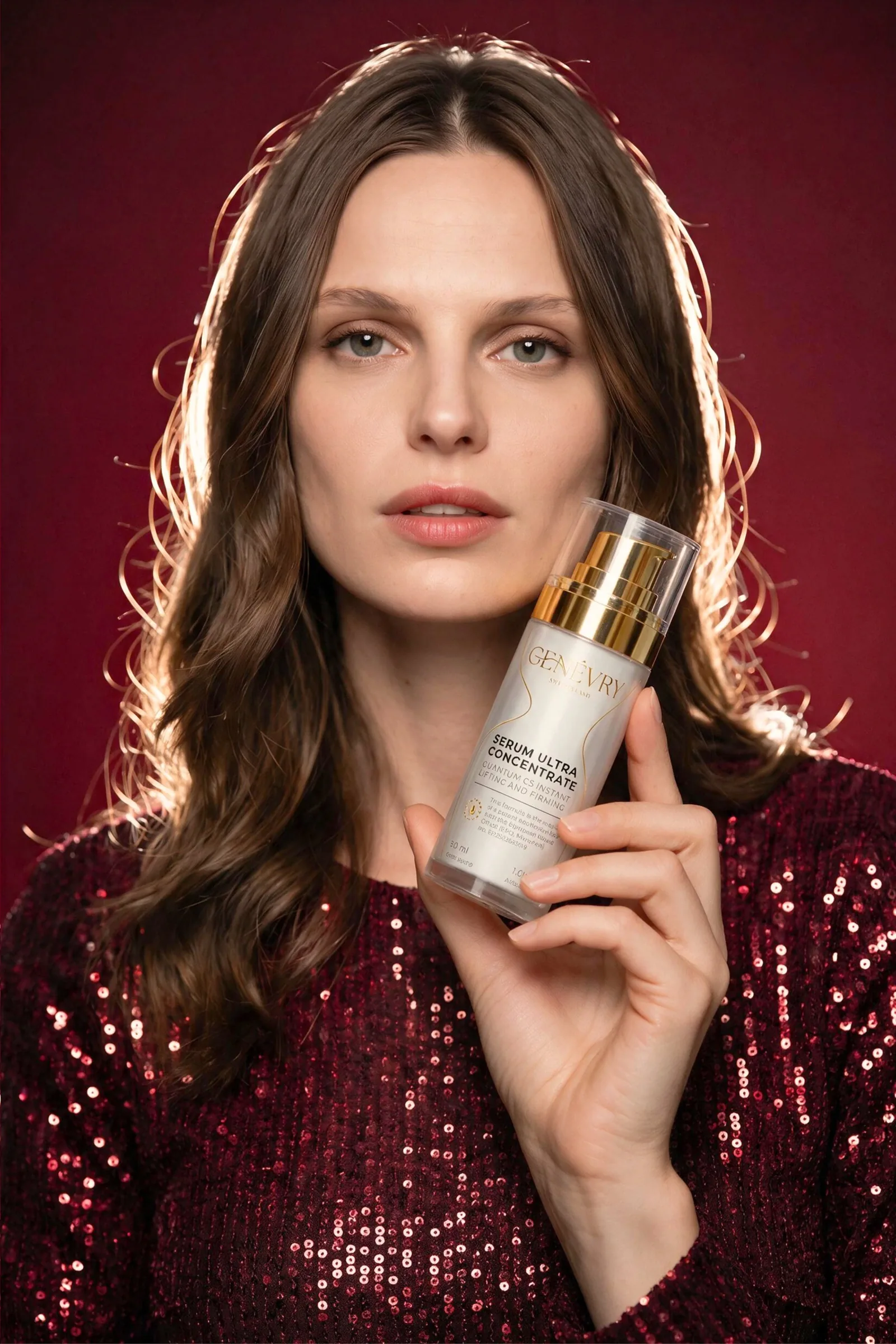
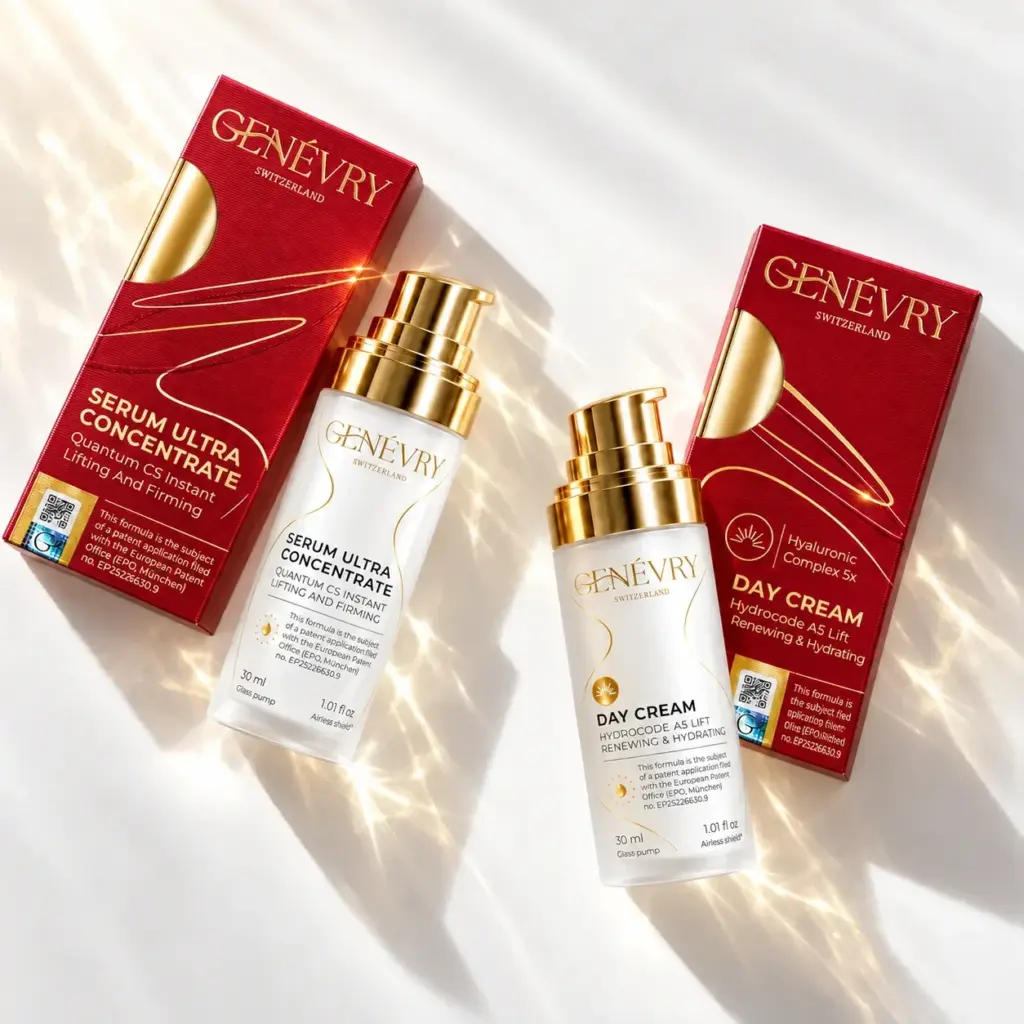
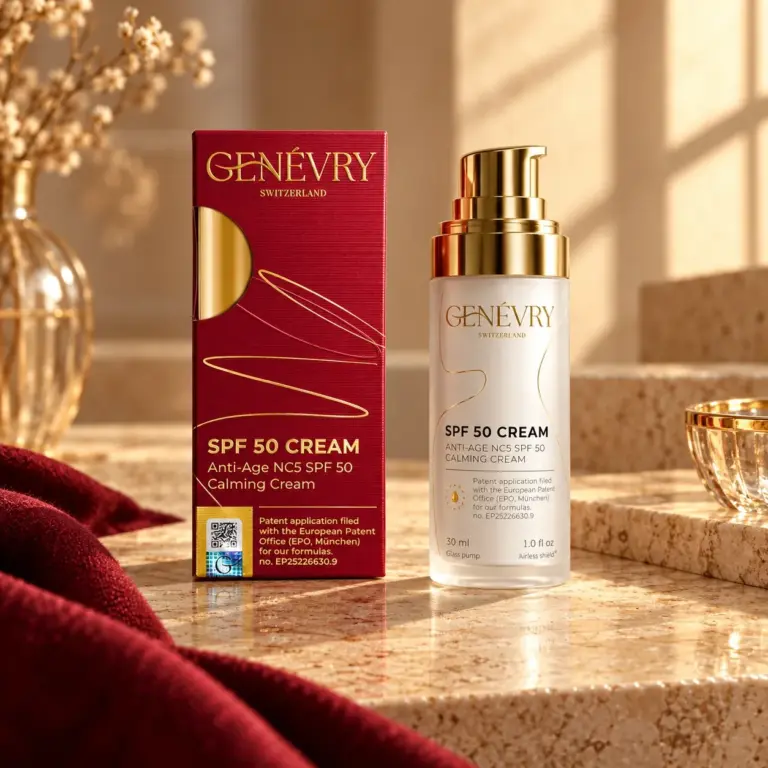
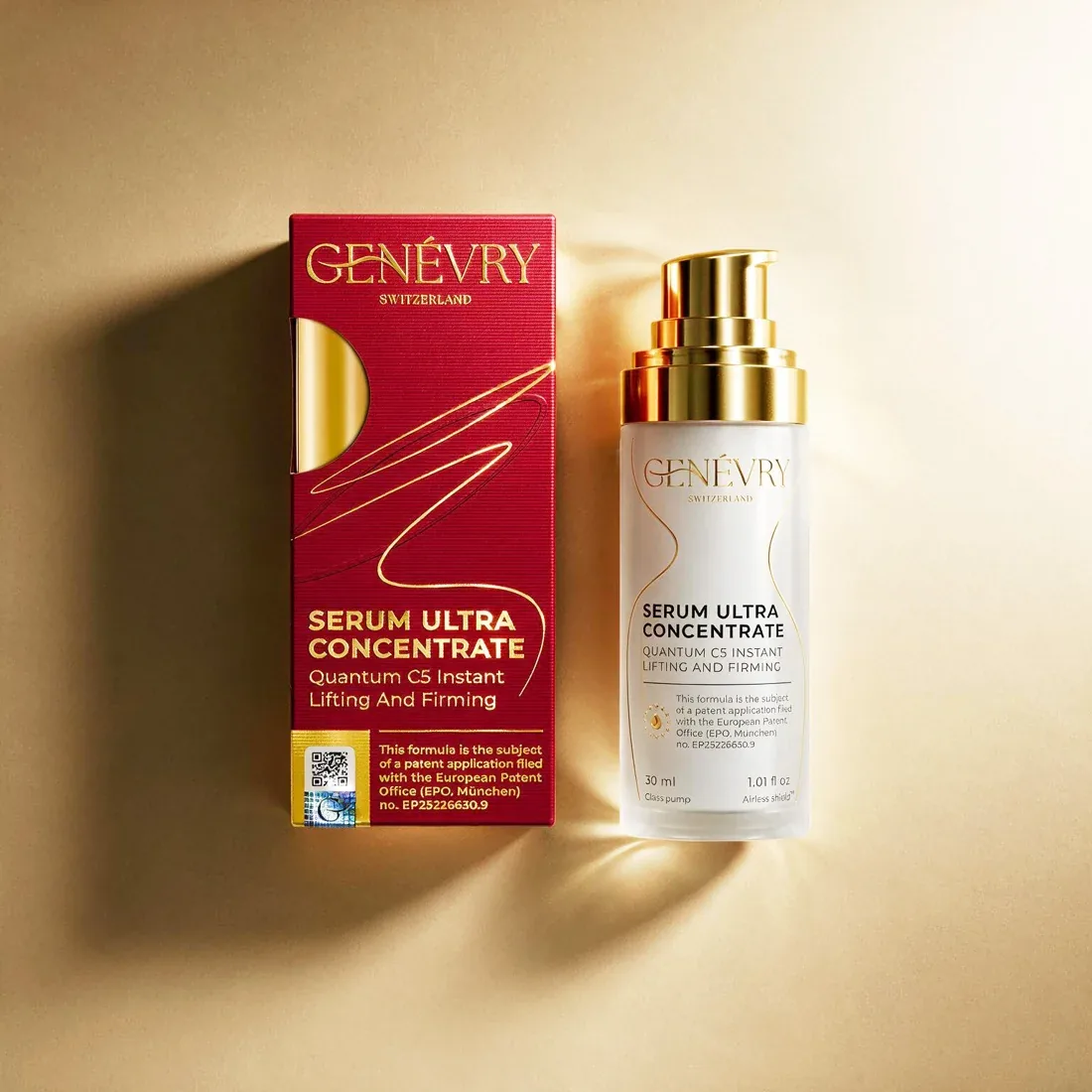
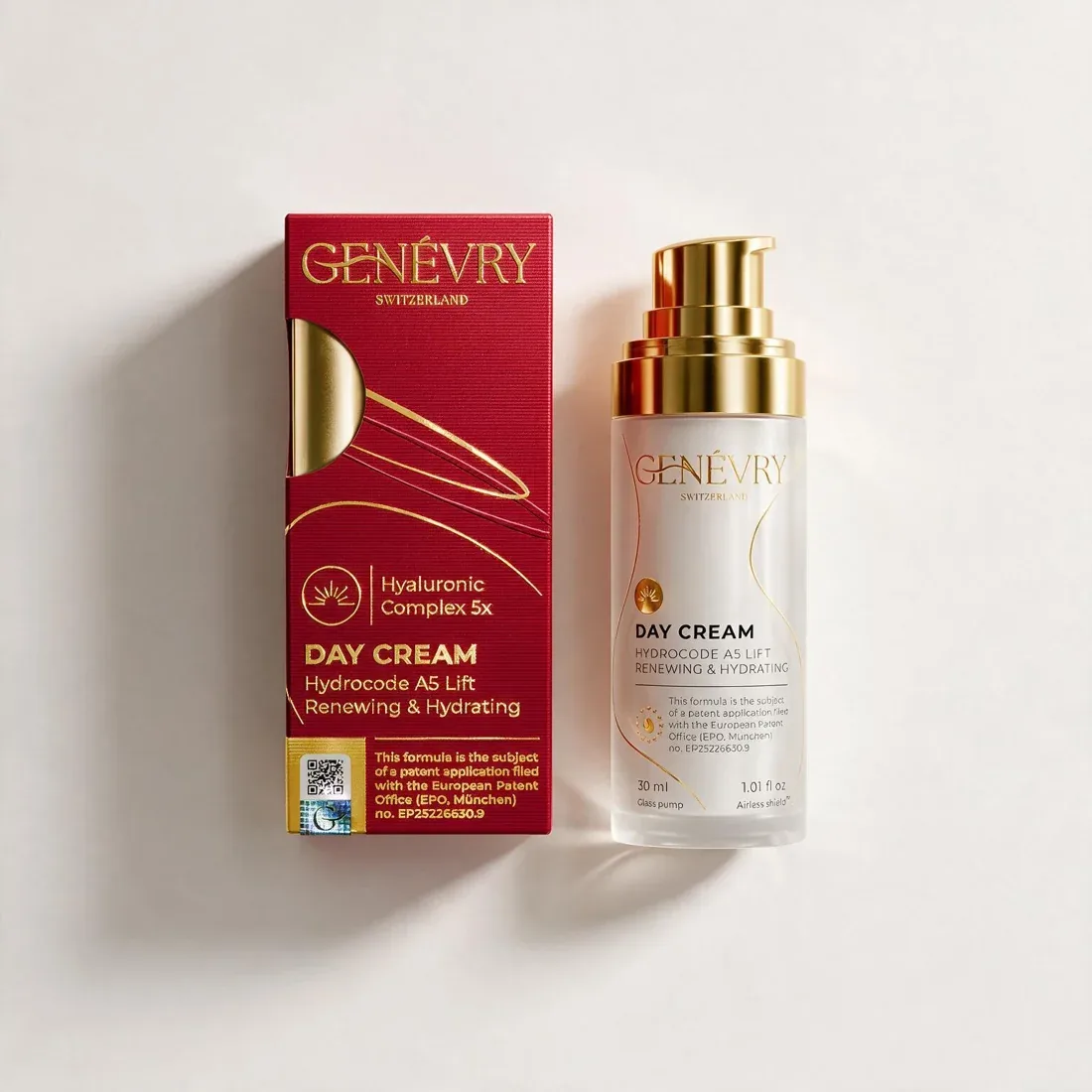
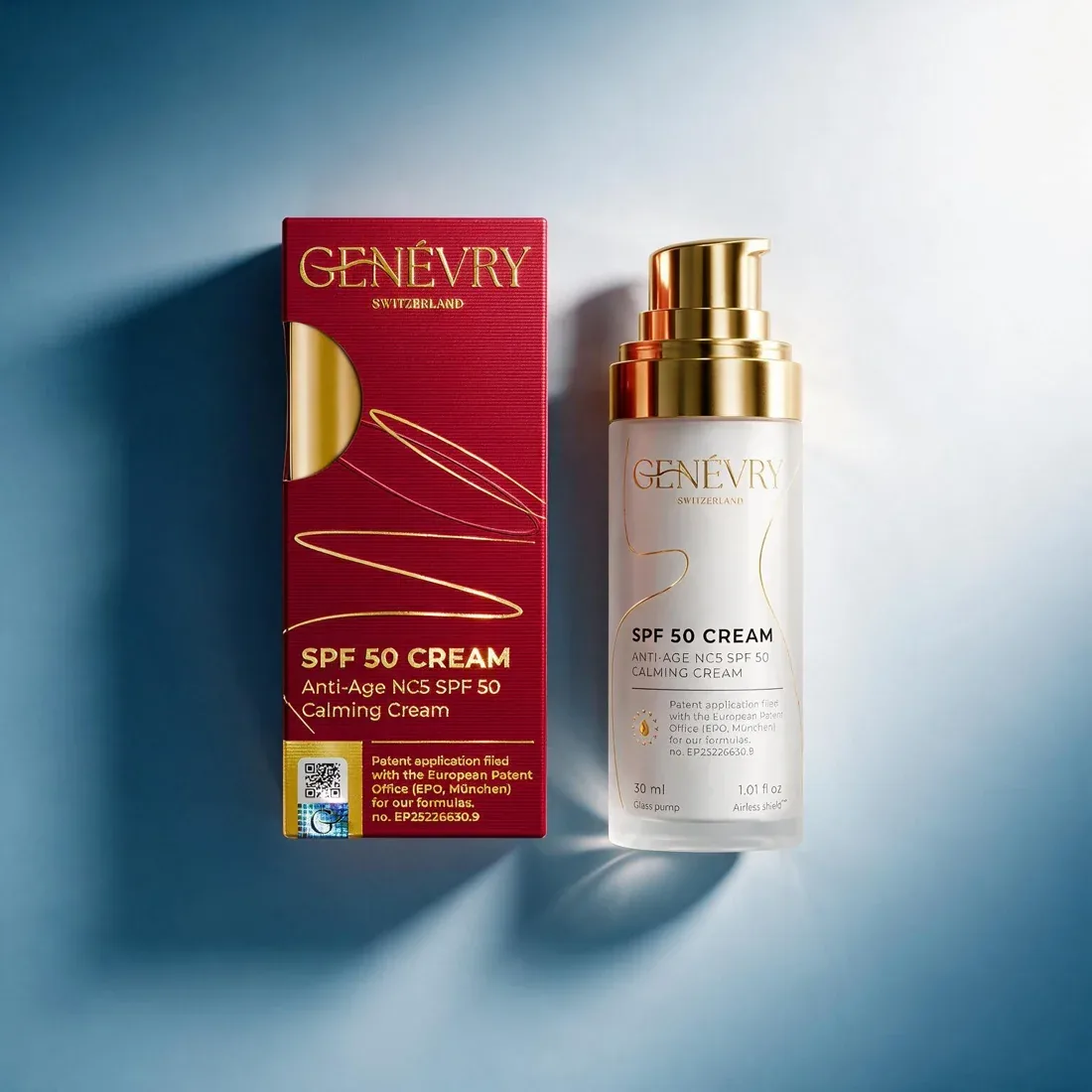
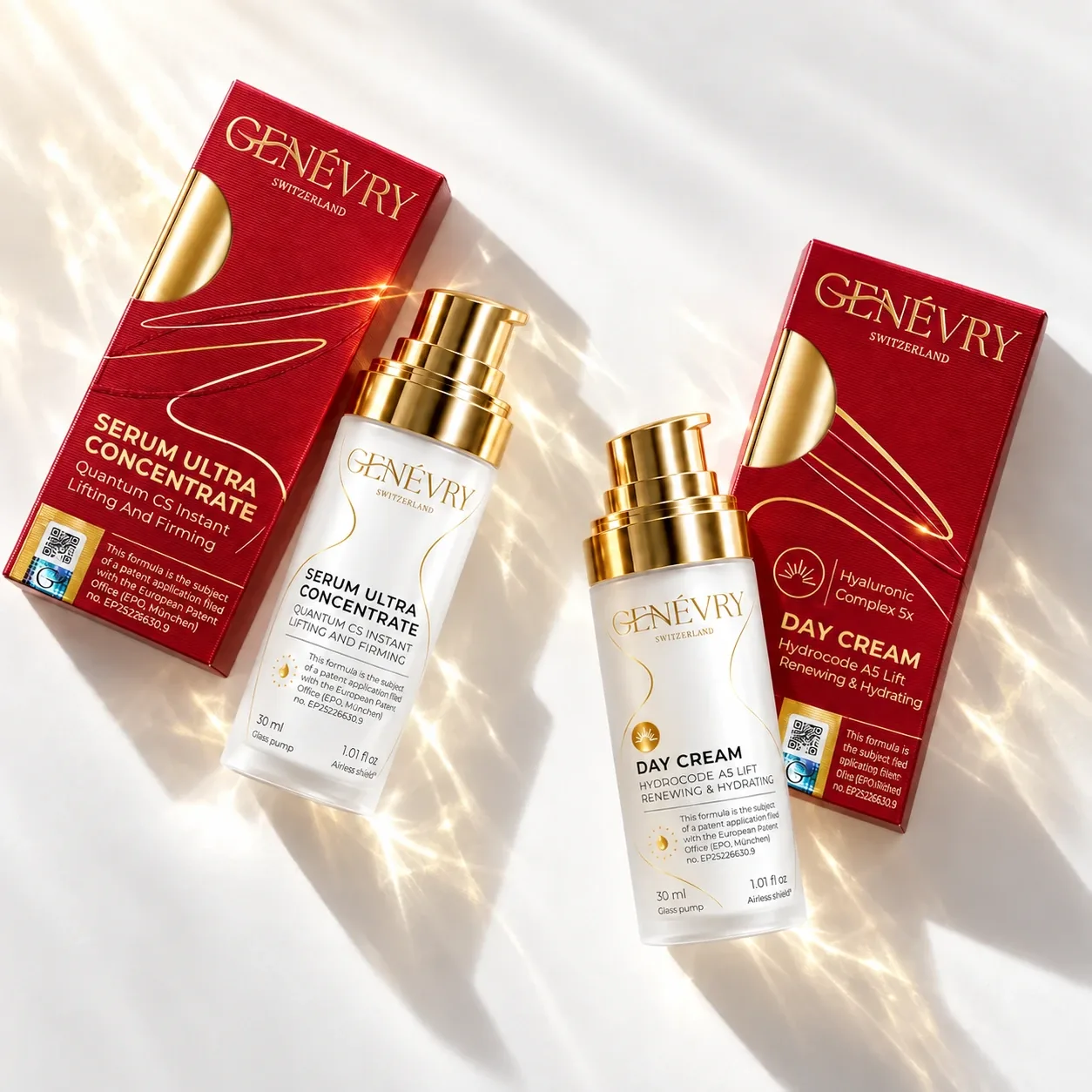
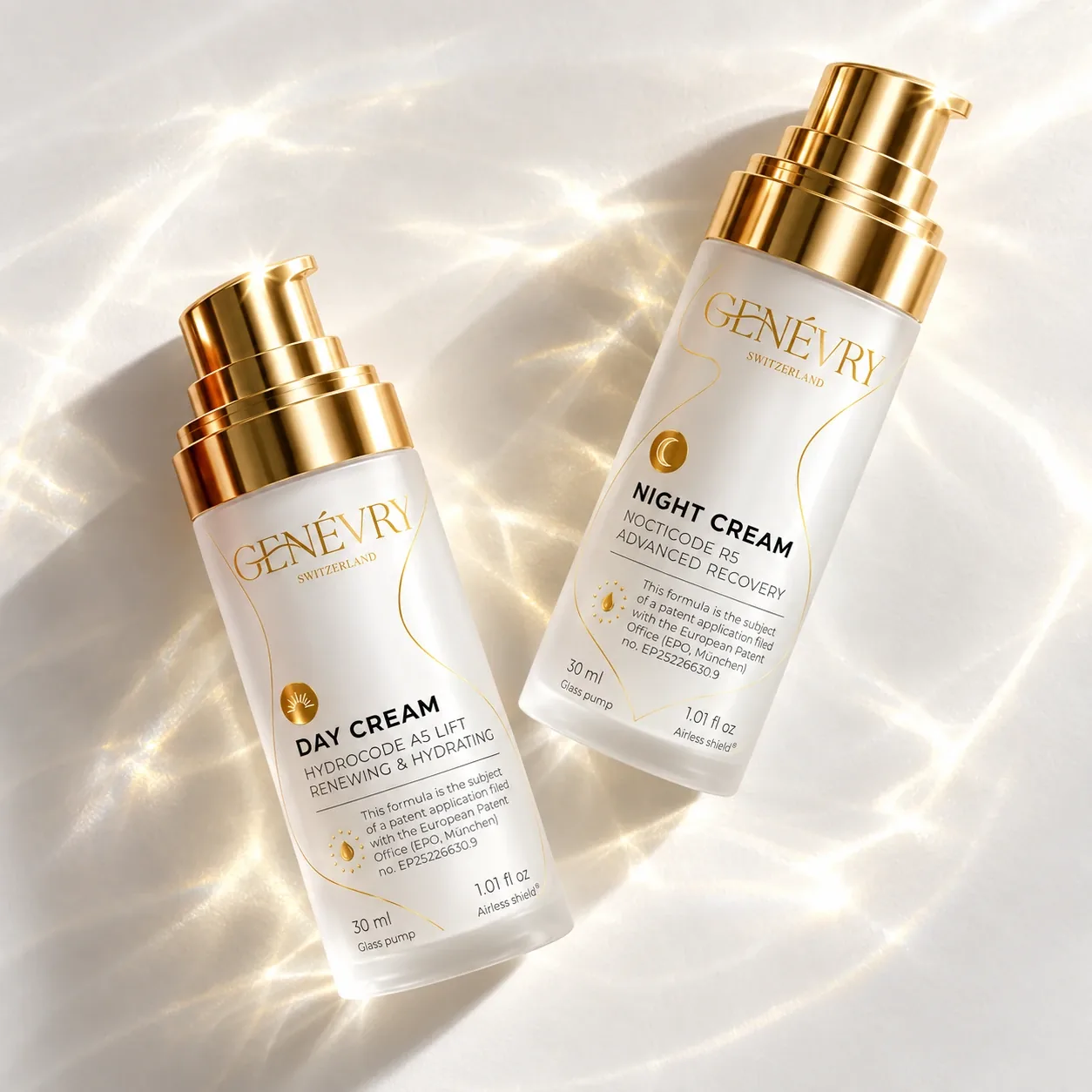
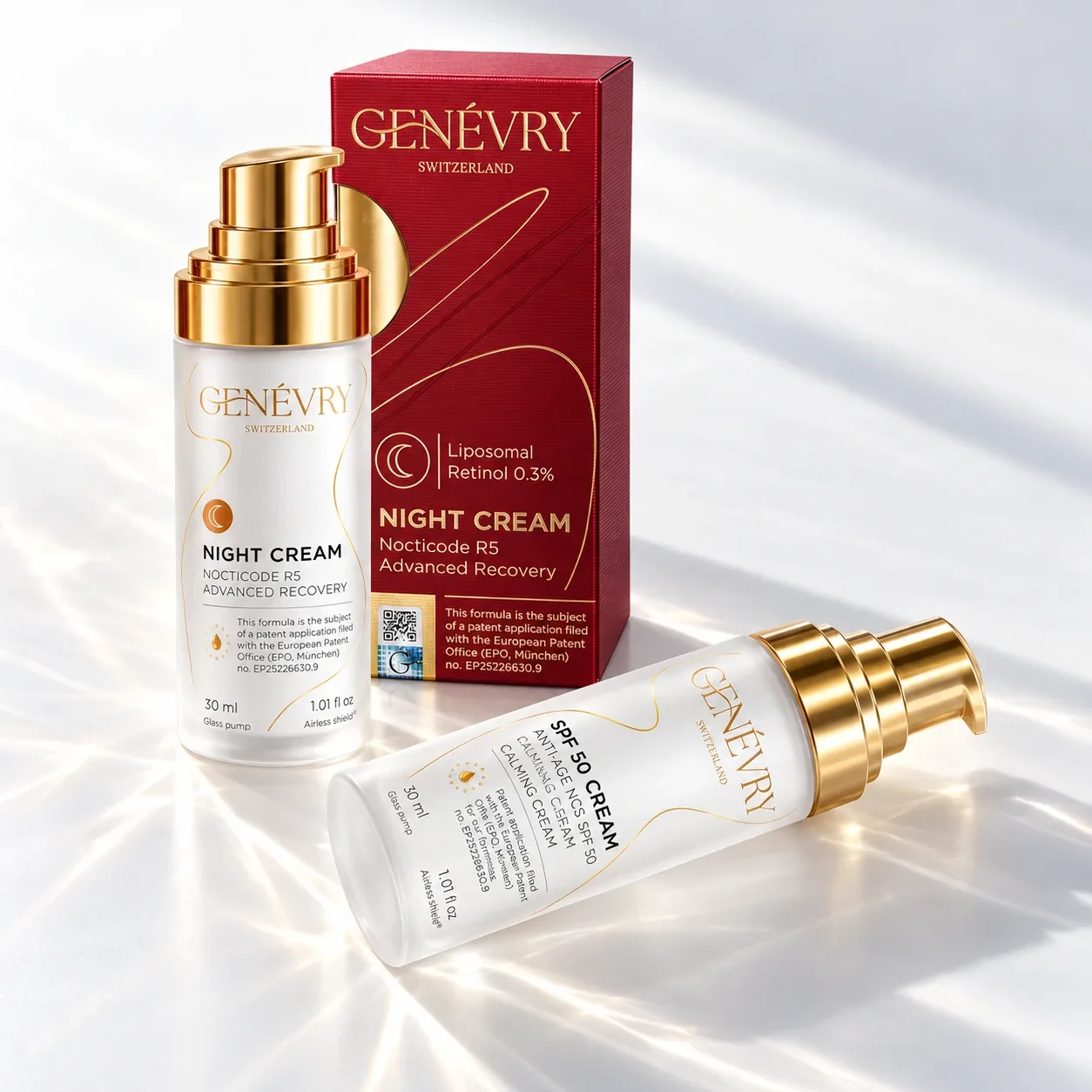
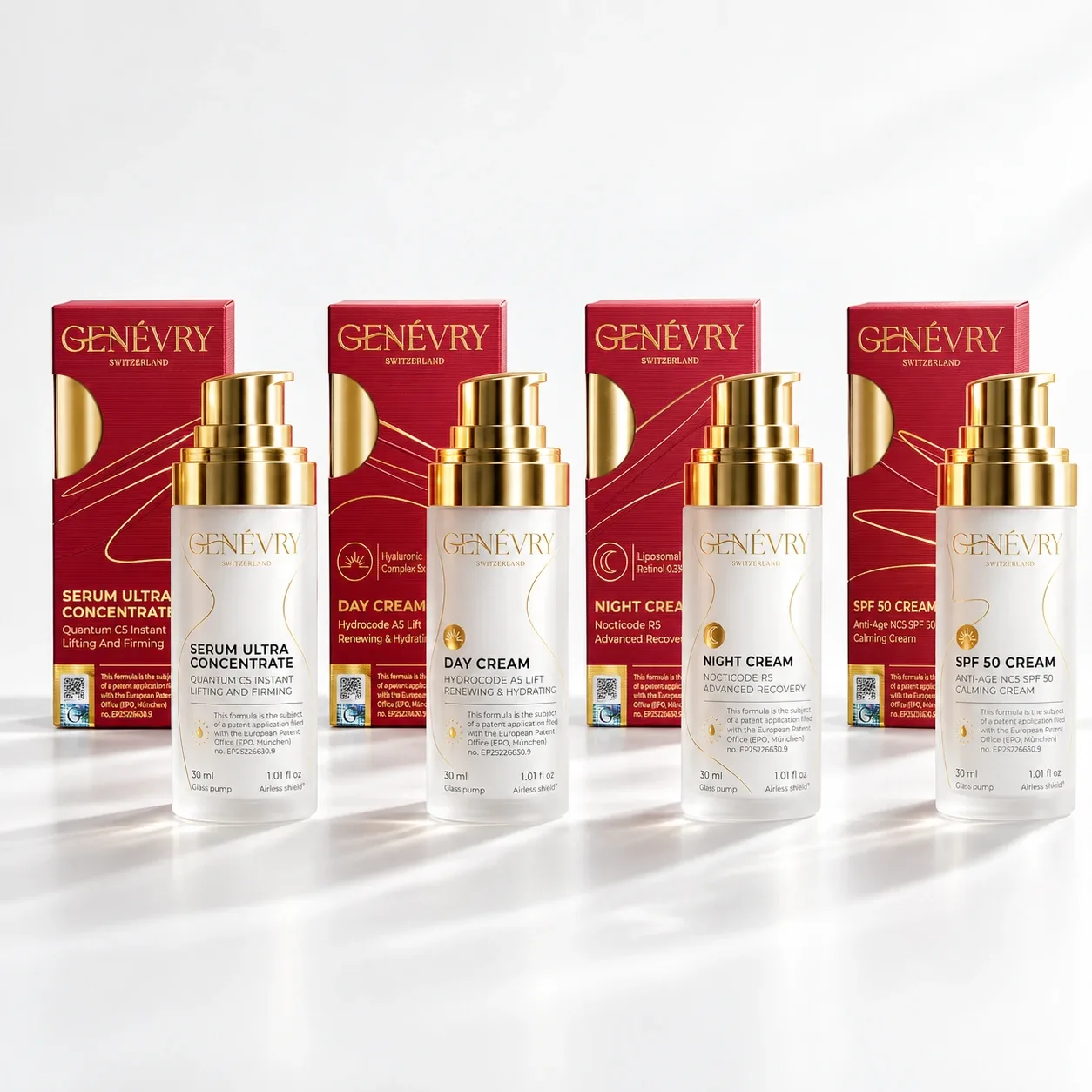
Morning: cleanse, antioxidant serum, moisturiser, sunscreen. In the GENÉVRY collection that first step is Quantum C5, with Copper Tripeptide-1 copper peptide and liposomal vitamin C, followed by the Hydrocode A5 Lift day cream and Anti-Age NC5 with SPF 50.
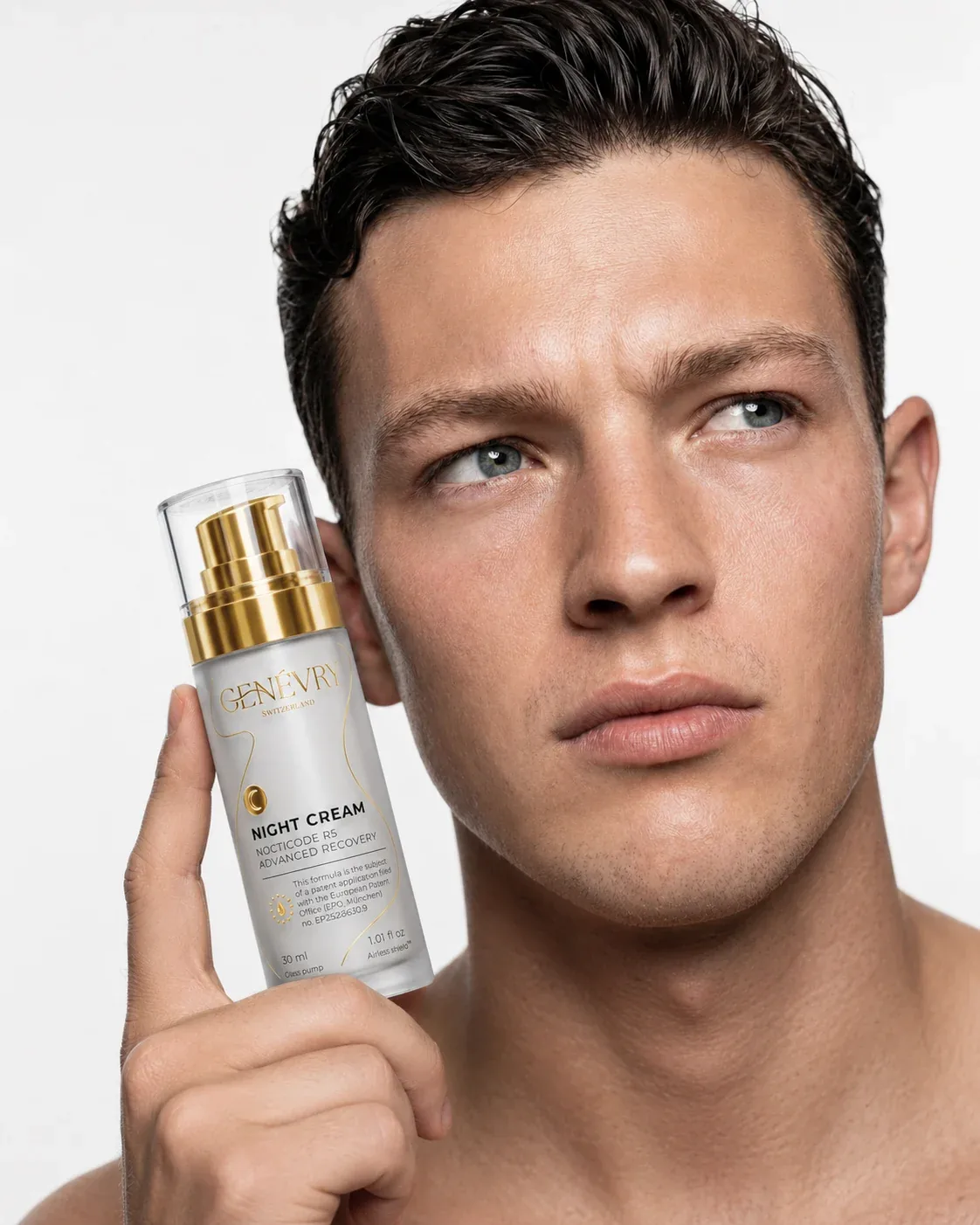
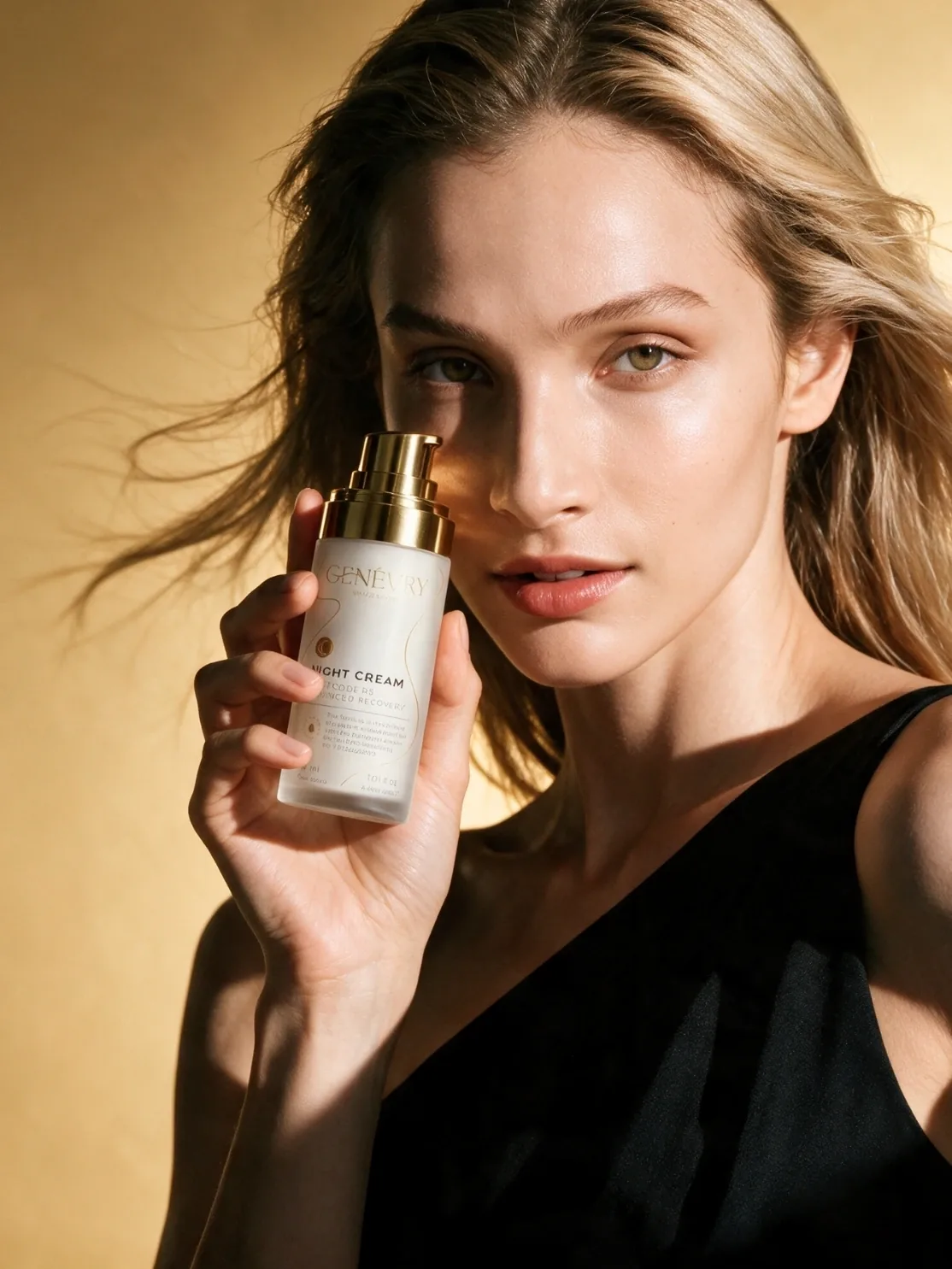
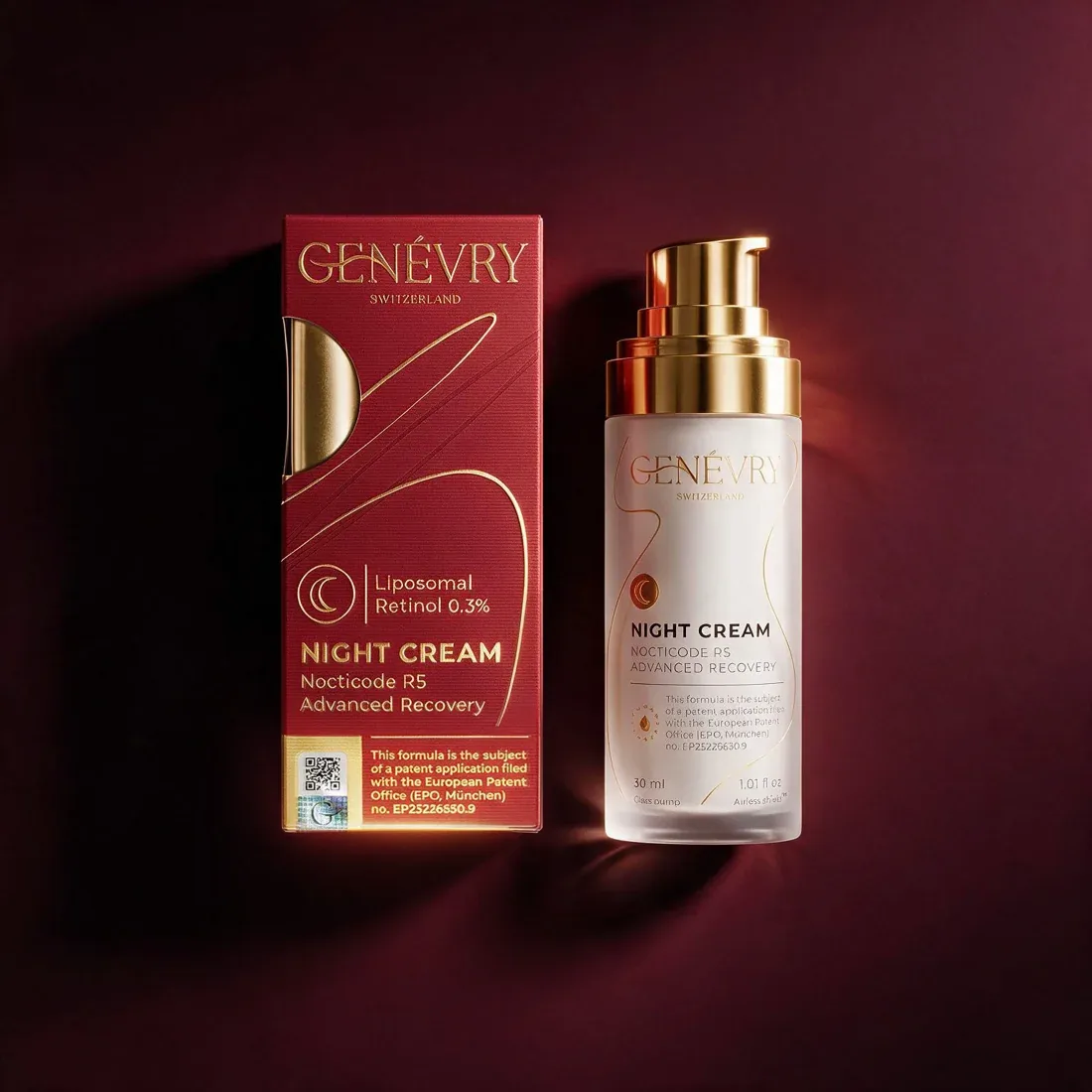
Evening: cleanse, then one strong active rather than three. On retinol nights that is Nocticode R5 with liposomal 0.3% retinol; on acid nights the retinol stays in the drawer and exfoliation plus moisture is the whole routine. In an instrumental study of Nocticode R5 (4 weeks, n=10), mean wrinkle length decreased by 10%, from 2.08 to 1.88 mm, with a reduction recorded in 9 of 10 participants. If you prefer day and night written as one set, that is The Day & Night Duo.
Introduce new actives one at a time and give each two weeks before adding the next. That way you know what worked and what stung.
Frequently asked questions
Can I use retinol and an acid on the same night if my skin tolerates both?
You can, but it rarely pays off. The convenience of one evening usually costs several days of recovery afterwards. Alternating gives you the same ingredients without the interruptions.
What should I do if my skin is already irritated?
Stop all actives for a few days and keep to gentle cleansing, a simple moisturiser and sunscreen in the morning. Reintroduce one product at a time, every other evening. If redness, stinging or flaking persist, see a dermatologist.
Does the order of application matter?
Yes. Lightest textures first, richer ones after, sunscreen always last in the morning. When two actives are involved, apply the one that matters most to you first.
Do the rules change during pregnancy?
Yes. Retinoids are set aside during pregnancy and breastfeeding, and the rest of the routine is worth discussing with your doctor.
Can I combine products from one brand without checking?
Usually, because a single line is designed as one routine. Even so, read the label: if the maker writes “use in the evening, not with exfoliation”, there is a reason behind it.
The principle that survives this list is simpler than the list itself: one strong active at a time, everything else gentle, sunscreen every day. Skin responds less to the number of molecules in a routine than to consistency, and to whether it was given time to get used to them.
The formulas in this article
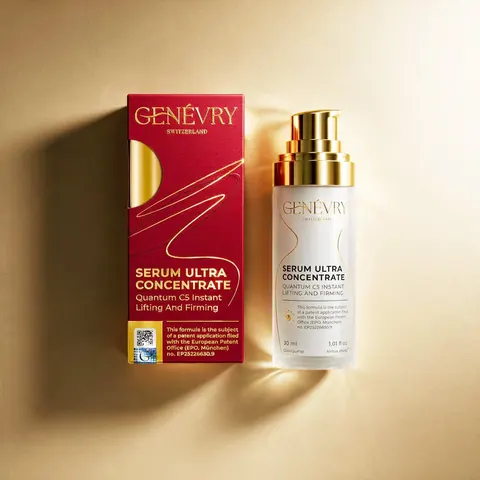 Quantum C5Ultra-concentrate serumC$49.90Discover the formula →
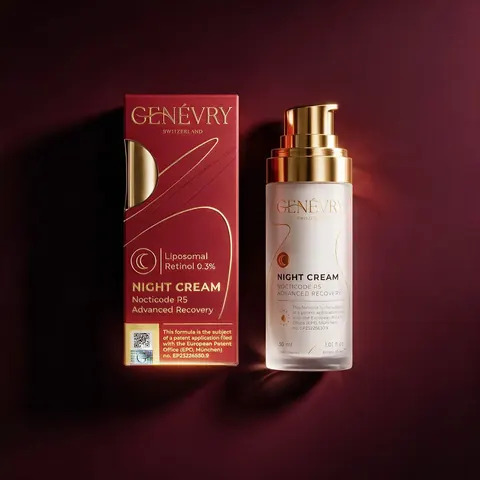 Nocticode R5Advanced night creamC$54.90Discover the formula →
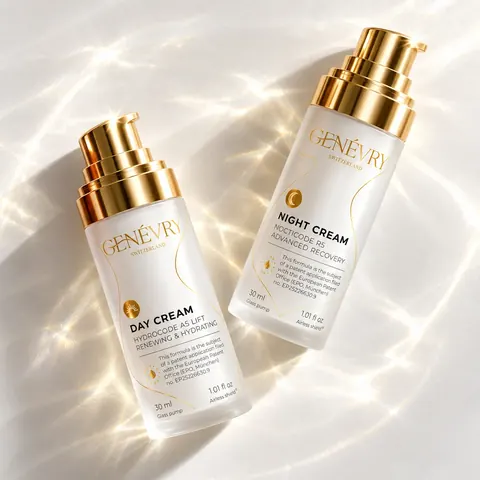 The Day & Night DuoDay cream + night cream · 2 × 30 mlC$99.90Discover the formula →
Cosmetic product. Individual results may vary.

 English / EUR
 English (US) / USD
 English (UK) / GBP
 Deutsch / EUR
 Deutsch (Schweiz) / CHF
 Français / EUR
 Italiano / EUR
 Español / EUR
 Nederlands / EUR
 Polski / PLN
 日本語 / JPY
 한국어 / KRW
 中文 / CNY
 العربية / AED
 English (Australia) / AUD
 English (Canada) / CAD
 Svenska / SEK
 Dansk / DKK
 Norsk / NOK
 Suomi / EUR
 Português / EUR
 Türkçe / TRY
 Čeština / CZK
 Magyar / HUF
 Română / RON
 Ελληνικά / EUR
 Slovenčina / EUR
 Hrvatski / EUR
 Slovenščina / EUR
 Lietuvių / EUR
 Latviešu / EUR
 Eesti / EUR
 Български / EUR
 Українська / EUR