Best Antioxidants for Skin: Six Ingredients Ranked by Evidence
Vitamin C has the most human trials, coenzyme Q10 the fewest. Six ingredients in order, with the numbers from the studies and a pairing table.
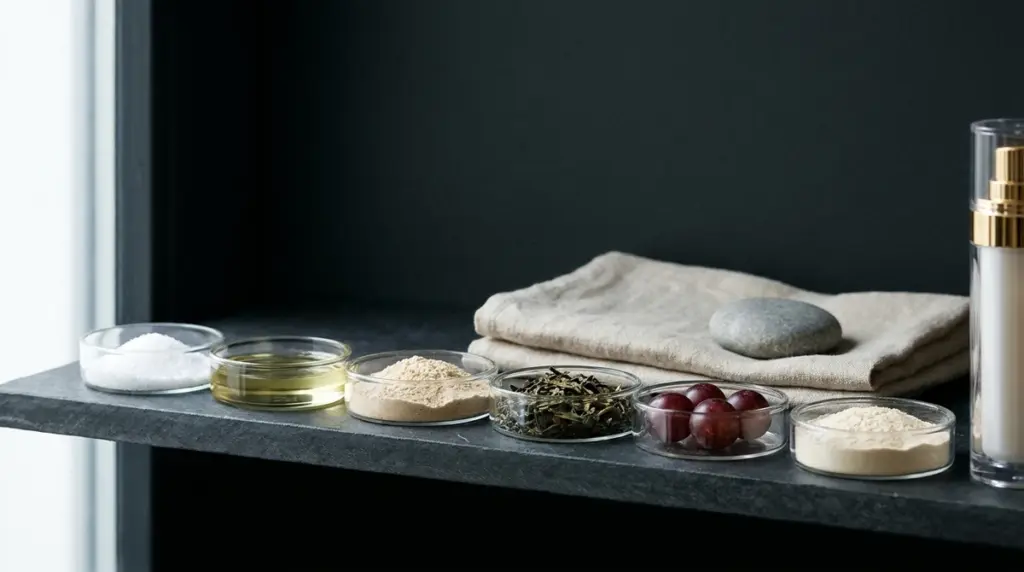
The best antioxidants for skin are not the ones with the loudest marketing. Ranked by human evidence, vitamin C in its pure L-ascorbic acid form sits clearly at the top: it has the most clinical studies, the best-defined working conditions (concentration, pH, timing) and the clearest picture of what happens to skin after a few weeks of use. The rest of the field is more interesting than the labels suggest.
Below is a ranking of six ingredients ordered by strength of evidence rather than popularity. For each one you get what was actually measured, at what concentration, and what the studies failed to show. At the end there is a pairing table and a morning-and-evening plan you can copy.
- 1. Vitamin C (INCI: Ascorbic Acid). Works at 5–20% and needs a pH below 3.5. Above 20%, absorption stops increasing.
- 2. Vitamin E (Tocopherol). The main fat-soluble antioxidant of the stratum corneum; cosmetic formulas usually use 0.5–1%.
- 3. Green tea polyphenols (Camellia Sinensis Leaf Extract, EGCG). In a 12-week trial, UV-induced redness dropped by 25%.
- 4. Ferulic acid (Ferulic Acid). Thin on solo trials, but it stabilises the vitamin C and E pair and doubles its photoprotection.
- 5. Resveratrol (Resveratrol). The best data come from a blend of 1% resveratrol, 0.5% baicalin and 1% vitamin E over 12 weeks.
- 6. Coenzyme Q10 (Ubiquinone). Topical application does raise Q10 levels in the epidermis, but head-to-head it protected far less than vitamin C and E with ferulic acid.
- One rule above the ranking: a morning antioxidant only makes sense alongside sunscreen. It never replaces SPF.
How this antioxidant ranking was built
Four criteria, stated openly. Strength of evidence means studies in people with a control arm and instrumental measurement, not cell-culture work where almost every polyphenol looks spectacular. Reproducibility asks whether more than one research group found the same thing. Formula stability decides whether the ingredient is still there three months after you opened the bottle. Tolerance tells you how many people can use it daily without stinging or redness.
| Criterion | What it means | How it was checked |
|---|---|---|
| Strength of evidence | Human studies with controls and instrumental endpoints | Count of clinical papers in PubMed plus a read of the landmark publications |
| Reproducibility | Independent teams reaching the same result | Comparison of trials from different centres |
| Stability | Resistance to light, oxygen and time | Formulation literature, pH and packaging requirements |
| Tolerance | Risk of stinging, redness, sensitisation | Adverse events reported in the clinical trials |
How much clinical research backs each ingredient
The number of clinical papers in PubMed is the simplest measure of how long and how seriously researchers have looked at an ingredient in the context of skin. Vitamin C and vitamin E are in a different league from resveratrol or coenzyme Q10, and that gap is a gap in knowledge rather than proof of superiority.
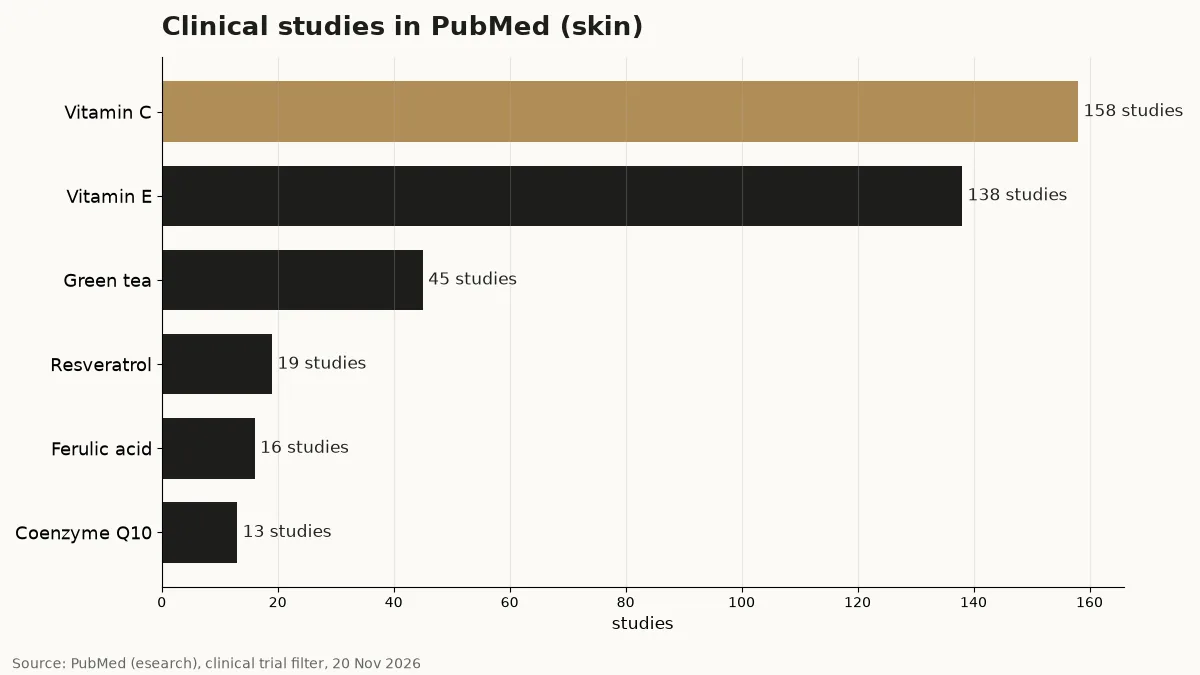
Read the chart carefully. A long bar means we know more, including more about what the ingredient does not do. A short bar does not mean the molecule is weak; it means the promises arrived before the data. Resveratrol is exactly that case today.
The ranking: six antioxidants, best documented first
1. Vitamin C (L-ascorbic acid)
Vitamin C is the best documented antioxidant in skincare and the only one of these six with precisely defined delivery conditions. Percutaneous absorption work showed that L-ascorbic acid must be formulated below pH 3.5 to enter skin at all, and that the maximum useful concentration is 20%. Tissue levels saturated after three daily applications, with a tissue half-life of roughly four days (Pinnell et al., Dermatologic Surgery 2001).
The same paper carries a finding that still saves people money: the derivatives tested in that model — magnesium ascorbyl phosphate, ascorbyl-6-palmitate and dehydroascorbic acid — did not raise skin levels of ascorbic acid. Later work using different vehicles has judged some derivatives more kindly, so this is not a verdict on every derivative ever made. It does mean pure L-ascorbic acid has the strongest delivery evidence.
On outcomes: in a six-month double-blind trial, a 5% vitamin C cream applied to photoaged skin improved clinical scoring and skin topography compared with its vehicle (Humbert et al., Experimental Dermatology 2003). A later study from the same group, using 5% vitamin C with 0.1% madecassoside, reported improvement in deep and superficial wrinkle scores, suppleness, firmness, roughness and hydration after six months, with two thirds of participants improving (Haftek et al., Experimental Dermatology 2008).
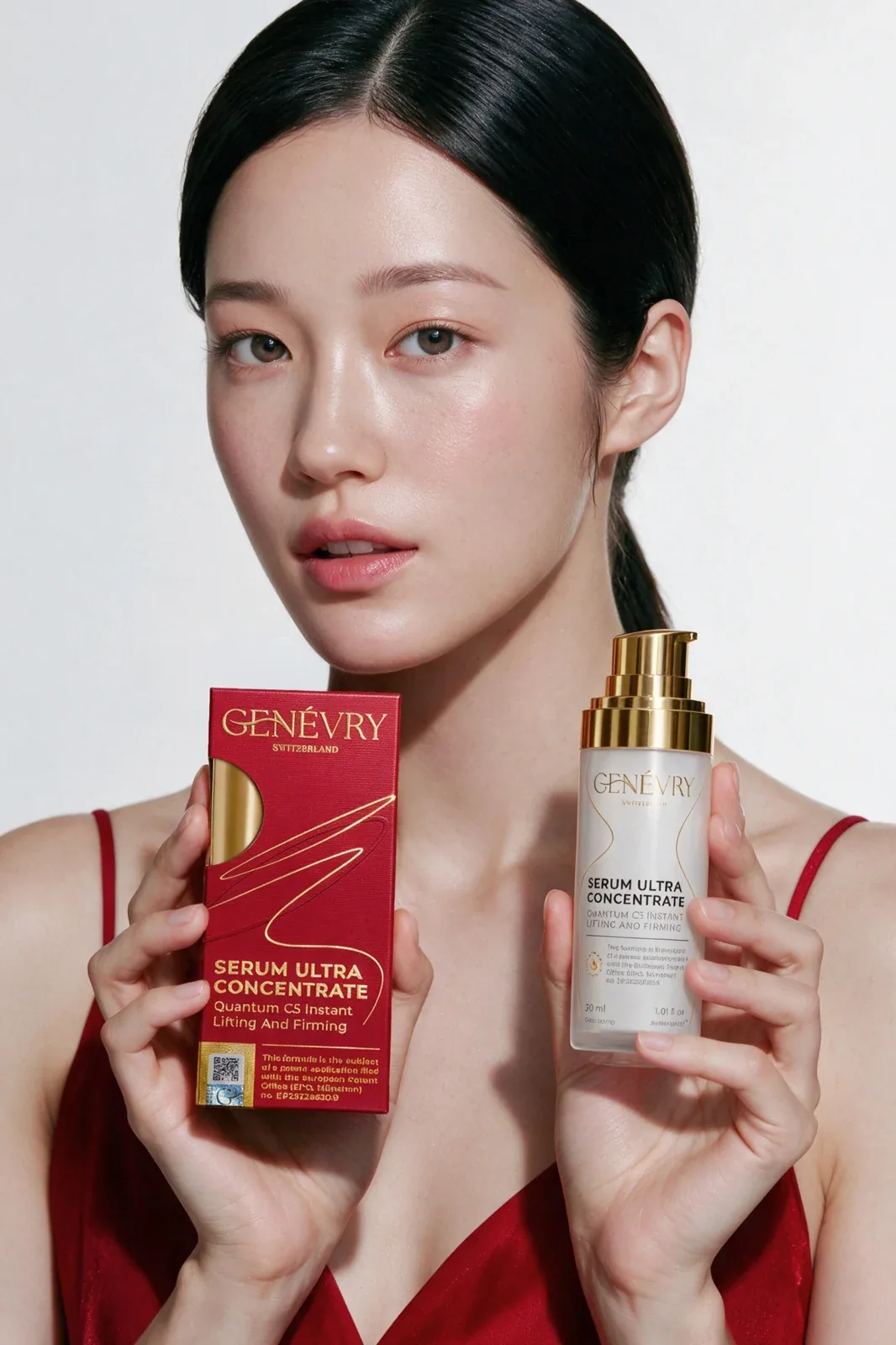
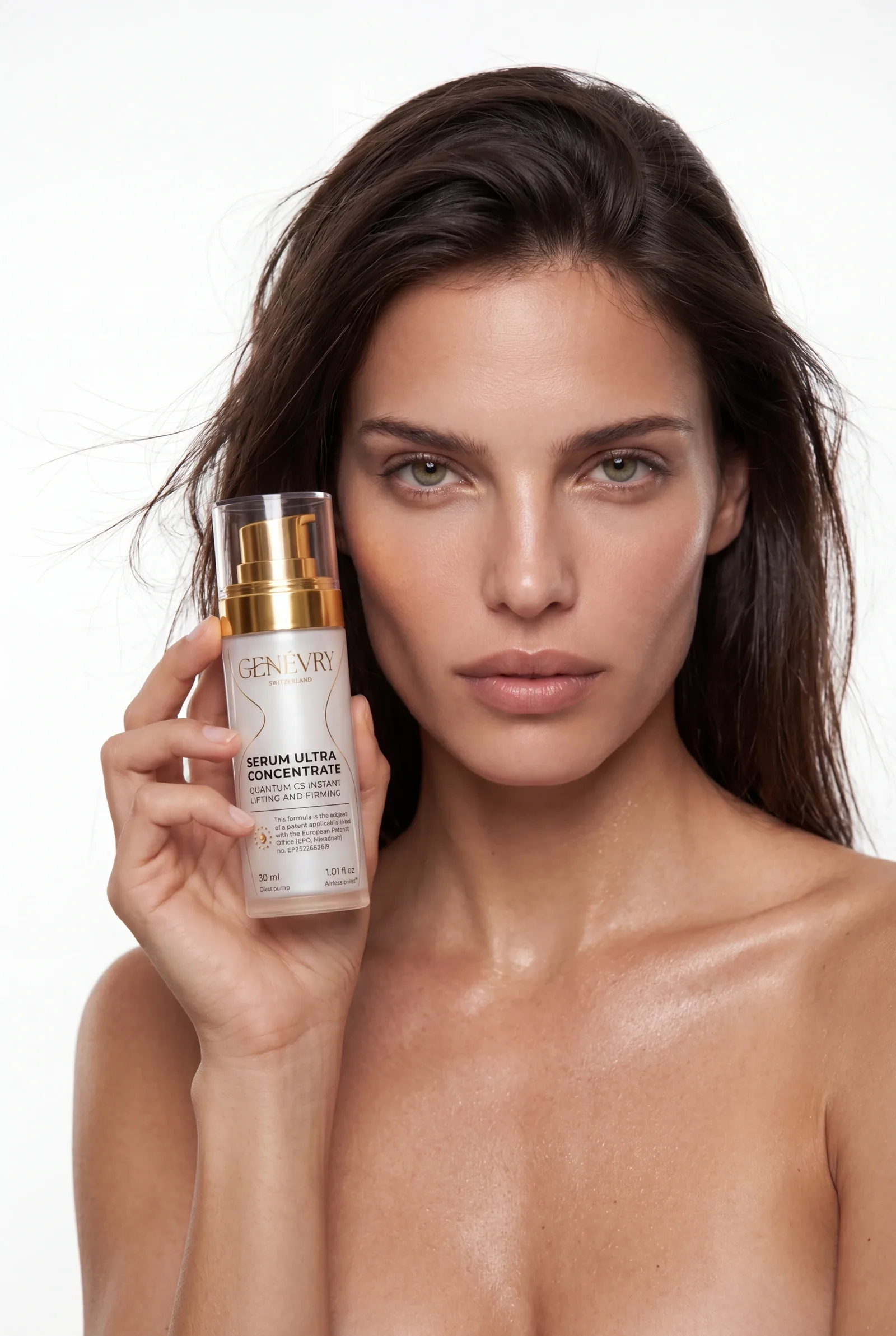
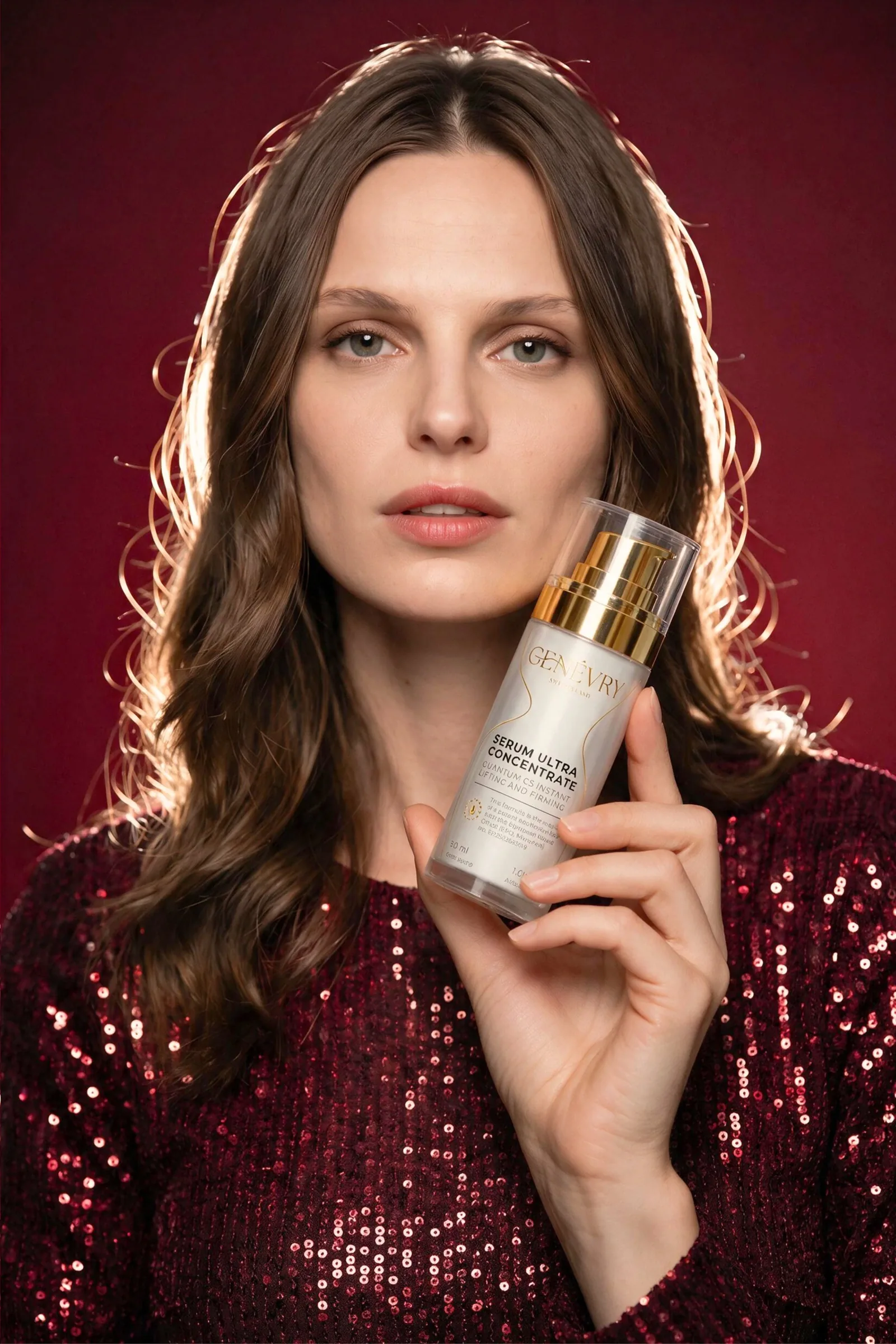
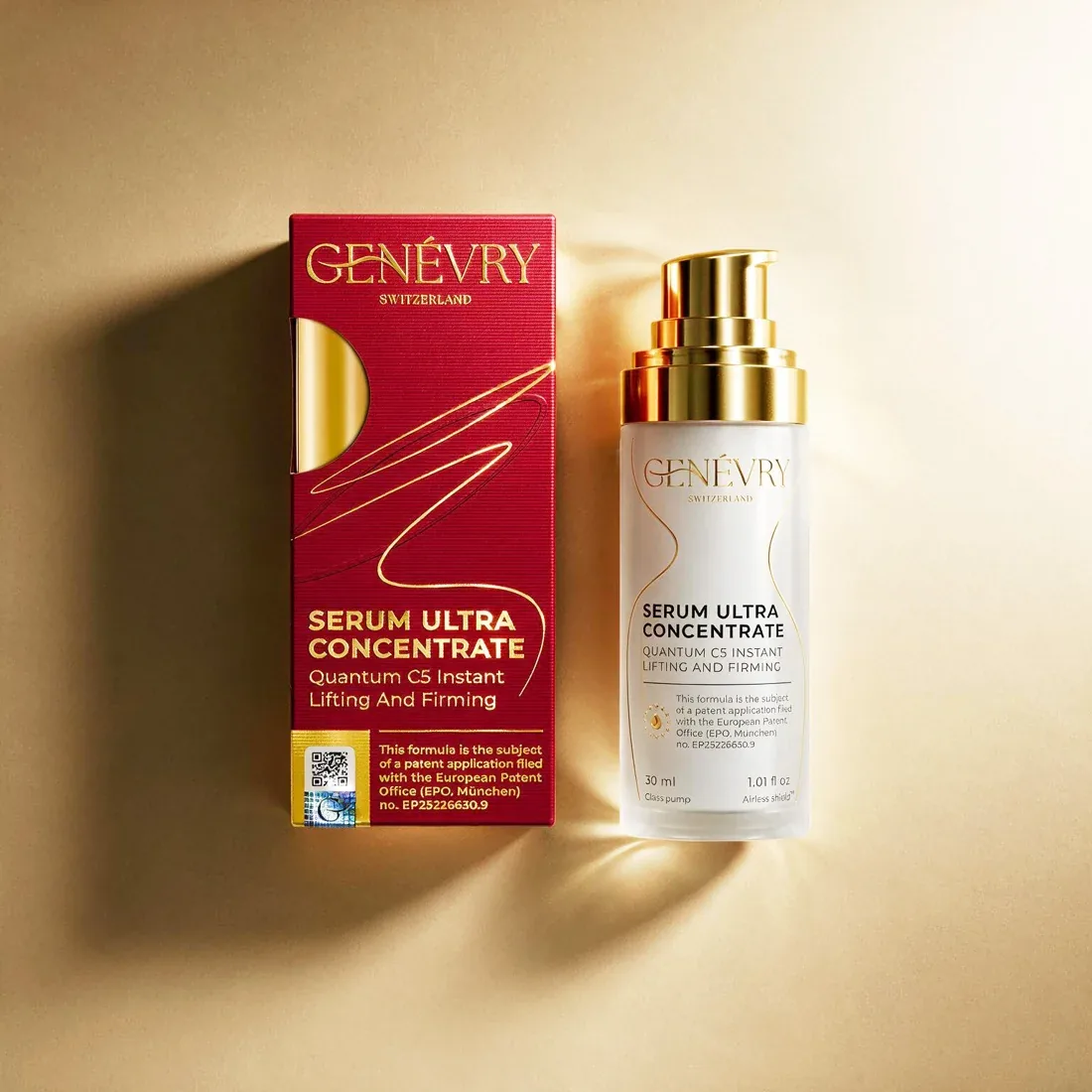
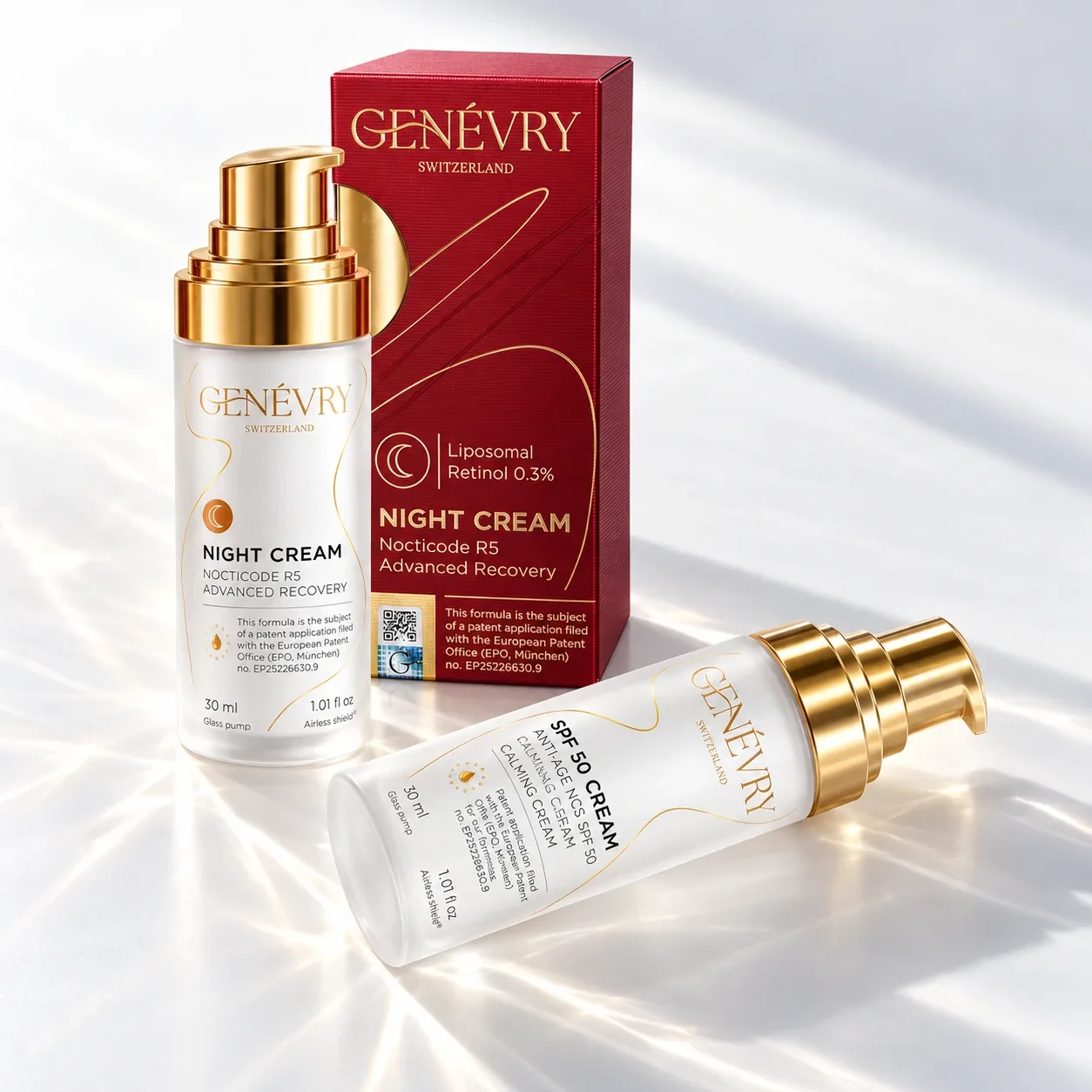
In practice: vitamin C belongs to the morning, on cleansed skin, before moisturiser and sunscreen. A liposomal formula solves part of the stability problem by enclosing the molecule in a lipid shell. That is the approach in the GENÉVRY Quantum C5 Serum (30 ml), where liposomal vitamin C sits alongside the copper peptide Copper Tripeptide-1. In the instrumental study of that serum (n=10, four weeks), mean skin hydration rose by 33% on the Corneometer CM 825, and the SEsm smoothing parameter (Visioscan VC 98) improved by 12% on average, with individual results ranging from 5 to 26%.
2. Vitamin E (tocopherol)
Vitamin E is the dominant fat-soluble antioxidant of the stratum corneum. Its distribution across the layers of the horny layer was mapped by sequential tape stripping, which showed a gradient rising from the surface inwards (Thiele and Packer, Methods in Enzymology 1999). Skin places it exactly where lipids are most exposed to oxidation: in the mortar between corneocytes.
The most useful data concern teamwork. In a controlled human study, three months of oral ascorbic acid plus D-alpha-tocopherol significantly reduced the sunburn reaction to UVB and left fewer thymine dimers — a signature form of UV damage to DNA — in the skin (Placzek et al., Journal of Investigative Dermatology 2005). Read it as proof of partnership rather than an argument for self-prescribed supplements: vitamin C regenerates oxidised vitamin E, and vitamin E guards the lipids vitamin C cannot reach.
In cosmetics, tocopherol usually appears at 0.5–1% and does two jobs at once: it cares for skin and keeps the oils in the formula from going rancid. When you spot it at the very end of an ingredient list, the second job is usually the reason it is there.
3. Green tea polyphenols (EGCG)
Green tea polyphenols are the strongest botanical in this line-up. In a randomised, placebo-controlled 12-week study, 60 women drank a beverage delivering 1402 mg of total catechins per day. Erythema induced by a controlled dose of solar-simulated radiation fell significantly: by 16% at six weeks and 25% at twelve. Elasticity, roughness, scaling, density and water homeostasis improved as well, and blood flow and oxygen delivery to the skin increased (Heinrich et al., Journal of Nutrition 2011).
Two caveats keep this honest. It was a drink, not a cream, and topical extract data are thinner. And 25% less redness is not sun protection; it was measured in a lab at a single radiation dose. Your sunscreen stays exactly where it is.
4. Ferulic acid
Ferulic acid earns its place not through solo trials, which are few, but through what it does to a finished formula. In work from Duke University, adding 0.5% ferulic acid to a solution of 15% L-ascorbic acid and 1% alpha-tocopherol improved the chemical stability of both vitamins and doubled the photoprotection of skin under solar-simulated irradiation — from roughly fourfold to eightfold, measured by erythema and sunburn cell formation. The blend also reduced thymine dimer formation (Lin et al., Journal of Investigative Dermatology 2005).
That single study explains why ferulic acid turns up in so many vitamin C serums. Not because it outperforms other polyphenols on its own, but because it lets the whole system survive longer and hit harder. Look for it on the label as Ferulic Acid, next to ascorbic acid and tocopherol.
5. Resveratrol
Resveratrol, the polyphenol associated with grape skins, has solid laboratory data and noticeably fewer clinical results. Its best-described use is a night formula combining 1% resveratrol, 0.5% baicalin and 1% vitamin E. After 12 weeks, the authors reported statistically significant improvement from baseline in fine lines and wrinkles, firmness, elasticity, laxity, hyperpigmentation, radiance and roughness (Farris et al., Journal of Drugs in Dermatology 2014).
The catch: three actives were tested together, without a placebo arm, so nobody can say how much of the result belongs to resveratrol itself. As an evening ingredient in light-protective packaging it is a reasonable choice, but the evidence sits a full class below vitamin C. The resveratrol entry on Wikipedia covers the chemistry in more depth.
6. Coenzyme Q10 (ubiquinone)
Coenzyme Q10 closes the ranking despite having decent delivery evidence. In research from the Beiersdorf laboratories, applying Q10-containing formulas significantly increased Q10 on the skin surface and in deeper layers of the epidermis, with ubiquinol rising in parallel. In stressed skin, free radicals fell and antioxidant capacity rose (Knott et al., BioFactors 2015).
So why last? Because in the one comparison that put it against the field, it lost. A 2006 study found ubiquinone, idebenone and kinetin provided ineffective photoprotection relative to a topical combination of vitamins C and E with ferulic acid (Tournas et al., Journal of Investigative Dermatology 2006). Q10 is a sensible addition to a moisturiser, not the backbone of a routine.
Pairing table: what goes with what, and when
| Ingredient | Typical concentration | Time of day | Pairs well with | Watch out for |
|---|---|---|---|---|
| Vitamin C (L-ascorbic acid) | 5–20%, pH < 3.5 | Morning | Vitamin E, ferulic acid, sunscreen | Stinging at low pH; formula darkening once oxidised |
| Vitamin E (tocopherol) | 0.5–1% | Morning and evening | Vitamin C, facial oils, ceramides | Rich textures can feel heavy on oily skin |
| Green tea polyphenols | Extract, usually 1–5% | Morning | Sunscreen, niacinamide, humectants | Dark extract colour can tint the formula |
| Ferulic acid | 0.5–1% | Morning | Vitamin C + E (the classic trio) | Little effect alone; it counts as part of the system |
| Resveratrol | Around 1% | Evening | Vitamin E, humectants | Light-sensitive; needs opaque packaging |
| Coenzyme Q10 | 0.05–0.3% | Morning or evening | Vitamin E, barrier creams | Orange pigment; no substitute for sunscreen |
Building a routine around antioxidants
The best antioxidants for skin work in a fixed order, not in random layers. In the morning the antioxidant goes on first after cleansing, as the thinnest layer on the skin. Press three or four drops of vitamin C serum onto slightly damp skin, spread with your palms instead of rubbing, and give it a minute to disappear. Moisturiser next, sunscreen last. The order matters: a low-pH serum does not want to be diluted by cream, and sunscreen only works as the final, generous layer.
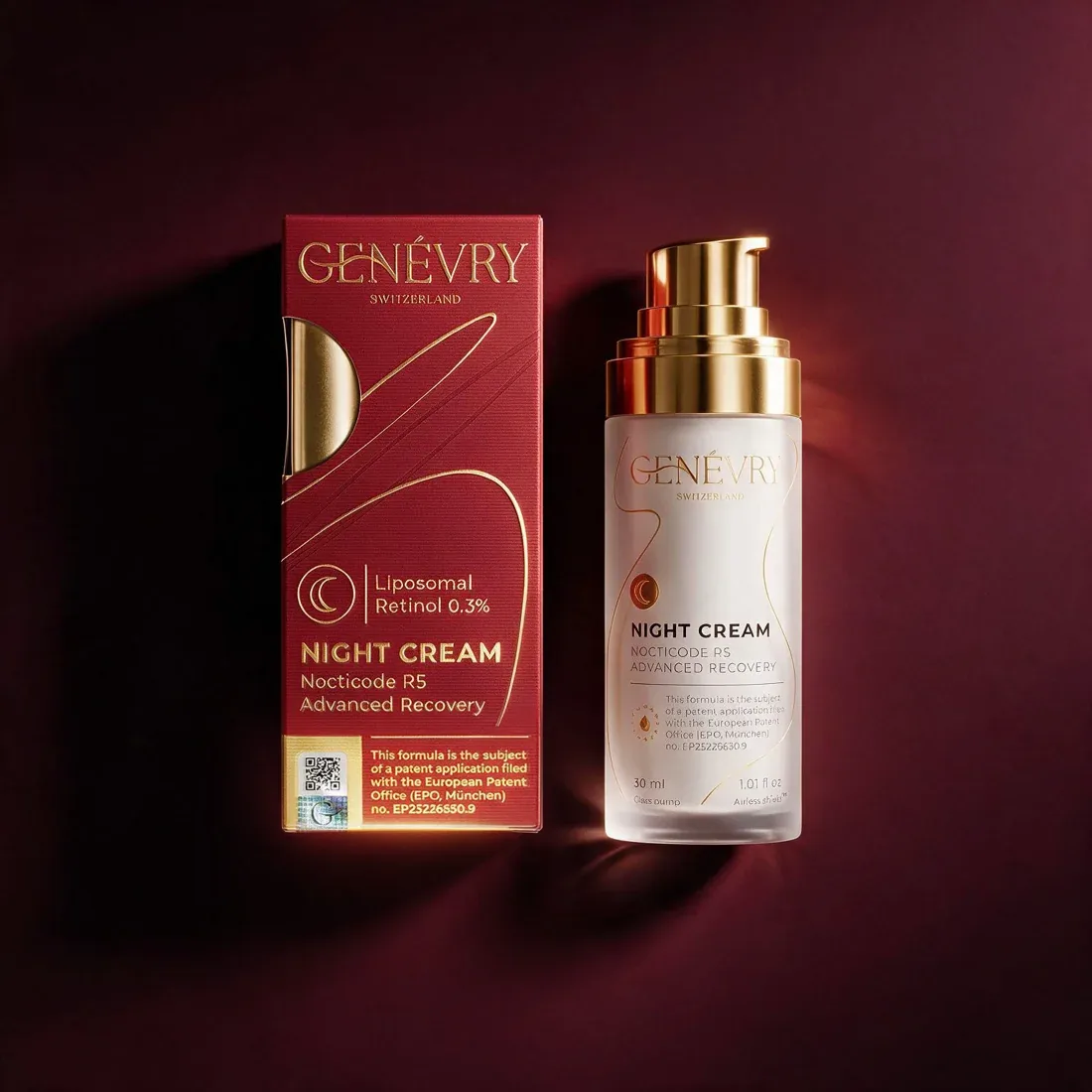
In the evening antioxidants step back, because overnight the skin is rebuilding rather than defending itself against radiation. Retinoids, peptides or resveratrol in an opaque bottle suit that window better. If you use retinol, do not layer it with an acidic vitamin C serum — split them between morning and night.
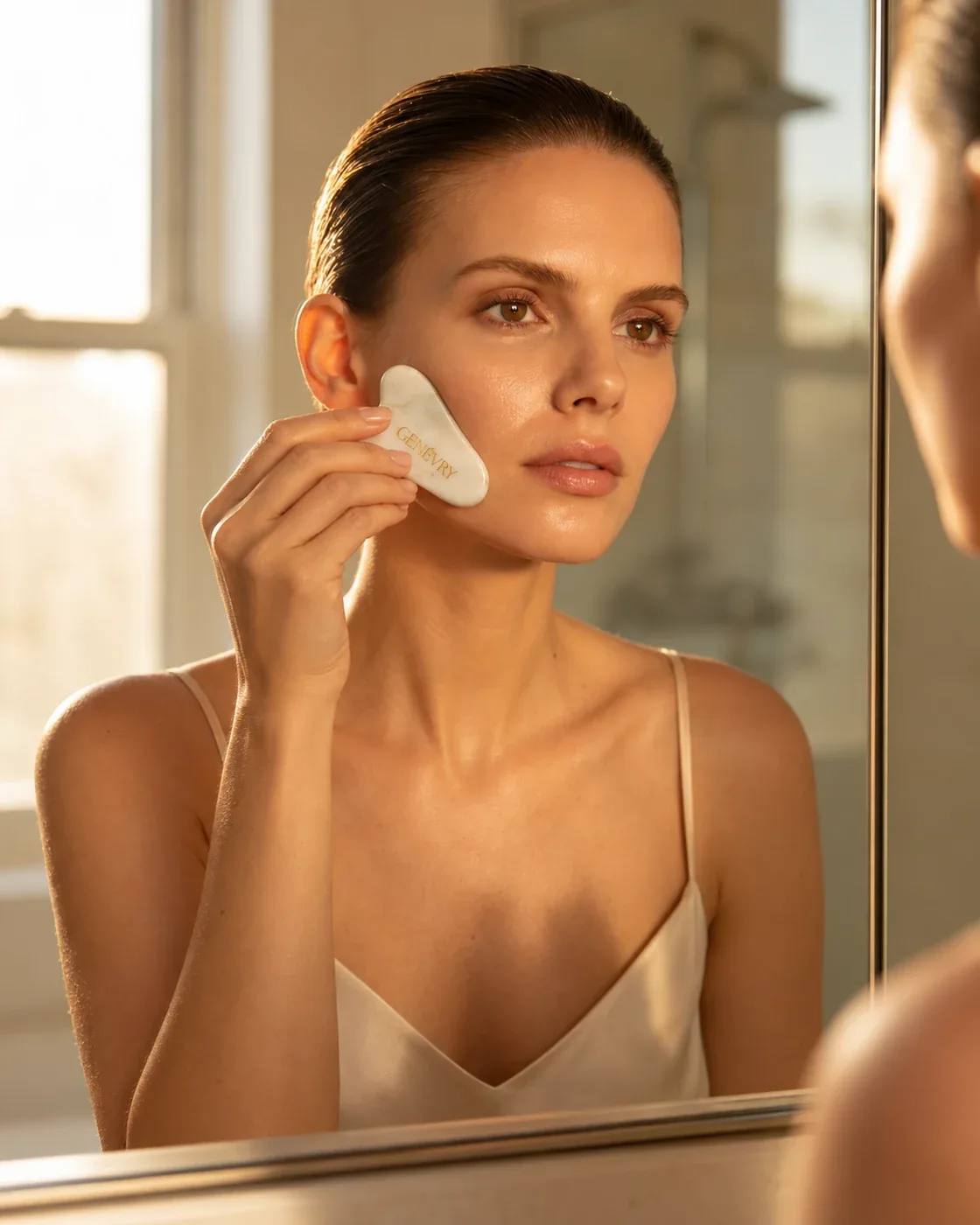
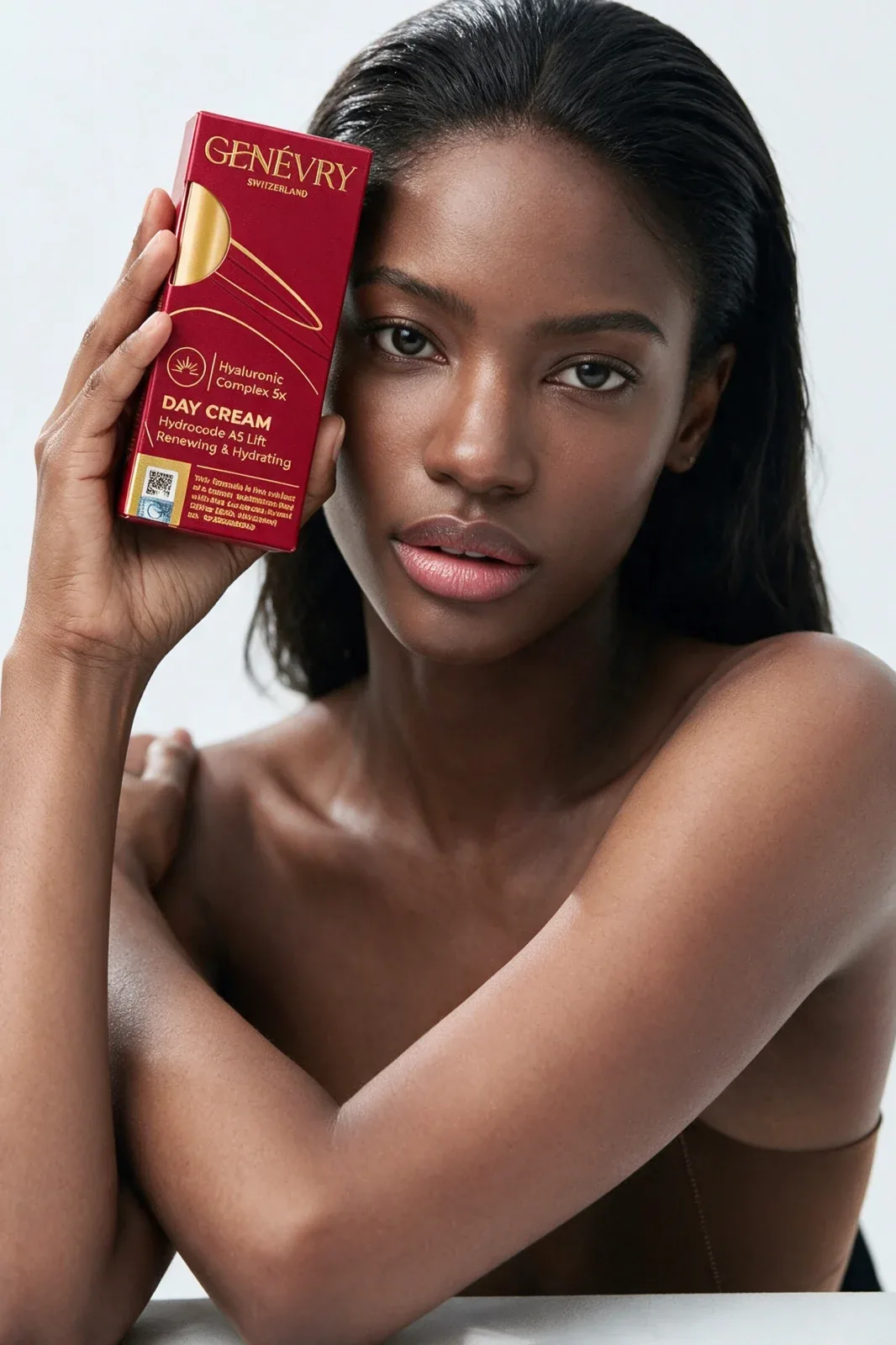
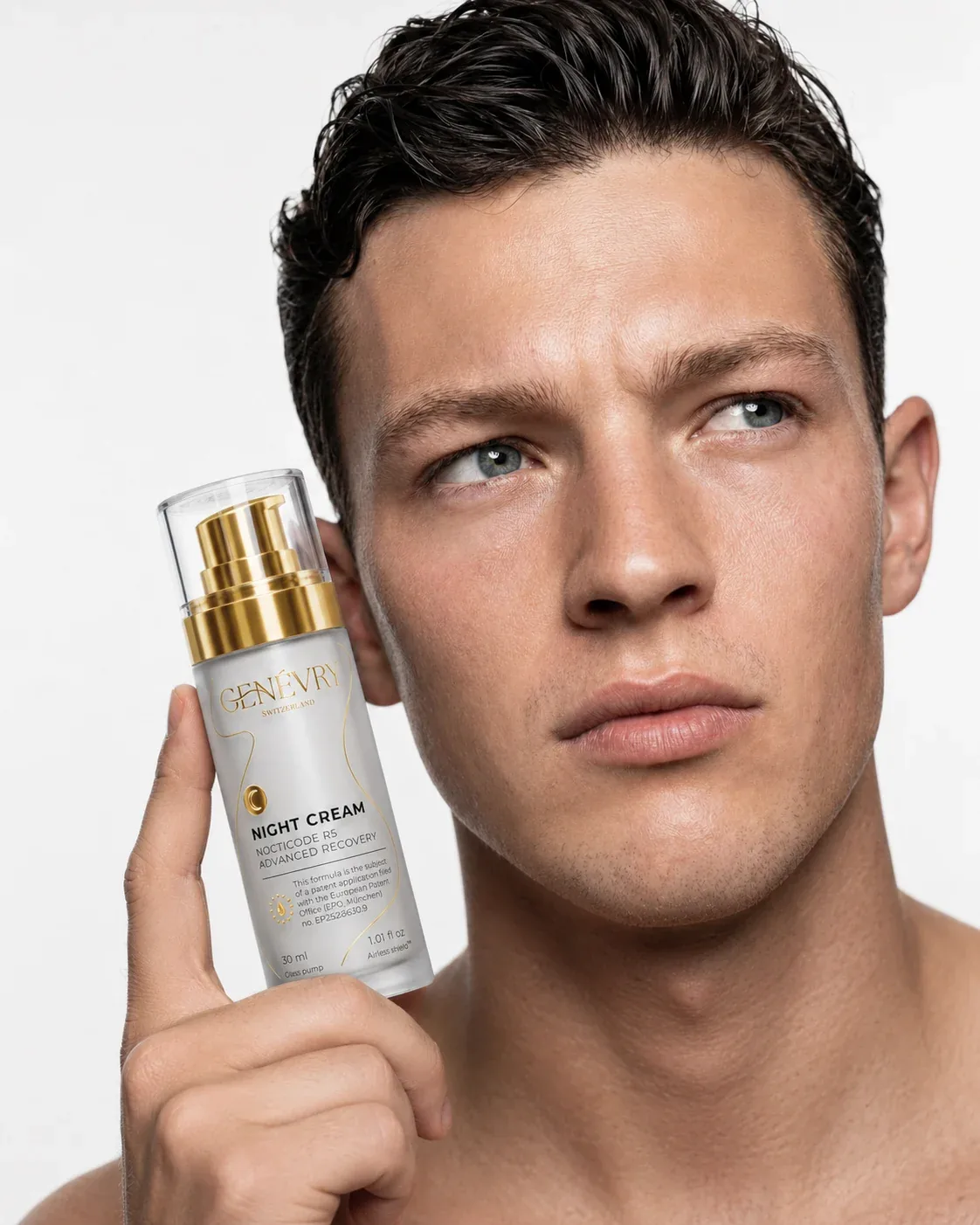
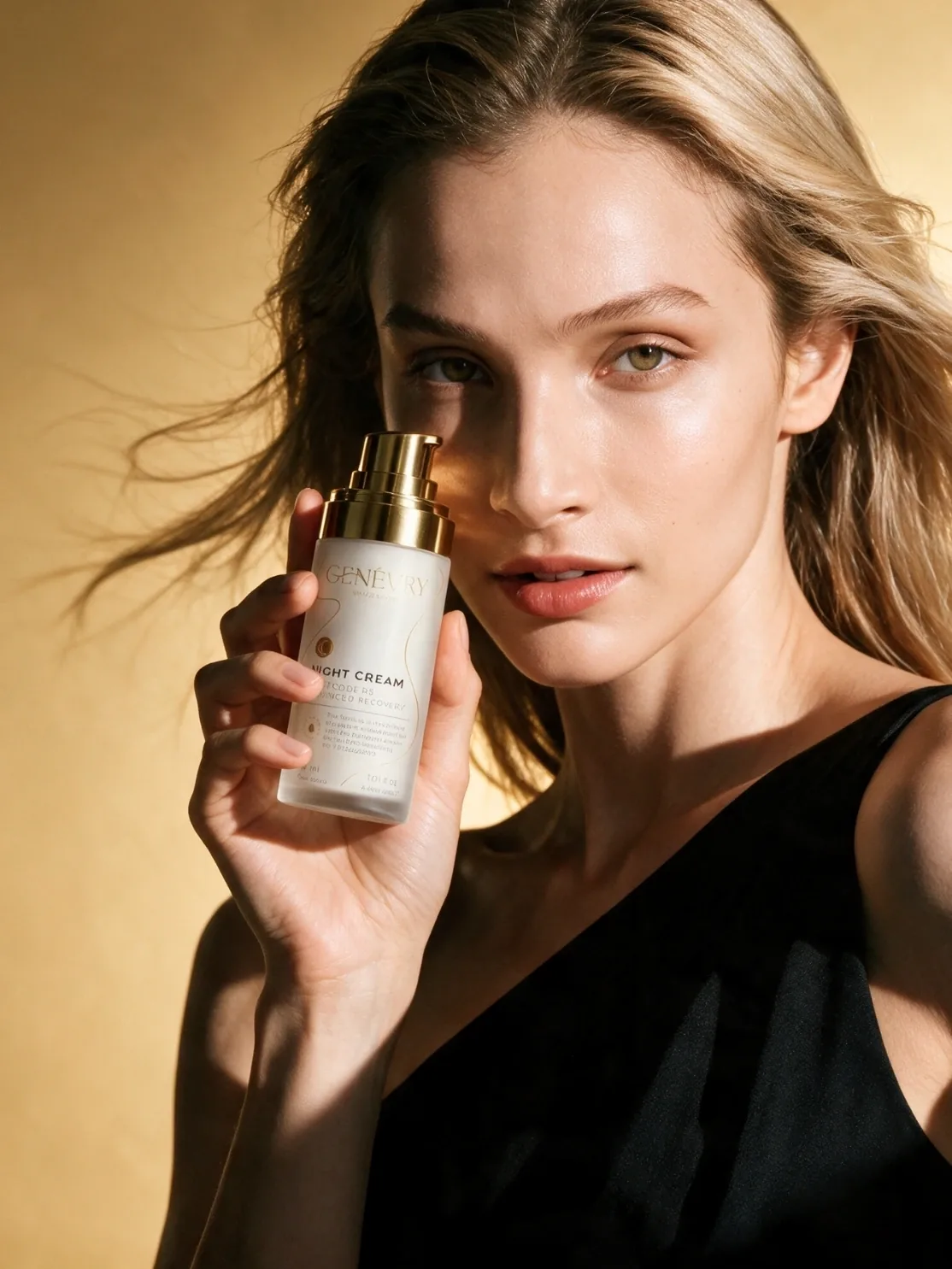
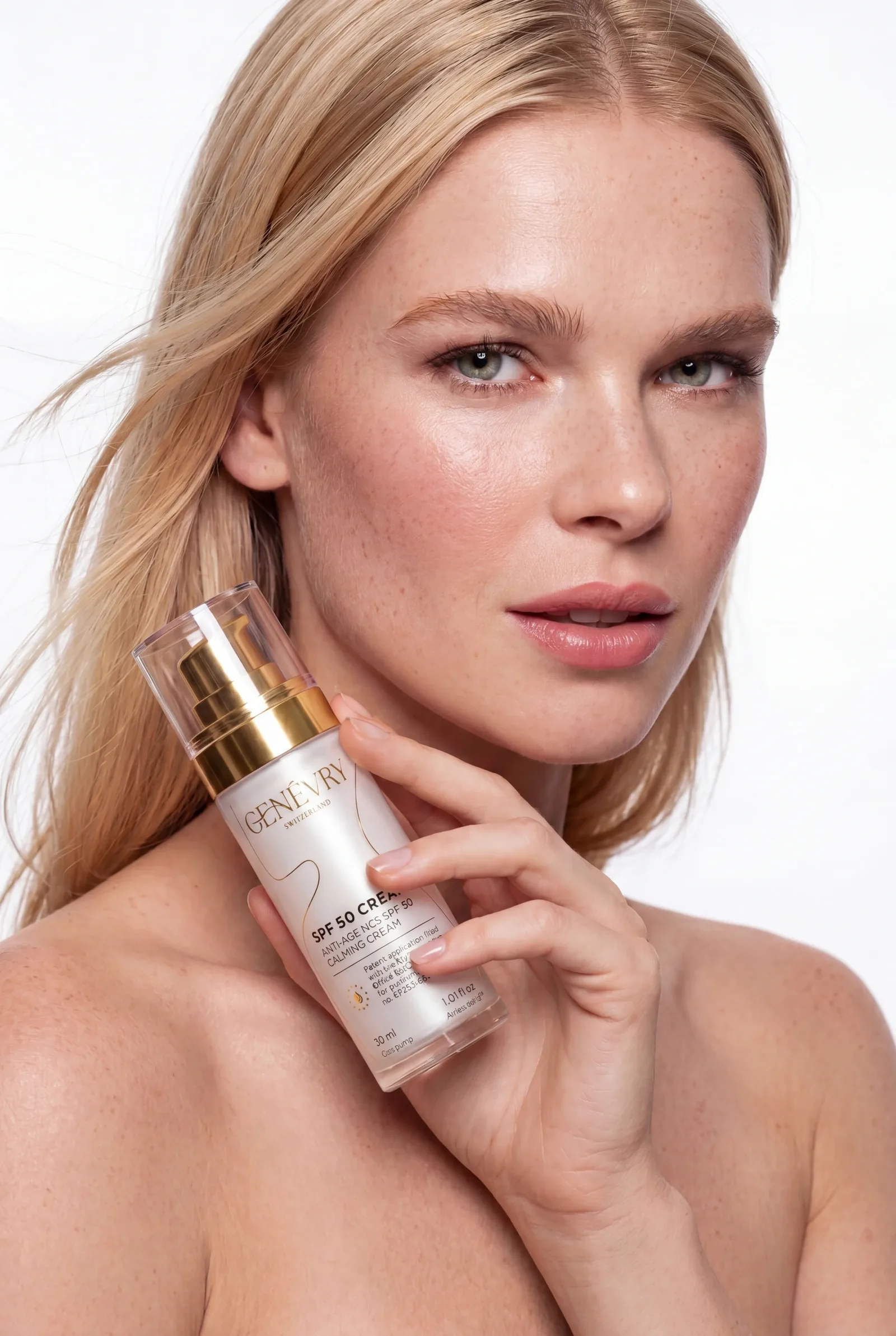
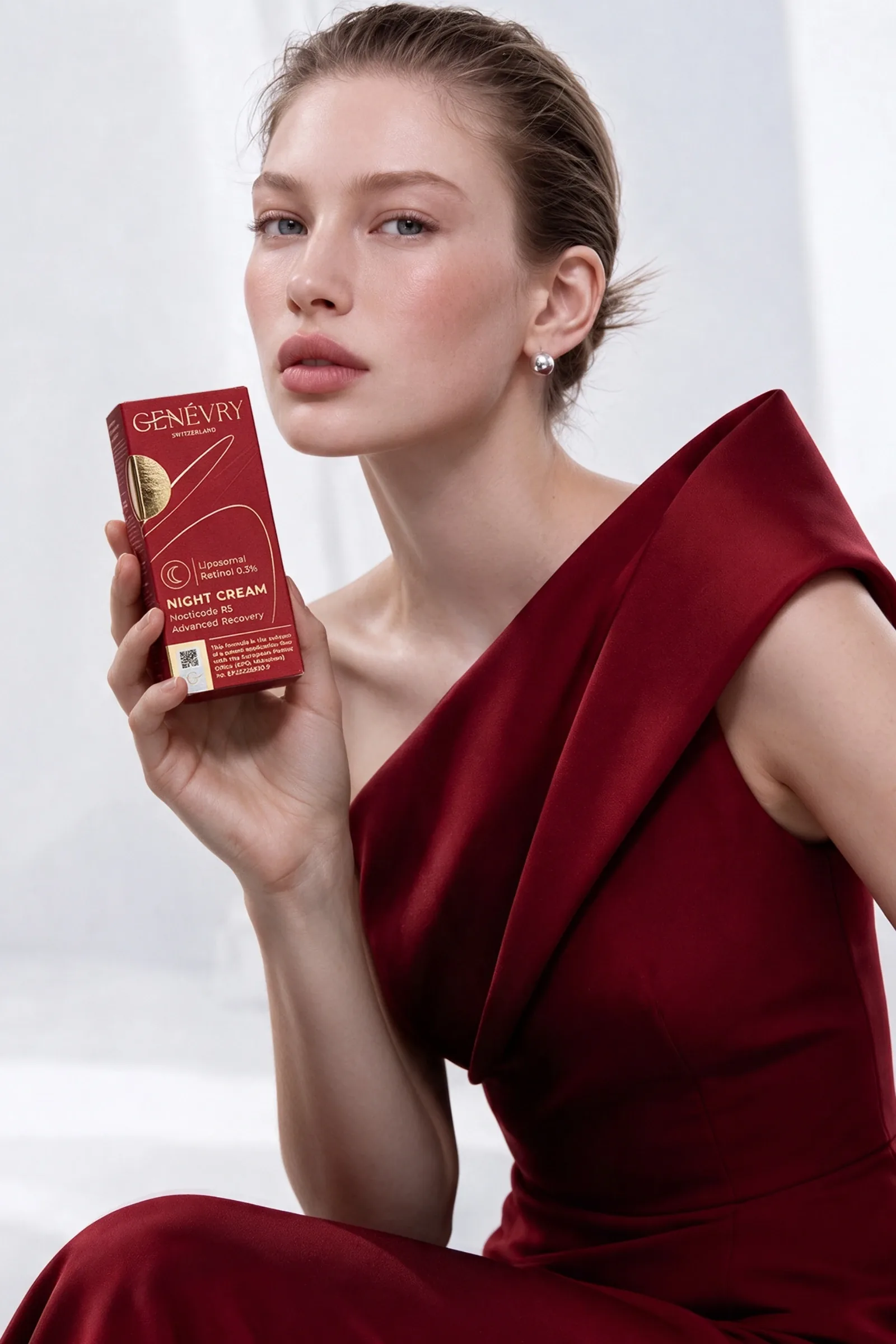
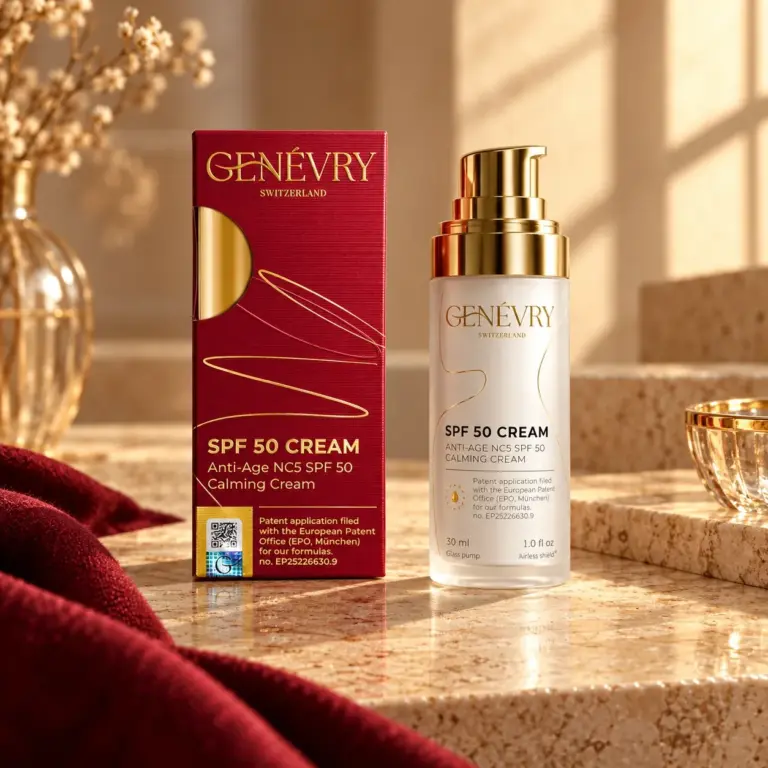
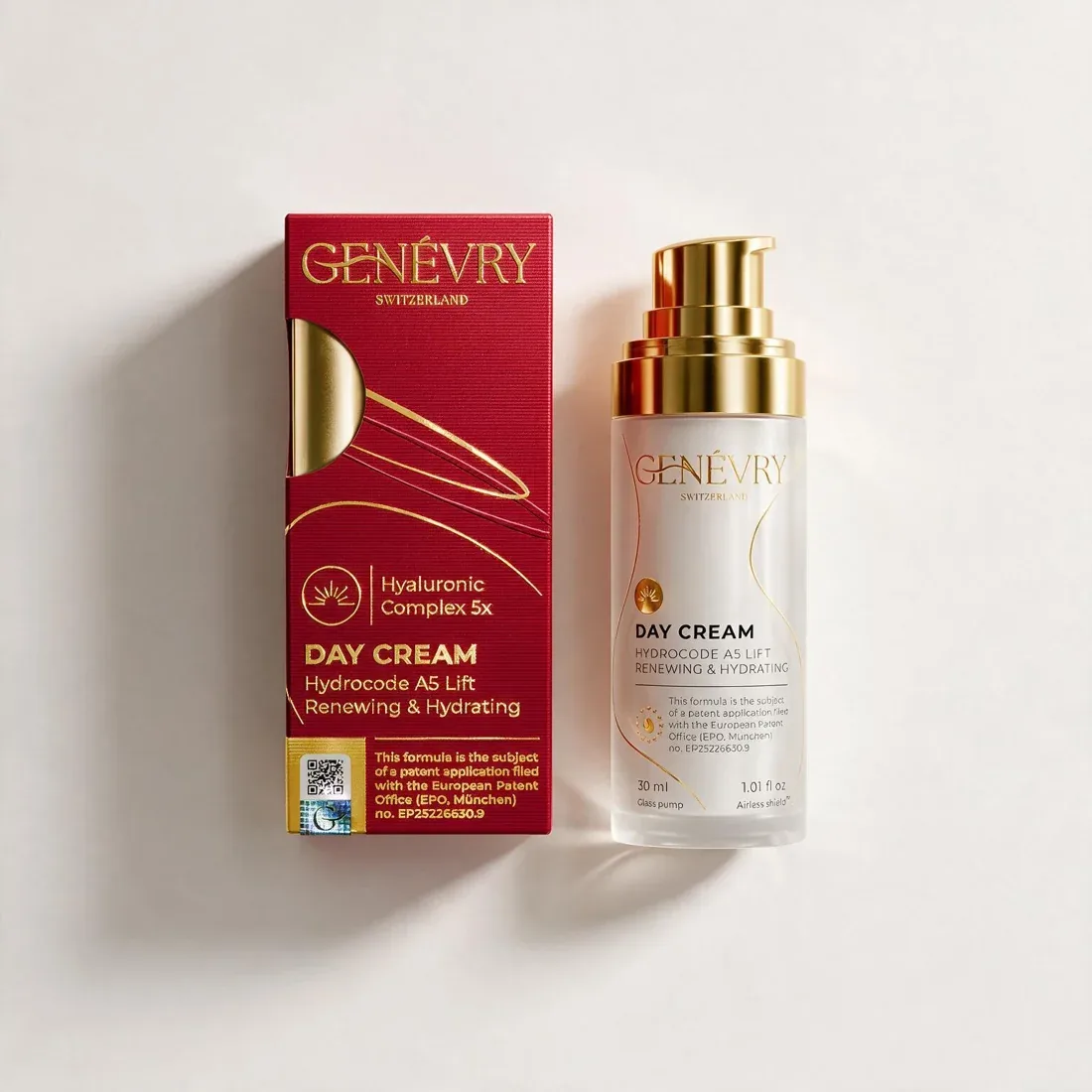
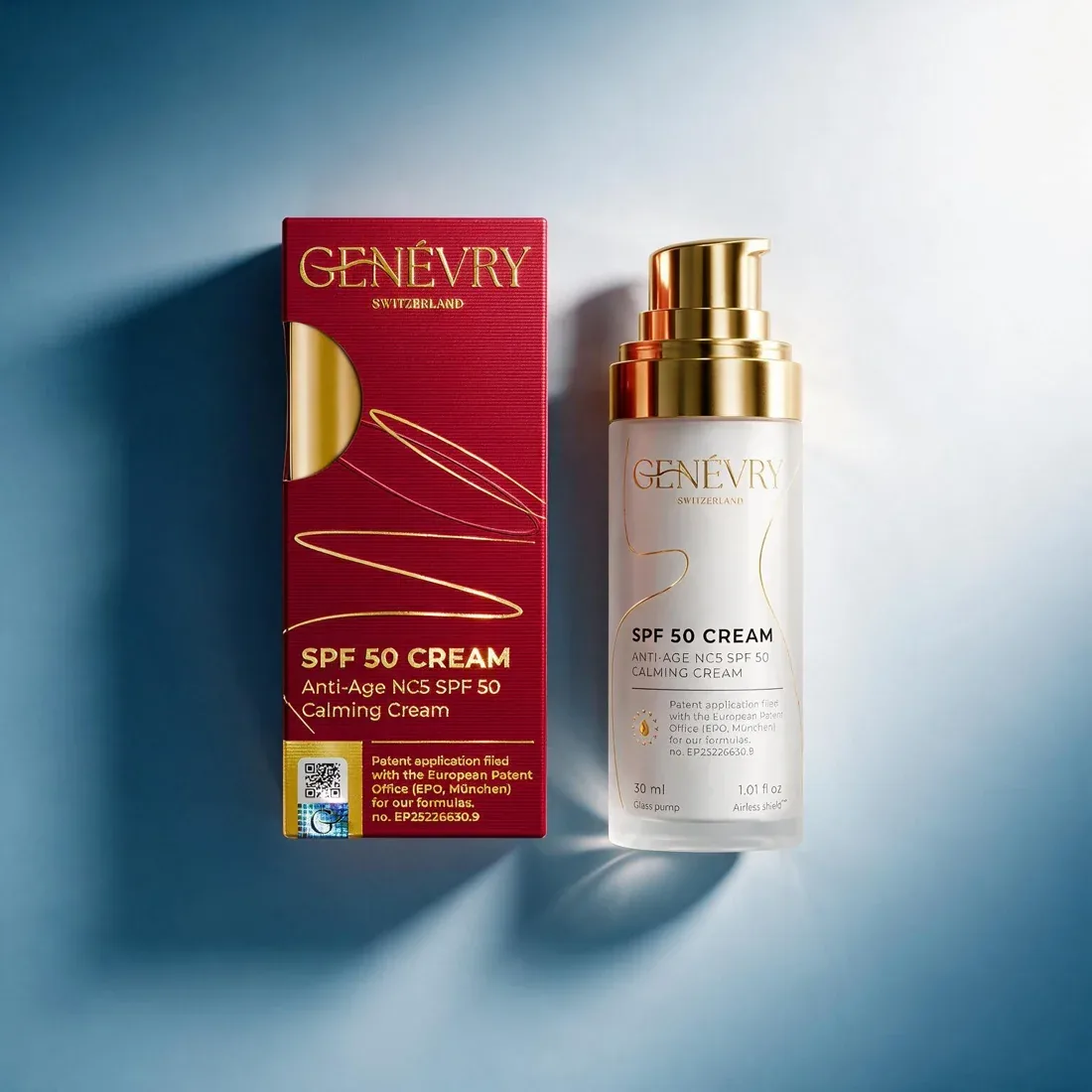
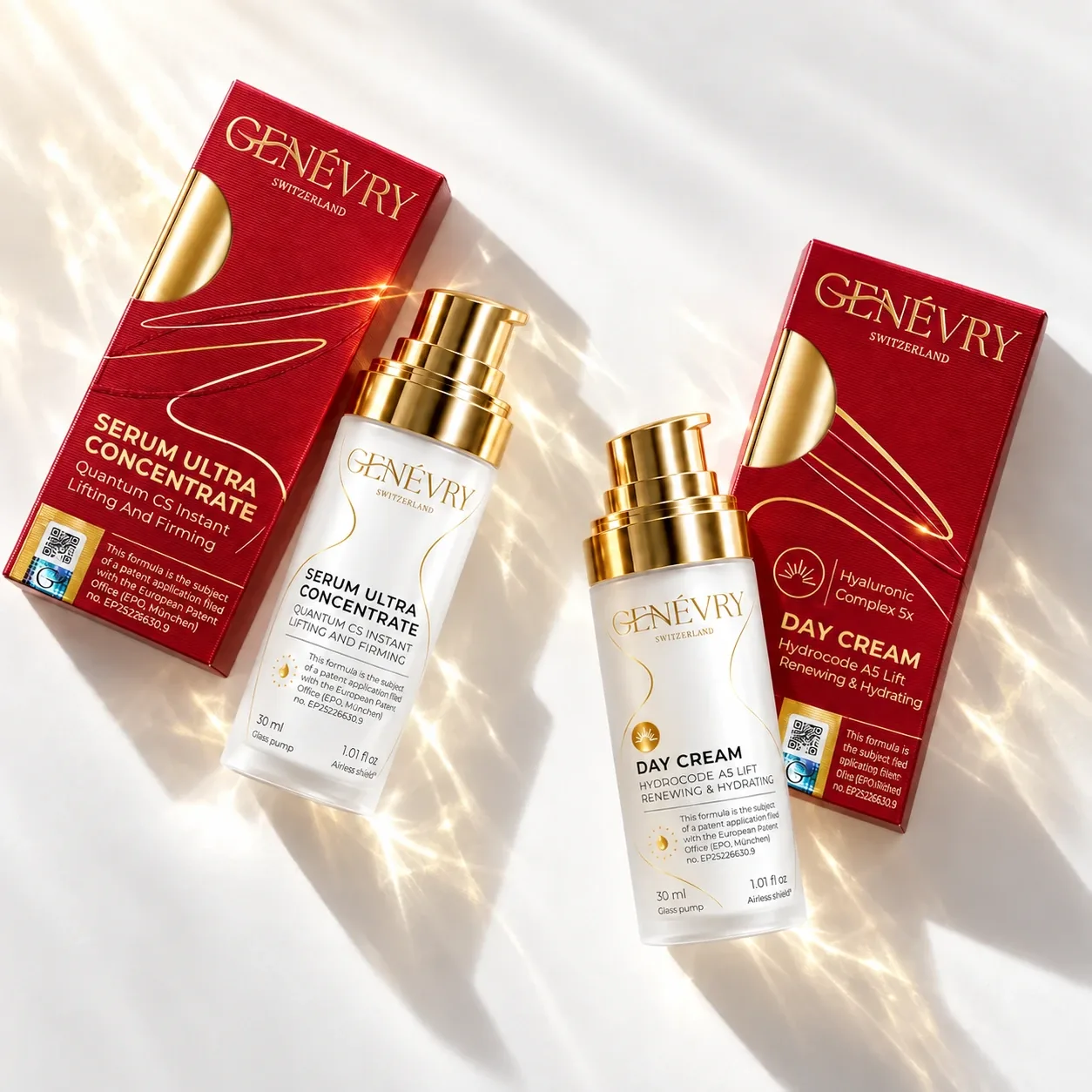
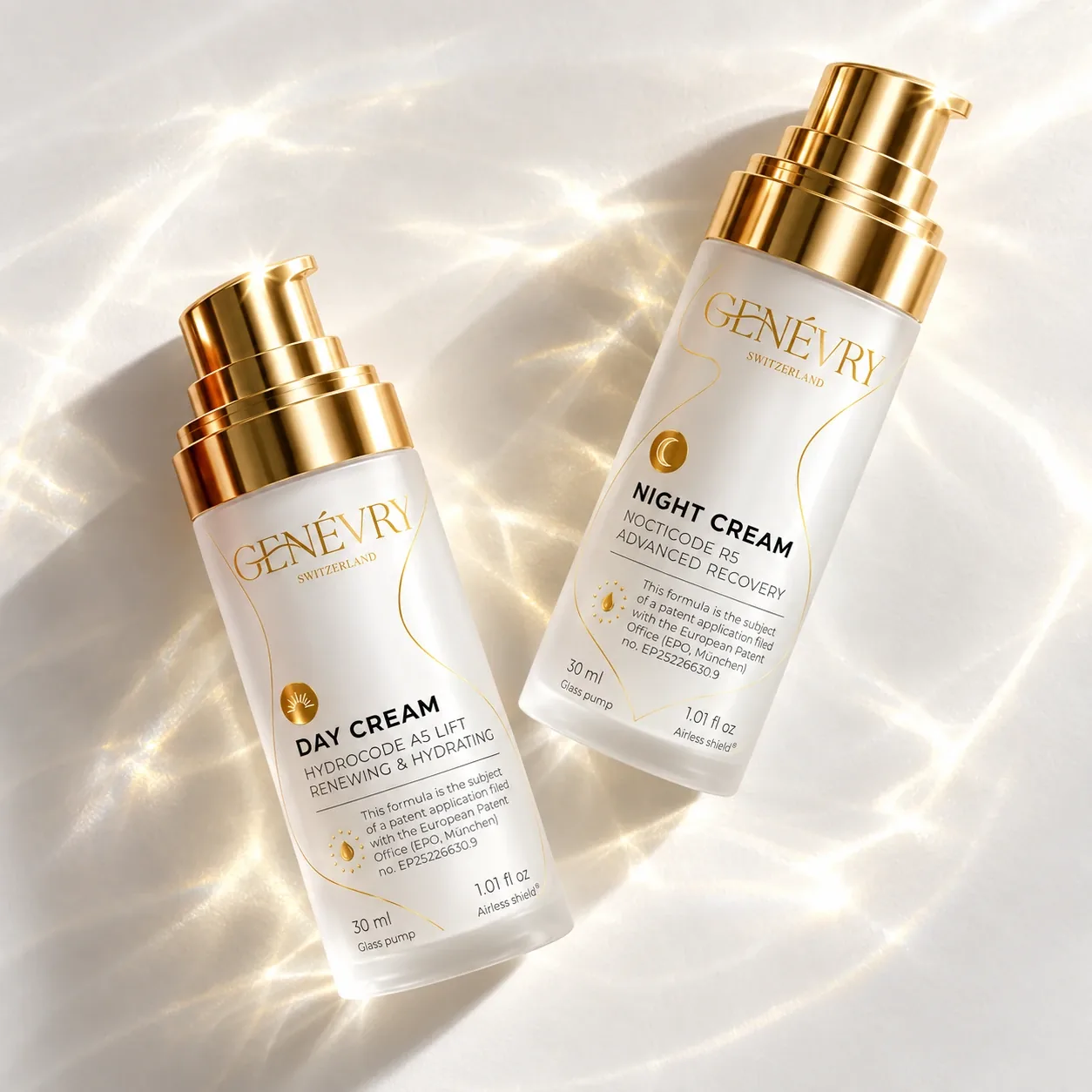
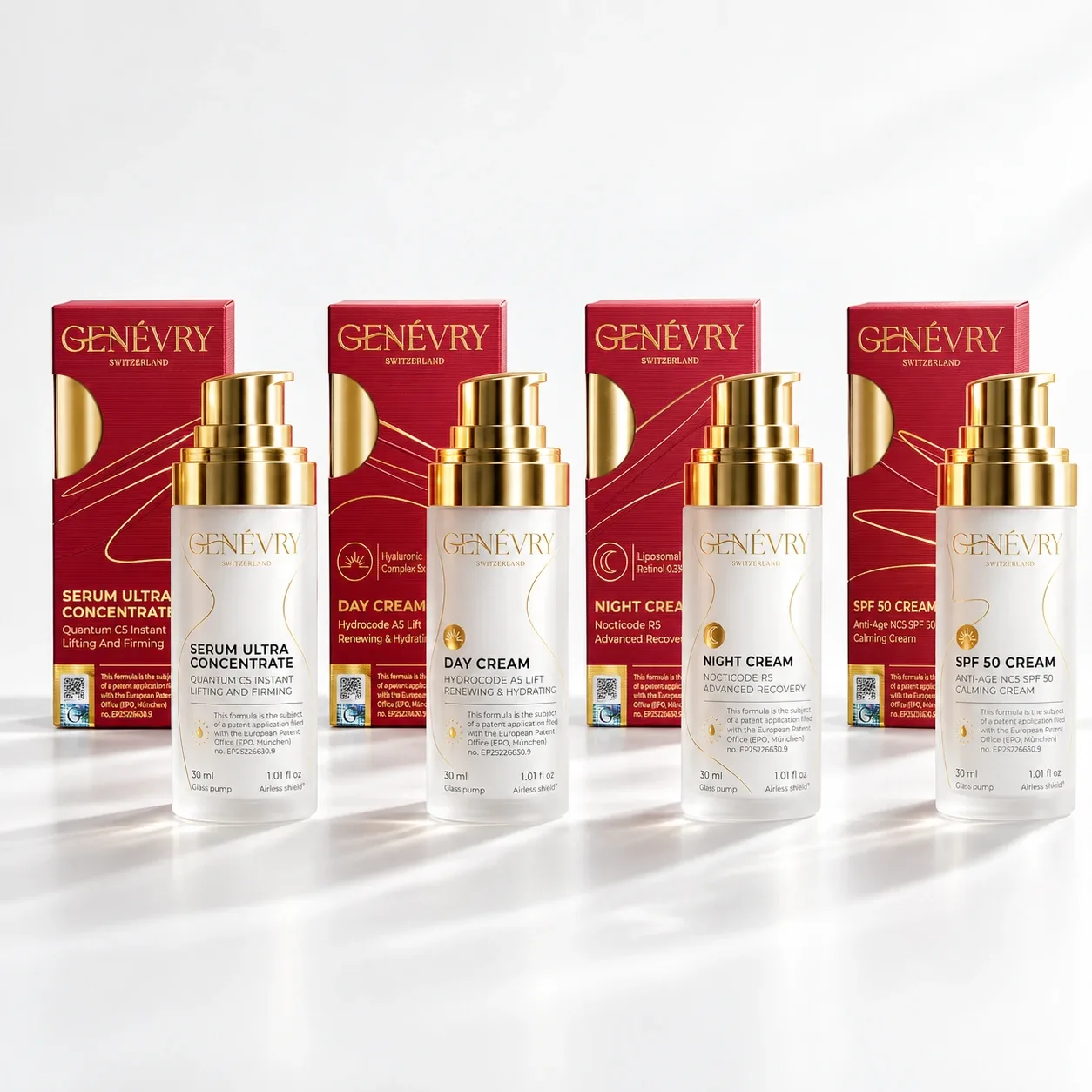
If you are assembling a routine from scratch, the simplest route is a set where morning and evening are already mapped out: GENÉVRY The Skin Code Protocol is a four-formula collection of 30 ml each — serum, day cream, SPF 50 cream and night cream. If morning protection is all you need, the serum plus the Anti-Age NC5 SPF 50 cream will do it.
Five mistakes we see most often
- Treating an antioxidant as sunscreen. Less redness after a lab UV dose is not a day’s worth of protection in a city. Antioxidants supplement SPF; they never stand in for it.
- Buying the highest percentage of vitamin C on the shelf. Above 20% the absorption stops climbing, while the stinging does not.
- Leaving the serum on a sunny shelf. Light and oxygen oxidise ascorbic acid. A deep yellow or brown liquid is a spent formula whatever the printed date says.
- Swapping ingredients every three weeks. The trials that showed real change ran for 12 weeks or six months. Skin needs a full renewal cycle before anything is visible.
- Layering everything at once. Four antioxidants in one layer do not give you a fourfold effect; they give you a better chance of irritation.
What is missing from the ranking, and why
Niacinamide often gets filed under antioxidants, although it works differently: it is a precursor of the NAD coenzymes and acts on barrier function and tone. Its clinical record is strong and it deserves its own slot in a routine — there is a separate piece on what niacinamide does for skin. Astaxanthin, glutathione and alpha-lipoic acid have promising laboratory data but too few studies on human skin to stand beside vitamin C. Idebenone dropped out for the same reason as Q10: in a direct comparison it underperformed the C + E + ferulic acid system.
A word on the term itself. Antioxidants are compounds that slow the oxidation of other molecules. In cosmetics that covers two different jobs at once: protecting the formula inside the jar, and acting on skin. A brand may legitimately print the word when only the first job applies.
Best antioxidants for skin: frequently asked questions
Which antioxidant is best for skin?
Vitamin C as L-ascorbic acid has the most human evidence, used at 5–20% below pH 3.5. If acidic formulas sting, liposomal versions and higher-pH derivatives are a reasonable alternative, though their delivery evidence is weaker.
Do antioxidants replace sunscreen?
No. In trials, antioxidants reduced redness and DNA damage after a controlled radiation dose, but they were measured alongside sun protection rather than instead of it. A morning antioxidant acts as a second line of defence against free radicals that form despite SPF.
Can you use vitamin C and retinol together?
Yes, if you separate them by time of day: vitamin C in the morning, retinol at night. Layered together they irritate more often, and the acidic pH of a vitamin C serum is not ideal for retinol. During the first weeks on retinol, morning sunscreen is non-negotiable.
How long before antioxidants show a difference?
Instrumental studies recorded changes in hydration and smoothness at four weeks, with clearer differences in wrinkles, firmness and tone at 12 weeks and six months. The first fortnight is usually better hydration rather than a change in skin structure.
How do I know my vitamin C serum has gone off?
Colour and smell. A fresh L-ascorbic acid formula is clear or pale straw; deep yellow, orange or brown means it has oxidised. The serum will not harm your skin, but it has stopped doing the job you bought it for.
Are antioxidants worth it for sensitive skin?
Yes, with the right formula. Reactive skin generally does better on higher-pH formulas, polyphenols and vitamin E than on high-strength pure L-ascorbic acid. Introduce one product at a time, two to three weeks apart, so you know what caused a reaction. With a skin condition or during pregnancy, let your doctor make the call.
The best antioxidants for skin reward patience rather than enthusiasm. If you only change one thing, make it vitamin C in the morning with sunscreen on top — the best-documented pair in the whole line-up. Add the rest one at a time, a few weeks apart, and judge them over a full skin cycle rather than three days. The differences between forms of vitamin C are covered in liposomal vitamin C versus plain.
The formulas in this article
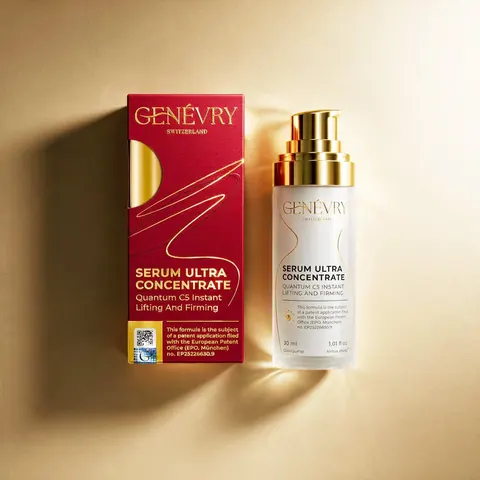 Quantum C5Ултраконцентриран серум€31.90Discover the formula →
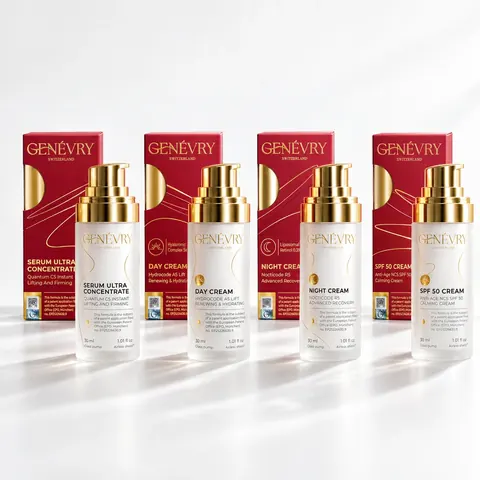 The Skin Code ProtocolПълен 24-часов ритуал · 4 × 30 ml€112.90Discover the formula →
Cosmetic product. Individual results may vary.

 English / EUR
 English (US) / USD
 English (UK) / GBP
 Deutsch / EUR
 Deutsch (Schweiz) / CHF
 Français / EUR
 Italiano / EUR
 Español / EUR
 Nederlands / EUR
 Polski / PLN
 日本語 / JPY
 한국어 / KRW
 中文 / CNY
 العربية / AED
 English (Australia) / AUD
 English (Canada) / CAD
 Svenska / SEK
 Dansk / DKK
 Norsk / NOK
 Suomi / EUR
 Português / EUR
 Türkçe / TRY
 Čeština / CZK
 Magyar / HUF
 Română / RON
 Ελληνικά / EUR
 Slovenčina / EUR
 Hrvatski / EUR
 Slovenščina / EUR
 Lietuvių / EUR
 Latviešu / EUR
 Eesti / EUR
 Български / EUR
 Українська / EUR