Anti-aging ingredients: 7 actives ranked by strength of evidence
Seven ingredients ordered not by what the carton promises, but by how much clinical work stands behind them.
Anti-aging ingredients fall into two camps: the ones backed by hundreds of clinical papers, and the ones that simply read well on a carton. This ranking sorts seven of the most common by a single measure — how much solid evidence sits behind what they do to skin. The order doesn’t say which one is right for you. It says which one we know most about.
How this ranking was built
Four criteria, stated openly, and applied even where the answer was inconvenient for us.
One: the number of randomised, controlled trials. We counted papers indexed in PubMed as randomized controlled trial, covering topical use and skin ageing (figures as of 13 November 2026). It is an approximation, not a verdict, but it shows where the research effort actually goes.
Two: the quality and length of the landmark studies. Four weeks on ten volunteers carries less weight than several years on several hundred.
Three: consistency. Eleven trials on one molecule say more than fourteen trials on fourteen different ones.
Four: what was actually measured. A change in skin structure confirmed on a biopsy is a different class of evidence from hydration recorded an hour after application.
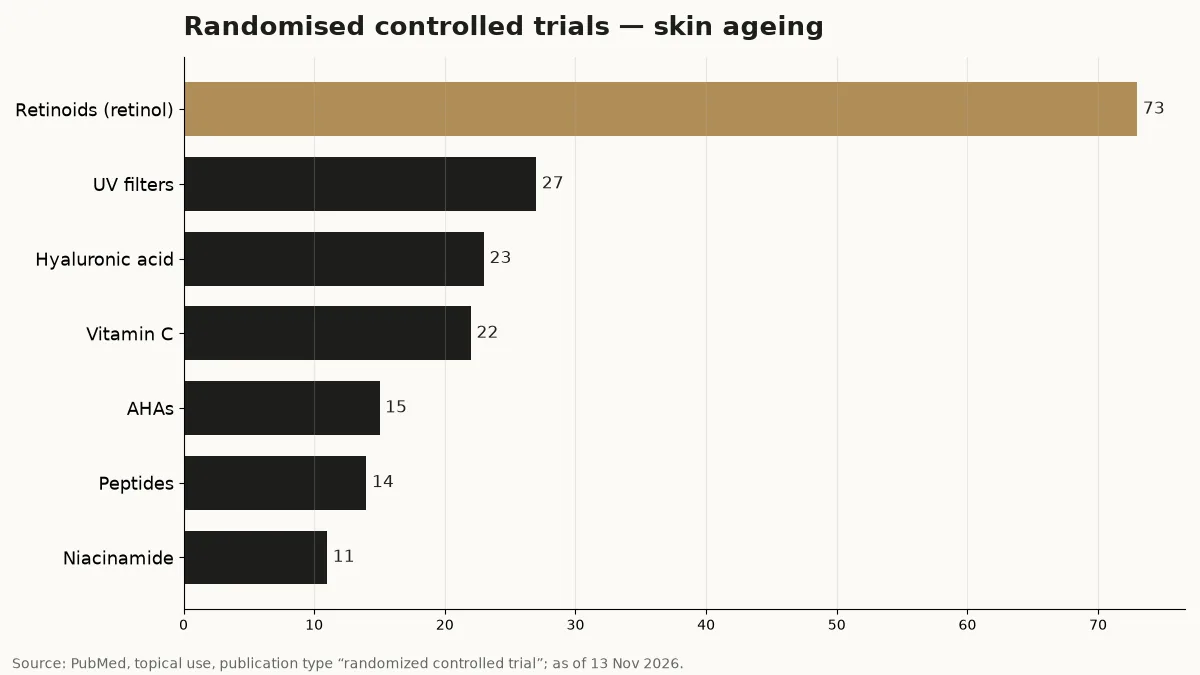
The bars are not the ranking; they are its first component. That is why hyaluronic acid, third by trial count, finishes low overall: most of those papers measure hydration and immediate smoothing rather than a change in the structure of the skin.
The ranking: 7 anti-aging ingredients with the best-documented action
1. Retinoids — retinol and its relatives
Nothing else in skincare has this much behind it. Controlled work on tretinoin and photoageing goes back to the 1980s, and the 48-week multicentre trials published in 1997 were double-blind. For retinol itself the reference point remains a 2007 paper in Archives of Dermatology, in which 0.4% retinol was applied three times a week for 24 weeks to naturally aged skin, with skin samples examined alongside the visual assessment. The trade-off is well known: irritation at the start, and sunscreen every morning without exception.
2. UV filters — photoprotection
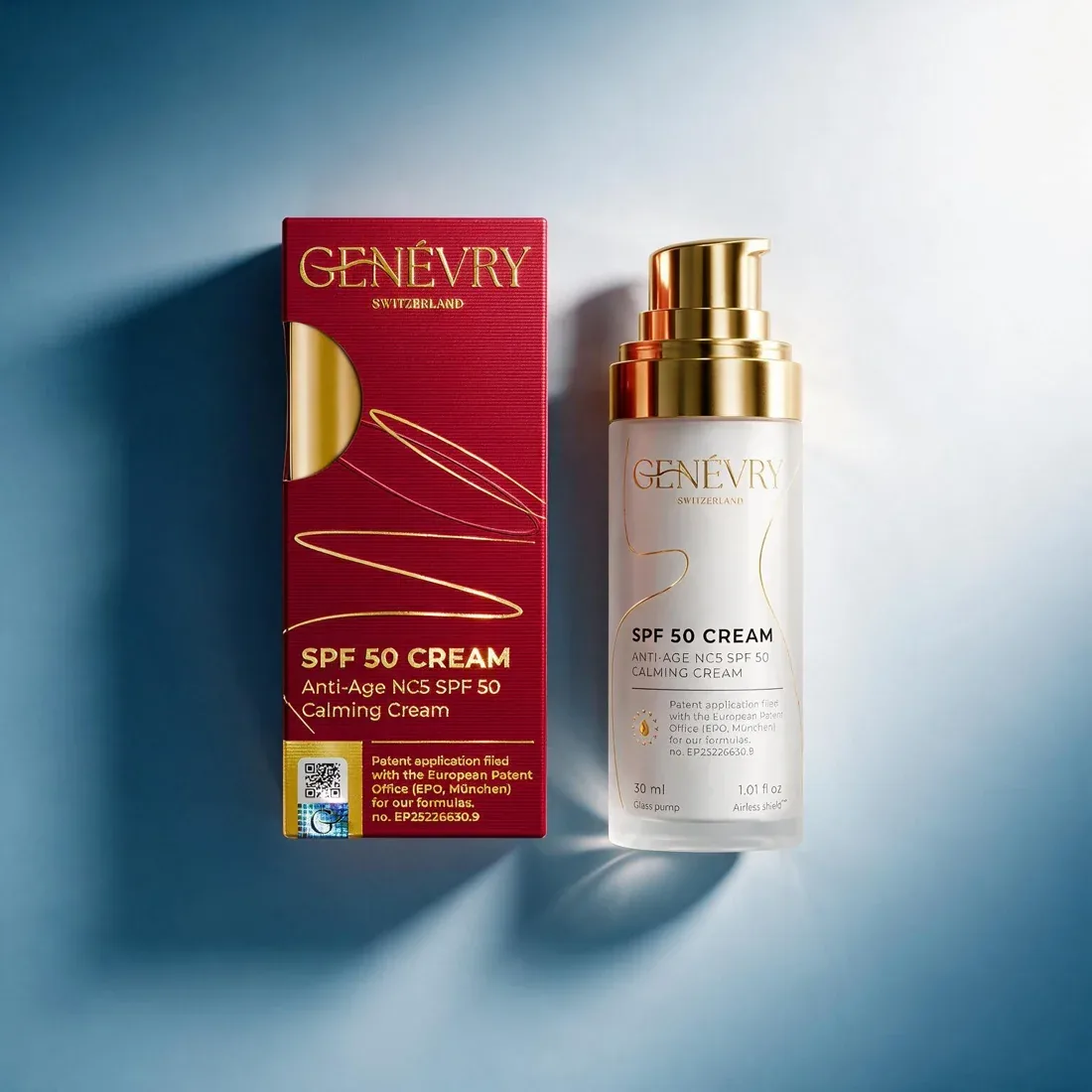
Strictly speaking this is protection rather than an active. The evidence, though, is the strongest in the whole field: in an Australian trial published in Annals of Internal Medicine in 2013, more than 900 adults were randomly assigned to daily sunscreen or to discretionary use, and followed for four and a half years. The daily group showed no detectable increase in the signs of skin photoageing. Randomisation, a large group, years of follow-up — that combination is rare in cosmetic science, which is why an SPF 50 cream closes the morning ritual rather than appearing only on holiday.
3. Vitamin C
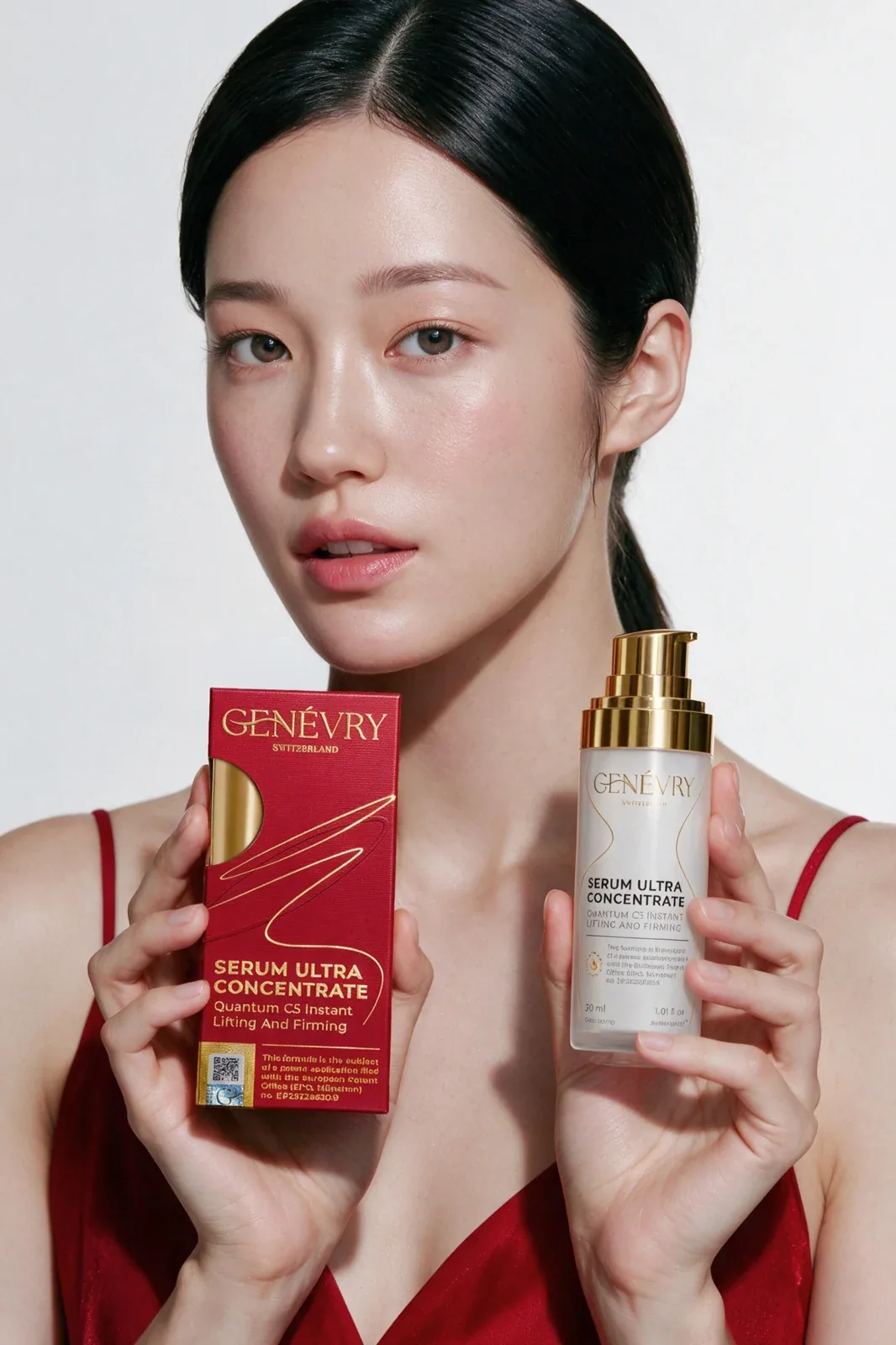
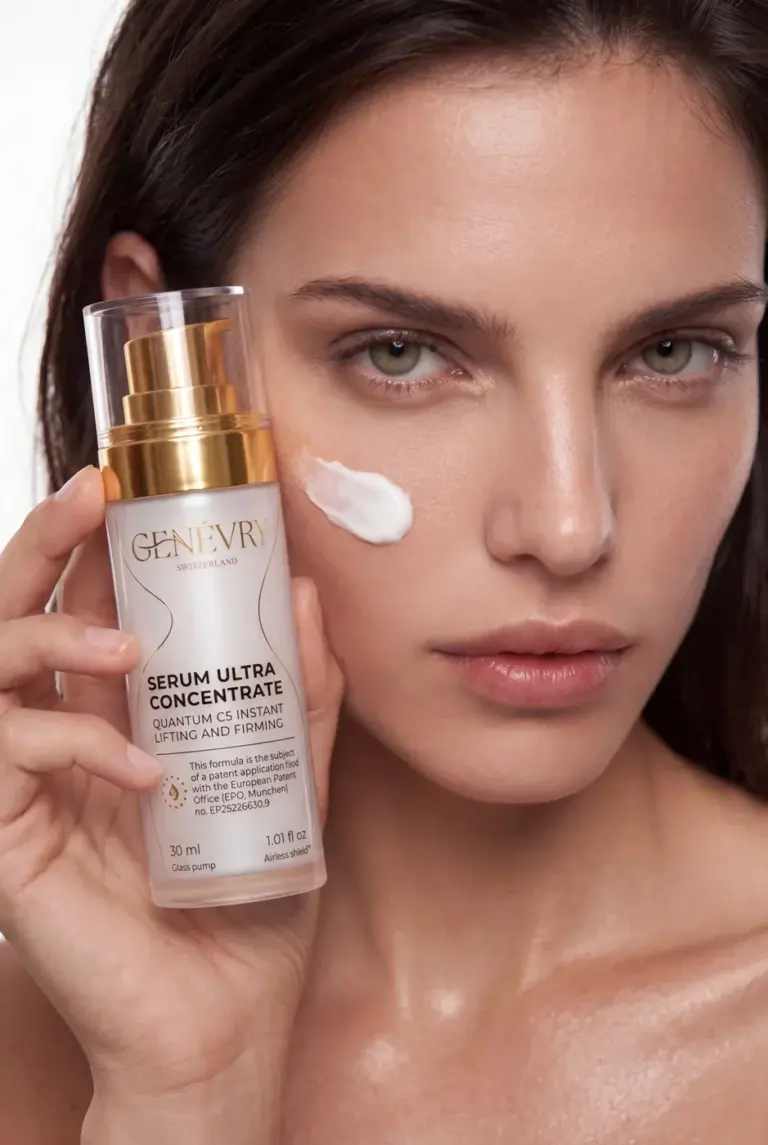
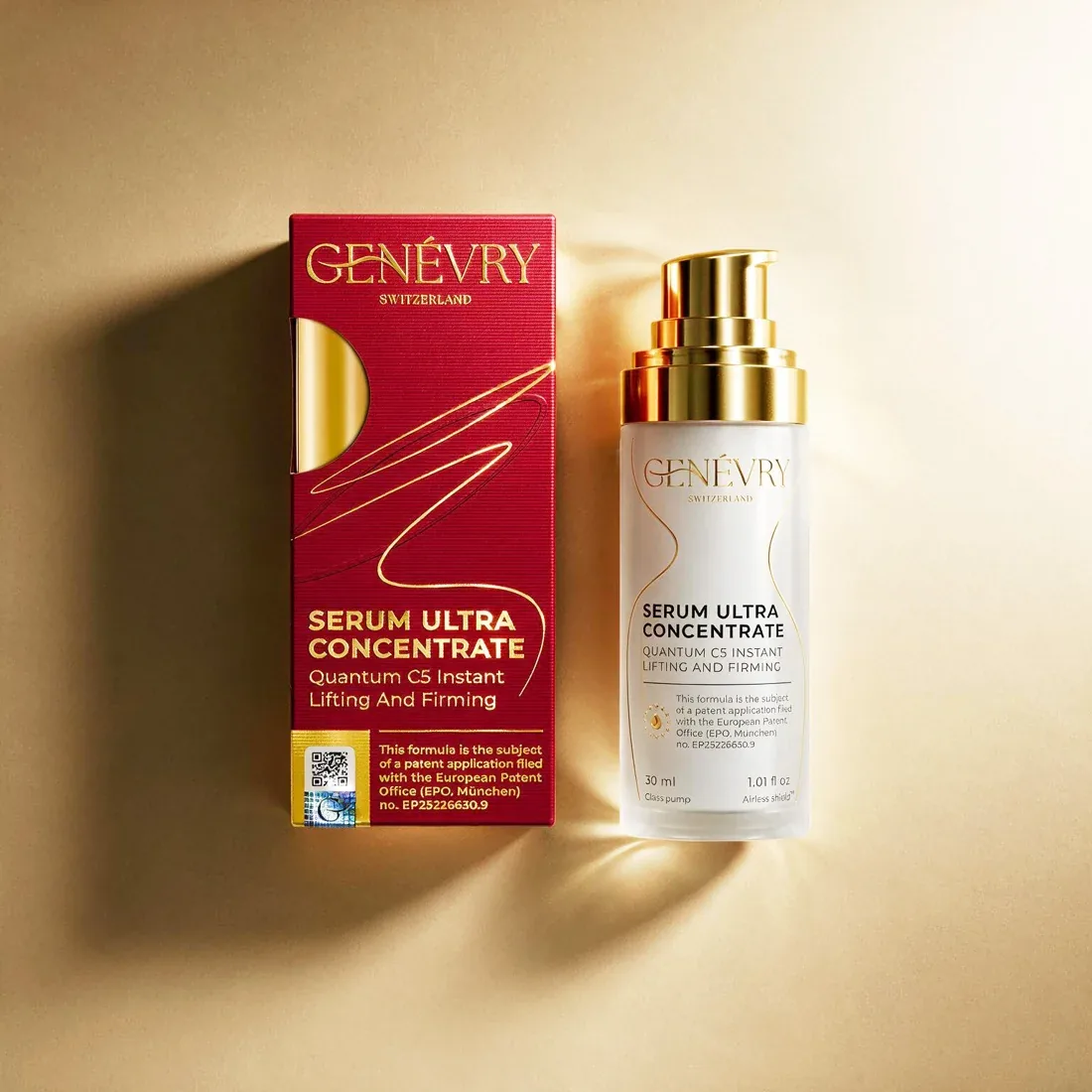
Two jobs at once: antioxidant, and cofactor for the enzymes involved in collagen formation. The classic 1999 study of skin topography ran for three months using silicone replicas, so the assessment did not rest on self-reporting alone. The weak point is the molecule itself: L-ascorbic acid oxidises quickly, and formulation stability decides whether a result can be reproduced at all. Hence the encapsulated forms — in the Quantum C5 serum the vitamin C is liposomal and sits alongside the GHK-Cu copper peptide.
4. AHAs — glycolic acid first among them
The oldest well-documented exfoliating group. In a 1996 paper in the Journal of the American Academy of Dermatology the researchers went as far as histological and ultrastructural assessment rather than photographs alone — unusual in cosmetic research. Smoothness arrives quickly, but acids ask for judgement: sun sensitivity rises, and pairing them with retinol on the same evening usually ends in stinging rather than benefit.
5. Niacinamide (vitamin B3)
Eleven randomised trials is fewer than peptides can claim, but every one concerns the same molecule and they largely agree — among them a 12-week split-face study published in Dermatologic Surgery in 2005. It also has the best tolerance of the seven: morning and evening, no ramp-up period, no rest days. We covered the detail separately in our guide to what niacinamide does and at which concentrations.
6. Peptides, including copper GHK-Cu
The trial count is respectable; the problem lies elsewhere. „Peptide“ is not one compound but dozens of different molecules, so the evidence spreads thin. GHK-Cu does better than the group average — it has a 2006 clinical paper on skin after laser resurfacing and a substantial laboratory literature on its effect on fibroblasts. The human studies are still smaller and shorter than those behind retinoids. What peptides offer in practice is a clean fit: well tolerated, and no conflict with the rest of a routine.
7. Hyaluronic acid and humectants
It outranks vitamin C on publication count and still closes the list, because what those papers measure is hydration and the softening of fine lines that depend on water content. A 2011 study of creams containing hyaluronic acid of different molecular weights did show differences between molecule sizes, but the endpoints stayed within hydration. That is not a disqualification: well-hydrated skin looks smoother, and in a retinol routine it is humectants and ceramides that decide whether you can keep using it. For the molecule itself, start with the entry on hyaluronic acid.
Criteria, tolerance and time of day in one table
| # | Ingredient | What was usually measured | Strength of evidence | Tolerance | Time of day |
|---|---|---|---|---|---|
| 1 | Retinoids (retinol) | wrinkle appearance, skin biopsies | very high | needs a ramp-up | evening |
| 2 | UV filters | progression of photoageing over time | very high | high | morning, reapply during the day |
| 3 | Vitamin C | skin topography, tone | high | good; the form matters | morning |
| 4 | AHAs | smoothness, histology | high | moderate | evening, once or twice a week |
| 5 | Niacinamide | tone, evenness, sebum | moderate but consistent | very high | morning and evening |
| 6 | Peptides (GHK-Cu) | firmness, healing, laboratory work | moderate, fragmented | high | morning or evening |
| 7 | Hyaluronic acid | hydration, fine lines | many trials, narrow endpoints | very high | morning and evening |
What this ranking does not settle
Strength of evidence is not the same as fit. Retinol in first place can be a worse choice for sensitive skin than niacinamide in fifth, and someone who has worn sunscreen daily for three years will gain more from adding an antioxidant than from another acid.
There is a second caveat: trial figures apply to specific concentrations, vehicles and durations — not to every formula that lists the ingredient on its label. And a third: cosmetic studies usually run on small groups with varied measurement methods, so comparisons between papers always carry a margin of uncertainty. That is why we talk about how skin looks and what care supports, not about treatment.
Turning this into a routine rather than a shopping list
You do not need all seven. Pick two from the top four, use them consistently, and treat the rest as support.
Morning: antioxidant serum, moisturiser, sunscreen last. Evening: a retinoid two or three nights a week, a barrier cream on the others. Acids get their own evening, never alongside retinol. Peptides and niacinamide slot in at either time, since they conflict with nothing.
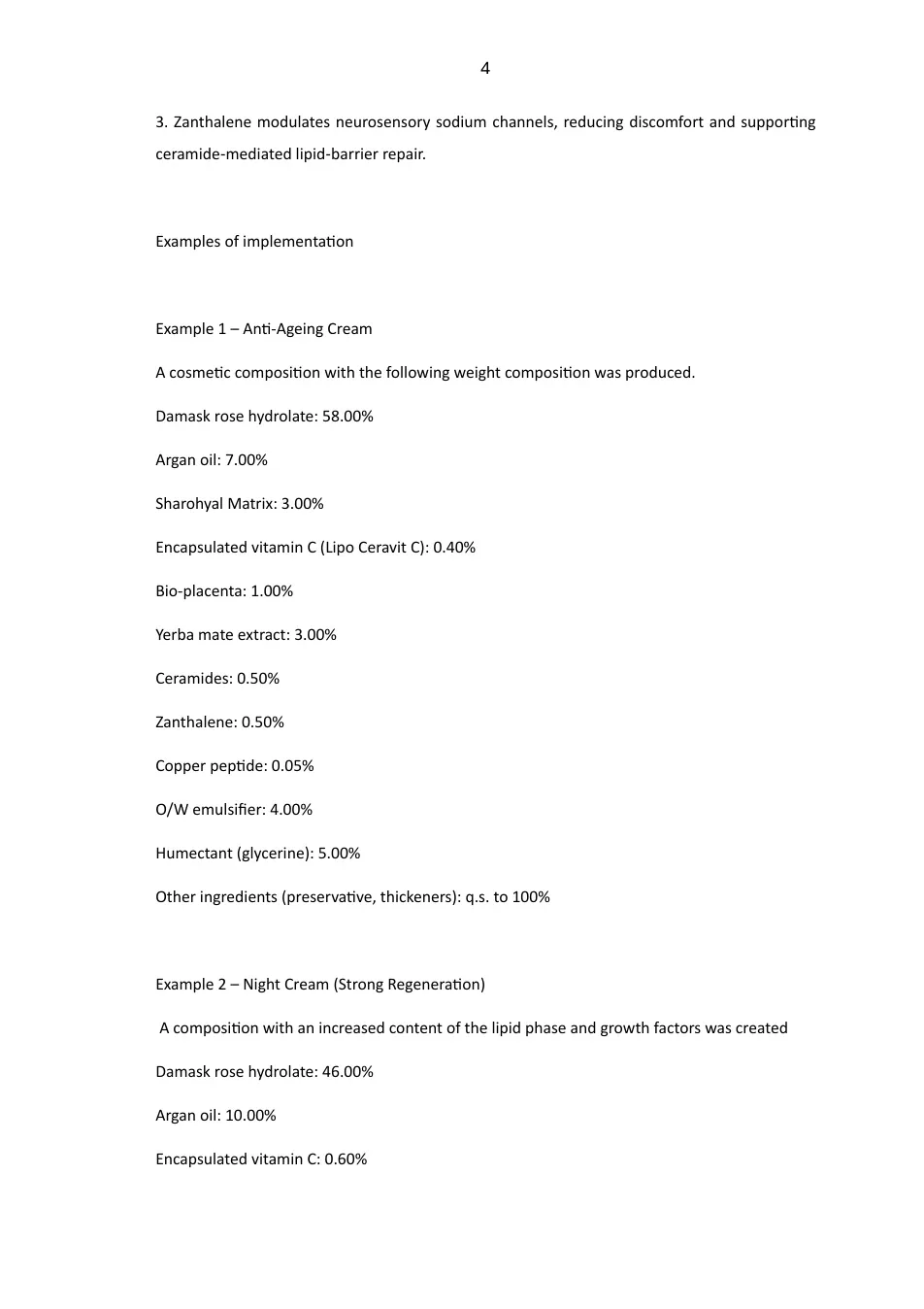
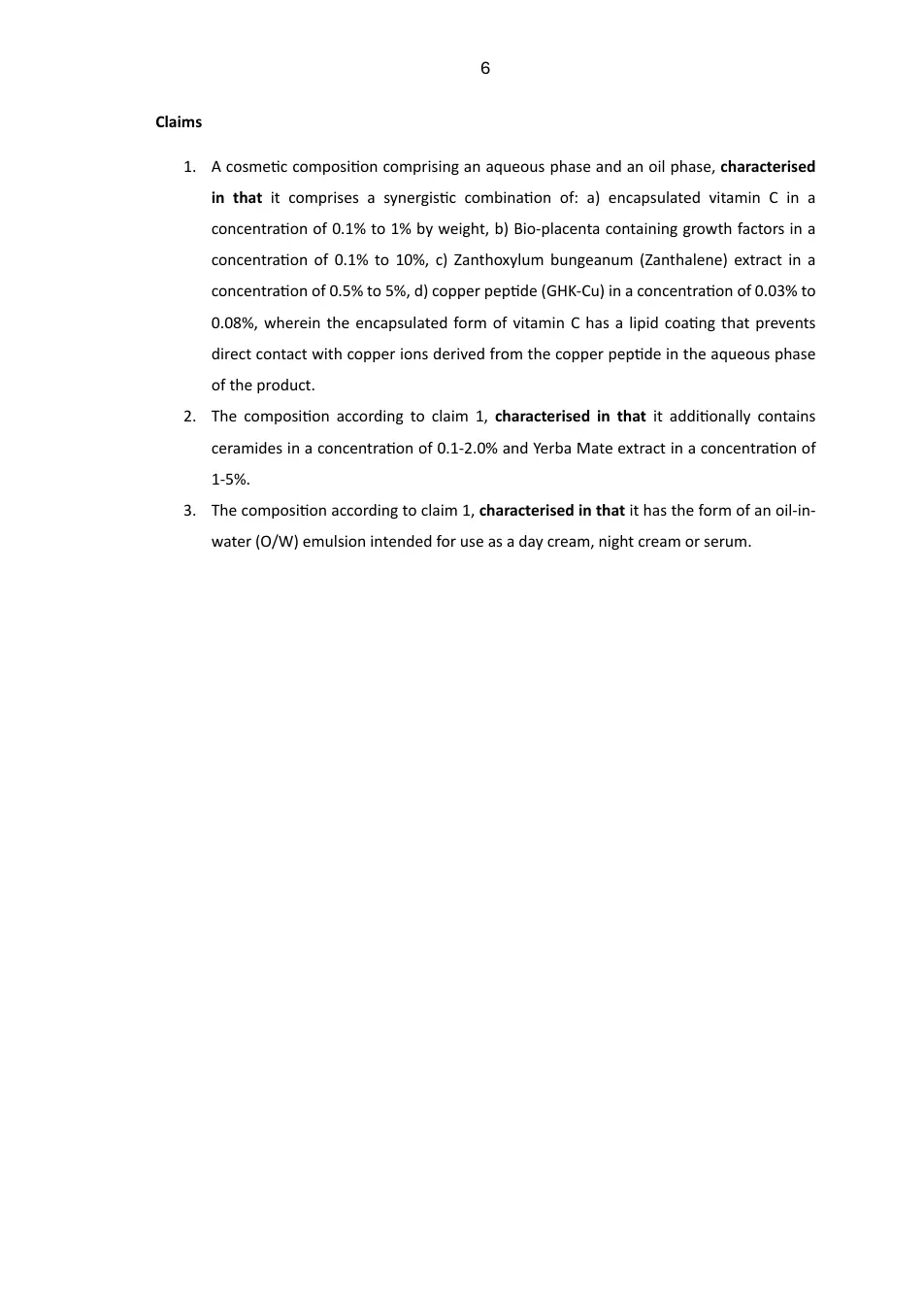
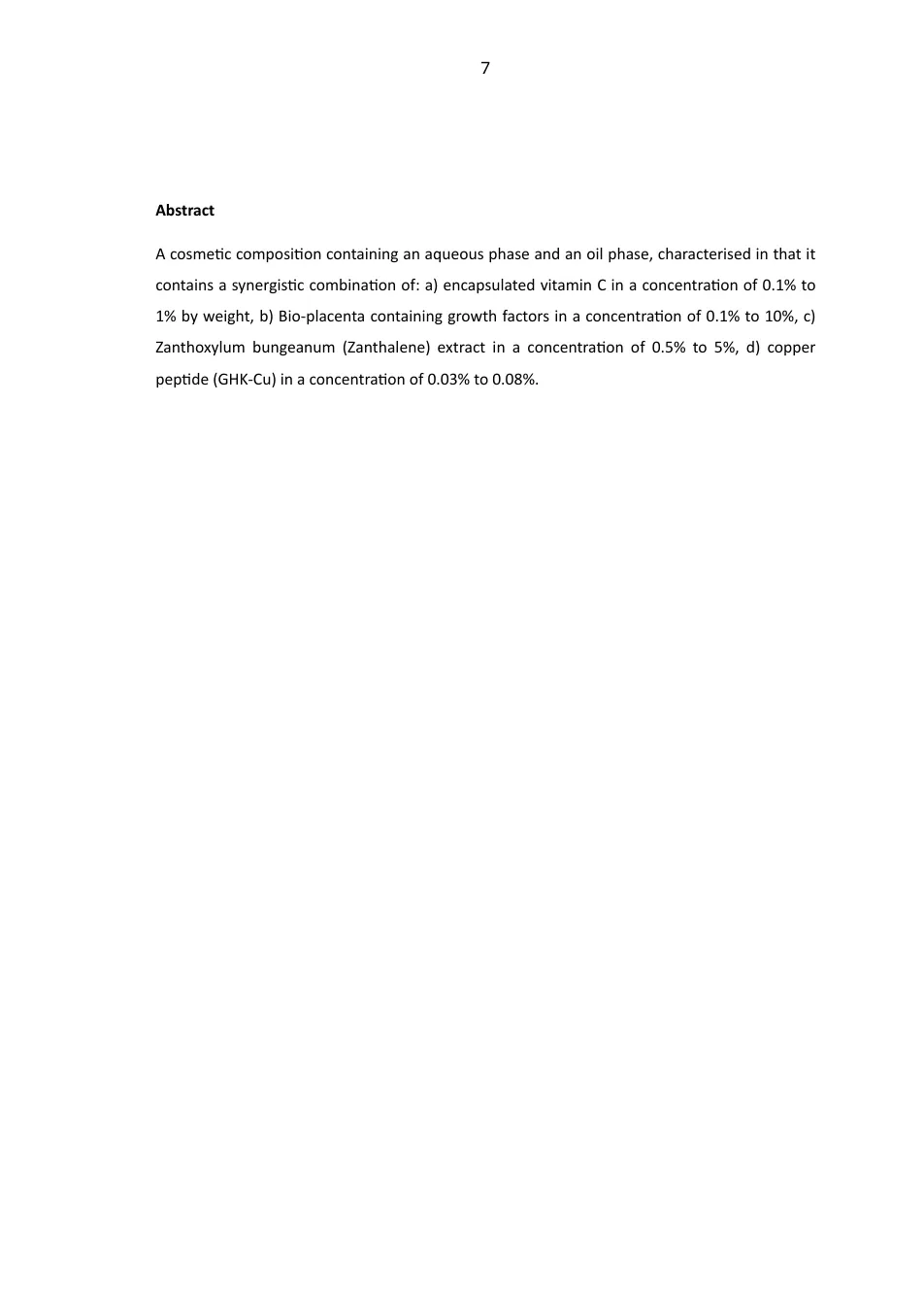
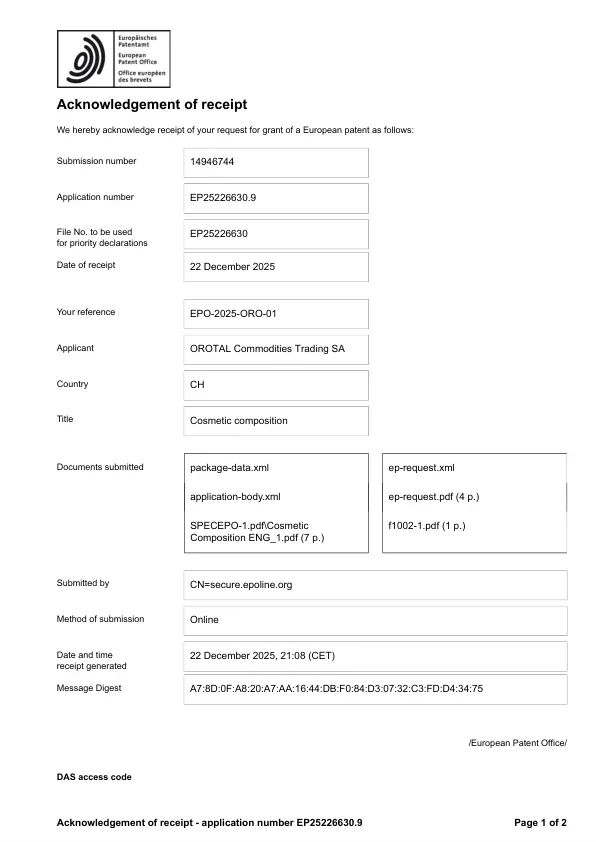
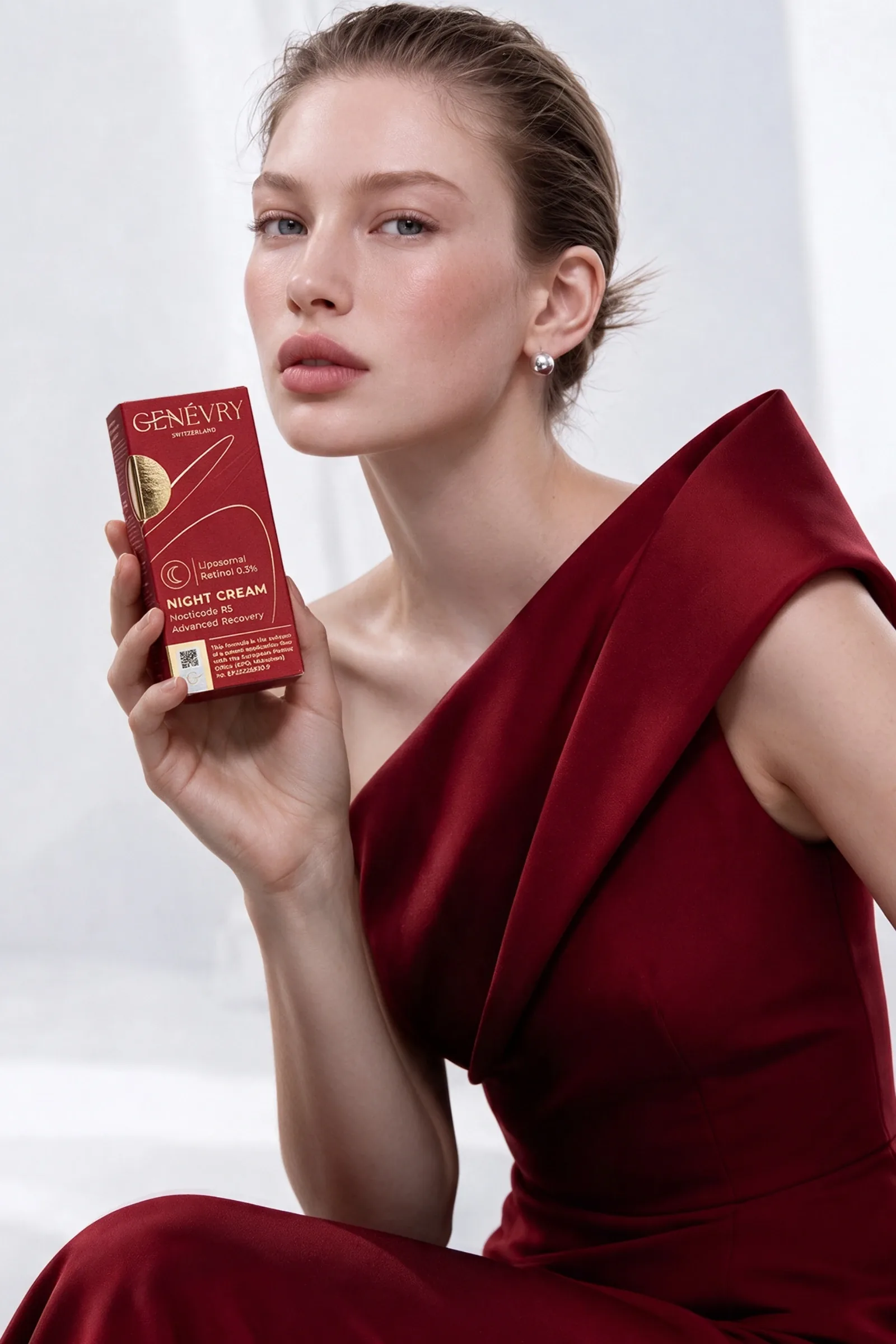
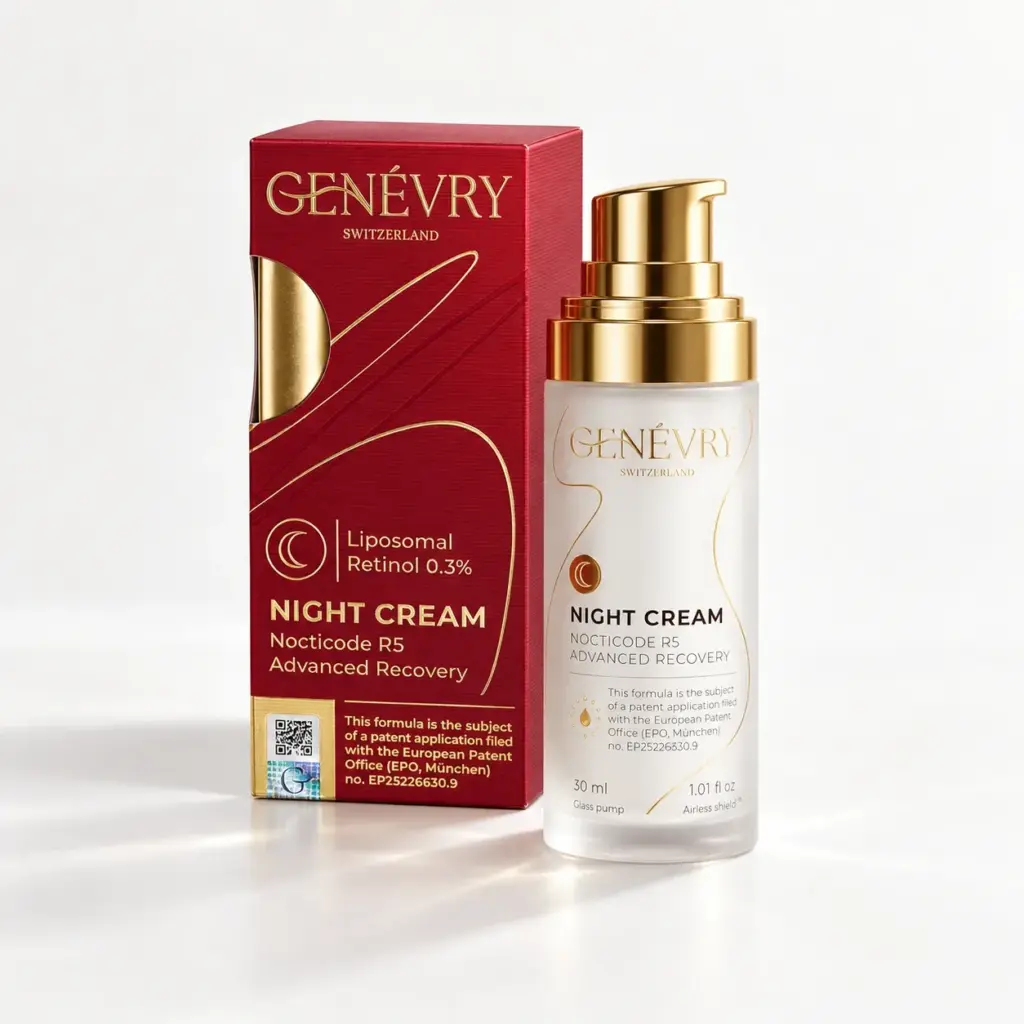
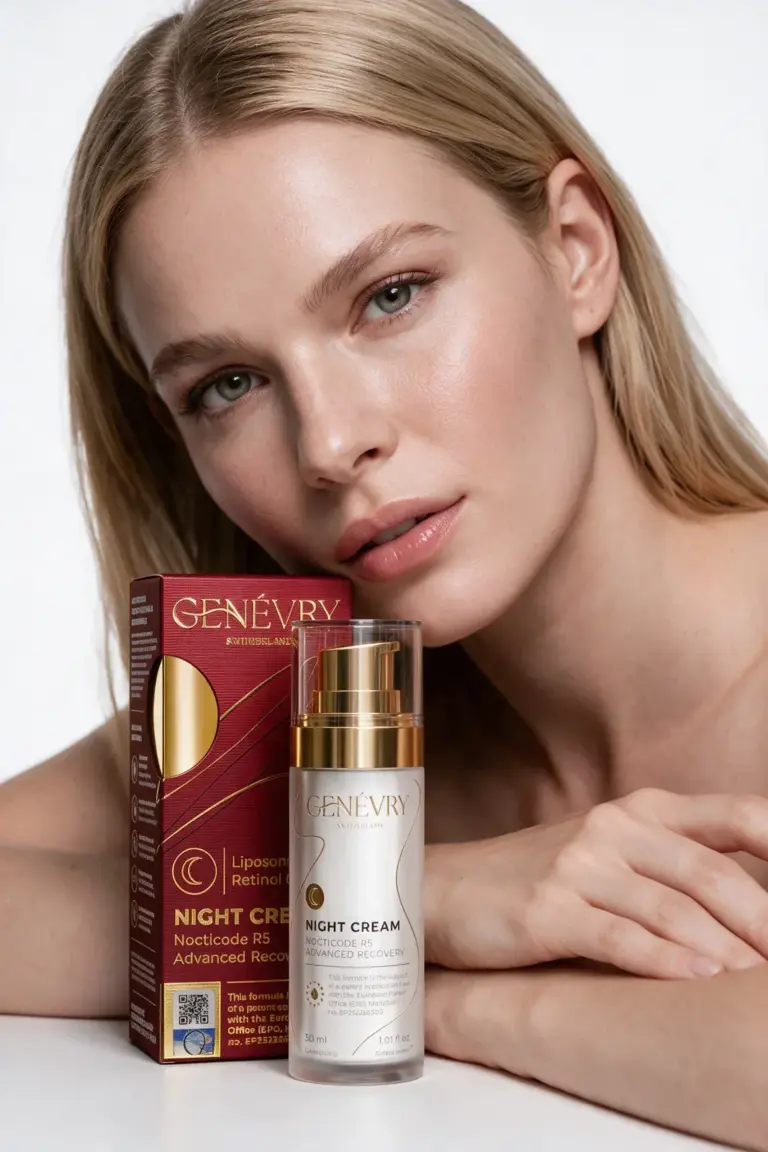
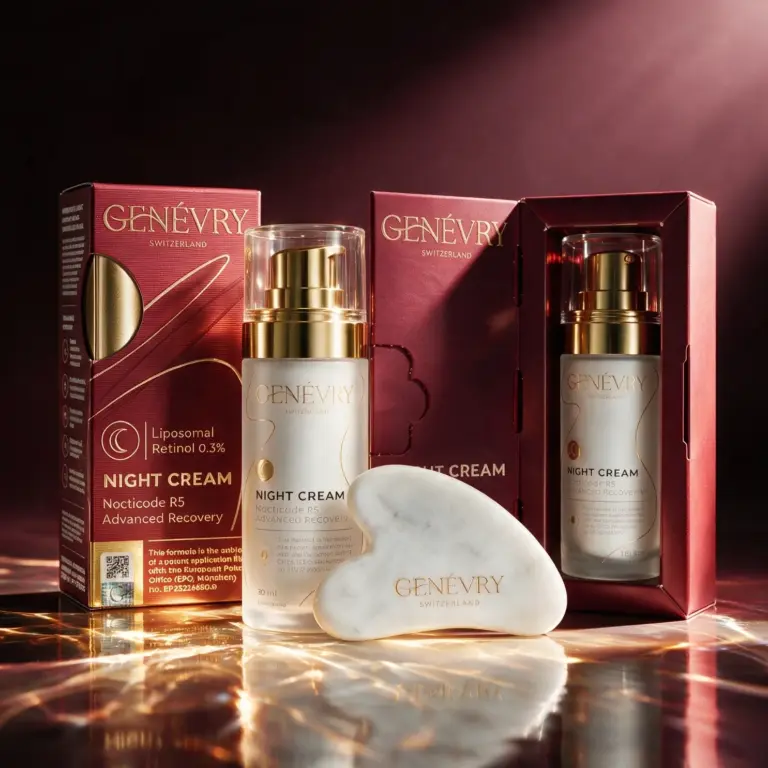
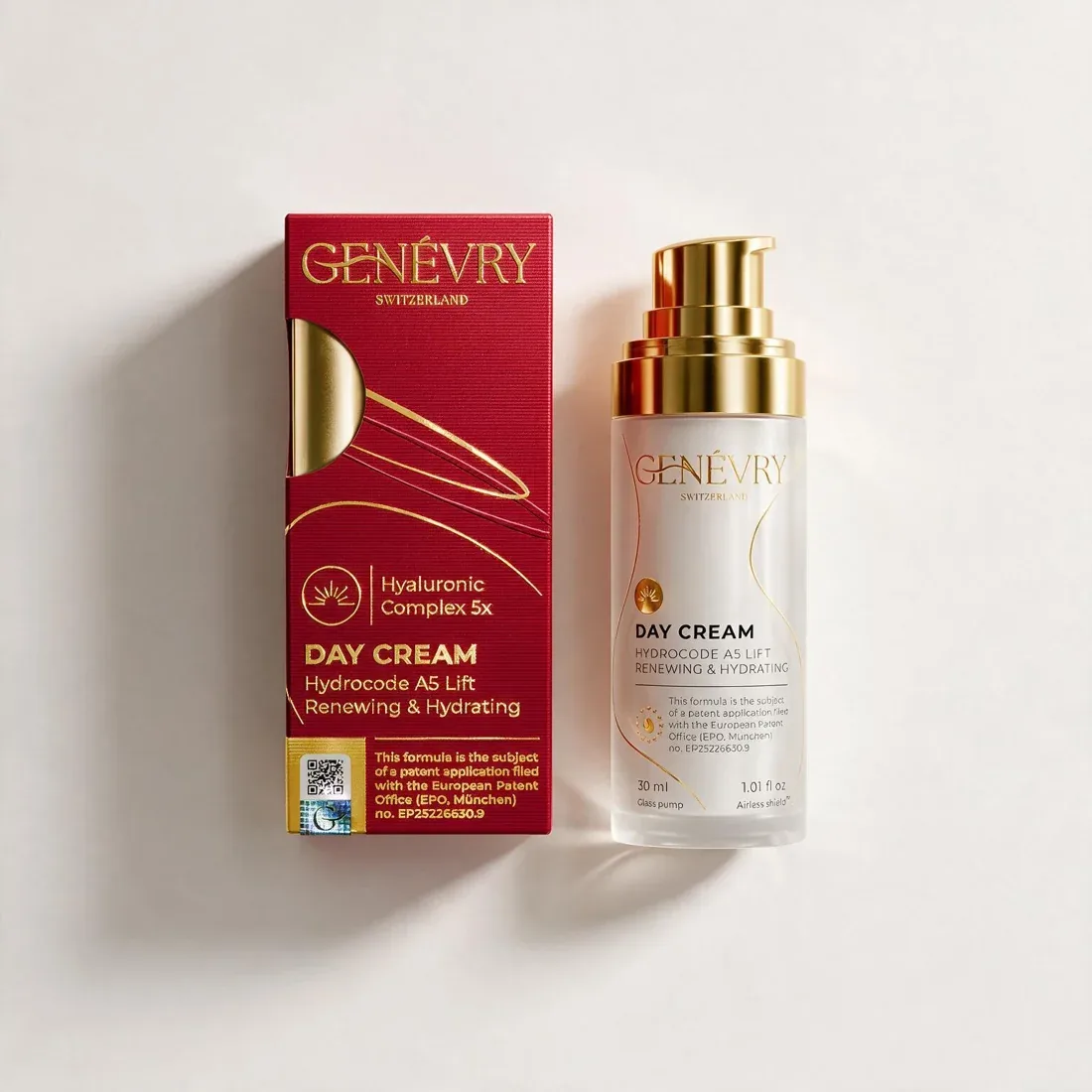
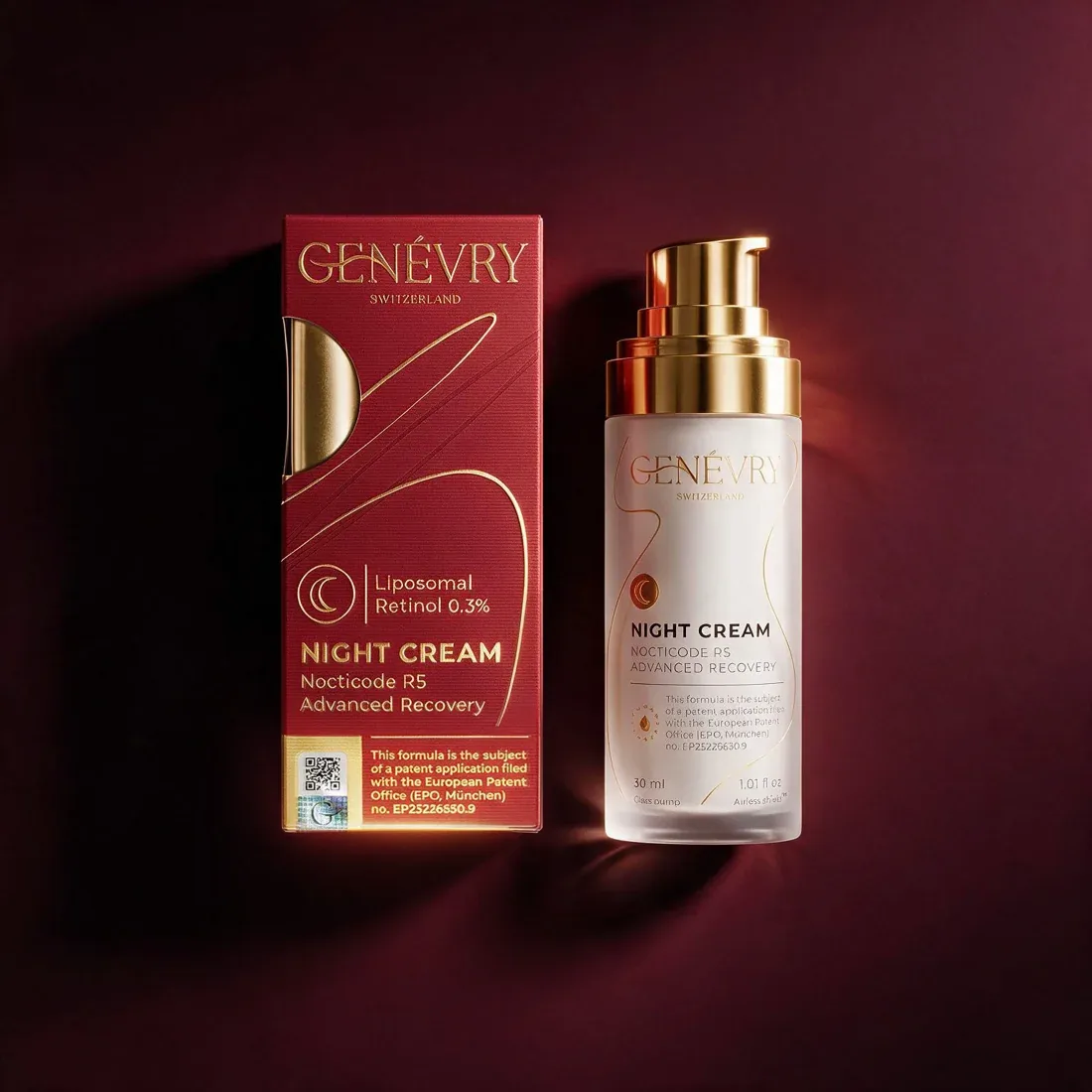
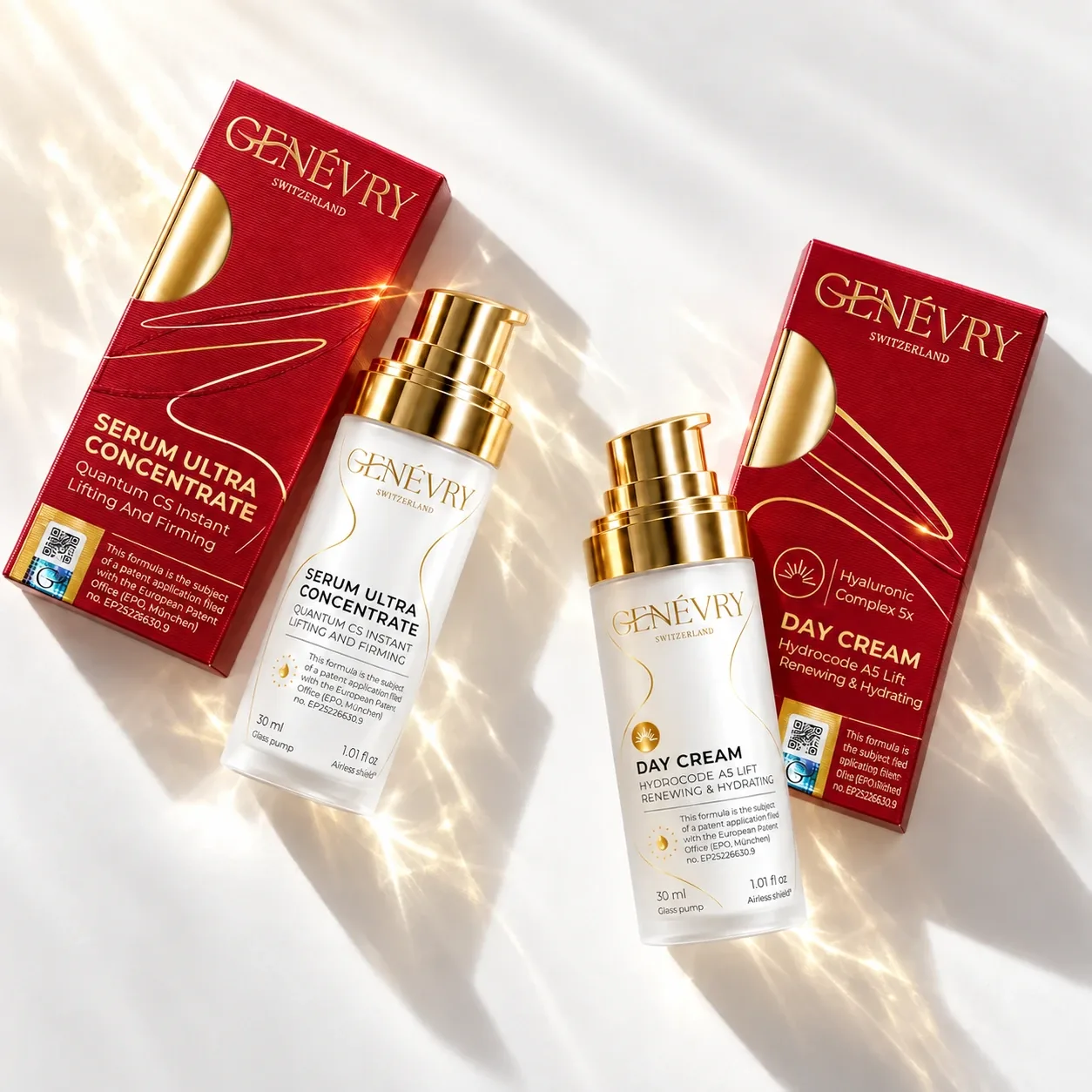
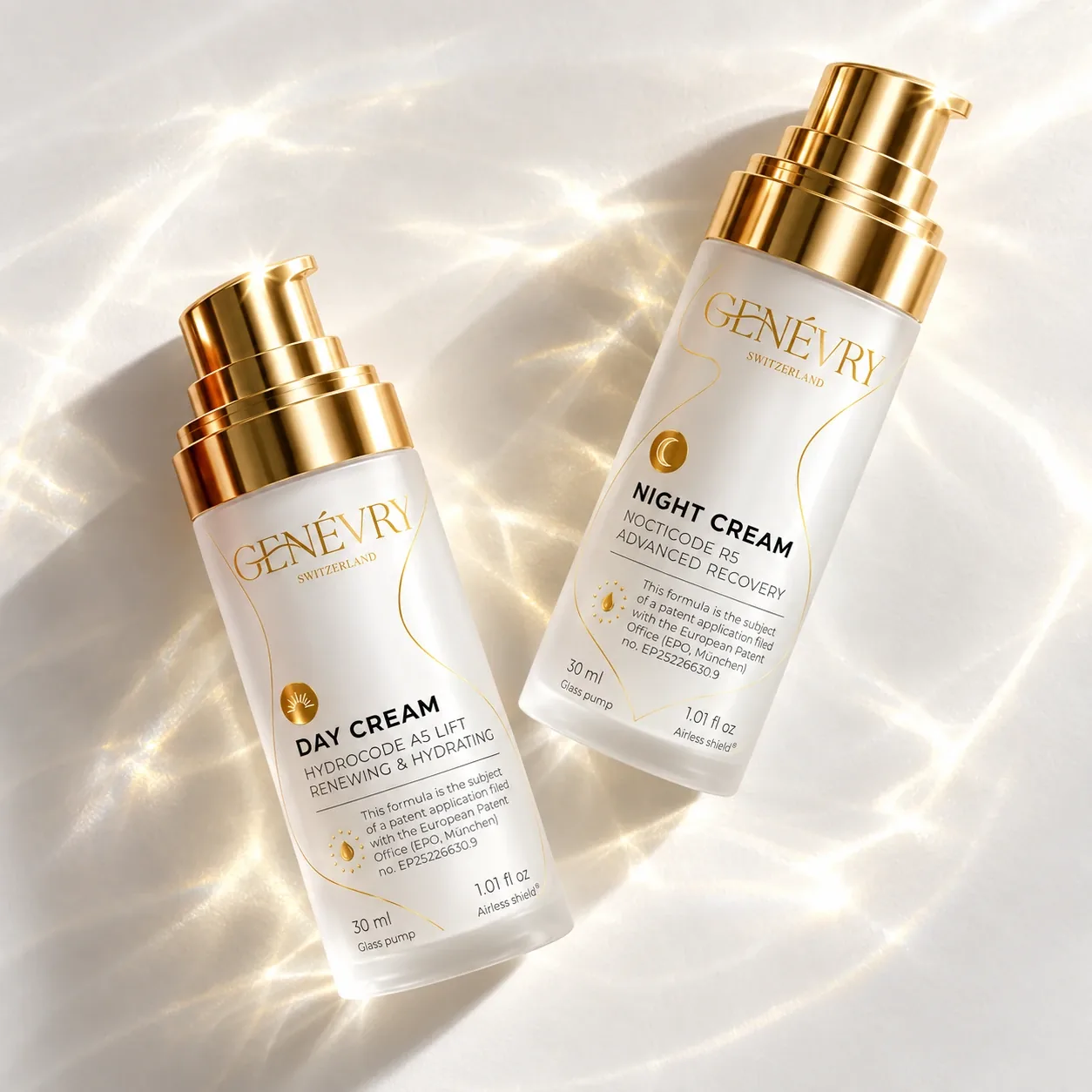
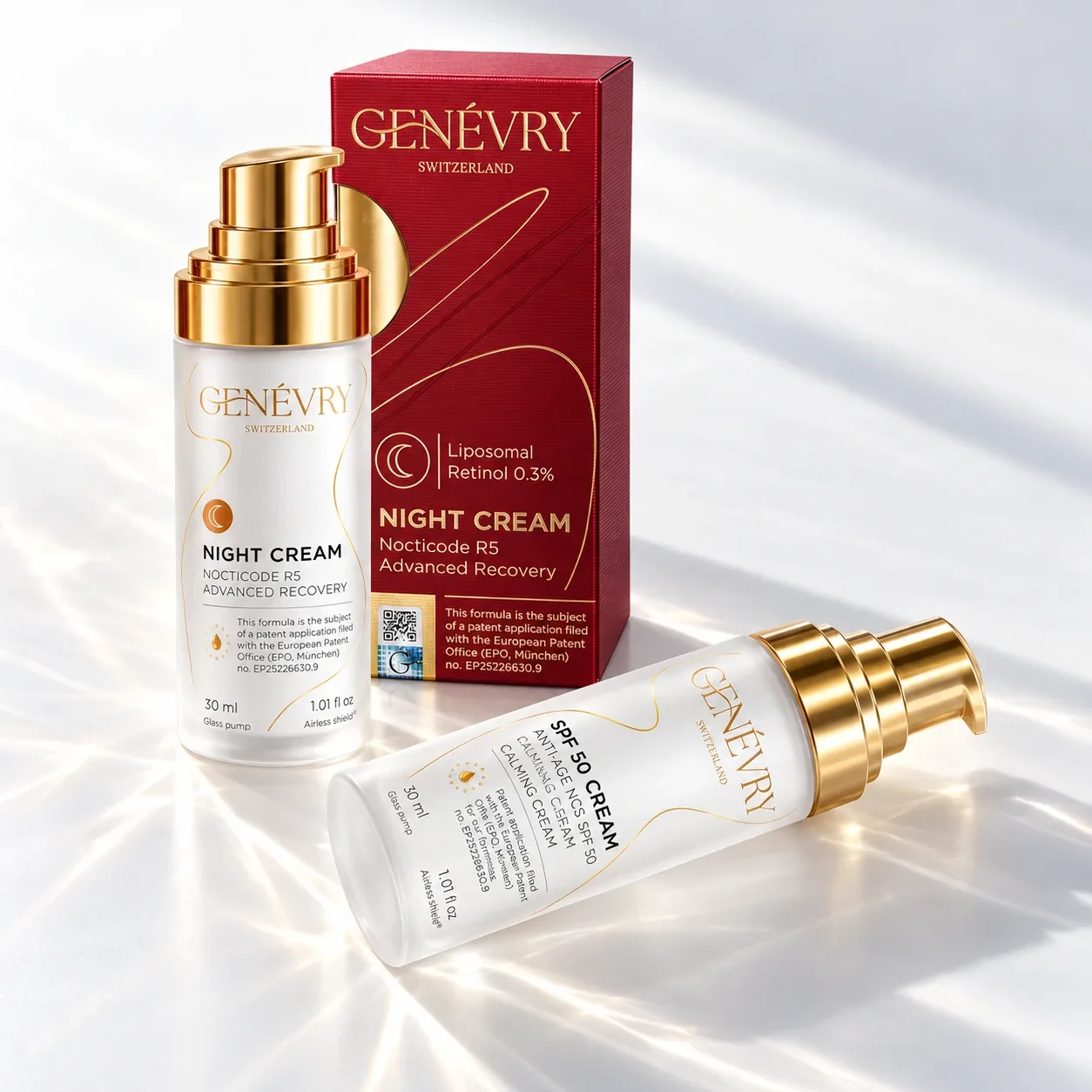
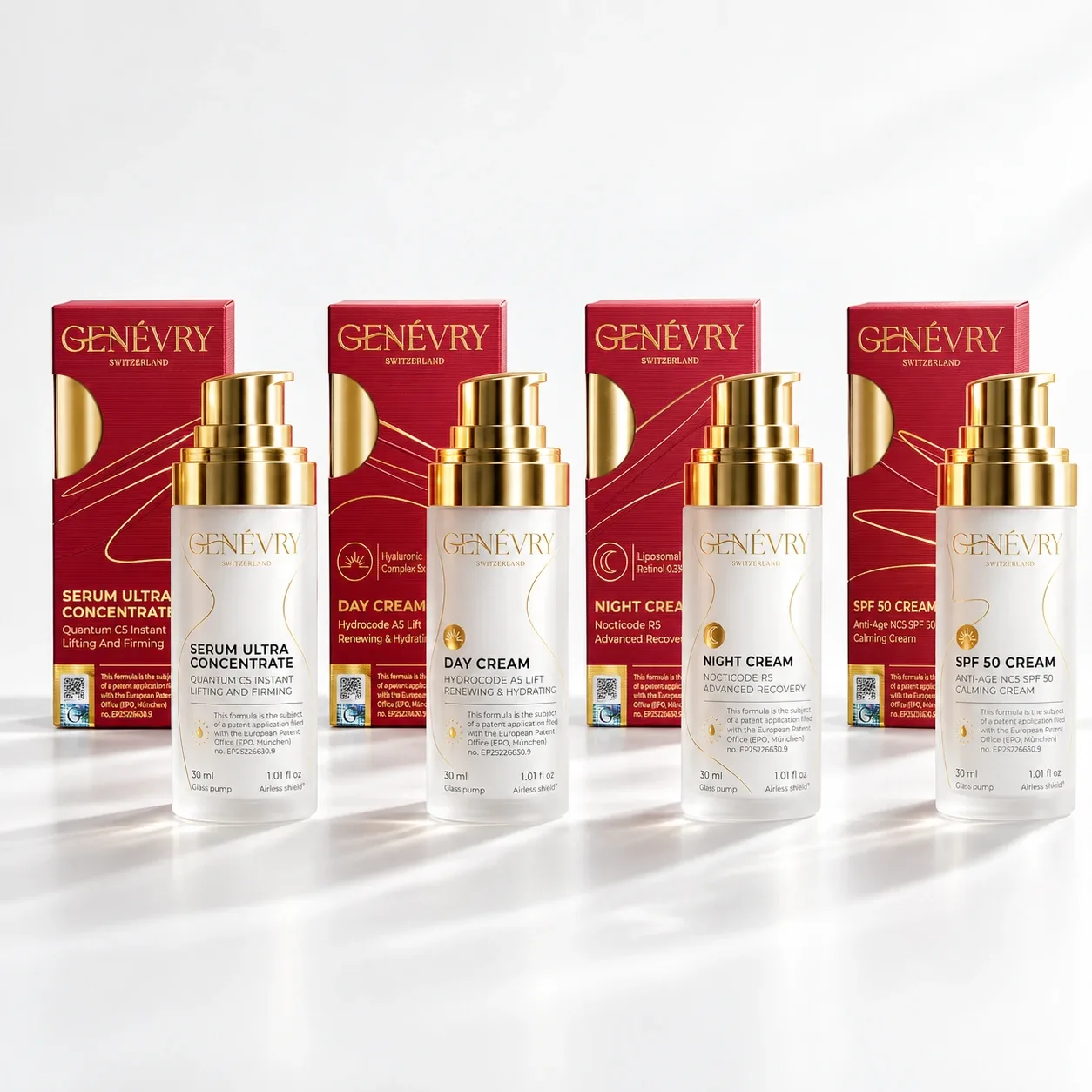
That arrangement — serum in the morning, day cream, SPF, and a retinol cream at night — is what the complete Skin Code Protocol ritual is built around. If you are starting with a retinoid, introduce the night cream with 0.3% liposomal retinol gradually and keep sunscreen non-negotiable in the morning. The GENÉVRY formula is the subject of patent application EP25226630.9.
Frequently asked questions
Can several anti-aging ingredients be used together?
Yes, though not all in the same minute. A safe pattern is an antioxidant in the morning, a retinoid in the evening, and hydration plus niacinamide at both ends of the day. Give acids an evening of their own.
Which ingredient should I start with if I have only ever used a moisturiser?
Sunscreen in the morning. It is the only entry on this list that works preventively, and the only one supported by a multi-year randomised trial. Make a retinoid or vitamin C your second step.
Does a higher concentration mean a better result?
Not proportionally. Studies were run at specific concentrations, and above them the benefit tends to plateau while irritation does not. A percentage without information about the vehicle and pH tells you very little.
How long before skin looks different?
Hydration and smoothness show within days. The changes studied for retinoids and vitamin C were assessed after 12 to 24 weeks of regular use. Anything shorter tests tolerance rather than effect.
Are these ingredients safe during pregnancy?
Retinoids are not used during pregnancy or breastfeeding. The rest call for an individual assessment — speak to a doctor or dermatologist before changing your routine.
A ranking by evidence is a filter for noise, not a verdict. Two well-chosen ingredients used for six months will do more for how skin looks than seven that never last beyond a month.
The formulas in this article
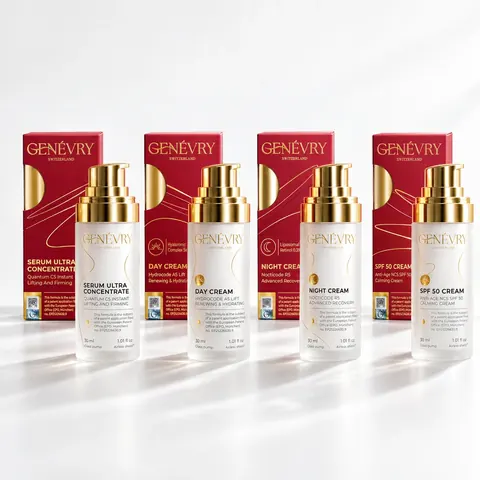 The Skin Code ProtocolПълен 24-часов ритуал · 4 × 30 ml€112.90Discover the formula →
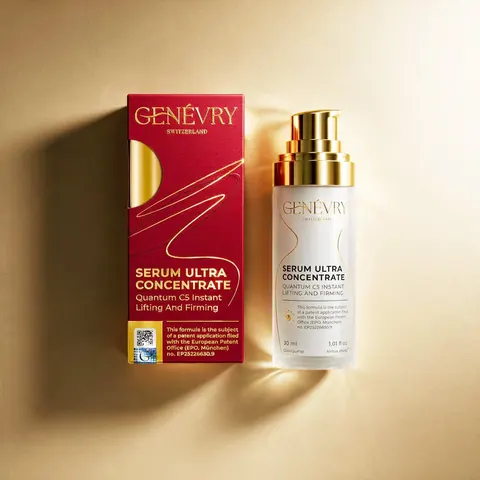 Quantum C5Ултраконцентриран серум€31.90Discover the formula →
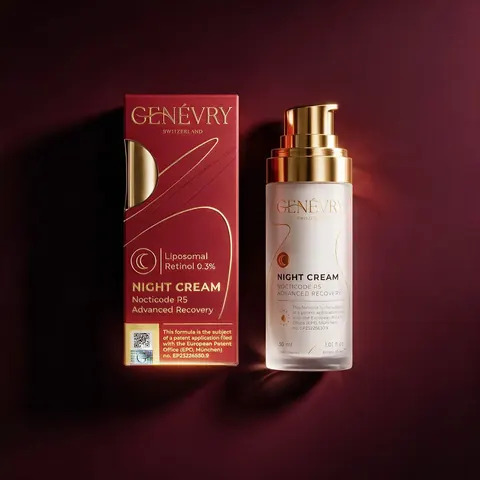 Nocticode R5Усъвършенстван нощен крем€34.90Discover the formula →
Cosmetic product. Individual results may vary.

 English / EUR
 English (US) / USD
 English (UK) / GBP
 Deutsch / EUR
 Deutsch (Schweiz) / CHF
 Français / EUR
 Italiano / EUR
 Español / EUR
 Nederlands / EUR
 Polski / PLN
 日本語 / JPY
 한국어 / KRW
 中文 / CNY
 العربية / AED
 English (Australia) / AUD
 English (Canada) / CAD
 Svenska / SEK
 Dansk / DKK
 Norsk / NOK
 Suomi / EUR
 Português / EUR
 Türkçe / TRY
 Čeština / CZK
 Magyar / HUF
 Română / RON
 Ελληνικά / EUR
 Slovenčina / EUR
 Hrvatski / EUR
 Slovenščina / EUR
 Lietuvių / EUR
 Latviešu / EUR
 Eesti / EUR
 Български / EUR
 Українська / EUR