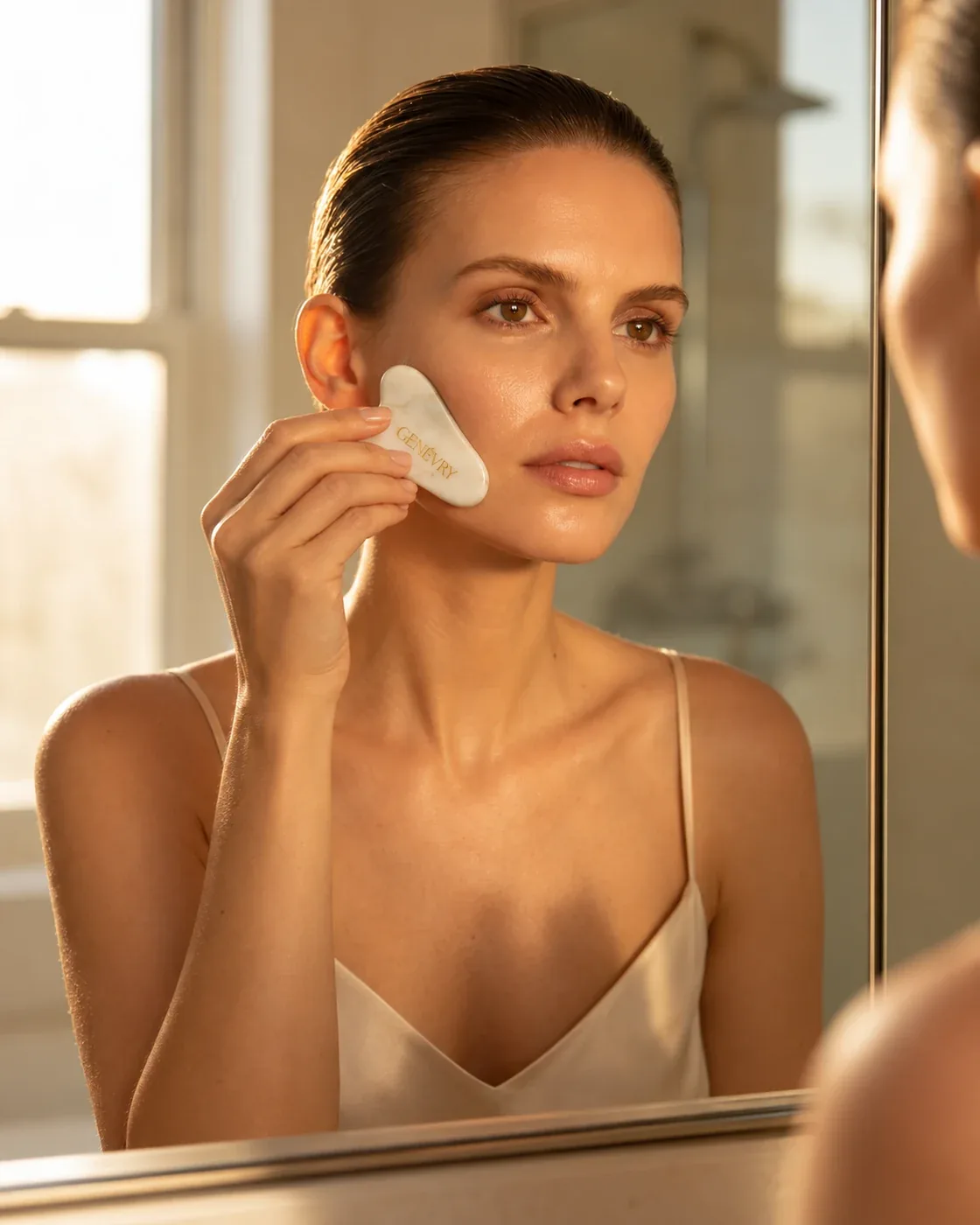
The morning anti-aging routine in four steps
Skin asks for something different in the morning than it does at night. Four steps, four minutes and one rule the rest depends on.
A morning anti-aging routine has a different job from an evening one, and that distinction is where a sensible plan starts. At night the skin is in repair mode and active ingredients can support it. In the morning it faces twelve or more hours of daylight, dry air from the office vents or cold air from the street, and the particles that settle on a face during the commute. Mornings are for preparing and shielding, not for repairing.
Four steps are enough — provided the last one actually gets done, and in a quantity that counts. Below: what happens to skin towards morning, how the four steps look in practice, how much product each one takes, what the instrumental studies of the GENÉVRY formulas measured, and what it is reasonable to expect.
What skin does towards morning
Skin keeps its own daily rhythm. Transepidermal water loss tends to peak in the early hours, which is why a face can look dull and feel tight on waking even when everything was fine the night before. Through the day sebaceous activity rises and the skin gradually closes itself up again, but that takes a few hours. Those first hours are the ones most affected by what you put on.
The second factor is exposure. UVA radiation — responsible for most of the changes we associate with light-driven skin ageing — passes through cloud and through ordinary window glass, and its intensity shifts across the year far more gently than UVB does. A day beside an office window is exposure too: less obvious, but repeated five days a week.
The whole morning plan follows from those two facts: put water and comfort back, then add a protective layer. Everything else is execution.
The morning anti-aging routine: four steps
01. Gentle cleansing
By morning the face carries the remains of a night cream, a little sweat and some sebum — nothing that calls for a strong detergent. Lukewarm water and a mild gel or milk, twenty to thirty seconds, is the whole of it. Hot water and a foam that leaves skin squeaking is the quickest route to the tight feeling we then try to bury under cream.
Pat the face dry rather than rubbing it, and move on before the skin is bone dry. Serum spreads more evenly on slightly damp skin, and less of it disappears into the fingertips.
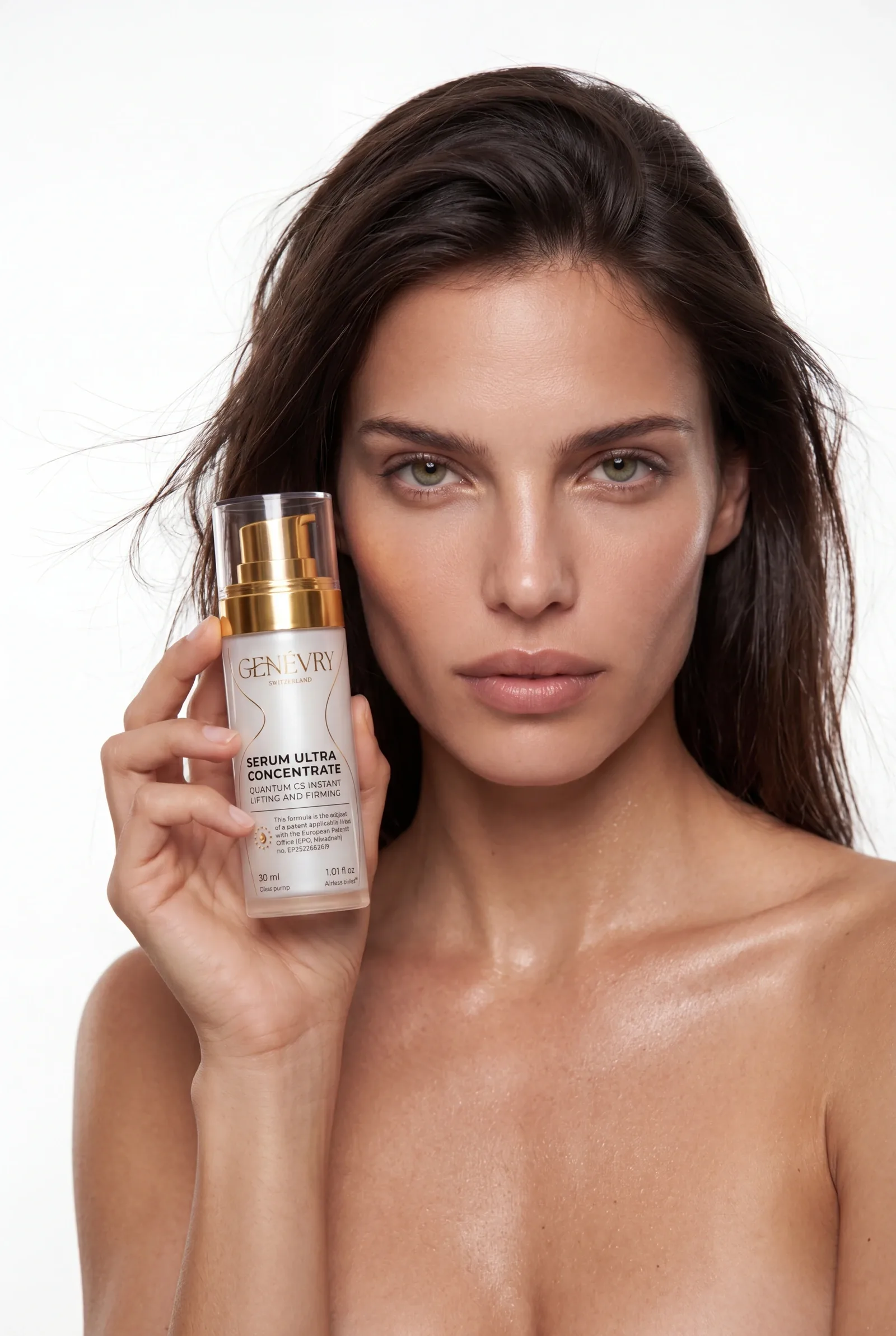
02. Serum with vitamin C and copper peptide
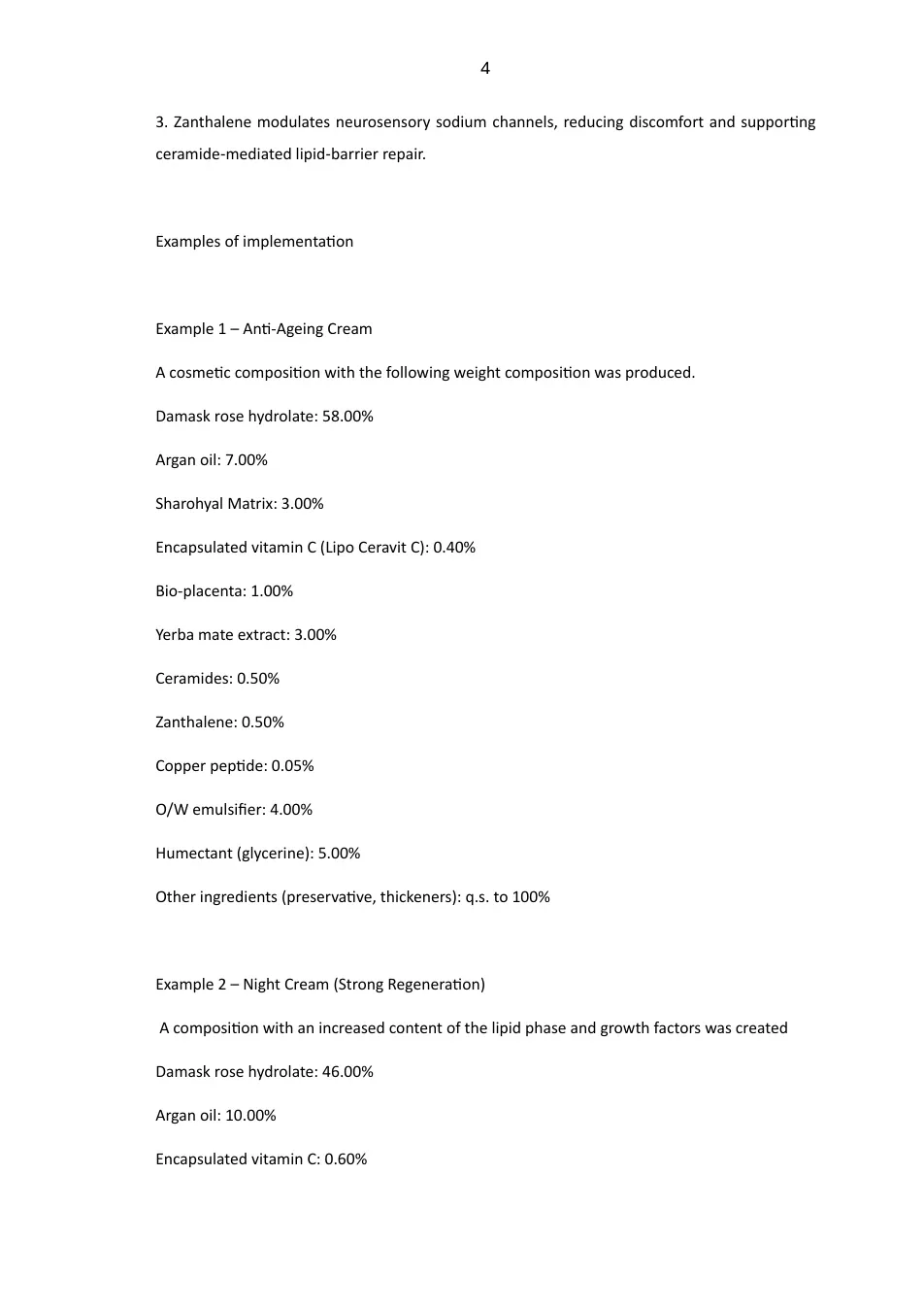
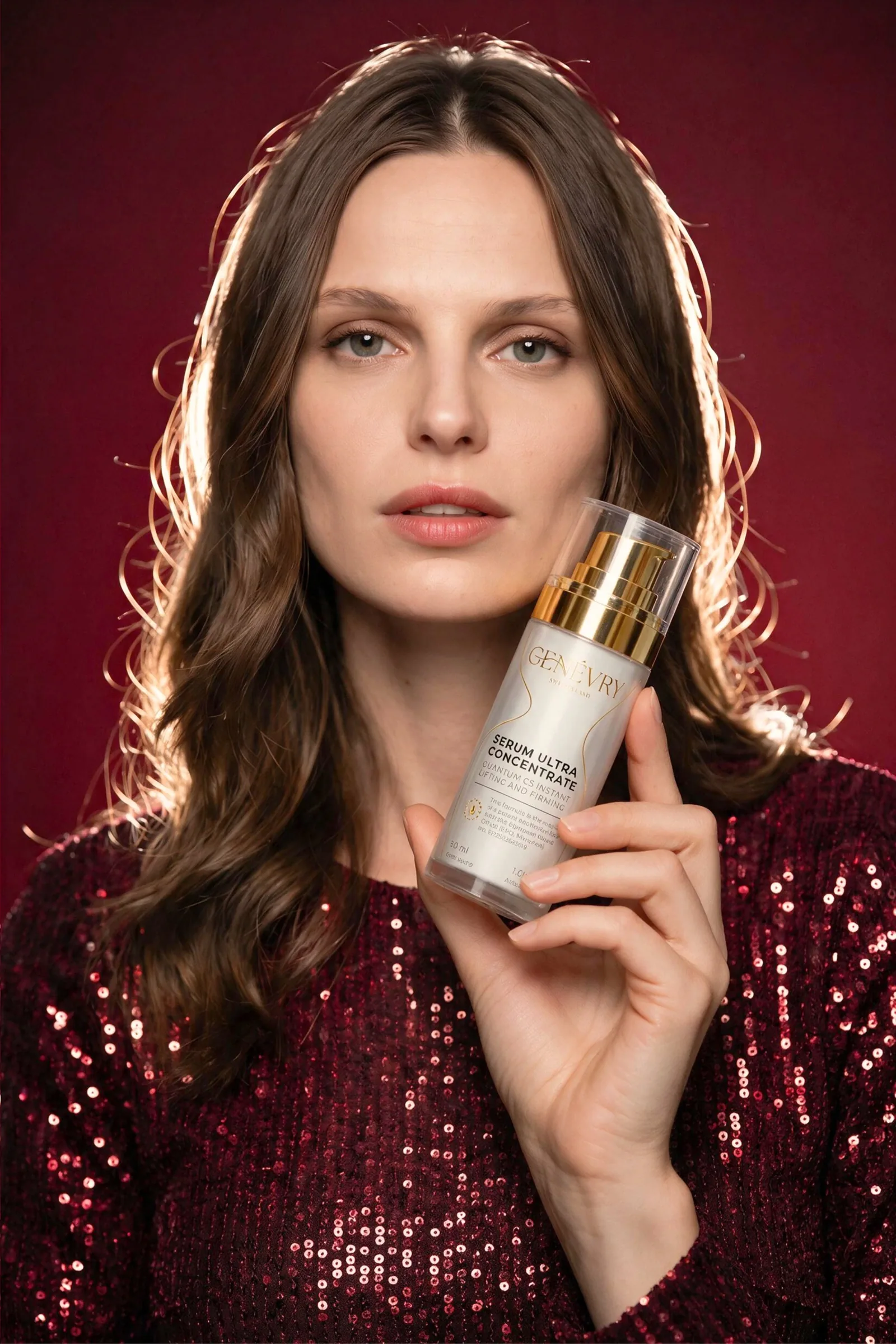
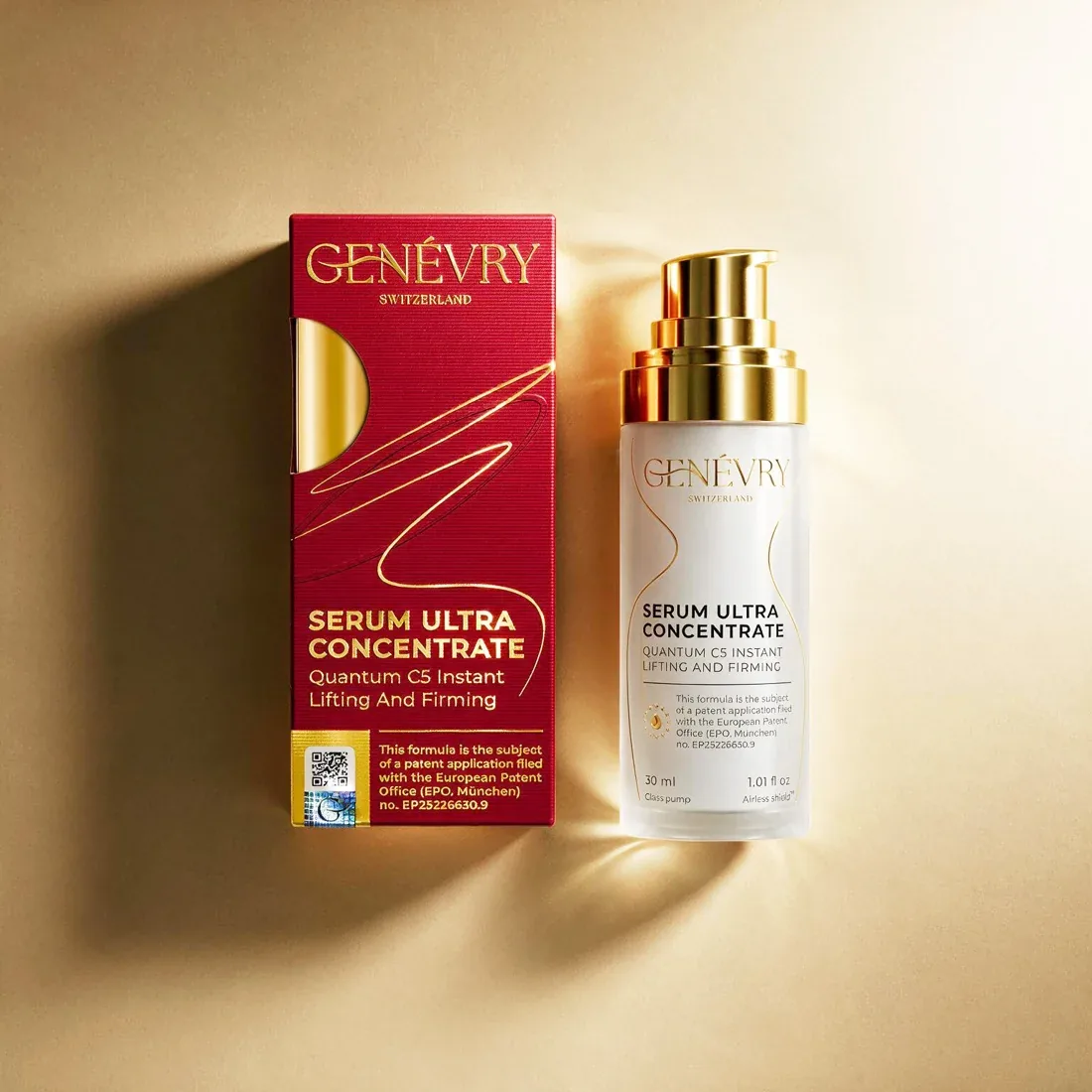
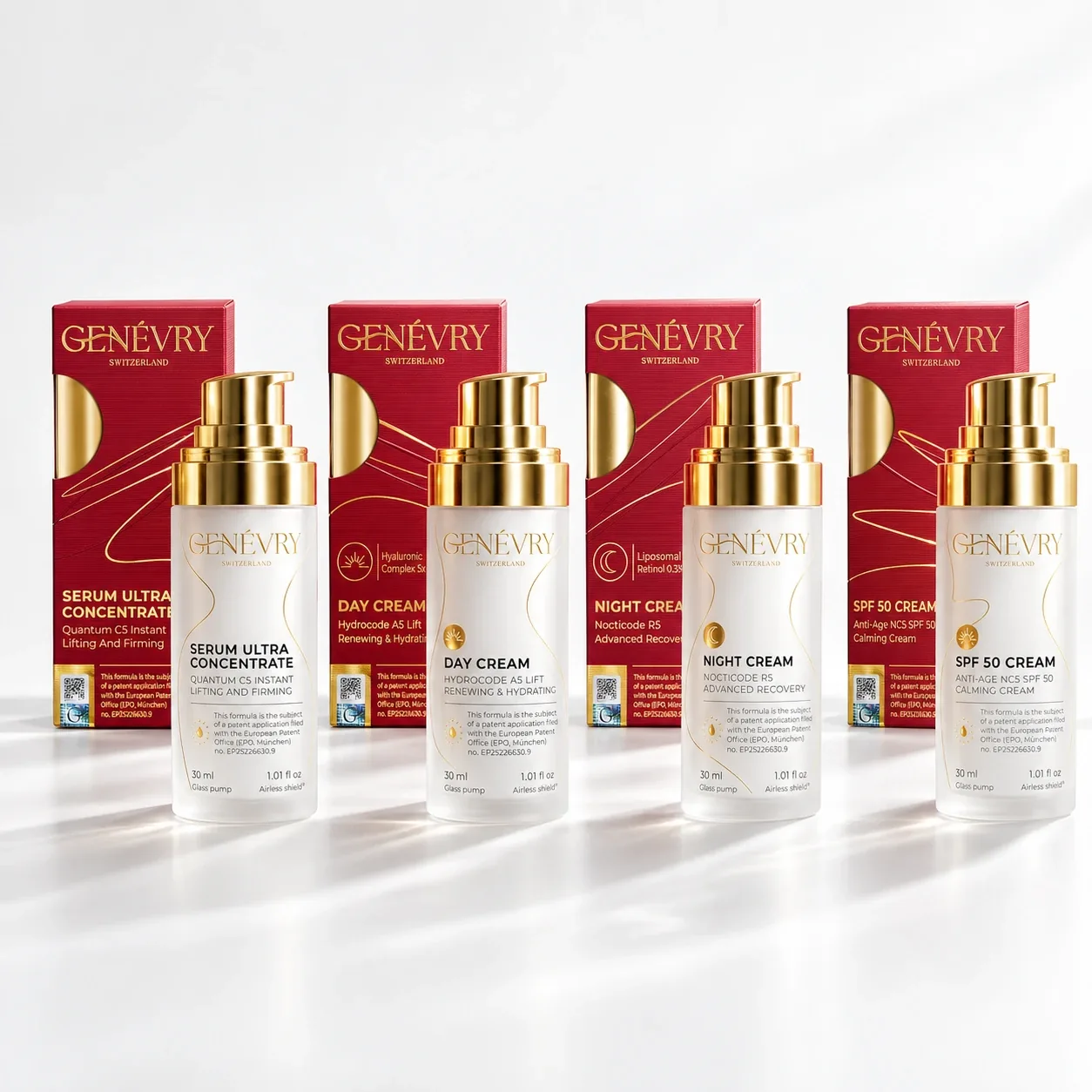
Serum has the smallest molecules and the highest concentration, which is why it goes first after cleansing. Quantum C5 pairs the copper peptide GHK-Cu with liposomal vitamin C — a form enclosed in a lipid carrier that protects it from oxidising and helps it cross the stratum corneum. Vitamin C itself is known first of all as an antioxidant, which is why skincare has long given it the morning slot, ahead of a day full of light.
One pump, worked outwards from the centre of the face with the fingertips, pressed rather than rubbed. Thirty seconds and the cream can go on.
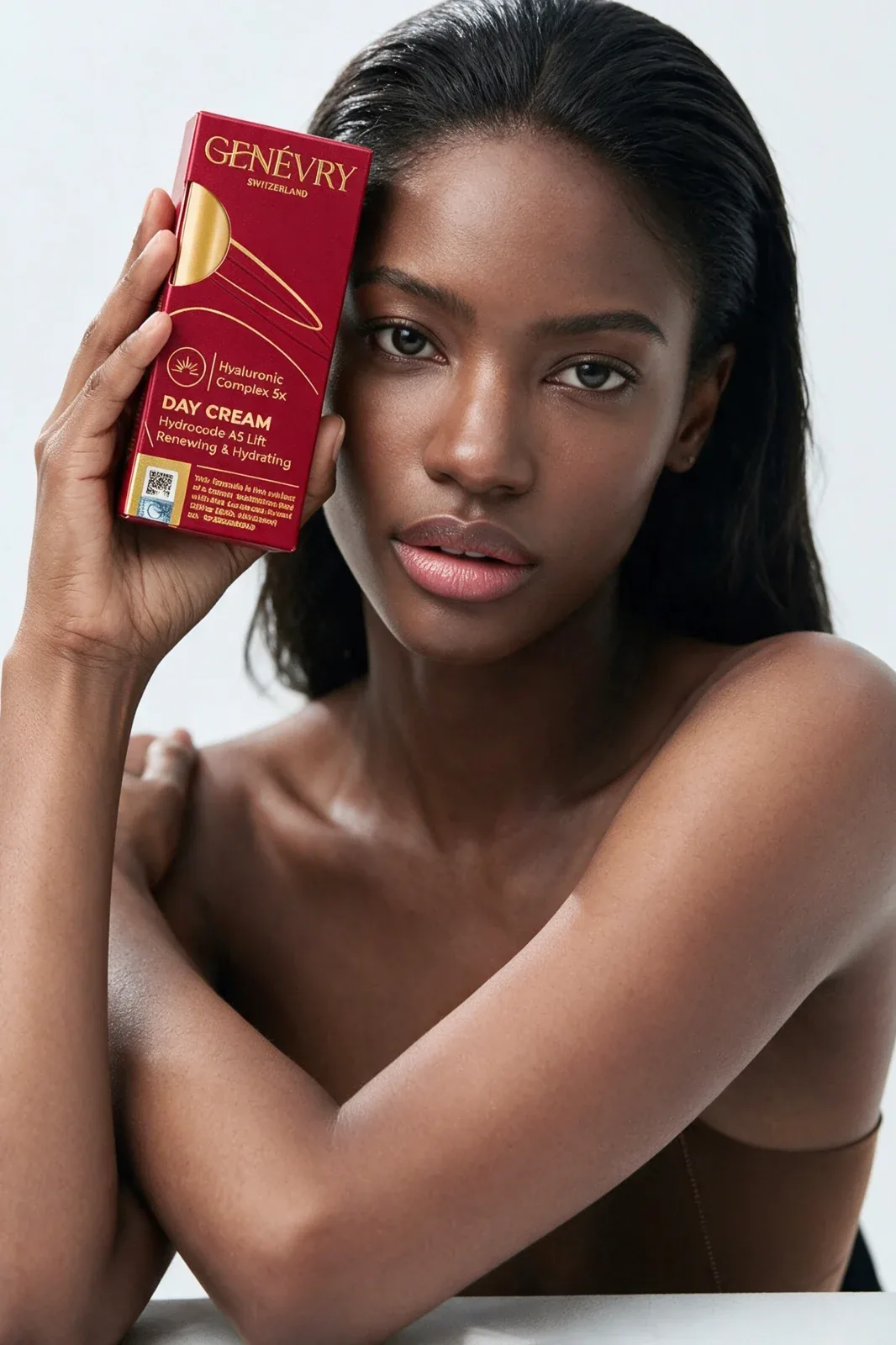
03. Day cream
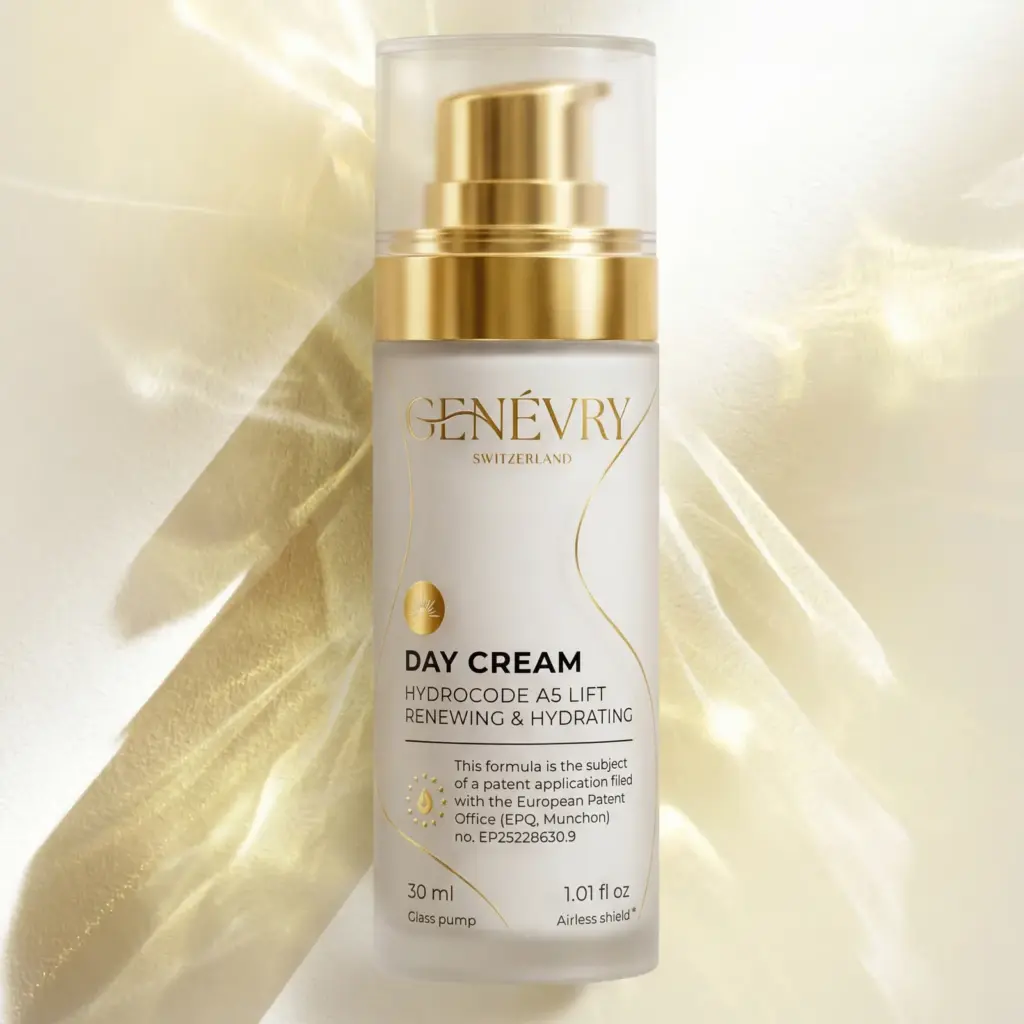
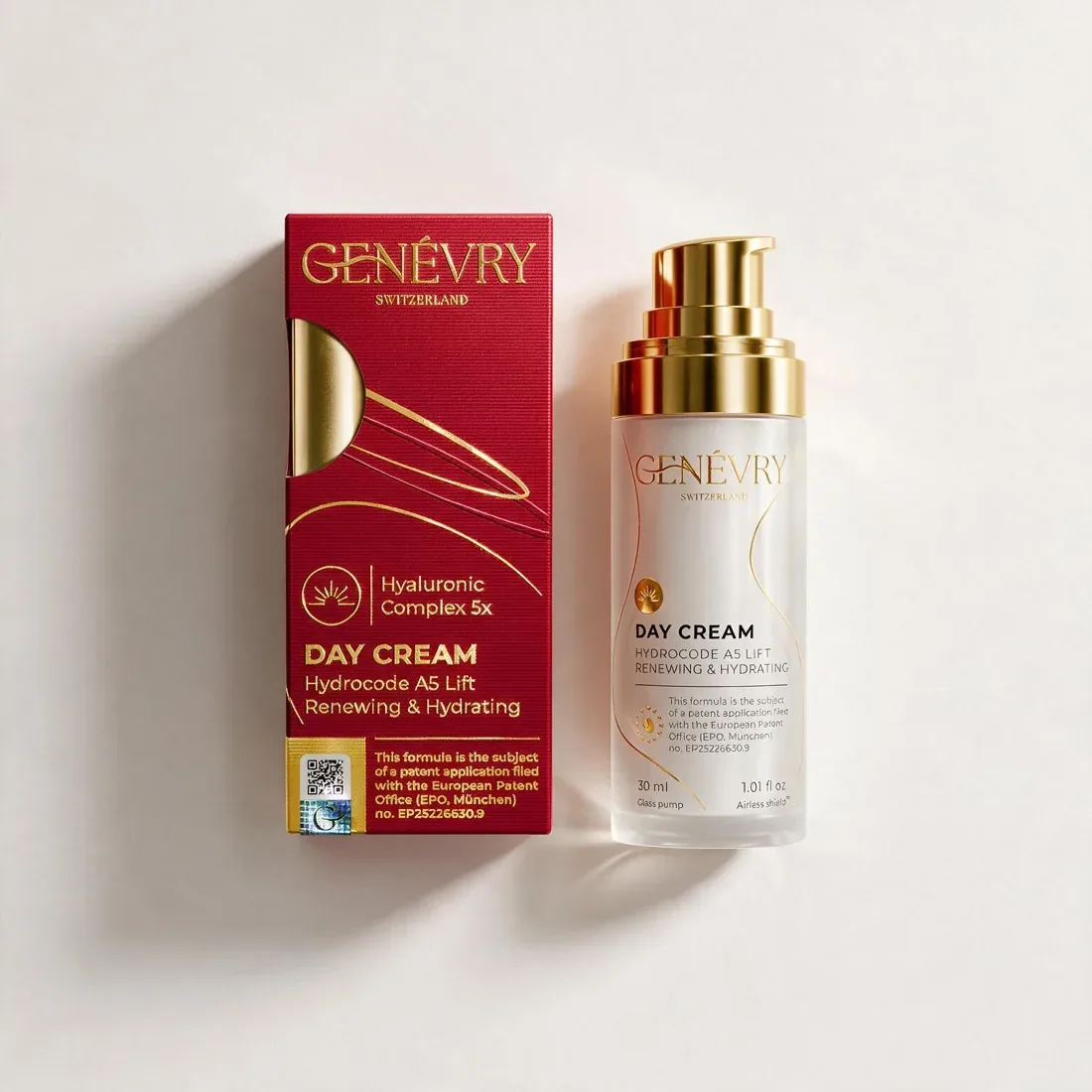
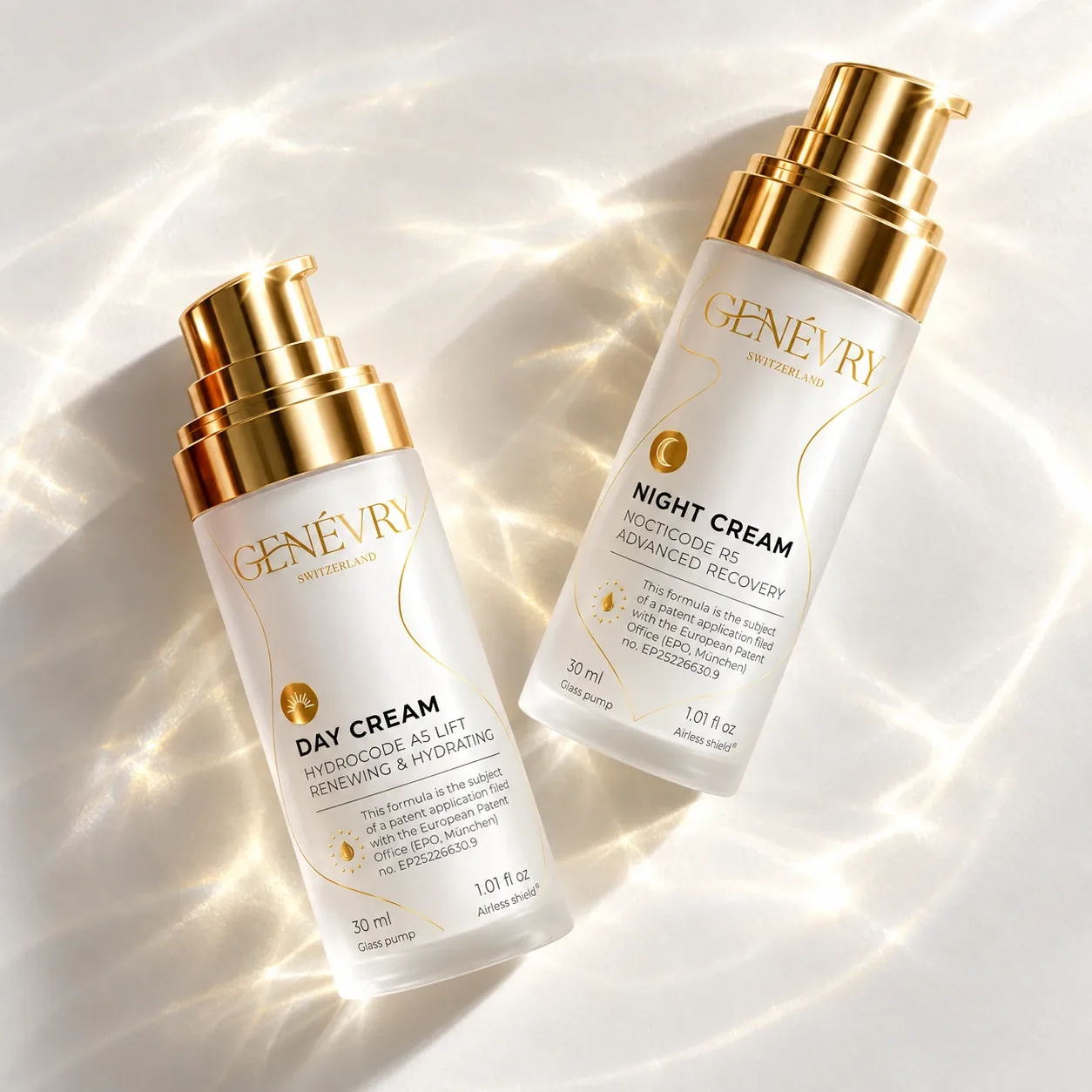
Hydrocode A5 Lift does two things in the morning: it adds hydration, and it seals the serum under a layer that slows water loss. It also does a third, less obvious one — it gives sunscreen an even surface to spread across, which makes a real difference to the quality of the final step.
A hazelnut-sized amount for face, neck and décolleté. Press it in, finishing with upward strokes on the neck. Give it a minute.
04. SPF 50 — the step nobody should skip
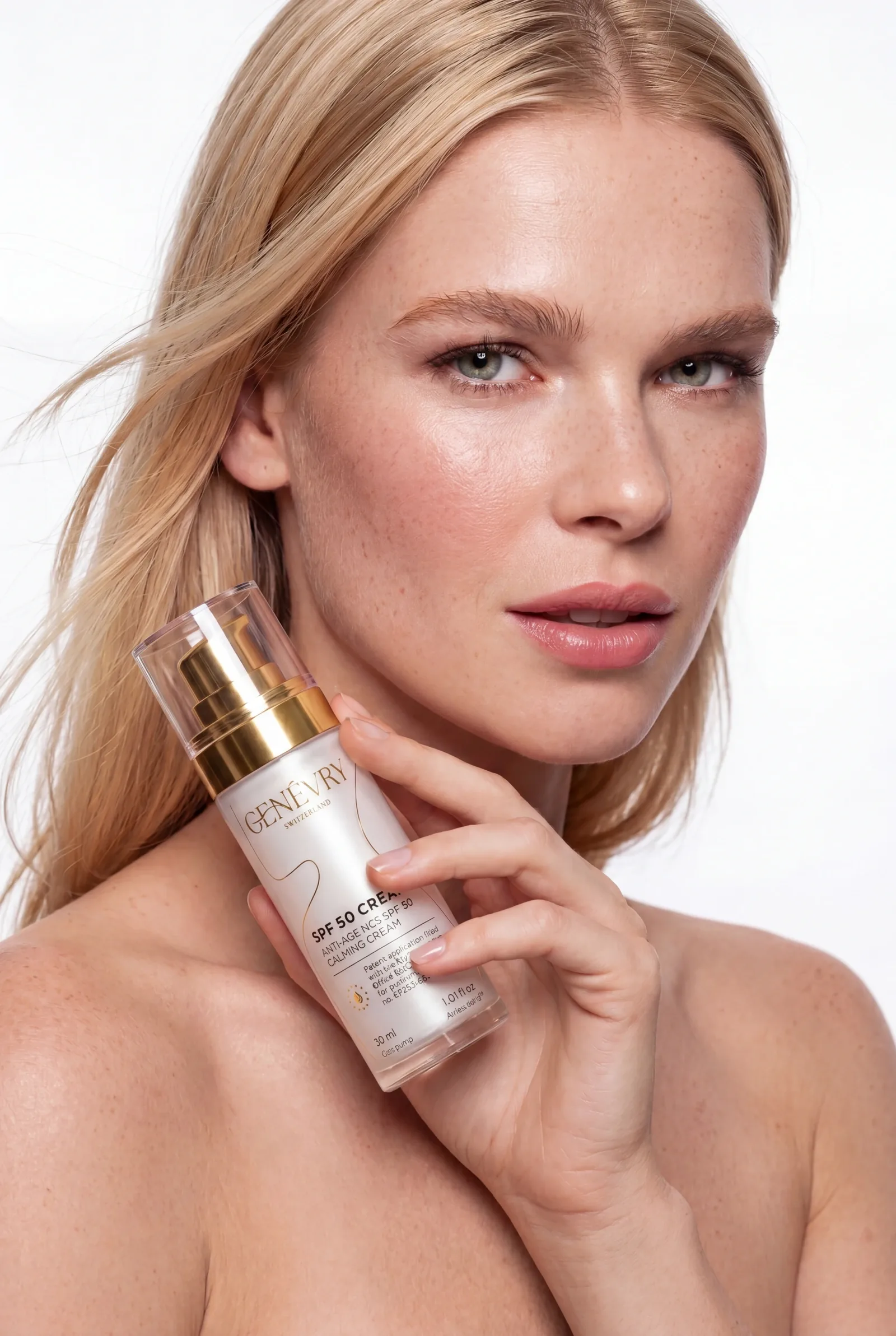
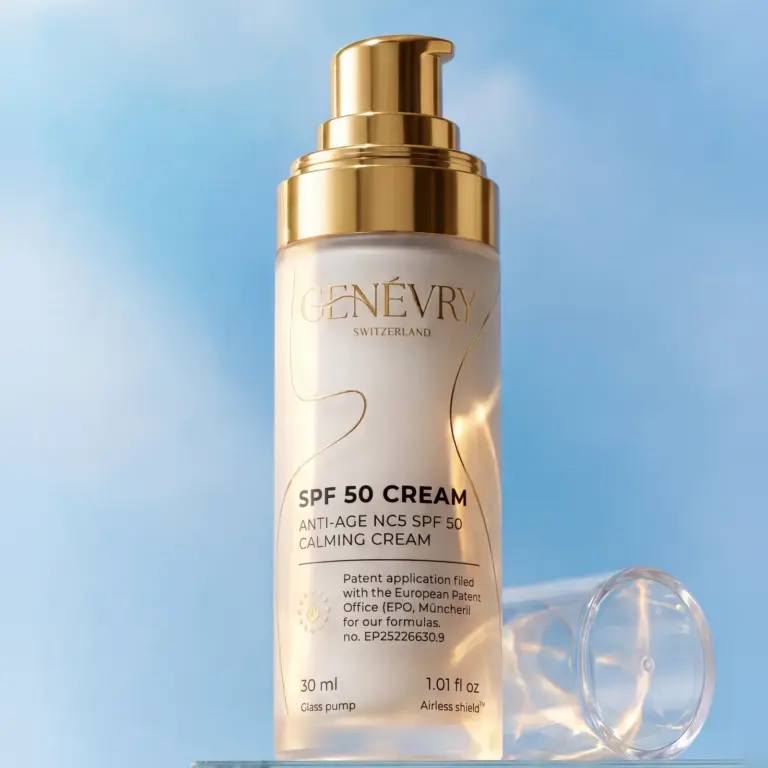
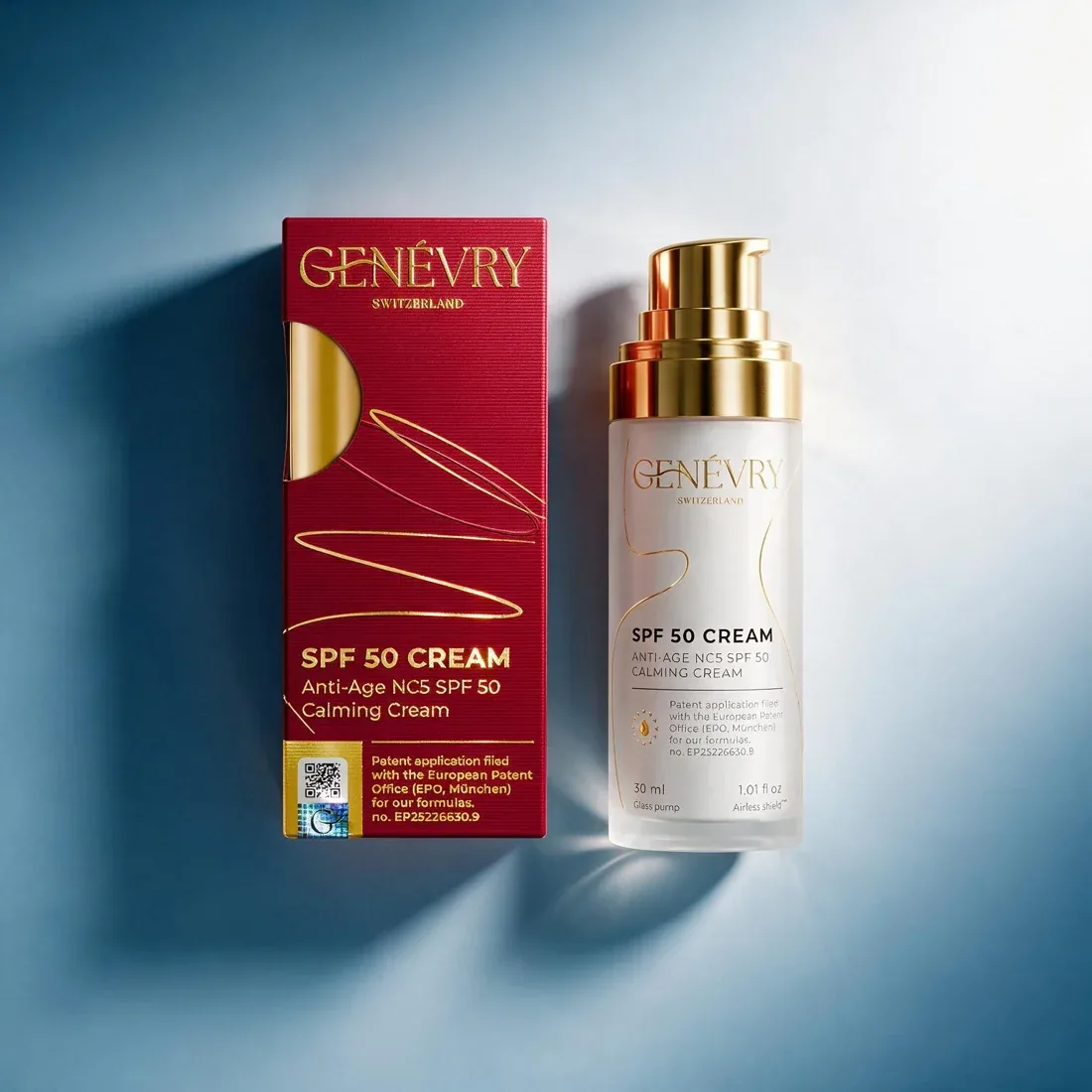
Sunscreen comes last because it is meant to stay on top. Anti-Age NC5 SPF 50 goes over the cream, not instead of it, and in an amount that is rarely intuitive: the testing standard is 2 mg per square centimetre, which for face and neck works out at roughly two finger lengths or half a teaspoon. A thinner layer still protects, but below the figure printed on the box.
Ears, hairline, eyelids and the backs of the hands are part of the job. Reapply as the label directs, particularly after a long stretch outdoors.
How much product, how much time
| Step | Product | Amount | Pause before the next |
|---|---|---|---|
| 01 Cleanse | Mild gel or milk, lukewarm water | Pea-sized | Straight on, onto slightly damp skin |
| 02 Serum | Quantum C5 | One pump | About 30 seconds |
| 03 Day cream | Hydrocode A5 Lift | Hazelnut (face, neck, décolleté) | About 1 minute |
| 04 Protect | Anti-Age NC5 SPF 50 | Half a teaspoon / two finger lengths | 2–3 minutes before make-up |
The lot takes about four minutes. When a morning routine fails it is almost never because the products were wrong; it is because those four minutes were not there — and the first casualty is always the sunscreen.
What the studies measured
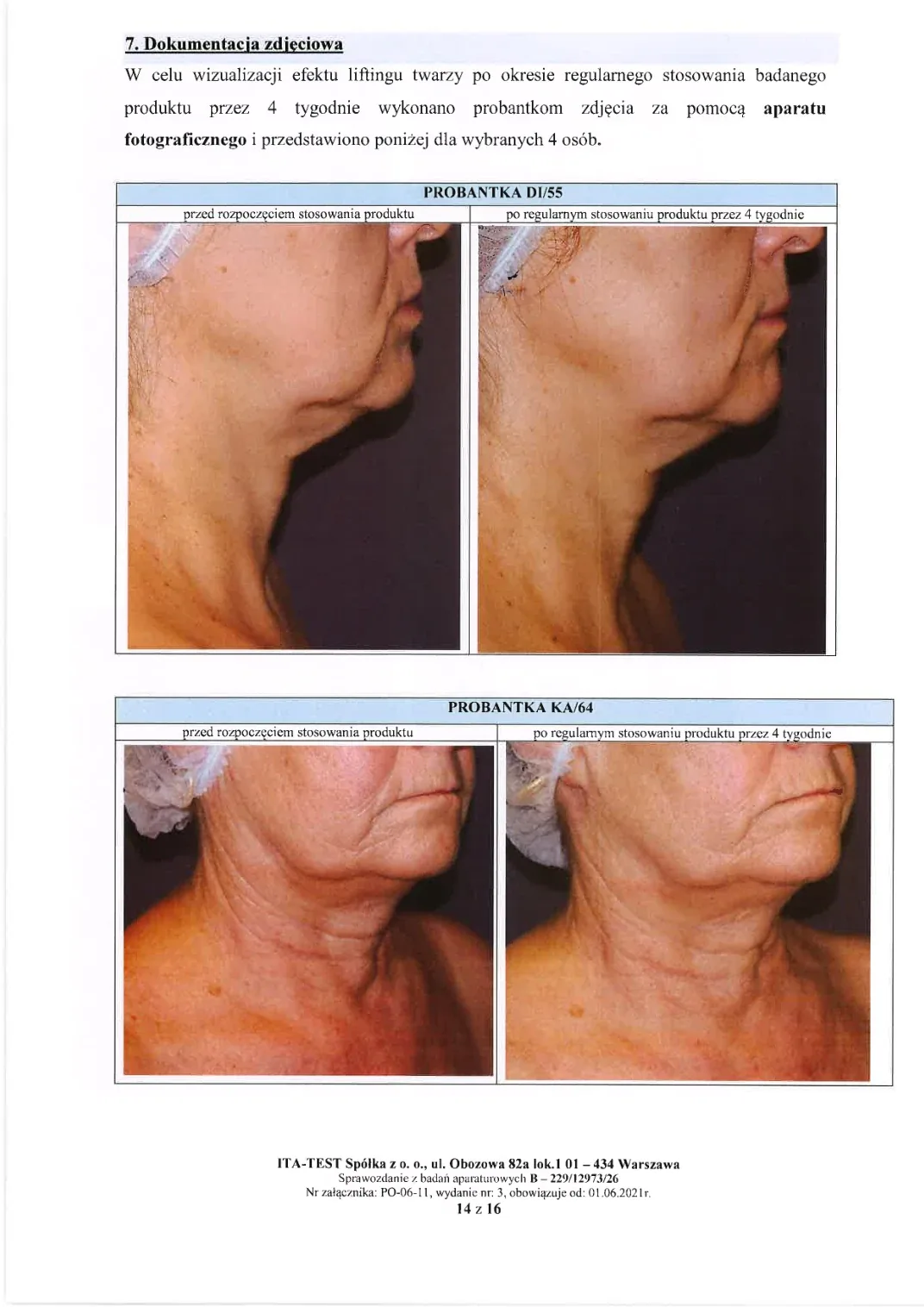
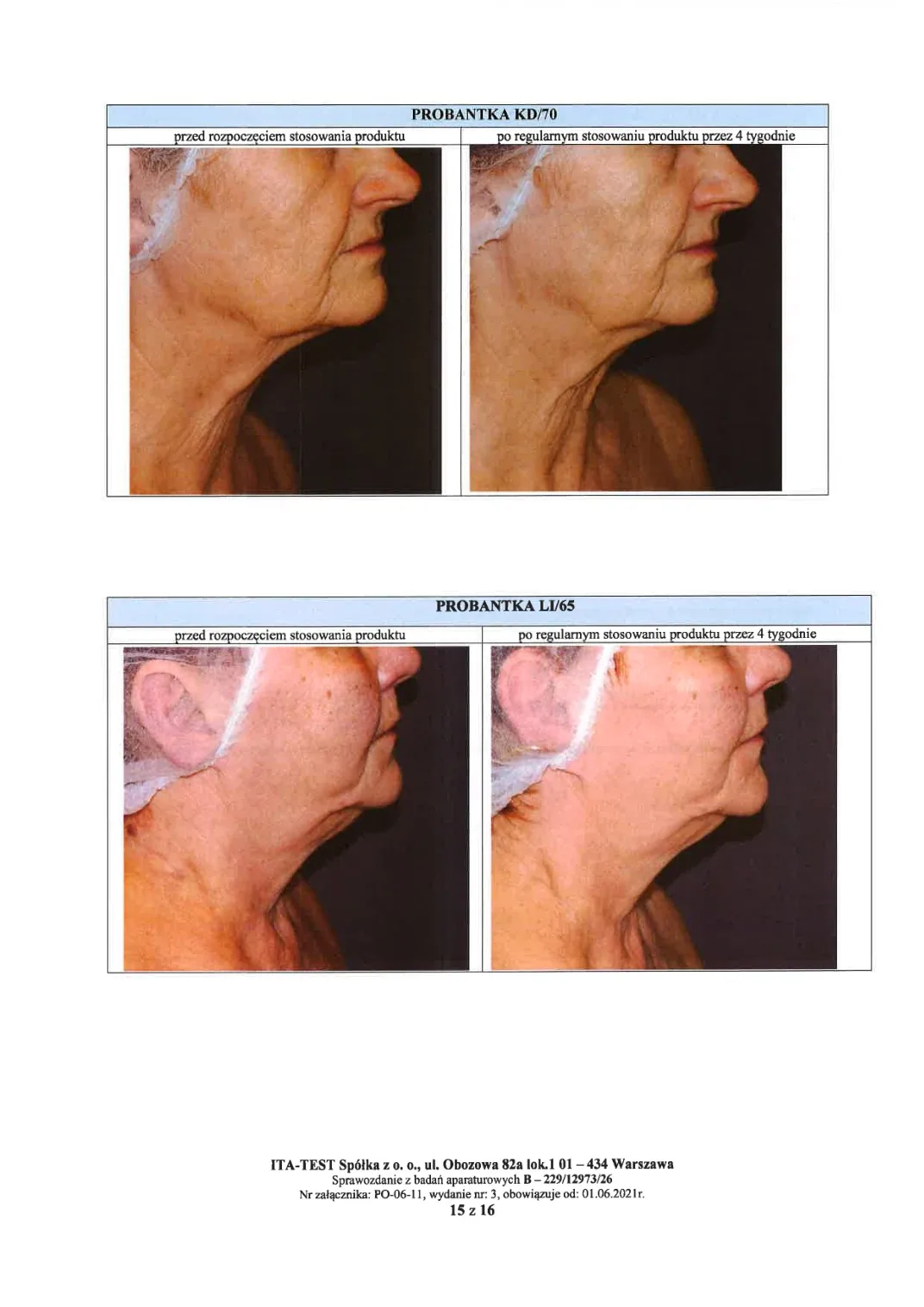
The formulas in the morning set were assessed in instrumental studies on small groups. These are not clinical drug trials: they are measurements of skin parameters in ten participants, and that is how they should be read.
| Product | Result | Study conditions |
|---|---|---|
| Quantum C5 | Mean skin hydration +33% | 4 weeks, instrumental, n=10, Corneometer CM 825; hydration increased in all 10 participants |
| Hydrocode A5 Lift | Mean skin hydration +41% | 4 weeks, instrumental, n=10, Corneometer CM 825; an increase in all 10 participants |
| Anti-Age NC5 SPF 50 | Mean facial skin hydration +23% | 3 weeks, instrumental, n=10, Corneometer CM 825 |
| Anti-Age NC5 SPF 50 | Mean skin smoothing +21% | 3 weeks, instrumental, n=10 |
One caveat, because it causes confusion: the +23% next to the sunscreen refers to hydration, not to sun protection. SPF 50 is a separate declared value established in a different test. In the four-week self-assessment survey, all 10 respondents rated skin radiance after the day cream as “very good”.
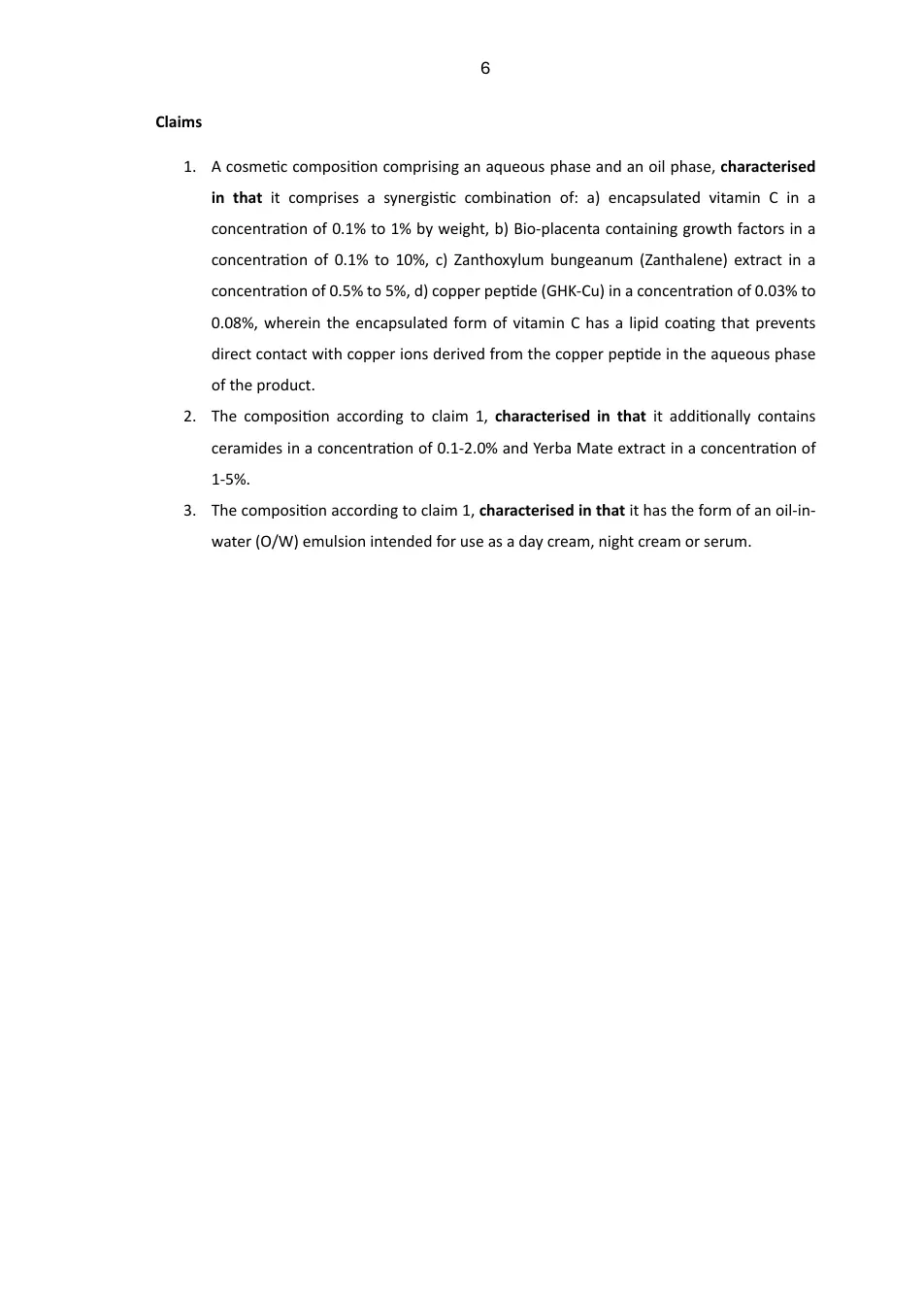
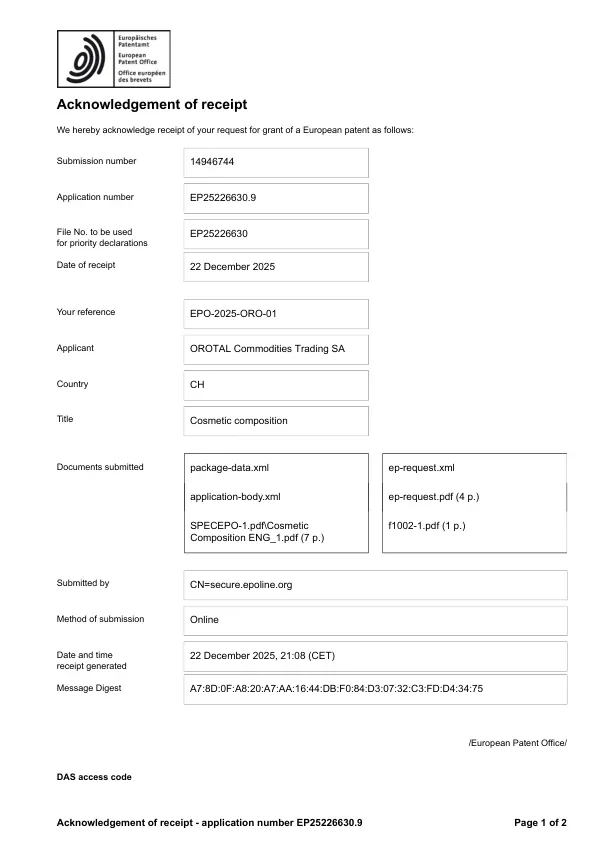
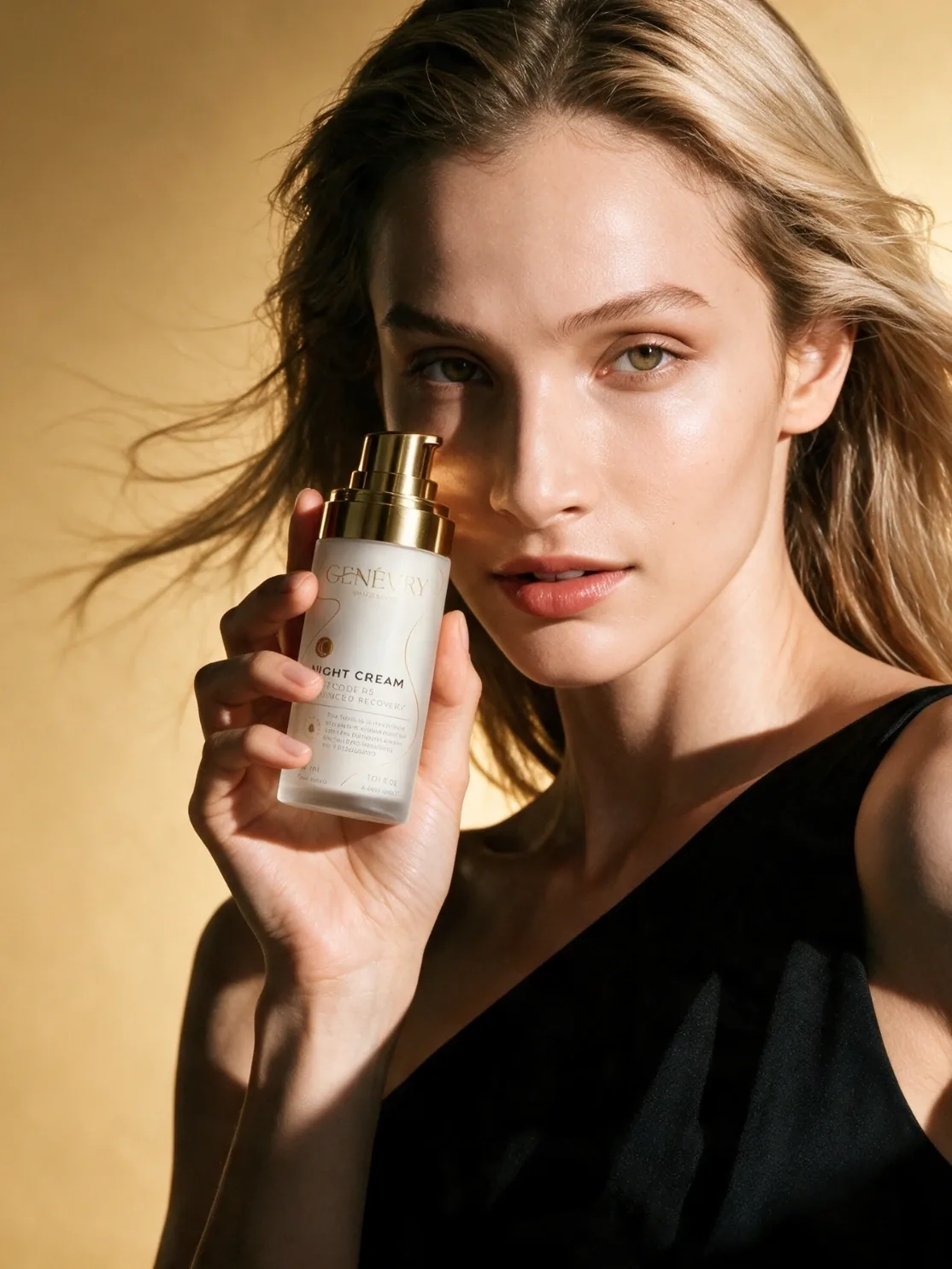
The formulas are the subject of patent application EP25226630.9 at the European Patent Office (patent pending) — an application, not a granted patent. The serum and day cream are also available together as The Morning Duo.
Five mistakes, and when to ask a doctor
- Too little sunscreen. The classic morning error. An eyeballed layer is usually about a third of what the standard assumes.
- Sunscreen instead of day cream. An SPF product hydrates, but it was designed as the final layer, not as the whole routine.
- Acids every morning. Exfoliation belongs to the evening and not to every day; mornings call for calm and cover.
- Changing everything at once. Introduce four new things on the same day and you will never know which one worked and which one stung. One product a week, two weeks of watching.
- Rubbing instead of pressing. Friction drags the thin skin around the eyes and does nothing to speed absorption.
Keep retinol for the evening — and the morning after, sunscreen is not optional. In pregnancy and while breastfeeding, with skin conditions, while taking photosensitising medication and after dermatological procedures, run the routine past a doctor or dermatologist first.
Frequently asked questions
Do I need to wash my face in the morning?
A short cleanse earns its place: it lifts sweat, sebum and night-cream residue so the next layers sit evenly. If skin is very dry or reactive, lukewarm water and gentle patting will do.
Can I skip day cream if my sunscreen hydrates?
On oily skin and in warm months, often yes. On dry skin or in winter, keep both — the cream handles comfort, the sunscreen handles protection, and together they give a more even surface.
How long should I wait between layers?
Long enough that the previous layer is no longer wet to the touch: half a minute after serum, a minute after cream. Sunscreen applied over a damp layer rolls up and protects unevenly.
Vitamin C in the morning, retinol at night — does that work?
It is the simplest way to separate two ingredients that prefer different hours. Vitamin C serum and sunscreen in the morning, retinol in a night cream after dark. If skin gets irritated, cut back the retinol frequency rather than the vitamin C.
How soon is there a difference?
Hydration and comfort, usually within the first week. The instrumental parameters quoted above were assessed after three and four weeks of regular use. How skin looks in the morning also depends on sleep, how much you drink and how many hours you spend in the sun without cover.
A morning routine does not need to be elaborate. Four steps, four minutes, the same order every day — and of the four, the one that matters most is the last, applied in an amount that actually counts.
The formulas in this article
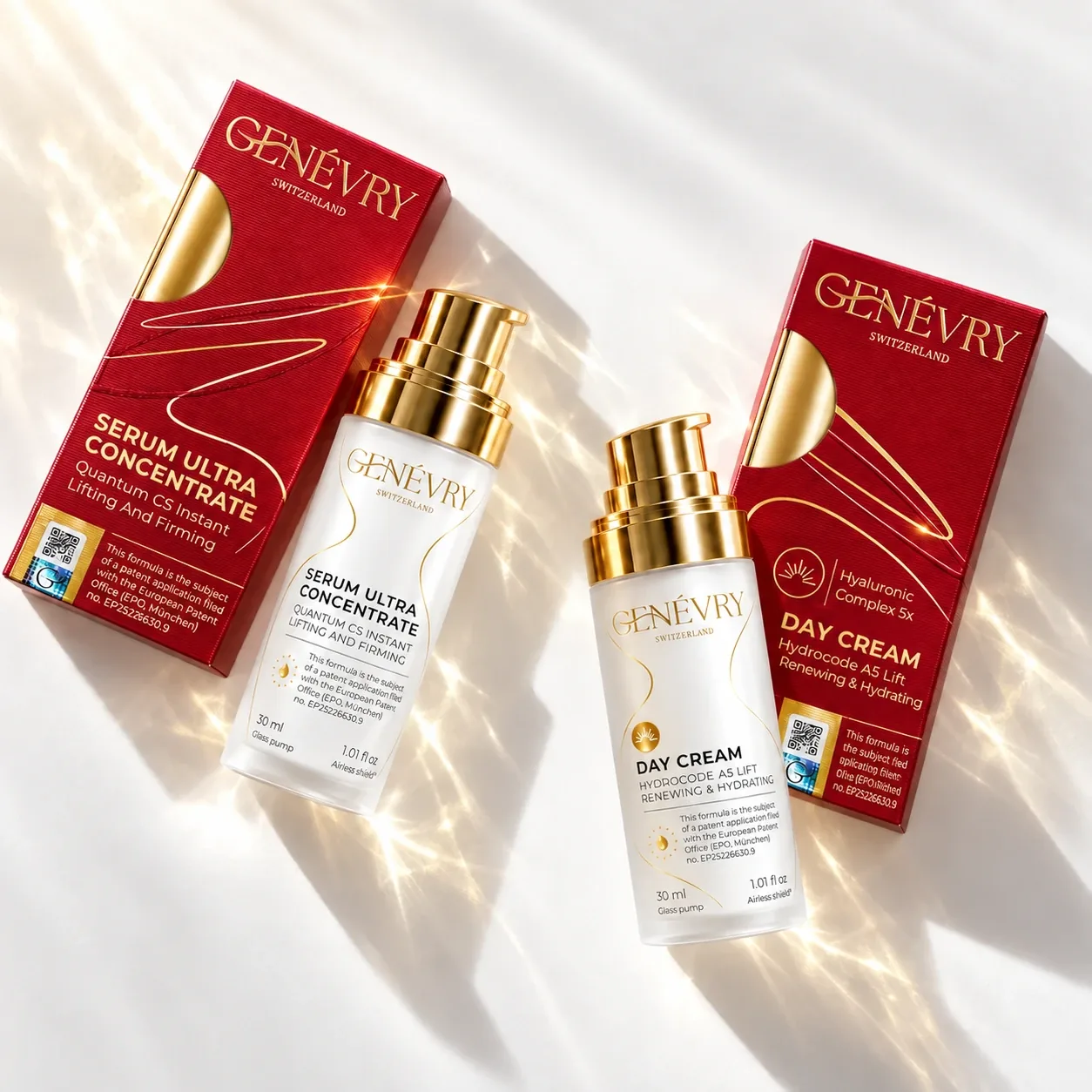
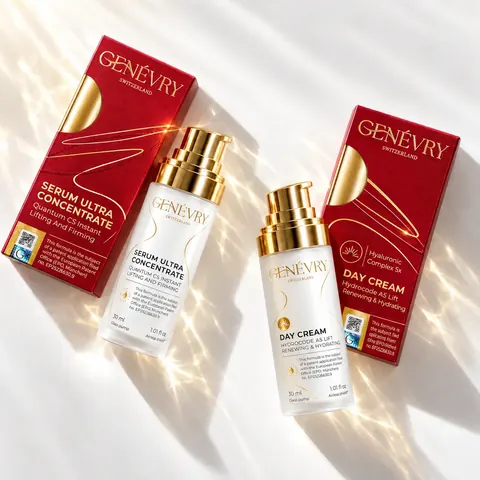 The Morning DuoQuantum C5 + Hydrocode A5 · 2 × 30 mlA$109.90Discover the formula →
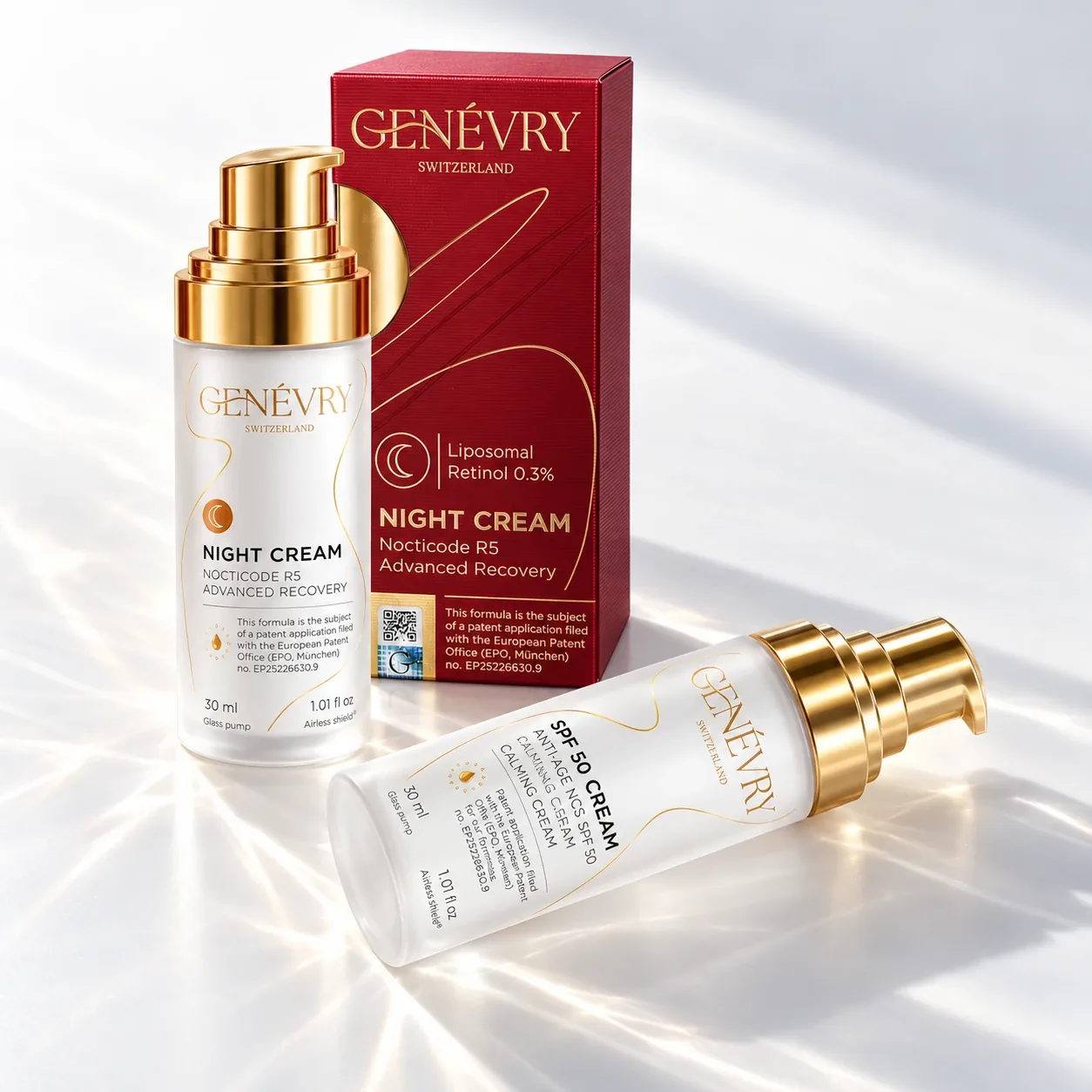
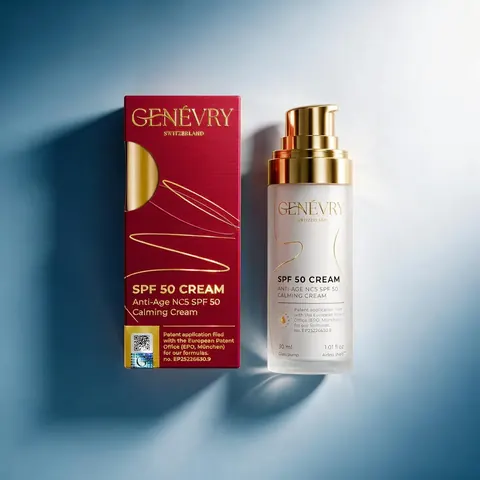 Anti-Age NC5SPF 50 calming creamA$59.90Discover the formula →
Cosmetic product. Individual results may vary.


 English / EUR
 English (US) / USD
 English (UK) / GBP
 Deutsch / EUR
 Deutsch (Schweiz) / CHF
 Français / EUR
 Italiano / EUR
 Español / EUR
 Nederlands / EUR
 Polski / PLN
 日本語 / JPY
 한국어 / KRW
 中文 / CNY
 العربية / AED
 English (Australia) / AUD
 English (Canada) / CAD
 Svenska / SEK
 Dansk / DKK
 Norsk / NOK
 Suomi / EUR
 Português / EUR
 Türkçe / TRY
 Čeština / CZK
 Magyar / HUF
 Română / RON
 Ελληνικά / EUR
 Slovenčina / EUR
 Hrvatski / EUR
 Slovenščina / EUR
 Lietuvių / EUR
 Latviešu / EUR
 Eesti / EUR
 Български / EUR
 Українська / EUR