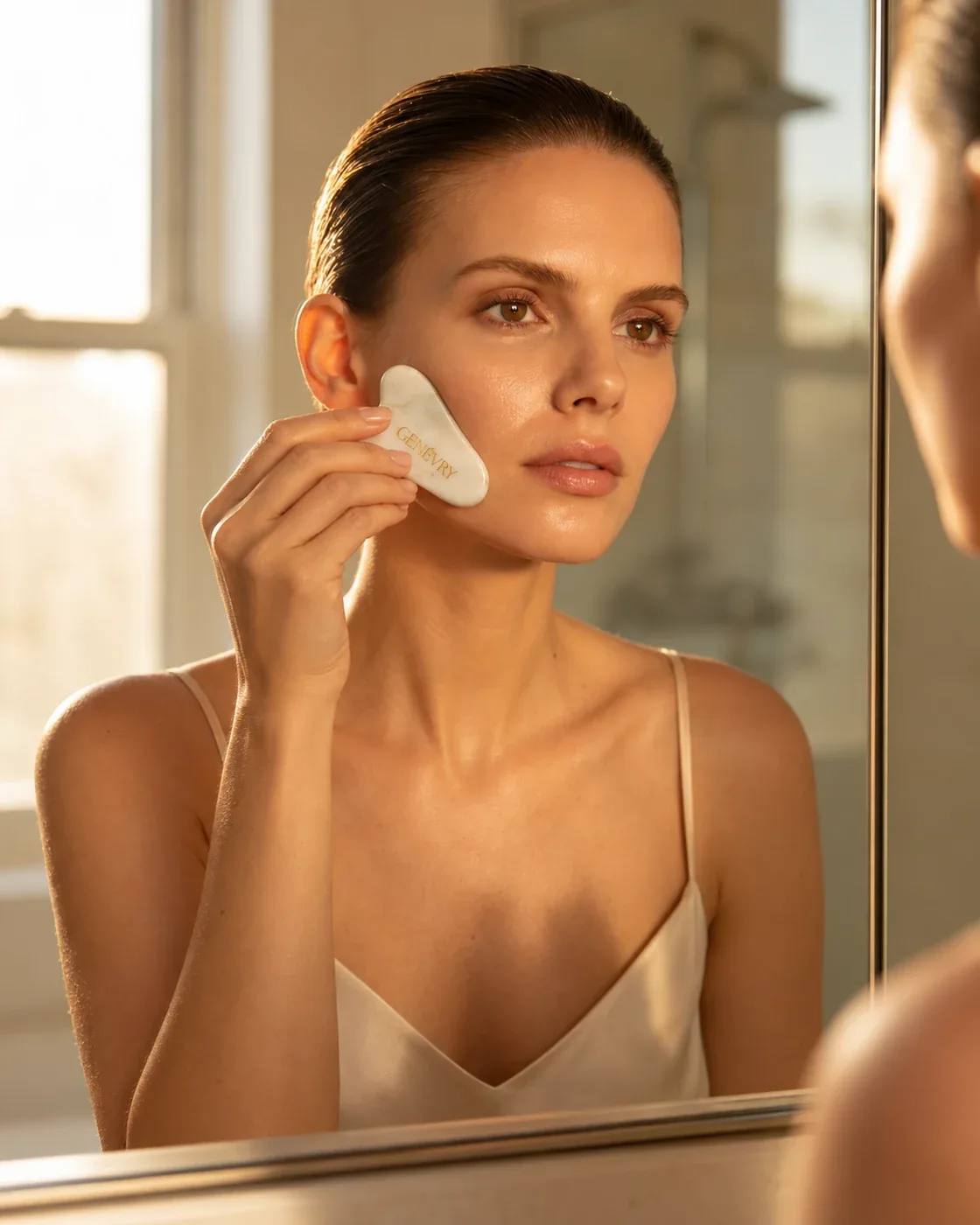
Winter skincare routine: protecting the skin barrier
Frost outside, dry air indoors, a hot shower at night. The skin barrier then loses water faster than it can rebuild it.
A winter skincare routine lives or dies on a single layer about as thick as a sheet of paper. From October to March the skin barrier works in the least forgiving conditions of the year: cold and wind outside, radiator-dry air indoors, a hot shower at the end of the day. Any one of those the skin absorbs without complaint. Together they make it lose water faster than it can replace it — hence the tightness after cleansing, the rough patches on the cheeks, and the sting from a product that was perfectly comfortable in September.
What actually changes for the skin in autumn
Cold air physically cannot hold as much water vapour as warm air. With a few degrees of frost outside and twenty-one indoors, relative humidity in a heated room can drop below thirty per cent — closer to desert conditions than to the climate skin lives in during June. Central heating dries the air further, and on top of that comes the daily temperature swing between street and office.
The barrier is usually described as a brick wall. The corneocytes of the stratum corneum are the bricks; the mortar is a blend of lipids — ceramides, cholesterol and free fatty acids. That mortar decides how much water escapes into the air around you, a quantity measured as transepidermal water loss, or TEWL. Cold, detergents and hot water deplete the lipid layer, and the wall starts to leak.
The consequences are predictable. Skin looks flat and dull, fine lines read more sharply because a dehydrated surface scatters light unevenly, and products that were unremarkable for six months suddenly sting. That is rarely an allergy — it is a weakened barrier letting in what it used to keep out.
How to tell your barrier needs help
One distinction organises everything else: dry skin is short of lipids by nature and needs the same care all year, while dehydrated skin had those lipids and lost them to the season. Oily skin dehydrates too — it shines and feels tight at once. The table below pairs the common signals with a sensible response.
| Signal | What usually sits behind it | What to change |
|---|---|---|
| Tightness lasting 10–15 minutes after cleansing | A cleanser that is too stripping, or water too hot | Lukewarm water, a gentler emulsion, moisturiser within 2–3 minutes |
| Rough, flaking patches on the cheeks and around the nose | Lipid depletion in the stratum corneum | A richer cream in the evening, less exfoliation |
| Stinging from a product that used to be neutral | Increased barrier permeability | Pause acids and retinol for 5–7 days, then reintroduce slowly |
| Flushing on coming from the cold into a warm room | A vascular response to the temperature jump | A scarf over the face outdoors, cream as a shielding layer, no hot water |
| Foundation catching on dry flakes | An uneven surface to the epidermis | Hydration in the morning, gentle exfoliation once every 10 days |
If redness, burning or flaking persists despite gentler care, that belongs with a dermatologist. Atopic and seborrhoeic dermatitis both tend to flare in autumn, and neither is a cosmetic problem.
Winter skincare routine: seven changes worth making
No need to replace the whole shelf. The seasonal correction comes down to a handful of decisions that add up.
- Change the water before you change the product. A hot shower dissolves barrier lipids more efficiently than most detergents. Lukewarm water and a shorter wash is the cheapest change on this list.
- Apply moisturiser to damp skin. Within two or three minutes of cleansing, before the surface gives its water back to the room. Humectants then have something to hold.
- Add a layer rather than swap everything. The morning serum stays; the cream changes, to one with a higher proportion of oil phase.
- Exfoliate less. Once every seven to ten days is plenty in winter. Daily scrubbing is the simplest way to open up a struggling barrier.
- Treat the air as part of the routine. A humidifier in the bedroom, or a bowl of water on the radiator. Forty per cent humidity suits skin and airways alike.
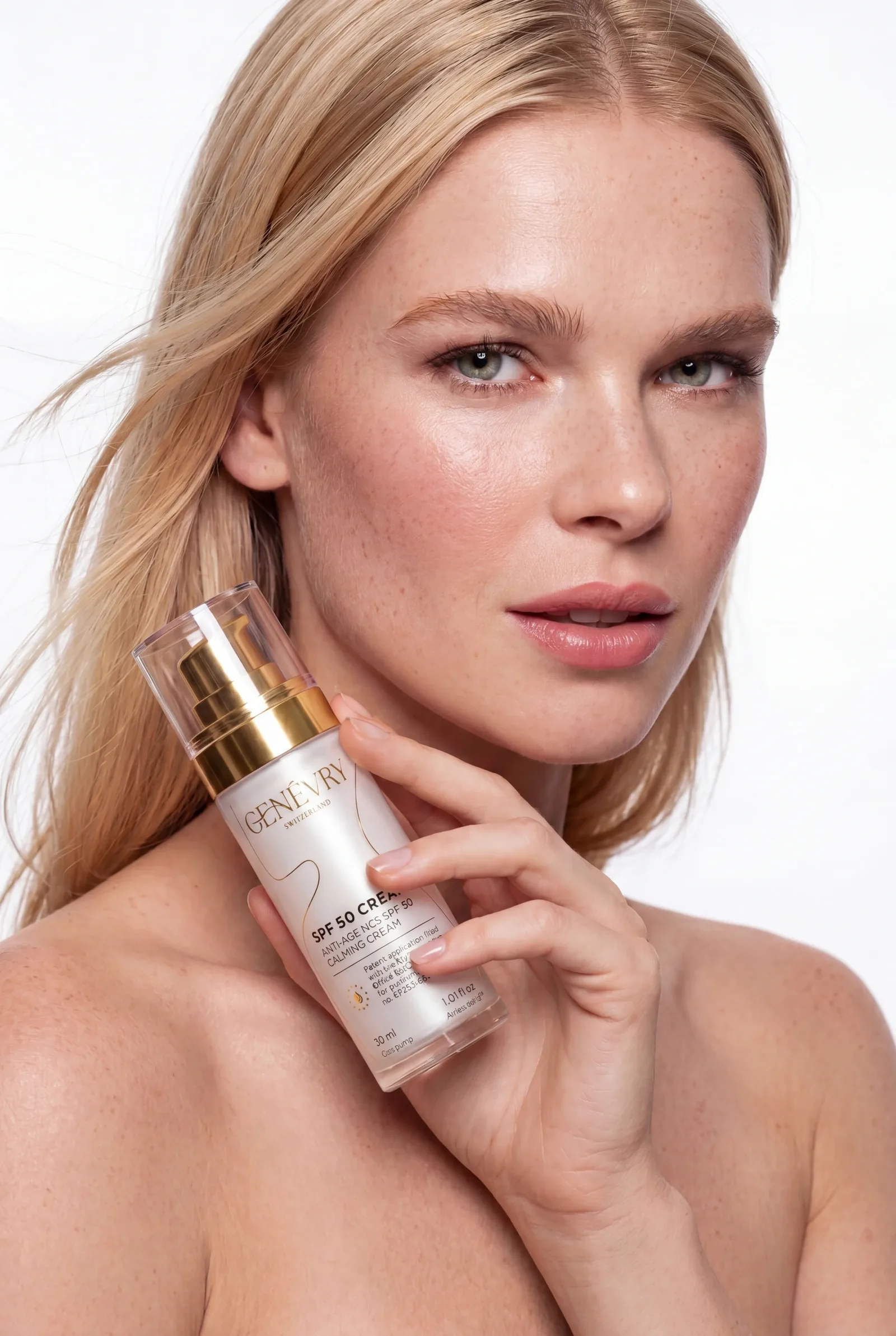
- Keep the sunscreen. UVA passes through cloud and window glass all year, and snow reflects a substantial share of it. SPF 50 stays in the morning routine in January too.
- Remember hands and lips. They carry the thinnest lipid layer and the most wind exposure. Hand cream after every wash, a balm in your coat pocket.
Morning and evening: two different jobs
In the morning skin needs hydration and a shield against what waits outside. In the evening it needs quiet repair: blood flow through the skin rises overnight and cell division in the epidermis is at its most active. Hence two textures rather than one cream for the whole twenty-four hours.
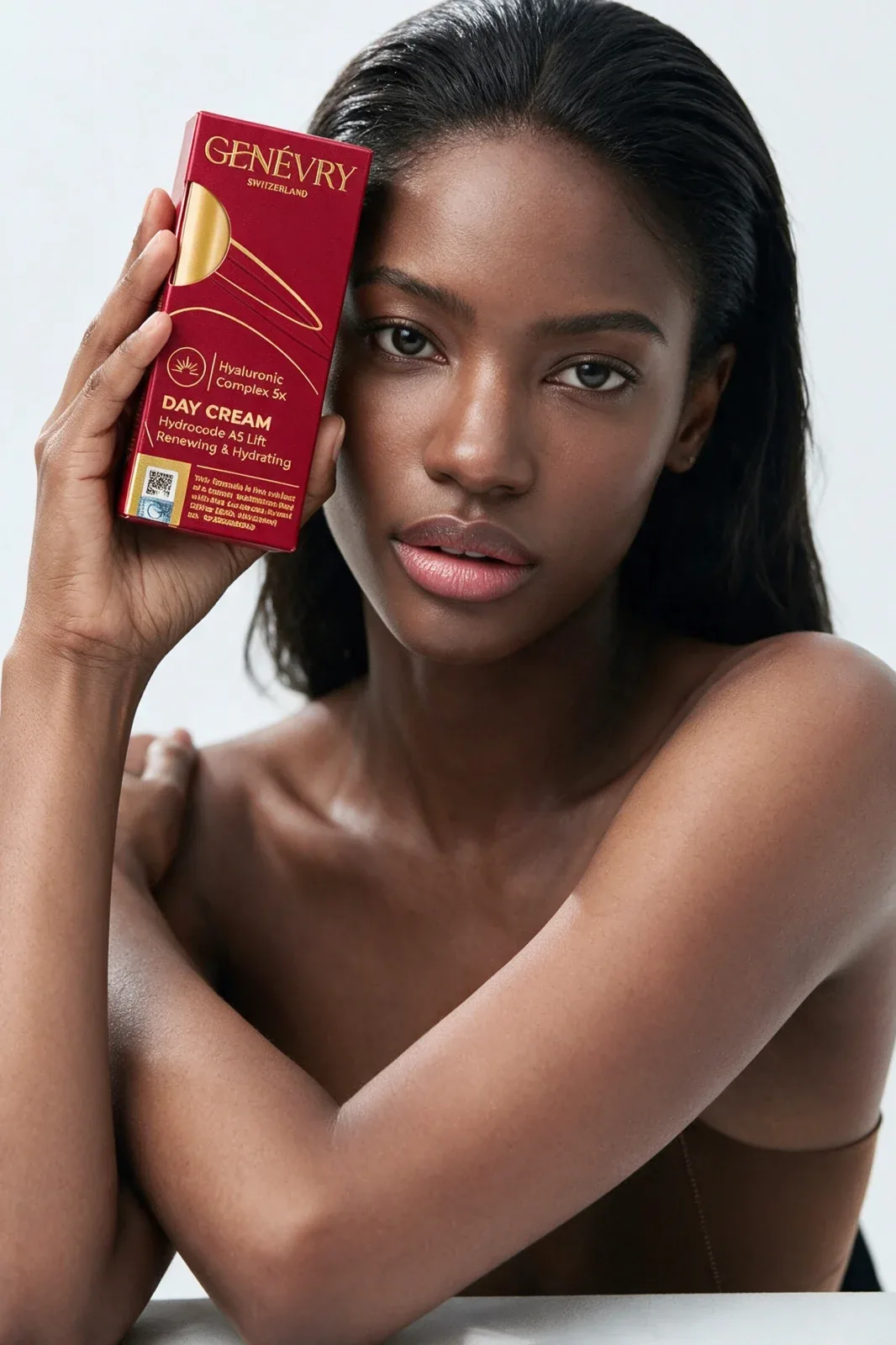
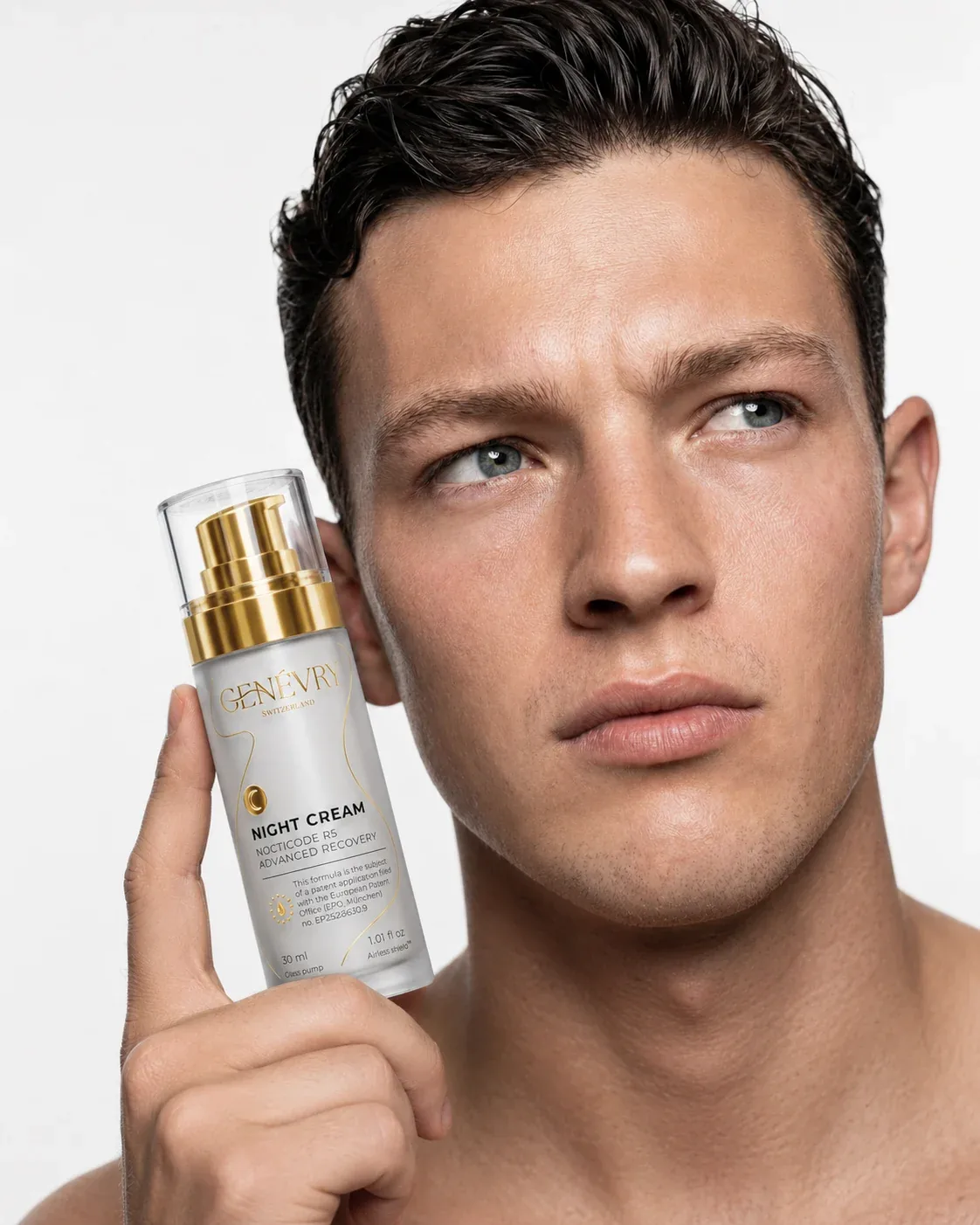
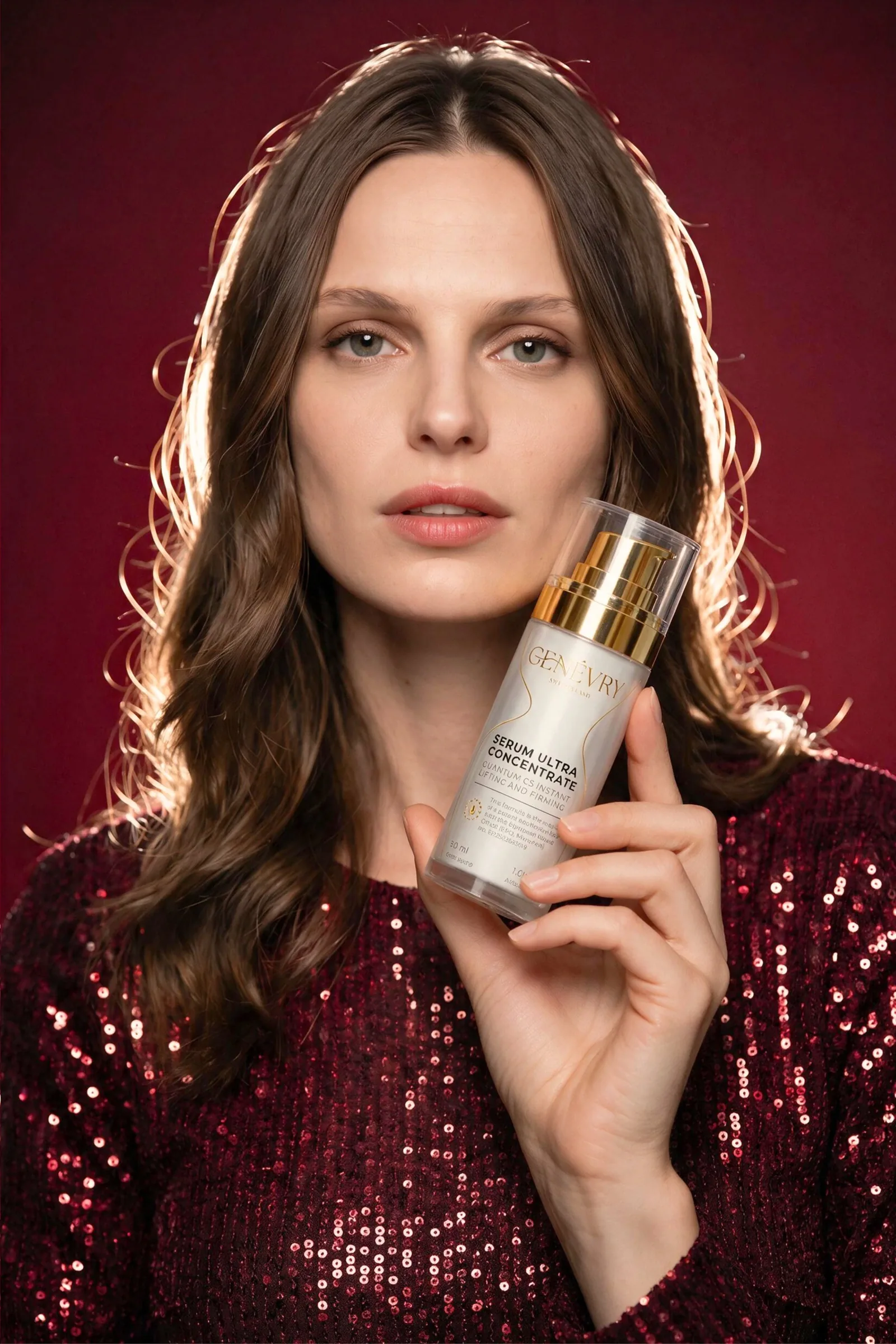
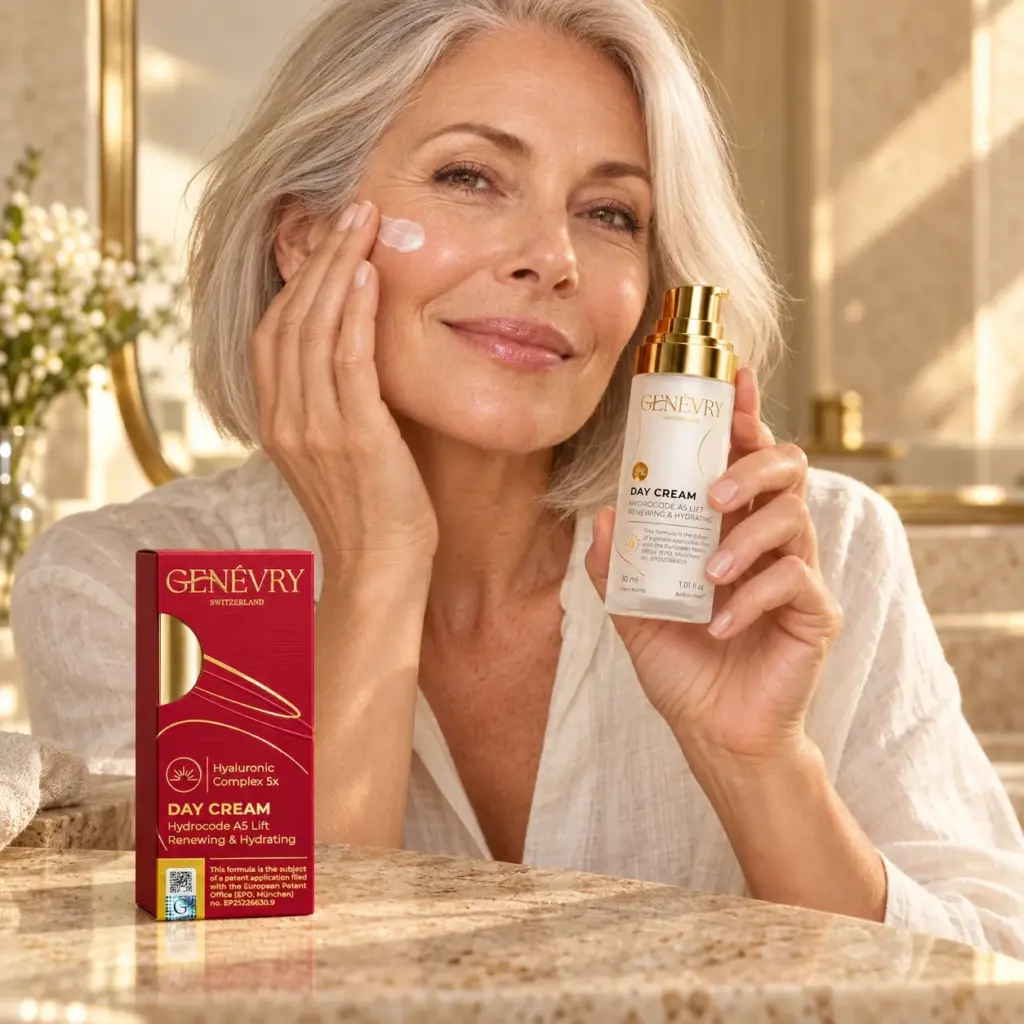
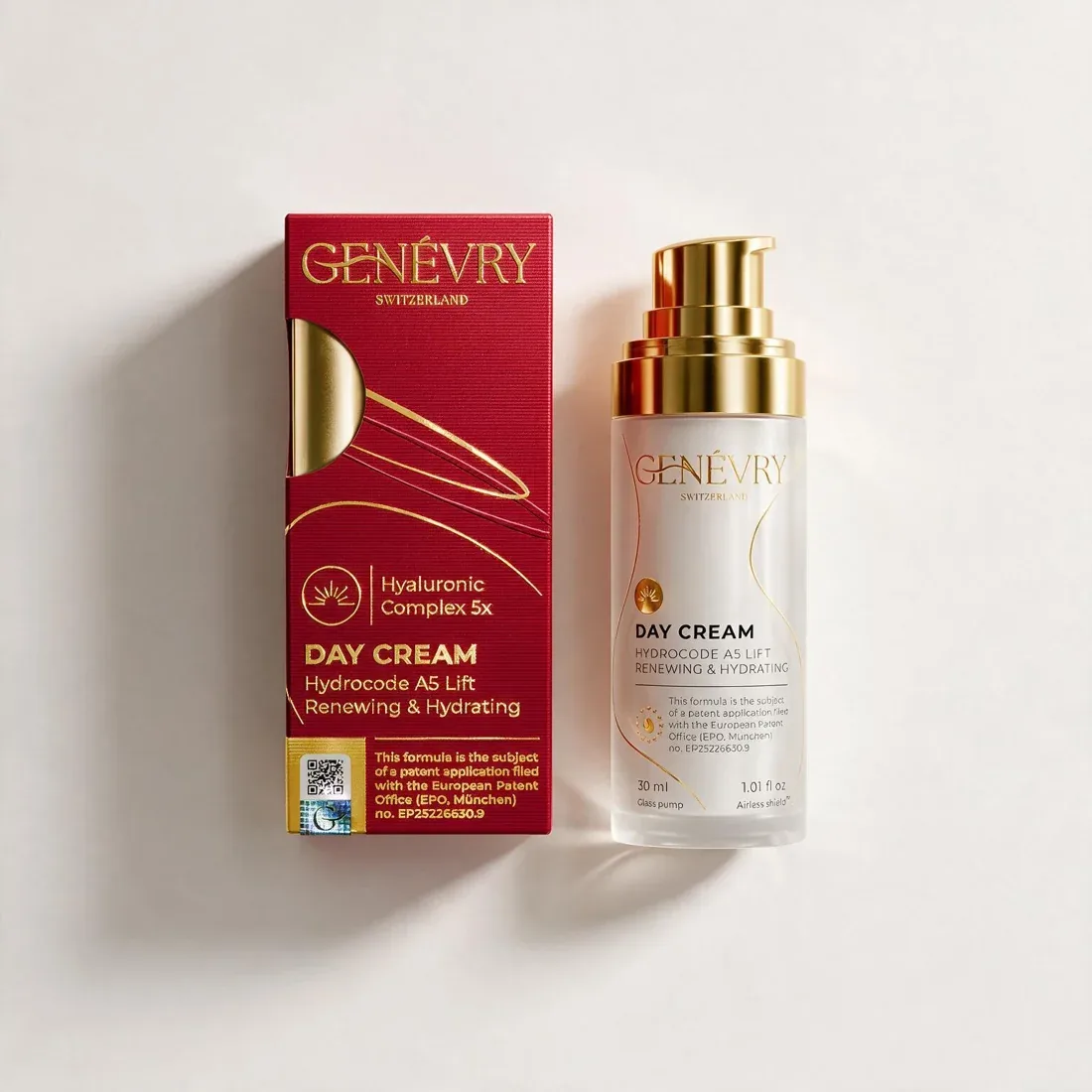
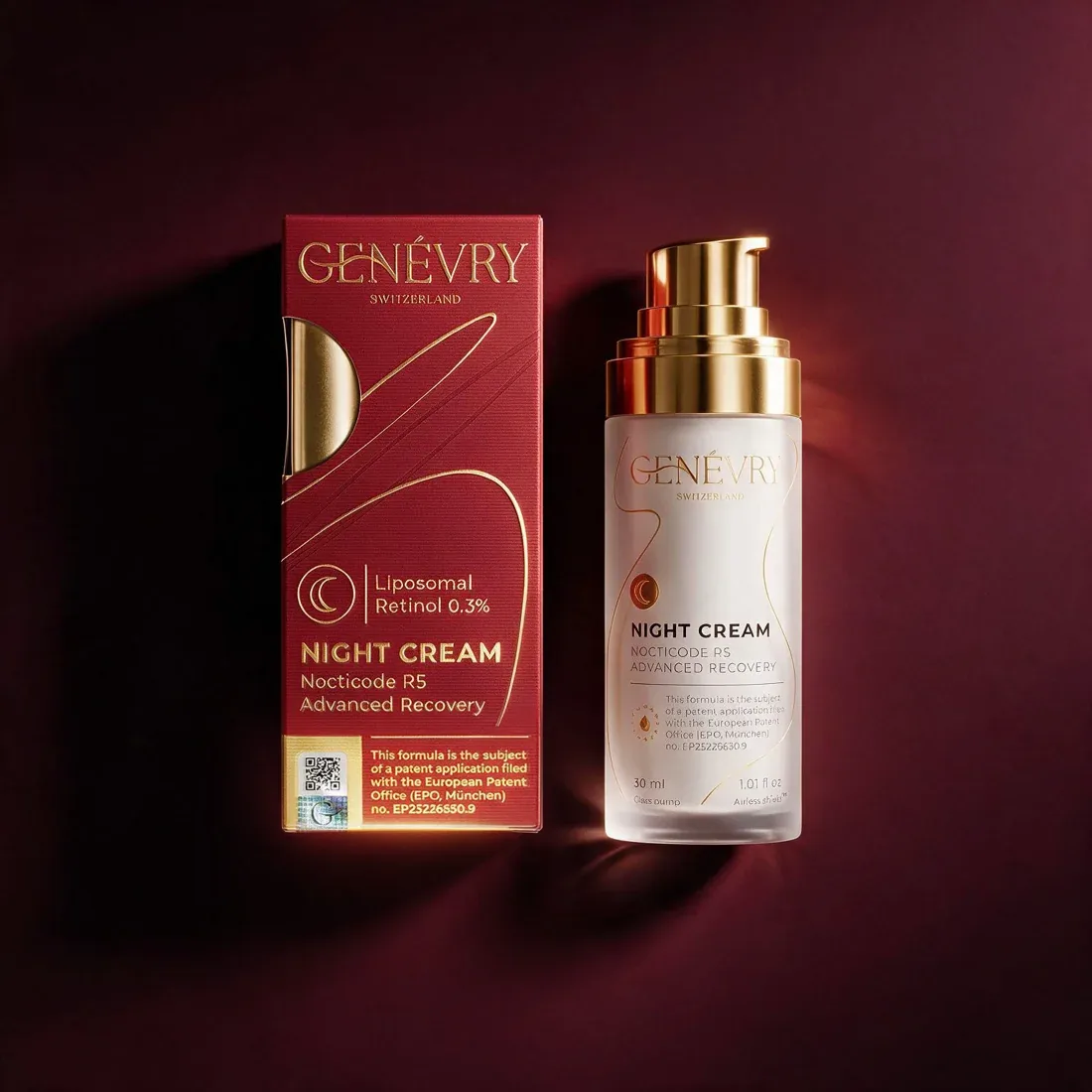
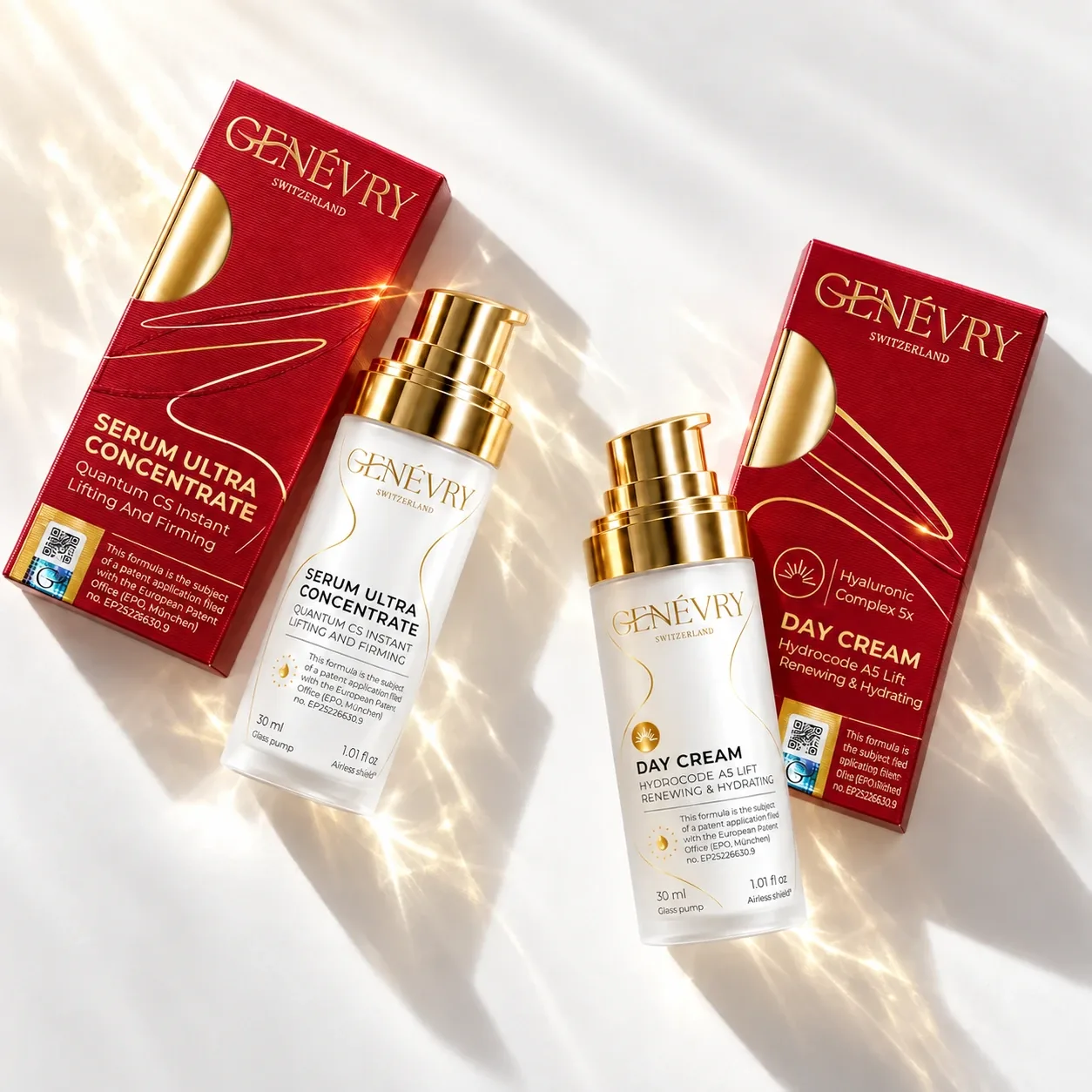
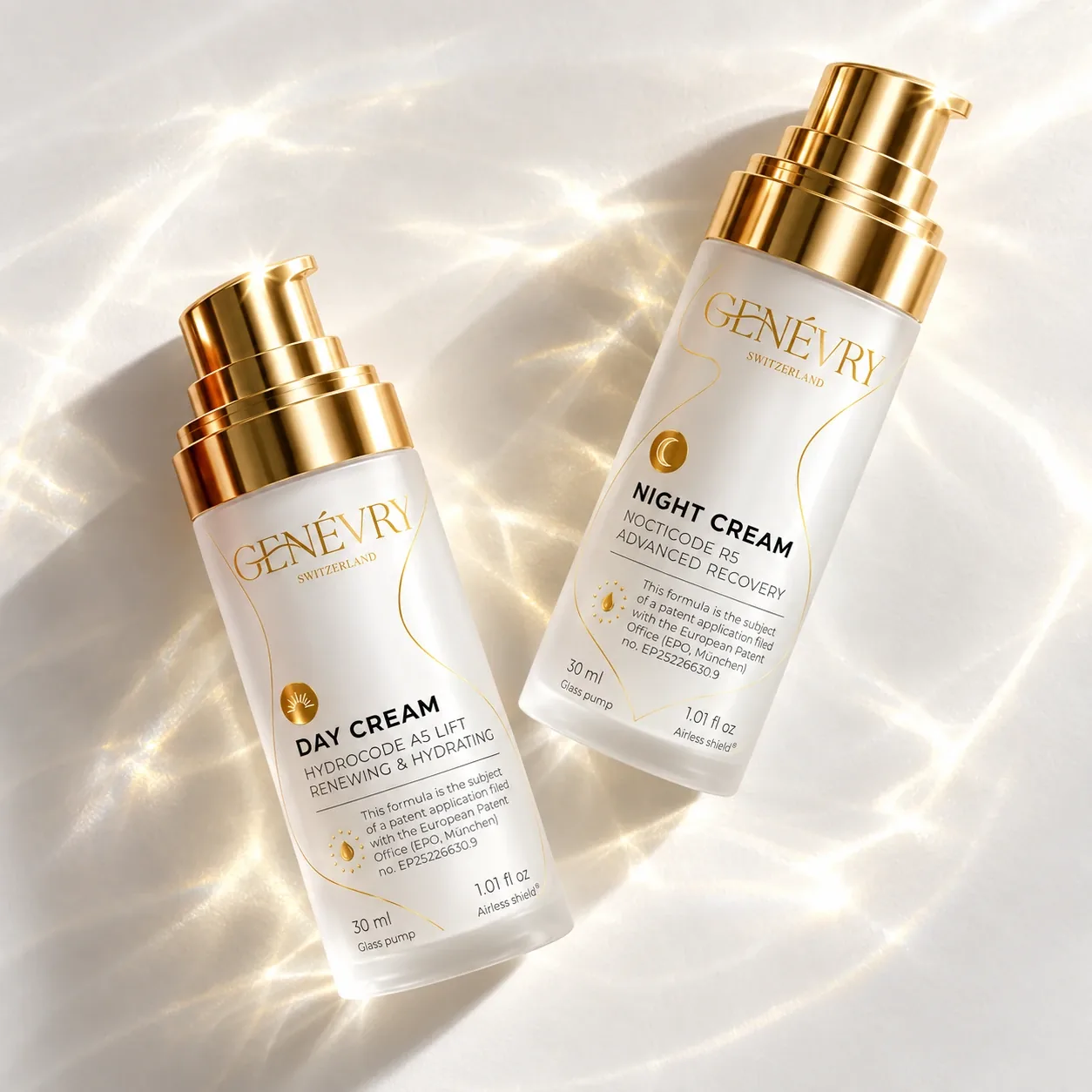
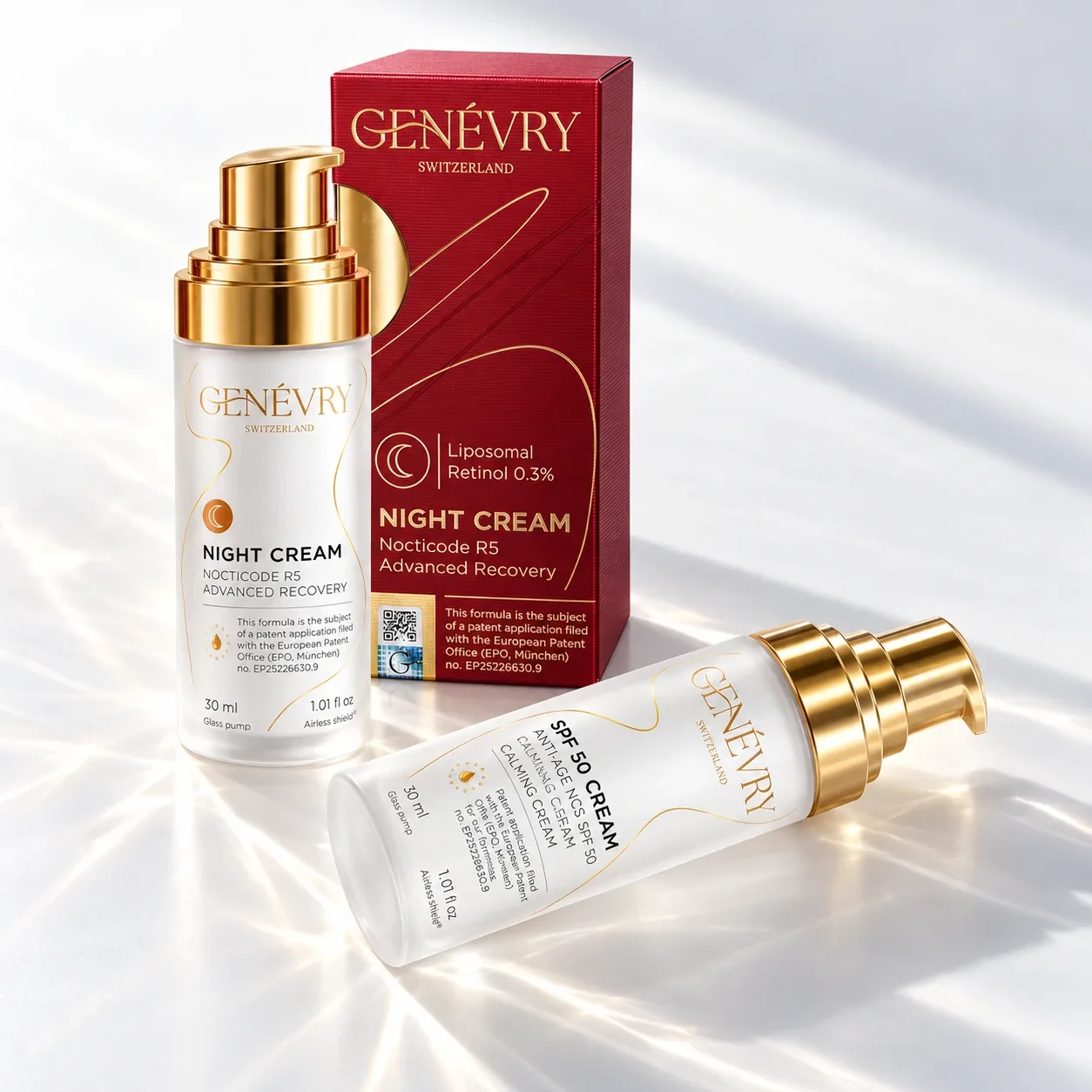
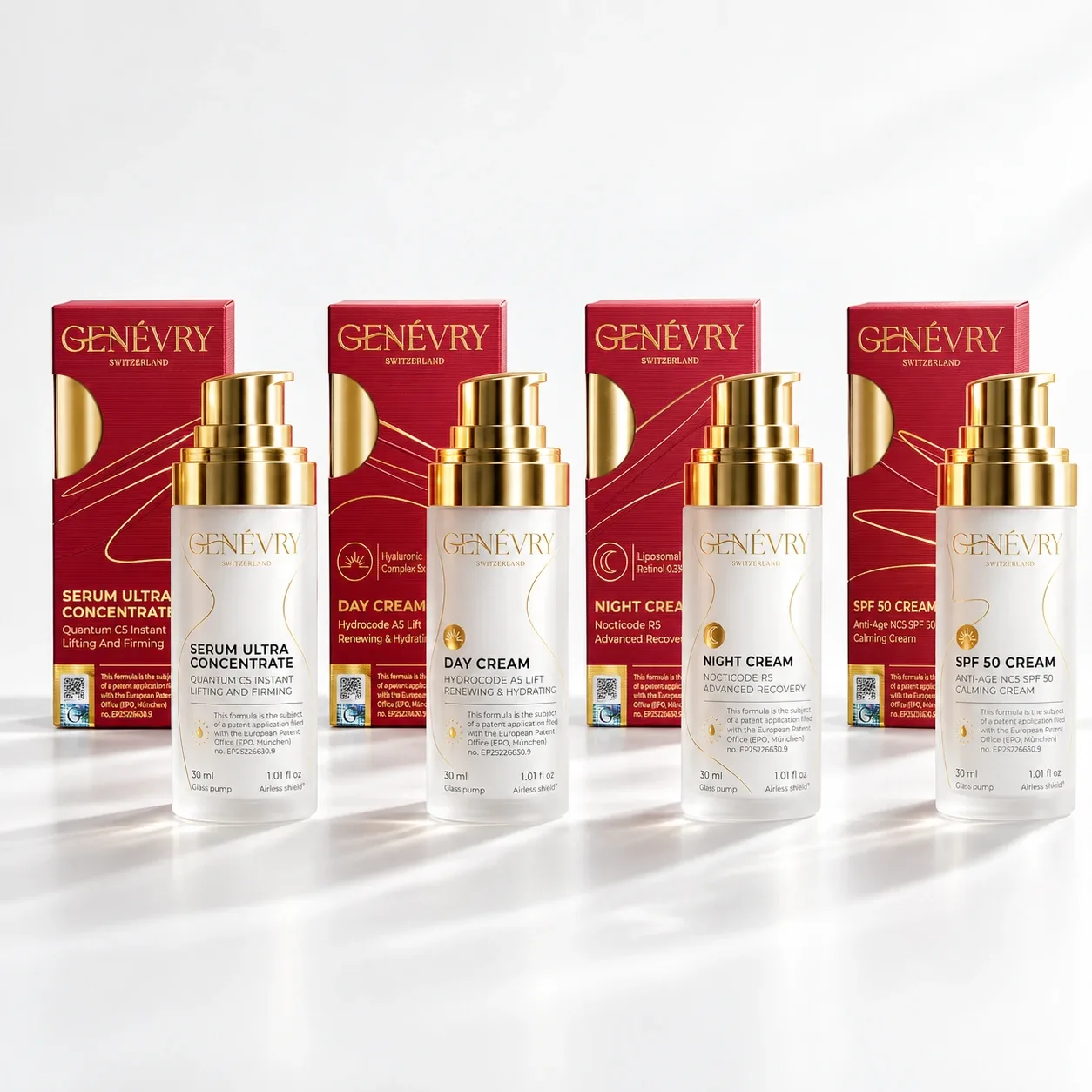
GENÉVRY’s Hydrocode A5 Lift day cream is designed as the hydrating step after serum, built around a hyaluronic acid complex. The Nocticode R5 night cream carries liposomal retinol at 0.3%, the lipid carrier intended to release the molecule gradually. Both formulas fall under patent application EP25226630.9 — patent pending, a filing rather than a granted patent. To change both steps at once, the Day & Night Duo pairs them.
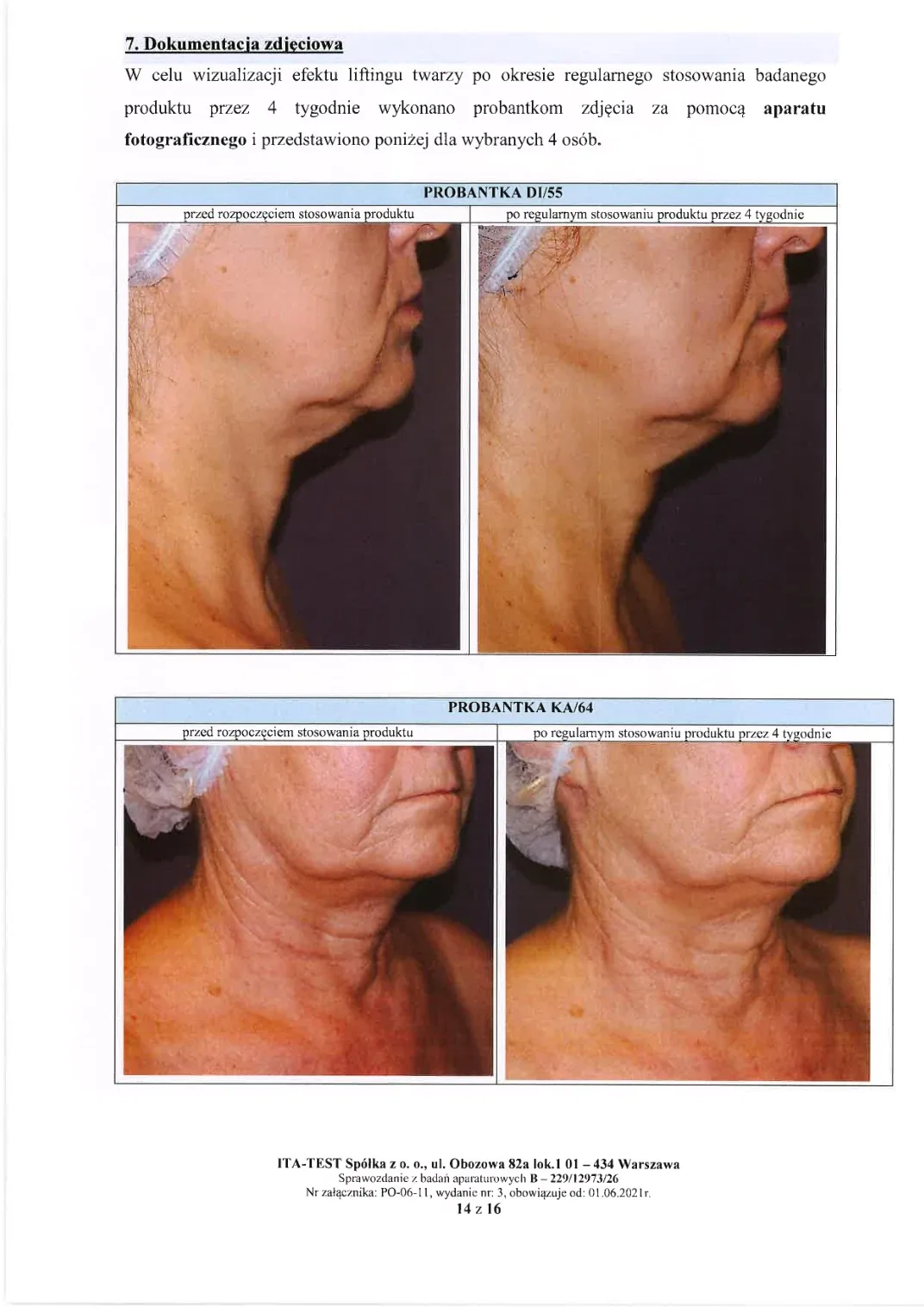
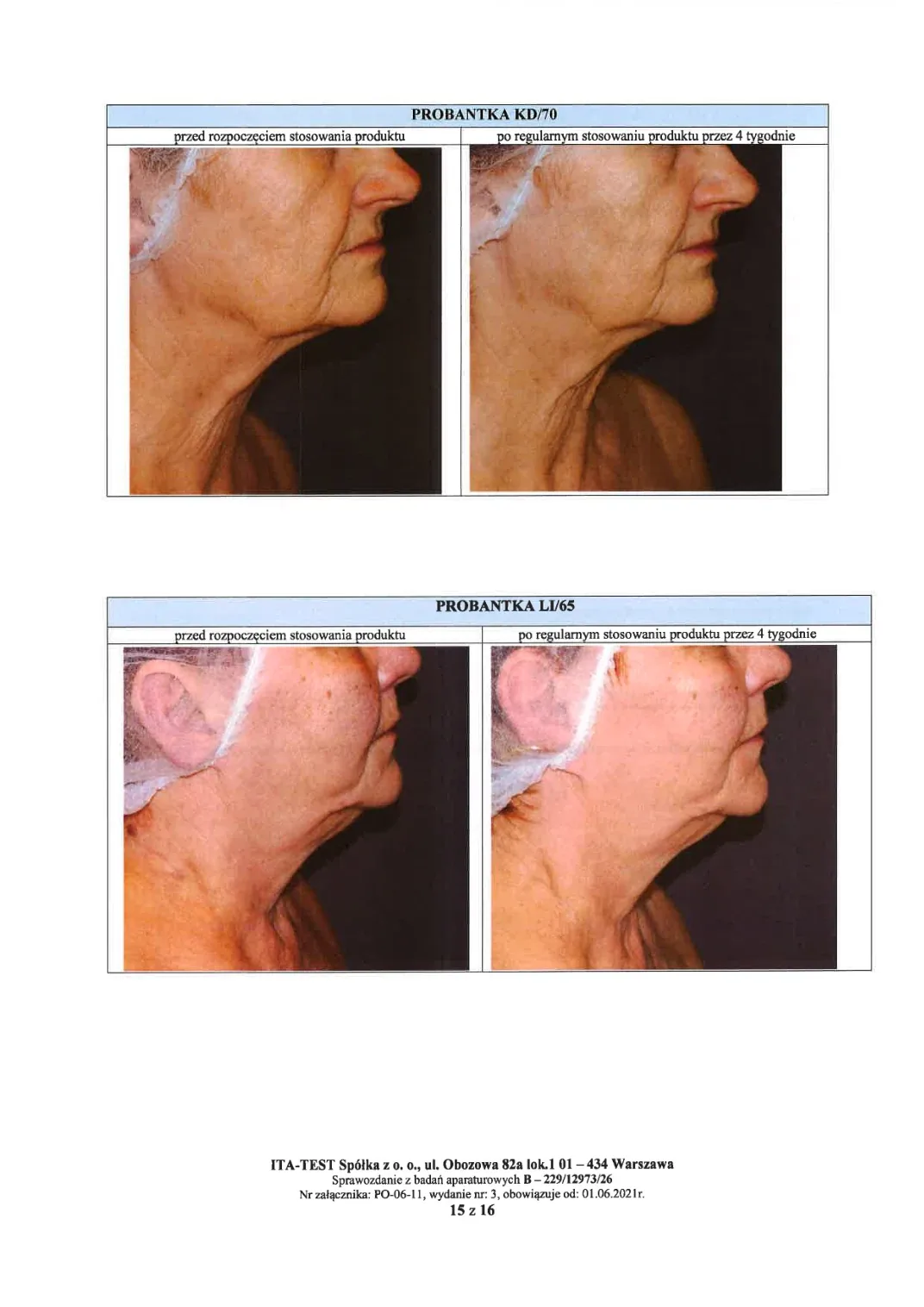
The brand commissioned independent instrumental and self-assessment studies on groups of ten participants over four-week cycles. Small groups: the figures show a direction, not a guarantee any individual will repeat them.
| Parameter | Result | Context |
|---|---|---|
| Mean skin hydration | +41% | Average increase from baseline, Corneometer CM 825; all 10 participants recorded an increase. Instrumental, 4 weeks, n=10 (Hydrocode A5 Lift) |
| Skin smoothing | +26% | Individual maximum; the SEsm parameter improved by 7–26%, group average +13%. Visioscan VC 98, 4 weeks, n=10 (Hydrocode A5 Lift) |
| Skin radiance | 100% | All 10 respondents rated skin radiance “very good”. Self-assessment, 4 weeks, n=10 (Hydrocode A5 Lift) |
| Mean skin hydration | +38% | Average increase from baseline; hydration increased in all 10 participants. Corneometer CM 825, 4 weeks, n=10 (Nocticode R5) |
| Skin firmness | +23% | Individual maximum; instrumental firmness rose by 5–23%, group average 14%. 4 weeks, n=10 (Nocticode R5) |
Hydration here is read with a corneometer, which measures the electrical capacitance of the stratum corneum: the more bound water, the higher the value. It is also the one parameter here you notice almost at once in winter: skin stops tightening after cleansing, and the surface evens out enough for light to come back off it uniformly.
Retinol through the heating season
Autumn and winter are when many people start with retinol: the days are shorter and sun exposure is lower. The barrier, though, is in worse shape than in summer, so the pace of introduction matters more. Twice a week for the first two or three weeks, then every other evening, a pea-sized amount for the whole face. If flaking appears, or redness that outlasts a few hours, step back one level.
Retinol is not used during pregnancy or breastfeeding. Sunscreen the next morning is non-negotiable after a retinol evening, whatever the season. With skin conditions, dermatological treatment or photosensitising medication, discuss any active ingredient with a doctor or dermatologist first.
Frequently asked questions
Do I have to buy a different cream for winter?
Not always. If your skin does not tighten after cleansing and is not flaking, the cream you have is doing its job. The case for a richer texture appears when evening comfort lasts an hour and then disappears — a sign that something is missing to hold the water in for longer.
Is sunscreen genuinely necessary in winter?
Yes. UVB weakens considerably, but UVA stays far more even across the year and passes through window glass. Snow reflects a large share of it, so a bright day in the mountains can deliver a higher dose than a summer afternoon at sea level.
Dry or dehydrated — how do I tell the difference?
Dry is a skin type: short of lipids permanently, July included, usually with a thin, matte surface. Dehydration is a temporary state and affects every type, oily included. A quick test: if your T-zone shines while your cheeks feel tight, that is dehydration, not dryness.
Does a humidifier make a real difference?
It helps, because it addresses the cause rather than the symptom. Below thirty per cent humidity, skin gives up water to the room faster whatever you put on it. Holding forty per cent in the bedroom narrows that gap for eight hours a day.
How long does a barrier take to recover?
The stratum corneum renews itself in roughly four weeks in an adult, so that is a full cycle. Comfort — the end of tightness and stinging — usually returns within a few days of gentler cleansing and consistent moisturising. The instrumental measurements quoted above were read at four weeks, a sensible horizon for judging results.
Winter care is not a separate philosophy, only the same routine run with more attention to one layer: lukewarm water instead of hot, cream on damp skin, less exfoliation, sunscreen despite the cloud. Skin in November needs no ten new products. It needs the wall to have something to rebuild its mortar from.
The formulas in this article
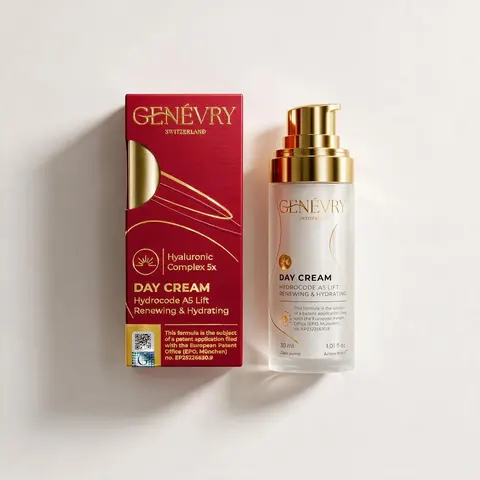 Hydrocode A5 Liftكريم نهاري مجدِّدAED 149Discover the formula →
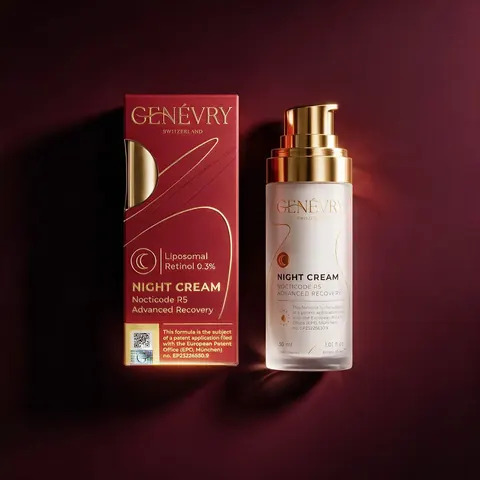 Nocticode R5كريم ليلي متطوّرAED 149Discover the formula →
Cosmetic product. Individual results may vary.
 English / EUR
 English (US) / USD
 English (UK) / GBP
 Deutsch / EUR
 Deutsch (Schweiz) / CHF
 Français / EUR
 Italiano / EUR
 Español / EUR
 Nederlands / EUR
 Polski / PLN
 日本語 / JPY
 한국어 / KRW
 中文 / CNY
 العربية / AED
 English (Australia) / AUD
 English (Canada) / CAD
 Svenska / SEK
 Dansk / DKK
 Norsk / NOK
 Suomi / EUR
 Português / EUR
 Türkçe / TRY
 Čeština / CZK
 Magyar / HUF
 Română / RON
 Ελληνικά / EUR
 Slovenčina / EUR
 Hrvatski / EUR
 Slovenščina / EUR
 Lietuvių / EUR
 Latviešu / EUR
 Eesti / EUR
 Български / EUR
 Українська / EUR