Vitamin C and Retinol: Can You Use Them Together?
The myth of mutual neutralisation comes from a beaker, not from skin. What actually limits this pair, and how to place both across one day.

Vitamin C and retinol appear on every list of ingredients with real evidence behind them — and on every list of pairs you are warned never to combine. The contradiction is only apparent, and it traces back to lab chemistry from several decades ago. Can you use vitamin C and retinol together? Yes. What rarely makes sense is using them in the same minute.
What follows: where the myth of mutual neutralisation came from, what the actual limiting factor is in this pair (hint: not pH), three arrangements that hold up in a daily routine, a four-week introduction plan, and the signals that tell you to slow down.
Where the conflict myth began
The argument has been circulating since the 1980s, and it sounds technical enough to be convincing. Pure L-ascorbic acid is stable and penetrates well in an acidic environment, roughly below pH 3.5. Retinol is the opposite case: formulators usually place it closer to the skin’s own pH, somewhere around 5 to 6. Put those two numbers side by side and the conclusion writes itself — applied together, each pushes the other out of its optimal range and both lose activity.
In a beaker, that is demonstrable. On skin, three things change the picture. First, the stratum corneum has its own buffering capacity and returns to its native pH within fifteen to forty minutes of any product going on. Second, most current formulas do not contain free ascorbic acid in a simple aqueous solution; they use derivatives or encapsulated forms that are far less dependent on the pH around them. Third, neither ingredient does its work in the moment of application — both act over hours, and that window is not shortened by whatever goes on next.
The myth survived because it rested on a real observation: people who started both ingredients at once genuinely did end up with irritated skin more often. The cause simply sat elsewhere.
Vitamin C and retinol: what actually limits the pairing
The limit is tolerance, not chemistry. Retinol speeds up epidermal turnover, and in the first weeks it can leave skin feeling tight, dry and faintly flaky around the nose and mouth. Vitamin C at a high concentration and low pH can sting on its own. Layer both at full strength from day one and what adds up is not the benefit — it is the load on the barrier. Skin that burns after a week usually ends with both products abandoned and the firm belief that they cannot be combined.
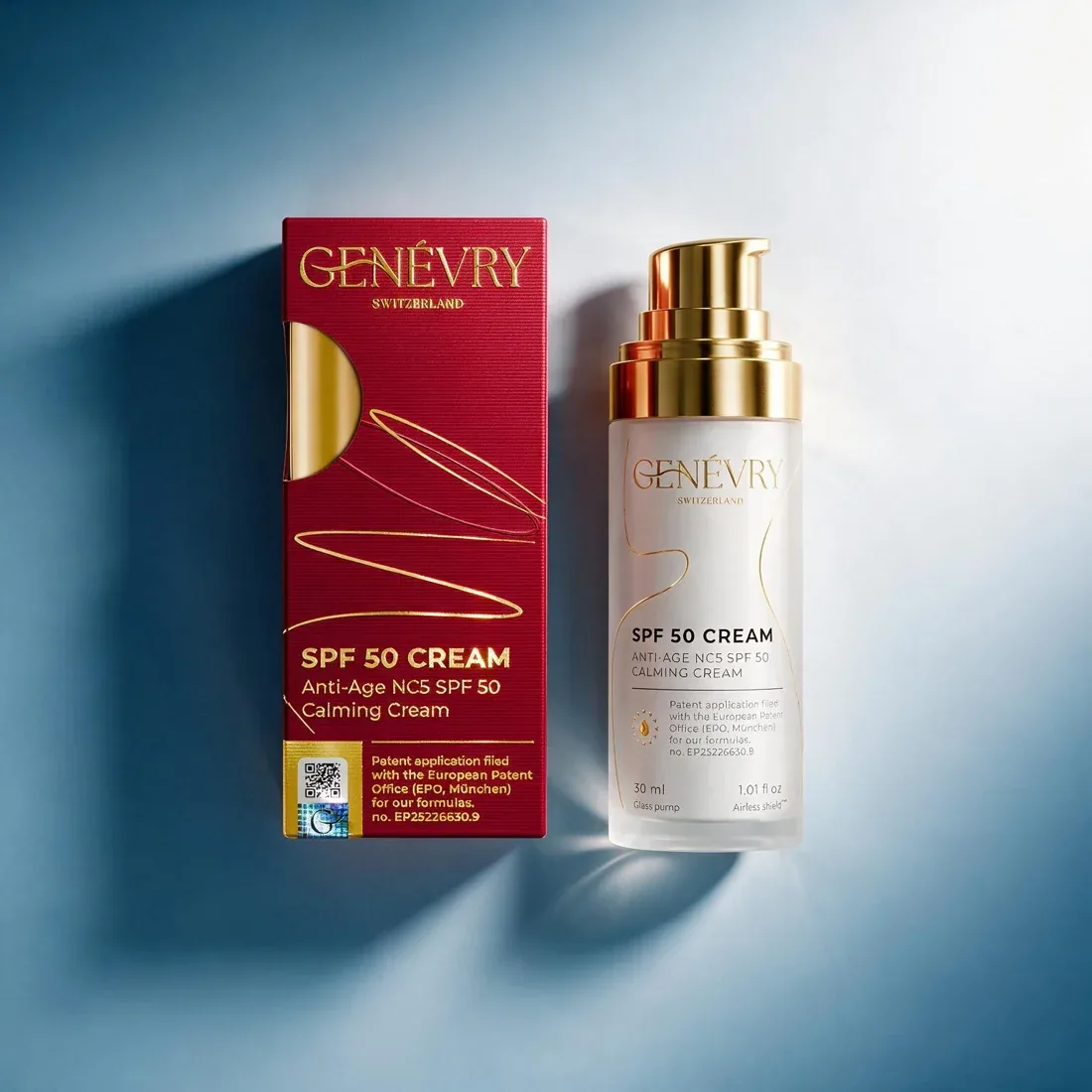
There is a second, purely practical reason to separate them: light. Vitamin C is an antioxidant and earns its place in the morning, when skin meets daylight and urban air; it sits comfortably under the sunscreen that finishes the routine. Retinol is light-sensitive, which is why the convention is to use it in the evening, when it is not competing with UV and skin is already in its repair phase. Splitting them between morning and night is not a compromise or a way of avoiding the question. It is simply where each one belongs.
Three ways to combine them
Three arrangements cover almost every case. The first is the default; the other two are for reactive skin and for people who already have a few seasons of retinoids behind them.
| Arrangement | Morning | Evening | Who it suits |
|---|---|---|---|
| Morning and night split | Vitamin C serum, day cream, SPF | Cleanse, retinol, moisturiser | Most people, and every beginner |
| Alternate evenings | Vitamin C serum, SPF | Retinol every second or third night, moisturiser alone on the rest | Reactive skin, restarting after a break |
| Spaced in one routine | Moisturiser, SPF | Vitamin C, a 20–30 minute gap, then retinol | Experienced skin, ideally after advice |
A fourth variation is worth knowing: the sandwich. A thin layer of moisturiser before retinol and another after it slows the ingredient’s penetration and can rescue a reactive routine. The trade-off is a gentler effect, which at the start is usually a feature rather than a loss.
A four-week plan
- Week one. Mornings: vitamin C daily on cleansed skin, before moisturiser and SPF. Evenings: retinol twice a week, a pea-sized amount for the whole face, on dry skin, keeping clear of the eye area and the corners of the mouth.
- Week two. No changes. If dryness appears, add a moisturiser after the retinol in the evening — after it, not instead of it.
- Week three. Retinol every second evening, provided skin looks calm in the morning and nothing is flaking.
- Week four. Retinol five nights a week, or nightly, if there is no stinging or tightness. Vitamin C continues every single morning throughout.
The governing rule is one variable at a time. Add acids, a new enzyme exfoliant or an in-clinic treatment in the same week and the first flare-up becomes impossible to attribute.
Signals that the pace is too fast
Stinging that does not settle within a few minutes. Tightness that is still there in the morning. Fine flaking in the nasolabial folds. Redness on the eyelids. Every one of these means the same thing: pause for two or three evenings, cleanse and moisturise only, then return one step lower in frequency. A barrier takes weeks to rebuild and days to lose. And one point holds without exception — with retinol in the routine, morning sunscreen is part of the treatment, not an extra.
How the GENÉVRY ritual handles it
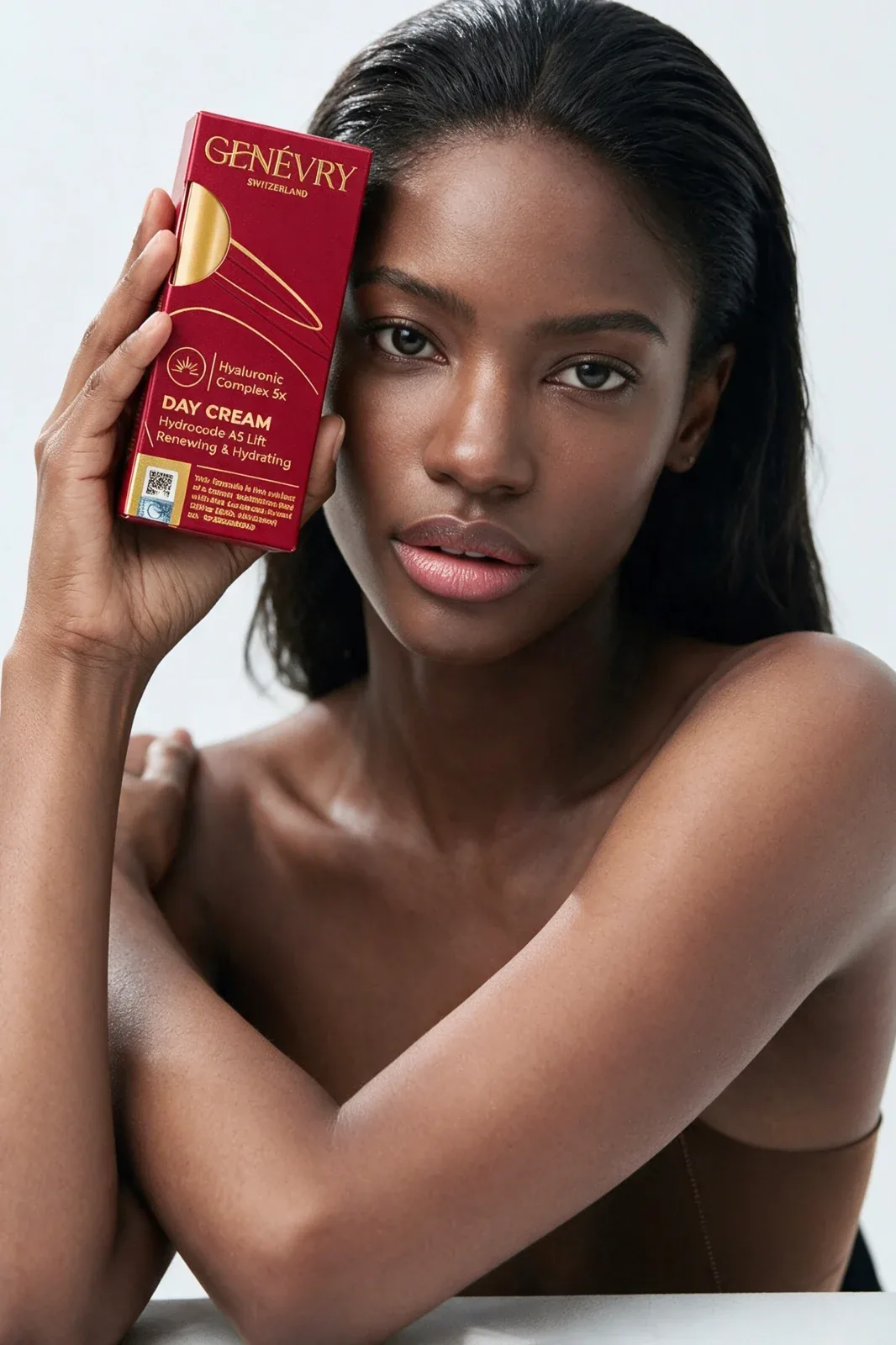
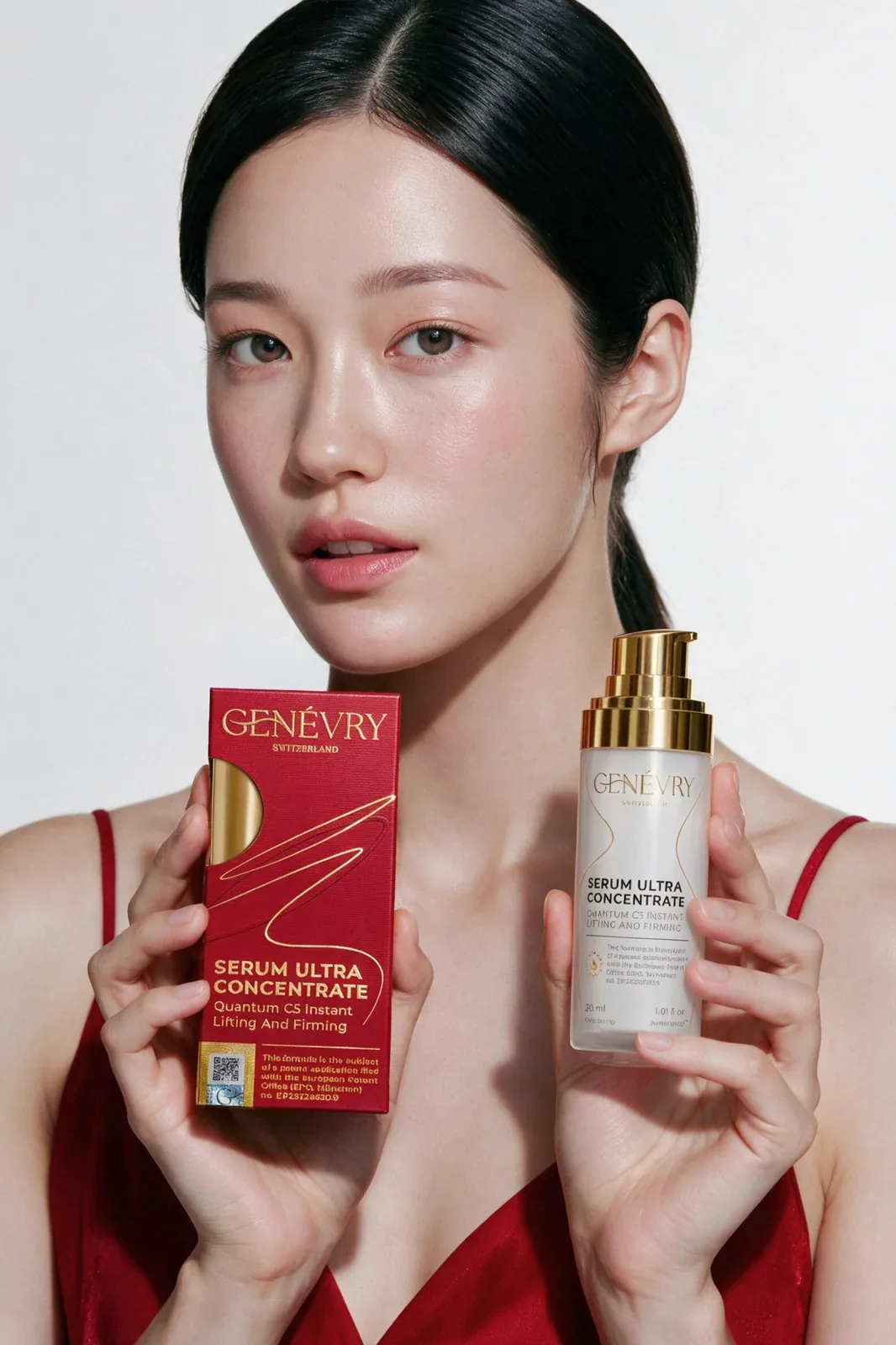
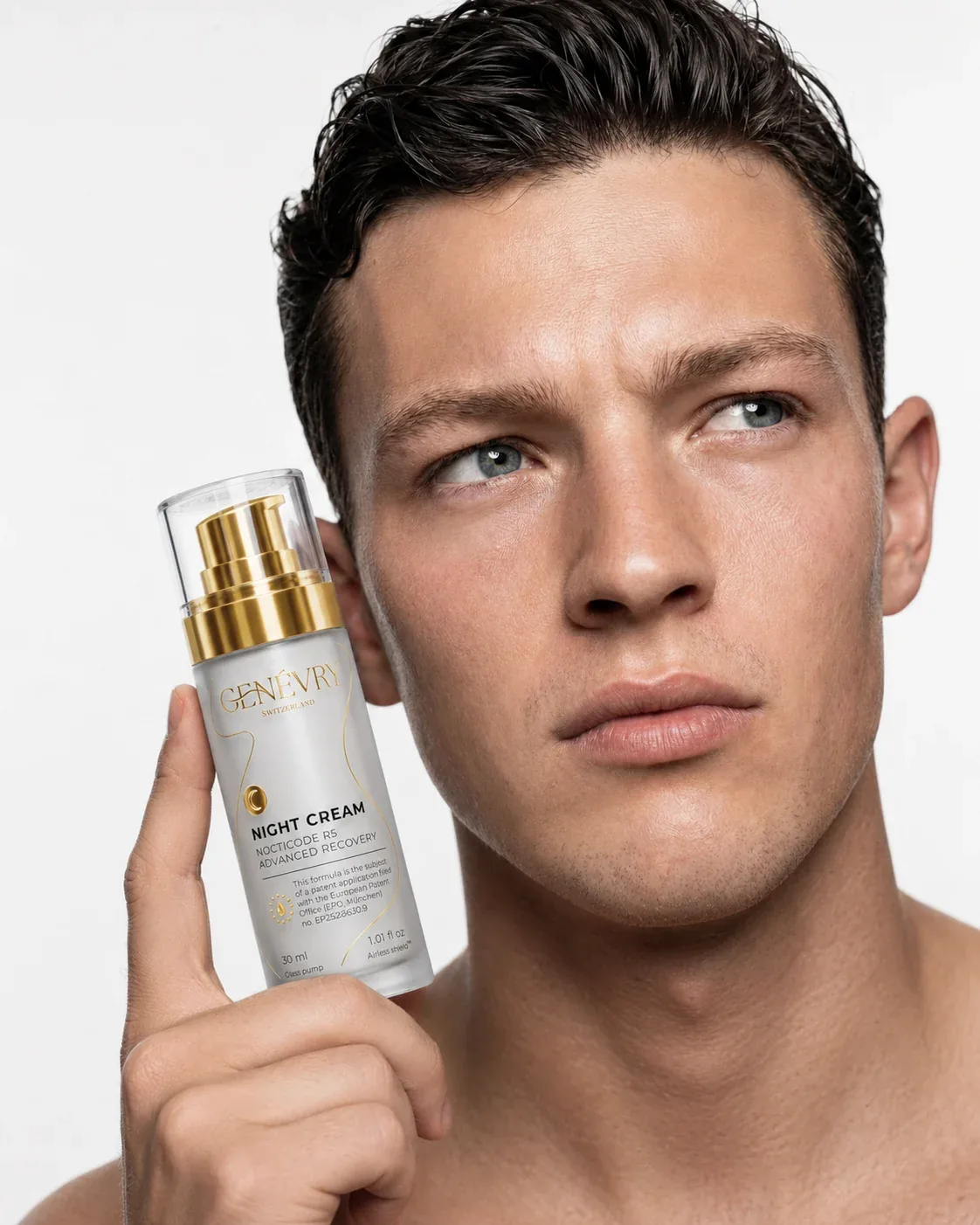
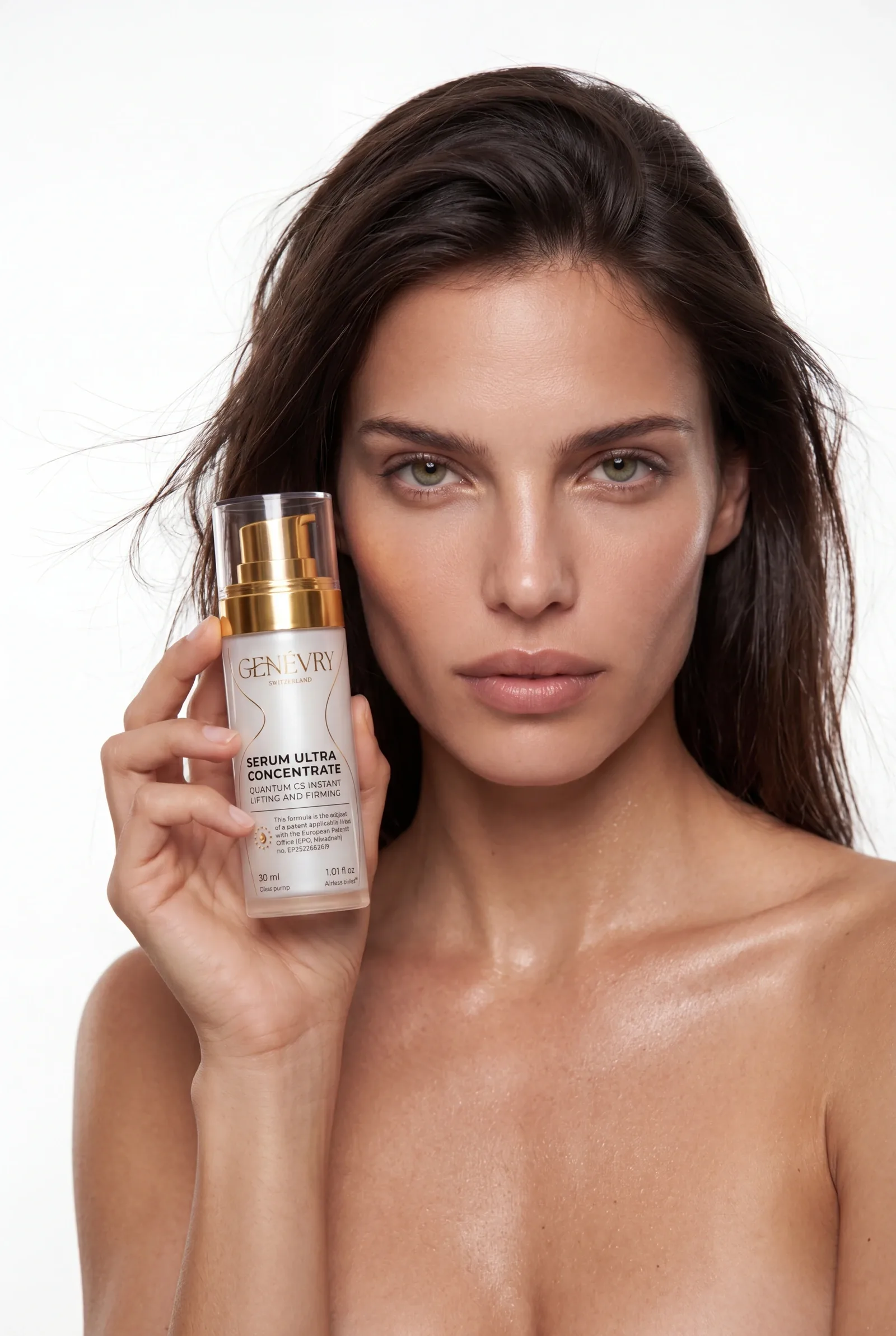
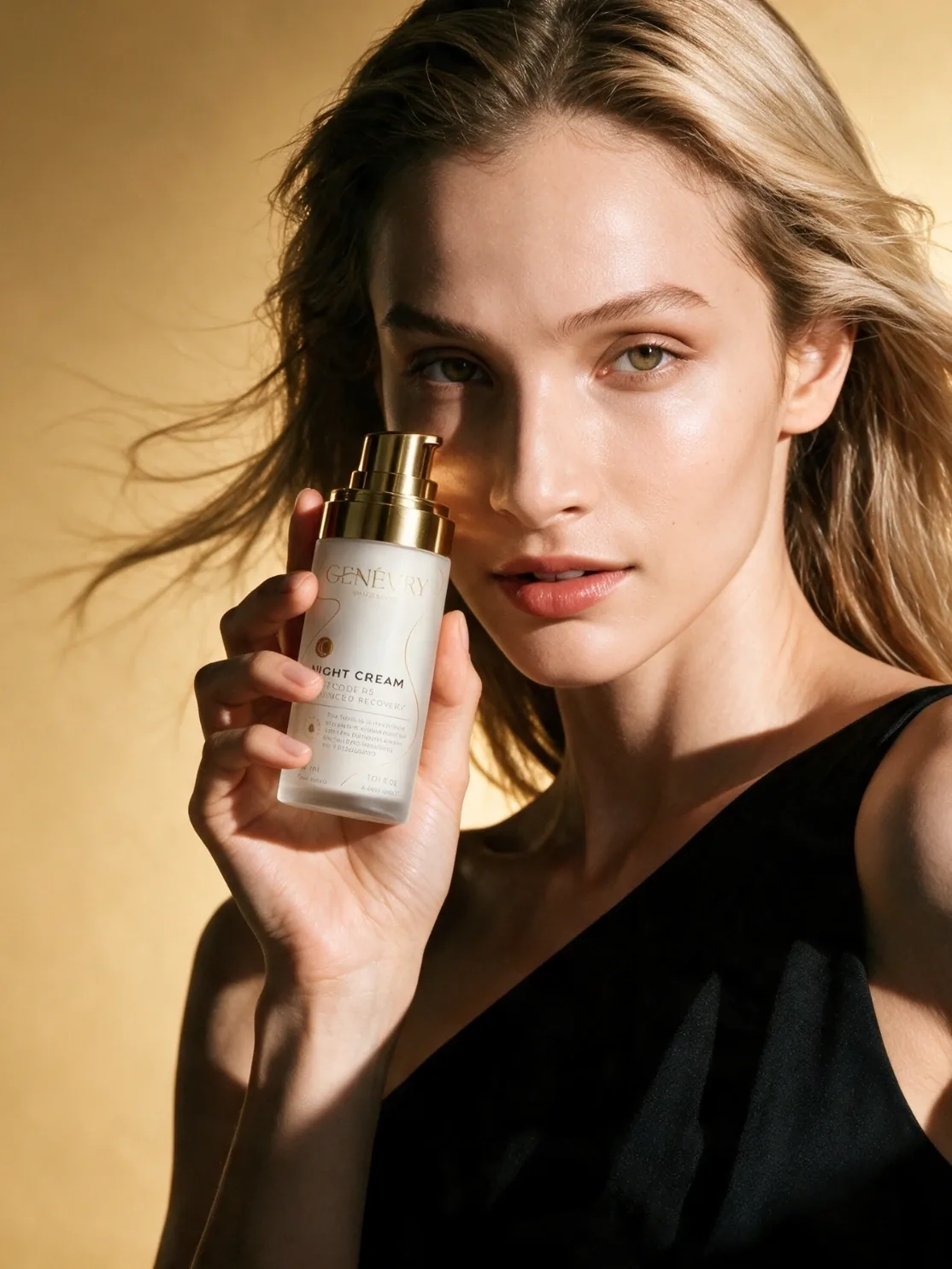
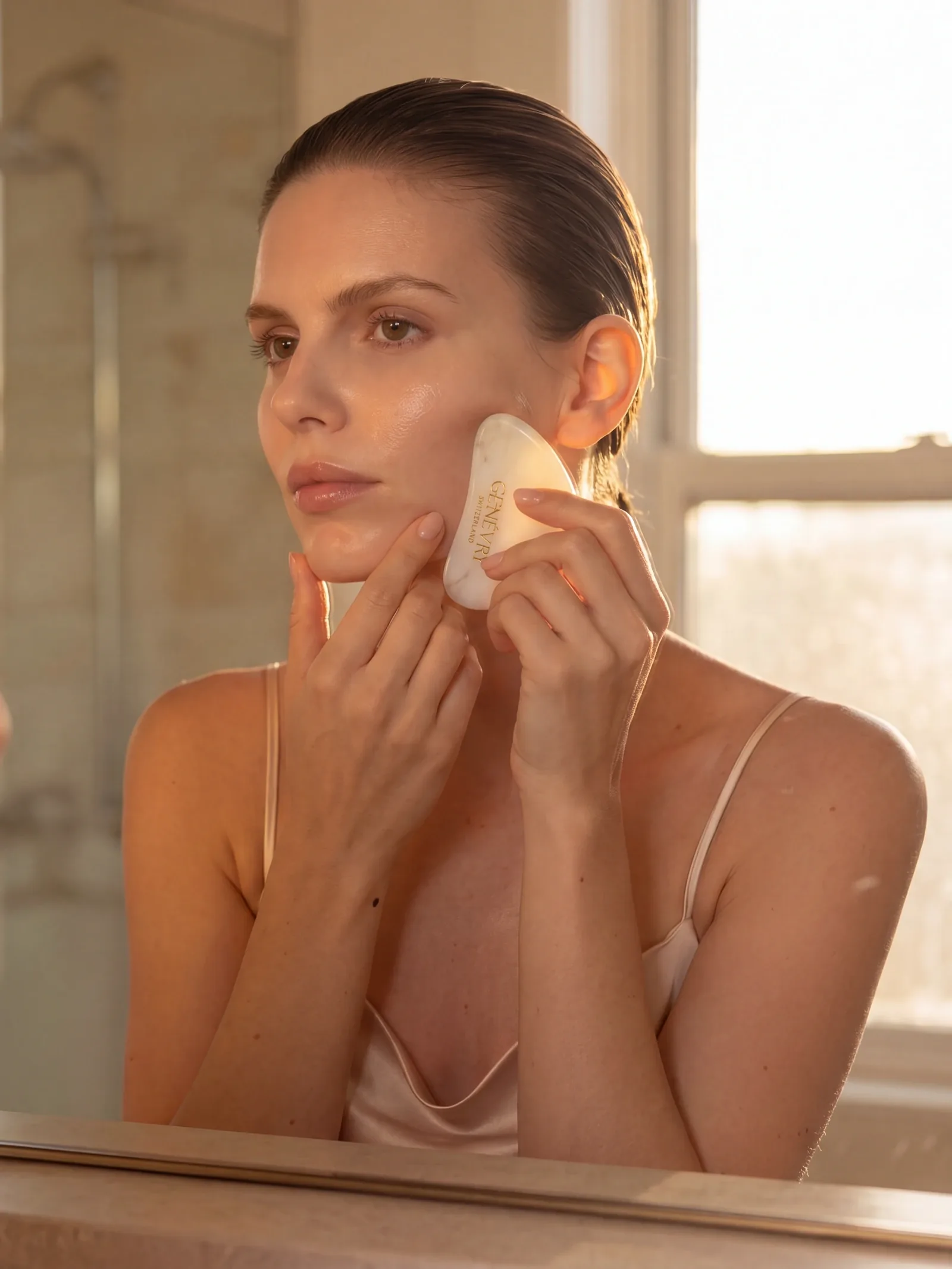
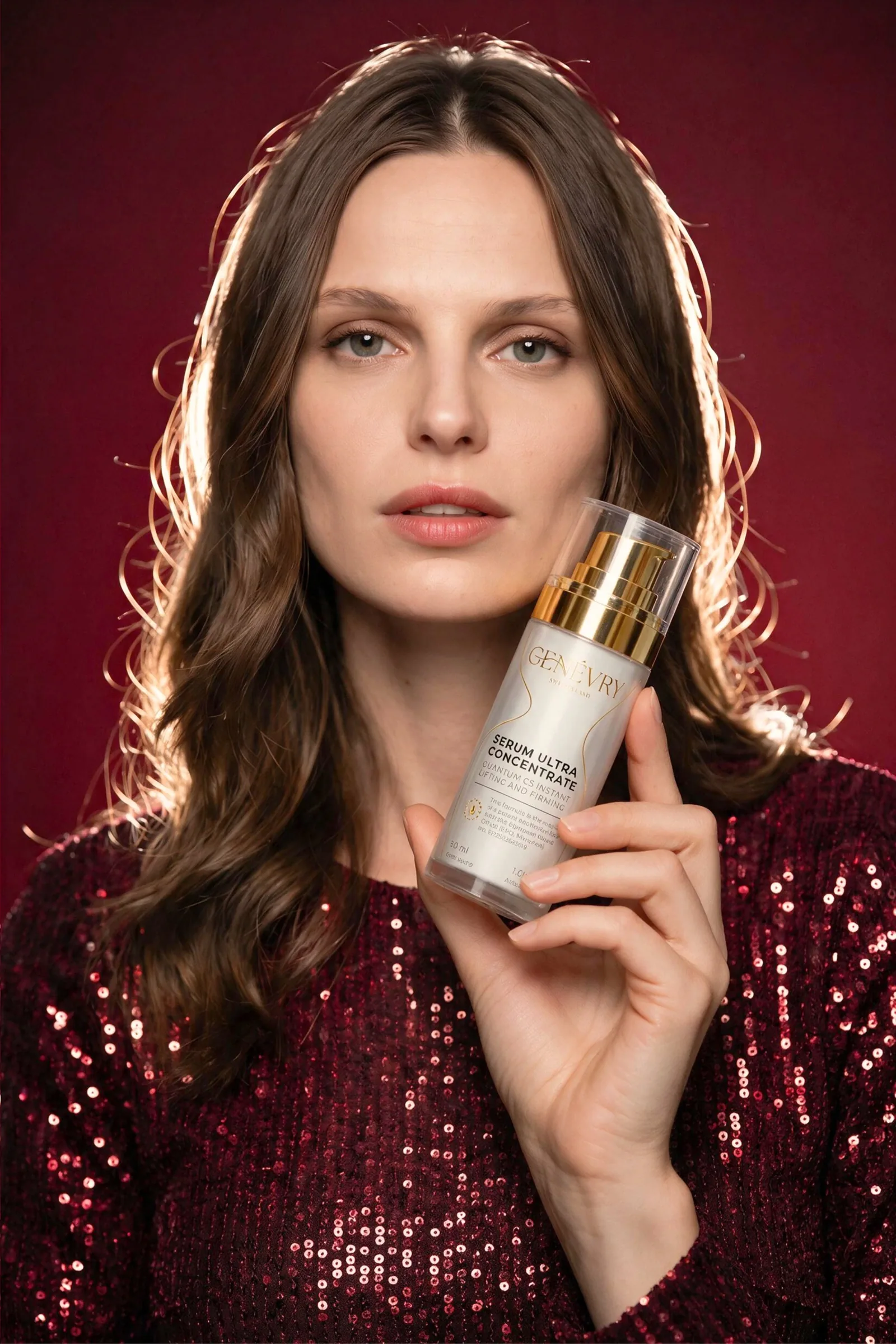
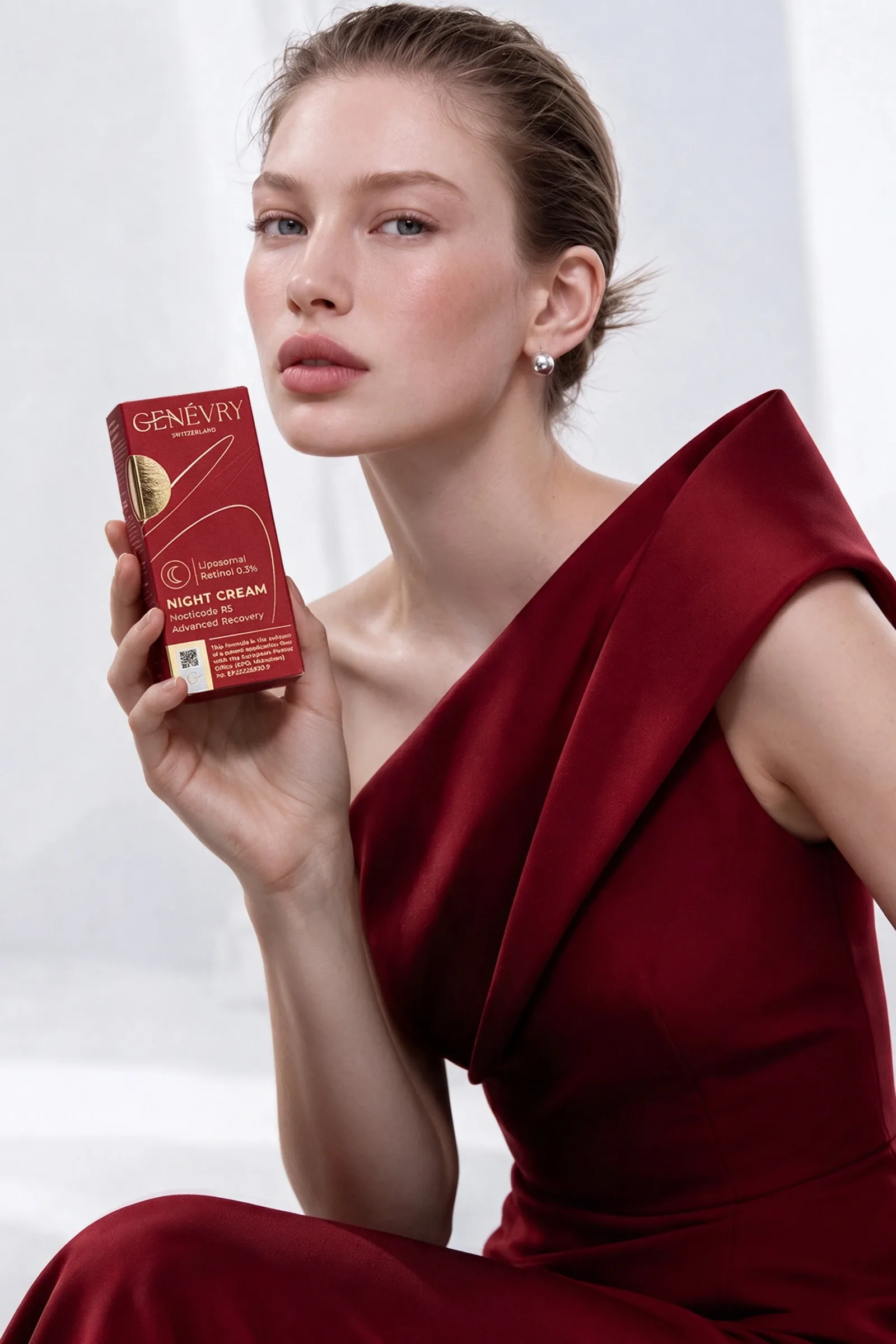
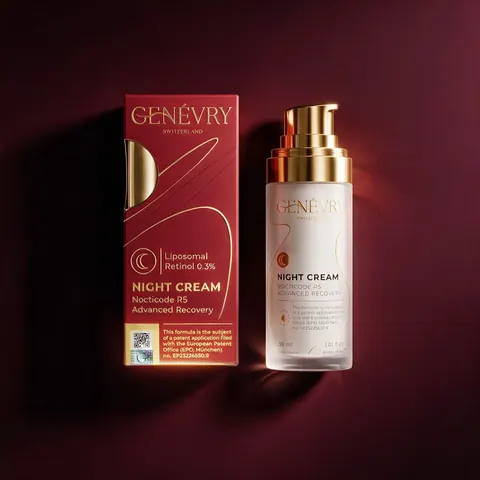
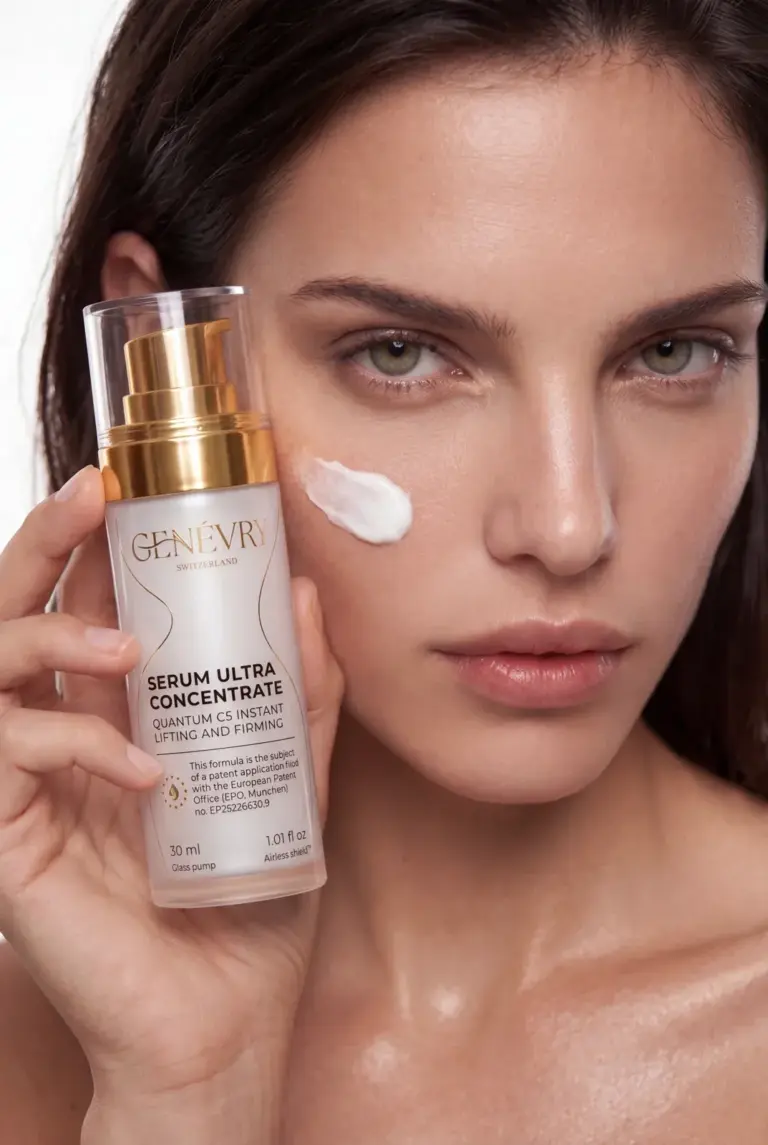
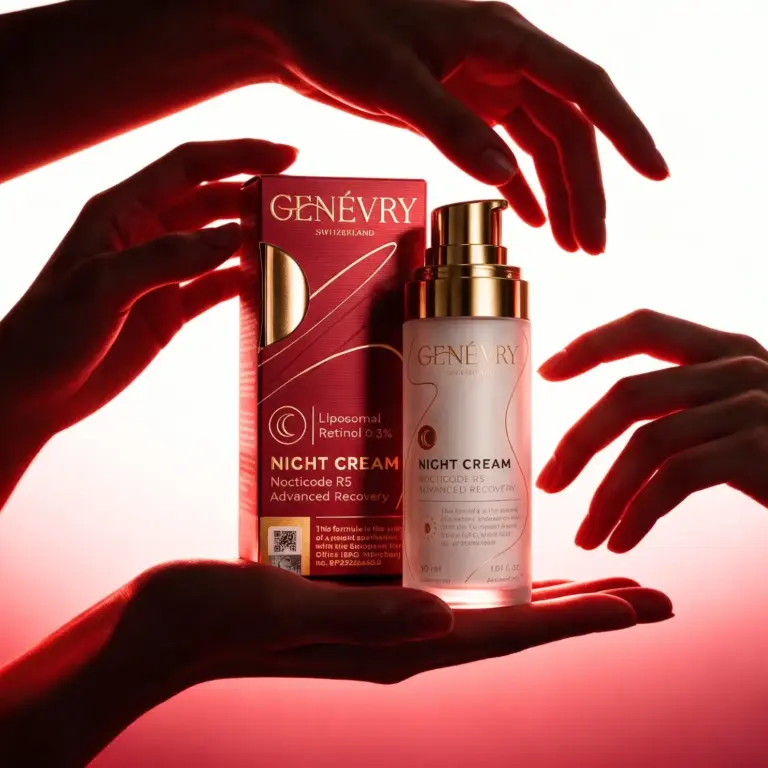
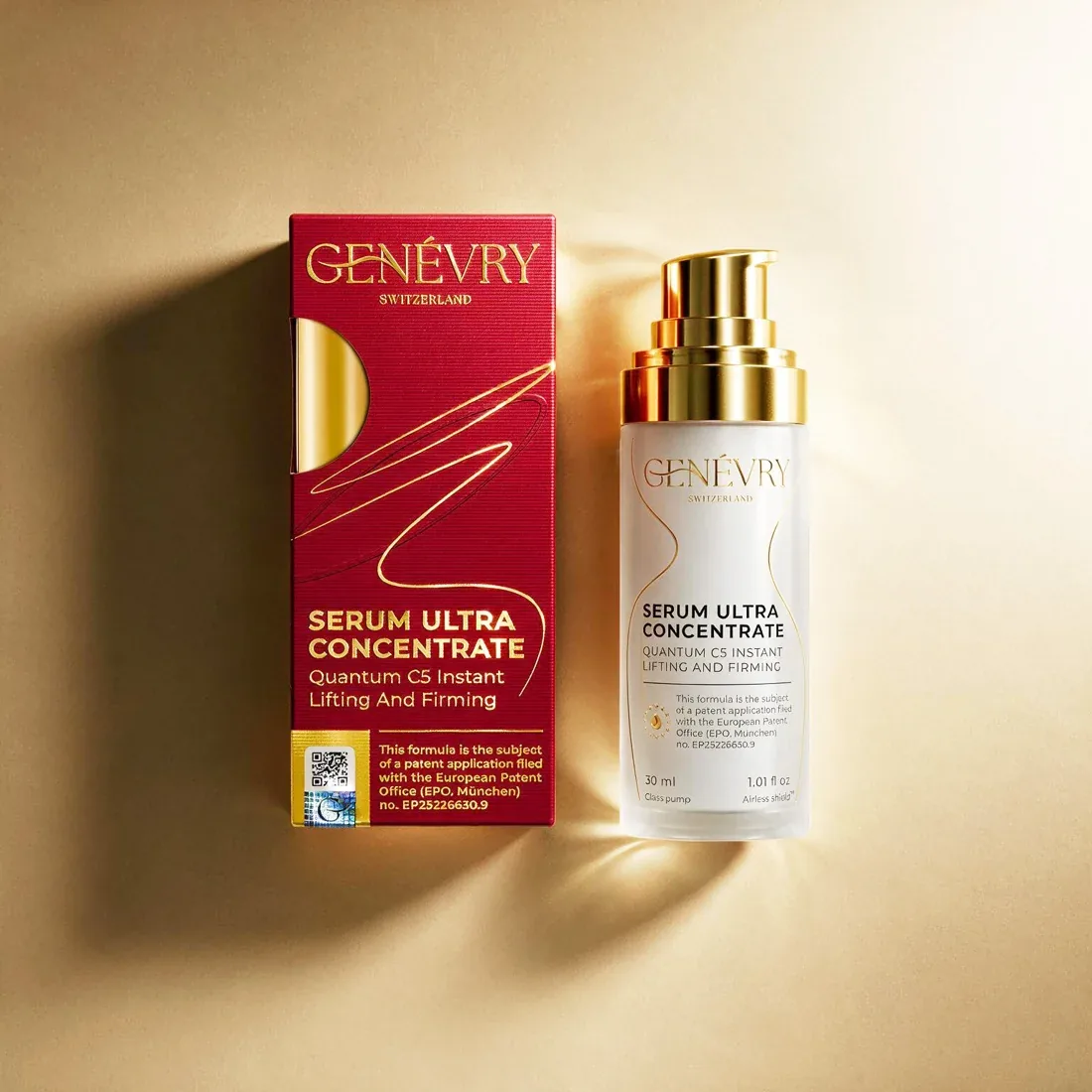
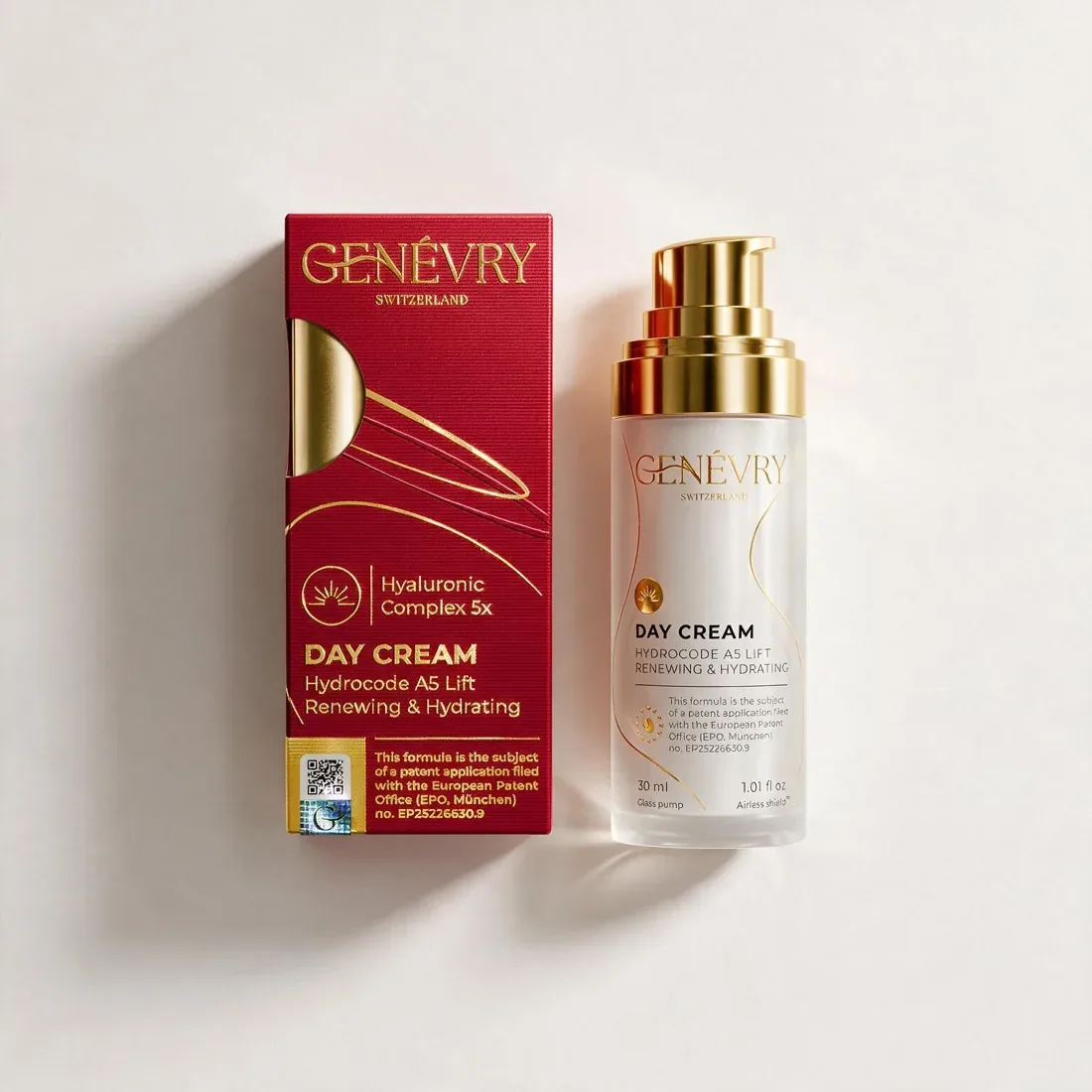
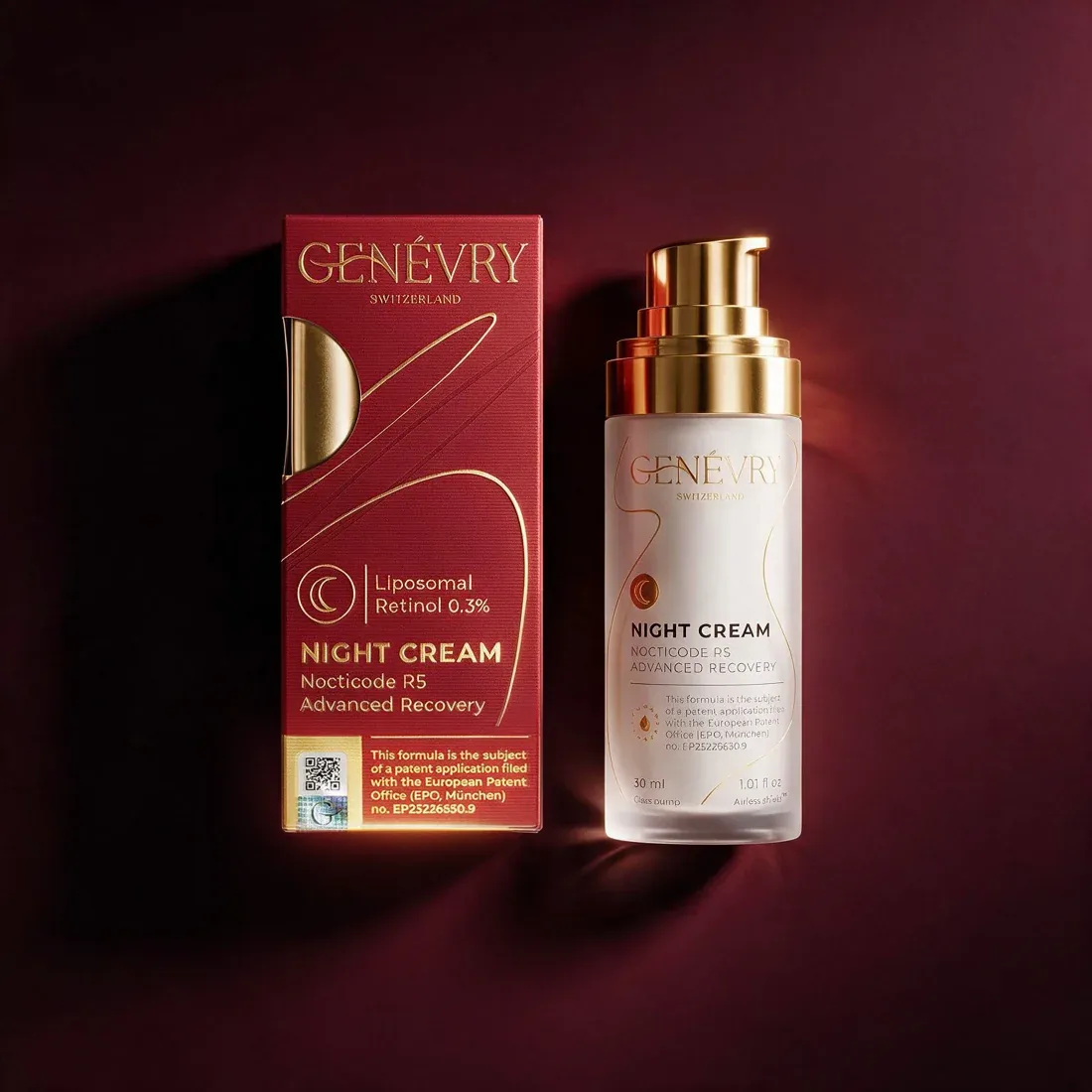
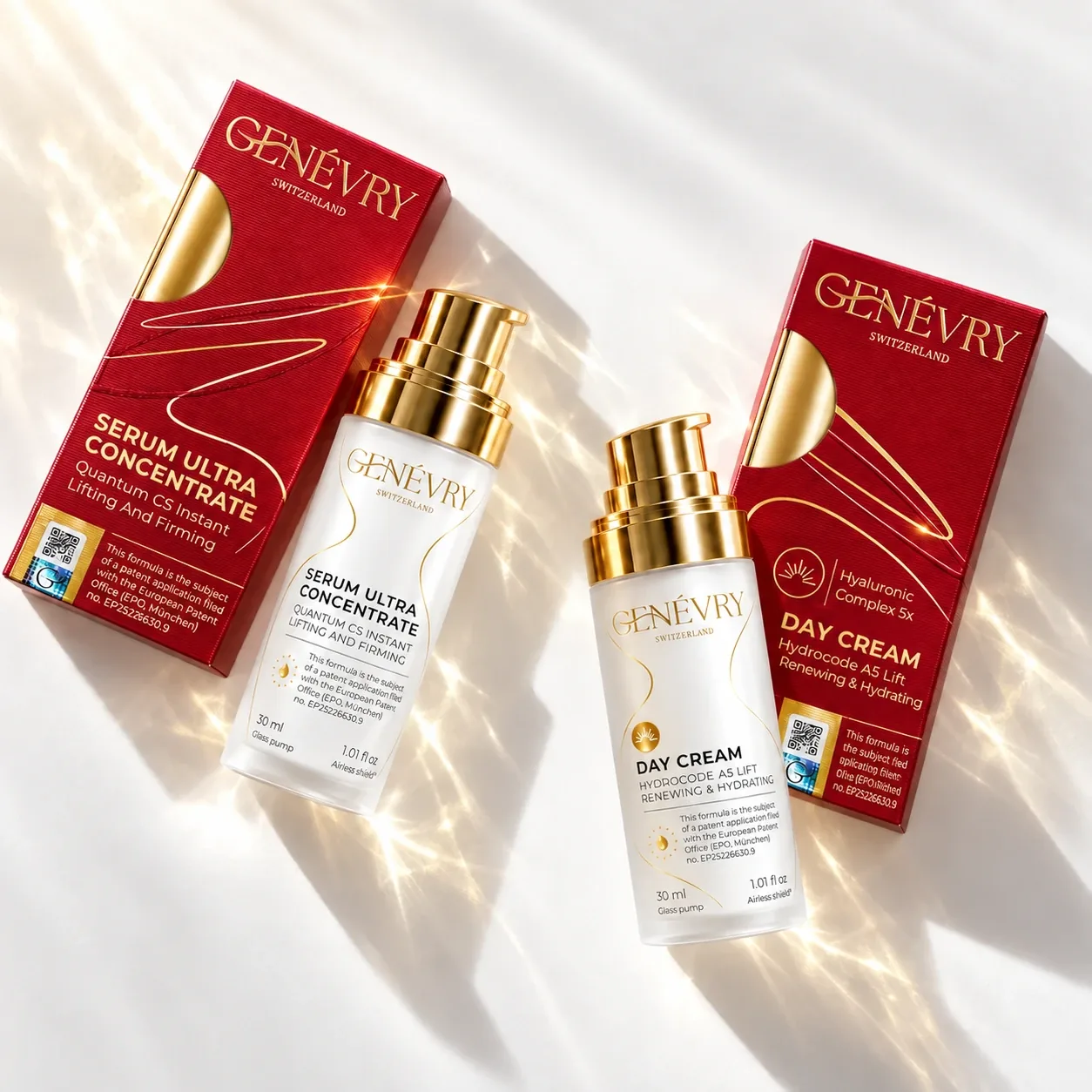
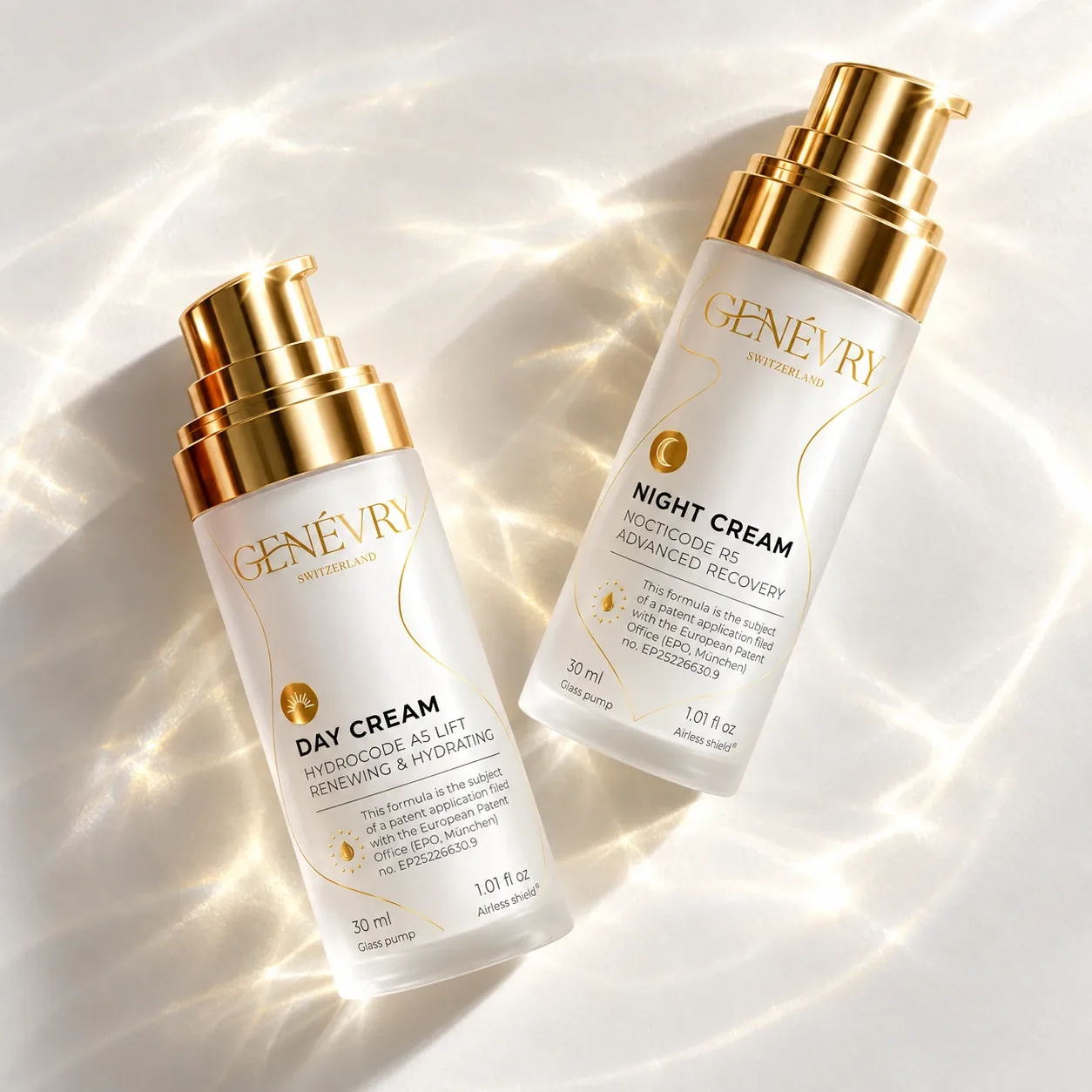
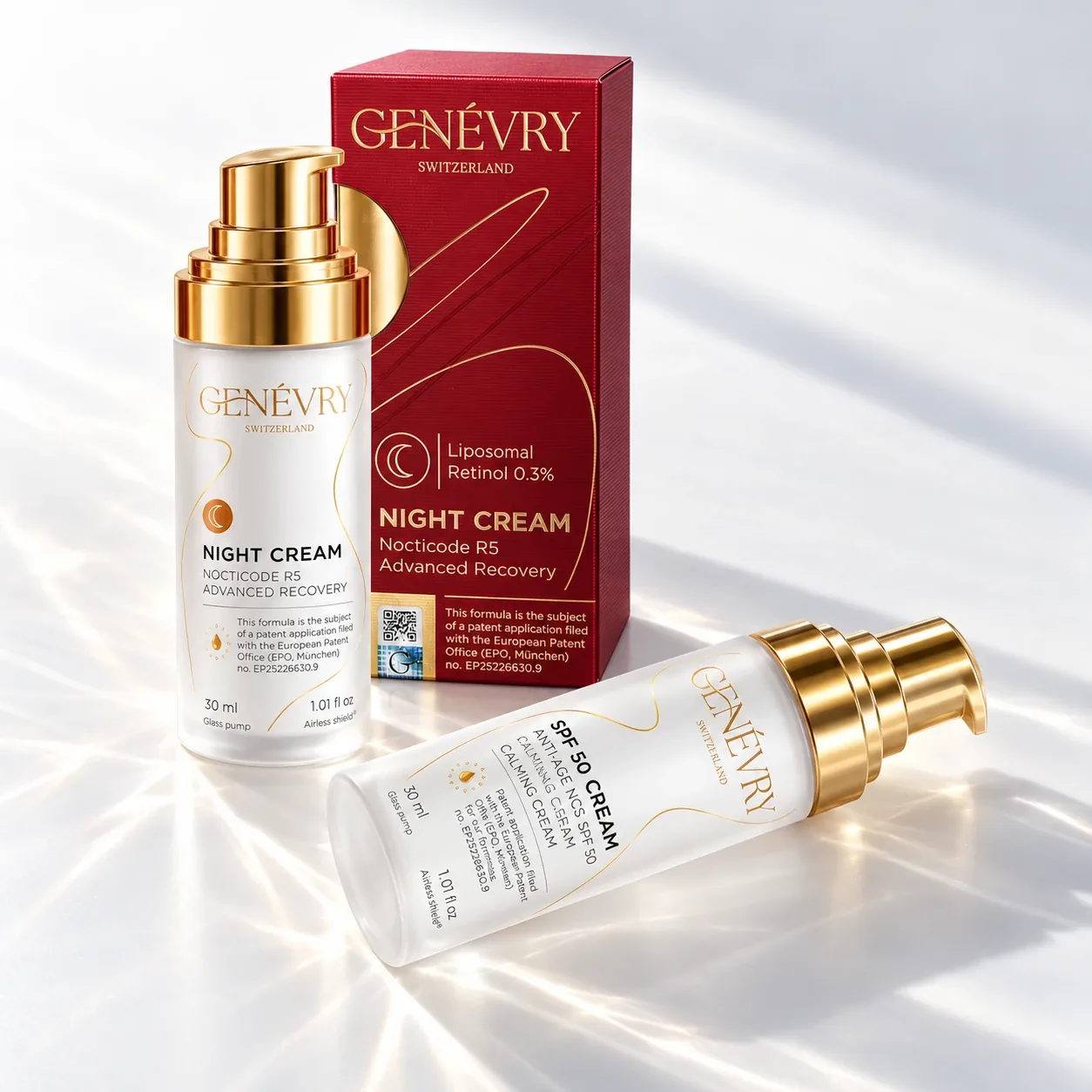
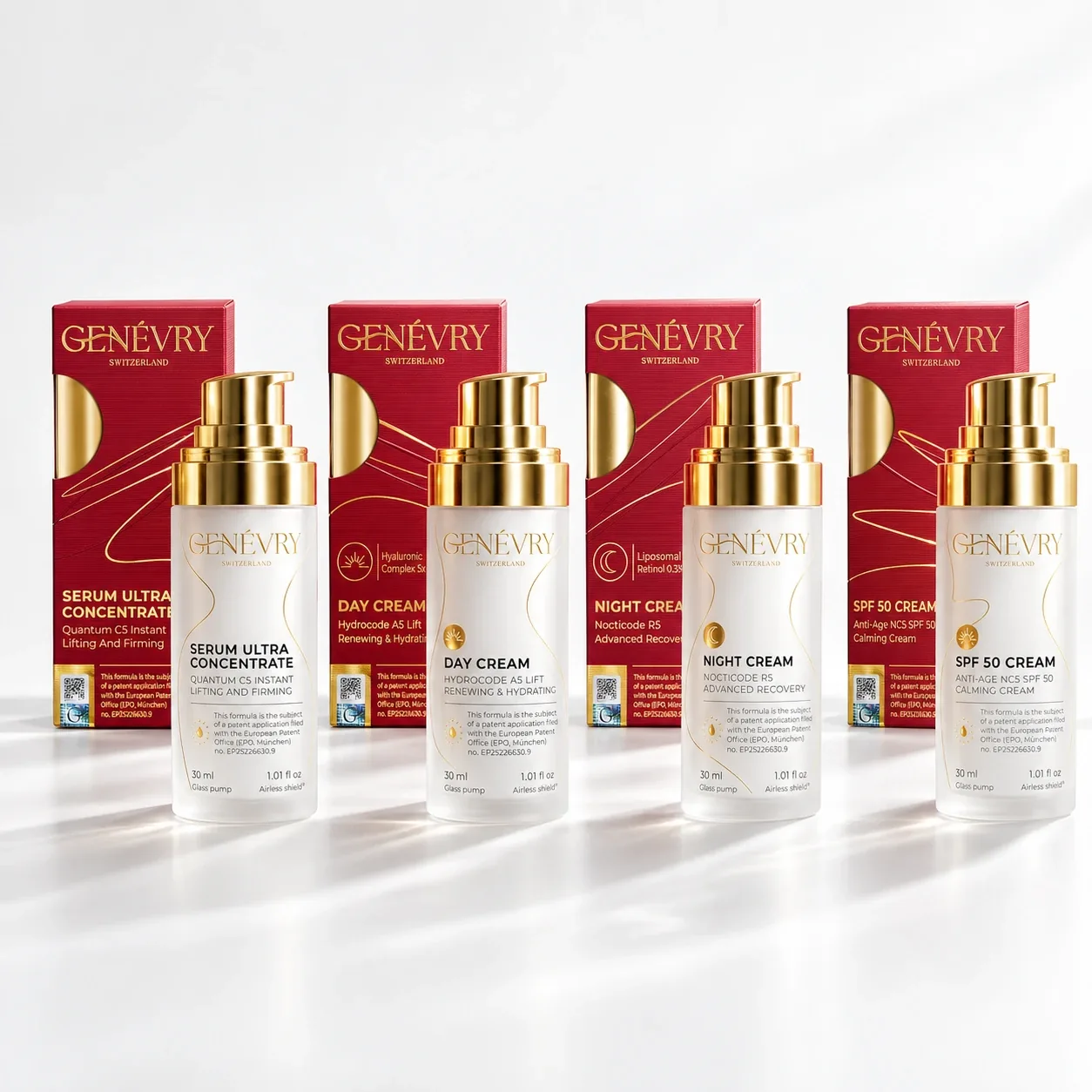
In the GENÉVRY collection the two ingredients have separate steps and separate times of day. The morning belongs to Quantum C5 serum with liposomal vitamin C and the copper peptide GHK-Cu. Liposomal here means vitamin C held inside a carrier, which limits its contact with oxygen and reduces how much it depends on the acidity of the formula around it. The evening closes with Nocticode R5 night cream with 0.3% liposomal retinol. If you would rather begin with two creams and add the serum later, the day and night duo sets up the morning-and-night frame from the first day.
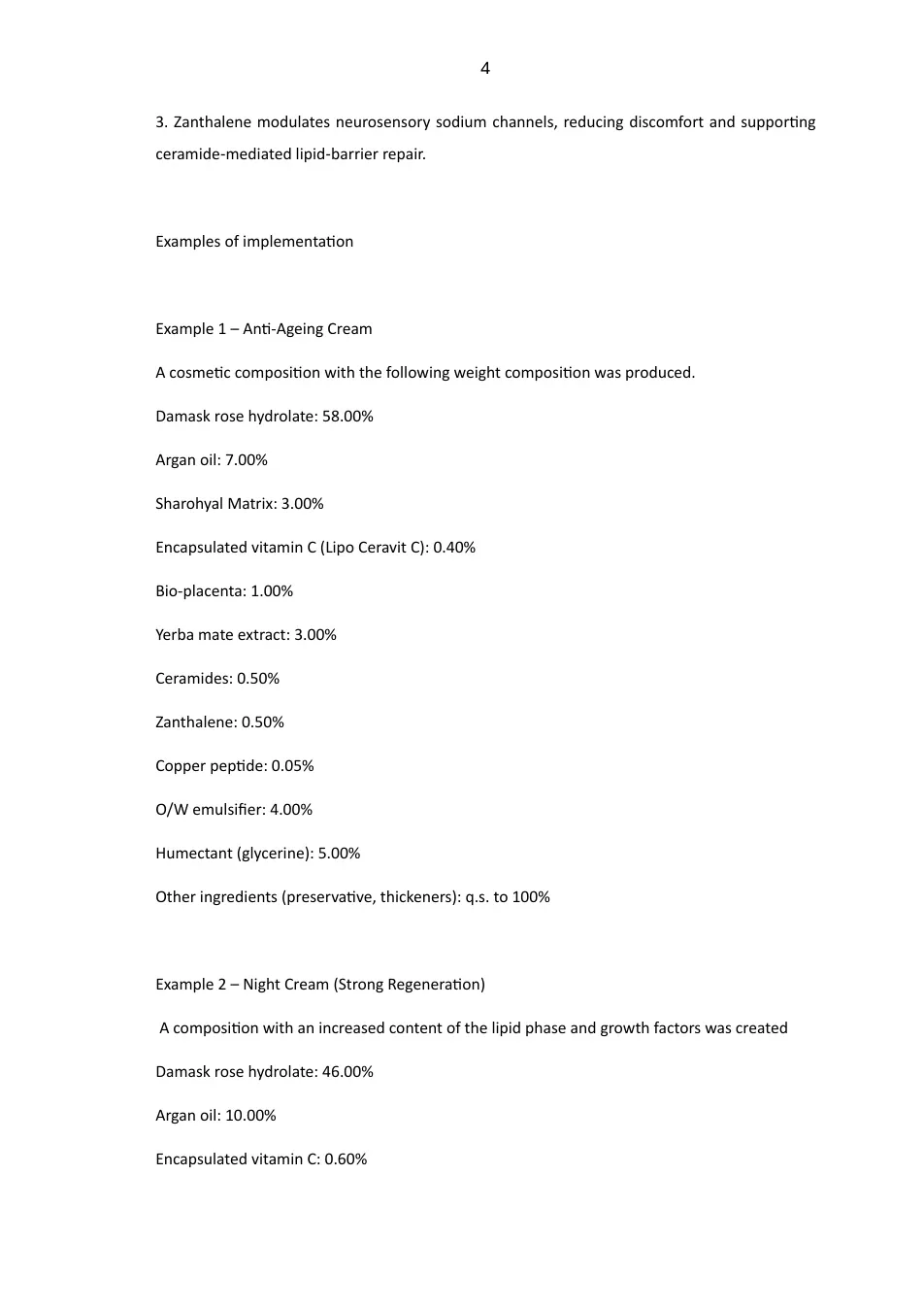
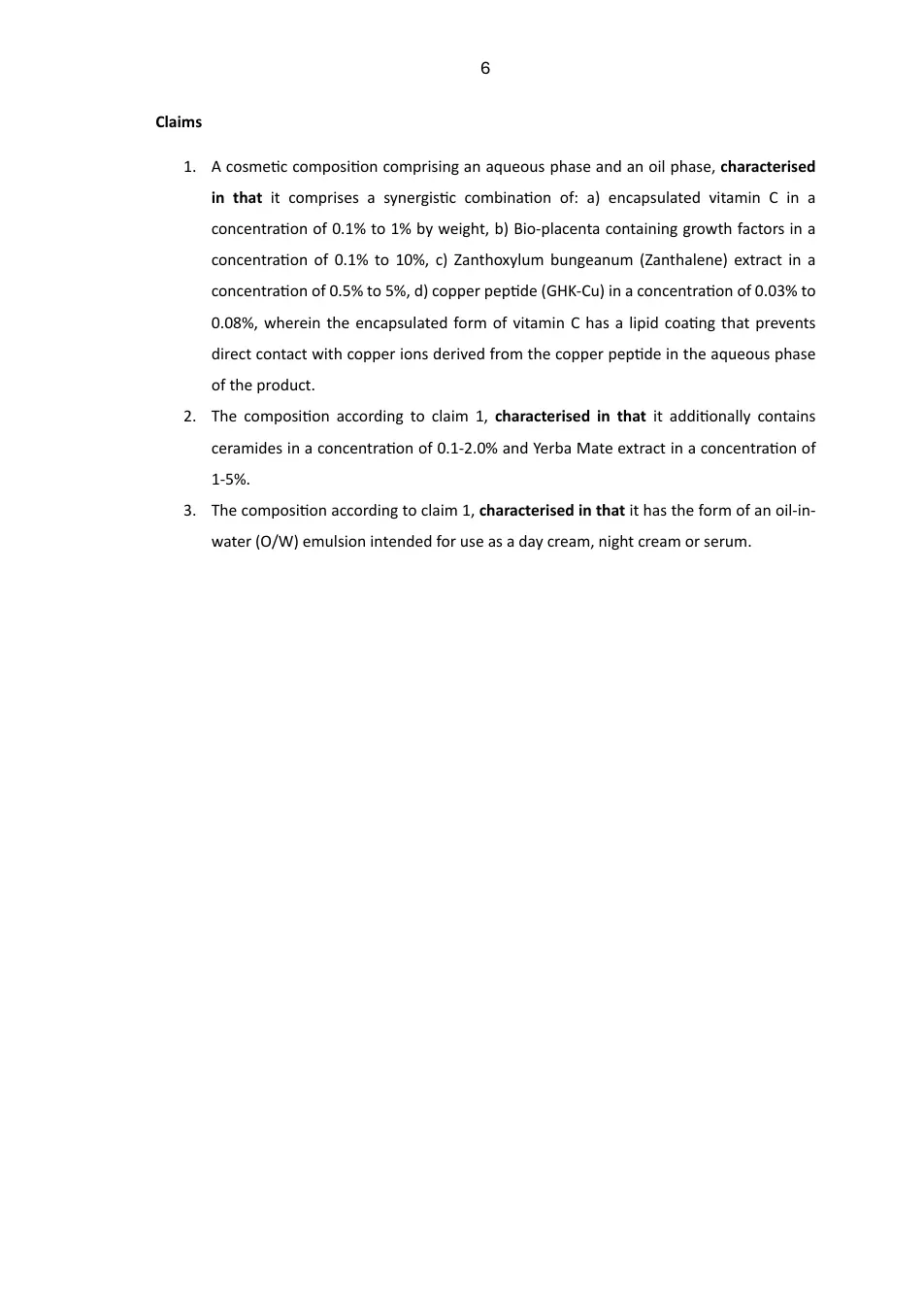
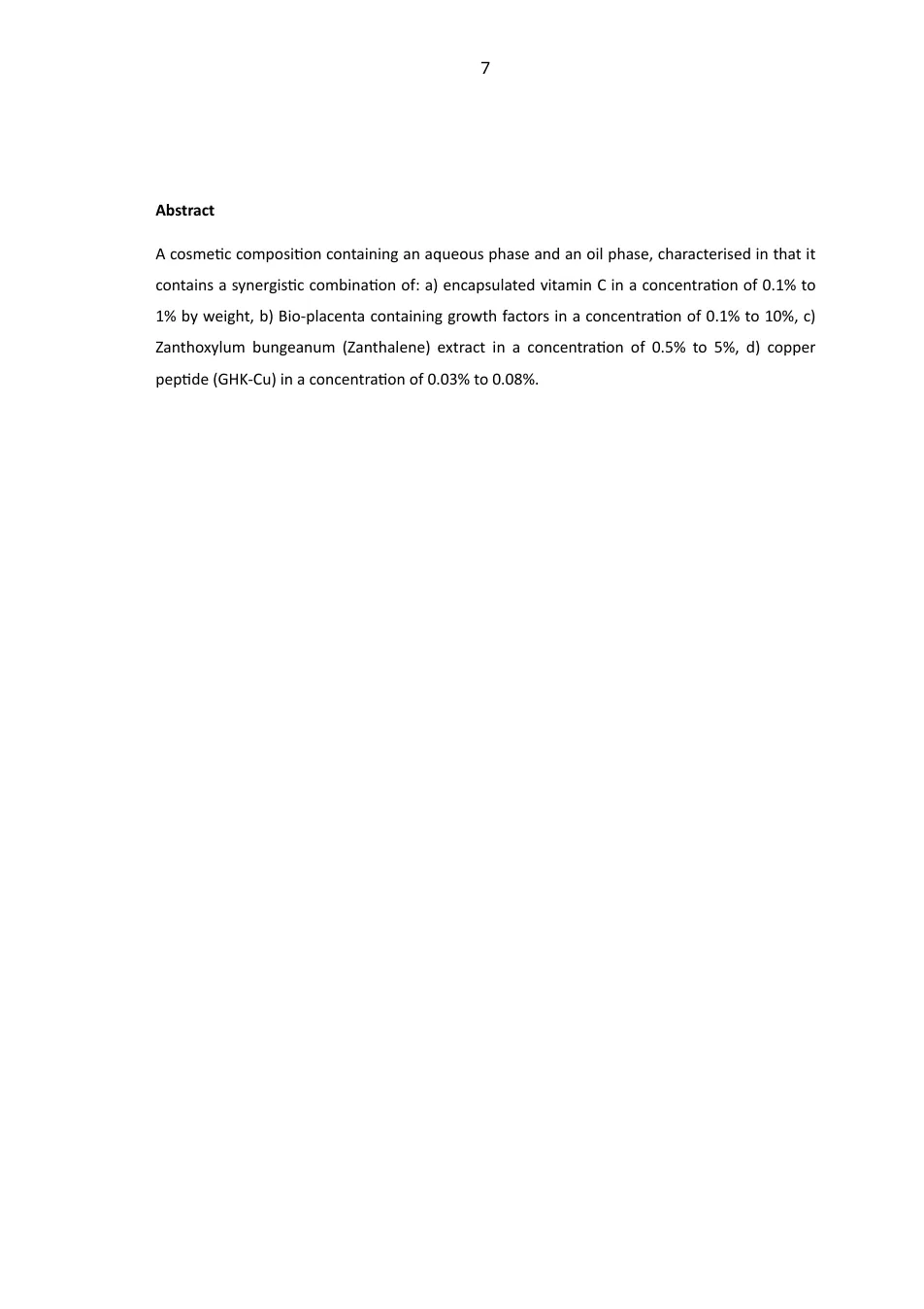
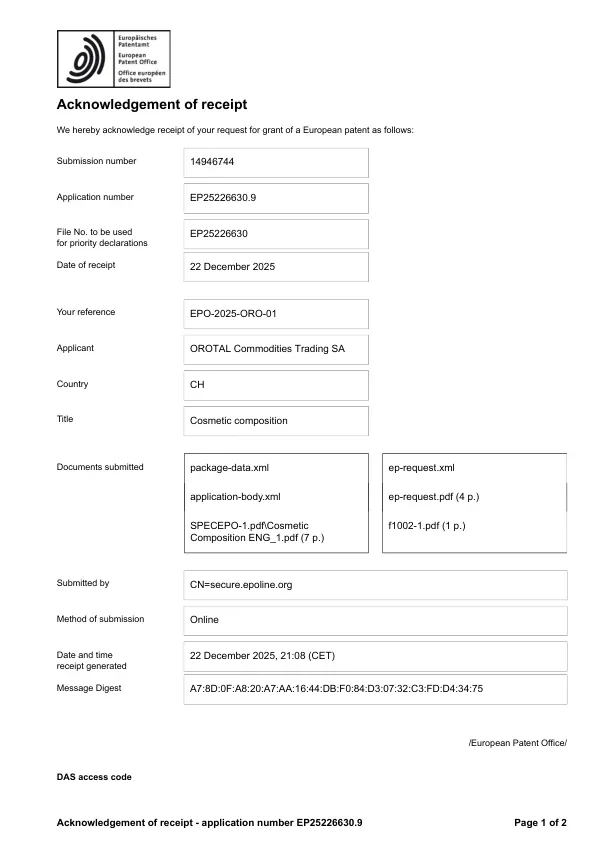
The formulas are the subject of patent application EP25226630.9, filed with the European Patent Office (patent pending) — an application, not a granted patent.
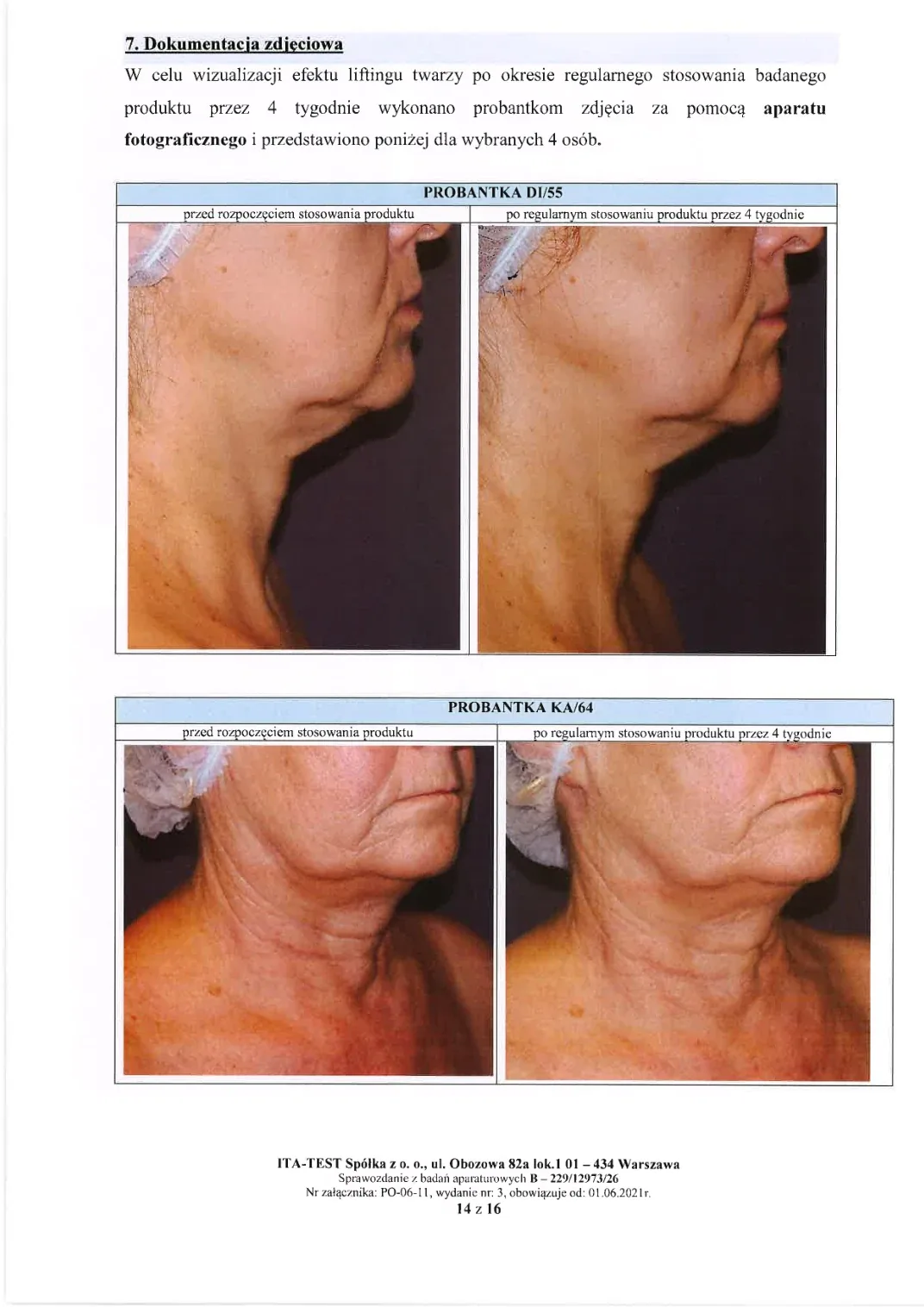
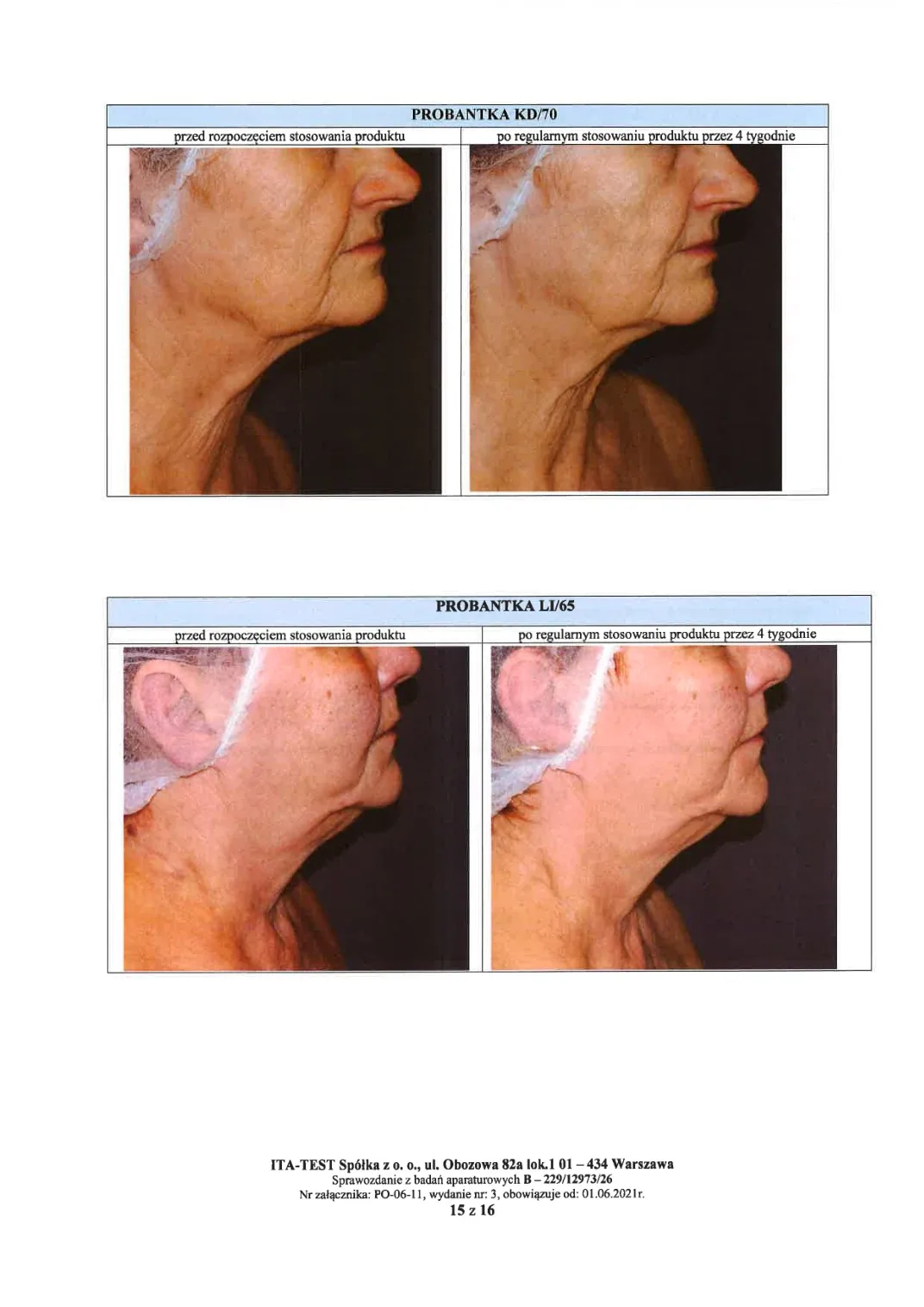
Each formula was assessed separately in a four-week instrumental study with 10 participants. For the serum, mean skin hydration rose 33% from baseline, with an increase recorded in all 10 participants (Corneometer CM 825); the SEsm smoothing parameter improved by 5–26%, with a reported group average of 12% (Visioscan VC 98). For the night cream, mean wrinkle length fell from 2.08 to 1.88 mm, a 10% reduction, recorded in 9 of the 10 participants (silicone replicas, VISIOLINE VL650); instrumental firmness improved by 5–23%, averaging 14% across the group. These come from separate protocols and small groups — context rather than a promise for any individual skin.
Frequently asked questions
Will vitamin C and retinol really not cancel each other out in one routine?
With modern forms — derivatives and liposomal versions — there is no reason to expect it; skin returns to its own pH faster than the two could interfere. The case for splitting them across morning and evening rests on comfort and light, not on chemical compatibility.
I only have time for skincare at night. What then?
Make retinol the evening step and use vitamin C on the nights you skip it. In the morning, moisturiser and sunscreen are enough — and the sunscreen is the part you cannot drop.
Can I use both on sensitive, flush-prone skin?
Usually yes, but more slowly: retinol twice a week for the first month, applied sandwich-style, alongside a gentler form of vitamin C. With rosacea or any diagnosed skin condition, leave the decision to a dermatologist.
Retinol in pregnancy — is vitamin C the safer option?
Retinol is not used during pregnancy or breastfeeding. Vitamin C is often chosen as the daytime active instead, but any change to a routine in that period is worth discussing with a doctor.
How long before anything shows?
Hydration and a more even surface can be visible after three to four weeks. The changes measured on skin replicas were recorded in the studies after four weeks of regular use. Consistency counts for more here than concentration.
Vitamin C and retinol are not rivals. They are two shifts in the same twenty-four hours: one working in the morning alongside sunscreen, the other at night, when skin has nothing to defend itself against. A well-set plan looks unremarkable on paper — which is exactly why it survives past the first month.
The formulas in this article
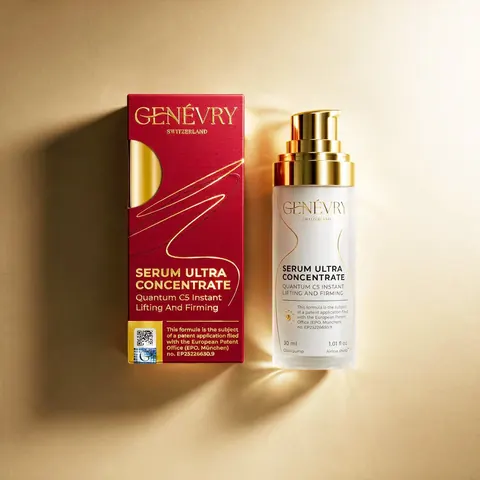 Quantum C5سيروم فائق التركيزAED 139Discover the formula →
 Nocticode R5كريم ليلي متطوّرAED 149Discover the formula →
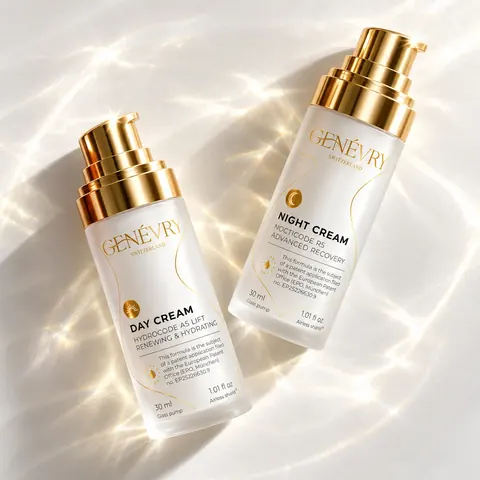 The Day & Night Duoكريم نهاري + كريم ليلي · 2 × 30 ملAED 279Discover the formula →
Cosmetic product. Individual results may vary.

 English / EUR
 English (US) / USD
 English (UK) / GBP
 Deutsch / EUR
 Deutsch (Schweiz) / CHF
 Français / EUR
 Italiano / EUR
 Español / EUR
 Nederlands / EUR
 Polski / PLN
 日本語 / JPY
 한국어 / KRW
 中文 / CNY
 العربية / AED
 English (Australia) / AUD
 English (Canada) / CAD
 Svenska / SEK
 Dansk / DKK
 Norsk / NOK
 Suomi / EUR
 Português / EUR
 Türkçe / TRY
 Čeština / CZK
 Magyar / HUF
 Română / RON
 Ελληνικά / EUR
 Slovenčina / EUR
 Hrvatski / EUR
 Slovenščina / EUR
 Lietuvių / EUR
 Latviešu / EUR
 Eesti / EUR
 Български / EUR
 Українська / EUR