Exosomes in skincare: what they are and what the research shows
Vesicles a few dozen nanometres across, with an entire product category built around them. How much of that biology reaches the bottle?
Exosomes in skincare arrived faster than the vocabulary needed to describe them. In a few years they moved from a specialist corner of cell biology to a headline on ampoules sold in clinics and online. It helps to start with the basic point: an exosome is not an ingredient in the way hyaluronic acid or niacinamide is an ingredient. It is a vesicle — a tiny, membrane-wrapped parcel that a cell releases into its surroundings. Everything else is a question of how much of that biology survives into a bottle, and what a brand is allowed to say about it in Europe.
What exosomes in skincare actually are
Exosomes are a subtype of extracellular vesicle, typically 30 to 150 nanometres across. They form inside the endosomal compartment of a cell and are released outward carrying cargo: proteins, lipids and RNA, including microRNA. In the body they act as messengers between cells — skin included, where keratinocytes, fibroblasts and melanocytes are in constant chemical conversation.
Scale makes the idea concrete. A vitamin C molecule measures well under a nanometre, a cosmetic liposome tens to a few hundred, and the stratum corneum that everything must cross is a dense structure evolved to keep large objects out. We covered how encapsulation handles that problem in our piece on liposomes in skincare.
Three sources dominate the category. The first is plants: exosome-like nanovesicles isolated from callus culture, fruit or algae, a direction reviewed in the Journal of Nanobiotechnology (PubMed, 2025). The second is microorganisms — vesicles from fermentation cultures, close cousins of the postbiotic category. The third is human cells, usually mesenchymal stem cells, and that version, prominent in marketing from outside Europe, cannot legally be an ingredient in a cosmetic product sold in the EU.
The word “exosome” rarely appears on an ingredient list. What you will see instead are extracts, lysates and ferment filtrates, with the vesicle story kept to the front of the box and the brand’s own materials. If you want to check for yourself, our guide to reading an INCI list is the place to start.
What the scientific sources show
The hypothesis is elegant. If vesicles carry signals between cells, then vesicles delivered into skin might influence how fibroblasts behave — how much extracellular matrix they produce, and how active the enzymes that break it down turn out to be. A 2025 review in cosmetic dermatology summarises the laboratory work along exactly those lines, and closes by saying that wider adoption needs far more clinical evidence than currently exists.
A comprehensive review in the International Journal of Dermatology (PubMed, November 2025) reaches a similar position: many promising applications, thin human data, most of it from small cohorts without randomisation or blinding. One detail gets less attention than it deserves. In most clinical work the vesicles were applied after microneedling or fractional laser, or injected — in other words, with the skin barrier deliberately breached. That is not the same scenario as a few drops of serum on intact skin at night.
Naming is its own problem. The MISEV2023 guidelines, published in the Journal of Extracellular Vesicles (PubMed, 2024), recommend the more careful term “small extracellular vesicles” unless endosomal origin has actually been demonstrated. In the literature that caution is now standard practice. On packaging, it rarely is.
What is unambiguous is how quickly the field itself is growing.
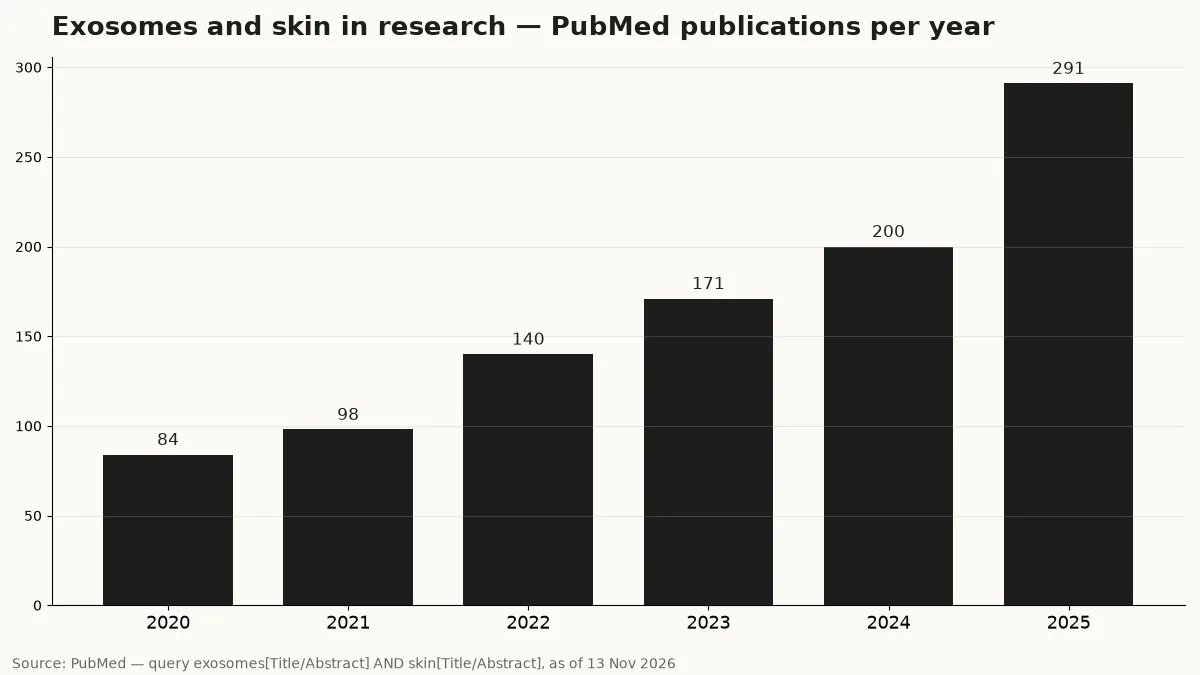
The chart counts papers, not proof — two different things. A rising curve means the subject is being investigated seriously and that we will know considerably more in a few years. It does not mean the answer is already settled.
What European law allows
Here the conversation gets specific. Annex II to Regulation 1223/2009 — the list of substances banned from cosmetic products — covers cells, tissues and products of human origin. Exosomes derived from human stem cells therefore cannot be an ingredient in a cosmetic placed on the EU market, whatever the practice is elsewhere in the world.
Plant and bacterial vesicles have no dedicated rules of their own. They are treated like any other ingredient: safety assessment, product information file, notification through the CPNP portal. Regulation 655/2013 on claims applies on top of that, ruling out therapeutic promises and unsupported figures. It is why a careful brand writes “skin looks smoother” rather than “rebuilds your cells”.
The practical consequence is simple. If a product sold in the EU as a cosmetic advertises human exosomes, either the description is loose or it should not be on that shelf. Asking the seller about the vesicle source and the CPNP notification is a fair question.
What to pair them with, and what to avoid
Because “exosomes” describes a category rather than a single molecule, layering rules follow the formula they sit in more than the vesicles themselves. The table below gathers what can sensibly be said.
| Ingredient | Combine? | Time of day | What to watch |
|---|---|---|---|
| AHA and BHA acids | Not in the same layer | Evening, on alternate days | Low pH is the least friendly environment for membrane structures. Separate the days, or leave time for skin to settle before the next step |
| Retinol | Yes, carefully | Evening | Both steps reward consistency rather than intensity. Introduce retinol gradually and wear SPF in the morning |
| Vitamin C | Yes, kept apart | Vitamin C in the morning | Formulas built on pure L-ascorbic acid are acidic, which makes a different time of day the easier choice |
| Niacinamide, panthenol, ceramides | Yes | Morning and evening | Soothing, barrier-focused ingredients with no known conflicts; they sit comfortably in the same routine |
| Microneedling procedures | In clinic only | As advised | Applying anything to broken skin is the practitioner’s decision and responsibility, not a home-care step |
| Sunscreen | Yes | Morning, as the last step | Whatever the actives, SPF remains the foundation of a morning routine |
Two practical notes. Vesicles are sensitive to heat and time, which is why several products arrive as a freeze-dried powder with an activating ampoule and a short window for use once mixed. And their price is often a multiple of well-studied actives — worth weighing against the current evidence.
Who they suit, and how to fit them into a GENÉVRY ritual
They make most sense in the hands of a dermatologist or aesthetician, as part of a treatment rather than a replacement for daily care. At home, treat them as an addition to a stable routine, not its foundation. With reactive skin, during pregnancy or breastfeeding, or alongside any skin condition or medication, talk to a doctor first.
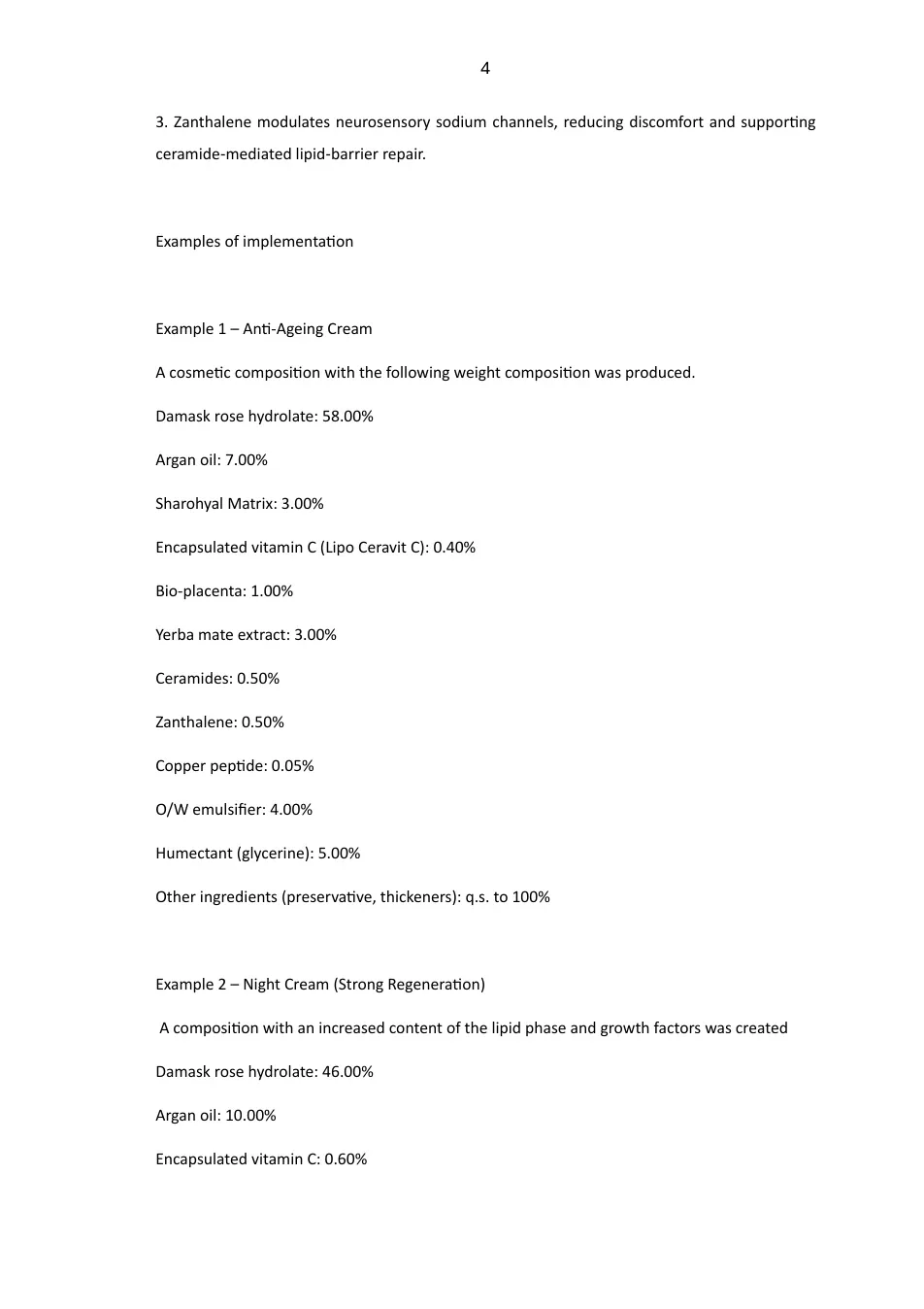
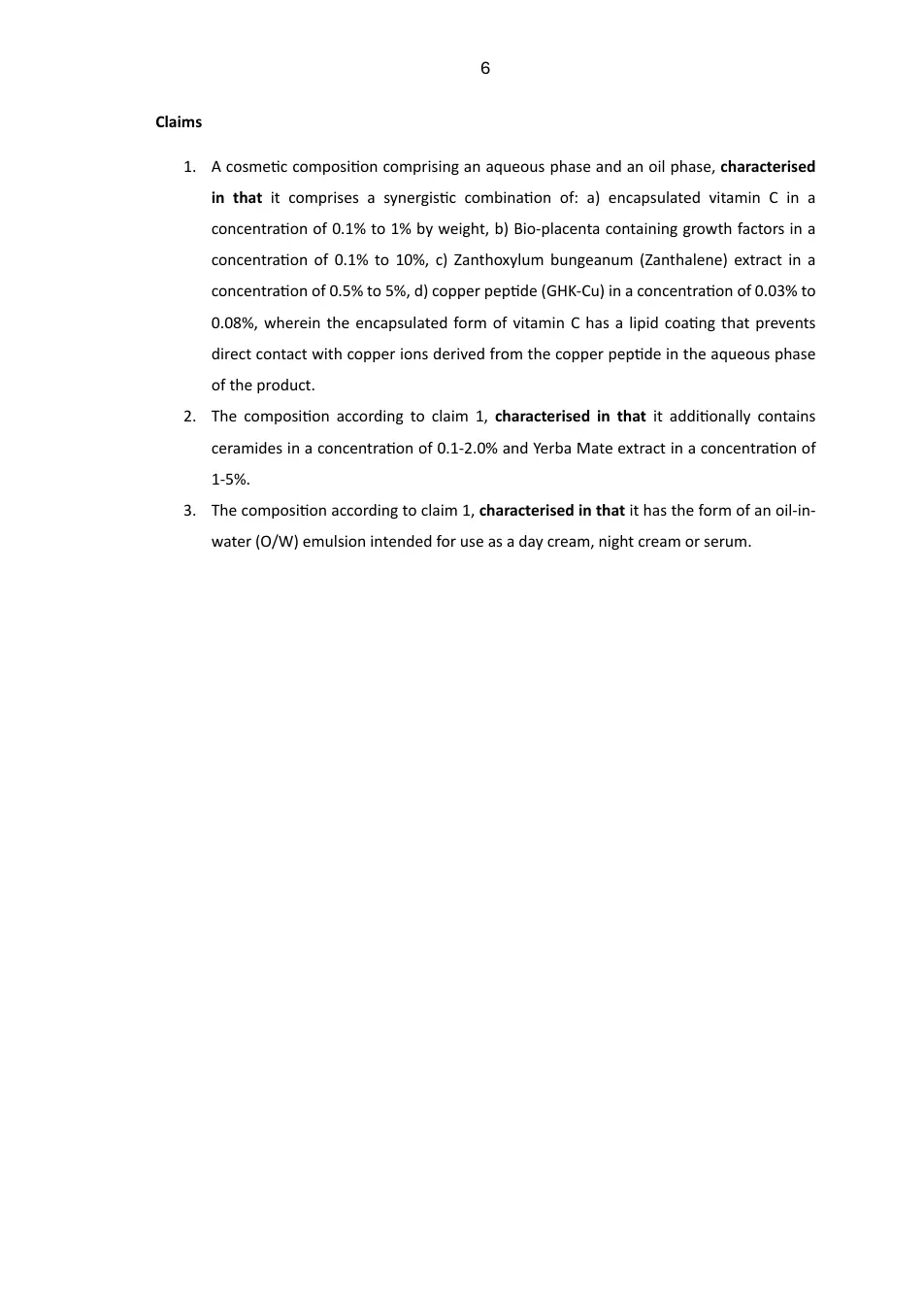
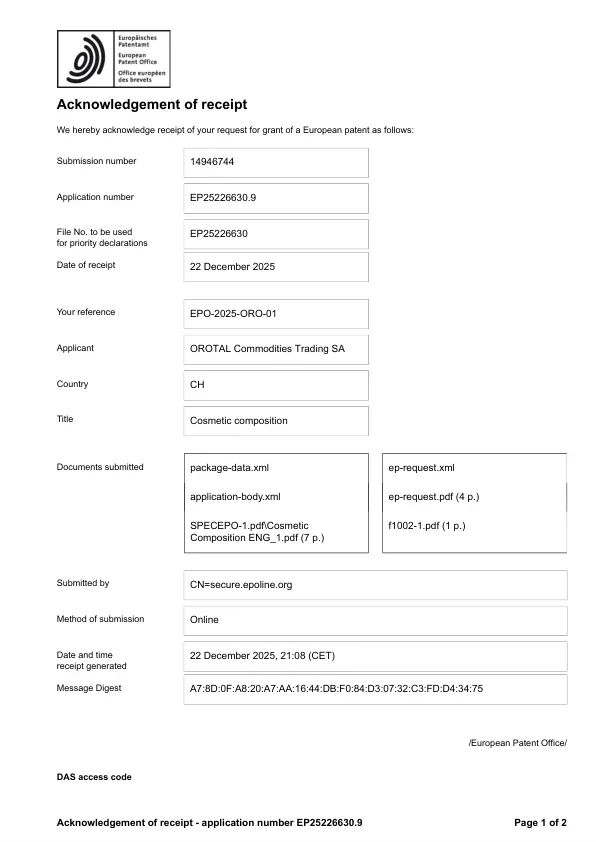
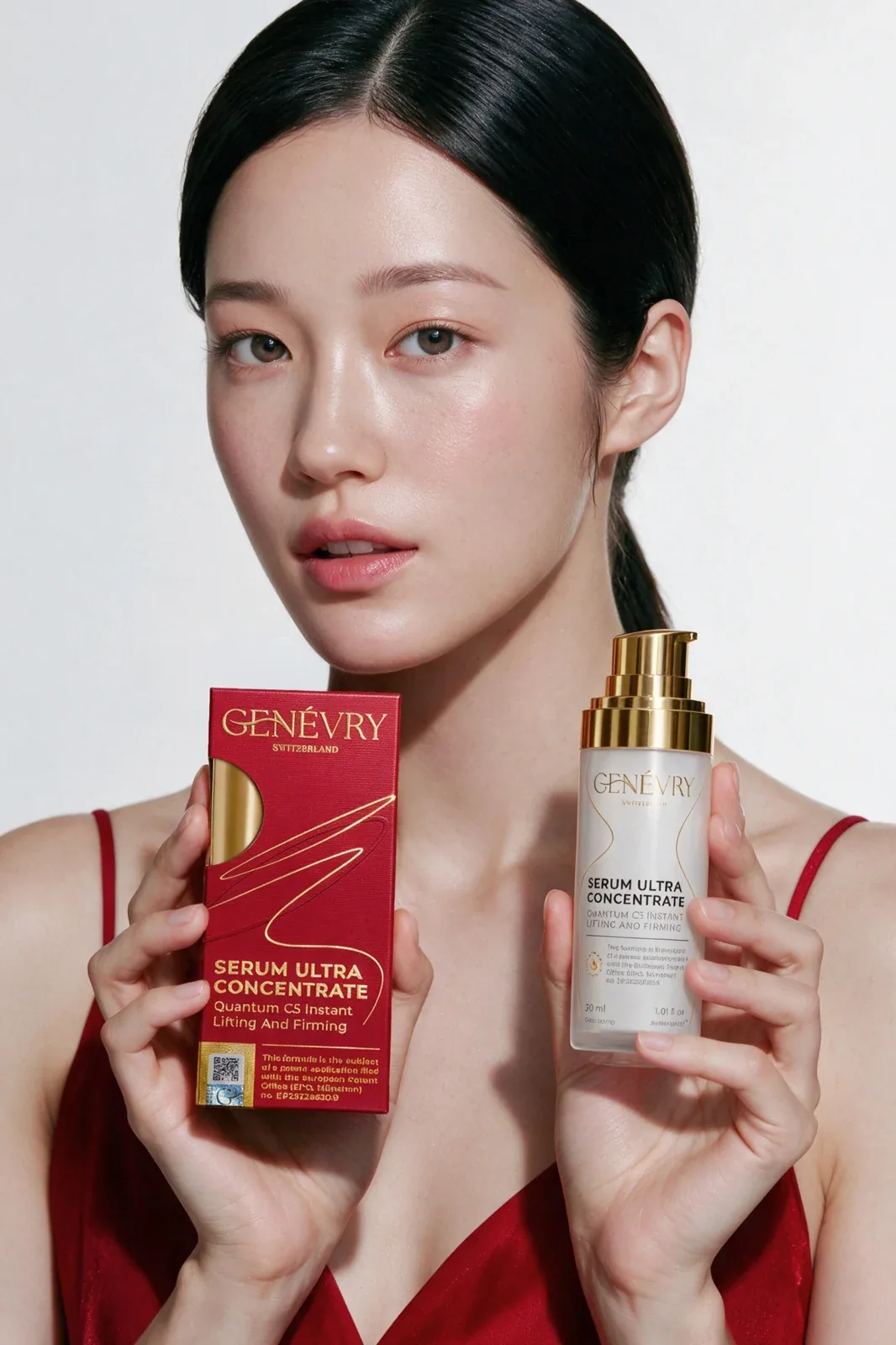
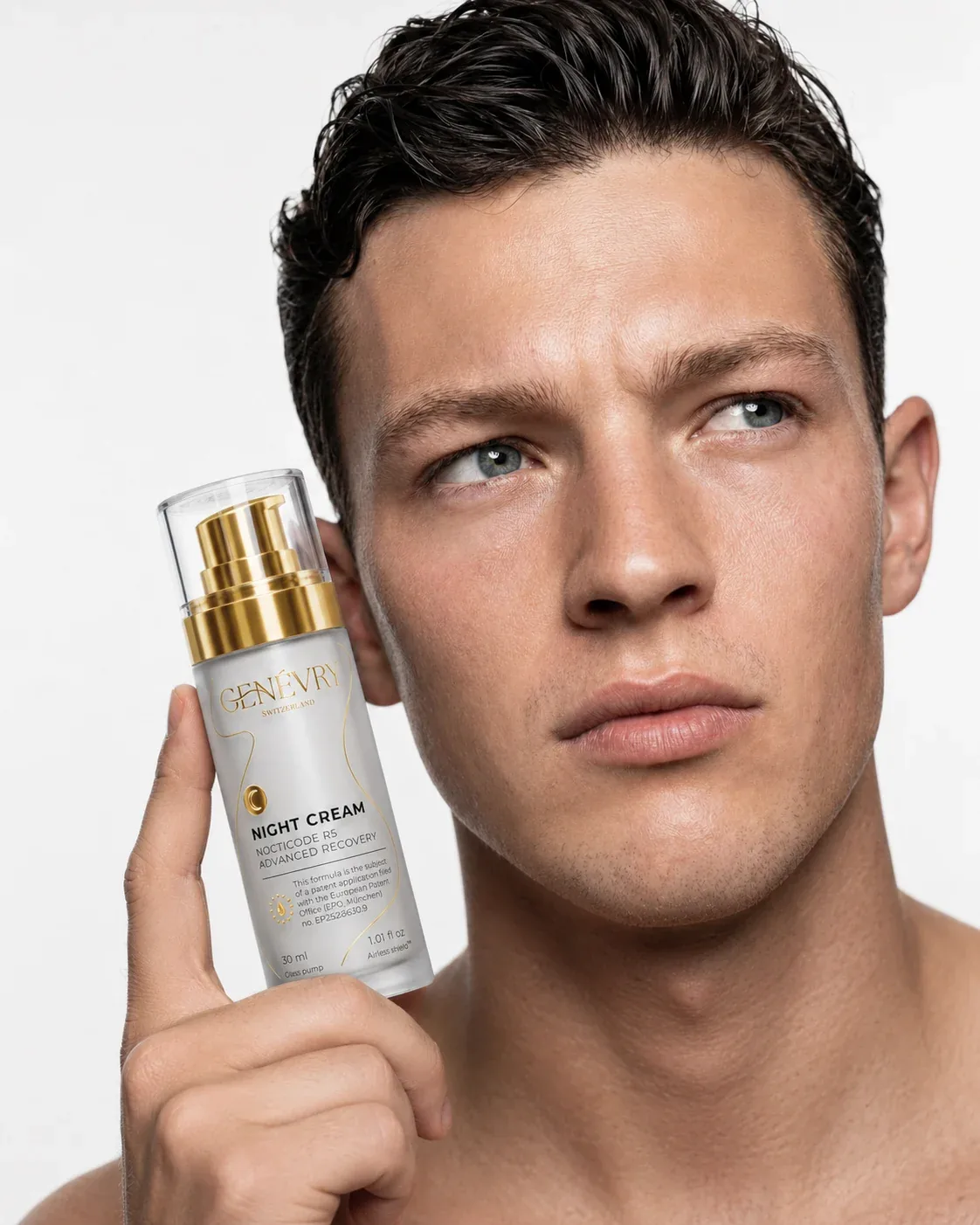
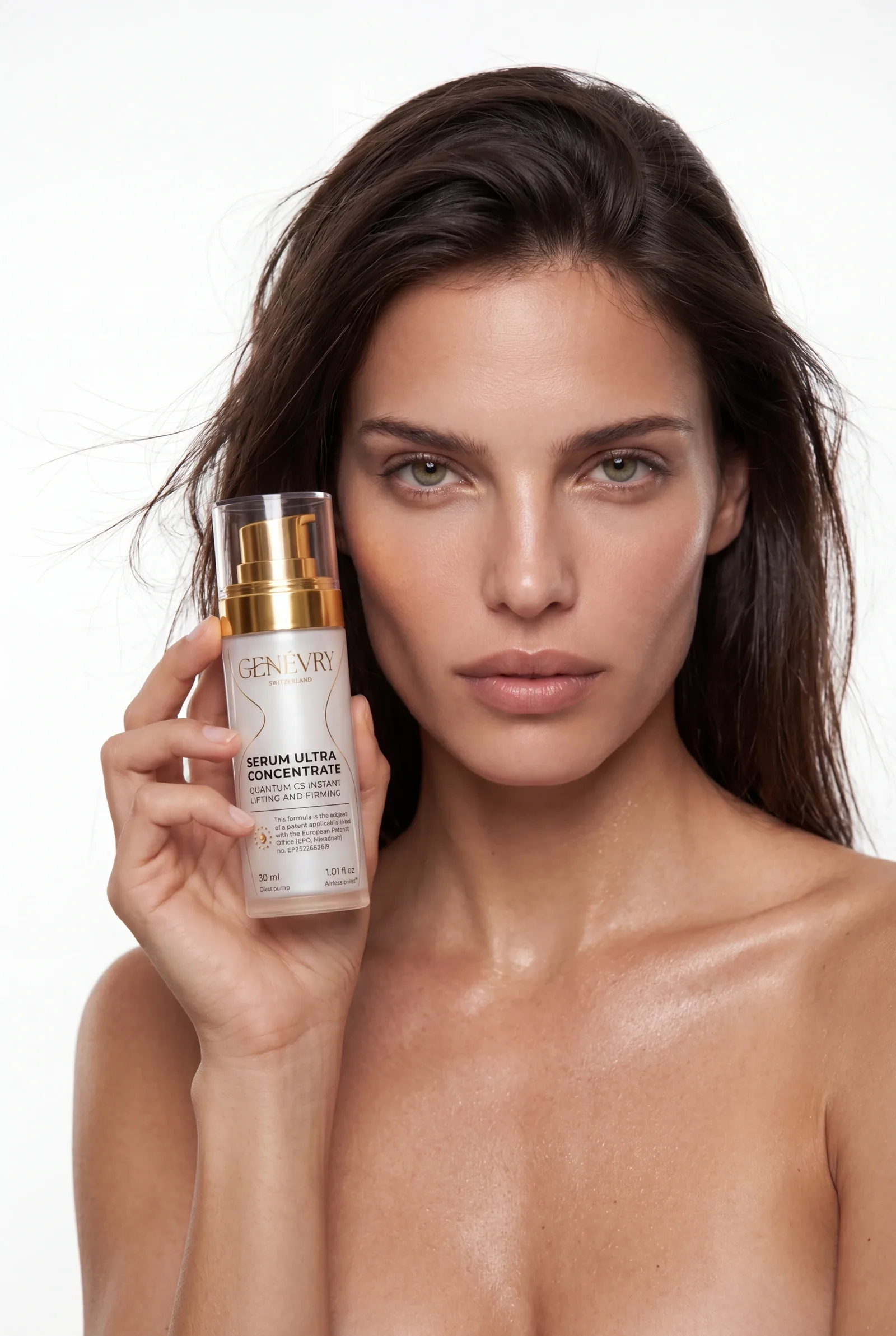
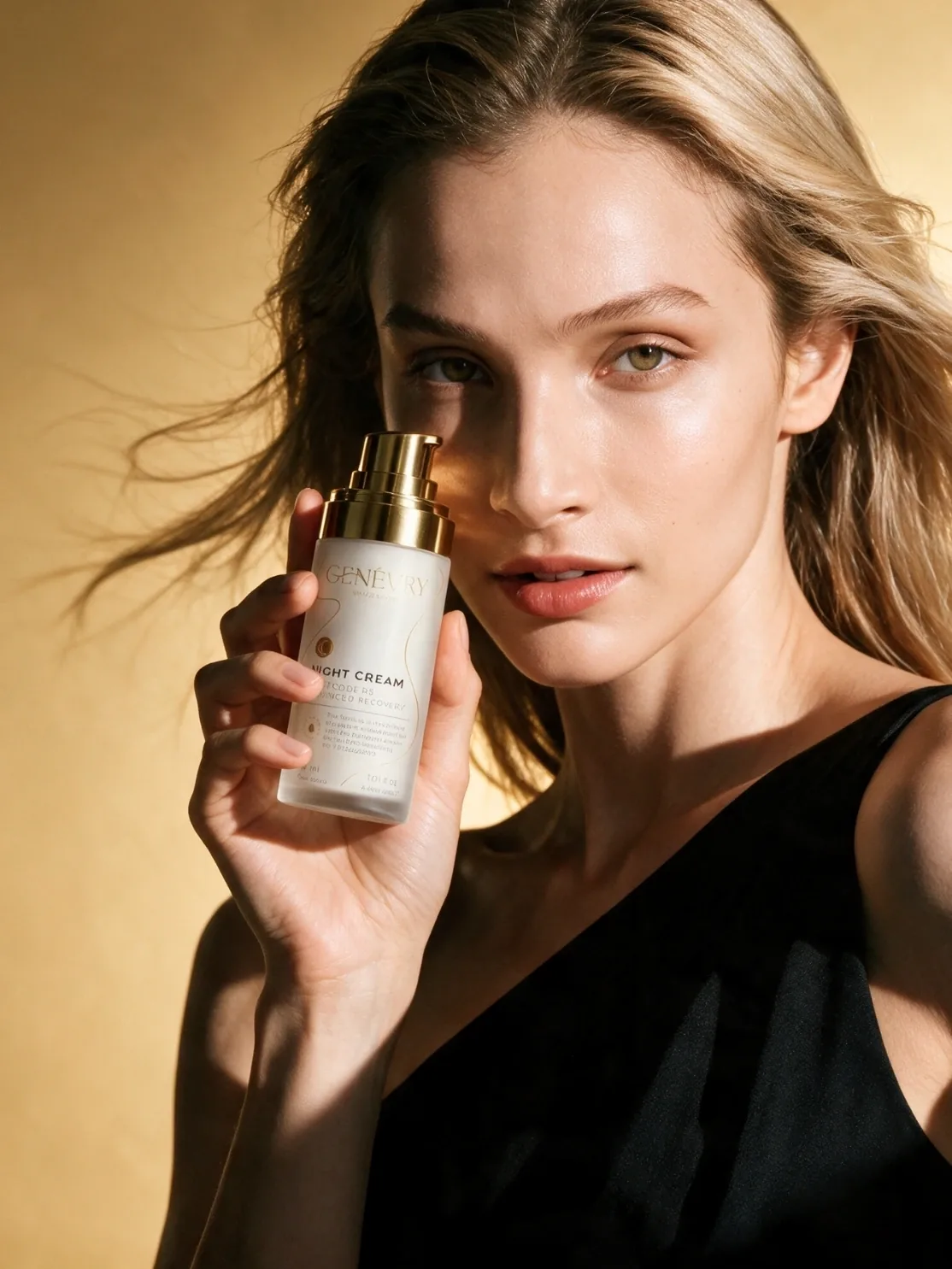
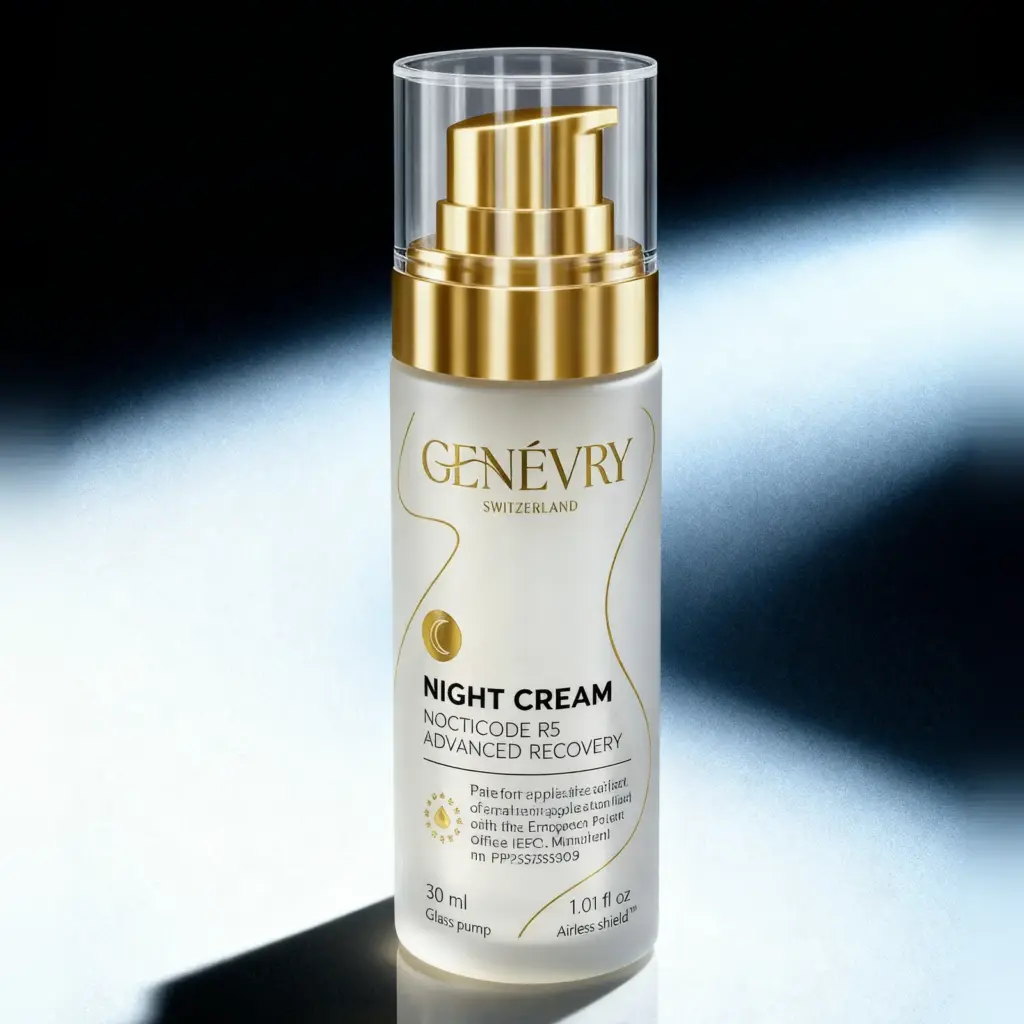
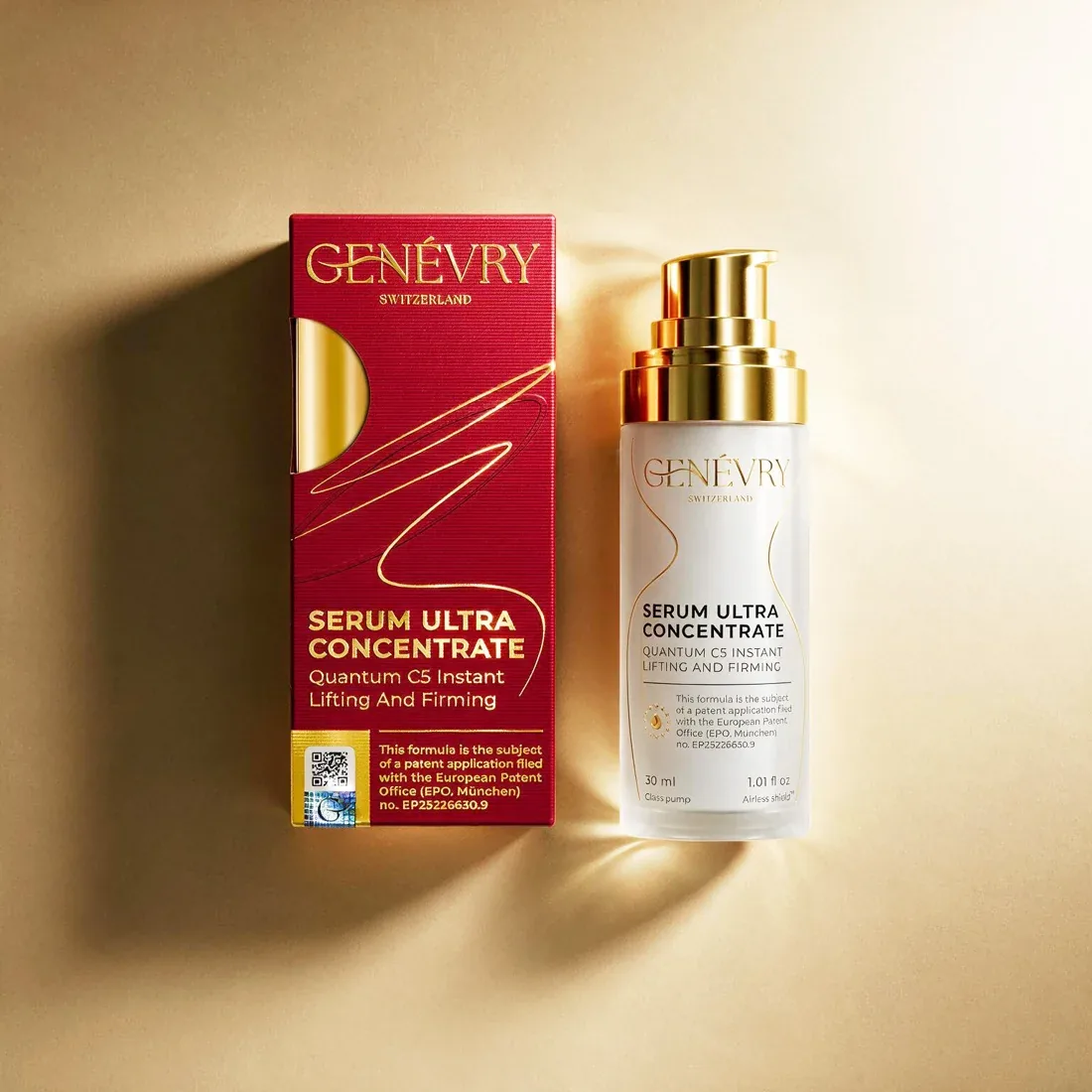
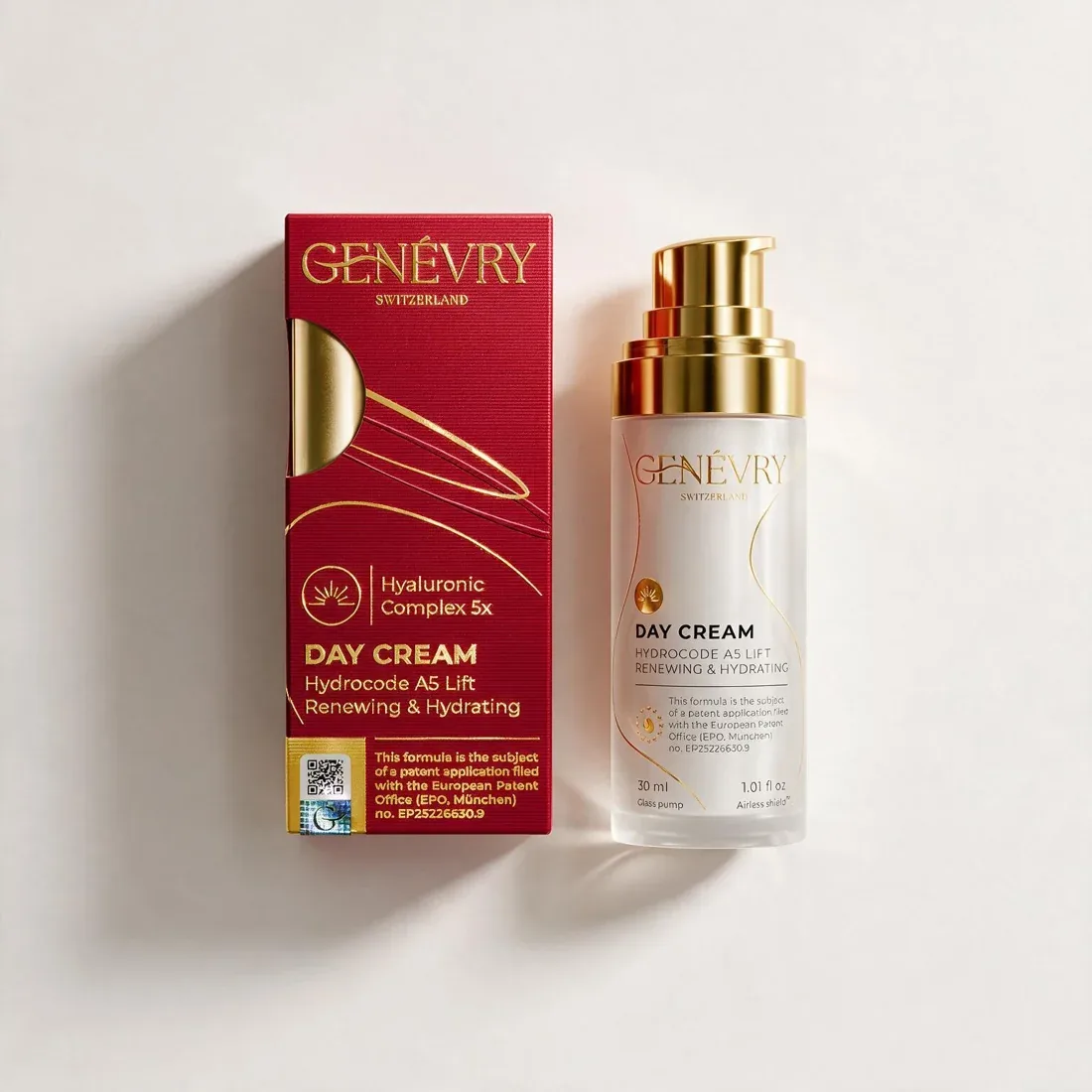
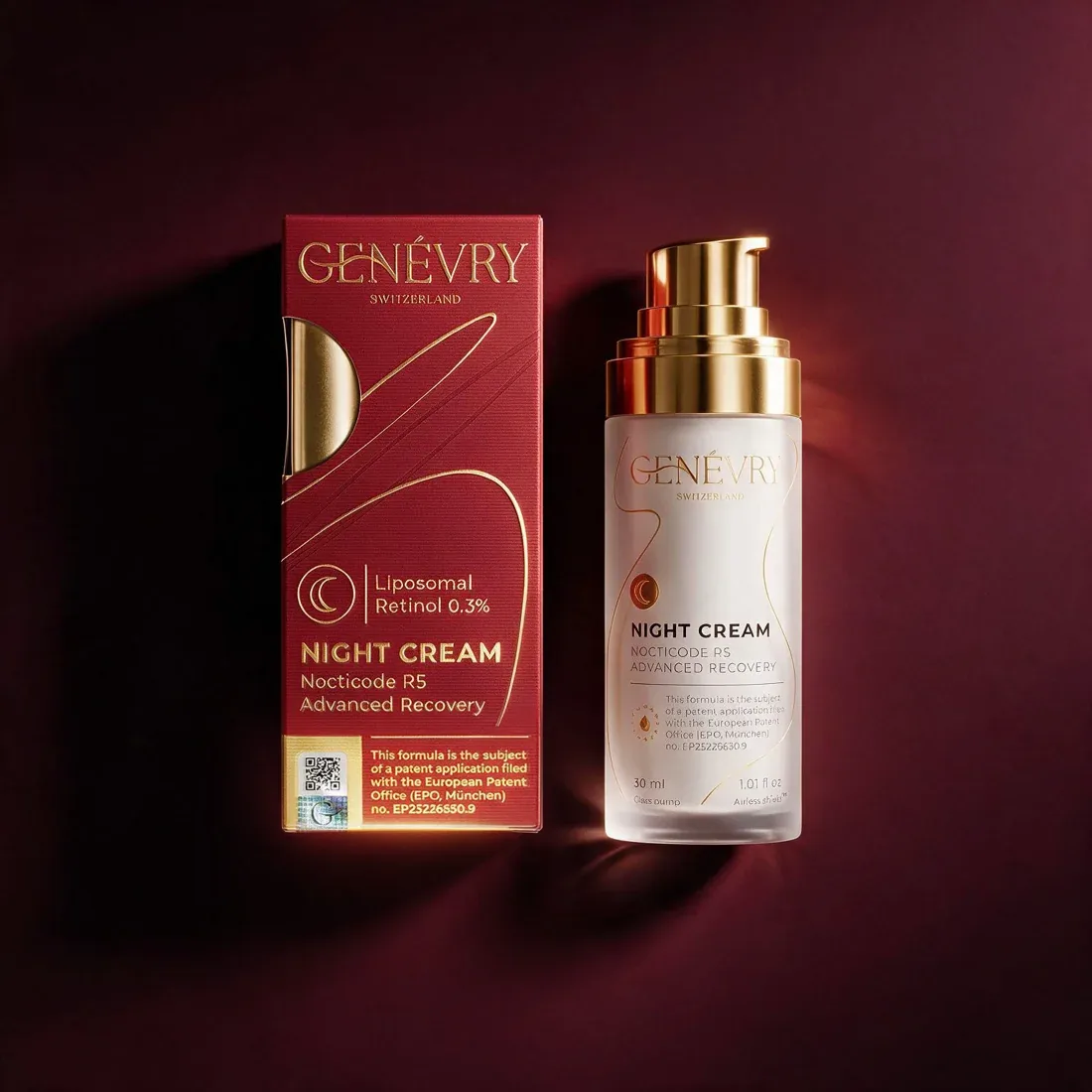
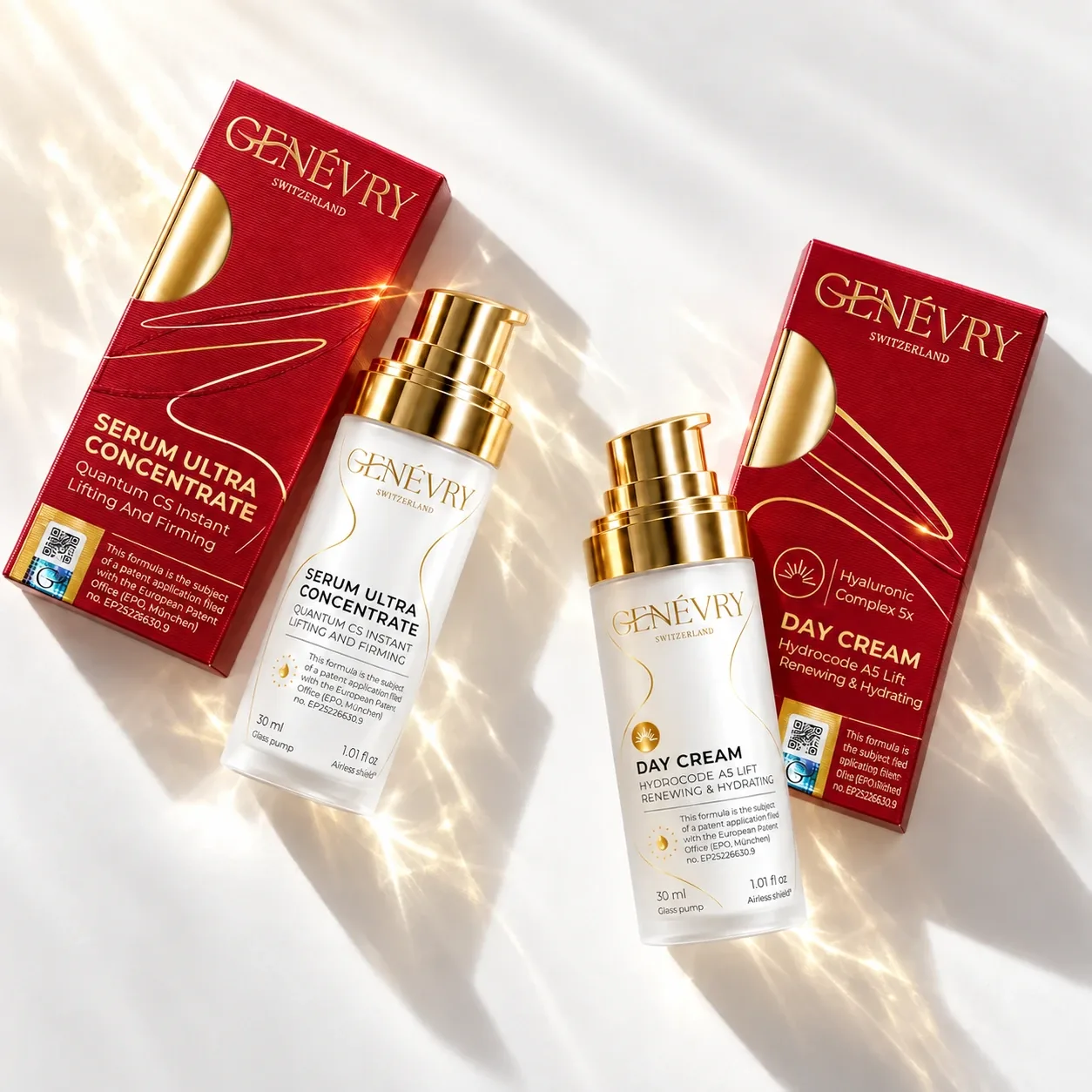
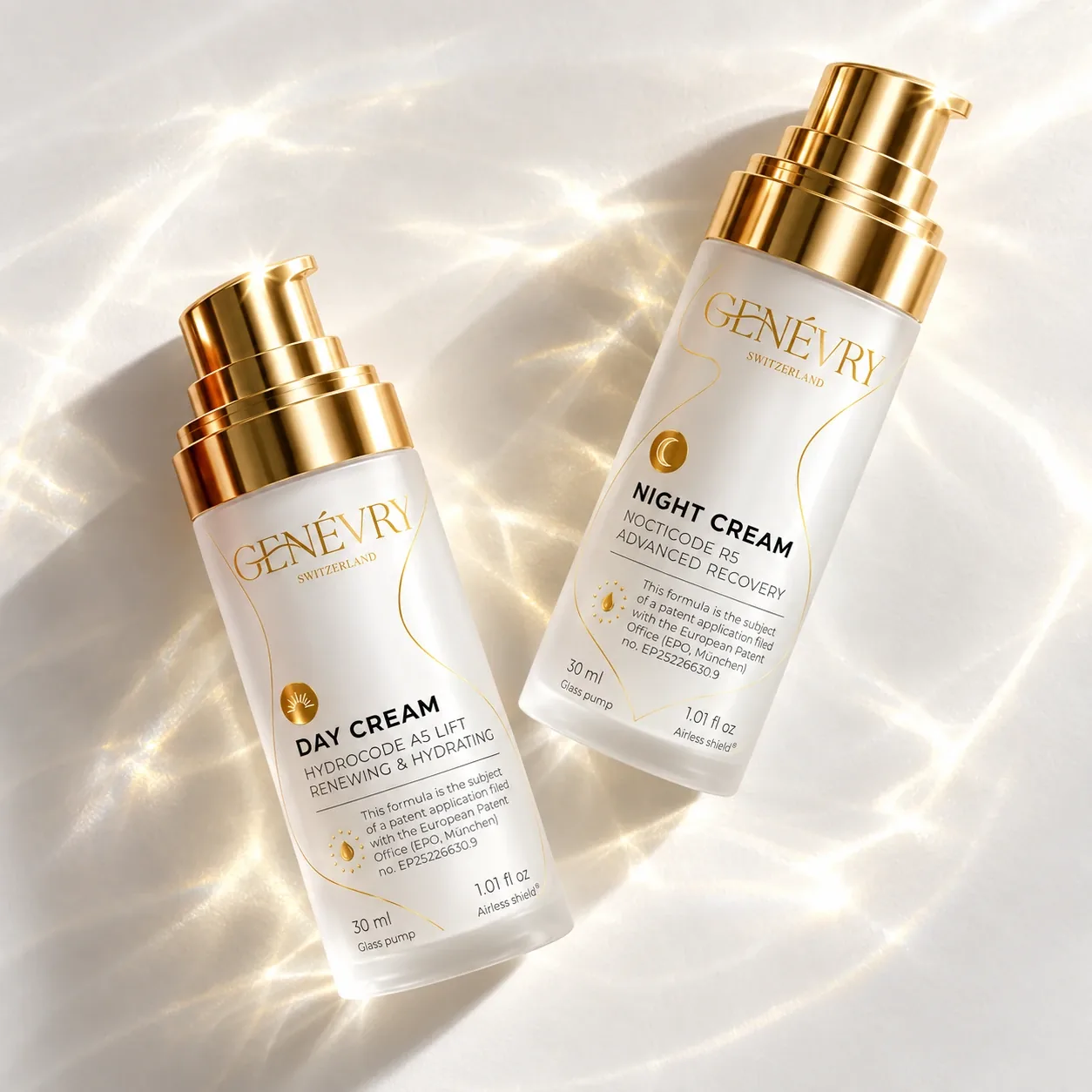
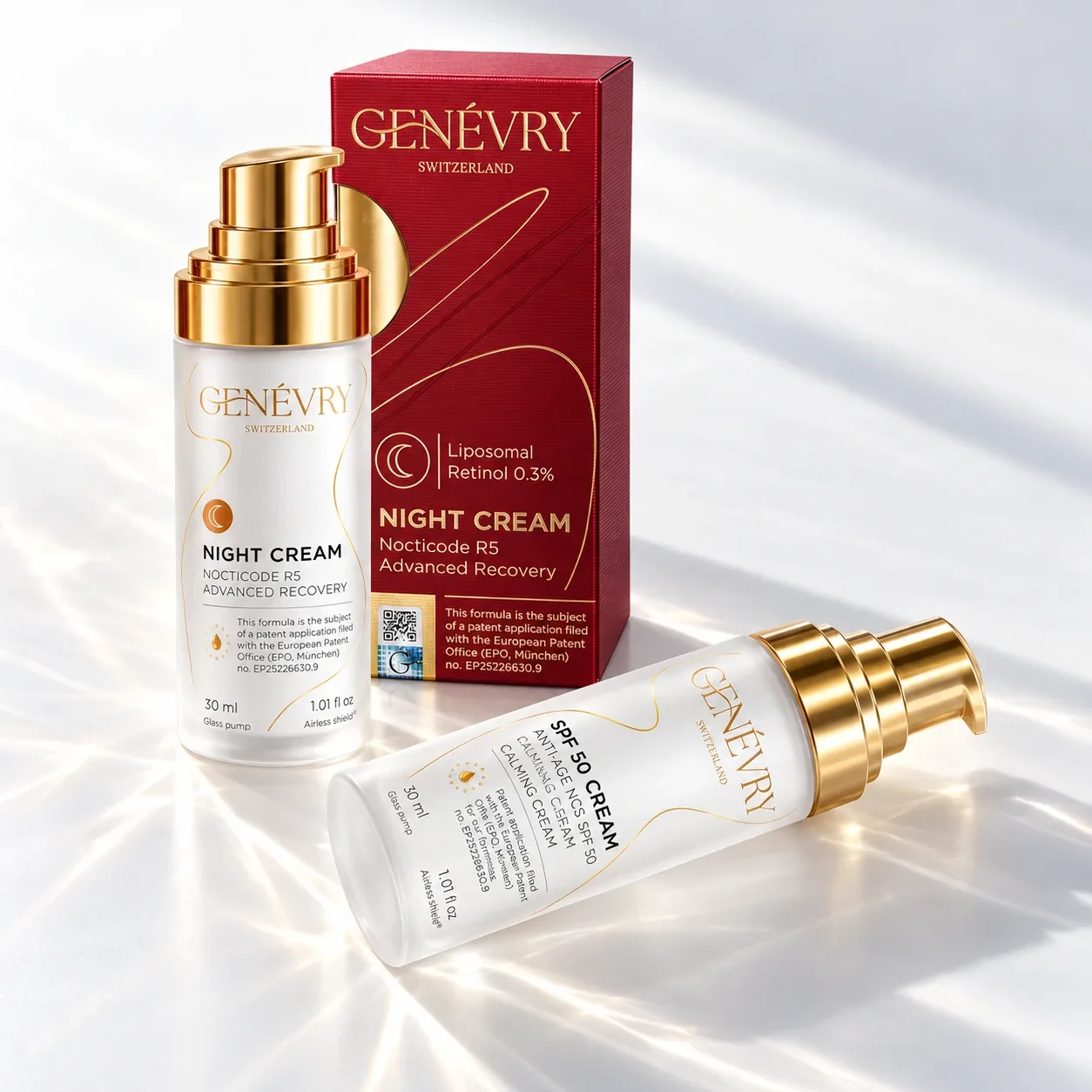
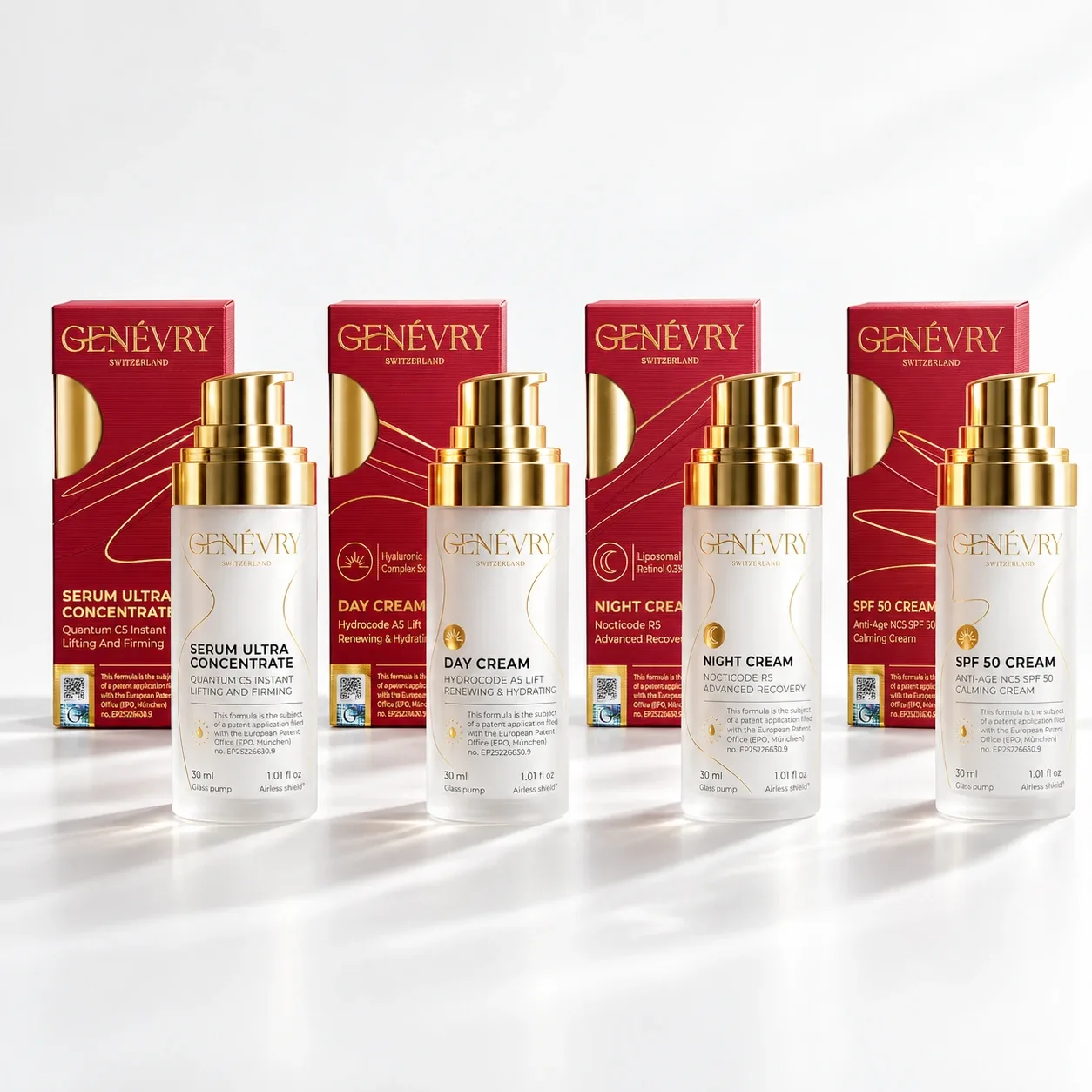
GENÉVRY formulas are built around other, well-documented actives and contain no exosomes. The Quantum C5 serum pairs the Copper Tripeptide-1 copper peptide with liposomal vitamin C, while the Nocticode R5 night cream works on 0.3% liposomal retinol. The formulation is covered by patent application EP25226630.9 — an application, not a granted patent. To bring evening and morning together in one box, The Day and Night Duo is the straightforward option.
The sequence stays classic: cleanse, water-based layer, serum, cream, SPF in the morning. A vesicle preparation replaces the serum or follows it — on its own, without stacking acids and retinol into the same evening. If you would rather follow ingredients with deeper research behind them, our entries on the Copper Tripeptide-1 copper peptide and on niacinamide are a better starting point.
Frequently asked questions
Do exosomes penetrate intact skin?
That remains an open question. A vesicle tens of nanometres across is large relative to the stratum corneum, and most clinical work followed microneedling or laser. A home product should not be expected to reproduce what procedure-based studies describe.
Is this the same as stem cells in a cream?
No. Stem cells themselves would not survive in a cosmetic and are not used in one. What the label refers to is vesicles or extracts obtained from a cell culture — material harvested from that culture, not living cells.
Are exosome products safe?
A cosmetic legally placed on the EU market has passed a safety assessment and been notified to the CPNP. The real risk sits with products bought outside that system, with no clear information about vesicle source or storage conditions.
How do I spot honest communication?
By a stated source for the vesicles, language that respects Regulation 655/2013, and no therapeutic promises. Phrases such as “cell repair” or “therapy” have no place on a cosmetic.
Is it worth waiting for better data?
If the budget is finite, sunscreen, a retinoid and a good antioxidant serum will do more. Exosomes are an interesting direction of research — for now still a direction rather than the backbone of a routine.
Exosomes in skincare are a good test of how we read a novelty: between a mechanism described in a laboratory and a difference visible in the mirror lies a long road that clinical studies have to walk. Science is walking it now — worth following with interest, and without hurry.
The formulas in this article
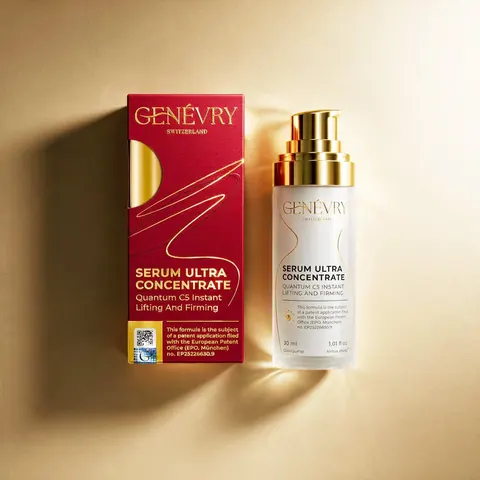 Quantum C5سيروم فائق التركيزAED 139Discover the formula →
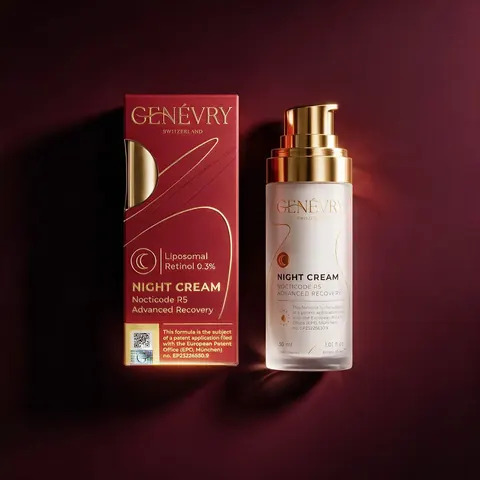 Nocticode R5كريم ليلي متطوّرAED 149Discover the formula →
Cosmetic product. Individual results may vary.

 English / EUR
 English (US) / USD
 English (UK) / GBP
 Deutsch / EUR
 Deutsch (Schweiz) / CHF
 Français / EUR
 Italiano / EUR
 Español / EUR
 Nederlands / EUR
 Polski / PLN
 日本語 / JPY
 한국어 / KRW
 中文 / CNY
 العربية / AED
 English (Australia) / AUD
 English (Canada) / CAD
 Svenska / SEK
 Dansk / DKK
 Norsk / NOK
 Suomi / EUR
 Português / EUR
 Türkçe / TRY
 Čeština / CZK
 Magyar / HUF
 Română / RON
 Ελληνικά / EUR
 Slovenčina / EUR
 Hrvatski / EUR
 Slovenščina / EUR
 Lietuvių / EUR
 Latviešu / EUR
 Eesti / EUR
 Български / EUR
 Українська / EUR